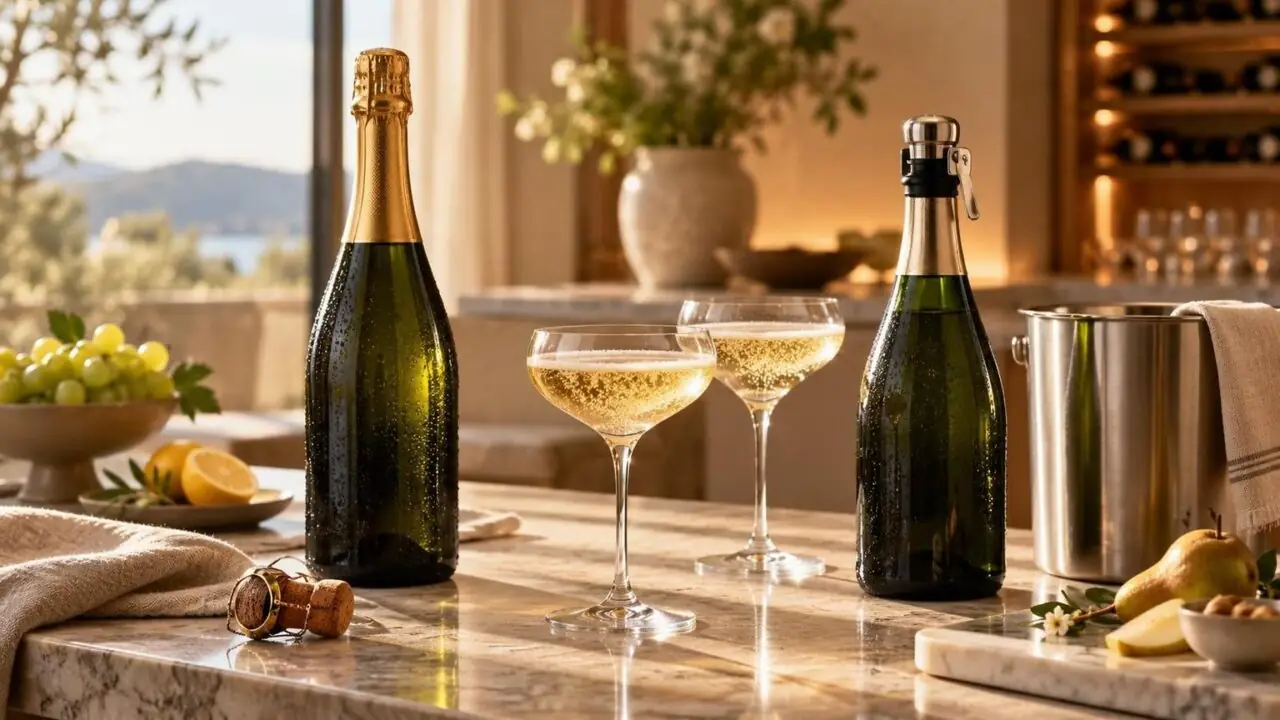
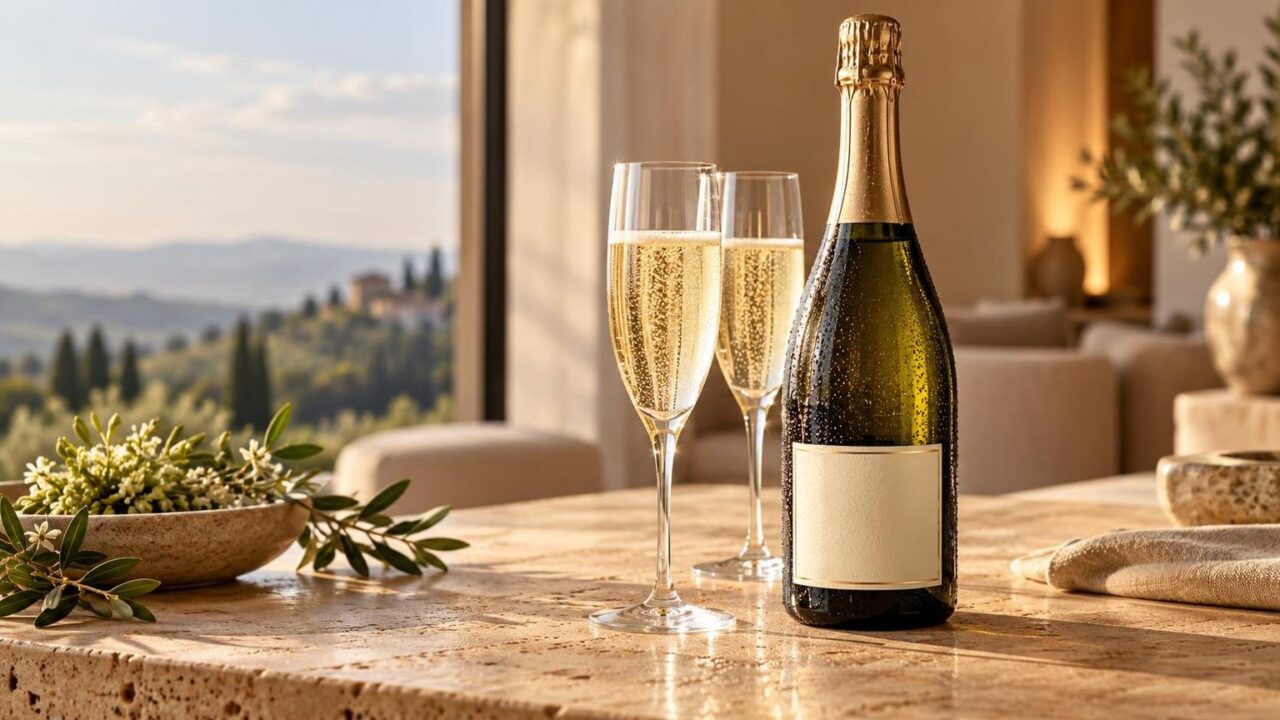
The alcohol percentage in prosecco is typically 11%–12% alcohol by volume (ABV), although the exact strength varies by bottle.
Check the label for its stated ABV: a 5-ounce serving at 12% contains approximately 14 grams of pure alcohol, equivalent to one US standard drink.
Sweetness terms such as Brut and Extra Dry describe residual sugar, not alcohol strength; Extra Dry actually tastes sweeter than Brut.
This guide explains how to read prosecco labels, calculate alcohol per serving, and compare bottles without confusing sweetness, bubble intensity, or pour size with alcohol content.
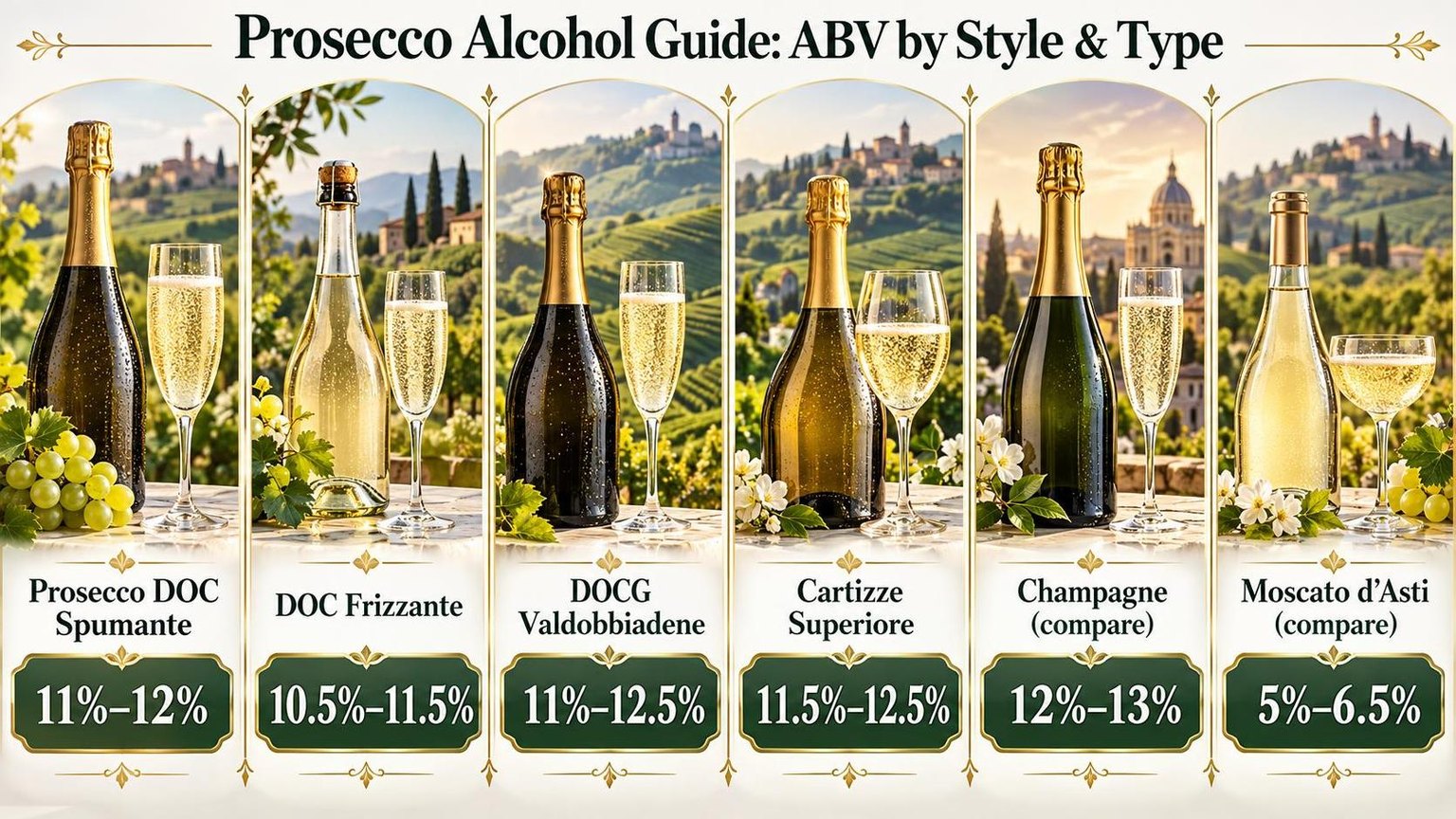
Typical Alcohol Percentage in Prosecco
Prosecco typically ranges from 11% to 12.5% ABV (alcohol by volume). This places it slightly below most Champagnes and on par with many other light-bodied white wines. The exact percentage depends on the style, producer, and residual sugar level.
The Prosecco DOC and DOCG regulations set minimum alcohol requirements that producers must meet for certification.
| Prosecco Style | Typical ABV Range | Minimum ABV (Regulation) |
| Prosecco DOC Spumante | 11%–12% | 11% |
| Prosecco DOC Frizzante | 10.5%–11.5% | 10.5% |
| Conegliano Valdobbiadene DOCG | 11%–12.5% | 11% |
| Asolo Prosecco DOCG | 11%–12.5% | 11% |
| Cartizze DOCG (Superiore) | 11.5%–12.5% | 11.5% |
Why Prosecco Stays Lower in Alcohol
Glera grapes—comprising at least 85% of any Prosecco blend—naturally produce moderate sugar levels at harvest.
Cooler vineyard sites in the Veneto and Friuli Venezia Giulia regions limit sugar accumulation, keeping potential alcohol lower.
The Charmat (Martinotti) method also plays a role. Secondary fermentation occurs in pressurized steel tanks over 30 days minimum for DOC, preserving freshness rather than building alcohol concentration.
How Sweetness Levels Affect ABV
Residual sugar influences the final alcohol reading. Drier styles ferment more sugar into alcohol, while sweeter versions retain sugar, sometimes resulting in marginally lower ABV.
| Sweetness Category | Residual Sugar (g/L) | Common ABV |
| Brut Nature | 0–3 | 11.5%–12.5% |
| Extra Brut | 0–6 | 11.5%–12% |
| Brut | 0–12 | 11%–12% |
| Extra Dry | 12–17 | 11%–11.5% |
| Dry (Sec) | 17–32 | 11%–11.5% |
Extra Dry remains the most popular Prosecco style globally, typically landing at 11% to 11.5% ABV with 12–17 g/L residual sugar.
Prosecco vs. Other Sparkling Wines
- Champagne: 12%–13% ABV — higher due to extended lees aging and riper base wines
- Cava: 11.5%–12.5% ABV — comparable to Prosecco
- Moscato d’Asti: 5%–6.5% ABV — significantly lower
- Crémant d’Alsace: 11.5%–13% ABV — slightly higher on average
Prosecco’s moderate alcohol content makes it one of the more sessionable sparkling wines. Check the label—every bottle states the exact ABV, which can vary by 0.5% or more between producers within the same category.
Prosecco DOC and DOCG Alcohol Requirements
Italian wine law sets precise minimum alcohol levels for every Prosecco designation. These requirements differ between DOC and DOCG classifications and vary further by style—spumante, frizzante, or tranquillo (still).
Minimum Alcohol by Designation
The Prosecco DOC disciplinare, regulated by the Consorzio di Tutela, mandates distinct minimums depending on the wine’s carbonation style.
| Designation | Style | Minimum ABV |
| Prosecco DOC | Spumante | 11.0% |
| Prosecco DOC | Frizzante | 10.5% |
| Prosecco DOC | Tranquillo (still) | 10.5% |
| Conegliano Valdobbiadene DOCG | Spumante | 11.0% |
| Conegliano Valdobbiadene DOCG | Superiore Rive | 11.5% |
| Asolo Prosecco DOCG | Spumante | 11.0% |
| Cartizze DOCG | Superiore | 11.5% |
Why DOCG Minimums Run Higher
DOCG vineyards sit on steep hillsides in Treviso province at 100–500 meters elevation.
Lower yields—a maximum of 13.5 tonnes per hectare for Conegliano Valdobbiadene versus 18 tonnes for DOC—concentrate sugars and produce riper Glera grapes.
The Rive and Cartizze sub-zones impose even stricter yield caps of 13 and 12 tonnes per hectare respectively. Greater grape concentration translates directly to higher potential alcohol before dosage.
Total vs. Actual Alcohol
Italian regulations distinguish between actual alcohol (ethanol present) and total alcohol, which adds the potential alcohol locked in residual sugar.
A Prosecco DOC Brut at 11.5% actual ABV with 8 g/L residual sugar carries roughly 12.0% total alcohol.
- Brut Nature / Zero: actual and total alcohol nearly identical (0–3 g/L RS)
- Extra Dry: 12–17 g/L RS adds approximately 0.6–1.0% potential alcohol
- Dry (Sec): 17–32 g/L RS can add up to 1.9% potential alcohol
Labels display actual alcohol, rounded to the nearest 0.5%. Producers must stay within ±0.5% of the declared figure under EU Regulation 1169/2011.
Checking both the designation and sweetness level gives the most accurate picture of a Prosecco’s real strength.
How Fermentation Determines Prosecco Alcohol Content
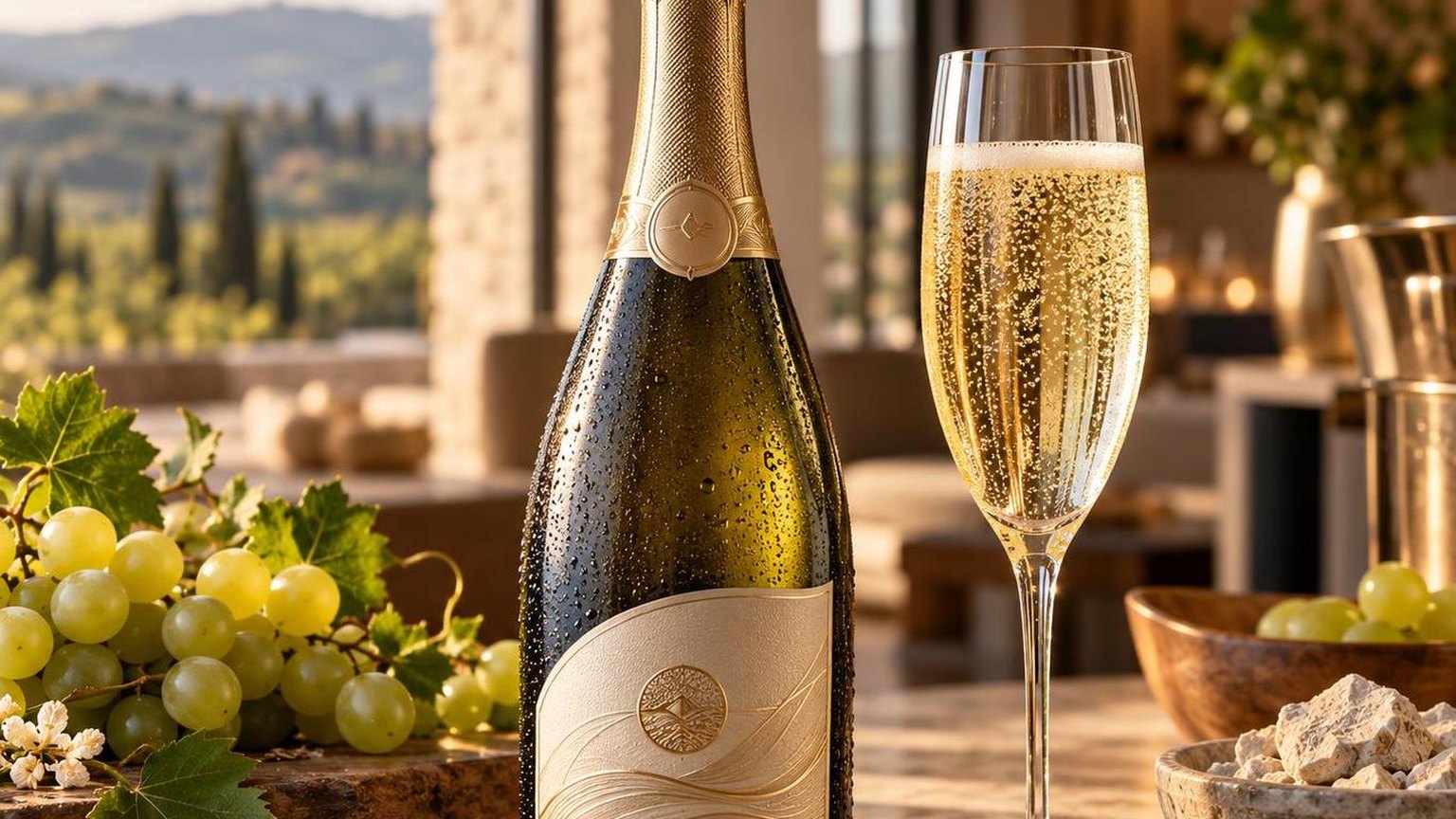
Prosecco’s alcohol level is a direct product of two sequential fermentations. The Charmat method (tank method) gives winemakers precise control over sugar-to-alcohol conversion, typically yielding wines between 11% and 12.5% ABV.
Primary Fermentation
Glera grapes are pressed and fermented in stainless steel tanks at 18–20°C. Yeast converts grape sugars into ethanol and CO₂. This first fermentation produces a still base wine reaching roughly 9–10.5% ABV.
The base wine’s alcohol level depends on grape ripeness at harvest. Glera grown in the Conegliano Valdobbiadene DOCG hills typically reaches 10.5–11.5° Brix higher than lowland fruit, affecting final conversion potential.
Secondary Fermentation (Presa di Spuma)
The base wine is transferred to pressurized autoclaves. A measured dose of tirage liqueur—containing 20–25 g/L of sucrose and selected yeasts—triggers the second fermentation, adding approximately 1–1.5% ABV.
This secondary fermentation lasts a minimum of 30 days under Prosecco DOC regulations. Superior DOCG Riva di Manzano and Cartizze bottlings often extend this to 60–90 days for finer bead and aromatic complexity.
Alcohol by Prosecco Category
| Category | Minimum ABV | Typical ABV Range |
| Prosecco DOC Spumante | 11.0% | 11.0–12.0% |
| Prosecco DOCG Spumante | 11.0% | 11.0–12.5% |
| Prosecco DOC Frizzante | 10.5% | 10.5–11.5% |
| Prosecco Col Fondo (Sur Lie) | 11.0% | 11.0–12.0% |
Key Factors Controlling Final ABV
- Sugar dosage in tirage: Each 4 g/L of sugar fermented adds roughly 0.25% ABV.
- Fermentation temperature: Autoclaves held at 15–18°C slow yeast activity, preserving Glera’s floral esters while limiting alcohol climb.
- Residual sugar: Brut Nature finishes below 3 g/L residual sugar, converting nearly all added sugar to alcohol. Extra Dry retains 12–17 g/L, slightly lowering ABV compared to Brut from the same base wine.
- Yeast strain selection: Producers commonly use Saccharomyces bayanus, which tolerates pressure up to 6 atmospheres and ferments cleanly at lower temperatures.
Winemakers balance these variables to keep Prosecco’s alcohol moderate—a defining trait that separates it from traditional-method sparkling wines like Champagne, which typically reaches 12–12.5% ABV.
Does Sweeter Prosecco Contain Less Alcohol
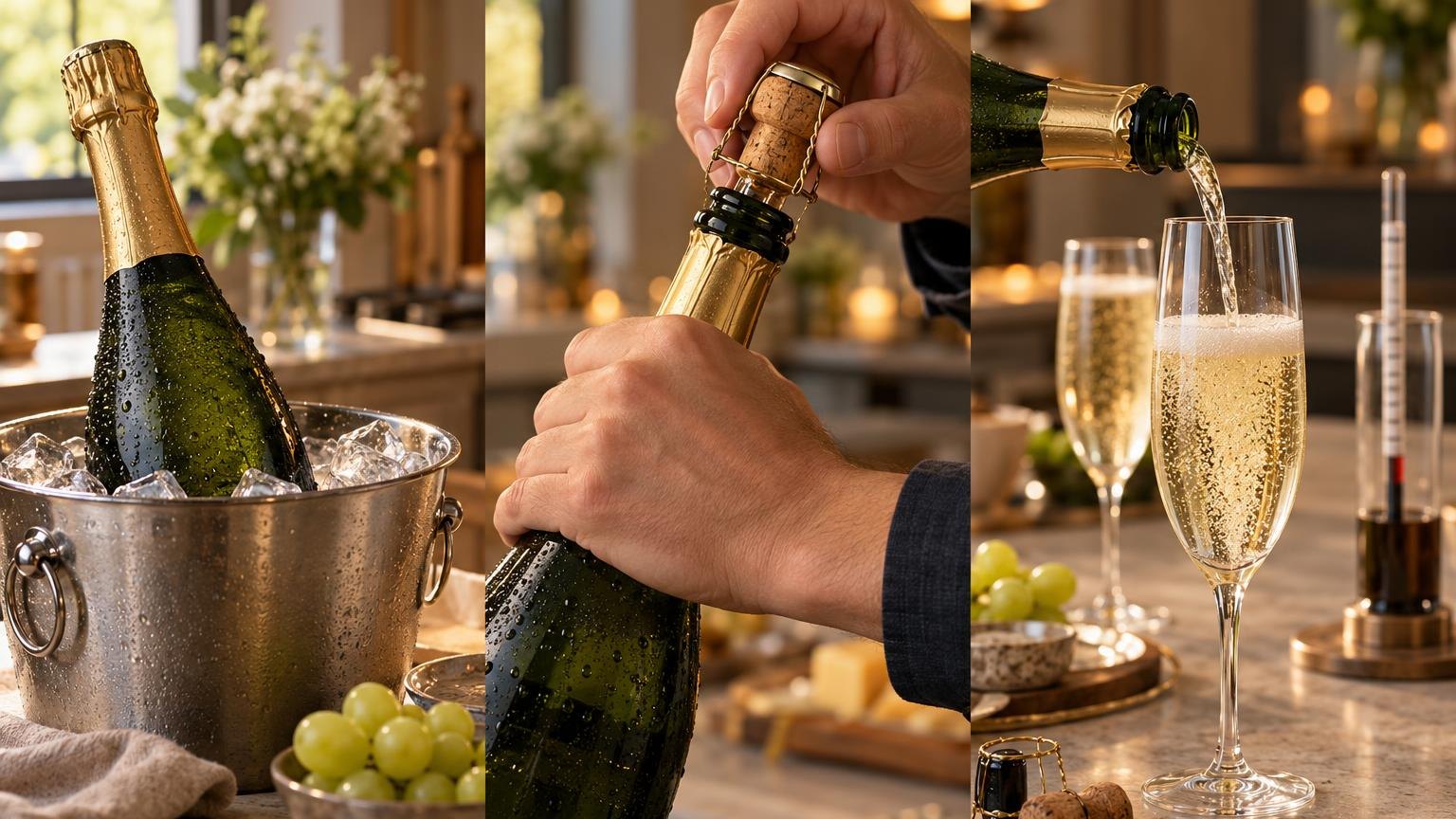
Sweeter Prosecco styles generally contain slightly less alcohol than their drier counterparts. Residual sugar left after fermentation represents grape sugar that was not converted into alcohol, directly reducing the final ABV.
Prosecco’s sweetness levels are defined by the EU’s residual sugar classifications. Each category carries a distinct sugar range that influences alcohol content.
| Sweetness Level | Residual Sugar (g/L) | Typical ABV |
| Brut Nature | 0–3 | 11.5–12.5% |
| Extra Brut | 0–6 | 11.5–12.5% |
| Brut | 0–12 | 11–12% |
| Extra Dry | 12–17 | 11–11.5% |
| Dry (Sec) | 17–32 | 10.5–11.5% |
| Demi-Sec | 32–50 | 10.5–11% |
The relationship is straightforward: roughly 16.83 grams of sugar per liter converts into 1% alcohol by volume during fermentation. More residual sugar means less conversion occurred.
Why the Difference Is Modest
Despite ranging from 0 to 50 g/L in sugar, the ABV gap between Brut and Demi-Sec Prosecco typically spans only 0.5–1.5 percentage points. The total sugar in grapes at harvest dwarfs the residual amount.
Glera grapes harvested for Prosecco DOC typically reach 10.5–12% potential alcohol. The Charmat method fermentation consumes most available sugar regardless of the target sweetness category.
Key Factors Beyond Sugar
- Harvest timing: Later-picked Glera grapes accumulate more sugar, potentially raising both sweetness and alcohol simultaneously.
- Arrested fermentation: Producers create sweeter styles by stopping fermentation early via chilling, which preserves sugar while limiting alcohol production.
- Dosage: Some producers add a small liqueur d’expédition after fermentation, raising sugar without affecting the alcohol already produced.
Prosecco DOC regulations mandate a minimum of 9% ABV across all sweetness levels. The legal maximum is 13% ABV. Most bottles on the market fall between 11% and 12% regardless of category.
Choosing a Demi-Sec over a Brut to reduce alcohol intake yields minimal benefit — roughly one fewer gram of alcohol per standard 150 mL pour. The caloric difference from added sugar often offsets any perceived advantage.
Prosecco Alcohol Compared With Other Wines
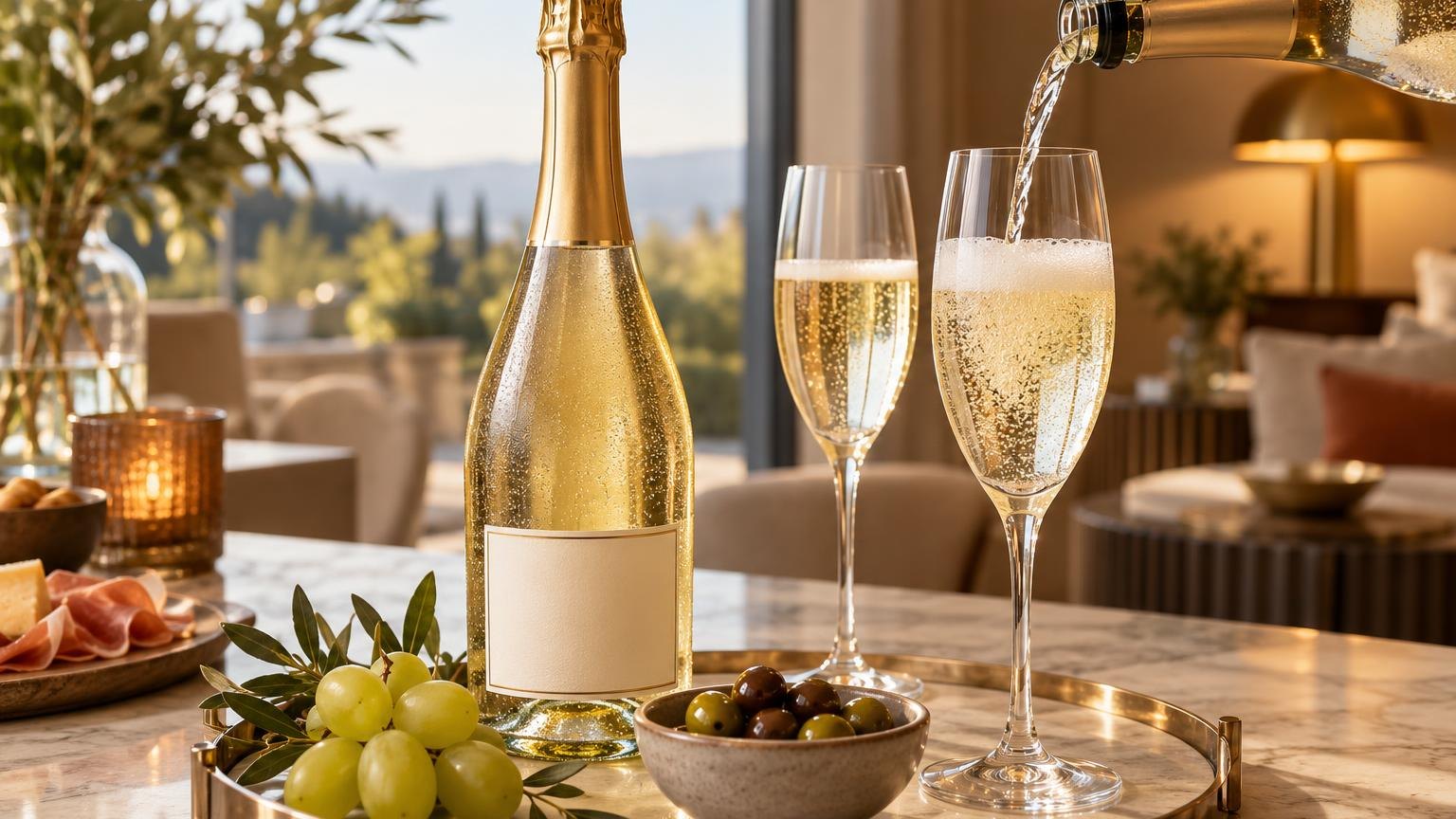
Prosecco sits in the lower-to-middle range of wine alcohol levels, typically between 11% and 12.5% ABV. This makes it lighter than most still reds and comparable to other popular sparkling wines, though notable differences exist across categories.
ABV Comparison Table
| Wine Type | Typical ABV Range |
| Moscato d’Asti | 5.0%–6.5% |
| Prosecco DOC | 10.5%–12.0% |
| Prosecco DOCG (Conegliano-Valdobbiadene) | 11.0%–12.5% |
| Champagne | 12.0%–13.0% |
| Cava | 11.5%–12.5% |
| Crémant d’Alsace | 11.5%–13.0% |
| Pinot Grigio (Italy) | 11.5%–13.0% |
| Sauvignon Blanc (NZ) | 12.5%–14.0% |
| California Chardonnay | 13.5%–15.0% |
| Cabernet Sauvignon (Napa) | 14.0%–15.5% |
| Amarone della Valpolicella | 15.0%–17.0% |
Key Takeaways From the Numbers
Prosecco averages about 1% ABV less than Champagne. That gap stems from production method and grape variety — Glera grapes accumulate less sugar than Chardonnay and Pinot Noir used in Champagne.
Cava from Spain lands closest to Prosecco in alcohol content. Both wines ferment at controlled temperatures that preserve freshness rather than maximize alcohol extraction.
Compared with full-bodied still wines, the difference is stark. A 15% Napa Cabernet Sauvignon contains roughly 30%–40% more alcohol per glass than a standard 11% Prosecco DOC.
Why Prosecco Stays Lower in Alcohol
- Glera grape genetics: Glera naturally produces moderate sugar levels at harvest, typically 16–19° Brix, limiting potential alcohol.
- Tank method (Charmat): Secondary fermentation occurs in pressurized steel tanks over 30–90 days, shorter than Champagne’s minimum 15 months on lees, preserving fruit character over alcohol complexity.
- Harvest timing: Producers pick Glera before full physiological ripeness to retain the acidity and aromatic freshness that define the style.
- Residual sugar: Prosecco Brut retains up to 12 g/L of sugar, meaning not all grape sugar converts to alcohol during fermentation.
For drinkers seeking a lighter sparkling option without dropping to dessert-style Moscato, Prosecco delivers a genuine middle ground at 11%–12% ABV with lower caloric impact per serving.
Standard Drinks in a Prosecco Pour
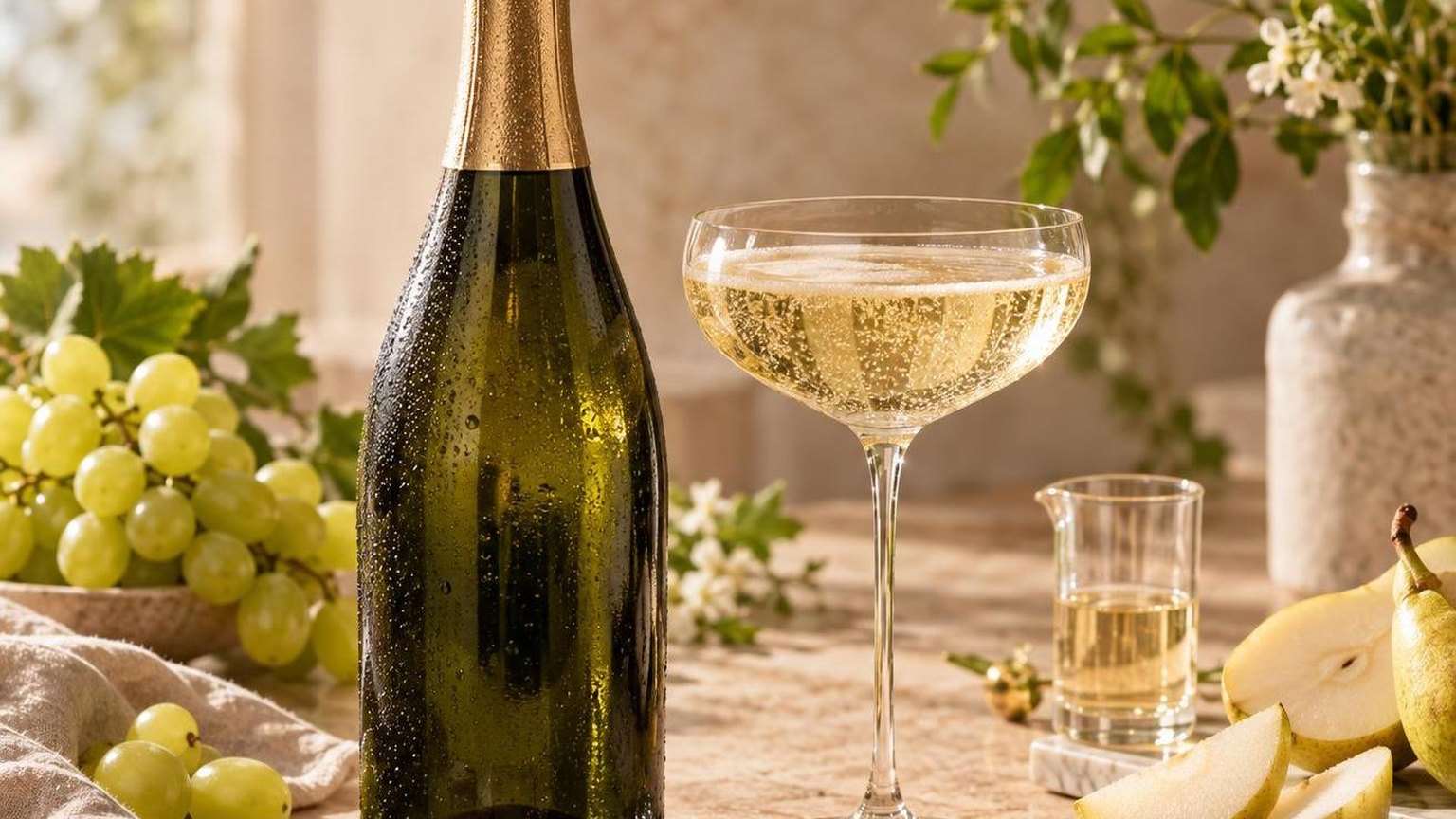
A “standard drink” varies by country, making Prosecco’s alcohol impact surprisingly different depending on where you’re drinking. In the US, one standard drink contains 14 grams of pure alcohol.
A typical 5 oz (148 ml) glass of Prosecco at 11.5% ABV delivers approximately 0.9 standard US drinks.
Standard drink definitions differ significantly across major wine-consuming nations.
| Country | Standard Drink (grams of alcohol) | 5 oz Prosecco at 11.5% ABV |
| United States | 14 g | 0.9 standard drinks |
| United Kingdom | 8 g (1 unit) | 1.6 units |
| Australia | 10 g | 1.3 standard drinks |
| Italy | 12 g | 1.1 standard drinks |
| Canada | 13.45 g | 1.0 standard drinks |
The formula is straightforward: volume in ml × ABV × 0.789 (density of ethanol) = grams of pure alcohol. For 148 ml at 11.5%: 148 × 0.115 × 0.789 = 13.4 g.
Pour Size Changes Everything
Restaurant and home pours rarely match the textbook 5 oz serving. Actual consumption often exceeds the standard measure.
| Pour Size | Volume | Alcohol (grams) at 11.5% ABV | US Standard Drinks |
| Tasting pour | 2 oz (60 ml) | 5.4 g | 0.4 |
| Standard pour | 5 oz (148 ml) | 13.4 g | 1.0 |
| Generous pour | 6 oz (177 ml) | 16.1 g | 1.1 |
| Full flute | 7 oz (207 ml) | 18.8 g | 1.3 |
| Full bottle (split between 2) | 12.7 oz (375 ml) | 34.1 g | 2.4 |
Why Prosecco Hits Differently
Carbonation accelerates alcohol absorption through the stomach lining. A 2007 study published in the British Medical Journal found that carbonated alcoholic drinks raised blood alcohol concentration faster than flat equivalents.
- CO₂ opens the pyloric sphincter, speeding gastric emptying into the small intestine where absorption is most efficient.
- A 150-lb person consuming two standard 5 oz glasses of Prosecco at 11.5% ABV reaches an estimated BAC of approximately 0.04–0.05% within 45 minutes on an empty stomach.
- Prosecco’s lower ABV compared to Champagne (12–12.5%) means roughly 8–13% less alcohol per identical pour.
Track actual pour volume, not glass count. A single overfilled flute can quietly deliver 1.3 US standard drinks — meaningful for anyone monitoring intake or planning to drive.
Reading ABV on a Prosecco Label
EU regulation (EC) No 607/2009 mandates that every Prosecco bottle display its actual alcohol by volume (ABV) on the front or back label.
The stated figure carries a legal tolerance of ±0.5%, meaning a bottle labeled 11.0% may contain anywhere from 10.5% to 11.5% ABV.
The ABV declaration typically appears near the bottom of the label, expressed as a percentage followed by “vol.” or “% vol.” This format is standardized across all EU wine labels.
Common ABV Figures by Prosecco Style
| Style | Typical Label ABV | Legal Minimum |
| Prosecco DOC Spumante | 11.0%–12.0% | 11.0% |
| Prosecco DOC Frizzante | 10.5%–11.5% | 10.5% |
| Conegliano Valdobbiadene DOCG | 11.0%–12.5% | 11.0% |
| Asolo Prosecco DOCG | 11.0%–12.5% | 11.0% |
| Prosecco DOC Tranquillo (still) | 10.5%–11.5% | 10.5% |
Key Details to Look For
- Denomination: DOC or DOCG status directly affects the minimum permitted ABV. DOCG wines require grapes with higher natural sugar at harvest.
- Dosage terms: “Brut” (0–12 g/L residual sugar), “Extra Dry” (12–17 g/L), and “Dry” (17–32 g/L) influence perceived sweetness but have minimal impact on the printed ABV.
- Vintage notation: A “Millesimato” label indicates single-vintage fruit, often from riper harvests that produce slightly higher alcohol—frequently 11.5% to 12.0%.
- Rive designation: Single-vineyard DOCG bottlings from specific hillside parcels tend to show 12.0%–12.5% on the label due to lower yields and concentrated fruit.
Cross-check ABV against the dosage category. A Prosecco labeled “Extra Dry” at 11.0% with 15 g/L residual sugar will taste noticeably sweeter than a “Brut” at 11.5% with 8 g/L residual sugar.
Producers occasionally round down within the legal tolerance. If a laboratory analysis shows 11.4%, the label may read 11.0%. This practice is common and fully compliant with EU labeling law.
Questions Readers Ask
What is the typical alcohol percentage in Prosecco?
Most Prosecco falls between 11% and 12.5% ABV (alcohol by volume).
Prosecco DOC regulations require a minimum of 10.5% ABV, while Prosecco Superiore DOCG from Conegliano Valdobbiadene typically sits at the higher end around 11.5–12.5% ABV due to stricter production standards and riper Glera grapes.
Is Prosecco lower in alcohol than Champagne?
Yes. Prosecco averages 11–12% ABV, while Champagne typically ranges from 12–12.5% ABV, with some prestige cuvées reaching 13%.
The difference stems from production method: Champagne undergoes a second fermentation in bottle (méthode traditionnelle) that adds approximately 1–1.5% more alcohol.
Whereas Prosecco’s second fermentation occurs in pressurized steel tanks via the Charmat method, producing a lighter-bodied wine.
Does Prosecco Brut have more alcohol than Prosecco Extra Dry?
Not necessarily. Brut and Extra Dry refer to residual sugar levels, not alcohol content. Brut Prosecco contains 0–12 g/L of residual sugar while Extra Dry contains 12–17 g/L, but both typically share the same 11–12% ABV range.
In some cases, Extra Dry may have marginally lower alcohol because more residual sugar means less sugar was converted to ethanol during fermentation.
How many units of alcohol are in a standard glass of Prosecco?
A 125 ml flute of Prosecco at 11.5% ABV contains approximately 1.4 UK alcohol units (calculated as volume in ml × ABV% ÷ 1,000). A full 750 ml bottle at 11.5% delivers roughly 8.6 units.
In the US measurement system, that same 125 ml glass equals about 0.9 standard drinks, where one standard drink is defined as 14 grams of pure alcohol.
Why do some Prosecco bottles show alcohol as low as 10.5%?
Prosecco DOC regulations set 10.5% ABV as the legal minimum, and some producers deliberately target this lower threshold by harvesting Glera grapes slightly earlier when sugar levels (measured in Brix) are lower.
Frizzante-style Prosecco, which has gentler bubbles and lower atmospheric pressure (1–2.5 bar versus 3–3.5 bar for Spumante), is more commonly bottled at this lower ABV because the lighter carbonation pairs well with a less alcoholic profile.
Does Prosecco Rosé have a different alcohol percentage than white Prosecco?
Prosecco DOC Rosé, officially permitted since 2020, must contain a minimum of 11% ABV—0.5% higher than the standard white Prosecco DOC minimum of 10.5%.
The blend requires 10–15% Pinot Nero alongside Glera, and Pinot Nero’s higher potential alcohol contributes to this slightly elevated floor. In practice, most Prosecco Rosé lands between 11% and 12% ABV.
How many calories does the alcohol in Prosecco contribute per glass?
Alcohol contains 7 calories per gram, making it the primary calorie source in Prosecco. A 125 ml glass at 11.5% ABV contains roughly 11.4 grams of pure ethanol, contributing about 80 calories from alcohol alone.
Add residual sugar calories (roughly 4–8 calories for a Brut), and a typical glass totals 85–90 calories—significantly fewer than a 125 ml glass of 14% ABV red wine, which runs approximately 105–110 calories.
Further Reading
- How Many Calories in a Bottle of Champagne? The Eye-Opening Truth You Must Know Before Your Next Celebration
- How Long Does Champagne Last Opened?
- How To Break A Champagne Bottle? – A Complete Safety-First Guide Based on Real Experience
- Alcohol Content in Champagne Explained
- Cava Vs Champagne: The Easiest Way to Distinguish
- What Is the Alcohol Percent of Champagne?
- What to Do with Leftover Champagne
- How Many Ounces Champagne Flute?
- How To Book Champagne Bar Eiffel Tower? – 12 Proven Tips for a Perfect Parisian Experience
- All Alcohol Guides
- EU Commission Delegated Regulation 2019/33 — wine labelling rules (2019)
- Consorzio di Tutela della Denominazione di Origine Controllata Prosecco — Production Specification (2020)
- TTB — Alcohol and Tobacco Tax and Trade Bureau, Beverage Alcohol Manual (2007)
- USDA FoodData Central — Alcoholic beverage, wine, table, white (2023)
- NIH / NIAAA — What Is a Standard Drink? (2023)
- CDC — Dietary Guidelines for Alcohol (2022)
- UC Davis Department of Viticulture and Enology — Sparkling Wine Production (2021)
- OIV — International Organisation of Vine and Wine, International Code of Oenological Practices (2022)
- Wine Institute — Wine Alcohol Content Table (2022)
- Decanter — Prosecco: everything you need to know (2023)