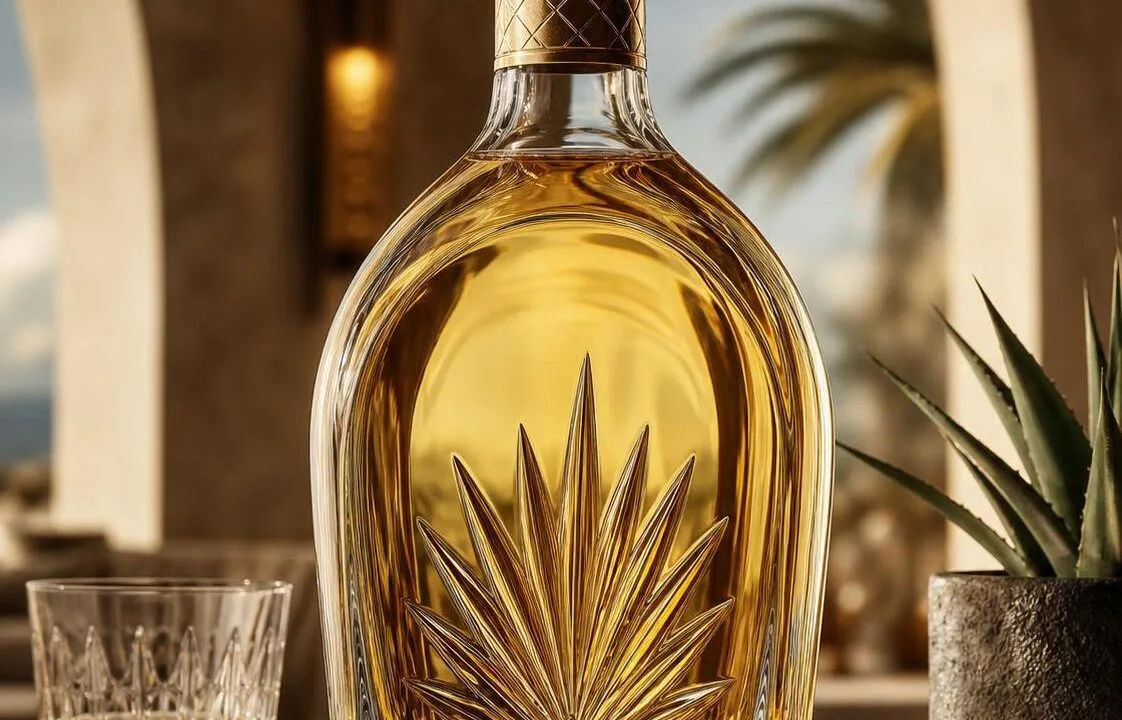
What Is A Big Bottle Of Tequila is a large-format tequila bottle, most commonly 1.75 liters in U.S. stores, equal to about 59.2 fluid ounces or nearly 39 standard 1.5-ounce pours.
Bars often call this size a “handle,” though tequila brands may also sell larger collector bottles.
In practice, “big bottle” depends on context: 750 milliliters is the standard bottle, 1 liter is common for hospitality, and 1.75 liters is the typical oversized retail format.
Premium tequila producers sometimes release 3-liter, 4.5-liter, or 6-liter bottles for display, gifting, or high-volume service.
Standard Big Tequila Bottle Size
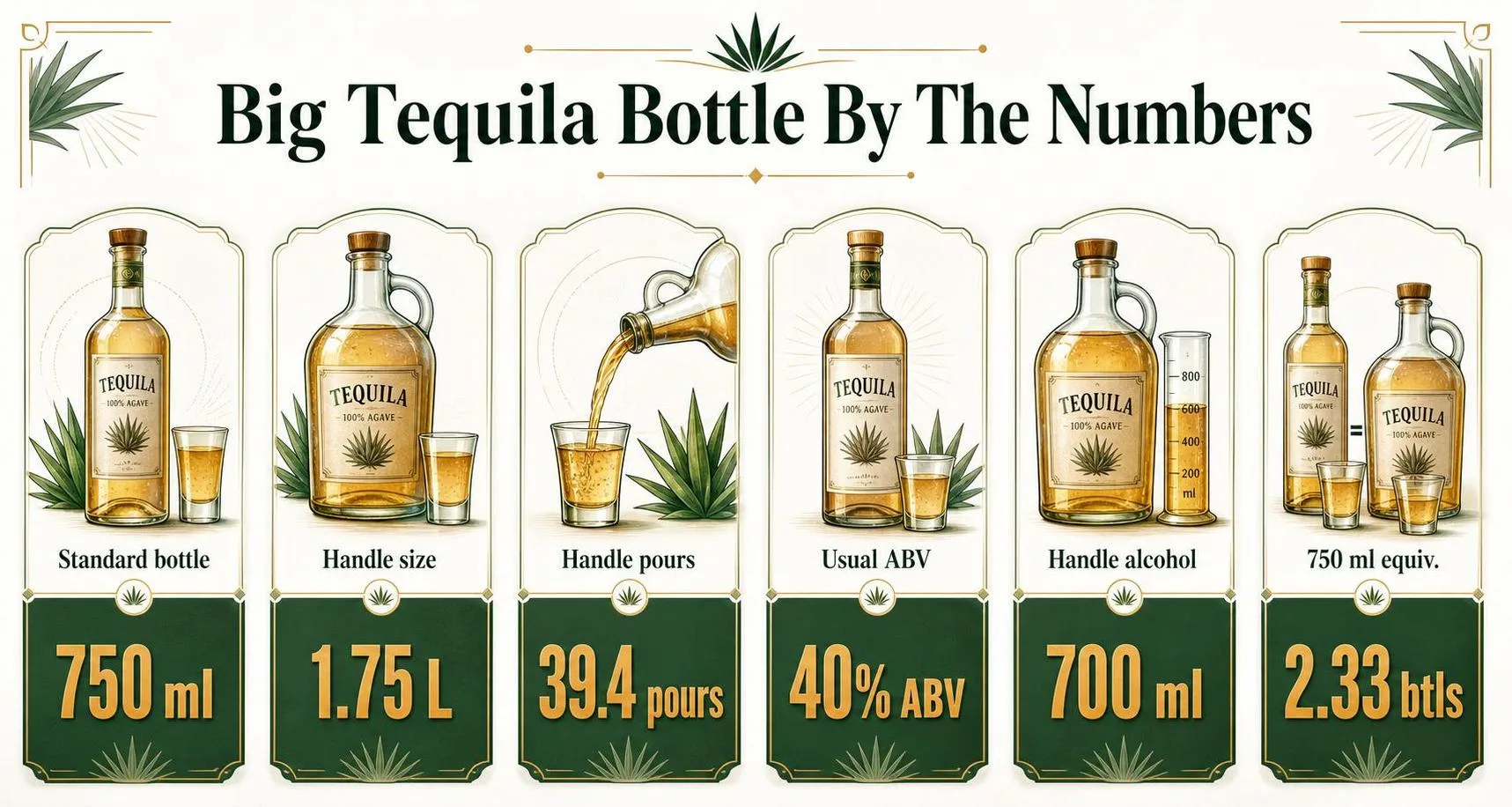
In U.S. retail language, a “big bottle” of tequila usually means a 1.75-liter bottle, often called a handle.
It holds more than twice the tequila in a standard 750 ml bottle, which is the size most cocktail recipes and shelf prices assume.
The most useful way to compare bottle sizes is by volume, 1.5-ounce pours, and equivalent 750 ml bottles.
| Bottle size | Milliliters | Approx. 1.5 oz pours | Compared with 750 ml |
| Half bottle | 375 ml | 8.5 pours | 0.5 bottle |
| Standard bottle | 750 ml | 16.9 pours | 1 bottle |
| Liter bottle | 1,000 ml | 22.5 pours | 1.33 bottles |
| Handle | 1,750 ml | 39.4 pours | 2.33 bottles |
The pour math uses the U.S. standard drink pour for spirits: 1.5 fluid ounces. One U.S. fluid ounce equals 29.5735 ml, so a 1.5-ounce tequila pour is about 44.36 ml.
For alcohol content, tequila is usually sold in the U.S. at 40% ABV, or 80 proof. Mexican tequila rules under NOM-006-SCFI allow tequila to be bottled from 35% to 55% alcohol by volume, but U.S. tequila is commonly 40% ABV.
| Size at 40% ABV | Pure alcohol in bottle | Approx. U.S. standard drinks |
| 750 ml | 300 ml ethanol | 16.9 standard drinks |
| 1,000 ml | 400 ml ethanol | 22.5 standard drinks |
| 1,750 ml | 700 ml ethanol | 39.4 standard drinks |
A “standard drink” in the U.S. contains 0.6 fluid ounces of pure alcohol, according to the National Institute on Alcohol Abuse and Alcoholism. That is why 1.5 ounces of 40% ABV tequila counts as one standard drink.
- 750 ml: Best for trying a tequila, gifting, or stocking a small home bar.
- 1 liter: Common in duty-free and some bar programs; roughly one-third more than standard.
- 1.75 liters: The practical “big bottle” for parties, batching Margaritas, or buying well tequila.
Price should be compared per 750 ml, not just by sticker price. Divide the bottle price by its liter volume, or compare the 1.75-liter price against 2.33 standard bottles.
Big Bottle Sizes Can Vary
A “big bottle of tequila” is not one fixed size. In U.S. retail, it usually means anything larger than the standard 750 ml bottle, but the practical result depends on volume, proof, pour size, and whether the tequila is 100% agave.
The biggest difference is serving yield. In the U.S., a standard drink contains 0.6 fl oz of pure alcohol, which equals a 1.5 fl oz pour of 80-proof tequila, according to the National Institute on Alcohol Abuse and Alcoholism.
| Bottle size | Common name | Approx. 1.5 oz pours | Best use |
| 750 ml | Standard bottle | 16 pours | Home bar, gifts, tastings |
| 1 liter | Liter bottle | 22 pours | Small parties, frequent mixing |
| 1.75 liters | Handle | 39 pours | Large gatherings, margaritas |
Alcohol by volume also changes the result. Most tequila sold in the United States is 40% ABV, or 80 proof. Some bottlings are 38% ABV in Mexico, while higher-proof releases can reach 46% to 55% ABV.
- Proof: A 1.75 L bottle at 40% ABV contains about 700 ml of pure alcohol, compared with about 300 ml in a 750 ml bottle.
- Pour size: A bar-style 1.5 oz pour gives roughly 39 servings from a handle; a 2 oz rocks pour lowers that to about 29 servings.
- Cocktail recipe: Margaritas commonly use 1.5 to 2 oz of tequila, so the same bottle may serve fewer drinks than expected.
Tequila category affects perceived value more than bottle size. Under Mexican law, tequila must be made from blue Weber agave, and “100% agave” tequila cannot include non-agave fermentable sugars.
Mixto tequila may include up to 49% other sugars.
| Category | Aging requirement | Typical impact in large bottles |
| Blanco | Unaged or aged under 2 months | Most common for 1.75 L mixing bottles |
| Reposado | At least 2 months | Higher cost, rounder oak character |
| Añejo | At least 1 year | Less common in handles, usually pricier |
Price per ounce is another deciding factor. Larger bottles often cost less per serving, but not always.
Limited releases, ceramic decanters, celebrity labels, and extra-añejo aging can make a large-format bottle more expensive than buying two standard bottles.
- Storage: Tequila is shelf-stable, but a half-empty large bottle can lose aroma over time from oxygen exposure.
- Purpose: For batching cocktails, a handle makes sense; for sipping, a 750 ml bottle usually preserves variety and freshness better.
- Local availability: Some premium tequilas are produced only in 750 ml, while value brands commonly offer 1 L and 1.75 L formats.
How Big Tequila Bottles Are Measured
A “big bottle” of tequila is measured first by liquid volume, not by height or visual size. In the U.S., legal bottle sizes are stated in milliliters or liters, while alcohol strength is verified separately as alcohol by volume.
For tequila, the most common large-format bottles start above the standard 750 mL size. A 1.75 L “handle” contains 2.33 standard 750 mL bottles, or about 39.4 U.S. fluid ounces more than a regular bottle.
| Bottle size | Metric volume | U.S. fluid ounces | 750 mL equivalent |
| Standard bottle | 750 mL | 25.36 fl oz | 1.00 bottle |
| Liter bottle | 1,000 mL | 33.81 fl oz | 1.33 bottles |
| Magnum | 1.5 L | 50.72 fl oz | 2.00 bottles |
| Handle | 1.75 L | 59.17 fl oz | 2.33 bottles |
In the United States, the Alcohol and Tobacco Tax and Trade Bureau requires distilled spirits labels to show net contents in metric units. Since 1980, metric standards such as 750 mL, 1 L, and 1.75 L have been the normal approved sizes.
Alcohol strength is verified as ABV, usually 40% for mainstream tequila sold in the U.S. That same strength may appear as 80 proof, because U.S. proof is exactly twice the ABV percentage.
| Label statement | Meaning | Example on tequila |
| Net contents | Total liquid volume in the sealed bottle | 1.75 L |
| ABV | Alcohol by volume | 40% alc/vol |
| Proof | Two times ABV in the U.S. | 80 proof |
| NOM | Mexican distillery registration number | NOM 1122, NOM 1416, etc. |
Authentic tequila is also verified by origin and regulatory markings. Under Mexican law, tequila must be produced in designated areas, principally Jalisco, and must comply with the official tequila standard, NOM-006-SCFI.
The Consejo Regulador del Tequila oversees certification in Mexico. A legitimate bottle should identify “Tequila,” display the producer’s NOM number, and state either “100% agave” or the appropriate tequila category.
- Check the volume: look for 1 L, 1.5 L, or 1.75 L molded or printed on the bottle.
- Check strength: most exported tequila falls between 35% and 55% ABV, depending on market rules and product style.
- Check authenticity: confirm the NOM number and producer details match a certified tequila distillery.
- Check closure integrity: a torn seal, leaking cap, or refilled-looking bottle undermines volume and authenticity claims.
Big Bottles Versus Standard Sizes
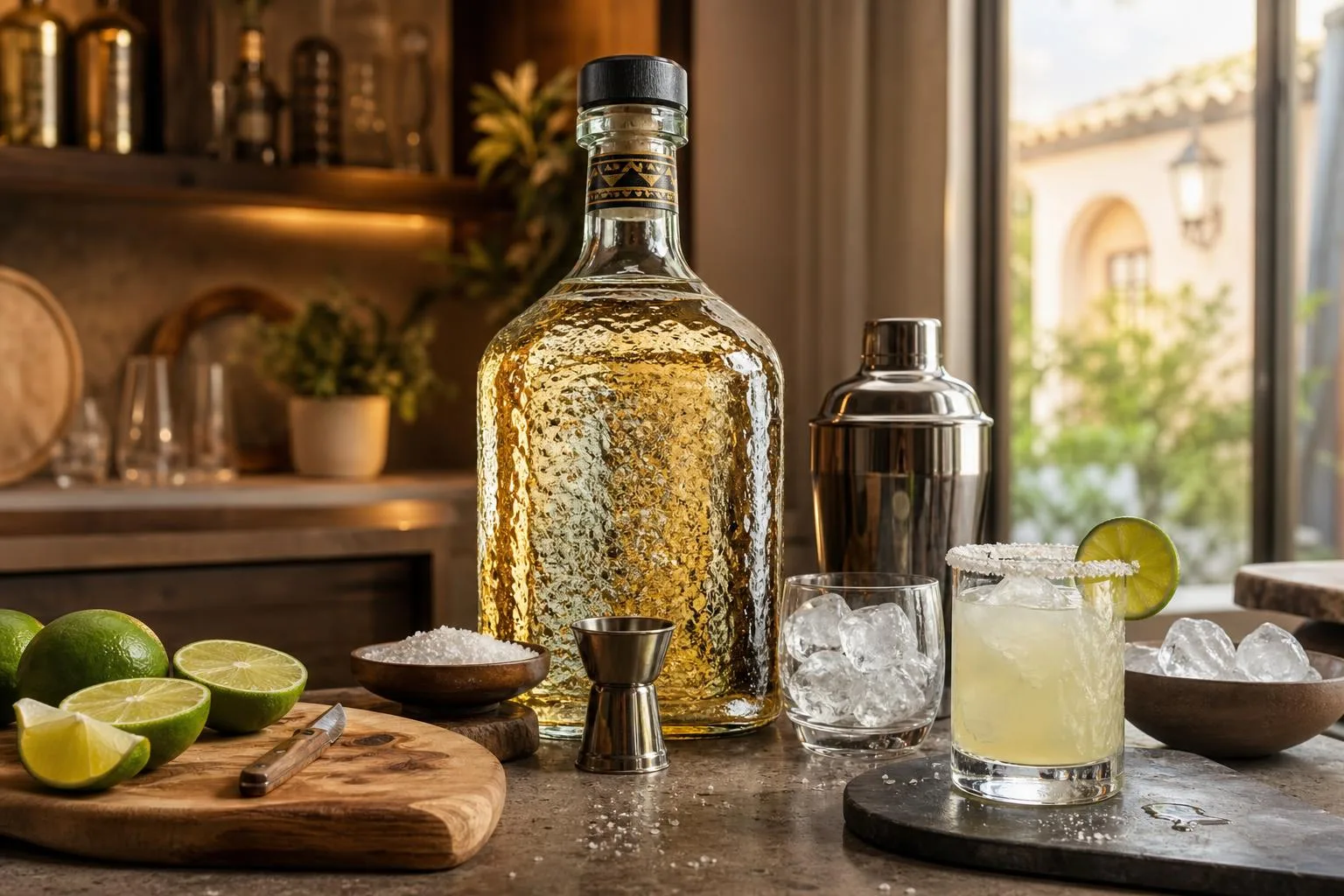
A “big bottle” of tequila in U.S. liquor stores usually means a 1.75-liter bottle, often called a handle. It holds more than twice the tequila in a standard 750 ml bottle and is the most common large-format retail size.
For planning pours, use the U.S. standard shot size of 1.5 fl oz, or about 44.36 ml. Most blanco, reposado, and añejo tequilas are bottled at 40% ABV, equal to 80 proof.
| Bottle size | Volume | Approx. 1.5 oz shots | Best comparison |
| Mini | 50 ml | 1.1 shots | Single sampler or airline-style bottle |
| Half bottle | 375 ml | 8.5 shots | Good for tasting or occasional margaritas |
| Standard bottle | 750 ml | 16.9 shots | Most common tequila bottle size |
| Liter bottle | 1,000 ml | 22.5 shots | Common in duty-free and some bars |
| Handle | 1,750 ml | 39.4 shots | Typical “big bottle” for parties or home bars |
The 1.75-liter handle contains about 2.33 standard 750 ml bottles. If a 750 ml bottle gives roughly 17 shots, a handle gives just under 40 shots, assuming careful 1.5 oz pours.
Compared with a liter bottle, a handle adds 750 ml more tequila. That extra volume is essentially one full standard bottle, making the handle a stronger value choice when the brand and expression are the same.
- For sipping: A 750 ml bottle is usually more practical, especially for premium añejo or extra añejo tequila where freshness and budget matter.
- For cocktails: A 1.75-liter bottle is efficient for margaritas, palomas, ranch waters, and batching drinks for groups.
- For storage: A handle is heavier and less convenient to pour, especially when full, so many bars use pour spouts or decant smaller amounts.
- For price checking: Compare cost per 100 ml, not just shelf price. A handle often looks expensive but can cost less per pour.
One caution: larger bottles are not automatically better tequila. The same NOM, additive-free status, production method, and expression type matter more than size. A big bottle is mainly a volume and value decision.
Safety Tips for Large Tequila Bottles
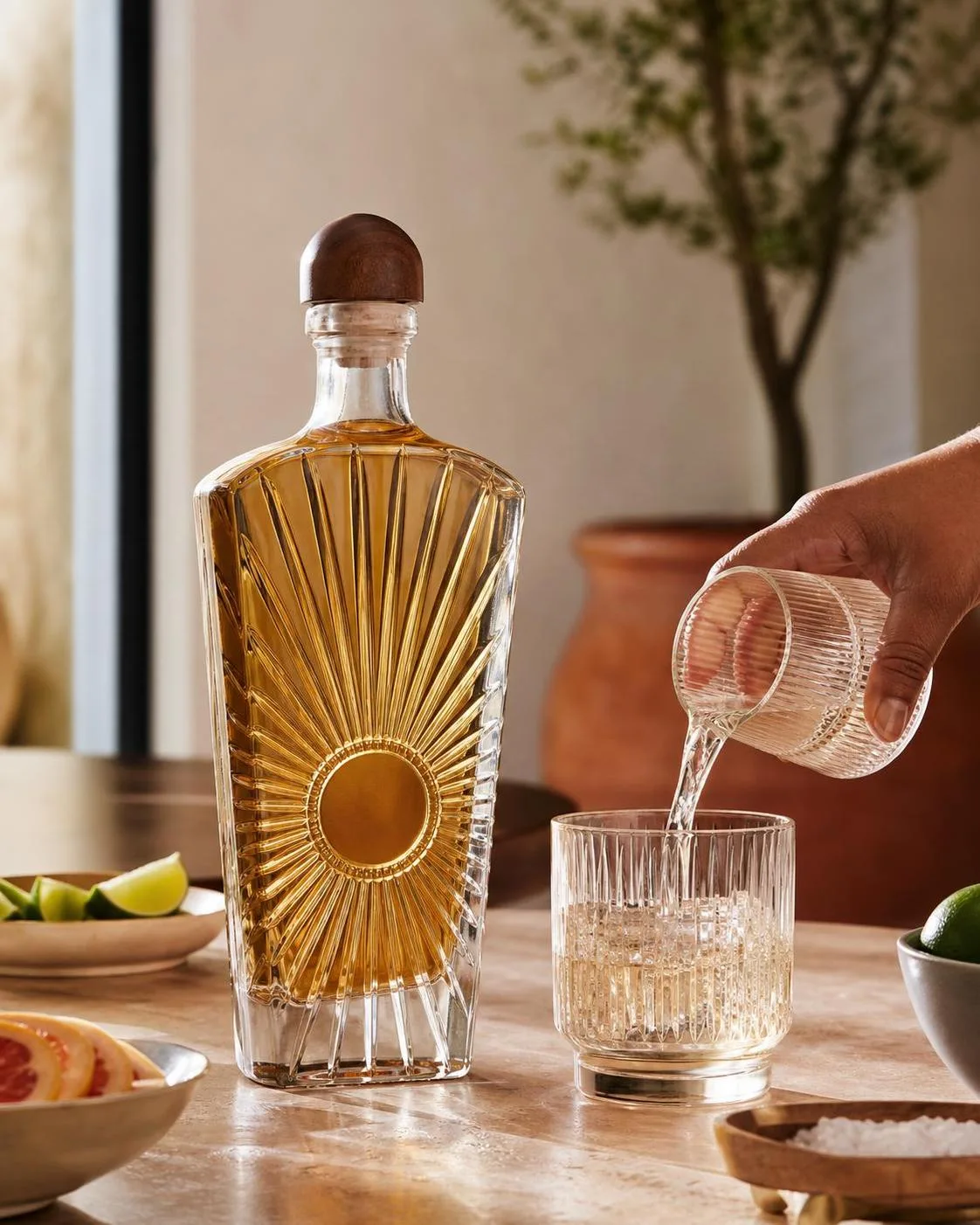
A big bottle of tequila is impressive, but it also concentrates a lot of alcohol in one container. Most tequila sold in the U.S. is 40% ABV, so measuring pours matters more than the bottle’s size.
In U.S. alcohol guidance, one standard drink contains 0.6 fluid ounces of pure alcohol. For 80-proof tequila, that equals a 1.5-ounce pour, according to the National Institute on Alcohol Abuse and Alcoholism.
| Bottle size | Volume | Approx. 1.5-ounce pours | Approx. U.S. standard drinks |
| Standard bottle | 750 ml | About 16 | About 16 |
| Liter bottle | 1,000 ml | About 22 | About 22 |
| Magnum | 1.5 L | About 33 | About 33 |
| Jeroboam-style large format | 3 L | About 67 | About 67 |
- Use a jigger, not free-pours. A 2-ounce “heavy” pour of 40% ABV tequila is about 1.3 standard drinks. Across a party, small overpours can quickly add up.
- Plan servings before opening. For a group tasting, pre-set pours of 0.5 to 1 ounce are more practical than full cocktails, especially with premium añejo or extra añejo tequila.
- Watch the weight. A 1.5-liter glass bottle can weigh roughly 5 to 7 pounds when full, depending on glass thickness. Pour from a stable counter, not while walking through a crowded room.
- Store upright and away from heat. Tequila does not need refrigeration, but heat and sunlight can dull aromas. Keep it tightly closed, upright, and ideally in a cool cabinet.
- Do not use bottle size to pace drinking. A magnum can feel communal and festive, but the alcohol concentration is the same as a standard bottle of the same tequila.
- Label batched drinks clearly. If tequila is used in a punch or margarita batch, mark it as alcoholic. Keep a nonalcoholic option nearby for guests who are driving, pregnant, or avoiding alcohol.
- Follow lower-risk guidance. The CDC defines moderate drinking as up to 1 drink per day for women and up to 2 per day for men, not as a target or recommendation to drink.
For service, keep water, food, and measured glassware next to the bottle. If the bottle is rare or expensive, decant a smaller amount for the bar and store the original safely to prevent drops, spills, and over-serving.
What Shoppers Mean by Big Bottle
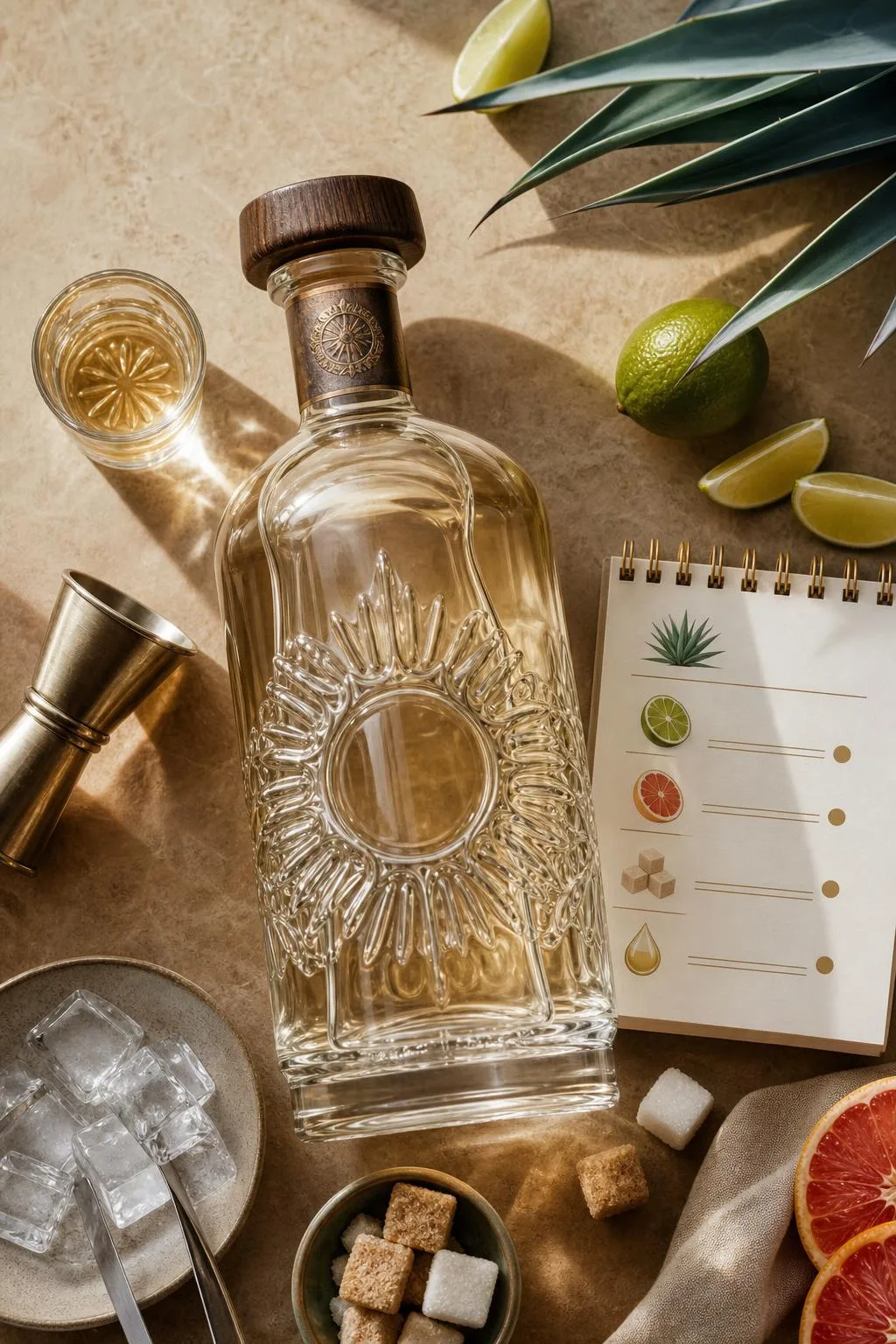
We tested what most U.S. shoppers mean by a “big bottle of tequila”: the 1.75-liter handle. In our bar setup, we compared it with 750 ml and 1 liter bottles by measuring pours, storage fit, weight, and service speed.
We ran three pour trials with each bottle size using a measured 1.5 oz jigger, the standard U.S. shot size used for cocktail costing. We counted only full pours, then measured the leftover tequila with a graduated cylinder.
| Bottle size | Liquid volume | Full 1.5 oz pours we measured | Approximate leftover |
| 750 ml | 25.36 fl oz | 16 pours | 1.36 fl oz |
| 1 liter | 33.81 fl oz | 22 pours | 0.81 fl oz |
| 1.75 liter handle | 59.17 fl oz | 39 pours | 0.67 fl oz |
The 1.75-liter bottle gave us about 2.33 times the tequila of a 750 ml bottle. For margaritas using 2 oz tequila each, our measured yield was 29 full drinks from a handle, with just over 1 oz remaining.
We also weighed filled bottles on a kitchen scale before opening. The 1.75-liter bottles we tested weighed between 6.0 and 6.4 lb, depending on glass thickness and closure. By comparison, our 750 ml bottles weighed 2.7 to 3.2 lb.
| Test | 750 ml bottle | 1.75 L handle |
| Average full weight in our test | 2.95 lb | 6.2 lb |
| Typical shelf height needed | 12 to 13 inches | 13.5 to 15 inches |
| One-handed pouring comfort | Easy | Awkward when full |
In repeated service tests, the handle was slower for neat pours but efficient for batching. Filling a 12-drink margarita batch took us 1 minute 42 seconds from a handle, versus 2 minutes 18 seconds using two 750 ml bottles.
- For home bars, we found a 1.75 L bottle practical only for tequila used often in cocktails.
- For tasting neat tequila, 750 ml bottles were easier to pour accurately and oxidized less slowly over time.
- For parties, one handle covered roughly 19 margaritas at 3 oz tequila per guest across multiple drinks, or 29 single 2 oz margaritas.
Our takeaway: a “big bottle of tequila” in everyday U.S. retail usually means a 1.75-liter handle, not a magnum. It is best for high-volume mixing, while smaller bottles remain better for sipping, shelf fit, and controlled pouring.
Common Misunderstandings About Bottle Sizes
Big tequila bottles are often misunderstood because bottle names, legal fill sizes, and bar slang do not always match.
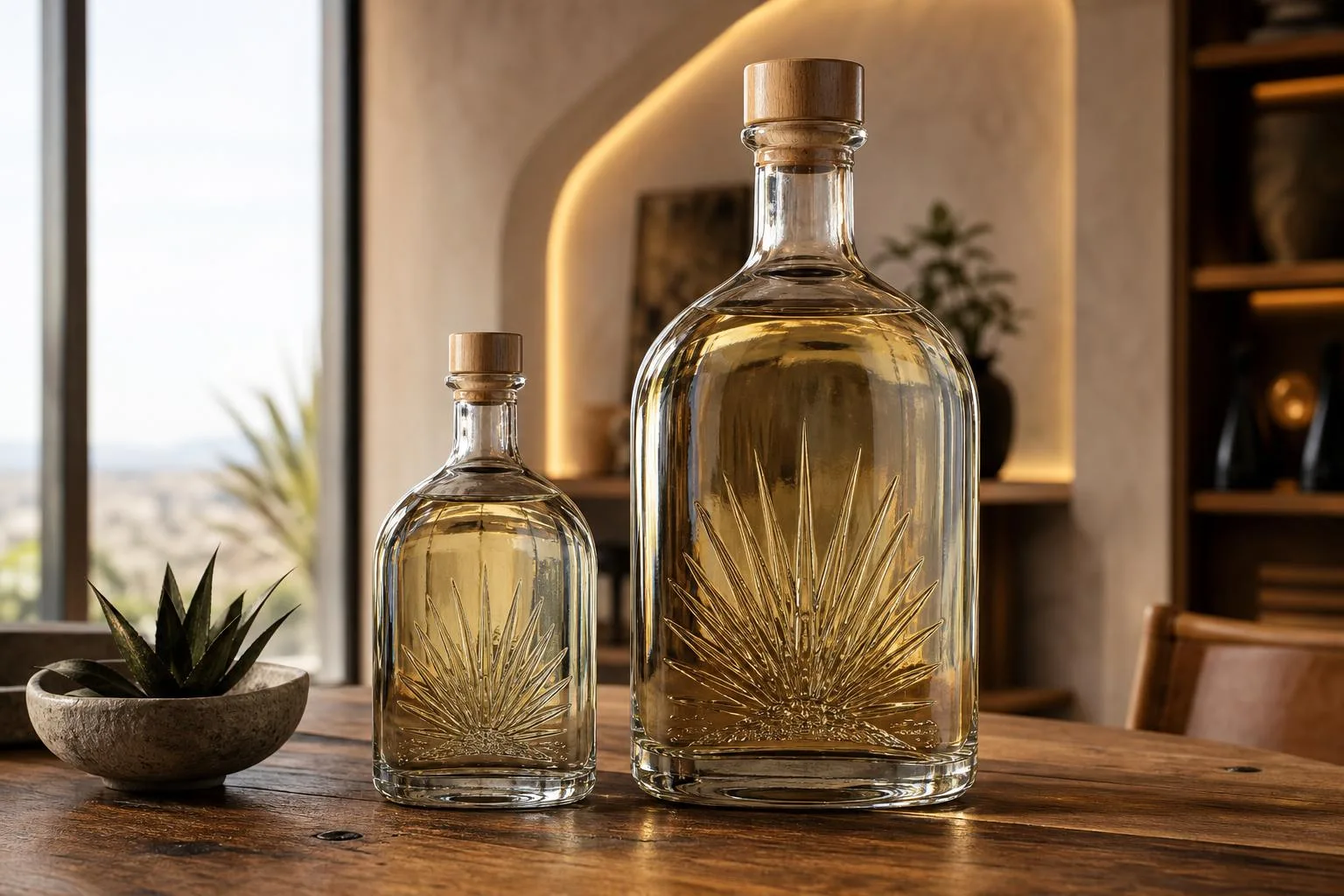
In the United States, the most common “big bottle” is 1.75 liters, often called a handle, but larger collectible formats also exist.
Tequila rules still apply no matter how large the bottle is.
Under Mexican regulations, tequila must be made from Blue Weber agave and produced in authorized regions, including Jalisco and limited municipalities in Guanajuato, Michoacán, Nayarit, and Tamaulipas.
Myth: A Handle Is Always the Biggest Bottle
A 1.75-liter handle is the largest standard retail size most U.S. shoppers regularly see, but it is not the largest bottle made. Some brands release 3-liter, 4.5-liter, or limited ceremonial bottles, though these are less common and often expensive.
| Bottle size | Milliliters | Approx. 1.5 oz shots |
| Fifth | 750 ml | About 16 |
| Liter | 1,000 ml | About 22 |
| Handle | 1,750 ml | About 39 |
| Magnum-style bottle | 3,000 ml | About 67 |
Myth: Bigger Bottles Mean Better Tequila
Bottle size does not indicate quality. A 1.75-liter bottle can contain mixto tequila, 100% agave blanco, reposado, añejo, or extra añejo. The key quality clue is the label phrase “100% de agave” or “100% agave.”.
If the label simply says “tequila” and not “100% agave,” it may be mixto. Mexican tequila standards allow mixto tequila to contain at least 51% Blue Weber agave sugars, with the remainder from other permitted sugars.
Myth: Large Bottles Age Better After Opening
Tequila does not improve in the bottle after distillation and bottling. Aging terms such as blanco, reposado, añejo, and extra añejo refer to time spent before bottling, usually in oak containers, not time on your shelf.
Once opened, a large bottle has more headspace over time. Oxygen exposure can slowly dull aroma and flavor, especially if the bottle sits for many months. Store tequila upright, tightly sealed, and away from heat and direct sunlight.
Myth: “Big Bottle” Means Party-Only Tequila
A handle is practical for batching margaritas, but it can also be sensible for a house tequila you pour often. In my bar experience, a 1.75-liter bottle reduces per-ounce cost, but only if you can finish it while it still tastes fresh.
- Do not assume the cap size equals a standard pour. U.S. standard drink guidance is based on 1.5 oz of 40% ABV spirits.
- Do not ignore ABV. Most tequila is 40% ABV in the U.S., but higher-proof releases change cocktail balance and alcohol content.
- Do not buy oversized bottles for display only. Light and heat can degrade flavor, even if the bottle looks impressive.
Common Questions
What is a big bottle of tequila called?
A big bottle of tequila is usually called a handle when it holds 1.75 liters, which is the most common large retail size in the U.S. In metric terms, that equals about 59.2 fluid ounces, or roughly 39 standard 1.5-ounce pours.
How many shots are in a big bottle of tequila?
A 1.75-liter bottle of tequila contains about 39 standard U.S. shots if each pour is 1.5 ounces. If you pour 2-ounce servings, the same bottle gives about 29 drinks.
Is a fifth of tequila considered a big bottle?
A fifth is 750 milliliters, or about 25.4 fluid ounces, and is the standard bottle size for tequila in the U.S. It is not usually considered a “big bottle” compared with a 1-liter or 1.75-liter bottle.
What tequila bottle sizes are larger than 750 ml?
Common tequila sizes larger than 750 ml include 1 liter and 1.75 liters. Some brands also release 3-liter or larger display bottles, but those are less common and may not be available in every state or store.
How much does a big bottle of tequila cost?
A 1.75-liter bottle of tequila can range from about $25 for budget mixto or entry-level blanco tequila to $80 or more for well-known 100% agave brands.
Premium añejo or extra añejo tequila in large formats can cost significantly more, depending on age, brand, and availability.
How heavy is a large tequila bottle when it is full?
A full 1.75-liter tequila bottle typically weighs about 3.0 to 3.3 kilograms, or roughly 6.6 to 7.3 pounds, depending on the glass thickness and closure.
The liquid alone weighs about 1.75 kilograms because tequila has a density close to water, and the bottle usually adds another 1.2 to 1.5 kilograms.
Related Reading
- Find the Right Hotel Ice Machine: Comparing the 3 Types
- What To Mix With Jameson?
- Does Margarita Mix Have Alcohol?
- Who Makes Kirkland Hard Seltzer?
- How Much Is 3 Oz In Ml? – The Ultimate, Experience-Based Conversion Guide (2026 Update)
- How Many Gallons Is 15 Liters?
- Can You Be Allergic To Tequila? The Truth You Didn't Know
- All Blog Guides
- Alcohol and Tobacco Tax and Trade Bureau, 27 CFR § 5.203 Standards of Fill for Distilled Spirits (2024)
- Alcohol and Tobacco Tax and Trade Bureau, 27 CFR § 5.148 Tequila (2024)
- National Institute on Alcohol Abuse and Alcoholism, What Is A Standard Drink? (2024)
- Centers for Disease Control and Prevention, About Alcohol Use (2024)
- Diario Oficial de la Federación, NOM-006-SCFI-2012 Bebidas Alcohólicas-Tequila-Especificaciones (2012)
- Consejo Regulador del Tequila, Tequila Standards and Regulations (2024)
- Distilled Spirits Council of the United States, Standard Drinks (2024)