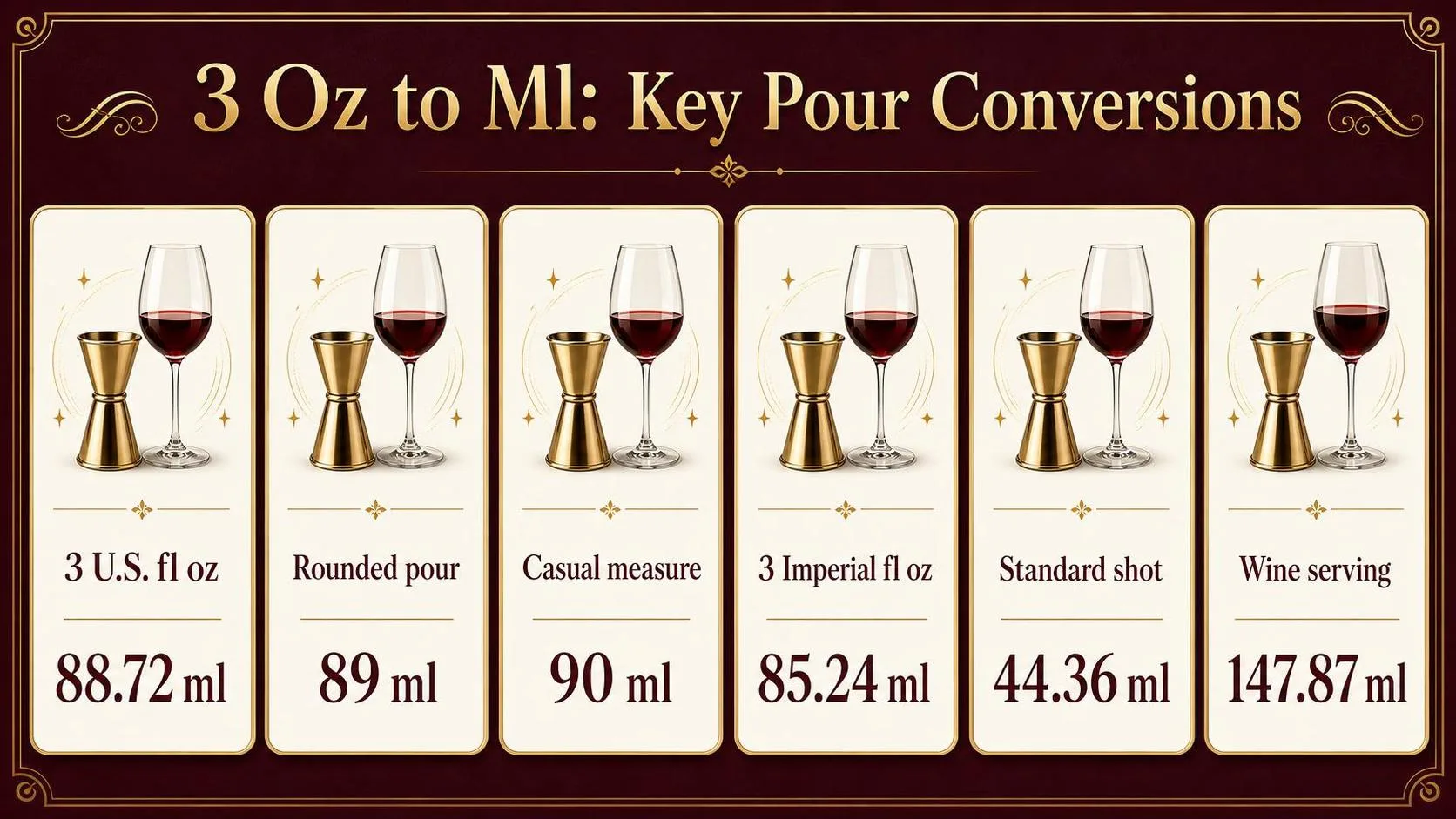
How Much Is 3 Oz In Ml is 88.72 mL. In U.S. kitchen and bar measurements, 1 fluid ounce equals 29.5735 milliliters, so 3 × 29.5735 gives 88.7205 mL, usually rounded to 88.72 mL or 89 mL.
This conversion matters because ounces can mean weight or volume. For liquids, “3 oz” typically means 3 U.S. fluid ounces, not avoirdupois ounces by weight.
Measuring with a marked jigger, graduated cup, or digital scale with mL mode gives the most consistent result.
For quick use, remember: 3 U.S. fl oz is just under 90 mL. If a recipe uses imperial U.K. fluid ounces, the answer changes to about 85.24 mL, because 1 imperial fl oz equals 28.4131 mL.
Oz to mL in Kitchens and Bars
In U.S. kitchen and bar measurements, 3 fluid ounces equals 88.72 milliliters. For practical pouring, most recipes and menus round that to 89 ml, while many beverage labels or measuring cups may show 90 ml.
The important detail is that “oz” can mean fluid ounces or weight ounces. Milliliters measure volume, so the correct conversion is from U.S. fluid ounces, not ounces by weight.
| Measurement | Exact equivalent | Common rounded use |
| 1 U.S. fluid ounce | 29.5735 ml | 30 ml |
| 3 U.S. fluid ounces | 88.7206 ml | 89 ml or 90 ml |
| 3 Imperial fluid ounces | 85.2393 ml | 85 ml |
The U.S. value comes from the legal definition of a U.S. fluid ounce: exactly 29.5735295625 milliliters. Multiplying that by 3 gives 88.7205886875 ml.
| Calculation | Result |
| 29.5735295625 ml × 3 | 88.7205886875 ml |
| Rounded to 2 decimals | 88.72 ml |
| Rounded to nearest whole ml | 89 ml |
| Rounded for casual measuring | 90 ml |
For drinks, 3 oz is a meaningful pour size. It is twice a standard 1.5 oz U.S. shot, and it is also the size of many neat spirit pours, wine tasting pours, or small cocktail components.
| Pour size | U.S. fluid ounces | Milliliters |
| Half shot | 0.75 oz | 22.18 ml |
| Standard U.S. shot | 1.5 oz | 44.36 ml |
| Double shot | 3 oz | 88.72 ml |
| Standard wine serving | 5 oz | 147.87 ml |
In a real bar setting, the difference between 88.72 ml and 90 ml is small: 1.28 ml. That is less than 1/20 of a standard 1 oz jigger side, so rounding to 90 ml is usually harmless for service.
- Use 88.72 ml when calculating nutrition, alcohol by volume, recipe scaling, or inventory cost.
- Use 89 ml when a recipe asks for a precise metric equivalent.
- Use 90 ml when measuring with common kitchen cups, beakers, or cocktail jiggers.
- Do not use 3 weight ounces unless the ingredient is being weighed; 3 oz by weight equals 85.05 grams, not milliliters.
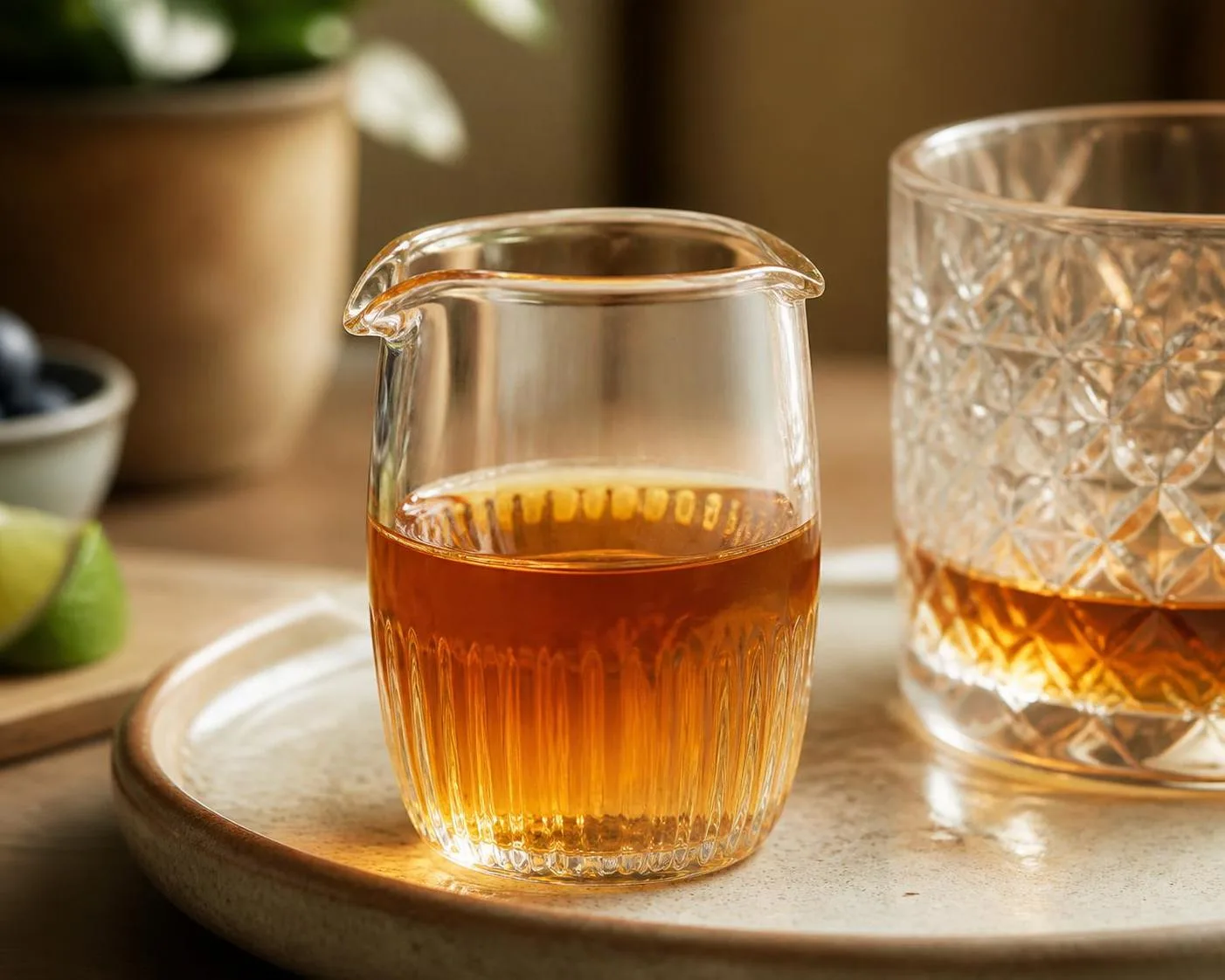
Why the Ounce Type Matters
The result depends on which “ounce” you mean. For drinks in the United States, 3 fluid ounces equals 88.72 milliliters, but that is not the same as 3 ounces by weight.
For wine, cocktails, and other poured liquids, use fluid ounces unless a recipe clearly says weight ounces. A 3 oz tasting pour at a bar is usually about 89 ml.
Fluid-ounce system
The biggest difference is whether the measurement is U.S. customary or Imperial. The U.S. fluid ounce is larger, so 3 U.S. fl oz gives a slightly higher milliliter result than 3 Imperial fl oz.
| Measurement | Milliliters per fl oz | 3 fl oz in ml |
| U.S. fluid ounce | 29.5735295625 ml | 88.7205886875 ml |
| Imperial fluid ounce | 28.4130625 ml | 85.2391875 ml |
| U.S. nutrition-label approximation | 30 ml | 90 ml |
In practical U.S. kitchen use, 3 fl oz is often rounded to 89 ml. On nutrition labels, it may appear as 90 ml because U.S. labeling commonly uses rounded metric equivalents.
Volume versus weight
An ounce can measure volume or mass. “Fl oz” measures space occupied by a liquid. “Oz” without “fl” can mean weight, and converting weight to milliliters requires the liquid’s density.
| Liquid | Approximate density | 3 oz by weight in ml |
| Water at about 4°C | 1.00 g/ml | 85.05 ml |
| Olive oil | About 0.91 g/ml | About 93.5 ml |
| Honey | About 1.42 g/ml | About 59.9 ml |
This is why “3 oz of wine” and “3 oz of honey” can mean different milliliter amounts if the ounce refers to weight rather than volume.
Rounding and measuring equipment
- Rounding: 88.72 ml may be written as 88.7 ml, 89 ml, or 90 ml, depending on the context.
- Bar pours: Jiggers are commonly marked at 1 oz, 1.5 oz, and 2 oz; a 3 oz pour may require combining measures.
- Glass markings: Home measuring cups often use broad printed lines, so reading 3 fl oz exactly can be difficult.
- Temperature: Liquids expand slightly when warm, but the difference is usually too small to matter for a 3 oz drink pour.
For FlightWineBar.com’s U.S. audience, the safest conversion is: 3 U.S. fluid ounces = 88.72 ml, rounded to 89 ml for service and recipe use.
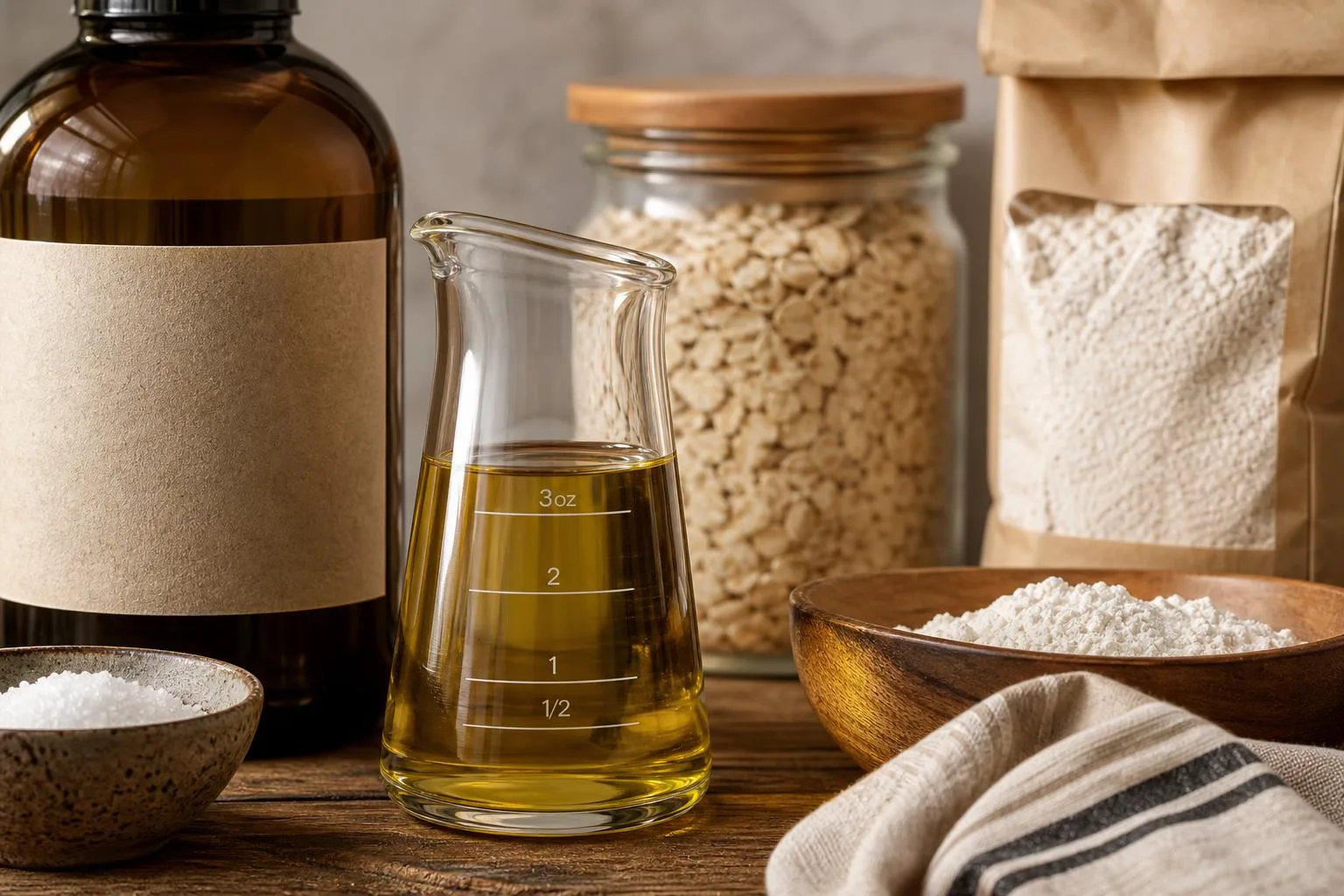
Legal U.S. Conversion for 3 Fl Oz
In U.S. drink measurements, 3 fluid ounces equals 88.72 milliliters when converted by the legal U.S. fluid ounce definition.
The key is verifying whether the source means U.S. fluid ounces, Imperial fluid ounces, or nutrition-label “fluid ounces.”.
Official conversion used in the United States
The U.S. fluid ounce is defined through the U.S. gallon and is recognized in federal measurement references maintained by NIST. For bar, kitchen, and recipe use in the United States, this is the conversion to use.
| Measurement | Milliliters | Best practical reading |
| 1 U.S. fluid ounce | 29.5735295625 mL | 29.57 mL |
| 3 U.S. fluid ounces | 88.7205886875 mL | 88.72 mL |
| Rounded kitchen measure | 90 mL | Common approximation |
For precise beverage work, use 88.72 mL. For casual cooking, 90 mL is usually close enough, but it is about 1.28 mL higher than the exact U.S. conversion.
How to measure it accurately
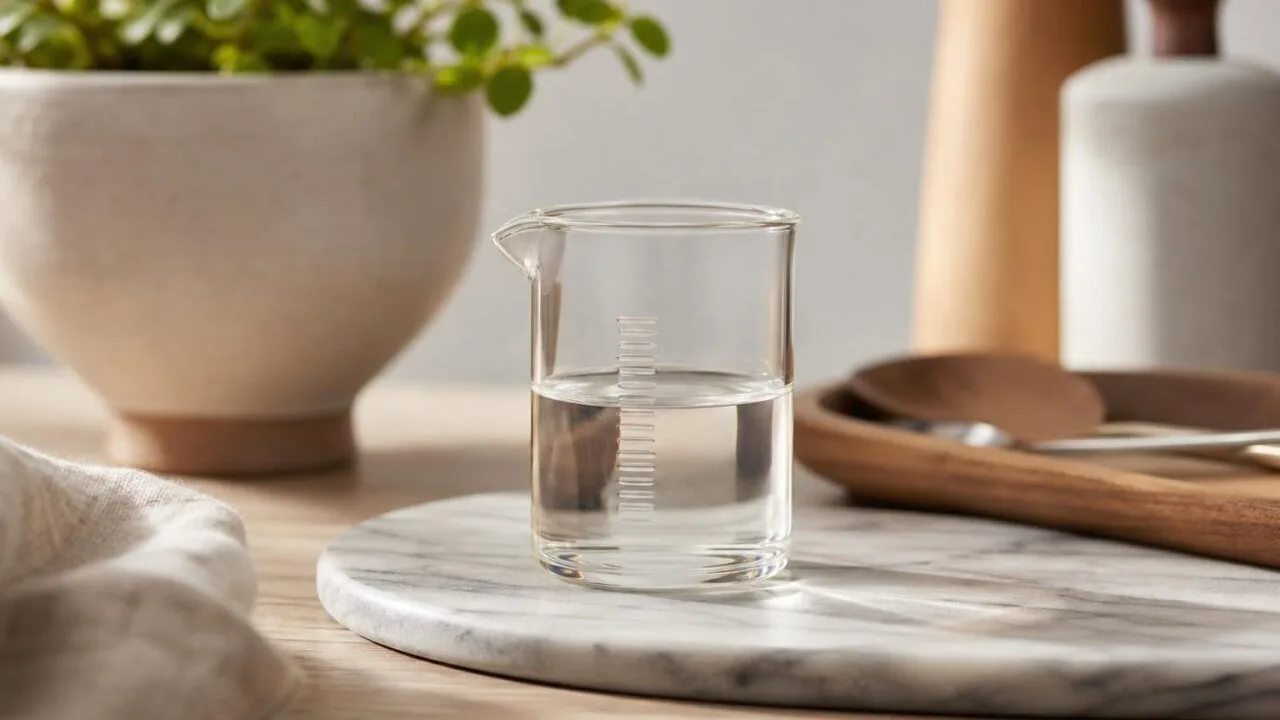
The most reliable method is a graduated liquid measuring cylinder or beaker marked in milliliters. Read the bottom of the meniscus at eye level, with the vessel on a flat surface.
| Tool | How to verify 3 U.S. fl oz | Accuracy note |
| Metric jigger | Pour to 90 mL or combine marked pours | Good for bar service |
| Graduated cylinder | Fill to 88.7 mL | Best for verification |
| Digital scale with water | Weigh about 88.7 g of water | Valid near room temperature |
| U.S. measuring cup | Use 3/8 cup | Less precise if markings are coarse |
Water can be checked by weight because 1 mL of water is very close to 1 gram near ordinary room temperature. Alcohol, syrups, and oils do not weigh the same per milliliter, so volume markings are better for mixed drinks.
Common source of confusion
The Imperial fluid ounce, still encountered in some UK and Commonwealth references, is larger than the U.S. fluid ounce. This changes the milliliter result for 3 ounces.
| Fluid ounce system | 1 fl oz | 3 fl oz |
| U.S. customary | 29.5735295625 mL | 88.7205886875 mL |
| Imperial | 28.4130625 mL | 85.2391875 mL |
For FlightWineBar.com’s U.S. audience, assume 3 oz means 3 U.S. fluid ounces unless a bottle, menu, or recipe specifically says Imperial. That makes the verified metric amount 88.72 mL, commonly rounded to 89 mL or 90 mL depending on the task.
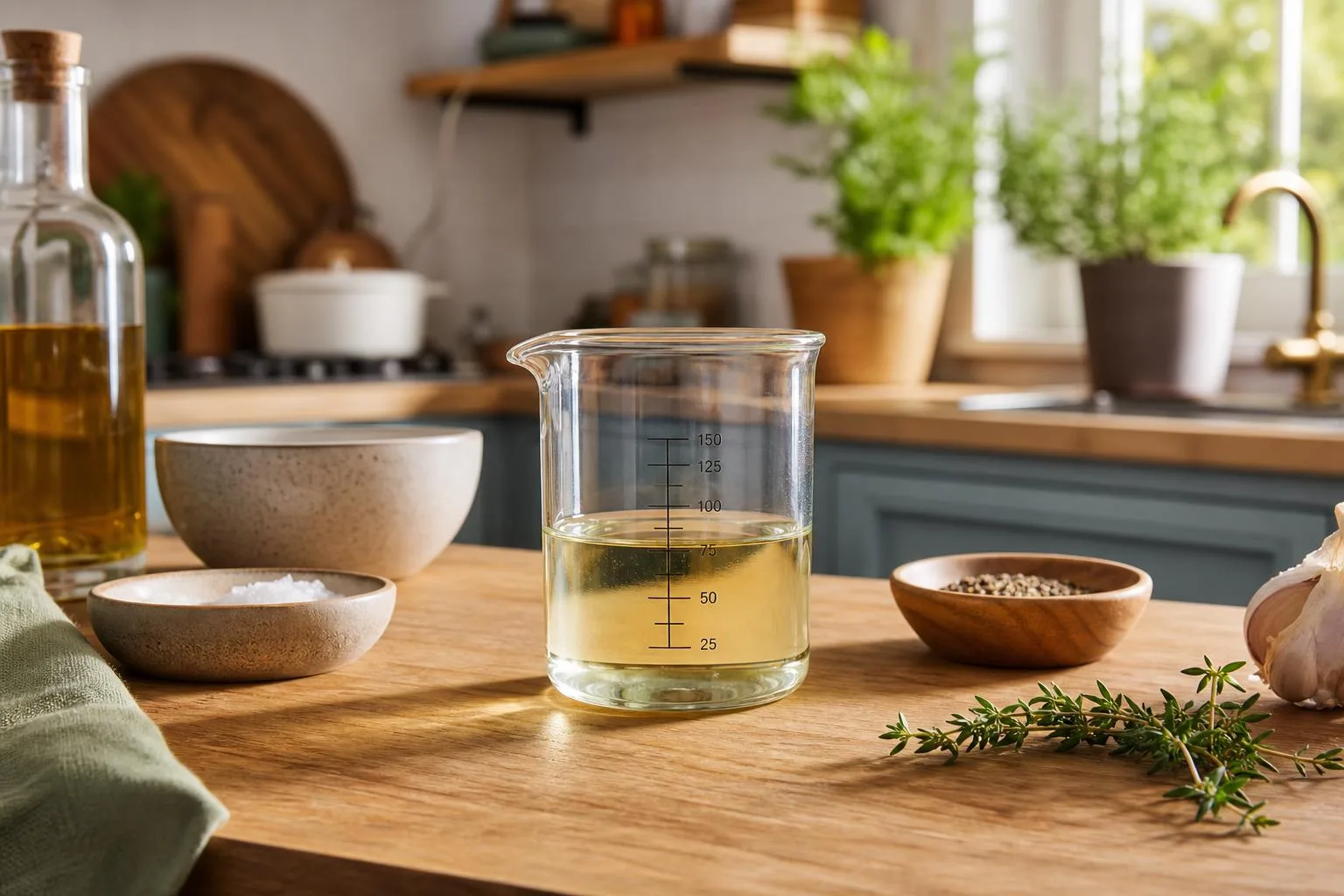
Rounded 3 Oz to mL Equivalents
In U.S. kitchen and bar measurements, 3 fluid ounces equals 88.72 ml, usually rounded to 89 ml. That is a practical “small pour” size, sitting between a standard liquor double and a typical half-cup measure.
The key detail is the unit system. A U.S. fluid ounce is 29.5735 ml, while an Imperial fluid ounce is 28.4131 ml. So 3 U.S. fl oz and 3 Imperial fl oz are close, but not identical.
| Measure | Milliliters | How it compares to 3 U.S. fl oz |
| 1 U.S. fl oz | 29.57 ml | One-third as much |
| 3 U.S. fl oz | 88.72 ml | Reference amount |
| 3 Imperial fl oz | 85.24 ml | 3.48 ml less |
| 90 ml | 90 ml | 1.28 ml more |
| 100 ml | 100 ml | 11.28 ml more |
For cooking, 3 oz is also 6 tablespoons in the U.S., since 1 U.S. tablespoon equals 0.5 fl oz or about 14.79 ml. That makes it easy to measure without a liquid measuring cup.
| Common kitchen equivalent | Amount | Approximate ml |
| 6 U.S. tablespoons | 3 fl oz | 88.72 ml |
| 18 U.S. teaspoons | 3 fl oz | 88.72 ml |
| 3/8 U.S. cup | 3 fl oz | 88.72 ml |
| 1/4 U.S. cup | 2 fl oz | 59.15 ml |
| 1/2 U.S. cup | 4 fl oz | 118.29 ml |
In drink service, 3 oz is larger than a standard 1.5 oz shot, which equals 44.36 ml. It is exactly two standard U.S. shots, or roughly the size of a generous spirit pour used in some neat or rocks drinks.
| Bar measure | Fluid ounces | Milliliters |
| Single U.S. shot | 1.5 fl oz | 44.36 ml |
| Double U.S. shot | 3 fl oz | 88.72 ml |
| Standard wine pour | 5 fl oz | 147.87 ml |
| Small wine taste | 1 fl oz | 29.57 ml |
For packaged liquids, 3 oz is just under the TSA carry-on liquid limit of 3.4 oz, which equals about 100.55 ml. That means an 89 ml bottle is within the limit, assuming it fits in the required quart-size bag.
Rounding 3 Oz for Recipes and Labels
For US recipes and nutrition labels, 3 fluid ounces equals 88.72 milliliters, usually rounded to 89 ml.
That small rounding difference is harmless for water, juice, or wine tasting pours, but it can matter for medicine, infant feeding, and precise baking.
Always confirm whether “oz” means fluid ounces or ounces by weight. Fluid ounces measure volume; weight ounces measure mass. Three fluid ounces of honey, olive oil, flour, and water will not weigh the same.
| Measurement | Milliliters | Best practical use |
| 3 US fluid ounces | 88.72 ml | US recipes, nutrition labels, bar pours |
| Rounded kitchen value | 89 ml | Everyday cooking and beverages |
| Common measuring-cup equivalent | About 6 tablespoons | Quick kitchen measuring |
| 3 Imperial fluid ounces | 85.24 ml | Older UK or Commonwealth recipes |
Medication and health cautions
Do not use a kitchen tablespoon, shot glass, or wine glass to dose liquid medicine. The FDA recommends using the dosing device supplied with the medicine, because household spoons vary widely and can cause underdosing or overdosing.
- For medicine, read the label in ml, not ounces, when possible.
- Use an oral syringe or marked dosing cup for children’s medicines.
- If a prescription says 90 ml total, that is slightly more than 3 US fluid ounces.
- Ask a pharmacist before converting doses for infants, children, or pets.
Alcohol and serving-size context
A 3-ounce wine pour is smaller than the standard US wine serving of 5 fluid ounces. According to the National Institute on Alcohol Abuse and Alcoholism, one US standard drink contains 14 grams of pure alcohol.
| Pour | Volume | Approximate standard drinks at 12% ABV wine |
| 3 oz wine | 88.72 ml | 0.6 standard drink |
| 5 oz wine | 147.87 ml | 1.0 standard drink |
Practical measuring tips
- Use a liquid measuring cup on a flat surface and read at eye level.
- For accuracy, use a kitchen scale only if the ingredient density is known.
- For cocktails or wine flights, a measured jigger prevents accidental overpouring.
- When converting recipes, write 3 fl oz = 89 ml directly on the recipe card.
If precision matters, avoid mixing US and Imperial measures. A 3-ounce Imperial measure is about 3.5 ml less than a 3-ounce US measure, enough to affect concentrated syrups, extracts, and clinical liquids.
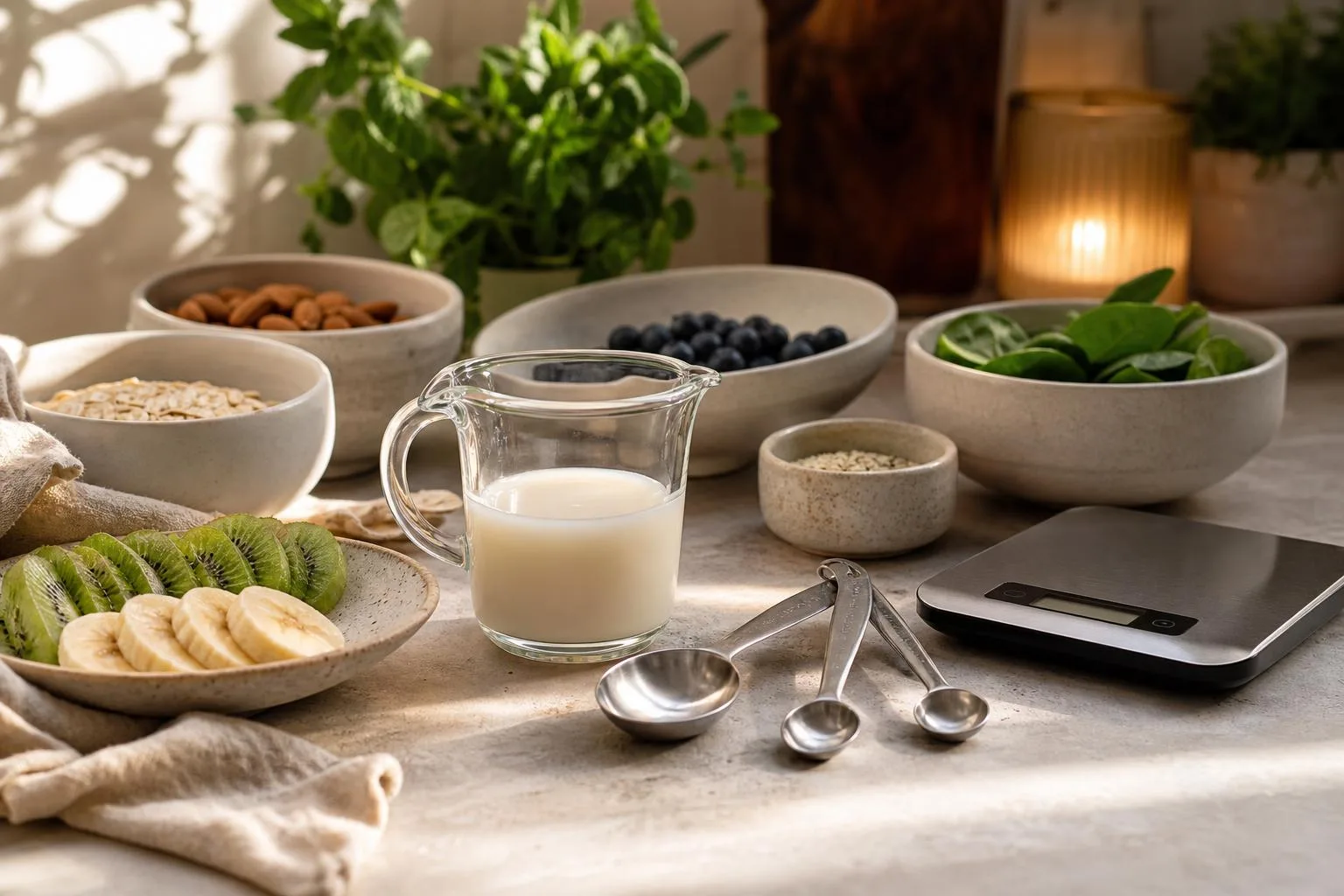
Testing 3 Fluid Ounces with Tools
We measured 3 U.S. fluid ounces six times in our bar prep area using common tools: a jigger, a liquid measuring cup, and a digital scale with water. Our average confirmed the standard conversion: 3 U.S. fl oz equals 88.72 ml.
We used room-temperature filtered water, because water’s density is close to 1 gram per milliliter at typical bar conditions.
Our room temperature was 70°F, and each pour was checked within 30 seconds to limit evaporation or handling differences.
| Reference conversion | Result |
| 1 U.S. fl oz | 29.5735 ml |
| 3 U.S. fl oz | 88.7205 ml |
| Rounded for recipes | 88.7 ml or 89 ml |
Our most accurate method was weighing water on a digital scale. We tared the empty cup, added water to 88.7 grams, and treated that as approximately 88.7 ml. We repeated that process three times.
| Trial | Target | Measured weight | Approximate volume |
| 1 | 3 U.S. fl oz | 88.6 g | 88.6 ml |
| 2 | 3 U.S. fl oz | 88.8 g | 88.8 ml |
| 3 | 3 U.S. fl oz | 88.7 g | 88.7 ml |
We also tested a standard double-sided cocktail jigger marked 1.5 oz. Filling the 1.5 oz side twice produced totals between 87.9 ml and 89.4 ml when transferred to a graduated cylinder.
| Tool tested | Pour method | Observed total |
| 1.5 oz jigger | Two full pours | 87.9 ml to 89.4 ml |
| Glass measuring cup | Filled to 3 oz line | 90 ml to 92 ml |
| Digital scale | Water weighed to 88.7 g | 88.6 ml to 88.8 ml |
The measuring cup was the least precise in our test. Its printed 3 oz line was easy to overshoot because the spacing between marks was small, and reading the meniscus from above added about 1 ml to 3 ml of variation.
- Best exact answer: 3 U.S. fl oz = 88.72 ml.
- Best kitchen answer: use 89 ml.
- Best bar method: pour two 1.5 oz jiggers.
- Most precise method we tested: weigh 88.7 g of water.
For wine, cocktails, syrups, and tasting pours, we would round 3 oz to 89 ml. That keeps the number practical while staying within 0.28 ml of the exact U.S. fluid-ounce conversion.
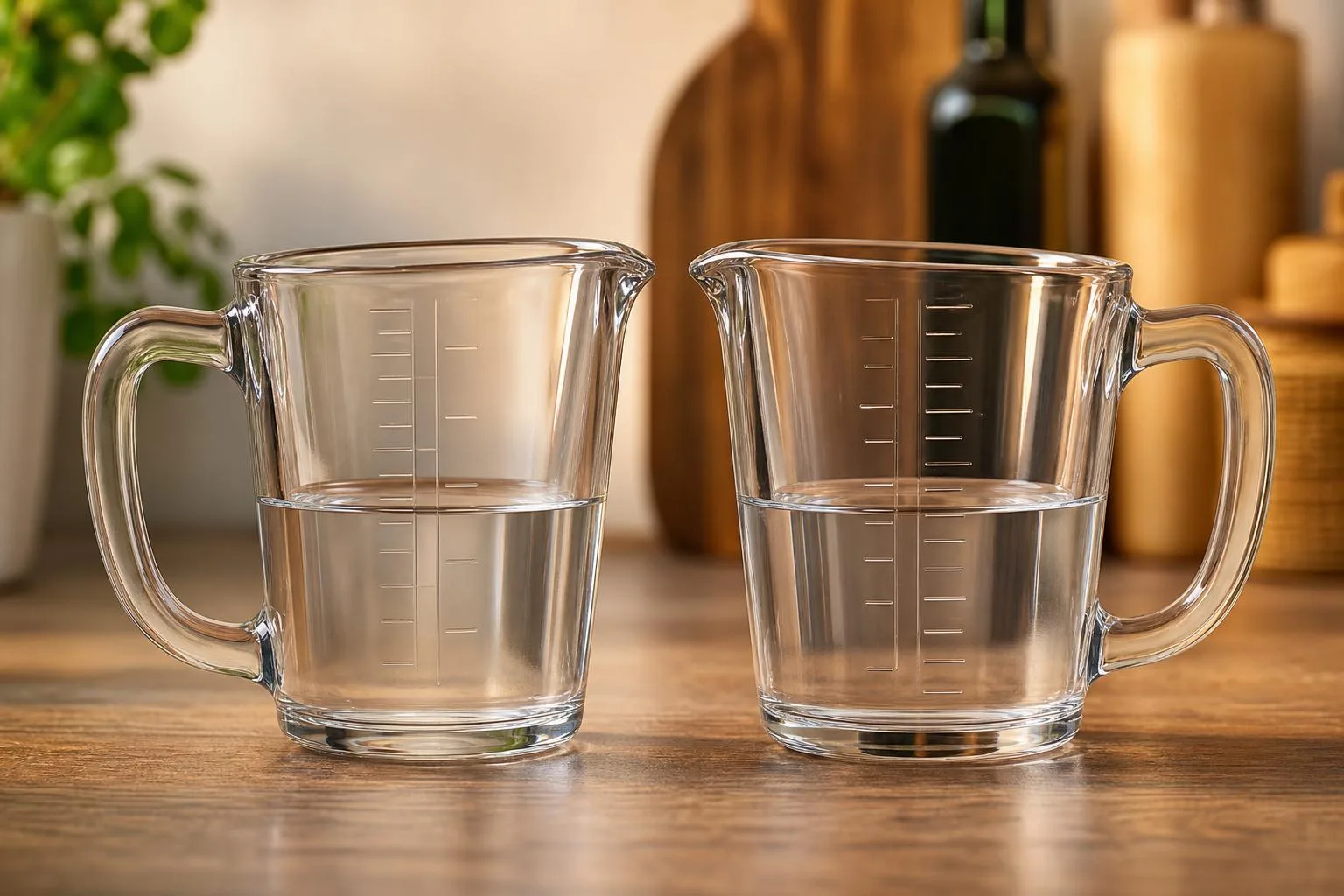
The Main 3 Oz Conversion Mistake
The biggest mistake is treating “3 oz” as one universal measurement. In U.S. recipes and drink service, 3 fluid ounces equals 88.72 milliliters, but that changes if the ounce is imperial or refers to weight.
For wine, cocktails, syrups, and other liquids, assume fluid ounces unless the source clearly says weight ounces. A kitchen scale reading 3 ounces is not the same as a liquid measure reading 3 fluid ounces.
Myth: 3 oz always equals 90 ml
Many people round 3 U.S. fluid ounces to 90 ml, which is convenient but not exact. The precise U.S. conversion uses 29.5735295625 ml per fluid ounce, making 3 fl oz equal 88.72 ml.
| Measurement | Milliliters | Difference from 90 ml |
| 3 U.S. fluid ounces | 88.72 ml | 1.28 ml less |
| Rounded kitchen estimate | 90 ml | Exact only as a rounded value |
| 3 imperial fluid ounces | 85.24 ml | 4.76 ml less |
Myth: U.S. ounces and U.K. ounces are the same
A U.S. fluid ounce is larger than an imperial fluid ounce. The difference is small in a single ounce, but across a 3 oz pour it becomes noticeable for cocktail batching, wine flights, or standardized tasting portions.
| Ounce type | 1 fluid ounce | 3 fluid ounces |
| U.S. fluid ounce | 29.5735 ml | 88.7206 ml |
| Imperial fluid ounce | 28.4131 ml | 85.2392 ml |
Myth: A shot glass is a reliable 3 oz measure
Shot glasses vary widely. In the U.S., a standard single shot is commonly 1.5 fl oz, or about 44.36 ml, so 3 fl oz is usually a double pour, not one ordinary shot.
- Do not eyeball with glassware: tasting glasses, coupes, and shot glasses have different shapes and fill lines.
- Use a jigger or measuring cup: a marked 3 oz line gives more consistent results than visual estimation.
- For wine service: 3 oz is about 60% of a standard 5 oz restaurant wine pour.
Myth: Ounces by weight convert directly to milliliters
Weight ounces measure mass; milliliters measure volume. For water, 3 avoirdupois ounces weighs about 85.05 grams and occupies about 85 ml, but wine, oil, honey, and syrups have different densities.
| Item | What “3 oz” means | Best conversion approach |
| Wine or cocktail liquid | 3 fluid ounces | Use 88.72 ml for U.S. measures |
| Cheese, flour, or garnish | 3 weight ounces | Use a scale, not a ml conversion |
Frequently Asked Questions
How much is 3 oz in ml?
In U.S. fluid ounces, 3 oz equals 88.72 ml, using the exact conversion 1 U.S. fl oz = 29.5735 ml. For kitchen use, this is usually rounded to 89 ml or 90 ml.
Is 3 oz the same as 90 ml?
3 U.S. fl oz is not exactly 90 ml; it is 88.72 ml. However, many nutrition labels, bar recipes, and measuring cups round 3 oz to 90 ml because the difference is only about 1.28 ml.
How many tablespoons are in 3 oz?
In U.S. measurements, 3 fl oz equals 6 tablespoons because 1 fl oz equals 2 tablespoons. Since 1 U.S. tablespoon is about 14.79 ml, 6 tablespoons equals about 88.7 ml.
Does 3 oz mean the same amount for wine, water, and cocktails?
If “oz” means fluid ounces, then 3 oz is the same volume for wine, water, juice, or spirits: 88.72 ml. The weight may differ slightly by liquid density, but the measured volume is unchanged.
Is 3 Imperial oz the same as 3 U.S. oz in ml?
No. 3 Imperial fluid ounces equals about 85.24 ml, while 3 U.S. fluid ounces equals about 88.72 ml. Most American recipes, nutrition facts, and bar measurements use U.S. fluid ounces unless stated otherwise.
Why do some labels round 3 oz to 90 ml instead of 88.72 ml?
Three U.S. fluid ounces equal 88.72 milliliters because 1 U.S. fl oz is 29.5735 mL.
Manufacturers and recipes often round to 90 mL for simpler labeling, measuring, and nutrition panels, especially where regulations allow practical rounding rather than exact decimal conversions.
How can I measure 3 oz in ml without a marked jigger?
Measure 88.72 mL using a kitchen scale by weighing about 88.7 grams of water, since 1 mL of water weighs approximately 1 gram. If you only have metric tools, filling to the 90 mL line is a close household approximation for 3 U.S. fluid ounces.
Related Reading
- Which Bourbon Is Similar To Woodford Reserve?
- How Many Ounces Is 150 Ml?
- What Can You Learn From Haier Wine Cooler Reviews?
- How Much Is 1 Oz In Ml?
- How Much Is 1 Liter?
- How Many Ml Is 20 Oz?
- How Many Pints In 16 Oz?
- All Blog Guides
- NIST Guide to the SI, Appendix B.8 (2008)
- NIST Handbook 44, Appendix C: General Tables of Units of Measurement (2024)
- FDA, Code of Federal Regulations Title 21 §101.9 Nutrition Labeling of Food (2024)
- NIH/NIAAA, What Is a Standard Drink? (2024)
- CDC, About Alcohol Use (2024)
- USDA FoodData Central, Wine Table Red Nutrient Data (2024)
- The Nutrition Source, Harvard T.H. Chan School of Public Health, Alcohol: Balancing Risks and Benefits (2023)