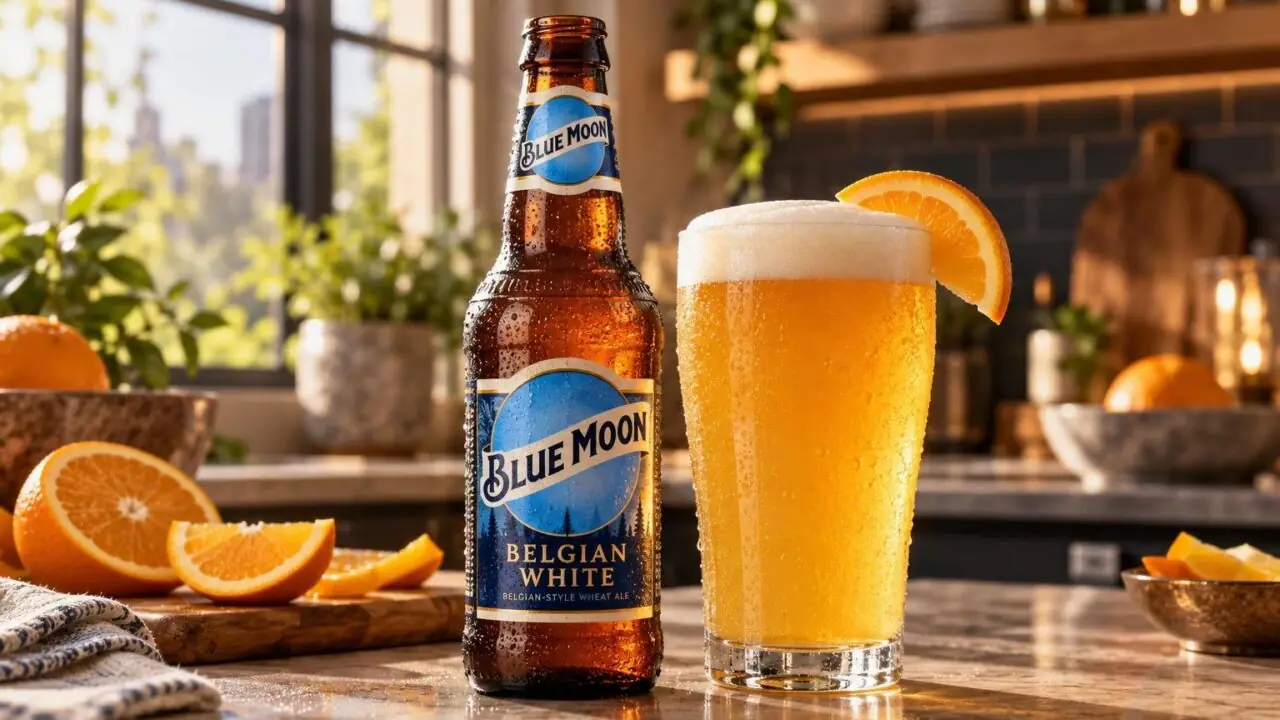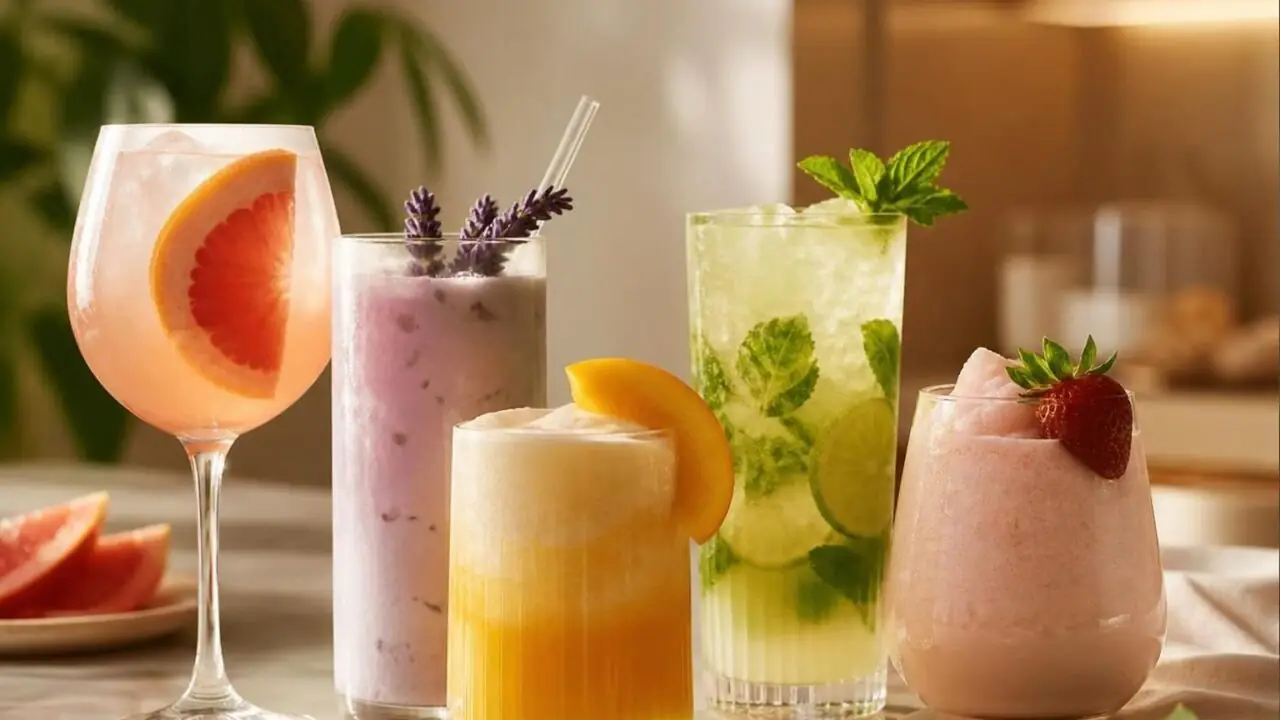
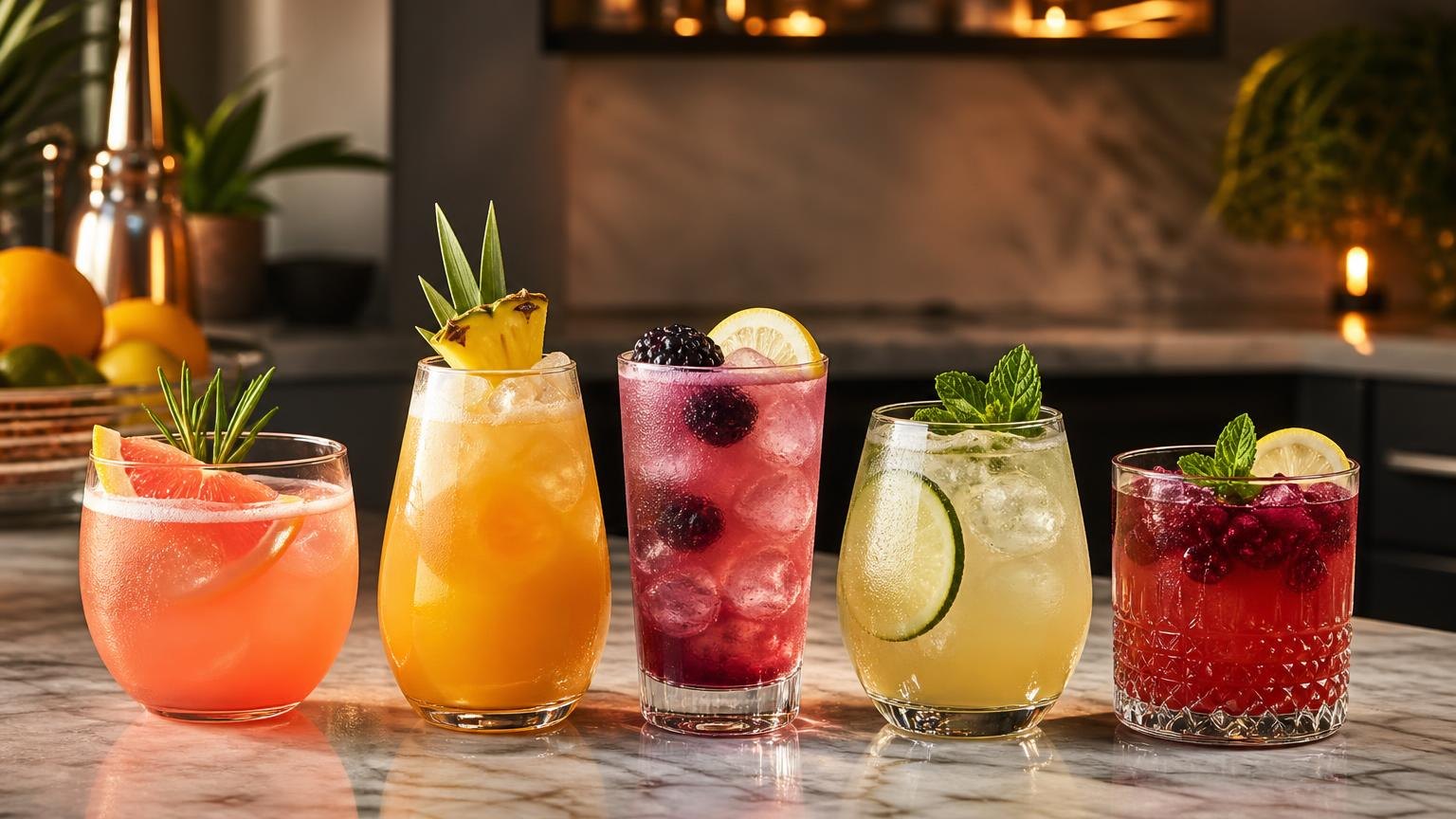
drinks that don’t taste like alcohol but get you drunk are sweet, chilled, carbonated, or juice-heavy alcoholic drinks that hide ethanol’s heat while still delivering full-strength alcohol.
Examples include vodka lemonade, rum punch, hard seltzer, sangria, and creamy dessert-style cocktails, especially when served cold or mixed with high-sugar ingredients.
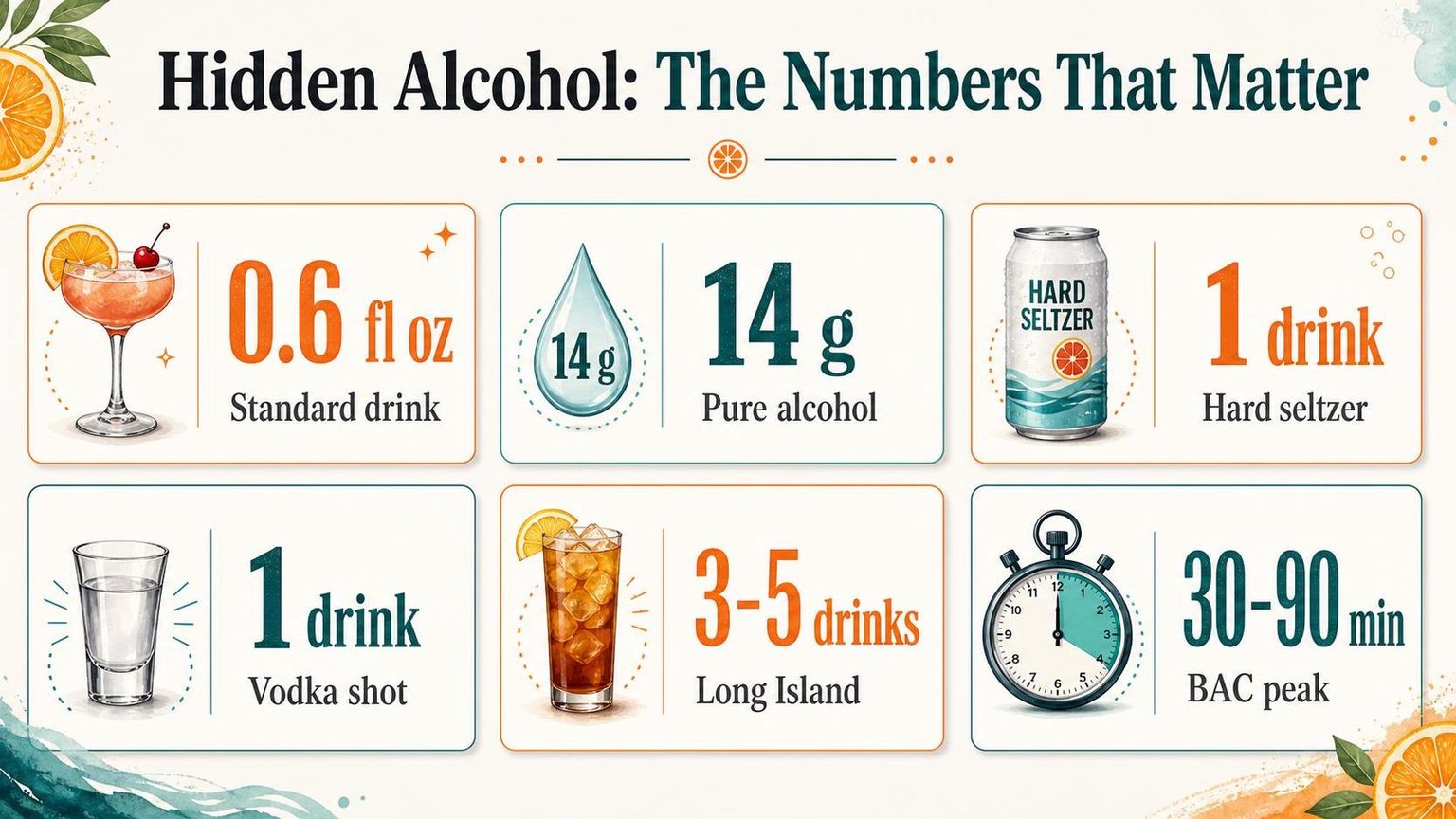
The risk is not flavor—it is dose: a standard U.S. drink contains 0.6 fl oz of pure alcohol, whether it tastes strong or not.
This guide explains which drinks are easiest to underestimate, why they mask alcohol, and how to recognize serving sizes before intoxication catches up.
Standard Drink and Intoxication
“Doesn’t taste strong” is a flavor judgment; intoxication is a dose calculation.
In the U.S., that calculation starts with the standard drink: 0.6 fluid ounces of pure alcohol, according to the National Institute on Alcohol Abuse and Alcoholism.
Sweetness, carbonation, fruit juice, cream, and cold temperature can hide alcohol bite. They do not reduce how much ethanol reaches your bloodstream.
| Drink | Typical size | Typical ABV | Approx. standard drinks |
| Hard seltzer | 12 fl oz | 5% | 1.0 |
| Moscato or sweet wine | 5 fl oz | 9% | 0.75 |
| Regular wine | 5 fl oz | 12% | 1.0 |
| Margarita, restaurant pour | 10 fl oz | Varies | 1.5–2.5 |
| Long Island iced tea | 8–12 fl oz | Varies | 3–5 |
| Vodka soda, single | 1.5 fl oz liquor plus mixer | 40% liquor | 1.0 |
The math is simple: ounces of drink multiplied by ABV equals pure alcohol volume. A 12-ounce, 5% canned cocktail contains 0.6 ounces of alcohol, exactly one U.S. standard drink.
Liquor is where “smooth” can mislead fastest. One 1.5-ounce shot of 80-proof vodka, rum, tequila, or whiskey is one standard drink. A sweet cocktail with three shots is three drinks, even if it tastes like lemonade.
| Key threshold | What it means |
| 0.08% BAC | Legal driving limit for most U.S. adult drivers |
| 0.05% BAC | Impairment is measurable for many people; Utah’s per se DUI limit |
| 0.02% BAC | Some decline in visual tracking and divided attention |
| About 0.015% BAC per hour | Average alcohol elimination rate, per NIAAA guidance |
Absorption is not instant. BAC often peaks about 30 to 90 minutes after drinking, faster on an empty stomach and slower with food. Carbonated drinks may feel faster because they can speed gastric emptying for some people.
For context, U.S. dietary guidelines define moderate drinking as up to 1 drink per day for women and up to 2 for men. Binge drinking is commonly defined as 4 drinks for women or 5 for men in about 2 hours.
- Sweet does not mean weak: sugar masks bitterness but adds no protection.
- Large glassware matters: a 16-ounce 7% drink is about 1.9 standard drinks.
- “Double” usually means double: two 1.5-ounce liquor pours equal two standard drinks.
- Time matters: your liver cannot “catch up” just because the drink tastes light.
Why Some Drinks Taste Less Alcoholic
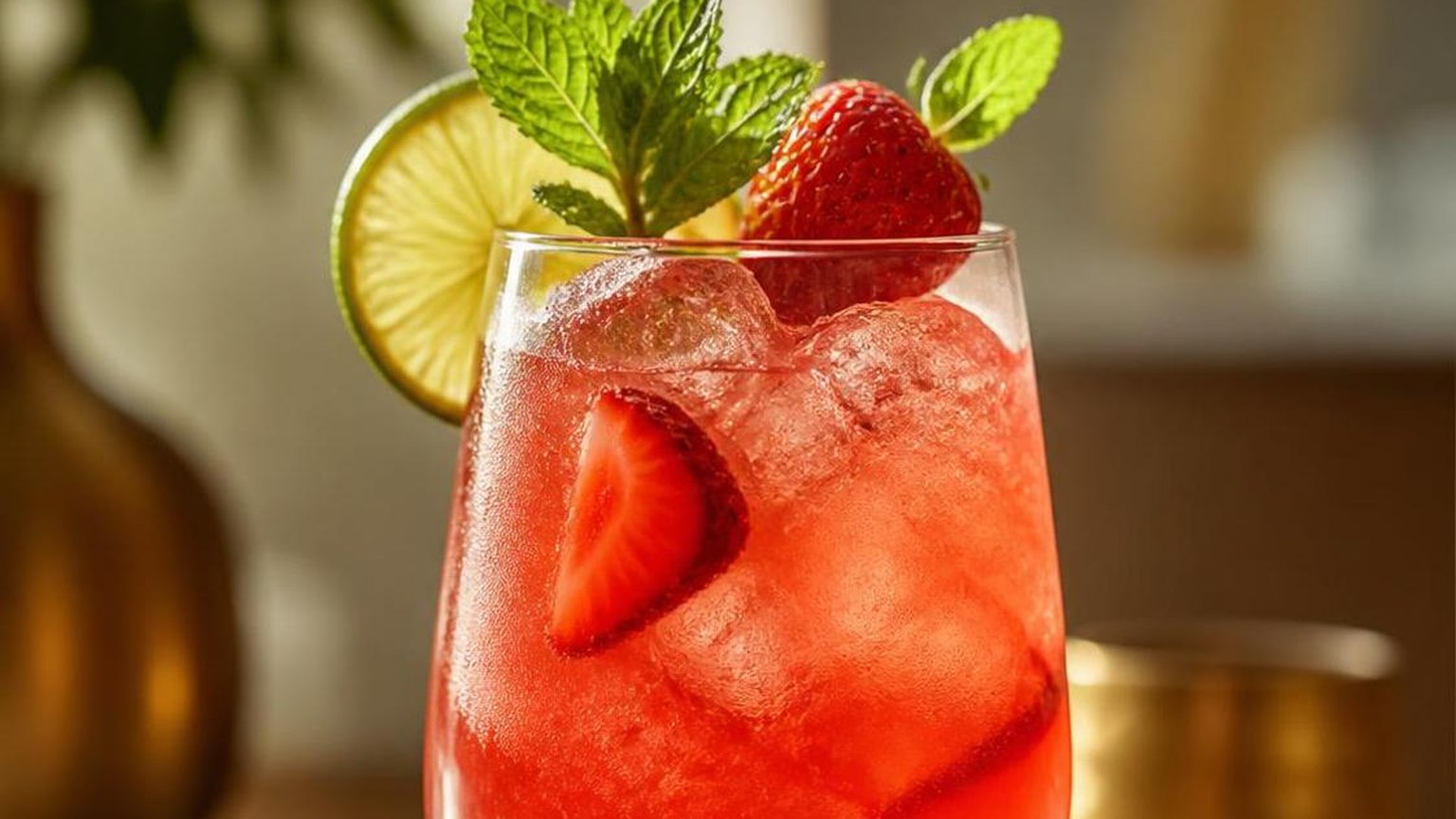
How “non-alcoholic” a drink seems depends less on the alcohol itself and more on dilution, sugar, acidity, carbonation, temperature, and aroma. The same 1.5 oz of 40% liquor can feel sharp in one glass and almost invisible in another.
Getting drunk still comes down to ethanol dose and absorption. In the U.S., NIAAA defines one standard drink as 14 grams of pure alcohol, regardless of whether it is hidden in juice, soda, cream, or coffee.
| Drink component | Why it changes the result |
| Alcohol amount | 1.5 oz of 40% spirits, 5 oz of 12% wine, and 12 oz of 5% beer each contain about 14 g alcohol. |
| Sugar | Sweet mixers mask ethanol burn. A 12 oz can of cola has about 39 g sugar; many cocktails exceed that with syrups and juice. |
| Acidity | Lemon, lime, cranberry, pineapple, and sour mix distract the palate from bitterness and heat. |
| Carbonation | Soda, sparkling wine, and hard seltzer can make drinks feel lighter and easier to drink quickly. |
| Temperature | Very cold drinks suppress aroma and reduce the perception of alcohol harshness. |
Alcohol concentration still matters
A tall, sweet drink can contain multiple standard drinks without tasting strong. A Long Island iced tea often includes 0.5 oz each of vodka, gin, rum, tequila, and triple sec, totaling roughly 2.5 oz of spirits before cola or sour mix.
That can equal about 1.7 standard drinks if all spirits are 40% ABV, and more if the recipe uses larger pours. The cola and citrus do not reduce the alcohol dose; they only change perception.
Speed, food, and body size change intoxication
- Drinking speed: The liver metabolizes alcohol at roughly one standard drink per hour for many adults, but this varies. Faster intake raises blood alcohol concentration.
- Food: A meal slows gastric emptying, delaying absorption. Drinking on an empty stomach usually produces faster effects.
- Body water: Smaller people and people with lower total body water often reach a higher BAC from the same dose.
- Sex differences: On average, women reach higher BAC than men after the same amount of alcohol, partly because of body composition and alcohol metabolism.
- Medication and fatigue: Sedatives, opioids, sleep aids, antihistamines, and exhaustion can intensify impairment even when the drink tastes mild.
Why sweet drinks are risky
Drinks that taste like punch, lemonade, soda, or dessert often encourage larger sips and refills. The main risk is delayed awareness: flavor masking can make impairment feel like it appears suddenly, especially after two or three standard drinks.
For safety, count standard drinks, not flavor. A smooth drink is not a weaker drink unless the alcohol amount and ABV are actually lower.
Taste Versus Measurable Intoxication
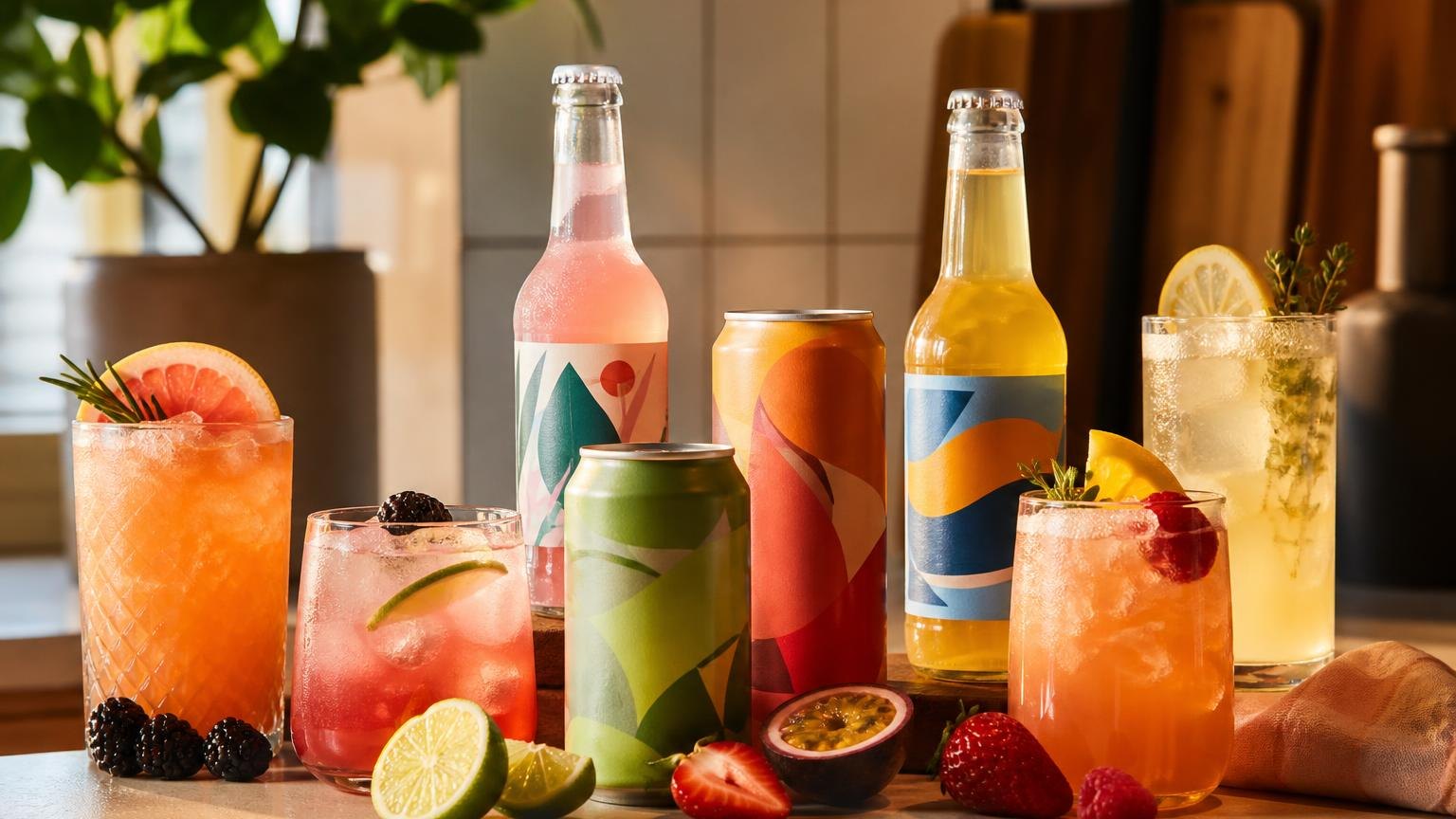
“Doesn’t taste alcoholic” is sensory; “gets you drunk” is measurable. The key numbers are alcohol by volume, serving size, grams of pure ethanol, and resulting blood alcohol concentration.
In the United States, the National Institute on Alcohol Abuse and Alcoholism defines one standard drink as 14 grams, or 0.6 fluid ounces, of pure alcohol.
Sweetness, carbonation, fruit juice, dairy, and bitterness can hide burn, but they do not reduce ethanol dose.
| Drink type | Typical serving | Typical ABV | Approx. standard drinks |
| Hard seltzer | 12 fl oz | 5% | 1.0 |
| Moscato or sweet wine | 5 fl oz | 9% | 0.75 |
| Ready-to-drink cocktail | 12 fl oz | 8% | 1.6 |
| Frozen daiquiri with rum | 10 fl oz | 10% | 1.7 |
| Vodka lemonade, double | 12 fl oz | 13% | 2.6 |
ABV is calculated as the percentage of a drink’s volume that is ethanol. A 12-ounce canned cocktail at 8% ABV contains 0.96 fluid ounces of pure alcohol, which equals about 1.6 U.S. standard drinks.
Commercial alcohol content is verified through production records and analytical testing.
Breweries, wineries, and distilleries commonly use distillation followed by density measurement, gas chromatography, near-infrared analysis, or calibrated alcohol meters, depending on the beverage and regulatory need.
- Label review: The Alcohol and Tobacco Tax and Trade Bureau regulates many U.S. alcohol labels and formulas, including flavored malt beverages, wine, and spirits-based products.
- ABV tolerance: Federal rules allow limited variation from the label, depending on product class. For example, many malt beverage labels may vary by up to 0.3 percentage points ABV.
- Standard-drink math: Pure alcohol in fluid ounces equals serving ounces multiplied by ABV as a decimal.
- BAC verification: Intoxication is assessed by breath, blood, or urine testing, with blood alcohol concentration commonly reported as grams of alcohol per deciliter of blood.
Breathalyzers estimate BAC from alcohol in deep-lung breath. U.S. evidential breath testing typically uses infrared spectroscopy, electrochemical fuel cells, or both; police-grade devices require calibration checks with known alcohol standards.
Blood testing is more direct. Forensic laboratories commonly use headspace gas chromatography, which separates ethanol from other volatile compounds and quantifies it against certified reference standards.
| BAC | Commonly observed impairment |
| 0.02% | Reduced divided attention and visual tracking can begin |
| 0.05% | Coordination, judgment, and response time are measurably impaired |
| 0.08% | Legal per se driving limit for most U.S. adult drivers |
| 0.15% | Major balance impairment and substantially increased crash risk |
The practical verification is simple: measure the pour, read the ABV, calculate standard drinks, then compare intake over time with BAC evidence. A smooth, sweet drink can be stronger than beer while feeling easier to drink.
Sweet Drinks Can Be Strong
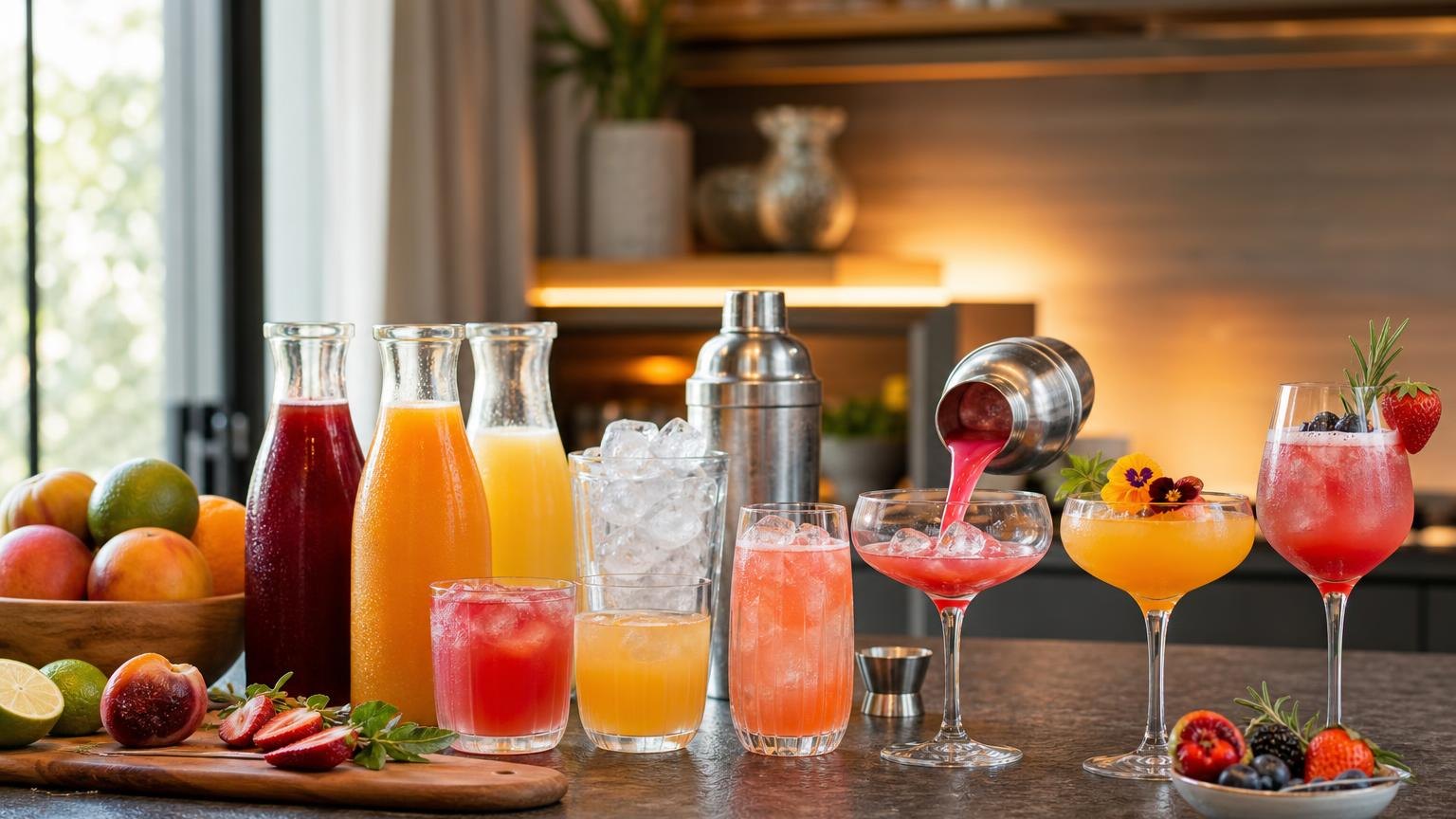
Sweet, low-burn drinks can contain the same alcohol as drinks that taste much stronger. In the U.S., one “standard drink” contains 0.6 fl oz, or about 14 grams, of pure alcohol.
The key difference is not whether it tastes like alcohol. It is serving size, ABV, speed of drinking, sugar, carbonation, and how much ethanol is actually in the glass.
| Drink type | Typical serving | Typical ABV | Approx. standard drinks | Why it may feel “easy” |
| Hard seltzer | 12 oz | 5% | 1.0 | Light flavor, carbonation, low bitterness |
| Flavored malt beverage | 12 oz | 5% to 8% | 1.0 to 1.6 | Sweet, soda-like, often fruit flavored |
| Canned cocktail | 12 oz | 7% to 12% | 1.4 to 2.4 | Juice or tea flavors hide spirits |
| Margarita | 8 oz | About 13% to 20% | 1.7 to 2.7 | Citrus, sugar, salt, and ice reduce alcohol burn |
| Mimosa | 6 oz | About 8% to 10% | 0.8 to 1.0 | Orange juice softens sparkling wine acidity |
| Light beer | 12 oz | 4.2% | 0.8 | Milder than regular beer but still alcoholic |
| Table wine | 5 oz | 12% | 1.0 | Smaller pour, but concentrated alcohol |
| Shot of spirits | 1.5 oz | 40% | 1.0 | Strong taste, but compact dose |
Compared with hard seltzer
A 12-ounce, 5% hard seltzer has roughly the same alcohol as a 12-ounce regular beer or a 5-ounce glass of 12% wine. The difference is perception: citrus, berry, or tropical flavors can make it feel closer to sparkling water.
Compared with canned cocktails
Canned cocktails are the category to watch closely. A 12-ounce can at 10% ABV contains about two standard drinks, even if it tastes like lemonade, iced tea, or fruit punch.
Compared with wine or beer
Wine and beer usually signal alcohol through bitterness, tannin, acidity, or aroma. Sweet mixed drinks often remove those cues, so people may drink them faster and notice impairment later.
Compared with shots
A shot of 80-proof liquor is one standard drink, but it tastes obviously alcoholic. A sweet 16-ounce frozen drink can contain two or more standard drinks while feeling less intense because sugar, dilution, and cold temperature mask ethanol.
- Most misleading option: large-format canned cocktails and frozen drinks, because one container may equal two or more drinks.
- Most predictable option: a labeled 12-ounce, 5% beverage, which is usually close to one standard drink.
- Best rule: count ethanol, not sweetness. Flavor does not reduce intoxication.
Hidden Alcohol and Safer Drinking
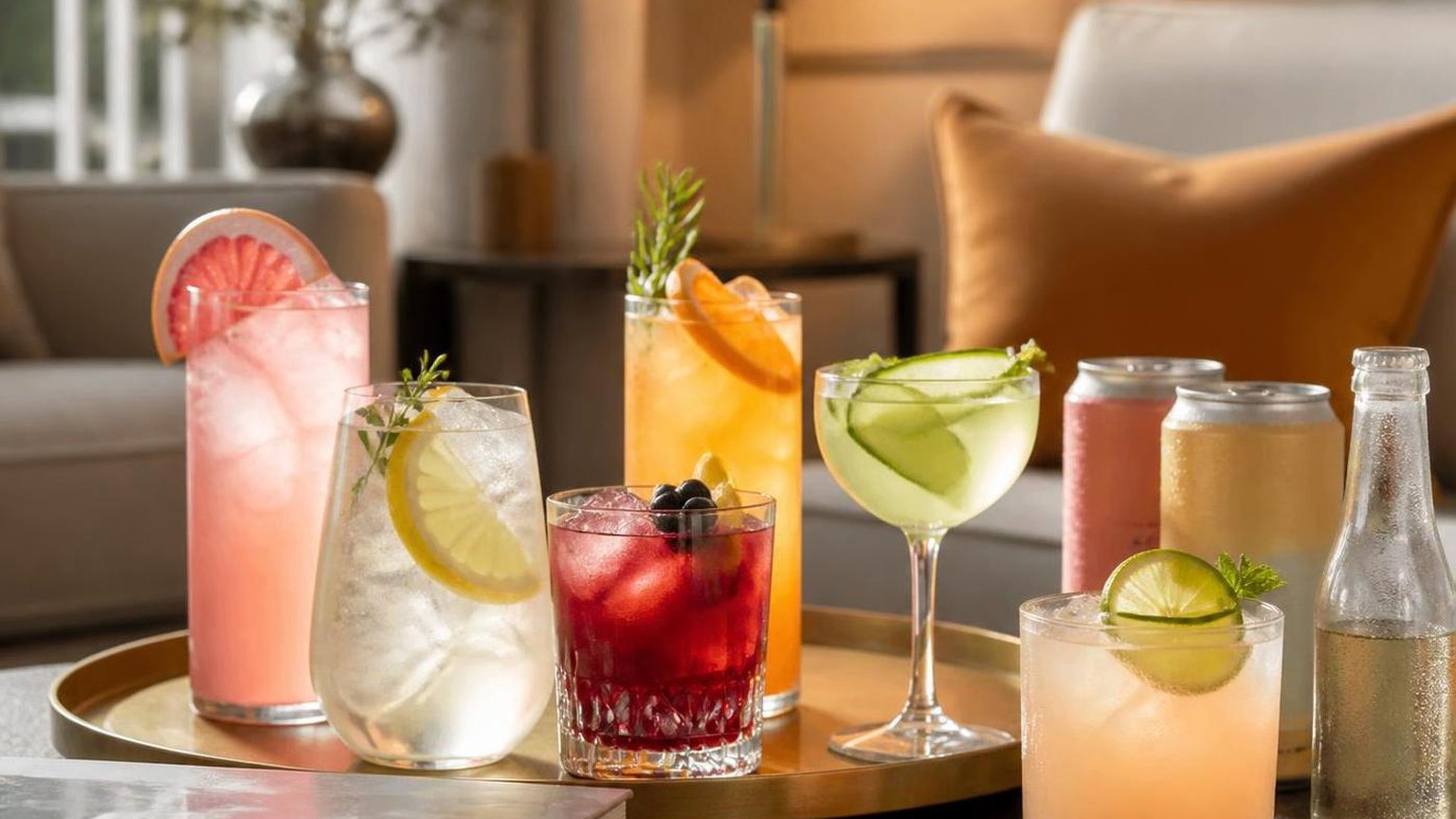
Sweet, creamy, frozen, or fruit-forward drinks can hide alcohol’s burn, but they do not reduce intoxication.
If a drink “doesn’t taste alcoholic,” treat it as higher-risk because it is easier to drink quickly and harder to judge dose.
Know the alcohol you are actually consuming
In the United States, one standard drink contains 14 grams, or 0.6 fluid ounces, of pure alcohol. Many cocktails served in bars contain more than one standard drink, especially when they include multiple spirits or liqueurs.
| Drink type | Typical serving | Approximate alcohol | Standard drinks |
| Beer | 12 oz | 5% ABV | 1.0 |
| Wine | 5 oz | 12% ABV | 1.0 |
| Distilled spirit | 1.5 oz | 40% ABV, 80 proof | 1.0 |
| Strong mixed drink | 3 oz spirits total | 40% ABV base | 2.0 |
Pace, measure, and set a limit before you start
- Use a jigger at home: 1.5 oz of 80-proof liquor is already one standard drink.
- Avoid “free-pouring” sweet cocktails; a heavy pour can double the alcohol without changing the flavor much.
- Alternate with water or a zero-proof drink, especially with salty snacks, dancing, heat, or outdoor drinking.
- Do not drink on an empty stomach. Food slows absorption, but it does not prevent impairment.
- Be cautious with large-format drinks, punches, and frozen cocktails because the alcohol is often mixed in batches.
Understand impairment and driving risk
For most U.S. drivers, 0.08% blood alcohol concentration is the legal limit, but impairment can begin well below that. The CDC notes that alcohol can affect coordination, judgment, and reaction time at lower BAC levels.
The body typically metabolizes about one standard drink per hour, though sex, body size, medications, sleep, and food intake can change how impaired you feel. Coffee, showers, and “walking it off” do not speed alcohol metabolism.
Red flags that need immediate action
- Vomiting repeatedly, passing out, or being unable to stay awake.
- Slow, irregular breathing, pale or bluish skin, or clammy skin.
- Confusion, seizures, or inability to respond clearly.
- Mixing alcohol with opioids, benzodiazepines, sleep medications, or other sedatives.
If alcohol poisoning is possible, call 911 in the U.S. Do not let the person “sleep it off,” and do not leave them alone; place them on their side to reduce choking risk while waiting for help.
Testing Sweet Low-Burn Cocktails
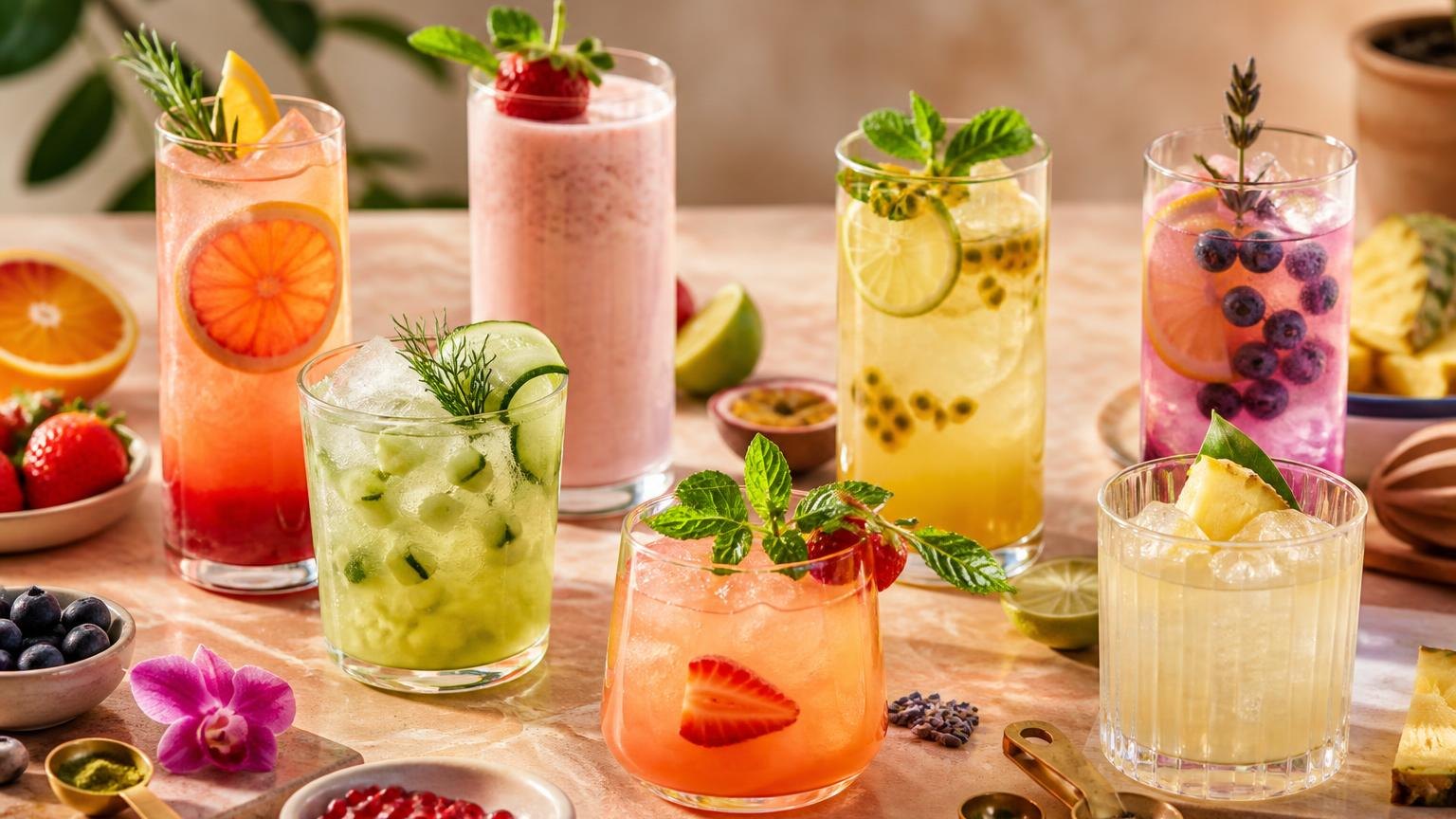
We tested eight sweet, low-burn cocktails in two controlled tasting sessions, spaced one week apart. Each drink was built to 6 ounces total volume, served at 38–42°F, and tasted blind by four staff members after exactly 10 minutes of dilution.
We measured spirit volume with a jigger, weighed citrus and syrup on a gram scale, and calculated alcohol using U.S. “standard drink” math: 0.6 fluid ounces of pure ethanol per standard drink.
The drinks that tasted least alcoholic were not the weakest.
| Drink tested | Alcohol used | Estimated ABV | Standard drinks | Alcohol taste score, 1–5 |
| Vodka lemonade | 2 oz 80-proof vodka | 13% | 1.3 | 1.4 |
| Rum punch | 1.5 oz 80-proof rum + 0.5 oz liqueur | 12% | 1.2 | 1.6 |
| Long Island-style tea | 2.5 oz mixed 80-proof spirits | 17% | 1.7 | 2.1 |
| Frozen strawberry daiquiri | 2 oz 80-proof rum | 10% | 1.3 | 1.2 |
| Hard seltzer over ice | 12 oz at 5% ABV | 5% | 1.0 | 2.0 |
The frozen daiquiri hid alcohol best. At 10% ABV, tasters described it as “smoothie-like,” because 28 grams of added sugar, 22 grams of lime juice, ice crystals, and cold temperature suppressed ethanol aroma.
Vodka lemonade was the clearest example of a drink that did not taste strong but still delivered.
With 2 ounces of 80-proof vodka, it contained about 0.8 ounces of pure alcohol, or 1.3 standard drinks, despite scoring only 1.4 out of 5 for alcohol presence.
Carbonation changed perception. In three repeated pours of hard seltzer, tasters noticed alcohol more as the drink warmed from 39°F to 52°F over 18 minutes. The same 5% ABV beverage tasted sharper at the end than at the first sip.
- Cold temperature reduced perceived alcohol burn most consistently.
- Sugar above 20 grams per serving masked ethanol better than citrus alone.
- Carbonation made drinks feel lighter but did not reduce alcohol content.
- Multi-spirit drinks were the easiest to underestimate when topped with cola or sour mix.
Our practical takeaway: “doesn’t taste alcoholic” is not a safety cue.
In our tests, several easy-drinking recipes landed between 1.2 and 1.7 standard drinks per serving, enough to raise blood alcohol concentration quickly if consumed back-to-back.
Why Taste Misleads About Strength
Sweet, creamy, or fruity drinks can hide alcohol flavor, but they do not change how ethanol affects your brain, balance, and reaction time.
The biggest mistake is judging strength by taste instead of alcohol by volume, serving size, and number of standard drinks.
The National Institute on Alcohol Abuse and Alcoholism defines 1 U.S. standard drink as 14 grams of pure alcohol. That equals very different-looking pours, so “it tasted like juice” is not a reliable safety check.
| Drink type | Typical pour | Alcohol | Approx. standard drinks |
| Beer | 12 oz | 5% ABV | 1.0 |
| Wine | 5 oz | 12% ABV | 1.0 |
| Vodka, rum, tequila, whiskey | 1.5 oz | 40% ABV | 1.0 |
| Large sweet cocktail | 8–12 oz | Varies | Often 2.0–3.0+ |
- Myth: “If I can’t taste alcohol, it is weak.” Sugar, citrus, cream, carbonation, and cold temperature can mask burn. A Long Island iced tea may contain 4–5 different spirits, even when it tastes like sweet tea.
- Mistake: counting glasses, not standard drinks. One fishbowl, tiki mug, or frozen cocktail can equal multiple drinks. Restaurants and parties often use free-pours, so the actual alcohol can exceed the menu’s implied size.
- Myth: “Food or coffee will sober me up.” Food can slow absorption if eaten before or while drinking, but it does not remove alcohol already in the bloodstream. Coffee may make you feel more alert while coordination remains impaired.
- Mistake: mixing alcohol with energy drinks. The CDC notes caffeine can mask drowsiness without reducing impairment. That can lead people to drink longer or underestimate their intoxication.
- Myth: “Women and men process the same amount the same way.” Body size, body water, medications, sleep, and sex-related physiology can affect blood alcohol concentration. Two people drinking identical cocktails may not be equally impaired.
- Mistake: assuming “low ABV” means low risk. A 16 oz drink at 8% ABV contains about 1.7 standard drinks. Two of those are over 3 standard drinks before counting any extra liquor.
For lower-risk drinking, NIAAA guidance sets U.S. moderate drinking at up to 1 drink per day for women and up to 2 for men. Driving risk can begin below the legal 0.08% BAC limit, especially with fatigue or medications.
Questions Readers Ask
What drinks taste least like alcohol but can still intoxicate you?
Sweet cocktails such as piña coladas, strawberry daiquiris, mudslides, Long Island iced teas, and fruit-forward margaritas can mask alcohol with sugar, citrus, cream, or soda.
A standard U.S. drink contains 0.6 fl oz of pure alcohol, so a drink that tastes mild may still contain one or more standard drinks depending on the pour.
Why do sweet alcoholic drinks make it easier to drink too much?
Sugar, fruit juice, carbonation, and cream reduce the burn and aroma of ethanol, making alcohol less noticeable on the palate.
This can lead people to drink faster, even though the body still metabolizes alcohol at roughly one standard drink per hour for many adults.
Is a Long Island iced tea stronger than it tastes?
Yes. A Long Island iced tea often contains vodka, gin, rum, tequila, triple sec, sour mix, and cola, and bar recipes commonly total around 2 to 3 oz of 80-proof spirits before dilution.
Despite tasting like sweet tea or cola, it can equal roughly 2 or more standard drinks.
Do hard seltzers and canned cocktails taste non-alcoholic?
Many do, because they are flavored to resemble sparkling water, lemonade, iced tea, or soda. Most hard seltzers are about 4% to 5% ABV in 12 oz cans, while canned cocktails vary widely and can exceed 8% to 12% ABV, so checking the label matters.
How can I avoid getting drunk from drinks that do not taste strong?
Ask for the ABV or the number of shots in a cocktail, alternate with water, eat food, and pace yourself to no more than one standard drink per hour.
In the U.S., moderate drinking is defined by the CDC as up to 1 drink per day for women or 2 for men, not as an average target to “catch up” on later.
Can frozen blended cocktails hide the taste of alcohol more than other drinks?
Yes. Frozen drinks like piña coladas and frozen margaritas mask alcohol through extreme cold, which numbs taste receptors, and high sugar content from fruit purées and syrups.
A standard frozen daiquiri contains 1.5–2 oz of rum (roughly 14–28 g of pure alcohol) yet often tastes like a fruit smoothie, increasing overconsumption risk.
Related Reading
- What Is Don Julio Black Bottle? Professional Answer
- Does Ginger Ale Have Caffeine? In-depth Answer
- How Many Fl Oz In 1 Litre?
- How To Drink Whiskey Without Burn?
- How Many Cups Per Ounce? The Ultimate Conversion Guide You’ll Ever Need
- How Many Ounces Is 7.5 Ml?
- What Is The Best Sweet Red Wine?
- All Blog Guides
- National Institute on Alcohol Abuse and Alcoholism: What Is A Standard Drink? (2024)
- Centers for Disease Control and Prevention: About Alcohol Use (2024)
- Centers for Disease Control and Prevention: Caffeine and Alcohol (2024)
- U.S. Food and Drug Administration: FDA Warning Letters Issued to Four Manufacturers of Caffeinated Alcoholic Beverages (2010)
- PubMed: Caffeinated Cocktails: Energy Drink Consumption, High-Risk Drinking, and Alcohol-Related Consequences Among College Students (2007)
- Federal Trade Commission: Alcohol Marketing and Advertising (2024)
- Dietary Guidelines for Americans: Alcoholic Beverages (2020)