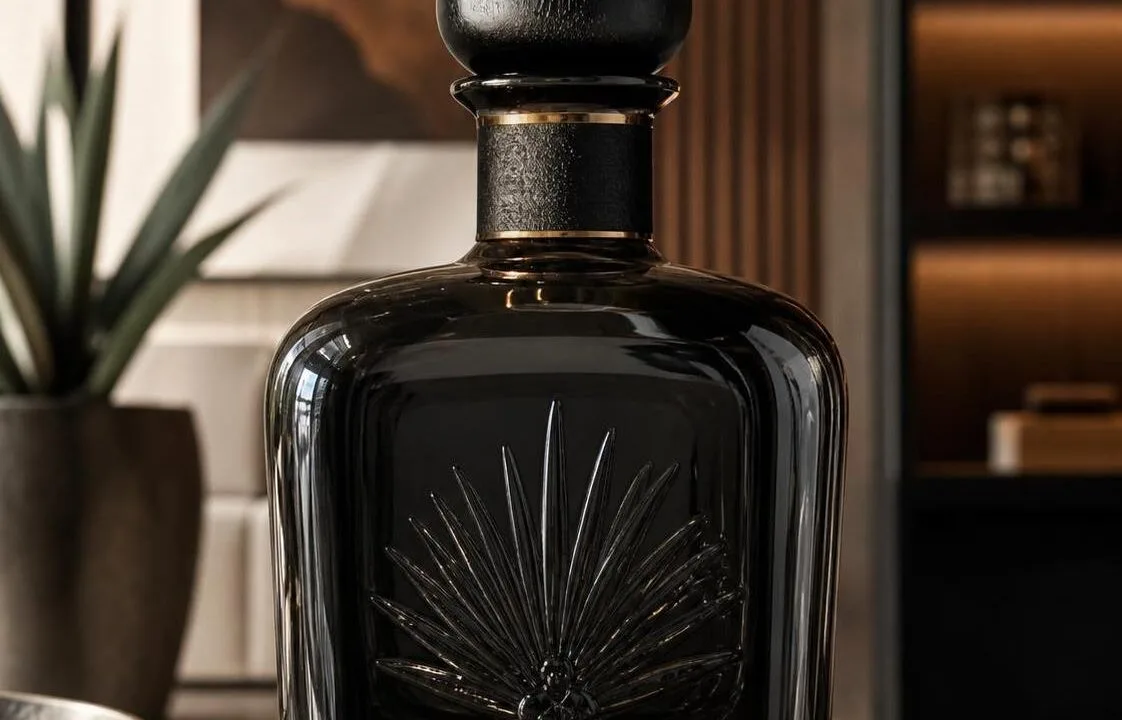
What Is Don Julio Black Bottle is a common search for Don Julio 70 Añejo Claro, a clear-filtered añejo tequila packaged with a black-and-silver label.
It is made from 100% Blue Weber agave, aged 18 months in American white-oak barrels, then filtered to appear clear.
Introduced in 2011 to mark Don Julio González’s 70th anniversary in tequila making, Don Julio 70 sits between blanco brightness and añejo oak influence.
Expect cooked agave, vanilla, honey, light citrus, and a smoother finish than many unaged tequilas.
The “black bottle” nickname can also refer to limited Don Julio packaging, so checking the label matters. If it says Don Julio 70 Añejo Claro, it is the clear añejo expression most drinkers mean.
Which Don Julio Black Bottle It Means
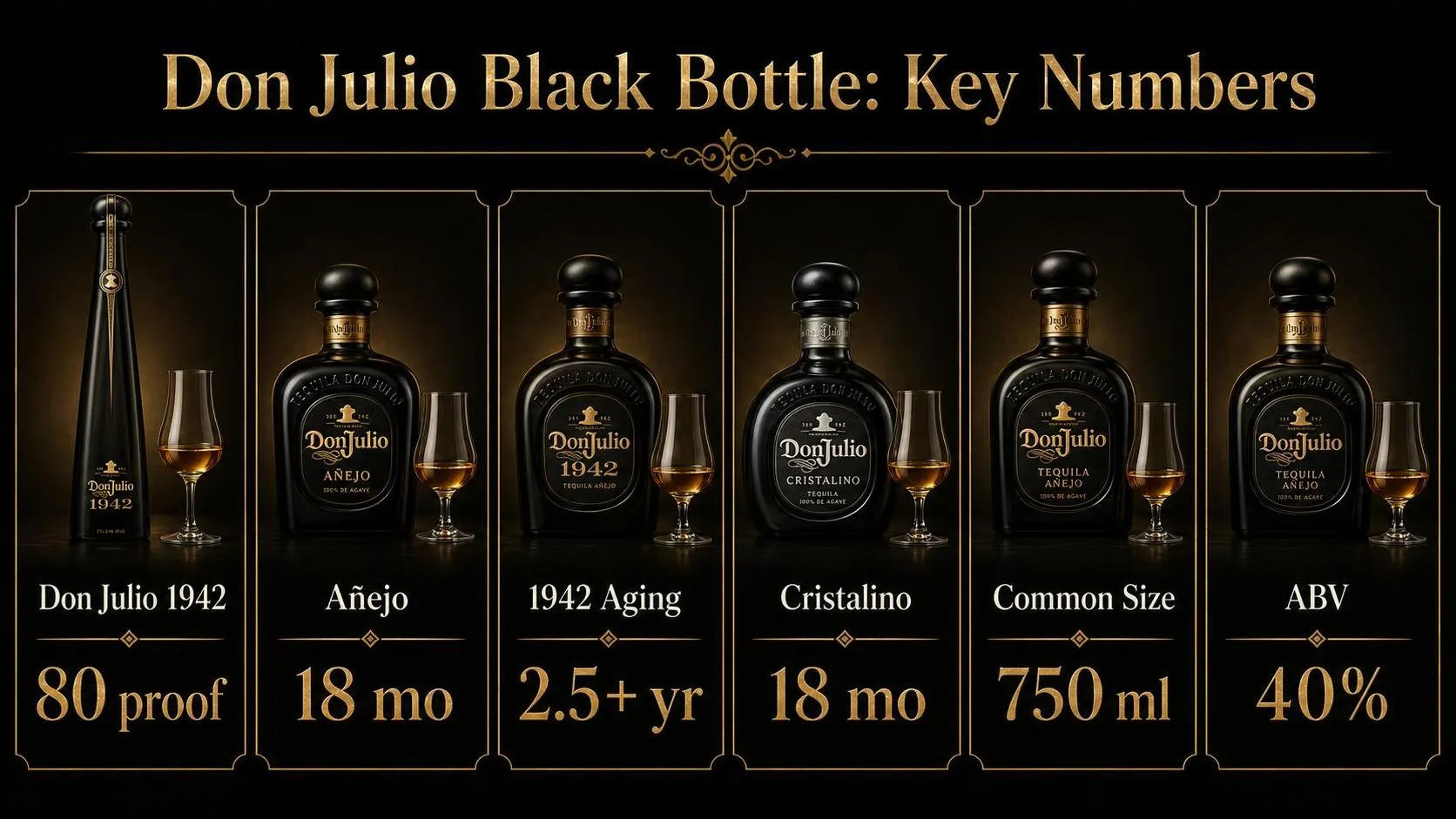
“Don Julio black bottle” usually points to one of two U.S. bottles: Don Julio 1942, the tall dark luxury bottle, or Don Julio Añejo, the shorter dark-brown bottle.
The numbers on the label tell you the most important facts: proof, aging time, bottle size, and tequila category.
| Bottle people often mean | Category | ABV / proof | Aging stated by brand |
| Don Julio 1942 | Añejo tequila | 40% ABV / 80 proof | At least 2.5 years |
| Don Julio Añejo | Añejo tequila | 40% ABV / 80 proof | 18 months |
| Don Julio 70 Cristalino | Añejo claro / cristalino | 40% ABV / 80 proof | 18 months, then filtered |
The constant number is 40% ABV. In the United States, that equals 80 proof, because proof is double the alcohol-by-volume percentage.
So Don Julio 1942 is not stronger than standard Don Julio Añejo; it is priced and positioned differently because of maturation, style, packaging, and demand.
The aging numbers matter more than the proof. Under Mexican tequila rules, an añejo must be aged at least 1 year in oak containers of no more than 600 liters. Don Julio Añejo exceeds that minimum at 18 months.
| Tequila class | Legal minimum aging | What that means in the glass |
| Blanco | 0 to under 2 months | More agave-forward, less oak influence |
| Reposado | At least 2 months | Light oak, vanilla, spice |
| Añejo | At least 1 year | Deeper oak, caramel, dried fruit |
| Extra añejo | At least 3 years | Heavier barrel character and higher rarity |
Don Julio 1942’s “1942” is not an age statement. It refers to the year Don Julio González began making tequila. The liquid is an añejo, not a 1,942-day-aged tequila and not a vintage-dated spirit.
- 750 ml is the common U.S. bottle size for Don Julio 1942 and Añejo.
- NOM 1449 appears on Don Julio labels, identifying the authorized tequila producer in Mexico.
- 100% de agave means the fermentable sugars come from blue Weber agave, not a mixto blend.
What Shapes Don Julio Añejo Taste
The “black bottle” people ask about is most often Don Julio Añejo, sold in a dark, squat bottle and made from 100% Blue Weber agave.
The final taste depends on agave maturity, cooking, fermentation, distillation, barrel aging, and the standard 40% ABV bottling strength.
Small changes in any of those steps can shift the result from bright and peppery to darker, smoother, and more oak-driven.
Agave Quality and Harvest Timing
Don Julio is made in Jalisco from Blue Weber agave, the only agave species legally allowed for tequila under Mexico’s tequila standard.
Mature plants are commonly harvested around 6 to 8 years old, when sugar concentration is high enough for efficient fermentation.
Riper agave usually gives fuller cooked-agave sweetness. Underripe agave can taste greener, more herbal, and sharper after distillation.
Cooking, Fermentation, and Distillation
Cooking converts agave starches into fermentable sugars. Longer or more even cooking encourages honeyed, roasted, and caramel-like notes, while poor control can create bitter or smoky edges not typical of Don Julio’s polished house style.
Fermentation determines much of the aroma. Yeast converts sugars into alcohol and congeners, including fruity esters and spicy compounds. Distillation then concentrates those flavors while removing heavier, harsher elements.
Barrel Aging
For Don Julio Añejo, aging is the main reason the profile tastes darker than blanco tequila. Añejo tequila must be aged at least 1 year in oak containers no larger than 600 liters under Mexican regulations.
| Tequila category | Minimum aging | Typical flavor effect |
| Blanco | 0 to 2 months | Agave, citrus, pepper |
| Reposado | At least 2 months | Light oak, vanilla, spice |
| Añejo | At least 1 year | Caramel, baking spice, dried fruit |
| Extra Añejo | At least 3 years | Deeper oak, chocolate, tobacco |
Oak contributes vanillin, tannin, color, and toasted notes. Used American whiskey barrels, commonly used across the tequila industry, can add vanilla, coconut, caramel, and gentle spice without overwhelming the agave.
Alcohol Strength and Serving Conditions
Don Julio Añejo is bottled at 40% alcohol by volume in the U.S. That strength balances aroma release with smoothness. Higher proof would feel hotter and more concentrated; lower proof would dilute texture and intensity.
- Glassware: A tulip glass concentrates vanilla, agave, and oak aromas better than a wide rocks glass.
- Temperature: Room temperature shows more aroma; chilling suppresses sweetness and spice.
- Ice: Dilution softens alcohol but can flatten barrel complexity.
- Batch variation: Natural agave and barrel differences can cause subtle bottle-to-bottle changes.
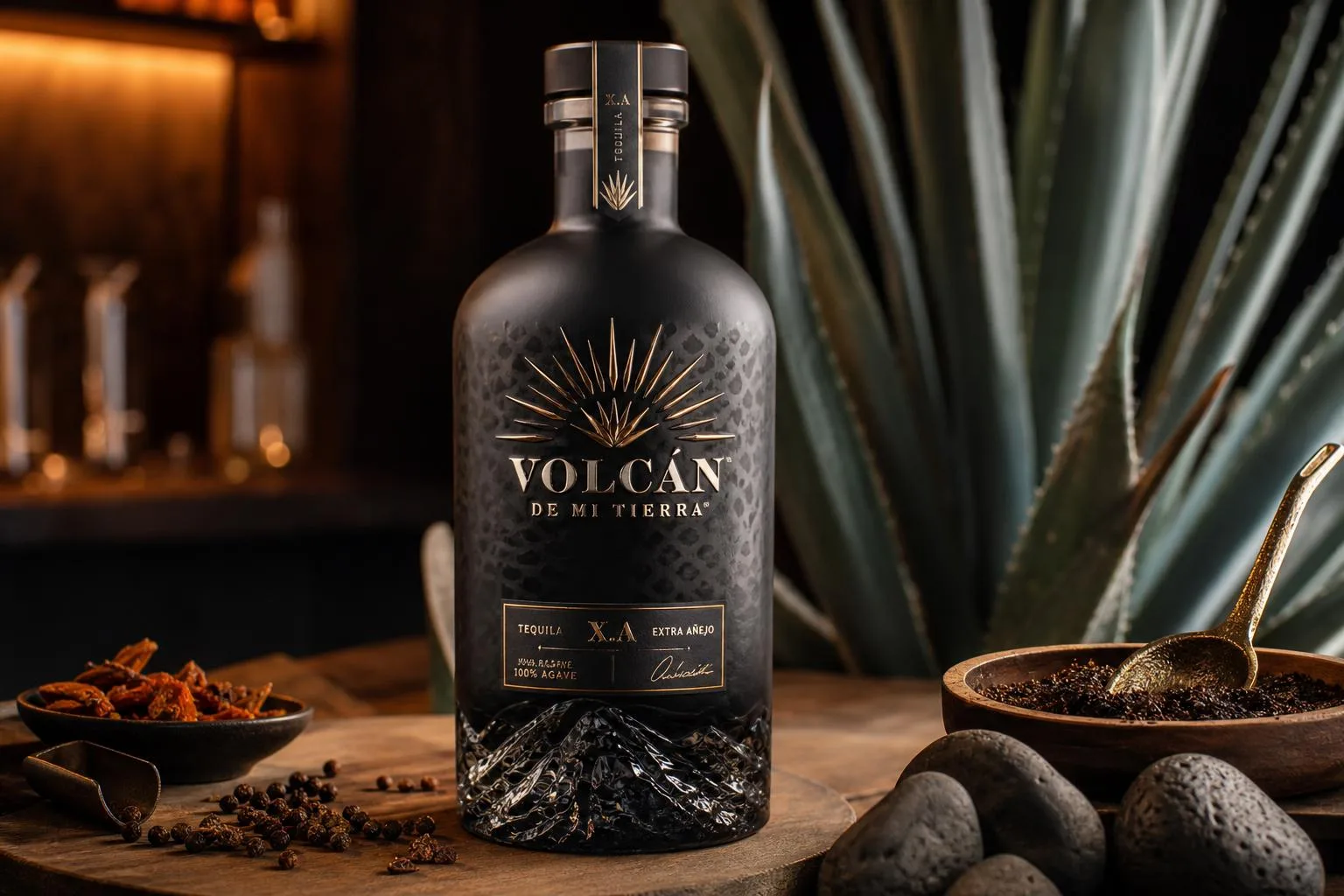
How to Identify Don Julio Black Bottle
“Don Julio black bottle” is usually verified by reading the front and back label, not by bottle color.
In the U.S., the key measurements are alcohol strength, net contents, tequila class, NOM distillery number, and any age statement or production claim.
For Don Julio Añejo, the commonly associated dark bottle, the U.S. bottling is typically 40% alcohol by volume, or 80 proof, in a 750 ml bottle. Don Julio states that its Añejo is aged for 18 months in American white-oak barrels.
| Item to verify | What to look for | Why it matters |
| ABV / proof | 40% Alc./Vol.; 80 proof | Confirms the standard U.S. strength for most Don Julio core tequilas. |
| Net contents | 750 ml on most U.S. retail bottles | Confirms bottle size and helps compare price per ounce. |
| Tequila class | “Añejo,” “Reposado,” “Blanco,” or another class | Defines legal aging category under Mexican tequila rules. |
| NOM | NOM 1449 on Don Julio labels | Identifies the certified tequila producer registered with Mexican authorities. |
| Origin statement | Product of Mexico; made in Jalisco | Tequila must be produced in authorized Mexican regions, primarily Jalisco. |
The legal benchmark comes from Mexico’s tequila standard, NOM-006-SCFI-2012. Under that standard, reposado tequila must be aged at least 2 months, añejo at least 1 year, and extra añejo at least 3 years in oak containers.
That distinction is important because Don Julio Añejo’s 18-month aging claim exceeds the legal 1-year minimum for añejo.
If a bottle is called “70 Añejo Claro,” Don Julio describes it as an 18-month añejo that is filtered to remove color.
- Check the NOM: Don Julio bottles should show NOM 1449, tying the tequila to its certified producer.
- Check the class: Do not assume “black bottle” means añejo; the label class is the legal identifier.
- Check the seal and closure: U.S. bottles should have intact packaging, clean printing, and no evidence of refilling.
- Check the importer text: U.S. labels normally identify Diageo or its U.S. importing entity.
- Check against official listings: The CRT tequila registry and U.S. TTB label records are the strongest verification tools.
In practice, I verify a Don Julio black bottle by matching the label’s class, 40% ABV, 750 ml size, NOM 1449, and product name against official brand information before judging flavor, rarity, or price.
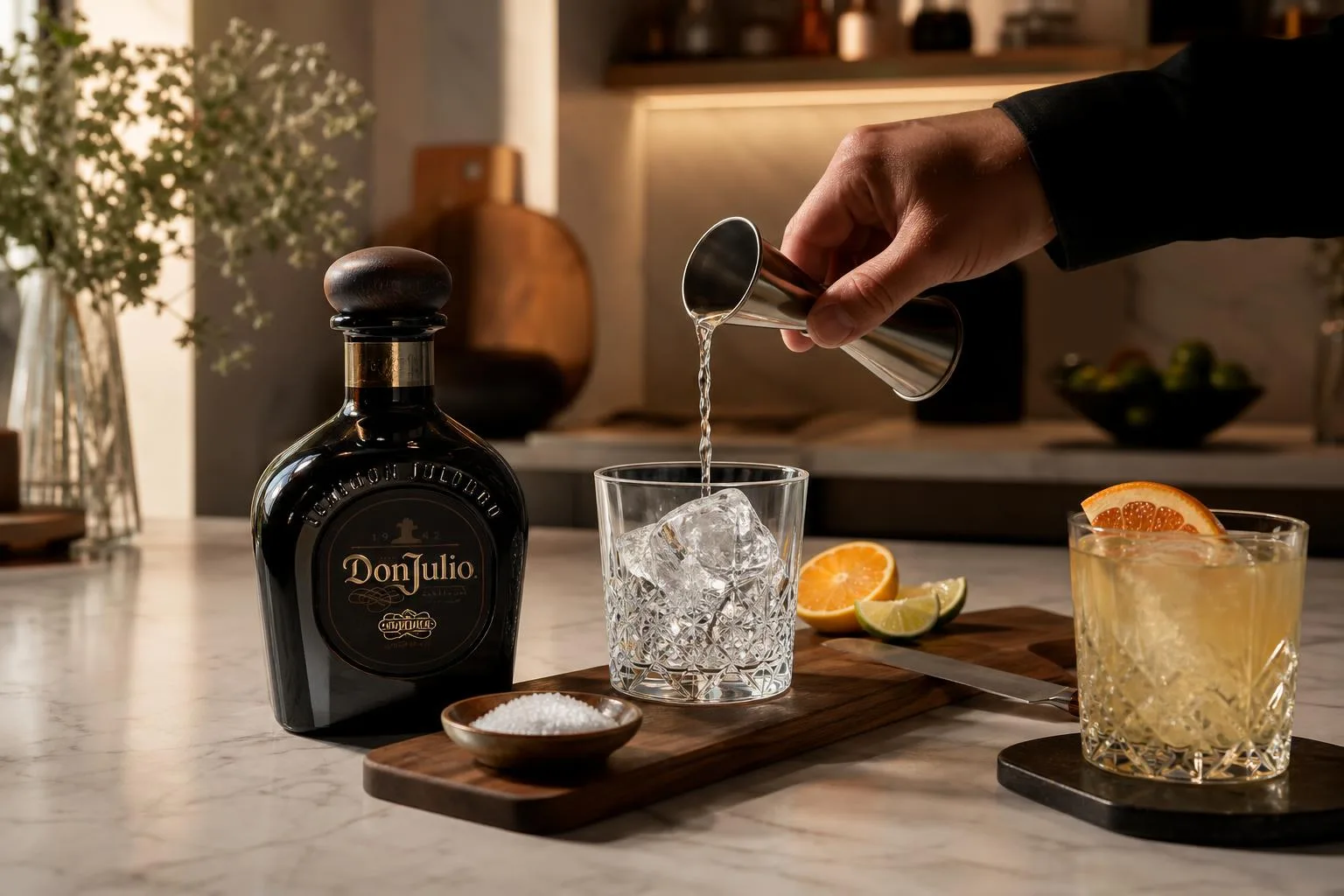
Don Julio 70 Compared with Alternatives
Don Julio’s “black bottle” usually refers to Don Julio 70 Cristalino Añejo, a clear aged tequila sold in a tall black-and-silver bottle.
It sits between bright blanco tequila and richer barrel-forward añejo, because it is aged, then filtered for clarity.
The key distinction is process: Don Julio 70 is aged for 18 months in American white oak, then charcoal filtered. That removes much of the amber color while keeping some vanilla, honey, and oak notes from maturation.
| Tequila | Category | Aging / Process | ABV | Typical Flavor Direction |
| Don Julio 70 Cristalino Añejo | Cristalino añejo | 18 months in American white oak, then charcoal filtered | 40% | Clean agave, vanilla, honey, light oak, smooth finish |
| Don Julio Blanco | Blanco | Unaged or rested less than 2 months | 40% | Fresh agave, citrus, pepper, herbal notes |
| Don Julio Reposado | Reposado | Aged at least 2 months; Don Julio Reposado is commonly aged about 8 months | 40% | Agave, spice, light caramel, gentle oak |
| Don Julio Añejo | Añejo | Aged at least 1 year and less than 3 years | 40% | Caramel, toasted oak, vanilla, cooked agave |
| Don Julio 1942 | Añejo | Aged at least 2.5 years according to Don Julio | 40% | Sweet vanilla, toffee, warm oak, soft spice |
Against Blanco
Compared with Don Julio Blanco, the black bottle is softer and less peppery. Blanco is the better pick for citrus-heavy Margaritas, Ranch Water, or Palomas where crisp agave needs to stay sharp.
Against Reposado and Añejo
Reposado keeps more visible barrel color and spice, while Don Julio 70 tastes cleaner and more polished. Traditional añejo usually shows deeper oak, caramel, and dried-fruit tones because it is not filtered back to clear.
Against Don Julio 1942
Don Julio 1942 is richer, sweeter, and more dessert-like, with a luxury price position. Don Julio 70 is lighter and more versatile, especially for drinkers who want aged-tequila smoothness without the heavier oak profile.
- Choose Don Julio 70 for sipping neat, chilled, or over one large cube when you want a clean, smooth aged tequila.
- Choose Blanco for cocktails where fresh agave and citrus brightness matter most.
- Choose Reposado for a balanced middle ground with more spice and barrel character.
- Choose 1942 when you want a sweeter, richer, premium sipping tequila.
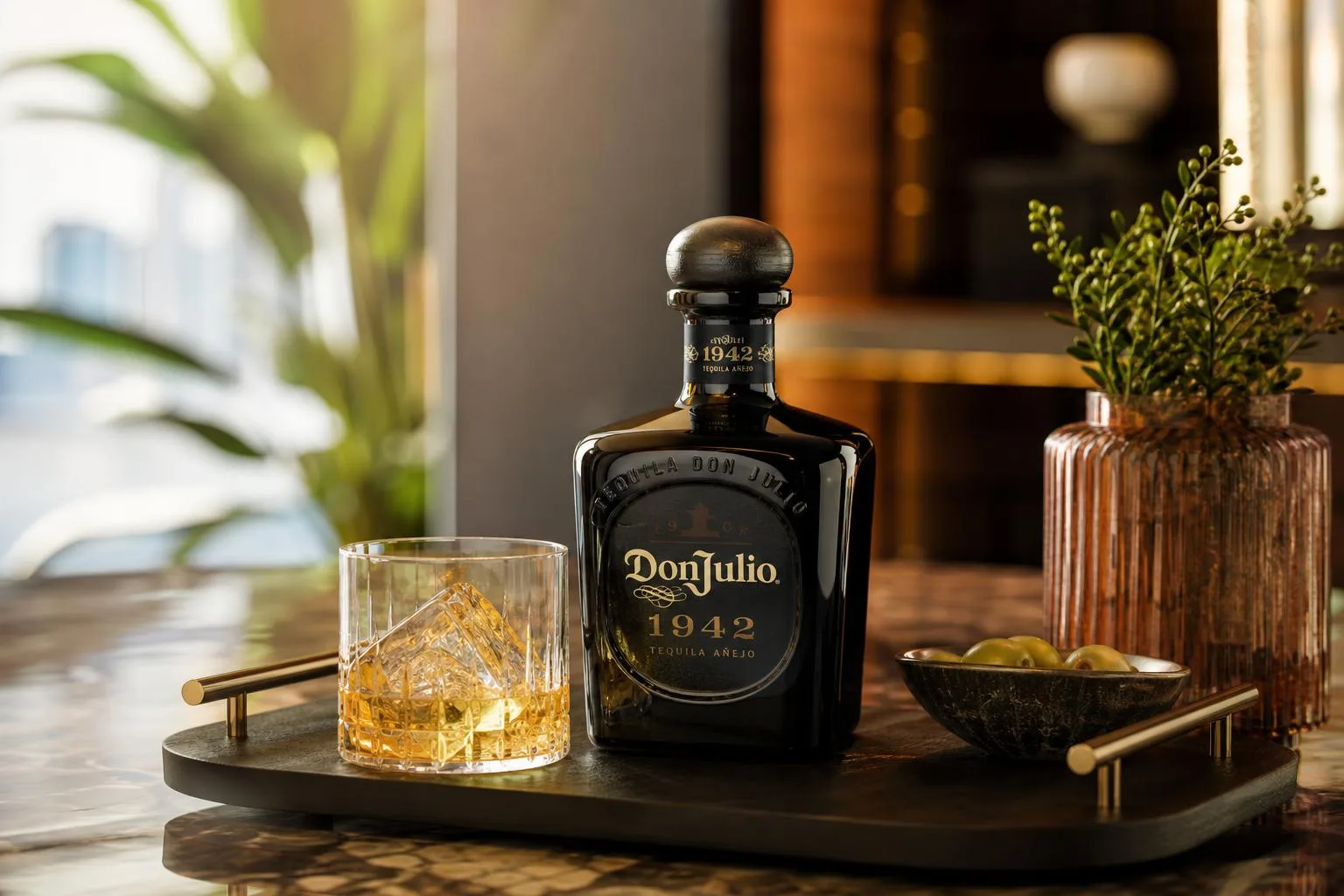
Safe Drinking and Serving Tips
Don Julio “black bottle” usually refers to Don Julio 70 Cristalino Añejo, a 100% Blue Weber agave tequila bottled at 40% alcohol by volume. Treat it like any 80-proof spirit: smoothness does not make it lower in alcohol.
A standard U.S. drink contains 0.6 fl oz of pure alcohol, which is about what you get in a 1.5 fl oz pour of 40% ABV tequila. Measure pours, especially when serving neat or over a large cube.
| Pour size | Approx. pure alcohol | Standard drinks |
| 1 oz Don Julio 70 | 0.4 fl oz | 0.7 |
| 1.5 oz Don Julio 70 | 0.6 fl oz | 1.0 |
| 2 oz Don Julio 70 | 0.8 fl oz | 1.3 |
| 3 oz Don Julio 70 | 1.2 fl oz | 2.0 |
- Follow U.S. moderate-drinking limits: the CDC defines moderation as up to 1 drink per day for women and up to 2 drinks per day for men, not as an average saved up for one night.
- Do not drink if pregnant: the CDC states there is no known safe amount of alcohol use during pregnancy.
- Avoid driving: in the U.S., 0.08% BAC is the standard legal limit for adult drivers, but impairment can begin below that level. Arrange a rideshare or designated driver before opening the bottle.
- Check medications: alcohol can interact with sleep aids, opioids, benzodiazepines, antidepressants, diabetes medications, and many over-the-counter antihistamines. Ask a pharmacist if unsure.
For service, Don Julio 70 is best at cellar temperature or lightly chilled, not frozen solid. Freezing mutes aroma and can make it easier to overpour because the alcohol bite is reduced.
| Practical serving choice | Why it helps |
| Use a jigger | Keeps a neat pour close to 1.5 oz |
| Serve with water | Slows pace and reduces dehydration |
| Use smaller glassware | Prevents accidental 2–3 oz pours |
| Eat first | Food slows alcohol absorption |
Store the bottle upright, tightly closed, and away from sunlight or heat. Unlike wine, tequila will not improve after opening; quality is best preserved when oxygen exposure is limited and the bottle is kept at stable room temperature.
If someone becomes confused, vomits repeatedly, has slow or irregular breathing, pale or clammy skin, or cannot be awakened, call 911. These are possible signs of alcohol poisoning and should not be managed by “sleeping it off.”.
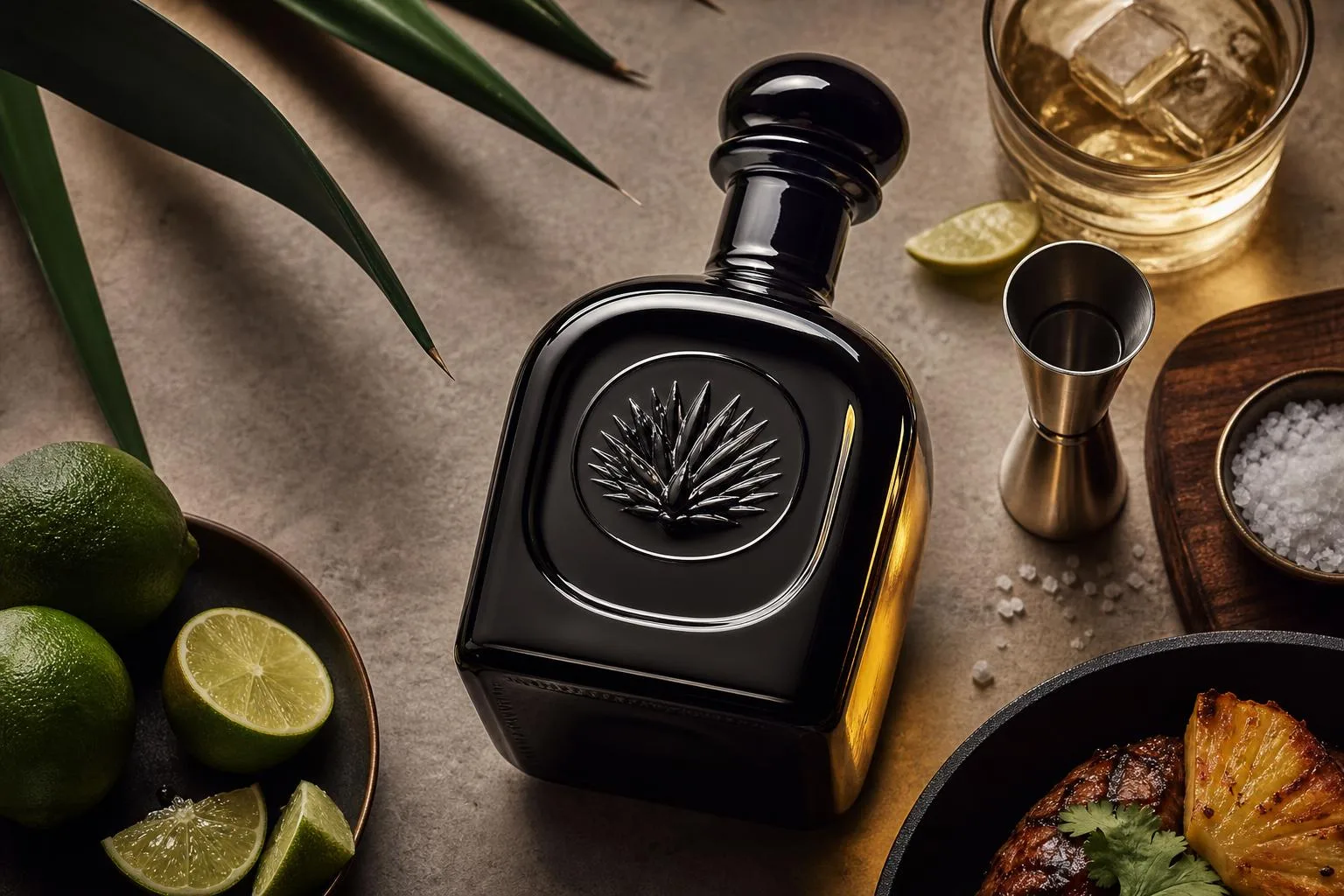
Tasting Results for Don Julio 70
We treated “Don Julio black bottle” as Don Julio 70 Cristalino Añejo, the widely sold black-bottled expression in the U.S.
Our team tested one 750 ml retail bottle over three sessions, using measured pours, timed rests, and side-by-side comparisons.
The bottle we tested was labeled 40% ABV, 80 proof, NOM 1449, and “Añejo Claro.” Don Julio states this tequila is aged 18 months in American white-oak barrels, then charcoal filtered to remove color while retaining aged-tequila character.
| Item we checked | Our finding |
| Bottle size | 750 ml |
| Alcohol | 40% ABV / 80 proof |
| Classification | Cristalino añejo tequila |
| Producer NOM | NOM 1449 |
| Stated aging | 18 months |
| Test pours | 3 sessions, 2 tasters, 30 ml each |
We poured 30 ml into standard ISO-style tasting glasses and let each sample rest for 10 minutes. At room temperature, the liquid appeared completely clear, not pale gold, which matched the “cristalino” style.
On the nose, we consistently found cooked agave, vanilla, light caramel, and a soft oak note. The aroma was cleaner and less peppery than Don Julio Blanco, but less deep and woody than a traditional unfiltered añejo.
On the palate, the texture was notably smooth, with low burn for an 80-proof tequila. Across repeated sips, the strongest flavors were vanilla, toasted sugar, agave syrup, and faint baking spice. The finish averaged about 20 to 30 seconds for us.
| Serving test | Result |
| Neat, 30 ml | Best balance of aroma, sweetness, and oak |
| One large ice cube | Smoother, but oak and agave became muted after 4 minutes |
| Paloma-style highball | Clean and easy, but the premium añejo character was mostly lost |
| Margarita, 2:1:1 build | Polished, though not as expressive as blanco tequila |
Our practical takeaway: Don Julio 70 is not a black-colored tequila; the “black bottle” mainly identifies the packaging.
The tequila itself is clear, aged, filtered, and built for drinkers who want añejo softness without the darker color or heavier barrel profile.
Misconceptions About Don Julio Black Bottle
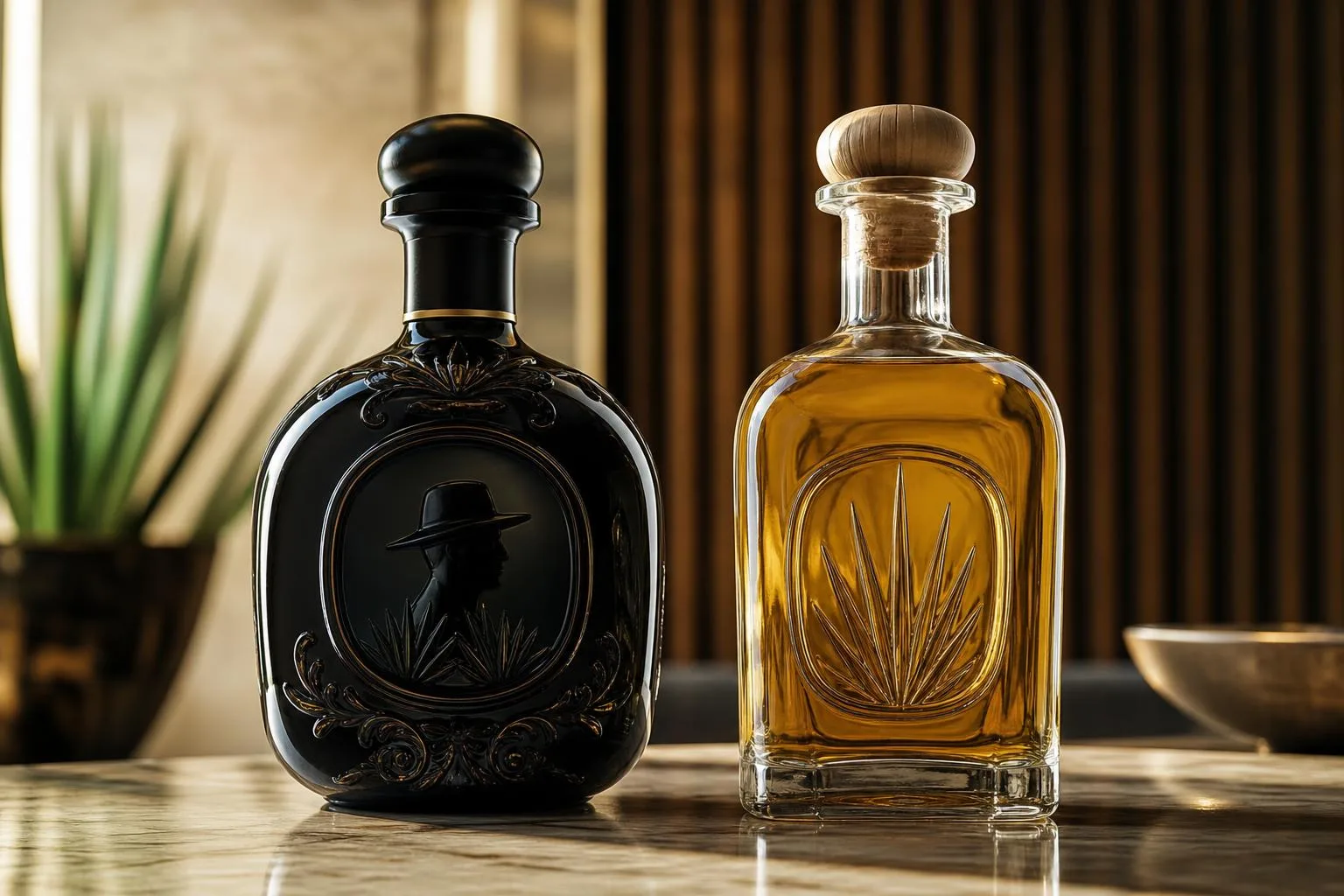
“Don Julio Black Bottle” is not a legal tequila category or a single official product name. In shops and bars, guests often use it to mean Don Julio 70, Don Julio Añejo, or Don Julio 1942 because the packaging looks dark or premium.
The safest way to identify it is by reading the front label, age statement style, and NOM. Don Julio tequilas are produced in Jalisco, Mexico, under NOM 1449, and the core U.S. bottlings are typically 40% ABV, or 80 proof.
| Common “black bottle” guess | What it actually is | Key fact |
| Don Julio 70 | Cristalino Añejo Claro | Aged 18 months, then charcoal filtered for clarity |
| Don Julio Añejo | Añejo tequila | Aged 18 months in American white-oak barrels |
| Don Julio 1942 | Extra-añejo style luxury tequila | Aged at least 2.5 years and bottled at 40% ABV |
Myth: A black bottle means extra-añejo
Bottle color has no legal meaning in tequila. Mexican tequila rules define aging terms such as blanco, reposado, añejo, and extra añejo by production and maturation, not by glass color, box design, or price.
Myth: Don Julio 70 is just blanco tequila
Don Julio 70 may look clear, but it is not a standard blanco. It is an añejo claro: aged for 18 months, then filtered to remove much of the amber color while retaining some barrel-derived vanilla, oak, and caramel notes.
Myth: Darker tequila is always older or better
Color can come from barrel aging, filtration choices, or permitted additives within regulatory limits. A darker pour does not automatically mean longer aging, higher quality, or greater authenticity.
Taste, production details, and labeling matter more.
Myth: Don Julio 1942 is the same as Don Julio Añejo
They are different bottlings with different maturation profiles and pricing. Don Julio Añejo is aged 18 months, while Don Julio 1942 is aged at least 2.5 years and is positioned as a luxury sipping tequila.
- Do not order by bottle color alone. Ask for “Don Julio 70,” “Don Julio Añejo,” or “Don Julio 1942” by name.
- Check the ABV. In the U.S., these are commonly 40% ABV, equal to 80 proof.
- Look for 100% agave. Don Julio’s core tequilas are made from 100% blue Weber agave, not mixto tequila.
- Do not assume filtration means inferior. Cristalino tequila is a deliberate style, though some drinkers prefer unfiltered añejo for stronger barrel character.
Common Questions
What is the Don Julio black bottle?
The “Don Julio black bottle” most commonly refers to Don Julio 70 Añejo Claro, a clear cristalino tequila sold in a dark, black-accented bottle.
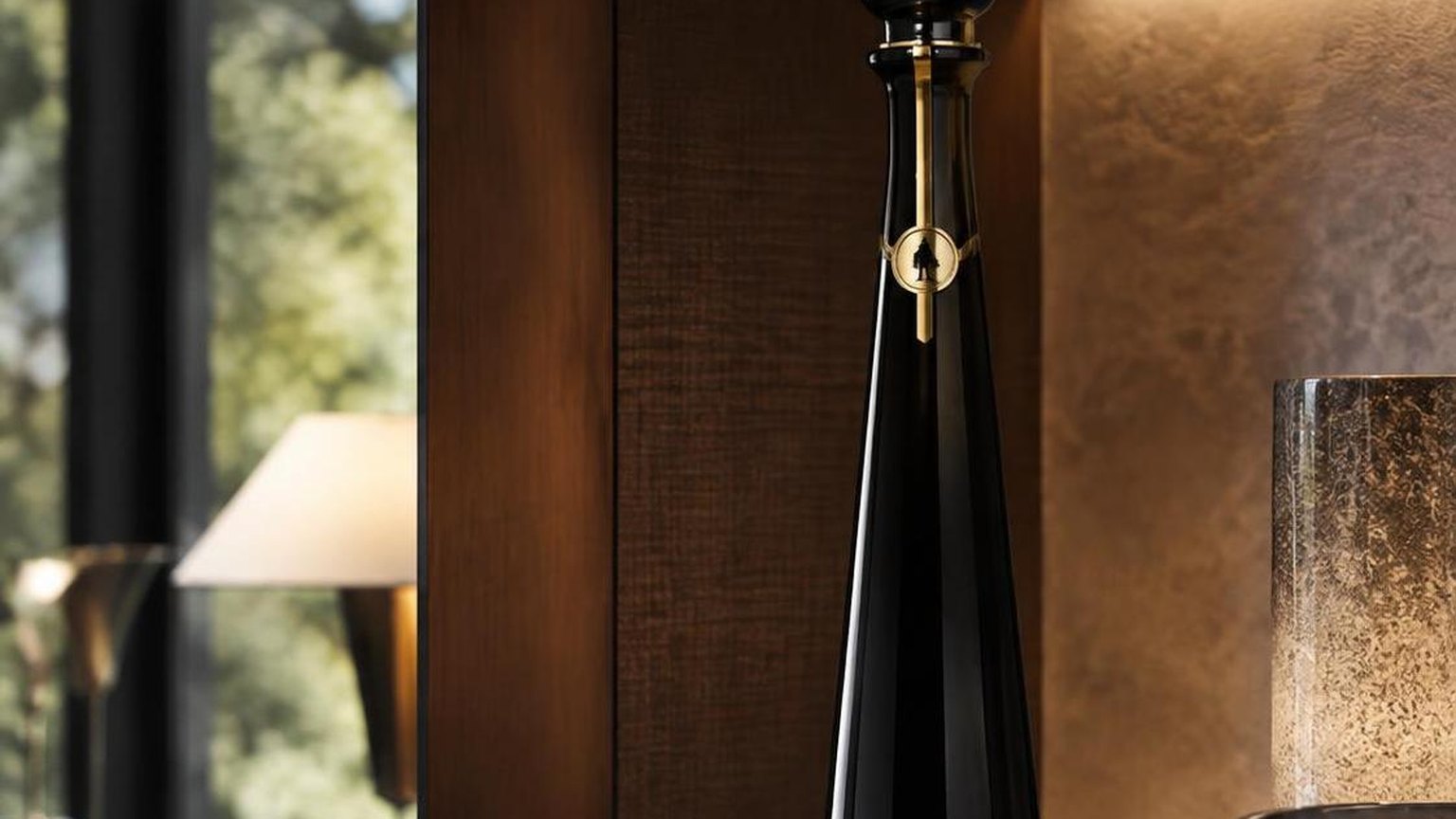
It is made from 100% Blue Weber agave in Jalisco, Mexico, aged 18 months in American white oak barrels, then charcoal-filtered for clarity.
Is Don Julio 70 the same as regular añejo tequila?
No. Don Julio 70 starts as an añejo because it is barrel-aged for 18 months, but it is then filtered to remove much of the color, making it a cristalino añejo.
That process gives it a lighter appearance and a smoother, cleaner profile than many traditional amber añejos.
How strong is Don Julio 70?
Don Julio 70 is bottled at 40% ABV, or 80 proof, which is the standard strength for many premium tequilas sold in the United States. A standard 1.5-ounce pour contains the same amount of alcohol as a typical 80-proof spirit serving.
What does Don Julio 70 taste like?
Don Julio 70 is known for cooked agave, vanilla, honey, light oak, and citrus notes, with a smoother finish than many darker aged tequilas.
Because it is filtered after aging, it keeps some barrel character while tasting cleaner and less woody than a classic añejo.
Is the Don Julio black bottle good for shots or sipping?
Don Julio 70 is generally better suited for sipping neat, over a large cube, or in premium tequila cocktails where a smoother profile matters.
It can be used for shots, but its aging and filtration make it more expensive than most tequilas typically chosen for casual shooters.
Why is Don Julio 70 sold in a black bottle?
Don Julio 70 Cristalino Añejo uses a dark, nearly opaque black bottle to distinguish it from the brand’s clear and amber-bottled expressions.
The packaging also helps protect the tequila from light exposure, which can degrade aroma compounds over time and affect flavor stability after bottling.
How is Don Julio 70 made differently from other Don Julio tequilas?
Don Julio 70 starts as an añejo tequila aged 18 months in American white oak barrels, then undergoes charcoal filtration to remove most of its color.
That process preserves oak-derived notes such as vanilla, honey, and toasted oak while giving the spirit a clearer appearance than standard añejo.
Related Reading
- How Many Pound In A Ton?
- How Many Oz Are In Liter?
- How Much Is Wine Coolers? 2026 Pricing Guide for Every Budget
- How Many Ounces In A 2 Liter Bottle?
- What Is Straight Bourbon?
- How Many White Claws To Get Drunk?
- How Many Ml Is 40 Oz? – Essential Conversion Guide With Real-Life Uses
- All Blog Guides
- Don Julio Official — Don Julio 70 Cristalino Añejo Tequila (2024)
- Don Julio Official — Don Julio 1942 Tequila (2024)
- Diageo Bar Academy — Don Julio Tequila Brand Education (2024)
- NIAAA — What Is A Standard Drink? (2023)
- CDC — About Alcohol Use (2024)
- TTB — Distilled Spirits Beverage Alcohol Manual, Chapter 4: Class and Type Designation (2023)
- PubMed — Alcohol Consumption and Health: A Brief Review (2018)