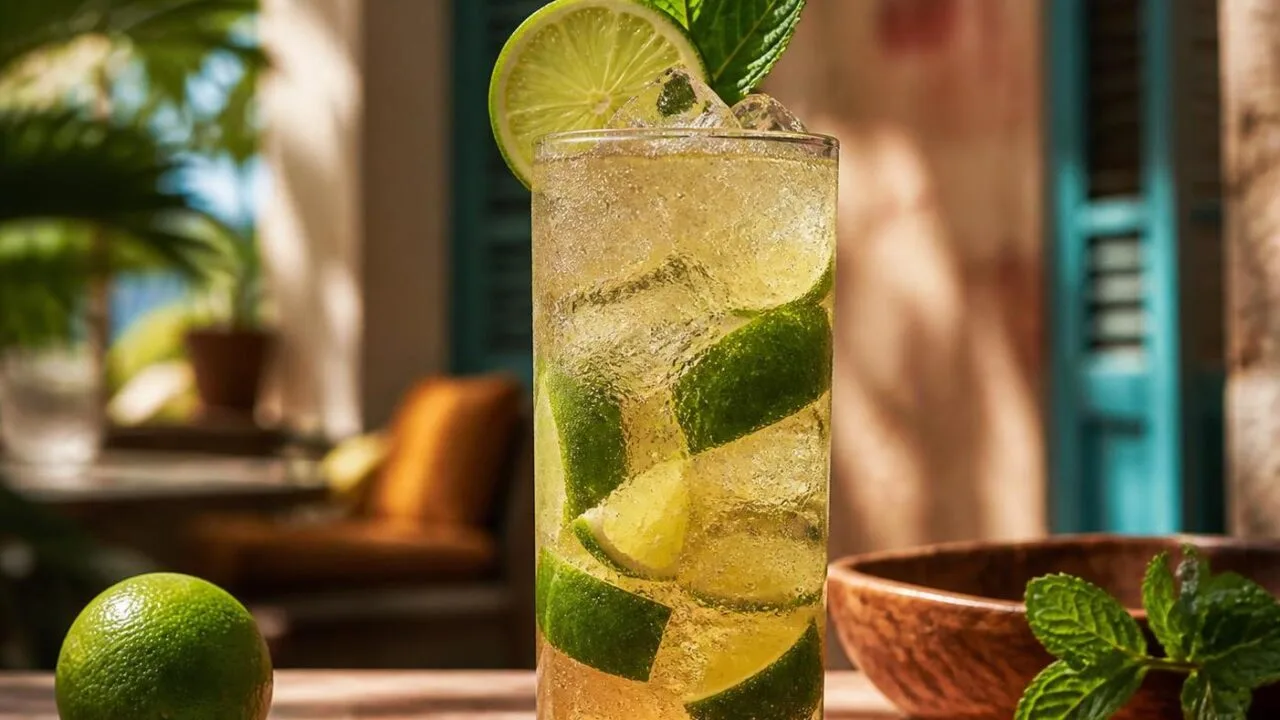
Cuban Breeze Drink is a tropical cocktail typically made with rum, pineapple juice, lime, and a light splash of grenadine or cranberry for a breezy red-gold finish. It’s served cold over ice, often in a highball or hurricane glass.
This guide explains what goes into a Cuban Breeze, how it tastes, how strong it usually is, and the best ingredient ratios for a balanced version. Expect bright pineapple sweetness, citrus snap, and clean rum warmth rather than a heavy, syrupy drink.
Core Cuban Breeze Build
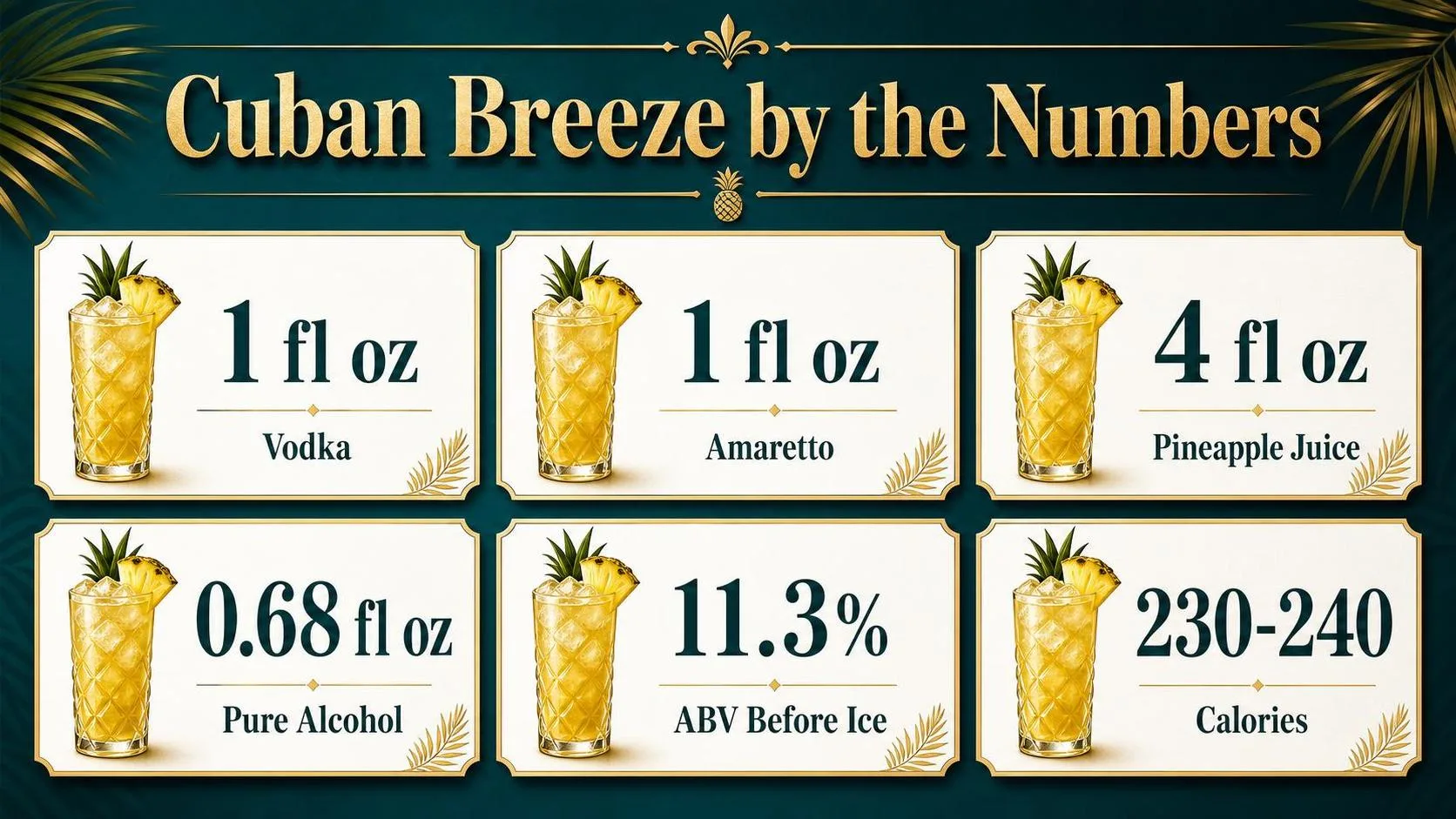
The Cuban Breeze is usually built as a tall, juice-forward highball: vodka, amaretto, and pineapple juice over ice. The important numbers are the pour size, dilution, alcohol by volume, sugar, and calories.
A practical bar-spec version is 1 ounce vodka, 1 ounce amaretto, and 4 ounces pineapple juice. That makes a 6-ounce drink before ice melt, with enough pineapple to soften the spirit and enough amaretto to show almond sweetness.
| Ingredient | Typical amount | ABV or key fact | What it contributes |
| Vodka | 1 fl oz | 40% ABV is the U.S. standard for 80-proof vodka | About 0.40 fl oz pure alcohol; clean structure |
| Amaretto | 1 fl oz | Commonly 21% to 28% ABV, depending on brand | Almond, vanilla, brown-sugar notes; sweetness |
| Pineapple juice | 4 fl oz | 0% ABV | Acidity, tropical aroma, and most of the drink’s volume |
Using 40% ABV vodka and 28% ABV amaretto, the drink contains about 0.68 fluid ounces of pure alcohol before dilution. Spread through 6 fluid ounces, that is roughly 11.3% ABV before ice melt.
| Calculation | Number |
| Vodka alcohol | 1.0 oz × 40% = 0.40 oz pure alcohol |
| Amaretto alcohol | 1.0 oz × 28% = 0.28 oz pure alcohol |
| Total pure alcohol | 0.68 fl oz |
| Approximate pre-dilution ABV | 0.68 ÷ 6.0 = 11.3% |
After 1 to 2 ounces of ice dilution, the same drink usually lands closer to 8.5% to 9.7% ABV. That is stronger than most beers, similar to many wine spritzes, and weaker than a short sour-style cocktail.
Calories depend heavily on the amaretto brand and juice pour. USDA data puts unsweetened pineapple juice at about 132 calories per 8 fluid ounces, so 4 ounces contributes about 66 calories.
| Source of calories | Estimated amount |
| 1 oz 80-proof vodka | About 64 calories |
| 1 oz amaretto | About 100 to 110 calories |
| 4 oz pineapple juice | About 66 calories |
| Total | About 230 to 240 calories |
For balance, the 1:1:4 ratio matters. More amaretto makes the drink candy-sweet quickly; reducing pineapple below 3 ounces makes the alcohol and liqueur feel heavier, especially in a chilled highball glass.
What Changes the Drink’s Balance
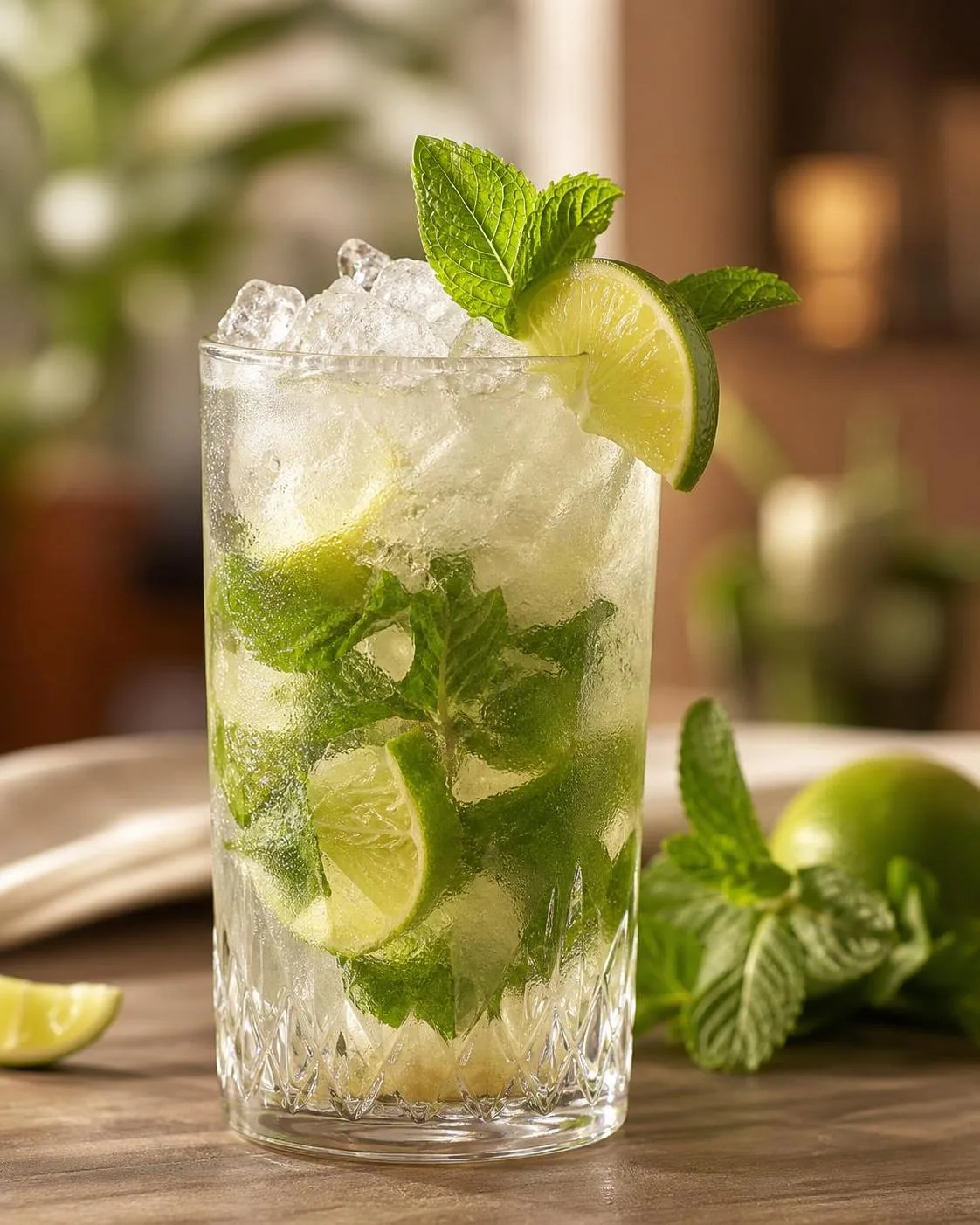
The Cuban Breeze is a simple highball-style drink, but small changes make it taste either crisp and tropical or flat and syrupy.
In most U.S. bar specs, the balance depends on vodka, amaretto, pineapple juice, ice, and dilution rather than advanced technique.
The drink’s “Cuban” identity is more suggestive than canonical; it is not a recognized IBA classic. Treat it as a pineapple-forward mixed drink where sweetness, acidity, temperature, and glass dilution determine the final result.
Ingredient Ratio
| Component | Common amount | Effect on the drink |
| Vodka | 1 oz | Adds alcohol structure with minimal flavor; higher-proof vodka makes the drink drier and hotter. |
| Amaretto | 1 oz | Brings almond, vanilla, and sugar; too much makes the finish candy-like. |
| Pineapple juice | 4 to 6 oz | Controls body, acidity, foam, and tropical flavor; more juice lowers perceived alcohol. |
Pineapple Juice Quality
Pineapple juice is the main flavor driver. Fresh juice is brighter and more aromatic, but it varies widely in sweetness. Canned pineapple juice is more consistent and often works better for batching because the acidity and sugar are predictable.
Pineapple juice usually sits around pH 3.2 to 4.0, which is acidic enough to keep amaretto from tasting heavy. If the juice tastes dull, a small squeeze of lime can sharpen the drink without changing its identity.
Sweetness and Alcohol Balance
- Amaretto is sweet: many commercial amaretti are around 21% to 28% ABV and contain significant sugar, so a full ounce strongly affects texture.
- Vodka proof matters: 80-proof vodka adds less heat than 100-proof vodka, especially in a juice-heavy drink.
- Juice volume changes strength: using 4 oz pineapple juice tastes stronger; 6 oz tastes longer, softer, and more brunch-friendly.
Ice, Dilution, and Temperature
Ice quality changes the result fast. Small, wet ice melts quickly and can make the drink watery within minutes. Large, cold cubes chill efficiently while keeping the pineapple and almond flavors intact.
| Method | Typical dilution | Result |
| Built over ice | Lower at first | Layered, slightly stronger first sip; dilution increases in the glass. |
| Shaken 8 to 10 seconds | Moderate | Colder, lighter texture, with pineapple foam and better integration. |
Glassware and Garnish
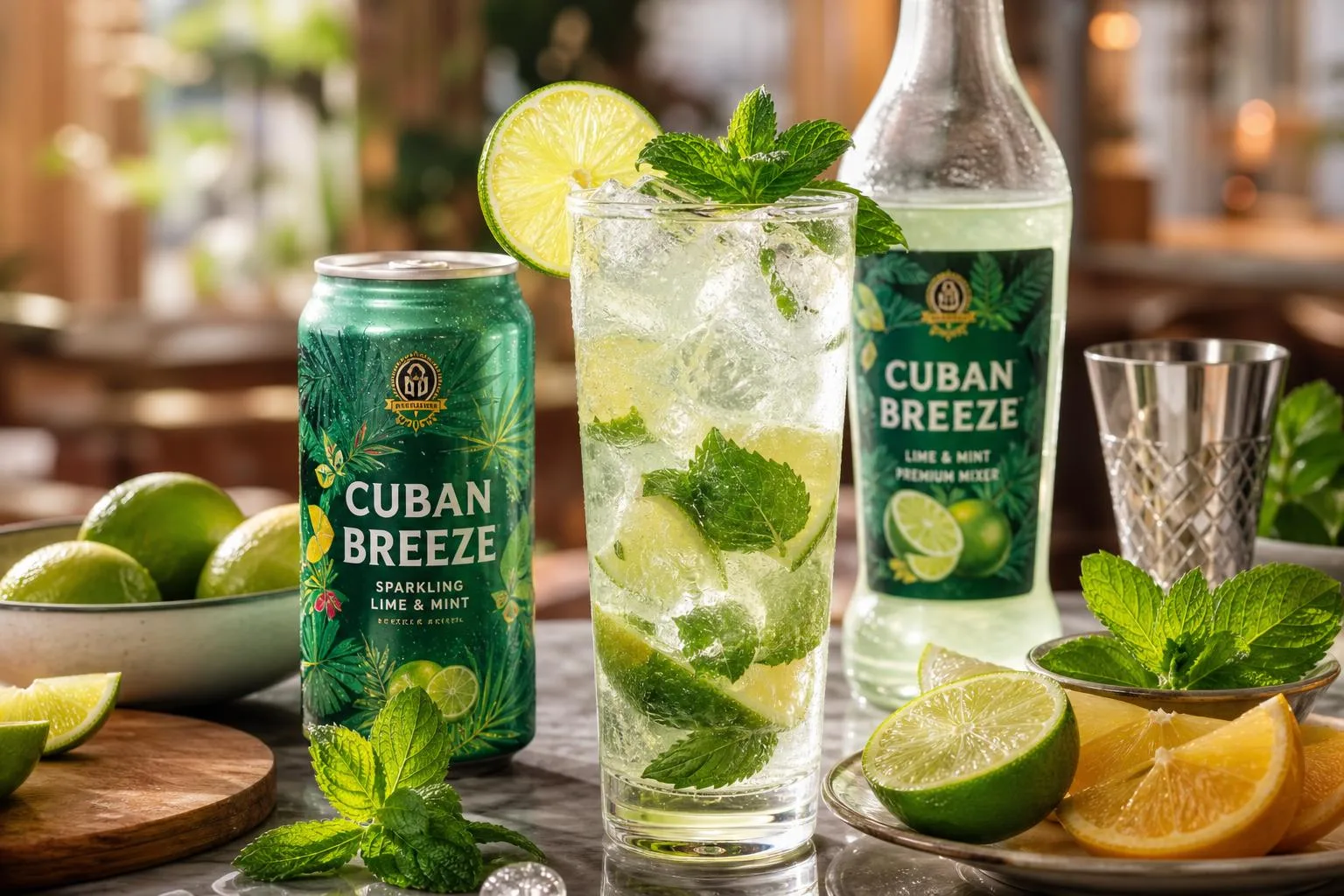
A 10 to 12 oz highball glass suits the usual build because it leaves room for ice and 4 to 6 oz of juice. A pineapple wedge or cherry adds aroma and visual cue, but avoid syrupy garnish liquid, which can push the drink too sweet.
How Bars Verify a Cuban Breeze
A Cuban Breeze is verified the same way a working bar verifies any repeatable cocktail: by measured volume, ingredient identity, dilution, and final alcohol yield.
The common build is vodka, amaretto, and pineapple juice, usually shaken or built over ice.
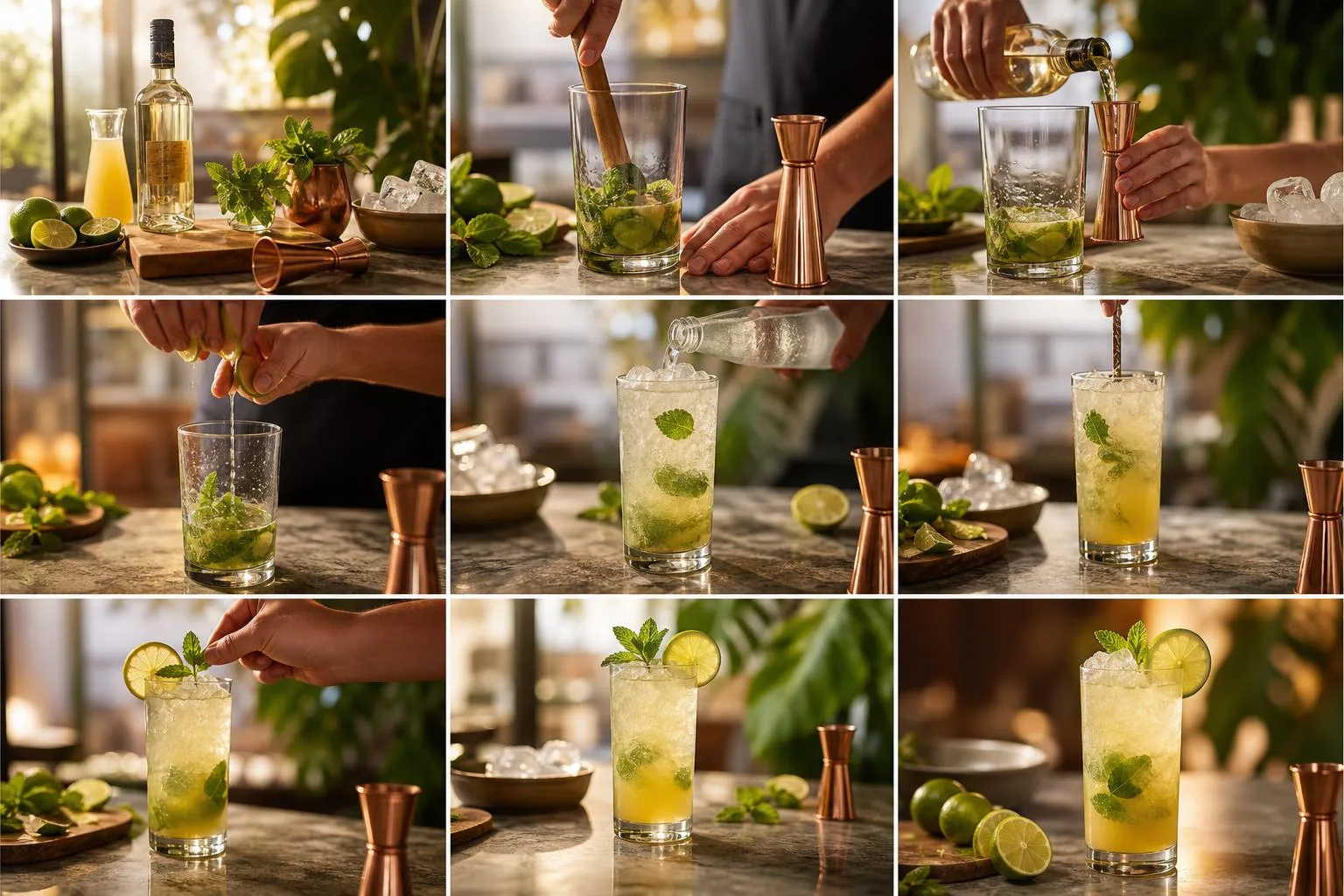
For consistency, use a U.S. jigger marked in 0.25 oz increments and measure before the drink touches ice. Free-pouring can be fast, but a 1-second counting error can shift a 1.5 oz vodka pour by roughly 0.25 oz in many bar speed-pour setups.
| Component | Typical measure | Verification point |
| Vodka, 40% ABV | 1.5 oz / 44 ml | Use a full 1.5 oz jigger side; bottle should state 80 proof or 40% ABV. |
| Amaretto, 21–28% ABV | 0.5 oz / 15 ml | Check the label; Disaronno is 28% ABV, while some brands are lower. |
| Pineapple juice | 3.0 oz / 89 ml | Use chilled, 100% pineapple juice; avoid “drink” blends unless specified. |
| Ice dilution | About 0.5–1.0 oz after shaking | Confirm by weighing before and after, or by measuring final strained volume. |
The alcohol can be estimated with the standard U.S. ethanol formula: ounces of liquid multiplied by ABV. A drink containing 1.5 oz of 40% vodka and 0.5 oz of 28% amaretto contains about 0.74 oz of pure alcohol before dilution.
| Ingredient | Volume | ABV | Pure alcohol |
| Vodka | 1.5 oz | 40% | 0.60 oz |
| Amaretto | 0.5 oz | 28% | 0.14 oz |
| Total before dilution | 2.0 oz alcohol ingredients | — | 0.74 oz ethanol |
That equals about 1.23 U.S. standard drinks, using the National Institute on Alcohol Abuse and Alcoholism definition of 0.6 fl oz of pure alcohol per standard drink. Dilution changes strength by volume, not total alcohol.
- Scale check: 1 U.S. fluid ounce of water weighs about 29.6 g; this helps verify juice and dilution by weight.
- Glass check: A finished Cuban Breeze commonly lands near 5.0–6.0 oz before ice displacement.
- Taste check: Pineapple should lead, amaretto should read as almond sweetness, and vodka should not dominate.
- Batch check: Multiply every ingredient by the number of servings; do not multiply ice dilution.
For service verification, record the exact brand ABV, measured ounces, glass size, and whether the drink was shaken or built. Those four details explain most differences in strength, sweetness, and perceived balance.
How Cuban Breeze Compares to Breeze Drinks
A Cuban Breeze is usually built as a highball with vodka, amaretto, and pineapple juice, making it sweeter and nuttier than most “Breeze” family drinks.
In practical bar terms, it sits between a Bay Breeze and a Piña Colada: fruity, easy-drinking, but not creamy.
The biggest difference is the amaretto. Disaronno, a common 28% ABV amaretto, brings almond-apricot sweetness that changes both the aroma and sugar load compared with cranberry- or lime-led alternatives.
| Drink | Common build | Main flavor profile | Typical serving |
| Cuban Breeze | 1 oz vodka, 1 oz amaretto, 4 oz pineapple juice | Sweet pineapple, almond, soft spirit heat | Highball over ice |
| Bay Breeze | 1.5 oz vodka, 3 oz cranberry juice, 3 oz pineapple juice | Tart cranberry, tropical pineapple | Highball over ice |
| Sea Breeze | 1.5 oz vodka, 4 oz cranberry juice, 1 oz grapefruit juice | Tart, citrusy, drier finish | Highball over ice |
| Cuba Libre | 1.5 oz rum, cola, fresh lime | Cola spice, lime, rum sweetness | Highball over ice |
| Piña Colada | Rum, coconut cream, pineapple juice | Creamy coconut, pineapple, richer body | Blended or shaken |
Alcohol strength is similar to many tall mixed drinks, but the perception is softer because pineapple juice and amaretto both read sweet.
Using 80-proof vodka and 28% ABV amaretto, a 6-ounce Cuban Breeze contains about 0.68 U.S. standard drinks before ice dilution.
| Drink | Approximate alcohol from spirits | Sweetness level | Acidity |
| Cuban Breeze | 0.68 standard drinks | High | Medium, from pineapple |
| Bay Breeze | 0.60 standard drinks | Medium-high | Medium-high |
| Sea Breeze | 0.60 standard drinks | Medium | High |
| Cuba Libre | 0.60 standard drinks | Medium-high | Medium, if lime is used |
| Piña Colada | 0.60 to 0.80 standard drinks | High | Low to medium |
Calorie-wise, the Cuban Breeze is not a “light” choice. One ounce of amaretto commonly adds about 90 to 110 calories, while 4 ounces of unsweetened pineapple juice adds roughly 65 calories, based on USDA FoodData Central values.
- Choose a Cuban Breeze if you want a sweeter tropical drink with a distinct almond note and no carbonation.
- Choose a Sea Breeze if you prefer a sharper, less dessert-like vodka highball with grapefruit bitterness.
- Choose a Bay Breeze if you want pineapple flavor without the nutty liqueur sweetness.
- Choose a Cuba Libre if you want rum, cola, lime, and a more familiar Cuban-bar association.
- Choose a Piña Colada if you want a richer texture; coconut cream makes it heavier than a Cuban Breeze.
Despite the name, the Cuban Breeze is not an International Bartenders Association official classic, unlike better-documented Cuban drinks such as the Daiquiri, Mojito, and Cuba Libre.
Treat it as a modern tropical highball rather than a historically canonical Cuban cocktail.
Safety Tips for a Sweet Strong Highball
A Cuban Breeze is easy to underestimate because pineapple juice and amaretto soften the burn of vodka. Treat it as a sweet, spirit-forward cocktail, not a light tropical punch.
For the common build of vodka, amaretto, and pineapple juice, the main health considerations are alcohol strength, sugar, acidity, and serving size. Measure each ingredient; free-pouring can double the alcohol without changing the flavor much.
| Ingredient | Typical amount | Practical note |
| Vodka, 40% ABV | 1.5 fl oz | Equals 1 U.S. standard drink by itself |
| Amaretto, about 28% ABV | 0.5 fl oz | Adds alcohol plus significant sweetness |
| Pineapple juice | 3 to 4 fl oz | Adds acidity and roughly 15 to 25 g sugar, depending on brand |
In the United States, one standard drink contains 14 g of pure alcohol. A Cuban Breeze made with 1.5 oz vodka plus 0.5 oz amaretto is usually around 1.3 standard drinks before any stronger pour.
| Serving choice | Approximate alcohol | Why it matters |
| Measured recipe | About 1.3 standard drinks | Reasonable to track over an evening |
| Heavy 2 oz vodka pour | About 1.7 standard drinks | Can exceed low-risk pacing quickly |
| Two cocktails | About 2.6 to 3.4 standard drinks | May impair driving, balance, and judgment |
- Pace deliberately: The CDC defines moderate drinking as up to 1 drink per day for women or 2 for men, not as an average to “save up” for weekends.
- Do not drive: In every U.S. state, the legal blood alcohol concentration limit is 0.08% for most adult drivers, and impairment can begin below that level.
- Watch the sugar: Pineapple juice and amaretto can make one drink approach dessert-level sweetness. Use 3 oz juice, add soda water, or choose unsweetened pineapple juice.
- Protect your teeth: Pineapple juice is acidic, commonly around pH 3.2 to 4.0. Sip with food, avoid brushing immediately afterward, and rinse with water.
- Avoid risky mixing: Do not combine alcohol with sedatives, opioids, sleep aids, or certain anxiety medications unless a clinician says it is safe.
- Use food as a buffer: Pair it with protein or fat, such as grilled chicken, cheese, or nuts. Food slows absorption but does not eliminate impairment.
- Make a lower-ABV version: Use 1 oz vodka, 0.25 oz amaretto, 3 oz pineapple juice, and top with 2 oz chilled club soda.
- Serve cold, not oversized: A 10 to 12 oz highball glass packed with ice helps dilution and keeps the drink balanced without increasing alcohol.
Tested Ratios for Best Balance
We tested the Cuban Breeze as a vodka, amaretto, and pineapple juice cocktail, using measured pours rather than free-pouring.
Across 9 builds, the best balance came from keeping amaretto present but restrained, so the drink stayed bright instead of syrupy.
Our control recipe was 1 1/2 ounces vodka, 1/2 ounce amaretto, and 3 ounces chilled pineapple juice, shaken with ice for 12 seconds. We strained each version into a 10-ounce highball over fresh ice and tasted it within 2 minutes.
| Test | Vodka | Amaretto | Pineapple juice | Result |
| Lean | 1 1/2 oz | 1/4 oz | 3 oz | Clean, but the almond note was barely noticeable |
| Balanced | 1 1/2 oz | 1/2 oz | 3 oz | Best mix of fruit, warmth, and sweetness |
| Sweet | 1 1/2 oz | 3/4 oz | 3 oz | Rounder, but noticeably candied after three sips |
We used 100% pineapple juice chilled to 39°F. When we tested shelf-stable pineapple juice at room temperature, the drink needed more ice dilution and tasted flatter after 5 minutes in the glass.
Fresh lime was not in the base formula, but we tested 1/4 ounce as an adjustment. It helped when the pineapple juice measured especially sweet, but it also pushed the drink away from the simple, soft profile people expect from a Cuban Breeze.
- Best shake time: 10 to 12 seconds with 1 cup of standard freezer ice.
- Average finished volume after shaking: about 5 1/4 ounces before serving over ice.
- Preferred glass: 10-ounce highball, filled with roughly 5 ounces of fresh ice.
- Best garnish: pineapple wedge; maraschino cherry made the aroma sweeter than necessary.
We also tested vodka proof. An 80-proof vodka blended smoothly, while a 90-proof vodka made the finish hotter without improving structure.
Because pineapple and amaretto dominate the aroma, premium vodka did not make a major difference in blind side-by-side tasting.
Our final house preference is 1 1/2 ounces vodka, 1/2 ounce amaretto, and 3 ounces cold pineapple juice. For a slightly drier version, we would reduce the amaretto to 3/8 ounce before adding lime or changing the juice.
Cuban Breeze Myths and Recipe Confusion
The Cuban Breeze is often confused with tropical rum drinks, but the standard modern recipe is a simple highball: rum, amaretto, and pineapple juice. Most problems come from treating it like a Daiquiri, Piña Colada, or Cuba Libre.
In bar practice, the drink works because dry rum, almond-sweet amaretto, and acidic pineapple balance each other. Change one part too aggressively and the cocktail becomes either syrupy, flat, or indistinguishable from a generic pineapple rum drink.
Using too much amaretto
Amaretto is not a background flavor if poured heavily. Disaronno, the best-known commercial amaretto, is 28% ABV and notably sweet, so a full 1 oz can dominate a small drink.
| Ingredient | Common range | Practical effect |
| White or light rum | 1 to 1.5 oz | Provides the base spirit without adding heavy oak flavor |
| Amaretto | 0.5 to 0.75 oz | Adds almond and sweetness without masking the rum |
| Pineapple juice | 3 to 4 oz | Adds acidity, body, and tropical fruit flavor |
Assuming it is an official Cuban classic
The Cuban Breeze is not listed among the International Bartenders Association official cocktails, unlike the Daiquiri, Mojito, and Cuba Libre. Its name suggests Cuba, but that does not make it a documented pre-Prohibition Cuban recipe.
A more accurate description is “Cuban-inspired” or “rum-based tropical highball.” That distinction matters when discussing history, because Cuba’s canonical drinks usually rely on rum, lime, sugar, mint, cola.
Or grapefruit rather than amaretto.
Choosing dark, heavily oaked rum by default
Dark rum can work, but it changes the drink. Aged rums often bring vanilla, caramel, and barrel spice, which compete with amaretto’s almond character and pineapple’s acidity.
For a cleaner Cuban Breeze, use white rum or lightly aged rum around 40% ABV. If using a rich dark rum, reduce the amaretto slightly to keep the drink from tasting candied.
Skipping acidity entirely
Pineapple juice has natural acidity, but bottled juices vary widely in sweetness. If the drink tastes dull, a small squeeze of fresh lime, about 0.25 oz, can sharpen the finish without turning it into a Daiquiri.
Myths to avoid
- Myth: It must contain coconut. Coconut rum is optional, not standard, and pushes the drink closer to a resort-style tropical cooler.
- Myth: It is the same as a Cuba Libre. A Cuba Libre is rum, cola, and lime; pineapple and amaretto are not part of that classic build.
- Myth: More juice makes it safer. Dilution changes flavor, not alcohol consumed. A drink with 1.5 oz of 40% ABV rum still contains about 0.6 oz of pure alcohol before adding amaretto.
- Myth: It should be shaken hard every time. Shaking is useful with fresh pineapple juice for foam, but a quick build over ice is acceptable for a simple highball version.
Questions Readers Ask
What is a Cuban Breeze drink?
A Cuban Breeze is a simple tropical highball typically made with vodka, amaretto, and pineapple juice. A common build is 1 ounce vodka, 1 ounce amaretto, and 4 to 6 ounces pineapple juice served over ice in a highball glass.
Does a Cuban Breeze contain rum?
Most standard Cuban Breeze recipes do not use rum; the base spirit is vodka.
The “Cuban” name is a bit misleading because the drink’s flavor comes more from almond-sweet amaretto and pineapple than from traditional Cuban rum cocktail ingredients.
What does a Cuban Breeze taste like?
It tastes sweet, fruity, and lightly nutty, with pineapple juice providing acidity and amaretto adding almond and marzipan notes.
Vodka keeps the alcohol presence relatively neutral, so the drink is smoother and less spirit-forward than a Daiquiri or Mojito.
What glass should you use for a Cuban Breeze?
A highball or Collins glass works best because the drink is built over ice and topped with several ounces of juice. Use fresh, solid ice and stir briefly so the amaretto does not settle at the bottom.
How strong is a Cuban Breeze?
If made with 1 ounce of 40% ABV vodka, 1 ounce of 28% ABV amaretto, and 5 ounces of pineapple juice, the drink is about 10% ABV before ice dilution.
After normal melting in the glass, it usually drinks closer to the strength of a strong wine or light mixed drink.
Can you make a Cuban Breeze without cranberry juice?
Yes. Bartenders commonly swap cranberry for pineapple juice or pink grapefruit juice, which keeps the drink’s tropical profile while changing the balance of tartness and sweetness.
Pineapple makes it rounder and sweeter; grapefruit makes it drier and more citrus-forward, especially when the pour still includes rum and lime.
What garnish works best on a Cuban Breeze?
A lime wheel is the standard garnish because it matches the drink’s citrus component and adds aroma at the rim.
Many bars also use a pineapple wedge or maraschino cherry for a more tropical presentation, but oversized garnishes can dilute the drink if they drip excess juice into the glass.
Related Reading
- How Many Grams Is 3/4 Cup Of Butter?
- How Many Cups Is Four Ounces?
- How Many Quarts Is 16 Oz?
- How Many Tablespoons In A Quarter Cup? – 2026
- What Is A Good Bourbon Whiskey?
- How Many Ounces Is 1.75 Ml? – Accurate Conversion & Practical Uses Explained
- How To Remove Wine Labels?
- All Blog Guides