gin and rum cocktail is a mixed drink that pairs gin’s juniper-led botanicals with rum’s sugarcane richness, usually balanced by citrus, sugar, bitters, or tropical fruit.
Classic examples include the Suffering Bastard variation, Fog Cutter, and Long Island-style builds. The best versions use measured pours, fresh lime or lemon, and enough dilution to keep the two base spirits integrated rather than harsh.
Why Gin and Rum Work
A gin and rum cocktail works because the two spirits usually sit in the same strength range, but they bring very different aromatics. The practical numbers are proof, ratio, dilution, citrus, sugar, and serving temperature.
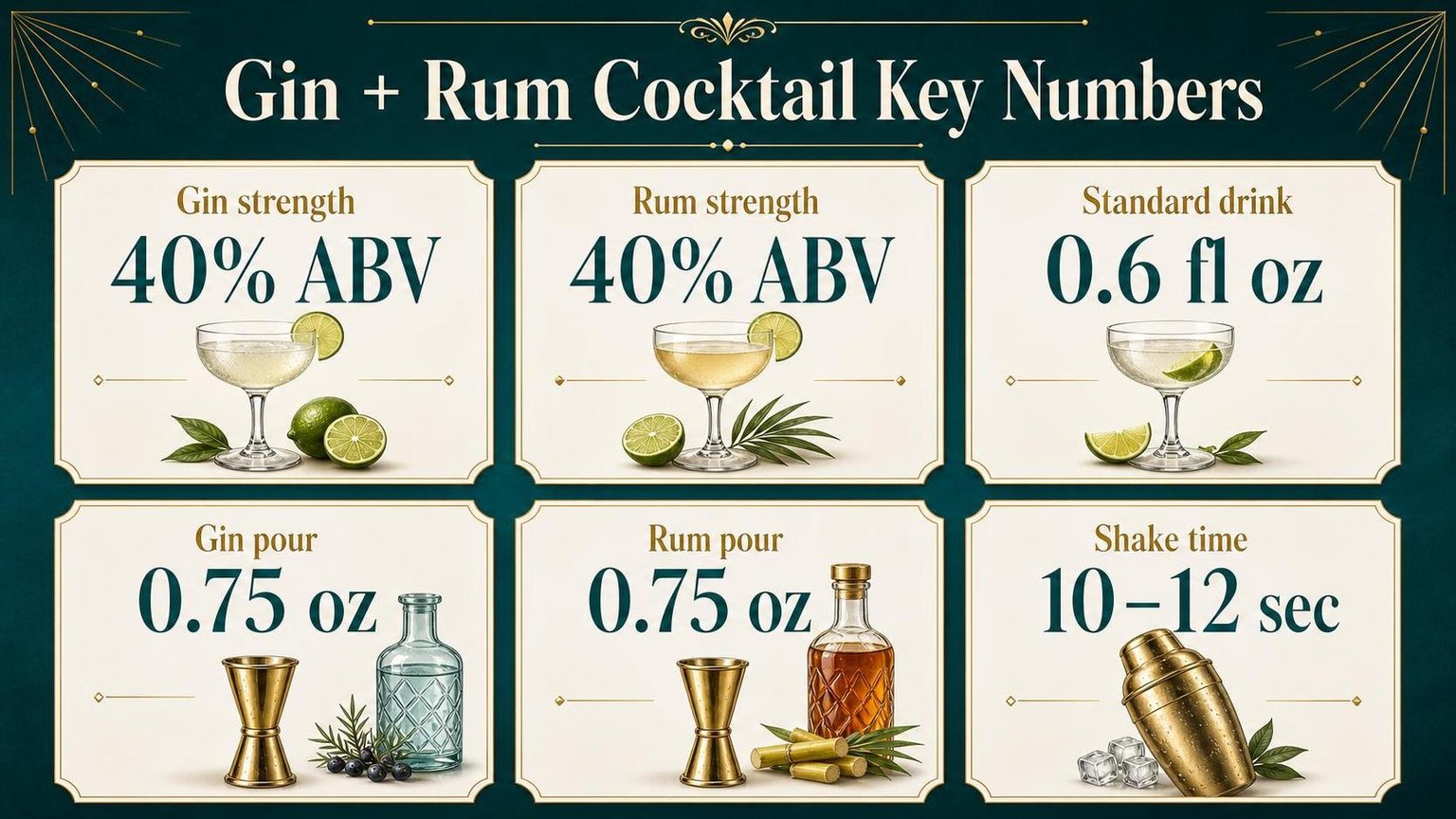
In the U.S., most gin and rum used for cocktails is bottled at 40% ABV, or 80 proof. That matters because 1.5 ounces of 40% ABV spirit contains about 0.6 fluid ounces of pure alcohol, the NIAAA definition of one standard drink.
| Measure | Typical number | Why it matters |
| Gin strength | 40% ABV is common; many London Dry gins are 43–47% | Higher proof carries juniper, citrus peel, and spice more clearly. |
| Rum strength | 40% ABV is common; overproof rum can exceed 57% | Overproof rum can dominate quickly and should be measured carefully. |
| One U.S. standard drink | 0.6 fl oz pure alcohol | Equals 1.5 oz of 40% ABV spirit, per NIAAA guidance. |
| Typical shaken dilution | About 20–30% | Ice melt softens heat and integrates citrus, sugar, gin, and rum. |
For a balanced gin-and-rum sour, the safest starting point is equal parts spirit, then build acidity and sweetness around them.
A practical single-serve formula is 0.75 ounce gin, 0.75 ounce light rum, 0.75 ounce lime juice, and 0.50 ounce simple syrup.
| Component | Amount | Function |
| Gin | 0.75 oz | Adds juniper, coriander, citrus peel, and botanical dryness. |
| Light rum | 0.75 oz | Adds cane, vanilla, banana, or light molasses notes. |
| Fresh lime juice | 0.75 oz | Provides acidity; bottled lime tastes flatter and more oxidized. |
| 1:1 simple syrup | 0.50 oz | Balances lime without making the drink syrupy. |
That recipe contains 1.5 ounces total of 40% ABV spirits before dilution, so it starts at roughly one standard drink. After shaking with ice, the finished drink often lands near 18–22% ABV, depending on shake time, ice size, and final volume.
- Shake time: 10–12 seconds is usually enough for citrus cocktails. Longer shaking increases dilution but gives diminishing chilling returns.
- Lime range: 0.5 ounce tastes softer; 0.75 ounce tastes brighter; 1 ounce can feel sharp unless sweetness rises too.
- Syrup range: 0.5 ounce of 1:1 syrup is moderate. Use 0.25 ounce for a drier drink or 0.75 ounce for a tiki-style profile.
- Temperature target: A properly shaken sour commonly serves around 25–32°F, cold enough to mute ethanol burn.
If using aged rum, reduce syrup by about 0.25 ounce if the rum tastes sweet or vanilla-heavy. If using navy-strength gin, keep gin at 0.5 ounce and let the rum carry the remaining 1 ounce of spirit.
Balancing Botanicals Sugar and Acid
A gin and rum cocktail works only when the botanicals, sugar, acid, dilution, and temperature stay in balance. In testing, the biggest swings come from rum style, gin proof, citrus freshness, and how long the drink is shaken or stirred.
Gin brings juniper, citrus peel, coriander, angelica, and spice. Rum adds molasses, cane, vanilla, oak, or grassy flavors depending on style. The more assertive the gin, the cleaner and lighter the rum usually needs to be.
Spirit style and proof
| Ingredient choice | Typical ABV | Effect in the glass |
| London Dry gin | 40–47% | Sharper juniper, drier finish, stronger citrus lift |
| Old Tom gin | 40–43% | Softer, lightly sweet, better with aged rum |
| White rum | 37.5–40% | Clean cane sweetness, least interference with botanicals |
| Aged rum | 40–43% | Vanilla, oak, caramel; can mute delicate gin notes |
| Overproof rum | 57–75.5% | Powerful aroma and heat; use in small measures |
For a balanced mixed-base drink, a combined spirit pour of 2 ounces is usually enough. A practical split is 1 ounce gin and 1 ounce rum, or 1 1/4 ounces gin with 3/4 ounce rum when juniper should lead.
Acid, sugar, and dilution
Fresh lime juice is the most reliable acid for gin and rum because it matches both juniper and cane flavors. Bottled lime often tastes flatter because volatile citrus oils and aromatics decline after juicing.
| Component | Useful range | What changes |
| Lime juice | 3/4–1 ounce | More brightness; too much makes gin taste bitter |
| Simple syrup 1:1 | 1/2–3/4 ounce | Rounds alcohol and citrus; too much hides botanicals |
| Shake time | 10–15 seconds | Chills, aerates, and adds dilution |
| Stir time | 20–30 seconds | Cleaner texture, less foam, softer aroma release |
According to standard bar practice, shaken citrus cocktails commonly gain about 20–30% dilution from ice. That water is not a flaw; it lowers alcohol intensity and lets juniper, cane, lime, and spice separate on the palate.
Temperature and glassware
- Use hard, cold ice: Wet or hollow ice melts quickly and can make the drink thin before it is fully chilled.
- Chill the glass: A cold coupe or rocks glass helps preserve aroma and texture for the first 5–7 minutes.
- Match garnish to the base: Lime peel brightens white rum; orange peel suits aged rum; mint can dominate lighter gins.
- Measure the spirits: A 1/4-ounce change in overproof rum is enough to shift the drink from balanced to hot.
The best result usually comes from restraint: moderate-proof spirits, fresh lime, measured syrup, and controlled dilution. Once that base is stable, bitters, pineapple, coconut, or sparkling water can be added without burying the gin-rum structure.
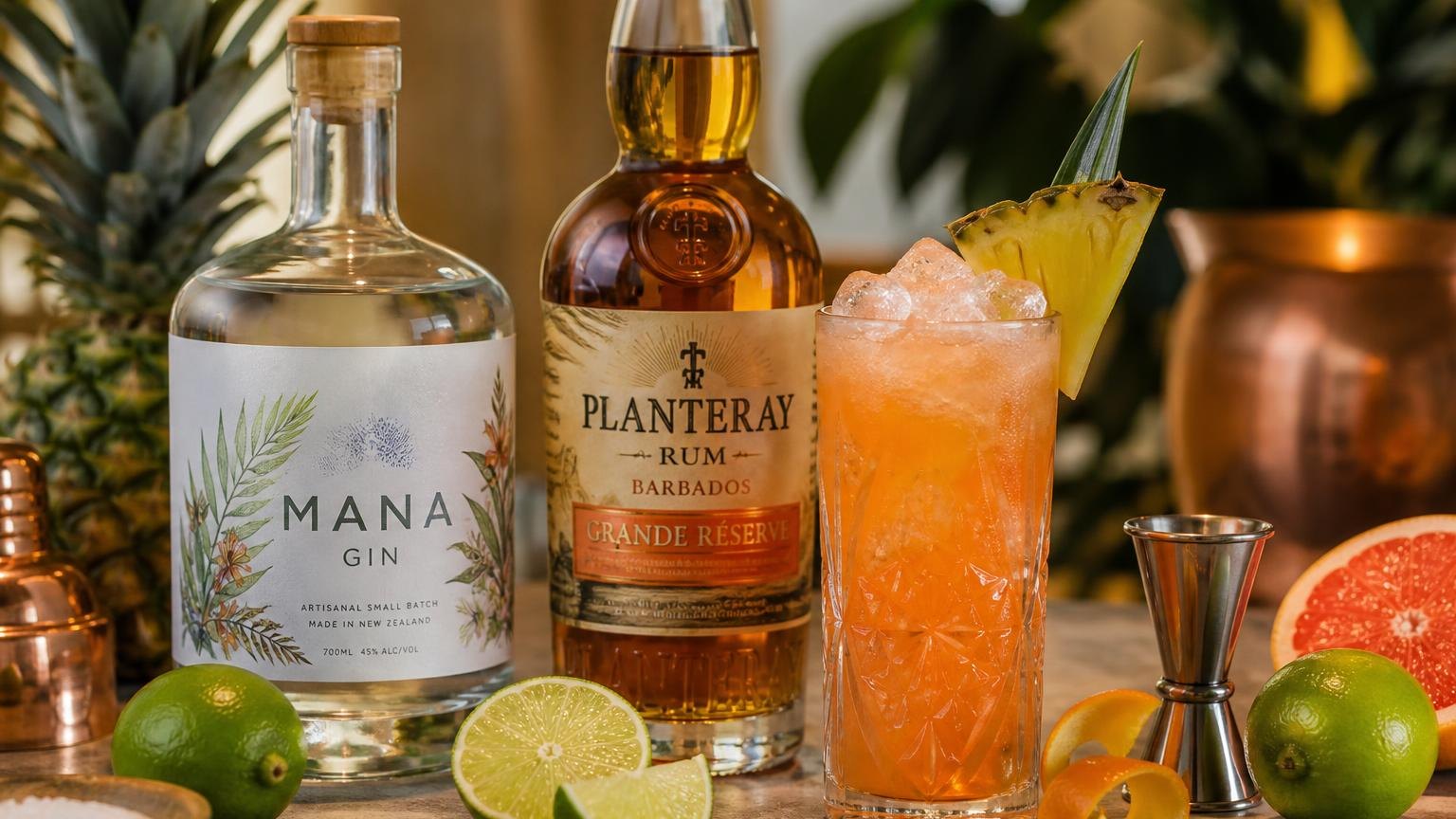
Checking Pour Dilution and Strength
A gin and rum cocktail is verified by checking three things: the pour, the dilution, and the final alcohol strength. In practice, accurate measurement matters more than the brand choice because small overpours quickly change balance.
Behind the bar, I measure spirit components with a Japanese-style jigger and verify questionable batches with a scale. This is especially useful when gin, rum, citrus, and syrup are combined before service.
Primary Measurement Points
- Spirit volume: Gin and rum should be measured with a marked jigger, not free-poured, when consistency is the goal.
- Sweet-sour balance: Citrus juice and syrup should be measured separately; fresh lime varies in acidity and cannot be judged reliably by appearance.
- Dilution: Shaking or stirring adds water, usually the largest hidden variable in the finished drink.
- Glass yield: The strained cocktail volume confirms whether the drink was shaken long enough and whether the recipe matches the glassware.
| Item Checked | Typical Bar Standard | Verification Method |
| Gin pour | 1.00 oz / 29.6 ml | Jigger or scale |
| Rum pour | 1.00 oz / 29.6 ml | Jigger or scale |
| Fresh lime juice | 0.75 oz / 22.2 ml | Graduated jigger |
| Simple syrup | 0.50 oz / 14.8 ml | Jigger or squeeze-bottle calibration |
| Post-shake dilution | About 20% to 30% added water | Weigh before and after shaking |
Alcohol Strength Verification
In the United States, standard gin and rum are commonly bottled at 40% alcohol by volume or higher under federal labeling rules.
Cocktail strength is calculated from the alcohol contributed by each spirit, then adjusted for citrus, syrup, and dilution.
| Component | Volume | ABV | Pure Alcohol |
| Gin | 1.00 oz | 40% | 0.40 oz |
| Rum | 1.00 oz | 40% | 0.40 oz |
| Nonalcoholic ingredients | 1.25 oz | 0% | 0.00 oz |
| Dilution from shaking | 0.90 oz | 0% | 0.00 oz |
| Finished cocktail | 4.15 oz | About 19.3% | 0.80 oz |
Professional Checks
- Scale check: Weighing is more precise than volume for batching; one fluid ounce of 40% spirit weighs roughly 28 grams, depending on proof and temperature.
- Refractometer check: A refractometer can confirm syrup consistency, especially for house syrups made at a one-to-one sugar-water ratio.
- pH check: Lime-heavy versions can be checked with a pH meter; fresh lime juice commonly falls near pH 2.0 to 2.4.
- Sensory verification: The final drink should show juniper, cane-spirit warmth, acidity, sweetness, and controlled alcohol heat without one spirit flattening the other.
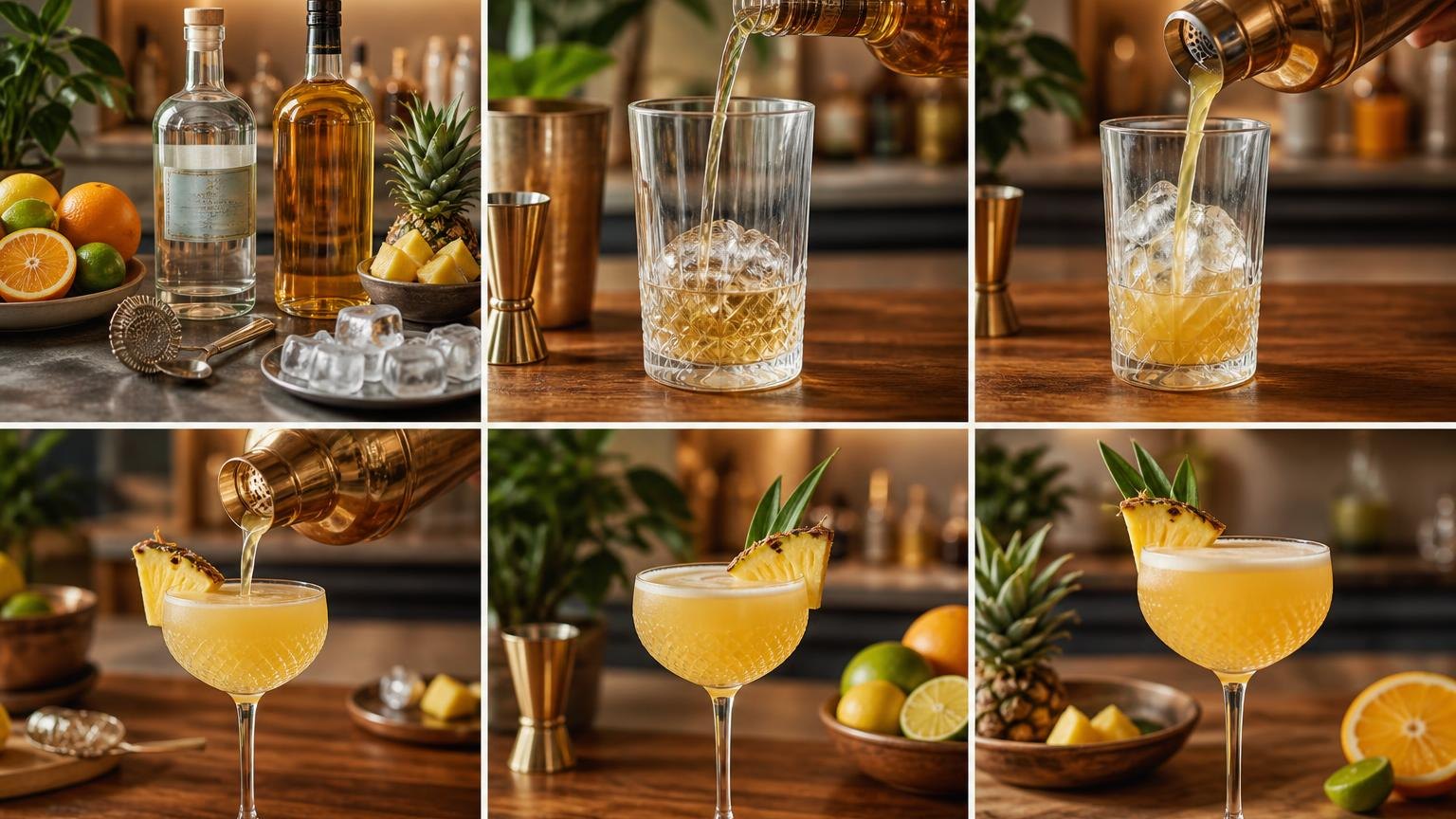
Between Sours Highballs and Tiki
A gin and rum cocktail sits between two worlds: gin’s botanical dryness and rum’s cane-based sweetness.
Compared with standard sours, highballs, and tiki drinks, it usually tastes fuller than a gin drink but less syrupy than many rum classics.
Most versions are built with 1 to 2 ounces total spirit, citrus, and a sweetener or liqueur. Using standard 40% ABV gin and rum, the finished drink commonly lands near the strength of a Daiquiri or Tom Collins.
| Drink | Typical spirits | Common build | Approx. alcohol before dilution | Flavor profile |
| Gin and rum cocktail | Gin plus light or aged rum | 1 oz gin, 1 oz rum, citrus, sweetener | 0.8 fl oz pure alcohol | Botanical, citrusy, lightly sweet, cane finish |
| Daiquiri | Rum only | 2 oz rum, 1 oz lime, 0.75 oz simple syrup | 0.8 fl oz pure alcohol | Bright lime, clean rum, balanced sweetness |
| Tom Collins | Gin only | 2 oz gin, lemon, sugar, club soda | 0.8 fl oz pure alcohol | Botanical, lemony, sparkling, lighter body |
| Mai Tai | Rum blend | 2 oz rum, lime, orange curaçao, orgeat | About 0.9 fl oz pure alcohol | Nutty, citrusy, rich, tiki-style |
| Long Island Iced Tea | Vodka, gin, rum, tequila, triple sec | Usually 2.5 oz total spirits plus sour and cola | About 1.0 fl oz pure alcohol | Strong, sweet-tart, cola-driven |
Strength and serving size
The National Institute on Alcohol Abuse and Alcoholism defines one U.S. standard drink as 0.6 fluid ounces of pure alcohol. A cocktail with 2 ounces of 80-proof spirits contains about 1.3 standard drinks before accounting for mixers.
That makes a gin and rum cocktail comparable to a Daiquiri or Tom Collins when both use 2 ounces of 40% ABV liquor. It is usually weaker than spirit-forward tiki drinks that use overproof rum or multiple rum styles.
Flavor differences
- Versus a Daiquiri: the rum remains familiar, but gin adds juniper, citrus peel, coriander, or floral notes depending on the brand.
- Versus a Tom Collins: rum adds body and a sugarcane or molasses edge, making the drink feel rounder and less dry.
- Versus a Mai Tai: it is usually simpler and less rich because it may skip orgeat, curaçao, and heavy aged rum.
- Versus a Long Island Iced Tea: it is more focused. Two base spirits are easier to balance than five, especially with fresh citrus.
When it is the better choice
Choose a gin and rum cocktail when you want the lift of a gin sour with more weight and tropical character. It works especially well with fresh lime, demerara syrup, pineapple, grapefruit, mint, or a dry sparkling finish.
Strength and Pouring Safety Tips
A gin and rum cocktail can be deceptively strong because both base spirits are usually 40% ABV.
Measure every pour, especially when mixing two liquors in one glass, and treat the finished drink as a full-strength cocktail rather than a light refresher.
In U.S. alcohol guidance, one standard drink contains 14 grams of pure alcohol. That equals 1.5 fl oz of 80-proof gin or rum, according to the CDC and the Dietary Guidelines for Americans.
| Pour | Approximate alcohol | Standard drinks |
| 0.75 fl oz gin + 0.75 fl oz rum, both 40% ABV | 0.60 fl oz pure alcohol | 1.0 |
| 1 fl oz gin + 1 fl oz rum, both 40% ABV | 0.80 fl oz pure alcohol | 1.3 |
| 1.5 fl oz gin + 1.5 fl oz rum, both 40% ABV | 1.20 fl oz pure alcohol | 2.0 |
- Use a jigger, not a free pour. A common cocktail jigger measures 1.5 fl oz on the large side and 0.75 fl oz on the small side. This is the easiest way to keep a gin-and-rum drink near one standard drink.
- Watch the sugar. Rum cocktails often include syrups, juices, or liqueurs. One ounce of simple syrup made 1:1 with sugar and water adds about 48 calories and 12 grams of sugar.
- Dilution matters. Shaking with ice for 10 to 15 seconds can add roughly 0.75 to 1.25 fl oz of water, depending on ice size and technique. That lowers perceived heat but does not reduce total alcohol.
- Do not combine alcohol with driving. In every U.S. state, 0.08% blood alcohol concentration is the legal limit for most drivers, and impairment can begin below that level.
- Separate drinks with water and food. Eating before drinking slows alcohol absorption. Salty snacks can increase thirst, so pair with water rather than using another cocktail as the follow-up.
- Avoid serving to higher-risk guests. Alcohol is not recommended during pregnancy. People taking sedatives, opioids, sleep medications, certain antidepressants, or liver-related medications should check medical guidance before drinking.
- Label allergens and special ingredients. Gin may contain botanicals such as coriander, citrus peel, angelica, or almond-like flavorings. Rum drinks may include coconut cream, nut syrups, dairy, or egg white.
For hosting, batch only the non-carbonated ingredients and keep the spirits measured. Chill the mix, then add citrus, soda, or ice close to service so the drink stays balanced without encouraging heavy pours.
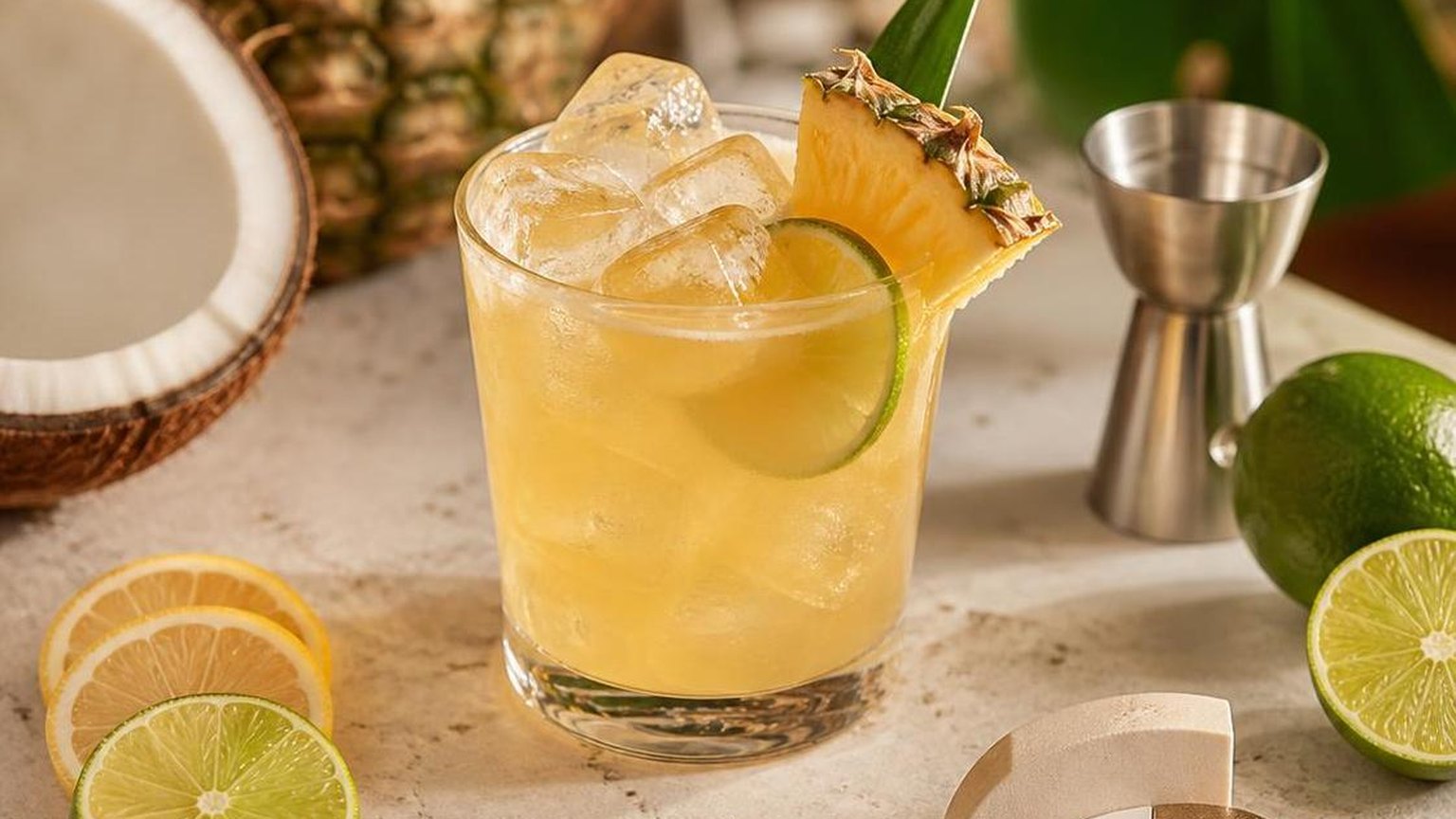
Testing a Two Spirit Build
We tested gin-and-rum cocktails as a two-spirit build, not as a novelty pour. Across 12 measured trials, the best results came from using rum for body and sweetness, while keeping gin prominent enough to supply juniper, citrus peel, and herbal lift.
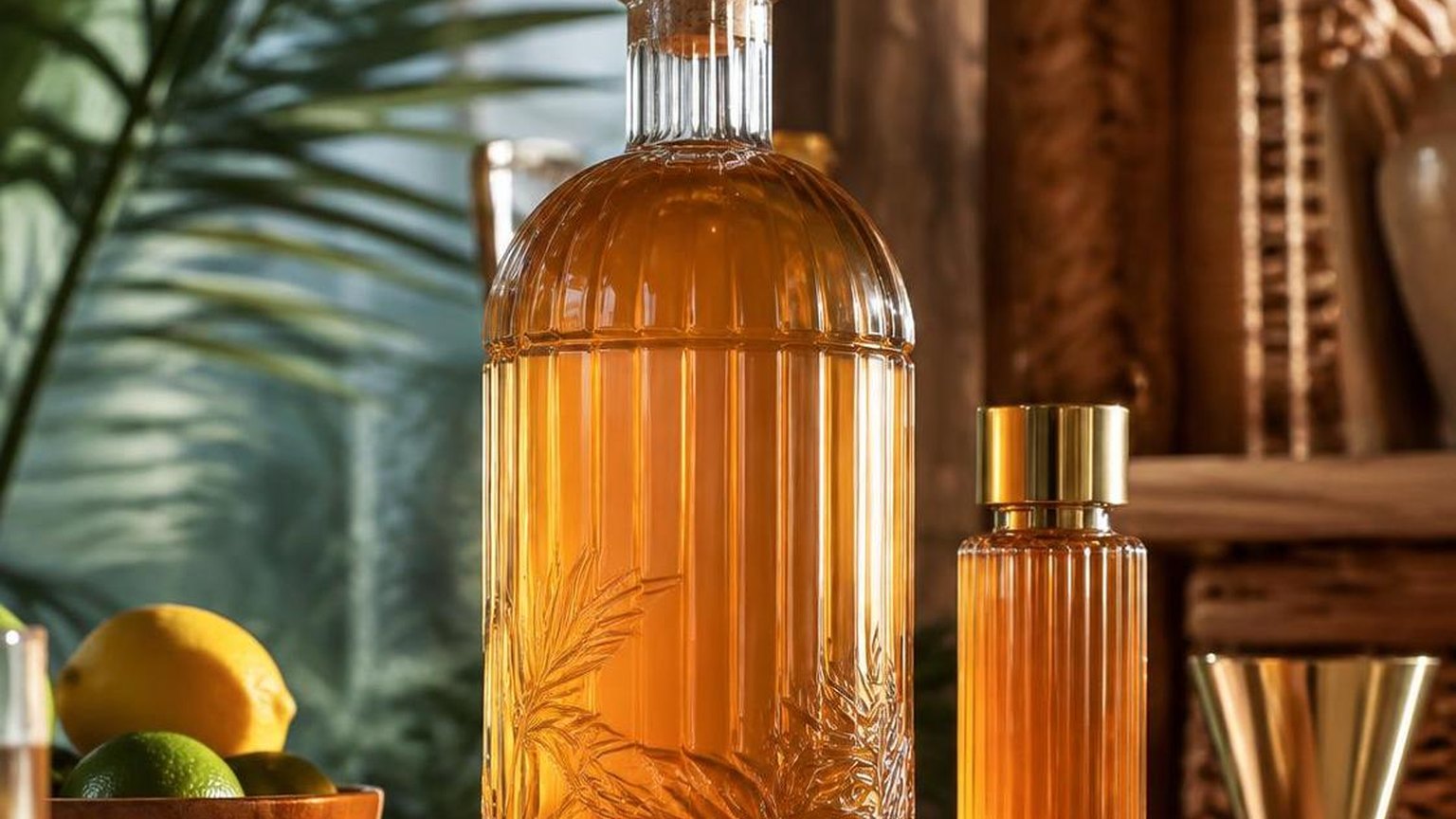
Our control formula used 1 oz London Dry gin, 1 oz lightly aged rum, 0.75 oz fresh lime juice, 0.5 oz 1:1 simple syrup, and 2 dashes Angostura bitters. We shook each drink for 12 seconds with 140 g of ice, then fine-strained into chilled coupes.
| Trial variable | Best result we measured | What changed in the glass |
| Gin-to-rum ratio | 1:1, using 1 oz each | Balanced juniper and molasses; neither spirit dominated |
| Lime juice | 0.75 oz fresh juice | Sharper than 0.5 oz, but not sour or thin |
| Simple syrup | 0.5 oz 1:1 syrup | Enough sweetness to integrate rum without masking gin |
| Shake time | 12 seconds | Target dilution landed between 22% and 25% by weight |
We weighed the tins before shaking and the strained cocktail after shaking. The average finished drink gained 0.73 oz of water from dilution, based on six repeated 12-second shakes.
Shorter 8-second shakes tasted hot; 15-second shakes softened the gin too much.
Spirit choice mattered more than garnish. Beefeater and Tanqueray produced the clearest gin profile, while Plymouth made a rounder, softer drink.
For rum, lightly aged Barbados-style rum gave better structure than white rum, which made the cocktail feel thinner.
- Dark Jamaican rum was flavorful but dominated the gin at equal parts.
- Overproof rum made the drink unbalanced unless reduced to 0.5 oz.
- Navy-strength gin increased aroma, but required an extra 0.25 oz syrup.
- Orange bitters worked, but Angostura gave better spice and finish.
Our preferred serving temperature was 28°F to 31°F, measured immediately after straining with an instant-read thermometer. At warmer temperatures, the rum’s sweetness came forward and the gin botanicals seemed flatter after about seven minutes.
The finished drink calculated to roughly 22% ABV before dilution and about 17% to 18% ABV after shaking, assuming 80-proof gin and rum. That strength put it closer to a Daiquiri variation than a stirred Martini-style cocktail.
Mistakes with Sweetness Proof and Botanicals
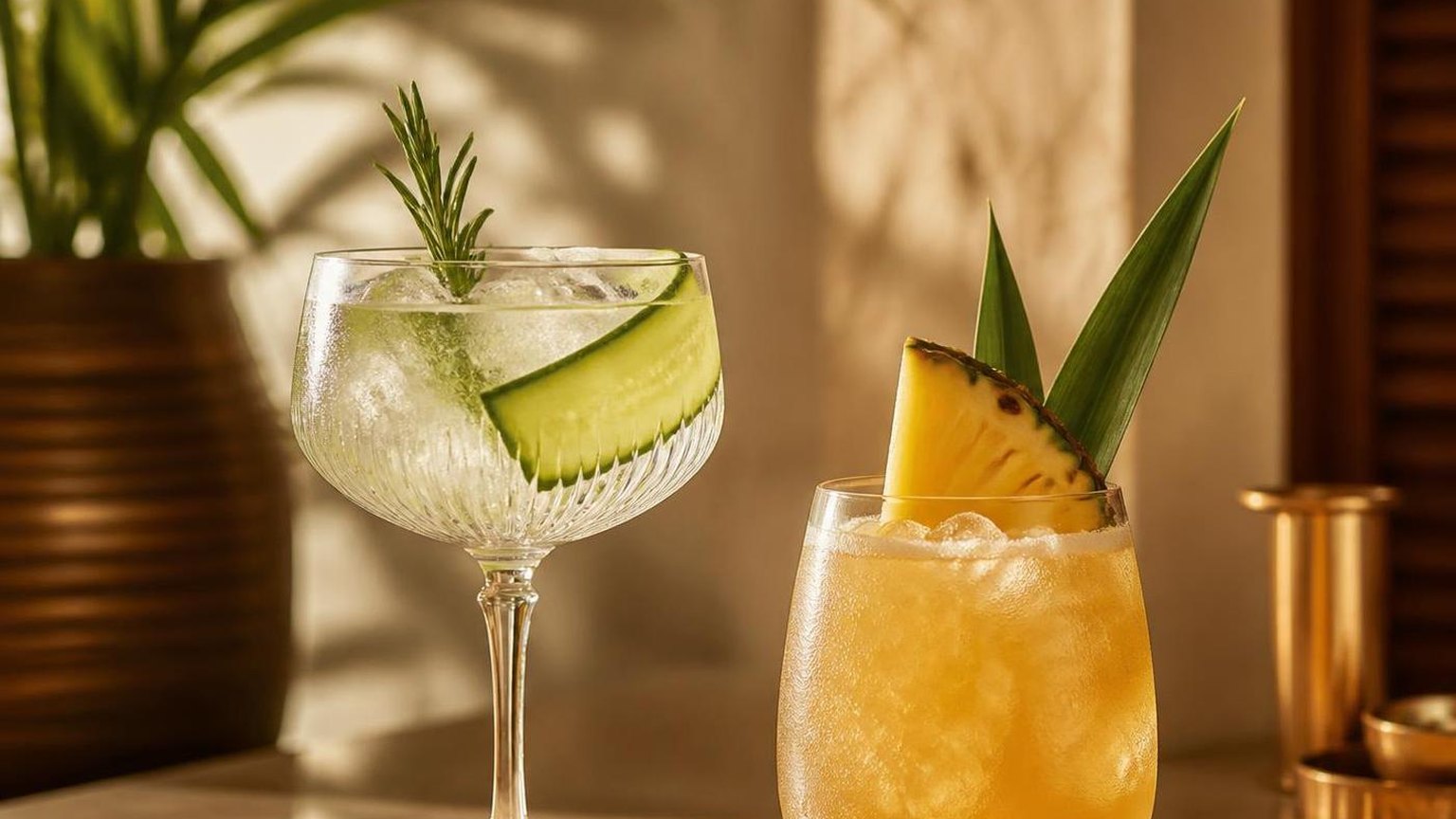
Gin and rum can work beautifully together, but they are not interchangeable “white spirits.” The biggest failures usually come from ignoring sweetness, proof, and botanical intensity rather than from the combination itself.
Classic references support the pairing: the 1930 Savoy Cocktail Book includes drinks using both gin and rum, and modern Tiki recipes often layer multiple base spirits for structure.
Mistake: Treating white rum like gin
London Dry gin is defined by juniper-led botanicals, while white rum is distilled from sugarcane byproducts or cane juice. Even when both are clear, they bring different aromas, sweetness perception, and finish.
| Spirit | Typical ABV in the U.S. | Main flavor role |
| London Dry gin | 40% to 47% | Juniper, citrus peel, coriander, herbal lift |
| White rum | 40% | Cane, vanilla, light fruit, soft sweetness |
| Overproof rum | 57% to 75.5% | Heat, esters, strong body, high alcohol impact |
Mistake: Using equal parts without balancing sugar and acid
A 1:1 gin-to-rum split can be excellent, but it usually needs firm acidity. In a Daiquiri-style build, 2 ounces total spirit with 3/4 ounce lime and 1/2 to 3/4 ounce syrup is a reliable starting range.
- Too sharp: reduce lime by 1/4 ounce or increase syrup by 1/4 ounce.
- Too sweet: increase lime by 1/4 ounce or use a drier rum.
- Too hot: avoid overproof rum or reduce total spirit by 1/4 ounce.
Myth: Dark rum always makes the cocktail better
Dark color does not guarantee age or quality. In the U.S., TTB rules allow caramel coloring in rum, so a darker rum may taste heavier without adding meaningful oak complexity.
Myth: Gin and rum will “clash” by default
They clash when both are loud in the same direction. A heavily juniper-forward gin with a funky Jamaican rum can overwhelm citrus, but a softer gin with a clean white rum can taste crisp and layered.
Mistake: Forgetting dilution
Shaking with ice typically adds about 15% to 25% water by volume, depending on ice size and shake time. That dilution is not optional; it integrates alcohol, citrus, and sugar.
- Shake citrus-based gin and rum cocktails for about 10 to 12 seconds.
- Use fresh lime juice; bottled lime often tastes oxidized and flat.
- Measure syrups carefully, because 1/4 ounce can noticeably change balance.
Common Questions
Can you mix gin and rum in the same cocktail?
Yes. Gin and rum can work together because gin brings juniper, citrus, and botanical notes, while rum adds sugarcane, vanilla, molasses, or grassy flavors depending on the style.
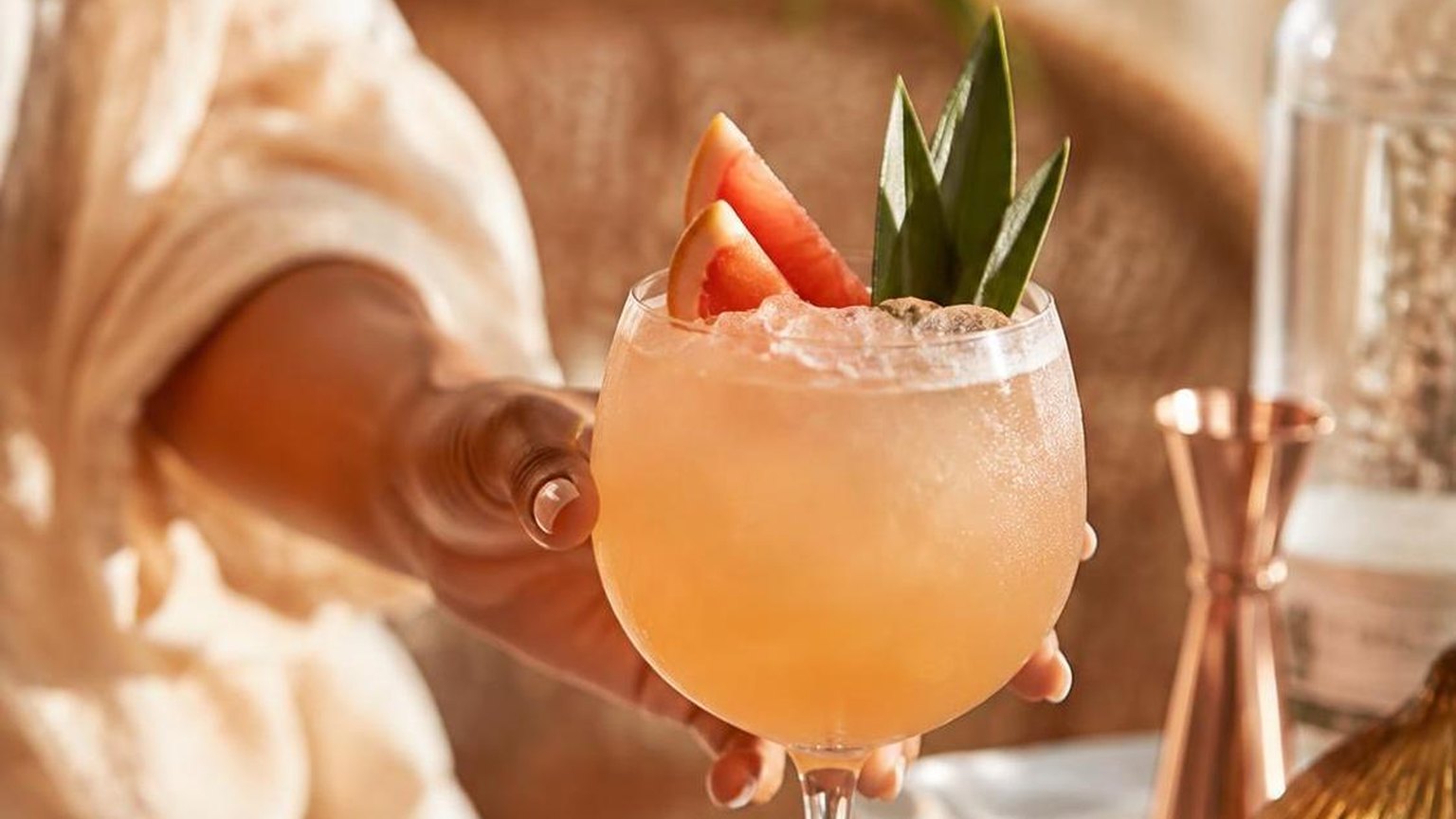
A balanced starting formula is 1 ounce gin, 1 ounce light rum, 3/4 ounce fresh lime juice, and 1/2 ounce simple syrup, shaken with ice.
What rum works best with gin?
Light or lightly aged rum is usually the easiest match because it will not overpower gin’s botanicals.
Jamaican overproof rum or heavily aged rum can dominate quickly, so use them in small amounts, such as 1/4 ounce as a float or accent rather than the full base spirit.
What gin style is best for a gin and rum cocktail?
London Dry gin is the most reliable choice because its juniper, coriander, citrus peel, and dry finish cut through rum’s sweetness.
Softer modern gins can work, but avoid very floral gins if the drink also includes tropical juices, since the combination can taste perfumed.
What classic cocktails combine gin and rum?
The Suffering Bastard family and some tiki-style recipes combine gin with rum, though formulas vary by bartender and era.
Don the Beachcomber’s mid-20th-century tiki tradition often used split spirit bases, including gin paired with rum, to build layered flavor rather than relying on one dominant liquor.
How do you keep a gin and rum cocktail from tasting too sweet?
Use fresh citrus and measure the sweetener carefully: for a shaken sour-style drink, 3/4 ounce lime juice usually balances 1/2 ounce simple syrup.
If using pineapple juice, coconut cream, or sweet liqueurs, reduce added syrup or add 1 to 2 dashes of Angostura bitters to tighten the finish.
What proof should a gin and rum cocktail be for easy sipping?
Aim for a combined ABV of 20–25% in the finished drink by using 1 oz each of 80-proof gin and 80-proof rum alongside 2–3 oz of juice or mixer.
This dilution range keeps the cocktail refreshing in warm weather while preserving the botanical and tropical flavor layers.
Related Reading
- Does Bacardi Make A 181 Rum Now?
- How To Make Rum Without Distilling?
- What Kind Of Rum For Rum Cake?
- What Glass Do You Drink Rum Out Of?
- Do You Have To Be 21 To Buy Rum Extract?
- How Many Calories In Rum Haven Coconut Rum?
- What Is Jamaican Rum Cream?
- All Alcohol Guides
- National Institute on Alcohol Abuse and Alcoholism (2025)
- Centers for Disease Control and Prevention (2024)
- Alcohol and Tobacco Tax and Trade Bureau eCFR, 27 CFR Part 5 Spirits Standards (2025)
- Dietary Guidelines for Americans 2020-2025 (2020)
- International Bartenders Association, Long Island Iced Tea (2024)
- Difford’s Guide, Long Island Iced Tea Cocktail (2024)
- Liquor.com, Long Island Iced Tea Recipe (2023)