Vodka has a subtle taste, usually marked by a faint grain or potato note, a mild sweetness, and a warming finish.
Its flavor is not literally absent: distillation and filtration reduce many aromatic compounds, but the spirit’s raw ingredients and production choices still shape what you perceive.
A clean, neutral vodka may seem nearly flavorless when chilled, while another can show clearer earthy, peppery, or creamy notes.
Temperature, serving style, and your own palate also affect the experience.
Chilling can soften alcohol’s aroma and burn, making delicate flavors harder to notice; tasting vodka at room temperature often makes its texture and finish easier to assess.
In a cocktail, mixers can mask subtle differences, but sipping it neat or with a little water can reveal them. The label’s base ingredient offers a clue, not a guarantee: fermentation, distillation, and filtration matter too.
Here’s what vodka typically tastes like and why brands can differ.
What Vodka Tastes Like
Vodka has a taste, even when it is unflavored. At typical bottling strength, its most obvious sensations are mild sweetness or bitterness, warmth, and a drying finish.
Differences between bottles are often subtle, but they become easier to notice when you taste them side by side.
Vodka is made by distilling fermented material into a highly purified spirit, then diluting it with water. That process removes many compounds responsible for strong grain or fruit flavors; it does not remove every perceptible difference.
The U.S. Alcohol and Tobacco Tax and Trade Bureau defines vodka as a type of neutral spirit under 27 CFR § 5.142.
Ethanol itself affects the experience. A vodka bottled at 40% alcohol by volume can feel warm or sharp on the tongue and in the throat. That sensation is not simply a flavor note: alcohol also stimulates nerves involved in irritation.
The National Institute on Deafness and Other Communication Disorders distinguishes these sensations from taste and smell.
| Sensation | What to look for |
| Aroma | Subtle hints of grain, citrus peel, pepper, or a faint medicinal note before sipping. |
| Palate | Light sweetness, bitterness, or a clean, nearly neutral impression beneath the alcohol warmth. |
| Texture | A thin, crisp feel or a rounder, slightly oily feel as the vodka moves across the tongue. |
| Finish | How long warmth, dryness, bitterness, or any lingering aroma remains after swallowing. |
Those descriptions are tasting observations, not guarantees about ingredients. A vodka made from potatoes will not necessarily taste creamy, and one made from rye will not necessarily taste peppery.
Distillation, filtration, dilution water, and permitted adjustments can matter alongside the starting material.
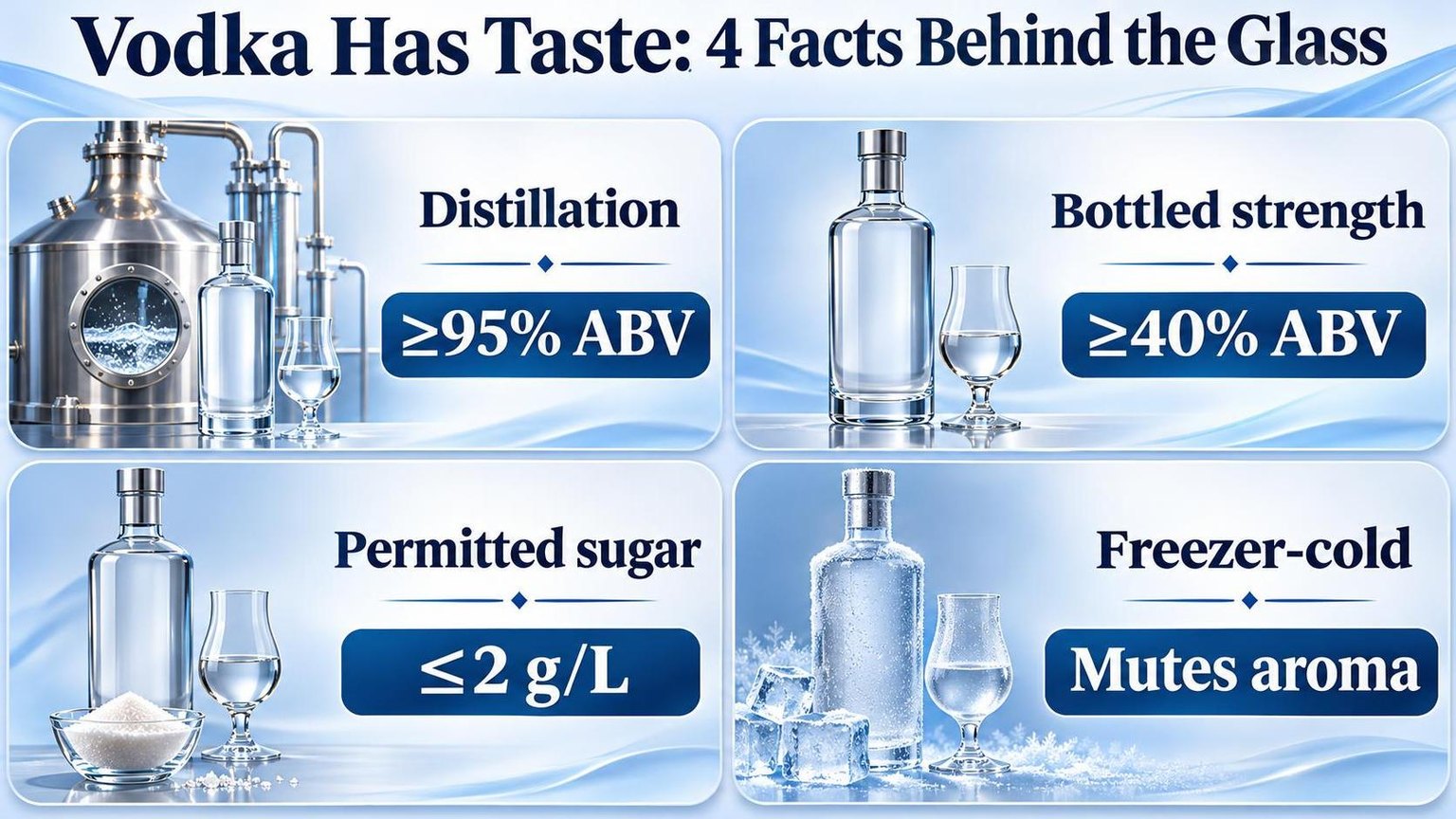
Temperature changes what you notice. Freezer-cold vodka generally smells less expressive and can seem smoother because cold mutes aroma and some of the perceived alcohol intensity.
Letting a small pour warm briefly in the glass makes it easier to detect faint aromas and evaluate the finish.
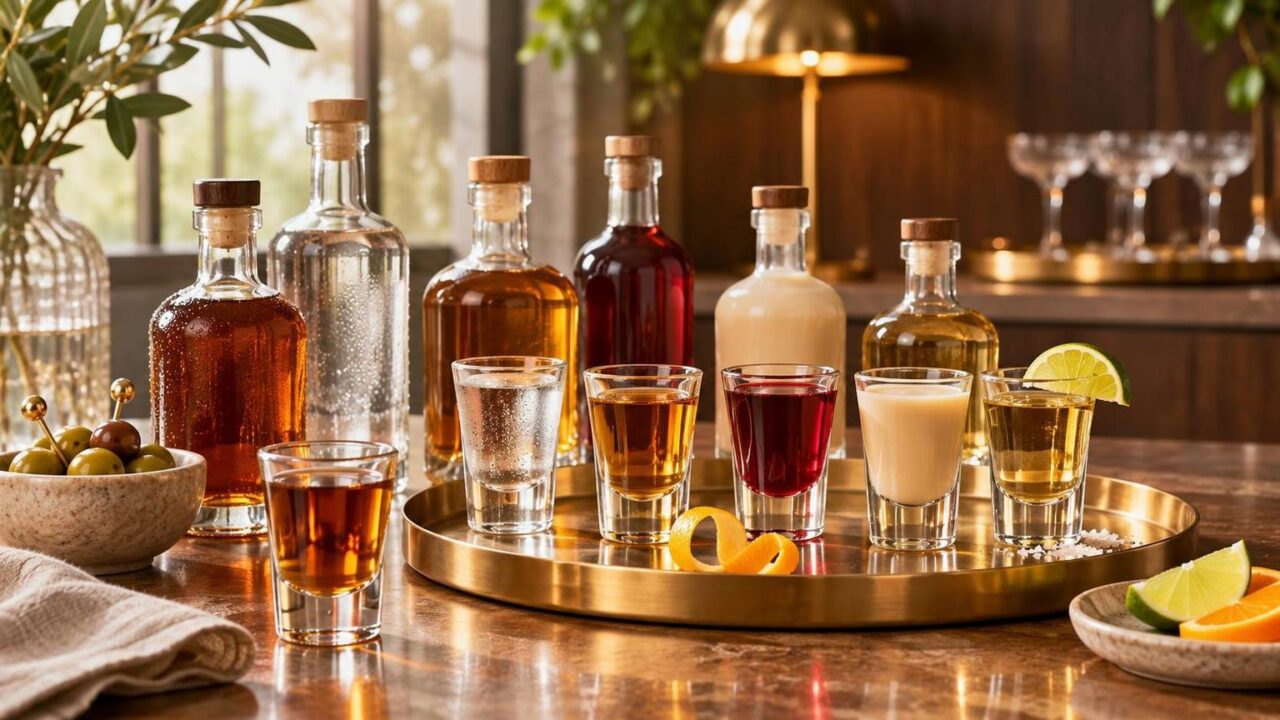
For a useful comparison, pour small samples of two unflavored vodkas into identical glasses and taste them at the same temperature. Smell each first, take a small sip, and note aroma, texture, warmth, and finish separately.
Identical tasting conditions help reveal differences without mistaking a colder serving for a smoother spirit.
Why Vodka Brands Taste Different
Vodka brands can taste different even when both bottles are labeled “unflavored.” Alcohol strength, trace compounds, water, filtration, and permitted adjustments all affect what you smell and feel in the glass.
Serving temperature can make those differences easier—or harder—to notice.
Distillation and the base material
Vodka can begin with grain, potatoes, grapes, or another fermentable material. Fermentation creates alcohol alongside other compounds, including esters and higher alcohols.
Distillation removes much of that character, but the equipment and the distiller’s decisions influence what remains.
Under the U.S. standard of identity, vodka is a type of neutral spirit. The requirements in 27 CFR § 5.142 explain why the base ingredient alone does not reliably predict a vodka’s flavor: substantial purification is part of making the spirit.
| U.S. regulatory specification | Requirement or allowance |
| Neutral-spirit distillation strength | At least 95% alcohol by volume |
| Minimum bottled strength | 40% alcohol by volume |
| Sugar permitted in vodka | Up to 2 grams per liter |
| Citric acid permitted in vodka | Up to 1 gram per liter |
Those figures come from 27 CFR § 5.142. They do not mean every producer uses sugar or citric acid. They do show that “unflavored” vodka need not consist exclusively of ethanol and water.
Filtration, water, and texture
Some producers filter vodka through activated carbon, which can remove certain odor-active compounds. Others use different media or less filtration.
Neither the number of filtration passes nor a claim of extra distillation proves that a vodka will taste better; the result depends on what the process removes.
Water matters because it makes up much of the finished drink. Its mineral content and the producer’s treatment choices can affect clarity and mouthfeel.
Descriptions such as “silky” or “crisp,” however, are tasting impressions, not evidence that one water source is inherently superior.
Proof and serving temperature
Alcohol itself contributes warmth and irritation, so differences in bottling strength can be mistaken for differences in ingredient quality. Chilling generally suppresses aroma and softens the perception of alcohol.
A vodka that seems nearly neutral straight from the freezer may reveal more character as it warms.
For a useful comparison, pour brands into identical clean glasses and serve them at the same temperature. Check their stated alcohol strengths before tasting, then note aroma, texture, warmth, and finish separately.
That approach reveals more than relying on a brand’s raw-material or filtration claims.
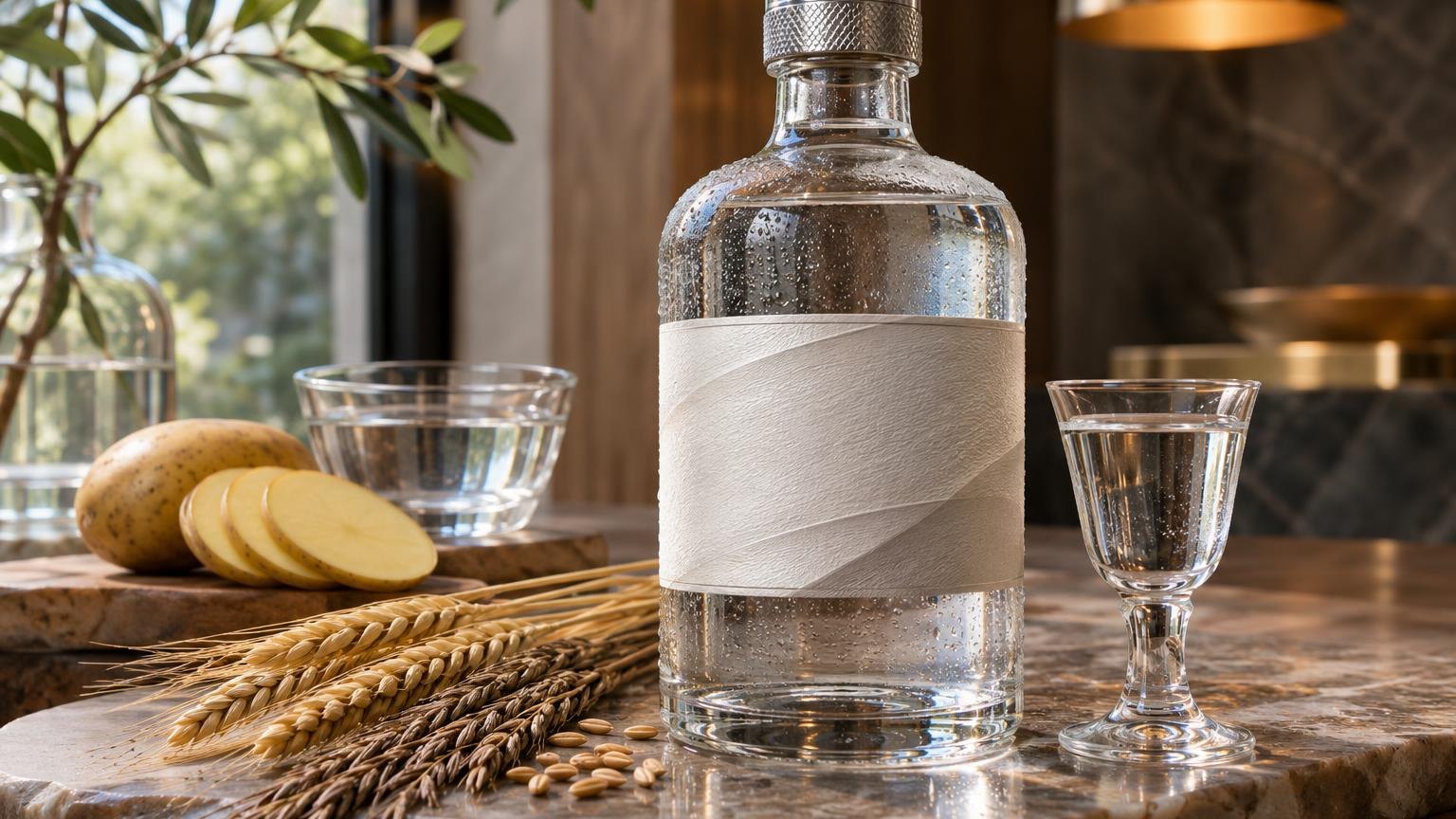
How Distillation Shapes Vodka Flavor
Vodka can taste clean without tasting identical from bottle to bottle.
Distillation removes much of the material produced during fermentation, but the equipment, the distiller’s choices, and the spirit’s final strength determine what remains noticeable.
Fermenting grain, potatoes, or another suitable ingredient produces ethanol alongside smaller amounts of compounds called congeners.
These include esters, aldehydes, and higher alcohols, which can contribute fruity, solvent-like, or heavier aromas. Distillation concentrates ethanol while separating out many—not necessarily all—of those compounds.
A column still repeatedly brings rising vapor into contact with descending liquid. That repeated separation allows a distiller to produce highly concentrated alcohol.
A pot still can also make vodka, though reaching a high strength may require additional distillation runs. Neither still type guarantees a particular flavor: how it is operated matters.
In the United States, the relevant legal benchmarks are:
| Benchmark | Alcohol by volume | What it describes |
| Neutral spirits distillation | At least 95% | The strength at which the spirit is distilled |
| Vodka bottling | At least 40% | The strength of the finished vodka |
These are different stages, not competing measures. The distillation requirement comes from the federal definition of neutral spirits; vodka is a type of neutral spirit.
The bottling minimum applies after the concentrated spirit has been reduced with water. Sources: U.S. Alcohol and Tobacco Tax and Trade Bureau, 27 CFR §§ 5.141–5.142.
Distillers also decide which portions of a run to retain. Early and late portions can contain different proportions of volatile compounds, so selecting a narrower or wider portion changes the resulting spirit.
The compounds do not emerge in perfectly separate layers; their concentrations shift throughout the run.
Repeated or more intensive distillation generally leaves fewer fermentation-derived aromas, but “distilled more times” is not a reliable taste score.
A carefully controlled column run and several pot-still runs can produce different results even when both meet the same legal standard.
Finally, distillation is only part of the answer to whether vodka has a taste. The ethanol itself contributes warmth, while dilution water and optional filtration can affect the finished spirit.
Those later choices help explain why two vodkas made from highly distilled alcohol may still feel or taste different when sampled side by side.
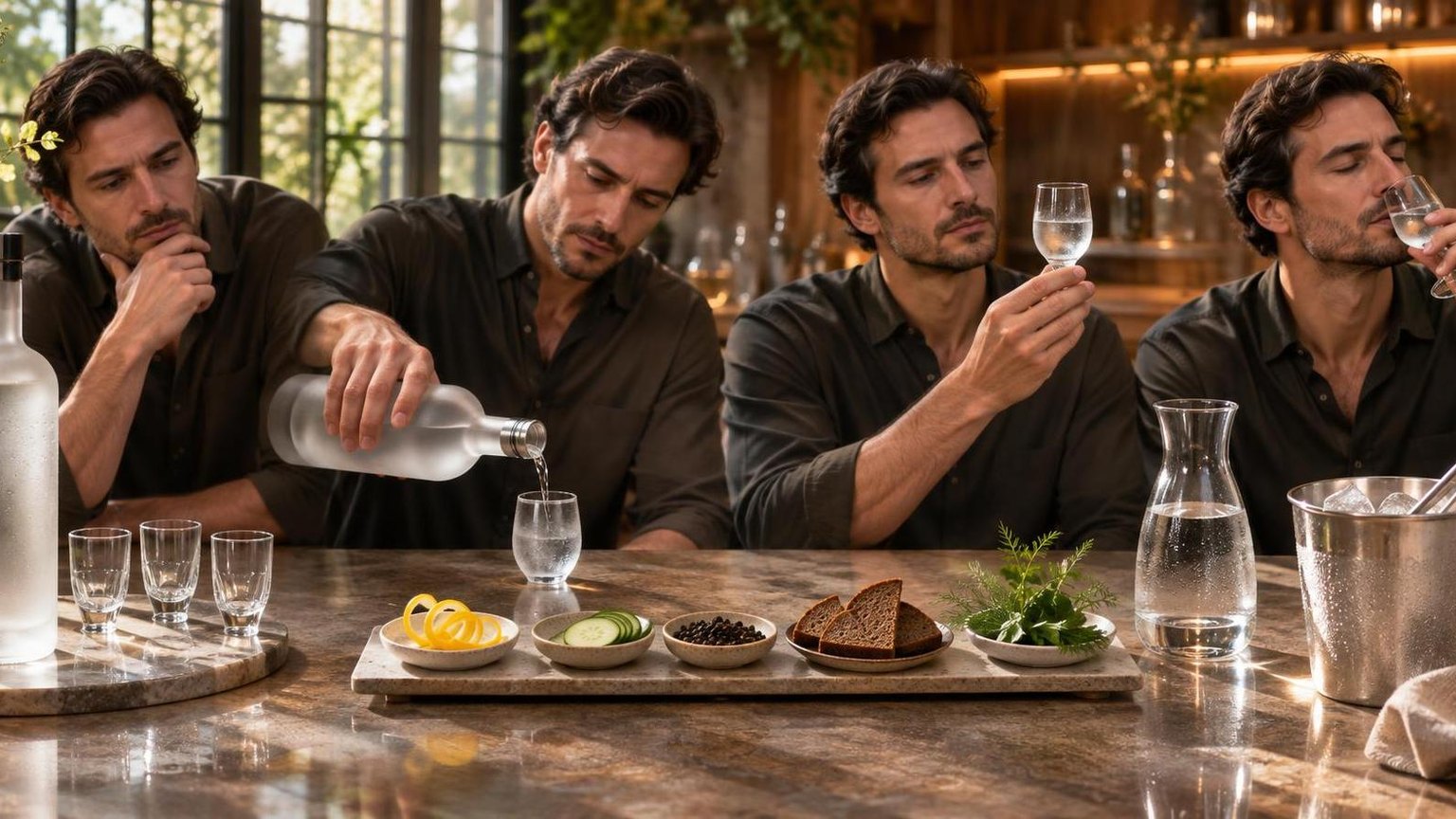
How Water Changes Vodka’s Taste
Water is a major part of vodka, not just a final ingredient added to reach bottling strength. It can change how sharply the alcohol registers, how the liquid feels in the mouth, and whether faint mineral or treatment-related notes come through.
At bottling, water dilutes distilled spirit to its stated alcohol by volume (ABV). The U.S.
Alcohol and Tobacco Tax and Trade Bureau defines proof as twice the ABV, so the examples below describe different bottling strengths, not different grades of water.
| Vodka strength | Equivalent proof | Ethanol in 100 mL of finished vodka |
| 40% ABV | 80 proof | 40 mL |
| 50% ABV | 100 proof | 50 mL |
That difference matters on the tongue: more concentrated ethanol generally produces a stronger warming or burning sensation, which can mask subtler aromas.
Dilution can make those notes easier to notice, but it does not automatically make a vodka smoother; the composition of the water and the spirit also matter.
Dissolved minerals give water its own sensory character. Calcium and magnesium account for most water hardness, according to the U.S. Geological Survey.
Depending on their concentration and accompanying minerals, they can contribute a firmer or more mineral impression, though a taster cannot identify a particular ion reliably from vodka alone.
Water treatment can change that contribution. Reverse osmosis removes much of the dissolved mineral content; activated-carbon filtration is useful for reducing chlorine-related odors but is not a dependable way to remove hardness.
Neither process erases flavors already present in the distilled spirit.
Water can also bring unwanted tastes. The U.S.
Environmental Protection Agency’s secondary drinking-water standards list aesthetic guidelines for chloride and sulfate at 250 milligrams per liter each, and total dissolved solids at 500 milligrams per liter.
These are drinking-water guidance values, not flavor limits or production specifications for vodka.
The practical test is a side-by-side tasting at the same temperature and ABV. Smell each sample first, then take a small sip and note any mineral, chlorine-like, sweet, or peppery impressions and the length of the finish.
Matching strength helps separate water-related differences from alcohol heat.
Water is therefore one reason two vodkas at the same ABV need not taste identical. Its effect is usually subtle alongside ethanol and trace compounds from production, but both the amount added and its treatment can shape the finished drink.
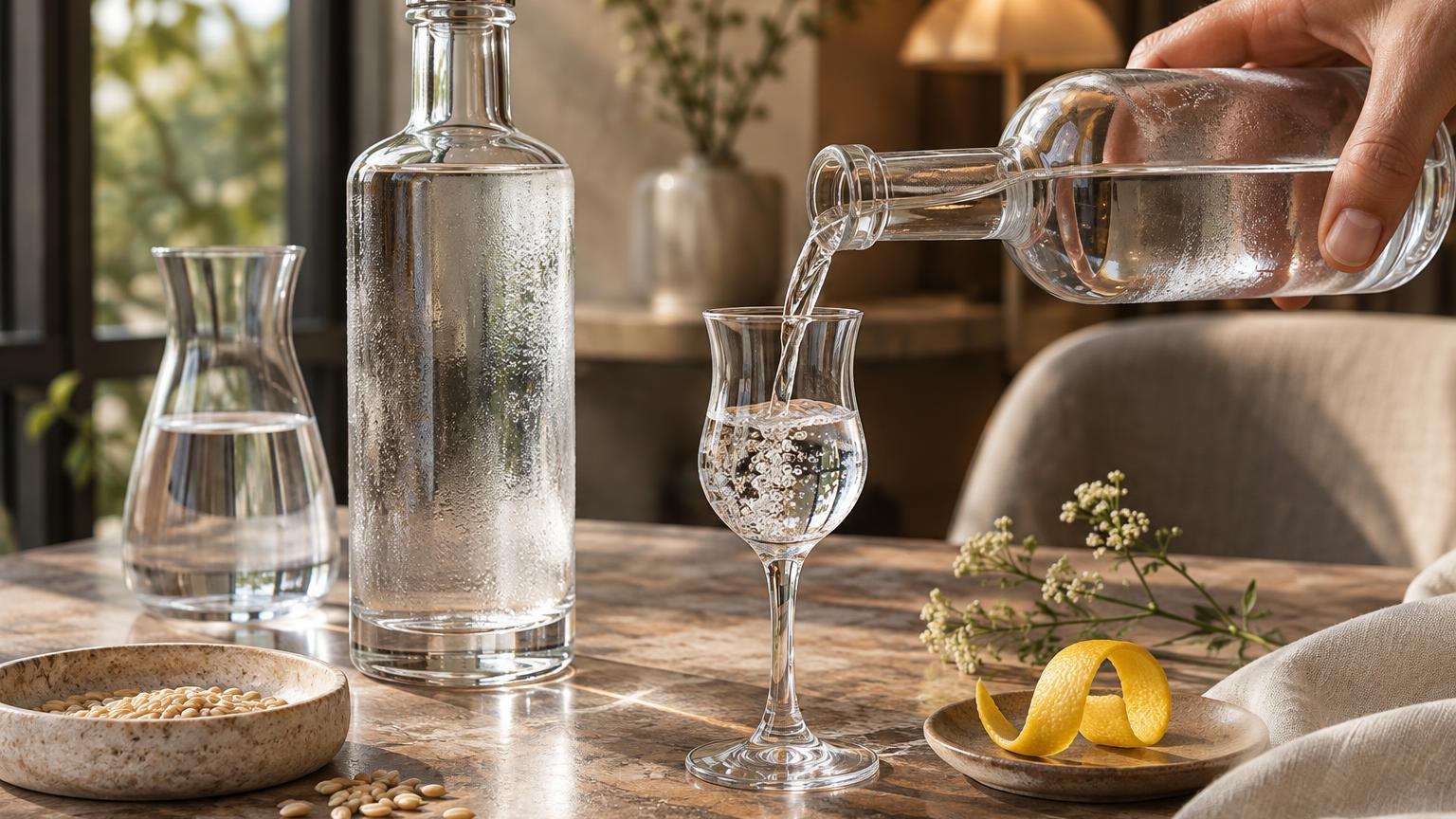
Why Chilled Vodka Tastes Less Intense
Cold vodka can seem smoother without becoming less alcoholic. Chilling reduces the release of volatile compounds into the air above the glass, so less aroma reaches your nose as you sip.
That matters because flavor is not just what the tongue detects.
Much of what people describe as vodka’s grain, citrus, pepper, or solvent-like character comes from smell, including aromas that travel from the mouth to the nose after swallowing.
The National Institute on Deafness and Other Communication Disorders identifies this pathway as retronasal smell.
Ethanol itself is volatile. The National Institute of Standards and Technology’s Chemistry WebBook reports the following approximate vapor pressures for pure ethanol:
| Temperature | Ethanol vapor pressure |
| 0 °C | 1.6 kPa |
| 20 °C | 5.9 kPa |
These figures do not describe vodka’s vapor pressure: vodka is a mixture of ethanol, water, and sometimes trace flavor compounds. They do illustrate why temperature matters.
As a pour warms, volatile substances more readily enter the air above it, making its aroma easier to notice.
Chilling also changes the physical impression of a sip. Cold vodka often feels thicker and less immediately sharp, while warmth makes its aroma and alcohol sensation more prominent. Neither effect removes ethanol.
Under federal standards, unflavored vodka sold in the United States must be bottled at no less than 40% alcohol by volume, or 80 proof (27 CFR § 5.142).
The familiar “burn” is not simply a taste like sweetness or bitterness. Ethanol can stimulate irritation-sensing nerves in the mouth and throat.
Research by Trevisani and colleagues, published in Nature Neuroscience in 2002, found that ethanol can activate and sensitize the heat-sensitive TRPV1 receptor. A cold serving may feel less forceful, but it does not eliminate that irritation.
A useful test is to pour the same vodka into two small glasses, chill one, and leave the other at room temperature. Smell each before sipping, then let a little of the chilled sample warm in your mouth.
The colder pour will often seem quieter at first; as it warms, its aroma and alcohol edge become easier to detect.
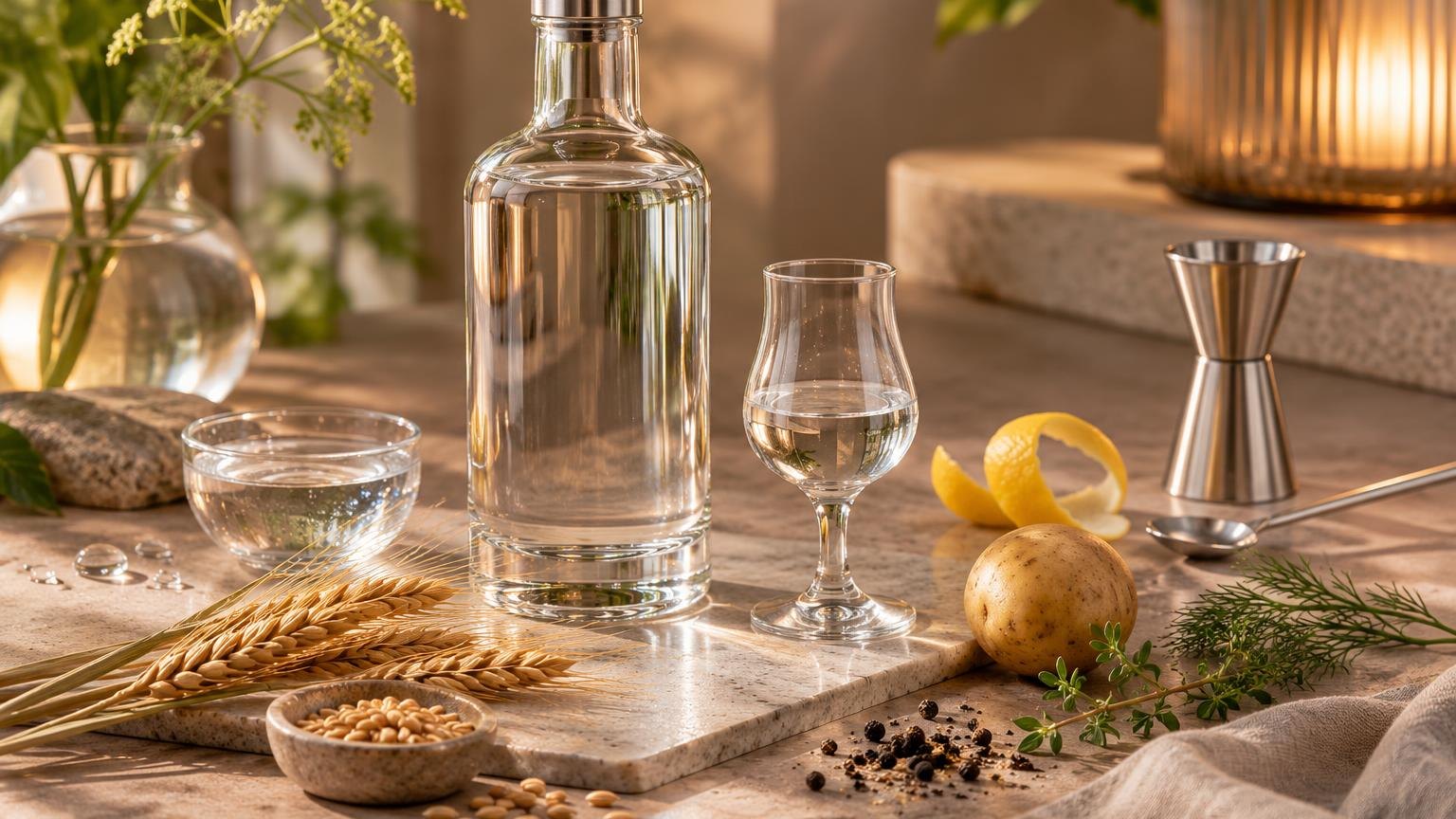
Can You Taste Vodka in Cocktails
Yes, but what you notice depends on the drink. In a vodka soda, vodka may register as a faint grain or citrus note, a warming sensation, or a change in texture; in a strongly flavored cocktail, those cues can disappear behind the mixer.
Vodka is not required to be flavorless. The U.S.
Alcohol and Tobacco Tax and Trade Bureau removed the phrase “without distinctive character, aroma, taste, or color” from its vodka standard in 2020, acknowledging that vodkas can have recognizable sensory differences (TTB, Final Rule 2020-02614).
Strength matters, although alcohol by volume does not predict how strongly a drink will taste of vodka. The following examples use 40% ABV vodka and assume that the mixer contains no alcohol. They show the proportions before any ice melts.
| Example build | Approximate ABV before ice melts | Likely sensory effect |
| 1.5 fl oz vodka + 4.5 fl oz mixer | 10% | Mixer usually dominates |
| 1.5 fl oz vodka + 3 fl oz mixer | 13.3% | Vodka’s warmth and texture may be noticeable |
| 2 fl oz vodka + 0.5 fl oz water | 32% | Alcohol warmth is prominent |
These are arithmetic examples, not fixed cocktail recipes. Ice adds water as it melts, lowering the finished drink’s ABV.
Lemon juice, ginger beer, tomato juice, coffee, and bitters can also make a vodka cocktail taste less distinctly of vodka without removing its alcohol.
In a simple vodka soda, look for subtle differences rather than a bold “vodka flavor.” One bottle may seem slightly peppery or grain-like; another may feel softer or more viscous.
Carbonation can sharpen the perception of alcohol, while a lemon wedge introduces an aroma that may dominate the sip.
A vodka Martini offers fewer competing flavors, so vodka is generally easier to notice. Vermouth contributes its own herbal character, however, and both chilling and dilution change the result.
A cold, well-diluted Martini can taste smoother than a warmer drink made with the same vodka.
To test whether you can identify the vodka, make two drinks with identical mixer amounts, glassware, ice, and garnish; change only the vodka. Taste them blind and note aroma, first sip, texture, and finish.
Otherwise, a difference in lemon juice or dilution can easily be mistaken for a difference between bottles.
Finally, a drink that barely tastes alcoholic can still contain a full serving of spirits.
The National Institute on Alcohol Abuse and Alcoholism defines a U.S. standard drink as 0.6 fl oz of pure alcohol—the amount in 1.5 fl oz of 40% ABV vodka.
Common Questions
Does plain vodka have a taste?
Yes. Even unflavored vodka can taste mildly sweet or bitter and feel warm or sharp because ethanol activates both taste and irritation receptors; the U.S.
Alcohol and Tobacco Tax and Trade Bureau (TTB) no longer defines vodka as “without distinctive character, aroma, taste, or color.”.
Why do some vodkas taste different from others?
Production choices—including fermentation, distillation, filtration, and water used to bring the spirit to bottling strength—can affect what remains perceptible.
Differences are usually subtle compared with those in barrel-aged spirits because vodka is made from highly distilled neutral spirits, as defined in 27 CFR § 5.142.
Why does vodka burn when you drink it?
The burn is primarily a sensation of chemical irritation from ethanol, not a flavor like sweetness or bitterness.
U.S. vodka must be bottled at no less than 40% alcohol by volume under 27 CFR § 5.142, so a neat sip delivers a relatively high concentration of ethanol to the mouth.
Does chilling vodka make it tasteless?
No. Chilling generally reduces the release of aromatic compounds and can make vodka’s alcohol warmth seem less prominent, but it does not remove ethanol or other flavor compounds.
Does vodka’s base ingredient determine its flavor?
Vodka can be made from grain, potatoes, grapes, or other fermentable materials; the base ingredient alone does not reliably predict how the finished vodka will taste.
Distillation and subsequent processing matter because U.S. neutral spirits are distilled at or above 95% alcohol by volume (27 CFR § 5.142).
Is flavored vodka different from plain vodka?
Yes.
Flavored vodka has flavoring added to create a recognizable taste, such as citrus or vanilla, rather than relying only on the subtle characteristics of unflavored vodka.
TTB treats flavored vodka as a distinct type in its labeling regulations (27 CFR § 5.142).
Related Guides
- What Is Absolut Vodka Made From?
- Do Flavored Vodkas Have Sugar?
- How Many Calories in Smirnoff Vodka?
- Belvedere Vs Grey Goose
- How Many Beers Equal A Shot Of Vodka?
- What Is the Alcohol Content of Smirnoff Vodka?
- Does Vodka Have Sulfites?
- Is Smirnoff Gluten Free? – What You Need to Know?
- All Alcohol Guides
- Electronic Code of Federal Regulations, Vodka Definition (2026)
- Cornell Law School Legal Information Institute, 27 CFR § 5.142 (2026)
- National Institute on Alcohol Abuse and Alcoholism, What Is a Standard Drink? (2026)
- National Library of Medicine, PubChem: Ethanol (2026)
- European Union, Regulation (EU) 2019/787 (2019)
- Encyclopaedia Britannica, Vodka (2026)
- Encyclopaedia Britannica, Distilled Spirit (2026)
- Encyclopaedia Britannica, Ethanol (2026)
- National Institute on Alcohol Abuse and Alcoholism, Alcohol’s Effects on the Body (2026)