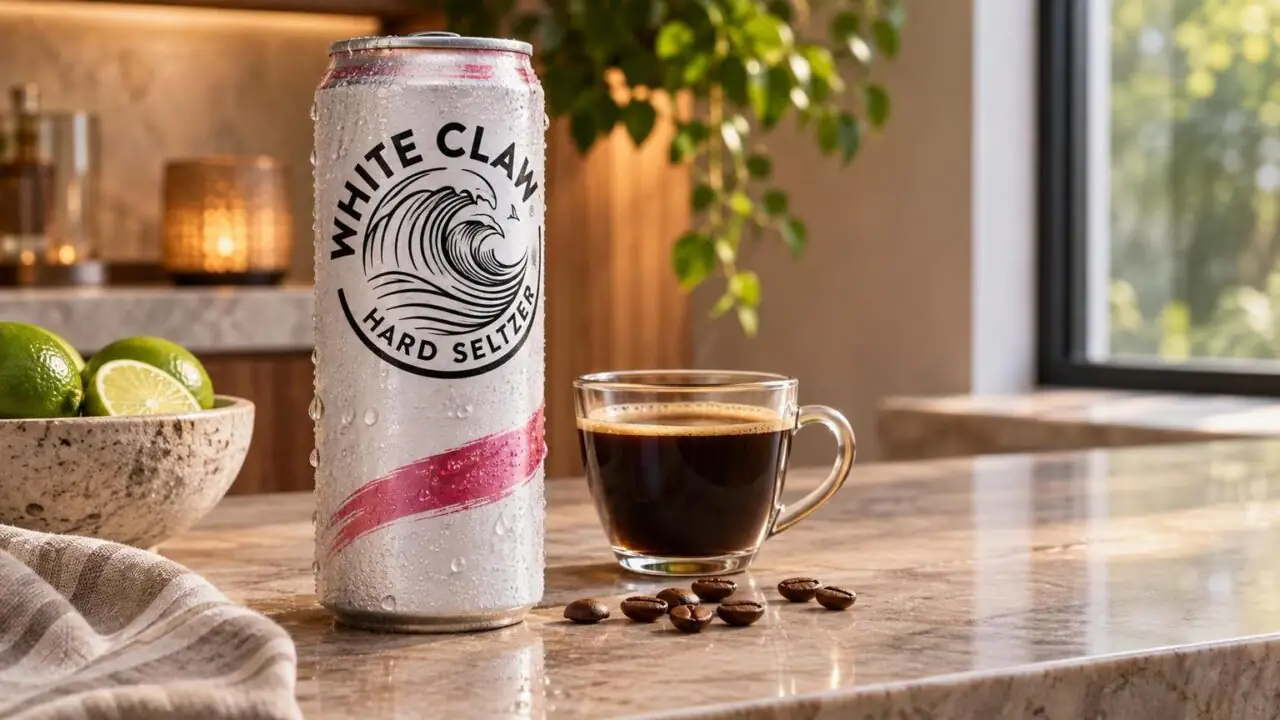
White Claw is caffeine-free, so the answer to “Does White Claw Have Caffeine?” is no. Its standard Hard Seltzer flavors do not list caffeine as an ingredient.
The drink’s alcohol comes from fermented sugar, and its flavor comes from fruit ingredients and flavorings.
That answer applies to the regular White Claw Hard Seltzer line, not automatically to every product sold under the White Claw name.
Product formulas can differ, and new varieties may be introduced, so check the specific can’s ingredient and nutrition information if you need to avoid caffeine.
For most people choosing a standard White Claw Hard Seltzer, caffeine is not a concern.
However, caffeine-free does not mean alcohol-free: standard cans contain alcohol, so review the label for the variety’s alcohol content and serving size before drinking.
Does Original White Claw Contain Caffeine
Original White Claw Hard Seltzer does not contain added caffeine, and its listed ingredients do not include a caffeine source. A standard can is an alcoholic sparkling-water drink, not an energy drink.
Its alcohol content should not be mistaken for a stimulant effect.
What Is in a Standard Can?
White Claw describes its original hard seltzer as a blend of sparkling water, an alcohol base, and fruit flavor. Its U.S. product information identifies the standard hard seltzer as 5% alcohol by volume (ABV).
Neither that description nor the product’s ingredient information identifies coffee, tea, guarana, or added caffeine.
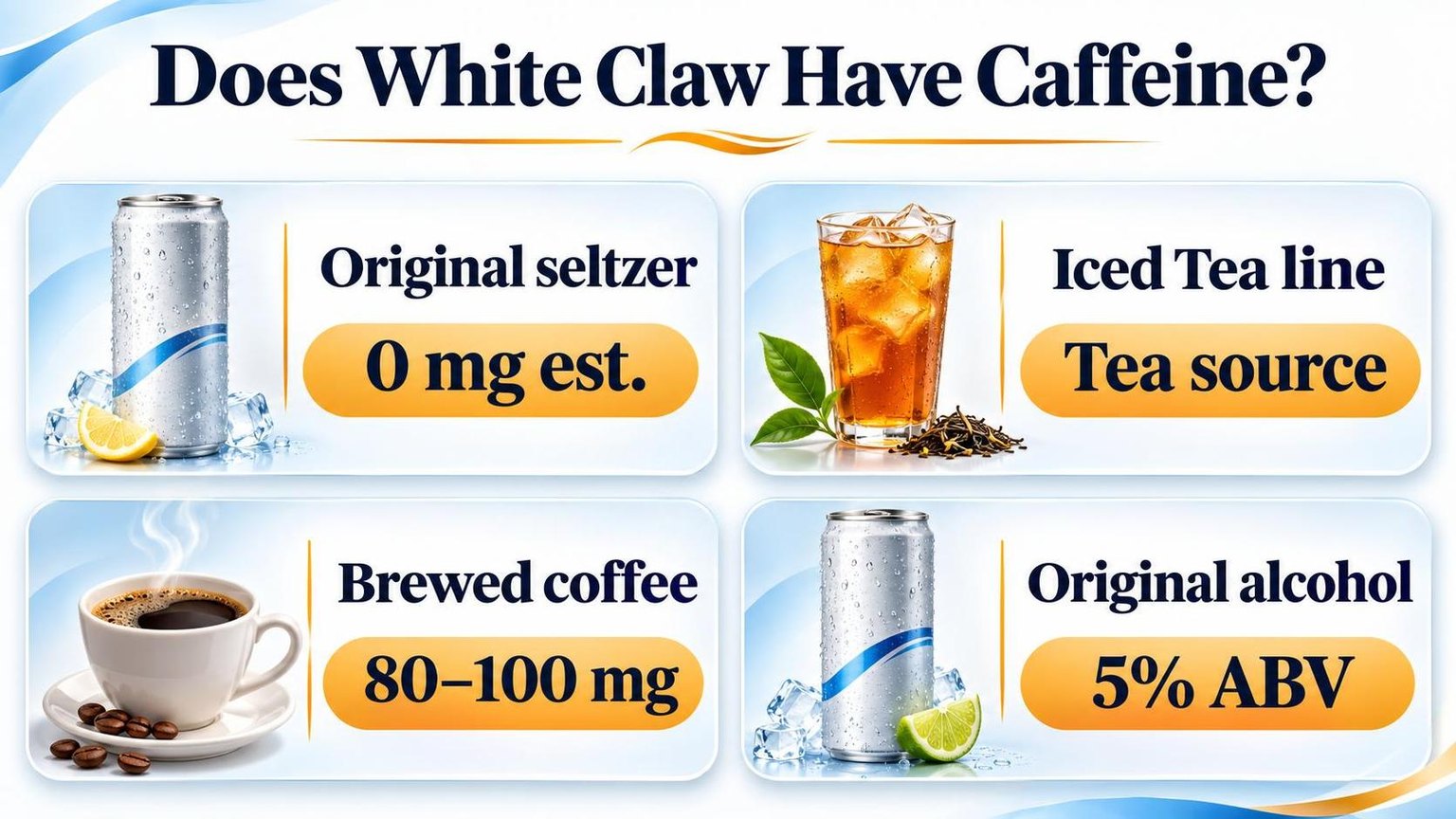
The table distinguishes published product information from an estimated caffeine amount.
White Claw does not publish a laboratory-tested caffeine measurement for every flavor and batch, so “0 mg expected” means no caffeine source is listed; it is not a reported analytical result.
| Drink | Serving | Caffeine | Basis |
| Original White Claw Hard Seltzer | 12 fl oz | 0 mg expected | No caffeine-containing ingredient listed; not a published lab measurement |
| Brewed coffee | 8 fl oz | About 80–100 mg | FDA estimate; actual amounts vary |
White Claw’s familiar 100-calorie claim concerns energy from the drink’s ingredients, including alcohol; it does not indicate caffeine. Likewise, “hard” means alcoholic.
Carbonation, fruit flavor, and alcohol do not themselves supply the caffeine associated with coffee or caffeinated soft drinks.
Why the Exact Product Name Matters
“White Claw” is a brand name, not a single ingredient list. The answer above applies to the original hard seltzer line, including its standard fruit flavors.
It should not be used as a blanket answer for every White Claw product or for a cocktail made with White Claw.
If the package names another beverage style, read that can’s ingredient statement and nutrition information. Tea, coffee, guarana, and caffeine listed as an ingredient are reasons to check for caffeine.
Formulas and product lines can change, making the package in your hand the most useful product-specific reference.
A mixed drink can also contain caffeine even when the White Claw used to make it does not. Adding an energy drink, caffeinated soda, or coffee changes what is in the finished drink.
The caffeine comes from the mixer, not from the original hard seltzer.
Caffeine-Free Does Not Mean Alcohol-Free
The absence of caffeine does not lessen White Claw’s alcohol content or its effects on coordination and judgment. Conversely, adding caffeine does not make alcohol safer.
The CDC warns that caffeine can make a person feel more alert without reducing alcohol’s effects on the body.
For the original product, the practical answer is straightforward: expect no caffeine from a can of original White Claw Hard Seltzer.
Check the exact label if you are avoiding caffeine strictly, and assess alcohol separately rather than treating a caffeine-free drink as a nonalcoholic one.
Sources: White Claw U.S. hard seltzer product information and packaging; U.S.
Food and Drug Administration, “Spilling the Beans: How Much Caffeine Is Too Much?”; Centers for Disease Control and Prevention, “Alcohol and Caffeine.”.
Which White Claw Products Have Caffeine
White Claw Hard Seltzer Iced Tea is the product line to check for caffeine: it is made with tea, which can contribute naturally occurring caffeine. Regular White Claw Hard Seltzer, Surge, and White Claw 0% are not marketed as caffeinated drinks.
The word “hard” refers to alcohol, not an energy-drink ingredient.
| White Claw product | Caffeine guidance | What to check |
| Hard Seltzer Iced Tea | Contains caffeine from tea; check the specific package for an amount or ask White Claw. | Look for brewed tea, tea extract, or a caffeine statement in the ingredients and packaging. |
| Original Hard Seltzer | Not marketed as containing caffeine. | Check the ingredients of the flavor you are buying. |
| Surge | Not marketed as containing caffeine. Its 8% alcohol by volume does not indicate caffeine. | Do not confuse a higher alcohol percentage with a stimulant. |
| White Claw 0% | Not marketed as containing caffeine. “0%” describes its alcohol content. | Read the current label if avoiding caffeine entirely. |
Why Iced Tea Is the Exception
White Claw describes its Hard Seltzer Iced Tea as combining hard seltzer with brewed tea. Tea leaves naturally contain caffeine, so an iced-tea flavor deserves a different answer from a fruit-flavored seltzer.
A tea flavor name alone, however, cannot establish the caffeine amount in a particular can.
Do not assume every package provides a caffeine figure. Alcohol labels do not always list caffeine in milligrams, and recipes or packaging can change.
If you need a precise amount for a specific flavor, use its current can and carton first, then contact White Claw with the product name and package details.
What About the Other Flavors?
Original fruit flavors such as Black Cherry, Mango, and Natural Lime are not tea products. White Claw’s published descriptions do not present them as caffeinated beverages.
The same distinction applies to stronger Surge products: more alcohol does not mean added caffeine.
Likewise, a lemonade or other sweet-tasting White Claw variant should not be treated as caffeinated merely because of its flavor name. Check the ingredient list for tea, coffee, yerba maté, caffeine, or another caffeine-containing ingredient.
Products and assortments vary, so the exact package matters more than a general answer about the brand.
The U.S. Food and Drug Administration has warned manufacturers about adding caffeine to alcoholic beverages; that history does not mean every drink containing tea is caffeine-free or that every White Claw contains caffeine.
For someone limiting caffeine, the practical rule is to identify the exact product and verify its current label rather than relying on its alcohol content.
Do White Claw Flavors Differ
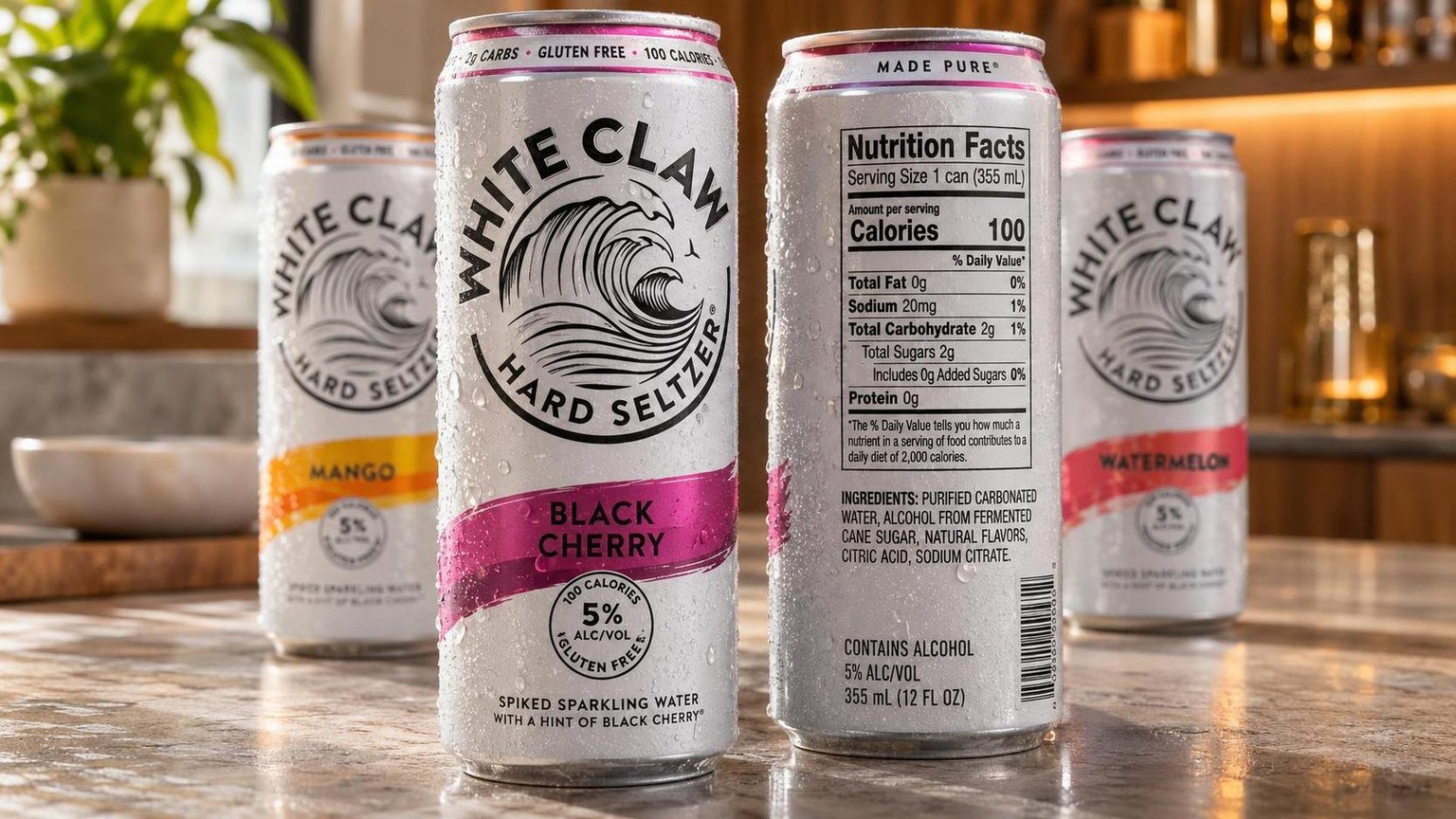
Black Cherry, Mango, and other standard White Claw Hard Seltzer flavors differ in taste, but their fruit names do not indicate caffeine.
The distinction for a caffeine-conscious shopper is the product line: an iced tea product deserves a different label check from a fruit-flavored hard seltzer.
White Claw’s standard Hard Seltzer flavors are alcoholic sparkling waters flavored with fruit. They are not marketed as energy drinks, and caffeine is not ordinarily listed among their ingredients.
Choosing Mango instead of Black Cherry does not, by itself, change the caffeine question.
| White Claw product | Listed alcohol by volume | Caffeine check |
| Standard Hard Seltzer, including Black Cherry and Mango | 5% | Not ordinarily formulated with caffeine; check the specific can |
| Surge Hard Seltzer | 8% | Higher alcohol strength does not indicate added caffeine |
| Hard Seltzer Iced Tea | 5% | Check for tea-derived caffeine and current product guidance |
The alcohol figures come from White Claw’s descriptions of its Hard Seltzer, Surge, and Hard Seltzer Iced Tea lines. They describe alcohol strength, not stimulation.
Surge’s higher alcohol content does not make it an energy-drink version of the standard seltzer.
Iced tea is the exception worth investigating. White Claw has sold Hard Seltzer Iced Tea made with brewed tea.
Tea can contain naturally occurring caffeine, so “no caffeine added” would not necessarily mean “caffeine-free.” Do not apply an answer about Black Cherry or Mango to an iced tea can without checking it.
Nor should the word “flavor” settle the issue. A black-tea-flavored product made with brewed tea is different from a fruit-flavored seltzer whose name evokes a taste.
Read the ingredients for tea, coffee, caffeine, or other caffeine sources; if the amount matters medically, seek a confirmed figure from White Claw.
Packaging is especially important because White Claw sells multiple product families, and formulas can change.
Check the full product name and the ingredients on the can you have, rather than relying on a mixed-pack carton, an older online answer, or the color of the can.
For someone avoiding caffeine, a standard fruit-flavored Hard Seltzer is the more straightforward choice among these products. That is a product-selection distinction, not a guarantee about every beverage ever sold under the White Claw name.
An iced tea can warrants a separate check.
The practical answer is therefore qualified: standard White Claw fruit flavors do not ordinarily differ in caffeine content, but White Claw products are not interchangeable.
White Claw’s current product information and the specific package are the best sources for ingredients; contact the manufacturer if neither establishes whether a tea-based variety meets your caffeine limit.
How to Check the Ingredient Label
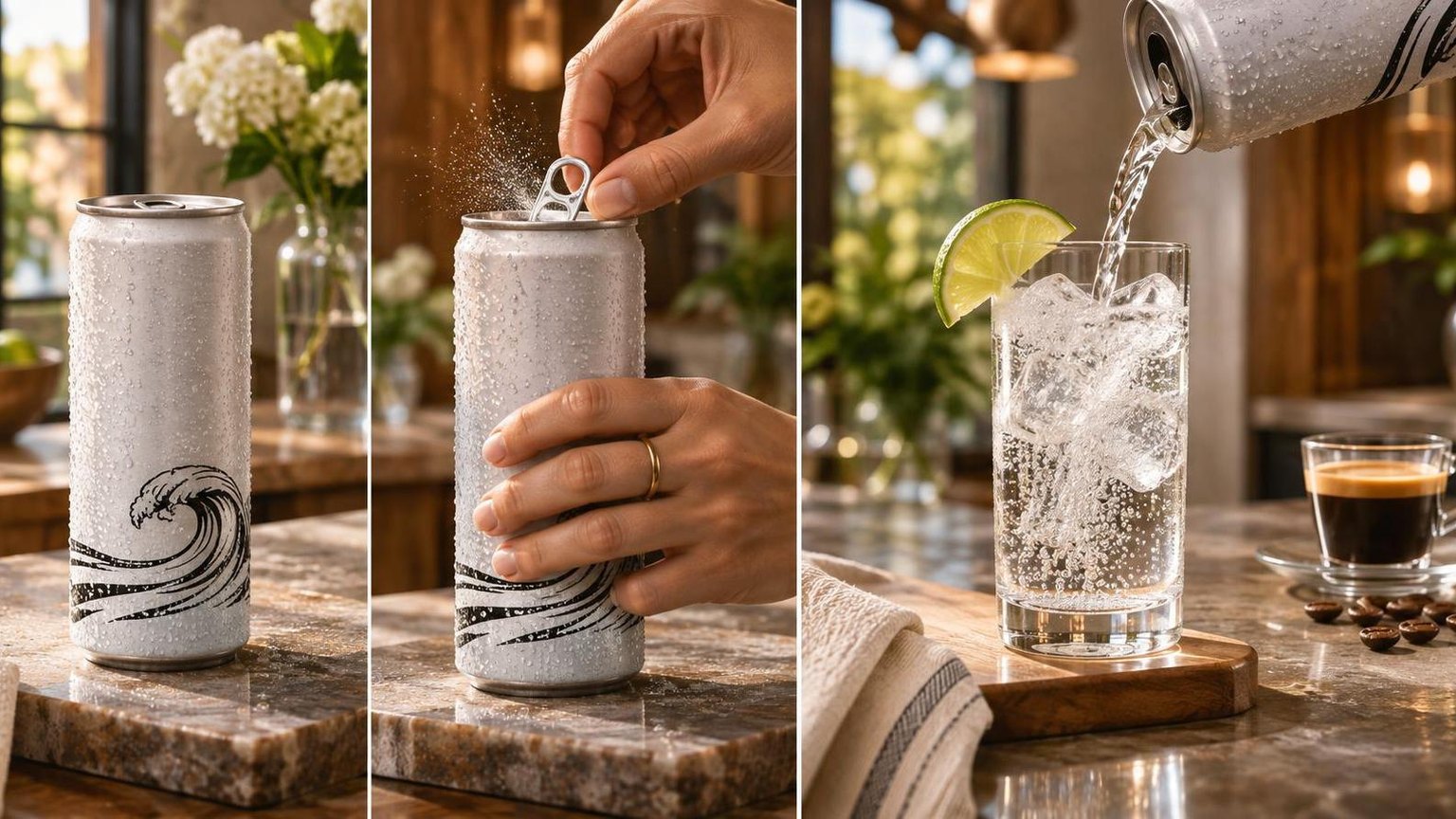
Start with the exact White Claw product and flavor in your hand, not a general claim about the brand. Formulas can differ across product lines, and the can is a better reference than a photo of a different variety.
Check the product name and ingredients
Read the full name on the front of the can, then turn it to find the ingredients. Do not assume that a hard seltzer, a tea-based drink, and a nonalcoholic drink have the same formula simply because they share the White Claw name.
Look for caffeine in the ingredient list. Also look for coffee, tea, tea extract, guarana, yerba mate, or other ingredients that may supply caffeine.
A tea ingredient is a reason to investigate further; its presence alone does not establish how much caffeine is in the finished drink.
- Check the whole can: Caffeine information may appear near the ingredients, in a separate statement, or elsewhere on the packaging.
- Match the flavor: A label or online listing for another flavor does not verify the can you plan to drink.
- Check the package date: If you are relying on a website, make sure its product image and description reflect the version you purchased.
Know what an absent listing means
Do not use the Nutrition Facts or calorie statement as your caffeine test. Caffeine is not a required line item on the standard U.S. Nutrition Facts panel. If a package has no caffeine amount printed, that does not give you a measured value of zero.
Ingredient disclosures also vary among alcoholic beverages because federal labeling oversight depends on the product. Some labels provide a full ingredient list; others do not.
If there is no list, or it does not clearly answer your question, do not treat the omission as proof that the drink is caffeine-free.
Alcohol by volume does not answer the question either. The ABV tells you the proportion of alcohol in the beverage, not whether it contains a stimulant.
Likewise, a citrus or fruit flavor name cannot confirm that a drink has—or lacks—caffeine.
Verify an unclear can with White Claw
Use White Claw’s official product page or contact information printed on the package when the label is unclear. Give the company the complete product name, flavor, package size, and any lot or production code.
Ask whether that specific product contains caffeine and whether the company has a caffeine amount per can.
Keep the answer tied to the product you asked about. A statement concerning White Claw Hard Seltzer generally may not address every drink sold under the White Claw brand.
If avoiding caffeine is medically important to you, wait for a product-specific answer rather than guessing from the flavor or packaging design.
White Claw Compared With Caffeinated Drinks
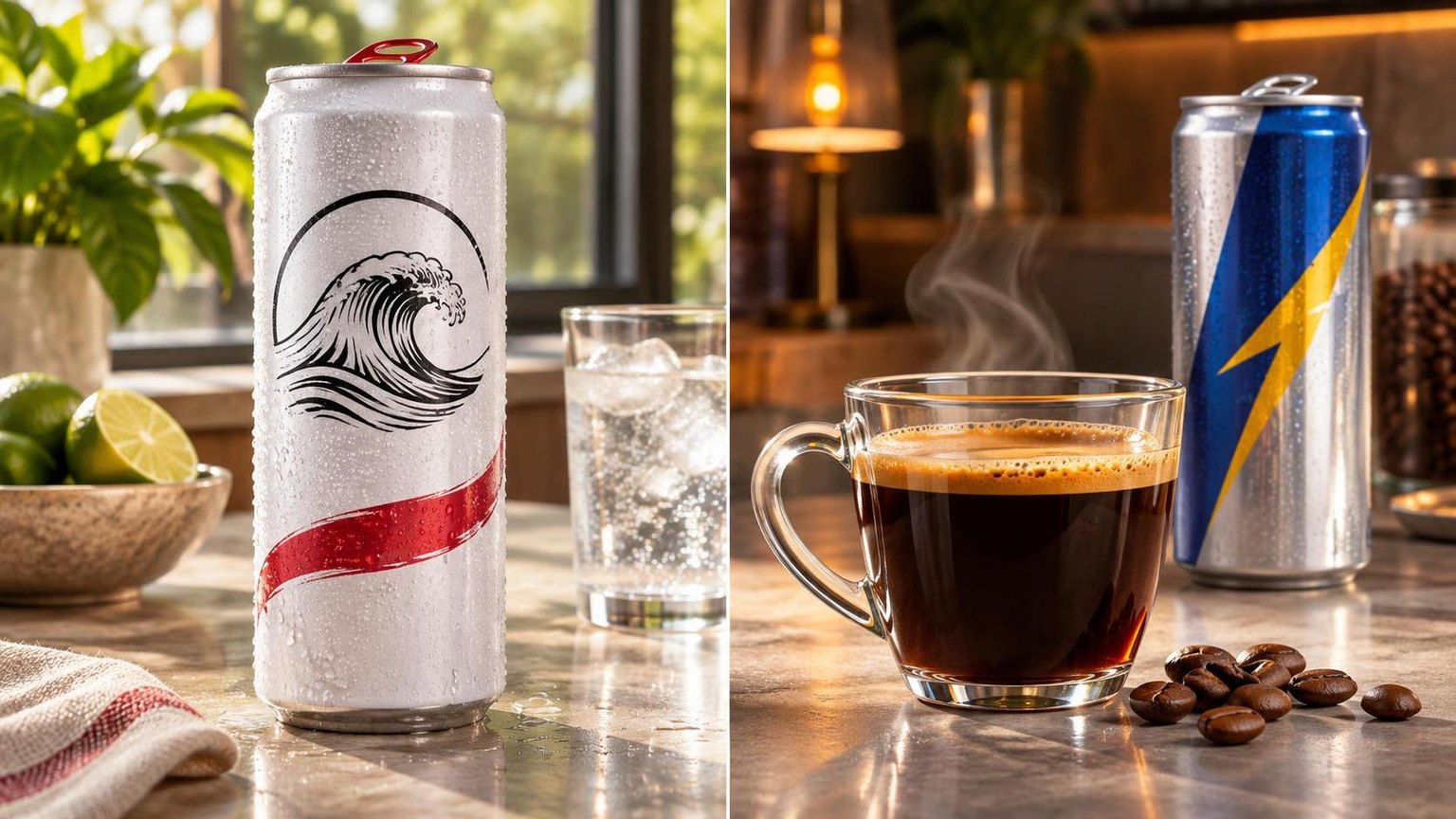
Standard White Claw Hard Seltzer contains alcohol, not caffeine.
A 12-ounce can of the original 5% ABV hard seltzer has no caffeine listed among its ingredients; it contains 100 calories and 2 grams of carbohydrates, according to White Claw’s product information.
| Drink | Serving | Caffeine | Alcohol |
| White Claw Hard Seltzer, original 5% ABV line | 12 fl oz | 0 mg | 5% ABV |
| Brewed coffee | 8 fl oz | About 80–100 mg | None |
| Coca-Cola Original Taste | 12 fl oz | 34 mg | None |
| Red Bull Energy Drink | 8.4 fl oz | 80 mg | None |
| CELSIUS Original | 12 fl oz | 200 mg | None |
The coffee range comes from the U.S. Food and Drug Administration (FDA); the soda and energy-drink figures come from Coca-Cola, Red Bull, and CELSIUS product information.
Coffee’s caffeine content can vary with the beans and brewing method. Check the label when comparing a different size or formulation.
Different effects, not interchangeable drinks
Caffeine is a stimulant that can increase alertness. Alcohol impairs judgment and coordination.
That distinction matters more than carbonation or flavor: White Claw may resemble a sparkling, fruit-flavored energy drink in the can, but its original hard-seltzer line delivers alcohol without an accompanying caffeine dose.
A 12-ounce White Claw at 5% ABV contains approximately 0.6 fluid ounce of pure alcohol. That equals one U.S. standard drink under the National Institute on Alcohol Abuse and Alcoholism definition.
The caffeine-free label does not make it equivalent to sparkling water for driving or other activities requiring unimpaired judgment.
Likewise, caffeine does not cancel alcohol’s effects. The Centers for Disease Control and Prevention (CDC) cautions that caffeine can make someone feel more alert while alcohol-related impairment remains.
Drinking an energy drink or coffee alongside White Claw therefore does not make it safer to drive or shorten the time alcohol stays in the body.
What if you mix them?
Mixing White Claw with a caffeinated beverage changes the caffeine total, even though the hard seltzer itself contributes none. For example, one original 8.4-ounce Red Bull adds 80 milligrams; one 12-ounce CELSIUS Original adds 200 milligrams.
Those amounts come from the energy drinks, not from White Claw.
The FDA cites 400 milligrams of caffeine per day as an amount generally not associated with dangerous effects for most healthy adults, while noting that sensitivity varies. That guidance is not a target for drinking with alcohol.
The CDC warns that combining the two can contribute to drinking more and to alcohol-related injuries.
Questions People Ask Most
Does original White Claw Hard Seltzer have caffeine?
No. White Claw’s original Hard Seltzer flavors are made with alcohol, sparkling water, and flavoring, not coffee, tea, or added caffeine (White Claw, Hard Seltzer product information).
Does White Claw Iced Tea have caffeine?
Yes. White Claw Iced Tea is made with brewed tea, which naturally contains caffeine; check the specific can or carton for the most current ingredient and caffeine information (White Claw, Iced Tea product information).
Does White Claw Surge have caffeine?
No. “Surge” refers to its higher alcohol content—8% alcohol by volume, compared with 5% for original White Claw Hard Seltzer—not a caffeine boost (White Claw, Surge and Hard Seltzer product information).
Does White Claw Vodka + Soda contain caffeine?
White Claw Vodka + Soda is not marketed as a caffeinated drink.
Its vodka-and-soda formulation is distinct from White Claw’s brewed-tea products, but check the package if you need to avoid caffeine entirely (White Claw, Vodka + Soda product information).
Does White Claw 0% mean caffeine-free?
Not by definition: “0%” describes alcohol content, not caffeine content.
Check the ingredients and any caffeine statement on the particular White Claw 0% flavor rather than using its alcohol-free designation as a guide (White Claw, 0% product information).
Does a fruit flavor such as black cherry add caffeine to White Claw?
No. Fruit flavoring does not itself make a drink caffeinated; the distinction to watch for is a caffeine-containing ingredient such as brewed tea or added caffeine (White Claw, Hard Seltzer and Iced Tea product information).
Where can I check whether a White Claw product has caffeine?
Start with the ingredients and product description on the can or carton, especially for tea-based varieties.
In the U.S., added caffeine must appear in the ingredient list, while caffeine naturally present in an ingredient such as tea need not be listed separately (FDA, “Spilling the Beans: How Much Caffeine Is Too Much?”).
Can caffeine in an alcoholic White Claw make you less impaired?
No.
Caffeine can make you feel more alert, but it does not reduce alcohol’s effects on your body or make driving safe; the CDC warns that mixing alcohol and caffeine can mask how impaired you feel (CDC.
“Effects of Mixing Alcohol and Caffeine”).
Further Reading
- Truly Pineapple – Information From Experts
- Is White Claw Gluten Free? The Most Accurate Answer
- Truly Margarita Style – What You Need to Know?
- Truly Margarita Pack Review – The Truth You Didn't Know
- Does Hard Seltzer Expire? The Most Accurate Answer
- What Is White Claws? Find Out All About This Drink Now
- Truly Tropical Punch – Basic Information You Must Know
- What Alcohol Is in a Truly? Everything You Need to Know in 2026 (Full Guide)
- How Many Hard Seltzer To Get Drunk?
- All Non-Alcoholic Beverages Guides
- White Claw, Official Product Information (2025)
- White Claw, Frequently Asked Questions (2025)
- U.S. Food and Drug Administration, Spilling the Beans: How Much Caffeine Is Too Much? (2018)
- U.S. Food and Drug Administration, Caffeinated Alcoholic Beverages (2010)
- National Library of Medicine, Caffeine (2024)
- Centers for Disease Control and Prevention, Alcohol and Caffeine (2024)
- U.S. Department of Agriculture, FoodData Central (2025)