Drinking alcohol with a straw is a way to consume a drink that may make taking frequent or larger sips easier, but the straw does not increase the drink’s alcohol content or make the body metabolize alcohol faster.
Your blood alcohol concentration depends on factors including how much and how quickly you drink.
A straw can also make it harder to judge how much you have consumed, especially in a large or sweetened drink. The practical risk is drinking more alcohol than intended, not a special absorption effect caused by the straw itself.
Pace your sips and keep track of the amount of alcohol in the drink.
Knowing what a straw does—and does not do—can help you make safer choices. This article explains how straw use may affect drinking pace, why it does not bypass normal alcohol metabolism, and what to consider when estimating your intake.
Does Drinking Through a Straw Cause Faster Intoxication
A straw does not make alcohol chemically stronger or create a special route into the bloodstream. What matters most is how much alcohol you drink and how quickly you drink it.
A straw could make a drink easier to finish quickly, but the straw itself is not the cause of faster intoxication.
After you swallow, alcohol is absorbed through the digestive tract, primarily in the small intestine, and enters the bloodstream. It does not bypass digestion because it passed through a straw.
The National Institute on Alcohol Abuse and Alcoholism (NIAAA) identifies the amount consumed, drinking pace, and whether you have eaten as important influences on blood alcohol concentration.
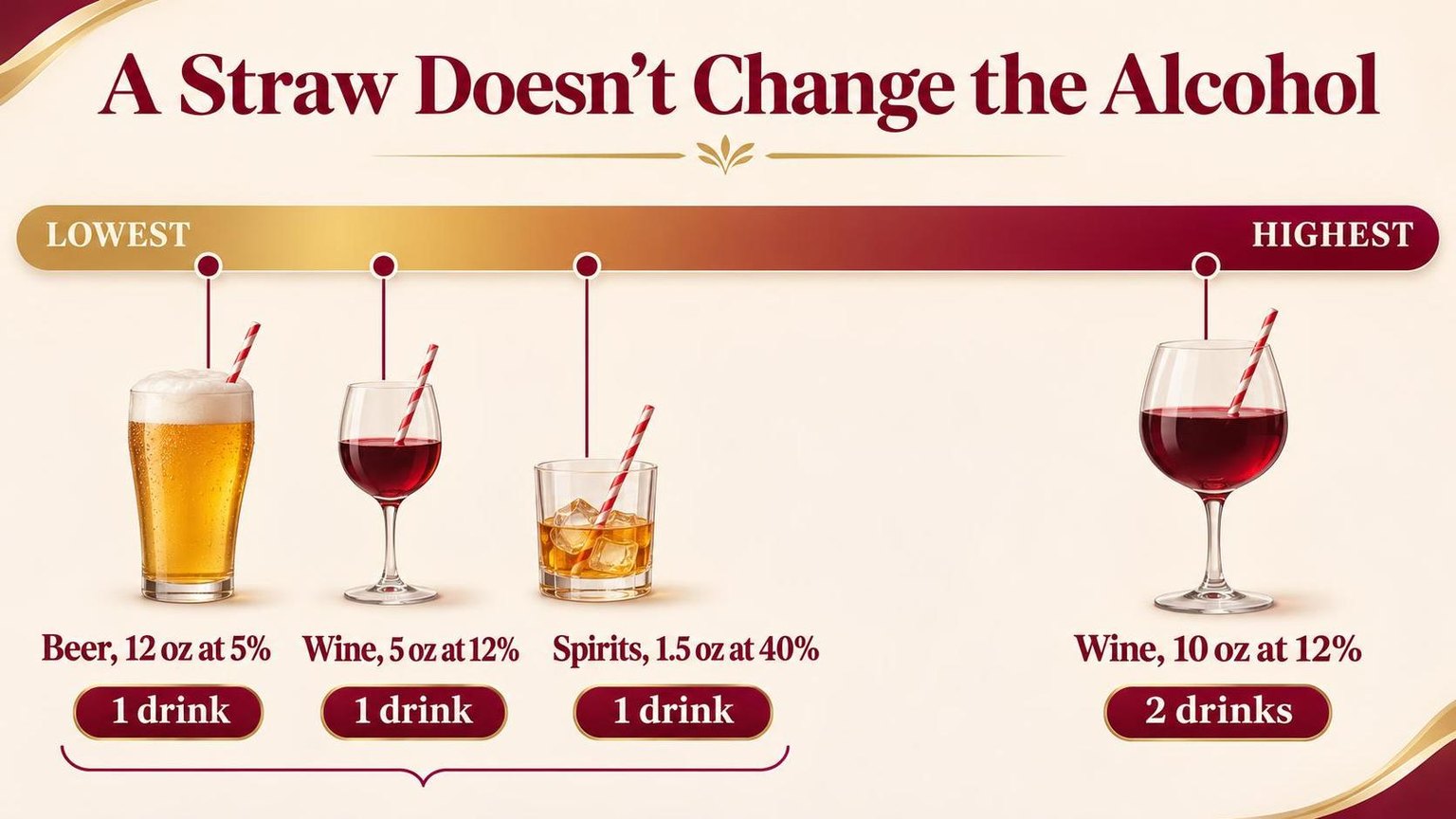
To judge a drink’s likely effect, count its alcohol rather than its container or how you sip it. NIAAA defines a U.S. standard drink as approximately 14 grams of pure alcohol:
| Beverage | Amount | Alcohol by volume |
| Regular beer | 12 fluid ounces | 5% |
| Wine | 5 fluid ounces | 12% |
| Distilled spirits | 1.5 fluid ounces | 40% |
Those examples contain approximately the same amount of pure alcohol despite their different serving sizes. A cocktail may contain more than one standard drink, depending on its pour.
A straw does not change that amount, but it may make it less obvious how much of a sweet or icy cocktail you have consumed.
There is no reliable rule that drinking through a straw raises blood alcohol concentration faster than drinking the same beverage from a glass at the same pace.
If you finish the straw-served drink sooner, however, you have given your body less time to process the alcohol during that period. That change in pace—not suction or a special absorption effect—is the practical concern.
Food can slow alcohol’s movement from the stomach into the small intestine, while individual factors, including body size, medications, and biological sex, can affect its impact.
Whether you use a straw or not, check the pour, notice how quickly you are drinking, and do not use how sober you feel as a test of fitness to drive.
Why Straw Drinking Can Increase Drinking Speed
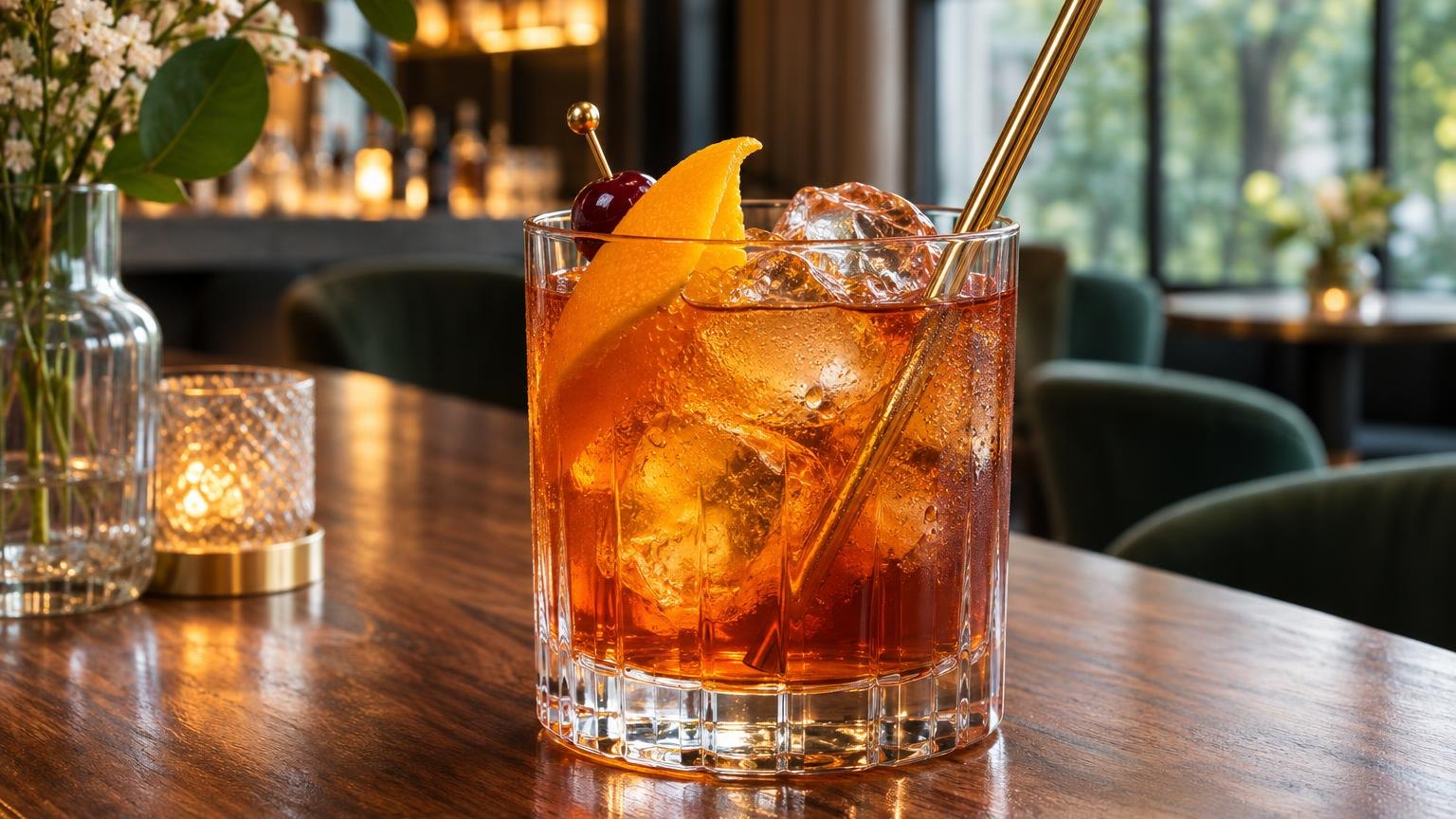
A straw does not make alcohol enter the bloodstream faster by itself. It can, however, make a drink easier to consume quickly: the glass stays on the table, and each sip requires little movement.
What matters is how much alcohol you drink over time, not whether it passes through a straw.
Small sips can add up quickly
With a straw, someone can keep sipping while talking, watching a screen, or eating without repeatedly lifting the glass. That convenience may shorten the pauses that otherwise help a person notice how much they have consumed.
It is a possible change in drinking behavior, not a guaranteed effect of using a straw.
Sweet mixers and crushed ice can make a cocktail taste less alcoholic, while a narrow straw can make each individual sip seem small. Neither changes the alcohol in the glass.
A strong drink served in a large cup can therefore be easy to underestimate, especially when it is refilled before it is empty.
Track the pour, not the number of sips
The National Institute on Alcohol Abuse and Alcoholism (NIAAA) defines a U.S. standard drink as containing about 0.6 fluid ounces, or 14 grams, of pure alcohol.
The table shows why glass size matters more than whether a drink is sipped through a straw.
| Drink and alcohol by volume | Amount served | Approximate U.S. standard drinks |
| Wine, 12% ABV | 5 fluid ounces | 1 |
| Wine, 12% ABV | 10 fluid ounces | 2 |
| Distilled spirits, 40% ABV | 1.5 fluid ounces | 1 |
These figures follow NIAAA’s standard-drink guidance; cocktails require counting the spirits actually poured, not just the size of the finished drink.
Drinking several standard drinks in a short period raises blood alcohol concentration more rapidly than spacing them out. A person may also continue drinking before the full effects of what they have already consumed become apparent.
If you use a straw, check the pour size and alcohol content, and notice when a glass is topped up. The practical concern is pace: a straw may remove small interruptions, but it does not change the alcohol dose or create a special route of absorption.
Alcohol Absorption Depends on Dose and Timing
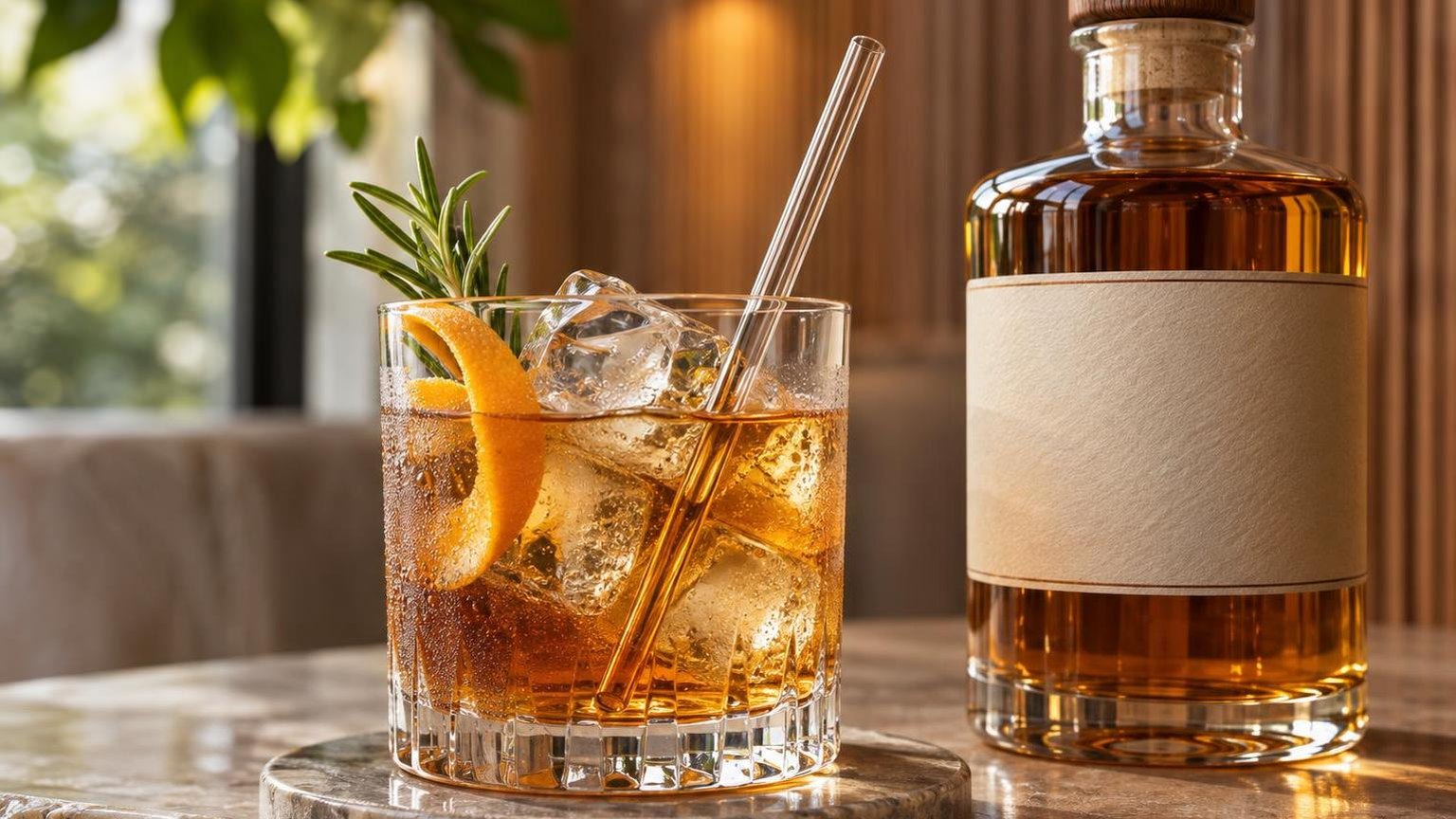
A straw does not make alcohol inherently stronger.
What matters is how much ethanol you consume and how quickly you drink it: finishing a cocktail rapidly can raise blood alcohol concentration (BAC) faster than sipping the same cocktail over a longer period.
Alcohol enters the bloodstream through the stomach and, primarily, the small intestine. Food slows its movement from the stomach into the intestine, so drinking on an empty stomach generally produces a faster rise in BAC.
A straw does not change that process; it may change the pace of drinking.
Count the alcohol in the glass, not its size. The National Institute on Alcohol Abuse and Alcoholism (NIAAA) defines a U.S. standard drink as containing about 14 grams of pure alcohol. These servings each contain approximately that amount:
| Beverage | Serving | Alcohol by volume | Pure alcohol |
| Regular beer | 12 fluid ounces | 5% | About 14 grams |
| Wine | 5 fluid ounces | 12% | About 14 grams |
| Distilled spirits | 1.5 fluid ounces | 40% | About 14 grams |
A large mixed drink can contain multiple standard drinks even when it arrives in a single glass. Ice, juice, and soda increase its volume but do not reduce the ethanol already poured into it.
If you are gauging your intake, ask how much liquor the recipe contains.
Timing matters because absorption continues while the body is processing alcohol. When drinks arrive faster than alcohol can be cleared, BAC rises.
A straw may make a chilled or sweet drink easy to finish quickly, but the relevant change is drinking speed—not a special absorption route through the mouth.
Do not assume you have reached your highest BAC when the glass is empty. Alcohol still in the stomach and intestine can enter the bloodstream afterward.
That delay is one reason another drink may feel manageable at the time but leave you more impaired later.
There is no reliable way to calculate a safe driving time from the number of straws, glasses, or drinks alone. Serving strength, food, drinking pace, body size, and individual biology all affect BAC.
For practical guidance on drink equivalents and alcohol’s effects, see NIAAA’s “What Is a Standard Drink?” and “Alcohol’s Effects on Health.”.
How Drink Strength Changes the Risk
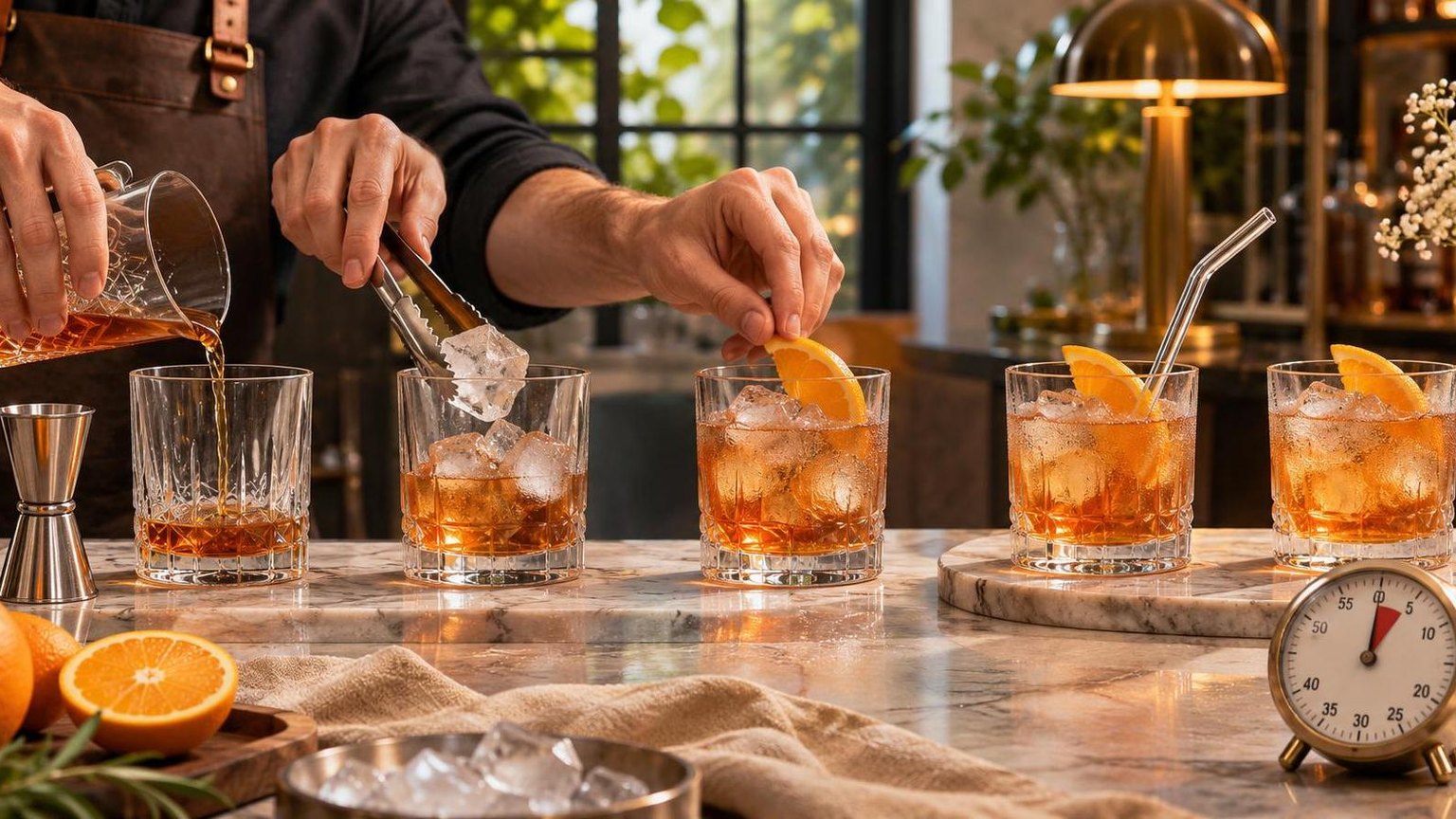
A straw does not make alcohol stronger. The risk depends chiefly on how much pure alcohol the drink contains and how quickly you consume it. A sweet or diluted-looking cocktail can still deliver more alcohol than a beer or glass of wine.
In the United States, one standard drink contains about 0.6 fluid ounces (14 grams) of pure alcohol, according to the National Institute on Alcohol Abuse and Alcoholism (NIAAA).
The examples below show why the amount of liquor poured matters more than the size of the glass.
| Drink | Alcohol by volume | Approximate U.S. standard drinks |
| 12 fl oz beer | 5% | 1 |
| 5 fl oz wine | 12% | 1 |
| 1.5 fl oz distilled spirits | 40% | 1 |
| Cocktail containing 3 fl oz distilled spirits | 40% for the spirits; finished cocktail varies | 2 |
The table uses NIAAA’s standard-drink equivalents. Ice, juice, soda, and a straw can change a cocktail’s volume and taste, but they do not reduce the alcohol already poured into it.
A large cocktail may therefore contain multiple standard drinks even when served in one glass.
Strength also affects how easily you can judge your intake. Strong spirits mixed with sweet ingredients may taste mild, while drinks served over ice become more diluted as the ice melts.
Neither taste nor dilution tells you how many standard drinks were in the original pour.
Using a straw may make it comfortable to take frequent sips without noticing how quickly the glass empties.
There is no good reason to assume the straw itself raises blood alcohol concentration when the alcohol dose and drinking time stay the same. Finishing the same drink faster, however, gives the body less time to process it.
That timing matters with stronger pours.
NIAAA describes binge drinking as a pattern that typically brings blood alcohol concentration to 0.08%; for a typical adult, this corresponds to about four drinks for women or five for men in roughly two hours.
Individual effects vary with factors including food intake, body size, and medications.
If you cannot verify a cocktail’s recipe, ask how much liquor it contains. Count the liquor poured—not the number of glasses or straws—when tracking your intake.
Straws and Alcohol Exposure to Teeth
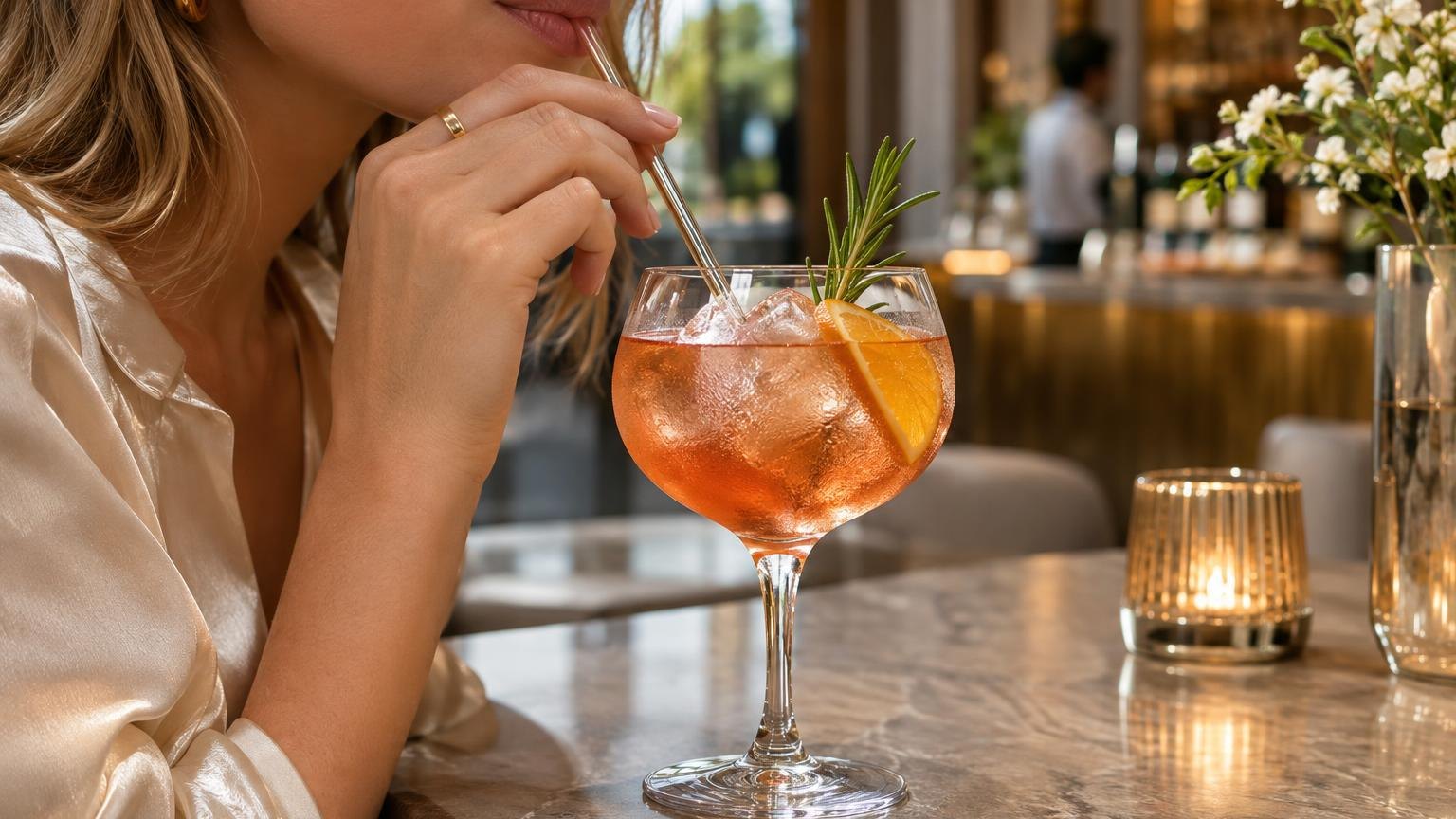
A straw can reduce how much of an acidic drink washes over the front teeth, but it does not keep alcohol or acid off the teeth altogether. Where the straw ends, how you sip, and how long you keep drinking matter more than the straw alone.
Wine, cider, and cocktails made with citrus juice or soda can expose enamel to acid.
The American Dental Association (ADA) identifies frequent contact with acidic drinks as a risk factor for dental erosion: acid softens the tooth surface, making it more vulnerable to wear.
A straw may help by directing a drink past some teeth, especially when its tip sits toward the back of the mouth rather than against the front teeth.
| Drinking pattern | Likely effect on tooth exposure |
| Straw held toward the back of the mouth | May limit direct contact with the front teeth; the drink still reaches other teeth and mixes with saliva. |
| Straw resting against the front teeth | Can direct the drink onto the same tooth surfaces repeatedly. |
| Holding or swishing a drink before swallowing | Increases contact across tooth surfaces, regardless of whether a straw was used. |
A straw does not change a drink’s acidity or sugar content. Sweet mixers also supply sugar that mouth bacteria can use to produce acid.
Saliva helps clear and neutralize acids; the National Institute of Dental and Craniofacial Research notes that reduced saliva increases the risk of tooth decay and other oral problems.
If drinking leaves your mouth dry, a straw does not address that risk.
For an acidic drink, the ADA recommends avoiding prolonged sipping, using a straw to reduce tooth contact, and rinsing with water afterward.
Rather than brushing immediately after an acidic drink, its MouthHealthy guidance advises waiting 60 minutes. Brushing while enamel is temporarily softened may contribute to wear.
The practical takeaway is to place the straw past the front teeth, swallow rather than swish, and drink water afterward.
These steps can reduce exposure, but they do not make a long session of sipping wine or a citrus cocktail harmless to enamel.
Sources: ADA, “Dental Erosion” and MouthHealthy guidance on acidic foods and drinks; National Institute of Dental and Craniofacial Research, “Dry Mouth.”.
Why You May Not Notice How Much You Drink
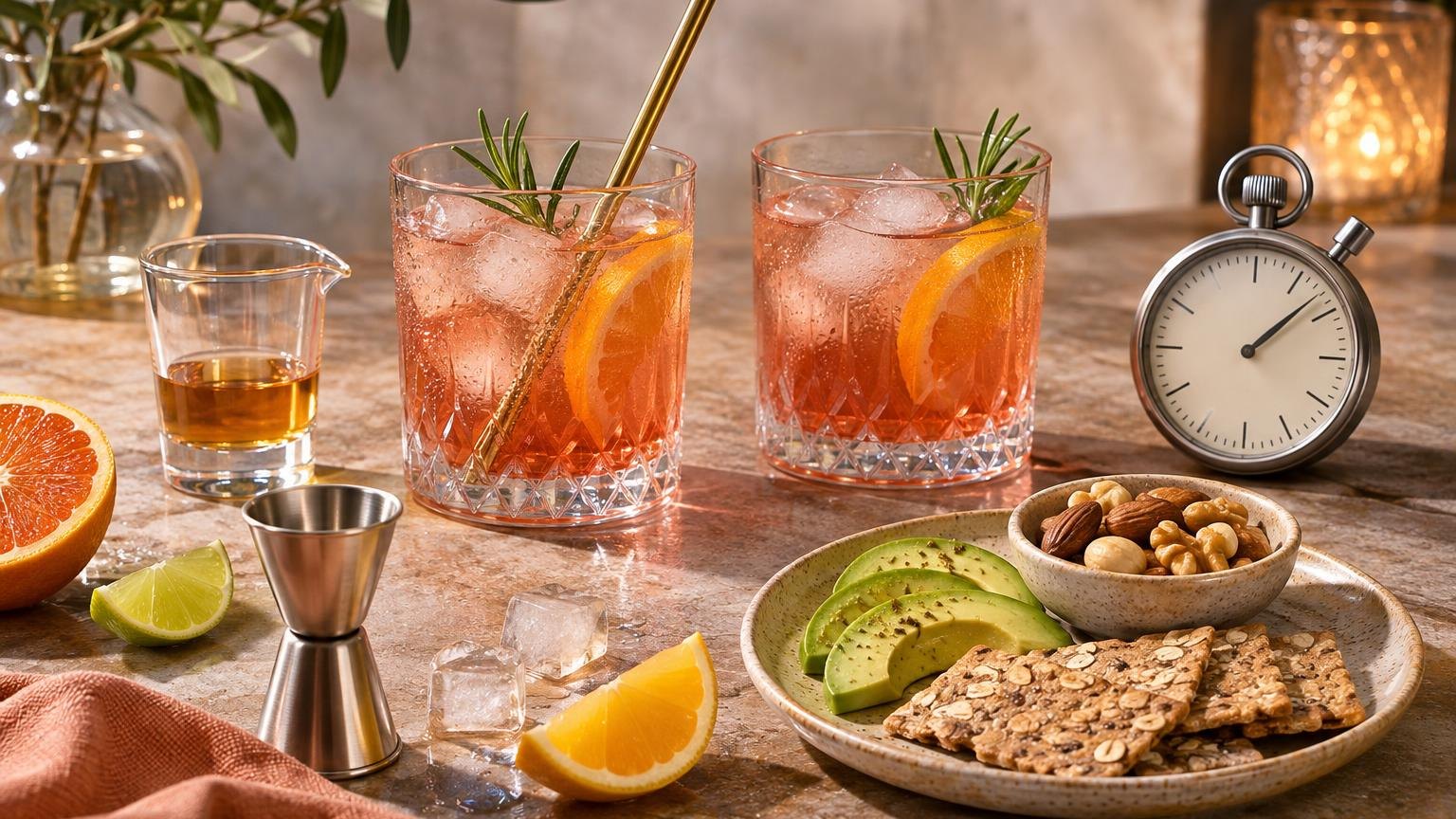
A straw can make a cocktail easy to sip repeatedly without lifting the glass. That does not mean a straw makes alcohol inherently stronger or reliably speeds its absorption.
The practical risk is losing track of how much alcohol the drink contains and how quickly you finish it.
Glass size offers a poor guide. A tall drink may contain mostly ice and mixer, while a short cocktail may contain multiple pours of spirits. Sweeteners, citrus, soda, and crushed ice can also make the taste of alcohol less obvious.
None of these ingredients cancels out the alcohol in the glass.
In the United States, the National Institute on Alcohol Abuse and Alcoholism (NIAAA) defines a standard drink as containing about 0.6 fluid ounces of pure alcohol. Its examples show why counting glasses alone can be misleading:
| Beverage | Amount | Alcohol by volume |
| Regular beer | 12 fluid ounces | 5% |
| Wine | 5 fluid ounces | 12% |
| Distilled spirits | 1.5 fluid ounces | 40% |
Each row represents about one U.S. standard drink, according to NIAAA. A mixed drink is harder to judge because its recipe and pour size may vary.
If you do not know how much liquor went into it, you cannot determine its standard-drink count from the glass or straw.
Speed matters too. Drinking can outpace your awareness of its effects: alcohol continues to enter the bloodstream after you stop drinking, and impairment can increase before you recognize it.
NIAAA notes that alcohol affects judgment and decision-making, which can make self-assessment less reliable as drinking continues.
A useful check is to ask what and how much was poured before you start, especially with shared pitchers, refills, or cocktails made away from your table. Notice when a drink is replaced rather than relying on how many glasses are in front of you.
The straw itself is not a measure of intoxication. The amount of alcohol consumed, the pace of drinking, and factors such as food and individual physiology matter more.
Tracking pours and allowing time between drinks gives you a clearer picture than taste or glass size alone.

Safer Ways to Pace Straw Drinks
A straw does not make alcohol inherently stronger, but it can make a drink easy to finish without noticing how much you have consumed. Pace the alcohol in the glass, not the number of sips you take.
Check the pour before you start
Count the alcohol, including any extra spirits or liqueurs added to a cocktail. The National Institute on Alcohol Abuse and Alcoholism (NIAAA) defines a U.S. standard drink as 0.6 fluid ounces, or about 14 grams, of pure alcohol.
These examples show why glass size alone is misleading.
| Drink | Serving and strength | Approximate U.S. standard drinks |
| Beer | 12 fl oz at 5% ABV | 1 |
| Wine | 5 fl oz at 12% ABV | 1 |
| Distilled spirits | 1.5 fl oz at 40% ABV | 1 |
| Cocktail containing spirits | 3 fl oz of spirits at 40% ABV, plus mixer | 2 |
These are estimates, not serving-size rules: a bartender’s pour, a canned drink’s alcohol by volume (ABV), and added liqueurs can change the total.
Ask what went into an unfamiliar cocktail, or check the can’s volume and ABV before treating it as a single drink.
Make the pace deliberate
- Decide your limit before ordering. Follow the Centers for Disease Control and Prevention’s advice that drinking less is better for health; no daily target is a reason to start drinking.
- Set the glass down between sips and pause before ordering another. A straw makes it possible to keep sipping while talking or watching a screen.
- Alternate with water or a nonalcoholic drink. This creates a pause, although water does not lower blood alcohol concentration or reverse impairment.
- Have food before or while drinking. NIAAA notes that food slows alcohol absorption; it does not prevent intoxication.
Stop if you feel impaired rather than trying to meet a planned pace. Do not drive after drinking, and avoid alcohol entirely when pregnant, under the legal drinking age, or taking a medication that interacts with it.
Only time allows your body to clear alcohol; coffee, water, and a slower final drink cannot make you sober sooner.
Frequently Asked Questions
Does drinking alcohol through a straw make you drunk faster?
There is no good evidence that a straw, by itself, speeds alcohol absorption.
Alcohol is absorbed primarily through the stomach and small intestine; how much you drink and how quickly you drink it matter more than whether you use a straw (National Institute on Alcohol Abuse and Alcoholism, NIAAA).
Can a straw make it easier to drink more than you intended?
Yes, if you sip a cocktail quickly without noticing how much is gone. Check the pour: in the U.S., one standard drink contains about 0.6 fluid ounces of pure alcohol, equivalent to 1.5 ounces of 40% ABV spirits (NIAAA).
Does using a straw make a cocktail less alcoholic?
No. A straw changes how you drink, not the amount of ethanol in the glass; a cocktail with 3 ounces of 40% ABV spirits contains about two U.S. standard drinks before accounting for any other alcohol added (NIAAA).
Will eating before drinking still help if I use a straw?
Yes. Food slows the movement of alcohol into the small intestine, where much of it is absorbed, but it does not prevent intoxication (NIAAA). A straw does not replace eating or change that effect.
Does a straw protect teeth from acidic alcoholic drinks?
It may reduce contact with some teeth if positioned toward the back of the mouth, but it cannot keep the drink off all tooth surfaces.
The American Dental Association advises limiting acidic drinks and rinsing with water afterward to help reduce enamel erosion.
Can drinking through a straw prevent alcohol–medication interactions?
No. Alcohol can interact with medicines after it is swallowed and absorbed, regardless of how it reaches your mouth. The NIAAA advises checking medication labels and asking a pharmacist or clinician about alcohol use with a specific drug.
Can a straw affect a breath alcohol test?
Using a straw does not change the alcohol your lungs release into your breath.
Drinking immediately before a test can leave residual alcohol in the mouth, however, which is why breath-testing procedures include an observation period before a sample is taken (National Highway Traffic Safety Administration).
Can someone get alcohol poisoning while drinking through a straw?
Yes. Alcohol poisoning depends on the amount consumed and the resulting effects, not the drinking method.
Warning signs include confusion, repeated vomiting, seizures, and slow or irregular breathing; call 911 if alcohol poisoning is suspected (NIAAA).
Related Reading
- What Is Good Day Soju Alcohol Content by Flavor?
- How Many Liters In Half Gallon?
- What Is the Alcohol Percentage of Blue Moon?
- Why Is Saratoga Water So Expensive? 12 Reasons Behind the Premium Price (2026 Guide)
- How Many Pounds Per Ton?
- How Much Is 1 Kilo Gram?
- Why Are Wine Glasses Shaped The Way They Are?
- How Many Beers Is a Tall Boy?
- What’s The Difference Between Gold and Silver Tequila?
- All Blog Guides
- National Institute on Alcohol Abuse and Alcoholism, What Is a Standard Drink? (n.d.)
- National Institute on Alcohol Abuse and Alcoholism, Alcohol’s Effects on the Body (n.d.)
- National Institute on Alcohol Abuse and Alcoholism, Understanding the Dangers of Alcohol Overdose (n.d.)
- Centers for Disease Control and Prevention, About Alcohol Use (n.d.)
- MedlinePlus, Alcohol (n.d.)
- NHS, Alcohol Units (n.d.)
- World Health Organization, Alcohol (2024)
- National Institute on Alcohol Abuse and Alcoholism, Hangovers (n.d.)