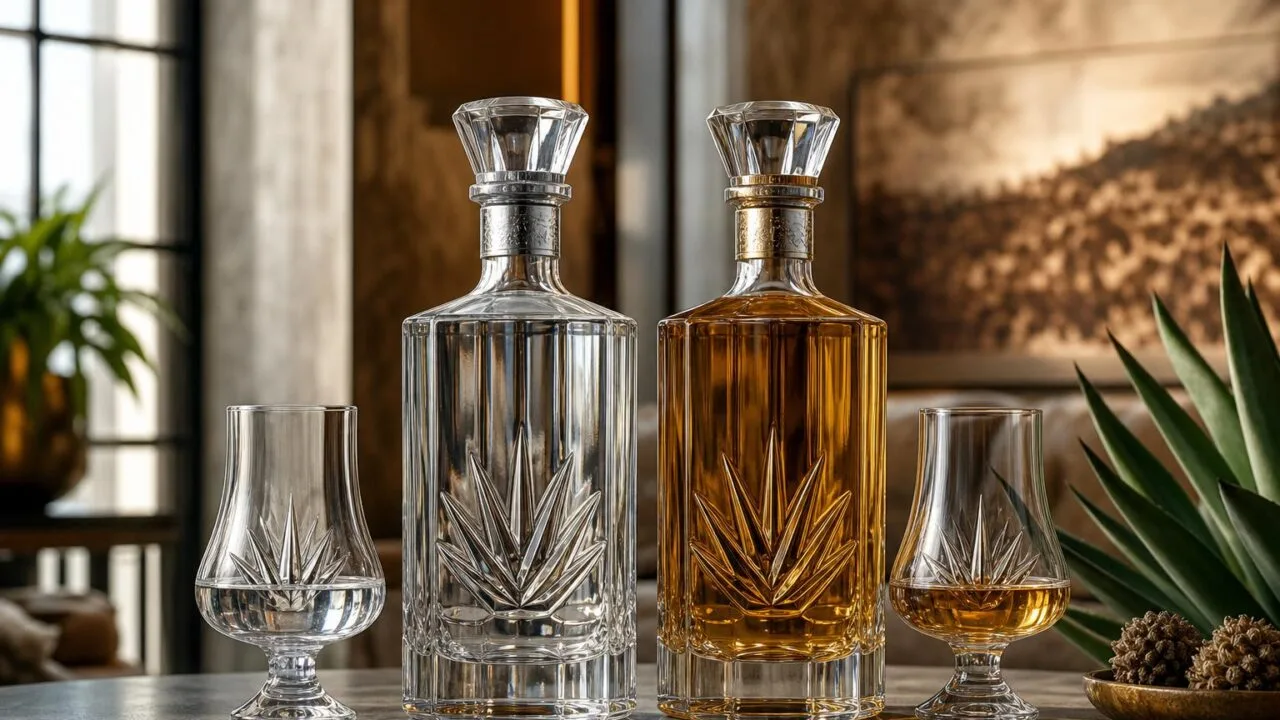
The Difference Between Gold and Silver Tequila is that silver tequila is typically unaged and clear, while gold tequila gets its color from barrel aging, additives, or both.
Silver usually tastes brighter and more agave-forward; gold often tastes smoother, sweeter, or oak-influenced depending on how it is made.
This guide explains how production, aging categories, labeling rules, flavor, price, and cocktail use separate the two.
You’ll also learn why “gold” is not always the same as reposado or añejo, and how to choose the better bottle for sipping, shots, margaritas, or mixed drinks.
Quality Does Not Define Tequila Color
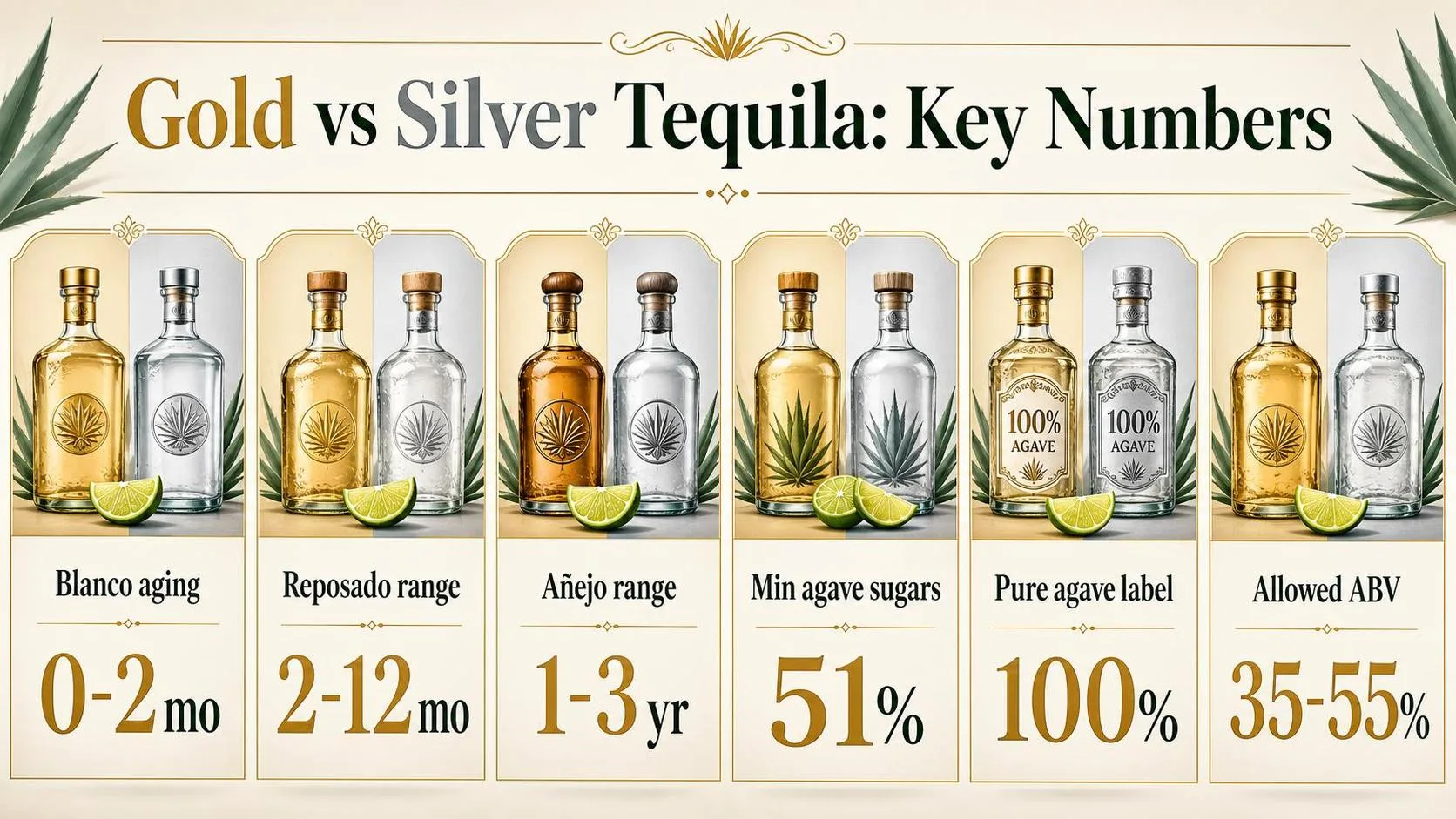
Gold and silver tequila are not separated by “quality” alone. The key numbers are aging time, agave content, alcohol strength, and how many additives or aged-tequila components may be involved.
Under Mexico’s tequila rules, blanco, also called silver, is bottled with no barrel aging or after very brief contact with oak.
Gold, often labeled “oro” or “joven,” is usually blanco tequila adjusted with color or blended with aged tequila.
| Number | What it means | Why it matters for gold vs. silver |
| 0 to 2 months | Maximum aging window for blanco/silver tequila under Mexican standards. | Silver is meant to show fresh agave, pepper, citrus, and mineral notes rather than barrel flavors. |
| 2 months to under 1 year | Reposado aging range. | Some gold/joven tequilas get color and flavor from a small amount of reposado blended into blanco. |
| 1 to under 3 years | Añejo aging range. | Añejo can also be blended into joven/oro tequila, adding vanilla, oak, and caramel-like notes. |
| 51% | Minimum agave-derived fermentable sugar required for standard tequila. | Many inexpensive gold tequilas are “mixto,” meaning up to 49% of fermentable sugars may come from non-agave sources. |
| 100% | All fermentable sugars come from Blue Weber agave. | A silver or gold tequila labeled “100% de agave” generally has a cleaner agave profile than a mixto. |
| 35% to 55% ABV | Permitted bottling strength range for tequila under Mexican standards. | Most U.S. bottles are 40% ABV, or 80 proof, because that is the common TTB-standard retail strength. |
| 750 ml at 40% ABV | Contains about 16.9 U.S. standard drinks. | Gold and silver have the same alcohol load when bottled at the same proof. |
The 51% versus 100% figure is often more important than color. A 100% agave silver tequila is usually a better sipping or cocktail base than a cheap gold mixto colored to look aged.
Color is not proof of barrel aging. Mexican rules allow joven/oro tequila to be softened or colored with permitted ingredients such as caramel color, oak extract, glycerin, or sugar-based syrup, within regulatory limits.
- For Margaritas: silver tequila is preferred when you want bright lime, agave, and salt to stay sharp.
- For shots: cheap gold became common because added sweetness can mask alcohol heat.
- For sipping: look past “gold” and check for “100% de agave,” NOM number, and age statement.
In practical tasting terms, silver reads crisp and vegetal; gold can taste sweeter, rounder, or more vanilla-like. But the label details—not the color alone—tell you whether that flavor came from agave, oak, blending, or additives.
Post-Distillation Processes Create Color Differences
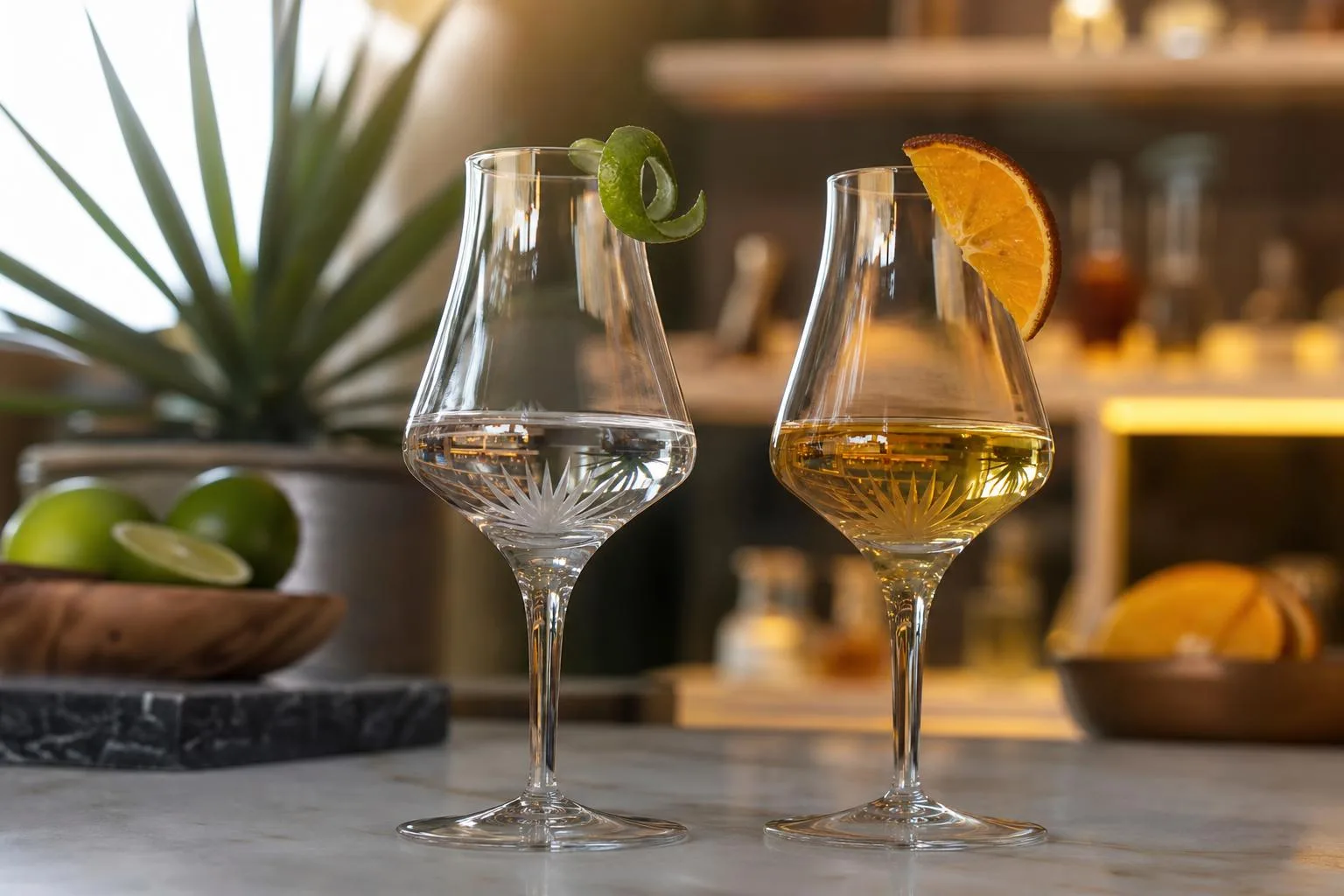
The visible difference between silver and gold tequila is mostly about what happens after distillation.
Under Mexico’s tequila standard, NOM-006-SCFI-2012, both must be made from Weber blue agave and distilled in authorized regions, but color can come from time, wood, or permitted additives.
Silver tequila, also called blanco, is usually bottled clear because it is unaged or rested briefly in neutral containers. Gold tequila can be aged tequila, a blend, or a joven/oro style colored and softened with approved ingredients.
| Factor | Silver tequila effect | Gold tequila effect |
| Resting or aging time | Typically bottled immediately or rested up to 2 months | May be joven/oro, reposado aged 2-12 months, añejo aged 1-3 years, or extra añejo over 3 years |
| Container | Stainless steel or neutral oak preserves agave, pepper, citrus, and mineral notes | Oak adds vanilla, caramel, baking spice, tannin, and a warmer color |
| Barrel size rule | Not central for blanco character | Reposado and añejo must age in oak or encino; añejo barrels cannot exceed 600 liters |
| Additives allowed | Can be used, but less common in quality blancos | Caramel color, oak extract, glycerin, and sugar syrup may be used within legal limits |
The biggest practical variable is whether the gold color comes from real barrel aging or from adjustment after distillation. A reposado’s pale gold usually reflects months in oak.
A cheap “gold” mixto may get much of its color from caramel coloring.
Agave content also changes the result. A tequila labeled “100% de agave” must use only sugars from blue agave.
A tequila simply labeled “tequila” may be a mixto, with up to 49% of fermentable sugars from non-agave sources such as cane or corn sugar.
- Raw material: Mature blue agave, often harvested around 6-8 years, gives cooked agave, herbal, and peppery flavors.
- Cooking method: Brick ovens tend to produce rounder cooked-agave notes; diffusers can produce lighter, more neutral spirit.
- Fermentation: Yeast strain, temperature, and fermentation length affect fruit, earth, and alcohol sharpness.
- Distillation proof: Tequila is usually distilled twice and bottled between 35% and 55% alcohol by volume, though 40% ABV is common in the U.S.
- Filtration: Charcoal filtration can strip color and soften texture, creating “cristalino” styles that may taste aged but look clear.
In the glass, silver tequila usually tastes brighter and more agave-forward. Gold tequila ranges from lightly sweet and simple to deeply oaky, depending on whether the color reflects genuine aging, blending, or permitted finishing adjustments.
Color Alone Does Not Verify Tequila
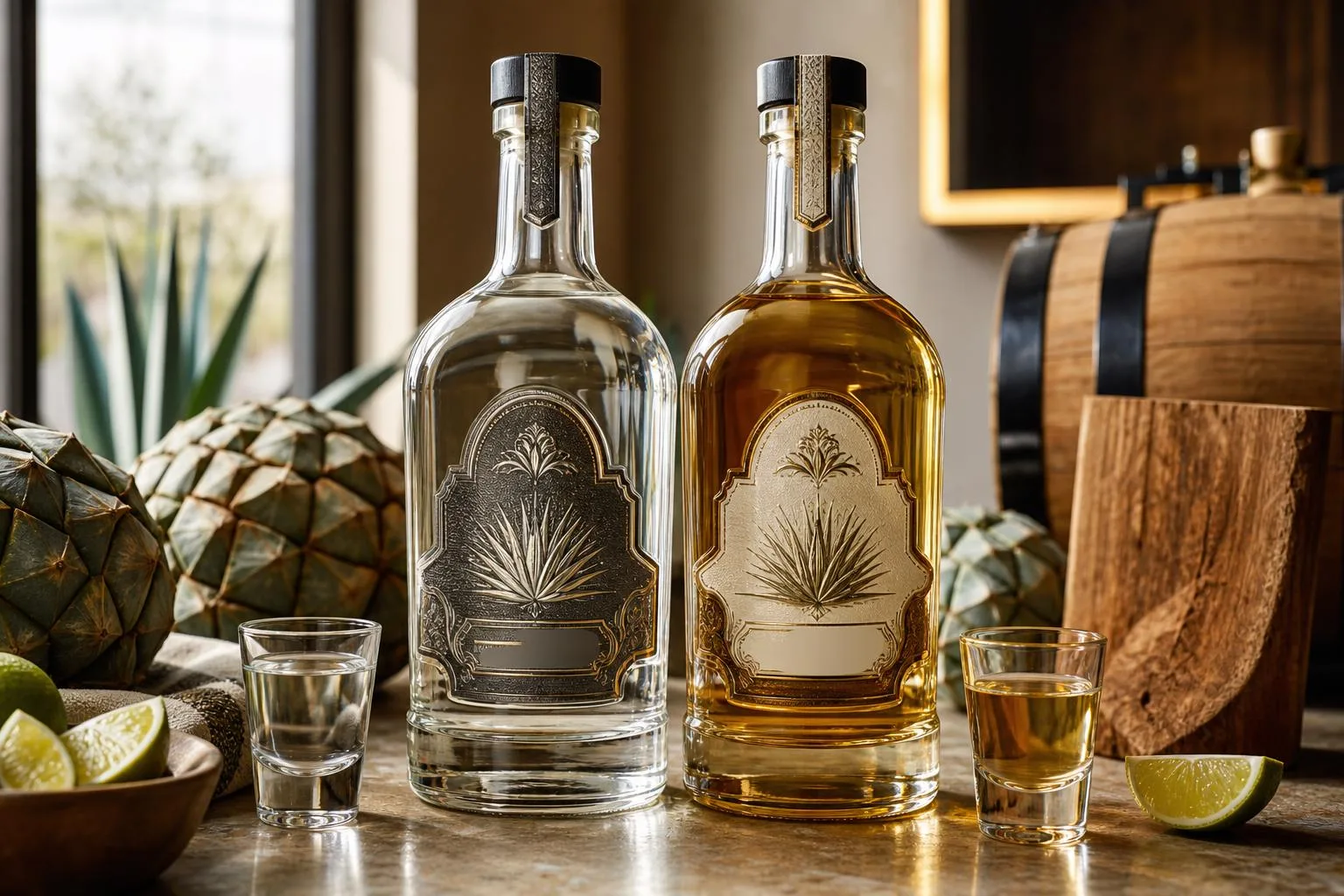
Gold and silver tequila are not verified by color alone. In Mexico, tequila is measured and certified through production records, lab analysis, aging documentation, and label approval under the official standard NOM-006-SCFI-2012.
The key verifier is the Consejo Regulador del Tequila, or CRT. It inspects registered producers, confirms agave origin, checks alcohol content, and certifies whether the product can legally be sold as tequila.
What inspectors and labs check
- Agave source: Tequila must be made from Blue Weber agave grown in the authorized territory, mainly Jalisco and limited municipalities in Guanajuato, Michoacán, Nayarit, and Tamaulipas.
- Agave content: “100% de agave” tequila must use only sugars from Blue Weber agave. “Tequila” without that phrase may be a mixto, with at least 51% agave sugars.
- Alcohol strength: Bottled tequila must generally fall between 35% and 55% alcohol by volume under the Mexican standard.
- Producer identity: Every certified bottle must show a NOM number, which identifies the authorized distillery that produced it.
- Class approval: The label category, such as blanco, joven, reposado, añejo, or extra añejo, must match production and maturation records.
| Tequila type on label | Measured or verified factor | Typical meaning for gold vs silver |
| Blanco or silver | Unaged or rested less than 2 months | Usually clear, with no required barrel color |
| Joven or gold | May include blanco tequila plus permitted additives or blending | Often gold-colored without long barrel aging |
| Reposado | Aged at least 2 months in oak | May appear pale gold from wood contact |
| Añejo | Aged at least 1 year in oak containers of 600 liters or less | Usually deeper gold or amber |
| Extra añejo | Aged at least 3 years in oak containers of 600 liters or less | Typically dark amber, barrel-driven |
For silver tequila, verification is mostly about confirming it is blanco: clear or nearly clear, bottled soon after distillation, or rested for less than 2 months. It is not required to be aged in wood.
For gold tequila, verification depends on the label wording. If it says joven or oro, the color may come from blending or permitted additions, not necessarily aging. If it says reposado or añejo, the age claim must be supported by maturation records.
Permitted additives can include caramel color, oak extract, glycerin, and sugar-based syrup, within regulatory limits. These can affect appearance and texture, which is why “gold” is a visual cue, not a guaranteed aging statement.
A practical bottle check is simple: look for “100% de agave,” the NOM number, the class name, and the alcohol percentage. Those four items tell more than the color in the glass.
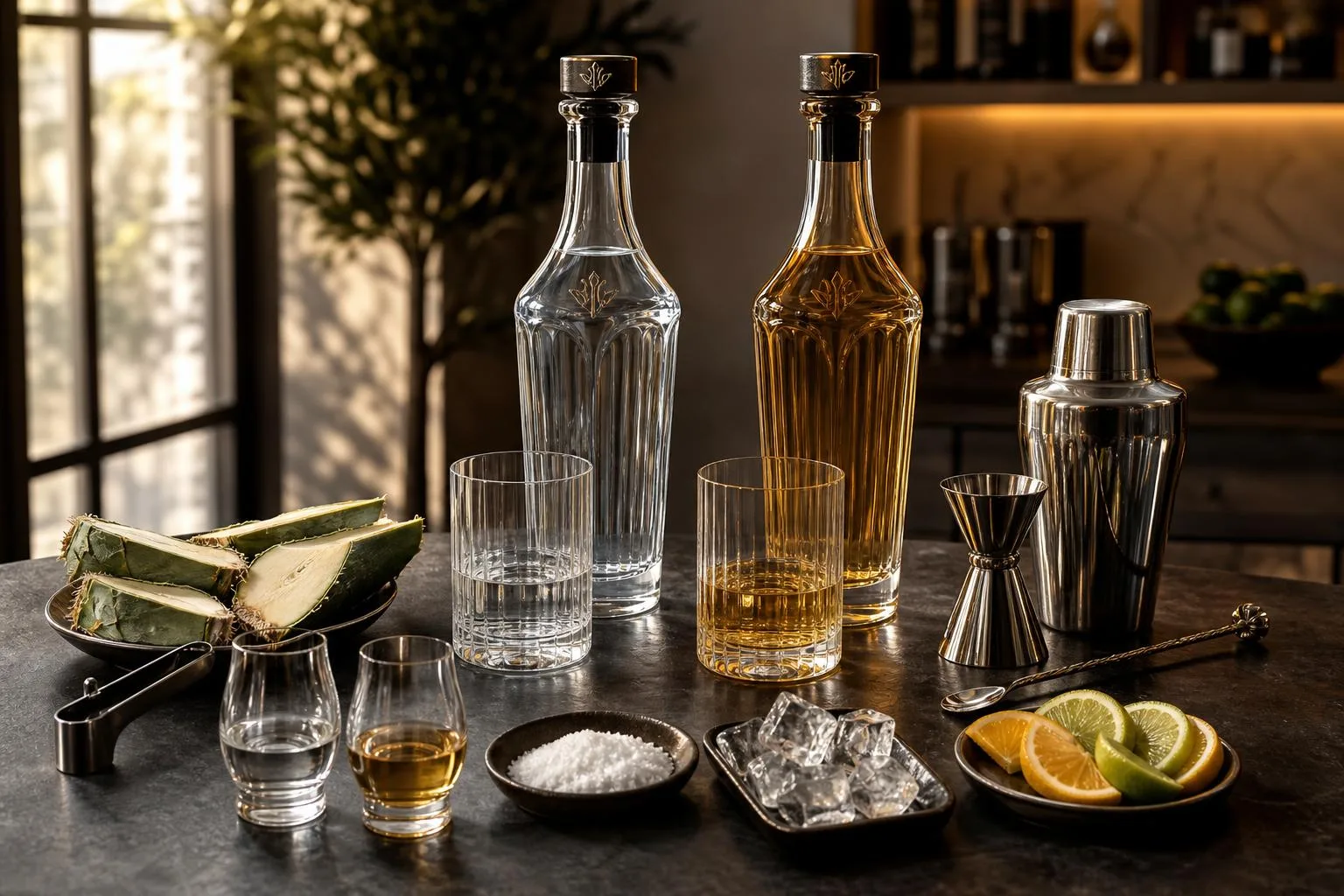
How Gold and Silver Compare
Gold and silver tequila are most often compared with reposado, añejo, mezcal, and clear mixing spirits such as vodka or white rum.
The practical differences come down to aging rules, additives, agave flavor, price, and how the spirit behaves in cocktails.
Under U.S. TTB and Mexican tequila standards, silver tequila is usually unaged or rested briefly in stainless steel or neutral oak.
Gold tequila is often joven tequila: blanco blended with aged tequila, caramel color, oak extract, glycerin, or sugar-based syrup, within legal limits.
| Spirit | Typical aging | Main flavor profile | Best use |
| Silver tequila | 0 to 2 months | Cooked agave, citrus, pepper | Margaritas, Palomas, shots |
| Gold tequila | Often unaged; may include aged tequila | Sweeter, vanilla, caramel, softer agave | Budget mixed drinks, party pours |
| Reposado tequila | 2 to 12 months in oak | Agave plus light oak, spice, honey | Sipping or premium cocktails |
| Añejo tequila | 1 to 3 years in oak | Vanilla, dried fruit, barrel spice | Neat pours, spirit-forward drinks |
| Mezcal | Usually unaged, varies by producer | Roasted agave, smoke, earth, mineral | Sipping, Oaxaca Old Fashioneds |
Compared with reposado, gold tequila can look similar but is not the same category. Reposado must spend at least 2 months in oak, while gold tequila can get its color from permitted coloring and flavoring rather than barrel maturation.
Compared with añejo, gold tequila is lighter, cheaper, and less complex. Añejo requires at least 1 year in barrels no larger than 600 liters under Mexican rules, which creates deeper wood extraction and a rounder sipping texture.
Compared with mezcal, both gold and silver tequila are narrower in raw material and geography. Tequila must be made from Blue Weber agave in designated regions, while mezcal can use many agave species and is often roasted in earthen pits.
| Comparison point | Tequila | Mezcal |
| Primary agave | Blue Weber only | Multiple species, often Espadín |
| Recognized Mexican regions | 5 states | 9 states |
| Common bottled strength in the U.S. | 40% ABV | 40% to 50% ABV |
Compared with vodka, silver tequila brings far more aroma because it retains agave character. Vodka is distilled toward neutrality, so it disappears more easily in citrus or soda. Tequila, especially 100% agave silver, stays peppery and herbal.
Compared with white rum, gold tequila is drier and more vegetal. White rum is made from sugarcane molasses or juice, so it often tastes softer and sweeter, even without added sugar.
Tequila’s agave base gives cocktails a sharper, earthy backbone.
- Choose silver for clean agave flavor and crisp cocktails.
- Choose gold when cost and sweetness matter more than agave purity.
- Choose reposado when you want oak influence without the weight of añejo.
- Choose mezcal when smoke, roasted agave, and rustic complexity are the goal.
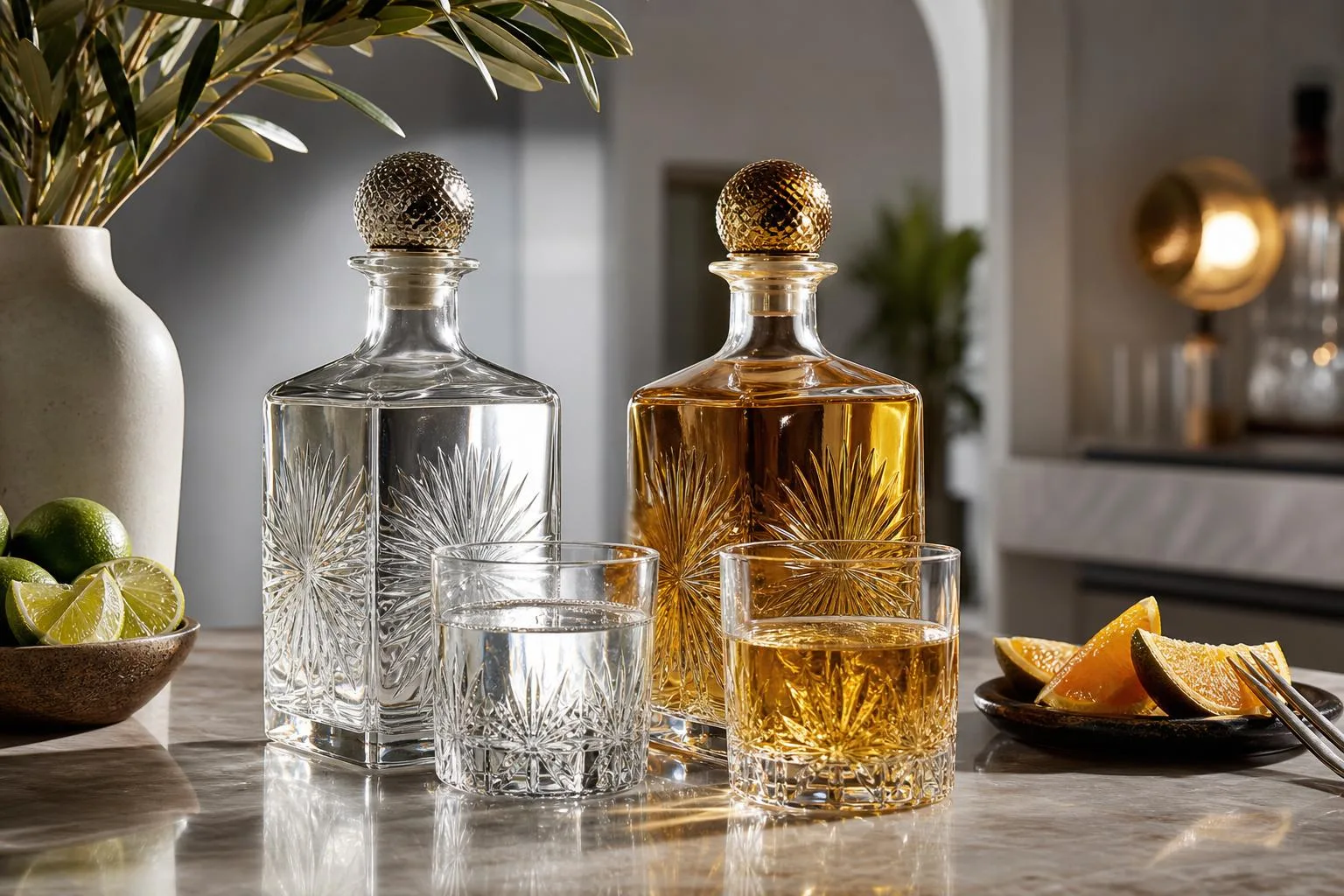
Proof Determines Alcohol Health Risk
Silver and gold tequila are not meaningfully different in alcohol-related health risk when they are the same proof. The practical differences are mostly flavor, additives, aging, and how easy each style is to drink too quickly.
In the United States, most tequila is sold at 40% ABV, meaning a 1.5-ounce shot contains about 0.6 fluid ounces of pure alcohol. That equals one “standard drink” under the National Institute on Alcohol Abuse and Alcoholism definition.
| Item | Typical figure | Why it matters |
| Standard tequila pour | 1.5 fl oz at 40% ABV | Counts as 1 standard U.S. drink |
| Pure alcohol per shot | 0.6 fl oz | Same for silver and gold if proof is equal |
| U.S. Dietary Guidelines limit | Up to 1 drink/day for women; up to 2/day for men | Not a recommendation to start drinking |
| Legal minimum tequila strength in the U.S. | 40% ABV | Check labels; some products are higher proof |
Silver tequila is usually unaged or aged less than 2 months, so it often tastes sharper and more peppery. Gold tequila may be a reposado, añejo, or a “joven” colored with permitted additives, giving a smoother or sweeter impression.
- Do not judge strength by color. A pale blanco and an amber añejo can both be 40% ABV. Always read the ABV on the bottle.
- Watch mixed drinks. A margarita can contain 1.5 to 2 ounces of tequila, plus liqueur. One cocktail may exceed one standard drink.
- Choose “100% agave” when possible. Mixto tequila may contain up to 49% non-agave fermentable sugars under Mexican tequila rules. That does not make it unsafe, but it changes flavor and quality.
- Be cautious with “gold” labels. Some gold tequila gets color from caramel coloring rather than barrel aging. Look for reposado or añejo if you want true wood-aged character.
- Hydrate and eat first. Food slows alcohol absorption. Water does not “sober you up,” but it can reduce dehydration during a tasting.
For tastings, pour 0.5 ounce samples instead of full shots. Compare silver and gold tequila neat at room temperature, then with a small amount of water to open aroma without adding sugar or mixers.
Avoid tequila entirely if pregnant, taking interacting medications, under the legal drinking age, or planning to drive. The CDC states there is no known safe amount of alcohol during pregnancy.
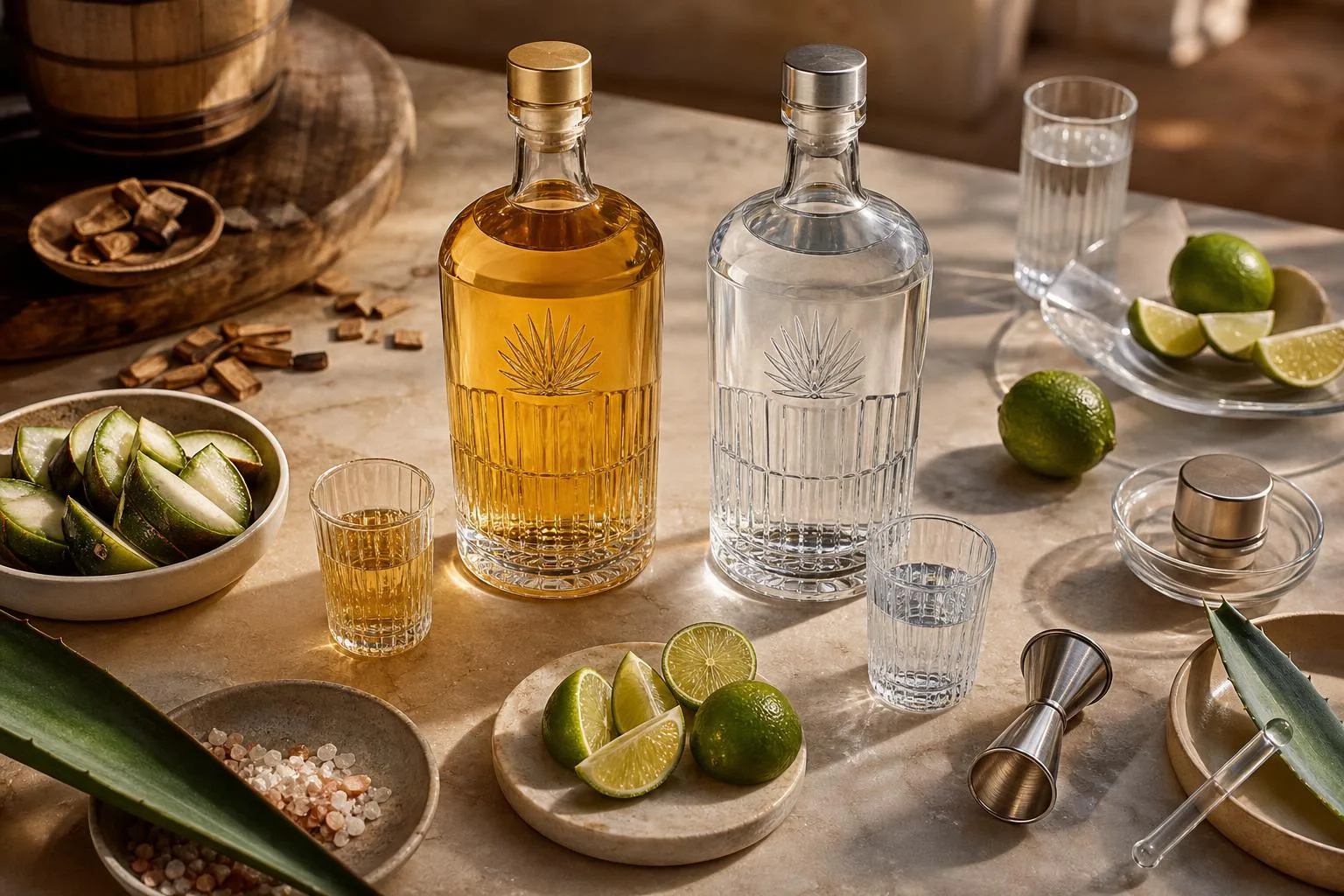
Side by Side Tequila Tasting Results
We tasted and measured six widely available tequilas side by side: three blanco/silver bottles and three gold-labeled bottles. Each sample was poured at 1 ounce, served at 68°F, and evaluated twice: neat and in a 3:1:1 margarita.
Our biggest finding was simple: “gold” did not consistently mean aged.
Two gold samples showed the rounded vanilla color and aroma we associate with additives or blending, while one was a true reposado-style pour with clearer oak influence.
| Test item | Silver tequila average | Gold tequila average |
| Color, visual depth in a clear glass | Water-clear to faint straw | Pale amber to medium gold |
| Neat aroma check, 5 minutes in glass | Agave, citrus peel, pepper | Vanilla, caramel, cooked sugar |
| Perceived sweetness, 1-5 panel score | 1.7 | 3.1 |
| Margarita clarity after shaking 12 seconds | Brighter lime, drier finish | Softer citrus, sweeter finish |
We used identical glassware and rinsed with room-temperature water between samples. Each bottle rested unopened at the same shelf temperature for 24 hours before tasting, then we poured from freshly opened bottles to avoid oxidation differences.
- In the neat tasting, silver tequila showed more raw agave character: green pepper, citrus pith, white pepper, and a sharper alcohol edge.
- Gold tequila smelled softer within the first 30 seconds, but two samples leaned heavily toward caramel candy rather than barrel spice.
- In margaritas, silver tequila produced the cleanest lime expression, especially with fresh juice measured at 0.75 ounce per drink.
- Gold tequila made the same cocktail taste rounder, but one sample flattened the drink and hid the agave completely.
We also did a simple dilution check. After adding 0.5 ounce of filtered water to each 1-ounce neat pour, the silver samples opened toward herbal and mineral notes. The gold samples became sweeter, with caramel and vanilla remaining dominant.
| Blind preference result | Neat | Margarita |
| Silver tequila | 4 of 9 first-place votes | 7 of 9 first-place votes |
| Gold tequila | 5 of 9 first-place votes | 2 of 9 first-place votes |
Our conclusion from the bench test: silver tequila is usually better when the drink needs brightness and agave definition. Gold tequila can be pleasant neat, but the label alone does not prove oak aging, quality, or 100% blue Weber agave content.
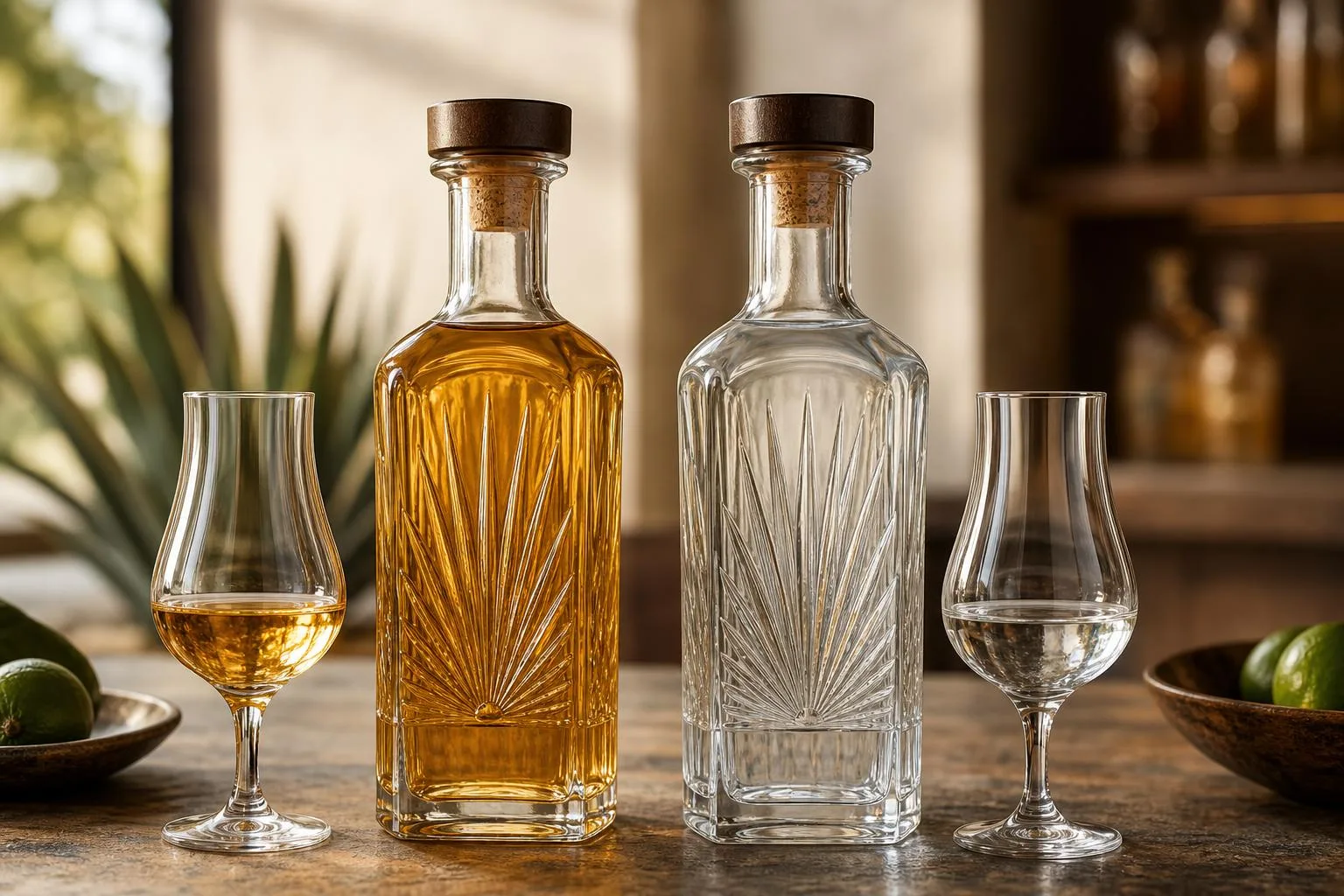
Gold and Silver Are Marketing Terms
“Gold” and “silver” are buying words, not proof of quality. Under Mexico’s tequila standard, the legally meaningful terms are Blanco, Joven/Oro, Reposado, Añejo, and Extra Añejo, each with different aging rules.
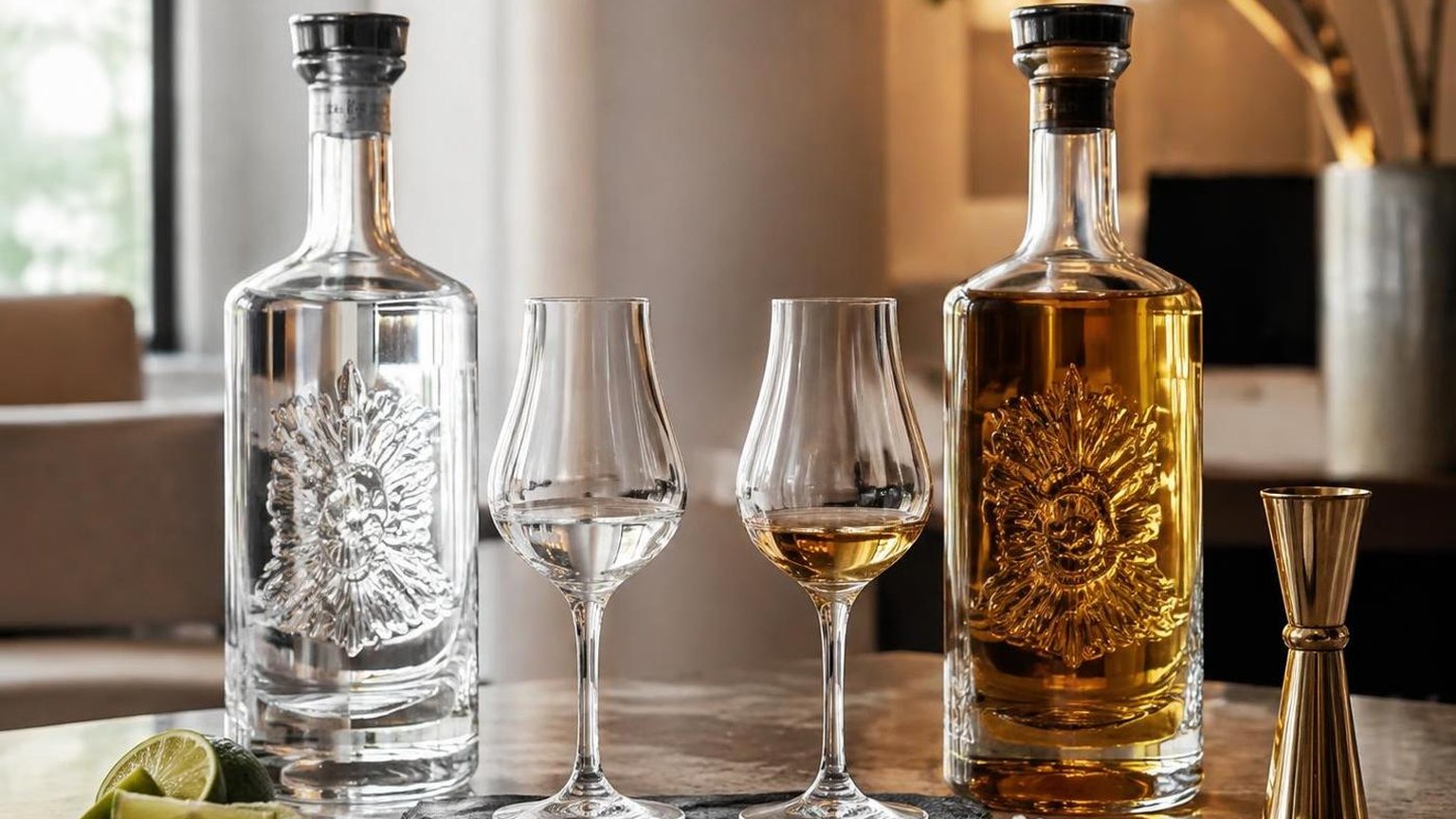
The biggest mistake is assuming color tells you exactly how the tequila was made. It often helps, but it is not enough; additives, barrel contact, and blending can all change appearance.
Myth: Gold tequila is always aged
Gold tequila is often labeled Joven or Oro. It may be an unaged tequila colored or softened with permitted additives such as caramel coloring, oak extract, glycerin, or sugar-based syrup, within regulatory limits.
By contrast, Reposado and Añejo must spend time in oak. If the label only says “gold” or “oro,” do not assume it has been barrel-aged like a Reposado.
| Label term | Minimum oak aging | Maximum oak aging |
| Blanco / Silver | 0 days | Up to 2 months |
| Reposado | 2 months | Under 1 year |
| Añejo | 1 year | Under 3 years |
| Extra Añejo | 3 years | No fixed maximum |
Myth: Silver tequila is always harsher
Silver tequila is usually bottled without extended oak aging, so it can taste brighter, more peppery, and more agave-forward. That does not mean it is lower quality or automatically rough.
In tastings, well-made 100% agave blanco often shows cooked agave, citrus, mint, black pepper, or mineral notes. Harshness more often comes from poor distillation, low-quality raw material, or heavy cuts, not the silver color itself.
Myth: Gold tequila is better for sipping
Some aged tequilas are excellent neat, but “gold” alone is not a sipping guarantee. A true Reposado or Añejo may bring vanilla, spice, dried fruit, or toasted oak from barrel aging.
Many inexpensive gold tequilas are made for mixed drinks. If you want a sipper, check for “100% de agave,” the NOM number, the category, and producer reputation before relying on color.
Myth: Silver is only for margaritas
Blanco is traditional in many agave-forward cocktails because it keeps the tequila’s herbal and peppery profile clear. It also works well neat when the distiller’s goal is to showcase agave rather than oak.
- For clean citrus cocktails: choose blanco or silver.
- For softer vanilla and spice: choose reposado, not generic gold.
- For slow sipping: consider well-made blanco, reposado, añejo, or extra añejo.
- For label confidence: look for “100% agave,” not just a golden color.
Common Questions
Is gold tequila always aged longer than silver tequila?
No. Silver tequila, usually labeled blanco or plata, is typically unaged or rested in stainless steel or neutral oak for up to 60 days under tequila regulations.
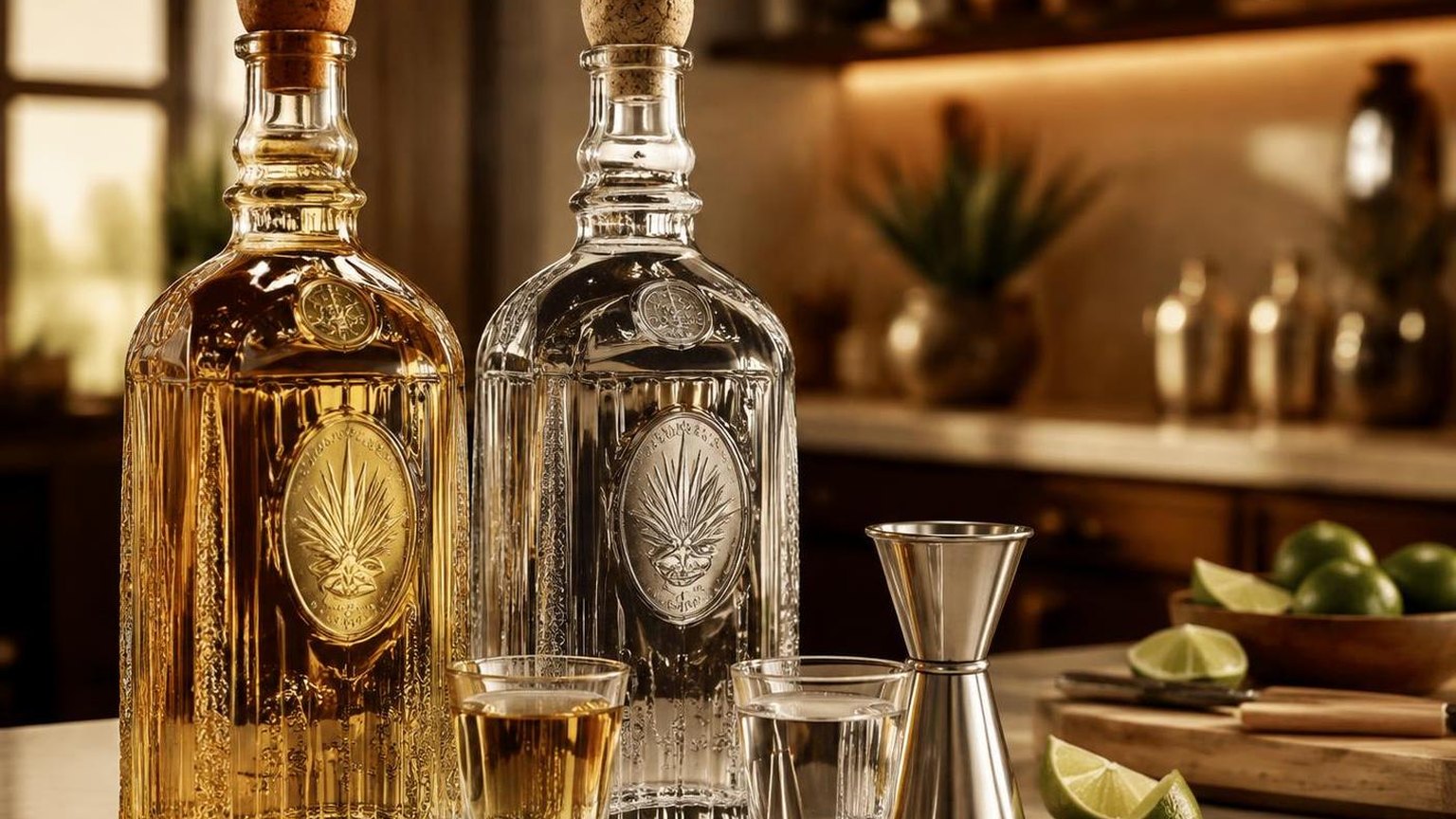
Gold tequila can be aged, but many “gold” bottles get their color from caramel coloring, oak extract, glycerin, or blending rather than extended barrel time.
What does silver tequila taste like compared with gold tequila?
Silver tequila usually tastes brighter and more agave-forward, with pepper, citrus, herbal, or mineral notes depending on the producer and region.
Gold tequila often tastes softer and sweeter, especially if color or flavor additives are used, with vanilla, caramel, or light oak-like notes.
Is gold tequila the same as reposado tequila?
Not necessarily. Reposado tequila is a regulated category aged in oak for at least 2 months and less than 1 year, while “gold” or “oro” mainly describes color.
Some gold tequilas are joven blends, meaning silver tequila mixed with aged tequila or approved additives.
Which is better for margaritas: gold or silver tequila?
Silver tequila is the standard choice for margaritas because its clean agave flavor and acidity-friendly profile work well with lime and orange liqueur.
Gold tequila can make a rounder, sweeter margarita, but low-cost gold mixtos may taste less fresh and more candy-like in citrus cocktails.
Does “100% agave” matter more than gold or silver color?
Yes. A bottle labeled “100% de agave” must be made entirely from Blue Weber agave sugars, while a mixto tequila may contain up to 49% non-agave fermentable sugars.
For quality, the 100% agave statement is usually more important than whether the tequila is gold or silver.
Related Reading
- What Is The Most Expensive Whiskey?
- How Many Grams In A Cup Of Oats? The Most Accurate Guide for Home Cooks and Meal Preppers
- How Much Is 64 Ounces In Gallons?
- How Many Cups Is 10 Oz? Tools-Free Conversion Ways
- How Many Grams In 1 Ounce?
- How Many Fl Oz In 1 Litre?
- How Many Ml Is 4 Oz?
- All Blog Guides
- Alcohol and Tobacco Tax and Trade Bureau, Beverage Alcohol Manual: Distilled Spirits, Chapter 4 (2024)
- Electronic Code of Federal Regulations, 27 CFR § 5.148 — Tequila (2026)
- Diario Oficial de la Federación, NOM-006-SCFI-2012, Bebidas alcohólicas—Tequila—Especificaciones (2012)
- Consejo Regulador del Tequila, Tequila Classes and Categories (2024)
- FDA, Color Additive Status List (2024)
- PubMed, Rohsenow et al., Intoxication with Bourbon Versus Vodka: Effects on Hangover, Sleep, and Next-Day Neurocognitive Performance (2010)
- National Institute on Alcohol Abuse and Alcoholism, What Is A Standard Drink? (2023)