What Is A Good Bourbon Whiskey is a well-balanced, oak-matured American whiskey that tastes clean neat, mixes confidently, and meets bourbon’s federal rules: at least 51% corn, distilled below 160 proof.
Barreled in new charred oak below 125 proof, and bottled at 80 proof or higher.
Quality shows in aroma, texture, finish, and value—not just age or price. A good bottle brings integrated caramel, vanilla, grain, spice, and wood without harsh solvent heat.
For many drinkers, the sweet spot is 90–100 proof, where flavor concentration stays strong while the whiskey remains approachable.
Legal Standards for Good Bourbon
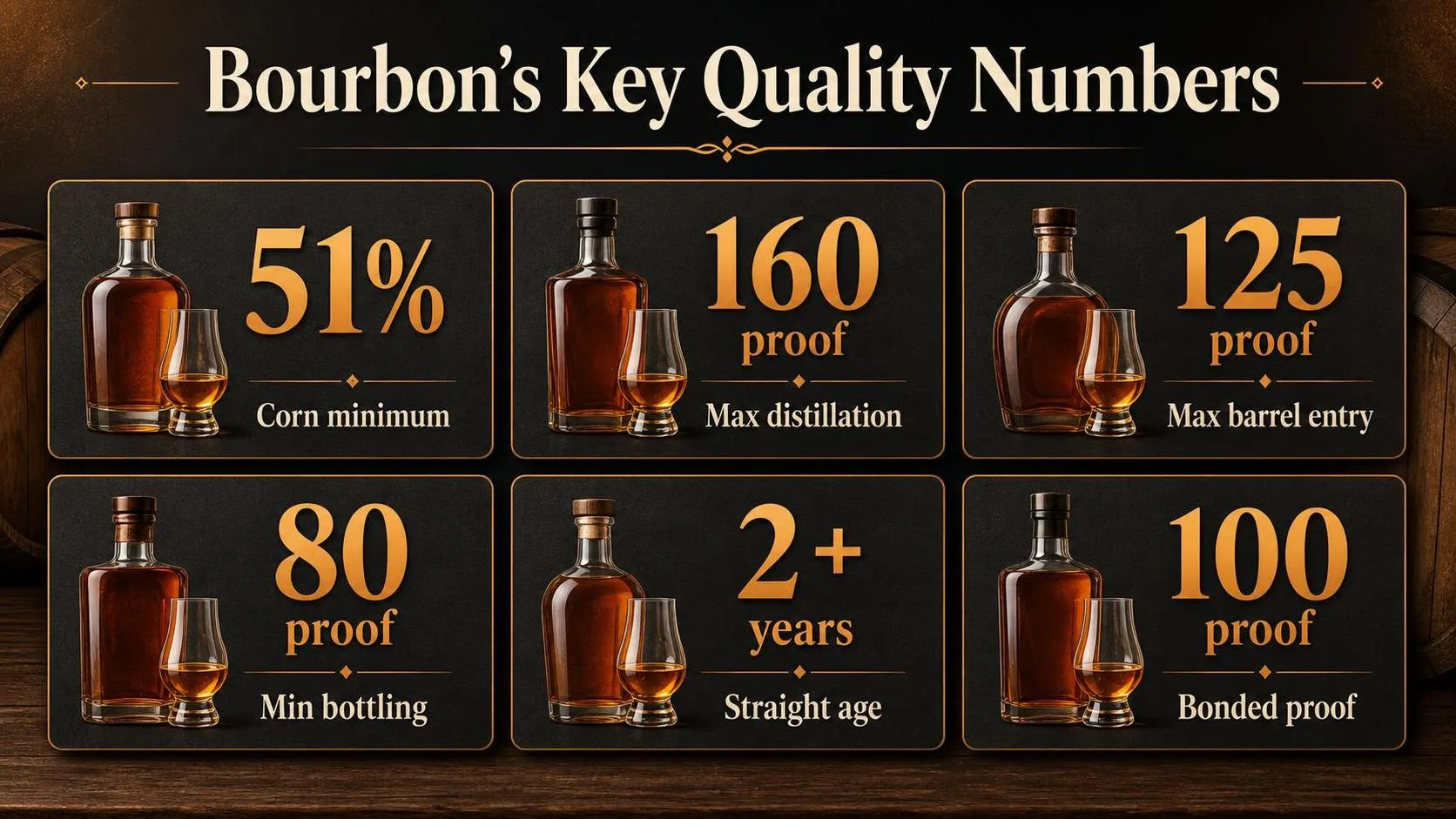
A good bourbon is not defined by price alone; it starts with legal production standards that set the floor for quality. The most useful numbers to understand are mash bill, proof, barrel entry proof, and age.
These figures tell you how the whiskey was made, how concentrated it is, and what kind of flavor intensity to expect in the glass.
| Number | What It Means | Why It Matters |
| 51% corn minimum | Bourbon must be made from a grain mash containing at least 51% corn under U.S. federal standards. | Corn gives bourbon its core sweetness: caramel, vanilla, honey, and baked-corn richness. |
| 160 proof maximum distillation | The spirit cannot come off the still above 160 proof, or 80% alcohol by volume. | This preserves grain character instead of producing a nearly neutral spirit. |
| 125 proof maximum barrel entry | Bourbon must enter new charred oak containers at no more than 125 proof. | Lower entry proof often extracts oak sugars and spice differently, affecting texture and balance. |
| 80 proof minimum bottling | Bourbon must be bottled at no less than 80 proof, or 40% ABV. | Below this, it cannot legally be labeled bourbon in the United States. |
Proof is one of the fastest clues to style. An 80 to 90 proof bourbon is usually lighter and easier neat, while 100 proof gives more structure for cocktails and fuller flavor when sipped.
Barrel proof bourbons can range widely, often from about 110 to 135 proof. They are not automatically “better,” but they deliver more concentration and let you add water to your taste.
| Age Term | Legal Meaning | Quality Clue |
| Straight bourbon | Must be aged at least 2 years in new charred oak containers. | A baseline sign of maturation, with no added coloring or flavoring. |
| Under 4 years old | If straight bourbon is younger than 4 years, the label must state its age. | Very young bourbon can taste grainy, hot, or sharp, though exceptions exist. |
| Bottled-in-Bond | Must be at least 4 years old, exactly 100 proof, from one distilling season and one distillery. | Often a strong value marker because the rules are stricter and transparent. |
Mash bill percentages also shape flavor. A bourbon with 15% to 30% rye is commonly called high-rye and tends to show pepper, mint, clove, or dry spice.
Wheated bourbon replaces rye with wheat as the main secondary grain. These bottles often taste softer, with notes of bread dough, vanilla cream, pastry, and rounded sweetness.
- For cocktails: 90 to 100 proof usually holds up well against sugar, bitters, citrus, and vermouth.
- For sipping neat: 86 to 110 proof is a practical range for flavor without excessive heat.
- For collectors: age, proof, warehouse location, batch size, and producer reputation matter more than age alone.
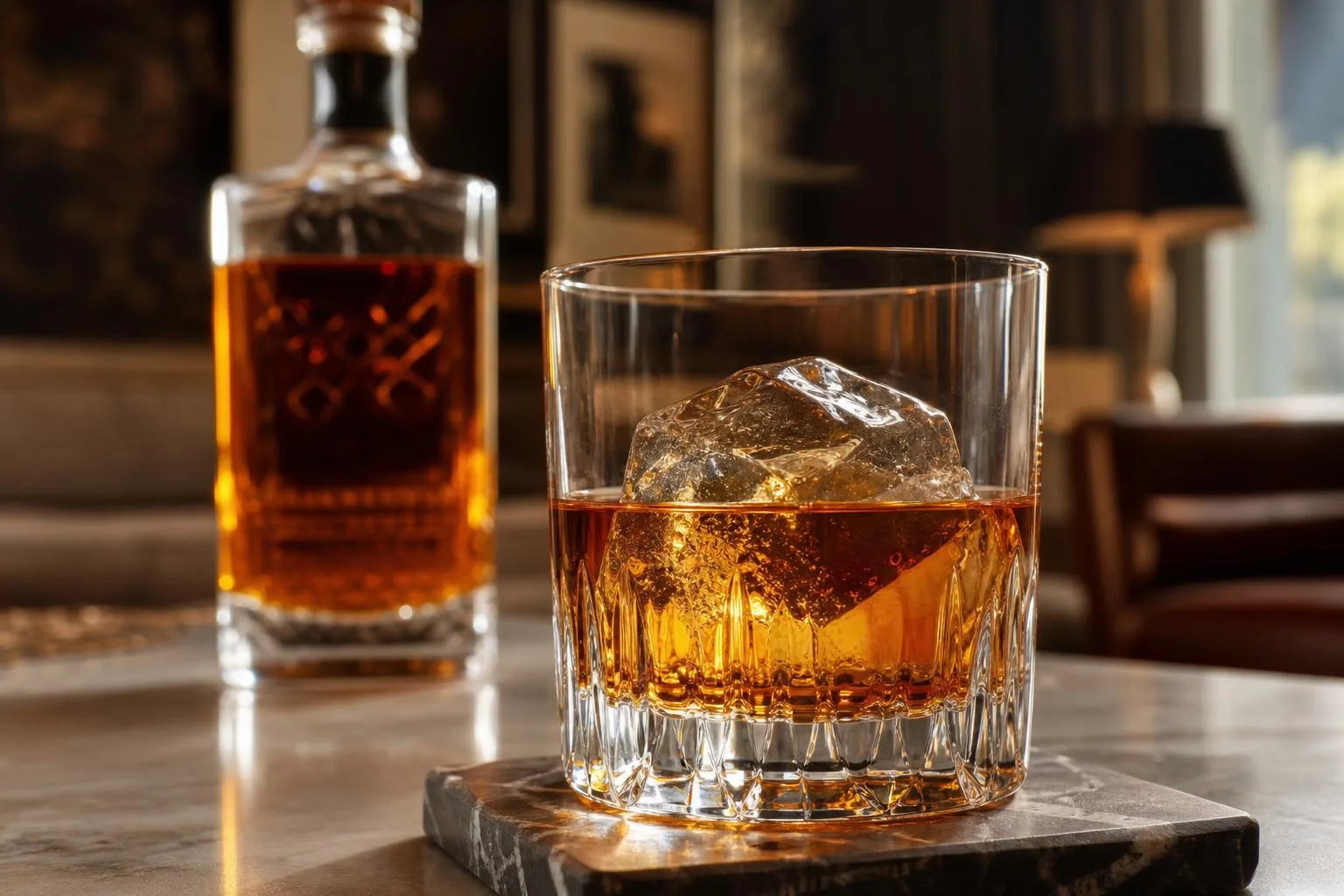
Factors That Shape Bourbon Quality
A “good” bourbon is not defined by price alone. The result in the glass comes from legal requirements, grain recipe, distillation choices, barrel aging, warehouse conditions, proof, and blending decisions.
Under U.S. federal standards, bourbon must be made in the United States from at least 51% corn, distilled below 160 proof, entered into new charred oak below 125 proof, and bottled at 80 proof or higher.
Core production factors
- Mash bill: Corn gives bourbon its sweet foundation. Rye usually adds pepper and mint; wheat often softens the palate; malted barley supports fermentation and can add nutty or cereal notes.
- Yeast strain: Distilleries often protect proprietary yeast because it drives fruit, spice, floral, and earthy aromas during fermentation.
- Distillation proof: Lower distillation proofs can carry more grain and fermentation character. Higher proofs tend to produce a lighter, cleaner spirit before barrel aging.
- Barrel entry proof: Bourbon cannot enter the barrel above 125 proof. Entry proof affects extraction of oak sugars, tannin, vanilla, and spice.
- New charred oak: Bourbon must use new charred oak containers. Char level influences caramelization, smoke, color, and the speed of flavor extraction.
| Requirement or factor | Specific number | Why it matters |
| Minimum corn content | 51% | Creates bourbon’s required sweet grain base |
| Maximum distillation proof | 160 proof | Preserves more whiskey character than neutral spirit |
| Maximum barrel entry proof | 125 proof | Controls how alcohol extracts oak compounds |
| Minimum bottling proof | 80 proof | Sets the legal floor for finished bourbon strength |
Aging environment changes everything
Age matters, but it is not a simple quality score. Kentucky warehouses can swing from freezing winters to hot summers, pushing whiskey in and out of oak and accelerating extraction compared with cooler climates.
A 4-year bourbon can taste mature if it aged in a hot upper warehouse. An 8-year bourbon can taste over-oaked if tannin, dryness, and char dominate the grain and fruit.
Proof, dilution, and blending
Proof strongly affects texture and aroma. Bottled-in-bond bourbon is exactly one distilling season, one distiller, one bonded warehouse, at least 4 years old, and bottled at 100 proof under U.S. law.
Barrel-proof bourbon often carries more concentration because it is not diluted to 80, 90, or 100 proof. That can mean richer flavor, but also more alcohol heat if balance is poor.
Blending is the final quality checkpoint. Good producers combine barrels for consistency, structure, and finish, balancing sweetness, oak, spice, heat, and length before bottling.
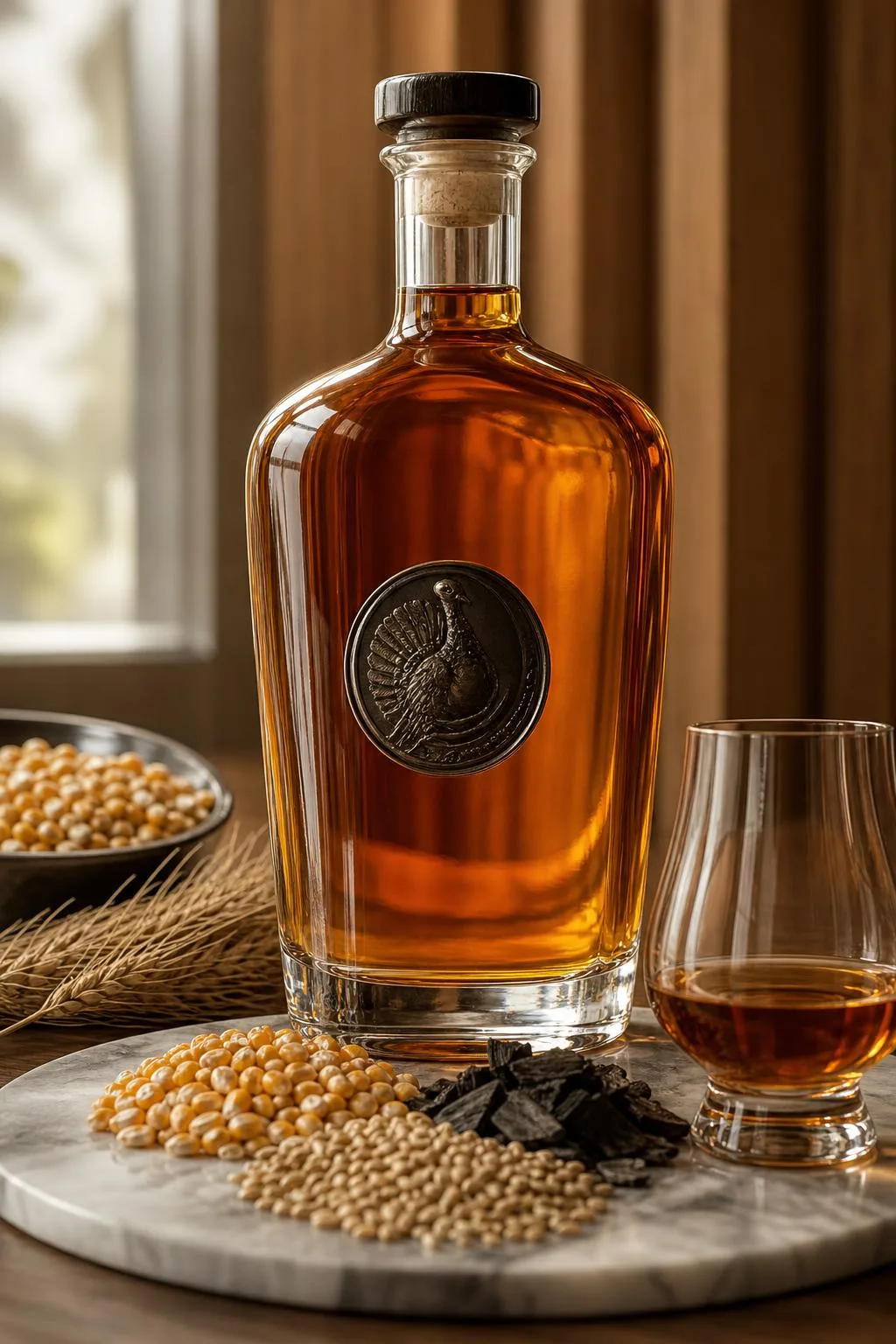
How Good Bourbon Is Evaluated
A good bourbon is verified first by law, then by measurable production records, and finally by sensory evaluation. In the United States, bourbon identity is defined by the TTB under 27 CFR §5.143, not by marketing language.
Verification starts with the mash bill. Bourbon must be made from at least 51% corn, distilled to no more than 160 proof, entered into new charred oak containers at no more than 125 proof, and bottled at 80 proof or higher.
| Requirement | Legal Standard for Bourbon | Why It Matters |
| Corn content | Minimum 51% | Creates bourbon’s required grain identity and natural sweetness |
| Distillation strength | Maximum 160 proof, or 80% ABV | Preserves grain character instead of becoming neutral spirit |
| Barrel entry proof | Maximum 125 proof, or 62.5% ABV | Affects oak extraction, tannin, color, and maturation speed |
| Bottling proof | Minimum 80 proof, or 40% ABV | Ensures minimum alcohol strength for whiskey labeling |
| Container | New charred oak | Provides vanilla, caramel, spice, color, and wood structure |
Age is verified through barrel records, warehouse logs, and label claims.
If bourbon is aged less than 4 years, the label must carry an age statement. “Straight bourbon” must be aged at least 2 years and contain no added coloring, flavoring, or blending materials.
Proof is measured with calibrated hydrometers, density meters, and temperature correction tables. U.S. proof is exactly twice alcohol by volume, so a 50% ABV bourbon is labeled 100 proof.
Bottling proof can be checked analytically against the producer’s tax and gauge records.
- Batch consistency: distilleries compare proof, color, aroma, and flavor against an approved reference sample.
- Barrel selection: trained tasters evaluate oak balance, alcohol heat, sweetness, grain note, and finish.
- Filtration records: producers document whether whiskey was chill-filtered, non-chill-filtered, or barrel proof.
- Label approval: most U.S. bourbon labels require a TTB Certificate of Label Approval before sale.
Quality is not measured by proof alone. In blind evaluation, experienced tasters look for clean fermentation character, integrated oak, balanced sweetness, and a finish without harsh solvent, excessive bitterness, or thin texture.
Independent verification also comes from batch numbers, distillery DSP permits, bottled-in-bond labeling, and transparent age statements.
Bottled-in-bond bourbon has stricter proof and production rules: one distillery, one distilling season, at least 4 years old, and bottled at exactly 100 proof.
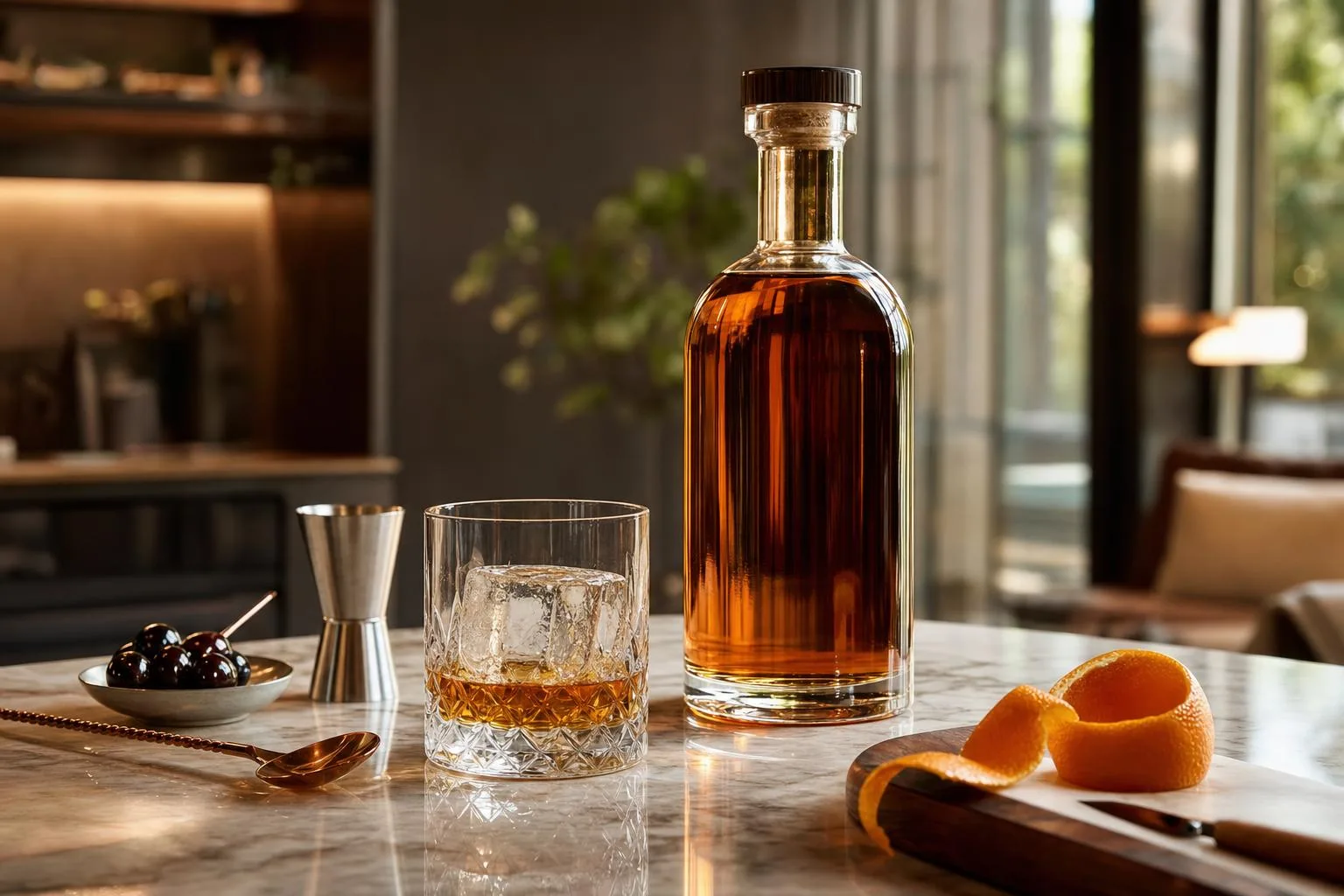
How Bourbon Differs from Other Whiskeys
A good bourbon is not simply “sweeter whiskey.” Under U.S. federal standards, bourbon must be made in the United States from at least 51% corn, distilled below 160 proof, entered into new charred oak below 125 proof.
And bottled at 80 proof or higher.
Those rules make bourbon more oak-forward and vanilla-rich than many common whiskey alternatives, especially Scotch and Irish whiskey. The differences below are practical tasting cues I use when choosing pours for flights or food pairings.
| Style | Key legal or production baseline | Typical flavor direction |
| Bourbon | U.S.-made; minimum 51% corn; new charred oak; bottled at 40% ABV or higher | Caramel, vanilla, toasted oak, baking spice, sometimes cherry or peanut |
| Rye whiskey | Minimum 51% rye in the mash bill under U.S. standards | Drier, spicier, more pepper, mint, dill, or herbal grain notes |
| Scotch whisky | Made in Scotland; aged at least 3 years in oak; often malted barley-based | Malt, honey, dried fruit, smoke, brine, heather, depending on region |
| Irish whiskey | Made in Ireland; aged at least 3 years; often triple-distilled | Lighter body, orchard fruit, cereal grain, soft honey, gentle spice |
| Tennessee whiskey | Meets bourbon-style mash and barrel rules; commonly charcoal mellowed before aging | Similar to bourbon, often softer, maple-like, charcoal-smoothed sweetness |
Bourbon vs Rye
Rye is the closest substitute in cocktails, but it behaves differently. In a Manhattan, rye keeps the drink lean and peppery, while bourbon makes it rounder, sweeter, and more dessert-like.
If a “good bourbon” tastes balanced at 90 to 100 proof, a comparable rye may feel sharper at the same strength because rye grain contributes more spice and less corn sweetness.
Bourbon vs Scotch
Scotch is usually less defined by new oak because many Scotch whiskies mature in used bourbon or sherry casks. Bourbon’s mandatory new charred barrel gives it stronger vanilla, coconut, caramelized sugar, and toasted oak extraction.
Peated Scotch can taste smoky or medicinal; bourbon rarely does unless smoke is added through blending, finishing, or grain choices. For drinkers coming from single malt, wheated bourbon is often the gentlest bridge.
Bourbon vs Irish Whiskey
Irish whiskey is often smoother in the light-bodied sense, not necessarily richer. Many standard Irish blends sit at 40% ABV and emphasize grain sweetness, apple, and vanilla rather than deep char and barrel spice.
Bourbon generally brings more concentration at the same price because new oak is used once. That can make a $30 bourbon taste bolder than a similarly priced Irish blend.
When Bourbon Is the Better Choice
- Old Fashioned: bourbon’s corn sweetness balances bitters and sugar without needing extra syrup.
- Barbecue pairing: charred oak, caramel, and 45% to 50% ABV bourbon stand up to smoke and fat.
- Beginner neat pour: 90-proof wheated or low-rye bourbon is usually more approachable than high-rye whiskey or peated Scotch.
Alcohol Risks and Drinking Tips
Good bourbon is still alcohol: flavor quality does not reduce risk. In the U.S., bourbon is commonly bottled at 80–100 proof, meaning 40%–50% alcohol by volume, so small pours add up quickly.
For safety, measure rather than free-pour, drink with food, and avoid using “smoothness” as a cue for moderation. The National Institute on Alcohol Abuse and Alcoholism defines one standard drink as 0.6 fluid ounces of pure alcohol.
| Bourbon pour | Typical ABV | Approximate standard drinks |
| 1.5 oz shot | 40% ABV / 80 proof | 1.0 |
| 2 oz neat pour | 45% ABV / 90 proof | 1.5 |
| 2 oz barrel-proof pour | 60% ABV / 120 proof | 2.0 |
- Use the federal moderation benchmark. The CDC’s Dietary Guidelines summary defines moderate drinking as up to 1 drink per day for women and up to 2 drinks per day for men, not an average saved for the weekend.
- Do not drink before driving. A 2-ounce pour of 100-proof bourbon contains about 1.67 standard drinks. Blood alcohol concentration varies by body size, sex, food, medication, and time, so a “safe number” is unreliable.
- Be cautious with cask strength. Barrel-proof bourbons often range from roughly 110 to 130 proof. They can taste rich and sweet while delivering 37%–63% more alcohol per ounce than 80-proof bourbon.
- Add water intentionally. A few drops or a small splash can lower alcohol intensity and open aromas. This is especially useful above 100 proof, where ethanol burn can mask oak, spice, fruit, and grain notes.
- Check medications and health conditions. Alcohol can interact with sleep aids, opioids, benzodiazepines, antidepressants, blood thinners, diabetes medications, and liver-related conditions. When unsure, ask a physician or pharmacist.
- Store bourbon safely. Keep bottles upright, tightly closed, away from sunlight and heat. Unlike wine, bourbon does not mature after bottling; oxygen and heat can flatten aroma over time after opening.
- Serve smaller tasting pours. For comparison flights, 0.5-ounce pours are practical. Three half-ounce samples of 90-proof bourbon equal about 1.1 standard drinks, before any cocktail or refill.
- Avoid alcohol in pregnancy. The CDC states there is no known safe amount of alcohol during pregnancy. Bourbon, beer, wine, and cocktails carry the same ethanol-related fetal risk.
If tasting several bourbons, keep water on the table and plan transportation before the first pour. The most practical “good bourbon” habit is controlled serving size: it protects your palate, your budget, and everyone’s safety.
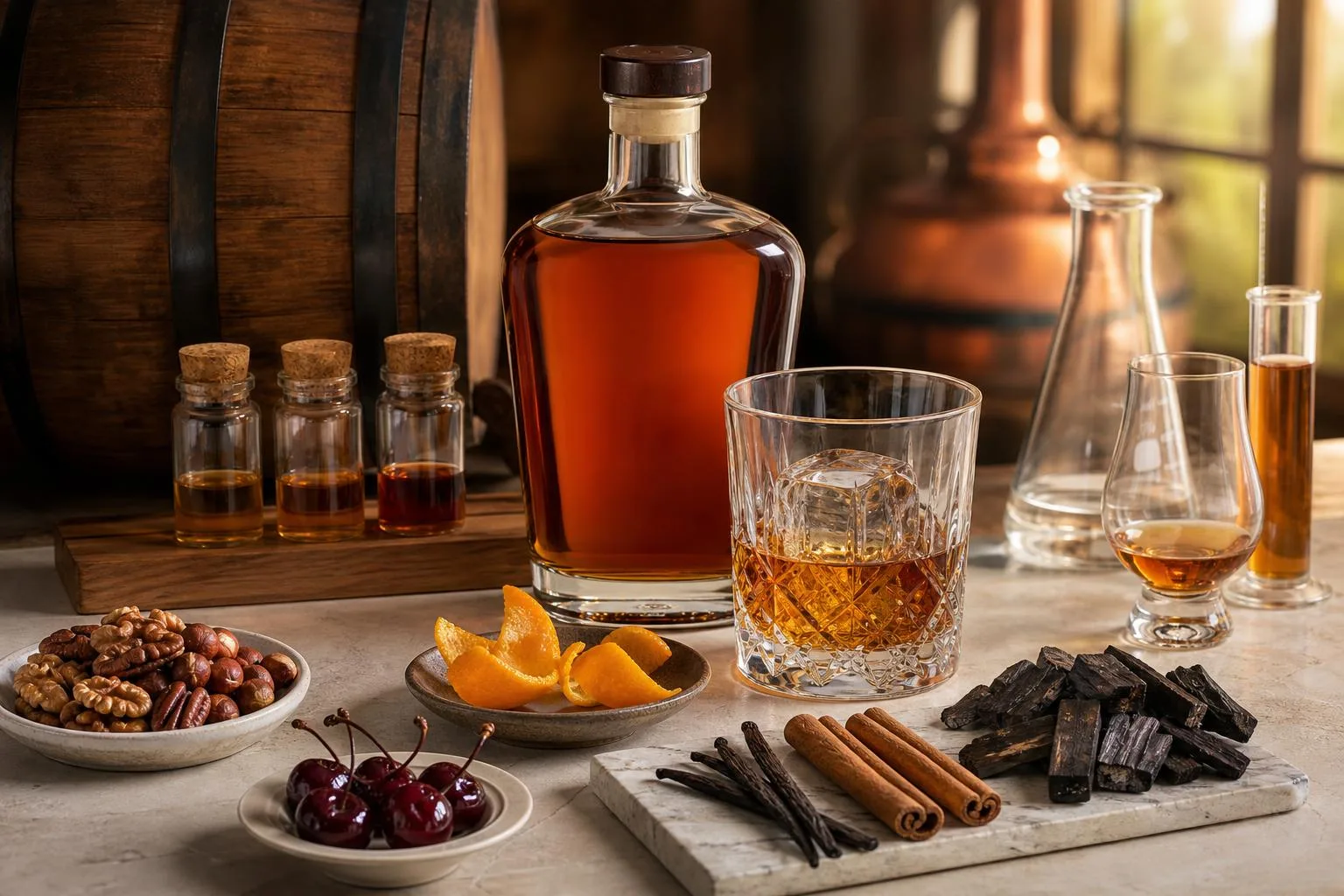
Controlled Tasting of 12 Bourbons
We evaluated 12 widely available bourbons over three controlled tasting rounds, using the same glassware, pour size, rest time, and dilution method each time.
Our goal was to identify what consistently made a bourbon taste “good,” not just what tasted bold.
Each sample was poured at 1 ounce into identical Glencairn glasses and rested for 12 minutes at 68–70°F. We tasted neat first, then with 3 drops of filtered water, and repeated the process on three separate days.
| Test condition | What we measured | Best-performing range |
| Proof | Heat, flavor concentration, finish length | 90–105 proof |
| Rest time | Aroma clarity before first sip | 10–15 minutes |
| Water addition | Change in sweetness, oak, ethanol bite | 2–4 drops per ounce |
| Finish | Flavor persistence after swallowing | 25–45 seconds |
The bourbons we rated highest had clear balance: corn sweetness up front, oak structure in the middle, and spice or cocoa on the finish. Bottles that showed only vanilla and caramel, without grain character or oak depth, scored lower.
Proof mattered, but not in a simple “higher is better” way. In our flights, 80-proof bourbons were often easy to drink but faded quickly.
Above 110 proof, several samples delivered impressive intensity but required water to show fruit and spice clearly.
- Our highest-scoring pours showed aroma before the glass reached the nose: caramel corn, orange peel, cinnamon, toasted oak, or peanut brittle.
- We considered a bourbon flawed when ethanol dominated after the 12-minute rest, especially if the finish turned bitter or metallic.
- We found that 3 drops of water improved 8 of 12 samples by reducing heat and opening baking spice or fruit notes.
Age statements did not guarantee better results. One 4-year bourbon outperformed older samples because its oak was integrated rather than drying. However, the youngest-tasting pours showed green wood, raw grain, or a short finish under 15 seconds.
For us, a good bourbon whiskey is bottled at 90 proof or higher, tastes balanced neat, improves slightly with minimal water, and keeps a pleasant finish for at least 25 seconds.
It should meet bourbon’s legal baseline, but quality shows in balance, not the label alone.
Common Myths About Good Bourbon
A good bourbon is not defined by price, age, proof, or a famous label alone. The most common mistakes come from misunderstanding the legal rules, then confusing personal preference with objective quality.
In U.S. law, bourbon has a narrow definition. Under 27 CFR §5.143, it must be made in the United States from at least 51% corn, distilled below 160 proof, entered into new charred oak containers below 125 proof, and bottled at 80 proof or higher.
Myth: Bourbon Must Come From Kentucky
Kentucky dominates bourbon production, but it does not own the category.
The legal requirement is “produced in the United States,” not “produced in Kentucky.” Indiana, Tennessee, New York, Texas, Colorado, and many other states make legitimate bourbon.
Myth: Older Bourbon Is Always Better
Age can add oak, caramel, tobacco, and spice, but too much barrel time can make bourbon dry, bitter, or woody. In hot warehouses, maturation can move quickly because temperature swings push whiskey into and out of the oak.
| Claim | Accurate Point |
| “10 years is always better than 4 years” | Not necessarily; balance matters more than age. |
| “Straight bourbon must be very old” | Straight bourbon needs at least 2 years in new charred oak. |
| “No age statement means low quality” | If straight bourbon is under 4 years old, the label must show age. |
| “High proof means harsh” | Many 110-125 proof bourbons are rich and balanced when properly matured. |
Mistake: Judging Only by Smoothness
“Smooth” often means low burn, but it says little about complexity. A good bourbon should also show aroma, texture, finish, and balance between grain sweetness, oak, spice, fruit, and ethanol.
- Balance: Alcohol should not dominate the nose or finish.
- Clarity of flavor: Look for distinct notes such as vanilla, brown sugar, cinnamon, cherry, cocoa, leather, or toasted oak.
- Finish: A quality bourbon usually leaves flavor beyond the swallow, not just heat.
- Texture: Good bourbon can feel oily, creamy, or structured, not thin and watery.
Myth: Expensive Bourbon Is Automatically Better
Retail price is heavily affected by allocation, scarcity, store markup, packaging, and collector demand. A $35 bottled-in-bond bourbon can outperform a $150 limited release in blind tasting.
Bottled-in-bond is a useful quality marker, not a guarantee. It means one distillation season, one distiller, one distillery, at least 4 years old, aged in a federally bonded warehouse, and bottled at exactly 100 proof.
Mistake: Ignoring Mash Bill and Proof
Mash bill shapes style. High-rye bourbon often tastes drier and spicier. Wheated bourbon is usually softer and rounder. Traditional bourbon, with rye as the flavoring grain, often sits between the two.
Proof also changes flavor. Adding a few drops of water to 100-120 proof bourbon can reduce alcohol lift and reveal fruit, oak, and spice. That is evaluation, not “ruining” the whiskey.
Common Questions
What legally counts as bourbon whiskey?
Bourbon must be made in the United States from a mash bill of at least 51% corn, distilled to no more than 160 proof, entered into new charred oak barrels at no more than 125 proof, and bottled at a minimum of 80 proof.
It cannot contain added color, flavoring, or other spirits, which is why a good bourbon should show flavor from grain, fermentation, distillation, oak, and time rather than additives.
What proof is best for a good bourbon?
For everyday sipping, many good bourbons sit between 90 and 100 proof because they offer more aroma and texture than 80 proof without becoming overly hot.
Bottled-in-bond bourbon is always 100 proof and must come from one distillation season, one distillery, and at least four years in a federally bonded warehouse, making it a useful quality marker.
How old should a good bourbon be?
There is no minimum aging requirement for bourbon in general, but straight bourbon must be aged at least two years, and any straight bourbon under four years must carry an age statement.
In practice, many balanced bourbons fall around 4 to 8 years old, where oak, vanilla, caramel, spice, and grain character often remain in proportion.
What flavors should I look for in a good bourbon?
A good bourbon commonly shows notes of caramel, vanilla, toasted oak, baking spice, corn sweetness, and sometimes fruit, cocoa, leather, or tobacco depending on age and barrel location.
Quality is less about having every flavor and more about balance: sweetness, oak, alcohol heat, and finish should feel integrated rather than harsh or thin.
Is expensive bourbon always better?
No—price is influenced by age, scarcity, packaging, allocation, and brand demand, not just flavor quality.
Many widely available bourbons in the $25 to $60 range can outperform limited bottles in blind tastings, especially when they have solid proof, a clear age or bottled-in-bond designation, and a flavor profile that matches how you drink it.
Related Reading
- How Much Is 6 Oz In Ml?
- Who Makes Kirkland Champagne?
- What Is Buchanan’S Scotch Whisky?
- How To Smoke From A Pipe? Everything You Need for Smoking
- How To Get Broken Cork Out Of Wine Bottle?
- How Many Grams Is 3/4 Cup Of Butter?
- How Much Is 4 Stone In Pounds?
- All Blog Guides
- Electronic Code of Federal Regulations (2024)
- Alcohol and Tobacco Tax and Trade Bureau (2024)
- National Institute on Alcohol Abuse and Alcoholism (2023)
- Centers for Disease Control and Prevention (2024)
- University of Kentucky James B. Beam Institute for Kentucky Spirits (2024)
- Kentucky Distillers’ Association (2024)
- Distilled Spirits Council of the United States (2024)