alcoholic drinks that don’t taste like alcohol are sweet, citrusy, creamy, frozen, or fruit-forward cocktails that hide ethanol’s heat behind sugar, acid, dilution, and aromatics.
Think piña coladas, amaretto sours, mudslides, mojitos, and sparkling spritzes built to taste smooth rather than spirit-driven.
The tradeoff is potency: a gentle-tasting drink can still contain 1.5 ounces of 40% ABV liquor, the standard U.S. “shot” used in many cocktails.
This guide covers approachable options, what makes them taste soft, and how to order versions that stay balanced instead of becoming syrupy.
Why Some Drinks Hide Alcohol Well
Alcohol masking depends on measurable chemistry, not guesswork. Sugar concentration, acidity, carbonation, and serving temperature each suppress the perception of ethanol on your palate in quantifiable ways.
Sugar and Sweetness Suppress Bitterness
Ethanol triggers bitter and burning sensations via the TRPV1 receptor, the same receptor activated by capsaicin. Sucrose directly inhibits this bitter perception.
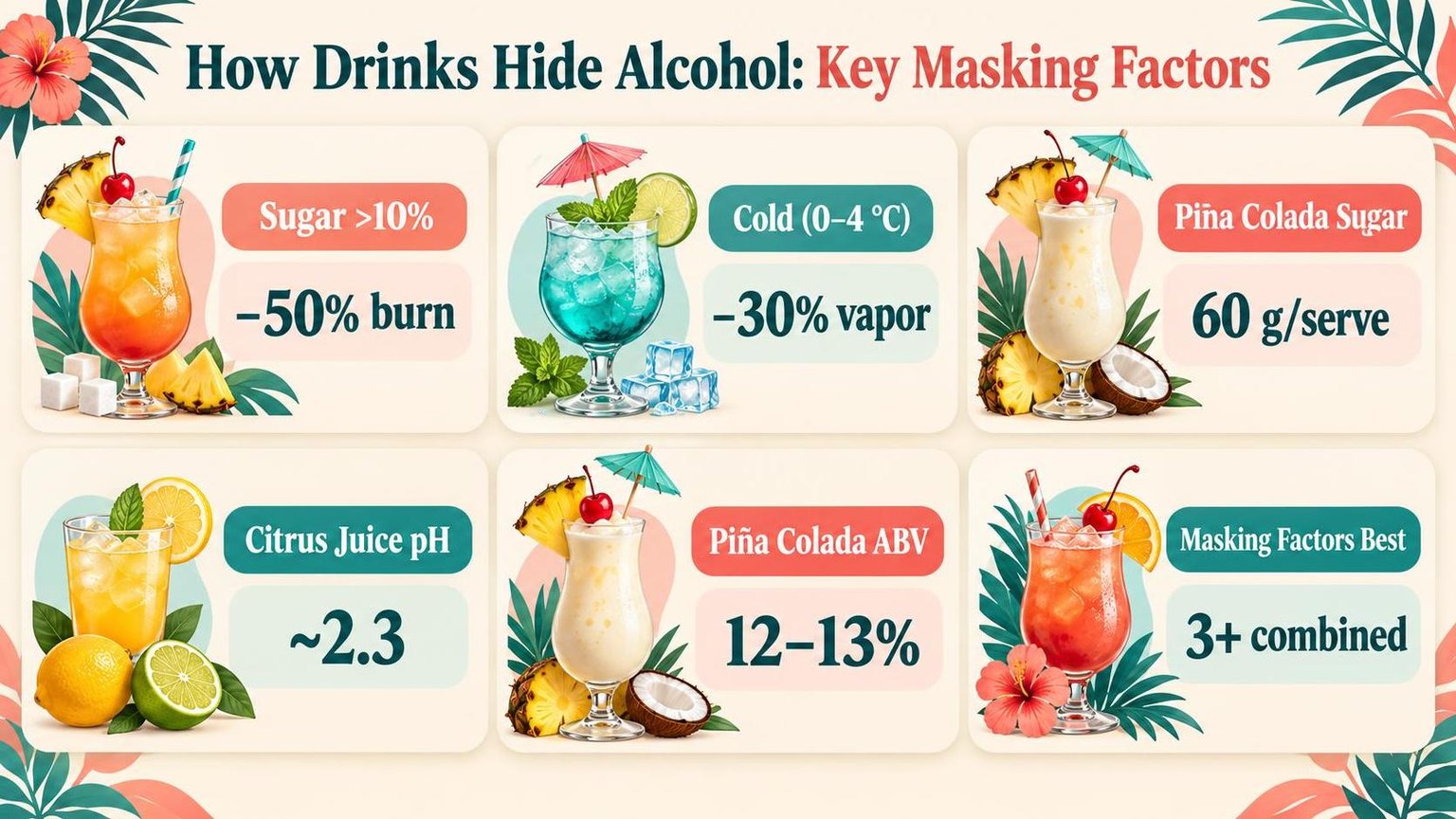
Research published in Chemical Senses found that sugar concentrations above 10% reduced perceived alcohol burn by up to 50%.
This explains why a Piña Colada (roughly 60 g sugar per serving) hides its 13% ABV far more effectively than a dry Martini at similar strength. The sugar-to-alcohol ratio is the single strongest predictor of how “boozy” a drink tastes.
Key Masking Factors Compared
| Factor | Mechanism | Masking Strength | Example Drink |
| Sugar (>10% concentration) | Suppresses TRPV1 bitter/burn response | High | Frozen Daiquiri |
| Acidity (pH 2.5–3.5) | Citric/malic acid diverts palate attention | Moderate–High | Margarita |
| Carbonation | CO₂ trigeminal stimulation overrides ethanol heat | Moderate | Moscow Mule |
| Cold temperature (0–4 °C) | Reduces ethanol vapor pressure by ~30% | Moderate | Frozen Mudslide |
| Fat/cream content | Coats mucosa, slows ethanol contact | Moderate | White Russian |
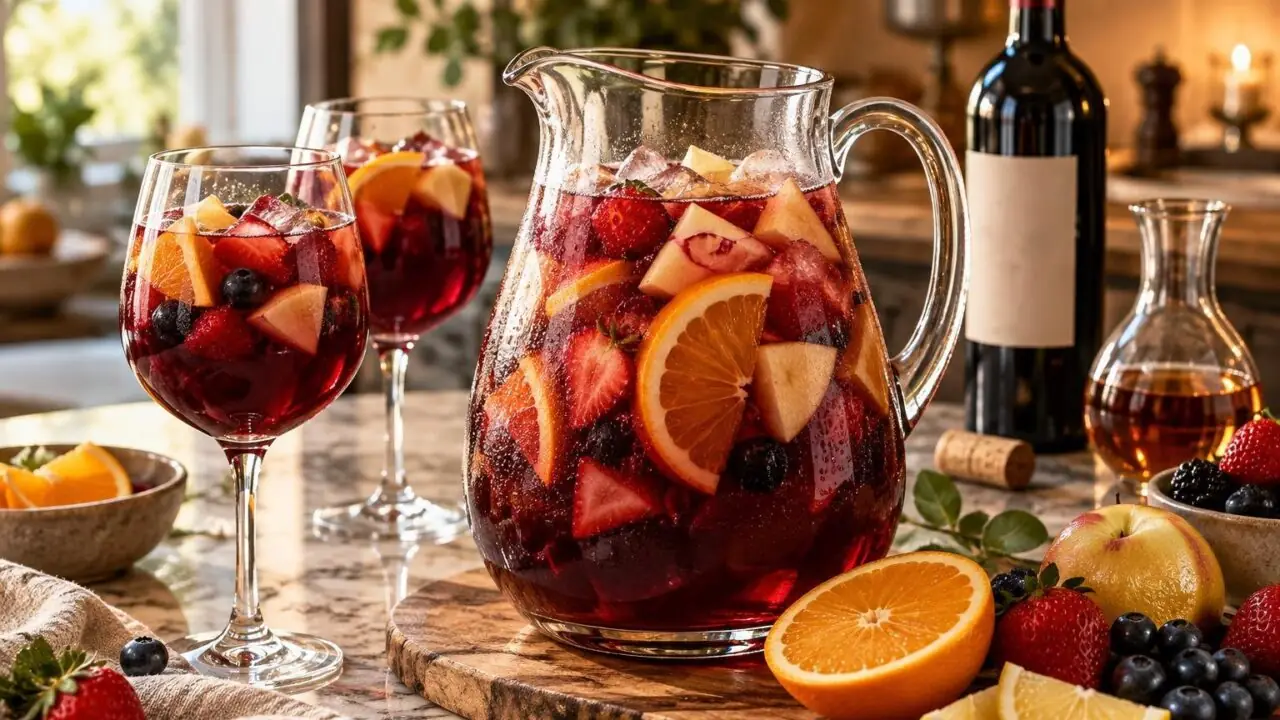
| Fruit flavors | Complex aromatic compounds compete with ethanol aroma | Low–Moderate | Sangria |
Temperature and Carbonation
Ethanol’s vapor pressure drops approximately 30% when a drink is chilled from 20 °C to 0 °C. Fewer volatile molecules reach your olfactory receptors, so the drink smells — and therefore tastes — less alcoholic.
Carbonation adds another layer. CO₂ activates trigeminal nerve endings in the mouth, creating a tingling sensation that competes with and partially masks ethanol’s burn.
A 2014 study in Gastroenterology confirmed carbonation accelerates alcohol absorption, yet paradoxically makes the drink taste milder.
Acidity and Flavor Complexity
Citrus juice (pH ~2.3) and other acidic mixers force the palate to process sour signals alongside ethanol bitterness. The brain cannot equally weight both. Sour dominates, pushing alcohol perception into the background.
Drinks combining three or more masking factors hide alcohol most effectively.
A frozen Margarita deploys sugar, acidity, cold temperature, and salt rim simultaneously — four independent mechanisms suppressing ethanol detection in a single glass.
- High-sugar + cold: Frozen cocktails, hard lemonades, dessert-style mixed drinks
- Acidic + carbonated: Vodka sodas with lime, Palomas, Aperol Spritzes
- Fat + sugar: Cream liqueurs, Mudslides, Bushwackers
Understanding these mechanisms helps you gauge actual intake. A drink that tastes like juice can still deliver 2+ standard drinks per glass. Perceived mildness has zero correlation with blood alcohol concentration.
Sweet Cocktails With Low Alcohol Burn
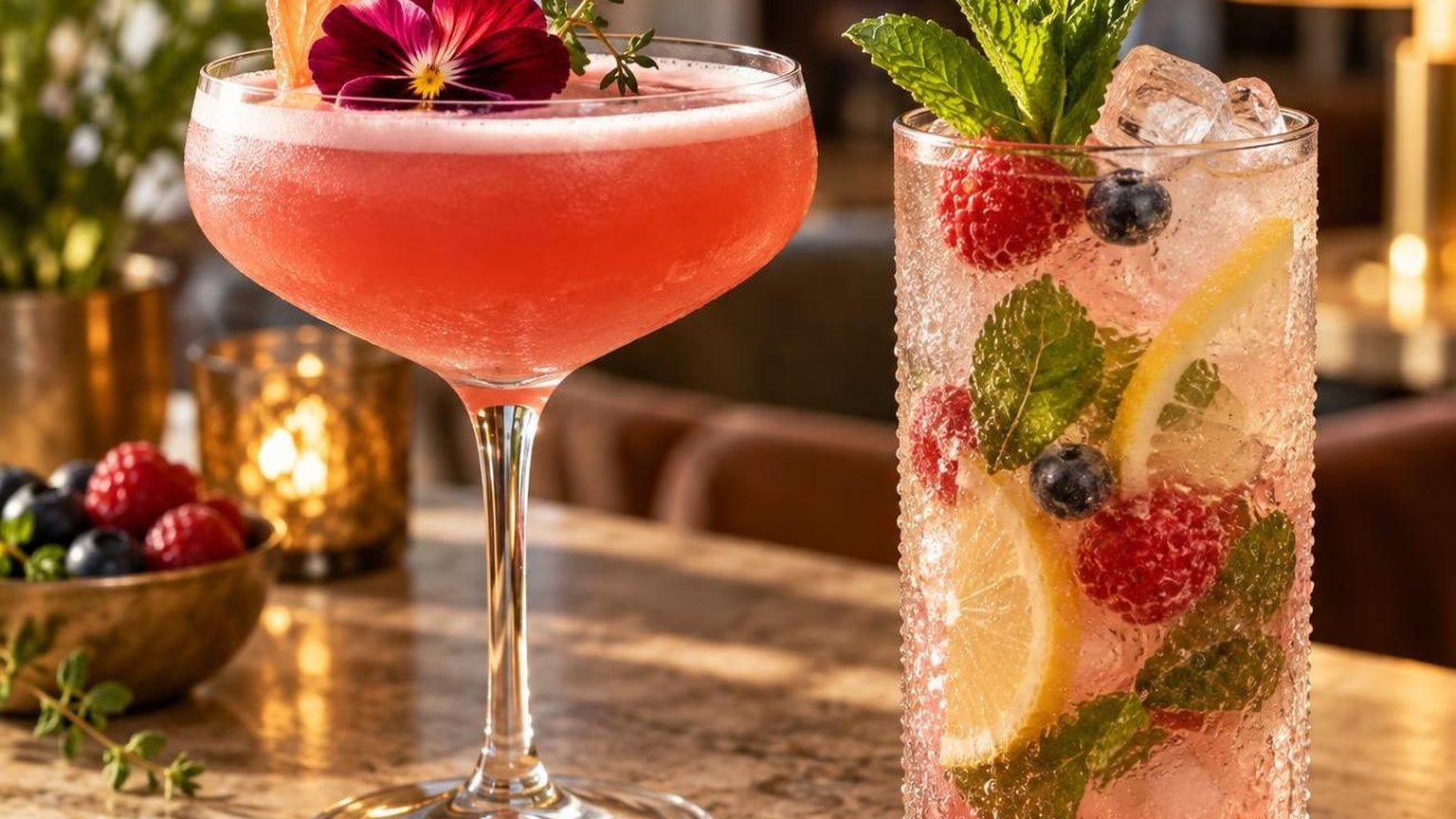
Sweet cocktails mask alcohol through sugar, acidity, and dilution — three mechanisms that genuinely suppress the perception of ethanol on the palate.
Research published in Chemical Senses confirms sucrose reduces perceived bitterness and burn of ethanol by up to 50% at moderate concentrations.
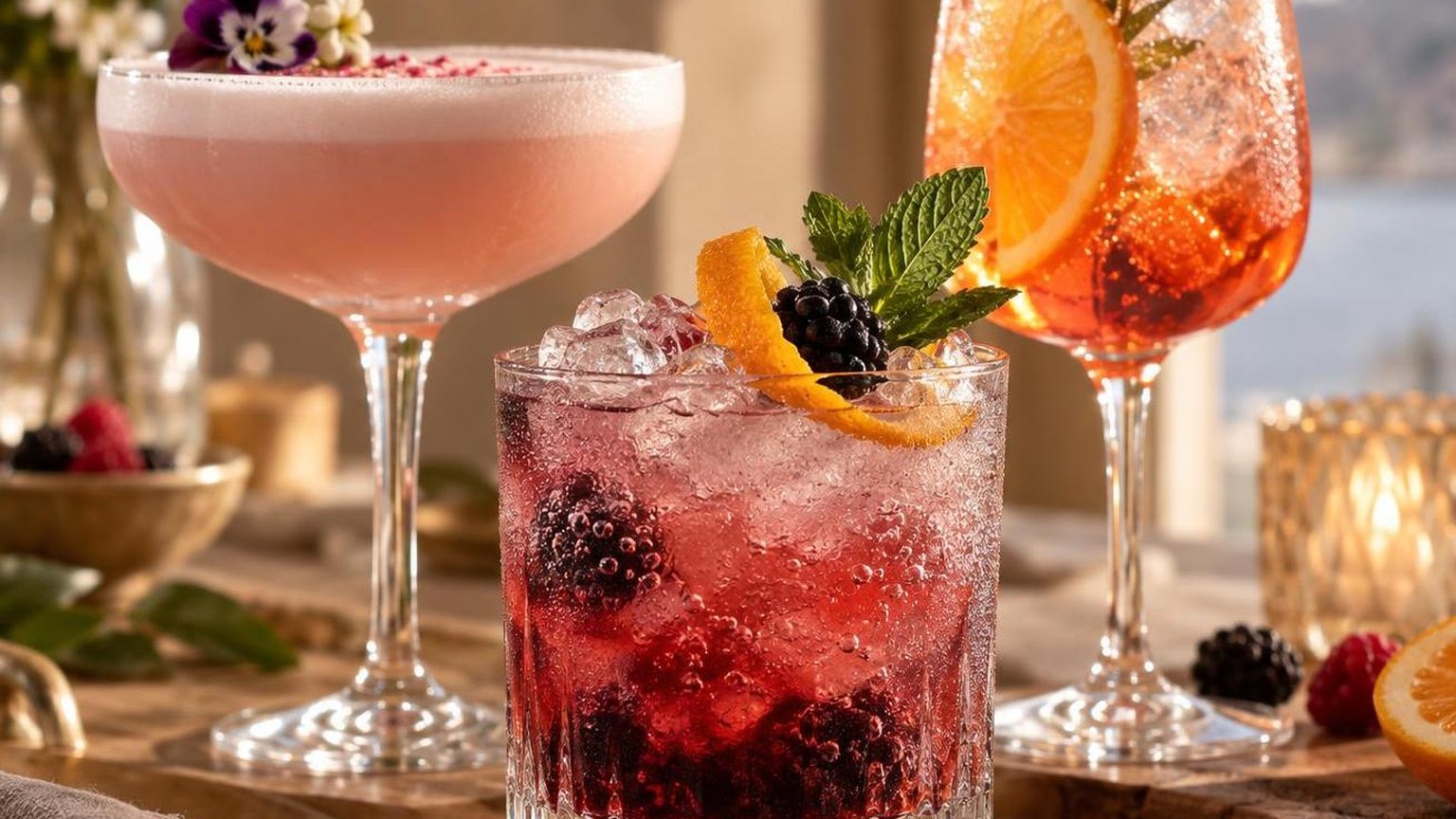
The following cocktails consistently rank among the easiest to drink for people who dislike the taste of alcohol.
Piña Colada
A standard Piña Colada contains 2 oz white rum (40% ABV), 3 oz pineapple juice, and 1 oz coconut cream. The finished drink sits around 12–13% ABV before ice dilution, dropping to roughly 8–10% once blended.
Coconut fat literally coats the tongue, blocking ethanol receptors.
Frozen Strawberry Daiquiri
Built with 1.5 oz light rum, 1 oz lime juice, 0.75 oz simple syrup, and fresh strawberries, this blended drink lands near 7–9% ABV after ice dilution. The high sugar content and freezing temperature both dull alcohol perception significantly.
Amaretto Sour
Amaretto liqueur is only 28% ABV, roughly 30% lower than standard spirits. Combined with lemon juice and simple syrup, the finished cocktail measures approximately 10–12% ABV. The almond-sugar flavor profile dominates, leaving minimal burn.
Midori Sour
Midori melon liqueur clocks in at just 20% ABV. Mixed with 1 oz lemon juice and 0.5 oz simple syrup over ice, the drink finishes around 8–10% ABV — comparable to a strong beer but far sweeter and smoother on the palate.
ABV Comparison Table
| Cocktail | Base Spirit ABV | Approx. Finished ABV | Primary Masking Agent |
| Piña Colada | 40% | 8–10% | Coconut fat, pineapple sugar |
| Frozen Strawberry Daiquiri | 40% | 7–9% | Fruit sugar, ice dilution |
| Amaretto Sour | 28% | 10–12% | Almond sweetness, citrus acid |
| Midori Sour | 20% | 8–10% | Melon sugar, citrus acid |
| Moscato Sangria | 5.5% | 5–7% | Fruit juice, residual sugar |
Why Sugar and Cold Temperatures Work
Ethanol’s burn activates TRPV1 receptors — the same receptors triggered by capsaicin in chili peppers. Cold temperatures (below 40°F / 4°C) reduce TRPV1 sensitivity.
Sugar competes for taste receptor binding, further dampening bitterness and heat signals.
Serving temperature matters more than most drinkers realize. A Piña Colada served at 28°F (−2°C) from a blender will taste noticeably less alcoholic than the same recipe shaken and strained at 40°F (4°C), despite identical ethanol content.
Practical Ordering Tips
- Request blended or frozen preparations — ice dilution drops ABV by 20–30%.
- Choose liqueur-based cocktails (20–28% ABV base) over spirit-forward ones (40%+ ABV base).
- Ask for an extra splash of juice; even 1 oz additional mixer reduces perceived alcohol noticeably.
- Avoid stirred or “up” cocktails — they retain more heat and higher concentration.
Fruity Drinks That Mask Spirits
Fruit juices and purees contain natural sugars and aromatic compounds that overwhelm the palate’s ability to detect ethanol.
Citric acid, fructose, and volatile esters in tropical fruits compete directly with alcohol’s burn on taste receptors. The result: cocktails that drink like juice but carry 12–18% ABV.
Why Fruit Works So Well
Ethanol triggers the TRPV1 receptor—the same receptor activated by capsaicin. Fructose and sucrose suppress this response.
Research published in the journal Chemical Senses found that sugar concentrations above 10% significantly reduce perceived alcohol burn.
Citric acid adds another layer of distraction. Pineapple juice, for instance, contains roughly 680 mg of citric acid per liter, enough to dominate the tongue’s sour receptors and further mask spirit harshness.
Top Fruity Cocktails Ranked by ABV and Taste Perception
| Cocktail | Typical ABV | Primary Fruit | Sugar Content (g per serving) |
| Piña Colada | 12–13% | Pineapple, coconut | 28–32 |
| Sex on the Beach | 10–12% | Orange, cranberry, peach | 22–26 |
| Malibu Bay Breeze | 8–10% | Pineapple, cranberry | 20–24 |
| Tequila Sunrise | 11–14% | Orange, grenadine | 18–22 |
| Mango Daiquiri | 14–16% | Mango, lime | 24–30 |
| Jungle Juice (punch) | 10–15% | Mixed tropical | 30–40 |
The Mango Daiquiri stands out: 2 oz of white rum blended with 4 oz of mango puree pushes the ABV above 14% while tasting almost entirely of ripe fruit. Lime juice’s acidity balances sweetness without revealing the rum.
Key Fruits and Their Masking Power
- Pineapple: Contains bromelain and 10% natural sugar, creating a thick mouthfeel that coats the palate and hides ethanol sting.
- Mango: Delivers roughly 14 g of sugar per 100 g of flesh, one of the highest sugar-to-acid ratios among tropical fruits.
- Passionfruit: Its intense aromatic profile—over 250 identified volatile compounds—overwhelms alcohol’s comparatively simple smell.
- Cranberry: Tart enough to redirect taste perception; often paired with vodka because its astringency masks vodka’s neutral burn.
- Peach: Soft, low-acid flesh with high fructose creates a velvety texture that absorbs spirit sharpness.
Practical Tips for Maximum Masking
Use fresh juice, not concentrate. Fresh pineapple juice contains 40% more active aromatic esters than reconstituted versions, according to food science analyses of volatile compound retention.
Blend rather than stir. Aeration introduces tiny bubbles that further diffuse ethanol vapor, reducing the alcohol smell before the drink reaches your lips. A frozen Mango Daiquiri tastes less alcoholic than its stirred equivalent at identical ABV.
Maintain a fruit-to-spirit ratio of at least 2:1 by volume. Below that threshold, ethanol begins to dominate regardless of sugar content. A 3:1 ratio virtually eliminates perceptible alcohol taste in most palates.
Creamy Drinks With Smooth Finish
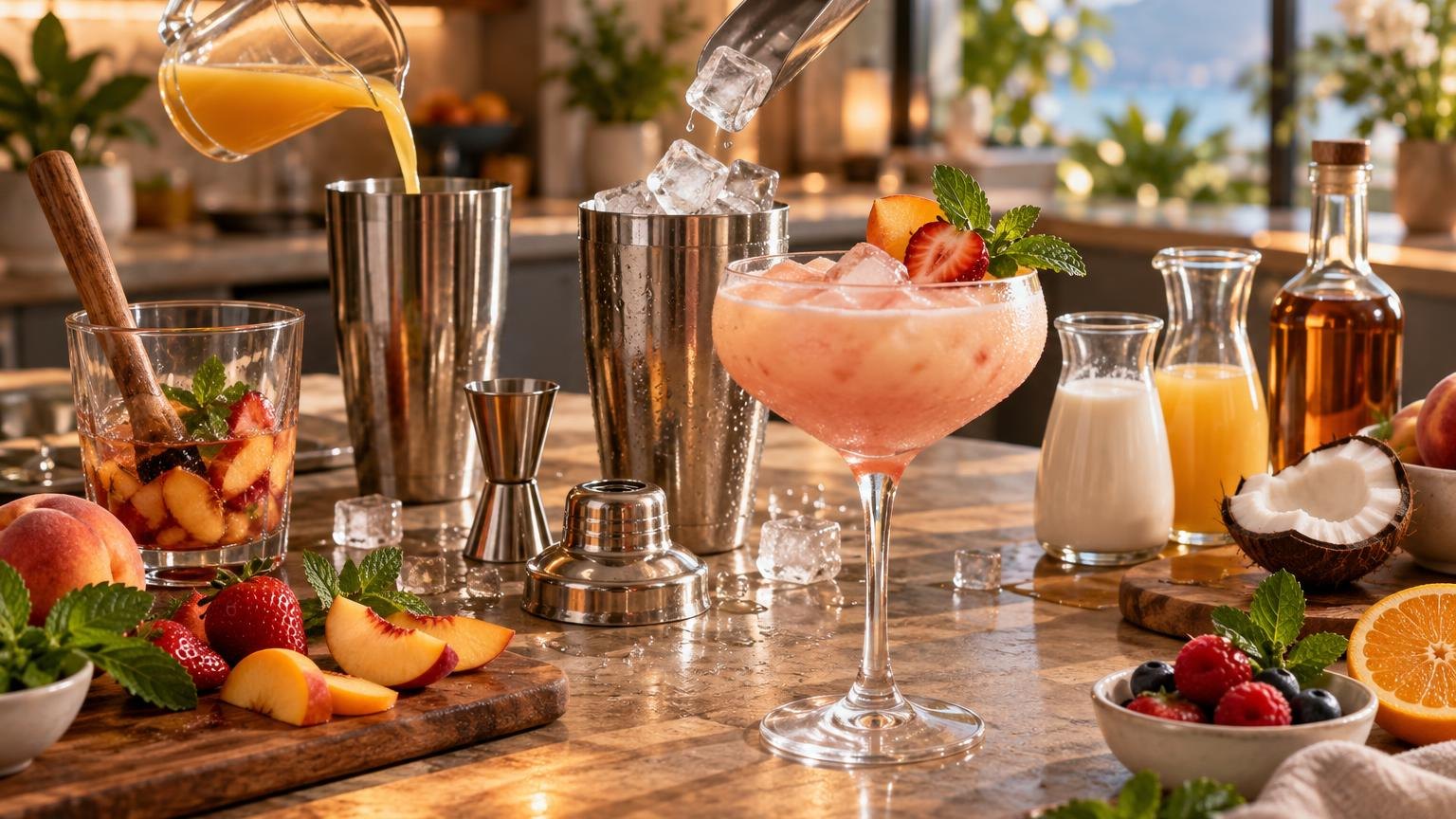
Cream-based cocktails mask alcohol behind dairy fat, sugar, and viscosity. Fat molecules bind to ethanol, reducing its volatility and suppressing the burning sensation on your palate.
The result: drinks that taste like dessert while carrying 12–20% ABV per serving.
White Russian
The White Russian combines vodka, Kahlúa coffee liqueur, and heavy cream over ice. A standard recipe uses 2 oz vodka (40% ABV), 1 oz Kahlúa (20% ABV), and 1 oz cream. The finished drink sits around 15% ABV.
Kahlúa’s 100 grams of sugar per liter dominates the flavor profile. The coffee-vanilla sweetness and cream’s fat content neutralize vodka’s bite almost entirely.
Mudslide
A Mudslide blends equal parts vodka, Kahlúa, and Baileys Irish Cream (17% ABV) with ice cream or heavy cream. Most bar versions clock in at 12–14% ABV, roughly equivalent to a glass of wine.
Baileys contains approximately 13 grams of fat per 100 mL from fresh Irish dairy cream. That fat coats your tongue, physically blocking alcohol receptors from detecting ethanol’s harshness.
Piña Colada
Coconut cream gives the Piña Colada its signature richness. The IBA official recipe calls for 3 oz white rum (40% ABV), 3 oz coconut cream, and 3 oz pineapple juice, yielding roughly 13% ABV when blended with ice.
Coconut cream contains 23–24 grams of fat per 100 mL. Combined with pineapple juice’s natural sugars (about 10 grams per 100 mL), these ingredients bury rum’s sharpness under tropical sweetness.
ABV and Calorie Comparison
| Drink | ABV | Calories (approx.) | Primary Masking Agent |
| White Russian | 15% | 300–350 | Heavy cream + coffee liqueur |
| Mudslide | 12–14% | 400–450 | Baileys + ice cream |
| Piña Colada | 13% | 450–500 | Coconut cream + pineapple |
| Baileys on Ice | 17% | 165 per 50 mL | Dairy cream + cocoa |
| Brandy Alexander | 18–20% | 250–300 | Cream + crème de cacao |
Tips for Ordering Creamy Cocktails
- Request fresh heavy cream instead of half-and-half — higher fat content (36% vs. 12%) masks alcohol more effectively
- Ask for blended preparation; ice dilution drops ABV by 20–25% compared to shaken-and-strained versions
- Add a chocolate or caramel drizzle for extra sweetness without increasing alcohol content
- Limit yourself to two servings — creamy drinks average 350–500 calories each, and their smoothness makes overconsumption easy
The trade-off with creamy cocktails is caloric density. A single Piña Colada can contain more calories than a McDonald’s cheeseburger (300 calories).
Pace yourself accordingly, because the alcohol is genuinely present even when your taste buds say otherwise.
How to Choose Safer Options
Drinks that mask alcohol’s taste carry a specific risk: overconsumption.
Research published in Alcoholism: Clinical and Experimental Research found that sweetened alcoholic beverages increase drinking rate by up to 50% compared to unsweetened versions.
Choosing wisely means understanding what you’re actually consuming.
Check the ABV Before Ordering
Alcohol by volume (ABV) varies dramatically across “easy-drinking” categories. Many drinkers assume fruity or sweet means lower alcohol, but that’s frequently wrong.
| Drink Type | Typical ABV Range | Standard Drinks per Serving |
| Hard seltzer (12 oz) | 4.5–5% | 0.8–1.0 |
| Frozen margarita (12 oz) | 8–12% | 1.5–2.3 |
| Piña colada (9 oz) | 12–15% | 1.7–2.1 |
| Fruity craft cocktail (8 oz) | 14–22% | 1.8–2.8 |
| Moscato d’Asti (5 oz) | 5–5.5% | 0.6–0.7 |
| Dessert wine (3 oz) | 15–22% | 0.9–1.3 |
A single 12 oz frozen margarita from a restaurant can contain the equivalent of 2.3 standard drinks. Two of those equals nearly five drinks in under an hour.
Strategies for Safer Drinking
- Ask the bartender for the pour count. A standard cocktail uses 1.5 oz of spirit. Many tiki and tropical drinks use 2–4 oz across multiple spirits.
- Alternate with water or non-alcoholic versions. Drinking one glass of water between alcoholic drinks reduces total consumption by roughly 25%, according to a 2020 study in Drug and Alcohol Review.
- Set a drink limit before you start. The NIAAA defines moderate drinking as up to 1 drink per day for women and up to 2 for men.
- Eat before and during. Food slows gastric emptying, reducing peak blood alcohol concentration by 20–30%.
- Choose lower-ABV categories deliberately. Moscato d’Asti at 5.5% ABV delivers roughly half the alcohol of a standard Chardonnay at 13.5%.
Watch for Hidden Sugar
Sugary mixers don’t just conceal alcohol—they add caloric load. A typical piña colada contains 30–50 grams of sugar per serving, approaching the WHO’s recommended daily limit of 50 grams.
High sugar intake alongside alcohol accelerates dehydration and worsens hangover symptoms. The liver prioritizes metabolizing alcohol over glucose, causing blood sugar fluctuations.
Consider Low-ABV and No-ABV Alternatives
The non-alcoholic spirits market grew 31% in 2023, according to IWSR data. Brands like Lyre’s, Seedlip, and Ritual Zero Proof replicate cocktail complexity without the ethanol.
Session beers (2.5–4% ABV), spritzers made with half soda water, and wines specifically labeled “low alcohol” (under 8% ABV) offer middle-ground options for those who want flavor without rapid intoxication.
The bottom line: the less you taste alcohol, the more carefully you should track your intake. Read labels, count standard drinks, and pace deliberately.
Common Questions
What frozen cocktails hide alcohol flavor most effectively?
Frozen piña coladas, frozen strawberry daiquiris, and frosties (frozen rosé blended with fruit) mask alcohol behind ice-cold sweetness and fruit purée.
The freezing temperature numbs taste receptors on the tongue, reducing perception of ethanol burn by up to 50% compared to the same drink served at room temperature.
Coconut cream in a piña colada is particularly effective because its fat content coats the palate and suppresses bitter/astringent alcohol notes.
Which specific spirits have the least detectable alcohol taste?
Vodka filtered through activated charcoal (such as grain-based vodkas distilled 5+ times) carries the least inherent flavor, making it the easiest spirit to disguise.
Silver/blanco rum distilled from sugarcane juice has natural sweetness that offsets ethanol bite.
Soju, at 16–25% ABV versus 40% for most spirits, contains roughly half the alcohol concentration, so drinks made with it register far less burn on the palate.
What low-ABV drinks taste like juice or soda rather than alcohol?
Hard seltzers (4–5% ABV), wine coolers (3.2–6% ABV), and premixed canned cocktails like Cutwater Mango Margarita (5.8% ABV) are engineered with enough sugar, carbonation, and fruit flavoring to read as soft drinks.
Japanese chuhai—shochu mixed with fruit soda—typically sits at 3–9% ABV and tastes almost indistinguishable from sparkling juice.
Aperol Spritz, mixed at the classic 3-2-1 ratio (prosecco-Aperol-soda), delivers only about 8% ABV with dominant orange-bitter sweetness.
Why do sweet and creamy cocktails mask alcohol so well?
Sucrose directly suppresses the bitter taste receptors (TAS2R family) that detect ethanol, which is why a Mudslide with chocolate liqueur, coffee liqueur, and cream barely registers as alcoholic despite containing three spirits.
Fat molecules from cream, coconut milk, or egg yolk physically bind volatile ethanol compounds, reducing the amount that reaches olfactory receptors in the nose.
Research published in the journal Chemical Senses confirms that sugar concentrations above 5% significantly reduce perceived alcohol intensity.
What wine styles taste least like traditional alcohol?
Moscato d’Asti from Piedmont averages just 5–5.5% ABV with 120–130 g/L residual sugar, tasting closer to sparkling peach nectar than wine.
German Riesling Kabinett bottlings run 7.5–9% ABV with pronounced acidity and stone-fruit sweetness that overshadow any alcohol warmth.
Brachetto d’Acqui, a lightly sparkling red from Italy at around 6–6.5% ABV, delivers strawberry-candy flavor with virtually no detectable ethanol bite.
What mixing techniques reduce the taste of alcohol at home?
Citrus juice (pH 2–3) triggers salivation and sourness that compete with alcohol on the palate—adding 30 mL fresh lime to 45 mL spirit cuts perceived booziness dramatically.
Dilution matters: shaking a cocktail with ice for 15–20 seconds adds roughly 25–30% water volume, lowering effective ABV from around 30% to closer to 20%.
Topping with 90–120 mL of carbonated mixer further drops concentration and shifts the dominant sensation to effervescence and sweetness.
Further Reading
- Who Makes Weller Bourbon?
- What Do People Mean by Beers That Aren't Gay?
- How Many Drinks In A Bottle Of Champagne?
- What Does 30 ml Look Like? A Complete Visual & Practical Guide to Understanding 30 Milliliters in Real Life (2026 Edition)
- What Is A Good Whiskey For A Gift?
- How Many Shots Are In A Litre?
- How Long Does Coquito Last?
- How Much Is A Kilogram In Grams?
- All Blog Guides
- National Institute on Alcohol Abuse and Alcoholism – Understanding Alcohol's Impact on Health (2023)
- CDC – Alcohol and Public Health Fact Sheets (2024)
- FDA – Directly and Indirectly Added Flavoring Substances in Alcoholic Beverages (2023)
- USDA FoodData Central – Nutrient Data for Alcoholic Beverages (2024)
- PubMed – Sweetened Alcoholic Beverages and Drinking Patterns Among Young Adults (2015)
- PubMed – Sugar-Sweetened Alcoholic Beverages and Intoxication Risk (2014)
- Cornell University – Sensory Perception of Ethanol in Sweet Beverages (2019)
- Alcohol Research: Current Reviews (NIH) – Alcohol's Effects on the Body (2023)
- Distilled Spirits Council of the United States – Ready-to-Drink Market Report (2024)
- Wine & Spirits Wholesalers of America – Consumer Trends in Flavored Alcoholic Beverages (2024)