How Long After Taking Aspirin Can You Drink Alcohol?
24 hours is the safer minimum wait for most adults after a single aspirin dose, because aspirin can irritate the stomach lining and reduce blood clotting while alcohol raises gastrointestinal bleeding risk.
The risk is higher with daily aspirin, higher doses, age over 60, ulcers, liver disease, or blood thinners. This guide explains when alcohol is riskiest, why timing matters, and when to ask a clinician before drinking after aspirin.
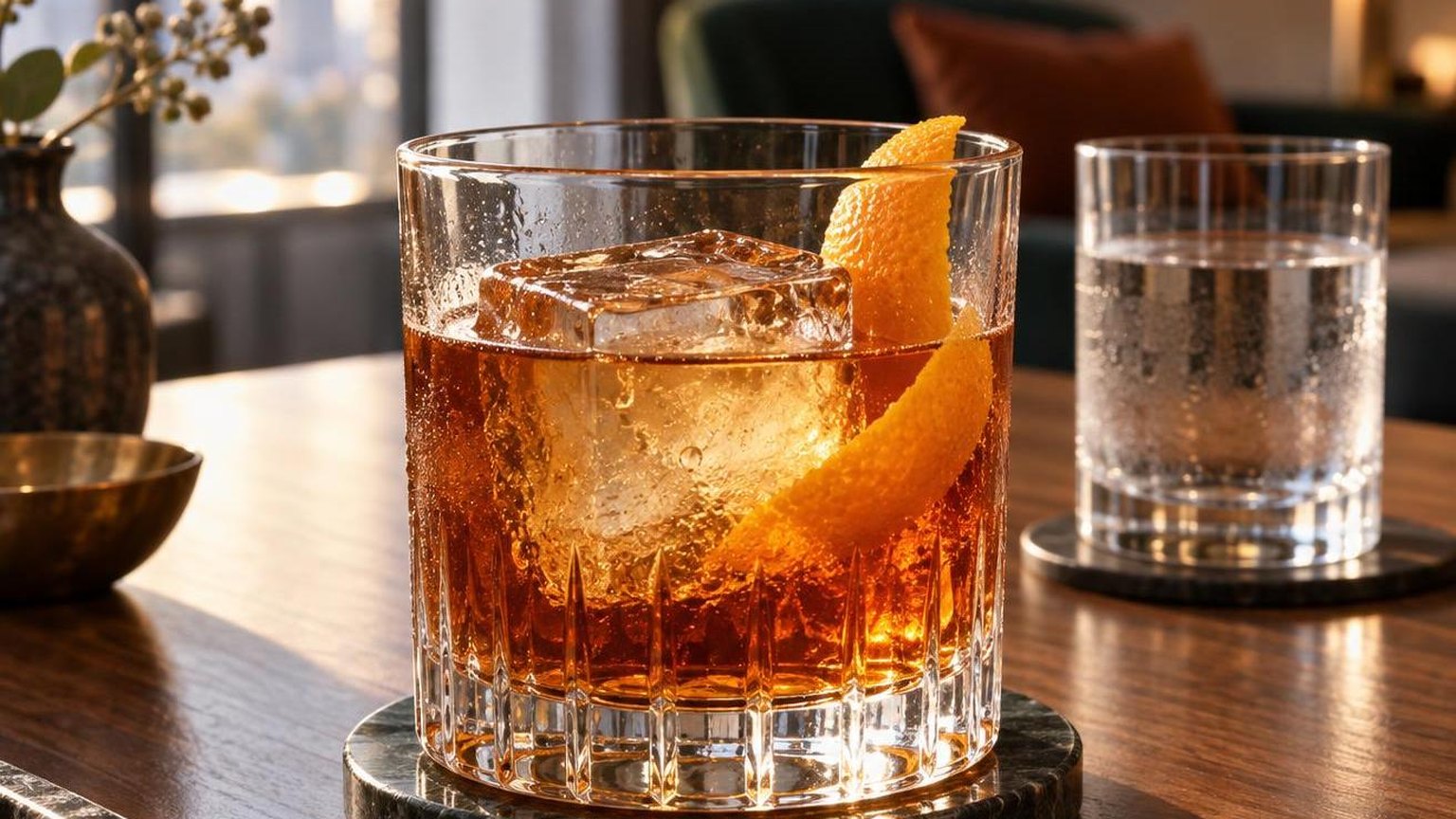
Aspirin and Alcohol Timing Risks
Combining aspirin and alcohol within a narrow time window amplifies gastrointestinal bleeding risk by 2–3 times compared to either substance alone.
Understanding the pharmacokinetic overlap between these two agents is essential for minimizing harm.
Why Timing Matters
Aspirin irreversibly inhibits cyclooxygenase-1 (COX-1), reducing protective prostaglandin production in the stomach lining. This effect persists for the entire 7–10 day lifespan of affected platelets.
Alcohol independently irritates gastric mucosa and increases hydrochloric acid secretion. When both agents act on the stomach simultaneously, the erosive potential compounds significantly.
A 1990 study in JAMA found that even moderate alcohol intake (equivalent to 2–3 drinks) combined with standard-dose aspirin increased gastrointestinal bleeding time by 71% versus aspirin alone.
Pharmacokinetic Overlap Window
Standard aspirin (325 mg) reaches peak blood concentration within 1–2 hours. Its plasma half-life is approximately 15–20 minutes, but the active metabolite salicylate has a half-life of 2–3 hours at typical doses.
Alcohol is metabolized at a fixed rate of roughly 0.015 g/dL per hour. One standard drink (14 g of pure alcohol) takes approximately 1–1.5 hours to clear from the bloodstream.
| Factor | Aspirin (325 mg) | Alcohol (1 standard drink) |
| Peak blood level | 1–2 hours | 30–60 minutes |
| Half-life | 2–3 hours (salicylate) | ~1–1.5 hours per drink |
| Full clearance (single dose) | ~6–8 hours | ~1–1.5 hours per drink |
| Platelet effect duration | 7–10 days | N/A |
Specific Risk Scenarios
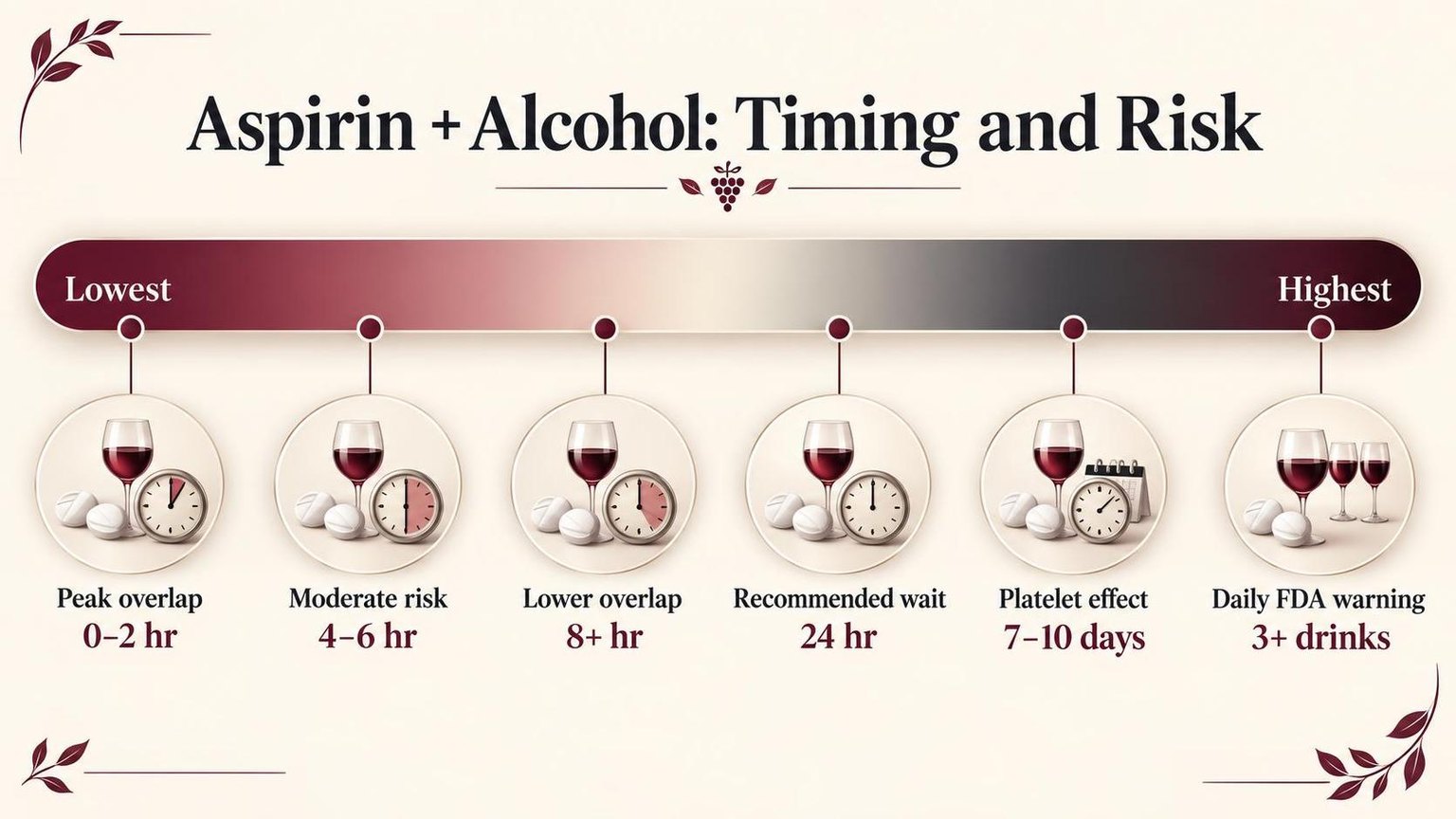
- Drinking within 2 hours of aspirin: Maximum overlap of peak concentrations; highest risk of gastric erosion and prolonged bleeding.
- Drinking 4–6 hours after aspirin: Salicylate levels decline but remain pharmacologically active; moderate risk persists.
- Drinking 8+ hours after a single aspirin dose: Salicylate is largely cleared; residual platelet inhibition continues but direct mucosal overlap is minimal.
- Taking aspirin while alcohol is still in the system: Aspirin inhibits gastric alcohol dehydrogenase, raising blood alcohol concentration by up to 26%, per a 1990 study published in JAMA.
Populations at Elevated Risk
Adults over 65 metabolize both substances more slowly. The FDA warns that anyone consuming 3 or more alcoholic drinks daily should consult a physician before using aspirin.
Individuals on low-dose aspirin therapy (75–100 mg/day) face cumulative COX-1 suppression.
Even occasional heavy drinking episodes during chronic aspirin use raise upper GI bleed risk by approximately 5–6 fold, according to data published in The Lancet.
Patients with a history of peptic ulcers, liver disease, or concurrent NSAID use should treat this combination as contraindicated without direct medical guidance.
How Long to Wait After Aspirin
Standard aspirin (325 mg) has a plasma half-life of approximately 15–20 minutes, but its active metabolite salicylate persists for 2–9 hours depending on dose.
Most physicians recommend waiting at least 24 hours after taking aspirin before consuming alcohol.
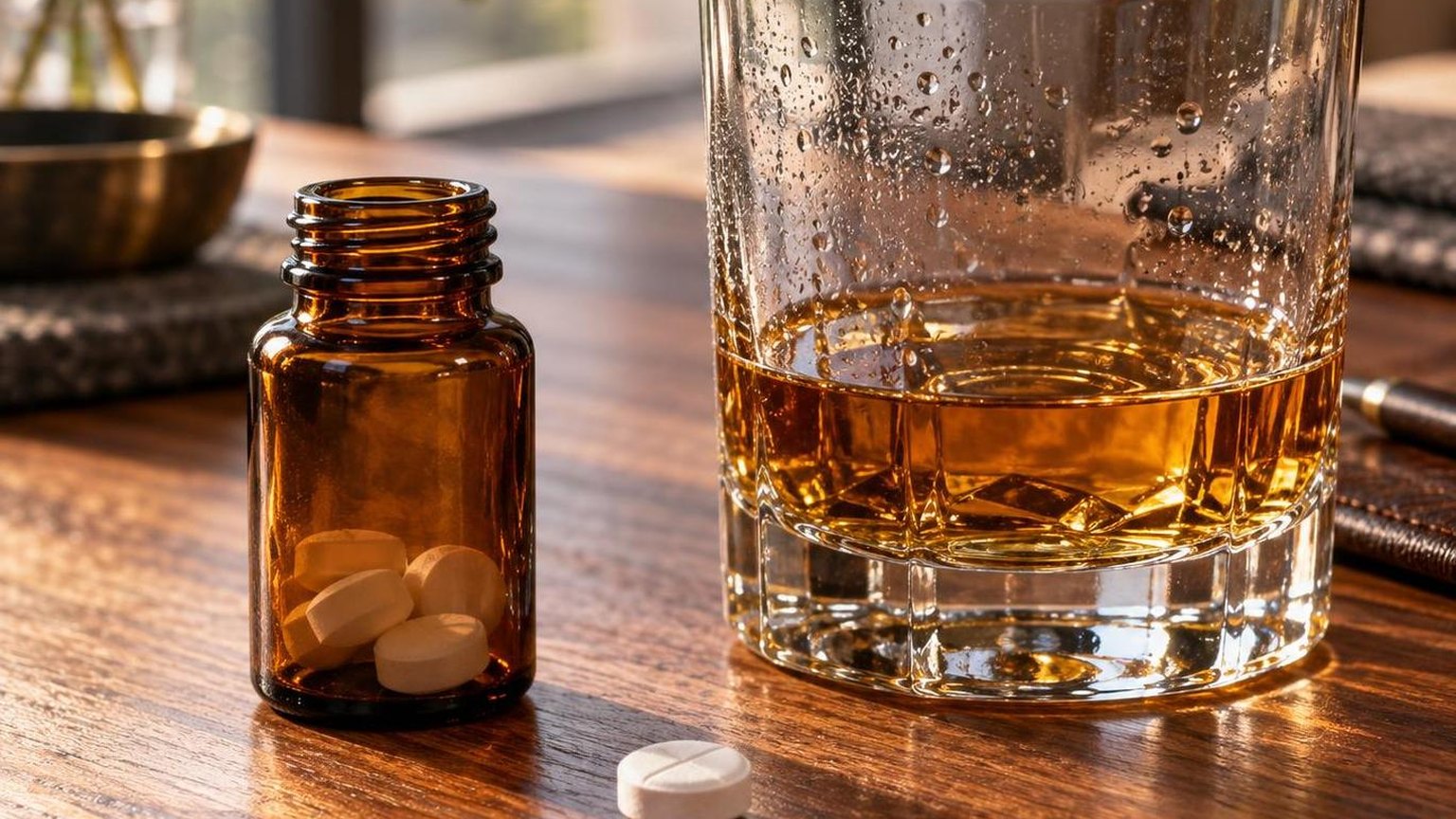
The 24-hour guideline exists because aspirin irreversibly inhibits cyclooxygenase-1 (COX-1) in platelets for their entire 8–10 day lifespan.
Alcohol compounds this antiplatelet effect by impairing platelet aggregation through separate mechanisms.
Wait Times by Aspirin Dose
The required waiting period varies based on the dose taken and whether aspirin use is occasional or chronic. Higher doses demand longer intervals.
| Aspirin Dose | Common Use | Salicylate Clearance Time | Recommended Wait Before Alcohol |
| 81 mg (low-dose/baby aspirin) | Daily cardiovascular prophylaxis | ~2–3 hours | At least 24 hours (ideally avoid alcohol entirely on daily regimen) |
| 325 mg (regular strength) | Occasional pain relief | ~3–5 hours | At least 24 hours |
| 500–650 mg (extra strength) | Moderate pain, headache | ~5–9 hours | 24–48 hours |
| 1,000 mg+ (high dose) | Anti-inflammatory therapy | ~9–17 hours (dose-dependent kinetics) | 48 hours or more |
At doses above 650 mg, aspirin exhibits zero-order (saturation) kinetics. Elimination slows disproportionately, meaning the drug stays active in the body significantly longer than lower doses would suggest.
Why Timing Matters for Gastric Safety
Aspirin reduces protective prostaglandin E2 production in the stomach lining by up to 70–80%. Alcohol independently damages gastric mucosa and increases acid secretion.
Combining both within a short window multiplies the risk of gastric erosion and upper GI bleeding.
A study published in Digestive Diseases and Sciences found that concurrent aspirin and alcohol use increased gastric bleeding time by 2–3 times compared to either substance alone.
The FDA specifically warns against alcohol use on aspirin labeling.
Key Factors That Extend the Wait
- Age over 65: Salicylate clearance slows by approximately 20–30%, so waiting 36–48 hours is prudent even at standard doses.
- Liver impairment: Reduced hepatic metabolism can double the effective half-life of salicylate.
- Kidney dysfunction: Renal excretion accounts for 80–100% of salicylate elimination at therapeutic doses; impaired kidneys prolong exposure.
- Concurrent blood thinners: Warfarin or clopidogrel users face compounded bleeding risk; alcohol should be avoided entirely without physician guidance.
- Empty stomach: Both aspirin absorption and alcohol absorption accelerate on an empty stomach, intensifying mucosal damage.
The safest approach is a full 24-hour minimum for standard doses.
Individuals on daily low-dose aspirin therapy should discuss any alcohol consumption with their prescribing physician, as cumulative platelet inhibition makes even moderate drinking a measurable bleeding risk.
Why Mixing Raises Bleeding Risk
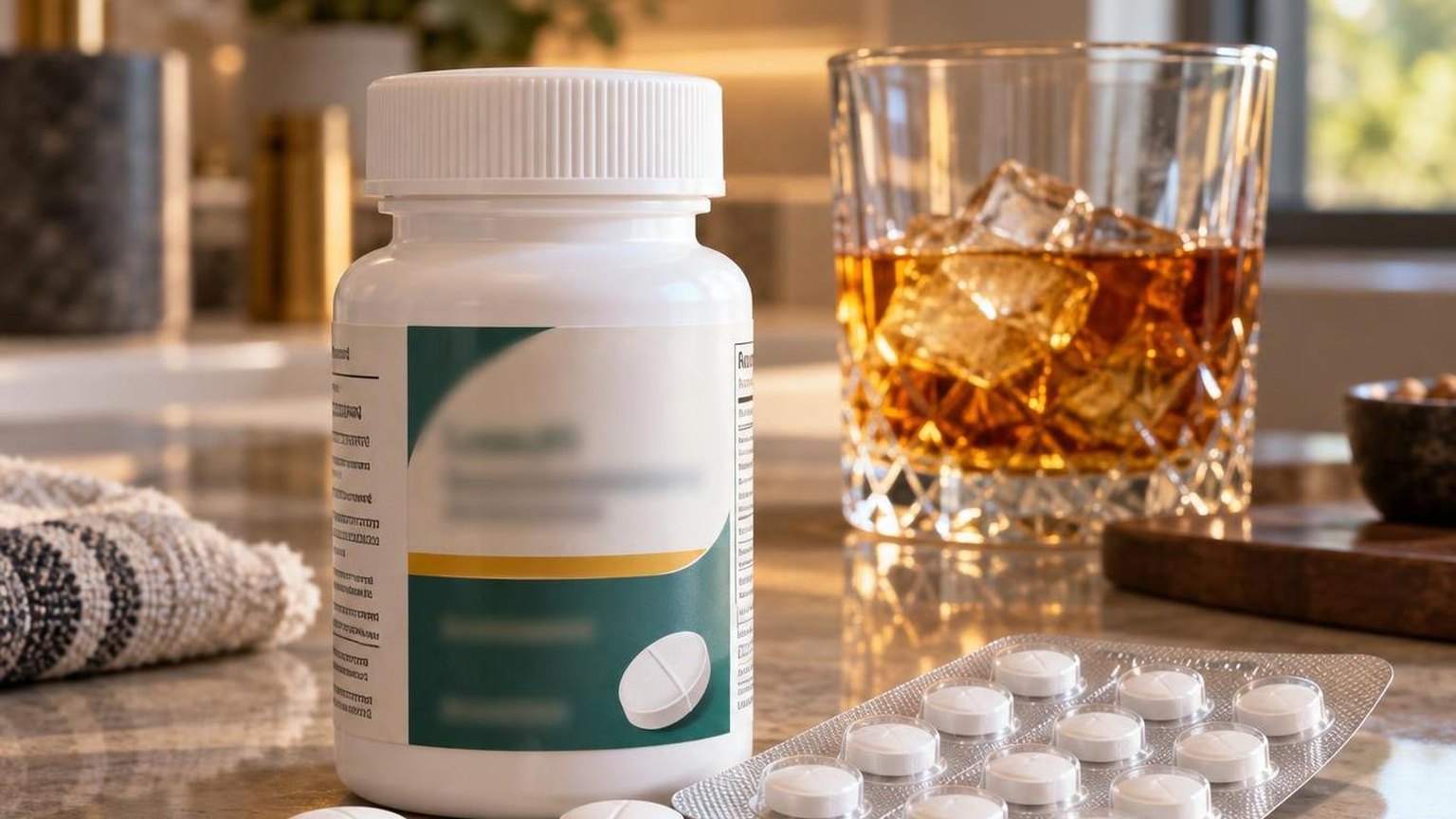
Aspirin and alcohol each independently impair your body’s ability to stop bleeding.
Combined, they create a compounding antiplatelet and mucosal-damaging effect that significantly elevates hemorrhagic risk beyond what either substance causes alone.
How Aspirin Affects Clotting
Aspirin irreversibly inhibits cyclooxygenase-1 (COX-1), blocking production of thromboxane A2—a potent platelet aggregator. A single 325 mg dose disables COX-1 in circulating platelets for their entire 7–10 day lifespan.
Even low-dose aspirin (75–100 mg daily) suppresses thromboxane A2 synthesis by over 95% within a few days of regular use, according to research published in the New England Journal of Medicine.
How Alcohol Affects Clotting
Alcohol inhibits platelet aggregation through a separate mechanism. It suppresses thromboxane A2 receptor signaling and reduces platelet calcium mobilization, impairing clot formation independently of aspirin’s COX-1 pathway.
Ethanol also interferes with hepatic production of coagulation factors. Chronic heavy drinking reduces factors II, V, VII, and X, extending both prothrombin time (PT) and activated partial thromboplastin time (aPTT).
The Compounding Effect
When aspirin’s irreversible COX-1 blockade combines with alcohol’s receptor-level platelet suppression, bleeding time can extend well beyond what either agent produces alone.
| Substance | Mechanism | Bleeding Time Increase |
| Aspirin alone (325 mg) | COX-1 inhibition, blocks thromboxane A2 | Approximately 1.5–2× baseline |
| Alcohol alone (3+ drinks) | Platelet receptor suppression | Approximately 1.3–1.5× baseline |
| Aspirin + alcohol combined | Dual-pathway platelet inhibition | Up to 2.5–3× baseline |
Gastrointestinal Bleeding: The Primary Danger
Aspirin damages the gastric mucosa by depleting protective prostaglandins synthesized via COX-1. Alcohol independently erodes the stomach lining through direct cytotoxic contact and increased gastric acid secretion.
A 1999 study in JAMA found that combining even moderate alcohol (1–2 drinks) with aspirin increased relative risk of gastrointestinal bleeding by approximately 6.3-fold compared to using neither substance.
The FDA explicitly warns on aspirin labeling that users who consume three or more alcoholic drinks daily face heightened risk of stomach bleeding.
Additional Hemorrhagic Risks
- Intracranial hemorrhage: A meta-analysis in Stroke found aspirin use increases hemorrhagic stroke risk by 36%, and concurrent heavy alcohol use further elevates this risk.
- Prolonged surgical bleeding: Patients combining both substances show significantly extended intraoperative bleeding times, complicating emergency procedures.
- Epistaxis and bruising: Dual platelet inhibition makes spontaneous nosebleeds and subcutaneous hemorrhage markedly more frequent.
- Occult blood loss: Chronic co-use can cause slow, undetected GI bleeding leading to iron-deficiency anemia over weeks or months.
These overlapping mechanisms explain why physicians and pharmacists consistently advise temporal separation between aspirin ingestion and alcohol consumption, particularly for individuals on daily aspirin therapy.
Daily Aspirin and Drinking Guidance
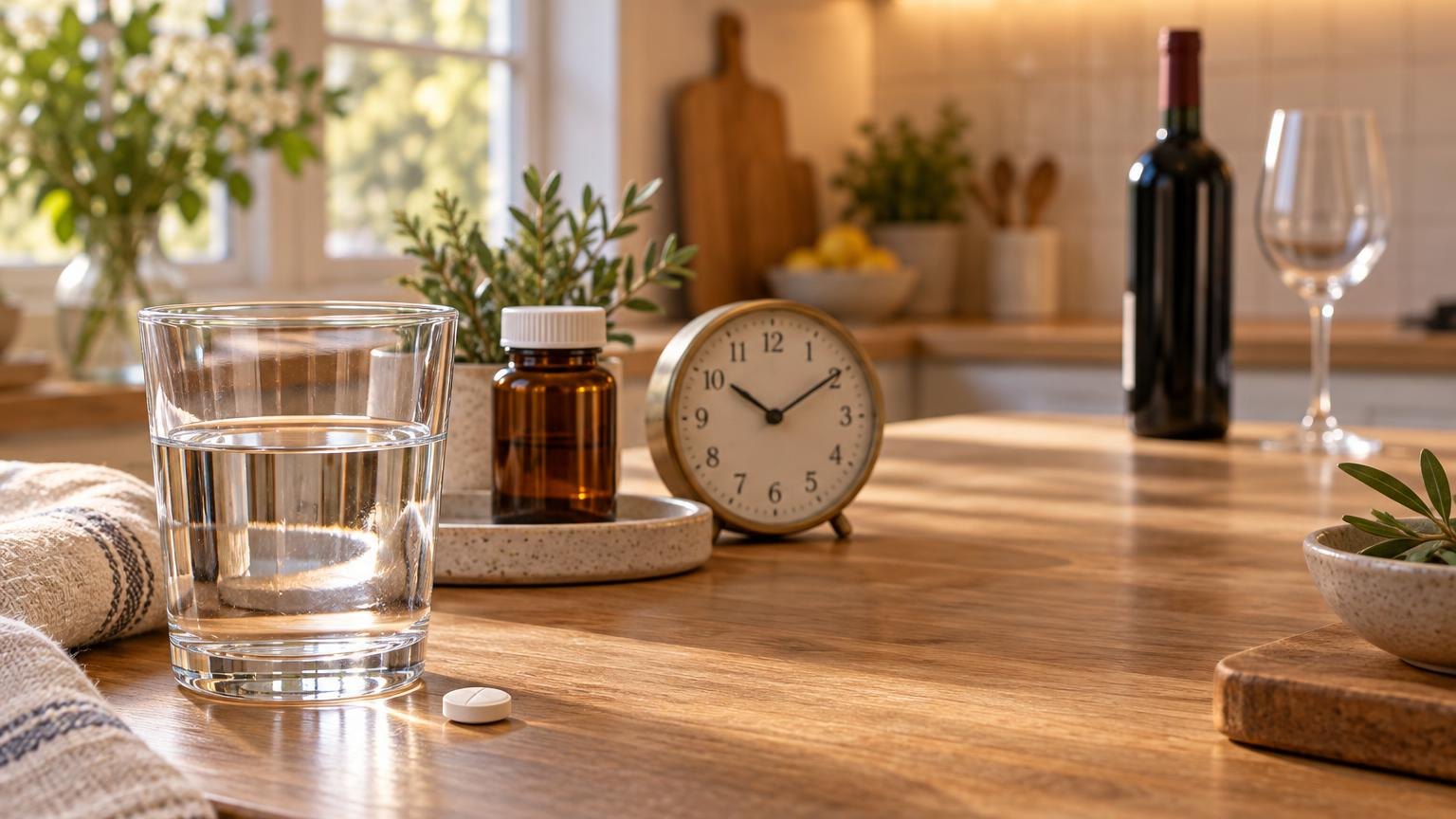
Approximately 40 million Americans take low-dose aspirin (81 mg) daily for cardiovascular protection. Combining this regimen with regular alcohol consumption creates compounding risks that require specific management strategies beyond simple timing.
The FDA explicitly warns that people who consume three or more alcoholic drinks daily should consult their physician before using any aspirin-containing product.
This threshold exists because both substances independently impair platelet function and damage the gastric mucosa.
Risk Levels by Alcohol Intake
| Daily Alcohol Intake | GI Bleeding Risk (vs. Non-Drinkers on Aspirin) | Clinical Recommendation |
| 0 drinks | Baseline risk (~2–3 per 1,000 person-years) | Standard monitoring |
| 1 drink | ~1.5× increased risk | Generally acceptable with monitoring |
| 2 drinks | ~2× increased risk | Discuss risk-benefit with physician |
| 3+ drinks | ~4–6× increased risk | Strongly discouraged; FDA warning applies |
A 2019 study in the Journal of the American Heart Association found that heavy drinkers taking daily aspirin had significantly higher major bleeding events compared to non-drinkers on the same regimen.
Specific Concerns for Daily Aspirin Users
- Cumulative platelet inhibition: Low-dose aspirin irreversibly blocks COX-1 for the platelet’s entire 8–10 day lifespan. Alcohol further disrupts clotting, creating a compounded anticoagulant effect.
- Chronic gastric erosion: Daily aspirin reduces the stomach’s protective prostaglandin production by approximately 95%. Alcohol dissolves the mucosal barrier independently, accelerating ulcer formation.
- Liver metabolism strain: Both substances require hepatic processing. Regular alcohol use can alter aspirin’s pharmacokinetics, potentially increasing serum salicylate levels by 25–40%.
- Blood pressure effects: Chronic alcohol intake above 2 drinks daily raises systolic blood pressure by 5–10 mmHg, partially negating the cardiovascular benefits aspirin provides.
Practical Guidelines for Daily Aspirin Users Who Drink
Take aspirin with food in the morning. This allows peak plasma clearance before any evening alcohol consumption, providing roughly 8–12 hours of separation.
Use enteric-coated formulations. These dissolve in the small intestine rather than the stomach, reducing direct mucosal contact by approximately 60–70%.
Limit consumption to no more than one standard drink per day for women and two for men. These thresholds align with AHA guidelines for cardiovascular patients on antiplatelet therapy.
Watch for warning signs of GI bleeding: black or tarry stools, vomiting blood or material resembling coffee grounds, unexplained fatigue, and dizziness upon standing.
Schedule regular check-ups. Patients on daily aspirin who drink should have complete blood counts and stool occult blood tests at least annually. Hemoglobin drops below 12 g/dL warrant immediate investigation.
Never discontinue daily aspirin without physician approval. Abrupt cessation carries a documented rebound risk of cardiovascular events within 7–10 days, regardless of alcohol habits.
When to Call a Doctor
Combining aspirin and alcohol increases gastrointestinal bleeding risk by 2–3 times compared to either substance alone.
Recognizing warning signs early can prevent life-threatening complications, including hemorrhagic events that send over 100,000 Americans to emergency rooms annually.
Emergency Warning Signs Requiring Immediate Medical Attention (Call 911)
- Vomiting blood — bright red or dark, coffee-ground-like material indicates upper GI bleeding
- Black, tarry stools (melena) — signals digested blood from the stomach or upper intestine
- Rapid heart rate exceeding 100 bpm combined with dizziness or fainting
- Severe abdominal pain that is sudden, sharp, and does not resolve within 30 minutes
- Signs of anaphylaxis — throat swelling, difficulty breathing, or widespread hives after taking aspirin with alcohol
- Confusion, slurred speech, or sudden severe headache — potential indicators of hemorrhagic stroke, which aspirin-alcohol interaction can exacerbate
Urgent Signs Requiring Same-Day Medical Evaluation
| Symptom | Possible Cause | Action |
| Persistent nausea lasting over 6 hours | Gastric mucosal irritation | Contact physician or urgent care |
| Unusual bruising or prolonged bleeding from cuts (>10 minutes) | Impaired platelet aggregation | Same-day medical visit |
| Heartburn unresponsive to antacids | Erosive gastritis | Schedule urgent appointment |
| Blood-tinged saliva or gum bleeding | Excessive anticoagulant effect | Contact physician within hours |
| Ringing in ears (tinnitus) | Aspirin toxicity (salicylism, typically at doses >3 g/day) | Stop aspirin, call doctor immediately |
Higher-Risk Groups That Should Consult a Doctor Before Any Combined Use
Certain populations face disproportionately elevated risks from aspirin-alcohol interaction. The FDA specifically warns against combining these substances for several groups.
- Adults over age 65 — stomach bleeding risk increases 4-fold in this demographic
- Individuals with a history of peptic ulcers or GI bleeding
- Patients taking warfarin, clopidogrel, or other anticoagulants alongside aspirin
- People consuming 3 or more alcoholic drinks per day
- Those with liver disease, including alcohol-related liver damage, which impairs clotting factor production
- Individuals with uncontrolled hypertension (blood pressure above 140/90 mmHg), raising hemorrhagic stroke risk
What to Tell Your Doctor
Provide exact details: your aspirin dose (81 mg vs. 325 mg vs. higher), number of alcoholic drinks consumed, timing between the two, and all other medications you take.
A 2020 study in the American Journal of Gastroenterology found that patients who reported aspirin-alcohol co-use had 6.3 times higher odds of clinically significant GI hemorrhage than non-users.
Transparent disclosure enables accurate risk assessment and potentially life-saving intervention.
Questions Readers Ask
How long should you wait to drink alcohol after taking aspirin?
Wait at least 8 to 12 hours after taking aspirin before consuming alcohol.
Both substances irritate the gastric mucosa and inhibit platelet aggregation, so overlapping their presence in the bloodstream compounds the risk of gastrointestinal bleeding.
The FDA specifically warns against mixing aspirin with three or more alcoholic drinks per day.
Why does combining aspirin and alcohol increase bleeding risk?
Aspirin irreversibly inhibits cyclooxygenase-1 (COX-1), blocking thromboxane A2 production and reducing platelet function for the platelet’s entire 7–10 day lifespan.
Alcohol independently impairs platelet aggregation and prolongs bleeding time.
Together, a 1999 study in Digestive Diseases and Sciences found the combination increased gastrointestinal bleeding risk by roughly 6-fold compared to using neither substance.
Can one glass of wine be safe a few hours after taking a low-dose aspirin?
A single glass of wine (about 150 ml) several hours after a low-dose 81 mg aspirin carries a lower but not zero risk. Even low-dose aspirin fully suppresses COX-1 in platelets, and alcohol at any amount can erode the stomach lining.
The safest approach is to separate the two by at least 8 hours, but individual risk depends on age, liver function, and history of ulcers.
What are the symptoms of a gastrointestinal bleed from aspirin and alcohol?
Warning signs include black or tarry stools (melena), vomiting blood or material resembling coffee grounds, sudden abdominal pain, dizziness, and unexplained fatigue.
Upper GI bleeds send roughly 300,000 Americans to hospitals annually, and the aspirin-alcohol combination is a well-documented contributing factor. Seek emergency medical care immediately if any of these symptoms appear.
Does the type of aspirin—buffered, enteric-coated, or regular—change how long you should wait before drinking?
Enteric-coated aspirin delays absorption to the small intestine, taking 3–4 hours to reach peak plasma levels compared to about 1 hour for regular aspirin.
However, once absorbed, the antiplatelet and gastric effects are identical regardless of formulation. The recommended 8–12 hour waiting period before alcohol applies to all forms.
Is it safer to drink alcohol first and then take aspirin later?
No, reversing the order does not eliminate the danger. Alcohol remains in the body for roughly 1 hour per standard drink (14 g of pure ethanol), and during that window taking aspirin still produces the same compounded bleeding risk.
Additionally, alcohol increases gastric acid secretion, making the mucosa more vulnerable to aspirin-induced erosion even if the aspirin comes afterward.
Who is at highest risk from mixing aspirin and alcohol?
Adults over 60, individuals with a history of peptic ulcers or gastritis, those taking anticoagulants such as warfarin, and people with liver disease face the greatest danger.
The American College of Gastroenterology identifies concurrent NSAID and alcohol use as a major modifiable risk factor for upper GI bleeding. These groups should consult a physician before using aspirin if they consume alcohol at any frequency.
Related Guides
- How Many Oz Is 2.5 Liters?
- What Is A Good Whiskey For A Gift?
- How Much Is 1 Oz Dry In Cups?
- What Type Of Wine To Use For Sangria?
- Scotch Vs Bourbon: What Are The Differences?
- All Blog Guides
- National Institute on Alcohol Abuse and Alcoholism (2014)
- U.S. Food and Drug Administration (2024)
- National Library of Medicine – MedlinePlus (2023)
- PubMed – Alcohol and Aspirin GI Bleeding Study (1990)
- Cleveland Clinic (2023)
- Mayo Clinic (2023)
- Harvard Health Publishing (2020)
- American Heart Association (2023)
- Johns Hopkins Medicine (2024)