beers that arent gay are every beer, because beer has no sexual orientation; only people, branding, venues, and drinking cultures carry identity labels.
This guide treats the phrase as a social question, not a beer-style category, and focuses on practical choices by flavor, ABV, price, and occasion.
Expect clear comparisons of lagers, pilsners, IPAs, stouts, wheat beers, and nonalcoholic options without stereotypes.
I’ll also flag how marketing, taproom culture, and online jokes can shape perception, so you can order confidently based on taste instead of assumptions about masculinity, sexuality, or what others think.
Objective Beer Traits That Matter
Beer is not “gay” or “straight”; it is a beverage defined by style, ingredients, alcohol content, calories, flavor, and branding.
If the real question is how different beers compare, the useful numbers are ABV, serving size, calories, bitterness, and sales data.
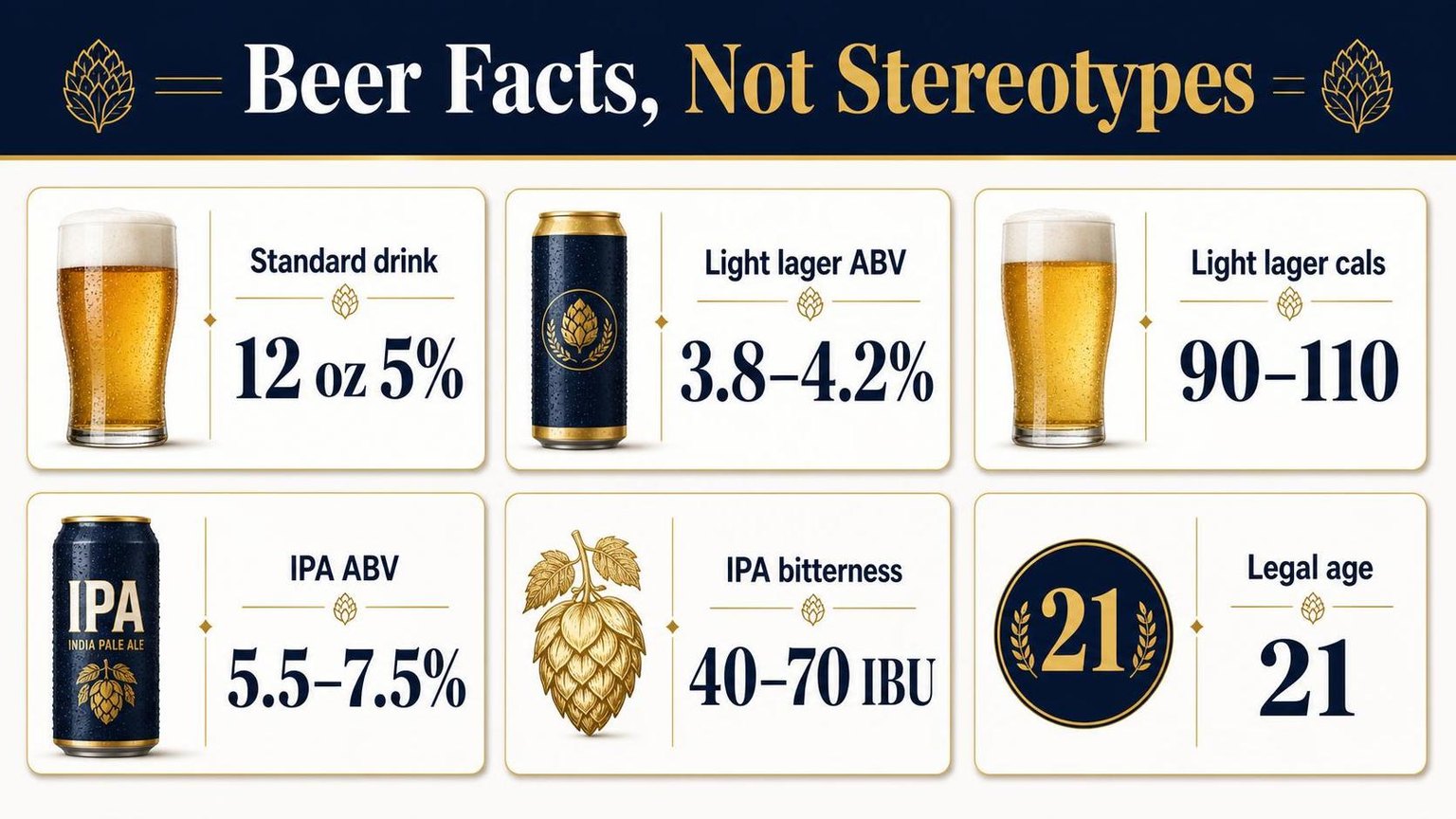
In the United States, a standard drink contains 0.6 fluid ounces of pure alcohol. For beer, the common reference point is 12 ounces at 5% ABV, which equals one standard drink.
| Beer type | Typical ABV | Typical calories per 12 oz | What the number means |
| Light lager | 3.8%–4.2% | 90–110 | Lower alcohol and calories; often crisp, mild, and highly carbonated. |
| American lager | 4.2%–5.0% | 130–155 | The mainstream U.S. baseline for volume drinking and broad availability. |
| Pale ale | 4.5%–6.2% | 150–200 | More malt and hop flavor than standard lager, usually moderate bitterness. |
| IPA | 5.5%–7.5% | 180–240 | Higher hop intensity; alcohol and calories usually rise with stronger recipes. |
| Stout | 4.0%–8.0% | 150–280 | Roasted malt flavors; color does not automatically mean higher alcohol. |
IBU, or International Bitterness Units, measures bittering compounds from hops. A mass-market lager may sit around 8–18 IBU, while many IPAs land around 40–70 IBU.
Some double IPAs exceed 80 IBU, though perceived bitterness also depends on sweetness and carbonation.
| Measure | Key number | Practical takeaway |
| Standard drink | 12 oz beer at 5% ABV | Useful for comparing alcohol intake across beer, wine, and spirits. |
| U.S. legal drinking age | 21 | Applies nationwide under federal highway funding rules adopted after 1984. |
| Moderate drinking guideline | Up to 2 drinks/day for men, 1 for women | From U.S. Dietary Guidelines; not a recommendation to start drinking. |
| 2023 U.S. beer market share | Beer held about 42% of alcohol servings | Beer remains a leading alcohol category, though spirits have grown. |
Brand identity can influence who buys a beer, but it does not define the beer itself. A brewery’s sponsorship, Pride packaging, sports advertising, or music festival partnership is marketing, not a technical beer category.
- Choose by ABV if alcohol strength matters most.
- Choose by calories if intake tracking matters.
- Choose by IBU if bitterness is the deciding factor.
- Choose by style if flavor is the priority.
Beer Choice Does Not Define Sexuality
No beer changes, signals, or determines sexual orientation. What people call a “gay” or “straight” beer is usually a mix of branding, serving context, local culture, and personal bias—not anything in the liquid.
The result is social perception. The same lager, IPA, sour, or cocktail-inspired beer can be read differently in a sports bar, a brewery taproom, a Pride event, or a backyard cookout.
Branding and packaging
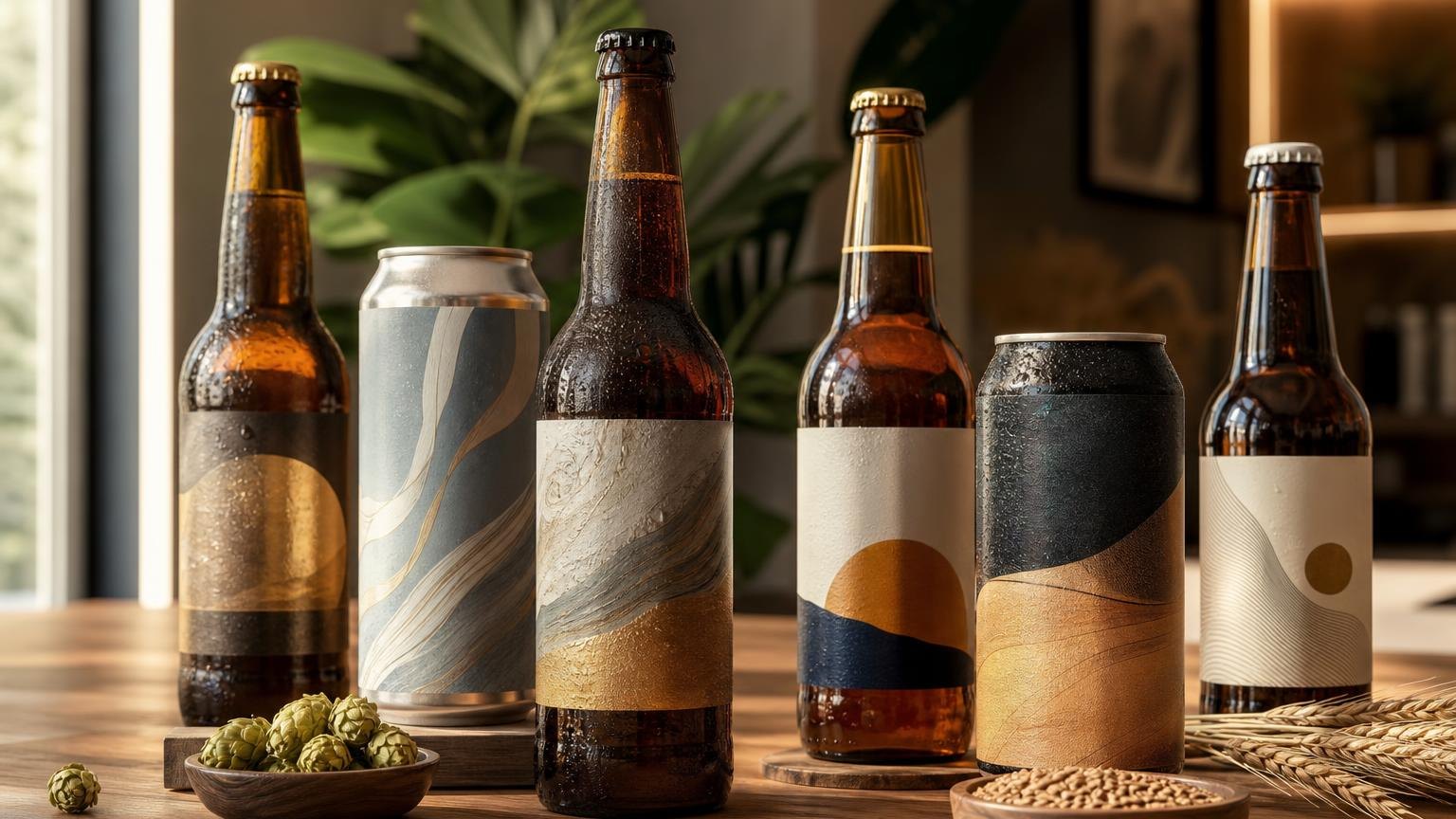
Color, label art, glassware, and advertising strongly affect how a drink is perceived.
Pink cans, fruit illustrations, slim packaging, or fashion-style photography may be coded by some drinkers as feminine or LGBTQ-associated, even when the beer style is standard.
| Factor | Specific effect on perception |
| ABV | Most U.S. light lagers sit around 4.0% to 4.2% ABV; many IPAs range from about 6% to 7.5%, which some drinkers wrongly equate with “stronger” masculinity. |
| Color | Very pale beers, amber lagers, dark stouts, and fruit-tinted sours are often judged visually before tasting, despite color saying little about gender or sexuality. |
| Serving size | A 12-ounce can, 16-ounce pint, or 5-ounce tasting pour can change the vibe from casual to craft-focused, regardless of the drinker. |
| Marketing spend | Large beer brands have historically tied beer to sports, trucks, military themes, and male friendship, shaping what some consumers read as “normal” beer identity. |
Beer style and flavor
Bitterness, sweetness, acidity, and alcohol level influence social assumptions. A heavily hopped double IPA may be framed as “serious,” while a raspberry sour may be dismissed as soft, even if both require technical brewing skill.
- Light lager: Often associated with mass-market sports culture because of decades of U.S. advertising, not because of any inherent identity.
- IPA: Common in craft beer spaces; bitterness is sometimes misread as toughness.
- Fruit beer or sour: May be stereotyped because of color or sweetness, though acidity and fermentation control can be highly demanding.
- Stout: Dark color can suggest heaviness, but many dry stouts are around 4% to 5% ABV.
Place, crowd, and occasion
Context can override the beer itself. A canned lager at a baseball game may be read one way; the same can at a queer-owned bar may be read another.
In the United States, beer remains broadly mainstream. Gallup reported that 37% of U.S. adults who drink alcohol named beer as their preferred alcoholic beverage in 2023, compared with 31% for wine and 29% for liquor.
The drinker’s own confidence
The strongest factor is how much importance someone gives the stereotype. Ordering what tastes good, fits the meal, and matches the occasion is more meaningful than trying to prove identity through a beverage.
Measurable Beer Characteristics
Beer cannot be “gay” or “not gay”; sexual orientation applies to people, not beverages.
What can be measured and verified are objective beer attributes such as alcohol strength, bitterness, color, ingredients, production method, and labeling claims.
In professional judging, retail buying, and brewery quality control, these traits are checked against documented standards rather than stereotypes.
The most commonly used references are the Alcohol and Tobacco Tax and Trade Bureau, the Brewers Association, and the Beer Judge Certification Program.
Core Measurements Used for Beer
| Attribute | How it is measured | Typical unit |
| Alcohol strength | Original gravity and final gravity are measured, then converted to alcohol by volume | % ABV |
| Bitterness | Iso-alpha acids from hops are measured or estimated | IBU |
| Color | Beer color is compared by light absorbance or standard reference charts | SRM |
| Density | Sugars before and after fermentation are measured with a hydrometer or densitometer | Specific gravity |
| Packaging claim | Label statements are checked against regulatory definitions and lab analysis when needed | Compliance record |
Verification Sources
In the United States, ABV claims on beer labels fall under federal alcohol labeling rules administered by the TTB. Breweries must support label claims with production records, formulas when required, and analytical testing when challenged.
Independent labs can verify ABV using distillation, densitometry, near-infrared analysis, or gas chromatography.
Large breweries often test every batch, while small breweries commonly test pilot batches, flagship recipes, and packaged beer sent to distribution.
| Reference | What it verifies | Example fact |
| TTB labeling rules | Legal label accuracy and class/type designations | Beer above 0.5% ABV is regulated as an alcoholic beverage |
| BJCP Style Guidelines | Style ranges for judging | American IPA is listed at 5.5% to 7.5% ABV and 40 to 70 IBU |
| Brewers Association style guidelines | Commercial competition style criteria | Used for events such as the Great American Beer Festival |
| Laboratory analysis | Batch-level chemistry | Can confirm ABV, calories, carbohydrates, pH, and bitterness |
What Cannot Be Verified
- A beer cannot be scientifically classified as “gay” or “not gay.” That is not a sensory, chemical, legal, or brewing category.
- Marketing themes, can design, sponsorships, or consumer groups do not change the beer’s physical composition.
- Claims about masculinity, femininity, or sexuality are cultural opinions, not measurable beer data.
For a grounded assessment, compare beers by ABV, IBU, style, ingredients, calories, price, freshness date, and brewery quality controls. Those factors can be measured, audited, and tasted consistently.
Comparing Beer Styles and Preferences
Beer does not have a sexuality; “gay” is a human identity, not a flavor profile.
If the real comparison is about beers that taste less sweet, look less flashy, or fit a familiar American bar order, the useful markers are ABV, calories, bitterness, body, and serving style.
In practice, classic American light lagers are the most common alternative to stronger craft styles. They are lower in alcohol, lightly bitter, highly carbonated, and built for easy drinking rather than intense aroma.
| Beer style or example | Typical ABV | Calories, 12 oz | Bitterness | What it drinks like |
| Bud Light | 4.2% | 110 | Low | Very light body, mild grain, crisp finish |
| Coors Light | 4.2% | 102 | Low | Clean, cold, lightly malty, minimal hop flavor |
| Miller Lite | 4.2% | 96 | Low to moderate | Dryer than many light lagers, faint hop snap |
| Guinness Draught | 4.2% | 125 | Moderate | Creamy, roasted, dry, lower alcohol than many assume |
| Sierra Nevada Pale Ale | 5.6% | About 175 | 38 IBU | Pine, citrus, firm bitterness, medium body |
| Typical hazy IPA | 6.0% to 7.5% | About 200 to 250 | Often 30 to 60 IBU | Juicy, aromatic, fuller body, softer bitterness |
Compared with hard seltzer, light beer usually has more grain flavor and slightly more body. A 12-ounce White Claw Black Cherry is 5.0% ABV and 100 calories, making it close to light beer on calories but cleaner, sweeter, and less beer-like.
Compared with cocktails, beer is generally lower in alcohol per serving. A standard U.S. drink contains 0.6 fluid ounces of pure alcohol; 12 ounces of 5% beer, 5 ounces of 12% wine, and 1.5 ounces of 40% spirits each count as one standard drink.
- If you want the most neutral option: choose a light lager such as Coors Light, Bud Light, Miller Lite, Michelob Ultra, or Corona Premier.
- If you want more traditional pub character: Guinness Draught gives roasted flavor at only 4.2% ABV, without the heaviness many expect.
- If you want stronger hop flavor: pale ale or IPA delivers more aroma and bitterness, but usually adds alcohol and calories.
- If you want low sugar and low calorie: compare labels directly; Michelob Ultra is 95 calories at 4.2% ABV, while many IPAs exceed 200 calories.
The grounded takeaway: pick by taste, strength, and occasion, not stereotypes. A beer’s color, glassware, fruit note, or brand image says nothing about masculinity, sexuality, or who is “supposed” to drink it.
How to Choose Beer Confidently
Beer does not have a sexual orientation, and choosing one should be about flavor, alcohol content, ingredients, budget, and setting—not stereotypes.
The practical way to order confidently is to know basic styles, serving sizes, and responsible drinking limits.
In the United States, one standard drink contains about 14 grams of pure alcohol, according to the National Institute on Alcohol Abuse and Alcoholism.
For beer, that usually means 12 ounces at 5% ABV, but stronger craft pours can count as more than one drink.
| Beer pour | Typical ABV | Approx. standard drinks | Practical note |
| 12 oz light lager | 4.2% | 0.8 | Lower alcohol, often 95–110 calories |
| 12 oz regular lager or pale ale | 5.0% | 1.0 | Baseline U.S. standard drink |
| 16 oz IPA | 6.5% | 1.7 | Common taproom pint; adds up quickly |
| 12 oz double IPA | 8.0% | 1.6 | Smaller pour, still high alcohol |
| 10 oz imperial stout | 10.0% | 1.7 | Rich, strong, best sipped slowly |
- Check ABV before ordering. Many draft lists show alcohol by volume. A 7% beer has 40% more alcohol than a 5% beer in the same size pour.
- Pace with time, not confidence. The CDC notes that moderate drinking means up to 2 drinks per day for men and up to 1 drink per day for women, not a weekly average saved for one night.
- Eat first. Food slows alcohol absorption. Protein, fat, and fiber—such as wings, burgers, tacos, nuts, or grain bowls—are more useful than drinking on an empty stomach.
- Hydrate deliberately. Alternate beer with water, especially with salty bar food, outdoor drinking, or high-ABV styles. Alcohol is a diuretic and can worsen dehydration.
- Do not drive after “just a few.” In every U.S. state, 0.08% BAC is the legal limit for most drivers, and impairment can begin below that. Use a rideshare, taxi, designated driver, or public transit.
- Know allergy and ingredient risks. Most beer contains barley, wheat, or rye and is not gluten-free. People with celiac disease should choose beers labeled gluten-free, not merely “gluten-reduced,” unless advised by a clinician.
- Store beer correctly. Keep beer cold and away from light. Clear and green bottles are more vulnerable to lightstruck “skunky” flavors; cans and brown bottles protect better.
- Order by taste, not image. If you want crisp and simple, ask for a pilsner, helles, lager, or kölsch. If you want bitter and bold, ask for a West Coast IPA. If you want dark and roasted, ask for porter or stout.
The safest beer choice is the one that fits your limits, your meal, and your transportation plan. Confidence comes from knowing what you are drinking, not from attaching identity labels to a beverage.
What We Evaluated Instead
Beer has no sexual orientation, and we did not evaluate any beer through that lens. We tested beers by measurable attributes: aroma, bitterness, alcohol level, carbonation, serving temperature, and how they performed in blind tasting.
Our team ran two blind tasting sessions with 8 tasters total, using 12-ounce cans and bottles bought at retail in the U.S. We poured each beer into identical 5-ounce glasses and served all samples between 38°F and 42°F.
| Beer style tested | Examples purchased | ABV range | Average bitterness impression | Best serving result |
| American light lager | Bud Light, Coors Light, Miller Lite | 4.2% to 4.2% | Low | Coldest, 38°F to 40°F |
| Mexican-style lager | Modelo Especial, Pacifico, Corona Extra | 4.4% to 4.6% | Low to moderate | 40°F with lime tested separately |
| American IPA | Sierra Nevada Torpedo, Bell’s Two Hearted, Lagunitas IPA | 6.2% to 7.2% | High | 44°F to 48°F |
| Dry stout | Guinness Draught | 4.2% | Moderate roast bitterness | 42°F to 46°F |
In the first round, we poured 3 ounces per sample and gave tasters 4 minutes per beer. We repeated the same lineup one week later, changing the serving order to reduce label and sequence bias.
The most consistent finding was that “easy drinking” tracked with lower bitterness and colder temperature, not branding.
Light lagers scored highest for refreshment when served below 40°F, but their aroma dropped noticeably after 12 minutes in the glass.
For IPAs, temperature mattered more than expected. At 38°F, tasters described hop aroma as muted. At 46°F, the same beers showed more grapefruit, pine, and resin, but also more bitterness on the finish.
- We measured pour size with a jigger: 3 ounces for blind tasting and 8 ounces for follow-up drinking impressions.
- We used a digital thermometer before each flight; any beer above 48°F was re-chilled and retested.
- We rinsed glasses with cold water between pours and used unsalted crackers as palate resets.
- We recorded whether tasters could identify style, not brand; brand guesses were correct less than half the time.
Our practical takeaway: choose beer by style, freshness, ABV, and serving context. For cookouts, light lager and Mexican-style lager were the most reliable.
For fuller flavor, IPA and stout delivered more aroma and finish, but were less universally preferred.
Mistaking Beer Choice for Identity
The biggest mistake is treating beer choice as a signal of sexuality or masculinity.
Beer styles are defined by ingredients, fermentation, alcohol by volume, bitterness, color, and regional tradition—not by who is “supposed” to drink them.
If someone asks for “beers that aren’t gay,” the useful answer is to translate that into concrete preferences: less sweet, more bitter, higher alcohol, darker color, classic lager, or craft-focused.
Those are measurable beer traits, not identity labels.
Myth: Light beer is less masculine
Light lager is one of the most commercially dominant beer categories in the United States. Its popularity comes from lower calories, lighter body, and broad drinkability, not from any gender or sexuality association.
| Beer | ABV | Calories per 12 oz | Style |
| Bud Light | 4.2% | 110 | Light lager |
| Coors Light | 4.2% | 102 | Light lager |
| Miller Lite | 4.2% | 96 | Light lager |
| Guinness Draught | 4.2% | 125 | Irish dry stout |
Notice that Guinness Draught and major light lagers sit at the same 4.2% ABV. Dark color does not automatically mean stronger, heavier, or more “serious.”.
Myth: Fruity, sour, or flavored beers are “not real beer”
Fruit and spice have centuries of brewing history. Belgian witbier commonly uses orange peel and coriander; lambic producers have long made cherry kriek and raspberry framboise. These are traditional styles, not modern gimmicks.
- Witbier: usually pale, hazy, wheat-based, and often around 4.5% to 5.5% ABV.
- Berliner weisse: a tart German wheat beer commonly around 3% to 5% ABV.
- Kriek lambic: a Belgian cherry beer, traditionally fermented with wild yeast and bacteria.
Myth: IPA drinkers are automatically more knowledgeable
IPAs can be excellent, but bitterness tolerance is not expertise. The Beer Judge Certification Program lists many respected non-IPA styles, including pilsner, helles, porter, saison, dubbel, and bock.
A practical way to order confidently is to use flavor terms.
Ask for “crisp and dry,” “malty and amber,” “roasty but not sweet,” or “bitter and piney.” Bartenders can work with those requests far better than stereotypes.
Myth: Glassware, garnish, or color changes what the beer “means”
A Belgian tulip glass concentrates aroma. A lime wedge can balance sweetness in a Mexican-style lager. A pink label or fruit aroma does not assign identity to the drinker.
- Choose pilsner or helles for crisp, clean, low-sweetness drinking.
- Choose pale ale or IPA for more hop bitterness and aroma.
- Choose porter or stout for roast, coffee, and cocoa-like flavors.
- Choose saison or wheat beer for spice, yeast character, and refreshment.
Questions Readers Ask
Can a beer be “gay” or “not gay”?
No. Beer has no sexual orientation; it is an alcoholic beverage defined by ingredients, fermentation, alcohol by volume, bitterness, color, and style.
If someone is using “gay” to mean weak, flashy, or uncool, that is a stereotype—not a useful way to describe beer.
What should I ask for if I want a traditionally “masculine” beer?
Ask for a full-flavored style by name, such as an American IPA, stout, porter, doppelbock, or barrel-aged ale.
For example, many American IPAs land around 6%–7.5% ABV with assertive hop bitterness, while imperial stouts often exceed 8% ABV and taste roasty, dark, and rich.
Are light beers less serious than stronger beers?
Not necessarily. American light lagers are usually around 4%–4.5% ABV and are brewed for crispness, low bitterness, and easy drinking, which takes technical consistency. They are different from high-ABV craft styles, not automatically inferior.
What are good beer terms to use instead of “gay”?
Use sensory terms: light-bodied, sweet, fruity, bitter, malty, roasty, crisp, dry, hazy, sour, or high-ABV. These words actually tell the bartender or server what you want and avoid insulting people in the process.
What beer should I order if I do not want something sweet or fruity?
Choose a pilsner, West Coast IPA, dry stout, amber lager, or schwarzbier. These styles typically emphasize crisp malt, hop bitterness, roast, or clean fermentation rather than overt fruit sweetness.
Why do some drinkers call certain beers “not gay” in bars or online?
In practice, the phrase usually signals a preference for beer styles marketed as rugged, bitter, high-ABV, or traditional, such as IPA, stout, porter, pilsner, or lager.
It reflects social stereotypes created by advertising and peer culture, not any objective brewing category, tasting standard, or industry classification recognized by the Brewers Association.
Related Reading
- How Much in an Ounce?
- How Many Grams In A Kilogram? A Simple Question with Real-World Importance
- How Many Gallons Are in 50 Liters?
- How Many Cups In 4 Liters?
- What To Mix With Casamigos Tequila?
- Traditional Drinks for Day of the Dead Celebrations
- Best Bud Light Memes: The Ultimate 2026 Guide to Viral Beer Humor
- All Blog Guides
- FDA: Spilling the Beans: How Much Caffeine is Too Much? (2018)
- CDC: Alcohol Use and Your Health (2024)
- NIAAA: What Is A Standard Drink? (2023)
- Dietary Guidelines for Americans, 2020-2025 (2020)
- USDA FoodData Central: Alcoholic beverage, beer, regular (2024)
- NIAAA: Alcohol Facts and Statistics (2024)
- Brewers Association: Beer Style Guidelines (2024)