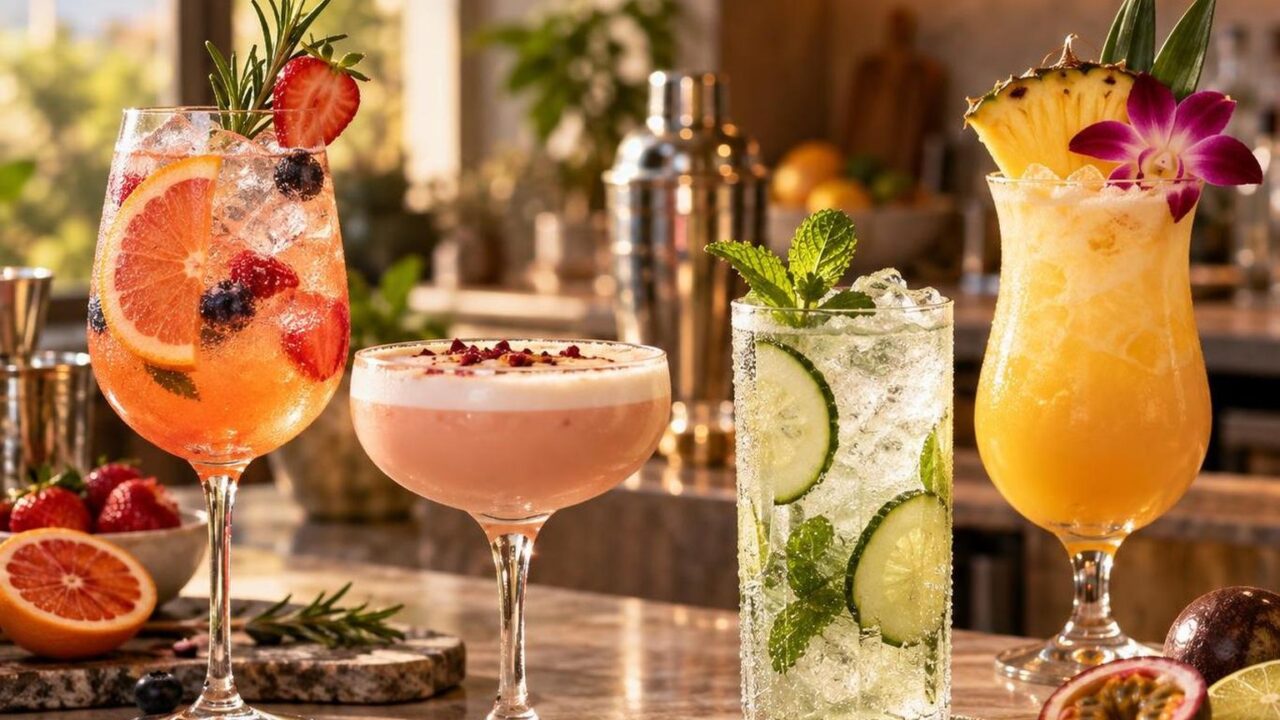
alcoholic drinks that don t taste like alcohol are cocktails, spritzes, coolers, and fortified-wine pours where sweetness, acidity, dilution, carbonation, or strong fruit and botanical flavors mask ethanol’s heat.
Examples include Moscato spritzes, amaretto sours, piña coladas, sangria, hard lemonade, and low-ABV wine cocktails.
The tradeoff is easy drinking can hide alcohol strength. A 1.5-ounce shot of 40% ABV spirits, 5 ounces of 12% ABV wine, and 12 ounces of 5% ABV beer each contain about 0.6 ounce of pure alcohol, according to U.S. standard-drink guidance.
Why Some Drinks Hide Alcohol Better
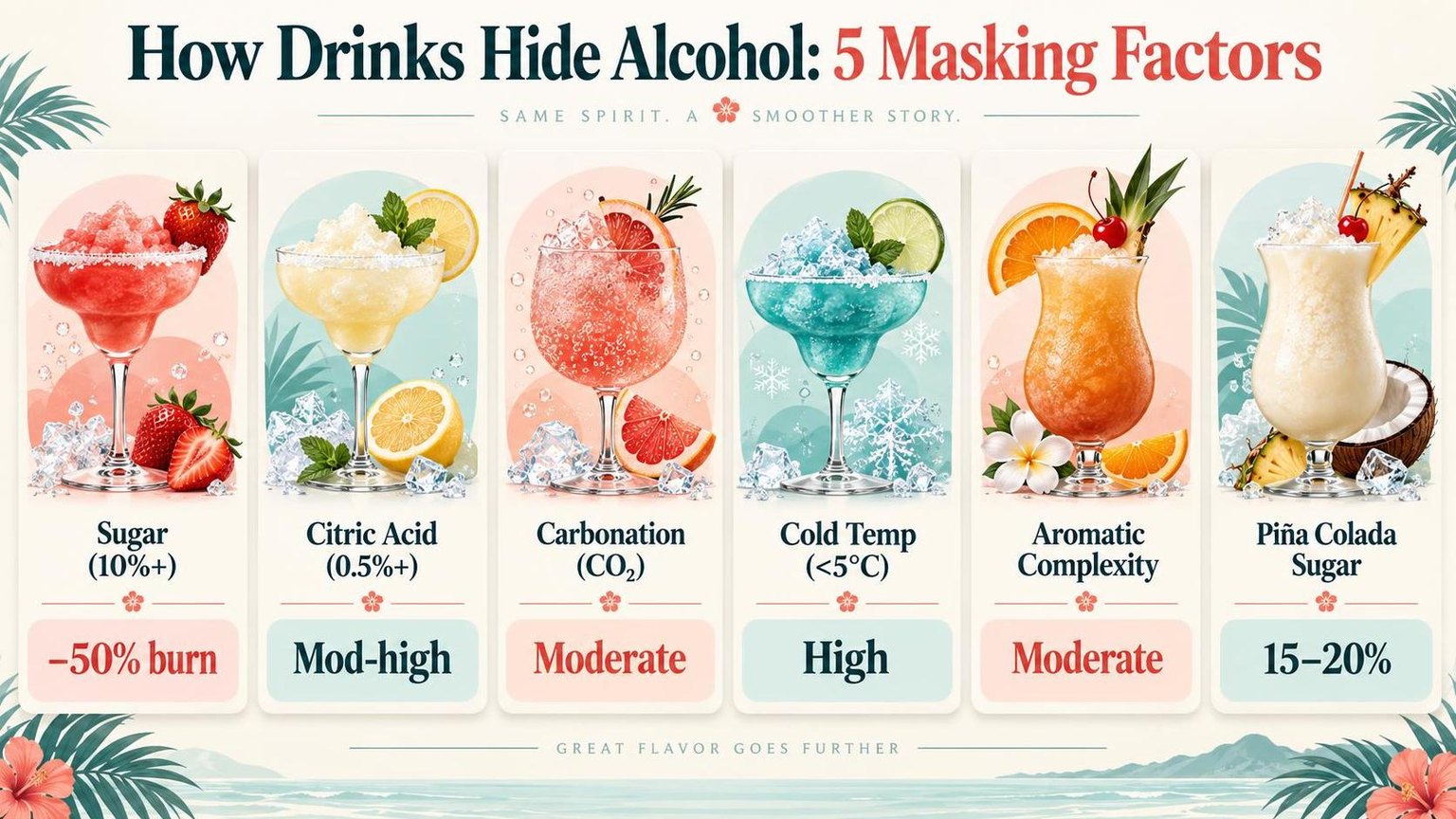
Alcohol masking depends on measurable chemical and sensory factors, not luck. Sugar concentration, acidity, carbonation, serving temperature, and aromatic complexity each independently reduce the perception of ethanol on the palate.
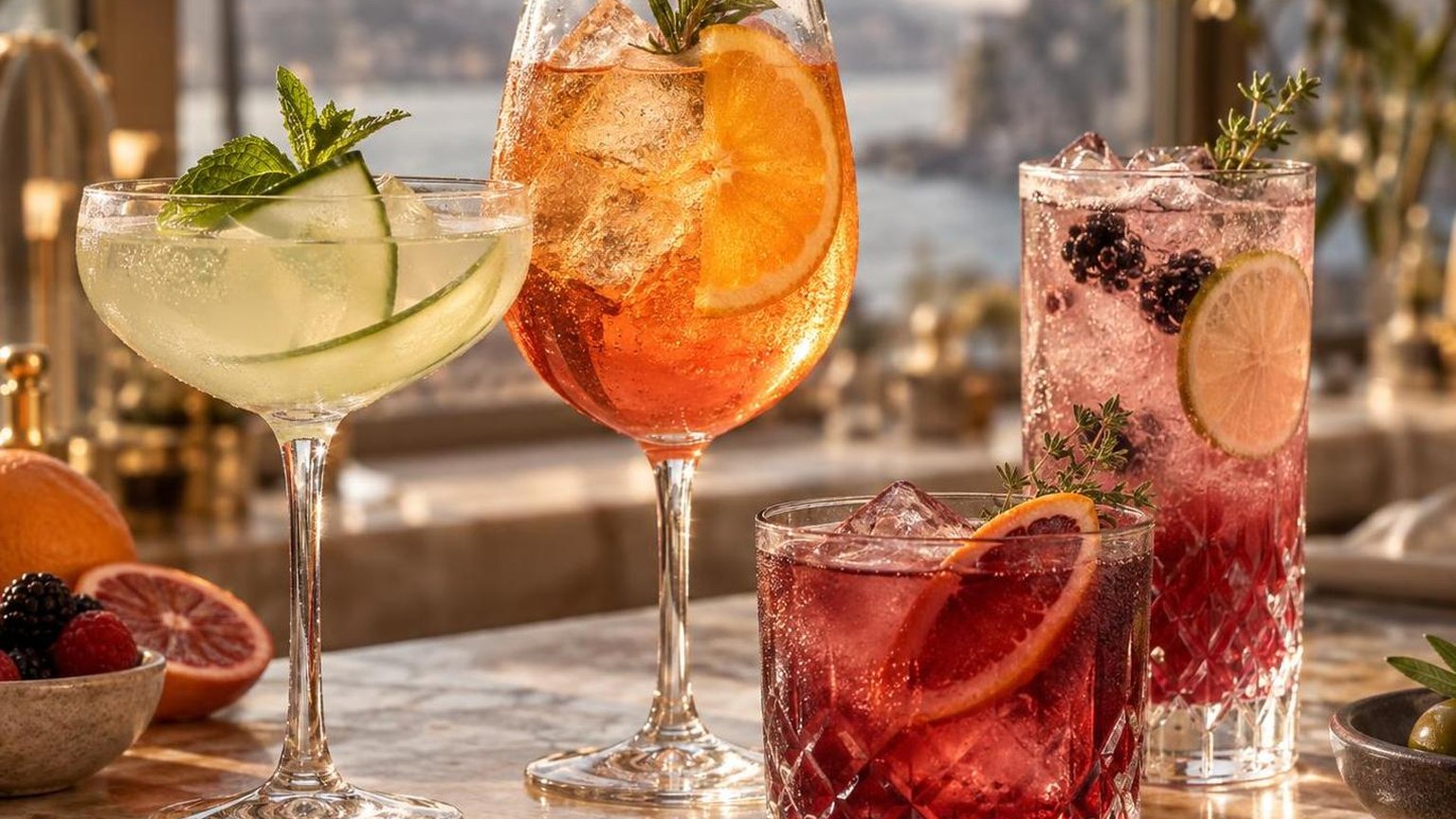
Ethanol has a bitter, burning taste detected primarily by TRPV1 receptors—the same receptors that register capsaicin heat. Ingredients that compete for sensory bandwidth suppress that burn.
Sugar and Sweetness
Sucrose directly inhibits bitterness perception. Research published in Chemical Senses found that a 10% sugar solution reduced perceived ethanol bitterness by approximately 50%.
Most cocktail syrups deliver 50–67% sugar concentration (1:1 or 2:1 simple syrup ratios).
Acidity and Citrus
Citric acid at concentrations above 0.5% triggers salivation and shifts attention from ethanol’s burn. A standard Daiquiri contains roughly 22–30 mL of fresh lime juice, delivering approximately 6–7% citric acid content.
Carbonation
CO₂ bubbles create a trigeminal nerve response (tingling, slight pain) that competes with ethanol’s irritation. Carbonated mixers also accelerate alcohol absorption, meaning the drink empties the glass before the palate fully registers ABV.
Temperature
Cold suppresses volatility. Ethanol’s vapor pressure drops significantly below 15°C (59°F), reducing the harsh aroma that primes the brain to expect alcohol taste. Frozen cocktails served near −2°C to 0°C exploit this principle aggressively.
Key Masking Factors Compared
| Factor | Mechanism | Effectiveness |
| Sugar (10%+ concentration) | Suppresses bitterness receptors | Reduces ethanol perception ~50% |
| Citric acid (0.5%+) | Triggers salivation, diverts trigeminal focus | Moderate-high |
| Carbonation | Competes for trigeminal nerve attention | Moderate |
| Cold temperature (below 5°C) | Lowers ethanol vapor pressure | High for aroma masking |
| Aromatic complexity (fruit, spice) | Overloads olfactory channels | Moderate |
Why This Matters for Drink Selection
Drinks that combine multiple masking factors hide alcohol most effectively. A frozen Piña Colada, for example, stacks sugar (coconut cream at 15–20% sugar), cold temperature, and strong aromatic compounds simultaneously.
Understanding these mechanisms helps drinkers choose consciously. A drink that masks 40% ABV spirit can still deliver the same intoxication—pace yourself accordingly regardless of taste.
Low Alcohol Cocktails With Smooth Flavor
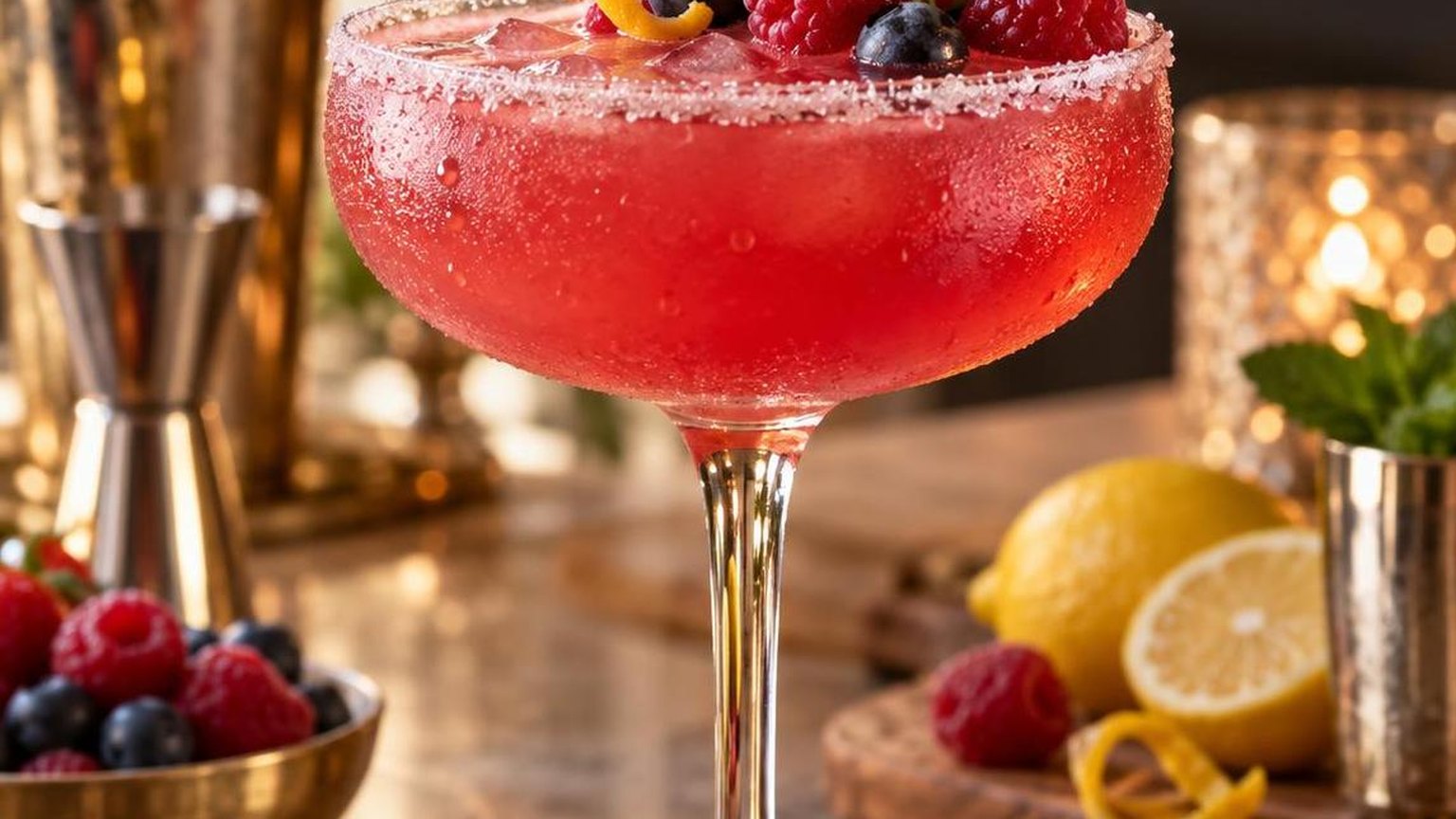
Low-alcohol cocktails typically contain 3–8% ABV, comparable to a light beer.
These drinks use smaller spirit pours, longer mixers, and flavor-forward ingredients that mask any harsh ethanol bite while still delivering a balanced drinking experience.
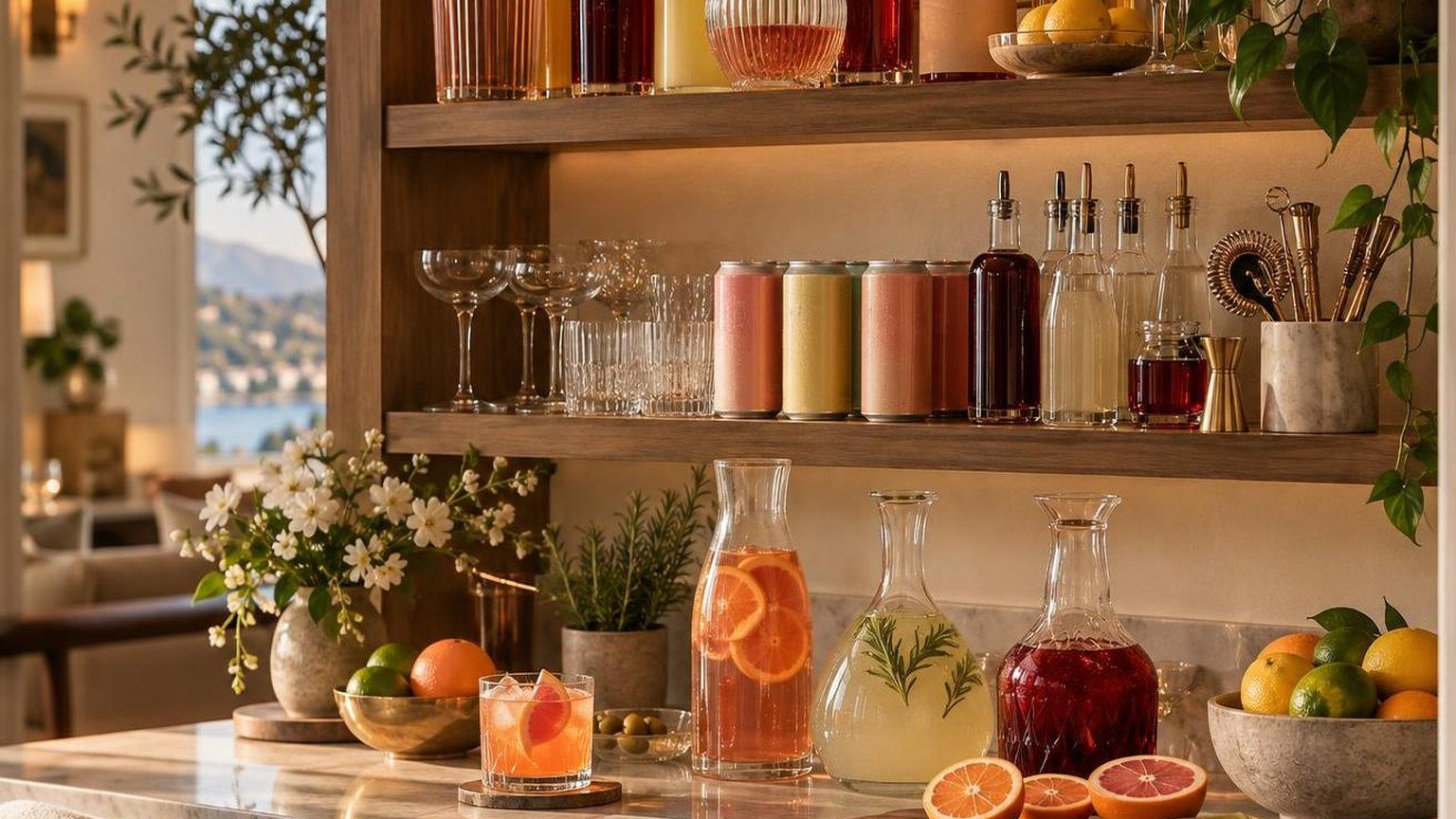
Classic Low-ABV Options
The Aperol Spritz ranks among the most popular low-alcohol cocktails worldwide. Its standard recipe calls for 3 parts Prosecco, 2 parts Aperol (11% ABV), and 1 part soda water, yielding roughly 5–7% ABV per glass.
A Hugo Spritz substitutes elderflower syrup and fresh mint for Aperol, producing a floral, subtly sweet drink at approximately 5% ABV. It gained widespread popularity across Northern Italy and Austria before reaching U.S. cocktail menus around 2015.
| Cocktail | Base Spirit/Aperitif | Estimated ABV | Dominant Flavor |
| Aperol Spritz | Aperol + Prosecco | 5–7% | Bitter orange |
| Hugo Spritz | Elderflower + Prosecco | ~5% | Floral, mint |
| Americano | Campari + Sweet Vermouth | ~8% | Herbal, bittersweet |
| Sherry Cobbler | Fino or Amontillado Sherry | ~7% | Nutty, citrus |
| Kalimotxo | Red wine + Cola | ~6% | Sweet, fruity |
Techniques That Reduce Perceived Alcohol
Bartenders use specific techniques to soften a drink’s alcohol impression without eliminating it entirely. Dilution, acidity, and sweetness each play measurable roles in flavor perception.
- Lengthening with soda or tonic: Adding 4–6 oz of sparkling mixer to 1–1.5 oz of spirit drops ABV below 8% and disperses ethanol on the palate.
- Citrus juice: Fresh lemon or lime juice (typically 0.75 oz per drink) triggers salivation and masks alcohol’s burn through competing sour taste signals.
- Sweeteners: Simple syrup or fruit liqueurs at 0.5–1 oz per cocktail coat the tongue and reduce ethanol’s volatility perception by up to 30%, according to sensory research published in Food Quality and Preference.
- Using fortified wines or vermouths: Swapping a 40% ABV spirit for a 15–18% ABV vermouth cuts the drink’s total alcohol nearly in half while adding herbal complexity.
Serving Considerations
Serve low-ABV cocktails in larger glasses (8–12 oz) with plenty of ice. The increased surface area promotes dilution over time, further softening any remaining alcohol taste.
Garnish with fresh herbs or citrus peel to engage the nose before the first sip.
Sweet Drinks That Mask Spirits
Sugar fundamentally alters how taste receptors perceive ethanol.
Research published in Chemical Senses confirms that sucrose concentrations above 5% suppress bitterness perception by up to 80%, effectively hiding the burn of 40% ABV spirits behind sweetness.
Several classic cocktails exploit this mechanism with sugar-heavy mixers and fruit juices that bury the alcohol completely.
Top Sweet Cocktails That Hide Alcohol
| Drink | Typical ABV | Sugar Content (per serving) | Primary Masking Agent |
| Piña Colada | 12–14% | 28–35 g | Cream of coconut, pineapple juice |
| Amaretto Sour | 10–12% | 18–22 g | Amaretto liqueur, simple syrup |
| Frozen Strawberry Daiquiri | 10–13% | 25–30 g | Strawberry purée, sugar syrup |
| Mudslide | 13–15% | 30–40 g | Kahlúa, Baileys, ice cream |
| Blue Lagoon | 11–13% | 22–28 g | Blue curaçao, lemonade |
| Malibu Bay Breeze | 8–10% | 20–26 g | Coconut rum, cranberry and pineapple juice |
The Piña Colada stands out. A standard 12 oz serving contains roughly 1.5 oz of white rum yet delivers sugar levels comparable to a can of Coca-Cola (39 g per 12 oz).
Why Sugar Works So Effectively
Ethanol activates TRPV1 pain receptors on the tongue, producing the familiar burning sensation. Sugar triggers competing sweet-taste receptors (T1R2/T1R3), overriding that signal at the brainstem level.
Cold temperature compounds this effect. Frozen and blended drinks numb nerve endings, further reducing alcohol detection. A 4°C serving temperature cuts perceived bitterness by approximately 50% compared to room temperature.
Key Ingredients That Mask Spirits
- Cream of coconut — contains 45–50 g sugar per 100 ml plus fat that coats the palate
- Grenadine — a pomegranate-based syrup at roughly 60% sugar concentration
- Flavored liqueurs — Amaretto (28% ABV) carries 25–33 g sugar per 100 ml
- Condensed milk — used in Batida cocktails, delivering 55 g sugar per 100 ml
- Fruit purées — mango and passion fruit varieties contain 12–16 g natural sugar per 100 ml
Exercise caution with these drinks. Their palatability leads to faster consumption.
A 2019 study in Alcohol and Alcoholism found participants consumed sweetened alcoholic beverages 26% faster than unsweetened equivalents, increasing intoxication risk significantly.
Creamy Drinks With Soft Alcohol Bite
Cream-based cocktails use dairy fat, coconut milk, or egg whites to coat the palate and physically suppress the perception of ethanol.
Research in the Journal of Food Science confirms that fat molecules bind volatile alcohol compounds, reducing their aroma intensity by up to 30%.
Classic Creamy Cocktails Worth Ordering
These five drinks consistently rank among the easiest spirits-based options for alcohol-averse palates. Their ABV stays modest while flavor complexity remains high.
| Drink | Base Spirit | Typical ABV | Key Creamy Element |
| Piña Colada | White rum | 12–13% | Coconut cream |
| White Russian | Vodka + Kahlúa | 15–17% | Heavy cream |
| Mudslide | Vodka + Kahlúa + Baileys | 10–12% | Irish cream liqueur |
| Brandy Alexander | Cognac | 14–16% | Crème de cacao + cream |
| Grasshopper | Crème de menthe | 10–12% | Heavy cream + crème de cacao |
Why Cream Masks Alcohol So Effectively
Milk fat globules—typically 3.5–4% fat in whole milk and 36–40% in heavy cream—create an emulsion that traps ethanol molecules. This delays their release on the tongue and in nasal passages.
Sweetness amplifies the masking effect. Baileys Irish Cream contains 17% ABV yet tastes closer to a dessert sauce because it combines dairy cream with 20 grams of sugar per 100 ml serving.
Building Your Own Creamy Low-Alcohol Drink
- Start with coconut cream or heavy cream — use 60–90 ml per drink to establish the fat base
- Limit the spirit to a single 45 ml pour — one standard shot keeps ABV near 10–12% in the finished drink
- Add a sweet liqueur — Amaretto (28% ABV), Frangelico (20% ABV), or RumChata (13.75% ABV) contribute flavor without harsh bite
- Blend with ice — dilution from 120–150 g of crushed ice drops final ABV another 2–3 percentage points
- Garnish with nutmeg or cocoa powder — aromatic spices redirect the nose away from residual alcohol vapors
For a virtually undetectable alcohol experience, combine RumChata with cold brew coffee and 60 ml of half-and-half over ice. The resulting drink sits around 7–8% ABV—comparable to a strong beer—yet tastes like an iced latte.
Frozen preparations work even better than stirred ones. Blending aerates the cream, increasing its volume by 30–50% and further dispersing alcohol throughout the mixture.
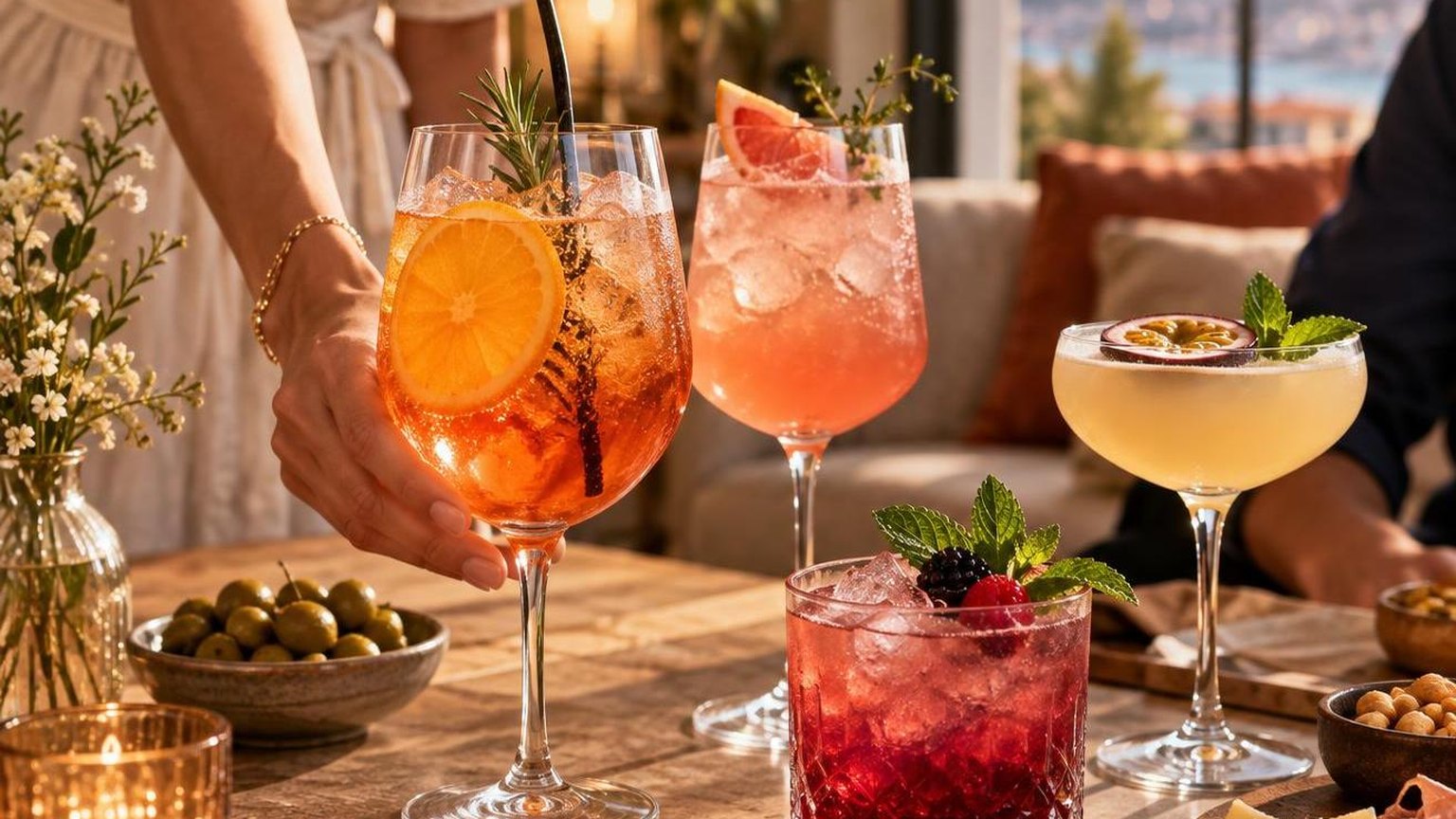
Fruity Drinks That Taste Alcohol Free
Fruit-forward cocktails mask ethanol’s burn through sugar, acidity, and aromatic compounds that overwhelm the palate. Fructose and citric acid directly suppress bitter and astringent taste receptors, according to sensory science research.
These drinks routinely score lowest in perceived alcohol intensity despite containing 10–22% ABV per serving.
Top Fruity Cocktails Ranked by Alcohol Perception
| Drink | Typical ABV | Primary Fruit | Perceived Alcohol Level |
| Piña Colada | 12–13% | Pineapple, coconut | Very low |
| Frozen Strawberry Daiquiri | 10–14% | Strawberry, lime | Very low |
| Malibu Bay Breeze | 8–10% | Pineapple, cranberry | Very low |
| Sex on the Beach | 11–13% | Peach, orange, cranberry | Low |
| Tequila Sunrise | 11–14% | Orange, grenadine | Low |
| Blue Lagoon | 10–12% | Lemon, blue curaçao | Low |
| Midori Sour | 10–12% | Melon, lime | Low |
Why Fruit Masks Alcohol So Effectively
Pineapple juice contains roughly 10 g of sugar per 100 ml. That sweetness competes directly with ethanol’s bitter notes on the tongue.
Cold temperatures further dull taste perception by up to 50%, which is why frozen blended drinks hide alcohol best.
Citrus fruits add another layer. Lime and orange juice have pH values between 2.0 and 3.5, creating acidity that distracts the palate from alcohol’s characteristic heat in the throat.
Key Ingredients for Maximum Fruit Cover
- Coconut cream: Fat coats the mouth and physically reduces ethanol contact with taste buds
- Malibu rum (21% ABV): Already half the strength of standard 40% ABV spirits, plus coconut flavoring
- Peach schnapps (15–20% ABV): Lower proof and intensely sweet, common in Sex on the Beach and Fuzzy Navels
- Grenadine: Non-alcoholic pomegranate syrup adding 15 g sugar per ounce
- Fresh fruit purée: Blended mango or strawberry adds pulp texture that further masks spirit burn
Ordering Tips
Request drinks blended with ice rather than shaken. The dilution lowers effective ABV by 20–25%, and the slush texture slows sipping. Ask bartenders to float the spirit rather than mixing it throughout.
Stick with rum- or vodka-based recipes. Both spirits have neutral to mildly sweet profiles. Avoid gin-based fruit drinks — juniper’s botanical bitterness can cut through even heavy fruit mixers.
How To Order Without Surprises
Ordering a drink that masks alcohol requires knowing exactly what to ask for. ABV, sugar content, and mixing ratios determine whether you taste spirits or fruit. A few targeted questions save you from wincing at your first sip.
Key Phrases To Use With Your Bartender
Tell the bartender you want something “spirit-forward” or “mixer-heavy.” These are industry-standard terms that communicate your preference without ambiguity.
- “Light pour” — requests 1 oz of spirit instead of the standard 1.5–2 oz
- “Extra sweet/sour mix” — increases non-alcoholic volume by 2–3 oz
- “Can you float the liquor?” — layers spirit on top so the straw pulls mixer first
- “Tall glass, please” — a 12–14 oz highball dilutes the same pour across more mixer
ABV Ranges That Actually Matter
Not all spirits hide equally. The base liquor’s ABV directly affects how detectable it is in a mixed drink. Lower-proof options blend more seamlessly into sweet or citrus bases.
| Spirit | Typical ABV | Detectability in Mixed Drinks |
| Vodka | 40% | Low — neutral flavor profile |
| White rum | 37.5–40% | Low — mild sweetness aids blending |
| Coconut rum (Malibu) | 21% | Very low — half the ABV of standard spirits |
| Bourbon | 40–50% | High — oak and caramel notes persist |
| Kahlúa | 20% | Very low — coffee and sugar dominate |
| Amaretto | 24–28% | Low — almond sweetness masks alcohol |
The Sugar-to-Spirit Ratio Rule
Cocktails with a 3:1 mixer-to-spirit ratio or higher consistently score lower on perceived alcohol taste. A Piña Colada uses roughly 4 oz of pineapple juice and coconut cream to 1.5 oz of rum — a ratio near 2.7:1.
Frozen and blended preparations reduce perception further. Ice dilution adds 1–2 oz of water volume, effectively pushing ratios above 3:1 without extra calories from juice.
Red Flags on a Menu
Avoid cocktails described as “boozy,” “stiff,” “spirit-forward,” or “stirred.” These signal minimal mixer and maximum alcohol presence.
Drinks served “up” (no ice) in a coupe or Nick & Nora glass typically contain 2–3 oz of undiluted spirits.
Martinis, Negronis, and Old Fashioneds are classic examples. Each contains 2–2.5 oz of base spirit with little to no sweet mixer, making alcohol the dominant flavor in every sip.
Frequently Asked Questions
What frozen cocktails hide alcohol flavor most effectively?
Frozen piña coladas, frozen strawberry daiquiris, and frosé mask alcohol behind ice-cold fruit purée and sugar—the cold temperature physically numbs taste receptors on the tongue, reducing perception of ethanol burn by up to 25%.
Blending with coconut cream (piña colada) or fresh fruit adds fat and fructose, both of which bind to ethanol molecules and suppress bitterness.
Which specific liqueurs taste like dessert rather than alcohol?
Amaretto (28% ABV) delivers marzipan-almond sweetness, RumChata (13.75% ABV) tastes like horchata with cinnamon, and Chambord (16.5% ABV) resembles black-raspberry jam.
Their high sugar content—often 15–25 g per 60 ml pour—overwhelms the palate before ethanol registers, making them dangerously easy to over-consume neat or on ice.
Why do drinks like Moscato d’Asti and hard seltzers barely taste alcoholic?
Moscato d’Asti sits at just 5–5.5% ABV with 100–120 g/L residual sugar, so sweetness dominates every sip.
Hard seltzers (typically 4.5–5% ABV) use a neutral malt or sugar-brew base with carbonation and fruit flavoring, leaving almost no grain or fermentation character—carbonation also speeds ethanol into the bloodstream.
So perceived mildness can be misleading.
What rum and vodka cocktails are best for people who dislike the taste of alcohol?
A Malibu Bay Breeze (Malibu coconut rum, cranberry juice, pineapple juice) keeps total ABV around 8–10% and reads as tropical punch.
Moscow Mules mask 40% ABV vodka behind sharp ginger beer and fresh lime, while a classic Mudslide blends vodka, Kahlúa, and Irish cream into what essentially tastes like a chocolate milkshake at roughly 12–15% ABV.
Are there low-ABV aperitifs that taste fruity or herbal instead of boozy?
Aperol (11% ABV) tastes of bitter orange and rhubarb; mixed 3:2:1 with prosecco and soda in a Spritz, the drink sits around 6–8% ABV—comparable to a strong beer but far more approachable.
Lillet Blanc (17% ABV) served cold with a slice of orange reads as honeyed citrus, and St-Germain elderflower liqueur (20% ABV) adds floral sweetness that buries ethanol in any mix.
What is the science behind why some alcoholic drinks don’t taste like alcohol?
Ethanol activates TRPV1 pain receptors on the tongue, but sugar, fat, cold temperature, and acidity each independently suppress that activation—combine two or more and the “burn” nearly disappears.
Cocktails high in sucrose (above 10% sugar concentration) reduce perceived ethanol intensity by roughly 20–30% in sensory studies, which is why sweet tropical drinks, cream-based liqueurs.
And ice-blended cocktails consistently rank as the least “alcoholic” tasting.
- What Is A Cuban Cigar & What Are The Different Types?
- How Many 16 Oz Bottles of Water is a Liter?
- How Many Gallons In A Sixtel?
- How Many Ml In A Fluid Ounce?
- What Are The Best Cigars For Special Occasions?
- How Many Cups Is 12 Tbsp? A Simple Answer Backed by Real Kitchen Experience
- What Is Don Julio Black Bottle? Professional Answer
- 11 Essential Facts About How Many Tons Is A Semi Truck (2026 Expert Weight & Logistics Guide)
- All Blog Guides
- National Institute on Alcohol Abuse and Alcoholism – Understanding Alcohol's Impact on Health (2024)
- Centers for Disease Control and Prevention – Dietary Guidelines for Alcohol (2024)
- U.S. Food and Drug Administration – Alcoholic Beverages Labeling (2023)
- National Center for Biotechnology Information – Sweetness and Alcohol Perception in Beverages (2017)
- Cornell University – Sugar-Alcohol Flavor Interactions in Mixed Beverages (2019)
- Substance Abuse and Mental Health Services Administration – Underage Drinking and Flavored Alcohol (2023)
- Wine Folly – Guide to Low-Bitterness Sweet Wines (2023)
- MasterClass – Cocktails That Mask Alcohol Flavor (2023)
- VinePair – The Rise of Flavored Alcoholic Beverages (2024)