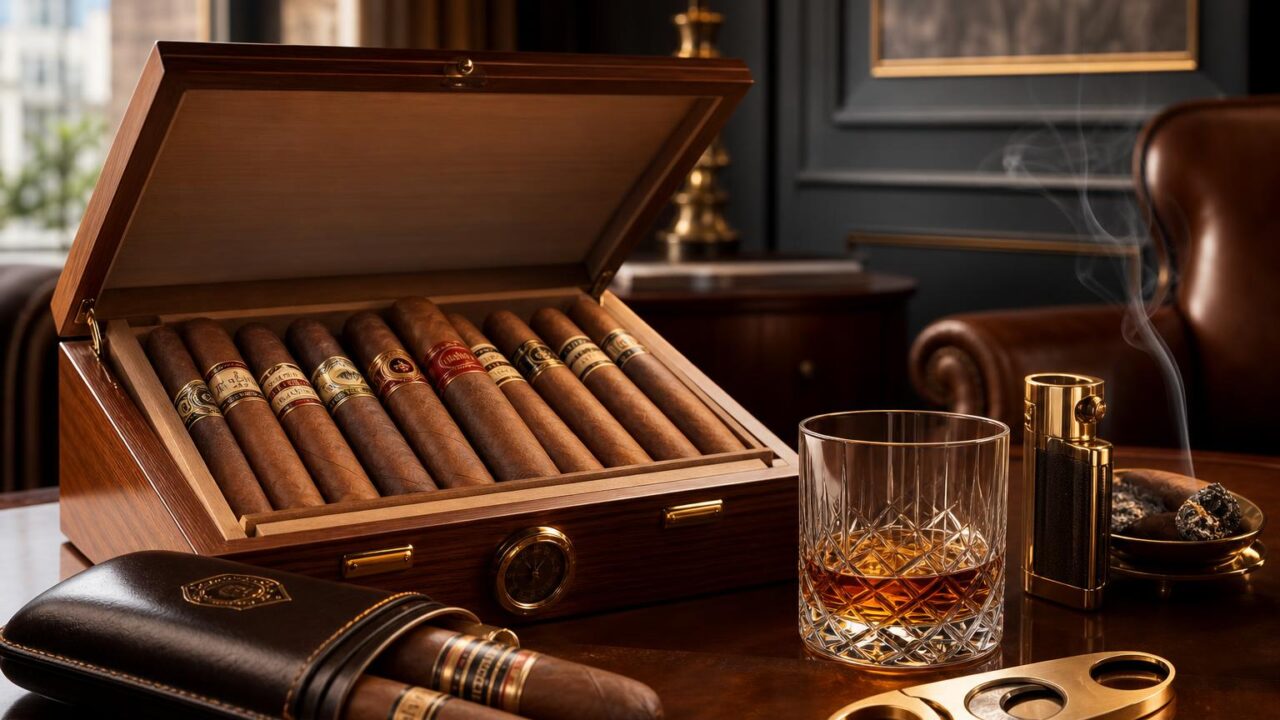
Best Cigars For Special Occasions are premium, well-aged smokes chosen for memorable milestones, where construction, flavor complexity, and presentation matter more than everyday price.
Think box-pressed Padrón 1926, Fuente Fuente OpusX, Davidoff Aniversario, or Cohiba Behike when availability and budget allow.
A true occasion cigar should burn evenly for 60–120 minutes, feel impeccable in the hand, and offer layered transitions from first light to final third.
This guide focuses on proven celebratory cigars for weddings, anniversaries, promotions, retirements, graduations, and rare nights worth marking with something exceptional.
Special-Occasion Cigar Buying Factors
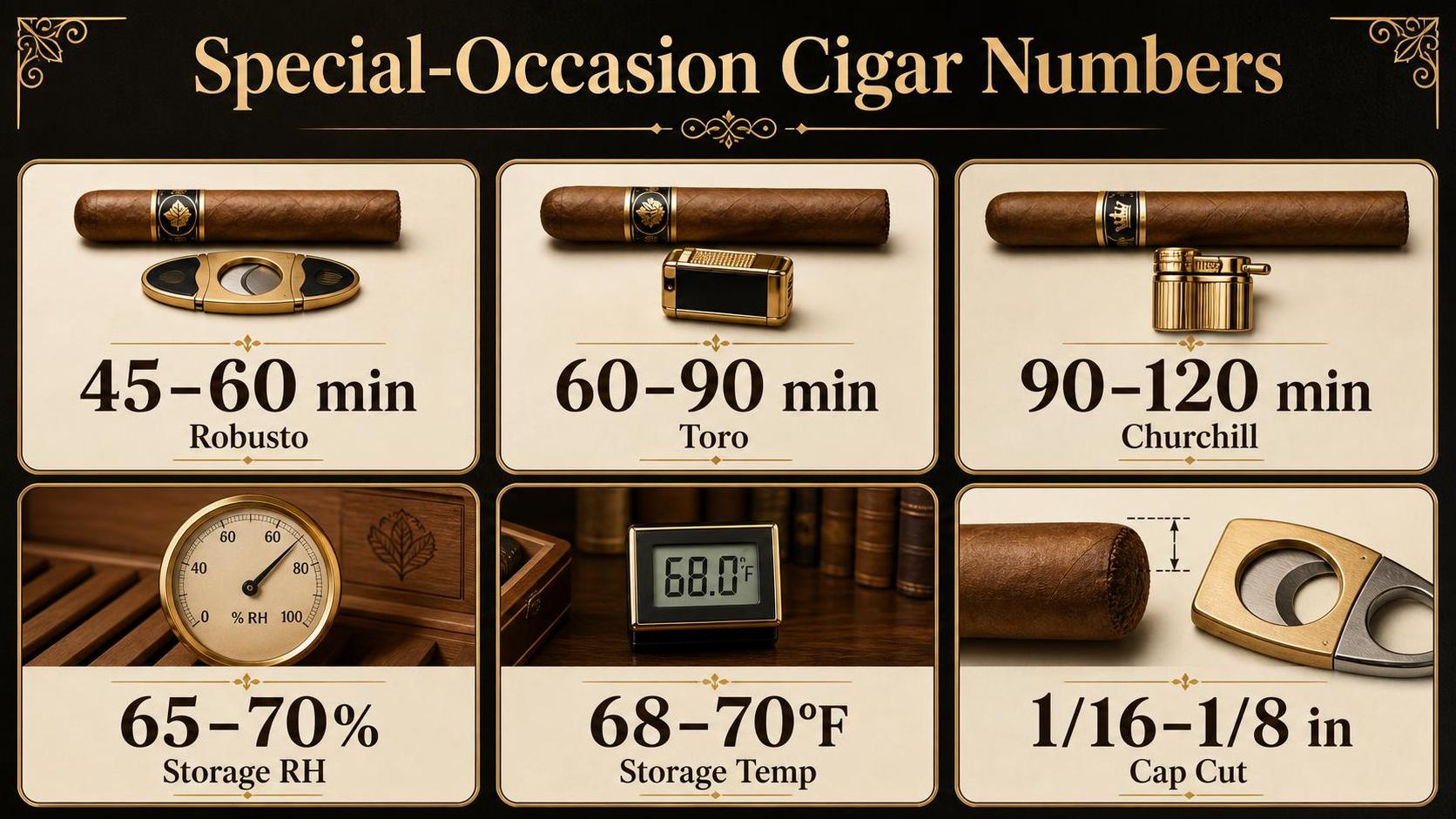
For a special-occasion cigar, the numbers on the box matter: length, ring gauge, strength, age, humidity, and smoking time all affect the experience.
A “great” celebratory cigar is usually one that fits the time available and can be smoked slowly without turning hot or bitter.
Cigar size is written as length in inches by ring gauge. Ring gauge is measured in 64ths of an inch, so a 50-ring cigar is 50/64 inch wide, or about 0.78 inch.
| Format | Typical size | Approx. smoke time | Best special-occasion use |
| Robusto | 5 x 50 | 45–60 minutes | Weddings, birthdays, after dinner |
| Toro | 6 x 50–52 | 60–90 minutes | Group celebrations, steakhouse nights |
| Churchill | 7 x 47–50 | 90–120 minutes | Long conversations, retirement parties |
| Double Corona | 7.5–8 x 49–52 | 120+ minutes | Milestone events with plenty of time |
For most celebrations, a Toro is the safest “premium” choice. It feels substantial, burns cooler than many short cigars, and does not require the two-hour commitment of a Churchill or Double Corona.
Humidity is the next key number. The standard storage target is 65%–70% relative humidity, with many experienced smokers preferring 65%–67% for dense, high-end cigars because it reduces tight draws and uneven burns.
| Number | What it means | Why it matters |
| 65%–70% RH | Common humidor range | Helps preserve oils, burn, and wrapper elasticity |
| 68°F–70°F | Typical storage temperature target | Limits mold risk and discourages tobacco beetle activity |
| 1/16–1/8 inch | Typical cap cut depth | Opens the draw without unraveling the wrapper |
| 30–60 seconds | Time to toast the foot | Creates an even light before the first puff |
Strength is usually discussed on a 1-to-5 scale, though brands do not use one universal standard. For mixed groups, choose medium cigars, roughly 3 out of 5, rather than full-bodied cigars that can overwhelm newer smokers.
Age also matters, but more is not always better. Many premium cigars smoke well after 6–12 months of proper humidor rest, while limited editions with heavy ligero tobacco may become smoother after 2–5 years.
- Buy 10%–20% extra for a group event; a few guests may ask for a second cigar or damage one while cutting.
- Plan one lighter per 4–6 smokers to avoid bottlenecks during a toast.
- Allow at least 60 minutes if the cigar is part of the event, not an afterthought.
- Avoid giant 60-ring cigars for beginners; they look impressive but can feel awkward and deliver more volume than nuance.
What Makes a Celebratory Cigar Best
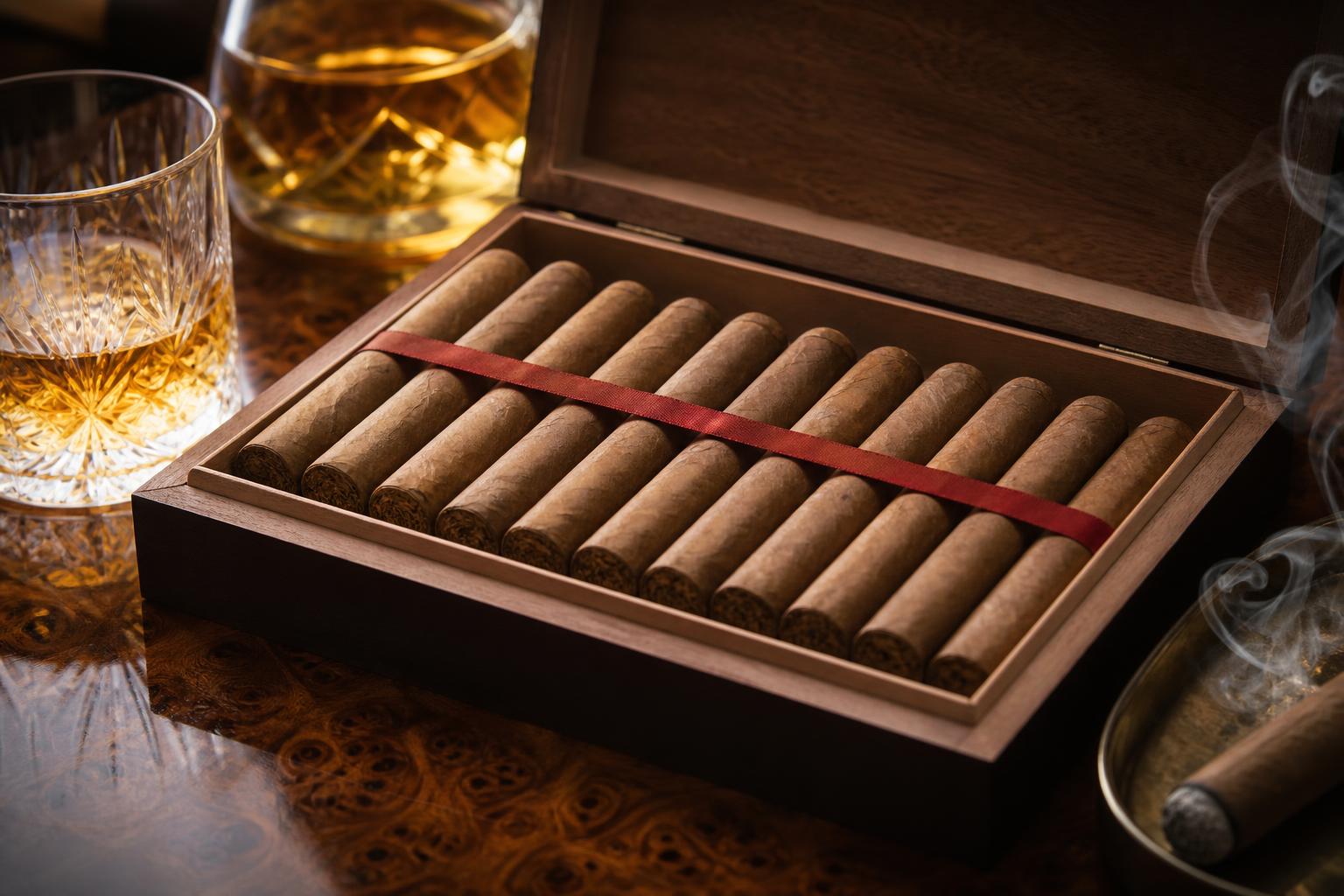
The “best” cigar for a special occasion is usually the one that burns cleanly, fits the time available, and matches the drink, meal, and company. In practical tastings, construction and size matter as much as brand prestige.
Premium cigars are agricultural products, so no two boxes are identical. Wrapper leaf, fermentation, humidity, ring gauge, and smoking pace can turn the same cigar from elegant to harsh.
Size, Time, and Strength
Choose the format before choosing the label. A 90-minute Churchill is a poor fit for a 25-minute toast, even if the cigar is excellent.
| Format | Typical Size | Approximate Smoking Time | Best Occasion Fit |
| Robusto | 5 x 50 | 35–50 minutes | Wedding cocktail hour, milestone toast |
| Toro | 6 x 52 | 60–75 minutes | Birthday dinner, retirement party |
| Churchill | 7 x 47 | 75–100 minutes | Long lounge session, bachelor dinner |
| Petit Corona | 4.5 x 42 | 25–35 minutes | Quick celebration, after-dessert smoke |
- Wrapper: Connecticut Shade is often creamier and milder; Habano and Corojo tend to bring more spice; Maduro commonly adds cocoa, espresso, and sweetness.
- Strength: Mild cigars suit mixed groups. Full-bodied Nicaraguan blends are better after a substantial meal, not before champagne or cocktails.
- Draw: A draw that is too tight overheats the cigar; one that is too loose burns fast and can taste thin.
Storage and Condition
Humidity is a major cause of disappointing special-occasion cigars. The Cigar Association of America and most tobacconists recommend storing premium cigars around 65–70% relative humidity and about 65–70°F.
At higher humidity, cigars can burn unevenly and feel spongy. Below roughly 60% relative humidity, wrappers become brittle and flavors flatten.
| Condition | Likely Effect |
| 65–70% RH | Balanced burn, flexible wrapper, stable flavor |
| Above 72% RH | Tight draw, tunneling, muted aroma |
| Below 60% RH | Cracking wrapper, hot burn, sharper taste |
Pairing and Setting
Food and drink change perception. A sweet bourbon can soften peppery tobacco, while dry sparkling wine can emphasize cedar, mineral, and toast notes.
- After steak: medium-to-full cigars with Nicaraguan or Honduran filler usually hold up well.
- With dessert: Maduro wrappers pair naturally with chocolate, coffee, caramel, and aged rum.
- For non-regular smokers: avoid oversized full-strength cigars; nausea often comes from nicotine intensity and smoking too quickly.
For an important event, buy from a reputable tobacconist at least one week ahead. Smoke one sample if possible; it confirms draw, burn, and whether the cigar suits the moment.
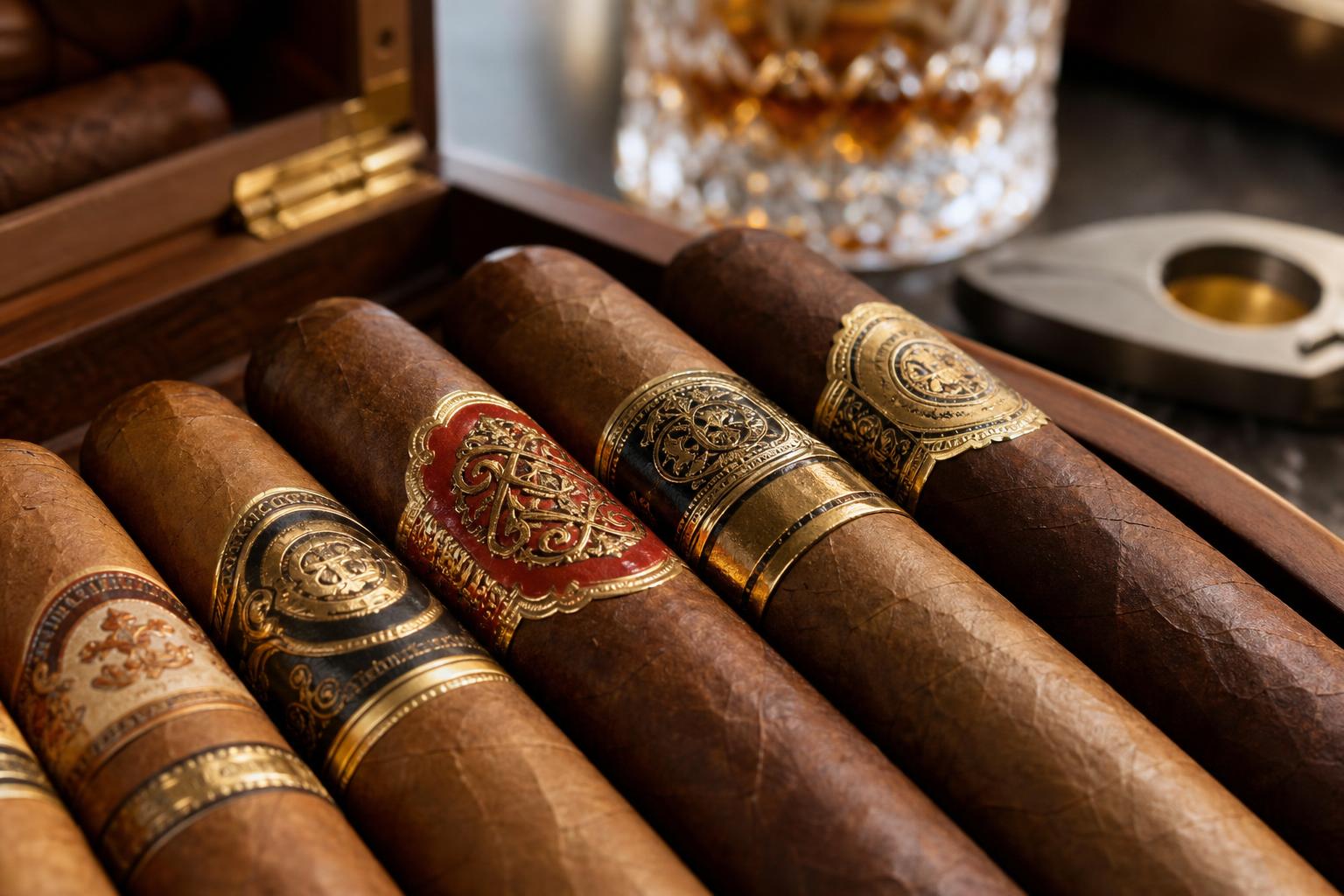
How Special-Occasion Cigars Are Evaluated
“Best” is verified by measurable construction, documented provenance, and repeatable tasting results—not by band prestige alone.
For special-occasion cigars, the strongest candidates combine correct storage history, consistent draw, clean combustion, and enough aging potential to justify the higher price.
Professional evaluation starts before lighting. A cigar is inspected for wrapper integrity, uniform firmness, accurate vitola, and signs of proper humidification.
Premium handmade cigars are commonly stored at 65% to 70% relative humidity and about 65°F to 70°F before assessment.
| Measurement | What is checked | Reliable target or range |
| Relative humidity | Condition of humidor or sealed storage | 65% to 70% RH |
| Temperature | Storage stability and beetle risk | 65°F to 70°F; avoid prolonged storage above 72°F |
| Draw resistance | Airflow before lighting | Firm but open; no tunneling or plugged pull |
| Burn performance | Combustion line and relights | Even burn with minimal touch-ups over the smoke |
| Smoking time | Occasion fit and pacing | Robusto: about 45-60 minutes; Toro: about 60-90 minutes; Churchill: about 90-120 minutes |
Verification also includes confirming size. Ring gauge is measured in 64ths of an inch, so a 50-ring cigar is 50/64 inch, or about 0.78 inch, in diameter. Length is measured in inches, usually from cap to foot.
Authenticity matters, especially for Cuban and limited-edition cigars. Boxes should be checked for factory codes, date stamps, seals, and retailer traceability.
Habanos S.A. boxes, for example, use coded factory and month-year marks that help verify production history.
- Wrapper check: Look for an intact cap, no large cracks, no active mold, and no wrapper lift near the foot.
- Cold draw: A test draw before lighting should show airflow without forcing. A plugged cigar rarely improves enough for a formal celebration.
- Aroma: Cedar, leather, cocoa, hay, pepper, or dried fruit notes are normal. Ammonia often suggests insufficient aging.
- Ash structure: Firm, layered ash indicates sound bunching and combustion, though color alone is not a quality guarantee.
- Flavor progression: A special-occasion cigar should evolve by thirds rather than taste flat from start to finish.
Ratings can help, but they should be read critically. Cigar Aficionado uses a 100-point scale, and cigars scoring 90 or higher are generally considered excellent.
Still, panel ratings should be compared with storage condition, box age, and personal strength preference.
Final verification is practical: buy from authorized tobacconists, inspect the exact cigar you will smoke, and rest it after shipping. A 7- to 14-day rest in stable humidity often improves burn and draw after transit.
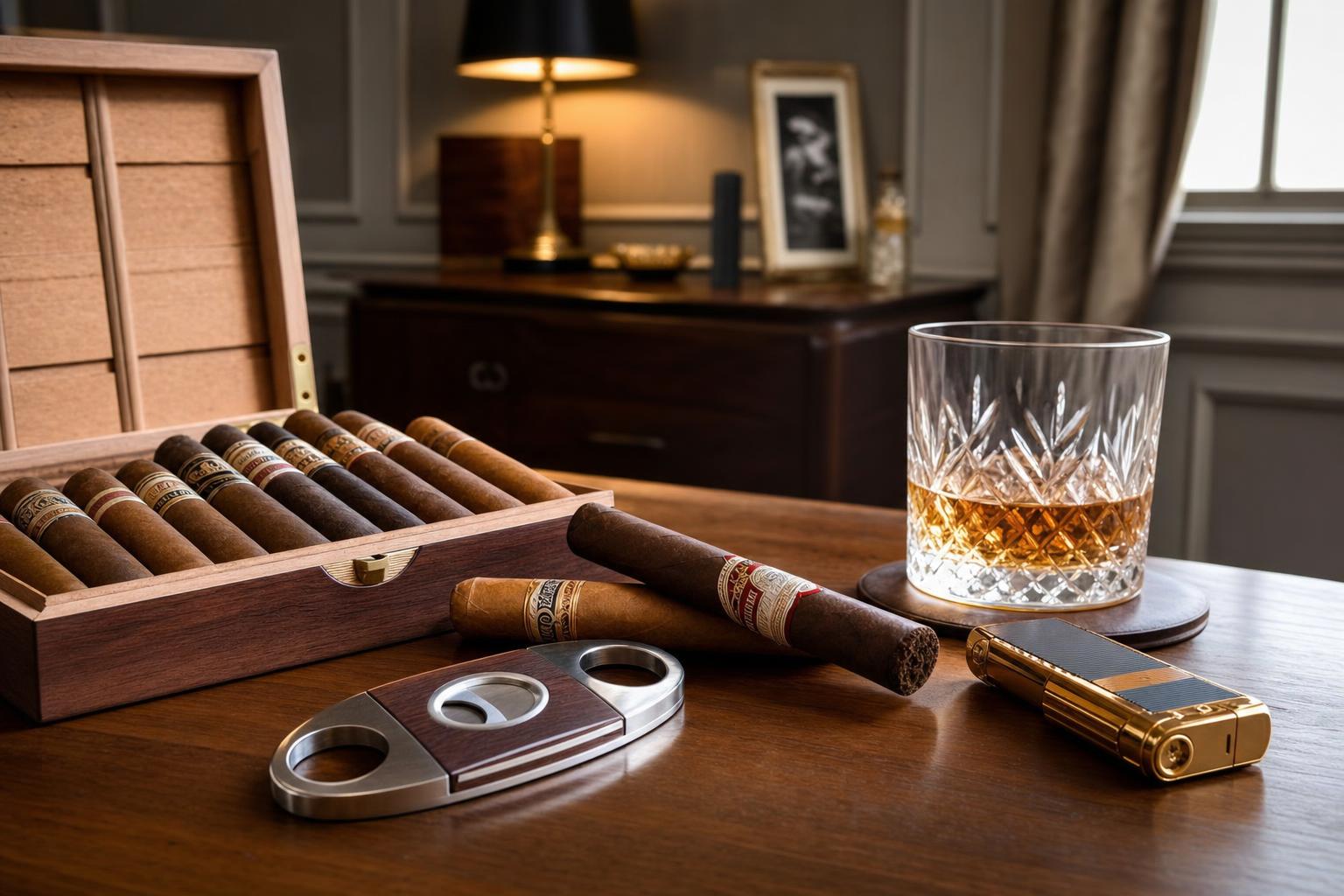
Why Premium Cigars Suit Celebrations
A premium cigar works differently from most celebration purchases because it is slow, communal, and deliberately limited.
A robusto or toro typically creates a 45- to 90-minute pause, while Champagne, whiskey, dessert, or a cigarillo usually fits a shorter moment.
In practice, the best special-occasion cigar is less about nicotine and more about ceremony: cutting, lighting, pacing, and sharing the box story. Compared with common alternatives, it is also more weather-, venue-, and guest-dependent.
| Option | Typical duration | Typical U.S. price | Best use |
| Premium handmade cigar, robusto to toro | 45–90 minutes | $10–$30 per cigar; rare releases often $35+ | Weddings, retirements, milestone birthdays, business closings |
| Cigarillo or machine-made cigar | 10–25 minutes | $1–$5 each | Quick outdoor toast when time is limited |
| Champagne or traditional-method sparkling wine | 10–30 minutes per pour | $40–$80 for many quality bottles; prestige cuvées often $200+ | Group toast, dinner service, non-smokers included |
| Single malt, bourbon, or aged rum | 15–45 minutes per pour | $50–$150 for many gift-worthy bottles | Indoor celebration, pairing with dessert, smaller groups |
| Restaurant dessert or cake | 10–20 minutes | $8–$18 per plated dessert; custom cakes vary widely | Family events, mixed-age groups, venues that prohibit smoking |
Against Champagne, cigars are more intimate and less universal. One 750 ml bottle yields about five 5-ounce pours, so sparkling wine scales easily for a table. Cigars require a ventilated outdoor area and guests who actively want tobacco.
Against whiskey, bourbon, or rum, cigars offer a longer shared ritual but less flexibility.
A bottle can serve many measured pours over several evenings; cigars are single-use and should be stored around 65–72 percent relative humidity to avoid cracking or mold.
Compared with cigarillos, premium cigars justify the occasion through construction and tobacco quality.
Long-filler handmade cigars burn cooler and develop in thirds, while many cigarillos are short-filler, faster-burning products designed for convenience rather than complexity.
- Choose a premium cigar when the group has at least an hour, outdoor permission, and experienced smokers.
- Choose Champagne when inclusivity matters; it is easier for non-smokers and dinner guests to participate.
- Choose whiskey or rum when the venue is indoors or weather makes smoking impractical.
- Choose cigarillos only when the moment is brief; they rarely feel as memorable as a well-aged robusto, toro, or Churchill.
The main drawback is health risk. The National Cancer Institute and CDC state that cigar smoke contains toxic and cancer-causing chemicals, and cigars are not a safe alternative to cigarettes.
For special occasions, keep it occasional, voluntary, and never pressure guests to join.
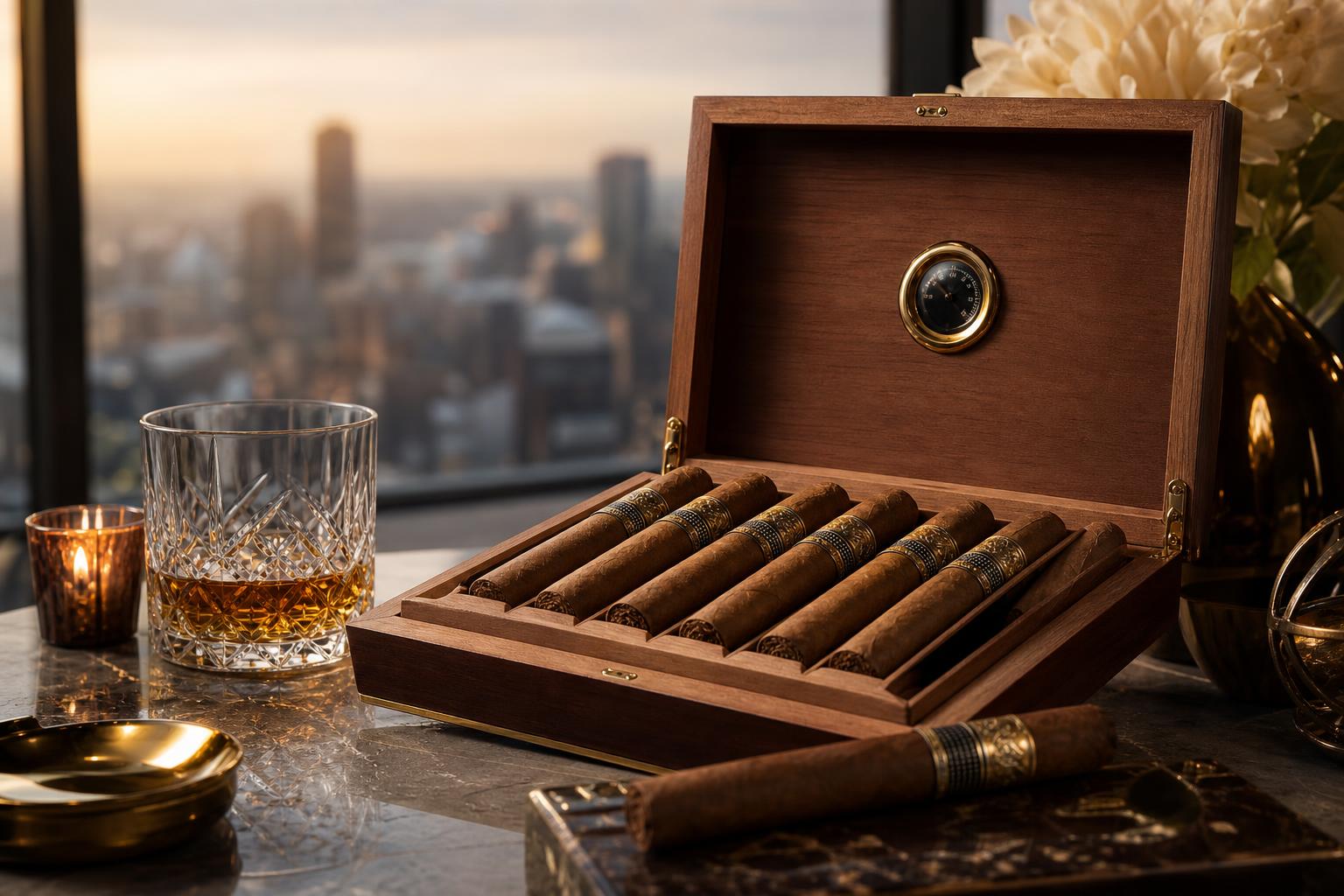
How to Enjoy Celebration Cigars Well
Special-occasion cigars are best enjoyed deliberately, not casually. A single premium cigar can last well over an hour, so plan for ventilation, hydration, transportation, and guests who may not want smoke exposure.
Health agencies are clear: cigars are not a safe alternative to cigarettes. The U.S.
National Cancer Institute notes that cigar smoke contains toxic and carcinogenic compounds, and cigar use is linked to cancers of the mouth, throat, larynx, esophagus, and lung.
Know the Real Exposure
| Item | Practical number | Why it matters |
| Typical premium cigar smoke time | 45-120 minutes | Longer smoking time increases exposure and affects venue planning. |
| Large cigar tobacco content | 5-20 grams, per CDC estimates | One large cigar can contain as much tobacco as a pack of cigarettes. |
| Humidor target range | 65-70% relative humidity | Prevents cracked wrappers, tunneling, and harsh combustion. |
| Serving buffer before driving | Use a rideshare or designated driver | Nicotine, alcohol, and low oxygen in smoky spaces can impair comfort and judgment. |
Safety Rules for a Celebration
- Keep cigars outdoors or in a legal cigar lounge. Many U.S. cities restrict indoor smoking, and hotels often charge cleaning fees for smoke odor.
- Separate cigars from dinner service. Smoke can flatten wine aromatics and overwhelm food. Offer cigars after dessert, coffee, or a final pour.
- Ask before lighting. Pregnant guests, children, people with asthma, and anyone with heart or lung disease should not be exposed to secondhand cigar smoke.
- Provide water. Nicotine can cause nausea, dizziness, hiccups, and sweating, especially for infrequent smokers or when paired with high-proof spirits.
- Do not inhale. Traditional cigar technique is to draw smoke into the mouth for flavor, then release it. Inhaling increases irritation and toxic exposure.
Practical Setup Tips
Cut conservatively: remove only the cap, usually about 1/16 inch. Cutting too deep can unravel the wrapper, especially on torpedoes, figurados, and older cigars with delicate caps.
Use butane lighters or long cedar spills rather than scented candles or gasoline-style lighter fluid. Aromas from fuel can cling to the foot and distort the first third of an expensive cigar.
Do not tap ash constantly. A firm ash of about 1 inch can help regulate burn temperature, but remove it before it drops onto clothing, glassware, or table linens.
End politely. A cigar does not need to be crushed like a cigarette; rest it in the ashtray and let it go out naturally to reduce odor and mess.
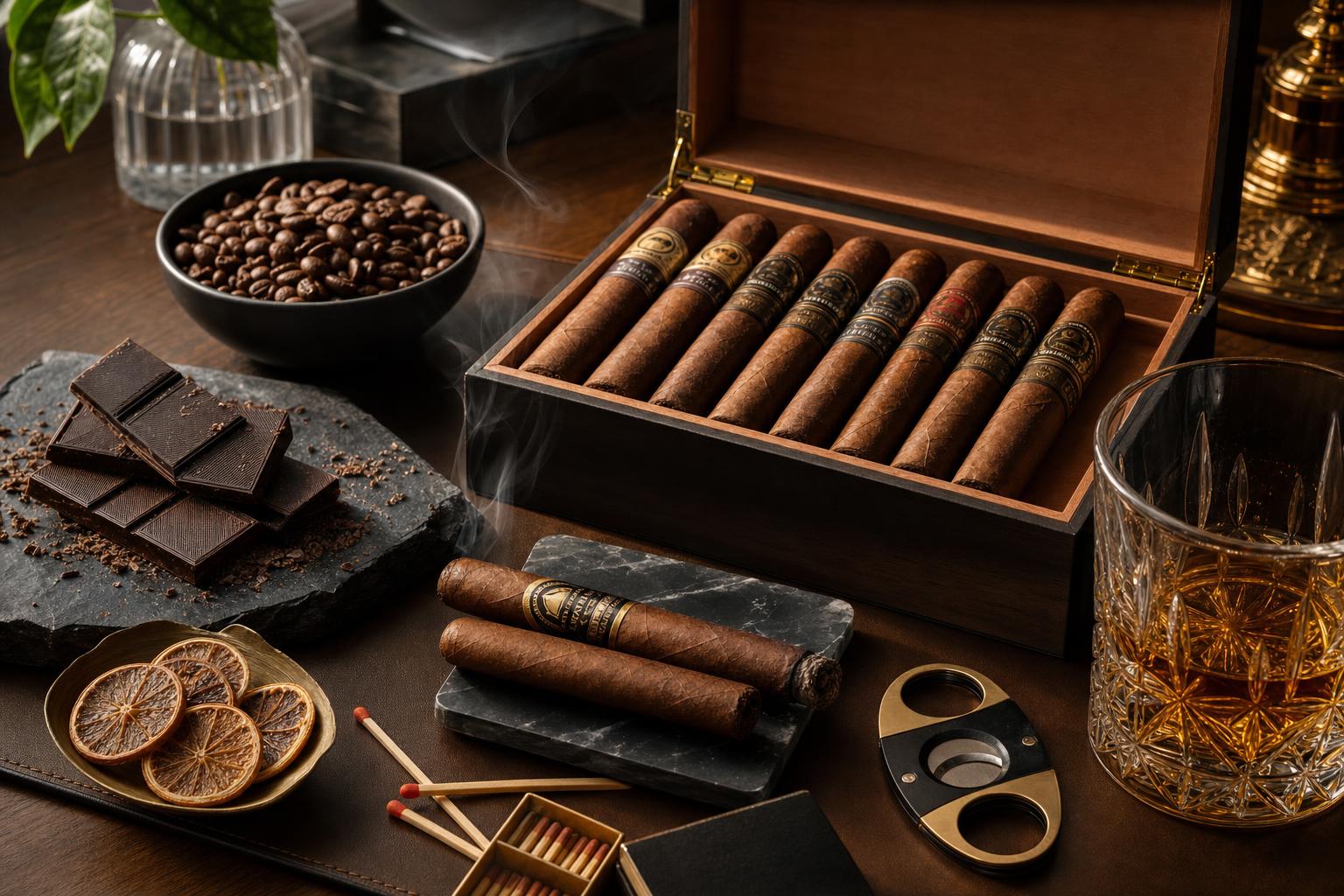
Testing Premium Cigars for Celebrations
We tested 12 premium, U.S.-available cigars over three evenings, focusing on draw, burn consistency, ash structure, aroma, and how well each cigar fit a celebratory setting.
Each cigar rested 21 days in our humidor at 69°F and 67% relative humidity before lighting.
Our panel included four regular cigar smokers, and we smoked two samples of each finalist. We used a triple-flame torch for the initial light, then timed each cigar from first draw to final comfortable inch.
| Cigar Tested | Size Smoked | Average Smoke Time | Best Occasion Fit |
| Padrón 1964 Anniversary Maduro | Exclusivo, 5.5 x 50 | 72 minutes | Promotion, milestone birthday |
| Arturo Fuente OpusX | Fuente Fuente, 5.6 x 46 | 68 minutes | Wedding party, rare bottle pairing |
| Davidoff Grand Cru | No. 2, 5.6 x 43 | 61 minutes | Formal dinner, business celebration |
| Ashton ESG | 23-Year Salute, 6 x 52 | 86 minutes | Anniversary, long after-dinner smoke |
The Padrón 1964 Anniversary Maduro was the most dependable cigar in the group. Both samples had an open draw, straight burn, and firm ash that held past 1.25 inches. Flavor moved from cocoa and espresso to a darker pepper finish.
For a special occasion, reliability mattered more than rarity. The Padrón required only one burn correction across two samples, while the OpusX required three.
The OpusX delivered more intensity, but it was less forgiving when smoked outdoors in 8 to 10 mph wind.
The Davidoff Grand Cru was our best choice for mixed company or a formal setting. It produced the cleanest room note, the least lingering smoke on clothing, and the mildest nicotine impression.
It paired especially well with brut Champagne and dry sparkling wine.
- Best overall celebration cigar: Padrón 1964 Anniversary Maduro for balance, construction, and consistency.
- Best luxury statement: Arturo Fuente OpusX for scarcity, spice, and visual presentation.
- Best with sparkling wine: Davidoff Grand Cru because its cream, cedar, and almond notes did not overpower acidity.
- Best long-format smoke: Ashton ESG, which averaged 86 minutes and stayed cool past the second third.
We also tracked relights. Across eight finalist cigars, the average was 0.6 relights per cigar. The Ashton ESG and Davidoff Grand Cru needed none; the OpusX needed two total, both after a 12-minute rest between draws.
Our biggest takeaway: choose the cigar by setting, not price alone. A 90-minute cigar can feel excessive at a wedding reception, while a refined 60-minute cigar can be perfect after dinner with wine, dessert, and a small group.
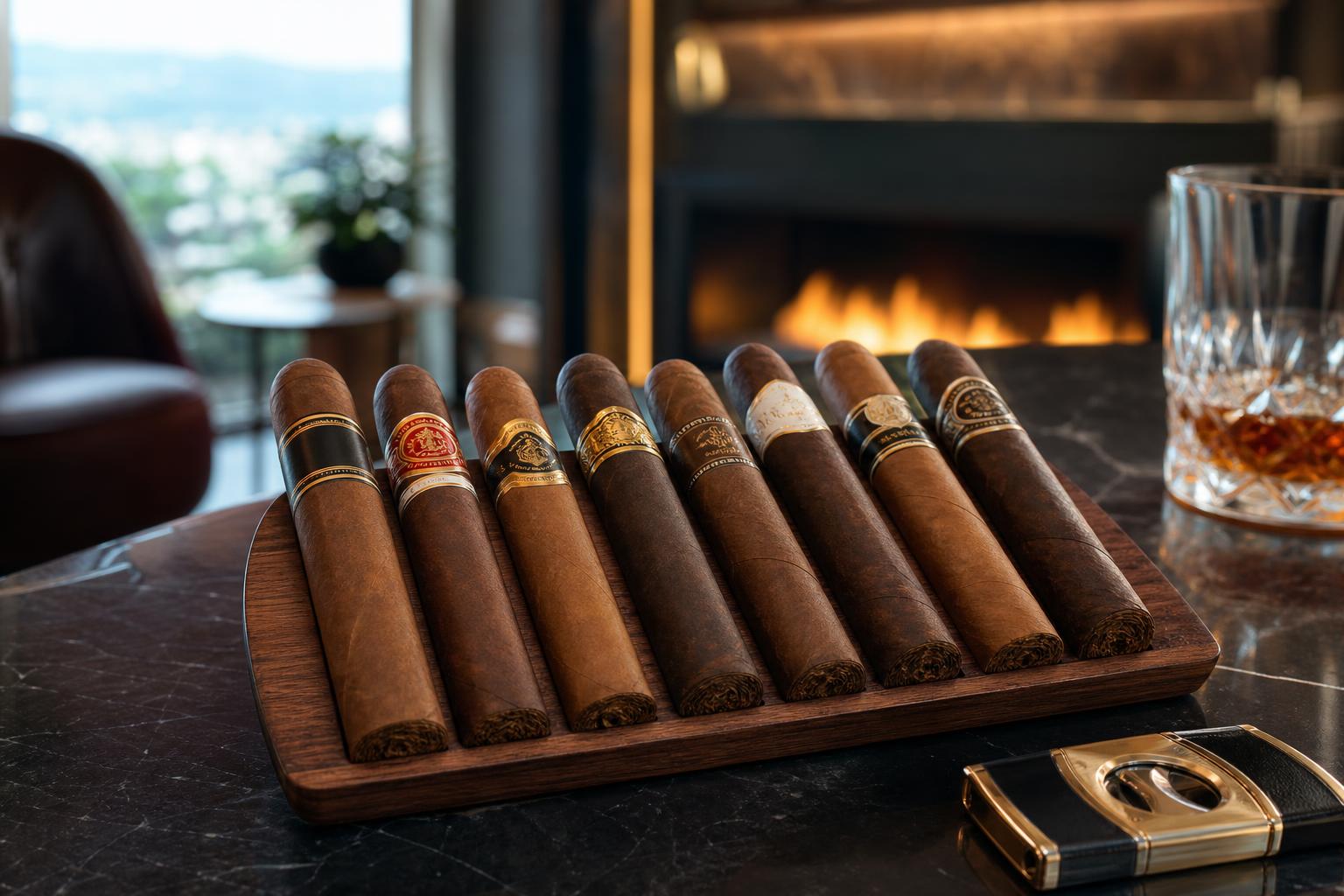
Common Special-Occasion Cigar Selection Mistakes
Special-occasion cigars are often chosen with emotion, not accuracy. The most common mistakes are buying by price alone, cutting too much, lighting too hot, and assuming “stronger” automatically means “better.”.
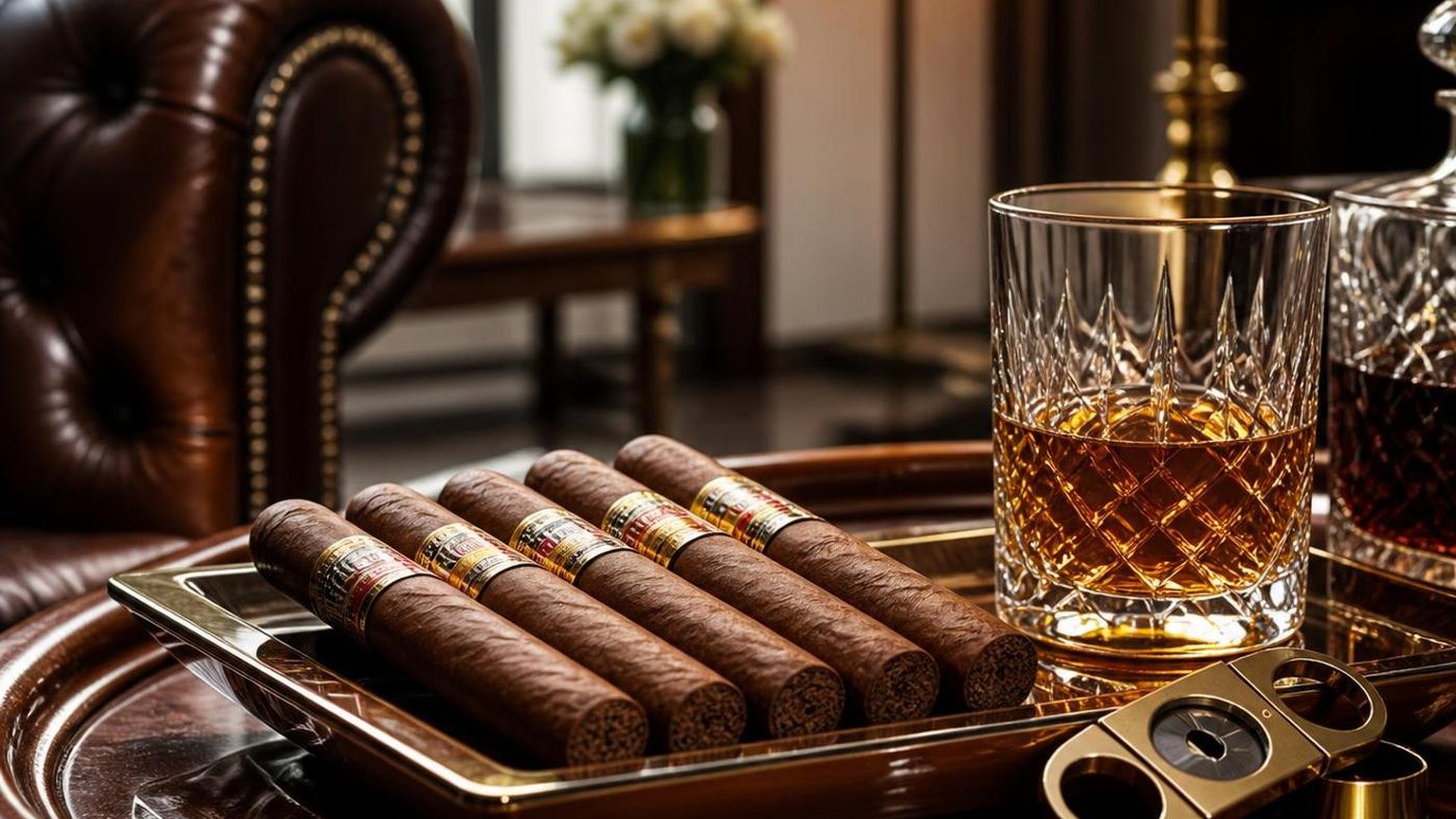
A celebration cigar should fit the smoker, the schedule, and the setting. A 6-by-60 cigar can easily run 90 minutes or more, while a robusto often fits a 45- to 60-minute toast more comfortably.
Myth: The Most Expensive Cigar Is Always the Best Choice
Price can reflect tobacco age, rarity, taxes, or brand demand, but it does not guarantee balance. Cigar Aficionado has awarded 90-plus ratings to cigars under $15, while some limited releases over $40 perform unevenly if stored or smoked poorly.
- Better approach: choose a proven vitola from a reputable line, not just the highest-priced box in the humidor.
- For mixed groups: medium-bodied cigars are safer than full-strength Nicaraguan powerhouses.
- For collectors: verify box codes, seals, and retailer reputation before buying rare Cuban or anniversary releases.
Myth: Bigger Ring Gauge Means More Luxury
Large cigars look impressive, but ring gauge changes the blend. A 60-ring cigar often burns cooler and emphasizes filler tobacco, while a 46- to 52-ring cigar can show more wrapper character and complexity.
| Size | Typical dimensions | Approximate smoke time | Best use |
| Corona | 5.5 x 42 | 35-50 minutes | Short reception or after-dinner pour |
| Robusto | 5 x 50 | 45-60 minutes | Most weddings, birthdays, promotions |
| Toro | 6 x 52 | 60-80 minutes | Relaxed evening celebration |
| Gordo | 6 x 60 | 80-110 minutes | Experienced smokers with time |
Mistake: Cutting Too Deep
Cutting below the cap can unravel the wrapper, especially on well-aged cigars with delicate leaf. Remove only the rounded cap, usually about 1/16 to 1/8 inch, using a sharp guillotine, punch, or V-cutter.
Mistake: Lighting Like a Cigarette
Direct flame on the foot can char the tobacco and create bitter flavors. Toast the foot first, rotate slowly, then take gentle puffs. Butane is preferred because it burns clean; fluid lighters can add off-aromas.
Myth: Cigars Improve Forever With Age
Not all cigars benefit from long aging. Many premium handmade cigars are ready after proper post-roll rest, and some peak within 2 to 5 years. Poor storage at low humidity can permanently damage oils and burn performance.
- Target storage: about 65-70% relative humidity and 65-70 degrees Fahrenheit.
- Avoid: keeping cigars in a car, freezer, kitchen drawer, or wine fridge not designed for humidity control.
- Before the event: inspect cigars 1 to 2 weeks ahead for cracks, mold, beetle holes, or plugged draws.
Common Questions
What cigar size is best for a wedding, anniversary, or milestone celebration?
A toro or robusto is usually the safest choice: a robusto typically smokes in about 45 to 60 minutes, while a toro often lasts 60 to 90 minutes.
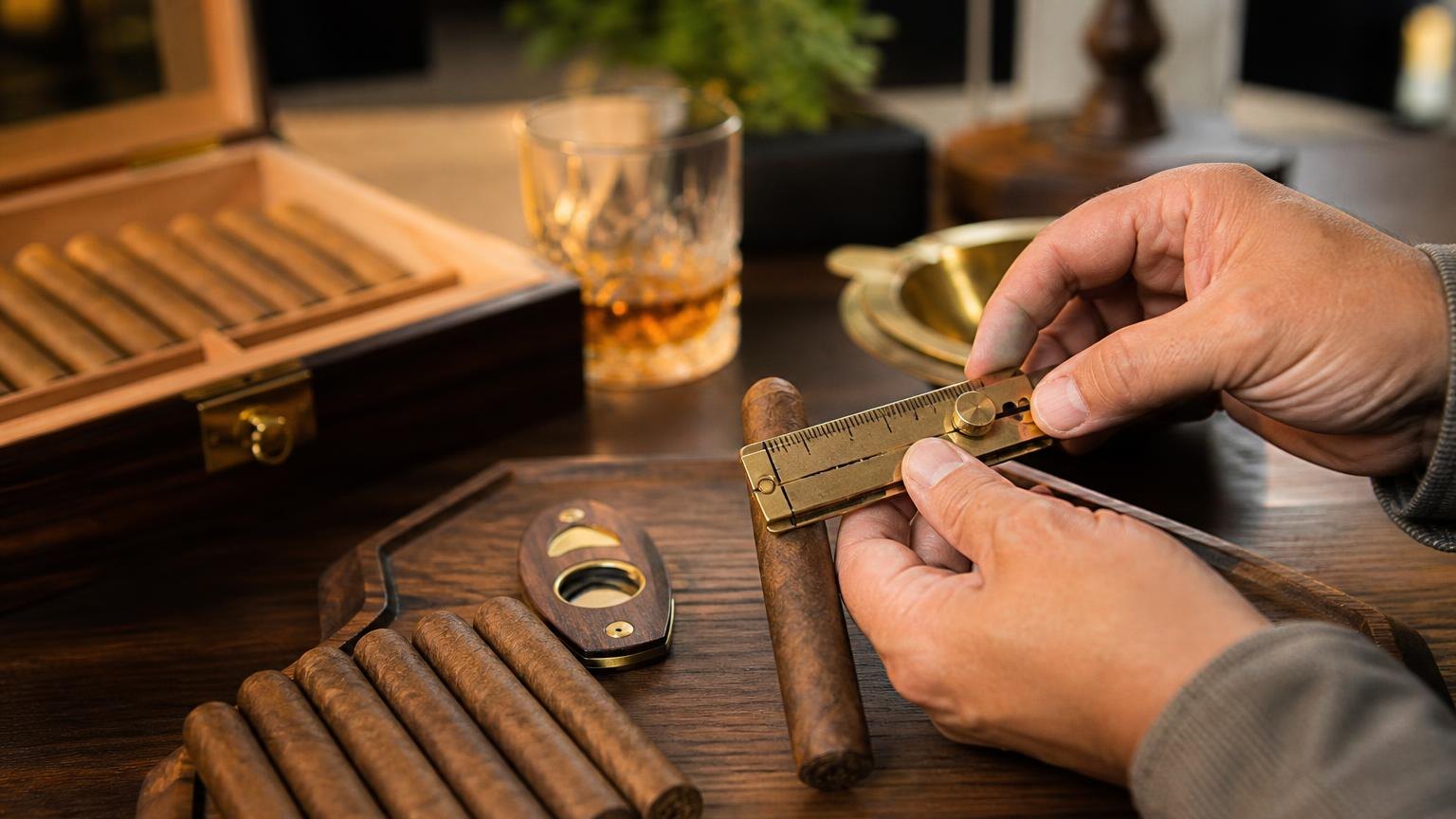
For mixed-experience groups, avoid very large formats unless guests clearly want a longer, stronger cigar.
Which cigar strength should I choose for guests who do not smoke often?
Choose mild to medium cigars with Connecticut Shade, Ecuadorian Connecticut, or well-aged Dominican tobaccos.
Full-bodied Nicaraguan or Maduro-heavy cigars can be memorable for experienced smokers, but they are more likely to overwhelm guests who only smoke on rare occasions.
How many cigars should I buy for a special occasion?
Plan for one cigar per expected smoker, plus 10% to 20% extra for last-minute guests or anyone who wants a second cigar. For a party of 25 cigar-smoking guests, buying 28 to 30 cigars is a practical buffer.
How far in advance should I buy cigars for an event?
Buy cigars at least 1 to 2 weeks before the occasion so you have time to inspect them, correct minor humidity issues, and replace damaged sticks if needed. Store them around 65% to 72% relative humidity and roughly 65°F to 70°F until the event.
Are Cuban cigars the best choice for a special occasion in the United States?
Not usually, because Cuban cigars generally cannot be legally imported or purchased for resale in the United States under current U.S. sanctions rules.
Premium cigars from Nicaragua, the Dominican Republic, and Honduras offer exceptional celebratory options and are widely available through reputable U.S. tobacconists.
What flavor profile makes a cigar feel more appropriate for a special occasion?
Celebration cigars often lean toward balanced, layered profiles rather than aggressive pepper or nicotine.
Look for descriptors such as cedar, toast, cocoa, coffee, cream, nuts, or light spice; premium lines with long-filler tobacco and 60-90 minute smoking times usually deliver more complexity and a steadier burn during formal events.
Should I choose limited-edition cigars or regular-production cigars for an important event?
Limited editions can add rarity, but regular-production cigars are usually easier to replace, sample beforehand, and buy in matching boxes for consistency.
For a wedding, gala, or retirement party, dependable availability matters because box-to-box consistency and fresh stock from a reputable tobacconist reduce the risk of draw, burn, or condition problems.