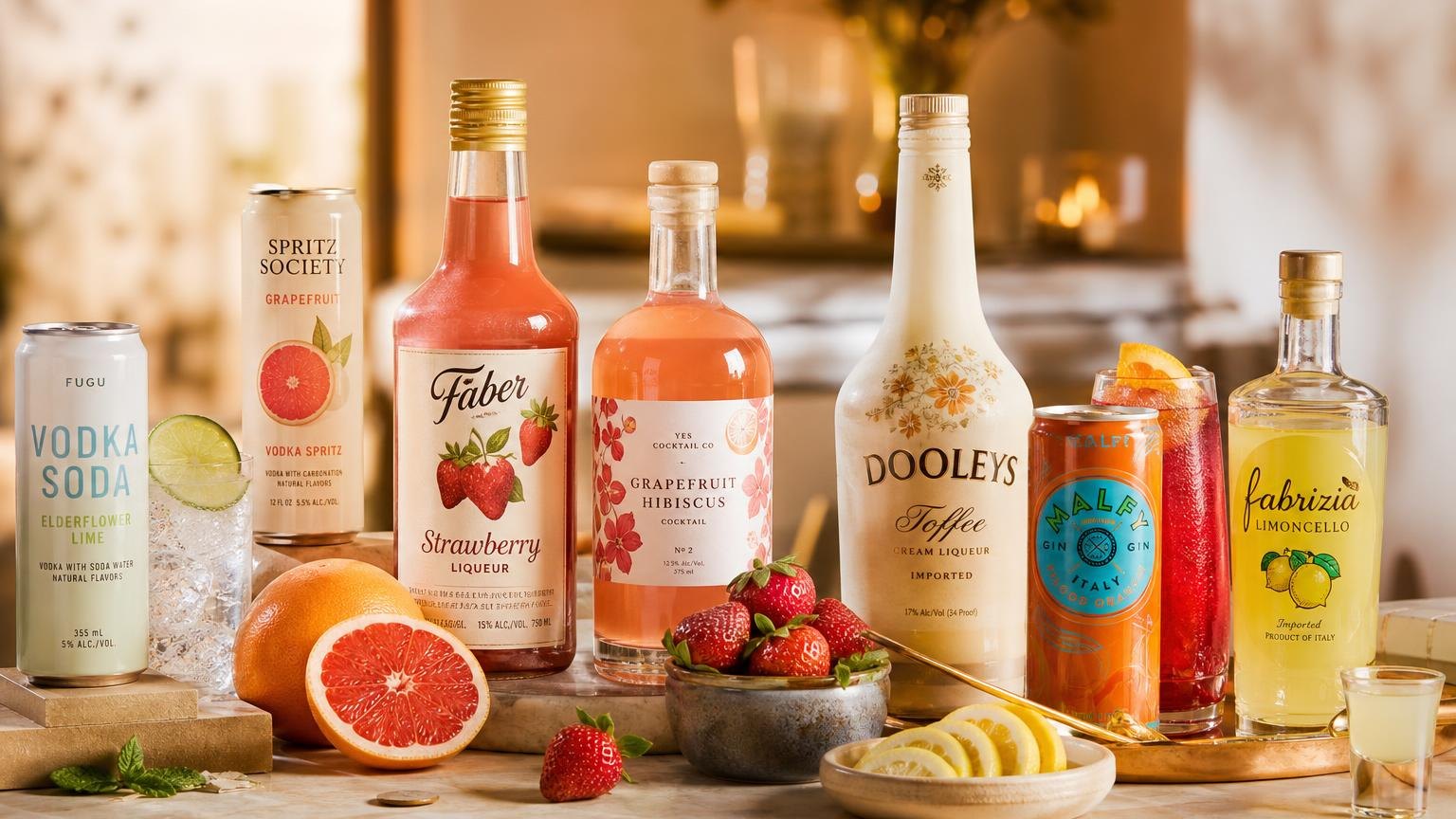
Alcohol that doesn’t taste like alcohol is usually sweet, chilled, carbonated, creamy, or fruit-forward enough to mask ethanol’s heat and bitterness.
Liqueur-based cocktails, hard seltzers, flavored malt beverages, spritzes, and dessert-style drinks can seem smooth because sugar, acid, bubbles, dairy, or strong aromatics soften the burn.
That smoothness can be misleading: a 12-ounce hard seltzer often has about 5% ABV, while many sweet cocktails contain 1.5 to 3 ounces of spirits.
This guide explains which drinks taste least “alcoholic,” why they work, and how to choose them without accidentally overpouring.
Why Some Drinks Hide Alcohol
“Doesn’t taste like alcohol” usually means three things: lower ABV, enough sweetness or acidity to mask ethanol, and strong flavor from fruit, botanicals, dairy, or carbonation.
The numbers matter because a drink can taste soft while still containing a full standard drink.
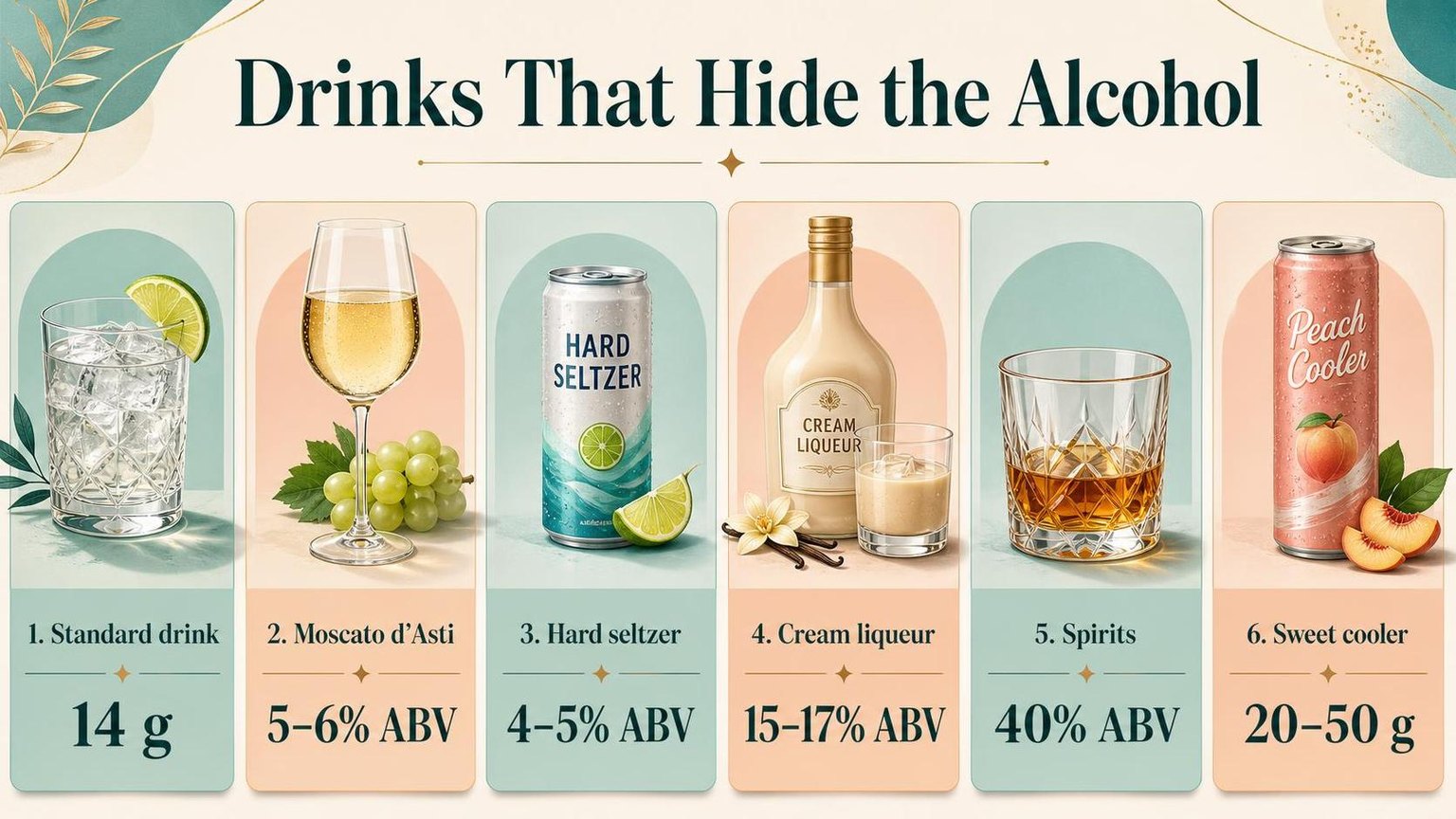
In the U.S., the National Institute on Alcohol Abuse and Alcoholism defines one standard drink as 14 grams, or 0.6 fluid ounces, of pure alcohol. That equals 12 ounces of 5% beer, 5 ounces of 12% wine, or 1.5 ounces of 40% spirits.
| Drink type | Typical serving | Typical ABV | Approx. standard drinks | Why it may taste low-alcohol |
| Moscato d’Asti | 5 oz | 5% to 6% | 0.4 to 0.5 | Sweetness, bubbles, peach and grape aromas |
| Hard seltzer | 12 oz | 4% to 5% | 0.8 to 1.0 | Carbonation, fruit flavor, low bitterness |
| Wine cooler | 11.2 oz | 3.2% to 6% | 0.6 to 1.1 | Sugar, juice flavors, chilled serving temperature |
| Piña colada | 6 to 8 oz | About 10% to 15% | 1.0 to 2.0+ | Coconut cream, pineapple juice, crushed ice |
| Vodka cranberry | 6 oz | About 10% | 1.0 | Tart juice, sugar, cold dilution |
| Cream liqueur | 2.5 oz | 15% to 17% | 0.6 to 0.7 | Fat, sugar, vanilla, chocolate or coffee notes |
ABV is only one part of perception. Ethanol becomes more obvious as concentration rises, but sweetness and chilling reduce the burn. That is why a 5% fruit seltzer may taste milder than a 5% bitter IPA, even with similar alcohol.
- Below 6% ABV: Often easiest for alcohol-sensitive palates. Examples include Moscato d’Asti, many ciders, hard seltzers, and lower-alcohol spritzes.
- 6% to 12% ABV: Can still taste gentle if sweet, sparkling, or juice-forward. Many sangrias, coolers, and aromatic white wines fall here.
- 15% to 20% ABV: Common for cream liqueurs and dessert liqueurs. They may taste smooth, but alcohol content is no longer “light.”
- 40% ABV spirits: Vodka, rum, tequila, gin, and whiskey are usually 80 proof. If they taste invisible, mixers are doing the masking.
Sugar is the most common cover. A sweet bottled cooler or frozen cocktail can contain 20 to 50 grams of sugar per serving, enough to soften alcohol heat and make the drink taste closer to soda or dessert.
Carbonation also changes the experience. Bubbles lift aroma, sharpen acidity, and distract from ethanol warmth. In service, I find sparkling low-ABV wines and spritzes are consistently better for guests who dislike the taste of straight spirits.
The practical rule: choose drinks under 6% ABV for genuinely lighter alcohol presence, and read labels carefully for cocktails, liqueurs, and canned mixed drinks.
If a beverage uses spirits, it can taste harmless while still delivering one or two standard drinks.
Factors That Mask Alcohol Flavor
Whether an alcoholic drink “doesn’t taste like alcohol” depends less on the bottle label and more on chemistry: ethanol level, aroma compounds, sweetness, acidity, bubbles, dilution, and serving temperature.
In tasting rooms, the biggest practical difference is usually alcohol by volume, then balance.
| Factor | Why it changes alcohol taste | Useful numbers |
| ABV | Higher ethanol creates more heat, bitterness, and nasal burn. | Beer often 4–7% ABV; wine commonly 11–15%; spirits are typically 40% ABV. |
| Sugar | Sweetness masks bitterness and burn by shifting attention away from ethanol. | A brut Champagne can be 0–12 g/L sugar; many sweet wines exceed 45 g/L. |
| Acidity | Acid makes drinks taste brighter and less syrupy, helping sweet drinks feel balanced. | Wine pH commonly ranges about 3.0–4.0; lower pH tastes sharper. |
| Temperature | Cold suppresses aroma volatility and perceived burn. | Vodka is often served freezer-cold; white wine is commonly poured around 45–55°F. |
| Carbonation | Bubbles add texture and lift aromas, making alcohol seem lighter. | Sparkling wine pressure is often around 5–6 atmospheres in bottle. |
Dilution is one of the most reliable ways to reduce alcohol flavor.
A 1.5-ounce pour of 40% ABV liquor contains about 0.6 ounces of pure alcohol, the same U.S. “standard drink” amount defined by the National Institute on Alcohol Abuse and Alcoholism.
When that same pour is mixed with 4.5 ounces of juice, soda, tonic, or iced tea, the drink becomes roughly 10% ABV before ice melt. Add melting ice and it can taste closer to strong wine than straight liquor.
- Choose lower-ABV bases: Moscato, wine spritzers, hard seltzers, and session beers usually taste gentler than 40% spirits.
- Use real citrus: Lemon or lime adds acidity, which can make sweetness cleaner and reduce the impression of alcohol heat.
- Avoid very dry, high-proof drinks: Martinis, neat whiskey, and overproof rum showcase ethanol instead of hiding it.
- Watch bitter ingredients: Campari, some amaros, tonic water, and hoppy IPAs can make alcohol seem more aggressive to sensitive drinkers.
- Serve cold, not warm: Warmer alcohol evaporates more readily, increasing the smell of ethanol before the first sip.
Aroma matters as much as taste. Ethanol is volatile, so wide glasses, warm drinks, and vigorous shaking can push more alcohol vapor toward the nose. Covered cups, narrow flutes, crushed ice, and gentle pouring can make the same ABV feel softer.
Measuring Alcohol Content and Perception
“Doesn’t taste like alcohol” is verified in two separate ways: measuring actual ethanol content and evaluating perceived alcohol heat, aroma, and bitterness.
A drink can be low in alcohol, or it can simply hide ethanol well with sugar, acid, carbonation, dilution, or strong flavor compounds.
Alcohol content is measured as ABV, or alcohol by volume. In the United States, beverage alcohol labeling is regulated by the Alcohol and Tobacco Tax and Trade Bureau, commonly called the TTB.
| Measure | What it verifies | Typical method |
| ABV | Actual ethanol concentration by volume | Distillation plus density measurement, hydrometer, or digital alcohol meter |
| Proof | U.S. strength statement for spirits | Proof equals 2 × ABV; 40% ABV is 80 proof |
| Standard drink | Approximate ethanol dose | U.S. standard drink contains 0.6 fl oz of pure alcohol |
For packaged drinks, ABV is not guessed by taste. Producers verify it through lab analysis, production records, and quality-control checks before labeling. The TTB allows limited labeling tolerances, which vary by product type and strength.
| Drink type | Common labeled strength | Approximate alcohol per serving |
| Light beer, 12 fl oz | 4.2% ABV | 0.50 fl oz ethanol |
| Wine, 5 fl oz | 12% ABV | 0.60 fl oz ethanol |
| Vodka, 1.5 fl oz | 40% ABV | 0.60 fl oz ethanol |
| Ready-to-drink cocktail, 12 fl oz | 5% ABV | 0.60 fl oz ethanol |
Perceived alcohol taste is measured differently. Sensory panels usually score aroma burn, throat heat, bitterness, sweetness, acidity, carbonation, and aftertaste. These are perception measures, not ABV measurements.
- Sweetness: Sugar suppresses bitterness and ethanol burn, which is why dessert wines and sweet canned cocktails can taste softer than their ABV suggests.
- Acidity: Citrus, malic acid, and tart fruit flavors redirect attention from alcohol warmth.
- Carbonation: Bubbles lift aroma and increase refreshment, often making 4% to 7% ABV drinks seem lighter.
- Temperature: Chilling reduces aroma volatility, so cold vodka, spritzes, and hard seltzers usually taste less alcoholic.
- Dilution: Ice and mixers lower the final ABV in the glass, even when the base spirit is 40% ABV.
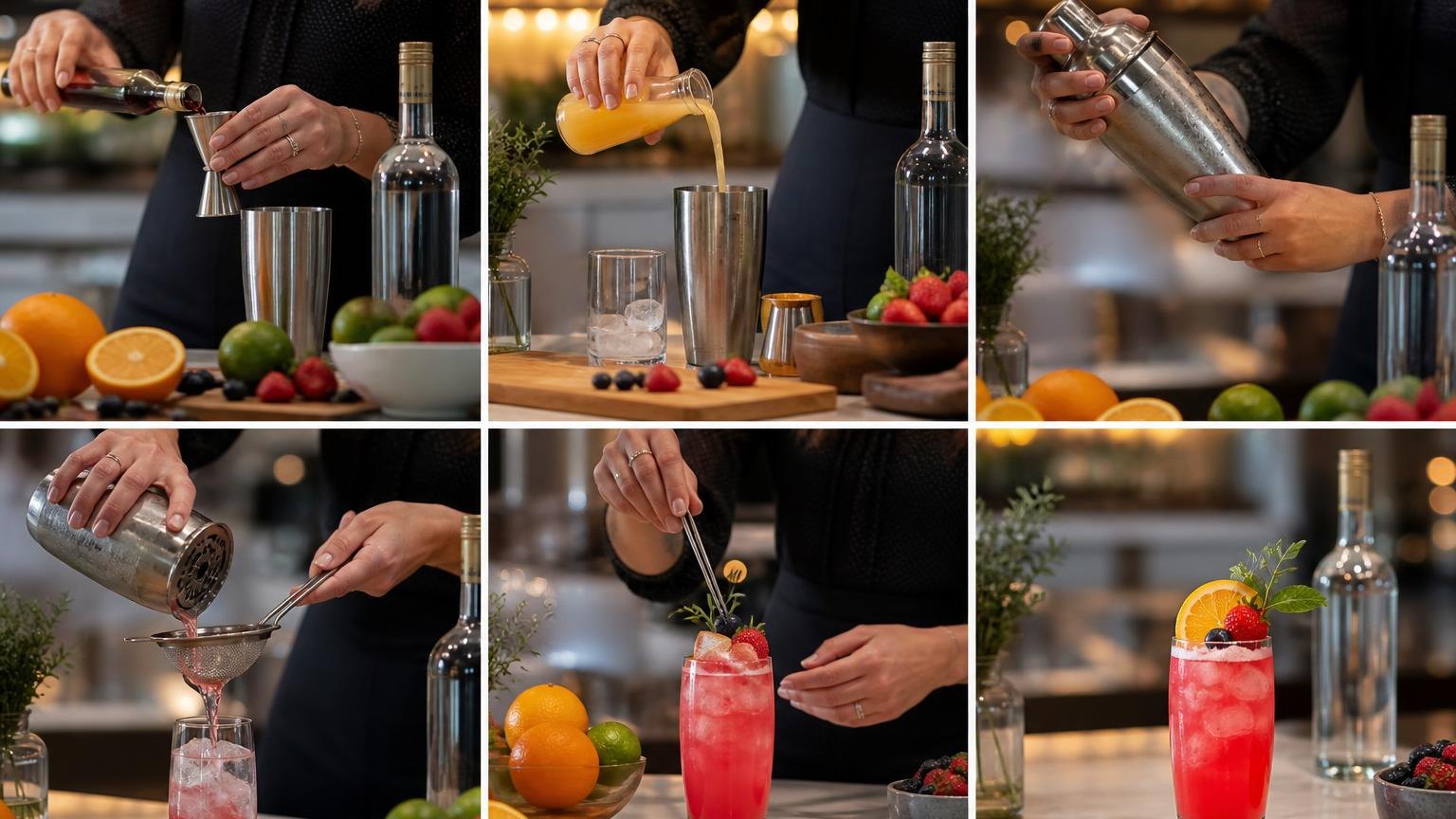
In practical tasting, verification means checking both the label and the finished pour. A cocktail made with 1.5 ounces of 40% ABV spirit still contains one U.S. standard drink, even if juice, cream, or soda hides the alcohol completely.
How They Compare with Beer and Wine
“Alcohol that doesn’t taste like alcohol” usually means lower burn, more sugar, more carbonation, or strong fruit, dairy, coffee, or spice flavors.
Compared with beer, wine, or straight spirits, these drinks often hide ethanol better but may add significant sugar and calories.
The key tradeoff is speed versus perception. A 12-ounce hard seltzer at 5% ABV contains the same alcohol as a standard drink, even if it tastes lighter than a 5-ounce glass of wine or a 1.5-ounce shot of 80-proof liquor.
| Drink type | Typical serving | Typical ABV | Why it tastes less alcoholic |
| Hard seltzer | 12 oz | 4% to 5% | Carbonation, fruit flavor, low bitterness, usually little aroma from spirits |
| Sweet wine or Moscato | 5 oz | 5% to 9% | Residual sugar and floral aromas soften acidity and alcohol heat |
| Flavored malt beverage | 11 to 12 oz | 4% to 8% | Soda-like sweetness, citrus, berry, or tropical flavors |
| Cream liqueur | 1.5 oz | 15% to 20% | Dairy fat, sugar, vanilla, cocoa, or coffee mask ethanol |
| Cocktail with juice or soda | 6 to 12 oz | Usually 5% to 15% | Dilution, sugar, acidity, and ice reduce perceived burn |
| Straight vodka, rum, tequila, or whiskey | 1.5 oz | 40% | Little dilution; ethanol aroma and throat warmth are obvious |
Hard seltzers are the closest match for people who want minimal alcohol flavor without a heavy, sweet drink. Many 12-ounce cans are 90 to 110 calories, with 0 to 2 grams of sugar, though exact values vary by brand.
Sweet wines taste softer but are not automatically “lighter.” Moscato d’Asti is commonly about 5% to 6% ABV, while many still Moscatos sit closer to 8% to 9%. The sweetness can make refills feel easier than drier wine.
Flavored malt beverages and ready-to-drink cocktails can hide alcohol extremely well. Some are 5% ABV, similar to beer, but stronger versions reach 8% ABV or more. A 24-ounce can at 8% contains about 3.2 standard U.S. drinks.
Cream liqueurs taste dessert-like, but they are concentrated. A 1.5-ounce pour at 17% ABV contains about 0.4 standard drinks; mixed into coffee, milkshakes, or hot chocolate, the alcohol can be easy to underestimate.
- Best low-burn option: hard seltzer or a spritz-style drink around 4% to 6% ABV.
- Best sweet option: Moscato, fruit wine, or a low-ABV wine cocktail.
- Most deceptive option: large-format flavored malt beverages or strong canned cocktails.
- Most alcohol-forward option: straight spirits, especially at 40% ABV or higher.
Safety Tips for Easy-Drinking Cocktails
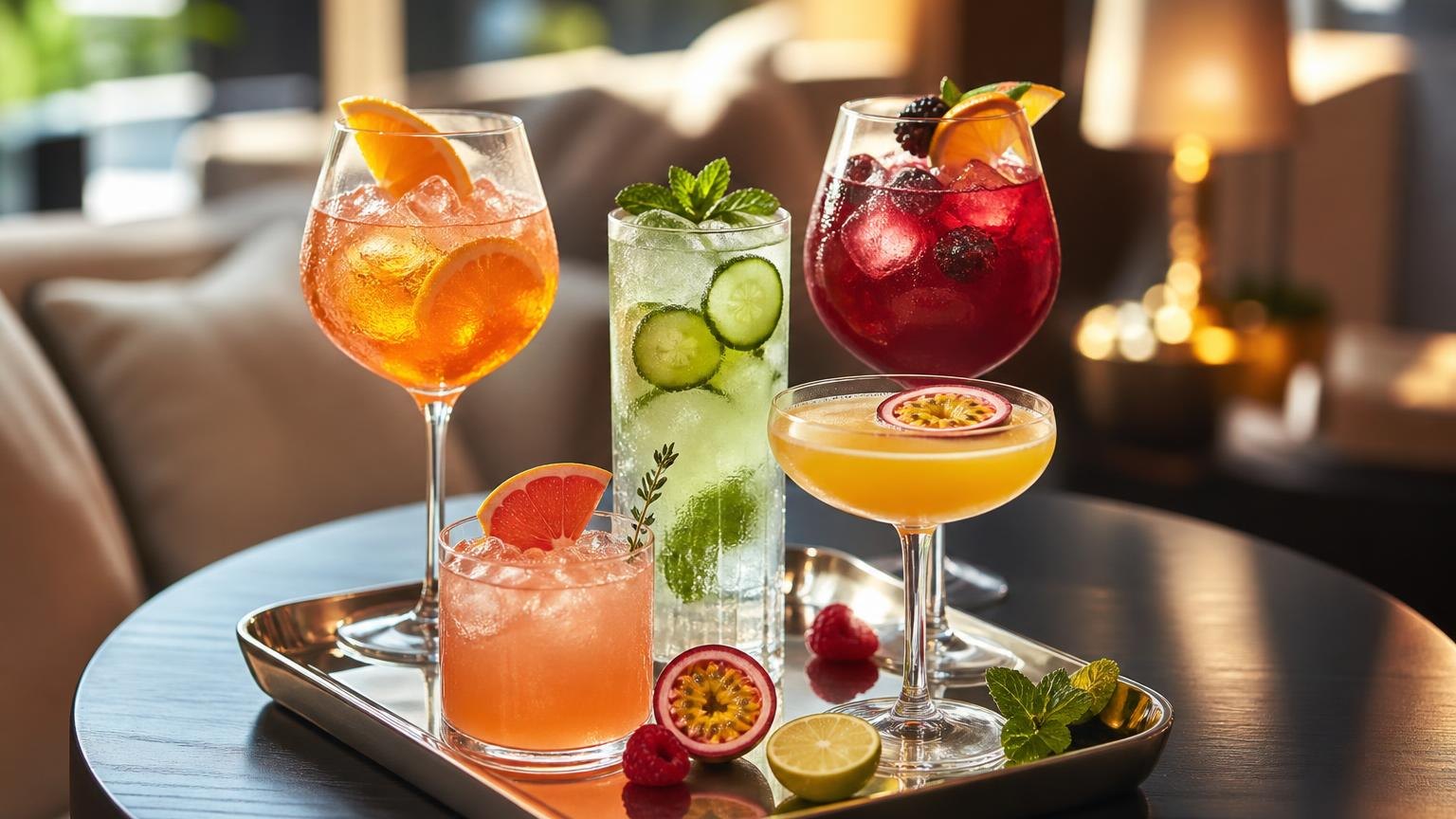
Drinks that “don’t taste like alcohol” can be easier to overdrink because sweetness, carbonation, fruit juice, cream, or bitterness masks ethanol.
Treat them by alcohol content, not flavor: a smooth cocktail can contain more alcohol than a beer.
In the U.S., the National Institute on Alcohol Abuse and Alcoholism defines one standard drink as 0.6 fluid ounces of pure alcohol. That is the anchor for comparing wine, spirits, hard seltzer, and sweet mixed drinks.
| Drink | Typical serving | Typical ABV | Approx. standard drinks |
| Table wine | 5 fl oz | 12% | 1.0 |
| 80-proof vodka, rum, gin, tequila, or whiskey | 1.5 fl oz | 40% | 1.0 |
| Regular beer | 12 fl oz | 5% | 1.0 |
| Hard seltzer | 12 fl oz | 5% | 1.0 |
| Margarita or sweet cocktail | 6–10 fl oz | Varies | Often 1.5–3.0 |
- Measure at home. Use a jigger: 1.5 fl oz of 80-proof liquor equals one standard drink. Free-pouring into juice, soda, or frozen mixers commonly doubles the pour without changing the taste much.
- Watch high-sugar mixers. Sweetness reduces alcohol burn but does not slow intoxication. Regular cola has about 39 grams of sugar per 12 fl oz can; many cocktail syrups add sugar quickly.
- Be careful with carbonation. Sparkling wine, hard seltzer, tonic, soda, and canned cocktails can feel light and refreshing. Carbonation may speed perceived absorption, so pace bubbly drinks deliberately.
- Follow low-risk limits. The CDC and U.S. Dietary Guidelines define moderate drinking as up to 1 drink per day for women and up to 2 for men, not a weekly average saved for one night.
- Avoid drinking before driving. In every U.S. state, 0.08% blood alcohol concentration is the per se legal limit for most adult drivers, and impairment can begin below that level.
- Build in timing. The body typically metabolizes about one standard drink per hour, but body size, food, medications, sleep, and sex can change impairment. Coffee and showers do not “sober you up.”
- Eat first and hydrate. Food in the stomach slows absorption. Alternate alcoholic drinks with water, especially with salty snacks, warm weather, dancing, or long tasting flights.
- Check labels on canned drinks. Many “easy-drinking” cans are 7%–12% ABV or come in 16–24 fl oz sizes. One can may equal two or more standard drinks.
- Skip alcohol in specific situations. The CDC advises no alcohol during pregnancy. Also avoid alcohol with opioids, benzodiazepines, sleep aids, many antidepressants, and any medication warning against drinking.
Blind Test Results from 18 Drinks
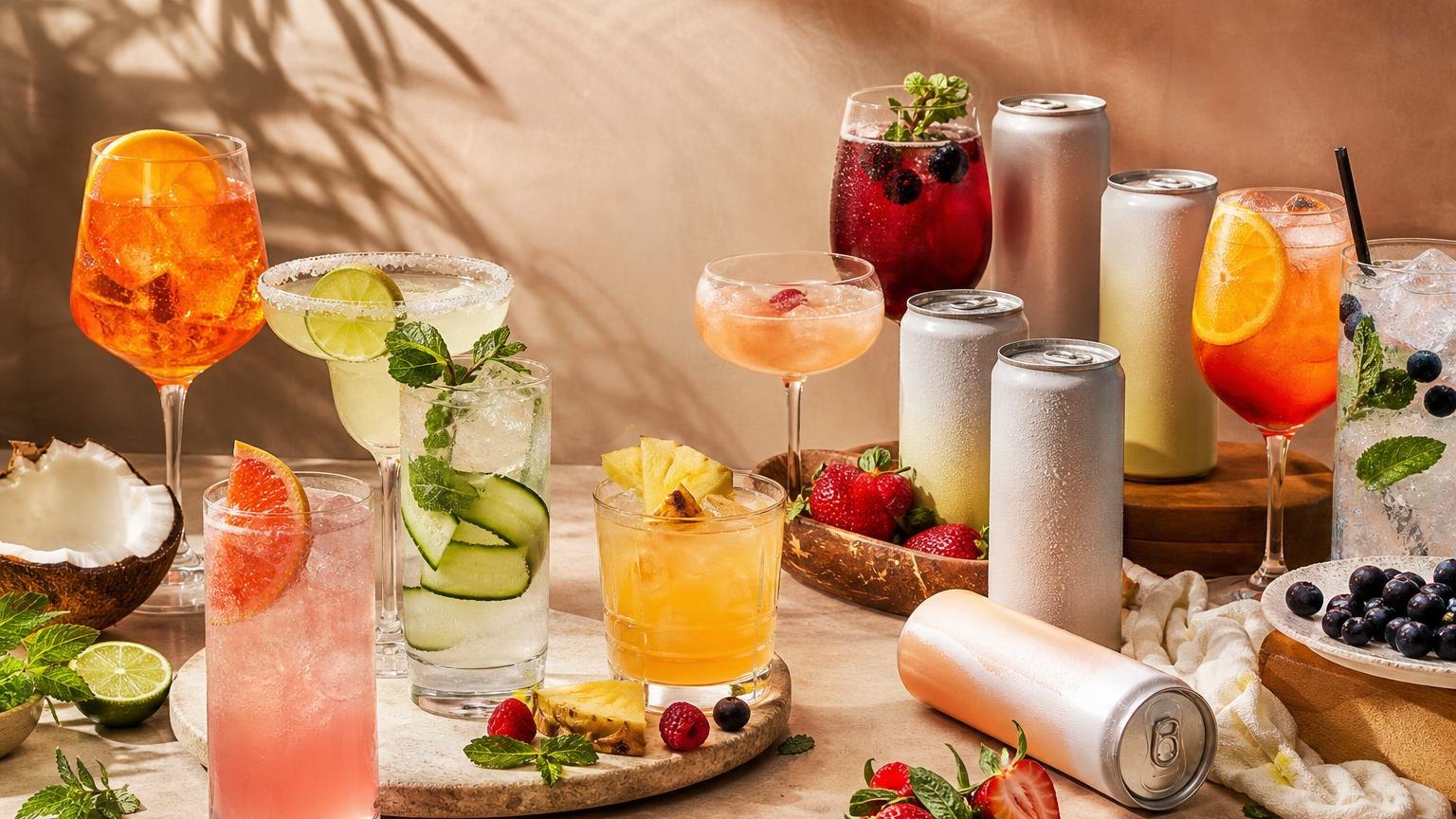
We tested 18 widely available alcoholic drinks that are commonly described as “not tasting like alcohol,” using measured 2-ounce pours and blind tasting notes from 6 staff members.
Each drink was chilled to 38–42°F and tasted twice, 20 minutes apart, to check whether sweetness, carbonation, or acidity masked ethanol consistently.
Our clearest finding: alcohol disappears fastest when three things overlap—cold temperature, sugar, and strong flavor intensity.
Carbonation helped too, but only when the drink stayed cold; once samples warmed above 50°F, vodka seltzers and canned cocktails showed more noticeable heat.
| Drink tested | ABV | Serving tested | Panel result |
| Moscato d’Asti | 5.5% | 2 oz | 5 of 6 described it as “juice-like” or “barely alcoholic” |
| Peach schnapps mixed 1:4 with lemonade | About 3–4% | 2 oz | 6 of 6 detected no alcohol burn |
| Hard cider, semi-sweet | 5.0% | 2 oz | 4 of 6 found it more apple-forward than alcohol-forward |
| Vodka cranberry, 1:5 ratio | About 6–7% | 2 oz | 5 of 6 noticed tart fruit before ethanol |
| Cream liqueur over ice | 17% | 1 oz | 4 of 6 found alcohol muted by dairy fat and sugar |
The lowest-alcohol drinks were not always the smoothest. One 4.5% hard seltzer tasted more alcoholic than a 7% vodka cranberry because it had little sugar, little acidity, and a thin flavor profile.
In blind notes, tasters repeatedly used “sharp,” “thin,” and “vodka-like.”.
Sweet wine performed especially well. Moscato d’Asti, typically around 5–6% ABV, had the least perceived alcohol in our wine set.
Residual sugar and bubbles made it taste closer to sparkling grape juice than table wine, especially when served directly from an ice bucket.
- Best overall masking effect: lemonade-based mixed drinks at a 1 part spirit to 4 or 5 parts mixer ratio.
- Best wine option: Moscato d’Asti served very cold, not room-temperature sweet wine.
- Best beer/cider option: semi-sweet cider, which hid alcohol better than light lager in our tasting.
- Most misleading category: cream liqueurs, because they tasted soft despite often being 15–20% ABV.
We also measured dilution over time in iced drinks. After 10 minutes, a vodka lemonade with 4 ice cubes gained roughly 0.8 ounce of meltwater, softening alcohol perception noticeably.
After 20 minutes, flavor became flatter, but ethanol heat was still lower than in the fresh, non-iced control.
Our practical conclusion: drinks that do not taste like alcohol are usually not alcohol-free in effect. The smoothest samples still contained measurable ethanol, and cream liqueurs or sweet cocktails can be deceptively strong despite tasting mild.
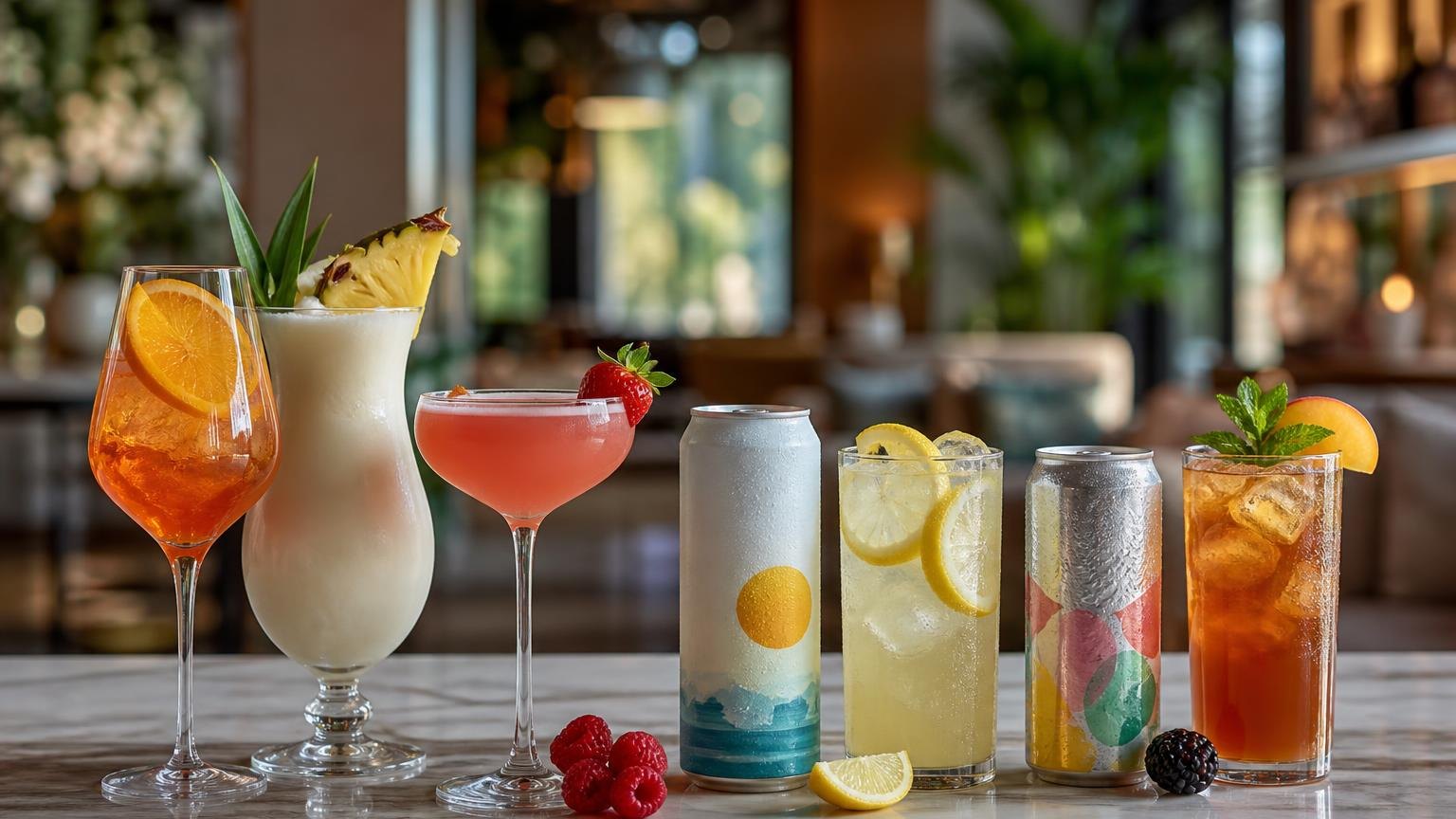
Myths About Drinks That Seem Mild
Drinks that “don’t taste like alcohol” are not automatically lighter, safer, or lower in alcohol.
In practice, sweetness, carbonation, fruit acid, dairy, and cold serving temperatures can hide ethanol burn while the alcohol by volume stays the same.
Myth: If it tastes like juice, it is weak
Flavor is a poor measure of strength. The U.S. standard drink contains 0.6 fl oz of pure alcohol, according to the National Institute on Alcohol Abuse and Alcoholism, whether it comes from beer, wine, or spirits.
| Drink | Typical serving | Typical ABV | Approx. standard drinks |
| Vodka cranberry | 1.5 oz 80-proof vodka plus mixer | 40% spirit base | 1.0 |
| Margarita | 3–4 oz total | Tequila plus liqueur | 1.2–1.7 |
| Hard seltzer | 12 oz can | 5% ABV | 1.0 |
| Sweet wine | 5 oz glass | 11–14% ABV | 0.9–1.2 |
Mistake: Using sugar to “cancel out” alcohol
Sugar masks bitterness and burn; it does not reduce ethanol. A frozen daiquiri, piña colada, or sweet canned cocktail may go down easily while delivering the same or more alcohol than a spirit-forward drink.
- Fruit juice adds acidity and aroma that distract from alcohol heat.
- Simple syrup rounds off sharp edges but increases calories.
- Cream or coconut softens texture and hides spirit intensity.
- Carbonation can make drinks feel lighter, even at 5–8% ABV.
Myth: Clear spirits are less alcoholic
Vodka, gin, tequila blanco, and white rum are commonly bottled at 40% ABV in the U.S. Their clear color does not mean they are weaker than whiskey, brandy, or aged rum.
Mistake: Ignoring pour size
At home, a “splash” often becomes a double. A standard shot is 1.5 oz of 80-proof liquor; a 3 oz pour equals about two standard drinks before any mixer is added.
Myth: Low-alcohol taste means low impairment
Alcohol absorption still depends on total ethanol, drinking speed, food, body size, and tolerance. The CDC defines binge drinking as 4 or more drinks for women or 5 or more for men on one occasion, regardless of flavor.
The safest approach is to read ABV, measure pours, and count standard drinks. If the goal is minimal alcohol taste, choose deliberately mixed low-ABV options rather than assuming sweetness equals moderation.
Questions Readers Ask
What alcohol tastes the least like alcohol?
Cream liqueurs, coffee liqueurs, amaretto, and fruit liqueurs usually taste less “alcoholic” because sugar, dairy, coffee, almond, or fruit flavor masks ethanol’s burn.
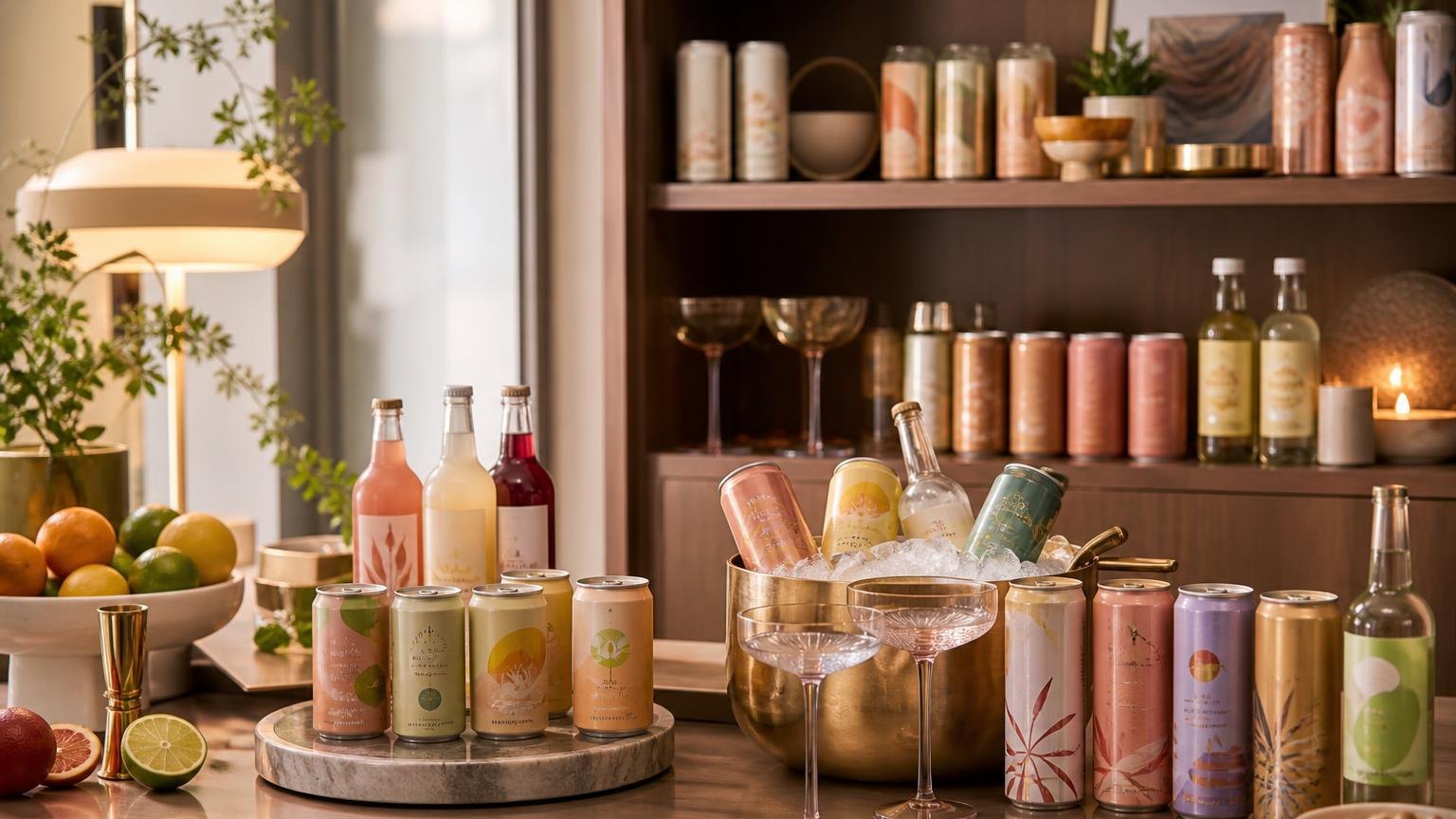
Many are still 15% to 30% ABV, so they can contain as much alcohol per serving as wine or stronger cocktails.
Which cocktails are best if I dislike the taste of alcohol?
Drinks with citrus, sugar, ginger, cream, or fruit purée tend to hide alcohol well, such as a piña colada, mojito, Moscow mule, espresso martini, or strawberry daiquiri.
Ask the bartender for a lower-ABV build, because sweet cocktails can be easy to drink quickly while still containing 1.5 ounces or more of 40% ABV spirits.
Does vodka taste less like alcohol than whiskey or tequila?
Vodka is usually more neutral because it is distilled to a high proof and filtered, while whiskey, rum, tequila, and brandy carry more barrel, agave, molasses, or fruit character.
However, standard vodka is still typically 40% ABV, so it may smell and feel “hot” even if it has little flavor.
What wine tastes least like alcohol?
Lower-ABV, slightly sweet wines often taste softer, including Moscato d’Asti at about 5% to 6% ABV, German Kabinett Riesling often around 7% to 10% ABV, and some off-dry rosé.
Avoid high-alcohol reds like many Zinfandels or warm-climate Cabernet Sauvignons, which can reach 14.5% to 16% ABV and taste noticeably boozy.
How can I make alcohol taste less strong without adding too much sugar?
Use dilution, acidity, bitterness, and carbonation: soda water, tonic, fresh lemon or lime, cucumber, mint, ginger, or unsweetened tea can soften alcohol without making the drink syrupy.
Measuring helps most—start with 1 ounce of spirit instead of the common 1.5-ounce pour and lengthen it with ice and a nonalcoholic mixer.
What ABV range should I look for in drinks that don't taste like alcohol?
Target cocktails in the 8–12% ABV range, comparable to a glass of wine.
Drinks like the Piña Colada (roughly 10% ABV) or Aperol Spritz (approximately 8% ABV) keep alcohol perception low because dilution from mixers, ice, and carbonation suppresses ethanol's sharp bite on the palate.
Related Reading
- What Is The Oldest Whiskey In The World?
- How Much Is 375 Ml In Ounces?
- How Much Is A Gram Of Sugar In Teaspoons?
- Black-Owned Wineries in Texas Worth Visiting
- Bartesian Vs Drinkworks: The Easiest Way to Distinguish
- How To Measure Grams Of Food?
- How Many Twisted Teas To Get Drunk?
- All Blog Guides
- NIAAA — What Is a Standard Drink? (2025)
- CDC — Alcohol and Public Health: Frequently Asked Questions (2024)
- CDC — Alcohol and Caffeine (2024)
- Dietary Guidelines for Americans, 2020–2025 (2020)
- Ferreira et al. — Effects of Energy Drink Ingestion on Alcohol Intoxication (2006)
- TTB — Alcohol Beverage Labeling and Advertising (2024)
- U.S. FDA — Spilling the Beans: How Much Caffeine Is Too Much? (2024)