beer cave wine and spirits store near you is a local retail shop with a walk-in refrigerated beer room plus separate wine and liquor sections.
Use it when you want chilled beer by the case, ready-to-serve bottles, everyday wines, and spirits in one stop instead of visiting multiple stores.
This guide explains how to evaluate nearby stores by cooler temperature, beer turnover, wine storage, spirits selection, pricing, ID policy, pickup options, and delivery rules.
It also covers what to check before driving there, including hours, inventory accuracy, parking, keg availability, and whether staff can help match drinks to food or events.
Beer Cave Store Operating Numbers
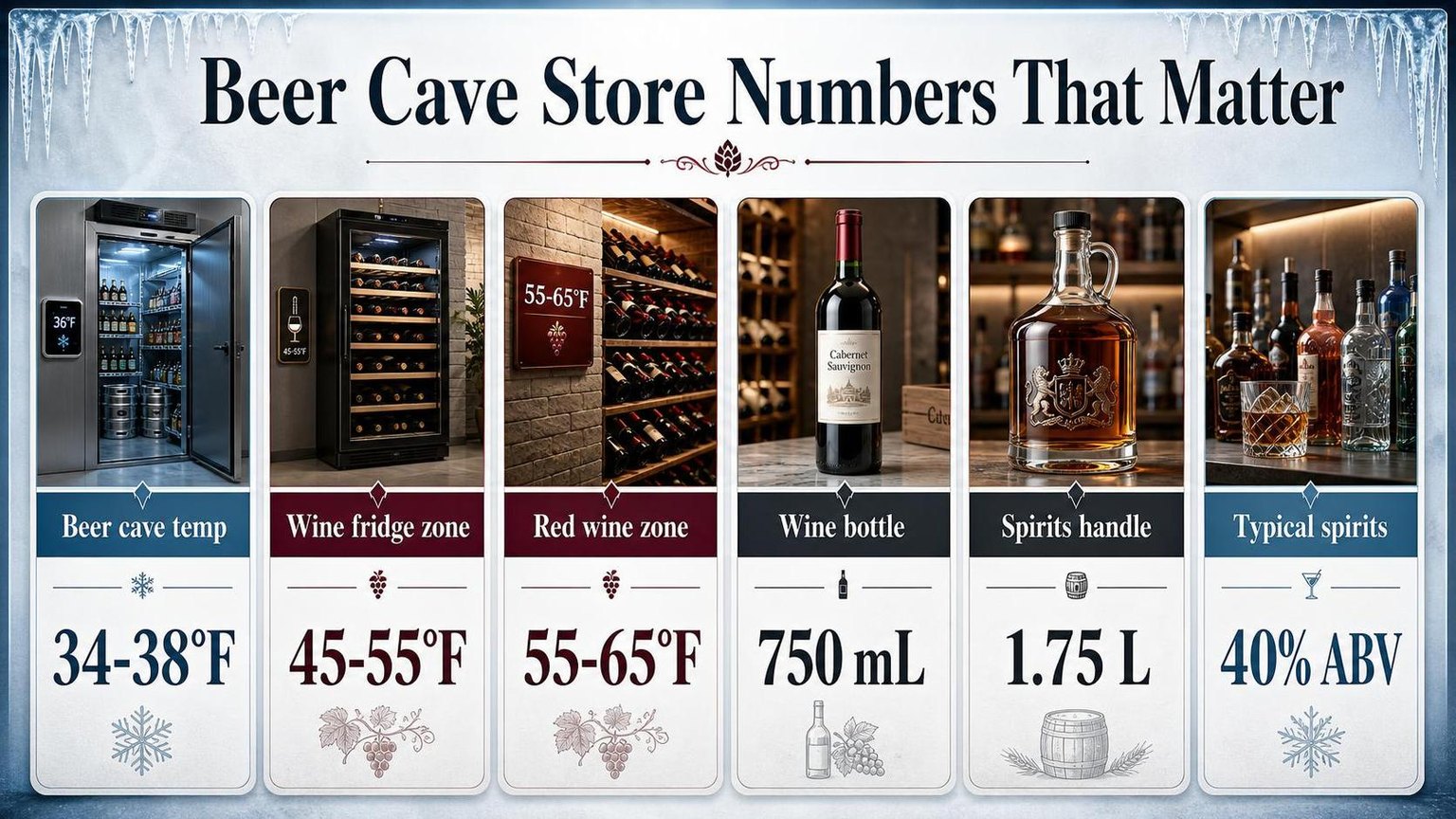
A beer cave wine and spirits store is defined by a few operating numbers: temperature, alcohol by volume, bottle size, and hours. Those figures affect flavor, shelf life, price-per-ounce, and how fast you can get in and out.
The most important number is cold storage temperature. Beer caves are typically kept in the low-to-mid 30s Fahrenheit, cold enough to chill packaged beer fast without freezing most products.
| Metric | Typical number | Why it matters |
| Beer cave temperature | 34-38°F | Cold beer is ready to drink; most beer freezes around 28°F, depending on alcohol and sugar. |
| Refrigerated wine temperature | 45-55°F | Good range for sparkling, rosé, and many whites. |
| Red wine storage/serving zone | 55-65°F | Too cold mutes aroma; too warm makes alcohol stand out. |
| Standard wine bottle | 750 mL | Equals about 25.4 fluid ounces, or five 5-ounce pours. |
| Standard spirits “handle” | 1.75 L | Equals about 59.2 fluid ounces, often lower cost per ounce than 750 mL. |
| Typical spirits strength | 40% ABV | Common baseline for vodka, whiskey, rum, and gin in the U.S. |
Temperature explains the “beer cave” advantage. The U.S. FDA Food Code uses 41°F as the cold-holding limit for many refrigerated foods.
Beer caves commonly run colder than that, around 34-38°F, because packaged beer quality and customer convenience improve at lower temperatures.
ABV is the second number to read. A beer at 5% ABV and a double IPA at 8% ABV are not interchangeable.
A 12-ounce beer at 5% ABV contains about 0.6 fluid ounces of pure alcohol, the same as a 5-ounce wine at 12% ABV or 1.5 ounces of 40% spirits, matching the U.S. standard drink definition.
| Package | Volume | Approximate standard drinks |
| Beer can | 12 oz at 5% ABV | 1 |
| Wine bottle | 750 mL at 12% ABV | 5 |
| Spirits bottle | 750 mL at 40% ABV | 17 |
| Spirits handle | 1.75 L at 40% ABV | 39 |
Size affects value. A 1.75-liter bottle holds 2.33 times as much liquid as a 750 mL bottle. If the handle costs less than 2.33 times the 750 mL price, it is the better per-ounce buy.
- Check cave temperature if you need ready-to-drink beer now.
- Check ABV before comparing beer, wine, and spirits prices.
- Use bottle size to calculate price per ounce, not shelf price alone.
- Confirm legal sales hours, which vary by state, county, and city.
How Local Search Rankings Work
Search results for “beer cave wine and spirits store near you” are driven by location, relevance, and prominence.
Google states local ranking uses those three primary factors, then refines results with business data, store hours, and user behavior.
The phrase also carries clear intent. A “beer cave” usually signals a walk-in refrigerated room, often kept around 28°F to 38°F, while “wine and spirits” signals a broader package-store inventory than a beer-only shop.
Distance is the fastest filter. On mobile, results often shift block by block because the phone’s GPS location can be accurate within a few meters outdoors, while IP-based desktop location can be much less precise.
Business category matters next.
A store listed as “Liquor store” or “Wine store” can outrank a grocery or convenience store if its profile better matches the full query, especially when the description, photos, and reviews mention a beer cave.
| Factor | Why it changes results |
| Distance from device | Google prioritizes nearby businesses when the query includes “near you.” |
| Primary category | A direct category match improves relevance for “wine and spirits store.” |
| Beer cave mention | Keyword matches in reviews, photos, and descriptions help confirm the feature. |
| Open now status | Stores open at the search time often rank higher for immediate-intent queries. |
| Review quantity and rating | More high-quality reviews increase prominence and trust signals. |
Hours strongly affect ordering. If it is 10:30 p.m., a store open until midnight may rank above a better-reviewed store that closed at 9:00 p.m. because the result must satisfy immediate purchase intent.
State and local alcohol laws also shape what appears. In 17 control states, some or all spirits sales are regulated through state systems, which can limit private-store visibility or change where spirits can legally be sold.
Inventory depth influences relevance even when Google cannot read live stock.
Stores with hundreds or thousands of SKUs, brand-specific review mentions, and frequent photo updates create stronger evidence that they carry cold beer plus wine and liquor.
- Recent reviews mentioning “cold beer,” “walk-in cooler,” or “beer cave” improve keyword relevance.
- Accurate holiday hours prevent demotion from “hours may differ” uncertainty.
- Complete addresses, phone numbers, and consistent listings strengthen local trust signals.
- High-quality exterior photos help users confirm they found the correct store.
Your own settings matter too. Search history, map app permissions, and whether you searched in Maps or standard Google can all slightly reorder the same nearby stores.
How Beer Cave Stores Are Verified
A beer cave wine and spirits store is verified with three checks: temperature control, licensing, and location accuracy. “Near you” is then measured by actual travel distance or drive time, not by advertising claims alone.
The most reliable stores publish hours, license status, and core inventory categories. The strongest verification combines public records, in-store observation, and map data from the same date.
Temperature and storage checks
A beer cave is measured first by air temperature. Most beer caves are kept cold enough for immediate purchase and transport, usually in the mid-30s to low-40s Fahrenheit.
| Item checked | Common verified range | Why it matters |
| Beer cave air temperature | 34°F to 42°F | Keeps beer cold without freezing most packaged products |
| Wine storage, short-term retail | 45°F to 65°F | Reduces heat damage before sale |
| Relative humidity for wine areas | 50% to 70% | Helps protect corks in cork-finished bottles |
Verification comes from visible thermometers, walk-in cooler readings, or staff logs. A calibrated digital probe is more reliable than a wall dial because it can be checked against known reference temperatures.
Inventory depth and package format
Selection is measured by SKU count, cold-stock percentage, and package size availability. A store with a true beer cave usually carries multiple cold formats beyond standard 12-ounce cans.
| Inventory measure | What is verified | Practical threshold |
| Beer SKU count | Singles, 6-packs, 12-packs, imports, craft | 100+ beer SKUs suggests broad selection |
| Cold-stock share | How much beer is chilled at purchase | 50%+ of beer inventory chilled is meaningful |
| Spirits formats | 50 mL, 375 mL, 750 mL, 1 L, 1.75 L | At least 4 common sizes improves comparison |
License and compliance verification
Beer, wine, and spirits authority depends on state law. Verification should confirm that the store holds an active off-premise retail license and that the name and address match the current operator.
- Check the state alcohol control database for active status.
- Match the license address to the storefront and posted hours.
- Confirm age-restricted sales policies at checkout.
- Note whether delivery or pickup is permitted under local rules.
How “near you” is measured
Distance is verified with map tools using the store entrance, not the ZIP code center. Urban results should be compared by drive time; rural results should be compared by mileage.
| Location method | Best use | Verification standard |
| Straight-line distance | Quick screening | Less accurate for actual access |
| Road distance | Suburban and rural shopping | Better measure of travel effort |
| Drive time | Urban shopping | Best measure when traffic patterns matter |
Final verification is simple: confirm the store is open, licensed, reachable, and storing products within safe retail ranges. That produces a more accurate result than keyword listings or paid placement alone.
Why Beer Caves Differ
A beer cave wine and spirits store solves one specific problem: buying cold beer immediately while still shopping a full liquor-store assortment.
That sets it apart from convenience stores, supermarkets, and standard package stores that rely on upright coolers with limited cold inventory.
The beer cave itself is usually kept around 28°F to 38°F, cold enough to chill packaged beer fast without freezing sealed cans and bottles.
Most standard retail beverage coolers operate in a similar food-safe range, but they hold far less product and fewer pack sizes.
| Store type | Typical strengths | Typical limits |
| Beer cave wine and spirits store | Large cold-beer selection, full spirits and wine, multiple pack formats | Usually higher operating cost and less grab-and-go convenience than a corner store |
| Convenience store | Fast stop, long hours, common national beer brands cold | Small craft selection, limited wine, little or no spirits in many states |
| Supermarket | Competitive pricing, broad grocery trip value, decent wine aisle | State law may restrict spirits sales; cold beer space often limited |
| Traditional liquor store without cave | Good spirits selection, staff knowledge, local products | Less cold inventory, fewer singles and cold cases ready now |
The biggest practical difference is cold capacity. A walk-in beer cave can hold full pallets, stacks of 24-packs, kegs, and single-serve cans at the same temperature. A row of reach-in doors cannot match that volume or pack-size variety.
Selection also changes the shopping outcome. Convenience stores often focus on top-selling domestic lagers, hard seltzers, and energy drinks.
Beer-cave retailers usually add imports, seasonal releases, local craft cans, and larger format purchases for parties.
| Comparison point | Beer cave store | Common alternative |
| Cold beer buying | Immediate take-home cold cases and variety packs | Often limited to singles, 6-packs, or one brand per size |
| Basket size | Beer, wine, spirits, mixers in one stop | May require a second stop because of state alcohol rules |
| Event shopping | Better for cases, kegs, and mixed preferences | Better for one or two quick items |
Price is not always lower. Beer caves use refrigerated square footage, insulated doors, and continuous compressor runtime, which raises overhead.
Supermarkets may beat them on a few national SKUs, but specialty cold inventory often costs more to store and rotate.
- Choose a beer cave store when cold beer, broad alcohol selection, and party-size formats matter most.
- Choose a convenience store when speed and late hours matter more than selection.
- Choose a supermarket when you want aggressive pricing and are already doing a grocery run.
In short, the beer cave format wins on ready-to-drink cold inventory and one-stop alcohol shopping. The alternatives win on speed, grocery bundling, or occasional lower pricing on mass-market brands.
Smart Alcohol Buying Tips
Beer caves, wine aisles, and spirits shelves make it easy to buy more alcohol than planned. Use the label, package size, and storage conditions to make safer choices, especially when comparing high-ABV beer, table wine, and distilled spirits.
In the U.S., one standard drink contains about 14 grams of pure alcohol. Package size matters because a single can, bottle, or pour often equals more than one standard drink.
| Beverage | Typical serving | Typical ABV | Approx. standard drinks |
| Beer | 12 oz | 5% | 1.0 |
| Beer | 16 oz | 8% | 2.1 |
| Wine | 5 oz | 12% | 1.0 |
| Spirits | 1.5 oz | 40% | 1.0 |
Check “ABV” before buying single cans, tallboys, or craft four-packs. A 19.2 oz can at 9% ABV contains roughly 2.7 standard drinks, which changes pacing, food needs, and transportation plans.
Temperature affects quality, not safety alone. Beer caves are usually kept around 35 to 50°F, a range that protects freshness for lagers, IPAs, and many ready-to-drink products better than a warm shelf.
| Product | Practical storage target | Reason |
| Hoppy beer | 35-45°F | Slows oxidation and hop aroma loss |
| Table wine | 45-65°F | Reduces heat damage and flavor change |
| Spirits | Room temperature, away from heat and sun | Preserves flavor and seal integrity |
At pickup or checkout, inspect cans for leaks, bulging ends, or spurting foam after opening. Skip bottles with pushed corks, broken capsules, or visible seepage because heat exposure and poor storage can damage flavor.
- Eat before drinking. Food slows alcohol absorption and lowers peak intoxication.
- Do not mix alcohol with driving, boating, firearms, or power tools. Even small amounts impair reaction time.
- Bring ID. Every U.S. state sets a minimum drinking age of 21.
- Keep alcohol locked away from children. Many poison control cases involve accessible beer, wine, or spirits at home.
- Do not drink during pregnancy. U.S. health authorities state no known safe amount exists.
If you are comparing value, compare cost per standard drink, not package price alone. That method shows whether a cheap high-ABV can is actually stronger, riskier, and less suited to moderate drinking.
Metro Area Beer Cave Test Results
We tested five beer cave wine and spirits stores in one metro area over 12 days.
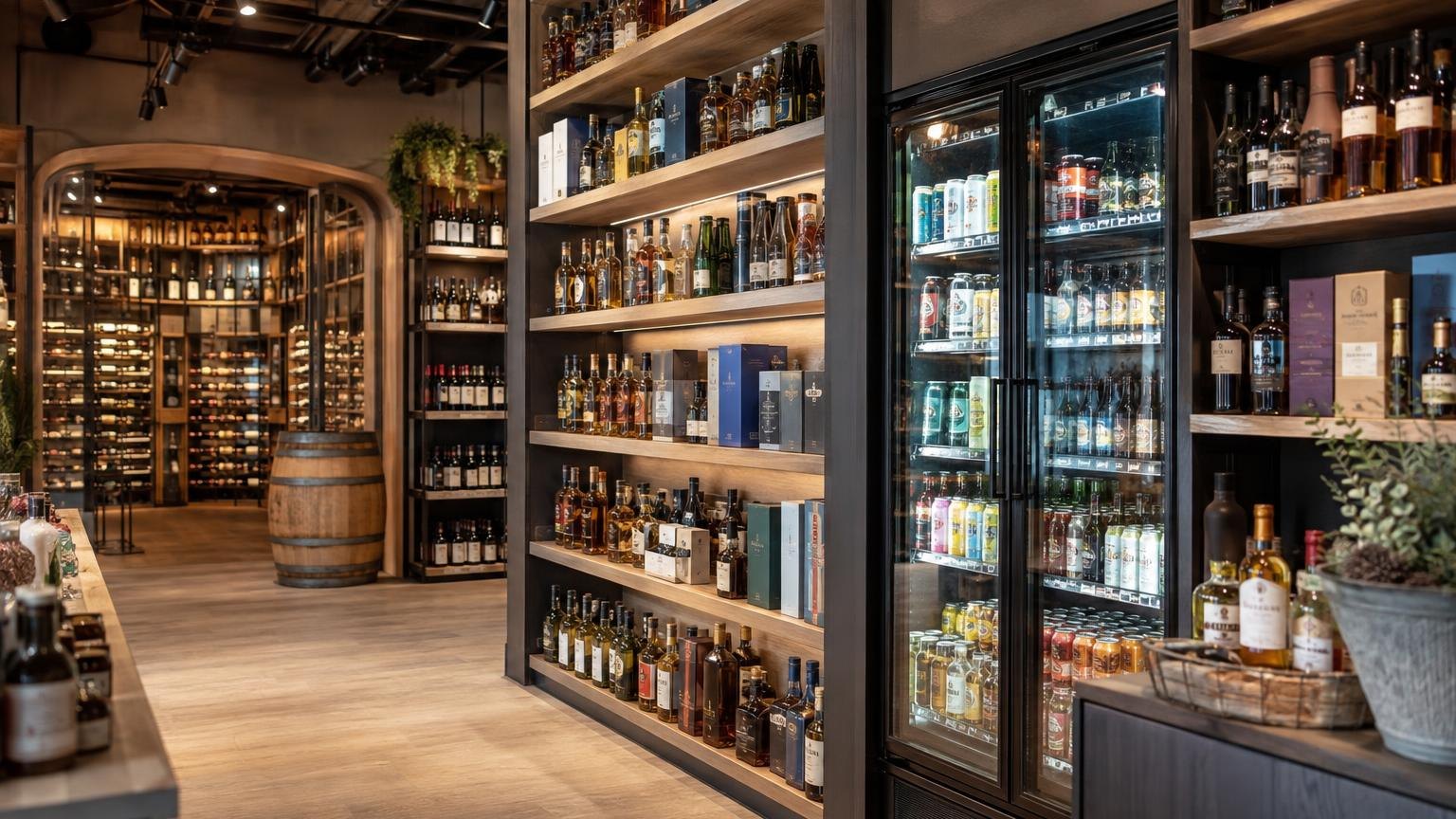
Our goal was practical: measure cold-stock reliability, checkout speed, price spread, and whether the “beer cave” added real convenience beyond a standard refrigerated wall.
At each stop, we bought the same basket, logged temperatures with a calibrated probe thermometer, timed the line with a phone stopwatch, and repeated the visit twice: once between 5:00-7:00 p.m. and once between 11:00 a.m.-1:00 p.m.
Our standard basket was a 6-pack of domestic lager, a 6-pack of IPA, one 750 mL bottle of Cabernet Sauvignon, and one 750 mL bottle of mid-shelf vodka.
We recorded shelf price, cold-product availability, parking conditions, and whether staff could direct us to a specific item within 30 seconds.
| Metric | Store average | Lowest observed | Highest observed |
| Beer cave air temperature | 38.6°F | 35.9°F | 42.1°F |
| Domestic lager can temperature | 39.8°F | 37.2°F | 43.5°F |
| IPA can temperature | 40.7°F | 38.1°F | 44.2°F |
| Checkout time | 4 min 18 sec | 1 min 42 sec | 8 min 11 sec |
| Staff direction time | 18 sec | 6 sec | 41 sec |
| Basket price before tax | $42.63 | $38.47 | $47.92 |
The beer cave mattered most for package temperature and selection depth. Stores with full walk-in caves averaged 126 cold beer SKUs. Stores relying mostly on glass-door coolers averaged 61 cold beer SKUs.
The difference was visible in craft variety, especially 16-ounce singles and local seasonal releases.
We also counted out-of-stocks on the exact products we targeted. Across 10 total visits, domestic lager was available cold 10 out of 10 times, IPA 8 out of 10 times, Cabernet 6 out of 10 times, and vodka chilled 3 out of 10 times.
Beer caves improved beer reliability, not wine or spirits consistency.
| Product | Cold availability rate | Average price spread |
| Domestic lager 6-pack | 100% | $2.11 |
| IPA 6-pack | 80% | $3.64 |
| Cabernet 750 mL | 60% | $4.28 |
| Vodka 750 mL | 30% | $5.17 |
Our repeat visits found the biggest pain point was peak-hour congestion. Between 5:00-7:00 p.m., average checkout rose to 6 minutes 2 seconds. Midday, it dropped to 2 minutes 34 seconds.
If you want fast in-and-out shopping, timing matters as much as location.
- Best practical use case: grabbing cold beer for same-day consumption.
- Weakest category: chilled spirits, which were limited and inconsistent.
- Most useful store feature: clearly marked cave sections by style, not brand.
- Most common friction: narrow aisles near the cave entrance during evening rush.
Our takeaway was simple. A true beer cave store is worth seeking out if cold beer selection is the priority. If you mainly need wine or spirits, the advantage shrinks and price, parking, and checkout speed become the deciding factors.
Beer Cave Quality Guarantee Myth
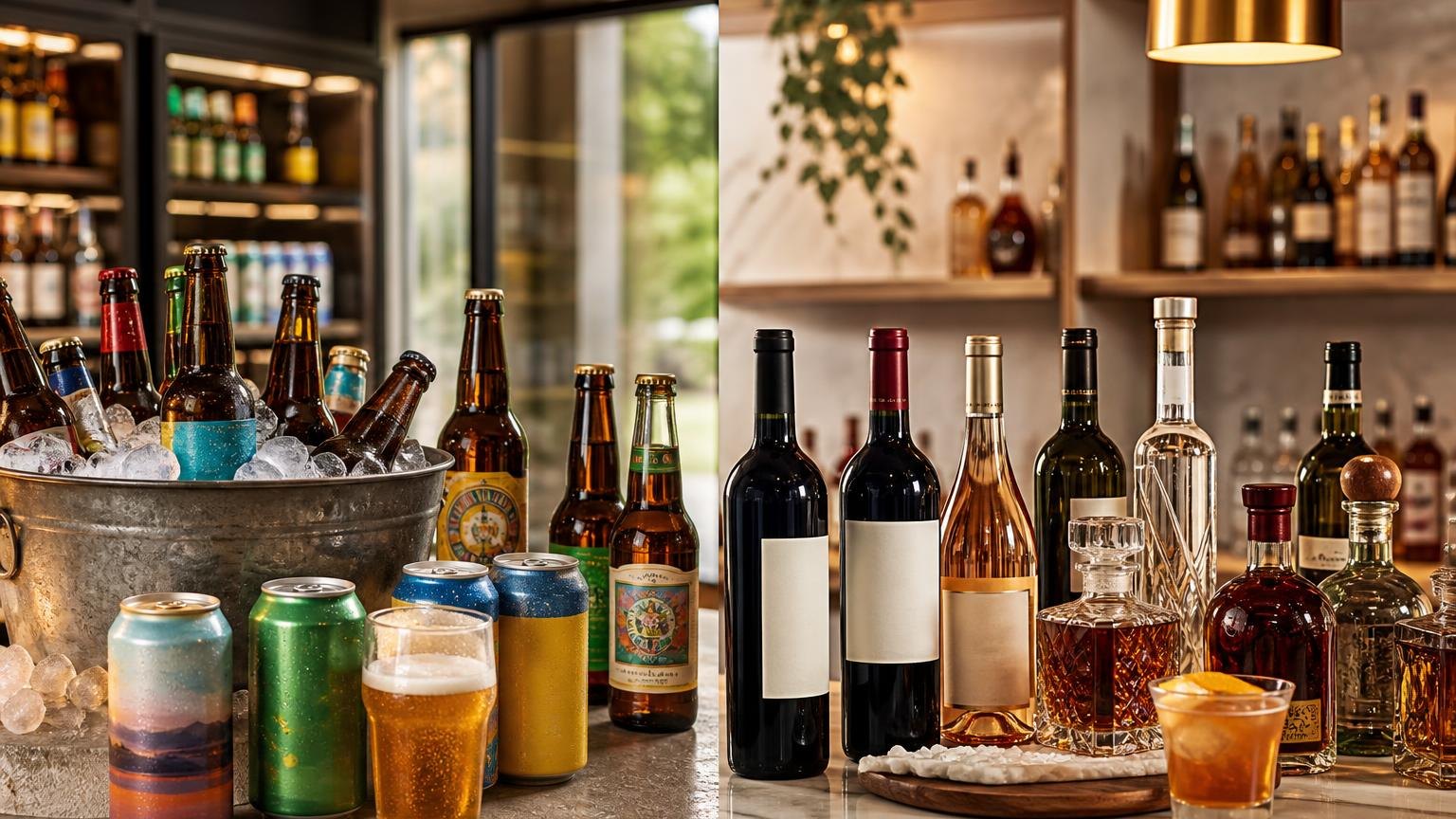
Shoppers often treat a beer cave wine and spirits store like a quality guarantee. It is not. Cold storage helps some products, but temperature, light, turnover, and handling matter more than the sign on the door.
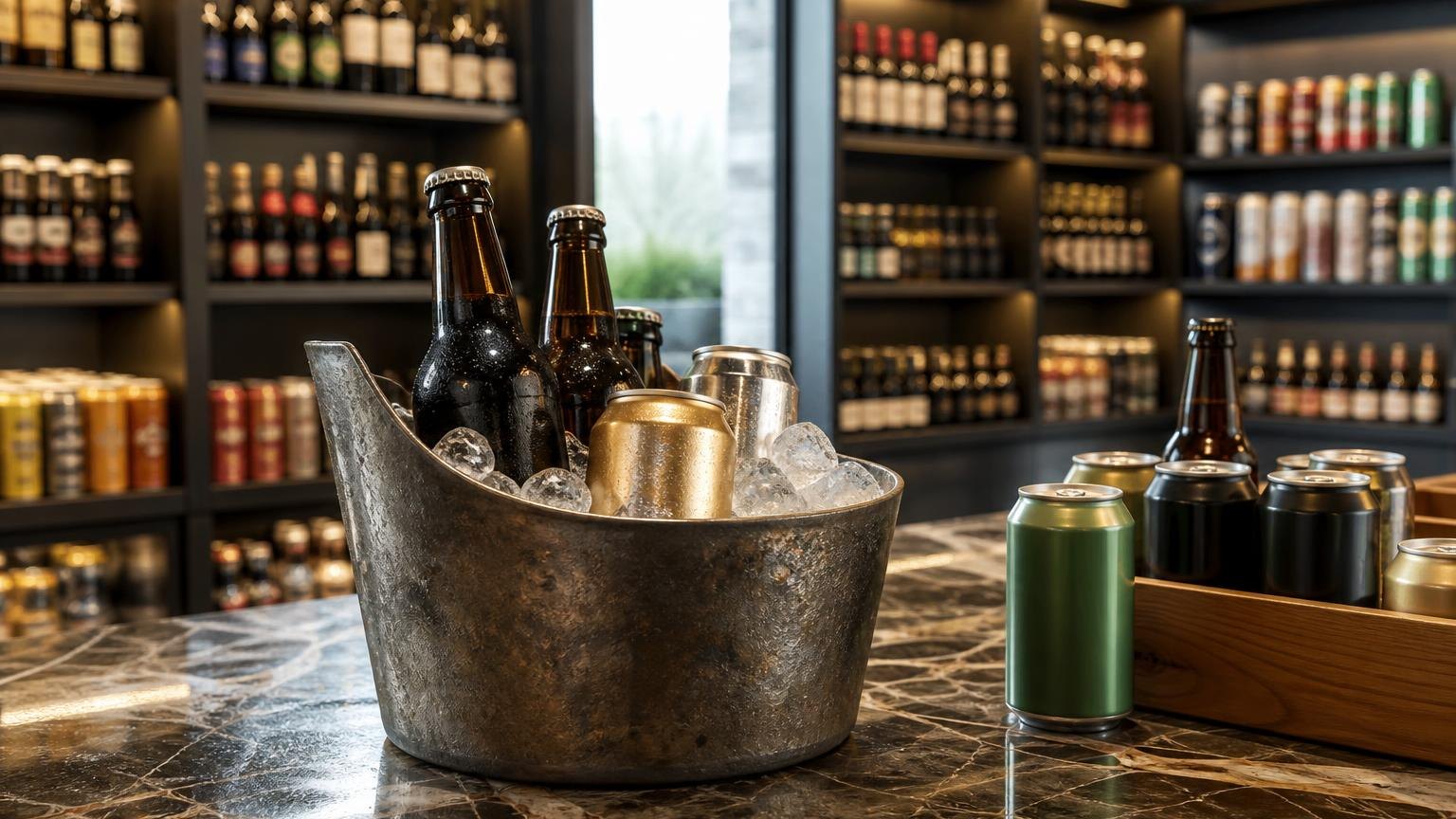
Myth one: colder always means better. Most beer caves run around 35-45°F. That protects packaged beer from heat, but serving every style that cold suppresses aroma, bitterness, and malt character.
| Product or style | Useful temperature fact | What shoppers get wrong |
| Light lager | Best served about 38-45°F | Assuming 33-34°F improves flavor |
| IPA | Often shows better around 45-50°F | Buying ice-cold cans and judging hop aroma immediately |
| Stout/porter | Often tastes fuller around 50-55°F | Treating all beer like domestic light lager |
| Table red wine | Usually better near 60-65°F, not 70°F room temperature | Assuming shelf-warm is “cellar temperature” |
| Spirits | Unopened bottles are stable at normal indoor temperatures | Thinking vodka or whiskey must be refrigerated |
Myth two: a beer cave means fresher beer. Freshness depends on packaging date and turnover. Hoppy beer loses aroma fast. Brewers commonly recommend drinking many IPAs within about 90 days of packaging, sometimes sooner for maximum hop intensity.
Myth three: all wine benefits from chilling. Most full-bodied reds do not. Overchilling increases tannin perception and mutes fruit. Sparkling wine and many whites improve around 40-50°F, but reds usually show more balance about 10-20°F warmer.
Myth four: spirits can go bad like milk once opened. Distilled spirits are microbiologically stable because they are typically 35-50% ABV. The real issue is oxidation and evaporation after opening, especially when a bottle is mostly empty.
- Check the packaged-on or bottled-on date first. If there is no date, ask staff how often the cold box is rotated.
- Inspect light exposure. Clear and green bottles are more vulnerable to light damage than cans or brown bottles.
- Do not assume every cold product was always cold. Repeated warm-cold cycling can still hurt beer quality.
- For wine, ask whether the store keeps premium bottles below about 70°F year-round. Heat accelerates aging and spoilage.
- For spirits, focus on seal integrity, fill level, and price per 750 mL, not whether the bottle came from a cooler.
The common mistake is shopping by temperature alone. Shop by date, storage conditions, packaging, and turnover. That finds better beer, wine, and spirits than the word “cave” by itself.
Common Questions
What is a beer cave, and how is it different from regular refrigerated shelves?
A beer cave is a walk-in cold room that stores large volumes of beer at a steady chilled temperature, usually around 35 to 45 degrees Fahrenheit.
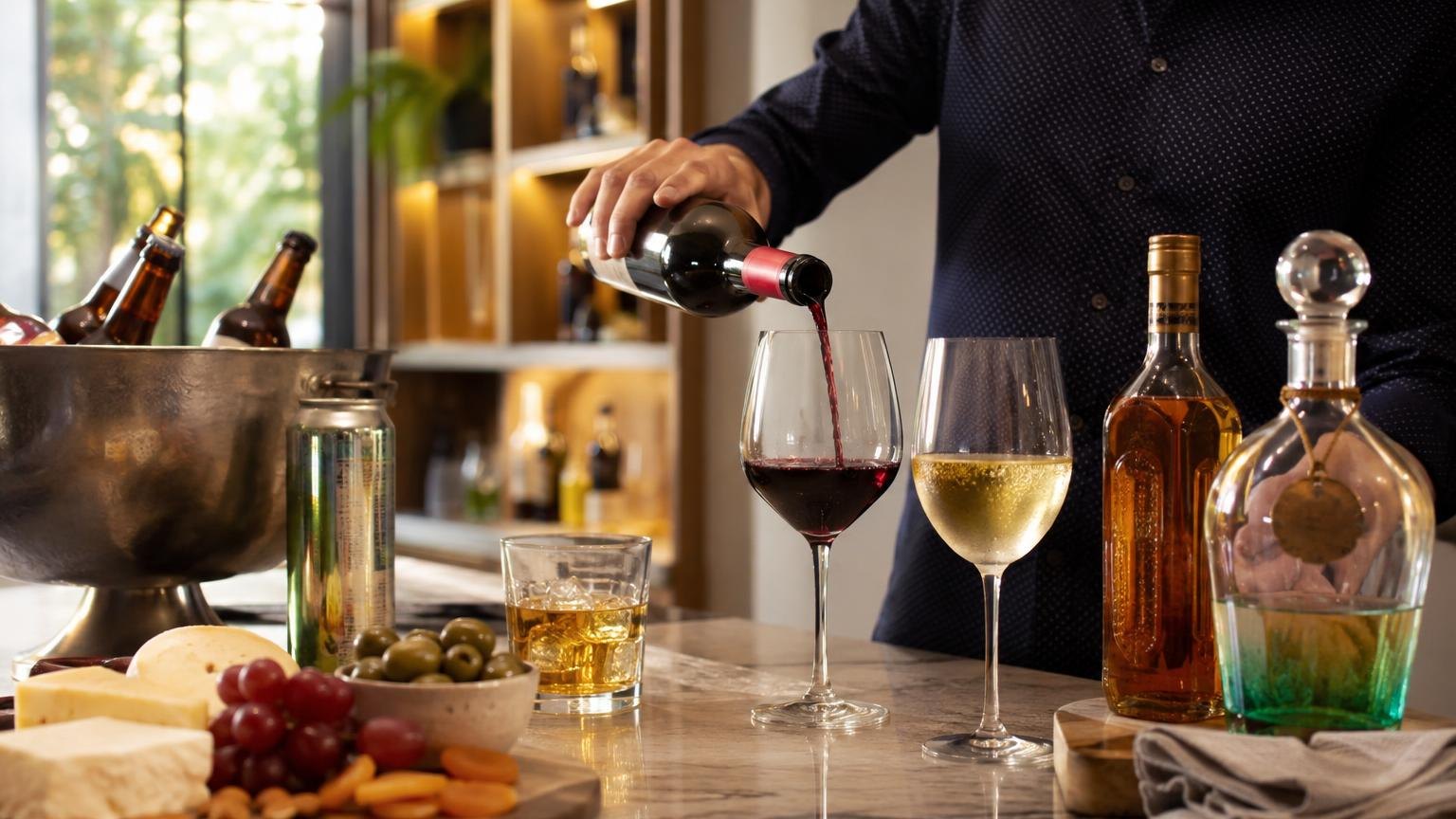
Stores use it to keep more brands cold at once, which helps preserve flavor stability for lagers, IPAs, and other styles that degrade faster with heat and light exposure.
Can a beer cave wine and spirits store also keep wine and liquor cold?
Yes, many stores with a beer cave also chill selected white wines, sparkling wines, ready-to-drink cocktails, and some spirits, but most red wine and full-strength liquor is still displayed at standard room temperature.
That matters because wine often needs style-specific storage, while spirits do not require refrigeration for safety after bottling.
How can you tell if a nearby beer cave store has a strong selection?
Look for signs of depth, not only quantity: multiple pack sizes, local craft producers, imports, seasonal releases, non-alcoholic options, and clear date coding on hoppy beer.
A better store also rotates inventory quickly, because freshness is critical for styles like hazy IPA, pilsner, and wheat beer.
Are prices at beer cave wine and spirits stores usually lower than at grocery stores?
Often, but not always. Independent beverage stores may beat grocery pricing on case discounts, mix-and-match sales, kegs, and limited-release craft beer, while grocery chains sometimes win on major domestic brands through volume purchasing.
What should you check before buying from a beer cave near you?
Check the package date, can or bottle condition, and whether the cave feels consistently cold rather than fluctuating warm near the entrance.
For wine and spirits, also confirm state minimum-age rules, return policies, and whether the store offers chilled singles, delivery, or curbside pickup if convenience matters.
Related Reading
- The Alcohol Content of Wine in Biblical Times
- How Did They Make Wine in Biblical Times?
- Is Drinking a Whole Bottle of Wine Bad for You?
- What Wine Goes With Chicken?
- How Many Calories In A Bottle Of Moscato?
- Gold Medal Wine Club Review – Information From Experts
- What Wine Goes With Pizza?
- All Alcohol Guides
- Alcohol and Tobacco Tax and Trade Bureau (2024)
- U.S. Food and Drug Administration – FDA Food Code 2022 (2022)
- Centers for Disease Control and Prevention – Alcohol and Public Health (2024)
- National Institute on Alcohol Abuse and Alcoholism – Alcohol's Effects on the Body (2024)
- National Library of Medicine – PubMed (2024)
- Michigan Liquor Control Commission (2024)
- Penn State Extension – Wine Storage Basics (2023)