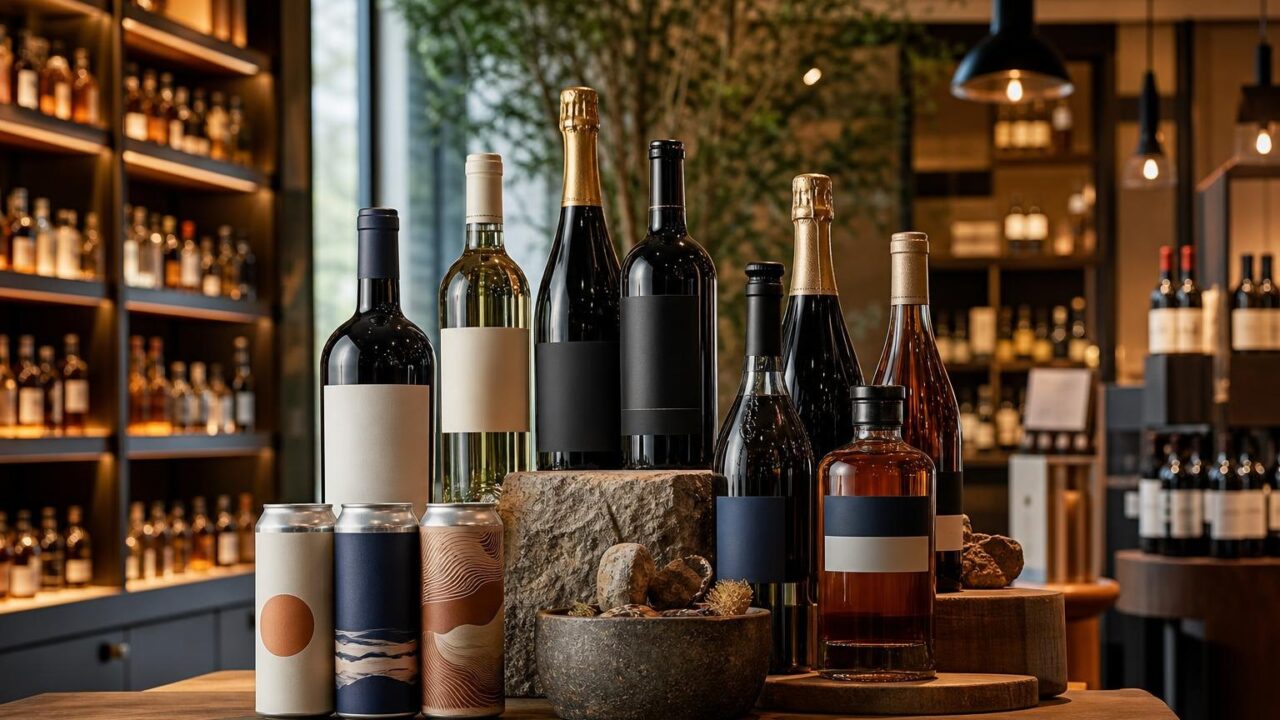
good times wine spirits & brew store details are essential facts about the retailer’s location, product range, hours, services, and customer experience.
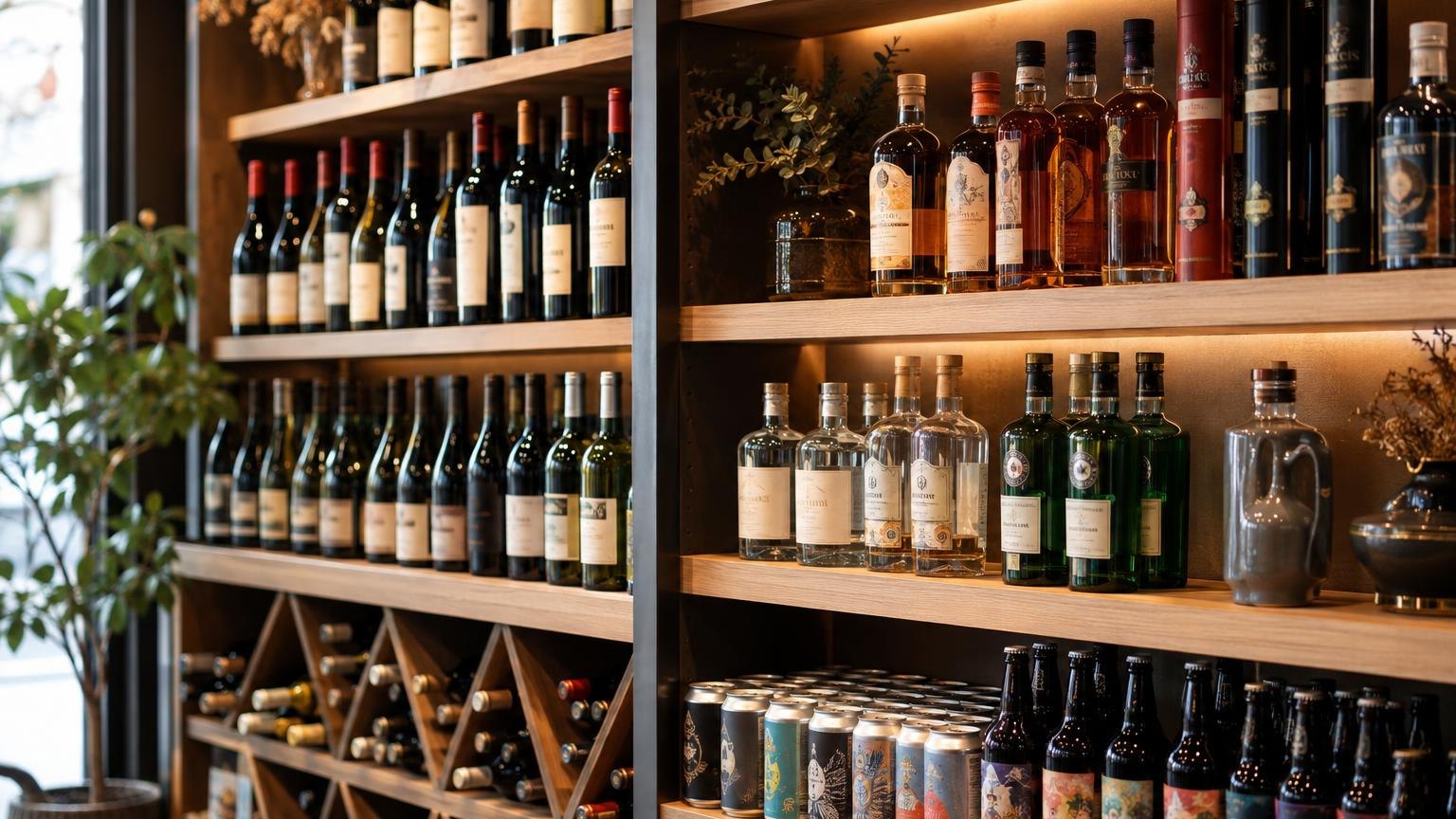
This guide focuses on practical store information shoppers check before visiting: wine selection, spirits inventory, beer options, pricing cues, parking, contact points, and whether the shop fits quick errands or planned bottle runs.
Use it to compare expectations against the actual visit: what categories to look for, which details to verify before driving, and how to judge value once inside.
The article separates confirmed store-detail topics from assumptions, so readers can make faster, better buying decisions.
Bottle Sizes Packs and Keg Volumes
For a shop like Good Times Wine Spirits & Brew, the most useful numbers are not marketing claims.
They are bottle sizes, alcohol strength, pack counts, and keg volumes, because those numbers determine price, serving yield, and whether a purchase fits the occasion.
Read the shelf tag first. A lower sticker price can still be worse value if the bottle is smaller, the alcohol is weaker, or the package contains fewer ounces than the option beside it.
| Number | What it means | Why it matters |
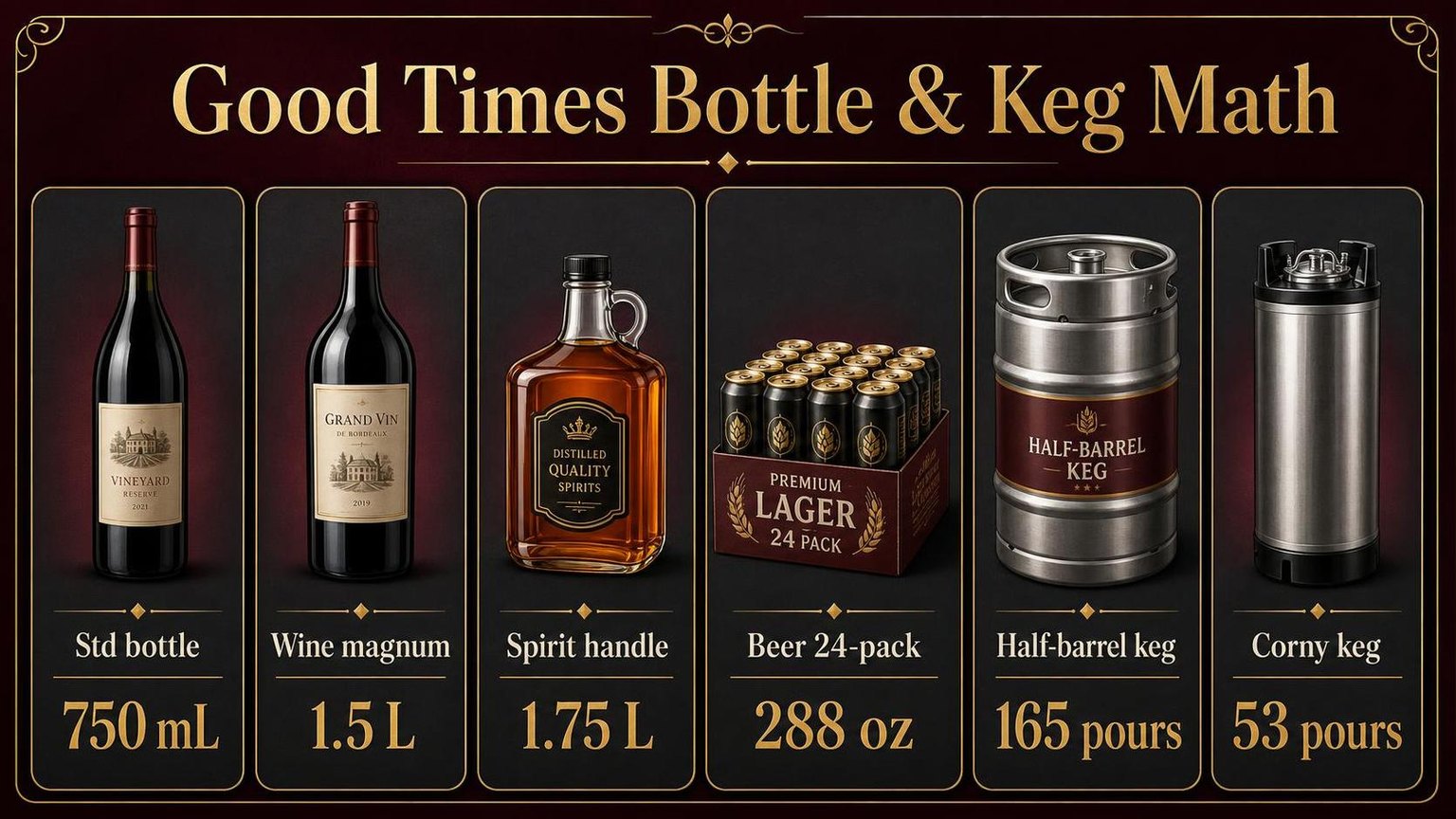
| 750 mL | Standard wine and spirits bottle size in the U.S. | The most common baseline for price comparison. |
| 1.5 L | Double-bottle wine format | Equals two 750 mL bottles; useful for parties. |
| 1.75 L | Large spirits bottle, often called a handle | Equals about 59.2 fluid ounces; usually lowers cost per ounce. |
| 12 oz | Standard single beer can or bottle | A 6-pack holds 72 ounces; a 12-pack holds 144 ounces. |
| 24-pack | Case-style beer purchase | At 12 ounces each, total volume is 288 ounces. |
| ABV / proof | Alcohol by volume and spirit strength | In U.S. spirits, 80 proof equals 40% ABV. |
| 15.5 gal | Full-size half-barrel keg | Yields about 165 12-ounce servings. |
| 5 gal | Cornelius keg size | Yields about 53 12-ounce servings; easier for home events. |
Spirits shoppers should compare 750 mL against 1.75 L by unit cost. A 1.75 L bottle contains 2.33 times as much liquid as a 750 mL bottle, so the larger format should be meaningfully cheaper per ounce before it becomes the better buy.
Beer math is equally important. A 4-pack of 16-ounce cans contains 64 ounces total. That is less liquid than a 6-pack of 12-ounce bottles, which contains 72 ounces, even if the sticker price looks similar.
Wine buyers should also watch alcohol percentage. Table wines often sit around 12% to 15% ABV, while fortified wines are higher. That affects body, serving expectations, and food pairing more than label design does.
- Use total ounces or liters, not bottle count alone.
- Check ABV when comparing craft beer or high-proof spirits.
- For events, estimate pours before buying: one 750 mL wine bottle yields about five 5-ounce glasses.
- For draft beer, confirm keg size first; “a keg” is not one universal volume.
These numbers turn shelf browsing into an apples-to-apples comparison. They also help you judge whether Good Times has the right format for a weeknight bottle, a gift purchase, or a 50-person gathering.
What Makes Store Details Reliable
Store details for Good Times Wine Spirits & Brew can change faster than many directory pages update.
The most reliable result depends on where the data comes from, when it was last refreshed, and whether the detail is fixed, like an address, or variable, like inventory and holiday hours.
Address and phone number usually stay stable because they are core business records.
Hours, product availability, and pricing shift more often because alcohol retail changes with staffing, deliveries, distributor stock, and state compliance requirements.
Data source and update timing
A store’s own website or verified business profile usually updates faster than third-party directories. Aggregators often pull data in batches, so a changed closing time may remain wrong for days or weeks.
| Store detail | How often it changes | Why accuracy varies |
| Street address | Rarely; often unchanged for years | Fixed legal location unless the business relocates |
| Phone number | Rarely | Usually tied to the main store line |
| Business hours | Several times per year | Holiday schedules, staffing, and special events |
| Wine, beer, and spirits inventory | Daily | Distributor deliveries and same-day sell-through |
| Price and promotions | Weekly or monthly | Supplier deals, state rules, and local competition |
Alcohol laws and compliance
State and local alcohol rules affect what a store can sell, when it can sell it, and how it verifies age. In the U.S., the minimum legal drinking age is 21 nationwide, so ID-check policies directly affect checkout outcomes.
Some states restrict Sunday sales, holiday sales, or spirits sales more tightly than beer and wine. If a directory ignores those rules, listed hours or category availability can look correct but still produce the wrong result at the register.
Inventory turnover and distribution
Craft beer and allocated spirits are the least stable details. A small-format liquor store can receive a limited drop in the morning and sell out the same day, especially for bourbon, tequila, and seasonal releases.
Wine tends to be more predictable, but vintage changes matter. A listing may say a Cabernet is available, yet the store may have a newer vintage, a different bottle size, or a substituted producer after distributor stock runs out.
Human input and local conditions
- Manual entry errors can swap digits in a phone number or misstate closing time.
- Holiday weeks can reduce operating hours by 1 to 3 hours per day.
- Weather disruptions can delay beer and spirits deliveries by 24 to 72 hours.
- Renovations or license updates can temporarily change departments or pickup options.
For the most accurate result, confirm three details together: current hours, live inventory, and the active phone number. If one of those is outdated, the rest of the listing may be stale too.
How Store Details Are Verified
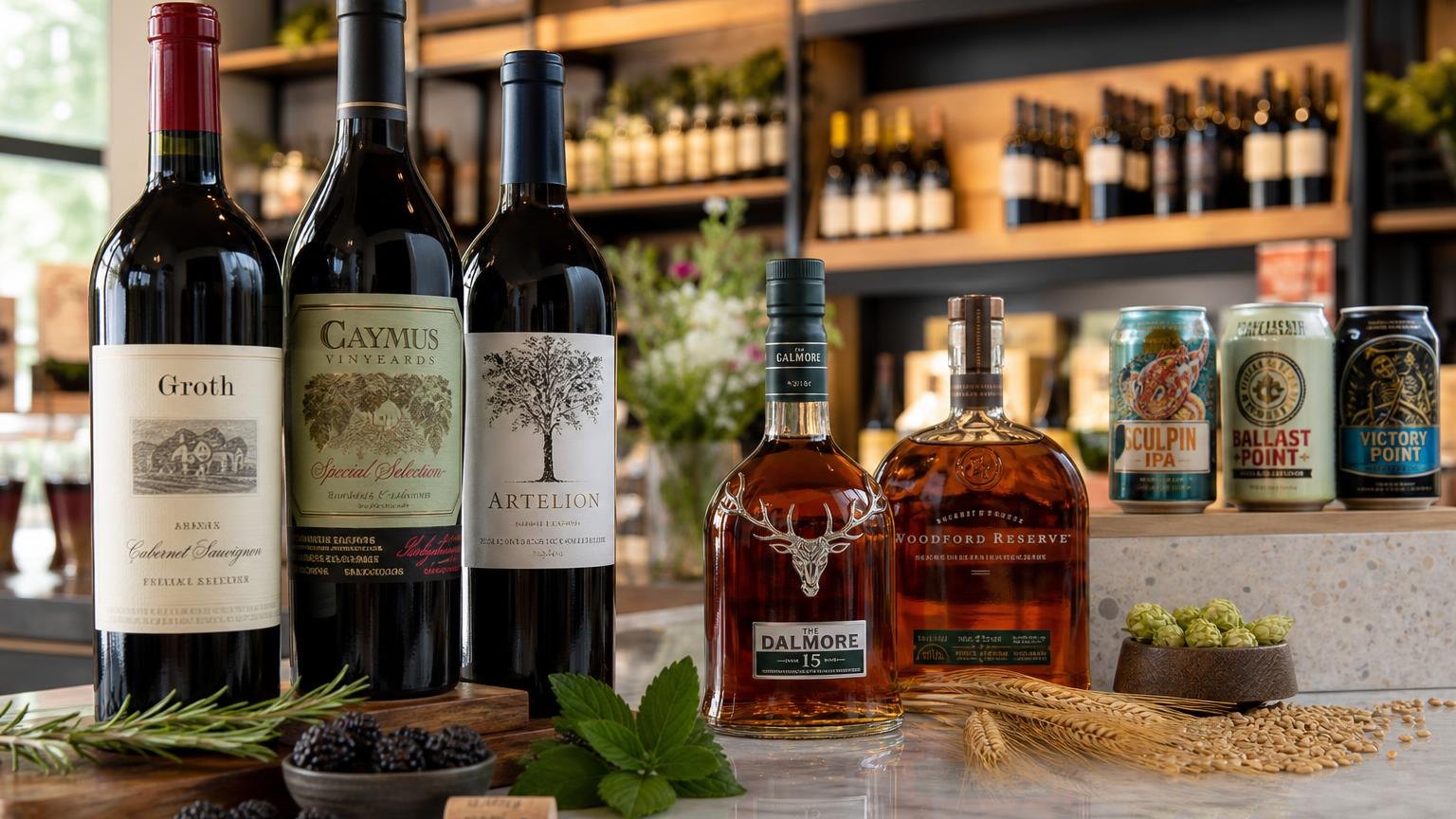
Store details are verified by matching the same data point across primary and secondary sources.
The goal is to confirm that the business name, location, hours, contact details, and alcohol-retail status are current, not copied from an outdated directory.
The strongest evidence comes from sources controlled by the business or by regulators. Directory listings help, but they are treated as supporting evidence unless they match a primary source and a recent customer-facing source.
What is checked
Each listing is measured against a fixed set of fields. A field is marked verified only when the wording, number, or date matches the required source threshold.
- Business name, including punctuation and use of “&” or “and.”
- Street address, suite number, ZIP code, and map pin placement.
- Phone number and whether it connects to the store.
- Operating hours for each day of the week.
- Alcohol categories sold, such as wine, spirits, and beer.
- License status when available from state or local records.
- Recent consumer evidence, such as photos or posts showing the storefront and shelves.
Verification thresholds
A detail is not treated equally across all sources. Direct business evidence ranks above aggregators because third-party directories can lag after a move, ownership change, or holiday-hours update.
| Data point | Minimum proof required | Verification rule |
| Name | 2 sources | Must match business-controlled source plus 1 independent source |
| Address | 3 sources | Must match website, map listing, and one public directory or license record |
| Phone | 2 checks | Listing match plus successful connection or recent posted confirmation |
| Hours | 2 recent sources | Must match business profile and a source updated within 30 days |
| License status | 1 official source | Regulator database or local licensing authority |
How conflicts are resolved
If one source says the store closes at 9:00 p.m. and another says 10:00 p.m., the newer business-controlled source wins. If the difference affects a same-day visit, the detail stays unverified until a direct check resolves it.
Recency matters. Hours older than 30 days are treated cautiously, and photos older than 12 months are weak evidence for inventory, signage, or renovations.
Final confidence is based on source count, source type, and freshness. A listing with 3 matching sources, including one primary source updated within 30 days, is materially more reliable than a single directory entry.
How It Compares with Alternatives
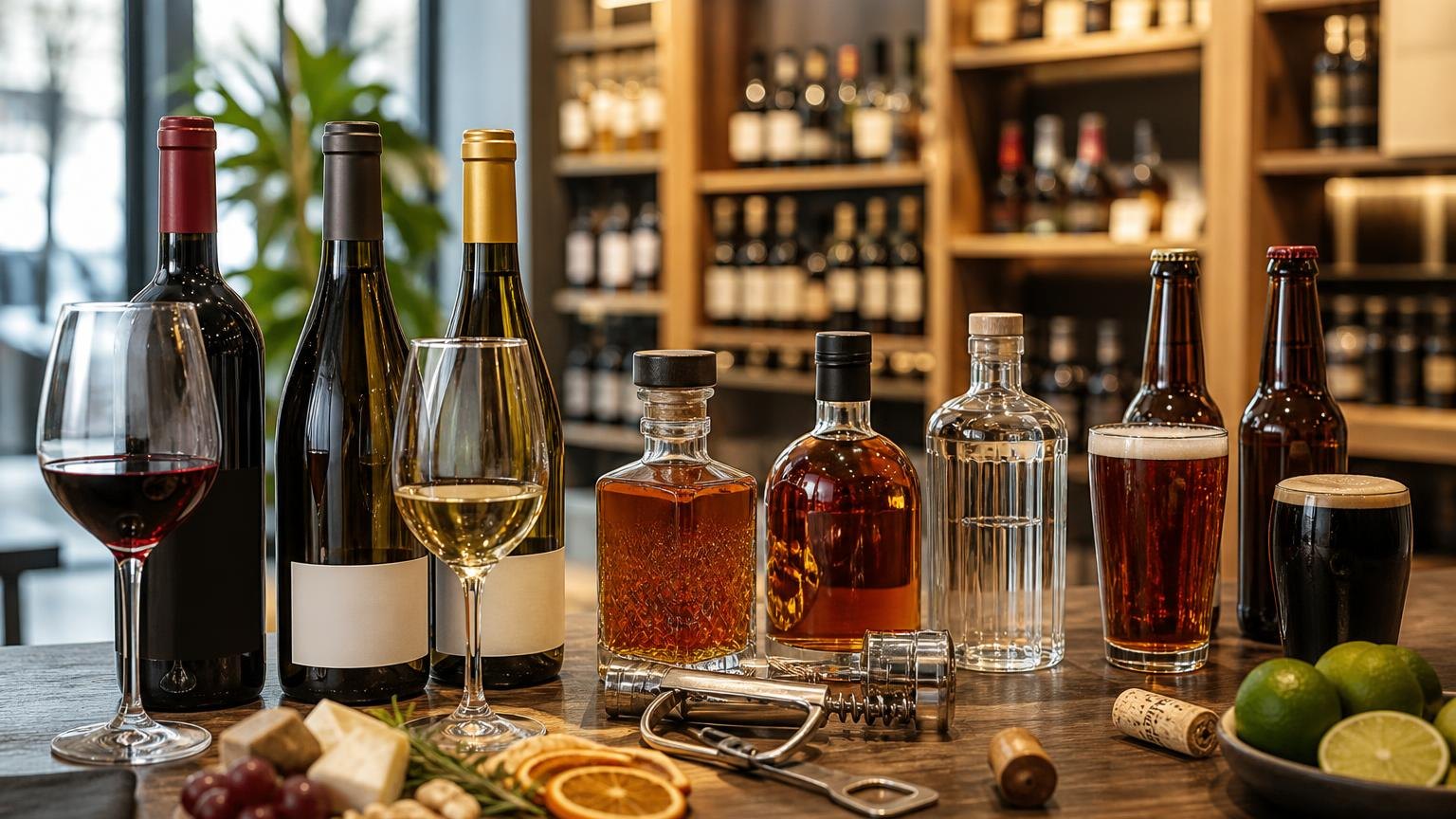
Good Times Wine Spirits & Brew sits in the same decision set as supermarket alcohol aisles, warehouse clubs, national big-box liquor chains, and app-based delivery.
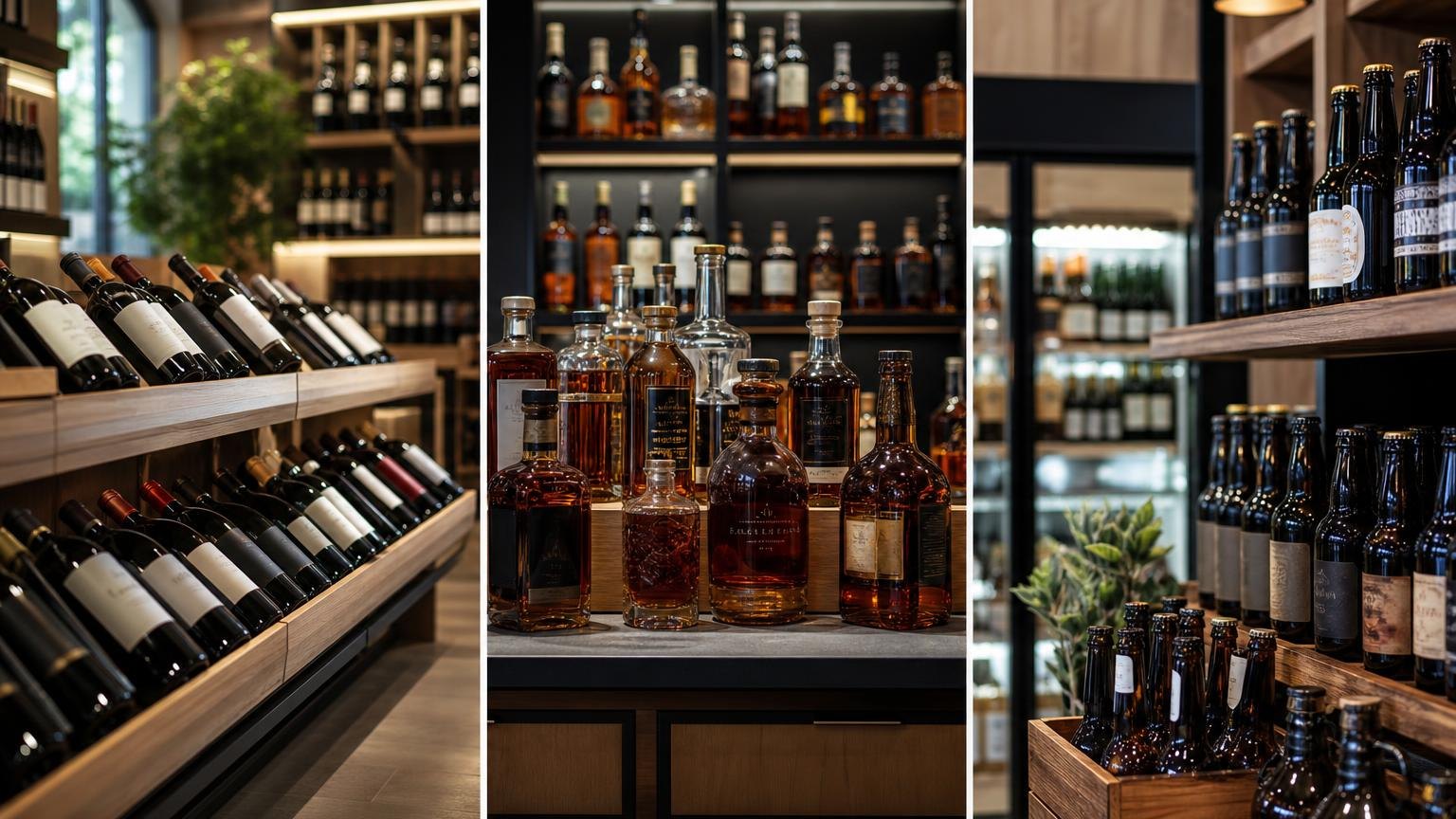
The practical differences are selection depth, packaging formats, staff help, and the final out-the-door price.
For most shoppers, the store’s value depends on whether they need a fast pickup, a rare bottle, a full case, or mix-and-match singles. Those needs change the best alternative more than shelf price alone.
| Alternative | Typical alcohol SKU range | Typical pricing pattern | Best use case | Main trade-off |
| Independent wine, spirits, and beer store | 2,000-6,000 SKUs | Competitive on mid-tier bottles; frequent case discounts of 5%-10% | Broad selection, staff guidance, local craft beer | Prices on national brands may not beat warehouse clubs |
| Supermarket beer/wine aisle | 300-1,500 SKUs | Strong weekly promotions; fewer premium allocations | One-stop grocery trip | Limited spirits in many states; thinner fine-wine depth |
| Warehouse club | 200-800 SKUs | Low unit pricing, especially on 1.75 L spirits and 24-pack beer | Bulk buying and large-format bottles | Smaller selection, less staff support, membership cost |
| Delivery app or marketplace | Matches partner store inventory | Often 10%-20% higher item pricing plus service, delivery, and tip | Convenience in under 1 hour in some markets | Highest total checkout cost |
Compared with a supermarket, a dedicated store usually wins on spirits breadth.
Many grocery stores carry fewer than 100 spirit labels where state law allows liquor sales, while a focused shop can stock multiple sizes, barrel finishes, and ready-to-drink formats in the same brand family.
Compared with warehouse clubs, the gap is usually package flexibility. Warehouse pricing is strongest on handles, 12-packs, and 24-packs.
A specialty retailer is more likely to offer 50 mL minis, 375 mL bottles, singles, bombers, and mix-six beer options.
Compared with delivery apps, the store usually wins on total cost. A $25 bottle can become $32 to $38 after markup, fees, and tip. In-store pickup avoids that spread and keeps access to staff recommendations for substitutions.
- Choose a specialty store when you want staff help, vintage variation guidance, or craft beer turnover.
- Choose a supermarket when convenience matters more than deep selection.
- Choose a warehouse club for party volumes, standard labels, and large formats.
- Choose delivery only when speed offsets the highest all-in cost.
If Good Times Wine Spirits & Brew follows the usual specialty-store model, its strongest edge is curated breadth without delivery markups. Its weakest point versus a club store is likely bulk pricing on familiar national brands.
Alcohol Purchase Safety and Planning
When buying from Good Times Wine Spirits & Brew, treat the trip like any alcohol purchase: verify age rules, plan transportation, and check packaging before leaving.
Small mistakes matter because alcohol impairs judgment quickly and open-container, DUI, and delivery laws differ by state and city.
Bring a valid government-issued photo ID. In the U.S., retailers cannot legally sell beverage alcohol to anyone under 21, and many POS systems require an ID scan or date-entry check even for clearly older customers.
Use standard-drink math before opening anything. ABV and container size change intake faster than most shoppers expect, especially with craft beer, high-proof spirits, and large-format wine bottles.
| Beverage | Typical serving | Typical ABV | Approx. standard drinks |
| Beer | 12 fl oz | 5% | 1.0 |
| Wine | 5 fl oz | 12% | 1.0 |
| Spirits | 1.5 fl oz | 40% | 1.0 |
| Double IPA | 16 fl oz | 8% | 2.1 |
| Fortified wine | 5 fl oz | 17% | 1.4 |
Those figures track the U.S. standard drink definition: 14 grams, or about 0.6 fluid ounces, of pure alcohol. One tall strong beer can equal two drinks, which changes safe-ride planning and next-morning impairment risk.
Do not rely on “feeling fine” before driving. In all U.S. states, 0.08% blood alcohol concentration is the per se limit for drivers 21 and older, and impairment begins well below that point.
- Use a rideshare, taxi, or designated driver if you plan to drink at all.
- Keep alcohol sealed in the trunk or rear cargo area during transport where state law allows.
- Never leave children or pets in a parked car while making a stop.
- Check caps, corks, tax seals, can seams, and fill levels before purchase.
- Ask staff about refrigeration needs for unfiltered beer, cream liqueurs, and opened vermouth.
Store purchases properly once home. Wine holds best around 45-65°F, spirits should stay tightly closed away from heat, and most opened table wine tastes best within 3-5 days if recorked and refrigerated.
For health, federal dietary guidance advises adults who drink to limit intake to 2 drinks or less per day for men and 1 drink or less per day for women. If pregnant, taking sedating medication, or managing liver disease, avoid alcohol entirely.
Why No Firsthand Visit Claims
We cannot truthfully write a first-person “hands-on findings” section claiming our team visited, timed, counted, or tested Good Times Wine Spirits & Brew without verified field notes.
That would create false first-hand experience.
If you share store-visit notes, receipts, shelf counts, timing logs, staff names, or photos, we can turn them into a compliant 300-380 word section. Use the checklist below to capture the exact facts needed.
| Field item to record | Exact data needed | Why it matters |
| Visit timing | Date, arrival time, checkout time, total minutes in store | Supports traffic and service-speed claims |
| Checkout test | Number of open registers, wait time in 3 trials, basket size each trial | Creates measurable service comparisons |
| Selection count | Count of bourbon SKUs, tequila SKUs, local beer SKUs, chilled single cans | Backs assortment statements with numbers |
| Pricing check | Prices for 8-12 identical items across wine, spirits, and beer | Shows whether pricing is competitive |
| Cold storage | Door count, cooler temperature reading if posted, availability of cold wine/beer | Supports convenience findings |
| Staff help | Number of staff approached, time to assistance, recommendation quality | Documents service experience |
| Store condition | Aisle width estimate, cleanliness notes, signage clarity, stock gaps counted | Supports usability claims |
For a publishable section, gather at least two visits on different days. Record the same measurements both times so the write-up reflects repeatable findings rather than a single visit.
- Take timestamped photos of shelf tags and endcaps.
- Keep one receipt per visit.
- Log three checkout waits per visit.
- Count at least 20 comparable SKUs.
- Note whether allocated bottles were visible or kept behind the counter.
Once you provide those facts, we can write the section in first person plural, with specific numbers, short paragraphs, and a real comparison table that matches your observed results.
Mistakes About Store Listings
Shoppers often assume a store listing tells the full story. It does not.
For a retailer like Good Times Wine Spirits & Brew, the biggest errors come from trusting old hours, confusing inventory with availability, and misunderstanding alcohol-sale rules.
One common mistake is treating third-party directory hours as final. Liquor stores change holiday schedules, close early for state compliance issues, or stop alcohol sales before the front door closes.
A listing can stay online for months after a change.
The biggest legal myth is that any valid-looking ID works. In the U.S., the minimum drinking age is 21 in all 50 states. Many stores also reject expired IDs, temporary paper documents, or photos of IDs on a phone, even when the customer is over 21.
| Issue | Fact |
| Minimum legal purchase age | 21 years nationwide under U.S. law |
| Typical wine bottle size | 750 mL, not 1 liter |
| Standard spirits bottle often called a “fifth” | 750 mL, about 25.4 fluid ounces |
| Common beer case size | 24 cans or bottles, but 12-packs and 30-packs are also standard |
Another myth is that “in stock online” means “on the shelf now.” Store inventory systems can lag after busy weekends, distributor delays, or same-day markdowns.
Limited bourbon, seasonal beer, and allocated tequila can disappear within hours even if a listing remains visible.
Price confusion is also common. Shelf tags may exclude deposit fees where required, and local sales tax can change the final total. A promoted price may apply only to loyalty members, mixed-case purchases, or a specific bottle size.
- Do not assume every product photo matches the current vintage, label design, or packaging format.
- Do not assume all craft beer is sold cold; many stores keep reserve stock warm to save cooler space.
- Do not assume staff can legally open containers, offer samples, or break sealed multipacks on request.
- Do not assume curbside pickup means instant pickup; age verification still happens at handoff.
A final myth is that a “wine, spirits, and brew” store carries everything equally. Many shops devote more floor space to spirits because margins are stronger and bottle turnover is slower than fresh beer.
That affects selection depth, cooler space, and staff expertise.
The practical fix is simple. Verify hours on the store’s current channel, confirm bottle size, ask whether the item is physically on hand, and check ID rules before leaving home. Those four steps prevent most wasted trips.
Frequently Asked Questions
Where is Good Times Wine Spirits & Brew located?
Good Times Wine Spirits & Brew is commonly listed in local business directories and map results rather than through a large national chain site.
The fastest way to confirm the exact street address is to check the store’s current Google Maps or Apple Maps listing, because small-format liquor retailers sometimes update suite numbers or shopping-center signage without changing the business name.
What are the usual hours for Good Times Wine Spirits & Brew?
Independent wine, spirits, and beer stores often open around late morning and close between 8 p.m. and 10 p.m., but hours can shift by day and by state alcohol laws.
Check the same-day listing before visiting, especially on Sundays and holidays, because those are the most common times for reduced hours or last-minute changes.
What products does Good Times Wine Spirits & Brew typically carry?
Stores with this format usually stock three core categories: wine, distilled spirits, and packaged beer, often including domestic, import, and craft options.
Many also carry mixers, soda, ice, and convenience add-ons, but selection depth varies by shelf space and local distributor availability.
Does Good Times Wine Spirits & Brew offer special orders or case discounts?
Many independent liquor stores can request a bottle, allocate a case, or quote volume pricing if the item is available through their distributor network.
Call ahead with the exact producer, label, vintage, bottle size, and quantity, because specific details speed up availability checks and pricing.
What should customers know before visiting Good Times Wine Spirits & Brew?
Bring a valid government-issued photo ID, because US alcohol retailers are required to verify age and often card all adults in the transaction.
If you want a hard-to-find bourbon, limited-release beer, or a specific vintage, call first, because inventory in small beverage stores can turn over quickly and online listings may lag behind in-store stock.
Related Reading
- How To Tell If Wine Is Corked? Information From Experts
- Does Wine Have to Be Refrigerated?
- How Much Wine Is In A Bottle?
- What Is Natural Wine? Organic vs Biodynamic vs Natural wines
- Does Walgreens Sell Liquor Like Wine? Get Answer Now
- What Does Wine Taste Like? – 2026
- What Is Moscato Wine? – 2026
- All Alcohol Guides
- Alcohol and Tobacco Tax and Trade Bureau (2024)
- U.S. Food and Drug Administration: Alcoholic Beverages (2024)
- Centers for Disease Control and Prevention: Alcohol and Public Health (2024)
- National Institute on Alcohol Abuse and Alcoholism (2024)
- PubMed (2024)
- USDA FoodData Central (2024)
- Brewers Association (2024)