Does Wine Have to Be Refrigerated? is answered by wine style: opened bottles need refrigeration, while most unopened still wines need cool, dark storage rather than a fridge.
Refrigeration slows oxidation and microbial spoilage after opening, especially for white, rosé, sparkling, and lighter red wines.
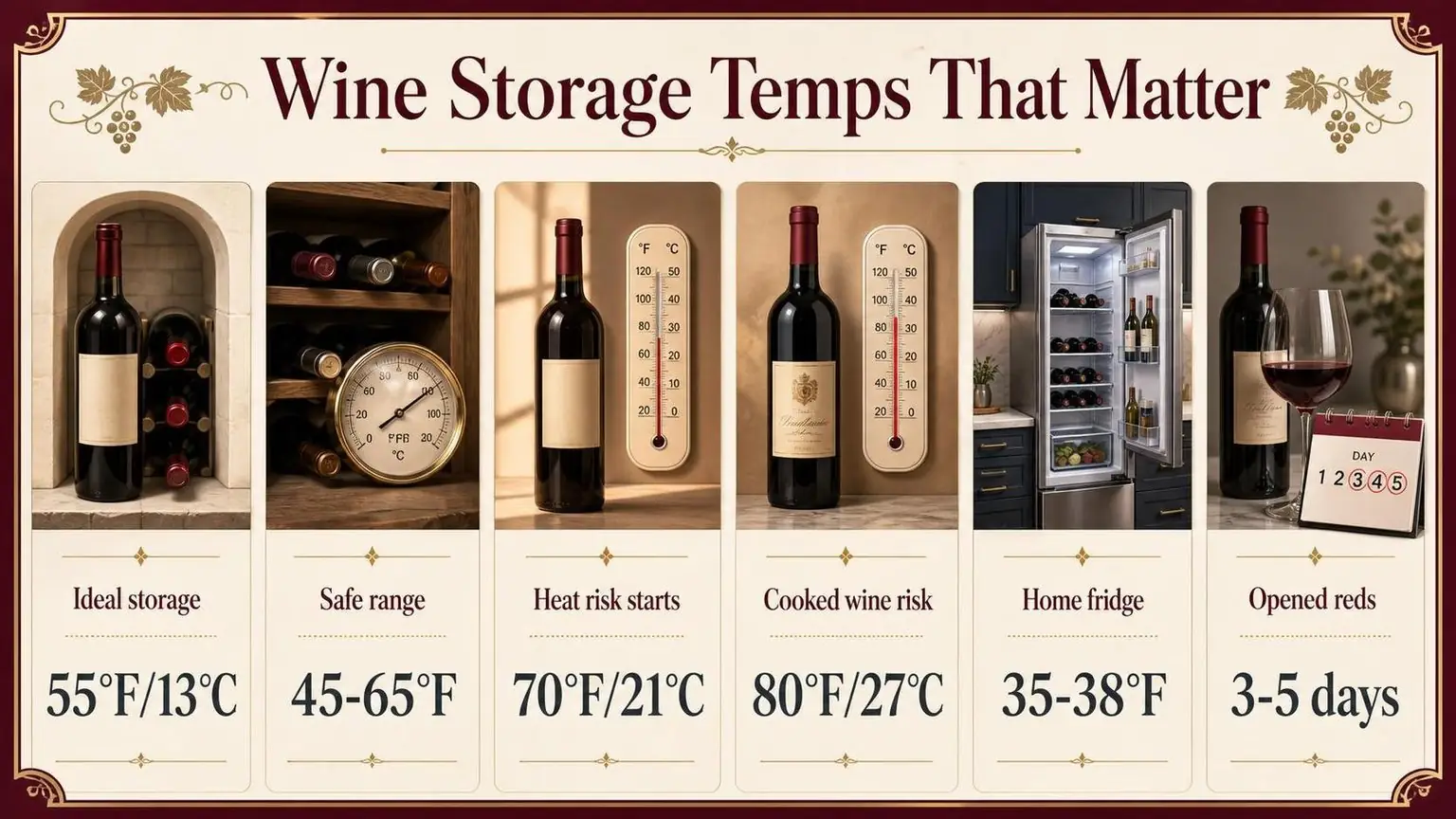
For storage, the target is consistency: about 55°F for long-term cellaring, 40–50°F for ready-to-serve whites, and 55–65°F for many reds.
This guide explains when to chill, when to avoid the refrigerator, and how long different wines stay drinkable after opening.
When Wine Needs Refrigeration
Wine does not always need refrigeration, but temperature control matters. The key numbers are straightforward: short-term serving temperatures, long-term storage temperatures, and the speed at which heat damages wine.
For long-term storage, the standard target is 55°F, or 13°C. Most experts accept a safe range of about 45°F to 65°F, but stability matters more than hitting one exact number every day.
| Use | Best temperature | Why it matters |
| Long-term storage | 55°F / 13°C | Slows aging and helps preserve aroma, color, and structure |
| Acceptable storage range | 45°F-65°F / 7°C-18°C | Usually safe if the temperature stays steady |
| Red wine, serving | 60°F-68°F / 16°C-20°C | Keeps alcohol from tasting hot and tannins from seeming harsh |
| White wine, serving | 45°F-50°F / 7°C-10°C | Preserves freshness, acidity, and citrus or floral notes |
| Sparkling wine, serving | 40°F-45°F / 4°C-7°C | Maintains bubbles and keeps the wine crisp |
Heat is the bigger risk than cold. At temperatures above 70°F, or 21°C, wine ages faster. Sustained exposure above 80°F, or 27°C, can cook wine, flatten fruit, and push the cork outward.
A household refrigerator runs around 35°F to 38°F, or 2°C to 3°C. That is colder than ideal for long-term storage and dry enough to shrink natural corks over time, increasing oxygen exposure.
For that reason, a kitchen fridge works best as a short-term tool. Chill whites, rosés, and sparkling wines there before serving, or hold an opened bottle for a few days. It is not the best place for months of storage.
Once opened, refrigeration helps almost every style. Lower temperature slows oxidation and microbial activity, which is why even red wine keeps better in the fridge after recorking.
| Opened wine style | Typical refrigerated life | Notes |
| Sparkling | 1-3 days | Use a sparkling stopper to retain carbonation |
| White and rosé | 3-5 days | Acidity helps preserve freshness |
| Red | 3-5 days | Let it warm 15-30 minutes before serving |
| Fortified dessert wine | 1-3 weeks | Higher alcohol and sugar improve stability |
The practical rule is simple. Store wine cool and stable, around 55°F if possible. Refrigerate opened bottles and chill wines meant to be served cold, because temperature directly changes both lifespan and flavor.
Factors That Determine Wine Storage
Whether wine needs refrigeration depends on temperature, time, and wine style. A bottle can tolerate short periods at room temperature, but heat and oxygen change aroma, fruit, and color faster than most drinkers expect.
The result is not one rule, but a set of storage limits.
Storage temperature matters most. Wine ages best in a cool, stable range, and damage rises as temperatures climb. Heat speeds chemical reactions, pushes corks, and increases the risk of oxidation.
| Storage condition | Typical effect on wine |
| 45-55°F (7-13°C) | Best long-term range for most fine wine; slower aging and better stability |
| 55-65°F (13-18°C) | Usually acceptable short to medium term; common for home cellars and cool closets |
| 70°F (21°C) | Aging speeds up; acceptable briefly, not ideal for months |
| 80°F+ (27°C+) | High risk of cooked flavors, seepage, and rapid loss of freshness |
Wine style changes the outcome. Sparkling, rosé, and most whites show damage sooner because their appeal depends on acidity, delicate fruit, and freshness. Full-bodied reds can hide minor storage flaws longer, but they are not immune to heat.
| Wine type | Why storage sensitivity differs |
| Sparkling wine | Pressure, low pH, and fresh aromas fade quickly when warm |
| White and rosé | Lower phenolics make oxidation and aroma loss easier to notice |
| Light red | Fresh fruit and lower tannin make heat damage more obvious |
| Full-bodied red | More tannin and extract can mask small changes, not prevent them |
| Fortified or sweet wine | Higher sugar or alcohol often improves resilience after opening |
Alcohol, sugar, and tannin act as buffers. A 14.5% ABV red usually handles a few warm days better than an 11.5% ABV Riesling. Residual sugar and phenolic compounds also slow the perception of oxidation, especially after opening.
Closure matters. Natural cork lets in tiny amounts of oxygen over time, while screw caps usually reduce oxygen ingress. Refrigeration also helps opened bottles because colder liquid releases aroma compounds and reacts with oxygen more slowly.
Temperature swings are often worse than a steady cool room. Repeated movement from 45°F to 75°F can expand and contract the liquid and closure, raising leakage risk.
Light, especially UV, can trigger “lightstruck” aromas in clear bottles, and vibration may disturb sediment in older wines.
- Use refrigeration for opened wine, sparkling wine, and most whites and rosés.
- Use a cool, dark, stable space for unopened bottles meant for aging.
- Avoid garages, window sills, and kitchens near ovens, where temperatures regularly exceed 70°F.
How Wine Storage Conditions Are Monitored
Wine storage is verified with temperature, light, humidity, and time. The main question is whether conditions stay stable enough to slow chemical change without damaging the cork, aroma compounds, or structure.
Producers, collectors, and labs do not guess. They measure bottle or cellar temperature with calibrated probes, track swings with data loggers, and compare the wine’s condition over weeks or months through tasting and chemical analysis.
Temperature is the first measurement
For long-term storage, the accepted target is about 55°F, or 13°C. Short-term storage is usually considered safe in the 45°F to 65°F range if the wine is protected from rapid fluctuation and direct light.
Verification uses a digital thermometer or logger placed near the bottles, not on the refrigerator door. Door readings run warmer and change faster because each opening brings in room-temperature air.
| Factor measured | Preferred range | Why it matters |
| Long-term storage temperature | 55°F / 13°C | Slows oxidation and aging reactions |
| Short-term storage temperature | 45°F to 65°F / 7°C to 18°C | Usually safe if stable |
| Relative humidity | 50% to 70% | Reduces cork shrinkage risk |
| Light exposure | Near 0 lux, no UV | Prevents light-struck aromas |
| Serving temperature, sparkling | 40°F to 45°F / 4°C to 7°C | Preserves freshness and mousse |
| Serving temperature, full-bodied red | 60°F to 68°F / 16°C to 20°C | Keeps alcohol and tannin balanced |
Stability is measured, not assumed
A refrigerator can be cold enough yet still poor for long-term storage. Kitchen units often cycle several degrees during compressor runs and door openings, while wine refrigerators are built to hold narrower ranges and lower vibration.
Collectors verify this with a logger recording every 5 to 15 minutes. If a unit repeatedly spikes above 65°F or drops near freezing, it is not maintaining stable storage conditions.
Opened wine is verified by shelf life
Refrigeration matters more after opening because oxygen exposure increases sharply. Typical home verification is practical: vacuum-seal or recork the bottle, refrigerate it, and compare aroma and flavor daily.
| Wine after opening | Common refrigerated window | Main change checked |
| Sparkling | 1 to 3 days | Loss of carbonation |
| Light white or rosé | 3 to 5 days | Oxidation, fading fruit |
| Full-bodied white | 3 to 5 days | Nutty oxidation notes |
| Red | 3 to 5 days | Flattening fruit, harsher tannin |
Final verification signs
- Use a calibrated thermometer accurate to about ±1°F.
- Check humidity if bottles are sealed with natural cork.
- Keep bottles away from UV and fluorescent light.
- Watch for pushed corks, seepage, brown color shift, or cooked aromas.
If those measurements stay in range, refrigeration is optional for unopened short-term storage but useful for opened wine. For long-term aging, stable cellar-like conditions verify better than a standard kitchen refrigerator.
Wine Versus Beer and Spirits
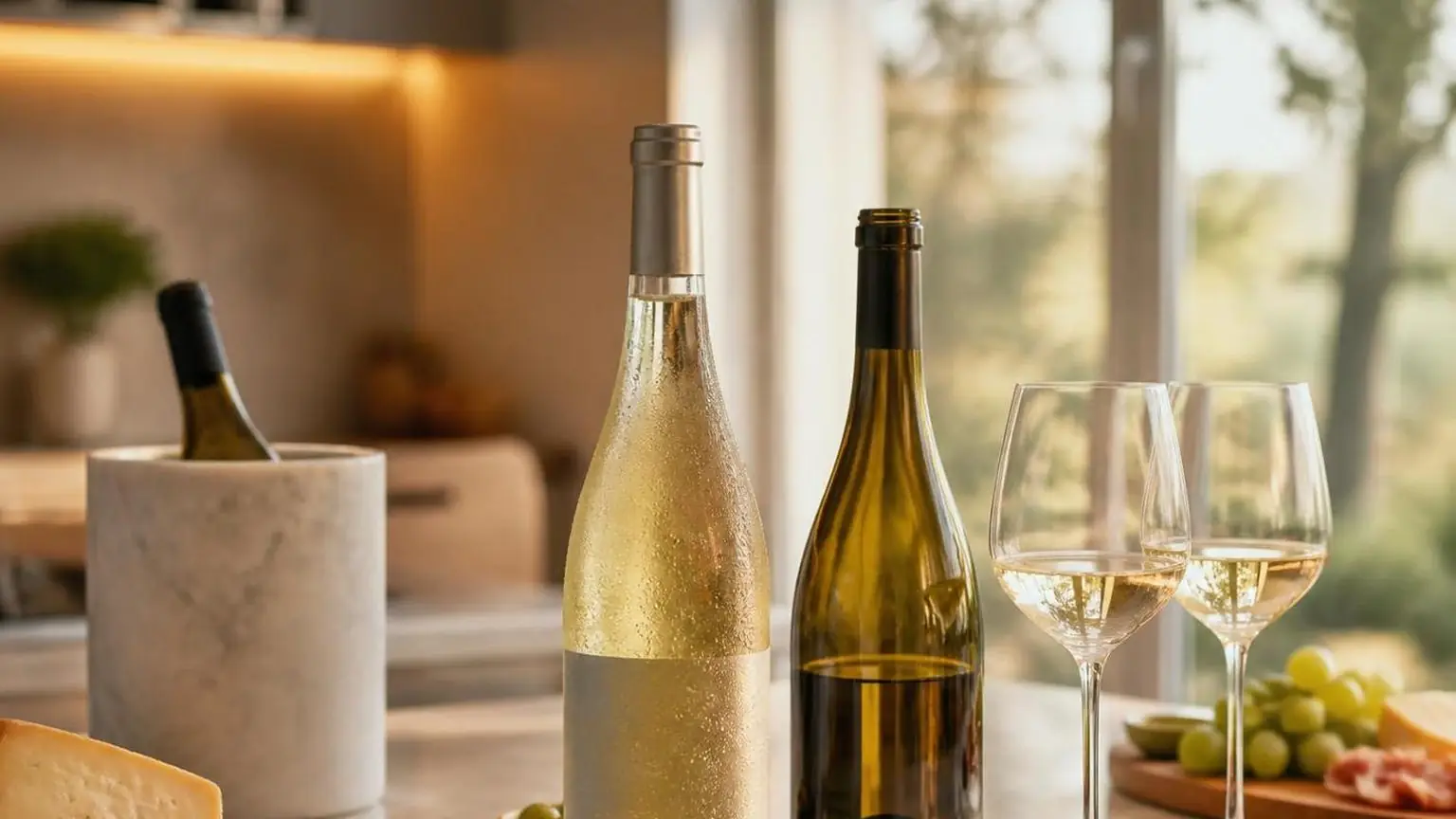
Wine does not need refrigeration in every case, but it is less forgiving than spirits and more sensitive than most beer. The deciding factors are alcohol, acidity, sugar, and oxygen exposure after opening.
Unopened table wine is best stored near 55°F, with short-term stability roughly between 45°F and 65°F. Once opened, refrigeration slows oxidation and microbial spoilage, which is why opened wine usually lasts longer cold than on a counter.
| Beverage | Typical ABV | Best storage before opening | After opening | Typical opened life |
| Still table wine | 11% to 15% | Cool, dark place around 55°F | Refrigerate with closure | 3 to 5 days |
| Sparkling wine | 11% to 12.5% | Cool, dark place around 55°F | Refrigerate with sparkling stopper | 1 to 3 days |
| Beer | 4% to 7% | Cold is preferred for flavor stability | Refrigerate | 1 to 2 days once opened |
| Fortified wine | 15% to 20% | Cool, dark place | Some styles refrigerate | 1 to 4 weeks |
| Spirits | 35% to 50% | Room temperature is fine | Room temperature is fine | Months to years |
| Pasteurized juice | 0% | Often refrigerated after opening only | Refrigerate | 7 to 10 days |
Compared with beer, wine has more alcohol but still oxidizes fast after opening. Beer goes stale quickly because dissolved carbon dioxide escapes and hop compounds degrade.
Wine loses fruit, develops bruised-apple notes, and browns as oxygen reacts with phenolics.
Compared with spirits, wine is far less stable. A 40% ABV vodka or whiskey bottle can sit at room temperature after opening because ethanol strongly inhibits spoilage organisms. Most table wines at 12% to 14% ABV do not have that margin.
Fortified wines sit in the middle. Port, Madeira, and many sherries contain 15% to 20% alcohol, so they resist spoilage better than standard wine. Fino and Manzanilla sherry still benefit from refrigeration because they are delicate and fade quickly.
Boxed wine and screw-cap bottles are not immune. Better packaging reduces oxygen ingress, but once dispensed or opened, the wine still ages. Boxed wine often holds for about 2 to 6 weeks after opening because the collapsing bag limits air contact.
- Red wine: refrigeration after opening preserves aroma, even if you serve it later at 55°F to 65°F.
- White, rosé, and sparkling: refrigeration is standard because these wines are usually served around 38°F to 50°F anyway.
- Spirits: refrigeration is optional for taste, not required for safety or shelf life.
Wine Safety and Storage Tips
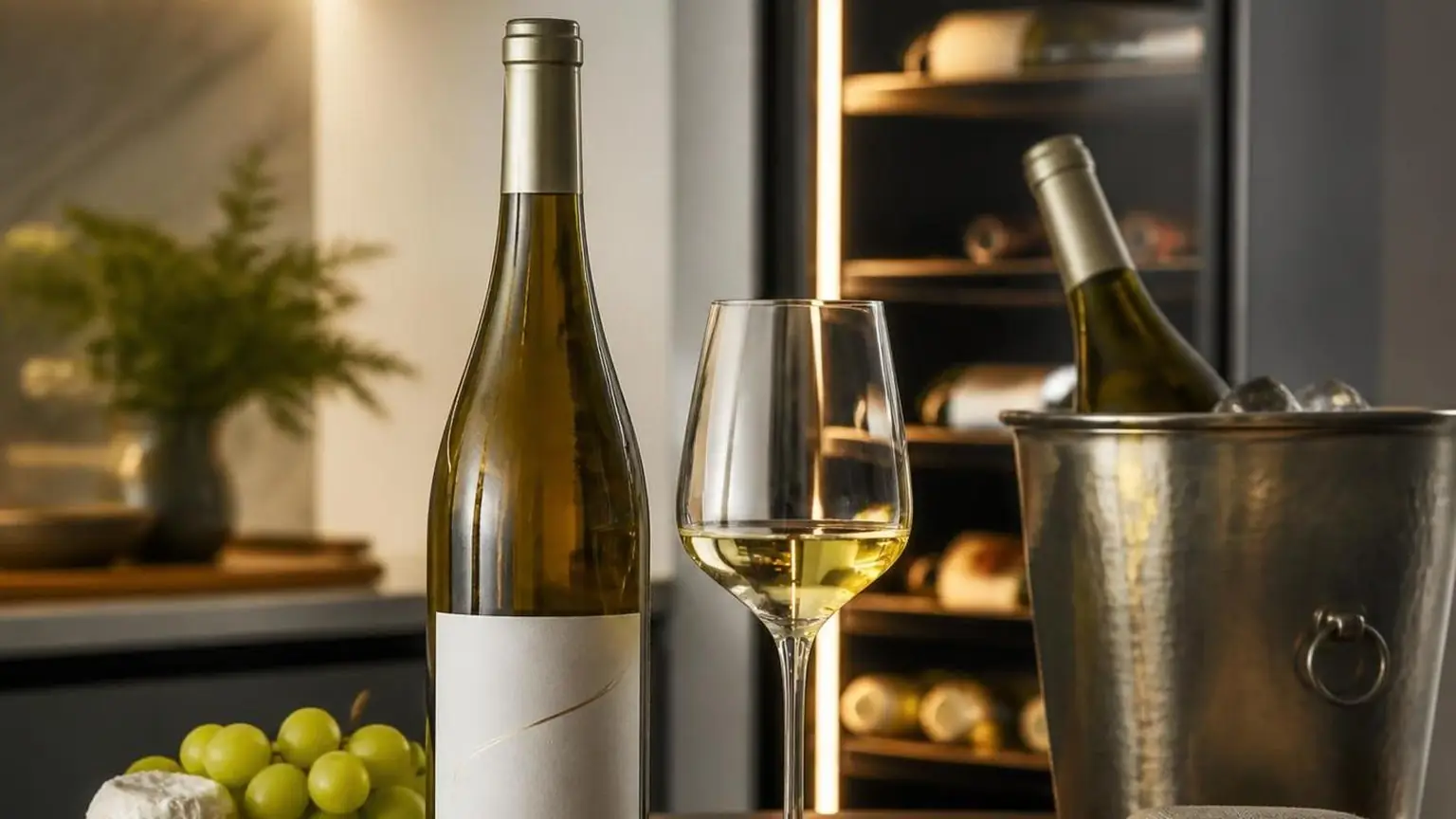
Wine does not become dangerous quickly at room temperature, but heat and oxygen damage it fast. Refrigeration matters most after opening, because lower temperatures slow oxidation, preserve aroma, and reduce the speed of microbial spoilage.
From a safety standpoint, wine is a low-risk product. Most table wines sit around 11% to 15% alcohol by volume and usually have a pH near 3.0 to 4.0, conditions that inhibit many harmful bacteria.
That does not mean opened wine stays good indefinitely. Flavor drops before safety becomes the issue, and poor storage can push vinegar-like spoilage within days.
| Situation | Typical temperature | Practical result |
| Opened wine in refrigerator | 35°F to 40°F | Oxidation slows; most table wines stay acceptable about 3 to 5 days |
| Opened wine on counter | 68°F to 72°F | Oxidation speeds up; many wines fade noticeably within 1 to 3 days |
| Closed wine in hot room or car | Above 70°F, especially 80°F+ | Accelerated aging, cooked aromas, possible cork leakage |
If a bottle is opened, re-cork it and refrigerate it, including red wine. Cold storage reduces oxygen-driven reactions, and you can let the wine warm in the glass for 10 to 20 minutes before drinking.
Watch for spoilage signs that affect quality and sometimes indicate contamination. Sharp vinegar smell, bruised-apple notes, brown color in whites, fizzy texture in still wine, or seepage around the closure all point to a bottle past its best.
- Store unopened bottles away from stoves, windows, and laundry rooms. Repeated temperature swings expand and contract the liquid and closure.
- Keep natural-cork bottles on their side for longer storage. That helps keep the cork from drying out.
- Use smaller containers or a vacuum stopper for leftovers. Less headspace means less oxygen exposure.
- Do not freeze wine in a full glass bottle. Water expansion can push corks or crack glass.
Sparkling wines decline fastest after opening because carbon dioxide escapes quickly. Use a sparkling stopper and refrigerate immediately; many bottles hold acceptable fizz for about 1 to 3 days.
Fortified and sweeter wines usually last longer after opening. Port, Madeira, and some dessert wines often remain drinkable for 1 to 3 weeks refrigerated because higher sugar, alcohol, or both add stability.
Our 14 Day Wine Refrigeration Test
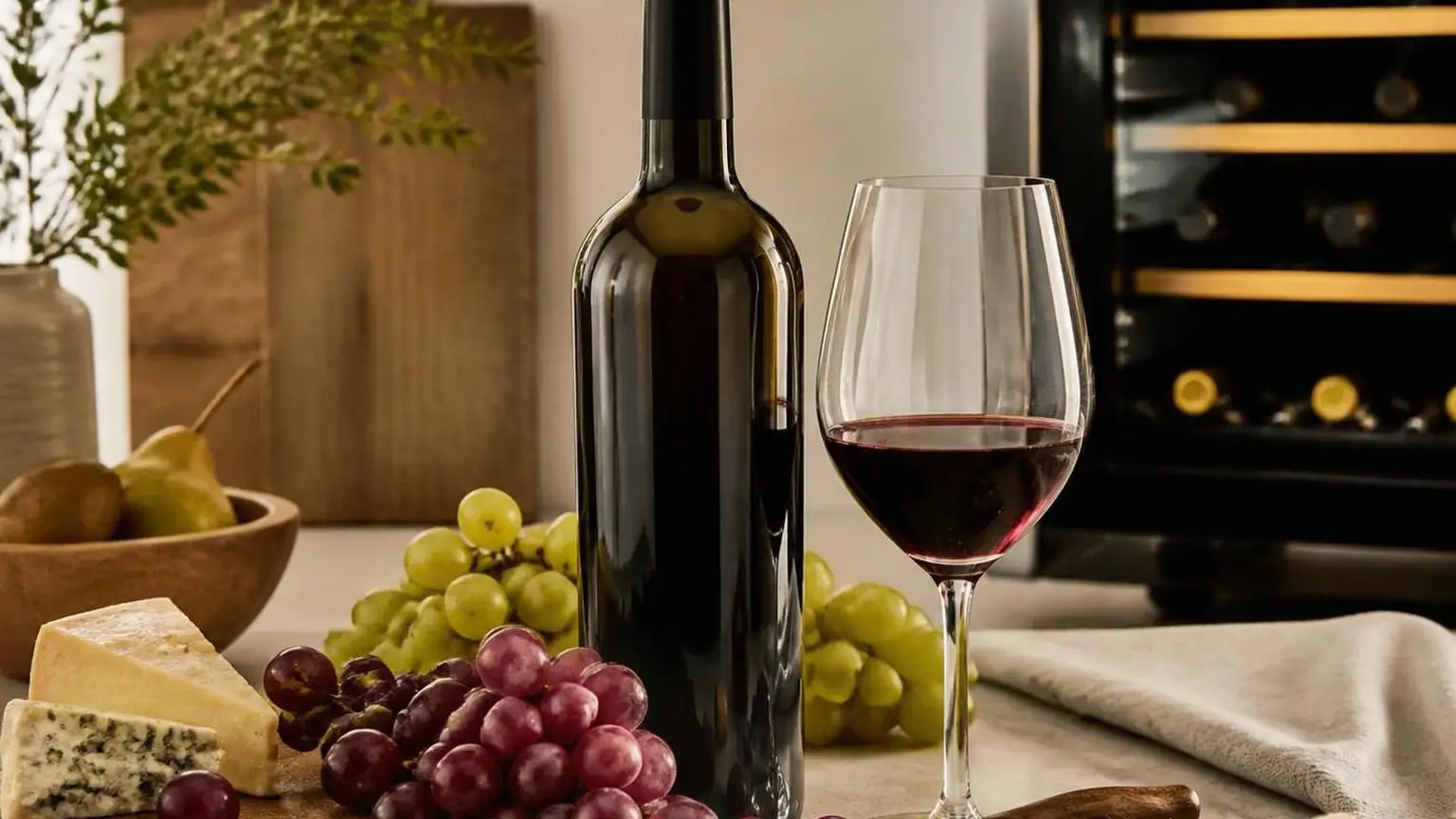
We tested how refrigeration changed wine over 14 days using 12 bottles: four reds, four whites, two rosés, and two sparkling wines.
We measured bottle temperature with a probe thermometer, tracked oxygen exposure after opening, and ran repeated blind tastings on days 1, 3, 5, and 7.
For unopened bottles, storage temperature mattered more than “fridge versus no fridge.” We held one set at 68-70°F, one at 55°F, and one in a kitchen refrigerator at 38-40°F, then checked serving quality after 72 hours and again after 7 days.
| Test condition | Bottles | Average bottle temp | Time to reach serving temp | Main result |
| Room storage | 4 | 69°F | 0 minutes | Reds tasted ready, whites felt warm and less crisp |
| Wine-cool storage | 4 | 55°F | 10-20 minutes | Most balanced for short-term storage |
| Kitchen refrigerator | 4 | 39°F | 25-45 minutes | Protected freshness best, but reds tasted muted when too cold |
We found unopened wine did not “have to” be refrigerated if the room stayed cool and stable. In our 69°F room, the wines remained sound for a week.
The problem was not immediate spoilage; it was faster loss of aroma in whites and rosés compared with the 55°F and 39°F groups.
Opened bottles showed a bigger difference. We opened 8 still wines, removed 5 ounces from each, resealed them, and stored half in the refrigerator and half at 68°F. We repeated the test three times with fresh bottles.
| Opened wine storage | Average acceptable quality | Oxidation signs | Panel preference |
| Refrigerated at 39°F | 4-6 days | Slower browning and dulling | 11 of 12 tastings preferred chilled storage |
| Room temperature at 68°F | 1-3 days | Quicker bruised-apple, nutty notes | 1 of 12 tastings preferred room storage |
White, rosé, and sparkling wines benefited the most from refrigeration after opening. On day 5, refrigerated Sauvignon Blanc still showed citrus and grass notes, while the room-temperature bottle had flat fruit and obvious oxidation.
Sparkling wine lost bubbles fastest at room temperature; refrigerated bottles retained visibly stronger mousse after 48 hours.
Red wine also lasted longer in the refrigerator after opening, even though we served it warmer. After chilling opened reds overnight, we let them sit 20-30 minutes before tasting.
That step restored aroma better than leaving the bottle out for a full day.
- Unopened wine can stay out if the room is cool, dark, and steady.
- Opened wine lasted notably longer when refrigerated, regardless of color.
- Short-term cold storage protected freshness; serving temperature still needed adjustment.
Common Wine Storage Mistakes
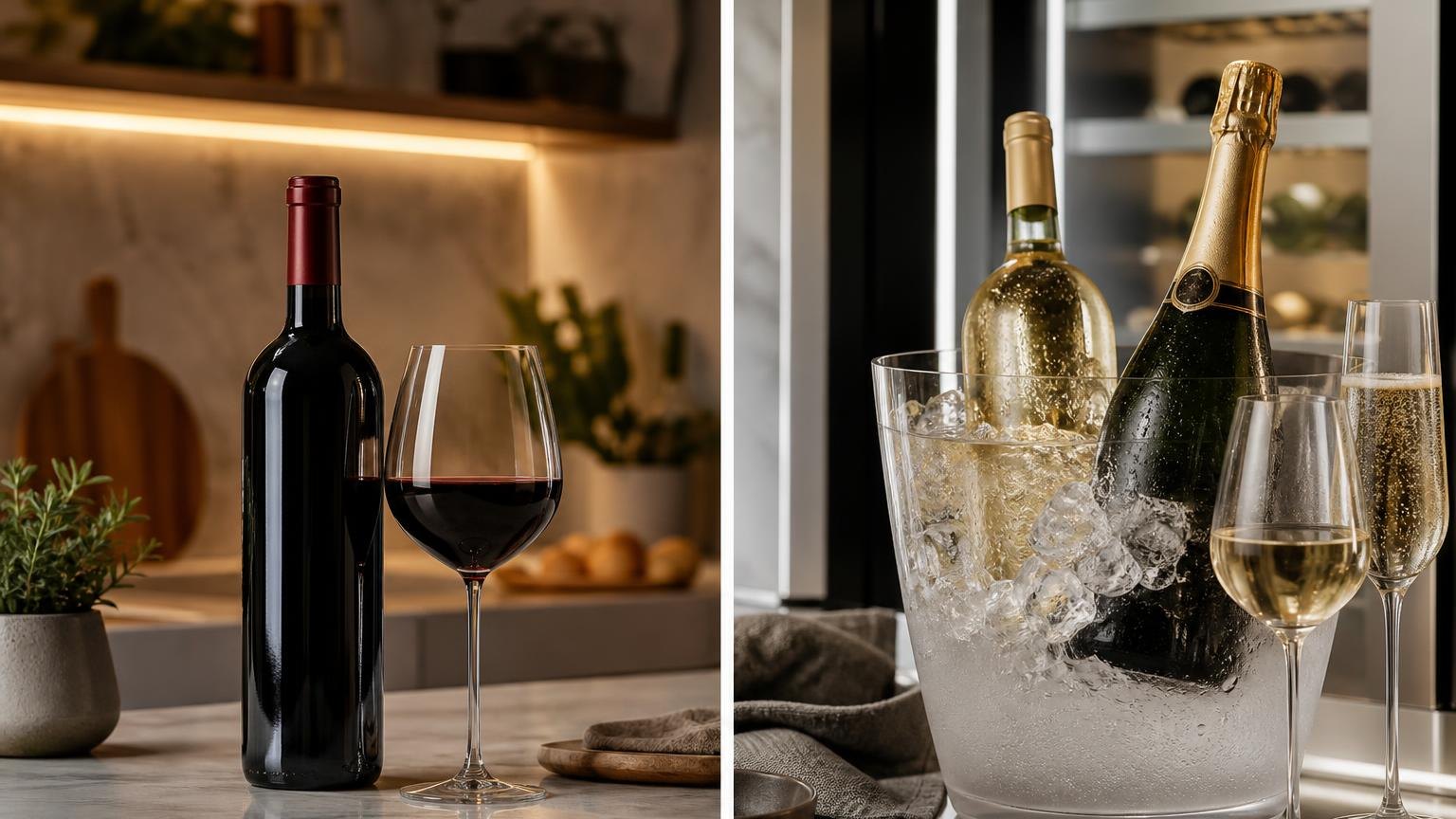
The biggest storage mistakes come from treating all wine the same. Temperature, time, light, and oxygen matter more than whether a bottle ever touches a refrigerator.
I have seen more wine damaged by warm kitchens, bright counters, and repeated chilling-and-warming than by steady refrigeration. The goal is stable storage, not a single “correct” appliance.
Myth: Red wine should never be refrigerated
This is false. Many homes sit at 70°F to 75°F, while most reds show better at 55°F to 65°F. A short chill can improve balance, especially for light reds like Pinot Noir or Beaujolais.
Serving a red at modern room temperature often makes alcohol feel hot and fruit taste flat. Fifteen to 25 minutes in the fridge can bring a warm bottle closer to a better range.
Myth: Refrigeration ruins wine
Cold itself does not ruin a sealed bottle in the short term. The main issue is long-term household refrigerator storage, because most units run about 35°F to 40°F with low humidity and constant vibration from fans and compressors.
For a few days or even a few weeks, a refrigerator is usually fine for whites, rosés, sparkling wines, and opened bottles. For months or years, a regular fridge is a poor substitute for a 55°F wine cellar or wine fridge.
| Situation | Typical temperature | Main risk |
| Household refrigerator | 35°F to 40°F | Overchilling, dry air, vibration |
| Wine fridge/cellar | 50°F to 59°F | Lower risk when stable |
| Warm kitchen counter | 70°F to 80°F | Faster aging, cooked flavors |
| Hot car or garage in summer | 90°F+ | Rapid heat damage, pushed corks |
Myth: An opened bottle can sit anywhere if re-corked
Wrong. Once opened, oxygen drives change quickly. Refrigeration slows oxidation in both red and white wine, which is why opened bottles usually stay fresher for about 3 to 5 days when sealed and chilled.
Common mistakes that shorten wine life
- Storing bottles above the refrigerator. Heat from the appliance can raise bottle temperature repeatedly.
- Keeping wine in direct sunlight. UV light can trigger “lightstruck” aromas, especially in clear bottles and sparkling wines.
- Moving bottles between cold and warm places every day. Repeated swings are worse than one stable, cool location.
- Leaving sparkling wine in the freezer to chill quickly. About 2 to 3 hours can freeze the liquid and force the cork or crack the bottle.
- Assuming expensive wine is tougher. Fine wine is often more sensitive to heat and storage abuse, not less.
Questions Readers Ask
Does unopened wine have to be refrigerated?
No. Unopened wine stores best in a cool, dark place at about 45-65°F, with 55°F often cited as an ideal long-term cellar temperature.
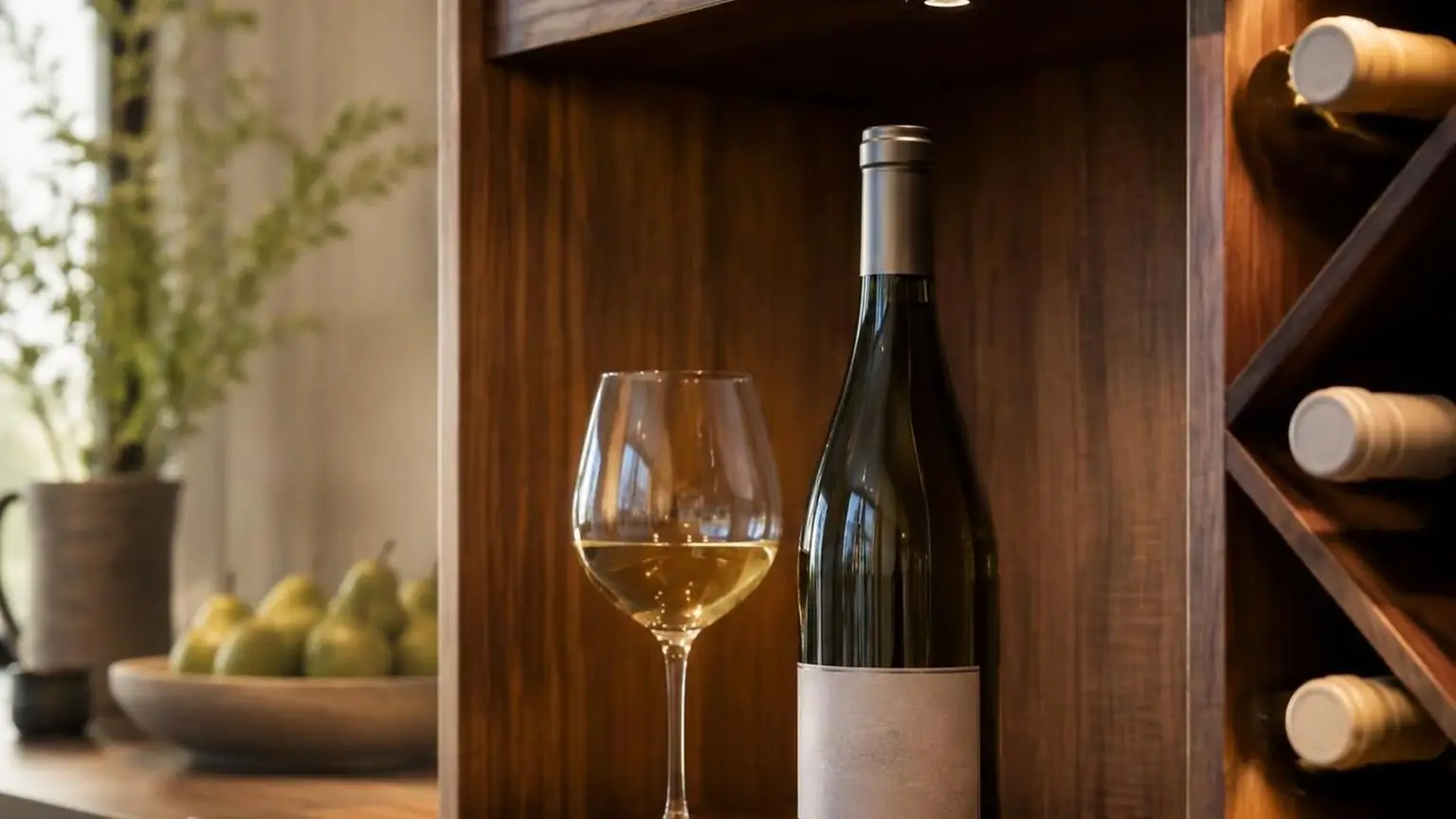
Refrigeration is optional for short periods, but a standard kitchen refrigerator runs cold and dry, which can dry natural corks over time if bottles stay there for weeks or months.
Should opened wine be refrigerated?
Yes. Refrigeration slows oxidation and microbial activity, so opened red, white, rosé, and sparkling wine usually lasts longer in the fridge than on the counter.
As a practical rule, many still wines stay in better shape for about 3-5 days when recorked and chilled, while sparkling wine is often best within 1-3 days with a tight stopper.
Do red wines need refrigeration?
Red wine does not need refrigerator storage before opening if your room stays near 55-65°F, but it should be refrigerated after opening.
For serving, many reds show better at about 55-65°F rather than modern indoor room temperature, which is often 68-72°F or higher and can make alcohol taste hotter.
Can wine go bad if it is not refrigerated after opening?
Yes. Once opened, oxygen exposure starts changing the wine immediately, and warmer temperatures speed that process.
A bottle left open at room temperature may taste flat, nutty, vinegary, or bruised-fruit-like much sooner than the same bottle sealed and refrigerated.
Is it bad to store wine in a regular refrigerator long term?
It can be. Most household refrigerators are set around 35-40°F, colder than ideal for long-term wine storage, and their low humidity can affect cork integrity over time.
For a few days or a couple of weeks, refrigeration is usually fine; for months or years, a wine fridge or stable cool closet is the better choice.
Related Reading
- Does Wine Have to Be Refrigerated After Opening?
- The Alcohol Content of Wine in Biblical Times
- How Many Ounces In A Bottle Of Prosecco?
- What Is Moscato Wine? – 2026
- How To Make Wine Cooler: Easy Recipes, DIY Coolers & Expert Tips (2026 Guide)
- How To Store Wine At Home? 8 Tips for Storing Wine
- What Is Natural Wine? Organic vs Biodynamic vs Natural wines
- All Alcohol Guides