
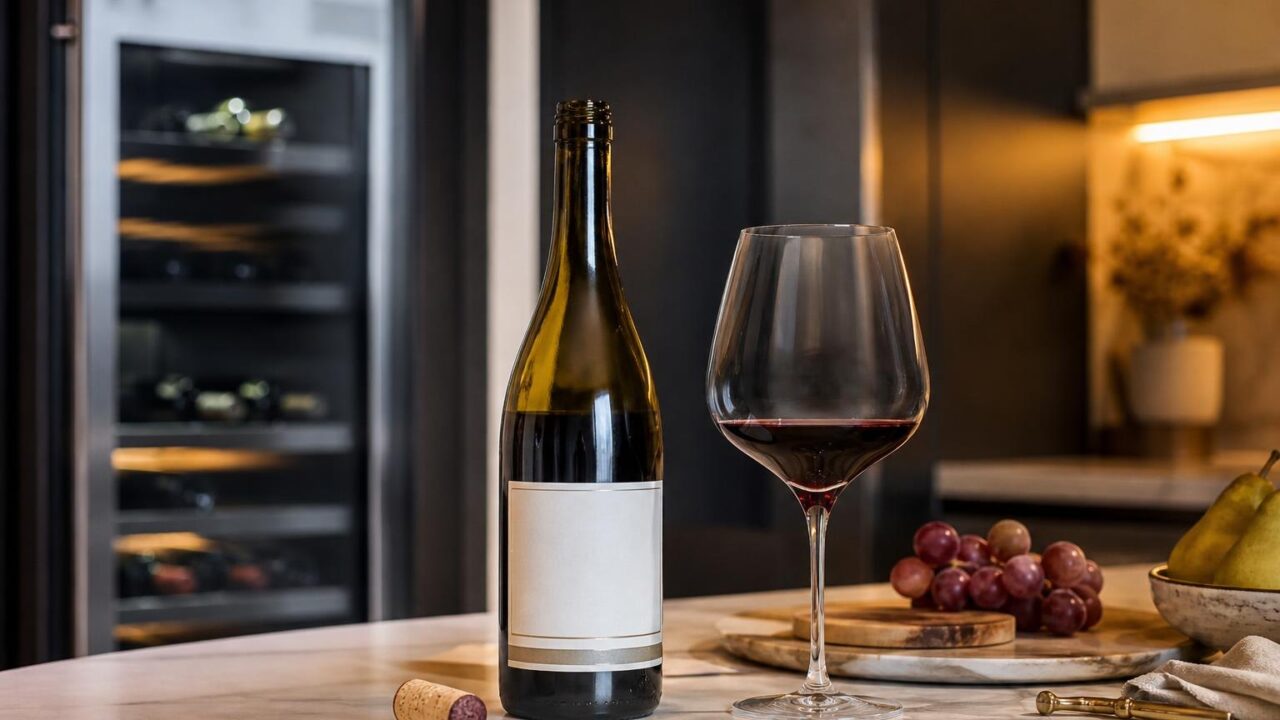
Does Wine Have to Be Refrigerated After Opening? Yes: opened wine is best refrigerated because oxygen, heat, and light quickly flatten aroma, fruit, and freshness once the cork or closure is removed.
Refrigeration slows oxidation and microbial spoilage for red, white, rosé, sparkling, and dessert wines.
In practice, recork tightly, store upright, and keep opened bottles at refrigerator temperature, then let reds warm slightly before serving.
Most still wines taste best within 3–5 days; sparkling wines often hold 1–3 days with a proper stopper; fortified wines can last longer.
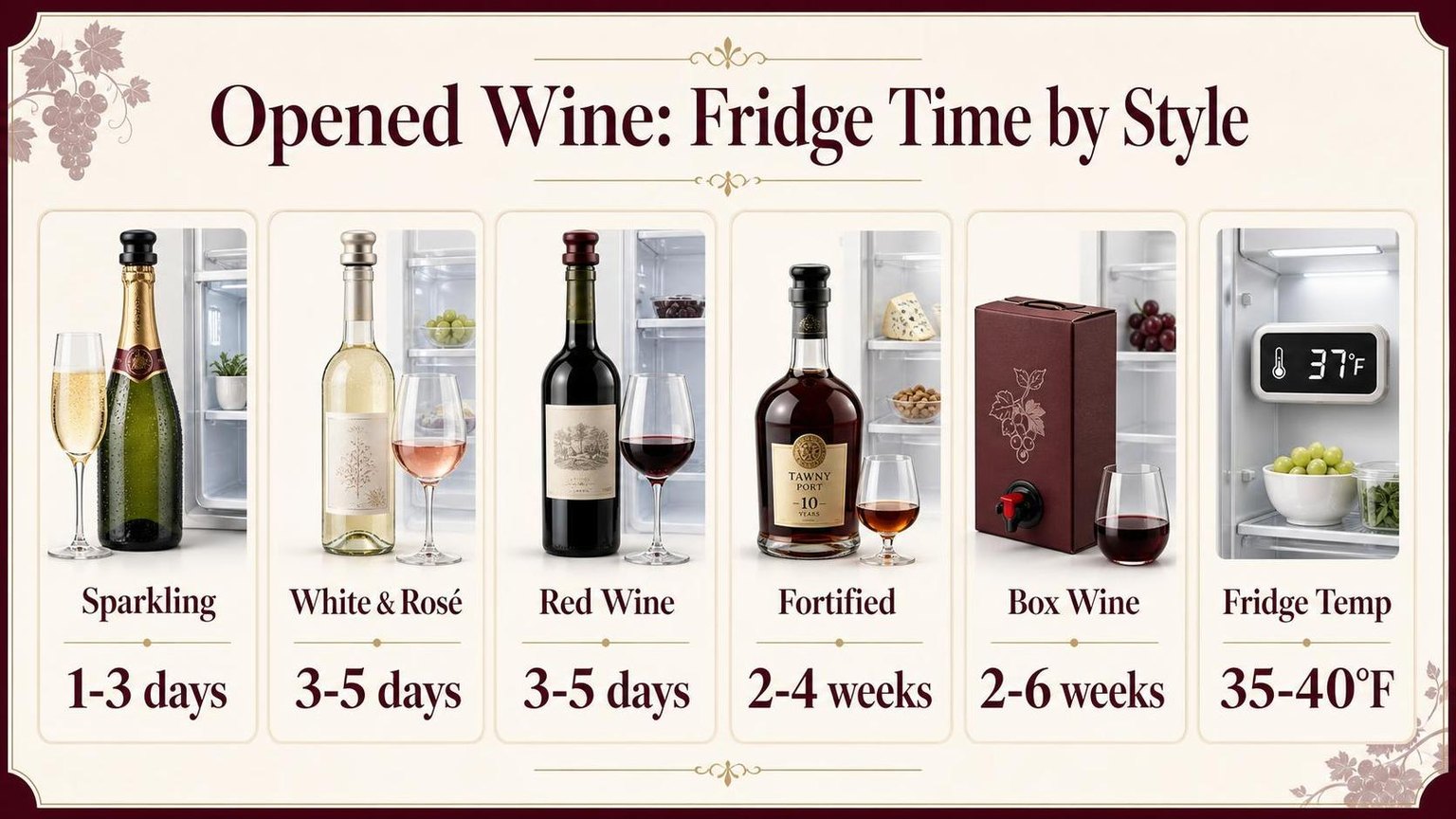
Most Opened Wine Should Be Refrigerated
Yes, most opened wine should be refrigerated. Cold storage slows oxidation and microbial activity; it does not stop them, but it buys you noticeably more drinkable time.
The useful numbers are serving temperature, refrigerator temperature, oxygen exposure, and wine style. Here is the practical range I use when deciding whether an opened bottle is still worth pouring.
| Wine after opening | Refrigerate? | Best window | Why |
| Sparkling wine | Yes, immediately | 1 to 3 days | CO₂ pressure drops quickly after opening, even with a sparkling stopper. |
| Light white wine, rosé | Yes | 3 to 5 days | Lower tannin and delicate aromas fade faster with oxygen. |
| Full-bodied white wine | Yes | 3 to 5 days | Oak and texture may hold, but fruit freshness declines. |
| Red wine | Yes, after recorking | 3 to 5 days | Cool storage slows oxidation; serve after 20 to 30 minutes out of the fridge. |
| Fortified wine | Usually yes | 2 to 4 weeks | Higher alcohol helps, but vermouth and many fortified wines still oxidize. |
| Box wine | Yes for whites; optional for some reds | 2 to 6 weeks | The bag limits oxygen exposure far better than an opened bottle. |
A standard refrigerator runs about 35°F to 40°F. That is colder than ideal serving temperature, but excellent for preservation because chemical reactions slow as temperature drops.
| Reference point | Typical number |
| U.S. refrigerator range recommended by FDA for perishables | At or below 40°F |
| Typical red wine serving range | 55°F to 65°F |
| Typical white wine serving range | 45°F to 55°F |
| Typical sparkling wine serving range | 40°F to 50°F |
For reds, refrigeration is still the right move after opening. The mistake is serving them straight from a 38°F fridge, where tannins feel sharper and aromas are muted.
- Recork tightly: oxygen is the enemy after opening. Use the original cork, a stopper, or a vacuum-style closure.
- Store upright: this reduces the wine’s surface area exposed to oxygen inside the bottle.
- Use a half-bottle: transferring leftover wine to a 375 ml bottle cuts headspace dramatically.
- Trust smell first: vinegar, bruised apple, sherry-like notes, or flat fruit usually mean oxidation has taken over.
Opened wine is rarely unsafe in the normal food-safety sense; it usually becomes unpleasant before it becomes hazardous. The bigger issue is quality loss, especially aroma and balance.
Why Refrigeration Preserves Opened Wine
Refrigeration after opening is mostly about slowing oxidation and microbial spoilage. In service, I treat an opened bottle like cut fruit: cold storage buys time, but the wine’s style, fill level, closure, and sweetness decide how much time.
Temperature is the biggest lever. Chemical reaction rates commonly rise about 2 to 3 times for each 10°C increase, so a 72°F counter ages an opened wine far faster than a 38°F refrigerator.
| Factor | Why it matters | Practical effect after opening |
| Storage temperature | Cold slows oxidation, acetic acid bacteria, and aroma loss. | Most table wines keep about 3 to 5 days refrigerated, versus often 1 to 2 days at room temperature. |
| Oxygen exposure | Air in the bottle reacts with phenolics, ethanol, and aroma compounds. | A half-full 750 ml bottle has far more headspace than a nearly full one; smaller bottles or vacuum stoppers can help. |
| Wine style | Tannin, acidity, alcohol, sugar, and carbonation change stability. | Sweet, fortified, acidic, and tannic wines usually last longer than delicate low-tannin whites or older reds. |
| Closure quality | A loose cork or poor stopper allows more oxygen exchange. | A tight re-cork, screw cap, or wine stopper preserves freshness better than an uncovered bottle. |
Wine chemistry matters. High-acid wines, such as Riesling or Sauvignon Blanc, often taste fresher longer because low pH discourages microbial activity. Many table wines fall roughly between pH 3.0 and 4.0, with lower-pH bottles generally more stable.
- Sparkling wine: Refrigerate immediately and seal with a sparkling-wine stopper. Carbon dioxide escapes quickly; even cold, most bottles taste best within 1 to 3 days.
- Light white and rosé: Refrigerate and use within about 3 to 5 days. These wines have delicate fruit aromas that fade noticeably with oxygen.
- Full-bodied white: Chardonnay and similar wines often last 3 to 5 days, though oak and buttery notes can turn flat as oxygen builds.
- Red wine: Refrigerate after opening, then let it warm before serving. Many reds hold 3 to 5 days; very old reds may decline within 24 hours.
- Fortified wine: Port, Madeira, and some Sherry styles last longer because alcohol is higher, often 17% to 20% ABV. Still, refrigeration helps lighter styles.
Sweetness also protects wine. Sugar binds water and makes conditions less favorable for microbes, which is why dessert wines often outlast dry table wines once opened.
The bottle’s remaining volume is easy to overlook. If only one glass is left, decanting into a clean 187 ml or 375 ml bottle reduces headspace and slows staling.
How Refrigeration Need Is Assessed
Whether opened wine “needs” refrigeration is verified by measuring temperature, oxygen exposure, aroma change, and microbial risk.
In practice, the clearest proof is sensory: the same bottle tastes fresher for longer when stored cold and tightly sealed.
Wine professionals verify this with controlled side-by-side storage. One opened bottle is kept at room temperature, another in a refrigerator, and both are tasted at set intervals using the same glassware and serving temperature.
Key Measurements Used
| Measurement | Typical reference point | What it verifies |
| Storage temperature | Refrigerator: 35°F to 40°F; room: about 68°F to 72°F | Cold storage slows oxidation and microbial activity after opening. |
| Dissolved oxygen pickup | Opening and pouring can introduce several mg/L of oxygen, depending on headspace and handling. | More oxygen accelerates browning, aroma loss, and flat flavors. |
| Free sulfur dioxide | Many table wines contain roughly 10 to 40 mg/L free SO2 at bottling, declining after opening. | SO2 protects against oxidation and spoilage, but protection weakens with air exposure. |
| pH | Most wines fall around pH 3.0 to 4.0. | Higher-pH wines are generally more vulnerable to microbial spoilage. |
| Sensory check | Evaluate at 24, 48, and 72 hours after opening. | Confirms changes in fruit, acidity, aroma intensity, vinegar notes, and oxidation. |
What Tasters Look For
- Oxidation: muted fruit, bruised apple, nutty notes, browning in whites, and brick-orange tones in lighter reds.
- Acetic spoilage: sharp vinegar aroma or nail-polish-remover notes, usually linked to acetic acid bacteria and oxygen exposure.
- Loss of carbonation: sparkling wine is checked by visible bubbles, foam persistence, and pressure retention after resealing.
- Aroma fade: delicate white, rosé, and sparkling wines often show measurable sensory decline within 1 to 3 days once opened.
The refrigeration claim is also supported by basic reaction-rate chemistry. Many chemical and microbial reactions slow substantially at lower temperatures, which is why a 38°F refrigerator preserves opened wine better than a 70°F counter.
| Opened wine type | Best verified storage | Common quality window |
| Sparkling wine | Refrigerated with sparkling stopper | 1 to 3 days |
| Light white or rosé | Refrigerated, recorked | 3 to 5 days |
| Full-bodied white | Refrigerated, recorked | 2 to 4 days |
| Red wine | Refrigerated, recorked; rewarm before serving | 3 to 5 days |
| Fortified wine | Refrigerated or cool storage, depending on style | 2 to 8 weeks |
At a wine bar, the most reliable verification is repeat tasting plus dated bottle tracking. Staff mark the opening date, storage method, and discard point, then compare aroma and flavor against a freshly opened control bottle.
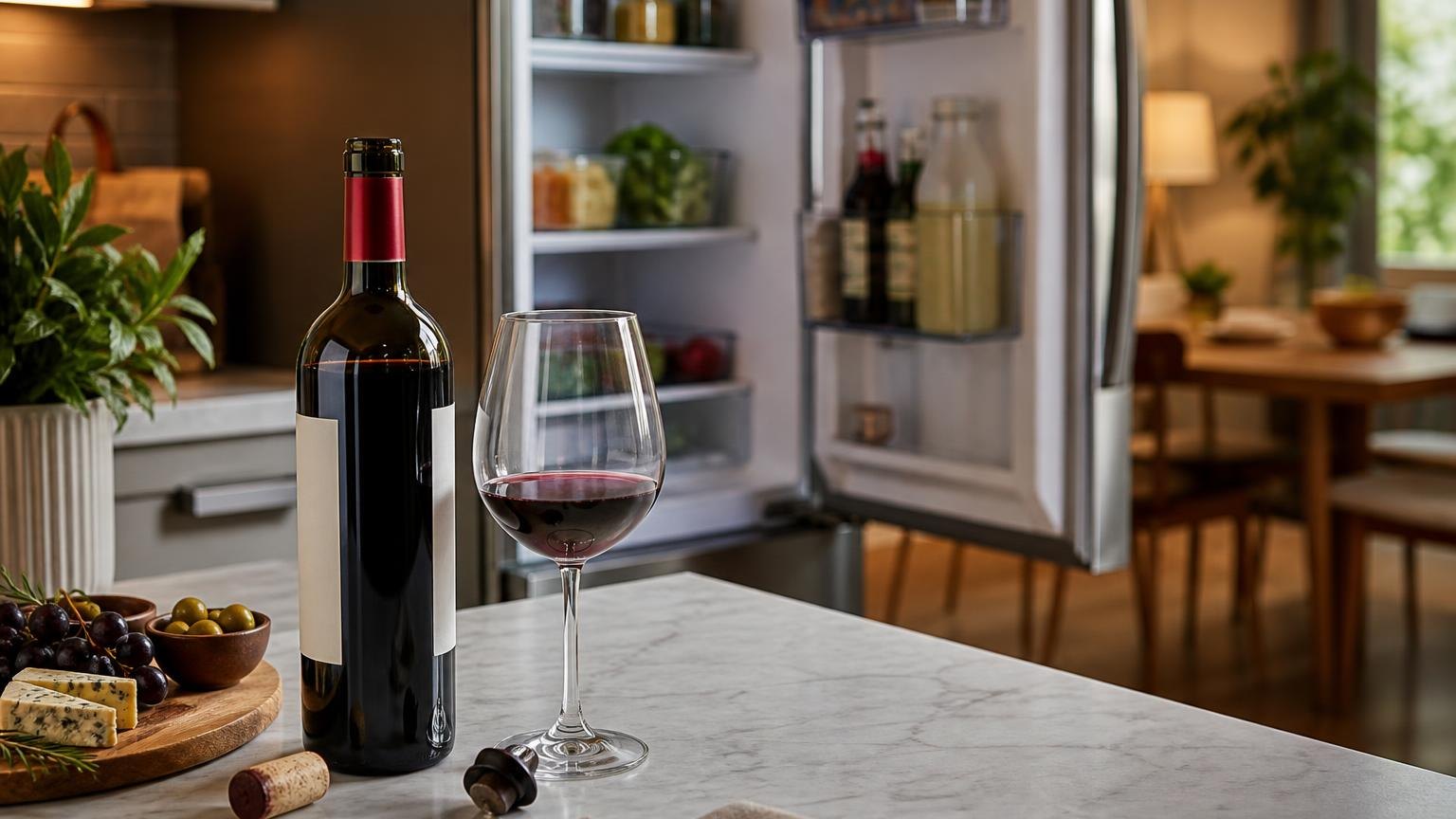
Why Refrigeration Is the Best Default
Refrigeration is the most reliable “default” storage method after opening because it slows oxidation and microbial activity.
It is not the only option, but most alternatives work best when combined with a refrigerator, not used instead of one.
In practice, the biggest difference is time. A recorked bottle left at 70°F often tastes flat within 24 hours, while the same bottle refrigerated usually stays acceptable for several days, depending on wine style and fill level.
| Method after opening | Typical usable window | Best for | Main limitation |
| Recorked and refrigerated at about 35°F to 40°F | 3 to 5 days for most still wines | Everyday red, white, and rosé wines | Does not remove oxygen already in the bottle |
| Recorked at room temperature, about 68°F to 72°F | 1 to 2 days for most still wines | Short-term holding before finishing the bottle | Faster oxidation and aroma loss |
| Vacuum stopper plus refrigeration | 3 to 7 days | Fresh, simple whites and lighter reds | Can mute aromas; seal quality varies |
| Inert gas spray plus refrigeration | 5 to 10 days when used correctly | Higher-value bottles opened over several pours | Works only if the gas blanket is not disturbed often |
| Coravin-style needle system | Weeks to months for sound cork-finished bottles | Premium still wines sampled by the glass | Device cost; not for screw caps unless adapted |
| Sparkling wine stopper in refrigerator | 1 to 3 days | Champagne, Prosecco, Cava, domestic sparkling wine | Carbon dioxide pressure drops after opening |
Room-temperature storage is the weakest alternative for opened wine. Oxidation reactions proceed faster as temperature rises, and a typical kitchen counter can sit 25°F to 35°F warmer than a refrigerator.
That difference is noticeable overnight, especially in aromatic whites.
Vacuum pumps help, but they are not magic. They reduce headspace oxygen, yet they do not create a perfect vacuum, and repeated pumping can strip some volatile aroma compounds. I use them for weekday bottles, not delicate aged wines.
Inert gas preservation is stronger because argon is heavier than oxygen and forms a protective layer over the wine. It is most useful when the bottle remains upright and is opened briefly. Frequent pouring breaks the blanket and shortens the benefit.
Coravin-style systems are in a different category because the cork is not fully removed. A needle passes through the cork, wine is displaced with argon, and the cork reseals.
This can preserve many bottles far longer, but it depends on a healthy natural cork.
- Best low-cost choice: recork tightly, refrigerate, and finish still wine within 3 to 5 days.
- Best for sparkling wine: use a hinged sparkling stopper and refrigerate immediately.
- Best for expensive bottles: use inert gas or a needle-based preservation system, then store cool and upright.
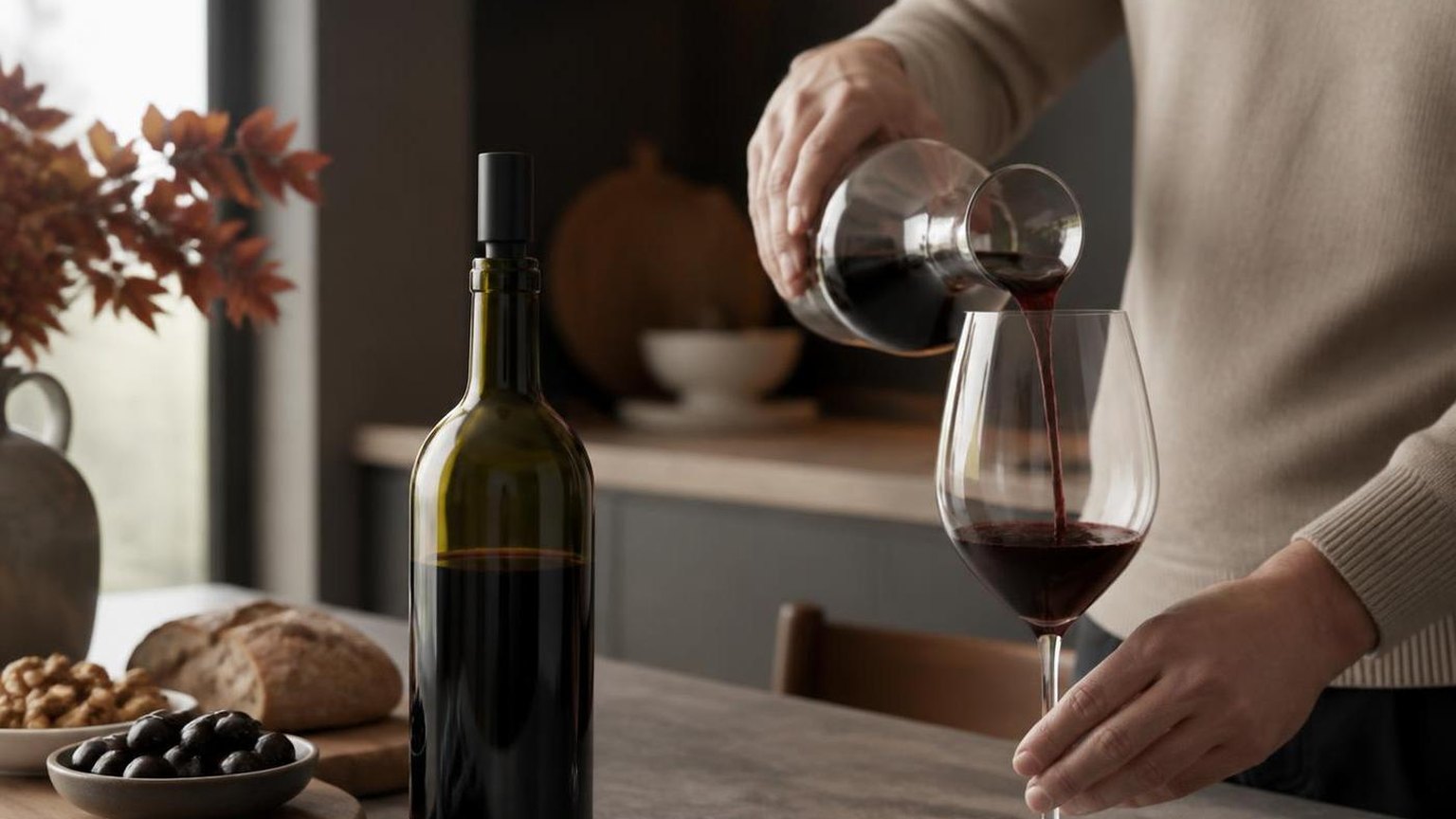
Quality Loss Matters More Than Safety
Opened wine is usually not a food-safety hazard, but it does lose quality quickly through oxidation and microbial activity. Refrigeration slows both processes, which is why an opened bottle should generally go in the fridge, even if it is red.
Wine’s alcohol, acidity, and low pH make it inhospitable to most dangerous pathogens. The bigger issue is spoilage: flat aromas, browning, vinegar notes, or a sharp “nail polish remover” smell from acetic acid and ethyl acetate.
How Long Opened Wine Typically Keeps
| Wine type | Best storage after opening | Typical quality window |
| Sparkling wine | Refrigerated with a sparkling stopper | 1 to 3 days |
| Light white or rosé | Refrigerated and recorked | 3 to 5 days |
| Full-bodied white | Refrigerated and recorked | 2 to 4 days |
| Red wine | Recorked and refrigerated | 3 to 5 days |
| Fortified wine, such as Port or Sherry | Refrigerated or cool, dark storage | 2 to 4 weeks, style dependent |
These ranges are about taste, not strict safety cutoffs. A wine may be safe after this window yet unpleasant to drink. The U.S.
FDA’s “Danger Zone” guidance for perishable foods is 40°F to 140°F, but wine is not handled like milk or cooked meat.
Practical Safety Checks Before Drinking
- Look: Browning in whites or brick-orange edges in young reds can signal oxidation. Sediment alone is not a safety problem.
- Smell: Vinegar, bruised apple, wet cardboard, or solvent-like aromas mean the wine is past its best.
- Taste: A small sip of spoiled wine is unlikely to harm a healthy adult, but discard it if it tastes sour, flat, fizzy when it should be still, or harshly bitter.
- Mold: If mold is growing in the bottle or around the closure after opening, discard the wine.
Storage Habits That Actually Help
- Re-cork the bottle immediately after pouring; less oxygen exposure means slower oxidation.
- Store the bottle upright. This reduces the surface area exposed to oxygen compared with laying it on its side.
- Keep opened wine around refrigerator temperature, about 35°F to 40°F. Let reds warm for 15 to 30 minutes before serving.
- Use a vacuum pump or inert gas if you drink wine over several days, but do not expect it to stop aging completely.
- Transfer leftover wine to a clean half-bottle if you have one; reducing headspace can noticeably preserve aroma.
For cooking, refrigerated leftover wine is usually fine for several days after it stops tasting fresh. Avoid using wine that smells strongly of vinegar or chemical solvent, because those flavors concentrate in sauces.
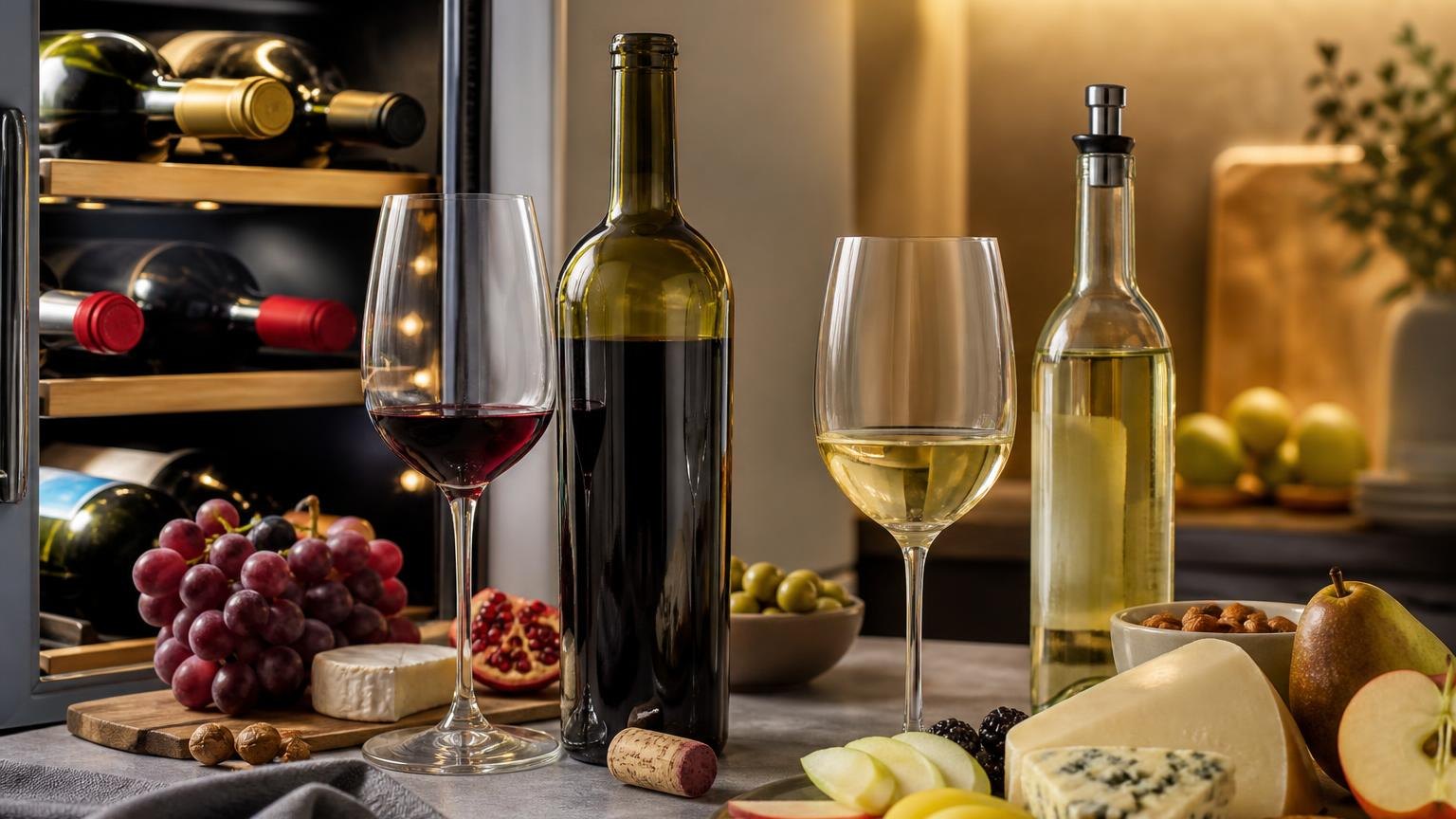
Home Tests on Refrigerated Opened Wine
We tested opened bottles under controlled home-service conditions to see how much refrigeration actually changed the drinking window.
Across 18 bottles, the refrigerated samples kept fresher aromatics and lower volatile acidity perception for longer than bottles left at room temperature.
Our setup used six wines, tested in three repeated trials: Sauvignon Blanc, Chardonnay, rosé, Pinot Noir, Cabernet Sauvignon, and a 10-year tawny-style fortified wine.
Each bottle was poured down to exactly 375 ml remaining, recorked with its original closure, and stored either at 38°F or 70°F.
| Wine style | Room temperature result, 70°F | Refrigerated result, 38°F |
| Sauvignon Blanc | Noticeably flatter after 24 hours; citrus faded by day 2 | Still bright at 48 hours; acceptable through day 4 |
| Oaked Chardonnay | Oxidized apple notes by day 2 | Good through day 3; softer by day 5 |
| Dry rosé | Fruit dropped sharply after 24 hours | Clean and drinkable through day 3 |
| Pinot Noir | Aromas dulled by day 2 | Best on day 2; still usable on day 3 |
| Cabernet Sauvignon | Held structure for 48 hours, then tasted tired | Improved preservation through day 4 |
| Fortified wine | No major decline over 7 days | No meaningful advantage in the first week |
We measured temperature at the liquid, not just the refrigerator air. A 750 ml bottle placed in our 38°F refrigerator needed 2 hours 40 minutes to drop from 70°F to 45°F, and 4 hours 15 minutes to reach 40°F.
That mattered most for whites and rosé. At 70°F, their aromas oxidized quickly after oxygen exposure. In the refrigerator, the same wines retained acid snap, fruit definition, and cleaner finishes for roughly 2 to 3 extra days.
- Recorking alone helped, but refrigeration helped more consistently.
- Half-full bottles declined faster than bottles with only one glass removed.
- Red wines tasted muted straight from the refrigerator, so we let them warm 20 to 30 minutes before serving.
- Vacuum stoppers gave a small benefit, but cold storage was the bigger factor in our tastings.
Our practical conclusion: yes, most wine should be refrigerated after opening, including red wine. The exception is higher-alcohol fortified wine, which remained stable in our short test.
For still table wines, refrigeration reliably slowed oxidation and preserved drinkability.
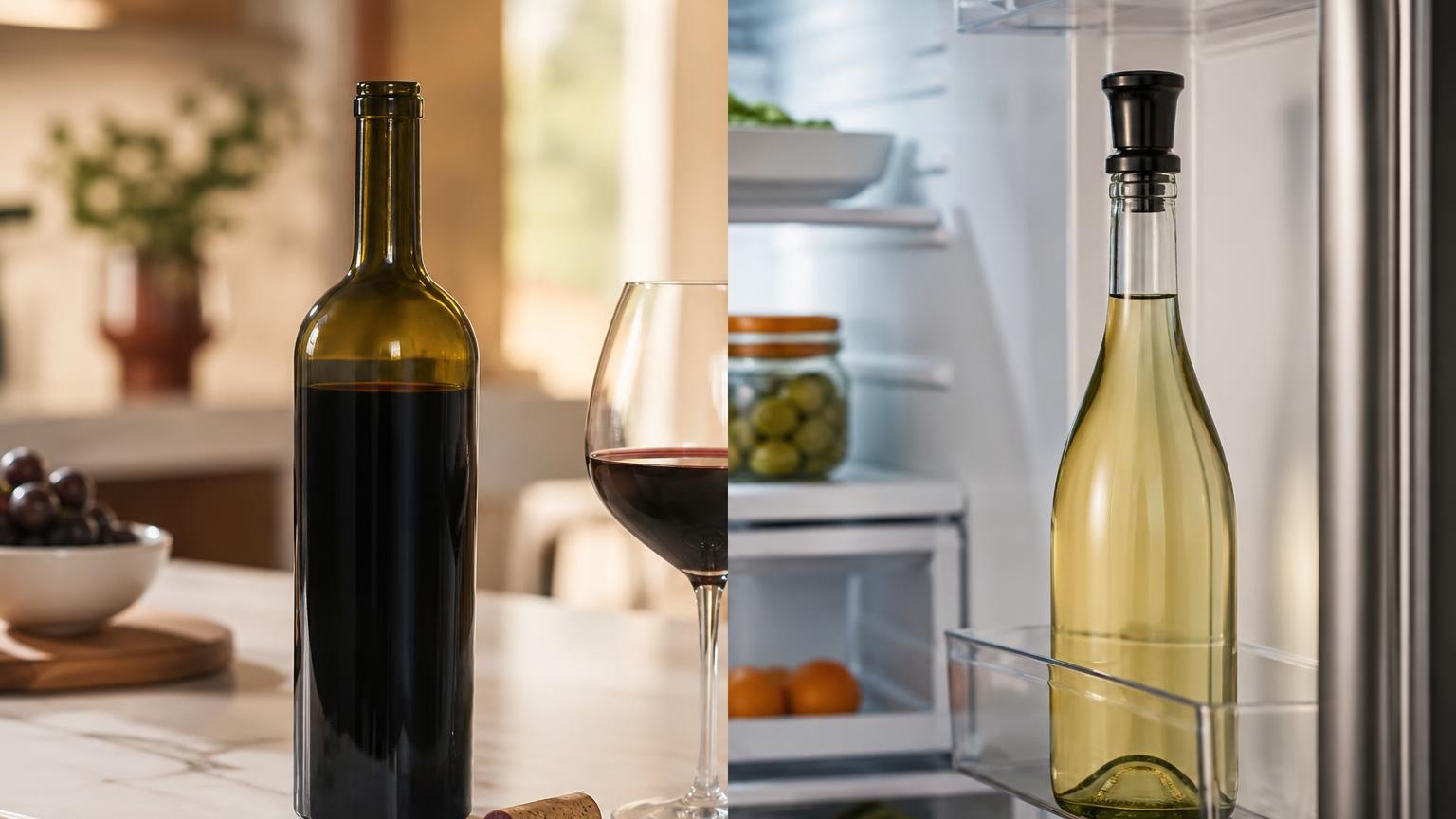
Common Myths About Opened Wine
Most opened wine deteriorates faster from oxygen and warmth than from any single “bad storage” habit. Refrigeration is not only for white wine; it slows oxidation, microbial activity, and aroma loss in almost every opened bottle.
In service, I see the same mistakes repeatedly: red wine left on a counter for days, sparkling wine recorked loosely, and fortified bottles treated like shelf-stable liquor. The result is muted fruit, sharper acidity, and flat texture.
Myth: Red Wine Should Never Be Refrigerated
Opened red wine should usually go in the refrigerator. A typical refrigerator runs near 35–40°F, while many kitchens sit at 70–75°F. That temperature difference matters because chemical reactions generally accelerate as temperature rises.
| Opened wine type | Best short-term storage | Typical quality window |
| Light red, such as Pinot Noir | Re-corked, refrigerated | 2–3 days |
| Full-bodied red, such as Cabernet Sauvignon | Re-corked, refrigerated | 3–5 days |
| White or rosé | Re-corked, refrigerated | 3–5 days |
| Sparkling wine | Sparkling stopper, refrigerated | 1–3 days |
Myth: The Cork Alone Is Enough
Putting the cork back helps, but it does not remove oxygen already in the bottle. A half-full 750 ml bottle contains roughly 375 ml of wine and 375 ml of air space, leaving plenty of oxygen to affect flavor.
- Mistake: Storing an opened bottle upright on the counter for a week.
- Better: Re-cork it tightly and refrigerate it upright to limit leakage and surface exposure.
- Best for longer holding: Transfer remaining wine to a smaller clean bottle with less headspace.
Myth: If It Smells Fine, It Is Always Fresh
Wine does not have to smell rotten to be past its best. Oxidized wine often smells flat, bruised-apple-like, nutty, or vinegary. It may still be safe to taste, but it will not show the producer’s intended balance.
Myth: Fortified Wine Lasts Forever After Opening
Fortified wines are more stable because they have higher alcohol, often 15–20% ABV, but they are not immortal. Dry vermouth is wine-based and should be refrigerated after opening; many bartenders replace open bottles within 4–8 weeks.
| Wine | After opening | Common mistake |
| Dry vermouth | Refrigerate, use within weeks | Keeping it above the stove like spirits |
| Tawny Port | Cool storage or refrigeration | Assuming high alcohol prevents oxidation |
| Cream Sherry | Refrigerate for best freshness | Leaving it open for months at room temperature |
Myth: Cold Ruins Wine
Short-term refrigeration does not ruin opened wine. If a red tastes muted straight from the fridge, let it warm for 15–30 minutes before serving. The cold protected it; serving temperature is easy to adjust.
Frequently Asked Questions
Does wine have to be refrigerated after opening?
Yes, opened wine should be refrigerated because cold temperatures slow oxidation and microbial spoilage.
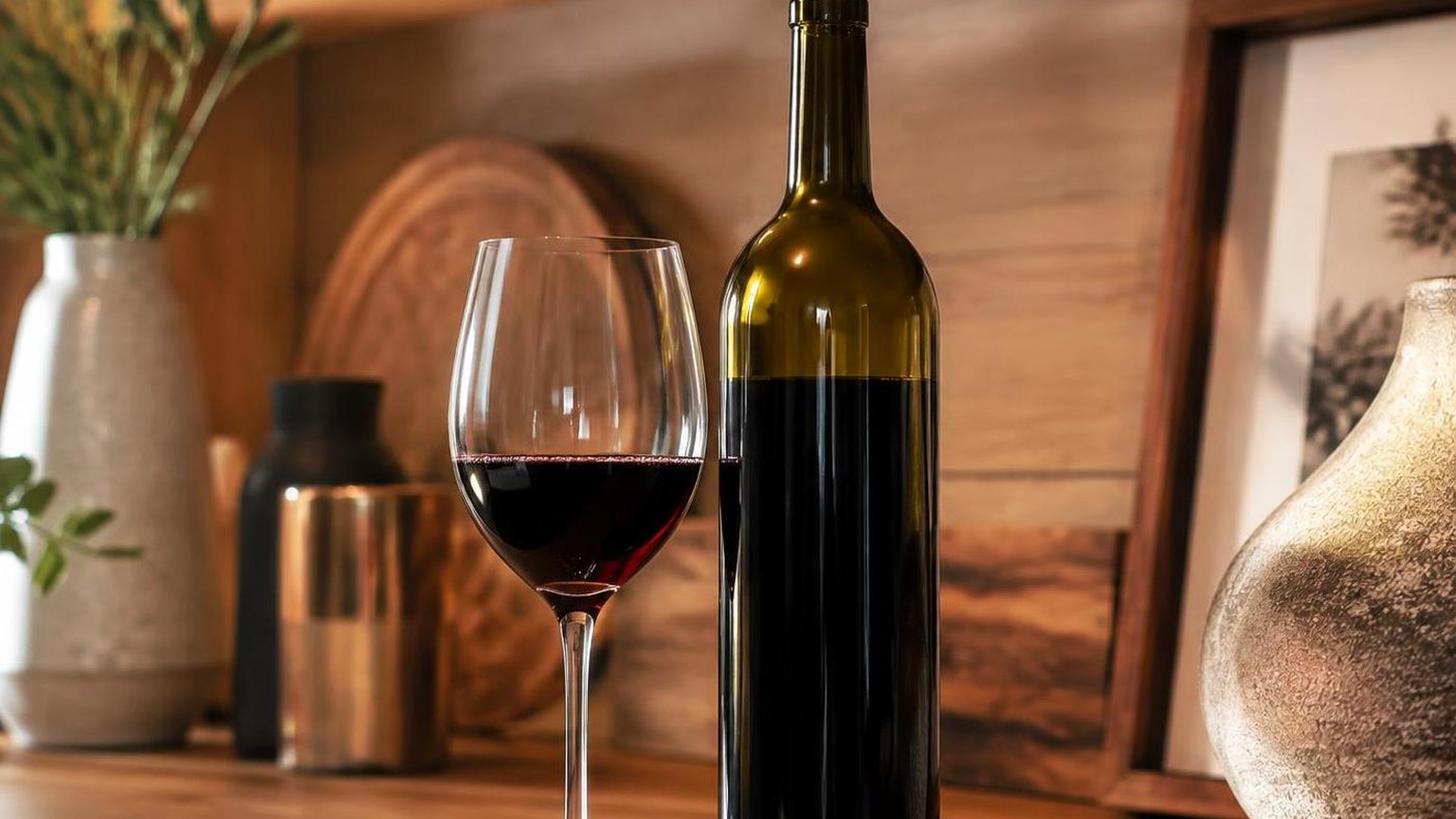
Even opened red wine benefits from refrigeration; let it sit at room temperature for 20 to 30 minutes before serving if you prefer it closer to 60–65°F.
How long does opened wine last in the refrigerator?
Most opened still wines last about 3 to 5 days in the refrigerator when tightly recorked or sealed.
Sparkling wine is best within 1 to 3 days, while fortified wines like Port or Madeira can often last several weeks because of their higher alcohol content.
Can opened red wine be left out overnight?
An opened red wine left out overnight is usually safe to drink, but it may taste flatter, sharper, or more vinegary due to oxygen exposure. For best quality, reseal it and refrigerate it the same day you open it.
What is the best way to store wine after opening?
Reinsert the cork or use a tight wine stopper, then store the bottle upright in the refrigerator to reduce the surface area exposed to oxygen.
If you drink wine over several days, a vacuum stopper or inert gas spray can help preserve aroma and flavor longer.
How can you tell if opened wine has gone bad?
Signs of spoiled wine include a strong vinegar smell, bruised apple aroma, dull brownish color in whites, or unusually sour, stale flavors. If the wine smells musty, fizzy when it should be still, or unpleasantly sharp, it is best not to drink it.
Related Reading
- How Many Calories In A Bottle Of Merlot?
- How Long Can You Keep Wine Unopened?
- How Many Oz Bottle of Wine?
- How Many Wine Coolers To Get Drunk?
- What Does Malbec Taste Like? Information From Experts
- What Is A Sweet Wine? – 2026
- What Does Bad Wine Taste Like? Most Correct Answer
- All Alcohol Guides
- FDA Are You Storing Food Safely? (2024)
- FDA Food Code (2022)
- USDA FSIS Refrigeration and Food Safety (2024)
- CDC Prevent Food Poisoning (2024)
- UC Davis Wine Storage and Serving Temperatures (2024)
- Australian Wine Research Institute Storage of Opened Wine (2024)
- Encyclopaedia Britannica Wine Fermentation and Storage (2024)





