Whiskey Does Not Sterilize Your Throat
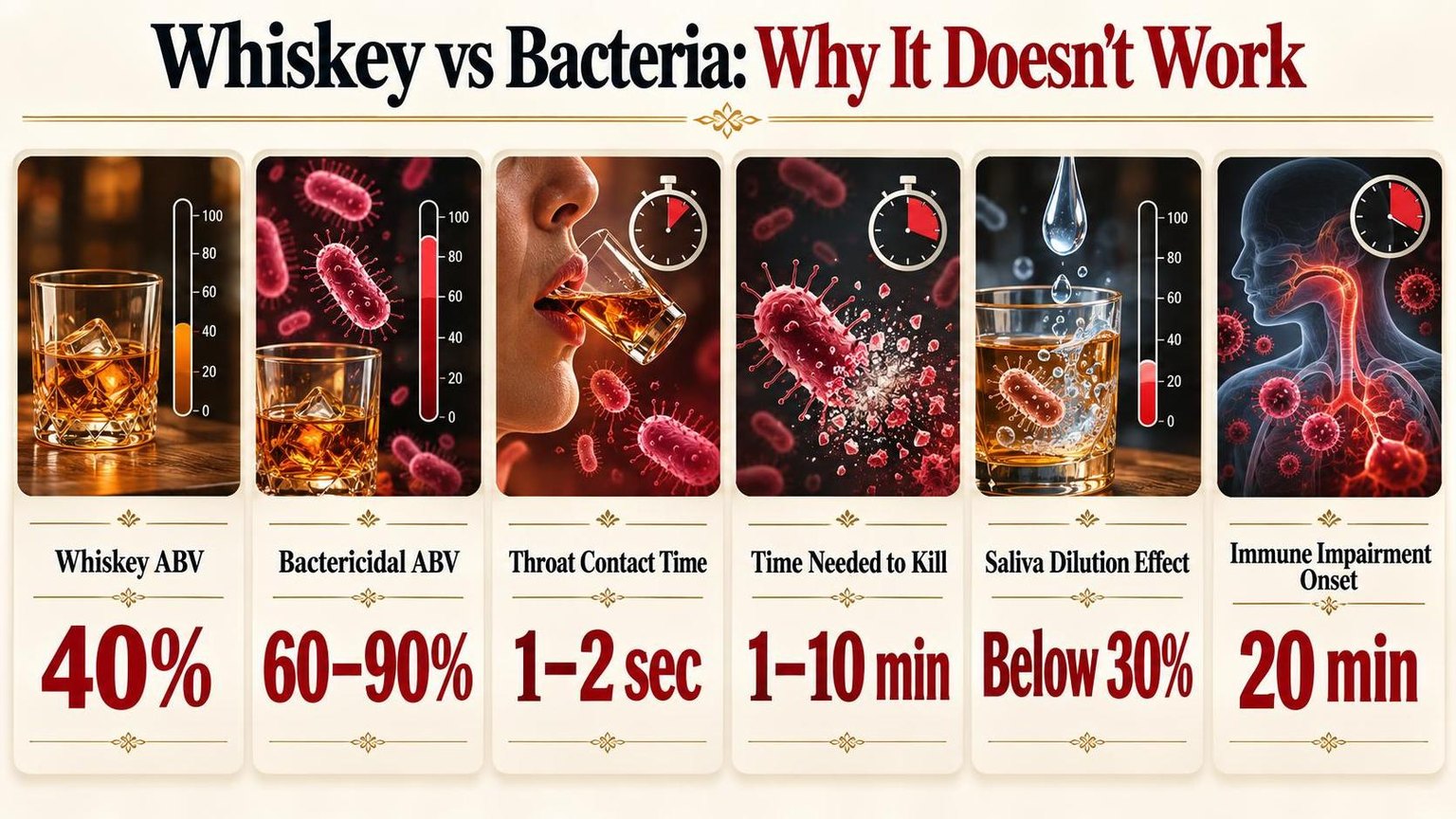
Standard whiskey contains 40% alcohol by volume (ABV), but effective bactericidal concentration requires at least 60–80% ABV.
The brief contact time during swallowing—roughly 1–2 seconds—further reduces any antimicrobial effect to near zero.
Laboratory studies show alcohol needs sustained contact of at least 1–10 minutes to kill common pathogens like Streptococcus pyogenes, the bacterium behind strep throat.
| Factor | Whiskey (Swallowing) | Effective Disinfection |
| Alcohol concentration | 40% ABV | 60–80% ABV |
| Contact time with throat tissue | 1–2 seconds | 1–10 minutes |
| Temperature | ~20–25 °C (room temp) | 20–25 °C (adequate) |
| Bacterial kill rate | Negligible | 99.9% (under controlled conditions) |
Even gargling whiskey extends contact time to only about 15–30 seconds, still far below the threshold demonstrated in microbiology research.
Why Concentration Matters
The CDC classifies alcohol-based hand sanitizers as effective at 60% ethanol or higher. Below that threshold, alcohol denatures bacterial proteins too slowly to achieve meaningful kill rates.
At 40% ABV, whiskey falls 20 percentage points short of this minimum. Dilution by saliva reduces the effective concentration further, potentially dropping it below 30%.
What Actually Happens in Your Throat
- Mucosal irritation: Alcohol at 40% ABV inflames throat mucosa, potentially worsening soreness rather than relieving it.
- Immune suppression: Alcohol consumption impairs neutrophil function within 20 minutes, weakening the body’s primary bacterial defense.
- Dehydration: Ethanol is a diuretic that reduces mucosal hydration, creating a more favorable environment for bacterial colonization.
A 2015 study in Alcohol Research confirmed that even moderate alcohol intake disrupts the innate immune response in mucosal tissues, including the oropharynx.
The burning sensation whiskey produces is tissue irritation, not bacterial destruction. Confusing the two leads people to delay proven treatments like antibiotics for confirmed strep infections.
Warm salt water (¼ teaspoon salt in 8 oz water) gargled for 30 seconds provides superior symptomatic relief without immune suppression or mucosal damage.
Alcohol Strength Versus Germ Killing
Effective disinfection requires alcohol concentrations between 60% and 90% by volume. Standard whiskey ranges from 40% to 50% ABV — well below the bactericidal threshold established by the CDC for surface and skin antisepsis.
How Alcohol Concentration Affects Bacteria
Alcohol kills bacteria by denaturing proteins and dissolving cell membranes. Below 60% ABV, this process becomes unreliable and incomplete.
| Solution | ABV (%) | Bactericidal Effectiveness |
| Standard whiskey | 40–43 | Minimal; insufficient to reliably kill pathogens |
| Cask-strength whiskey | 50–65 | Marginal at upper range; inconsistent results |
| Isopropyl rubbing alcohol | 70 | Highly effective against most bacteria |
| CDC-recommended range | 60–90 | Optimal bactericidal activity |
| Pure ethanol (95%+) | 95–100 | Less effective; evaporates before full denaturation |
Contact Time Matters
Even at 70% concentration, alcohol needs 30 seconds to 1 minute of sustained contact to kill bacteria on surfaces. A sip of whiskey contacts throat tissue for roughly 1–2 seconds before swallowing.
That brief exposure at a sub-threshold concentration makes whiskey functionally ineffective as a throat disinfectant.
What the Research Shows
A 2017 study in the Journal of Hospital Infection confirmed that ethanol solutions below 40% showed negligible antimicrobial activity against common pathogens like Streptococcus and Staphylococcus aureus.
Conversely, a 1988 study published in JAMA found moderate alcohol consumption correlated with slightly fewer colds — but attributed this to immune modulation, not direct germ killing.
Key Limitations of Whiskey as an Antiseptic
- 40% ABV falls 20 percentage points below the minimum effective bactericidal concentration
- Throat contact time is far too short for meaningful bacterial destruction
- Alcohol at drinking strength can irritate and dehydrate inflamed mucosal tissue
- Swallowed alcohol suppresses immune function at higher doses, potentially worsening infection
The arithmetic is straightforward: whiskey lacks the concentration and contact time required to function as a germicide in the throat.
Why Drinking Whiskey Can Worsen Symptoms
Despite its antibacterial properties in lab settings, drinking whiskey during a throat infection typically makes symptoms worse. Alcohol’s physiological effects on the body actively undermine immune function and tissue recovery.
Dehydration Accelerates Throat Irritation
Alcohol is a diuretic. A 2010 study in Alcohol and Alcoholism confirmed that beverages above 4% ABV increase urine output significantly. Whiskey averages 40% ABV—ten times that threshold.
Dehydrated mucosal membranes in the throat lose their protective barrier. Dry, inflamed tissue becomes more vulnerable to bacterial colonization and pain intensifies.
Immune Suppression Is Measurable
Research published in Alcohol Research: Current Reviews (2015) demonstrated that a single episode of binge drinking suppresses immune response for up to 24 hours. Key effects include:
- Reduced white blood cell activity: Neutrophil function drops by up to 50% within 2 hours of alcohol consumption
- Impaired cytokine signaling: Pro-inflammatory cytokines needed to fight infection become dysregulated
- Decreased T-cell proliferation: Adaptive immune response slows, prolonging infection duration
Alcohol Interactions With Common Medications
Most people treating a sore throat take OTC medications. Whiskey interacts dangerously with several of them.
| Medication | Risk When Combined With Alcohol |
| Acetaminophen (Tylenol) | Liver toxicity risk increases 3-fold |
| Ibuprofen (Advil) | Gastrointestinal bleeding risk doubles |
| Antihistamines (Benadryl) | Excessive sedation, impaired breathing |
| Antibiotics (Metronidazole) | Severe nausea, vomiting, rapid heart rate |
Acid Reflux Compounds the Problem
Whiskey relaxes the lower esophageal sphincter. Stomach acid then reaches the throat, a condition called laryngopharyngeal reflux. This creates a chemical burn on already-inflamed tissue.
A 2006 study in Gastroenterology found that spirits above 20% ABV increased reflux episodes by 60% compared to water. This additional acid exposure delays healing significantly.
The net result: any marginal antibacterial benefit from whiskey is overwhelmed by dehydration, immune suppression, drug interactions, and acid damage to vulnerable throat tissue.
What Whiskey Does to Throat Tissue
Whiskey’s ethanol content ranges from 40–65% ABV, making it a potent solvent that interacts aggressively with mucosal tissue. Understanding these effects separates legitimate short-term relief from potential tissue damage.
Ethanol at concentrations above 20% denatures proteins and disrupts cell membranes on contact. The pharyngeal mucosa is only 0.1–0.5 mm thick, leaving it highly vulnerable.
Immediate Effects on Contact
- Vasodilation: Ethanol triggers local blood vessel expansion within 30–60 seconds, creating a warming sensation that users interpret as soothing.
- Topical anesthesia: Alcohol temporarily numbs sensory nerve endings in the oropharynx, reducing pain perception for 10–15 minutes.
- Mucosal dehydration: Ethanol draws water from epithelial cells through osmotic action, thinning the protective mucus layer.
- Inflammatory response: Contact with 40% ethanol triggers localized release of prostaglandins and cytokines, increasing tissue inflammation after the numbing fades.
Tissue Impact by Concentration
| Ethanol Concentration | Effect on Throat Mucosa |
| 10–20% (wine range) | Mild irritation; mucus layer mostly intact |
| 20–40% (diluted spirits) | Moderate dehydration; temporary epithelial disruption |
| 40–50% (standard whiskey) | Significant protein denaturation; mucus barrier compromised |
| 50–65% (cask strength) | Acute mucosal damage; risk of chemical burn to pharyngeal tissue |
A 2017 study in Alcohol and Alcoholism confirmed that ethanol above 30% impairs mucociliary clearance—the throat’s primary defense mechanism against pathogens.
Reduced mucociliary function means bacteria and viruses linger longer on damaged tissue. The very mechanism that kills some microbes simultaneously weakens the body’s innate barrier.
The Rebound Problem
After ethanol evaporates, dehydrated tissue becomes more susceptible to secondary infection. Damaged epithelial cells take 24–48 hours to regenerate, creating a window of increased vulnerability.
Gargling whiskey may kill surface bacteria briefly, but the net effect on throat tissue integrity is negative. Clinicians at the Mayo Clinic recommend saline gargles over alcohol-based alternatives for this reason.
Safer Ways to Soothe Sore Throat
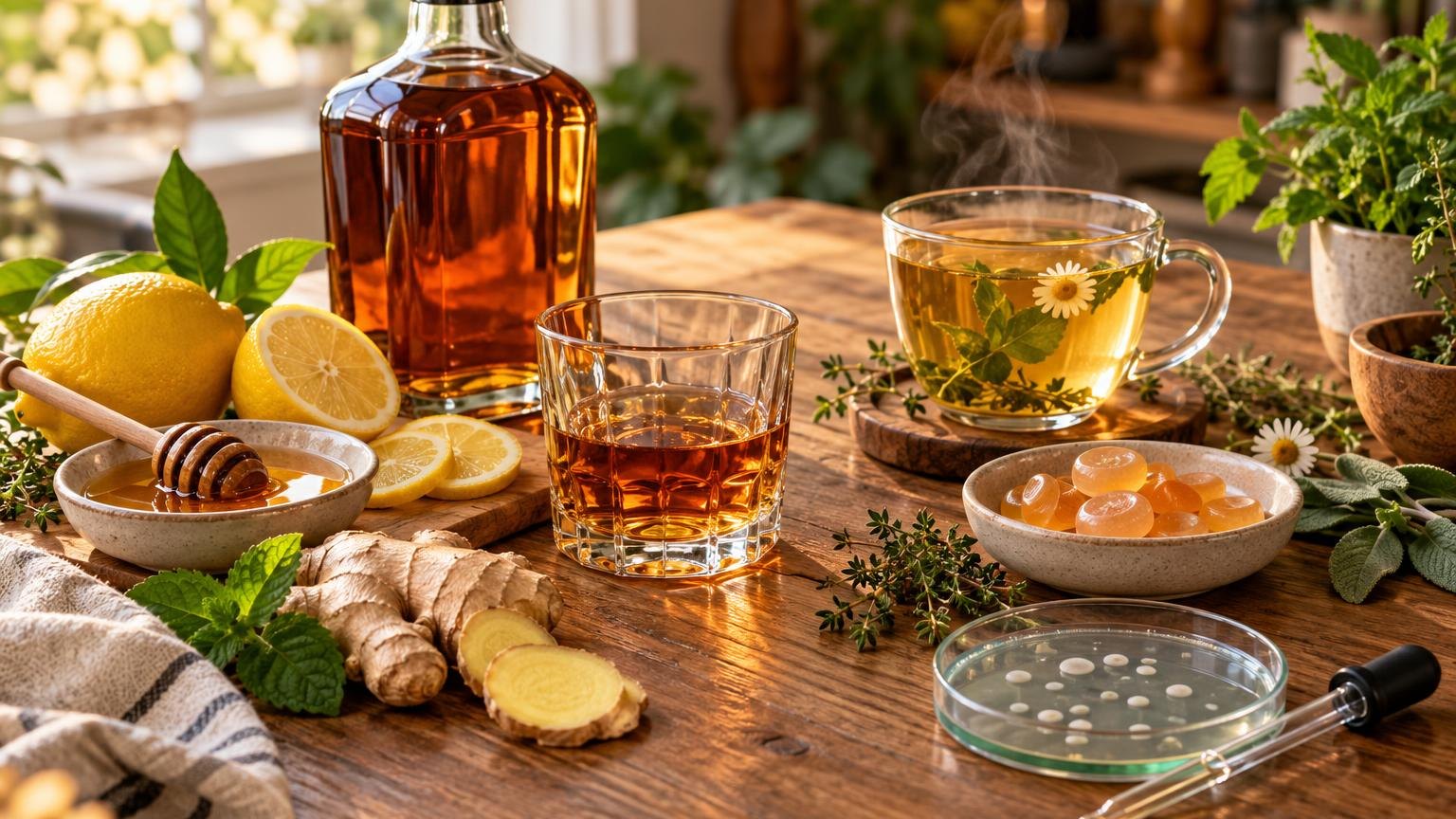
Evidence-based remedies outperform whiskey for throat relief without the tissue-damaging effects of alcohol. These approaches reduce inflammation, ease pain, and support immune function rather than compromise it.
Saltwater Gargle
Dissolve ¼ to ½ teaspoon of table salt in 8 ounces of warm water. A 2019 study in Scientific Reports confirmed hypertonic saline reduces viral load and symptom duration by 1.9 days compared to controls.
Gargle for 15–30 seconds, then spit. Repeat 3–4 times daily. This draws fluid from swollen tissues through osmosis, reducing inflammation without damaging the mucosa.
Honey
A 2021 BMJ Evidence-Based Medicine meta-analysis of 14 studies found honey reduced cough frequency by 36% and cough severity by 44% compared to standard care. Raw honey coats irritated tissue and has genuine antimicrobial properties.
Mix 1–2 tablespoons into warm (not boiling) water or tea. Never give honey to children under 12 months due to botulism risk.
OTC Pain Relievers
Ibuprofen (200–400 mg every 4–6 hours) and acetaminophen (500–1,000 mg every 6 hours) target throat inflammation and pain at the source. Both are clinically proven, dose-controlled, and FDA-regulated.
Comparison of Remedies
| Remedy | Mechanism | Onset of Relief | Evidence Level |
| Saltwater gargle | Osmotic fluid reduction | Minutes | Moderate (RCTs) |
| Honey (1–2 tbsp) | Mucosal coating, antimicrobial | 10–15 minutes | Strong (meta-analysis) |
| Ibuprofen 400 mg | COX inhibition, anti-inflammatory | 20–30 minutes | Strong (extensive RCTs) |
| Whiskey | Temporary numbing only | Minutes, brief | No clinical support |
Additional Supportive Measures
- Hydration: Drink 8–10 glasses of water daily to keep throat tissues moist and thin mucus secretions.
- Humidifier: Maintain indoor humidity at 40–60% to prevent mucosal drying.
- Throat lozenges: Benzocaine- or menthol-based lozenges provide localized numbing for 20–30 minutes per dose.
- Rest: Sleep 7–9 hours nightly to support T-cell and cytokine production critical for fighting infection.
If throat pain persists beyond 7 days, involves fever above 101°F, or causes difficulty swallowing, see a physician. These symptoms may indicate streptococcal infection requiring antibiotics.
When Throat Symptoms Need Medical Care
Most sore throats resolve within 5–7 days without treatment. Certain warning signs, however, indicate bacterial infection or complications requiring prompt medical evaluation rather than home remedies like whiskey gargles.
Red-Flag Symptoms Requiring a Doctor Visit
- Fever above 101°F (38.3°C) lasting more than 48 hours
- White patches or pus visible on tonsils or the back of the throat
- Swollen, tender lymph nodes in the front of the neck
- Difficulty swallowing or breathing, especially with drooling
- Sore throat persisting beyond 7 days without improvement
- Rash accompanying throat pain, which may suggest scarlet fever
- Joint pain or ear pain developing alongside throat symptoms
Strep Throat vs. Viral Sore Throat
Group A Streptococcus causes approximately 20–30% of sore throats in children and 5–15% in adults, according to the CDC. A rapid antigen detection test delivers results in minutes.
| Feature | Viral Sore Throat | Strep Throat |
| Onset | Gradual | Sudden |
| Cough | Often present | Typically absent |
| Fever | Low-grade or none | 101°F+ (38.3°C+) |
| Tonsillar exudate | Uncommon | Common |
| Runny nose | Common | Rare |
| Treatment | Supportive care | Antibiotics (penicillin/amoxicillin, 10-day course) |
Why Timely Treatment Matters
Untreated strep throat can trigger rheumatic fever within 2–4 weeks, potentially causing permanent heart valve damage. Peritonsillar abscess is another complication, occurring in roughly 1 in 40 untreated strep cases.
Post-streptococcal glomerulonephritis—kidney inflammation—can develop 1–3 weeks after infection. Children aged 5–15 face the highest risk for these complications.
Relying on whiskey or any alcohol-based remedy delays evidence-based treatment. Antibiotics reduce strep symptom duration by 1–2 days and, critically, prevent serious sequelae when started within 9 days of symptom onset.
Contact a healthcare provider immediately if throat pain is severe enough to prevent drinking fluids, or if a child refuses to eat for more than 24 hours.
Bottom Line for Whiskey and Bacteria
Whiskey possesses genuine antibacterial properties in laboratory settings, but the clinical reality inside your throat is far more nuanced. The concentration, contact time, and biological environment all limit its practical germ-killing power.
Lab Results vs. Real-World Throat Conditions
| Factor | Lab (In Vitro) | Throat (In Vivo) |
| Alcohol concentration | 40% ABV (undiluted) | Diluted rapidly by saliva to ~10–15% |
| Contact time with bacteria | Minutes to hours | Seconds before swallowing |
| Effective bactericidal threshold | 60–80% ethanol required | 40% ABV falls short |
| Biofilm penetration | Controlled disruption possible | Minimal at low concentration |
A 2017 study in the Journal of Hospital Infection confirmed ethanol needs at least 60% concentration to reliably kill most bacterial pathogens within 30 seconds.
What Whiskey Actually Does in Your Throat
- Mild antiseptic effect: At 40% ABV, whiskey may reduce some surface bacteria on brief contact, but it cannot eliminate established colonies of Streptococcus pyogenes or Staphylococcus aureus.
- Temporary numbing: Ethanol acts as a mild local anesthetic, reducing pain perception — not infection.
- Mucosal irritation: Alcohol dehydrates and inflames throat tissue, potentially worsening soreness and impairing the mucosal immune barrier.
- Immune suppression: Even moderate alcohol intake (14 g or roughly one standard drink) suppresses neutrophil function for up to 24 hours, according to research published in Alcohol and Alcoholism (2015).
When to Skip the Whiskey
Bacterial throat infections like strep throat require antibiotics — specifically penicillin or amoxicillin — not spirits. Untreated Group A strep carries a 1–3% risk of rheumatic fever.
Gargling with diluted saltwater (¼ teaspoon per 8 oz warm water) outperforms whiskey for symptom relief. It draws fluid from swollen tissue through osmosis without damaging the mucosa.
Whiskey’s antibacterial reputation rests on ethanol chemistry that functions at concentrations double what any bottle delivers. Enjoying a dram for comfort is one thing; relying on it as medicine is another entirely.
Questions People Ask Most
Does whiskey actually kill bacteria in the throat?
Whiskey contains 40% alcohol by volume (ABV) on average, but laboratory studies show that concentrations of at least 60–70% ethanol are needed to reliably kill most bacterial species on contact.
The brief exposure time during swallowing—roughly 1–2 seconds—further reduces any bactericidal effect.
Whiskey may create a temporary burning sensation that feels therapeutic, but it does not function as an effective antibacterial agent in the throat.
What alcohol concentration is required to kill throat bacteria?
The CDC and WHO recognize 60–90% ethanol solutions as effective disinfectants against a broad spectrum of bacteria, viruses, and fungi. Most spirits, including whiskey at 40% ABV, fall well below this threshold.
Even cask-strength whiskeys bottled at 50–65% ABV lack sufficient contact time in the throat to achieve meaningful bacterial kill rates.
Can a hot toddy help with a sore throat caused by bacterial infection?
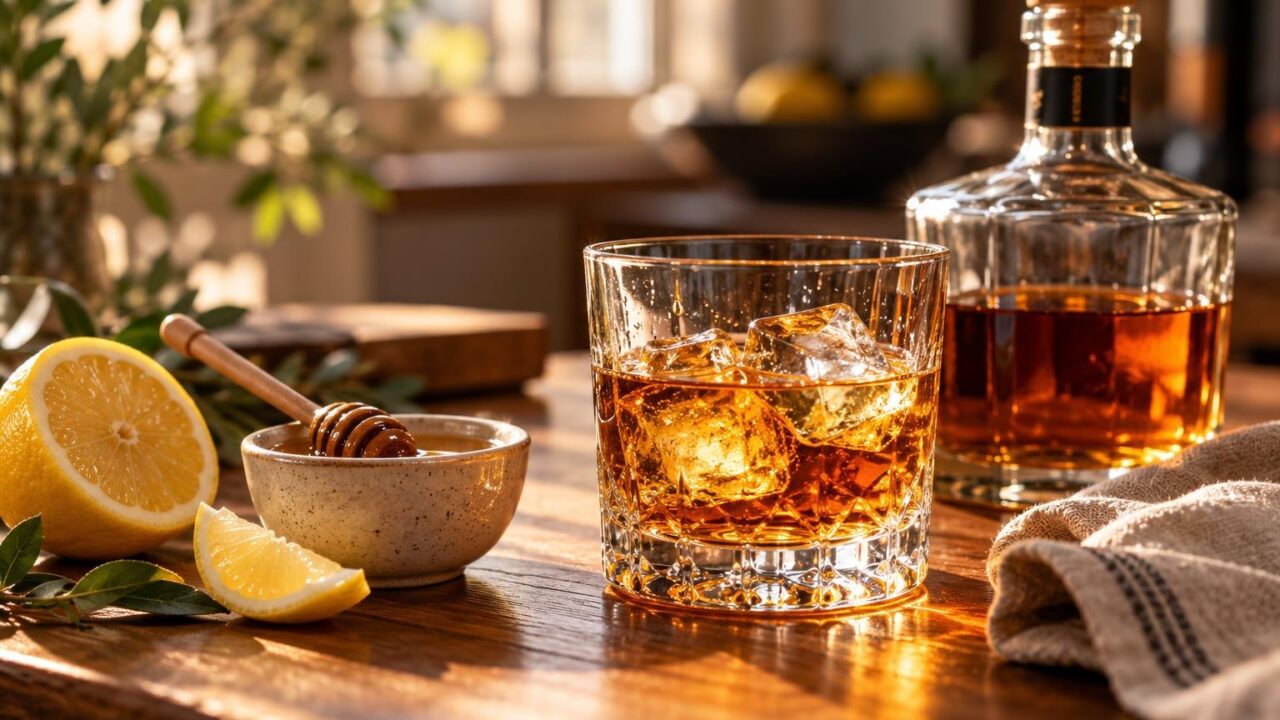
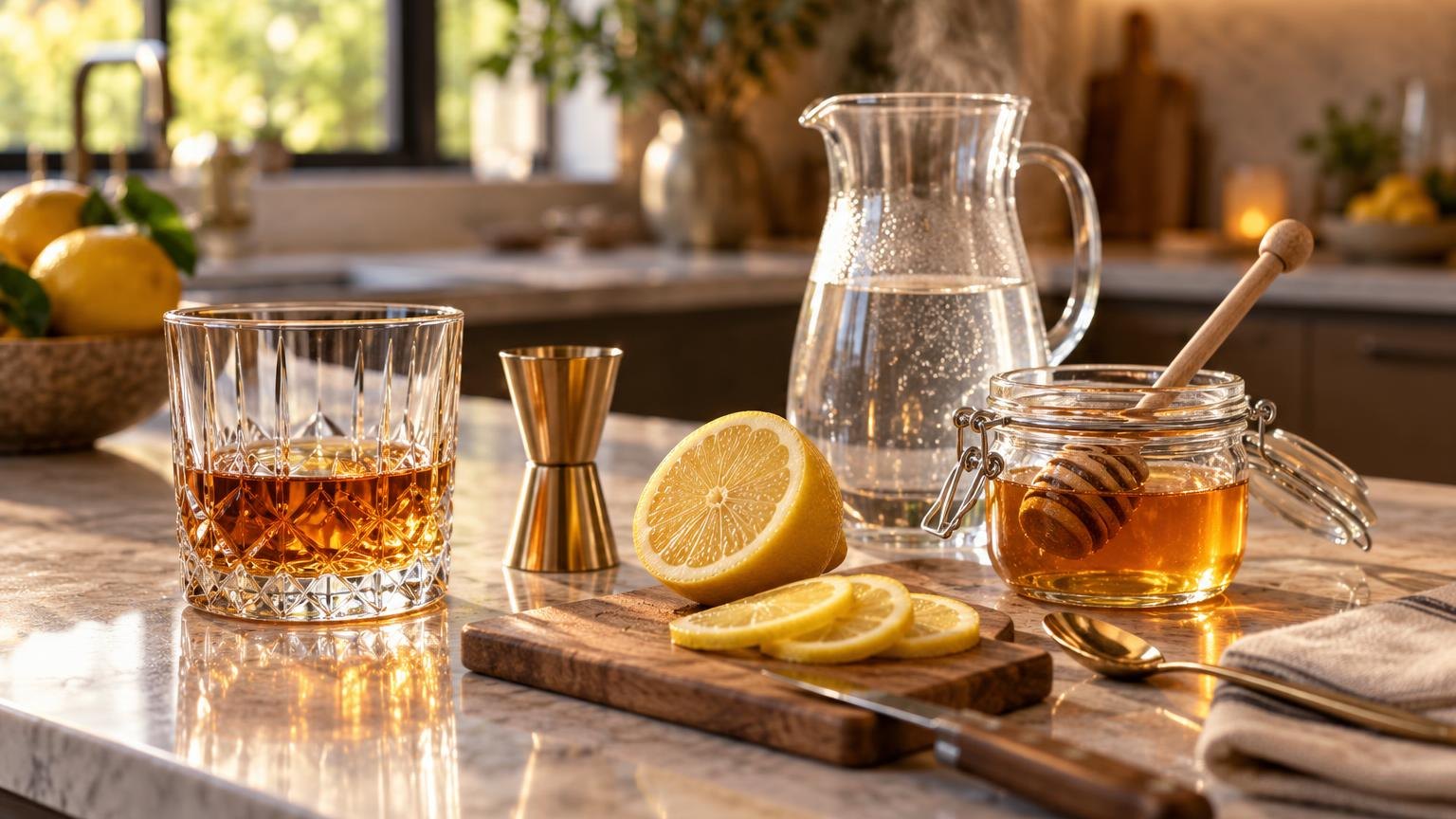
A hot toddy—whiskey, honey, lemon, and hot water—may temporarily soothe sore throat symptoms through the demulcent effect of honey and the warmth of the liquid, not through bacterial killing.
A 2012 study in Pediatrics found honey reduced nighttime cough severity in children, supporting honey as the active soothing ingredient. A bacterial throat infection like strep (Group A Streptococcus) requires antibiotic treatment, not whiskey.
Does gargling with whiskey reduce throat infection?
Gargling increases contact time to roughly 15–30 seconds, but 40% ABV remains below the bactericidal threshold.
A 2007 study published in the American Journal of Preventive Medicine found that gargling with plain water reduced upper respiratory infections by 36%, suggesting the mechanical flushing action matters more than the liquid’s alcohol content.
Antiseptic mouthwashes containing chlorhexidine or cetylpyridinium chloride are far more effective than whiskey for oral bacterial reduction.
Could drinking whiskey make a throat infection worse?
Alcohol is a diuretic that promotes fluid loss, and dehydration impairs mucosal immune defenses in the throat. Ethanol also irritates and dries the pharyngeal mucosa, potentially worsening inflammation and pain.
Additionally, alcohol suppresses immune cell function—a 2015 review in Alcohol Research confirmed that acute alcohol exposure impairs neutrophil and macrophage activity critical for fighting bacterial infections.
What does peer-reviewed research say about alcohol’s effect on oral bacteria?
A 2018 study in Microbiome involving over 1,000 participants found that heavy alcohol consumers had altered oral microbiome compositions,.
with increased levels of potentially harmful bacteria like Neisseria and Actinomyces and decreased levels of beneficial Lactobacillales.
This suggests regular alcohol consumption disrupts the natural bacterial balance in the mouth and throat rather than sterilizing it. The net effect favors pathogenic overgrowth, not protection.
Are there any spirits strong enough to kill throat bacteria effectively?
Overproof spirits like Spirytus (95% ABV) or Everclear (75.5–95% ABV) approach laboratory disinfectant concentrations, but swallowing or gargling them causes severe chemical burns to the mucosa of the throat and esophagus.
Emergency departments report caustic mucosal injuries from ingestion of high-proof alcohol. No medical authority recommends using any drinkable spirit as a throat disinfectant.
What are evidence-based alternatives to whiskey for throat bacteria?
For bacterial pharyngitis confirmed by rapid strep test or throat culture, the first-line treatment is a 10-day course of penicillin V or amoxicillin, per American Heart Association and IDSA guidelines.
Over-the-counter relief includes benzocaine or phenol throat sprays, saltwater gargles (¼ to ½ teaspoon salt in 8 oz warm water), and acetaminophen or ibuprofen for pain. These methods have clinical evidence supporting their use, unlike whiskey.
Keep Exploring
- What Is Good To Mix With Whiskey? Answer From Expert
- What Can You Mix With Baileys?
- What Does Scotch Taste Like?
- How To Drink Japanese Whisky Like A Pro? Find Out Now
- Does Unopened Whiskey Go Bad?
- Does Whiskey Help a Toothache?
- Cocktail Made with Tennessee Whiskey, Ironically
- Which Country Consumes The Most Whiskey Overall?
- Where Was Whiskey Invented?
- All Alcohol Guides
- PubMed Central – Antimicrobial Activity of Ethanol (2020)
- CDC – Alcohol and Public Health FAQs (2024)
- NIH National Institute on Alcohol Abuse and Alcoholism – Alcohol's Effects on the Body (2023)
- PubMed – Bactericidal Activity of Various Concentrations of Ethanol (1996)
- FDA – Topical Antiseptic Products: Hand Sanitizers and Antibacterial Soaps (2023)
- Mayo Clinic – Sore Throat: Diagnosis and Treatment (2023)
- PubMed – Alcohol Consumption and the Immune System (2015)
- Cleveland Clinic – Does Alcohol Kill Germs? (2023)
- Harvard Health Publishing – Sore Throat or Strep Throat? (2023)
- WHO – Alcohol and Health Fact Sheet (2024)