How Many Carbohydrates in a Shot of Whiskey? It is 0 grams when the serving contains only distilled whiskey.
A standard 1.5-ounce shot of unflavored bourbon, rye, Scotch, Irish whiskey, or Canadian whisky generally provides no carbohydrates, although it still contains approximately 97 calories from alcohol.
Distillation removes the fermentable sugars that begin in the grain mash, but flavored whiskeys and whiskey-based liqueurs can contain added sugar and carbohydrates.
Cocktails also change the carbohydrate count because mixers such as cola, sour mix, and sweet vermouth contribute carbohydrates.
Check the bottle’s nutrition information when available, identify the exact serving size, and separate straight whiskey from flavored products before recording it in a low-carbohydrate diet.
The alcohol itself can also affect blood-glucose management and dietary decisions, even when the whiskey contains zero carbohydrates.
Carbohydrates in a Standard Whiskey Shot
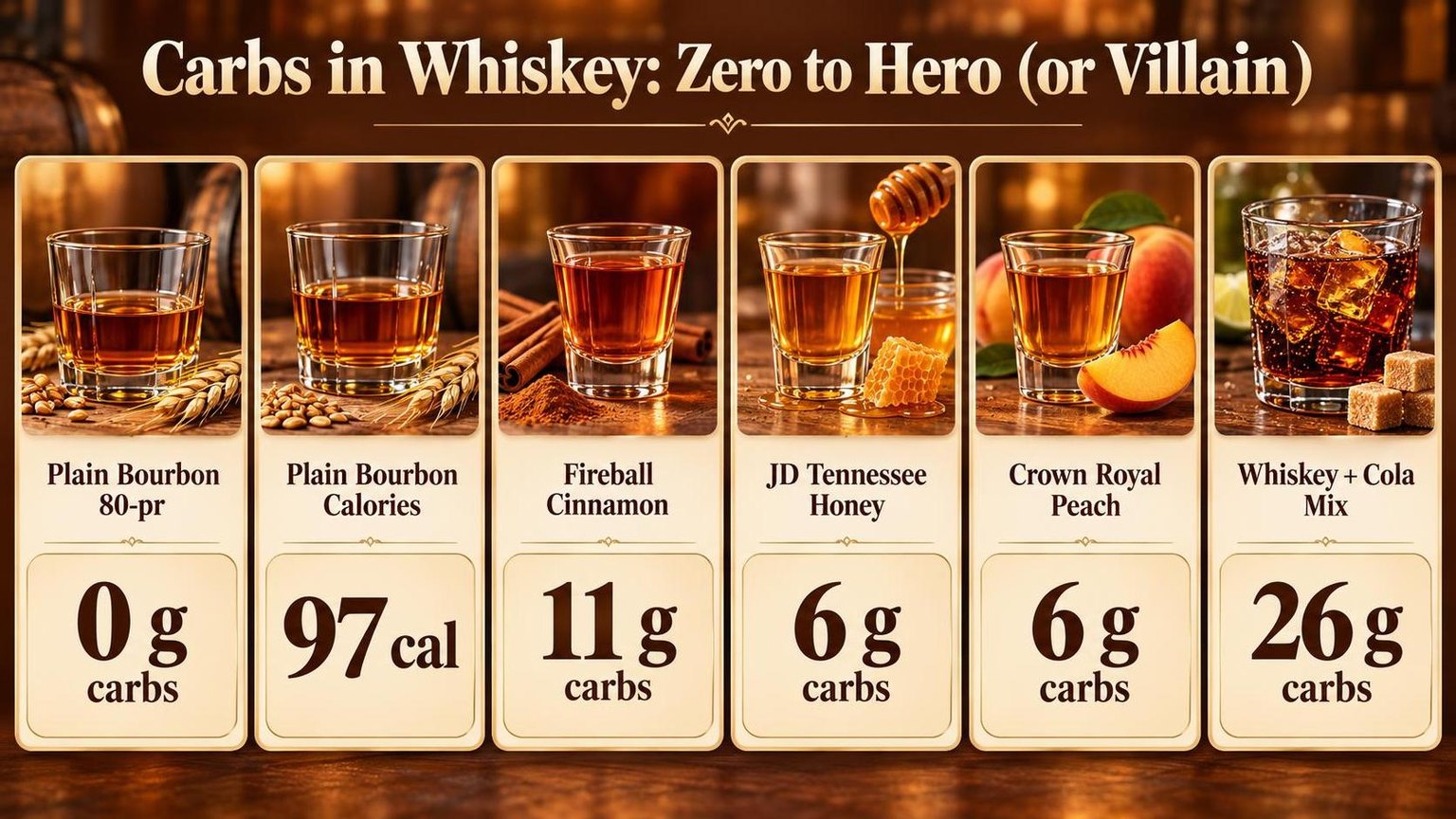
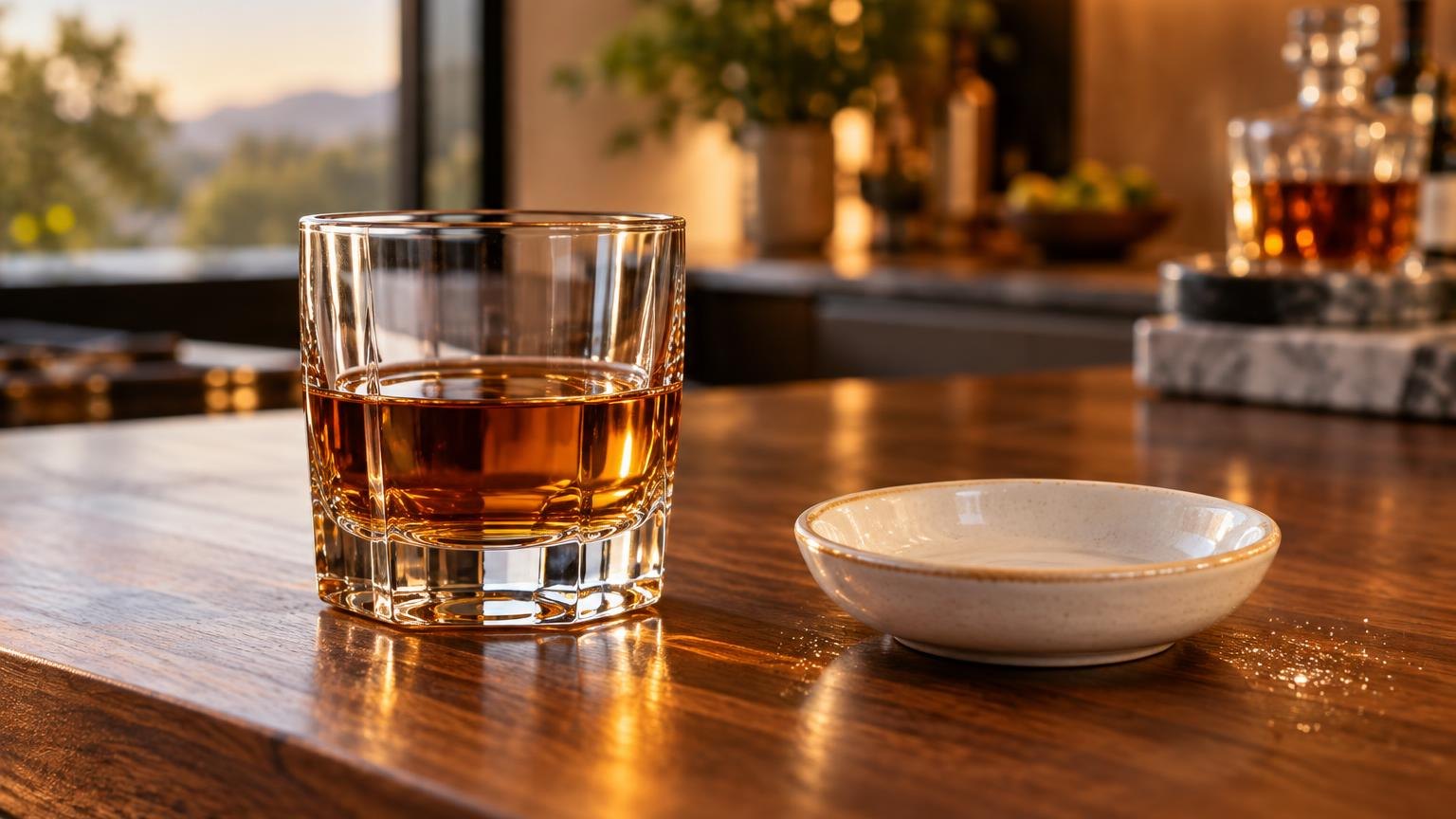
A standard 1.5-ounce (44 ml) shot of 80-proof whiskey contains zero grams of carbohydrates. This applies across bourbon, rye, Scotch, and Irish whiskey. Distillation removes all sugars, starches, and carbs from the original grain mash.
The USDA FoodData Central database confirms this figure. Entry #789 for “Alcoholic beverage, distilled, whiskey, 86 proof” lists 0 g total carbohydrates per serving.
Nutritional Breakdown per Standard Shot
While carbs register at zero, whiskey still carries calories—entirely from alcohol (ethanol). Each gram of ethanol provides 7 calories, compared to 4 per gram of carbohydrate.
| Nutrient | 80-Proof (1.5 oz) | 86-Proof (1.5 oz) | 94-Proof (1.5 oz) |
| Calories | 97 | 105 | 116 |
| Carbohydrates (g) | 0 | 0 | 0 |
| Sugar (g) | 0 | 0 | 0 |
| Protein (g) | 0 | 0 | 0 |
| Fat (g) | 0 | 0 | 0 |
| Alcohol (g) | 14 | 15.1 | 16.7 |
Why Whiskey Has Zero Carbs
Whiskey starts from carbohydrate-rich grains—corn, barley, rye, or wheat. During fermentation, yeast converts those grain sugars into ethanol and carbon dioxide.
Distillation then vaporizes the ethanol, leaving residual sugars behind in the still.
Only volatile compounds—ethanol, water, and trace congeners—pass through the condenser. Non-volatile molecules like sugars and starches cannot evaporate at distillation temperatures and are discarded with the spent wash.
Exceptions That Add Carbs
Flavored whiskeys break the zero-carb rule. Products like Fireball Cinnamon Whisky or Jim Beam Honey add sugar after distillation, introducing measurable carbohydrates per serving.
| Product | Carbs per 1.5 oz | Calories per 1.5 oz |
| Standard bourbon (80-proof) | 0 g | 97 |
| Fireball Cinnamon Whisky (66-proof) | 11 g | 108 |
| Jack Daniel’s Tennessee Honey (70-proof) | 6 g | 108 |
| Crown Royal Peach (70-proof) | 6 g | 103 |
Fireball’s 11 grams of carbohydrates per shot equals roughly 2.75 teaspoons of added sugar. That single addition transforms a zero-carb spirit into something comparable to half a can of soda.
Whiskey vs. Other Spirits
All unflavored distilled spirits—vodka, gin, rum, tequila—share the same zero-carb profile as whiskey. The difference lies only in calorie count, which scales with proof.
- Vodka (80-proof): 0 g carbs, 97 calories per 1.5 oz
- Gin (80-proof): 0 g carbs, 97 calories per 1.5 oz
- Silver tequila (80-proof): 0 g carbs, 97 calories per 1.5 oz
- White rum (80-proof): 0 g carbs, 97 calories per 1.5 oz
Mixers are where carbohydrates accumulate. A whiskey and cola combines 0 g carbs from whiskey with approximately 26 g from 8 ounces of regular cola. Choosing soda water or drinking whiskey neat preserves the zero-carb advantage.
Why Straight Whiskey Contains Zero Carbs
A standard 1.5-oz shot of straight whiskey—bourbon, rye, Scotch, or Irish—contains exactly 0 grams of carbohydrates according to the USDA FoodData Central database.
This zero-carb reality traces directly to the distillation process that separates ethanol from everything else in the fermented mash.
The Distillation Process Eliminates Carbohydrates
Whiskey production begins with a carbohydrate-rich grain mash. Bourbon requires at least 51% corn. Rye whiskey mandates at least 51% rye grain. Scotch typically uses malted barley. These grains are loaded with starches and sugars.
During fermentation, yeast converts those sugars into ethanol and carbon dioxide. Residual sugars remain in the liquid, called the “wash” or “distiller’s beer,” which typically reaches 7–10% ABV.
Distillation then heats this fermented wash to between 173°F and 212°F. Ethanol’s boiling point sits at 173.1°F (78.4°C), well below water’s 212°F. The ethanol vaporizes, rises through the still, and condenses back into liquid.
Sugars and carbohydrates cannot vaporize at these temperatures—their molecular weight is far too high.
The result: a distillate that contains ethanol, water, and trace congeners but zero carbohydrates. No sugar molecule survives the trip through a pot still or column still.
USDA Nutritional Breakdown per 1.5-oz Shot (42 g)
| Nutrient | Amount |
| Calories | 97 kcal (80-proof) / 110 kcal (86-proof) |
| Carbohydrates | 0 g |
| Sugar | 0 g |
| Protein | 0 g |
| Fat | 0 g |
| Ethanol | ~14 g (80-proof) |
Every calorie in straight whiskey comes from ethanol itself, which provides 7 calories per gram. At 80-proof (40% ABV), a 1.5-oz pour delivers roughly 14 grams of pure alcohol—accounting for all 97 calories.
What Could Add Carbs Back
Straight whiskey stays at zero carbs only when nothing is added post-distillation. Several common practices reintroduce carbohydrates:
- Flavored whiskeys — Fireball Cinnamon Whisky contains 11 grams of sugar per 1.5-oz serving, sourced from added sweeteners.
- Honey whiskeys — Jim Beam Honey and similar products add 6–8 grams of carbohydrates per shot from honey and sugar syrups.
- Whiskey liqueurs — Products below 40% ABV often contain 5–15 grams of sugar per serving.
- Mixers — Cola adds roughly 39 grams of sugar per 12-oz can; ginger ale adds about 32 grams.
Barrel Aging Does Not Add Meaningful Carbs
Whiskey aged in charred oak barrels extracts vanillin, tannins, and wood sugars like xylose and arabinose.
These compounds appear in trace quantities—parts per million—insufficient to register as measurable carbohydrates on any nutritional panel.
The TTB (Alcohol and Tobacco Tax and Trade Bureau) classifies straight whiskey as containing no carbohydrates regardless of aging duration. A 25-year Scotch and a 2-year bourbon both report 0 g carbs per serving.
Carbs in Flavored and Sweetened Whiskey
Flavored whiskeys break the zero-carb rule that applies to straight whiskey. Added sugars, honey, and fruit flavorings introduce significant carbohydrates—often 3 to 11 grams per 1.5 oz shot, depending on the brand and flavor profile.
Why Flavored Whiskey Contains Carbs
Straight whiskey has zero carbs because distillation removes all sugars. Flavored varieties add sweeteners after distillation.
The TTB (Alcohol and Tobacco Tax and Trade Bureau) classifies many as “distilled spirits specialty” rather than true whiskey.
These products typically contain added sugar, high-fructose corn syrup, honey, or natural and artificial flavorings. Some brands add caramel coloring that contributes trace carbohydrates as well.
Carb Counts by Brand and Flavor
The following table shows approximate carbohydrate content per standard 1.5 oz (44 ml) shot for popular flavored whiskeys sold in the United States.
| Product | Carbs per 1.5 oz Shot | Calories per Shot |
| Fireball Cinnamon Whisky | 11 g | 108 |
| Jack Daniel’s Tennessee Honey | 6 g | 106 |
| Jack Daniel’s Tennessee Fire | 5 g | 103 |
| Jack Daniel’s Tennessee Apple | 6 g | 106 |
| Crown Royal Peach | 3 g | 96 |
| Crown Royal Apple | 3 g | 96 |
| Jim Beam Honey | 6 g | 106 |
| Jim Beam Apple | 5 g | 100 |
| Skrewball Peanut Butter Whiskey | 6.5 g | 104 |
| Ole Smoky Salted Caramel Whiskey | 7 g | 105 |
Fireball: The Highest-Carb Offender
Fireball Cinnamon Whisky leads the category at roughly 11 grams of carbs per shot. That single shot contains more sugar than a tablespoon of ketchup, which has about 4 grams.
Fireball is bottled at 33% ABV (66 proof), lower than standard whiskey’s 40% ABV. The reduced alcohol content leaves room for more sugar in the formulation.
Impact on Low-Carb and Keto Diets
Standard ketogenic diets limit daily carbohydrate intake to 20–50 grams. A single Fireball shot uses up 22–55% of that allowance. Even moderate options like Crown Royal Peach consume 6–15% of the daily budget.
- Avoid entirely on strict keto: Fireball, Ole Smoky Salted Caramel, and other whiskeys exceeding 7 g per shot
- Use cautiously: Crown Royal flavored varieties at 3 g per shot
- Best alternative: Straight bourbon, rye, or Scotch at 0 g carbs
How to Identify Added Sugars
Check the label for “distilled spirits specialty” or “liqueur” classifications. Products labeled simply “whiskey” without qualifiers must meet federal standards of identity, which prohibit added sweeteners.
The word “flavored” signals sugar has been introduced.
ABV also serves as a clue. Products bottled below 40% ABV (80 proof) often compensate with sweeteners that dilute alcohol concentration alongside the added water.
Whiskey Shot Calories Beyond Carbohydrates
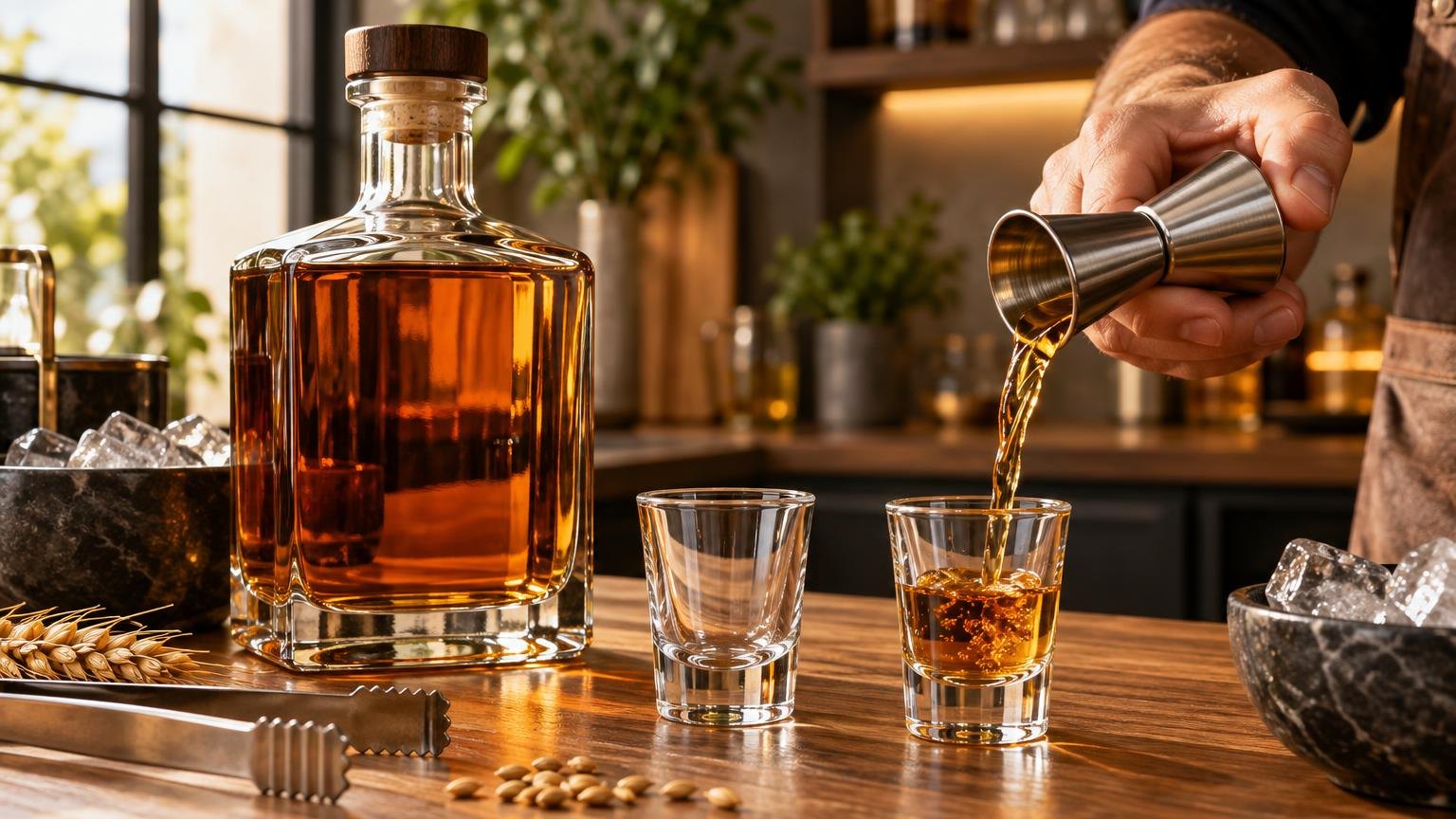
Whiskey contains virtually zero carbohydrates, yet a standard 1.5-oz shot delivers 97–105 calories. Those calories come almost entirely from ethanol, which the body metabolizes differently than macronutrients from food.
Ethanol provides 7 calories per gram—nearly double the 4 calories per gram from carbohydrates or protein, and just below fat’s 9 calories per gram.
Calorie Source Breakdown per Standard 1.5-oz Shot
| Source | Grams | Calories | % of Total |
| Ethanol (80-proof) | 14 g | ~98 | ~100% |
| Carbohydrates | 0 g | 0 | 0% |
| Protein | 0 g | 0 | 0% |
| Fat | 0 g | 0 | 0% |
An 80-proof whiskey (40% ABV) contains approximately 14 grams of pure alcohol per 1.5-oz pour. Multiply 14 grams by 7 calories per gram and you get 98 calories—accounting for the full caloric load.
How Proof Affects Calorie Count
Higher-proof whiskeys pack more calories per shot because they contain more ethanol by volume. The relationship is linear and predictable.
| Proof (ABV) | Ethanol per 1.5 oz | Approximate Calories |
| 80 (40%) | 14 g | 97 |
| 86 (43%) | 15.1 g | 105 |
| 90 (45%) | 15.8 g | 110 |
| 100 (50%) | 17.6 g | 124 |
| 114 (57%) | 20.0 g | 140 |
A cask-strength bourbon at 114 proof delivers roughly 140 calories per shot—44% more than a standard 80-proof pour.
Why Alcohol Calories Behave Differently
The liver prioritizes ethanol metabolism over all other energy sources. This process converts ethanol into acetaldehyde, then acetate, using the enzyme alcohol dehydrogenase.
While the body burns alcohol first, fat oxidation decreases by approximately 73%, according to research published in the American Journal of Clinical Nutrition. Stored fat effectively stays in reserve.
Alcohol calories also produce no glycogen, meaning they cannot fuel muscle recovery or sustained physical activity the way carbohydrate-derived calories can.
Comparing Whiskey to Other Spirits
All unflavored distilled spirits at the same proof contain nearly identical calories per shot, since ethanol is the sole calorie source.
| Spirit (80-proof, 1.5 oz) | Calories | Carbs (g) |
| Whiskey | 97 | 0 |
| Vodka | 97 | 0 |
| Gin | 97 | 0 |
| Rum (unflavored) | 97 | 0 |
| Tequila (100% agave) | 97 | 0 |
The calorie difference emerges with mixers. A whiskey sour made with 1 oz fresh lemon juice and 0.75 oz simple syrup adds roughly 70–80 calories and 17–20 g of carbohydrates on top of the base shot.
Drinking whiskey neat, on the rocks, or with a zero-calorie mixer like soda water keeps intake at the ethanol-only baseline of 97 calories with zero carbohydrates.
How Proof Changes Whiskey Nutrition Facts
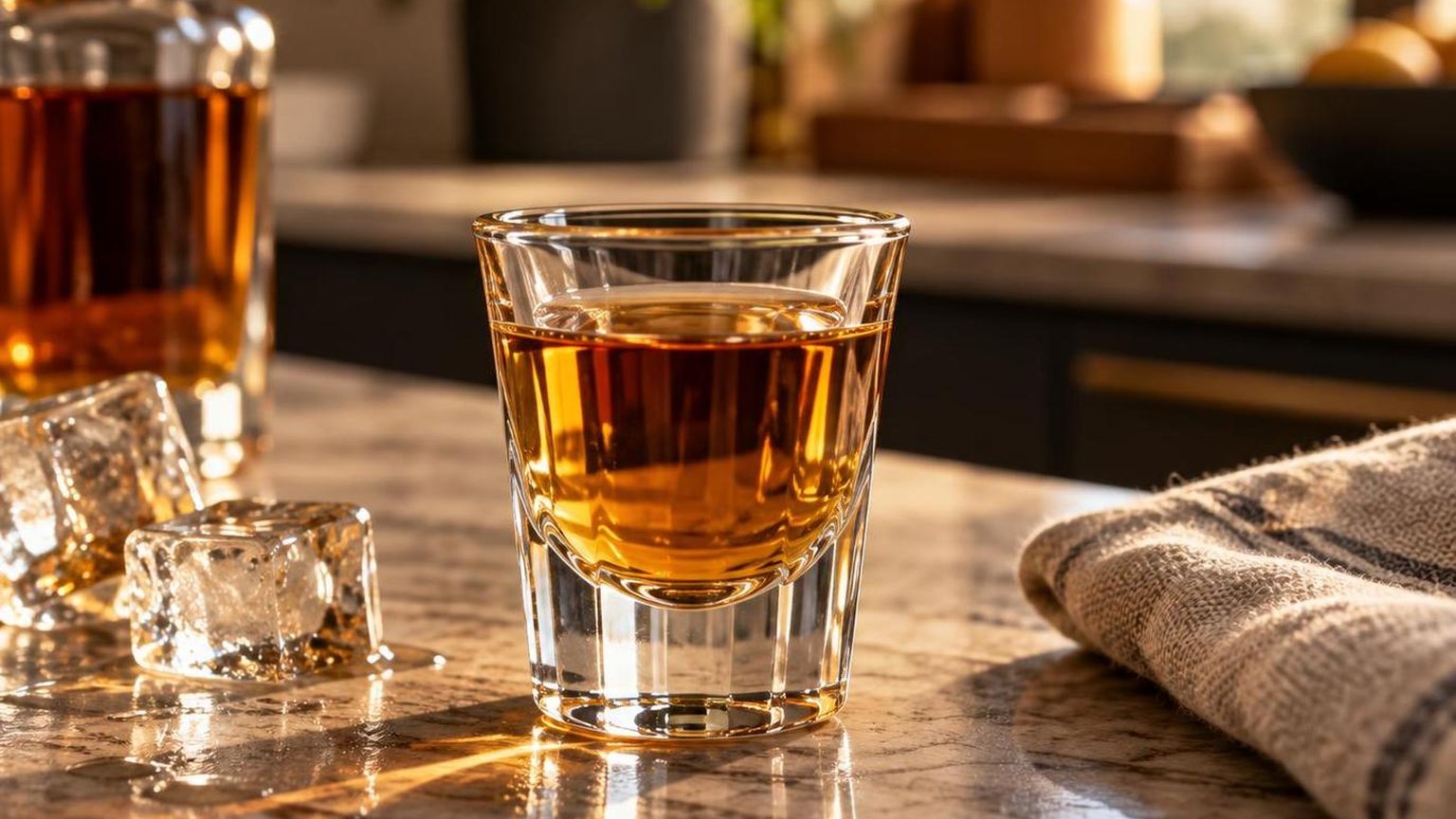
Proof directly determines calorie count in whiskey because alcohol itself contains 7 calories per gram. Higher-proof whiskey delivers more alcohol per ounce, increasing calories while carbohydrates remain at zero regardless of proof.
The United States measures proof as twice the alcohol by volume (ABV). An 80-proof bourbon is 40% ABV; a 100-proof bourbon is 50% ABV.
Calorie Comparison by Proof (1.5 oz Shot)
| Proof | ABV | Calories per 1.5 oz Shot | Carbohydrates |
| 70 | 35% | ~85 | 0 g |
| 80 | 40% | ~97 | 0 g |
| 86 | 43% | ~105 | 0 g |
| 90 | 45% | ~110 | 0 g |
| 100 | 50% | ~124 | 0 g |
| 114 (Cask Strength) | 57% | ~140 | 0 g |
| 130 (Barrel Proof) | 65% | ~162 | 0 g |
The USDA confirms that distilled spirits contain zero carbohydrates, zero fat, and zero protein. Every calorie comes exclusively from ethanol content.
Why Proof Affects Only Calories
Distillation eliminates sugars, starches, and grain proteins from the original mash. The resulting spirit is essentially ethanol and water. Barrel aging adds trace congeners but no measurable carbohydrates.
Raising proof from 80 to 100 increases calories by approximately 28% per shot. That 27-calorie jump comes entirely from additional ethanol, not from sugar or any other macronutrient.
Practical Implications for Drinkers
- Cask-strength whiskeys (typically 110–140 proof) can deliver 135–162 calories per 1.5 oz pour — roughly 40–67% more than standard 80-proof bottles.
- Adding water to reduce a cask-strength pour to drinking proof lowers the per-sip alcohol and calorie intake proportionally.
- Flavored whiskeys are the exception. Products like Fireball (66 proof) contain added sugar — approximately 11 grams of carbohydrates per 1.5 oz shot — because they are classified as liqueurs, not straight whiskey.
- Low-proof options (70 proof) save roughly 12 calories per shot compared to standard 80-proof, a modest but cumulative difference over multiple drinks.
Quick Calorie Estimation Formula
Multiply the fluid ounces of whiskey by the ABV (as a decimal), then multiply by the density of ethanol (0.789 g/mL), convert ounces to milliliters (1 oz = 29.5735 mL), and multiply grams of alcohol by 7.
For a 1.5 oz shot of 80-proof (40% ABV) whiskey: 1.5 × 29.5735 × 0.40 × 0.789 × 7 ≈ 98 calories. This aligns with the USDA’s published figure of 97 calories.
Proof is the single variable that shifts whiskey’s nutritional profile. Carbohydrates stay locked at zero across every proof level in unflavored, straight whiskey.
Questions People Ask Most
How Many Carbohydrates in a Shot of Whiskey?
A standard 1.5-ounce (44 ml) shot of 80-proof whiskey contains 0 grams of carbohydrates. The distillation process strips away all sugars, starches, and other carbohydrates originally present in the grain mash.
This holds true whether the whiskey is made from corn, barley, rye, or wheat — the finished distillate retains alcohol, water, and trace congeners, but no measurable carbs.
Why Whiskey Registers Zero Carbs
During fermentation, yeast converts grain sugars into ethanol and carbon dioxide.
The subsequent distillation step vaporizes the alcohol and select flavor compounds at temperatures well below the boiling point of sugar (roughly 186 °C for sucrose versus 78.37 °C for ethanol), leaving carbohydrates behind in the still.
The USDA FoodData Central database (NDB #14051) confirms that distilled spirits — whiskey, vodka, gin, rum, tequila — all register 0 g total carbohydrate per serving.
Calorie Content Without Carbs
Despite zero carbohydrates, a 1.5-oz shot of 80-proof whiskey still delivers approximately 97 calories. Every gram of pure ethanol provides 7 calories — second only to fat at 9 calories per gram.
A 1.5-oz serving contains roughly 14 grams of alcohol (14 g × 7 kcal/g = 98 kcal), which accounts for virtually all the energy in the glass.
Higher-proof expressions like cask-strength bourbon at 120 proof push closer to 146 calories per shot because they contain proportionally more ethanol.
Does the type of whiskey change the carbohydrate count?
No. Bourbon, Scotch, Irish whiskey, rye, and Japanese whisky all contain 0 g of carbohydrates per 1.5-oz shot.
The grain bill — whether corn-dominant bourbon or malted-barley Scotch — affects flavor compounds carried over during distillation, but carbohydrates are not among them.
The USDA nutrient profile applies uniformly across unflavored distilled whiskey categories.
Does aging whiskey in barrels add carbohydrates?
Barrel aging introduces trace wood sugars such as hemicellulose-derived xylose and arabinose, but the quantities are analytically negligible — typically under 0.1 g per liter. The FDA labeling threshold rounds this to 0 g per serving.
Even a 25-year-old single malt aged in active charred oak remains functionally zero-carb.
Do flavored whiskeys contain carbohydrates?
Yes — flavored whiskeys are a major exception. Products like Fireball Cinnamon Whisky contain added sugars and flavorings that push carbohydrate content to roughly 11 g per 1.5-oz serving.
Crown Royal Salted Caramel and similar flavored expressions range from 3–15 g of carbs per shot. Always check the label or manufacturer’s website for flavored varieties.
Is whiskey compatible with a keto diet?
Plain whiskey’s 0 g carbohydrate content makes it technically keto-compatible, as it will not interrupt ketosis through carb intake.
However, the body prioritizes metabolizing ethanol before burning fat, temporarily stalling fat oxidation for 4–8 hours after consumption. This metabolic pause can slow weight-loss progress even without adding carbs.
How does whiskey compare to beer and wine in carbohydrates?
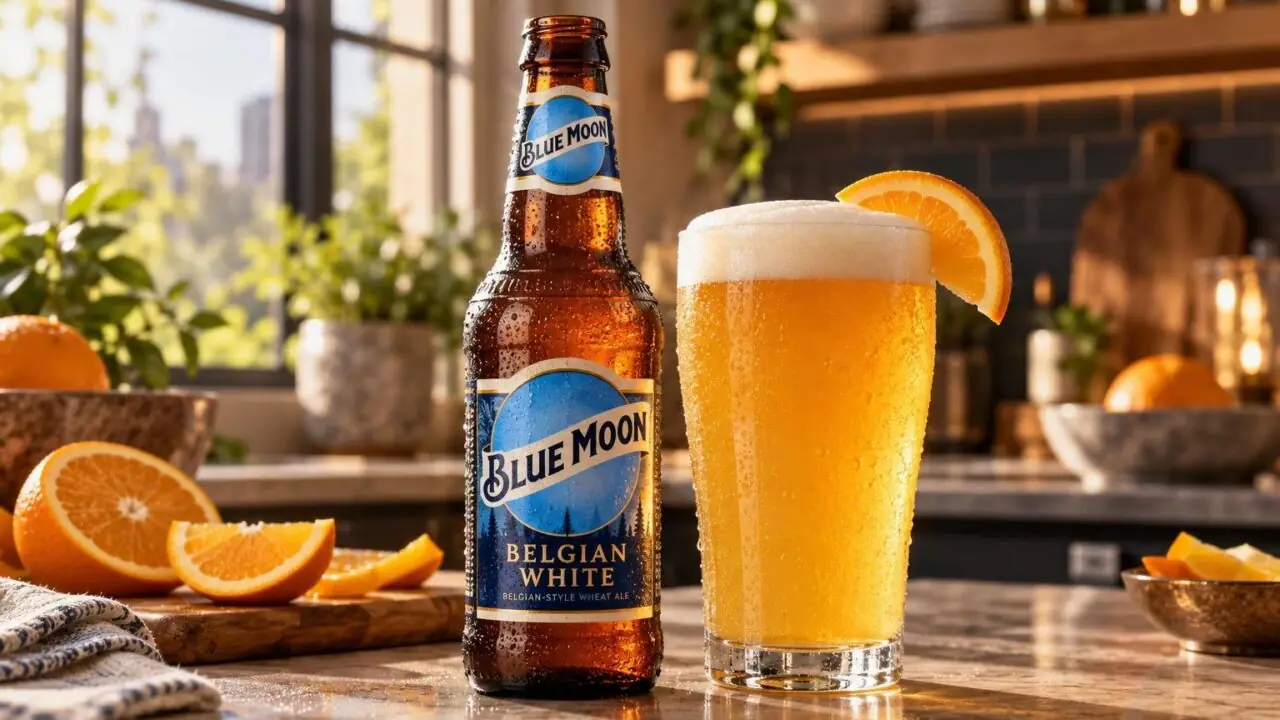
Whiskey sits at 0 g carbs, while a 12-oz regular beer averages 13 g and a 5-oz glass of dry red wine contains about 3.5–4 g. Even “low-carb” light beers like Michelob Ultra still carry 2.6 g per 12-oz serving.
For strict carb-watchers, straight whiskey is the lowest-carb alcoholic option available.
Does mixing whiskey with other beverages add carbohydrates?
The whiskey itself contributes 0 g, but mixers change the equation dramatically. A whiskey and cola made with 8 oz of regular Coca-Cola adds approximately 26 g of carbs.
Substituting diet cola, club soda, or plain water keeps the drink at or near 0 g. Tonic water is a common trap — 8 oz of regular tonic contains about 22 g of sugar.
Does proof (alcohol percentage) affect carbohydrate content?
No. Whether the whiskey is 80 proof (40% ABV) or 134 proof (67% ABV) like certain cask-strength releases, the carbohydrate content remains 0 g.
Higher proof only increases ethanol concentration and therefore calories — rising from roughly 97 calories at 80 proof to about 163 calories at 134 proof per 1.5-oz pour.
Will whiskey raise blood sugar levels?
Straight whiskey does not raise blood glucose through carbohydrate intake, but alcohol has a separate metabolic effect: it can inhibit hepatic gluconeogenesis, potentially causing blood sugar to drop rather than rise,.
Particularly in people taking insulin or sulfonylurea medications.
The American Diabetes Association advises that individuals with diabetes monitor glucose closely when consuming spirits and always eat food alongside alcohol to buffer this hypoglycemic risk.
Related Reading
- What Is A Whiskey Sommelier? Facts To Know
- Who Makes Kirkland Irish Whiskey?
- Does Whiskey Help A Sore Throat?
- What To Mix With Disaronno?
- Is Sazerac Rye Hard To Find?
- All Alcohol Guides
- USDA FoodData Central (2024)
- National Institute on Alcohol Abuse and Alcoholism (2023)
- U.S. Dietary Guidelines for Americans, USDA & HHS (2020)
- FDA – Labeling of Alcoholic Beverages (2023)
- Harvard T.H. Chan School of Public Health – Alcohol (2024)
- American Diabetes Association – Alcohol & Diabetes (2023)
- PubMed Central – Caloric and Macronutrient Content of Alcoholic Beverages (2019)
- MedlinePlus, U.S. National Library of Medicine – Carbohydrates (2023)
- Academy of Nutrition and Dietetics – What to Know About Alcohol (2023)
- Mayo Clinic – Alcohol Use: Weighing Risks and Benefits (2023)