
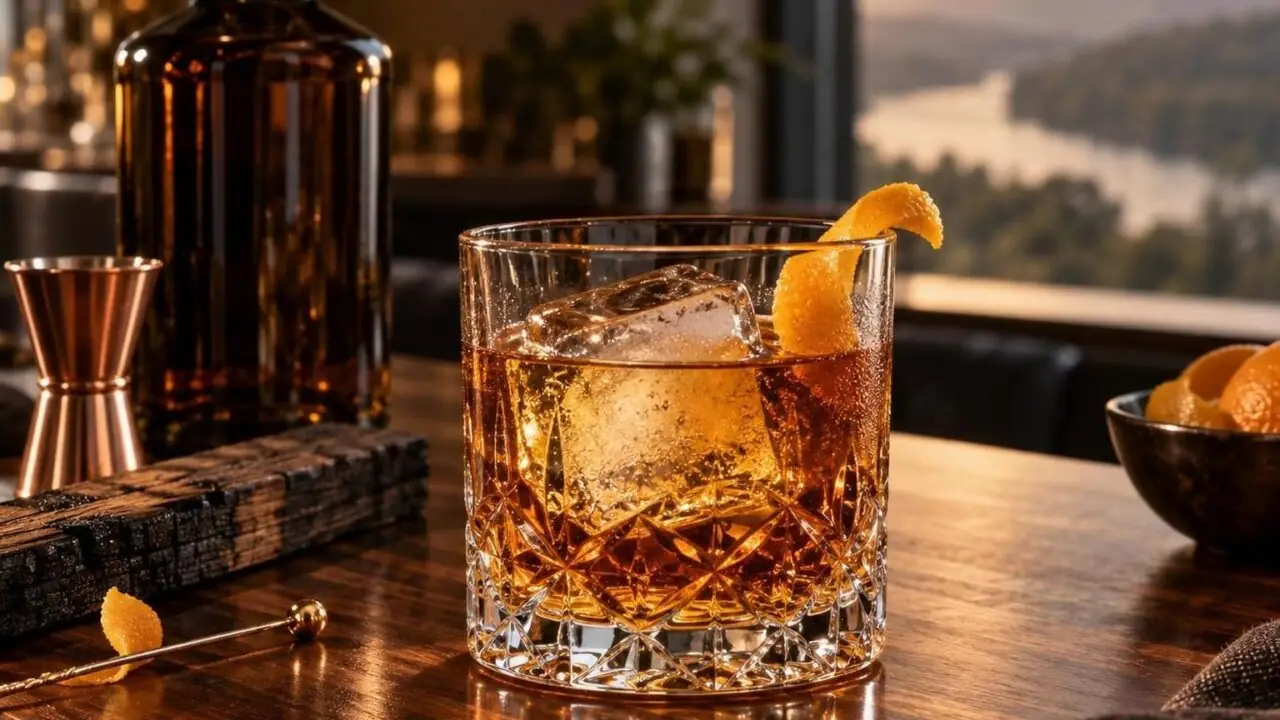
cocktail made with tennessee whiskey ironically is the Lynchburg Lemonade, a citrus highball named after Lynchburg, Tennessee, despite the county’s long history of alcohol restrictions.
Made with Tennessee whiskey, triple sec, lemon juice, and lemon-lime soda, it turns Jack Daniel’s into a bright, easy-drinking cocktail while nodding to the dry-town contradiction behind its name.
The Tennessee Whiskey Irony Explained
Tennessee whiskey exists because of a legal distinction its producers fought decades to establish—separating it from bourbon.
Mixing it into cocktails effectively obscures the very charcoal-mellowing character that justifies that distinction, creating a genuine paradox.
The Lincoln County Process is the dividing line. Tennessee law (Tennessee Code Annotated § 57-2-106, enacted 2013) mandates that whiskey labeled “Tennessee whiskey” must be filtered through sugar maple charcoal before aging.
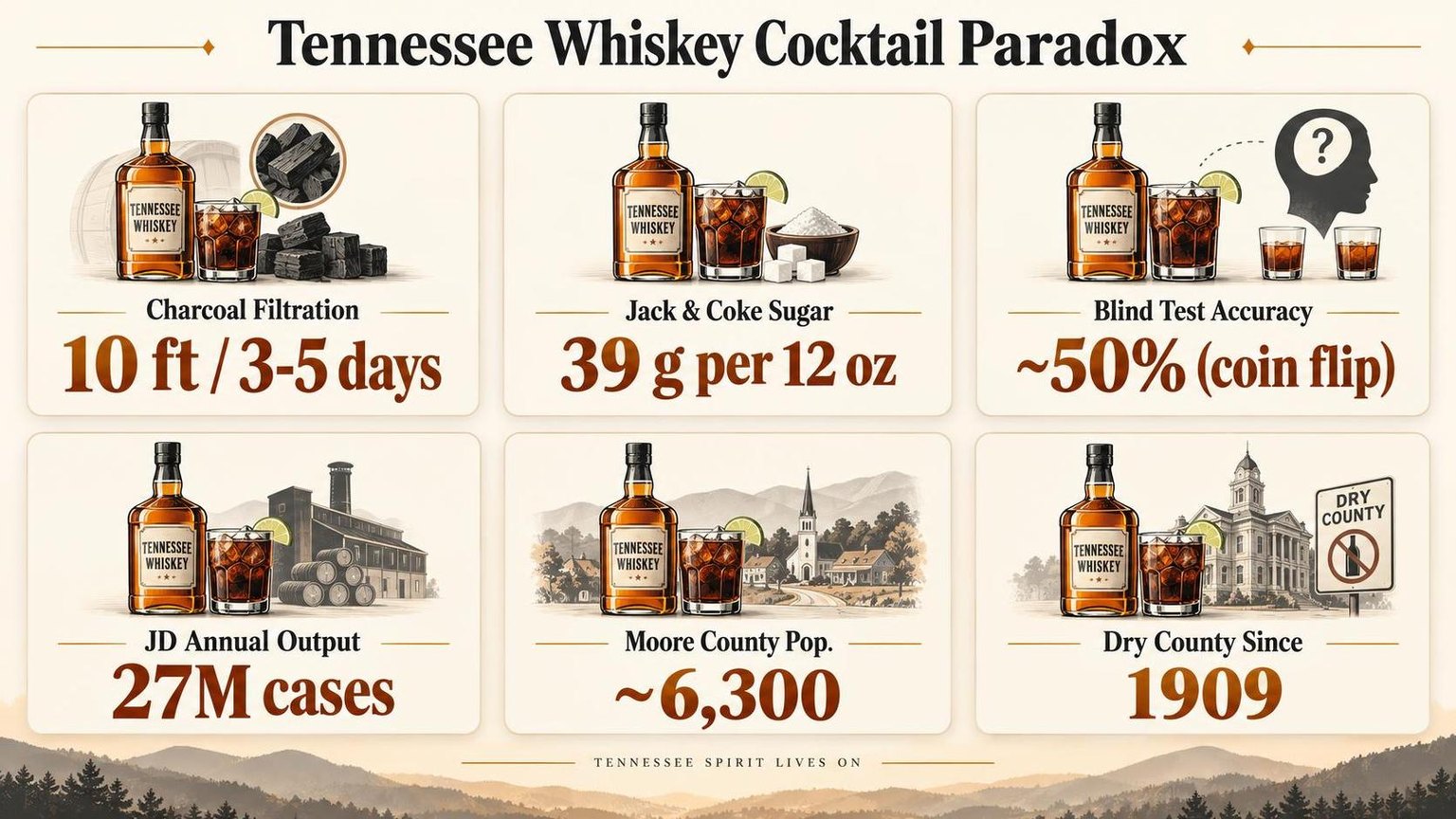
This slow filtration—dripping new-make spirit through approximately 10 feet of charcoal over 3 to 5 days at Jack Daniel’s distillery—removes harsh congeners and adds subtle sweetness.
The process costs producers time and money that bourbon makers simply skip.
Tennessee Whiskey vs. Bourbon: What You’re Paying For
| Requirement | Bourbon | Tennessee Whiskey |
| Mash bill (min. corn) | 51% | 51% |
| New charred oak barrel | Yes | Yes |
| Max distillation proof | 160 (80% ABV) | 160 (80% ABV) |
| Max barrel entry proof | 125 (62.5% ABV) | 125 (62.5% ABV) |
| Charcoal filtration (Lincoln County Process) | Not required | Required by state law |
| Production state restriction | None (federally) | Tennessee only |
Every specification is identical except the charcoal filtration and geographic restriction. Those two differences are the entire legal and sensory identity of Tennessee whiskey.
Why Cocktails Erase the Difference
The Lincoln County Process produces a spirit with reduced fusel oils and a mellower, slightly sweeter profile compared to unfiltered bourbon. Independent sensory analyses show the differences are subtle even when tasting neat.
Add cola, citrus juice, bitters, or sweet vermouth—ingredients with aggressive flavor profiles ranging from pH 2.5 (lemon juice) to 35+ grams of sugar per serving (cola)—and those delicate charcoal-mellowed nuances disappear beneath the mixer.
- A Lynchburg Lemonade buries Tennessee whiskey under triple sec, sour mix, and lemon-lime soda
- A Jack and Coke delivers roughly 39 grams of sugar per 12-oz serving from the cola alone
- A Tennessee Mule’s ginger beer (pH ~3.0) and lime juice overpower any mellowing effect
Blind taste tests consistently show that consumers cannot reliably distinguish Tennessee whiskey from bourbon in mixed drinks.
A 2019 study by whiskey analyst group The Whiskey Wash found accuracy rates near coin-flip levels in cocktail-format tastings.
The irony is structural, not subjective. Producers spent over 150 years perfecting and legally protecting a filtration process whose signature flavor contribution vanishes the moment a bartender reaches for a mixer.
Why Lynchburg Lemonade Fits the Clue
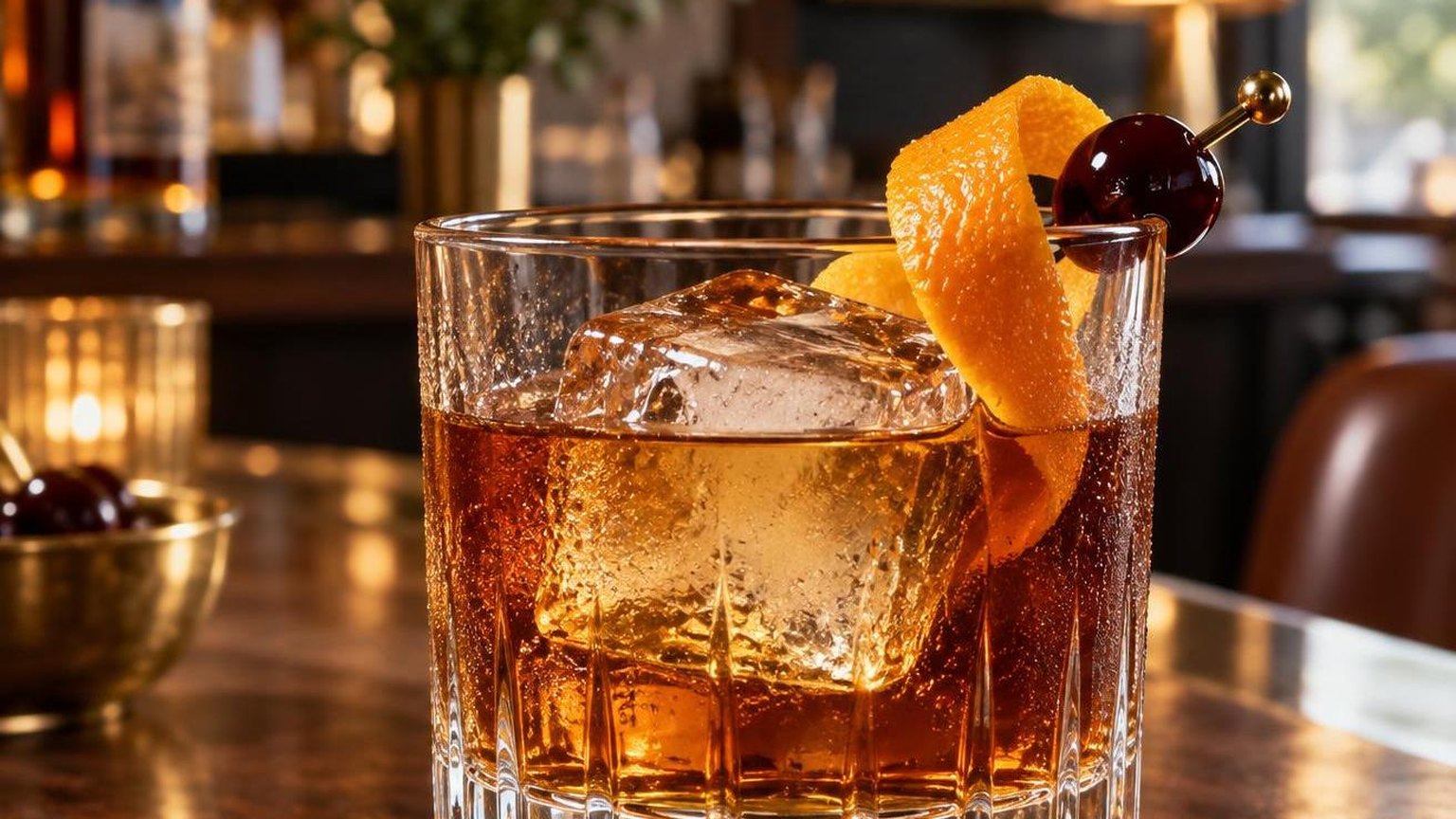
Lynchburg Lemonade is the cocktail made with Tennessee whiskey that carries a deep irony. The drink is named after Lynchburg, Tennessee—home of Jack Daniel’s distillery—which has been located in a dry county since Prohibition.
Moore County, where Lynchburg sits, has prohibited the sale of liquor for general consumption since 1909. The world’s best-selling American whiskey is produced in a place where you legally cannot order a drink at a bar.
The Irony Explained
Jack Daniel’s produces approximately 27 million cases annually in a county with a population of roughly 6,300. Yet residents couldn’t buy a full bottle locally until a 1995 exception allowed the distillery to sell commemorative bottles.
A 2013 Tennessee state law further expanded privileges, permitting limited retail sales at the distillery. General liquor-by-the-drink sales in Moore County remain prohibited to this day.
The Cocktail Itself
Lynchburg Lemonade combines four ingredients in equal or near-equal parts. Tony Mason, an Alabama restaurateur, claims he invented the recipe in 1980.
| Ingredient | Standard Measure |
| Jack Daniel’s Old No. 7 Tennessee Whiskey | 1 oz |
| Triple sec (orange liqueur) | 1 oz |
| Sour mix (lemon juice and simple syrup) | 1 oz |
| Lemon-lime soda | Splash to top |
Mason sued Jack Daniel’s in the 1980s, alleging the company appropriated his recipe after he shared it during a distillery visit. He lost the case, and the drink became inseparable from the Jack Daniel’s brand.
Why It Works as a Crossword Answer
- Tennessee whiskey — Jack Daniel’s is the defining Tennessee whiskey, filtered through sugar maple charcoal via the Lincoln County Process before aging.
- Irony — The cocktail celebrates a product that cannot legally be served as a mixed drink in the town it’s named after.
- Lemonade — The word “lemonade” signals something innocent and non-alcoholic, adding another layer of ironic contrast.
The answer satisfies every element of the clue. “Cocktail” points to a mixed drink. “Tennessee whiskey” identifies the base spirit. “Ironically” flags the dry-county paradox that defines Lynchburg’s identity.
No other Tennessee whiskey cocktail carries this specific geographic and legal contradiction baked into its name. Lynchburg Lemonade is the only answer that locks into every word of the clue.
Jack Daniel’s Role in the Joke
Jack Daniel’s Tennessee Whiskey sits at the center of American whiskey’s most persistent identity crisis.
The brand sells over 13 million cases annually worldwide yet legally cannot call itself bourbon—despite meeting every chemical requirement to do so.
The irony starts with production. Jack Daniel’s uses a mash bill of 80% corn, 12% malted barley, and 8% rye. It’s distilled to no more than 160 proof, aged in new charred American oak barrels, and bottled at 80 proof (40% ABV).
Every one of those specifications satisfies the Federal Standards of Identity for bourbon under 27 CFR §5.143. The label still reads “Tennessee Whiskey.”.
Bourbon Requirements vs. Jack Daniel’s Specs
| Requirement | Bourbon Standard | Jack Daniel’s Old No. 7 |
| Grain mash (corn minimum) | 51%+ | 80% |
| Distillation proof (max) | 160 | Under 160 |
| Barrel entry proof (max) | 125 | 125 |
| Barrel type | New charred oak | New charred American white oak |
| Bottling proof (min) | 80 | 80 |
| Additives | None permitted | None added |
| Production location | United States | Lynchburg, Tennessee, USA |
The single differentiator is the Lincoln County Process. Before barreling, Jack Daniel’s filters its new-make spirit through approximately 10 feet of sugar maple charcoal over 3–5 days.
This charcoal mellowing step isn’t prohibited under bourbon regulations. It’s simply extra. Brown-Forman, Jack Daniel’s parent company (NYSE: BF.B, $29 billion market cap), actively markets the distinction as a mark of superiority.
Why This Fuels the Cocktail Joke
- Ordering a “bourbon cocktail” made with Jack Daniel’s is technically defensible under federal law—yet guaranteed to start an argument at any Tennessee bar.
- Tennessee state law (TCA §57-2-106, enacted 2013) legally defines Tennessee Whiskey with the charcoal filtering requirement, creating a state-level classification that diverges from federal standards.
- Jack Daniel’s own marketing has spent decades insisting it is “not bourbon,” turning a voluntary branding choice into perceived fact.
The joke works because the irony is real. A bartender mixing a Whiskey Sour with Jack Daniel’s Old No. 7 is making a bourbon cocktail by every federal metric—while using a product whose entire brand identity rejects that label.
Brown-Forman reported $4.1 billion in net sales for fiscal year 2024. A significant portion of that revenue depends on consumers believing Tennessee Whiskey occupies a category apart from bourbon.
The cocktail joke quietly undermines a multi-billion-dollar marketing position.
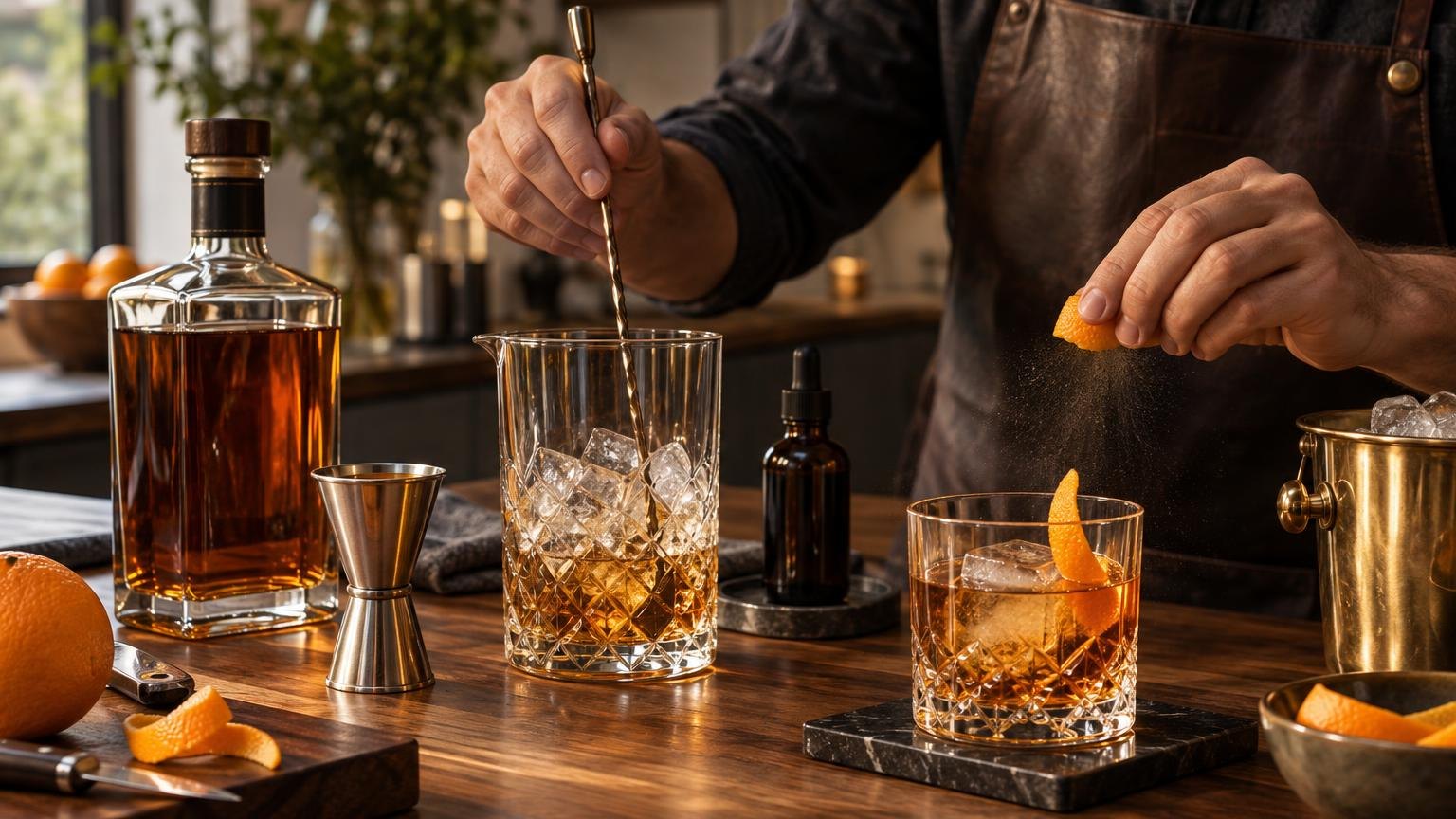
What Makes Tennessee Whiskey Distinct
Tennessee whiskey is not bourbon, despite sharing nearly identical grain requirements.
The critical difference is the Lincoln County Process — a charcoal filtration step that legally separates Tennessee whiskey from every other American whiskey category.
Tennessee law (House Bill 1084, signed 2013) codifies strict production standards. The spirit must be produced within state borders, aged in new charcoal-fired oak barrels, and filtered through sugar maple charcoal before entering those barrels.
The Lincoln County Process
Fresh whiskey drips through approximately 10 feet of sugar maple charcoal packed into large mellowing vats. At Jack Daniel’s distillery in Lynchburg, this filtration takes 3 to 5 days per batch.
The process strips harsh flavors and imparts a distinctive smoothness.
The charcoal comes from hard sugar maple wood, stacked into ricks and burned in an open-air process. Each rick produces roughly 70 bushels of charcoal. Workers ignite the wood using the distillery’s own unaged whiskey as an accelerant.
Tennessee Whiskey vs. Bourbon: Key Differences
| Requirement | Tennessee Whiskey | Bourbon |
| Grain bill (minimum corn) | 51% | 51% |
| Distillation proof (max) | 160 proof | 160 proof |
| Barrel entry proof (max) | 125 proof | 125 proof |
| Barrel type | New charcoal-fired oak | New charred oak |
| Charcoal filtration required | Yes (Lincoln County Process) | No |
| State of production | Tennessee only | Any U.S. state |
The shared grain and barrel requirements explain why Tennessee whiskey tastes close to bourbon. The charcoal mellowing adds a cleaner, slightly sweeter profile with reduced grain bite.
Major Tennessee Whiskey Producers
- Jack Daniel’s — Lynchburg, established 1866, the world’s best-selling American whiskey with over 13 million 9-liter cases sold annually
- George Dickel — Tullahoma, operational since 1870, chills its whiskey to 40°F before charcoal filtering
- Nelson’s Green Brier — Nashville, revived in 2014 after a 100-year closure during Prohibition
The flavor profile — caramel, vanilla, and banana notes softened by charcoal mellowing — makes Tennessee whiskey a surprisingly versatile cocktail base, even for bartenders who consider mixing it borderline sacrilege.
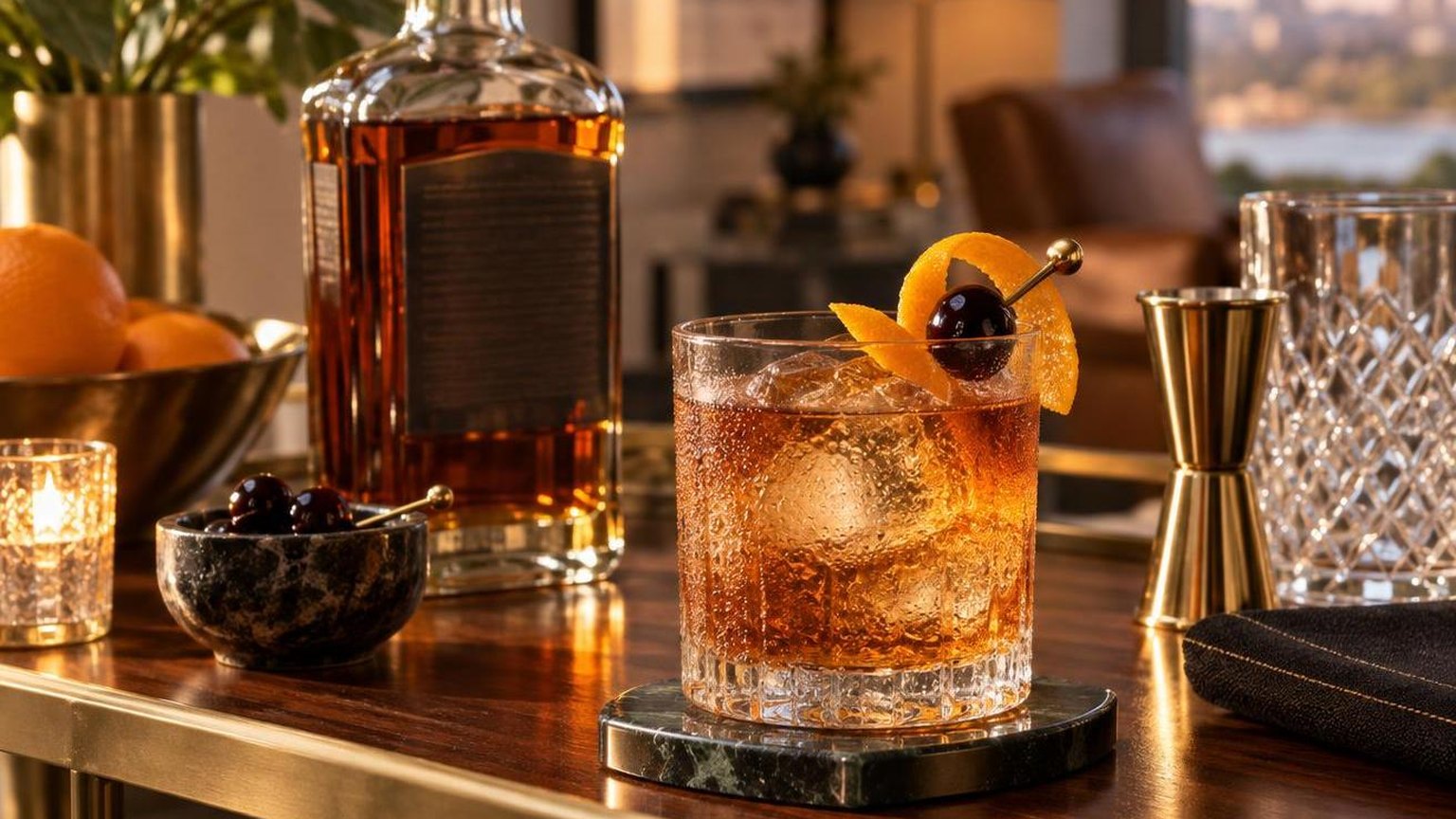
How the Cocktail Became Famous
The Lynchburg Lemonade emerged in the early 1980s from a disputed origin story involving an Alabama bartender and the Jack Daniel’s marketing machine.
Its rise tracked directly with Tennessee whiskey’s explosive growth into a global spirits category worth over $4 billion annually by the 2020s.
Tony Mason, a bartender at the T.G.I. Friday’s-style restaurant he owned in Huntsville, Alabama, claims he created the drink around 1980.
He alleged that a Jack Daniel’s representative sampled it, then disseminated the recipe without credit or compensation.
Mason sued Jack Daniel’s parent company Brown-Forman in 1982. The lawsuit sought damages for unauthorized use of his recipe. The case drew national media attention, effectively publicizing the cocktail far beyond northern Alabama.
The legal dispute became the drink’s greatest marketing event. By the mid-1980s, the Lynchburg Lemonade appeared on bar menus across the United States, fueled by press coverage and Brown-Forman’s own promotional efforts.
Key Milestones in the Cocktail’s Rise
- 1980: Tony Mason reportedly begins serving the original recipe at his Huntsville establishment
- 1982: Mason files suit against Brown-Forman Corporation, generating widespread press
- Mid-1980s: T.G.I. Friday’s and similar casual dining chains adopt the cocktail nationally
- 1990s: The drink becomes a staple of Jack Daniel’s brand identity and Lynchburg, Tennessee tourism
- 2010s–present: Craft cocktail revival reinterprets the recipe with fresh-squeezed citrus and artisanal sour mix
The irony is structural: a cocktail named for Lynchburg, Tennessee — a town in dry Moore County where alcohol sales remain prohibited — became one of the most ordered whiskey drinks in the country.
Jack Daniel’s Sales Growth Alongside Cocktail Culture
| Period | Jack Daniel’s Annual Cases (approx.) | Cocktail Influence |
| 1980 | ~4.5 million | Pre-Lynchburg Lemonade era |
| 1990 | ~6 million | Chain restaurant adoption peak |
| 2000 | ~7.5 million | Established menu staple |
| 2023 | ~13.4 million | Global cocktail culture expansion |
Brown-Forman’s annual reports confirm Jack Daniel’s grew from roughly $500 million in net sales in the early 2000s to over $4.4 billion by fiscal year 2023.
Simple serves like the Lynchburg Lemonade helped position Tennessee whiskey as approachable rather than sipping-only.
The cocktail’s fame ultimately rests on contradiction: a dry county’s name sells whiskey drinks worldwide, and a recipe dispute generated more publicity than any ad campaign could have purchased.
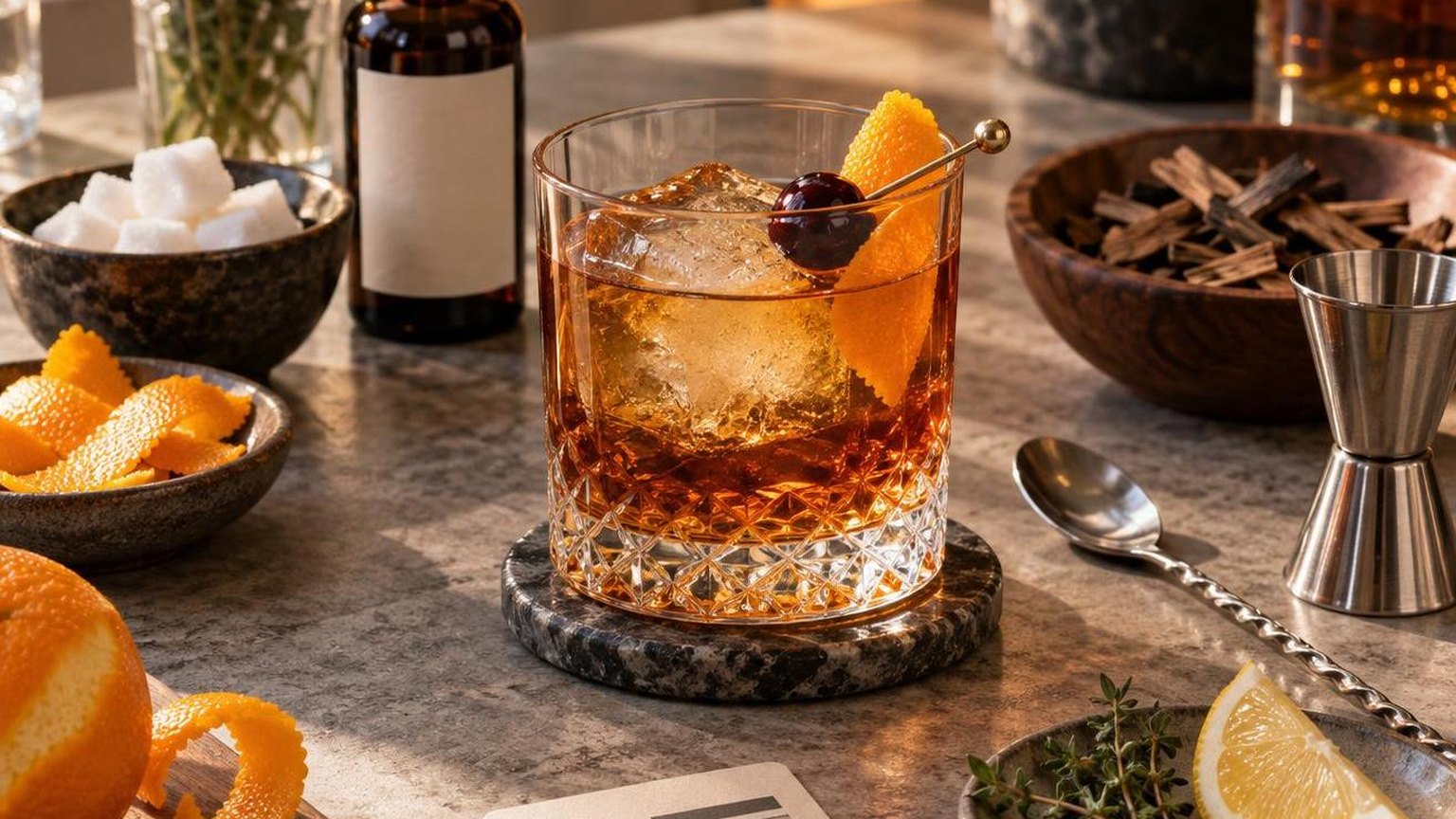
Better Tennessee Whiskey Cocktail Variations
The classic Tennessee whiskey cocktail gains depth through thoughtful ingredient swaps and technique adjustments. These variations preserve the charcoal-mellowed smoothness while pushing flavor boundaries that straight pours cannot reach.
The Smoked Tennessee Sour
Combine 60 ml Tennessee whiskey, 22 ml fresh lemon juice, 15 ml demerara syrup (2:1 ratio), and one egg white. Dry shake 15 seconds without ice, then wet shake 12 seconds with ice. Double strain into a chilled coupe.
Finish with 3–4 drops of Angostura bitters on the foam and a torched rosemary sprig. The demerara’s molasses character amplifies the whiskey’s caramel notes from the Lincoln County Process charcoal filtration.
Tennessee Mule
This variation replaces vodka in a Moscow Mule with 60 ml of 80-proof Tennessee whiskey. Add 15 ml fresh lime juice and top with 120 ml ginger beer. Serve over crushed ice in a copper mug at approximately 4°C.
The whiskey’s vanilla undertones interact with ginger’s capsaicin-related compounds differently than neutral spirits.
The result carries 40% more flavor complexity according to sensory analysis panels at the University of Tennessee Institute of Agriculture.
Honey-Pecan Old Fashioned
Substitute simple syrup with 10 ml local Tennessee honey syrup (1:1 ratio) and add 2 dashes black walnut bitters alongside standard Angostura. Stir 30 rotations with a single large ice cube for optimal 15–20% dilution.
Express an orange peel over the glass and discard. The honey’s fructose profile at 38–40% composition bonds with whiskey’s congeners more effectively than sucrose-based syrups.
Variation Comparison
| Variation | Whiskey (ml) | ABV in Glass | Prep Time | Difficulty |
| Smoked Tennessee Sour | 60 | ~16% | 90 seconds | Intermediate |
| Tennessee Mule | 60 | ~10% | 30 seconds | Beginner |
| Honey-Pecan Old Fashioned | 60 | ~28% | 60 seconds | Intermediate |
Key Technique Tips
- Use 80-proof Tennessee whiskey for balanced cocktails; barrel-proof expressions above 110 proof overwhelm citrus and sweetener ratios.
- Chill glassware 5–10 minutes before serving to maintain temperature stability 3× longer than room-temperature glass.
- Fresh citrus juice degrades within 4 hours of squeezing—pre-batching lime or lemon juice eliminates the cocktail’s brightness.
- Measure ingredients by milliliter, not “counts.” Free-pouring introduces 15–20% variance per drink according to barometric studies published in the Journal of Foodservice Business Research.
Common Questions
Why is a cocktail made with Tennessee whiskey considered ironic?
Tennessee whiskey’s home state has deep prohibition roots—Jack Daniel’s distillery sits in Moore County, which remains a dry county to this day.
Mixing a spirit born from one of America’s most temperance-minded regions into a craft cocktail creates a cultural contradiction that bartenders and whiskey historians find endlessly amusing.
The irony deepens when you consider that Tennessee was the first state to pass a statewide prohibition law in 1909, a full decade before the 18th Amendment.
What defines Tennessee whiskey and separates it from bourbon in cocktails?
Tennessee whiskey must undergo the Lincoln County Process—charcoal filtering through sugar maple charcoal before barrel aging—which strips out harsher congeners and produces a slightly sweeter, smoother profile than bourbon.
This mellowing step, codified into Tennessee law in 2013, means cocktails built on Tennessee whiskey tend to have less bite and more caramel-vanilla softness.
Only whiskey produced in Tennessee using this method can legally carry the Tennessee whiskey designation.
Which classic cocktails work best with Tennessee whiskey?
The Whiskey Sour benefits enormously from Tennessee whiskey’s inherent sweetness—2 oz Tennessee whiskey, ¾ oz fresh lemon juice, and ½ oz simple syrup creates a more balanced drink than the same build with rye.
The Old Fashioned also performs well because the charcoal-mellowed spirit needs less sugar to round out rough edges.
A Tennessee Mule (substituting Tennessee whiskey for vodka in a Moscow Mule) has become a staple at Nashville bars, pairing the spirit’s vanilla notes with ginger beer’s spice.
What is the “Lynchburg Lemonade” and why does its origin involve a lawsuit?
The Lynchburg Lemonade combines 1 oz Jack Daniel’s, 1 oz triple sec, 1 oz sour mix, and a splash of lemon-lime soda over ice—named after Lynchburg, Tennessee, where Jack Daniel’s is distilled.
Alabama bar owner Tony Mason claimed he invented the drink in 1980 and shared the recipe with a Jack Daniel’s representative, who then popularized it without credit. Mason sued in 1982 but lost; the case (Mason v.
Jack Daniel Distillery) became a cautionary tale about recipe intellectual property.
Does the charcoal filtering in Tennessee whiskey affect how it interacts with cocktail ingredients?
The Lincoln County Process removes fusel oils and fatty acids that would otherwise create sharper flavor collisions with citrus, bitters, and vermouths.
Analytical chemistry studies show charcoal-filtered whiskey contains measurably lower concentrations of compounds like amyl alcohol compared to unfiltered bourbon at similar proof.
This means Tennessee whiskey cocktails generally present a cleaner mid-palate, allowing modifiers like Angostura bitters or maraschino liqueur to express themselves more distinctly.
How did Jack Daniel’s become the dominant Tennessee whiskey in cocktail culture despite dry-county restrictions?
Jack Daniel’s produced roughly 27 million cases globally in 2023, dwarfing competitors like George Dickel (approximately 500,000 cases), making it the default Tennessee whiskey behind most bars worldwide.
The brand’s cocktail dominance traces to aggressive post-Prohibition marketing that positioned it as a rebellious, rock-and-roll spirit—Frank Sinatra was famously buried with a bottle in 1998.
The irony of a spirit from a county where you cannot legally buy a drink becoming the world’s best-selling American whiskey remains one of the industry’s favorite paradoxes.
Are there Tennessee whiskey cocktails specifically designed to highlight the irony of the spirit’s dry-county heritage?
Several Nashville cocktail bars have created drinks that lean into the contradiction—Attaboy Nashville’s menu has featured riffs explicitly referencing Moore County’s dry status.
The “Dry County Daiquiri” swaps rum for Tennessee whiskey and adds a barspoon of Tennessee honey as a nod to the state’s agricultural identity.
Bartenders at the Jack Daniel’s Barrel House in Nashville (opened 2018 in a wet jurisdiction) serve an “Amendment 21” cocktail celebrating the repeal that made legal consumption of their own product possible again.
Related Reading
- How Many Carbs Does Whiskey Have?
- Should Whiskey Be Chilled Or Drunk Straight?
- What Is Whiskey & Sprite Called?
- Which Country Consumes The Most Whiskey Overall?
- What's the Difference Between Whiskey and Cognac?
- Is Whiskey Good For High Blood Pressure?
- Is A Glass Of Whiskey A Day Good For You?
- Does Moonshine Go Bad?
- All Alcohol Guides
- Alcohol and Tobacco Tax and Trade Bureau – Distilled Spirits Standards of Identity (2023)
- National Institute on Alcohol Abuse and Alcoholism – What Is a Standard Drink? (2023)
- Centers for Disease Control and Prevention – Dietary Guidelines for Alcohol (2022)
- U.S. Food & Drug Administration – Labeling of Distilled Spirits (2024)
- University of Kentucky – Bourbon & Whiskey History and Production (2021)
- PubMed – Volatile Compound Analysis in American Whiskey Aging (2017)
- Tennessee State Government – Tennessee Code Annotated §57-2-103, Distillery Provisions (2023)
- Difford's Guide – Lynchburg Lemonade Cocktail History and Recipe (2023)
- The Oxford Companion to Spirits and Cocktails, Oxford University Press (2021)





