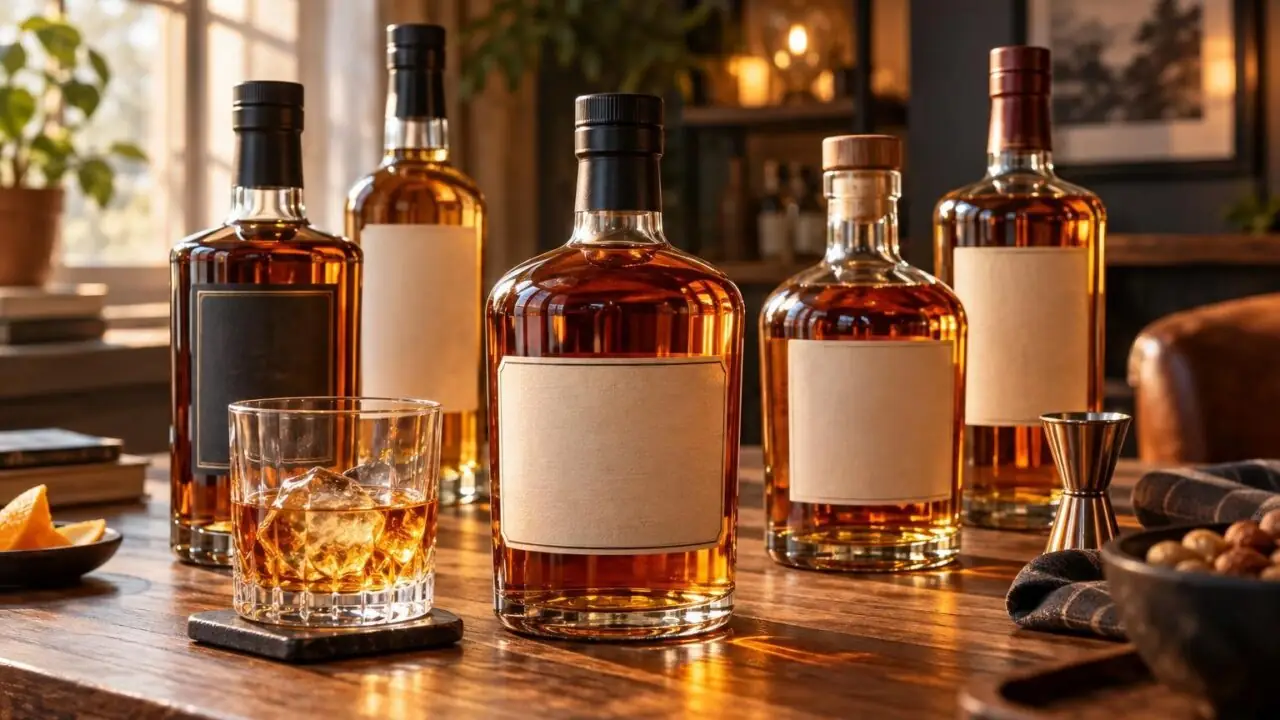
cheap whiskey under $10 is budget American whiskey, bourbon, rye, or blended whiskey sold in 750 ml bottles at shelf prices below ten dollars.
The category is narrow because federal excise tax, glass, shipping, and retailer margin consume much of that price.
Expect young whiskey, light oak influence, lower proof, and simple grain-forward flavor. The best bottles work for highballs, whiskey-and-cola, hot toddies, and batch cocktails where sweetness, ice, citrus, or bitters balance the rougher edges.
This guide explains what “under $10” usually buys in U.S. stores, which label terms matter, how to avoid harsh pours, and when spending a few more dollars gives a clear quality jump.
What $10 Whiskey Buys Today
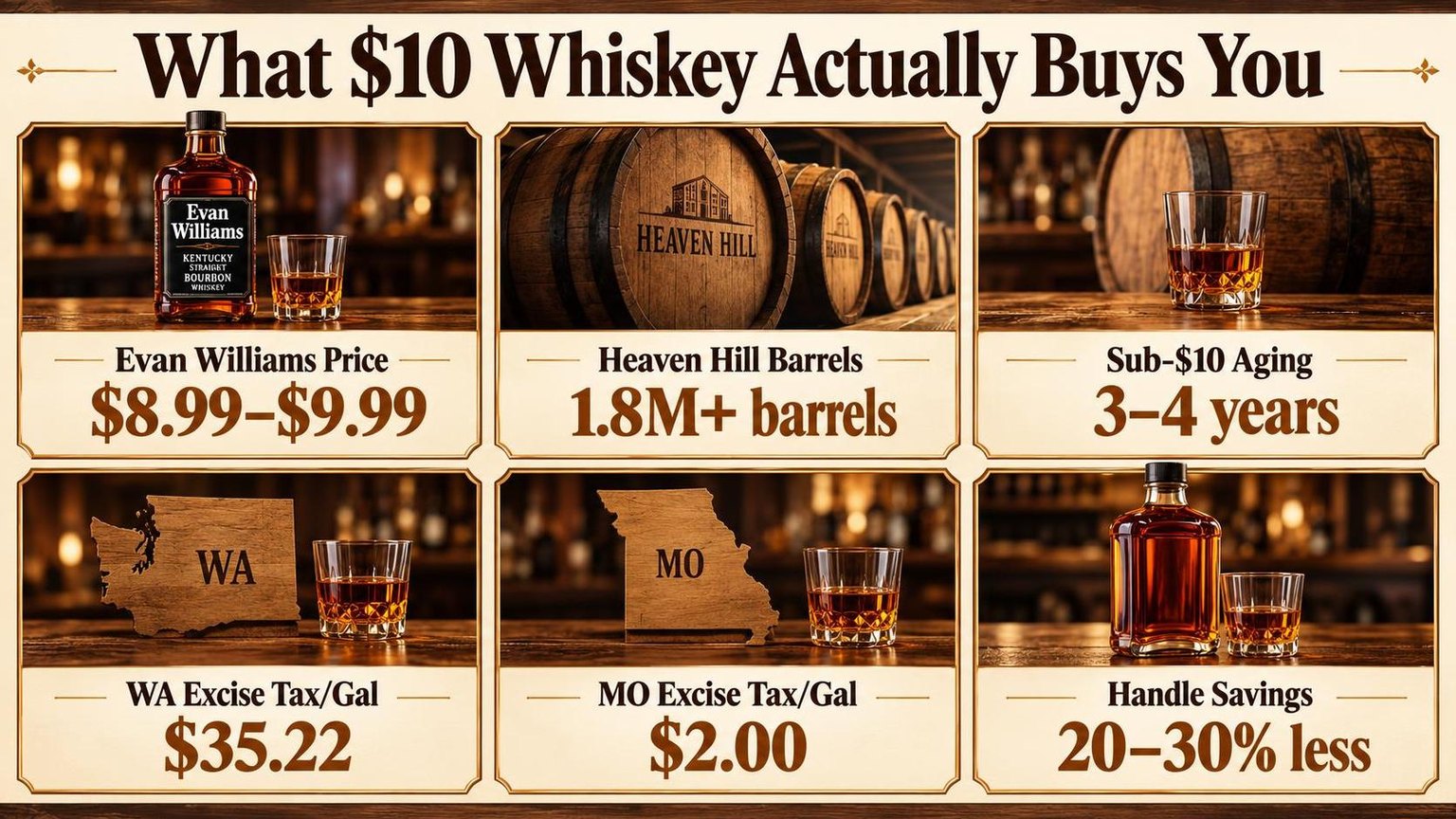
A $10 bill still buys a full 750 ml bottle of straight whiskey in most US states. The sub-$10 tier includes bourbon, blended American whiskey, and Canadian whisky — several of which have been in continuous production for over a century.
Notable Bottles Under $10
| Brand | Type | Proof | Typical Price (750 ml) |
| Evan Williams Black Label | Kentucky Straight Bourbon | 86 | $8.99–$9.99 |
| Old Crow | Kentucky Straight Bourbon | 80 | $7.99–$9.99 |
| Kentucky Gentleman | Kentucky Bourbon Blend | 80 | $6.99–$8.99 |
| Ancient Age | Kentucky Straight Bourbon | 80 | $8.99–$9.99 |
| Canadian LTD | Canadian Blended Whisky | 80 | $5.99–$7.99 |
| Rich & Rare | Canadian Blended Whisky | 80 | $6.99–$8.99 |
Why These Prices Are Possible
Scale drives the math. Heaven Hill, which produces Evan Williams, operates the largest single-location bourbon aging warehouse inventory on earth — over 1.8 million barrels. That volume slashes per-unit cost dramatically.
Younger age statements also help. Most sub-$10 bourbons are aged 3 to 4 years, compared to 6–12 years for premium labels. Shorter aging means faster barrel turnover and lower warehousing expense.
Blended whiskeys like Kentucky Gentleman cut costs further. They contain as little as 51% straight whiskey mixed with neutral grain spirits, reducing barrel-aged inventory requirements.
What You Actually Get in the Glass
Evan Williams Black Label is the standout. It earned a score of 87 from Whisky Advocate and consistently medals at the San Francisco World Spirits Competition. At 86 proof, it delivers more flavor intensity than many $20 bottles at 80 proof.
Old Crow, first produced in 1835, uses the sour mash process its namesake Dr. James Crow helped pioneer. The flavor profile runs thin compared to premium bourbon but remains serviceable for cocktails.
Ancient Age, distilled at Buffalo Trace in Frankfort, Kentucky, shares production infrastructure with allocated bottles like Eagle Rare and Blanton’s. The mashbill differs, but the water source and distillation equipment are identical.
Where to Find Them
- Total Wine, Binny’s, and regional grocery chains with liquor departments stock most of these year-round.
- Prices vary by state due to excise taxes — Washington state adds $35.22 per gallon, while Missouri charges just $2.00.
- Handle (1.75 L) formats often drop per-ounce cost by another 20–30%.
The bottom line: $10 whiskey in 2024 is not rotgut. Distillers like Heaven Hill, Sazerac, and Beam Suntory apply the same federal TTB quality standards across every price tier.
The tradeoffs are age, complexity, and proof — not safety or basic craftsmanship.
Best Handles Under $10
Finding a 1.75-liter handle of whiskey under $10 is rare but possible in certain states with lower liquor taxes.
Kentucky, Missouri, and Louisiana consistently offer the cheapest shelf prices due to minimal state excise taxes and competitive retail markets.
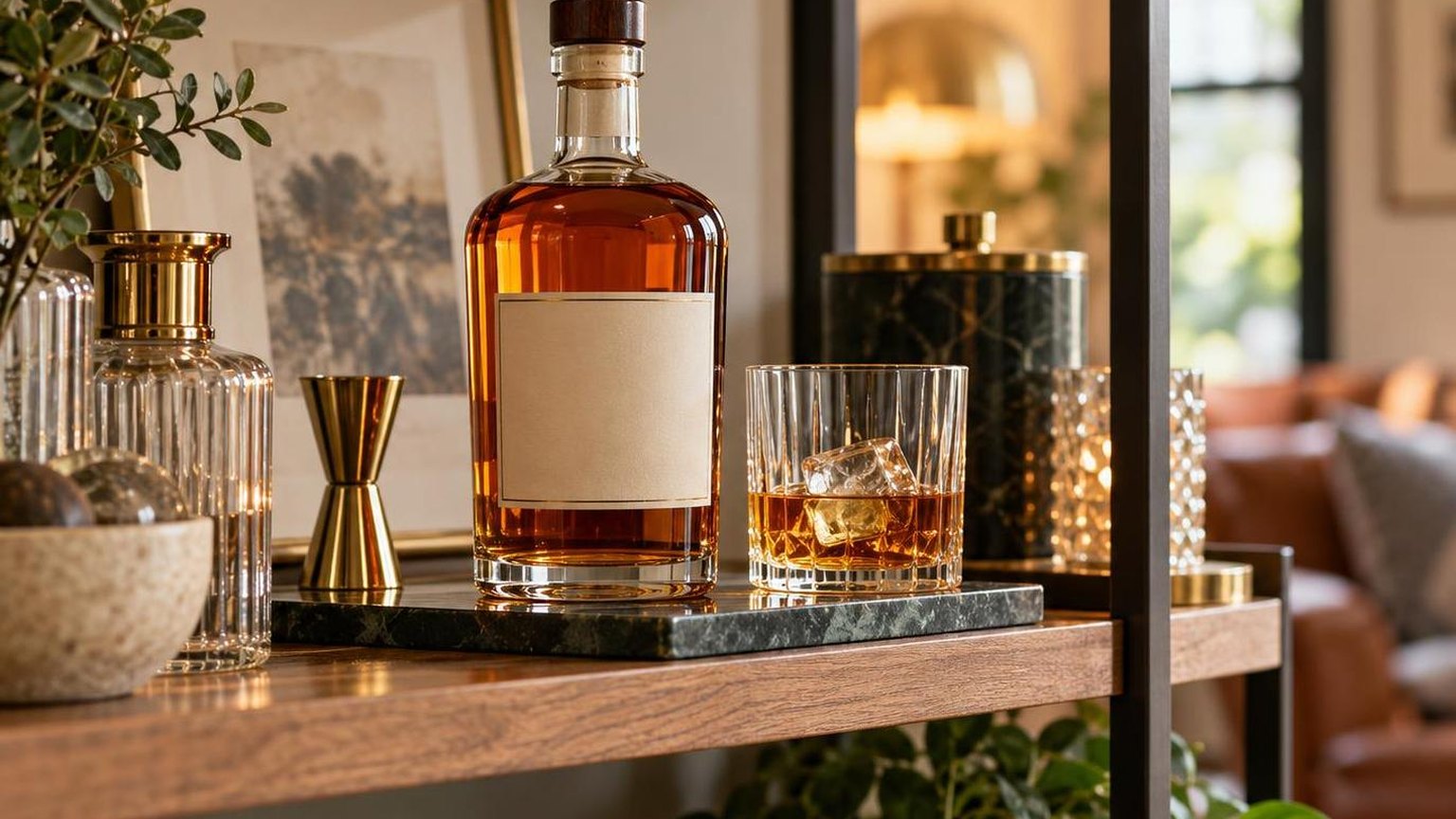
These bottles won’t win awards, but they serve a practical purpose for mixed drinks, large-batch cocktails, and cooking applications where premium spirits would be wasted.
Handles That Hit the Sub-$10 Mark
| Brand | Size | Typical Price Range | ABV | Type |
| Kentucky Gentleman | 1.75 L | $8.99–$11.99 | 40% | Blended Whiskey |
| Old Crow | 1.75 L | $9.99–$13.99 | 40% | Bourbon |
| Fleischmann’s Preferred | 1.75 L | $7.99–$10.99 | 40% | Blended Whiskey |
| Barton’s Whiskey | 1.75 L | $7.49–$9.99 | 40% | Blended Whiskey |
| Kentucky Tavern | 1.75 L | $9.99–$12.99 | 40% | Bourbon |
Prices vary by state. Louisiana’s excise tax sits at $3.03 per gallon compared to Washington’s $35.31, making the same bottle cost dramatically different depending on where you buy.
What “Blended Whiskey” Actually Means at This Price
Most sub-$10 handles are labeled “blended whiskey,” not straight bourbon. Federal regulations (27 CFR 5.22) require blended whiskey to contain only 20% straight whiskey minimum, with the rest being grain neutral spirits or other whiskeys.
This is why Kentucky Gentleman and Fleischmann’s taste noticeably thinner than even budget bourbons like Evan Williams. The neutral grain spirit dilutes the barrel character.
How to Make Them Work
- Whiskey sours — citrus and simple syrup mask harshness effectively
- Whiskey and cola — the classic pairing exists for a reason; cola’s sweetness covers rough edges
- Batch punch — dilution from ice and mixers makes spirit quality less critical
- BBQ marinades and glazes — heat eliminates alcohol while leaving smoky-sweet flavor behind
- Homemade vanilla extract — requires 8+ weeks of steeping; barrel notes are secondary to vanilla bean
Barton’s and Fleischmann’s represent the floor for drinkable whiskey. Below this tier, you enter plastic-bottle territory where quality drops sharply and hangover severity rises proportionally.
Buy these handles at grocery chains or warehouse stores rather than liquor stores. Kroger, Walmart (in wet states), and Total Wine regularly stock them at their lowest regional price points.
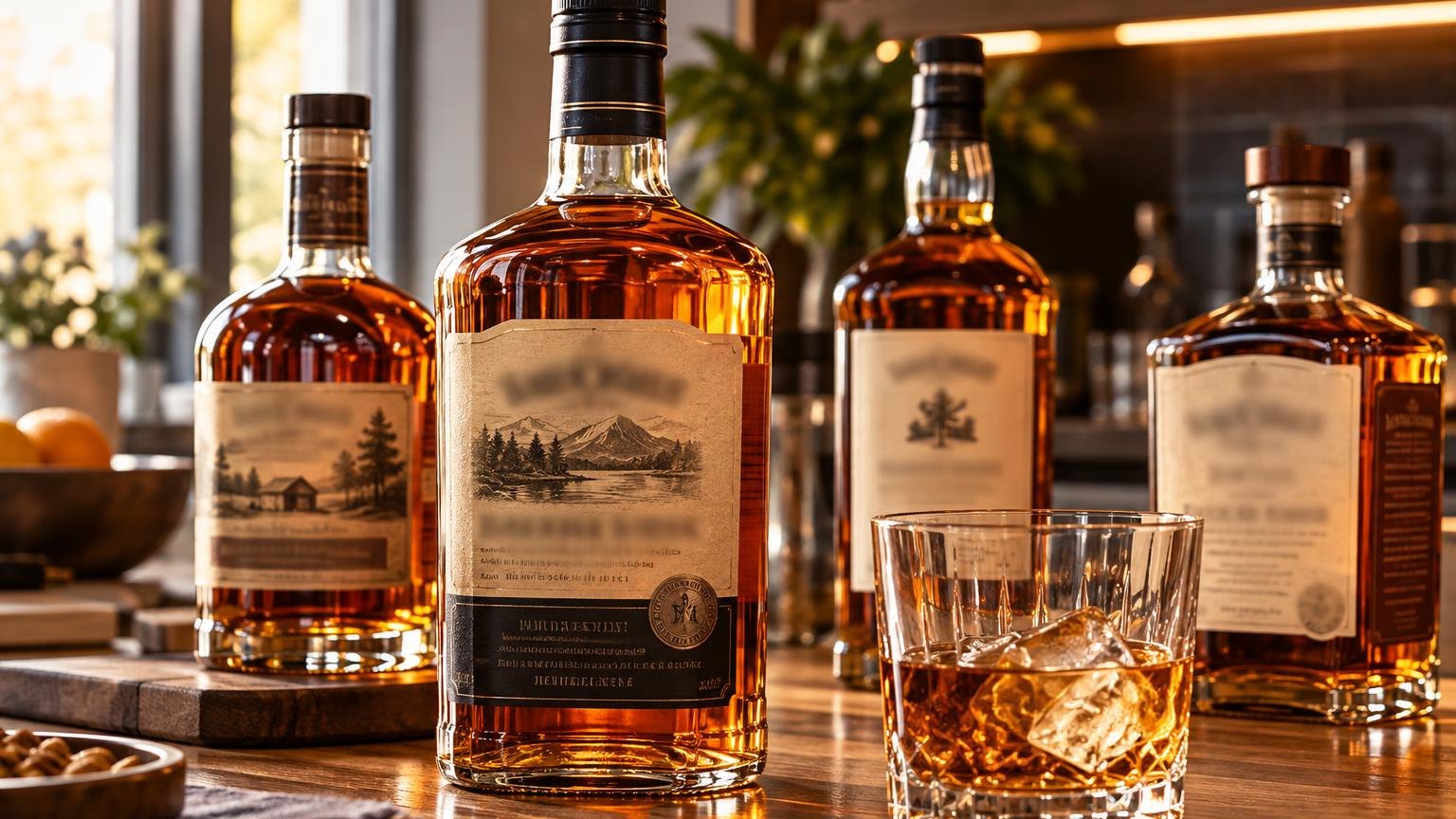
Drinkable Bourbons Near $10
Budget bourbon has improved dramatically since the early 2010s. Several bottles at or below $10 deliver genuine sipping quality, not just mixing utility. The key is knowing which labels prioritize mash bill and aging over marketing.
Top Picks Compared
| Bourbon | Typical Price | Proof | Aged | Mash Bill |
| Evan Williams Black Label | $9–$13 (750 ml) | 86 | ~4–6 years | 78% corn, 10% rye, 12% malted barley |
| Old Crow | $8–$10 (750 ml) | 80 | 3 years | High-corn (Jim Beam family) |
| Kentucky Gentleman | $7–$9 (750 ml) | 80 | NAS | Bourbon/grain neutral spirit blend |
| Very Old Barton 80 | $8–$11 (750 ml) | 80 | ~4 years | Barton 1792 Distillery mash bill |
| Benchmark Old No. 8 | $8–$10 (750 ml) | 80 | ~3–4 years | Buffalo Trace Mash Bill #1 |
Evan Williams Black Label: The Standout
Evan Williams Black Label is the top performer in this bracket. Produced by Heaven Hill at their Bernheim facility in Louisville, Kentucky, it outsells nearly every other value bourbon in the United States.
At 86 proof and with an estimated age of 4–6 years, it delivers caramel, vanilla, and light oak notes that rival bourbons priced at $18–$22. It earned a Double Gold at the 2019 San Francisco World Spirits Competition.
Benchmark Old No. 8: The Sleeper
Benchmark uses Buffalo Trace’s Mash Bill #1—the same recipe behind Buffalo Trace and Eagle Rare. At roughly $9 for a 750 ml, it punches well above its weight class in blind tastings.
Tasting notes skew toward brown sugar, light spice, and toasted grain. The thin finish is its only real weakness, making it better suited for cocktails like an Old Fashioned.
One to Avoid
Kentucky Gentleman is technically not a straight bourbon. It blends bourbon with grain neutral spirits under TTB regulations. The result tastes noticeably thinner and harsher than its shelf neighbors.
Buying Tips for Sub-$10 Bourbon
- Check the label for “straight bourbon”—this guarantees a minimum of 2 years aging and no added flavoring or coloring.
- Buy 1-liter formats when available; Evan Williams and Very Old Barton often drop below $10 per 750 ml equivalent in the larger size.
- State pricing varies widely—control states like Virginia and Ohio set fixed prices that can be $2–$4 higher than open-market states like Kentucky or California.
- Higher proof generally means more flavor—choose 86 proof over 80 when both cost the same.
Bottom Shelf Rye Options
Rye whiskey under $10 demands realistic expectations, but a few bottles deliver surprising character for the price.
The spicy, peppery grain profile of rye actually holds up better at lower price points than bourbon does, because rye’s inherent bite masks young, hot distillate.
What’s Actually Available Under $10
The sub-$10 rye category is thin. Most “budget rye” lists feature bottles in the $12–$18 range. True under-$10 options depend heavily on state, local taxes, and retailer pricing.
| Brand | Typical Price | Proof | Mash Bill | Notes |
| Old Overholt Straight Rye | $8.99–$11.99 (375 ml) | 80 | At least 51% rye | 4-year aged; classic Pennsylvania-style rye |
| Ezra Brooks Straight Rye | $9.99–$13.99 (750 ml) | 90 | 51% rye | Aged 2 years; hits under $10 at discount retailers |
| Jim Beam Rye | $9.99–$14.99 (750 ml) | 80 | 51% rye | Pre-Prohibition style; occasionally dips below $10 |
Old Overholt is the most reliable sub-$10 find. It has been produced since 1810, making it one of the oldest continuously maintained whiskey brands in the United States.
Why Half-Bottles Matter at This Price
A 375 ml bottle of a $20 rye costs $9–$11 in most markets. This opens access to Rittenhouse Rye BiB (100 proof) and Wild Turkey 101 Rye — dramatically better whiskeys than anything sold at $10 per 750 ml.
- Rittenhouse Rye BiB (375 ml): $9.99 at many retailers; bottled-in-bond at 100 proof with a heavier, richer mash bill
- Wild Turkey 101 Rye (375 ml): $8.99–$10.99; aged 4–5 years with a 51% rye mash bill distilled in Lawrenceburg, Kentucky
- Old Forester Rye (375 ml): $9.99–$11.99; 65% rye mash bill gives pronounced spice
Best Use for Sub-$10 Rye
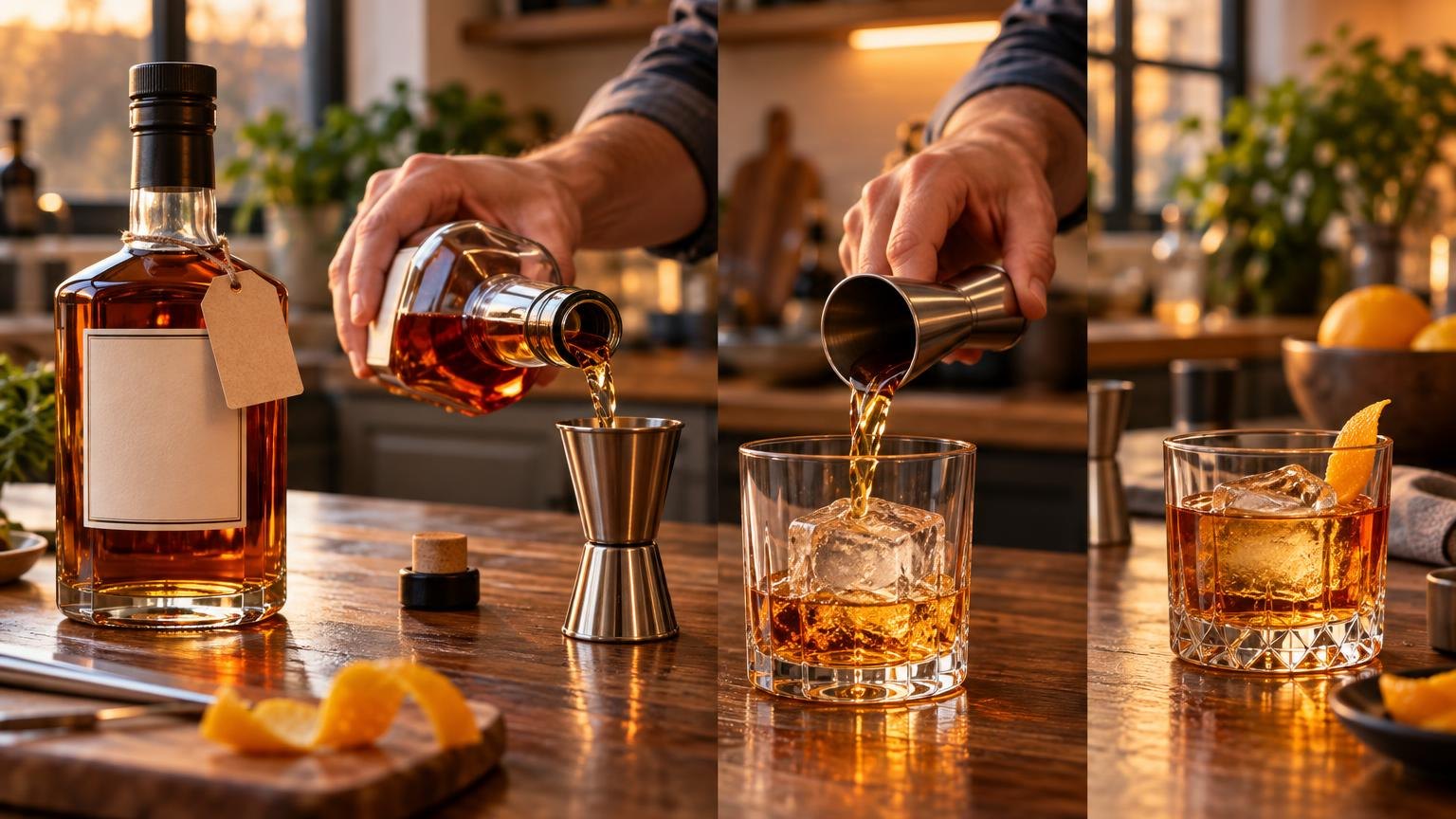
These bottles perform best in cocktails. A classic Manhattan calls for 2 oz rye, 1 oz sweet vermouth, and 2 dashes Angostura bitters — ingredients that compensate for any roughness in the base spirit.
Old Overholt specifically was the bartender standard for Manhattans throughout the mid-20th century. Its mild, slightly fruity rye character blends well without overpowering other ingredients. At 80 proof, it won’t fight the vermouth.
For sipping neat, spend the extra $2–$3 for Rittenhouse in a half-bottle. The 100-proof, bottled-in-bond designation guarantees federal quality oversight that no sub-$10 full-size rye can match.
Mixer Whiskeys Worth Buying
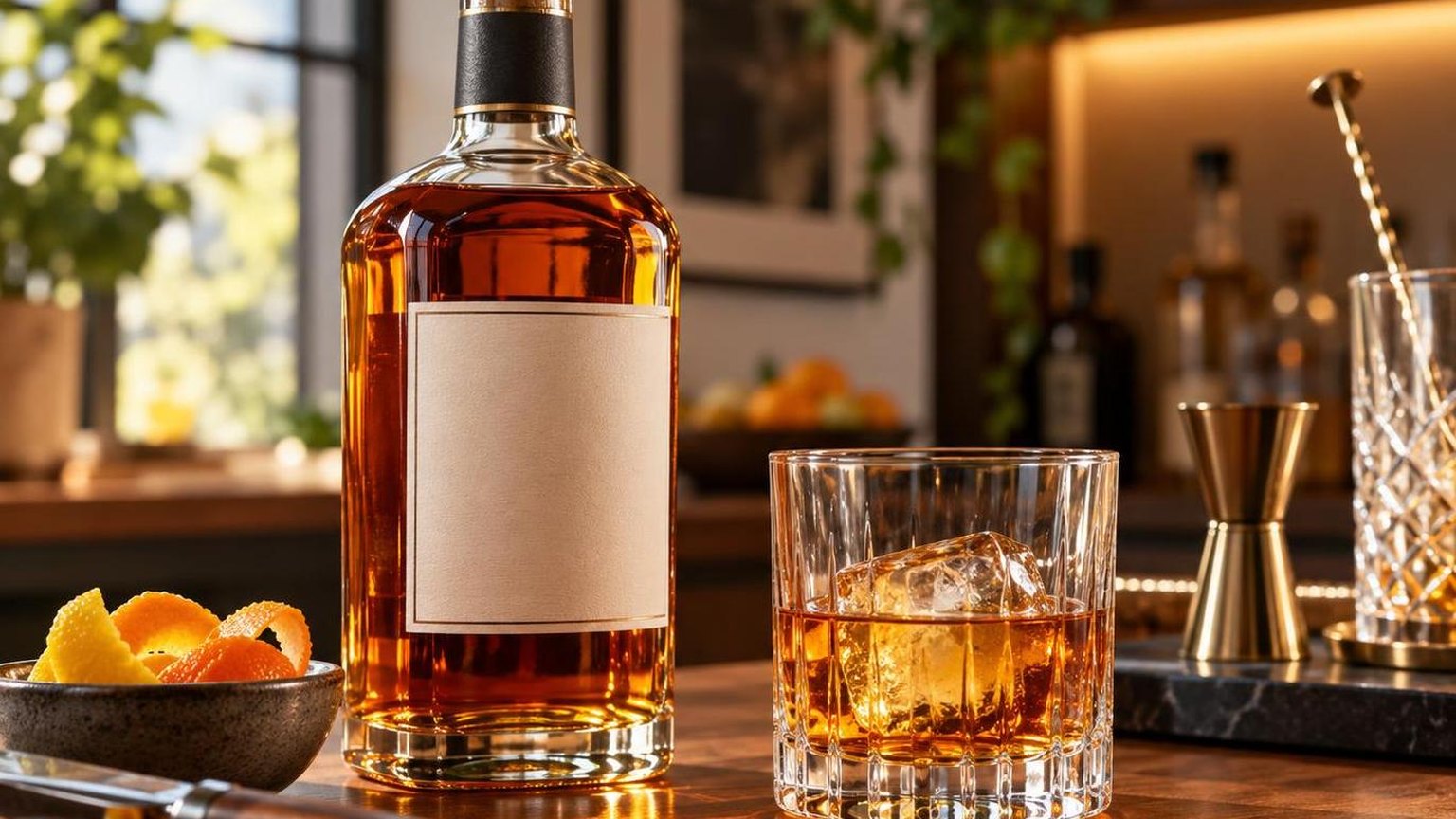
Not every whiskey needs to shine neat. Budget bottles under $10 serve a critical role in cocktails, where cola, ginger ale, or citrus juice mask rough edges while letting grain character push through.
Top Picks for Mixing
These bottles consistently land below the $10 mark at major US retailers, though prices vary by state and local taxes.
| Bottle | Typical Price | Proof | Best Mixer Use |
| Evan Williams Black Label (375 ml) | $6–$8 | 86 | Whiskey sour, Cola |
| Old Crow Bourbon (750 ml) | $8–$10 | 80 | Highball, Ginger ale |
| Kentucky Gentleman (750 ml) | $6–$9 | 80 | Cola, Sweet tea |
| Benchmark Old No. 8 (750 ml) | $8–$10 | 80 | Old Fashioned, Cola |
| Clan MacGregor Scotch (375 ml) | $7–$9 | 80 | Scotch and soda |
Why These Work in Cocktails
Evan Williams Black Label is distilled by Heaven Hill, the largest independent bourbon producer in the US. At 86 proof, it carries more flavor into a mixed drink than most 80-proof competitors at this price tier.
Benchmark Old No. 8 comes from Buffalo Trace Distillery. It uses the distillery’s mash bill #1—the same grain recipe behind flagship bottles costing five times more. That corn-forward sweetness pairs well with bitters and simple syrup.
Old Crow has historical weight: it was the preferred bourbon of Ulysses S. Grant and Mark Twain. Jim Beam produces it today using a standard sour mash process, yielding a light, mild profile that disappears into ginger-based mixers.
What to Avoid at This Price
- Anything labeled “blended whiskey” — by US law, these contain as little as 20% straight whiskey blended with neutral grain spirits
- Plastic-bottle-only brands — often indicate higher fusel alcohol content, which causes sharper hangovers
- Flavored whiskeys under $10 — artificial sweeteners and additives mask quality issues and clash with standard cocktail recipes
Buying Strategy
Purchase 750 ml bottles rather than 375 ml when available. The per-ounce cost drops 15–30% at the larger format. Evan Williams Black Label in a 750 ml bottle runs $11–$14 nationally, but the 375 ml stays firmly under $10.
Store opened mixer whiskeys upright with caps tight. Oxidation degrades an already thin flavor profile within 6–12 months of opening, significantly faster than premium aged whiskeys.
Red Flags Below $10
Budget whiskey can deliver acceptable flavor, but this price tier carries real risks. Knowing what to watch for separates a decent $8 pour from a regrettable purchase that ends up down the drain.
Alcohol Source and Labeling Tricks
The term “blended whiskey” at this price often means as little as 20% straight whiskey mixed with neutral grain spirits.
Under TTB regulations (27 CFR § 5.22), that’s perfectly legal but tastes drastically different from bourbon or rye.
Labels reading “spirit whiskey” are worse — requiring only 5% actual whiskey content. The rest is essentially vodka with caramel coloring added for appearance.
- “Distilled from grain spirits” — indicates column-still neutral spirit, not pot-distilled character
- No age statement — likely aged under 4 years; anything under 2 years often carries harsh cereal notes
- “Artificially flavored” — common in flavored whiskeys under $10, masking low-quality base spirit with synthetic vanilla or honey
- Plastic bottle packaging — not inherently bad, but correlates with bottom-shelf products using minimal barrel aging
What You’re Actually Paying For
Federal excise tax alone costs distillers $2.70 per 750 ml proof gallon at 80 proof.
Add state taxes, distribution margins (typically 25–30%), and retail markup (30–35%), and the liquid inside a $9.99 bottle costs roughly $1.50–$2.00 to produce.
| Cost Component | Estimated Share of $9.99 Bottle |
| Federal excise tax | $2.70 |
| State tax (average) | $0.80–$1.50 |
| Distributor margin | $1.90–$2.30 |
| Retailer margin | $2.30–$2.60 |
| Bottle, label, cap | $0.60–$0.80 |
| Actual liquid cost | $1.50–$2.00 |
That narrow liquid budget means producers cut costs through shorter aging (sometimes 6–12 months), smaller or reused barrels, and high-volume column distillation.
Health and Quality Concerns
Cheap whiskey frequently produces worse hangovers.
A 2010 study in Alcoholism: Clinical and Experimental Research found that darker spirits with higher congener concentrations — particularly acetaldehyde and methanol — increased hangover severity by 36% compared to lighter spirits.
Bottom-shelf whiskeys aged minimally can contain elevated levels of furfural and fusel oils, compounds associated with headaches and nausea at concentrations above 300 mg/L.
Questions People Ask Most
Can you actually find drinkable whiskey for under $10?
Yes. Brands like Evan Williams Green Label (around $8 for 750 ml), Old Crow ($9), and Kentucky Gentleman ($7–$9) sit consistently below the $10 line at most US retailers.
These are mass-produced bourbon and blended whiskeys that prioritize volume pricing, but they pass basic quality checks and work well in mixed drinks.
What is the best-rated whiskey under $10 in the US market?
Evan Williams Green Label regularly scores highest among sub-$10 whiskeys in blind tastings, earning around 80–82 points from whiskey review aggregators.
It is an 80-proof Kentucky straight bourbon aged a minimum of four years by Heaven Hill Distillery, offering caramel and light oak notes that outperform its price point.
Why are some whiskeys so cheap compared to others?
Cost differences come down to three factors: aging time, grain sourcing, and production scale.
A whiskey aged 2–4 years ties up far less warehouse capital than a 12-year expression, and large distilleries like Heaven Hill and Sazerac produce hundreds of millions of proof gallons annually, driving per-unit costs below $5 at wholesale.
Blended whiskeys cut costs further by mixing neutral grain spirits with a smaller percentage of straight whiskey.
All whiskey sold legally in the US must meet TTB (Alcohol and Tobacco Tax and Trade Bureau) standards of identity and labeling, regardless of price.
A $8 bottle of Old Crow goes through the same federal regulatory oversight as a $60 bottle of Woodford Reserve. The difference is flavor complexity, not safety.
Should you drink budget whiskey neat or only in cocktails?
Most sub-$10 whiskeys perform best in cocktails like whiskey sours, highballs, or cola mixes, where sweeteners and citrus mask any rough ethanol bite.
Evan Williams Green Label and Old Overholt Rye (occasionally found at $10) are the two exceptions that hold up reasonably well when sipped neat or on a single large ice cube, thanks to their longer aging and moderate proof.
What is the difference between “blended whiskey” and “straight bourbon” on cheap bottles?
US law requires “straight bourbon” to be made from at least 51% corn mash, aged a minimum of two years in new charred oak barrels, and contain no added coloring or flavoring.
“Blended whiskey” like Kessler or Kentucky Gentleman can contain as little as 20% straight whiskey mixed with neutral grain spirits, which is why blends often taste thinner and less complex.
Checking the label for “straight” is the single fastest way to gauge quality at this price tier.
Are there non-bourbon options under $10 worth trying?
Old Overholt Straight Rye occasionally dips to $10 or just below in competitive markets and delivers a spicy, grain-forward profile distinct from bourbon.
Clan MacGregor Blended Scotch Whisky retails around $8–$9 for 750 ml and provides a light, malty introduction to Scotch, though it lacks the peat or sherry complexity of higher-priced single malts.
Both offer genuine stylistic variety for budget-conscious drinkers exploring beyond bourbon.
Related Guides
- How Much Is A Dram Of Whiskey?
- Tequila Vs Whiskey: The Difference You Need To Know
- What Does Moonshine Taste Like?
- Who Makes Kirkland Canadian Whiskey?
- Good Whiskey for Beginners and How to Choose
- Drinking Whiskey Out of the Bottle and Why It Matters
- How Many Calories in a Bottle of Whiskey?
- All Alcohol Guides
- TTB – Distilled Spirits Standards of Identity (2023)
- TTB – Beverage Alcohol Manual (2024)
- FDA – Labeling of Distilled Spirits (2023)
- NIAAA – What Is a Standard Drink? (2024)
- CDC – Alcohol Use and Your Health (2024)
- NCBI/PubMed – Congener Content and Health Effects of Distilled Spirits (2010)
- USDA FoodData Central – Whiskey Nutrient Profile (2024)
- Cornell Law Institute – 27 CFR Part 5: Labeling and Advertising of Distilled Spirits (2024)
- The Whiskey Wash – Best Budget Whiskeys Under $15 (2024)
- Distiller.com – Whiskey Ratings and Reviews Database (2024)