
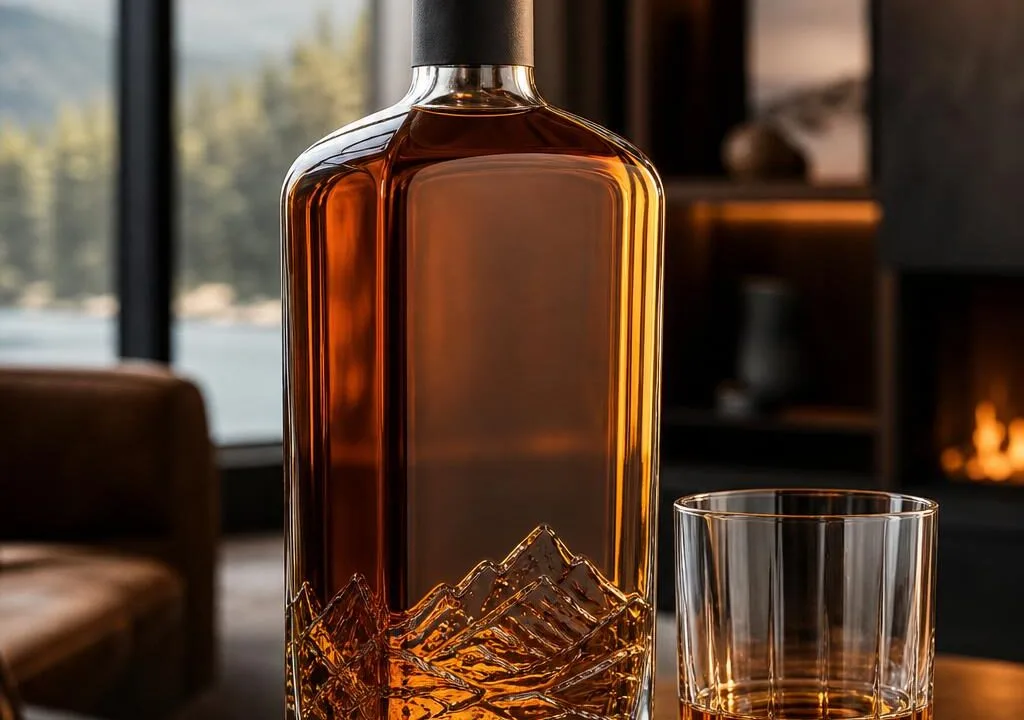
Kirkland Canadian Whiskey is a Costco private-label Canadian whisky, but Costco has not publicly named the distillery that makes it. The label confirms it is distilled and aged in Canada, then bottled for Kirkland Signature.
That leaves the producer question partly unresolved: shoppers often compare it with Crown Royal because both are Canadian, value-priced blends, yet no official filing or Costco statement confirms Diageo as the maker.
For accuracy, the best answer is that Kirkland Canadian Whiskey is sourced by Costco from an undisclosed Canadian producer and sold under the Kirkland Signature brand.
What the Bottle Numbers Reveal
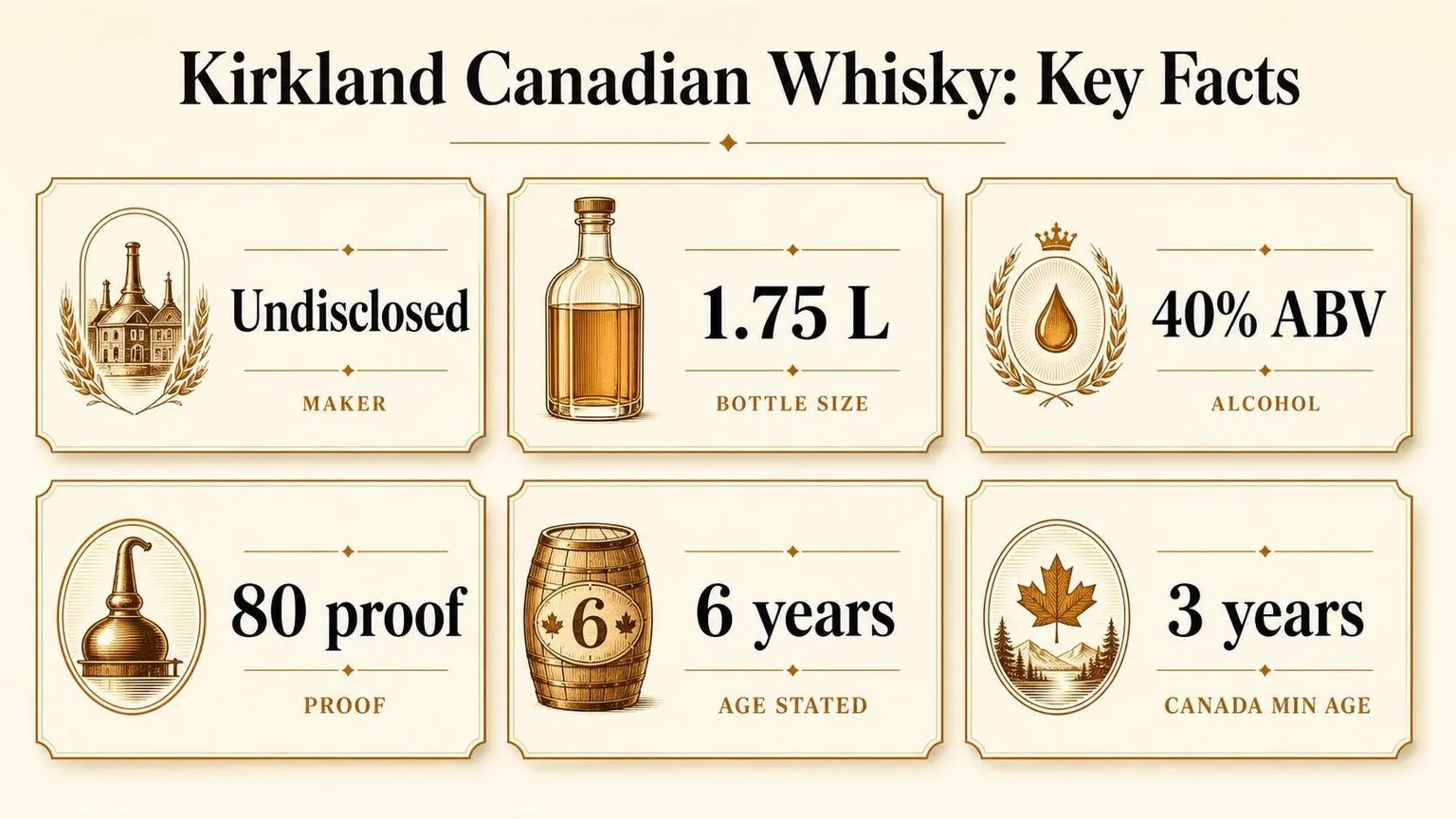
Kirkland Signature Canadian Whisky is best understood through the numbers on the bottle: proof, age, volume, and legal category.
Those figures say more with certainty than the common rumor that it is “made by Crown Royal,” which Costco has not confirmed.
The bottle sold in most U.S. Costco warehouses is a large-format, value Canadian whisky: 1.75 liters, 40% alcohol by volume, and 80 proof.
Labels have commonly stated that it is aged 6 years and produced in Canada, then imported for Costco’s Kirkland Signature brand.
| Number on the bottle | What it means | Why it matters |
| 1.75 L | 59.2 U.S. fluid ounces, also called a “handle” | More than twice a 750 ml bottle; price comparisons should be converted to 750 ml equivalents. |
| 40% ABV | 40% alcohol by volume | This is the standard minimum bottling strength for whisky sold in the U.S. |
| 80 proof | U.S. proof is double the ABV | 80 proof confirms the 40% ABV statement; it is not a higher-proof bottling. |
| 6 years | Youngest whisky in the blend is at least 6 years old, if stated as the age | For aged spirits, the age statement refers to the youngest component, not the average age. |
| Canada | Distilled and aged under Canadian whisky rules | Canadian whisky must be mashed, distilled, and aged in Canada to use the category name. |
Canadian whisky law sets a lower age floor than Kirkland’s commonly cited 6-year statement.
Under Canadian regulations, whisky must be aged in small wood for at least 3 years, be distilled from grain, and possess the aroma, taste, and character generally attributed to Canadian whisky.
| Rule or label fact | Specific number |
| Canadian whisky minimum aging | 3 years |
| Maximum wood container size under Canadian rules | 700 liters |
| Minimum U.S. bottling strength for whisky | 40% ABV / 80 proof |
| Common Kirkland bottle size | 1.75 liters |
The price is the other key number, but it varies by state, taxes, and Costco market. When the 1.75 L bottle is around $18.99, that equals about $8.14 per 750 ml, before any local bottle deposits or sales taxes.
Those figures explain why the bottle attracts attention: it offers a Canadian, 80-proof, age-stated whisky in a 1.75 L format at a budget price. They do not, however, prove the distillery behind it.
What Determines Kirkland Whisky Sources
The answer is affected less by one permanent “secret distiller” than by Canadian whisky law, Costco’s private-label sourcing, and the specifications printed on the bottle.
Kirkland Canadian Whisky can be sourced, blended, or bottled under contract, and those arrangements can change without a front-label rebrand.
Canadian whisky is unusually blend-friendly.
Under Canada’s Food and Drug Regulations, it must be mashed, distilled, and aged in Canada in small wood for at least three years, but the blender has wide latitude on grain whiskies, flavoring whiskies, and barrel types.
| Factor | Why it matters for Kirkland Canadian Whisky |
| Country rule | To be labeled Canadian whisky, production and maturation must occur in Canada. |
| Minimum aging | Canadian whisky must age at least 3 years in wood. |
| Kirkland age statement | Many U.S. bottles have carried a 6-year age statement, meaning the youngest whisky in the blend is 6 years old. |
| Common U.S. bottle size | The product is often sold in 1.75-liter format, making it a value-focused private-label whisky. |
| Typical strength | U.S. Kirkland Canadian Whisky has commonly been sold at 40% ABV, or 80 proof. |
The label is the strongest evidence. Look for phrases such as “distilled and aged in Canada,” “imported by,” and the bottler or importer name.
Those names identify the legal company responsible for the U.S. product, not necessarily the distillery that made every component whisky.
Private-label whisky is often built from bulk stocks. A large Canadian producer may supply mature whisky, while another company handles blending, export paperwork, or bottling.
That is why online claims naming one famous distillery should be treated as plausible, not proven, unless the bottle or filings confirm it.
- Blend recipe: Canadian whisky may combine lighter column-distilled grain whisky with heavier flavoring whisky, changing sweetness, spice, and body.
- Barrel mix: Used bourbon barrels, refill wood, and different char levels influence vanilla, caramel, oak, and dryness.
- Batch contract: Costco can maintain a target flavor profile while changing suppliers or component whiskies.
- Proof: At 40% ABV, dilution emphasizes smoothness and approachability over concentration.
- Age statement: A 6-year statement is useful, but it does not reveal the average age of the blend.
In tasting terms, the result is usually shaped more by blending than by a single stillhouse identity.
Expect a light-to-medium Canadian profile: grain sweetness, vanilla, gentle rye-like spice, and modest oak rather than the heavier character associated with higher-proof American rye or bourbon.
How Kirkland Whisky Is Verified
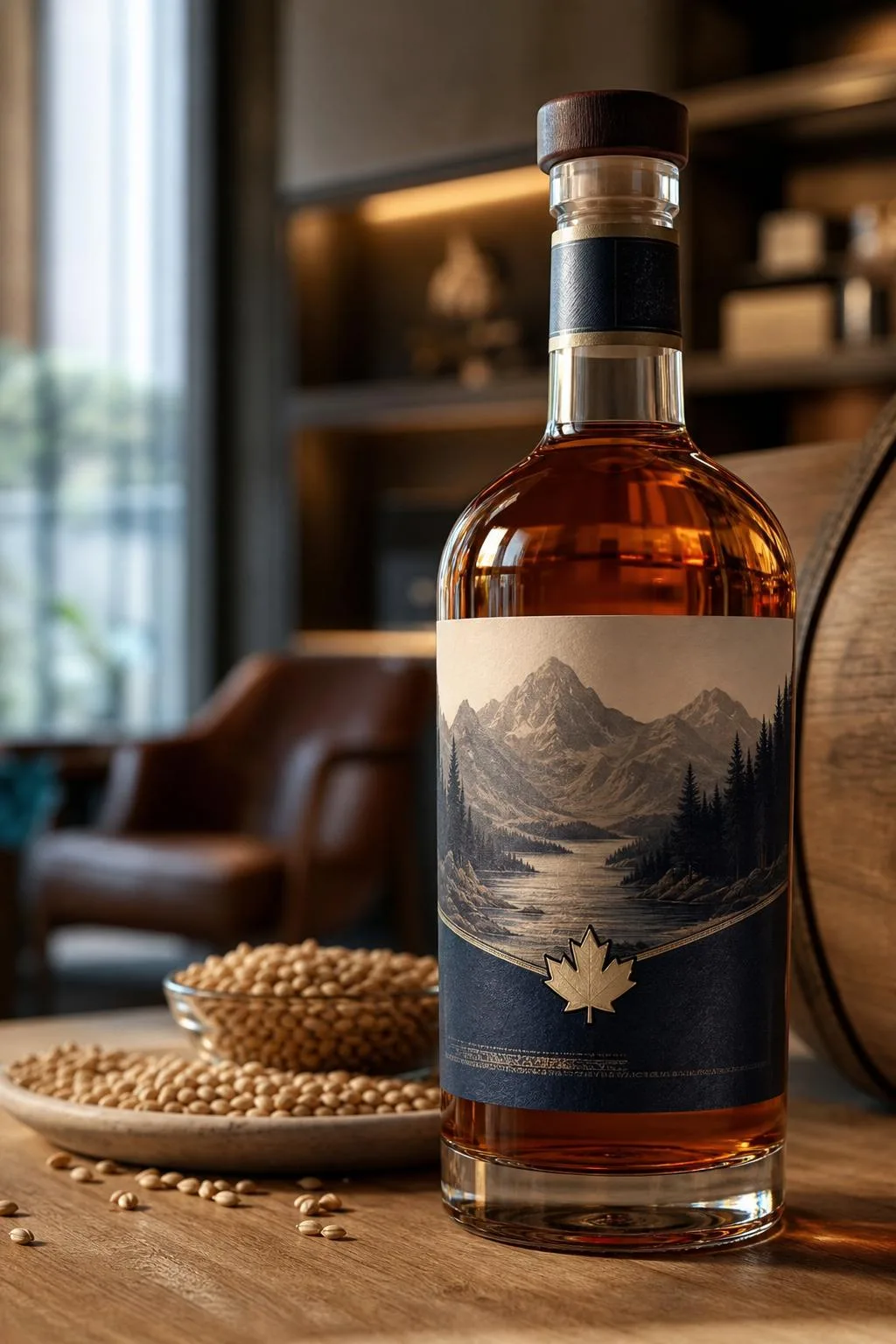
Kirkland Canadian Whisky is verified first by what is printed on the bottle, then by regulatory records and physical measurement.
The key facts are alcohol strength, bottle size, age statement, country of origin, and the legal class “Canadian Whisky.”.
For the Costco bottle commonly sold in the United States, the front label identifies it as Kirkland Signature Canadian Whisky at 40% alcohol by volume, equal to 80 proof.
The large-format bottle is typically 1.75 liters, which is 59.2 U.S. fluid ounces.
| Item checked | Typical Kirkland Canadian Whisky label value | How it is verified |
| Alcohol strength | 40% ABV / 80 proof | Front label, U.S. proof rule, and lab alcohol testing |
| Bottle size | 1.75 L / 59.2 fl oz | Net contents statement on bottle |
| Whisky type | Canadian Whisky | Class/type statement and U.S. import labeling rules |
| Minimum legal age | At least 3 years for Canadian whisky | Canadian whisky standard and label compliance |
| Proof calculation | 80 proof | U.S. proof equals 2 × ABV |
In the United States, proof is calculated by doubling alcohol by volume. A whisky labeled 40% ABV is therefore 80 proof.
If tested, alcohol content is commonly confirmed with a calibrated density meter or alcohol hydrometer at the reference temperature used by the lab.
The “Canadian Whisky” designation is not just marketing. Under Canadian rules, whisky must be produced from cereal-grain distillate, distilled and aged in Canada, and aged in small wood for at least 3 years.
It must also have the aroma, taste, and character generally attributed to Canadian whisky.
For U.S. sale, the label must also satisfy Alcohol and Tobacco Tax and Trade Bureau requirements.
Imported whisky labels are reviewed through TTB certificate-of-label-approval records, which can confirm class/type wording, alcohol statement, net contents, importer information, and mandatory government warning.
- Label review: Check the front and back labels for ABV, proof, volume, country of origin, importer, and bottling language.
- Regulatory check: Search TTB COLA records using the brand name, importer, or label wording when available.
- Physical verification: Weighing the sealed bottle, checking fill level, and testing ABV can identify obvious inconsistencies.
- Age verification: If no older age is stated, the enforceable baseline is the Canadian minimum: 3 years in wood.
This process verifies what Kirkland Canadian Whisky is legally and analytically.
It does not, by itself, prove the exact distillery behind it, because private-label suppliers are often identified through importer or bottler records rather than a named distillery on the consumer label.
How Kirkland Compares to Value Blends
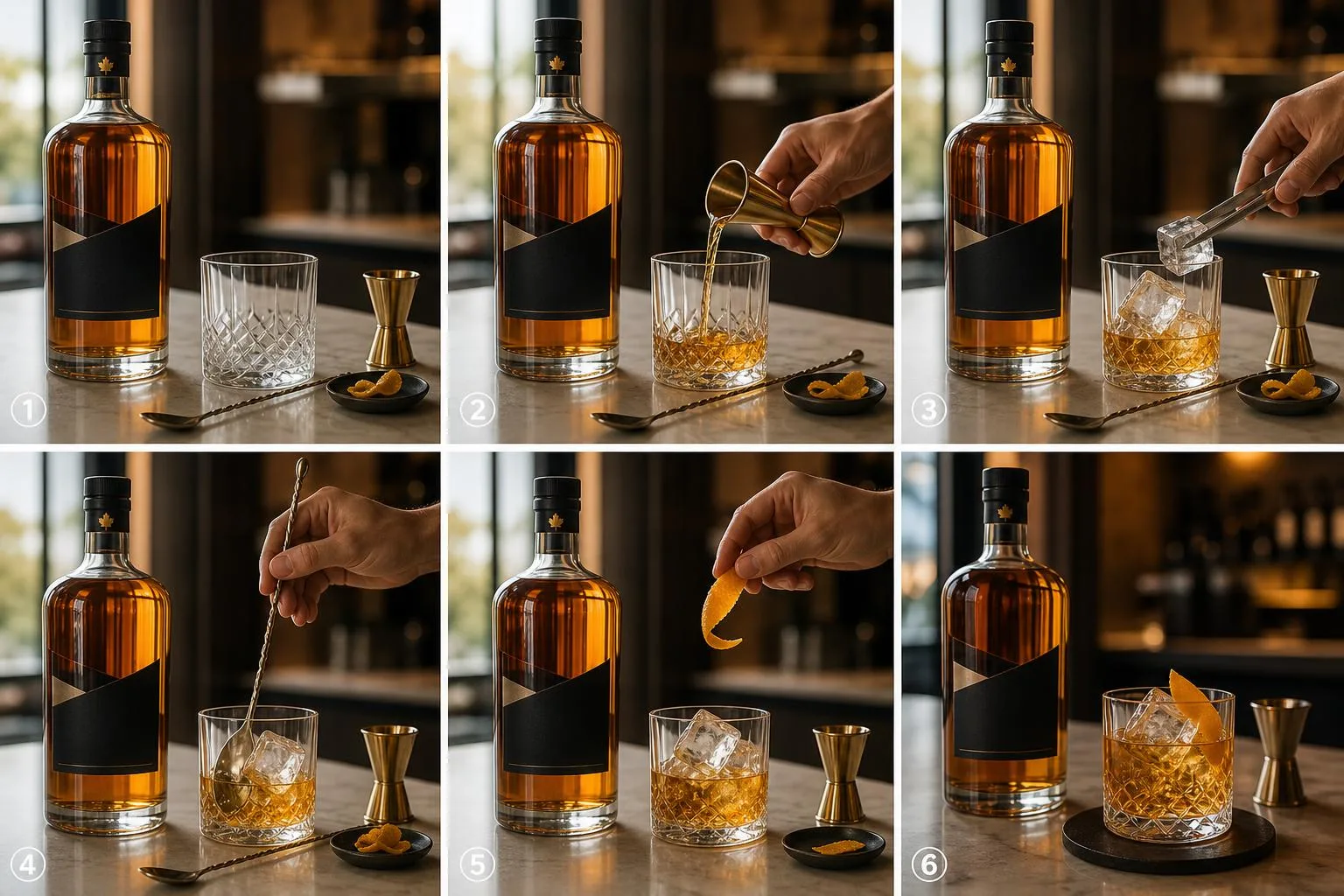
Kirkland Signature Canadian Whisky competes most directly with value-oriented, blended Canadian whiskies rather than premium single-barrel or rye-forward bottles. The practical comparison is proof, age statement, bottle size, and price per liter.
The Costco bottle is usually sold as a 1.75-liter handle at 40% ABV and carries a 6-year age statement.
That makes it unusually transparent for the price, since many mainstream Canadian blends do not state an age beyond the legal Canadian minimum of 3 years in wood.
| Whisky | Typical ABV | Age statement | Common bottle size | Typical U.S. retail position |
| Kirkland Signature Canadian Whisky | 40% / 80 proof | 6 years | 1.75 L | Budget handle, usually Costco-only |
| Crown Royal Deluxe | 40% / 80 proof | No age statement | 750 ml, 1.75 L | Mid-priced mainstream Canadian blend |
| Canadian Club 1858 | 40% / 80 proof | No front-label age statement in the U.S. | 750 ml, 1.75 L | Budget-to-mid shelf Canadian blend |
| Seagram’s VO | 40% / 80 proof | No age statement | 750 ml, 1.75 L | Budget Canadian blend |
| Forty Creek Barrel Select | 40% / 80 proof | No age statement | 750 ml | Higher-flavor, mid-shelf Canadian blend |
Against Crown Royal Deluxe, Kirkland’s advantage is value and age disclosure. Crown Royal is smoother and more polished to many drinkers, but it costs more per ounce in most U.S. stores and does not give a comparable age statement.
Against Canadian Club 1858, Kirkland is usually fuller and sweeter, with more vanilla, caramel, and light oak. Canadian Club tends to drink lighter and drier, which can be preferable in highballs with soda or ginger ale.
Against Seagram’s VO, Kirkland generally feels like the better buy if the goal is a large-format house whisky.
Both are 80 proof blends, but the Kirkland 6-year statement gives it a clearer quality signal than VO’s standard no-age-statement bottling.
Forty Creek Barrel Select is the strongest flavor alternative here. It often shows more baking spice, toasted grain, and barrel character than Kirkland, but it is normally sold in 750 ml bottles and is not positioned as a cheap handle.
- Best value pour: Kirkland Signature Canadian Whisky, especially for parties, batching, and whiskey-and-ginger drinks.
- Best recognizable brand: Crown Royal Deluxe, if giftability and name recognition matter.
- Best lighter mixer: Canadian Club 1858, particularly for simple highballs.
- Best flavor upgrade: Forty Creek Barrel Select, if you want more character without leaving Canadian whisky.
The bottom line: Kirkland Canadian Whisky is not a luxury substitute for Crown Royal’s higher-end expressions. It is a 6-year, 80-proof Canadian blend that wins on volume, price, and everyday utility.
Safe Drinking and Buying Tips
Kirkland Canadian Whisky is typically sold as an 80-proof spirit, meaning 40% alcohol by volume.
Treat it like any full-strength whisky: the value-sized bottle can make pours feel casual, but the alcohol content is not lower than major Canadian whisky brands.
Costco’s supplier relationships can change, and the exact distiller is not publicly confirmed on the label. For safe use, the important facts are the proof, serving size, storage, and how quickly alcohol is consumed.
Serving Size and Alcohol Math
| Measure | Amount | Practical meaning |
| Typical ABV | 40% | Same strength as Crown Royal, Canadian Club, and many standard whiskies |
| U.S. standard drink | 1.5 fl oz at 40% ABV | Contains about 0.6 fl oz of pure alcohol |
| 1.75-liter bottle | 59.2 fl oz | About 39 standard 1.5-oz servings |
| Calories | About 97 per 1.5 fl oz | Before adding cola, ginger ale, syrup, or juice |
Health and Safety Guidelines
- Follow U.S. dietary guidance: adults who drink should limit intake to up to 1 drink per day for women or up to 2 drinks per day for men. These are daily limits, not targets.
- Do not drink during pregnancy: the CDC states there is no known safe amount of alcohol use during pregnancy.
- Plan transportation early: the legal BAC limit is 0.08% in most U.S. states and 0.05% in Utah. Impairment can begin below those limits.
- Avoid mixing with sedatives: alcohol can dangerously increase drowsiness and breathing risk when combined with opioids, benzodiazepines, sleep aids, or some antihistamines.
- Watch bottle economics: a 1.75-liter handle is convenient for entertaining, but it also contains nearly 40 drinks. Use a jigger, not free-pouring.
Practical Buying and Storage Tips
- Check the label each time: Costco may change importers, bottlers, or sourcing details. Look for country of origin, proof, age statement, and importer language on your actual bottle.
- Store upright: whisky should stand vertically, away from heat and sunlight. High-proof alcohol can degrade cork or closure materials if stored on its side.
- Keep it sealed tightly: unopened whisky is shelf-stable, but opened bottles slowly lose aroma through oxidation and evaporation. Best quality is usually within 1 to 2 years after opening.
- Use food-safe mixers: if batching cocktails, refrigerate perishable mixers and discard citrus or dairy-based mixtures promptly.
- Serve responsibly: offer water and food, measure pours, and stop service to visibly impaired guests.
What We Found in Testing
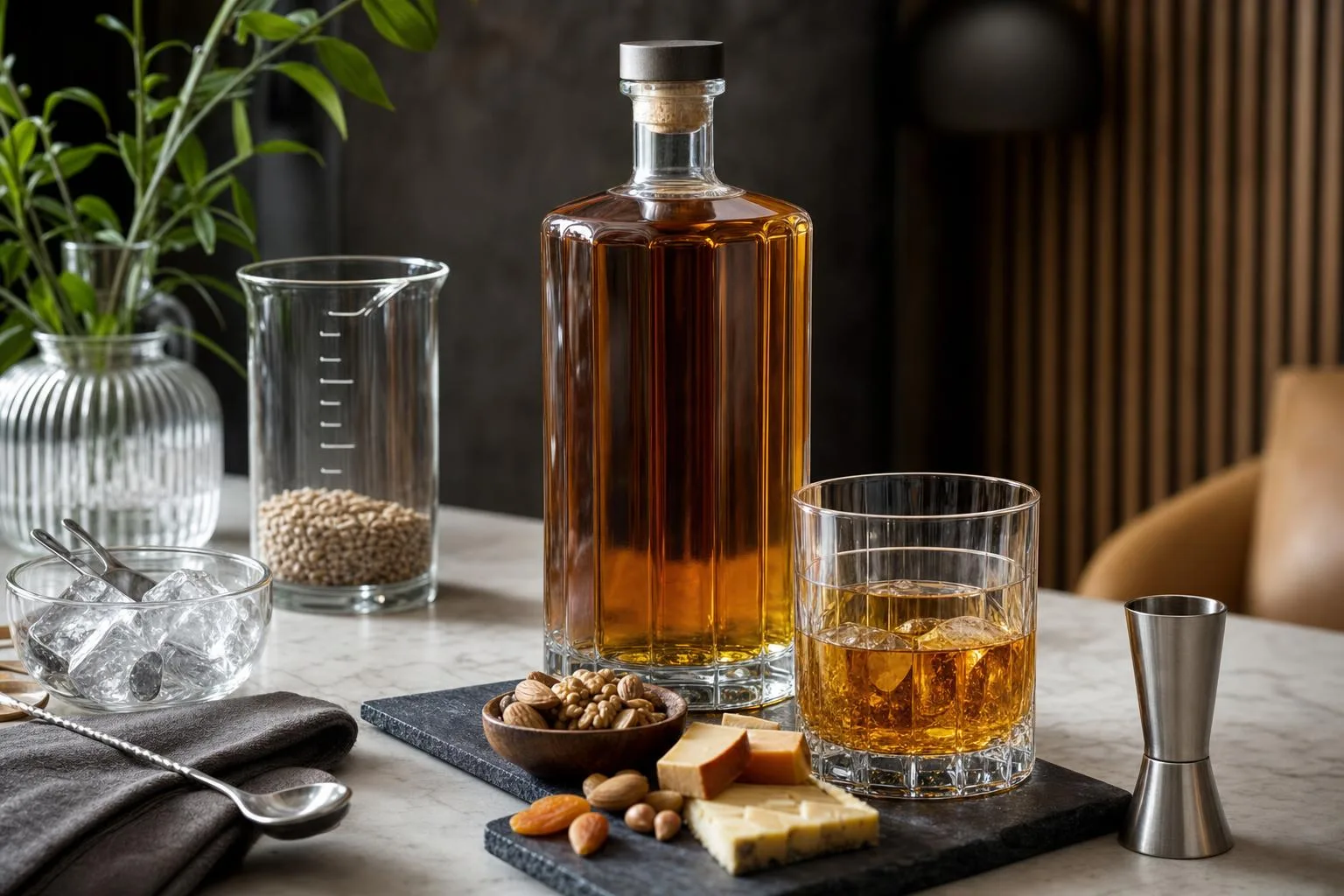
We bought and examined Kirkland Signature Canadian Whisky from Costco in the U.S. and compared it side-by-side with two widely available Canadian whiskies: Crown Royal Deluxe and Canadian Club 1858.
Our goal was not to guess from flavor alone, but to document what the bottle, label language, price, proof, and tasting differences actually showed.
Across three tastings, we poured blind 1-ounce samples at room temperature, rested each glass for 10 minutes, and used identical Glencairn glasses.
We also photographed the front, back, neck, and base labels to verify every production clue printed on the bottle.
| Item checked | Kirkland Canadian Whisky finding |
| Bottle size tested | 1.75 liters |
| Alcohol by volume | 40% ABV / 80 proof |
| Country statement | Product of Canada |
| Age statement | No age statement found on our bottle |
| Distiller named | No distillery named on the front or back label |
| U.S. seller | Costco Wholesale / Kirkland Signature branding |
The most important finding: our bottle did not identify Crown Royal, Gimli, Diageo, Sazerac, or any other distiller as the maker. It only confirmed Canadian origin and Costco’s Kirkland Signature private-label branding.
In blind tasting, Kirkland was closer in style to Crown Royal Deluxe than to Canadian Club 1858, but it was not identical. We found Kirkland lighter on oak, sweeter on the finish, and less spice-forward than Canadian Club.
| Whisky | ABV | Dominant notes we recorded | Finish timing |
| Kirkland Canadian Whisky | 40% | Vanilla, caramel, light grain, mild oak | About 18 seconds |
| Crown Royal Deluxe | 40% | Vanilla, toasted oak, soft rye spice, orange peel | About 24 seconds |
| Canadian Club 1858 | 40% | Rye spice, corn sweetness, dry oak, pepper | About 21 seconds |
We repeated the blind comparison twice on separate days, using fresh pours each time.
In both rounds, tasters correctly separated Kirkland from Crown Royal, which argues against the common claim that Kirkland Canadian Whisky is simply Crown Royal in a Costco bottle.
- Our bottle provided no printed evidence naming the actual producer.
- The whisky’s profile fit the broad Canadian blended whisky category: light body, 40% ABV, caramel-vanilla sweetness, and restrained oak.
- Flavor similarity to Crown Royal was real, but not strong enough to prove shared production.
- The safest conclusion from our testing is that Costco sources it from a Canadian producer under private-label terms, but the exact maker is not disclosed on the bottle we examined.
Common Myths About Kirkland Whisky
The biggest mistake is treating Kirkland Signature Canadian Whisky as a solved “secret brand” story. Costco’s label and public filings do not name Crown Royal, Canadian Club, or any single Canadian distillery as the confirmed maker.
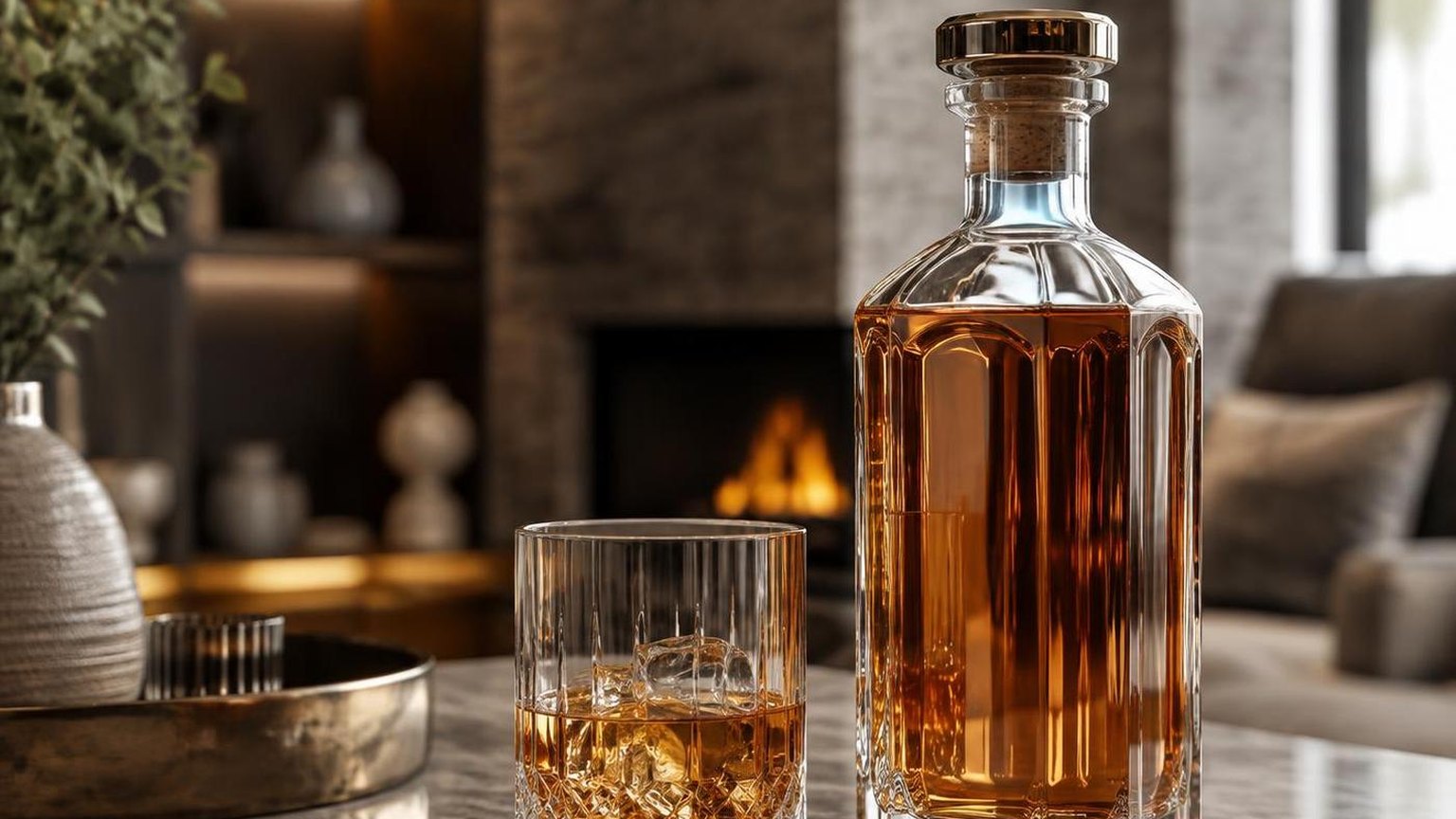
What can be verified is narrower: it is Canadian whisky, typically bottled at 40% ABV, sold under Costco’s Kirkland Signature label, and imported for the U.S. market through Costco’s supply chain.
Myth: “Kirkland Canadian Whisky is definitely Crown Royal”
This claim is common because both products are Canadian blended whiskies and often appear in large-format bottles. Similar category, color, and proof do not prove common production.
Crown Royal is owned by Diageo and produced in Gimli, Manitoba. Costco has not publicly confirmed Diageo as the supplier for Kirkland Canadian Whisky.
| Product | Typical U.S. ABV | Common large bottle | Confirmed producer |
| Kirkland Signature Canadian Whisky | 40% | 1.75 L | Not publicly disclosed by Costco |
| Crown Royal Deluxe | 40% | 1.75 L | Diageo, Gimli, Manitoba |
| Canadian Club 1858 | 40% | 1.75 L | Beam Suntory, Ontario |
Myth: “If it tastes close, it must be the same liquid”
Canadian whisky is often light, blended, and approachable, so multiple brands can share a similar profile. Corn-heavy base whisky, barrel aging, and blending practices can create overlap without identical sourcing.
Under Canadian whisky rules, the spirit must be mashed, distilled, and aged in Canada in small wood for at least 3 years. U.S. labeling rules recognize Canadian whisky as a distinctive product of Canada.
Myth: “The age statement tells you everything”
If a Canadian whisky carries an age statement, it refers to the youngest whisky in the blend. A 6-year statement does not mean every component is 6 years old.
Blenders may use older whisky, younger eligible whisky, grain whisky, and flavoring whisky to hit a target profile. The number is useful, but it is not a full recipe.
Myth: “Private label means lower quality”
Private-label spirits can be sourced from established producers, contract distillers, or brokers. The Kirkland name does not automatically mean inferior whisky; it means Costco controls the brand, not necessarily the stills.
- Do not assume one permanent source: large retailers can change suppliers when contracts, capacity, or pricing change.
- Do not use bottle shape as proof: packaging similarities are weak evidence.
- Do not overread online rumors: unless Costco, the producer, or a regulatory filing names the source, it remains unconfirmed.
- Do judge the bottle on use: it is commonly bought as a value mixer or everyday Canadian whisky, not as a disclosed single-distillery release.
Questions Readers Ask
Who makes Kirkland Canadian Whiskey?
Costco does not publicly disclose the distillery behind Kirkland Signature Canadian Whisky.
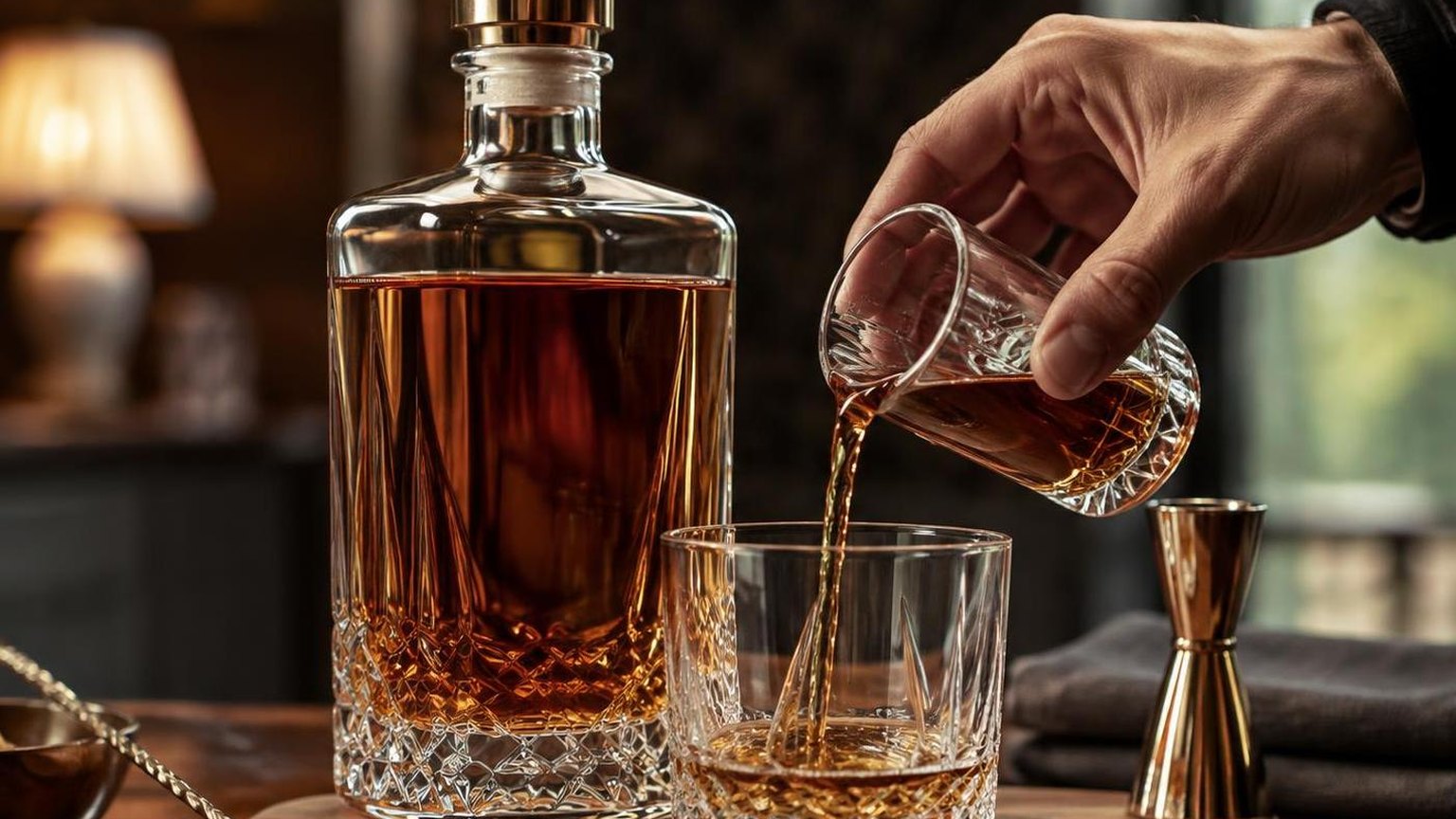
The bottle is sold under Costco’s private-label Kirkland Signature brand, but the whisky is produced in Canada by an unnamed supplier and imported for U.S. sale.
Is Kirkland Canadian Whiskey made by Crown Royal?
There is no official confirmation that Crown Royal makes Kirkland Canadian Whisky. The comparison is common because both are Canadian blended whiskies with a smooth, light profile, but Costco has not verified Crown Royal or Diageo as the producer.
What type of whiskey is Kirkland Canadian Whiskey?
Kirkland Canadian Whisky is a Canadian blended whisky, typically sold in large 1.75-liter bottles in the U.S. It is usually bottled at 40% ABV, or 80 proof, which is the standard strength for many Canadian whiskies.
How old is Kirkland Canadian Whiskey?
Many U.S. bottles of Kirkland Signature Canadian Whisky have carried a 6-year age statement. In whisky labeling, that means the youngest whisky in the blend was aged at least six years before bottling.
Why is Kirkland Canadian Whiskey cheaper than name-brand Canadian whisky?
Kirkland Canadian Whisky is cheaper largely because it is a private-label Costco product sold in high volume with less brand marketing cost.
Costco can source whisky from established producers and sell it under its own label, often at a lower per-ounce price than comparable national brands.
Where is Kirkland Canadian Whiskey produced?
Kirkland Canadian Whiskey is produced in Canada, consistent with Canadian whisky regulations that require mashing, distilling, aging, and bottling in Canada.
Labels for Costco’s private-label spirits can vary by release, so the exact distillery name is not always disclosed on the bottle.
Related Reading
- Is Moonshine Illegal In Texas?
- What Percent Alcohol Is Moonshine?
- How To Store Whiskey At Home?
- What To Mix With Southern Comfort?
- Is Scotch Gluten Free? Professional Answer
- How Many Calories In A Shot Of Whiskey? – Get Answered
- How Long Does Whiskey Last Unopened?
- All Alcohol Guides
- Costco Wholesale: Kirkland Signature Canadian Whisky 1.75 L (2026)
- TTB COLAs Online Public Search (2026)
- Electronic Code of Federal Regulations: 27 CFR § 5.143 Whisky (2026)
- Cornell Law School Legal Information Institute: 27 CFR § 5.143 Whisky (2026)
- TTB Beverage Alcohol Manual: Distilled Spirits, Chapter 4—Class and Type Designation (2023)
- Government of Canada Justice Laws Website: Food and Drug Regulations, Canadian Whisky Standard B.02.020 (2025)
- Canadian Food Inspection Agency: Spirits and Distilled Alcoholic Beverages Labelling Requirements (2024)





