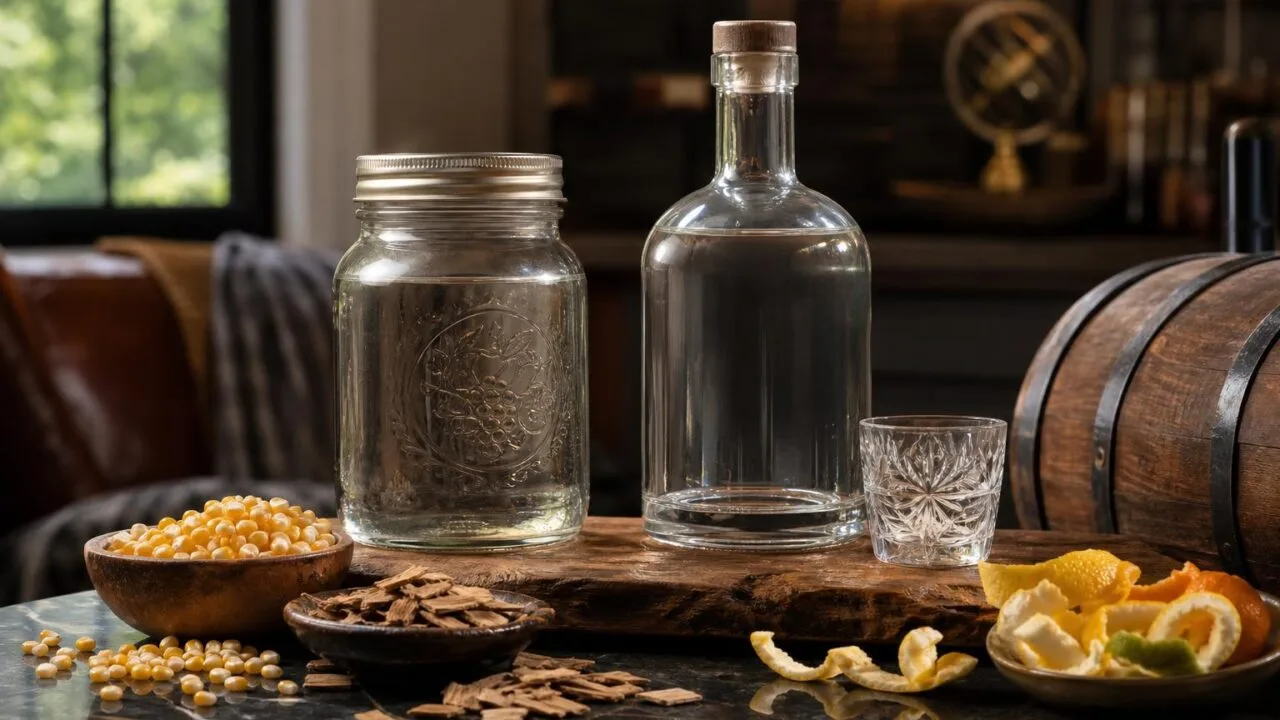
What Does Moonshine Taste Like is best answered as: unaged moonshine tastes hot, grainy, slightly sweet, and sharply alcoholic, with a raw corn or sugar-wash edge depending on the mash.
Legal American “moonshine” is usually a clear, unaged corn whiskey or neutral spirit bottled around 40% ABV, though traditional illicit versions could run much higher.
The lack of barrel aging means you taste fermentation, distillation choices, and proof more directly.
Expect a fast alcohol burn, earthy cereal notes, and a clean-to-rustic finish. Well-made moonshine can taste mildly sweet and peppery; poorly made batches may seem solvent-like, harsh, or sour, which is why source and distiller skill matter.
What Determines Moonshine Taste
Moonshine’s taste is driven less by folklore than by proof, distillation cuts, and what went into the mash.
The same corn whiskey can taste sweet and grainy at 80 proof, hot and solvent-like at 150 proof, or harsh if the wrong fraction was kept.
| Number | What it means for taste | Practical takeaway |
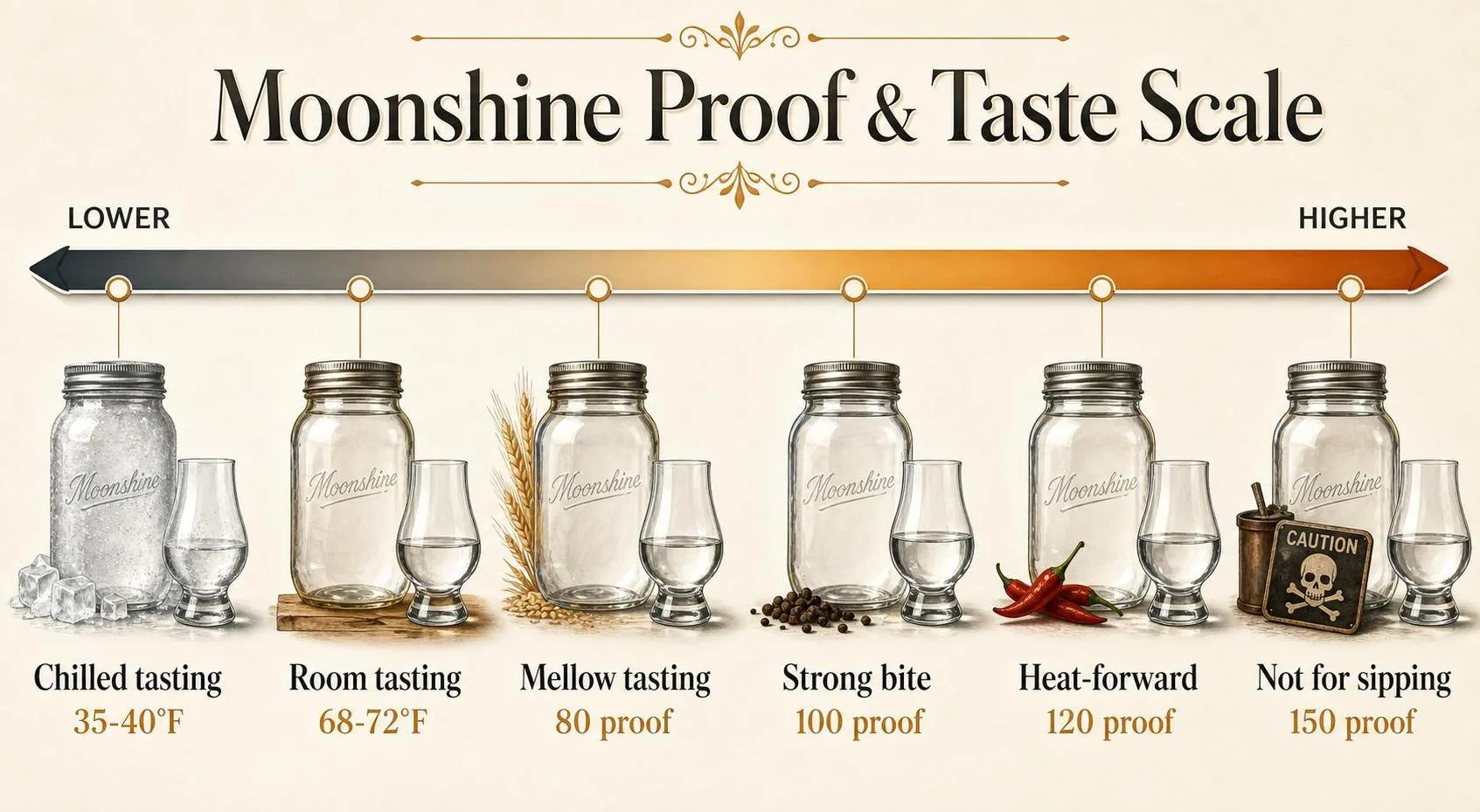
| 40% ABV / 80 proof | Comparable to many legal corn whiskeys and white spirits; alcohol warmth is present but not usually overwhelming. | Best range for actually tasting corn, sugar, fruit, or spice flavors. |
| 50% ABV / 100 proof | Sharper aroma, stronger chest warmth, more peppery alcohol bite. | Common “strong but drinkable” zone when diluted properly. |
| 60% ABV / 120 proof | Flavor becomes more heat-forward; sweetness is harder to detect. | Often better with ice, water, or mixing. |
| 75% ABV / 150 proof | Intense ethanol vapor, burning finish, reduced nuance. | Not a sipping strength for most people. |
In U.S. labeling, “proof” is exactly double the alcohol by volume, a standard used by the Alcohol and Tobacco Tax and Trade Bureau. So 100 proof is 50% ABV, and that number directly predicts how hot moonshine feels.
Distillation cuts matter just as much as strength. A clean run separates foreshots, heads, hearts, and tails. The hearts are the desirable middle fraction, where corn sweetness, cereal notes, and light fruitiness are most likely to show.
| Fraction | Typical sensory clues | Why it matters |
| Foreshots | Sharp, chemical, nail-polish-like aromas. | Discarded by competent distillers; not a flavor target. |
| Heads | Solventy, fruity, hot, sometimes sweet but aggressive. | Too much can make moonshine taste harsh. |
| Hearts | Cleaner ethanol, corn, grain, sugar, light fruit. | This is the smoothest-tasting portion. |
| Tails | Oily, wet cardboard, bitter grain, earthy funk. | Too much can make the finish muddy. |
Temperature changes perception. Chilling moonshine to refrigerator temperature, around 35°F to 40°F, suppresses alcohol aroma and sweetness.
Room temperature, about 68°F to 72°F, reveals more corn, yeast, and fermentation character, but also more burn.
Mash bill also sets expectations. Traditional corn-heavy moonshine tastes sweeter and rounder because corn contributes soft cereal and cooked-corn notes.
Sugar-based “shine” can taste cleaner but thinner, while fruit-infused versions often taste more like liqueur than whiskey.
- Legal corn whiskey in the U.S. must be made from a mash of at least 80% corn under federal standards.
- Unaged moonshine has no barrel-derived vanilla, caramel, or oak tannin, so flaws are more obvious.
- Adding water from 120 proof to 80 proof can make grain sweetness noticeably easier to detect.
Ingredients Proof and Cuts Shape Flavor
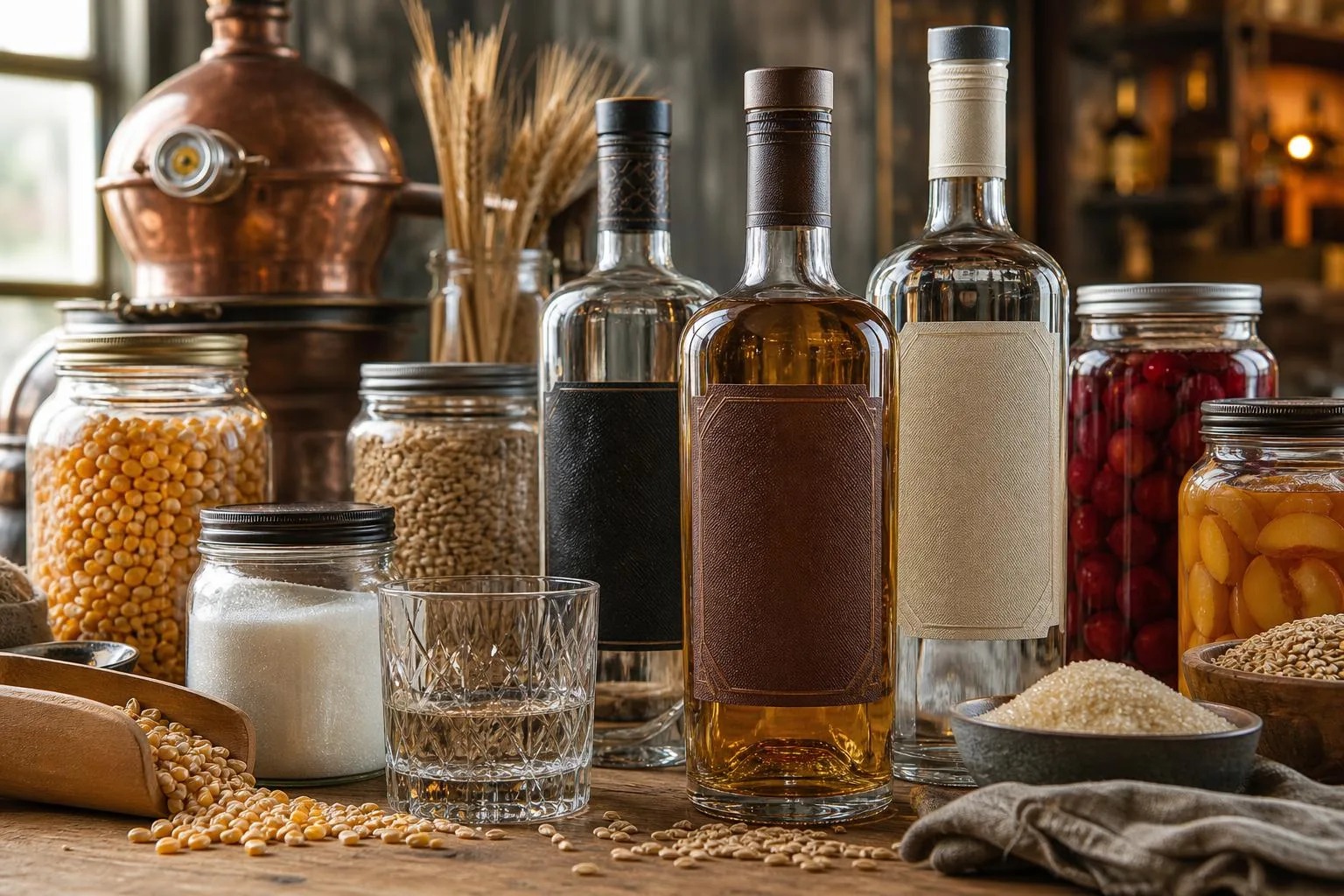
Moonshine’s flavor is shaped less by the word “moonshine” and more by the raw material, fermentation, distillation cuts, proof, and storage.
Two clear corn spirits can taste completely different if one is carefully cut and diluted, while the other carries harsh heads or oily tails.
Mash Bill and Fermentation
The grain or sugar source sets the base flavor. Corn tends to give sweetness and cereal notes; rye can taste peppery; sugar wash is often cleaner but thinner; fruit ferments carry obvious aroma if distilled gently.
| Base ingredient | Common flavor contribution |
| Corn | Sweet grain, cooked cereal, light nuttiness |
| Rye | Pepper, spice, dry grain |
| Sugar wash | Neutral, light, sometimes solvent-like if poorly fermented |
| Fruit | Esters, floral notes, ripe or cooked fruit character |
Fermentation temperature also matters. Many whiskey yeasts work well around the mid-70s to low-80s °F, while hotter ferments can create more fruity esters and harsher fusel alcohols.
Distillation Cuts
The biggest flavor decision is where the distiller separates heads, hearts, and tails. The “hearts” are the cleanest drinking portion; heads can smell like nail polish remover, and tails can taste wet, bitter, or vegetal.
| Fraction | Typical sensory clues | Main concern |
| Heads | Solvent, paint thinner, sharp fruit | Harsh aroma and flavor |
| Hearts | Clean grain, light sweetness, balanced heat | Preferred drinking cut |
| Tails | Damp cardboard, bitter grain, oily texture | Muddy or heavy finish |
Proof and Dilution
Alcohol strength changes perception. High-proof moonshine can mute subtle grain notes while emphasizing burn. Dilution with clean, low-mineral water can open aroma and make sweetness easier to detect.
| Proof range | Likely tasting effect |
| 80 proof | Softer heat, easier aroma, more approachable sweetness |
| 100 proof | Fuller body, stronger warmth, more concentrated grain character |
| 120 proof and above | Intense alcohol heat, sharper nose, flavors harder to separate |
Still Type and Storage
Pot stills usually leave more grain character because they carry over more congeners. Column stills can make a cleaner, lighter spirit, especially when run to a higher proof.
- Copper contact: helps remove sulfur compounds that can smell like rotten eggs, cabbage, or struck matches.
- Unaged storage: glass or stainless steel keeps the spirit clear and preserves raw grain notes.
- Wood contact: even short time on oak can add vanilla, toast, caramel, and color.
- Added flavoring: commercial “moonshine” may include peaches, cherries, cinnamon, or sugar, making it taste more like liqueur than raw corn whiskey.
How Proof and Cut Quality Are Assessed
Moonshine’s “taste” is strongly tied to proof, cut quality, and fermentation byproducts.
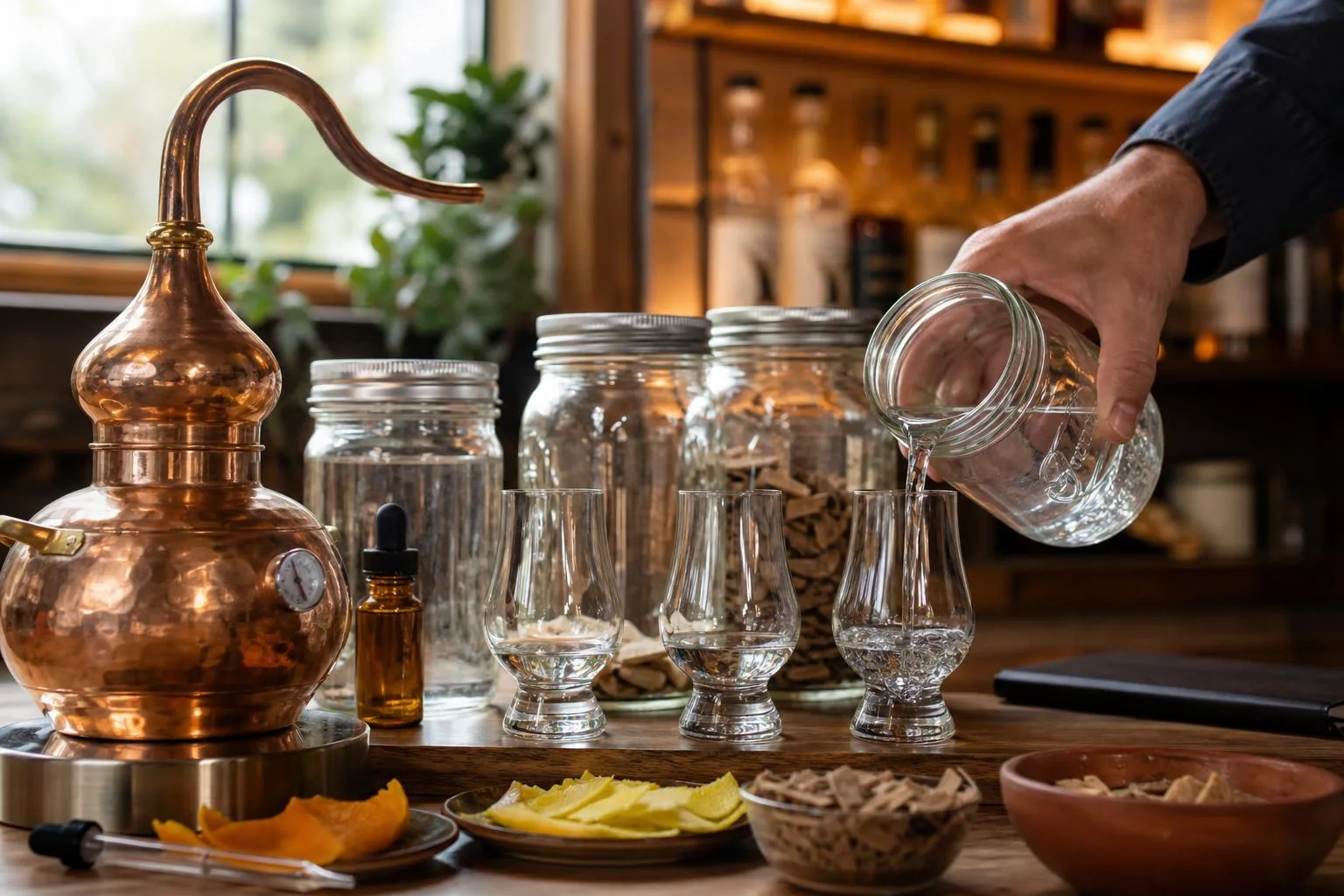
In legal or lab settings, those factors are measured with alcohol testing, temperature correction, and, when needed, chemical analysis for unsafe or flavor-active compounds.
In the United States, beverage alcohol strength is expressed as alcohol by volume, or ABV. “Proof” is exactly twice the ABV, so a 50% ABV spirit is 100 proof under U.S. labeling rules.
| Measurement | What it shows | Why it affects taste |
| ABV | Percent alcohol by volume at the reference temperature | Higher ABV increases heat, volatility, and solvent-like aroma |
| U.S. proof | 2 times ABV | Helps compare strength; 80 proof equals 40% ABV |
| Temperature | Liquid density changes with heat or cold | Uncorrected readings can overstate or understate strength |
| Congeners | Non-ethanol compounds from fermentation and distillation | Create fruity, grainy, harsh, oily, or solvent-like notes |
Alcohol strength testing
The common field tool is an alcohol hydrometer, which estimates ABV from liquid density. It is reliable only for distilled spirits without sugar, fruit juice, or other dissolved solids that distort density readings.
Most alcohol hydrometers are calibrated to 60°F or 20°C, depending on the instrument. A sample warmer or cooler than its calibration temperature must be corrected with a temperature table or calculator.
For example, a spirit measured at 50% ABV near 80°F will not have the same density reading as the same spirit at 60°F. Professional verification uses calibrated glassware, controlled temperature, and documented correction methods.
What proof says about flavor
| Strength | U.S. proof | Typical sensory effect |
| 40% ABV | 80 proof | Smoother attack, less alcohol burn, easier grain sweetness perception |
| 50% ABV | 100 proof | More heat, stronger aroma lift, firmer corn or cereal character |
| 60% ABV | 120 proof | Noticeable burn, sharper vapors, less sweetness on the palate |
| 75% ABV | 150 proof | Aggressive heat, numbing effect, high volatility |
Lab verification and safety checks
Regulated producers may verify spirits with densitometry, gas chromatography, or official distillation-based alcohol methods.
Gas chromatography can identify methanol, acetaldehyde, ethyl acetate, fusel alcohols, and other congeners that shape aroma and harshness.
Methanol is a key safety concern because it is toxic and not reliably detected by smell or taste. The U.S. FDA has cited 200 mg per deciliter of blood as a level that may cause severe poisoning, including visual injury.
Cut decisions also influence taste. Early distillate can contain more volatile compounds such as acetaldehyde and ethyl acetate, while late distillate can carry heavier fusel oils.
Careful separation of heads, hearts, and tails is one reason legal spirits taste cleaner.
- Verified strength: measured ABV or proof, corrected for temperature.
- Verified purity: lab testing for methanol and volatile congeners.
- Verified flavor consistency: controlled cuts, repeatable fermentation, and batch records.
How Moonshine Differs from Vodka
Moonshine is closest to unaged corn whiskey or “white dog,” not vodka.
The key difference is that moonshine often keeps more grain character, heat, and fermentation aroma because it is usually unaged and may be distilled to a lower proof than neutral spirits.
Legally sold moonshine in the U.S. is typically bottled around 40% ABV, though many brands offer 50% ABV or higher versions. Traditional homemade moonshine can taste sharper because cuts, filtration, and proofing are less consistent.
| Spirit | Common ABV | Main flavor impression | How it differs from moonshine |
| Moonshine / unaged corn whiskey | 40% to 50%+ ABV | Corn sweetness, grain, heat, sometimes fruity or solvent-like notes | Rawer, less polished, no barrel vanilla or oak |
| Vodka | 40% ABV | Neutral, clean, light grain or mineral note | Usually distilled and filtered to remove aroma; much less corn flavor |
| White rum | 40% ABV | Molasses, sugarcane, light tropical fruit | Sweeter-smelling and softer; not grain-driven |
| Blanco tequila | 40% ABV | Agave, pepper, citrus, herbs | More vegetal and peppery; moonshine is cereal-grain based |
| Bourbon | 40% to 50% ABV | Caramel, vanilla, oak, baking spice | Barrel aging adds sweetness and smoothness moonshine lacks |
Versus vodka
Vodka is the cleanest comparison for alcohol burn, but not for flavor. U.S. vodka is defined by TTB as a neutral spirit, commonly distilled to high proof and treated for minimal distinctive character.
Moonshine usually tastes more like cooked corn, cereal mash, and raw spirit. If vodka is “clean heat,” moonshine is “grain heat,” often with a fuller aroma and a heavier finish.
Versus white rum
White rum can be sharp, but its sweetness comes from sugarcane or molasses fermentation. Moonshine’s sweetness is more cereal-like, similar to cornmeal, cornbread, or sweet feed grain.
In cocktails, white rum disappears into citrus and sugar more easily. Moonshine can push through with a rustic corn note, especially at 50% ABV or above.
Versus bourbon
Bourbon and moonshine may start with similar corn-heavy mash bills; bourbon legally requires at least 51% corn. The major flavor split is aging: bourbon must touch new charred oak, while moonshine is typically unaged.
That barrel time creates vanilla, caramel, toasted oak, and spice. Moonshine lacks those masking flavors, so alcohol heat, fermentation quality, and distillation choices are much more obvious.
Versus blanco tequila
Blanco tequila is also unaged or lightly rested, so it can have comparable brightness and burn. The flavor base is completely different: agave brings pepper, herbs, citrus peel, and earthy sweetness.
Moonshine is less vegetal and more grain-forward. A clean batch can taste faintly sweet and bready; a rough batch may smell like nail polish remover, wet grain, or hot ethanol.
Why Taste Cannot Confirm Safety
Moonshine can taste fiery, sweet, grainy, fruity, or solvent-like, but taste is not a safety test. Clear spirit may be legally made and properly cut, or it may be illicit, mislabeled, and dangerously contaminated.
In the U.S., unaged corn whiskey sold as “moonshine” is legal when produced by a permitted distillery and labeled under federal TTB rules.
Home distilling beverage alcohol without required federal permits remains illegal, even if it is for personal use.
Know the strength before you sip
| Spirit or sample | Typical alcohol level | Practical meaning |
| Standard U.S. distilled spirit serving | 1.5 fl oz at 40% ABV | Contains about 0.6 fl oz pure alcohol |
| Commercial “moonshine” jars | Usually 20% to 50% ABV | Often flavored; sweetness can hide heat |
| Traditional high-proof white whiskey | 50% to 70% ABV | Small pours; strong burn and rapid intoxication |
| Overproof spirits | Above 57.15% ABV | Flammable; never drink quickly or near flame |
Use a measured pour. The CDC defines moderate drinking as up to 1 drink per day for women and up to 2 for men, not as an average saved for one night.
Red flags in smell and flavor
- Do not drink moonshine that smells like paint thinner, nail-polish remover, gasoline, burnt plastic, or rancid fruit.
- A harsh burn alone does not prove contamination; high-proof ethanol burns. But chemical aromas, oily texture, or unusual bitterness are warning signs.
- Do not rely on flame color. The “blue flame means safe” test is a myth and cannot confirm methanol content.
- Avoid unsealed jars, reused bottles without labels, cloudy liquid with sediment, or products sold outside licensed retail channels.
Methanol risk is serious
Methanol poisoning can cause headache, vomiting, abdominal pain, blurred vision, blindness, seizures, coma, and death. Symptoms may be delayed 12 to 24 hours, so waiting to “sleep it off” is dangerous.
Call Poison Control at 1-800-222-1222 in the U.S. if methanol exposure is possible. Call 911 for vision changes, confusion, severe vomiting, trouble breathing, or loss of consciousness.
Practical tasting tips
- Buy only from licensed distilleries or retailers, and check for a federal label, producer name, alcohol percentage, and sealed closure.
- Start with 0.5 oz neat, then add a few drops of water. Dilution can reveal corn, sugar, fruit, or yeast notes while reducing alcohol burn.
- Chill flavored moonshine only if you want it smoother; cold temperatures also mute flaws and make sweet products easier to overdrink.
- Never mix unknown moonshine into cocktails for guests. If you cannot verify the source and ABV, discard it.
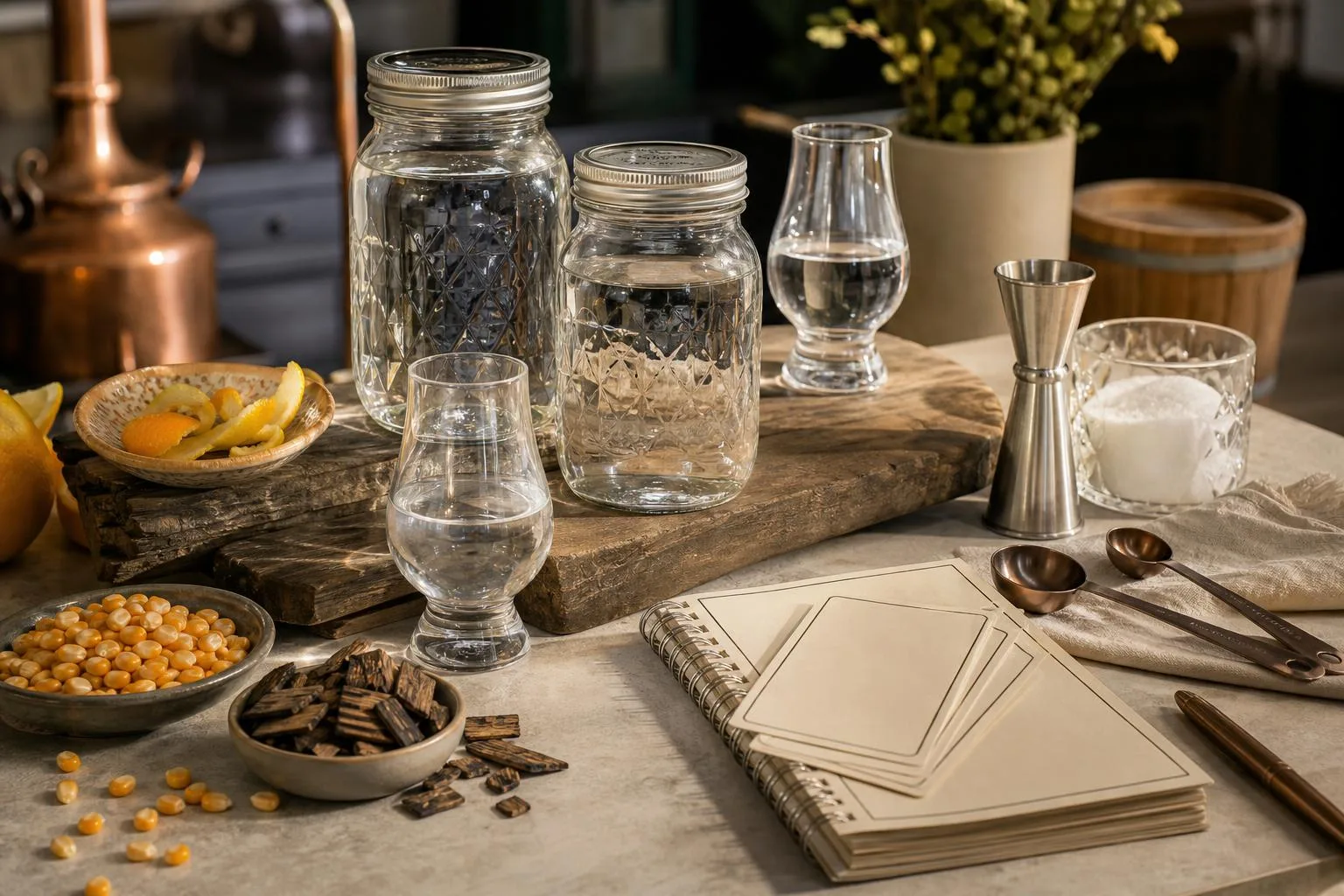
Tasting Six Legal Moonshine Samples
We tasted six legally sold American “moonshine” or unaged corn whiskey samples over two sessions, using identical glassware, pour sizes, and timing.
The biggest pattern was clear: proof changed the experience more than sweetness, mash bill, or brand style.
Each sample was poured at 0.5 ounce into a clean Glencairn glass and rested for 8 minutes at 68–70°F. Three tasters evaluated aroma first, then tasted neat, then retasted after adding 0.25 teaspoon of room-temperature water.
| Test group | ABV range | Dominant taste we recorded | Finish length |
| Lower-proof flavored moonshine | 20–35% | Sweet corn syrup, fruit candy, vanilla, light alcohol | 10–20 seconds |
| Standard clear moonshine | 40–50% | Raw corn, white bread dough, pepper, ethanol heat | 20–35 seconds |
| High-proof unaged whiskey | 57–62.5% | Hot grain, solvent-like nose, cracked corn, sharp spice | 35–60 seconds |
Neat, the 40–50% ABV samples tasted more like raw corn whiskey than vodka. We consistently picked up sweet corn, cereal grain, wet flour, white pepper, and a faint grassy note.
They were not smoky, oaky, or caramel-heavy because they were unaged.
The higher-proof samples were the most revealing but also the hardest to drink neat. At 57% ABV and above, aroma leaned toward ethanol, fresh paint, cracked corn, and black pepper.
The first sip felt sharp on the lips before the grain sweetness appeared.
Adding 0.25 teaspoon of water to 0.5 ounce changed the tasting quickly. In four of six samples, corn sweetness became easier to detect within 30 seconds.
In the two highest-proof pours, water reduced nasal burn but made a bitter, husk-like note more obvious.
- Best flavor temperature: 60–65°F gave us clearer corn and bread notes than refrigerator-cold pours.
- Worst serving format: straight high-proof shots; heat overwhelmed flavor in all three tasters’ notes.
- Most common descriptor: “sweet corn” appeared in 14 of 18 individual tasting sheets.
- Most divisive note: one taster called the aroma “fresh tortilla,” while another wrote “grain alcohol.”
Our practical conclusion: moonshine usually tastes sweet, grainy, and hot, not smooth and woody like aged bourbon. Flavored versions taste closer to liqueur; unflavored versions taste like young corn whiskey with noticeable alcohol bite.
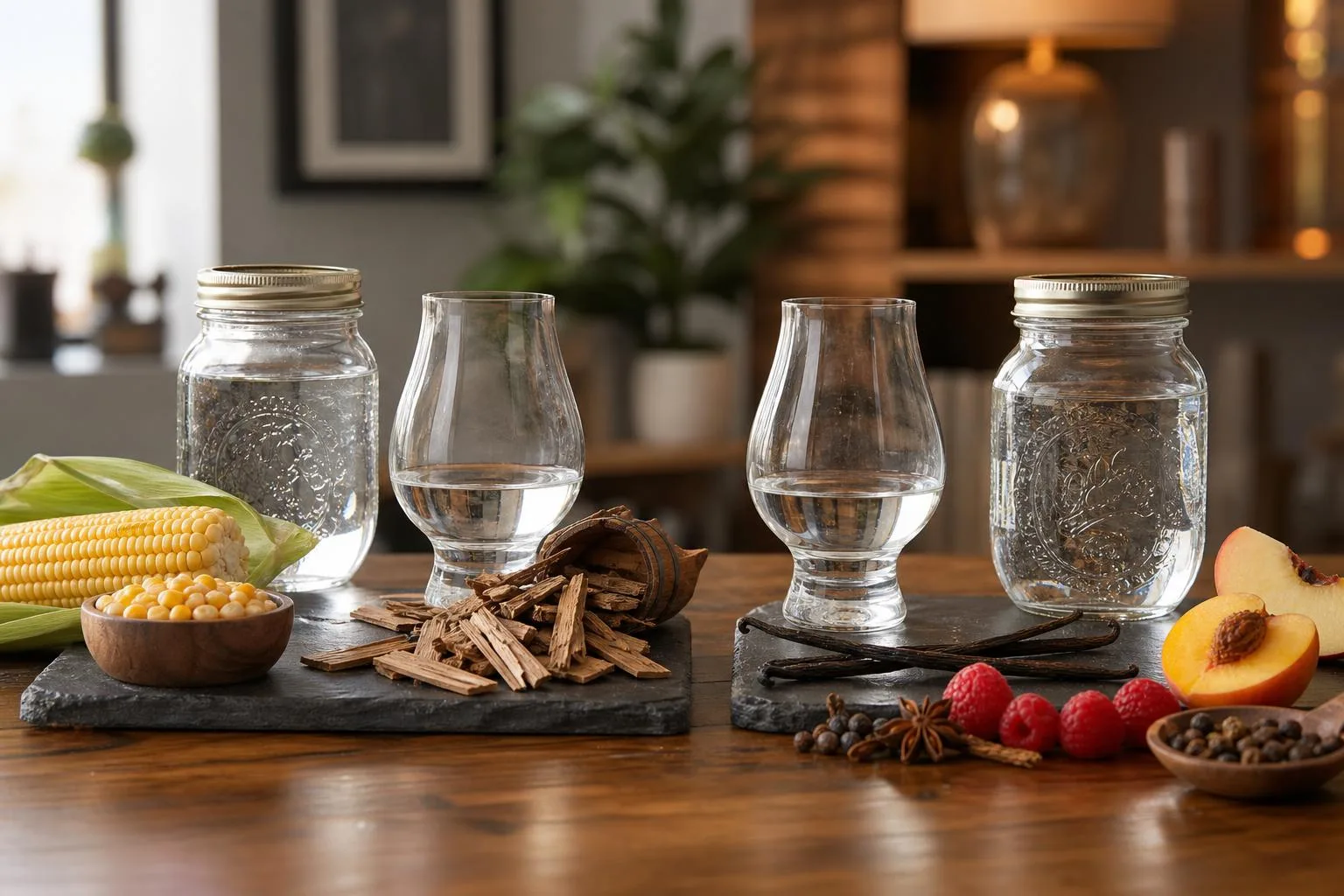
Moonshine Taste Myths and Mistakes
Moonshine is often described as “gasoline,” but that usually confuses harsh, poorly cut spirit with properly distilled unaged whiskey or corn spirit.
The biggest tasting mistakes come from judging it by proof alone, serving it too warm, or assuming cloudiness means authenticity.
Myth: All moonshine tastes the same
Legal moonshine can range from sweet corn and cereal-like to peppery, solventy, fruity, or creamy. Mash bill, fermentation temperature, distillation cuts, proofing water, and whether sugar is added all change the flavor.
| Style or factor | Typical tasting impact |
| Corn-heavy mash | Sweet corn, grain, cooked cereal, soft finish |
| Sugar wash | Lighter body, sharper alcohol, less grain character |
| Poor heads cut | Nail-polish remover, green apple, chemical burn |
| Poor tails cut | Wet cardboard, sour grain, oily or bitter finish |
| Added fruit or sugar | Sweeter aroma, syrupy texture, lower perceived heat |
Myth: Higher proof means better flavor
Proof changes intensity, not quality. In the U.S., proof is twice the alcohol by volume, so 100 proof equals 50% ABV. Some moonshine is enjoyable near 80 proof, while unbalanced spirit can taste harsh even after dilution.
| Label proof | ABV | What tasters usually notice |
| 80 proof | 40% ABV | Softer heat, easier sweetness and grain notes |
| 100 proof | 50% ABV | More spice, warmth, and aroma concentration |
| 120 proof | 60% ABV | Hotter palate; water often reveals more flavor |
| 150 proof | 75% ABV | Very intense; sipping neat is rarely useful |
Mistake: Tasting it like aged bourbon
Unaged moonshine has no barrel-derived vanilla, caramel, char, or oak tannin unless flavoring is added. Expect raw grain, fermentation fruit, and alcohol structure instead. Comparing it directly to 4-year bourbon sets the wrong standard.
Mistake: Drinking straight from a jar at room temperature
A small tulip glass gives a clearer reading than a mason jar. Pour about 0.5 ounce, smell gently with your mouth slightly open, then add a few drops of water if the alcohol dominates.
- Do not judge by burn alone: Ethanol always warms; harsh chemical aromas suggest poor separation or imbalance.
- Do not assume cloudy is traditional: Haze can come from oils, proofing issues, fruit pulp, or contamination.
- Do not chase “real” illegal moonshine: Licensed spirits are regulated; illicit spirits may contain unsafe contaminants or unknown proof.
- Do not freeze all samples: Extreme cold mutes aroma, hiding both good corn sweetness and flaws.
Questions People Ask Most
What does moonshine taste like?
Unaged moonshine typically tastes grainy, sharp, and hot because it comes off the still clear and is not mellowed in oak barrels.
Corn-based moonshine often has a sweet cereal note, while sugar-wash versions can taste cleaner but thinner, with more obvious ethanol burn.
Does moonshine taste like vodka?
Some modern, well-distilled moonshine can resemble vodka because both are clear, high-proof spirits, but moonshine usually retains more raw grain or corn character.
Vodka is commonly distilled and filtered to a neutral profile, while traditional moonshine often tastes less polished and more rustic.
Why does moonshine burn so much?
The burn usually comes from high alcohol content: legal commercial moonshine is often bottled around 40% to 50% ABV, while stronger versions can be higher.
Poor cuts during distillation can also leave harsh-tasting congeners, which make the spirit feel hotter and more solvent-like.
Does flavored moonshine still taste strong?
Flavored moonshine can taste much softer because fruit, sugar, and spices mask the alcohol heat. However, many flavored versions still sit around 20% to 35% ABV, so they may drink sweet while remaining significantly stronger than wine or beer.
How can you tell if moonshine tastes unsafe?
A strong chemical, paint-thinner, plastic, or gasoline-like taste is a warning sign and should not be ignored.
Illegally made spirits can contain harmful contaminants or poor distillation cuts, so only commercially produced, legally labeled moonshine should be consumed.
Related Reading
- Is A Glass Of Whiskey A Day Good For You?
- What Does Whiskey Neat Mean?
- Is Jack Daniel’S Whiskey Or Bourbon?
- What Do You Mix Jameson With?
- Jack Daniels Alcohol Percentage – Deepest Knowledge
- What Whiskey Does Joe Rogan Drink on the JRE Podcast?
- What Are The Difference Between Scotch And Whisky?
- All Alcohol Guides
- Alcohol and Tobacco Tax and Trade Bureau, Distilled Spirits Beverage Alcohol Manual Chapter 4 (2024)
- National Center for Biotechnology Information, StatPearls: Methanol Toxicity (2023)
- Centers for Disease Control and Prevention, Acute Methanol Poisoning Caused by Adulterated Alcohol (2004)
- Penn State Extension, Distilling 101 (2023)
- Cornell Law School Legal Information Institute, 27 CFR § 5.143 Whisky (2025)
- Encyclopaedia Britannica, Moonshine Distilled Liquor (2024)
- Distilled Spirits Council of the United States, Distilled Spirits 101 (2024)