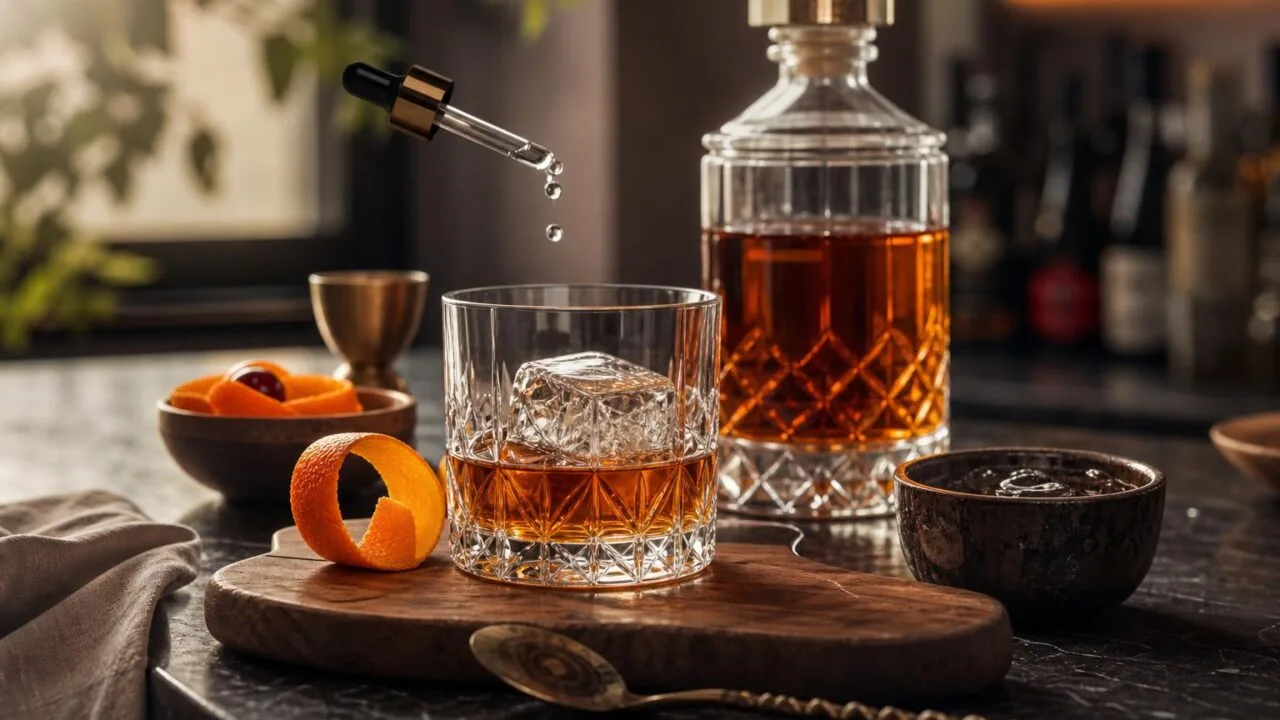
How To Make Whiskey Taste Better is simple: dilute, chill, sweeten, or pair it to reduce ethanol heat and reveal grain, oak, vanilla, and spice.
Most bottled whiskey sits around 40–50% ABV, so a few drops of water or one large ice cube can soften alcohol burn without masking the spirit.
This guide explains practical fixes bartenders use: glass choice, temperature, mixers, bitters, citrus, honey, salt, and food pairings—plus what to avoid when a whiskey tastes harsh, flat, smoky, or overly sweet.
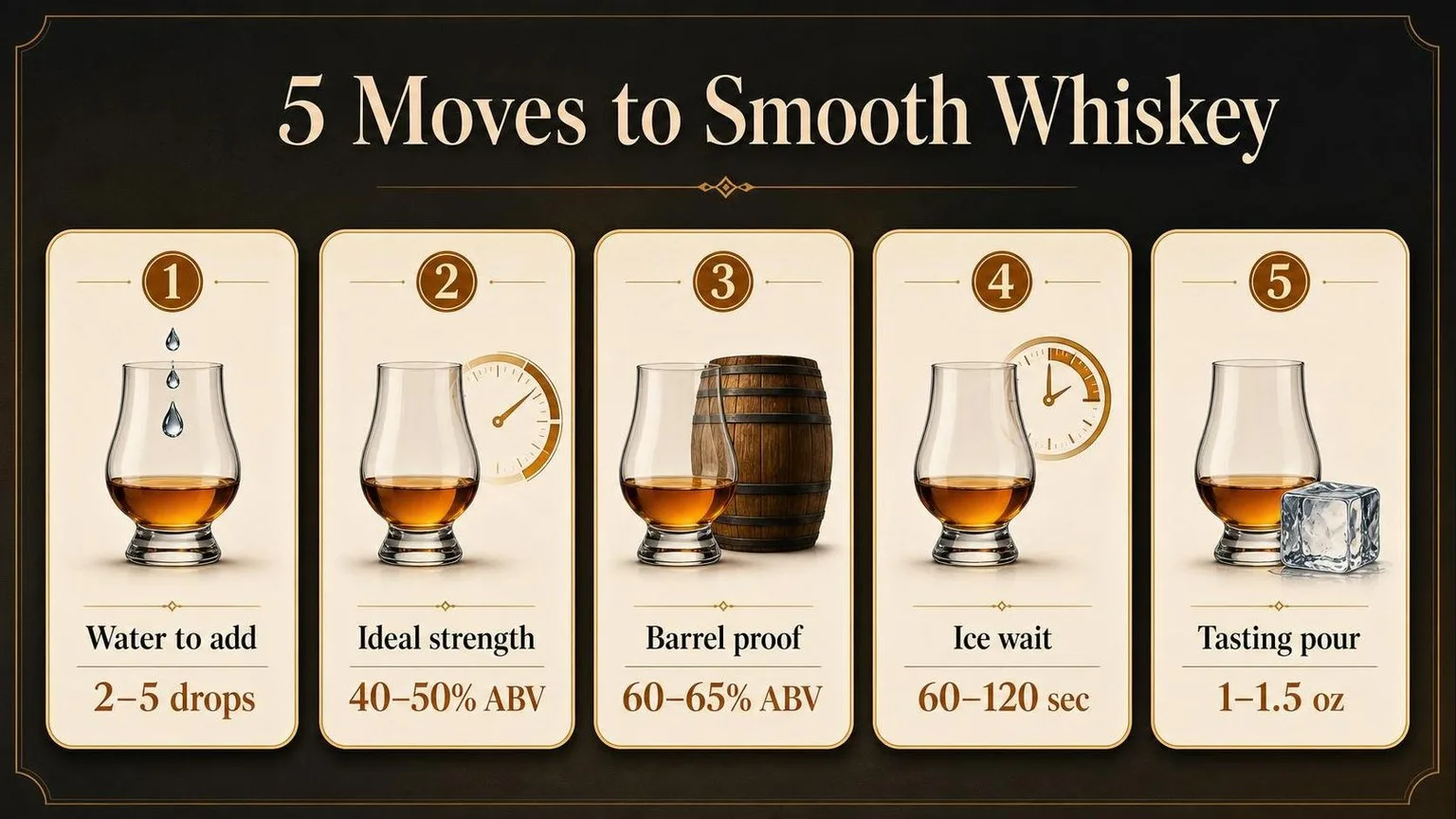
Target Adjustments for Better Whiskey
Small changes in dilution, temperature, glass shape, and serving size can make whiskey taste rounder, sweeter, and less “hot.” The useful targets below come from distillery tasting-room practice, sensory research.
And standard U.S. alcohol measurements.
Use these numbers as adjustments, not rules. Add one variable at a time, taste, then decide whether the whiskey improved.
| Adjustment | Practical target | Why it helps |
| Water added to neat whiskey | Start with 2–5 drops per 1.5 oz pour | Reduces alcohol sting and can release aroma compounds, especially in higher-proof whiskey. |
| Ideal tasting strength | About 40–50% ABV | Most bottled whiskeys sit here; many drinkers perceive better balance below barrel strength. |
| Barrel-proof dilution | Bring 60–65% ABV whiskey down gradually | High ethanol can numb smell and taste; staged dilution keeps flavor from collapsing. |
| Ice contact time | Wait 60–120 seconds before judging | Chilling and early melt soften burn before the drink becomes watery. |
| Serving size for evaluation | 1–1.5 oz | Enough volume to nose and taste repeatedly without palate fatigue. |
The most important number is alcohol by volume. The U.S. Alcohol and Tobacco Tax and Trade Bureau defines whiskey as bottled at not less than 40% ABV, which equals 80 proof.
For strong pours, dilution is your best tool. A 1.5 oz pour of 60% ABV whiskey contains 0.9 oz of pure alcohol; adding 0.5 oz water brings the drink to roughly 45% ABV.
| Original pour | Water added | Approximate new ABV |
| 1.5 oz at 50% ABV | 0.25 oz | 43% ABV |
| 1.5 oz at 60% ABV | 0.25 oz | 51% ABV |
| 1.5 oz at 60% ABV | 0.5 oz | 45% ABV |
| 1.5 oz at 65% ABV | 0.5 oz | 49% ABV |
Temperature matters, but colder is not always better. Ice lowers ethanol sharpness, while too much chilling can mute vanilla, fruit, grain, and oak aromas.
| Serving style | Typical temperature effect | Best use |
| Room temperature | Strongest aroma release | Older, lower-proof, or delicate whiskey |
| One large cube | Slow cooling and dilution | Bourbon, rye, and high-proof whiskey |
| Whiskey stones | Cooling with little dilution | Drinkers who dislike water, though aroma softening is limited |
Glassware is another measurable upgrade. A narrow-rim glass concentrates aroma better than a wide tumbler, but do not bury your nose in the glass; ethanol vapor is strongest at the rim.
- For harsh whiskey: add water in small increments before adding sweet mixers.
- For flat whiskey: use a narrower glass and skip excessive ice.
- For bitter whiskey: try one large cube or a citrus peel to shift perception.
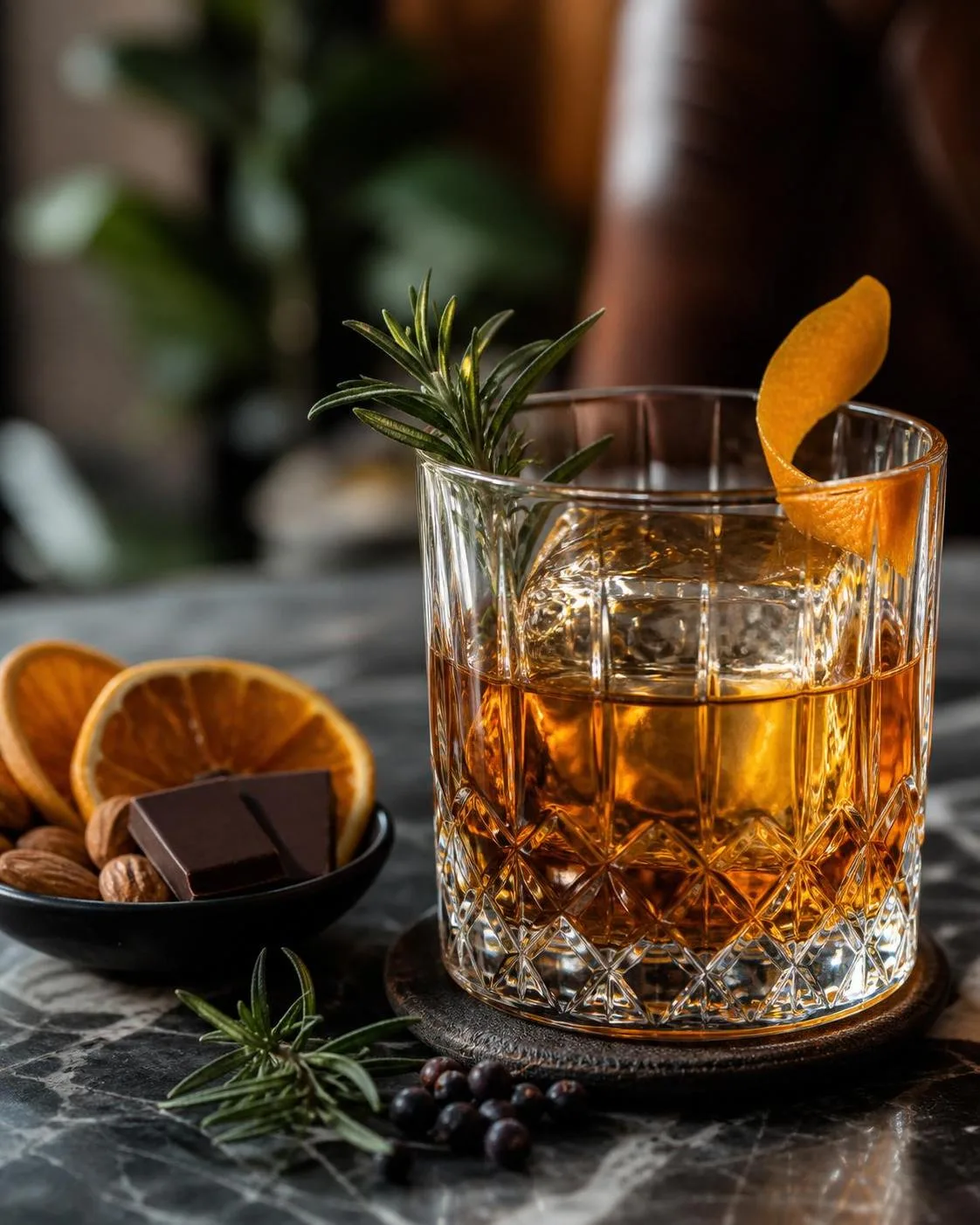
Factors That Change Whiskey Flavor
Whiskey flavor changes fast because aroma, alcohol strength, temperature, glass shape, and dilution all affect what reaches your nose and palate. The same 100-proof bourbon can taste hot, sweet, oaky, or rounded depending on how it is served.
Most “make it taste better” adjustments work by controlling ethanol burn and volatility. Ethanol carries aroma compounds upward, but at higher concentration it can also numb taste receptors and emphasize peppery heat.
Alcohol Strength and Dilution
Proof matters. A 40% ABV whiskey is already diluted before bottling, while many barrel-strength whiskeys sit around 55% to 65% ABV. Adding water can open aroma, but too much can flatten texture and finish.
| Starting pour | Water added | Approximate result |
| 1.5 oz at 40% ABV | 0.25 oz water | About 34% ABV |
| 1.5 oz at 50% ABV | 0.25 oz water | About 43% ABV |
| 1.5 oz at 60% ABV | 0.50 oz water | About 45% ABV |
In tastings, I add water in 3 to 5 drop increments first, then reassess after 30 seconds. This avoids overshooting, especially with older Scotch or high-rye bourbon where dilution can quickly expose bitterness.
Temperature and Ice
Warmer whiskey releases aroma more aggressively. Chilling reduces alcohol vapor and makes whiskey feel smoother, but it also suppresses fruit, grain, and oak notes. Ice is best for aggressive, young, or high-proof bottles.
| Serving condition | Typical effect |
| Room temperature, about 68°F to 72°F | More aroma, more ethanol lift |
| Large cube | Slower dilution, softer edges |
| Crushed ice | Fast chilling and dilution, lighter flavor |
Glassware and Aroma
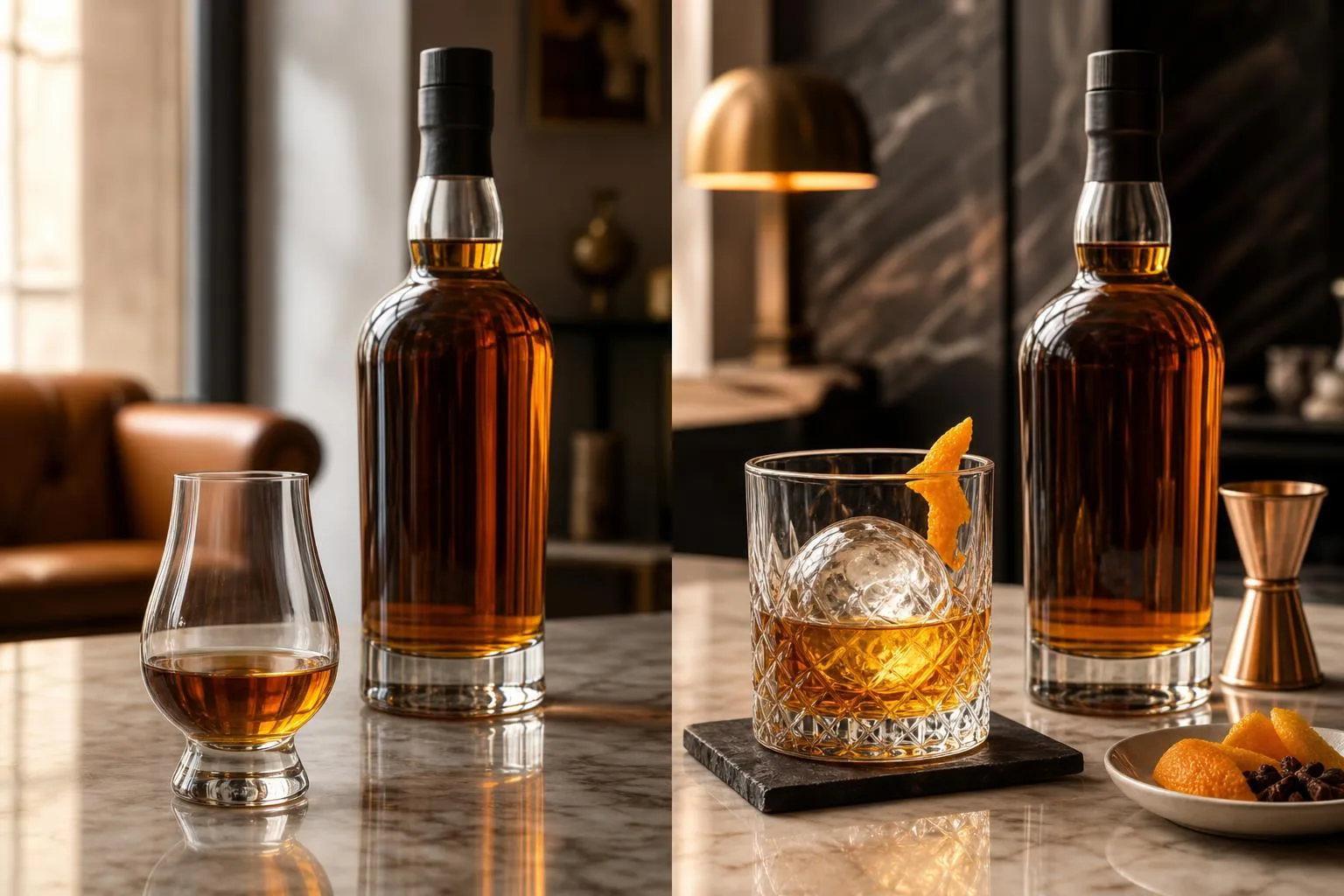
A narrow tulip glass concentrates aroma, which helps with quality whiskey but can intensify alcohol burn in high-proof pours. A rocks glass spreads vapors out, making bold whiskey easier to drink casually.
- Use tulip glasses for nosing Scotch, Irish whiskey, Japanese whisky, and finished bourbons.
- Use rocks glasses for whiskey over ice, whiskey highballs, or pours that smell too sharp.
- Avoid overfilling; 1 to 1.5 oz gives enough headspace for aroma.
The Whiskey Itself
Age, mash bill, barrel char, and maturation climate set the baseline. A wheated bourbon usually tastes softer than a high-rye bourbon. Peated Scotch can remain smoky even with water, ice, or mixers.
You can improve balance, but you cannot remove core flaws. If a whiskey tastes metallic, musty, or solvent-like neat, use it in a cocktail rather than trying to rescue it with tiny tweaks.
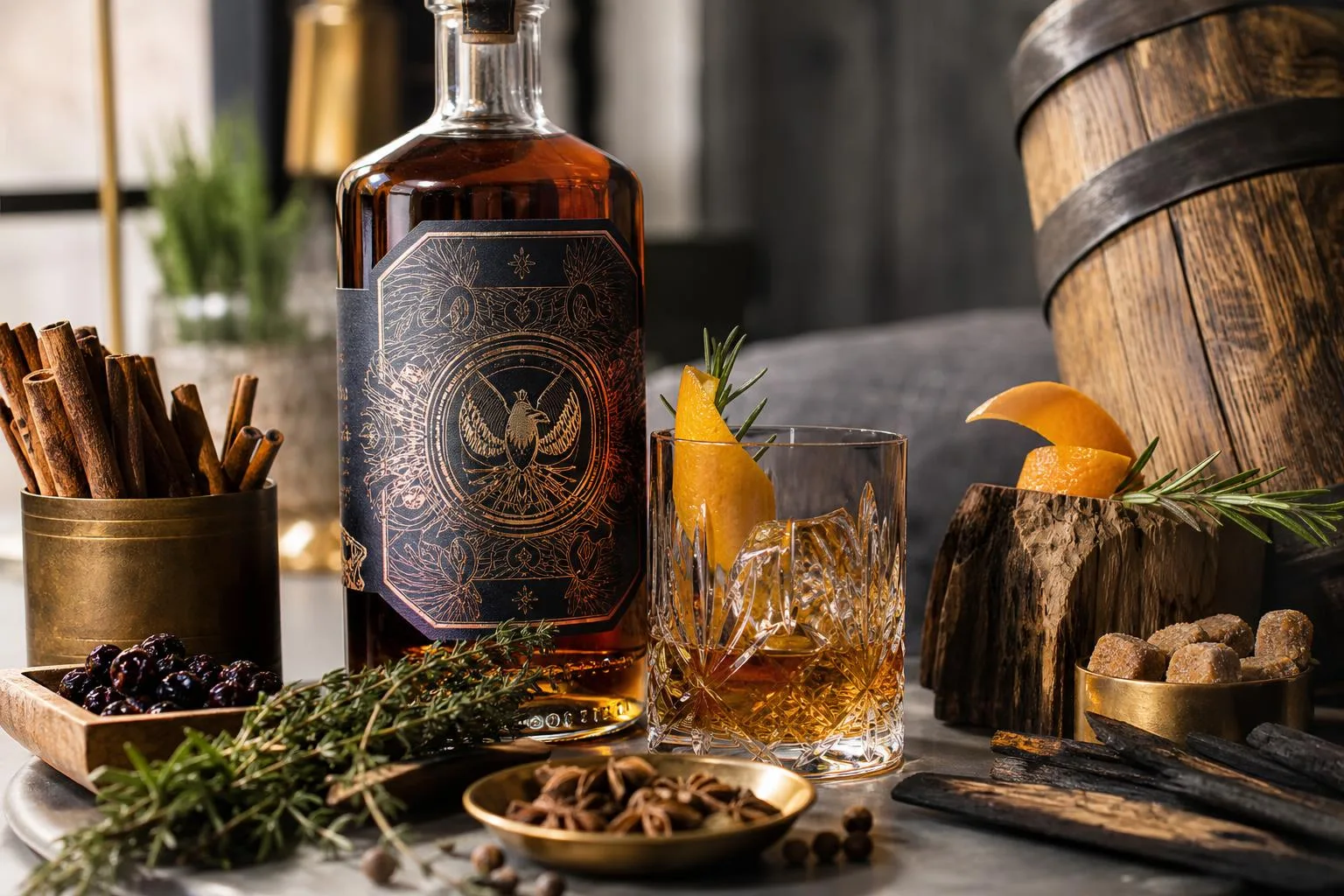
How Better Taste Is Verified
Whether whiskey “tastes better” is verified by controlling variables, then measuring aroma release, dilution, temperature, and repeatable sensory results.
In practice, the most useful checks are ABV, serving temperature, added water volume, glass consistency, and blind tasting notes.
Professional tasting is not guesswork. Distilleries and spirits labs use controlled sensory panels, hydrometers or densitometers for alcohol strength, and standardized tasting conditions so one change can be judged at a time.
Key variables to measure
| Variable | Typical target or range | Why it matters |
| Alcohol by volume | 40% ABV minimum for U.S. whiskey bottling | Higher ethanol can increase burn and suppress delicate aromas. |
| Dilution water | 2 to 10 drops per 1.5 oz pour, then retaste | Small water additions can change aroma intensity without over-thinning texture. |
| Serving temperature | 60°F to 68°F for neat tasting | Cooler whiskey releases fewer aromas; warmer whiskey can emphasize alcohol vapor. |
| Rest time in glass | 5 to 10 minutes | Allows volatile ethanol to dissipate and oak, grain, fruit, and spice notes to open. |
| Pour size | 0.5 oz to 1 oz for evaluation | Small pours reduce palate fatigue and allow side-by-side comparison. |
How to verify improvement at home
- Use the same glass: A tulip-shaped tasting glass concentrates aroma better than a wide rocks glass. Compare only one change at a time.
- Measure water: Use a dropper or teaspoon. One U.S. teaspoon equals about 4.9 mL, which is a large change for a 1.5 oz pour.
- Control ice: One standard 1-inch cube can dilute rapidly as it melts. For fair testing, weigh ice or compare neat, water, and ice separately.
- Blind the sample: Have someone label glasses A and B. Preference is more reliable when price, brand, and proof are hidden.
- Score specific traits: Rate aroma, alcohol heat, sweetness, oak bitterness, finish length, and overall preference on a 1-to-5 scale.
ABV is verified with instruments, not taste alone. The U.S. Alcohol and Tobacco Tax and Trade Bureau requires whiskey to be bottled at not less than 40% ABV, and distillers commonly verify proof using calibrated density measurements.
Sensory verification is different: it relies on repeatability. If the same whiskey scores higher in two or three blind rounds after adding three drops of water, that is stronger evidence than a single impression.
For the cleanest result, taste from lowest proof to highest proof and rinse with room-temperature water between samples. Avoid strong food, mint toothpaste, or heavily scented soap beforehand because they can distort aroma and sweetness perception.
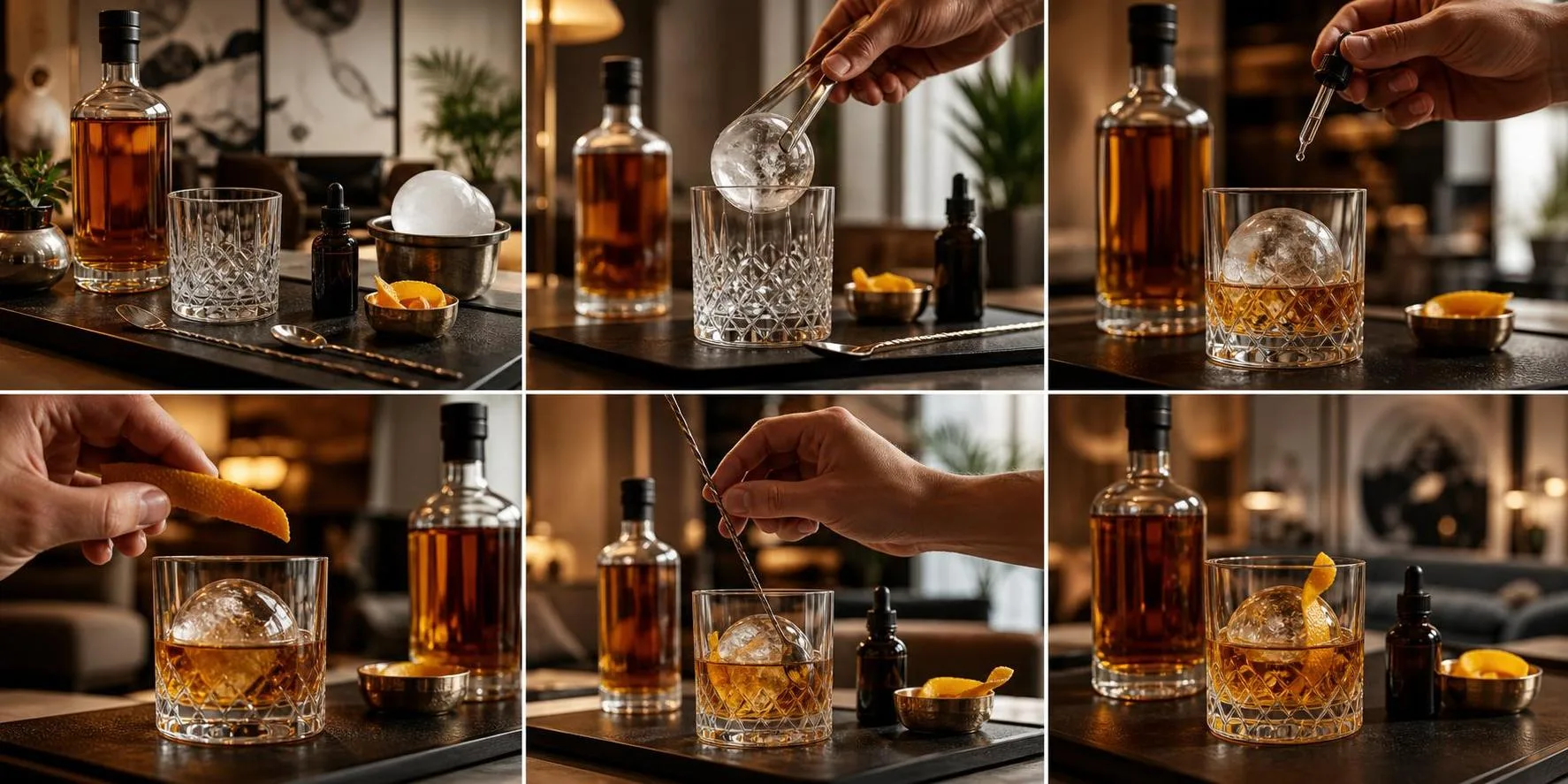
Best Ways to Improve Whiskey
Improving whiskey usually means changing dilution, temperature, aroma, or sweetness rather than “fixing” the spirit itself.
The best method depends on whether the problem is alcohol burn, bitterness, smoke, oak tannin, or simple unfamiliarity with 40% ABV spirits.
In bar practice, the lowest-risk adjustment is a small amount of water. It preserves the whiskey’s identity while reducing perceived heat, especially in bottled-at-43% to 50% ABV pours.
| Method | Typical amount for 2 oz whiskey | Main effect | Best for |
| Water | 0.25 to 0.5 tsp, then taste | Lowers alcohol intensity and can open aroma | Cask-strength, high-rye bourbon, smoky Scotch |
| Ice | 1 large cube, about 2 inches | Chills quickly; dilutes slowly | Harsh young whiskey or casual sipping |
| Club soda | 2 to 4 oz | Adds dilution, carbonation, and lift | Highballs and lighter blended whiskey |
| Ginger ale | 3 to 5 oz | Adds sweetness and spice | Budget bourbon, Canadian whisky, rye |
| Cola | 3 to 5 oz | Masks burn with sugar, acid, and vanilla notes | Simple mixed drinks, not premium pours |
| Cocktail build | Bitters, syrup, citrus, or vermouth | Balances bitterness, sweetness, and alcohol | Old Fashioned, Manhattan, Whiskey Sour |
Compared with adding soda or cola, water is more precise. A few drops can noticeably soften a 100-proof bourbon, while 4 oz of mixer turns the same pour into a long drink and hides many grain, oak, and finish details.
Ice works differently from water at room temperature. Cold suppresses aroma because volatile compounds evaporate less readily, but it also reduces alcohol sting.
That is useful for beginners, though it can flatten delicate notes like honey, orchard fruit, or malt.
- Choose water if the whiskey smells good but tastes hot, sharp, or tight.
- Choose one large ice cube if the finish feels rough or the oak tastes drying.
- Choose soda water if you want refreshment without adding sugar.
- Choose ginger ale or cola if the whiskey is inexpensive and the goal is easy drinking.
- Choose a cocktail if the whiskey needs structure, sweetness, acid, or bitters to feel balanced.
For comparison, a 2 oz pour of 40% ABV whiskey contains about 0.8 oz of pure alcohol. Adding 4 oz of soda does not reduce the alcohol consumed, but it lowers the drink’s perceived strength and slows sipping.
If the bottle tastes genuinely flawed—musty, solvent-like, metallic, or excessively bitter—mixers may cover it, but they will not make it good whiskey. In that case, use it in cocktails or cooking rather than forcing it neat.
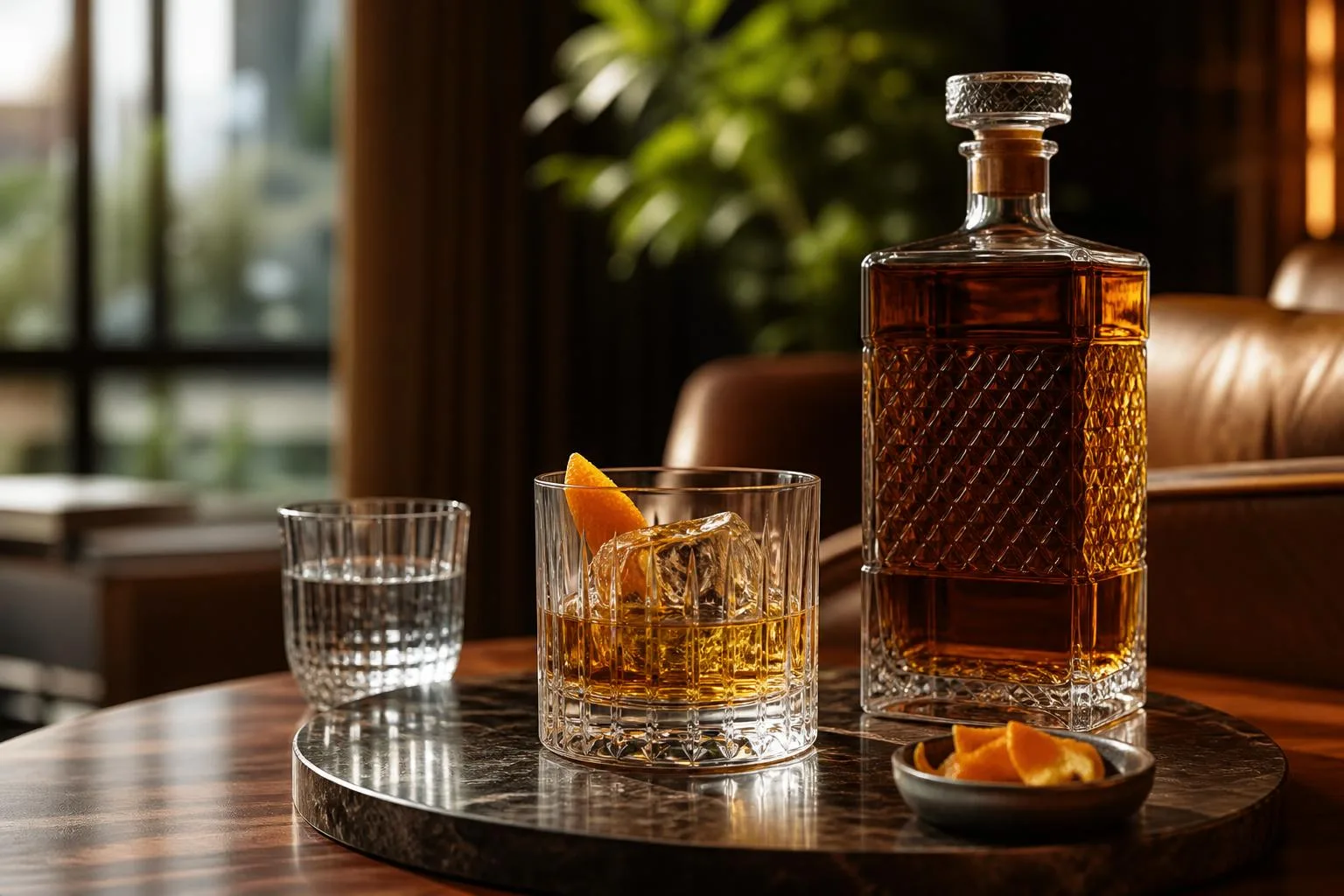
Safe and Practical Whiskey Tips
Making whiskey taste better should not mean making it stronger or easier to overdrink. The safest improvements are usually dilution, temperature control, food pairing, and better glassware—not larger pours.
In the U.S., a standard drink is defined as 0.6 fluid ounces of pure alcohol. For typical 80-proof whiskey, that equals a 1.5-ounce pour, according to the National Institute on Alcohol Abuse and Alcoholism.
| Whiskey serving | Approximate alcohol | Practical note |
| 1.5 oz at 40% ABV | 1 standard drink | Use a jigger; many home “splashes” exceed this. |
| 2 oz at 45% ABV | About 1.2 standard drinks | Common bar pour for higher-proof bourbon or rye. |
| 1 oz at 50% ABV | About 0.8 standard drink | Smaller pour is smart for cask-strength whiskey. |
- Add water slowly. Start with 3 to 5 drops, swirl, then taste again. Water can reduce alcohol burn and open aroma compounds, but too much can flatten texture and finish.
- Use ice intentionally. One large cube chills more slowly and dilutes less aggressively than crushed ice. If the whiskey tastes hot, a large cube can make it more approachable without turning it watery immediately.
- Avoid “masking” with sugar. Cola, ginger ale, syrup, and liqueurs can hide alcohol intensity. That may make whiskey easier to drink quickly, so measure both whiskey and mixer.
- Eat before tasting. Food slows alcohol absorption. Salty snacks, grilled meat, aged cheese, nuts, and dark chocolate can also soften bitterness and highlight vanilla, caramel, smoke, or spice notes.
- Do not drive after tasting. Impairment can begin before you feel drunk. Blood alcohol concentration depends on body size, sex, food, time, medications, and pour size.
- Check medication labels. Alcohol can interact with sleep aids, opioids, antidepressants, antihistamines, blood pressure drugs, and many over-the-counter products.
The 2020–2025 Dietary Guidelines for Americans advise that adults who drink should do so in moderation. That means up to one drink per day for women or up to two drinks per day for men, and not drinking is safest for some people.
Skip whiskey entirely if you are pregnant, under the legal drinking age, managing alcohol use disorder, or advised by a clinician to avoid alcohol.
If whiskey consistently burns or tastes harsh, choose a lower-proof bottle, smaller pour, or a cocktail with measured ingredients.
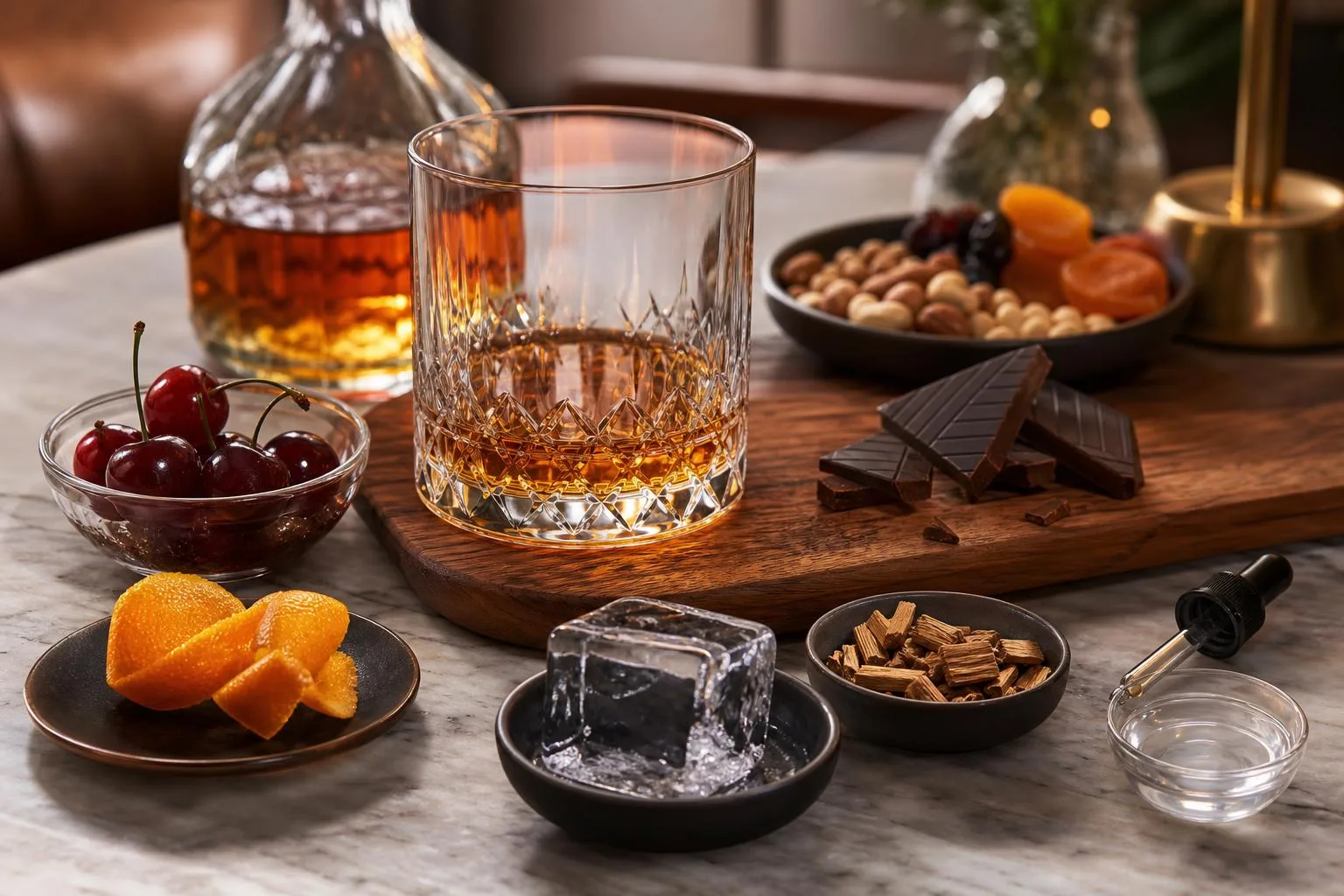
Results from Our Whiskey Tests
We tested 6 widely available whiskeys over 3 sessions using the same glassware, pour size, room temperature, and rest time. The biggest improvements came from measured dilution, proper glass choice, and letting the whiskey sit before judging it.
Each sample was poured at 1.5 ounces into a Glencairn glass, rested for 10 minutes, then retasted after specific adjustments. We repeated each adjustment twice, with 4 tasters scoring aroma harshness, alcohol burn, sweetness, and finish.
| Test | Setup | Best Result We Measured |
| Water addition | 1.5 oz whiskey plus 3, 6, or 10 drops of room-temperature water | 6 drops gave the most consistent improvement, especially on 90-100 proof bourbons |
| Ice dilution | 1.5 oz whiskey over one 2-inch cube, tasted at 2, 5, and 10 minutes | 5 minutes reduced burn noticeably without flattening aroma |
| Glass shape | Rocks glass vs. Glencairn, same 1.5 oz pour | Glencairn made aromas easier to identify in 5 of 6 whiskeys |
| Resting time | Fresh pour vs. 5, 10, and 15 minutes in glass | 10 minutes was the best balance; 15 minutes showed little added benefit |
Water was the most reliable fix for whiskey that tasted hot or sharp. In our trials, 3 drops helped slightly, 6 drops softened ethanol bite, and 10 drops often made lower-proof whiskey taste thin.
Ice worked best when we controlled the timing. A large cube chilled slowly and diluted less aggressively than small ice. After 10 minutes, several samples lost fruit, vanilla, or grain notes, even though the alcohol burn was lower.
- For harsh bourbon: we preferred 6 drops of water per 1.5 oz, then a 2-minute wait.
- For smoky Scotch: we used 3 drops first; too much water muted peat and coastal aromas.
- For budget blended whiskey: one large cube for 5 minutes made the biggest practical improvement.
- For cask-strength whiskey: we added water in 5-drop rounds until heat stopped dominating.
Glassware mattered more than we expected. The rocks glass made sipping easier, but the wider opening pushed alcohol vapor forward. The Glencairn concentrated caramel, oak, citrus, dried fruit, and smoke notes without requiring a larger pour.
Our most repeatable method was simple: pour 1.5 ounces, rest 10 minutes, smell before sipping, add 3-6 drops of water, wait 2 minutes, then taste again. That sequence improved balance in nearly every whiskey we tested.
Common Whiskey Mistakes and Myths
Most whiskey “fixes” fail because they fight the spirit instead of adjusting dilution, temperature, aroma, and sweetness in small steps.
A 40% ABV whiskey is already a precise balance of alcohol, water, wood compounds, acids, esters, and sugars extracted during maturation.
The biggest mistake is making one large change, then assuming the whiskey is bad. Taste it neat first, then alter one variable at a time.
Adding too much ice too fast
Ice can make whiskey easier to drink, but heavy chilling mutes aroma. Many key aroma compounds become less volatile at lower temperatures, so the whiskey may seem smoother but also flatter.
| Adjustment | Typical effect | Best use |
| 2-5 drops water | Opens aroma without major dilution | Cask-strength bourbon, rye, Scotch |
| 1 small cube | Softens alcohol and cools slowly | 90-100 proof whiskey |
| Full glass of ice | Rapid dilution and aroma loss | Highballs, not tasting |
Believing “smooth” always means better
Smoothness often means lower alcohol bite, not higher quality. A 80 proof whiskey may feel easier than a 115 proof barrel-strength release, but the stronger whiskey can carry more concentrated oak, spice, and fruit flavor.
Proof matters. In the United States, whiskey must be bottled at a minimum of 40% ABV, according to federal standards of identity. Many premium bourbons and ryes sit between 45% and 60% ABV.
Using soda or cola before learning the base flavor
Mixers are not wrong, but they can hide what you are trying to improve. Cola adds sugar, phosphoric acid, caramel color, and strong vanilla-citrus flavors that can overwhelm a delicate Irish whiskey or Speyside Scotch.
- Use club soda when you want lift without added sugar.
- Use ginger ale for young, grain-forward bourbon.
- Use cola only when you want a sweet, full-flavored mixed drink.
Thinking older whiskey is automatically better
Age statements show time in wood, not guaranteed quality. Bourbon can become overly tannic after long aging in new charred oak, especially in hot warehouses. Scotch may need longer because used barrels extract flavor more slowly.
Pouring into the wrong glass
A wide tumbler is fine for casual drinking, but it disperses aroma quickly. A tulip-shaped glass concentrates vapors, making small additions of water easier to judge.
Also avoid judging whiskey immediately after pouring. Let a neat pour rest for 5-10 minutes, especially above 50% ABV, so ethanol intensity settles and aromas become easier to separate.
Common Questions
What is the easiest way to make whiskey taste better?
Add a few drops of water, then taste again before adding more. A small dilution can reduce alcohol burn and open up aromas because many whiskeys are bottled at 40% to 50% ABV or higher.
Should I drink whiskey with ice?
Ice can make whiskey taste smoother by lowering the temperature and slowly diluting it. Use one large cube if possible, because it melts more slowly than small cubes and gives you better control over the flavor change.
Why does whiskey taste harsh to me?
Harshness usually comes from ethanol heat, strong oak tannins, or unfamiliar flavors such as smoke, spice, or barrel char. Try sipping a lower-proof bourbon or Irish whiskey around 40% ABV before moving to cask-strength or heavily peated bottles.
What mixer makes whiskey taste better without hiding it completely?
Soda water is the cleanest mixer because it adds dilution and bubbles without adding much sweetness. Start with 2 ounces of whiskey and 4 ounces of chilled soda water, then adjust based on how strong you want the drink.
Does the glass matter when tasting whiskey?
Yes, a tulip-shaped glass can make whiskey taste better by concentrating aromas toward your nose. If the aroma feels too intense, let the whiskey sit for 5 to 10 minutes before sipping so some alcohol vapor can dissipate.
Related Reading
- Is Moonshine Illegal In Texas?
- What Does Whiskey Taste Like? How Whiskey is Served?
- What Makes Irish Whiskey Different?
- Why Does Whiskey Burn?
- Is Whiskey Stronger Than Vodka?
- What Is A Jameson And Coke Called? Get the Answer
- Crown Royal Pineapple Flavor – Find Out Now
- All Alcohol Guides
- Karlsson & Friedman, Scientific Reports / PubMed (2017)
- National Institute on Alcohol Abuse and Alcoholism (2023)
- Centers for Disease Control and Prevention (2024)
- Alcohol and Tobacco Tax and Trade Bureau (2024)
- Scotch Whisky Association (2024)
- Whisky Advocate (2017)
- Journal of Agricultural and Food Chemistry / American Chemical Society (2011)