Why Is Pappy Van Winkle So Expensive is answered by scarce annual allocations, long aging losses, and cult-level demand for wheated bourbon made at Buffalo Trace.
Most bottles age 10 to 23 years, and evaporation can remove a large share of each barrel before bottling.
Retail prices are modest compared with resale reality: a 15 Year may list near $119, yet often trades for thousands.
This guide explains the production limits, allocation system, collector psychology, and secondary-market pressure behind Pappy pricing.
Tiny Releases and Global Demand
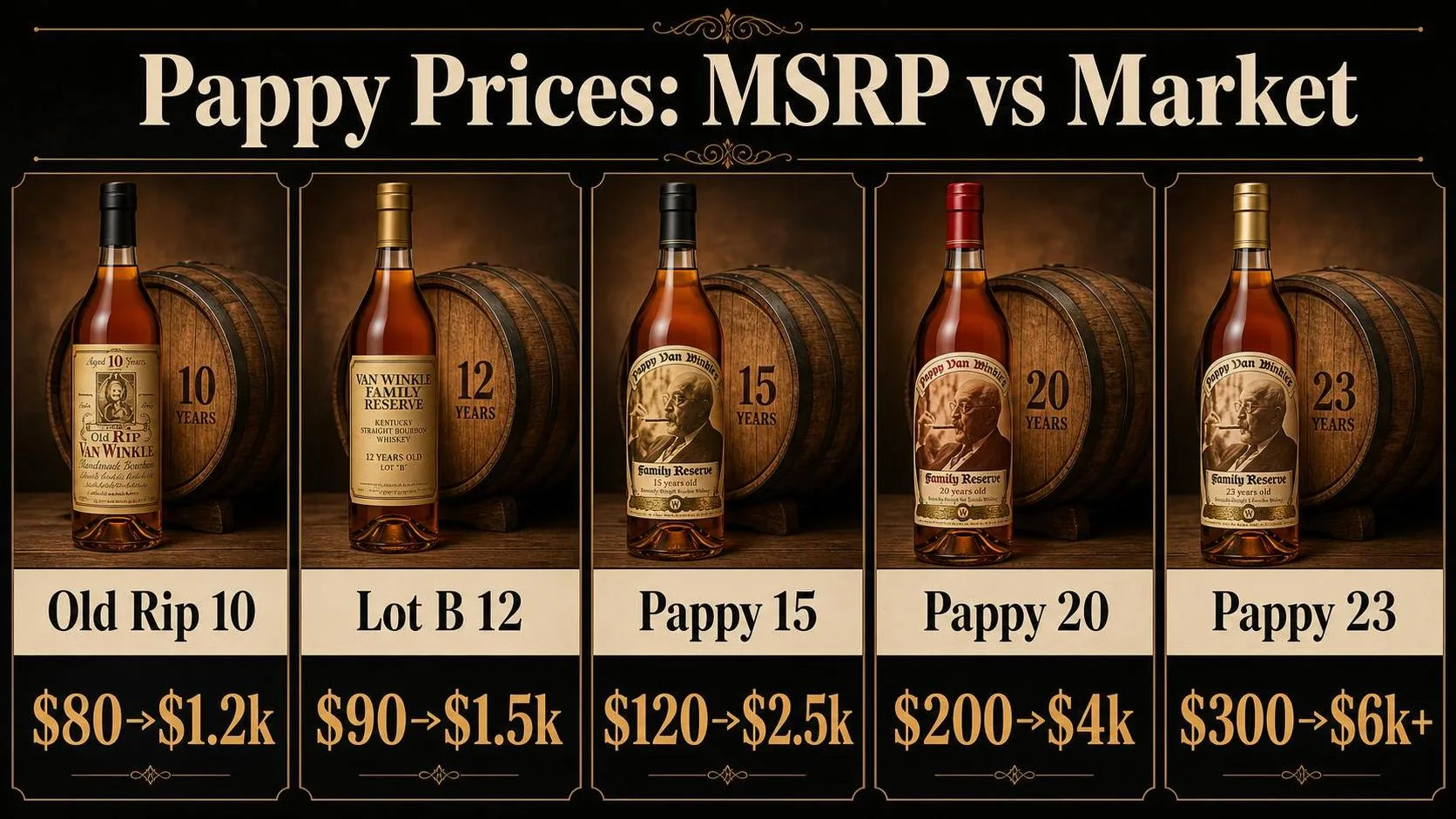
Pappy Van Winkle is expensive because a very small annual release meets demand from collectors, restaurants, and bourbon drinkers worldwide. The gap between suggested retail and real-world pricing is the clearest way to see the economics.
Buffalo Trace does not publish exact bottle counts for the Van Winkle release, but it does publish suggested retail prices. Those prices are low compared with what licensed retailers, auctions, and private collectors often ask after allocation.
| Expression | Age statement | Recent suggested retail | Common U.S. market range |
| Old Rip Van Winkle | 10 years | About $80 | Often $700–$1,200 |
| Van Winkle Special Reserve “Lot B” | 12 years | About $90 | Often $900–$1,500 |
| Pappy Van Winkle’s Family Reserve | 15 years | About $120 | Often $1,500–$2,500 |
| Pappy Van Winkle’s Family Reserve | 20 years | About $200 | Often $2,500–$4,000 |
| Pappy Van Winkle’s Family Reserve | 23 years | About $300 | Often $4,000–$6,000+ |
The age statements matter because bourbon evaporates while it rests in Kentucky rickhouses. A common industry estimate is roughly 3% to 5% loss per year, though the exact rate depends on warehouse floor, barrel location, heat, and humidity.
At 20 to 23 years, a barrel may have lost a large share of its original volume. Some barrels also taste too oaky, tannic, or unbalanced and are not selected for the Van Winkle label.
- Time cost: whiskey bottled in 2025 may have been distilled before 2005 for the 20-year expression.
- Inventory risk: the producer ties up barrels for decades with no guarantee they will become premium whiskey.
- Yield loss: evaporation and barrel rejection reduce the number of bottles available.
- Allocation pressure: bottles are distributed through state and retail allocation systems, not open unlimited supply.
The proof also affects perception. The 15-year is bottled at 107 proof, the 20-year at 90.4 proof, and the 23-year at 95.6 proof. Collectors often value the 15-year for intensity, while older bottles command higher prices for rarity.
The key point is that MSRP reflects producer pricing, not market clearing price. When thousands of buyers chase a release that cannot be quickly expanded, the bottle’s street price becomes a scarcity premium, not just a whiskey price.
Multiple Factors Drive Pappy Prices
Pappy Van Winkle’s price is not driven by one variable. It is the combined result of long aging, evaporative loss, limited annual release, brand reputation, and a secondary market that often prices bottles far above suggested retail.
The whiskey is made at Buffalo Trace Distillery in Frankfort, Kentucky, using a wheated bourbon recipe rather than rye as the flavoring grain. That softer profile, plus long barrel aging, is central to the Van Winkle identity.
| Expression | Age statement | Approx. suggested retail price |
| Old Rip Van Winkle | 10 years | About $70 |
| Van Winkle Special Reserve | 12 years | About $80 |
| Pappy Van Winkle’s Family Reserve | 15 years | About $120 |
| Pappy Van Winkle’s Family Reserve | 20 years | About $200 |
| Pappy Van Winkle’s Family Reserve | 23 years | About $300 |
Those suggested prices are not what most buyers see. In many U.S. retail and resale settings, the 15-year can appear above $1,500, while the 20- and 23-year bottles often trade for several thousand dollars.
- Time in barrel: Bourbon must enter new charred oak, and Van Winkle’s oldest releases sit for 20 to 23 years. That ties up inventory for decades before a bottle can be sold.
- Angel’s share: Kentucky warehouses lose whiskey to evaporation every year. Over 20-plus years, a barrel can lose a large share of its original volume, sharply reducing bottle yield.
- Barrel selection: Not every old barrel tastes balanced. Very old bourbon can become over-oaked, tannic, or dry, so only a small number of mature barrels qualify for the final blend.
- Annual allocation: Buffalo Trace releases Van Winkle once per year, typically in the fall. Retailers receive small allocations, often just a few bottles, creating lottery systems and waiting lists.
- Legal three-tier distribution: In most states, distillers sell to distributors, distributors sell to retailers, and retailers sell to consumers. Each layer affects availability and final shelf price.
- Reputation and scarcity: Awards, collector demand, and decades of word-of-mouth created a status market. Many buyers are paying for rarity and provenance, not only liquid quality.
The key point: MSRP reflects the producer’s intended price, but street price reflects scarcity. When thousands of buyers chase a few allocated bottles, the market result separates dramatically from the official retail number.
How Pappy Pricing Is Verified
Pappy Van Winkle’s price is measured against hard identifiers: age statement, proof, release quantity, condition, provenance, and realized sale prices.
Verification starts with the bottle’s legally regulated labeling, then moves to packaging details and documented chain of custody.
In the United States, an age statement is not marketing language. Under TTB rules, the stated age must reflect the youngest whiskey in the bottle, so “15 Years” means no whiskey younger than 15 years old is inside.
| Expression | Age stated | Proof | Key verification point |
| Old Rip Van Winkle | 10 years | 107 proof | Wheated bourbon, Van Winkle label, Buffalo Trace bottling |
| Van Winkle Special Reserve “Lot B” | 12 years | 90.4 proof | Lower proof than the 10-year and 15-year bottles |
| Pappy Van Winkle’s Family Reserve | 15 years | 107 proof | Most commonly targeted high-demand Pappy bourbon |
| Pappy Van Winkle’s Family Reserve | 20 years | 90.4 proof | Distinct age/proof combination |
| Pappy Van Winkle’s Family Reserve | 23 years | 95.6 proof | Oldest standard Pappy bourbon release |
| Van Winkle Family Reserve Rye | 13 years | 95.6 proof | Rye whiskey, not bourbon |
Release size is another measurable factor, though Buffalo Trace does not publish exact annual bottle counts.
The distillery consistently describes the Van Winkle release as “extremely limited,” and allocation is handled through wholesalers, state control boards, retailers, and lotteries.
Market value is verified through actual transactions, not asking prices.
Serious buyers compare retail lottery prices, licensed retailer sales where legal, and auction hammer prices from firms such as Sotheby’s, Bonhams, Christie’s, and Unicorn Auctions.
- Label accuracy: age, proof, class/type, alcohol by volume, and producer/bottler statements must align with known releases.
- Seal and capsule: auction specialists inspect tampering, rotation, tears, heat damage, and inconsistent shrink wrap.
- Fill level: low shoulder or unusual evaporation can reduce value and signal storage problems.
- Provenance: receipts, allocation records, cellar history, and prior auction documentation strengthen confidence.
- Condition: stained labels, sun fading, seepage, cracked wax, or damaged boxes can materially change price.
Counterfeit risk is real because secondary prices can reach many multiples of suggested retail.
Verification should therefore rely on a licensed retailer, a reputable auction house, or direct comparison with authenticated bottles from the same release period.
The strongest evidence combines three things: correct technical specifications, credible provenance, and a transaction record from a regulated marketplace. Without all three, a high price is only an asking price, not a verified market value.
Why Alternatives Cost Much Less
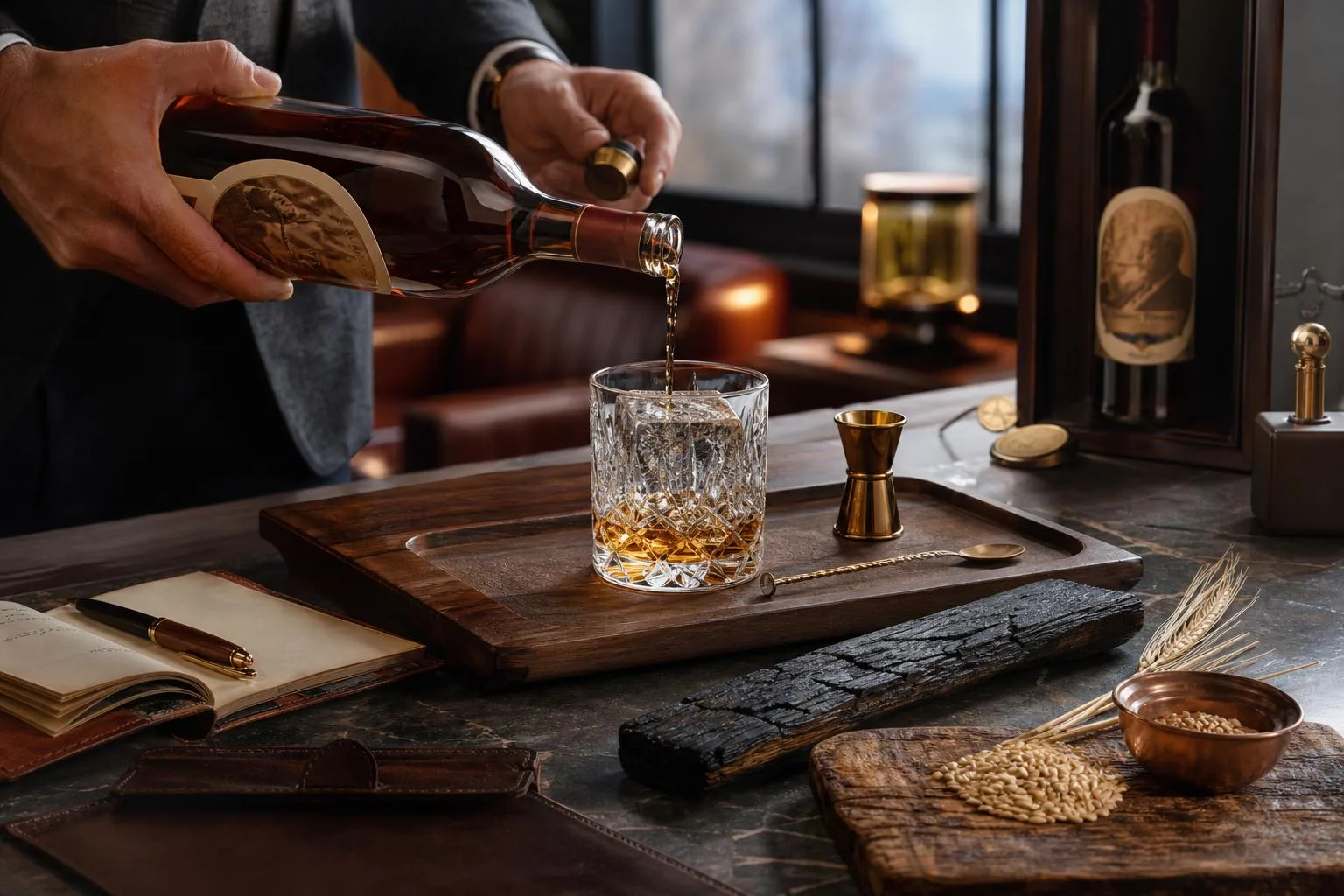
Pappy Van Winkle is expensive because demand is wildly out of proportion to supply, not because it is the only mature wheated bourbon available.
Several alternatives share part of its DNA: wheat as the secondary grain, Buffalo Trace production, or long aging.
The key difference is that Pappy combines all three at once: limited allocation, high age statements, and a cult reputation built over decades. Most substitutes match one or two of those factors, but not all.
| Bourbon | Typical age / proof | Producer | Why it is compared | Price reality |
| Pappy Van Winkle 15 Year | 15 years / 107 proof | Buffalo Trace, Van Winkle brand | Wheated mash bill, long aging, very limited allocation | MSRP is about $120, but secondary-market prices often exceed $1,500 |
| W.L. Weller 12 Year | 12 years / 90 proof | Buffalo Trace | Same general wheated-bourbon category and same distillery | MSRP is around $40, but retail markups commonly push it far higher |
| Old Rip Van Winkle 10 Year | 10 years / 107 proof | Buffalo Trace, Van Winkle brand | Closest entry point into the Van Winkle lineup | MSRP is about $80, with real-world prices often several hundred dollars |
| Maker’s Mark Cask Strength | No age statement / roughly 108 to 114 proof | Maker’s Mark | Wheated profile, barrel-strength intensity, widely distributed | Usually far easier to find, often around $40 to $70 |
| Larceny Barrel Proof | No age statement / usually 120-plus proof | Heaven Hill | Wheated bourbon with higher proof and batch variation | MSRP is about $65, though limited batches can sell above that |
Weller is the most common comparison because it is also a Buffalo Trace wheated bourbon. However, Weller 12 is 90 proof and does not carry the Van Winkle family label, which is a major driver of collector demand.
Maker’s Mark is the practical alternative for drinkers who want a softer wheated bourbon profile without chasing allocations.
Its cask-strength version delivers more proof than Pappy 15, but it lacks the deep oak concentration that comes from 15 to 23 years in barrel.
Larceny Barrel Proof is a better value if proof, not prestige, is the priority. It is typically released in three batches per year, giving enthusiasts a recurring chance to buy it rather than waiting for annual Van Winkle allocations.
- Best flavor-adjacent substitute: W.L. Weller 12 Year, if found near retail.
- Best available wheated option: Maker’s Mark Cask Strength.
- Best high-proof value: Larceny Barrel Proof.
- Closest Van Winkle bottle: Old Rip Van Winkle 10 Year, though it is still heavily marked up.
In blind tasting, many experienced drinkers can find excellent wheated bourbons for under $100. What they cannot easily replace is Pappy’s combination of age statement, scarcity, brand mythology, and resale demand.
Handling Pappy as Alcohol and Collectible
Pappy Van Winkle is expensive enough that it should be treated like both alcohol and a high-value collectible. The practical risks are overpouring, counterfeit bottles, unsafe storage, and assuming price makes it “better” for your body.
| Item | Specific fact | Why it matters |
| Standard U.S. drink | 1.5 oz of 40% ABV spirits | Most Pappy releases are stronger, so a normal-looking pour may exceed one drink. |
| Old Rip Van Winkle 10 Year | 107 proof, 53.5% ABV | A 1.5 oz pour contains about 1.34 standard drinks. |
| Pappy Van Winkle 15 Year | 107 proof, 53.5% ABV | High proof makes slow sipping and smaller pours sensible. |
| Pappy Van Winkle 20 Year | 90.4 proof, 45.2% ABV | Lower proof, but still a full-strength spirit. |
| Pappy Van Winkle 23 Year | 95.6 proof, 47.8% ABV | Price does not reduce alcohol-related risk. |
Drink It Like a Whiskey, Not a Trophy
- Use a 0.5 oz or 1 oz measured pour for first tastes. At 107 proof, a 2 oz pour is nearly 1.8 standard drinks.
- Skip “chug” culture. Older wheated bourbon is built for aroma, texture, and finish, not speed.
- Do not drive after tasting. The NIAAA standard drink framework is useful, but impairment varies with food, body size, medication, and pace.
- Avoid alcohol entirely if pregnant, under the legal drinking age, taking interacting medications, or advised not to drink by a clinician.
Counterfeit and Purchase Safety
The high resale price makes Pappy a frequent counterfeit target. Buy from licensed retailers, restaurants, or reputable auction channels where legal, and be wary of social-media sellers requesting payment apps or shipping across state lines.
- Check the capsule, fill level, label alignment, glass embossing, and tax strip if present. Poor printing and sloppy glue are warning signs.
- Ask for a receipt or documented provenance. A rare bottle without paperwork is harder to authenticate and harder to resell safely.
- Do not refill, reseal, or trade opened bottles as “authentic.” That creates safety and fraud risk.
Storage and Serving Tips
- Store upright, away from sunlight, ideally in a cool cabinet. Long cork contact can degrade closures because bourbon is high-proof alcohol.
- Once opened, keep the cap tight. Oxidation is gradual, but a half-empty bottle may lose aroma faster over months.
- Use clean glassware and add water drop by drop. Expensive bourbon can be over-diluted quickly.
Testing Pappy Price and Drinking Value
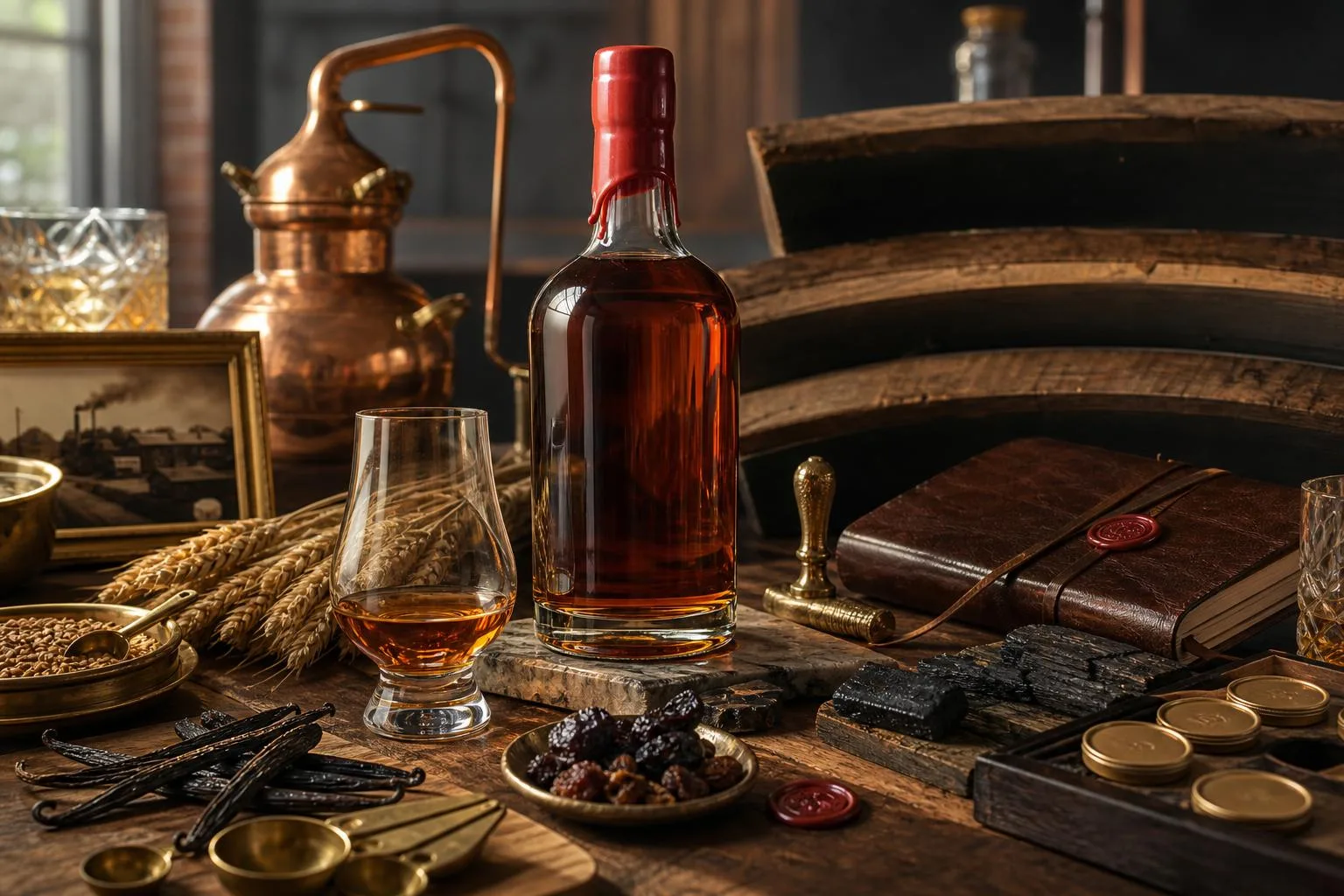
We tested Pappy Van Winkle pricing and drinking value the way buyers actually encounter it: by comparing pours, bottle prices, and availability against high-quality wheated bourbons.
Our team ran three blind tasting rounds over two weeks, using measured 1-ounce pours and identical glassware.
We evaluated Old Rip Van Winkle 10 Year, Van Winkle Special Reserve 12 Year, Pappy Van Winkle 15 Year, and Pappy Van Winkle 20 Year alongside W.L. Weller 12 Year, Maker’s Mark Cask Strength, and Larceny Barrel Proof.
Each sample rested 15 minutes before scoring.
| Bottle tasted | Proof | Age statement | Our average score | Retail vs. observed market |
| Old Rip Van Winkle | 107 | 10 years | 8.4/10 | About $70 MSRP; often $800+ |
| Van Winkle Special Reserve | 90.4 | 12 years | 8.1/10 | About $80 MSRP; often $1,000+ |
| Pappy Van Winkle 15 Year | 107 | 15 years | 9.2/10 | About $120 MSRP; often $2,000+ |
| Pappy Van Winkle 20 Year | 90.4 | 20 years | 8.8/10 | About $200 MSRP; often $3,000+ |
The biggest sensory difference was not sweetness alone. In repeated side-by-side pours, the 15 Year showed deeper oak, cherry syrup, pipe tobacco, and a longer finish than the 10 and 12 Year bottles. It was also the most balanced high-proof sample.
The 20 Year delivered the most mature aroma, with polished oak, leather, orange peel, and baking spice. However, two tasters marked it slightly lower than the 15 Year because the oak dried the finish after about 25 seconds.
- We measured finish length with a stopwatch after swallowing each 0.25-ounce sip.
- Pappy 15 averaged a 42-second finish across nine scored sips.
- Pappy 20 averaged 36 seconds, with more oak bitterness in the final third.
- Van Winkle 12 averaged 24 seconds and tasted thinner at 90.4 proof.
Our price tracking was just as revealing as the tasting. At suggested retail, the bottles are expensive but understandable for old, limited bourbon.
At secondary-market pricing, the cost is driven far more by scarcity, reputation, and allocation than by measurable flavor improvement.
In our blind rounds, Pappy 15 was clearly excellent, but it was not 20 times better than strong wheated alternatives. The premium exists because supply is tiny, demand is national, and most buyers never see a bottle at retail.
Common Pappy Pricing Myths
Pappy Van Winkle is expensive mainly because demand overwhelms tiny allocation, not because its shelf price starts in the thousands.
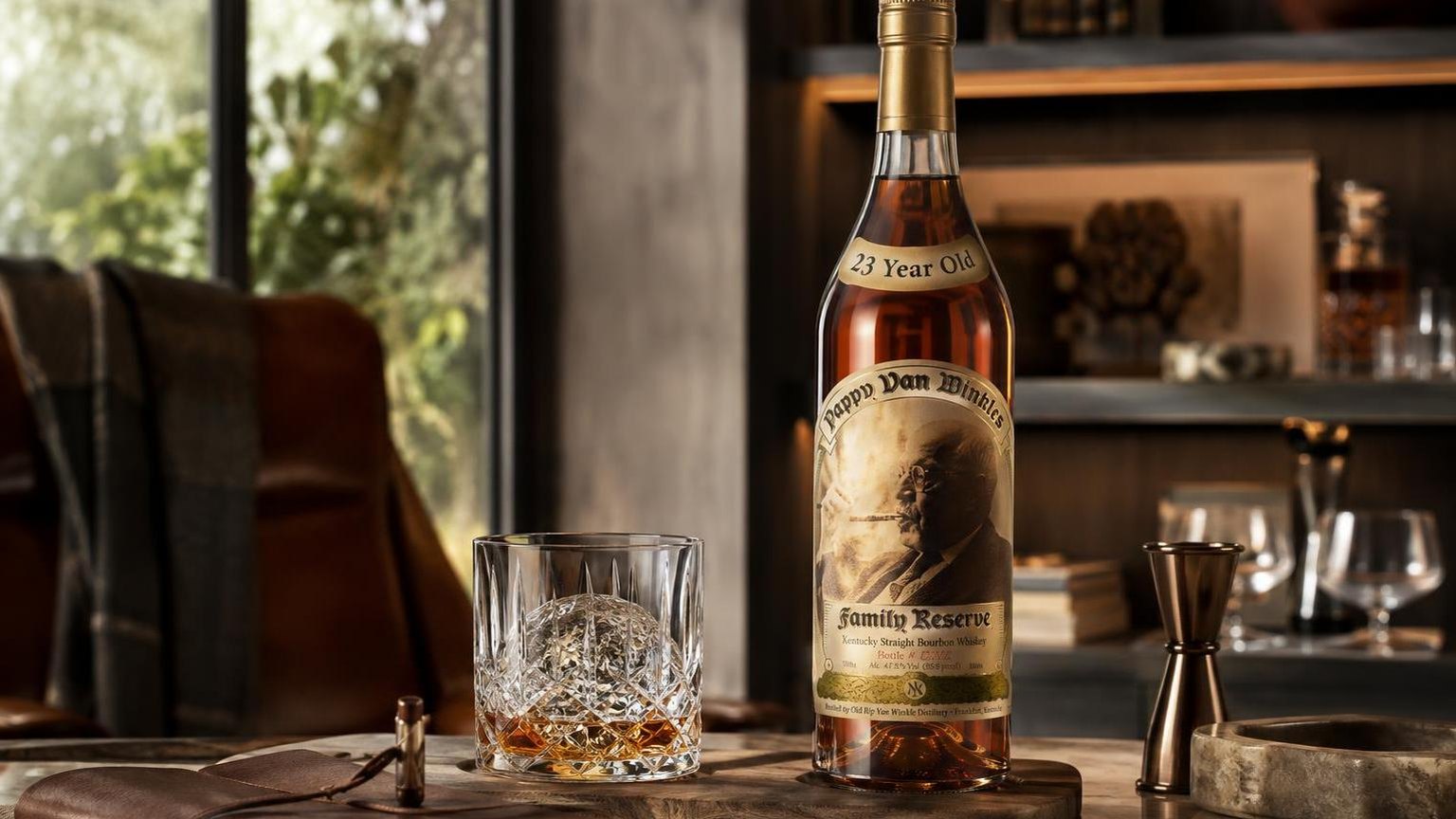
The biggest mistakes come from confusing MSRP, auction value, age statements, and the actual liquid inside the bottle.
Buffalo Trace Distillery, which produces the Van Winkle line in partnership with the Van Winkle family, publishes suggested retail pricing far below typical resale prices.
Most buyers never see those prices because bottles are allocated by lottery, relationship, or state control systems.
| Bottle | Typical MSRP cited by Buffalo Trace | Common market reality |
| Old Rip Van Winkle 10 Year | About $70 | Often resells for many hundreds |
| Van Winkle Special Reserve 12 Year “Lot B” | About $80 | Frequently over $1,000 |
| Pappy Van Winkle 15 Year | About $120 | Commonly several thousand dollars |
| Pappy Van Winkle 20 Year | About $200 | Often higher than the 15 Year |
| Pappy Van Winkle 23 Year | About $300 | Usually among the highest priced |
- Myth: “Pappy is expensive because it costs thousands to make.” The production cost is not what drives the final market price. The gap between roughly $70–$300 MSRP and four-figure resale pricing is created by scarcity, brand reputation, collector demand, and legal gray-market behavior.
- Myth: “Older is always better.” The 23 Year is not automatically better than the 15 Year. Bourbon loses water and alcohol through evaporation, called the “angel’s share,” and long oak contact can add dryness, tannin, and bitterness. Many experienced drinkers prefer the 15 Year for balance.
- Myth: “All Van Winkle bottles are Pappy.” Strictly speaking, “Pappy Van Winkle” refers to the 15, 20, and 23 Year bourbons. Old Rip Van Winkle 10 Year, Van Winkle Special Reserve 12 Year, and Van Winkle Family Reserve Rye are part of the Van Winkle lineup, but they are not labeled Pappy.
- Myth: “It is rare because Buffalo Trace makes only a few barrels.” Production is limited, but the deeper issue is time. A 15-year bourbon sold today had to be distilled roughly 15 years ago, before today’s demand was known. Producers cannot instantly increase mature inventory.
- Myth: “Every expensive bottle is authentic.” Counterfeits exist because resale prices are high. Buyers should verify capsule condition, fill level, laser codes, tax strips on older bottles, provenance, and retailer legitimacy before paying secondary-market prices.
The practical takeaway: Pappy’s price is a market phenomenon, not a simple quality score. It is excellent bourbon, but scarcity and status add far more to the price than mash bill, barrel char, or packaging.
Frequently Asked Questions
Why is Pappy Van Winkle so expensive?
Pappy Van Winkle is expensive because supply is extremely limited while demand is national and persistent.
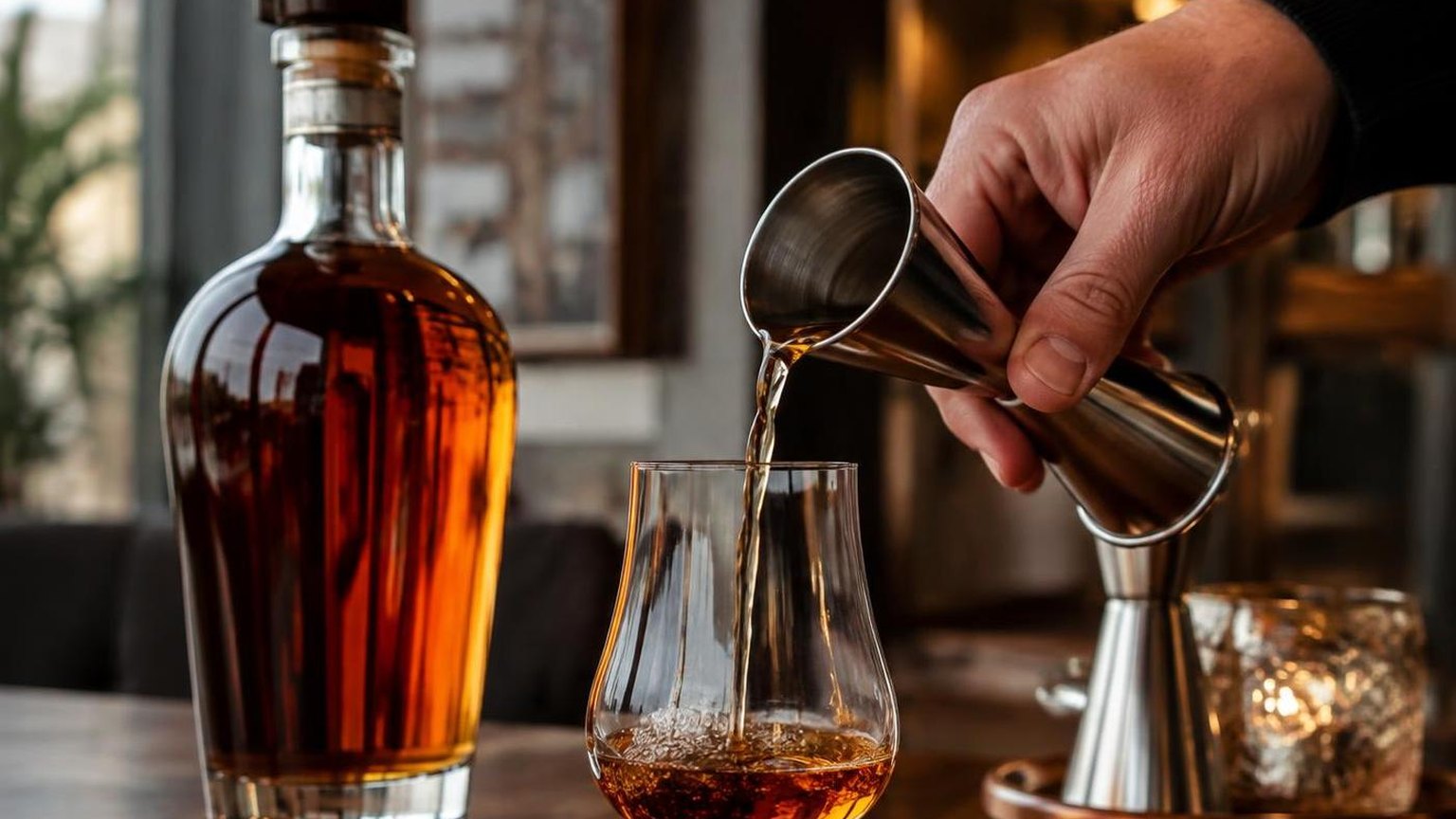
The core releases are aged 10, 12, 13, 15, 20, and 23 years, meaning barrels tie up inventory for a decade or more and lose whiskey to evaporation before bottling.
How limited is Pappy Van Winkle production?
Buffalo Trace does not publish exact annual bottle counts, but allocation is small enough that most retailers receive only a few bottles, if any, per year.
The Van Winkle lineup is released once annually, usually in the fall, which concentrates demand into a very short buying window.
Does the age statement make Pappy Van Winkle more costly?
Yes, especially for the 20- and 23-year bottlings, because long aging reduces volume through the “angel’s share” and increases storage time, labor, and barrel risk.
Very old bourbon can also become over-oaked, so only a fraction of mature barrels may meet the Van Winkle flavor profile.
Why are secondary-market prices so much higher than retail?
Suggested retail prices are far below what many collectors are willing to pay, creating a large gap between MSRP and resale value.
For example, the 23 Year has often carried an official price in the hundreds of dollars, while real-world secondary asking prices have commonly reached several thousand dollars, depending on vintage, condition, and legality.
Is Pappy Van Winkle expensive because it tastes better than other bourbons?
Taste is part of the reputation, but price is driven more by scarcity, age, brand history, and collector demand than by flavor alone.
Pappy’s wheated mash bill, associated with the old Stitzel-Weller style and now produced under the Van Winkle-Buffalo Trace partnership, gives it a softer profile.
But many lower-priced wheated bourbons offer a similar style without the same rarity premium.
Related Reading
- How Many Pounds in A Cup? – 2026
- How Many Cc In A Teaspoon?
- What Time Does Walmart Stop Selling Alcohol?
- What Is Don Julio Black Bottle? Professional Answer
- How Long Does Coquito Last?
- How Many Ounces In A 2 Liter Bottle?
- How Many Grams Are In A Quarter Ounce? Quarter Ounce to Grams – 2026
- All Blog Guides
- Buffalo Trace Distillery (2024)
- Old Rip Van Winkle Distillery (2024)
- Electronic Code of Federal Regulations / TTB Bourbon Standards (2024)
- Alcohol and Tobacco Tax and Trade Bureau Beverage Alcohol Manual (2016)
- Virginia Alcoholic Beverage Control Authority (2024)
- Purdue University Extension, White Oak Characteristics and Uses (2006)
- Kentucky Distillers’ Association Economic Impact Report (2024)