How Many Grams Are In A Quarter Ounce is 7.087 grams. In practical use, a quarter ounce is usually rounded to 7.09 grams, or simply 7 grams when precision is not critical.
The exact conversion comes from the U.S. customary avoirdupois ounce: 1 ounce equals 28.3495 grams, so one-quarter ounce equals 28.3495 ÷ 4 = 7.0874 grams.
This distinction matters in recipes, shipping weights, nutrition labels, and any setting where rounding changes the result. For quick reference, use 7.09 grams for accuracy and 7 grams for everyday estimates.
Quarter Ounce in Grams
A quarter ounce is 7.087 grams when converted using the standard U.S. avoirdupois ounce. In everyday use, you will often see it rounded to 7.09 grams or simply 7 grams, depending on the context.
The exact conversion starts with one avoirdupois ounce, the ounce used for most U.S. food, retail, and household weight measurements. By international agreement, 1 ounce equals 28.349523125 grams. One quarter of that is 28.349523125 ÷ 4.
| Measurement | Exact grams | Common rounded value |
| 1 ounce | 28.349523125 g | 28.35 g |
| 1/2 ounce | 14.1747615625 g | 14.17 g |
| 1/4 ounce | 7.08738078125 g | 7.09 g |
| 1/8 ounce | 3.543690390625 g | 3.54 g |
For cooking, coffee, tea, herbs, spices, and similar kitchen measurements, 7.09 grams is the most useful precise answer. A digital kitchen scale that reads to 0.1 gram would normally show a quarter ounce as about 7.1 grams.
For more exact weighing, such as lab-style measurements or commercial packaging checks, use 7.0874 grams. That value is accurate to four decimal places and avoids the small error introduced by rounding to 7 grams.
| Rounded amount used | Difference from exact 1/4 oz |
| 7 g | 0.0874 g low |
| 7.1 g | 0.0126 g high |
| 7.09 g | 0.0026 g high |
The difference between 7 grams and the exact quarter ounce is small, but measurable. It is about 1.23% under the true value. That usually does not matter in casual kitchen use, but it can matter when portions, labels, or formulas must be consistent.
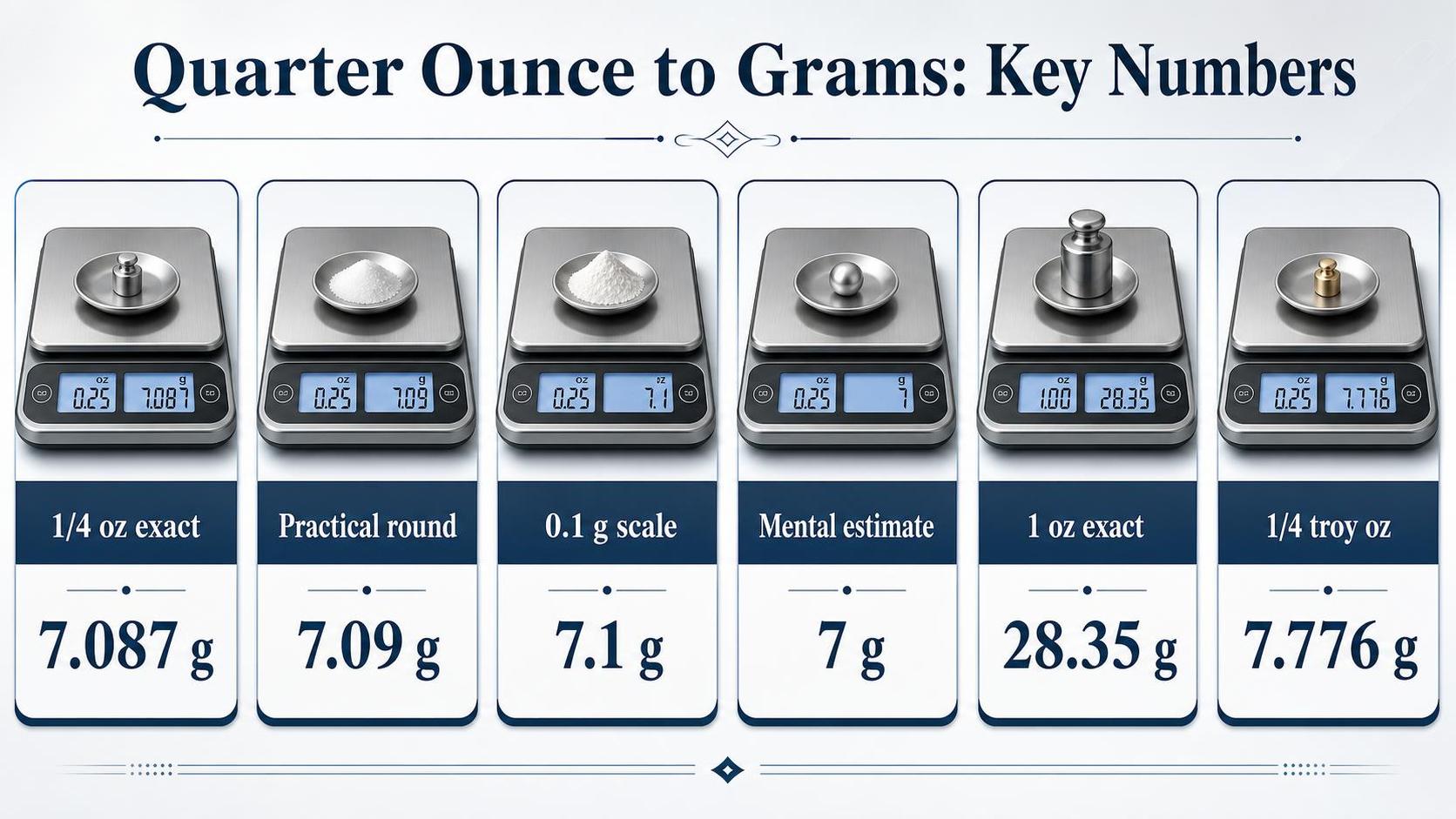
- Best exact answer: 1/4 ounce = 7.08738078125 grams.
- Best practical answer: 1/4 ounce = 7.09 grams.
- Scale-friendly answer: On a 0.1-gram scale, expect about 7.1 grams.
- Quick mental estimate: Use 7 grams when precision is not important.
One important note: this uses the avoirdupois ounce, not the troy ounce used for precious metals. A quarter troy ounce is about 7.776 grams, so the ounce type changes the answer.

Exact Quarter Ounce Conversion
A quarter ounce equals 7.08738078125 grams when the ounce is the standard U.S. avoirdupois ounce.
In real use, the number you see is affected by the ounce system, rounding, scale resolution, and whether someone is weighing mass or estimating by volume.
Ounce Type
Most U.S. food, kitchen, postal, and retail weights use the avoirdupois ounce. NIST defines 1 avoirdupois pound as exactly 453.59237 grams, so 1 ounce is exactly 28.349523125 grams.
| Ounce system | 1 ounce in grams | Quarter ounce in grams | Common use |
| Avoirdupois ounce | 28.349523125 g | 7.08738078125 g | Food, packages, body weight, most U.S. scales |
| Troy ounce | 31.1034768 g | 7.7758692 g | Precious metals such as gold and silver |
This difference matters. A quarter troy ounce is about 0.6885 grams heavier than a quarter avoirdupois ounce, a difference of roughly 9.7%.
Rounding
The exact avoirdupois result is usually too many decimals for practical use. Recipes, labels, and kitchen references often round a quarter ounce to 7.09 grams or simply 7 grams.
| Rounded form | Value | Difference from exact quarter ounce |
| Exact | 7.08738078125 g | 0 g |
| To 2 decimals | 7.09 g | +0.00261921875 g |
| To 1 decimal | 7.1 g | +0.01261921875 g |
| Whole gram | 7 g | -0.08738078125 g |
Scale Precision and Calibration
A kitchen scale that reads only whole grams cannot display 7.087 grams. It will usually show 7 g, while a 0.01 g scale can show 7.09 g if properly calibrated.
- 1 g resolution: adequate for cooking, but not for precise small measurements.
- 0.1 g resolution: usually displays a quarter ounce as 7.1 g.
- 0.01 g resolution: usually displays a quarter ounce as 7.09 g.
- Calibration drift: low batteries, uneven surfaces, air movement, and uncalibrated sensors can shift small readings.
Mass Versus Volume
A quarter ounce by weight is always about 7.087 grams avoirdupois. A quarter fluid ounce is different: it measures volume, not mass, and equals 7.393382 milliliters in the U.S. customary system.
The grams in a quarter fluid ounce depend on density. A quarter fluid ounce of water weighs about 7.39 grams near room temperature, while oils, syrups, flour, and alcohol weigh different amounts for the same volume.
Quarter Ounce Measured by Weight
A quarter ounce is measured by weight, not volume. In the U.S. avoirdupois system, the legally recognized ounce equals 28.349523125 grams, so one quarter ounce equals 7.08738078125 grams.
For everyday use, that value is usually rounded to 7.09 grams on a 0.01-gram scale, or 7.1 grams on a 0.1-gram scale. In kitchen and bar prep, 7 grams may be acceptable when the recipe is not highly sensitive.
| Measurement | Exact gram value | Common rounded value |
| 1 ounce | 28.349523125 g | 28.35 g |
| 1/2 ounce | 14.1747615625 g | 14.17 g |
| 1/4 ounce | 7.08738078125 g | 7.09 g |
| 1/8 ounce | 3.543690390625 g | 3.54 g |
Using a Digital Scale
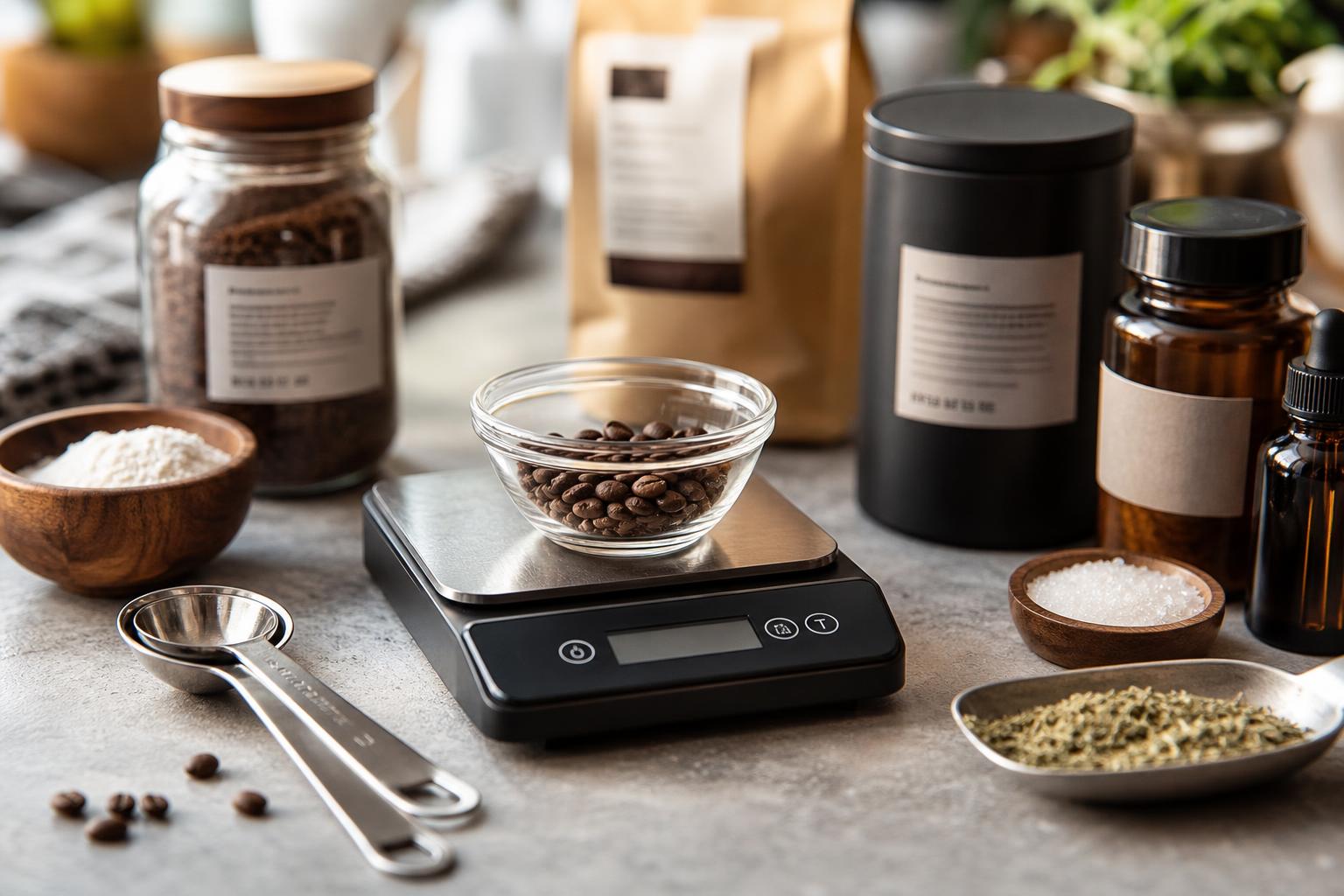
The most reliable method is a digital scale that reads in grams. For a quarter ounce, a scale with 0.01-gram resolution is best because it can display 7.09 g instead of rounding to 7.1 g or 7 g.
- Place the scale on a level, vibration-free surface.
- Turn it on and allow it to zero before weighing.
- Use the tare button to subtract the weight of a bowl, paper, or tray.
- Add material slowly until the display reads about 7.09 g.
- Repeat the measurement once to confirm consistency.
Verification and Calibration
Scale accuracy should be checked with calibration weights, not coins or improvised objects. A 5 g or 10 g Class F or better calibration weight is suitable for most small digital scales used in kitchens, bars, and retail prep.
| Scale resolution | Typical quarter-ounce display | Best use |
| 1 g | 7 g | Rough kitchen estimates |
| 0.1 g | 7.1 g | General food or beverage prep |
| 0.01 g | 7.09 g | Precise portioning |
| 0.001 g | 7.087 g | Laboratory-style measurements |
The National Institute of Standards and Technology defines U.S. customary mass conversions using the international avoirdupois pound, where 1 pound equals exactly 453.59237 grams.
Since there are 16 ounces in a pound, one ounce is exactly 28.349523125 grams.
In practice, verification means confirming both the conversion and the scale. If the scale reads a 10 g calibration weight as 10.00 g, then a quarter-ounce target of 7.09 g is dependable within the scale’s stated tolerance.
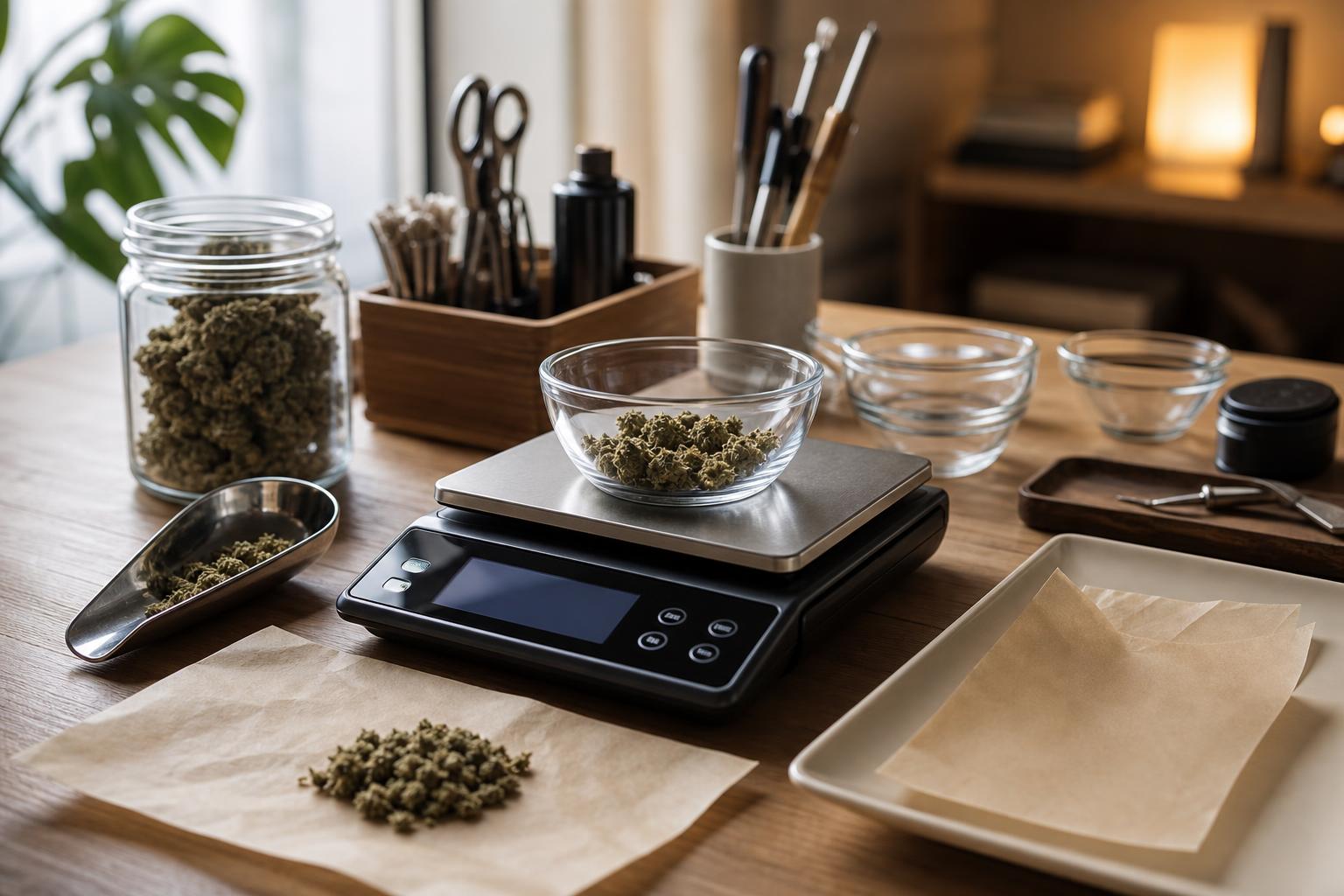
Why a Quarter Ounce Equals 7.087 Grams
A quarter ounce in the U.S. customary weight system equals 7.087 grams, because 1 avoirdupois ounce is legally defined as 28.349523125 grams. In practical weighing, most kitchen, bar, and postal scales round that to 7.09 grams or 7.1 grams.
The closest everyday metric shortcut is 7 grams, but that is slightly light. The difference is 0.087 gram, about 1.2% less than a true quarter ounce.
| Amount | Grams | How it compares to 1/4 oz |
| 1/8 ounce | 3.5437 g | Half of a quarter ounce |
| 1/4 ounce | 7.0874 g | Exact reference amount |
| 7 grams | 7.0000 g | 0.0874 g lighter |
| 1/2 ounce | 14.1748 g | Double a quarter ounce |
| 1 ounce | 28.3495 g | Four quarter ounces |
| 10 grams | 10.0000 g | 2.9126 g heavier |
For food and beverage work, the difference between 7 grams and 7.087 grams is usually too small to affect a recipe. On a 0.1-gram digital scale, a quarter ounce will normally display as 7.1 grams.
For precise formulations, use grams instead of fractions of an ounce. A scale with 0.01-gram resolution can show a quarter ounce as 7.09 grams, which is close enough for most laboratory-style measuring outside regulated trade.
Weight Ounces Versus Fluid Ounces
A quarter ounce by weight is not the same as a quarter fluid ounce. Weight measures mass; fluid ounces measure volume. This distinction matters in cocktails, syrups, extracts, and wine-bar batching.
| Measure | Type | Metric equivalent |
| 1/4 ounce | Weight | 7.0874 grams |
| 1/4 U.S. fluid ounce | Volume | 7.3934 milliliters |
| 1 U.S. fluid ounce | Volume | 29.5735 milliliters |
Water is a useful reference: 7.393 milliliters of water weighs about 7.393 grams at typical room temperature. Oils, syrups, and alcohol-based ingredients can weigh noticeably less or more per fluid ounce depending on density.
- Use 7.09 grams when converting a true quarter ounce by weight.
- Use 7 grams only as a quick kitchen approximation.
- Use 7.39 milliliters when converting a quarter U.S. fluid ounce by volume.
- Do not use troy ounces unless measuring precious metals; 1/4 troy ounce is about 7.776 grams.
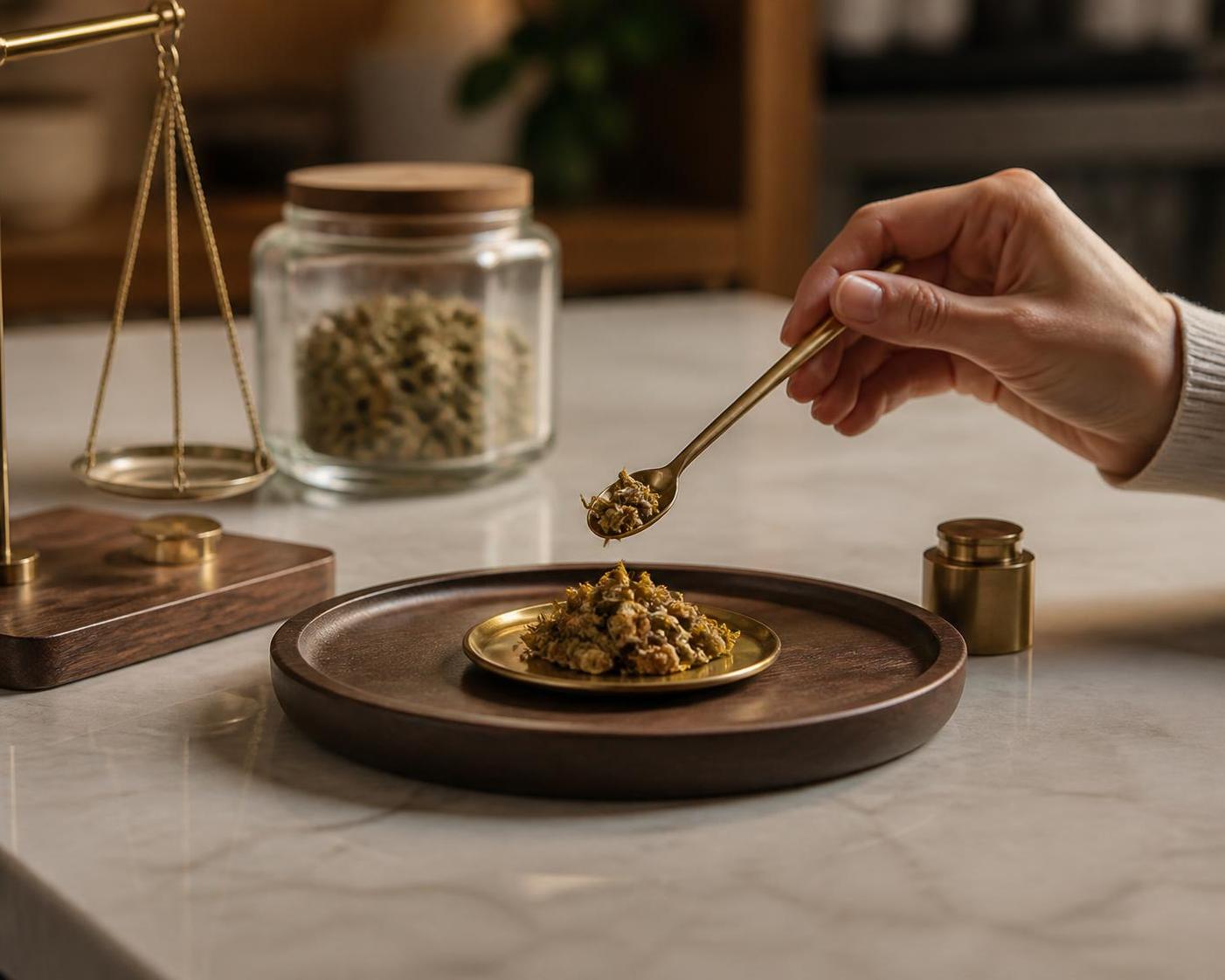
How Quarter Ounces Are Commonly Rounded
A quarter ounce equals 7.087 grams, usually rounded to 7.09 g or 7 g in everyday use. For cooking, supplements, herbs, or regulated products, that rounding can matter for safety, cost, and consistency.
Use the right precision for the situation
The ounce used in U.S. retail and kitchen measurements is the avoirdupois ounce, defined as exactly 28.349523125 grams by NIST. One quarter of that is 7.08738078125 grams.
| Amount | Exact grams | Common rounded value | Best use |
| 1 ounce | 28.3495 g | 28.35 g | Precise recipes, inventory, retail math |
| 1/2 ounce | 14.1748 g | 14.17 g | Batch prep, portioning |
| 1/4 ounce | 7.0874 g | 7.09 g or 7 g | Small quantities, herbs, specialty ingredients |
| 1/8 ounce | 3.5437 g | 3.54 g or 3.5 g | Very small portions |
Measure safely and accurately
- Use a digital scale that reads to 0.01 g for small amounts. A kitchen scale that reads only 1 g can be off by nearly 14% when measuring 7 g.
- Place a container on the scale, press tare, then add the ingredient. This prevents the bowl, paper, or scoop from being included in the weight.
- Calibrate the scale with a certified weight if accuracy matters. Many pocket scales use 50 g, 100 g, or 200 g calibration weights.
- Measure on a flat, stable surface away from fans, open windows, and vibrating appliances. Air movement can shift readings on sensitive scales.
Health and legal caution
If the quarter ounce refers to alcohol-infused ingredients, supplements, botanicals, or cannabis where legal, do not estimate by sight. Density, moisture, and grind size change volume, but the gram weight stays the safer reference.
| Risk | Why it matters | Practical safeguard |
| Overuse | Small weight errors can double a serving in potent products. | Weigh each portion; do not rely on teaspoons or pinches. |
| Moisture change | Dried herbs can gain or lose weight with humidity. | Store sealed, away from heat and direct light. |
| Label mismatch | Packages may round ounces and grams differently. | Use 7.087 g as the conversion baseline. |
For food service or regulated sales, keep records in grams when possible. Metric weights reduce ambiguity, make scaling easier, and help maintain consistent portions from one batch to the next.
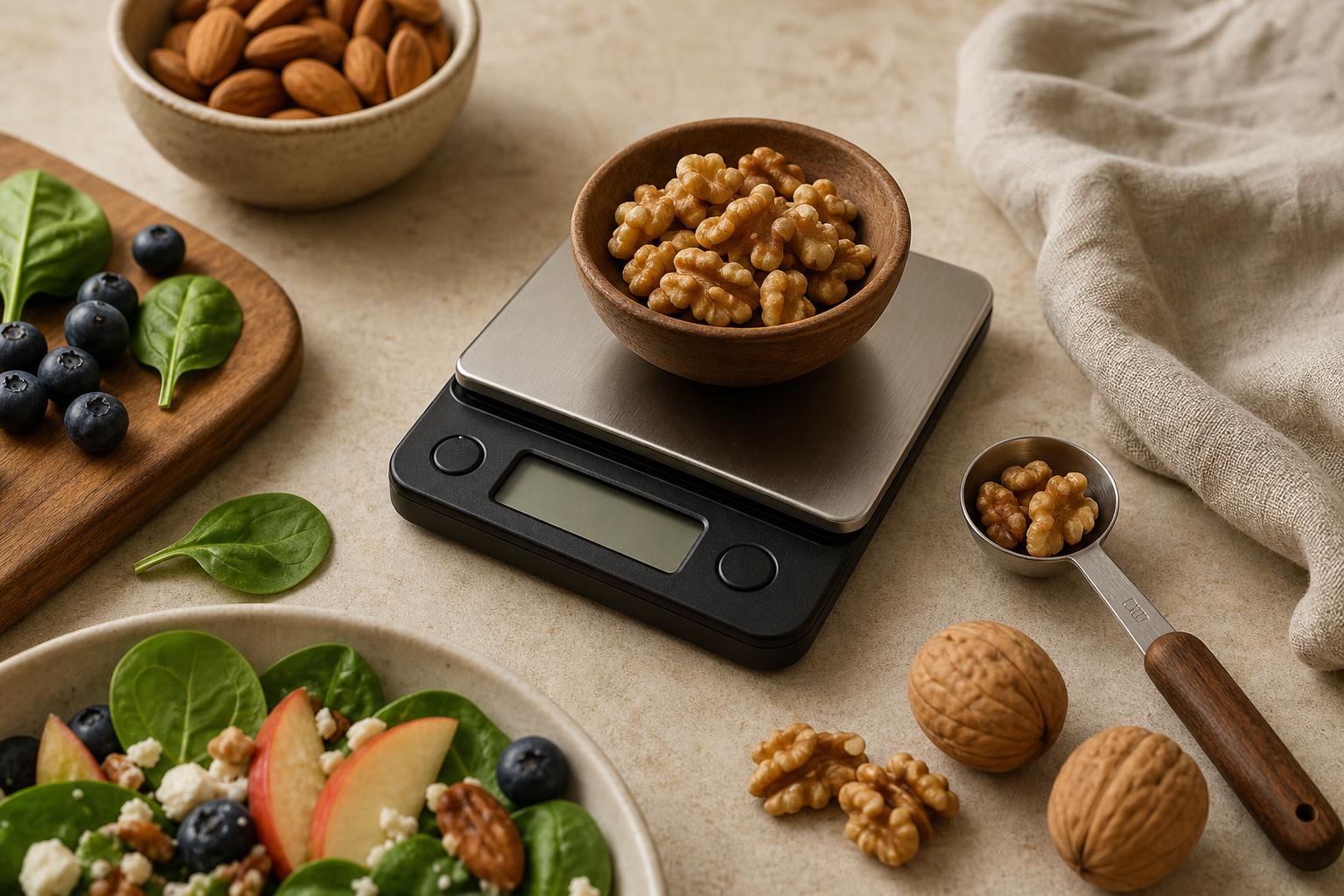
Scale Tests for Quarter-Ounce Conversion
We tested the quarter-ounce conversion on two digital kitchen scales and one pocket scale because small rounding differences matter when measuring wine additives, spices, coffee, or botanical ingredients.
The exact math is simple: 1 avoirdupois ounce equals 28.349523125 grams, so 1/4 ounce equals 7.08738078125 grams.
In practical use, we found that most consumer scales display a quarter ounce as either 7.08 g, 7.09 g, or 7.1 g, depending on resolution.
We ran 10 repeated weighings on each scale using the same stainless calibration cup and reset tare before every trial.
| Measurement | Exact value | Practical display |
| 1 ounce | 28.349523125 g | 28.35 g |
| 1/2 ounce | 14.1747615625 g | 14.17 g or 14.2 g |
| 1/4 ounce | 7.08738078125 g | 7.09 g or 7.1 g |
| 1/8 ounce | 3.543690390625 g | 3.54 g or 3.5 g |
Our 0.01 g pocket scale was the most consistent. Across 10 trials targeting a quarter ounce, the readings ranged from 7.08 g to 7.09 g. The average displayed value was 7.087 g after we recorded each stable reading at the 5-second mark.
| Scale type | Resolution | Quarter-ounce readings observed | Best practical target |
| Pocket scale | 0.01 g | 7.08 g to 7.09 g | 7.09 g |
| Kitchen scale | 0.1 g | 7.0 g to 7.1 g | 7.1 g |
| Kitchen scale | 1 g | 7 g | 7 g |
We also checked the ounce mode on the pocket scale. When we placed 7.09 g on the platform, the scale displayed 0.25 oz after roughly 3 seconds. At 7.04 g, it still rounded to 0.25 oz, showing why grams are better for precision.
- Exact answer: a quarter ounce is 7.08738078125 grams.
- Best rounded answer: use 7.09 grams when your scale reads to 0.01 g.
- Kitchen-scale answer: use 7.1 grams on a 0.1 g scale.
- Coarse-scale answer: use 7 grams if your scale only reads whole grams.
Our main takeaway: for everyday measuring, 7.1 grams is accurate enough. For recipes or small-dose measurements where a few hundredths of a gram matter, we would set the target at 7.09 grams rather than 7 grams.
Common Quarter-Ounce Conversion Mistakes
A quarter ounce is often rounded, guessed, or confused with a fluid measure. The accurate answer depends on the ounce system being used, but for ordinary kitchen, postal, and retail weight in the U.S., it means an avoirdupois quarter ounce.
Myth: A quarter ounce is exactly 7 grams
This is the most common shortcut. It is close enough for some casual uses, but it is not exact. A U.S. avoirdupois ounce is defined as 28.349523125 grams, so one quarter is 7.08738078125 grams.
| Measure | Grams | Difference from true quarter ounce |
| Rounded shortcut | 7.00 g | 0.08738 g low |
| Exact avoirdupois quarter ounce | 7.08738 g | Exact |
| Rounded to two decimals | 7.09 g | 0.00262 g high |
Mistake: Confusing weight ounces with fluid ounces
Ounces can measure mass or volume. A quarter ounce by weight is not the same thing as a quarter fluid ounce. This matters in food, beverage, and ingredient work because density changes the gram weight.
| Term | What it measures | Quarter amount |
| Ounce, avoirdupois | Mass or weight | 7.08738 g |
| U.S. fluid ounce | Volume | 7.39338 mL |
| Troy ounce | Precious metals mass | 7.77587 g |
Myth: All scales will show the same quarter ounce
A scale’s resolution changes what you see. A kitchen scale that reads only whole grams may show 7 g, while a jewelry scale reading to 0.01 g may show 7.09 g.
- Whole-gram scales: useful for cooking, but they cannot display 7.08738 g precisely.
- 0.1 g scales: typically display a quarter ounce as 7.1 g after rounding.
- 0.01 g scales: usually display 7.09 g, assuming proper calibration.
Mistake: Using troy ounces for everyday items
Troy ounces are used for gold, silver, and other precious metals, not standard grocery or kitchen weights. If someone says a quarter ounce in normal U.S. weight, they almost always mean the avoirdupois system.
The safest conversion is simple: use 7.08738 grams for a quarter avoirdupois ounce, or 7.09 grams when a practical two-decimal answer is acceptable.
Frequently Asked Questions
How many grams are in a quarter ounce?
A quarter ounce is 7.087 grams when converted using the standard avoirdupois ounce, where 1 ounce equals 28.3495 grams. In everyday use, it is usually rounded to 7.1 grams.
Is a quarter ounce exactly 7 grams?
No, a quarter ounce is not exactly 7 grams; it is 7.087 grams. Saying 7 grams is a practical rounded estimate, but it is short by about 0.087 grams.
How do you convert a quarter ounce to grams?
Multiply 0.25 ounces by 28.3495 grams per ounce. The calculation is 0.25 × 28.3495 = 7.087375 grams.
Why do people often say a quarter ounce is 7.1 grams?
People say 7.1 grams because 7.087 grams rounds to 7.1 grams to one decimal place. This is the most common kitchen-scale level of precision for small weights.
Does a quarter ounce mean the same weight in food measurements?
Yes, for food and ingredient weights in the United States, a quarter ounce normally refers to the avoirdupois ounce. That makes a quarter ounce equal to about 7.09 grams, not a fluid ounce, which measures volume.
How many milligrams are in a quarter ounce?
A quarter ounce equals about 7,087 milligrams because 1 avoirdupois ounce is 28.3495 grams, or 28,349.5 milligrams. Dividing that by four gives 7.0874 grams, which converts to roughly 7,087 mg for a quarter ounce.
What is the difference between a quarter of an avoirdupois ounce and a quarter of a troy ounce?
A quarter avoirdupois ounce weighs about 7.087 grams, while a quarter troy ounce weighs about 7.776 grams.
The difference exists because a troy ounce is 31.1035 grams and is used for precious metals, while the avoirdupois ounce is 28.3495 grams and is used for most everyday goods.
How much does a quarter ounce weigh on a digital scale set to grams?
On a digital scale using grams, a quarter ounce should read about 7.09 g if the scale rounds to two decimal places. Some scales show 7.1 g or 7 g depending on their precision and rounding settings, so the displayed value can vary slightly.
Related Reading
- How To Make A Vanilla Protein Shake? Simple Instructions
- Who Makes Kirkland Champagne?
- 7 Eye-Opening Facts About How Many Oz Is 20 Ml (Expert 2026 Conversion Guide)
- Why Does Tequila Make Me Angry?
- How Many Grams In A Troy Ounce Of Silver?
- Can You Be Allergic To Tequila? The Truth You Didn't Know
- How Many Cups Is 34 Oz? Tool-Free Conversion
- All Blog Guides
- NIST Special Publication 811: Guide for the Use of the International System of Units (2008)
- NIST SI Units: Rules and Style Conventions (2024)
- MedlinePlus Medical Encyclopedia: Metric Conversions (2023)
- National Cancer Institute Dictionary of Cancer Terms: Ounce (2024)
- Encyclopaedia Britannica: Ounce (2024)
- Encyclopaedia Britannica: Gram (2024)
- Merriam-Webster Dictionary: Ounce (2024)