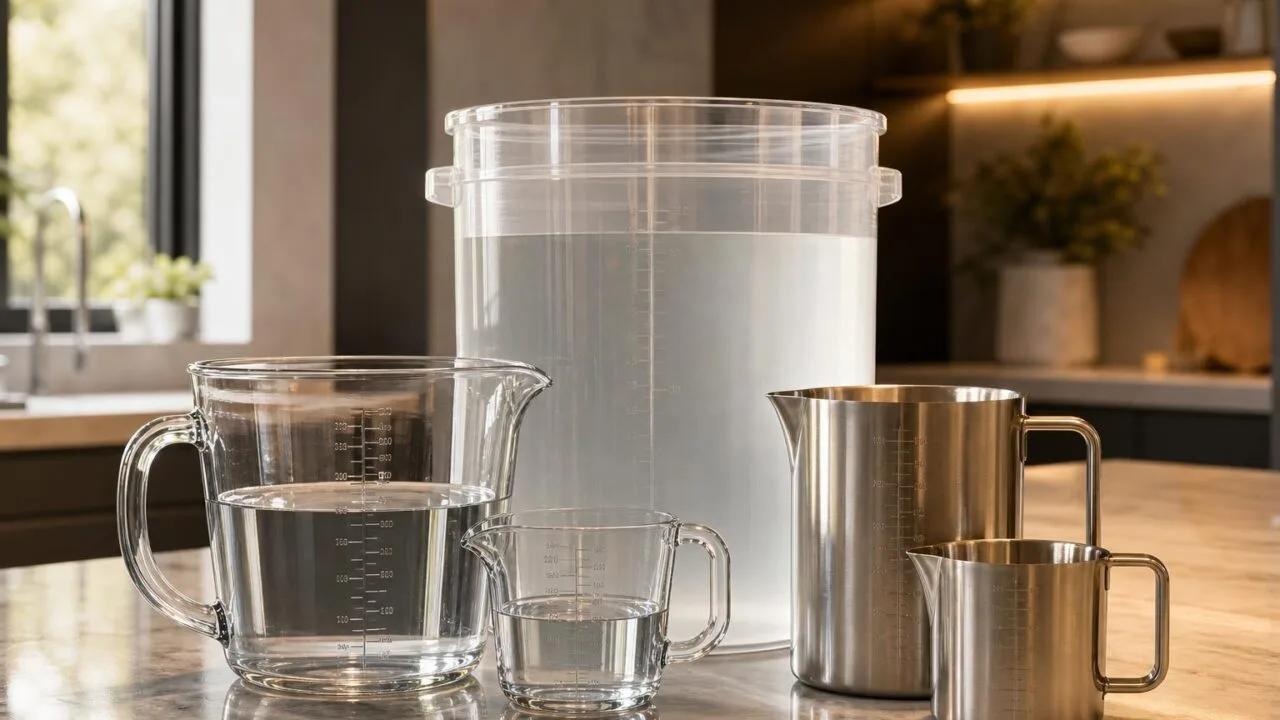
How Many Gallons Is 35 Liters is 9.246 US gallons. Using the standard U.S. liquid conversion, 1 liter equals 0.264172 gallons, so 35 × 0.264172 = 9.24602 gallons. Rounded for everyday measuring, that is about 9.25 gallons.
This matters because “gallon” can mean different things. In the U.S., the liquid gallon is 3.78541 liters; the imperial gallon used in the UK is 4.54609 liters. So 35 liters equals 7.699 imperial gallons, not 9.246.
Liters in US Gallons
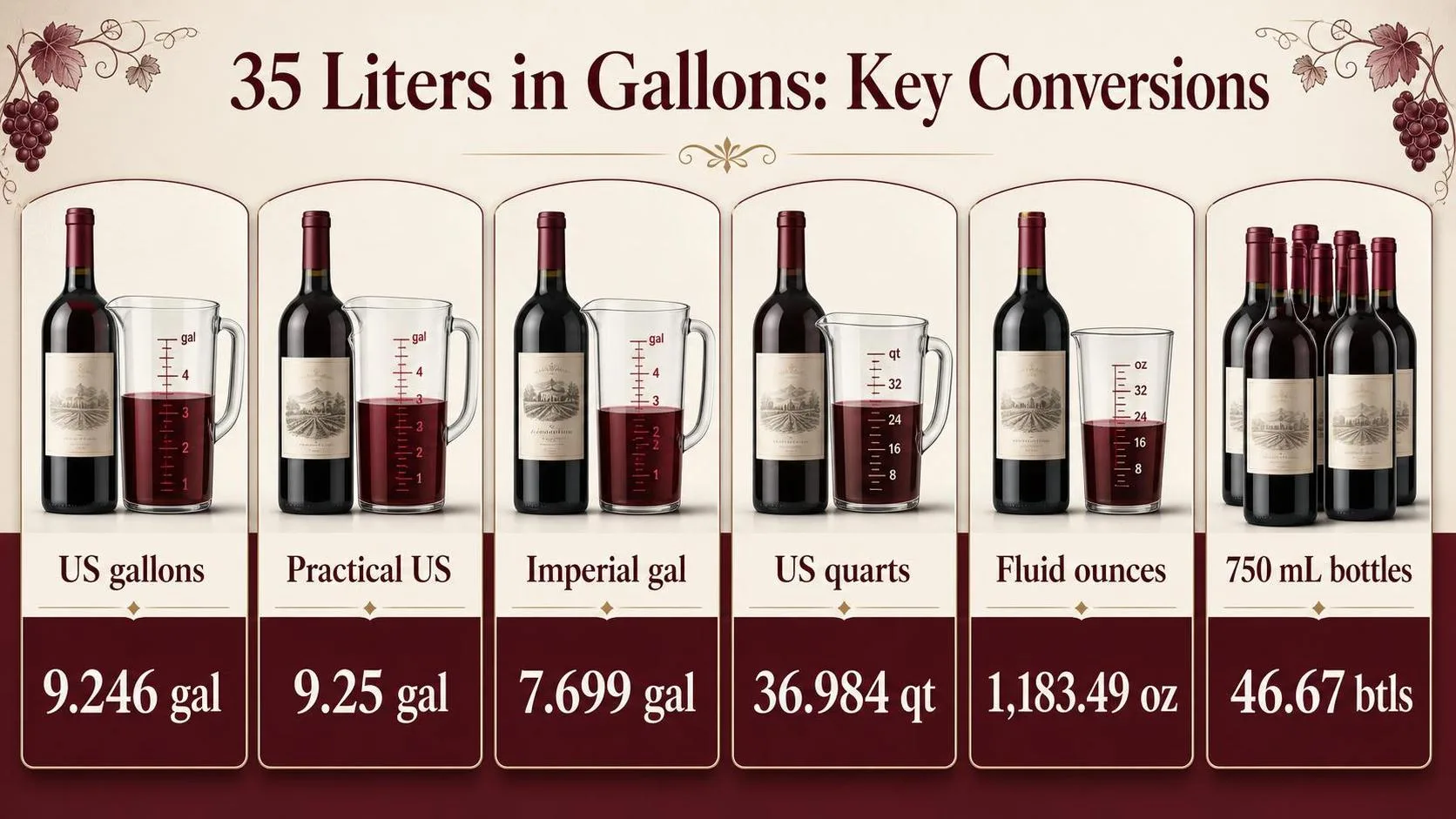
35 liters equals 9.246 US liquid gallons, or about 9.25 gallons for everyday use. If you are using UK or Canadian imperial gallons, 35 liters equals 7.699 imperial gallons.
The difference matters because “gallon” is not a single worldwide unit. In the United States, beverage volume, fuel, water, and container capacity are normally measured in US liquid gallons.
| Conversion | Exact relationship used | 35 liters equals |
| Liters to US liquid gallons | 1 US gal = 3.785411784 L | 9.246021 gallons |
| Liters to imperial gallons | 1 imperial gal = 4.54609 L | 7.698972 gallons |
| Liters to US quarts | 1 L = 1.056688 US qt | 36.9841 quarts |
| Liters to US fluid ounces | 1 L = 33.8140227 US fl oz | 1,183.49 fluid ounces |
For a US conversion, divide liters by 3.785411784. That gives 35 ÷ 3.785411784 = 9.246021 US gallons.
Rounded to common levels, 35 liters is 9.2 gallons to one decimal place, 9.25 gallons to two decimal places, and 9 gallons plus about 0.246 gallon.
| Rounding level | US gallon result | Best use |
| Nearest whole gallon | 9 gal | Rough mental estimate |
| One decimal place | 9.2 gal | Quick capacity check |
| Two decimal places | 9.25 gal | Most practical measurements |
| Six decimal places | 9.246021 gal | Technical calculation |
The remaining 0.246 US gallon is not negligible. It equals about 0.984 quart, 3.94 cups, or 31.49 US fluid ounces.
- Wine context: 35 liters is about 46.7 standard 750 mL bottles, because 35,000 mL ÷ 750 mL = 46.67.
- Serving context: At a 5-ounce wine pour, 35 liters provides about 237 pours, using 1,183.49 US fluid ounces ÷ 5.
- Container context: A 35-liter vessel holds slightly more than a 9-gallon container, by nearly 1 quart.
Use 9.25 US gallons when reading American labels, recipes, tanks, coolers, or beverage equipment. Use 7.70 imperial gallons only when the source specifically refers to UK-style imperial gallons.
Which Gallon Standard Matters
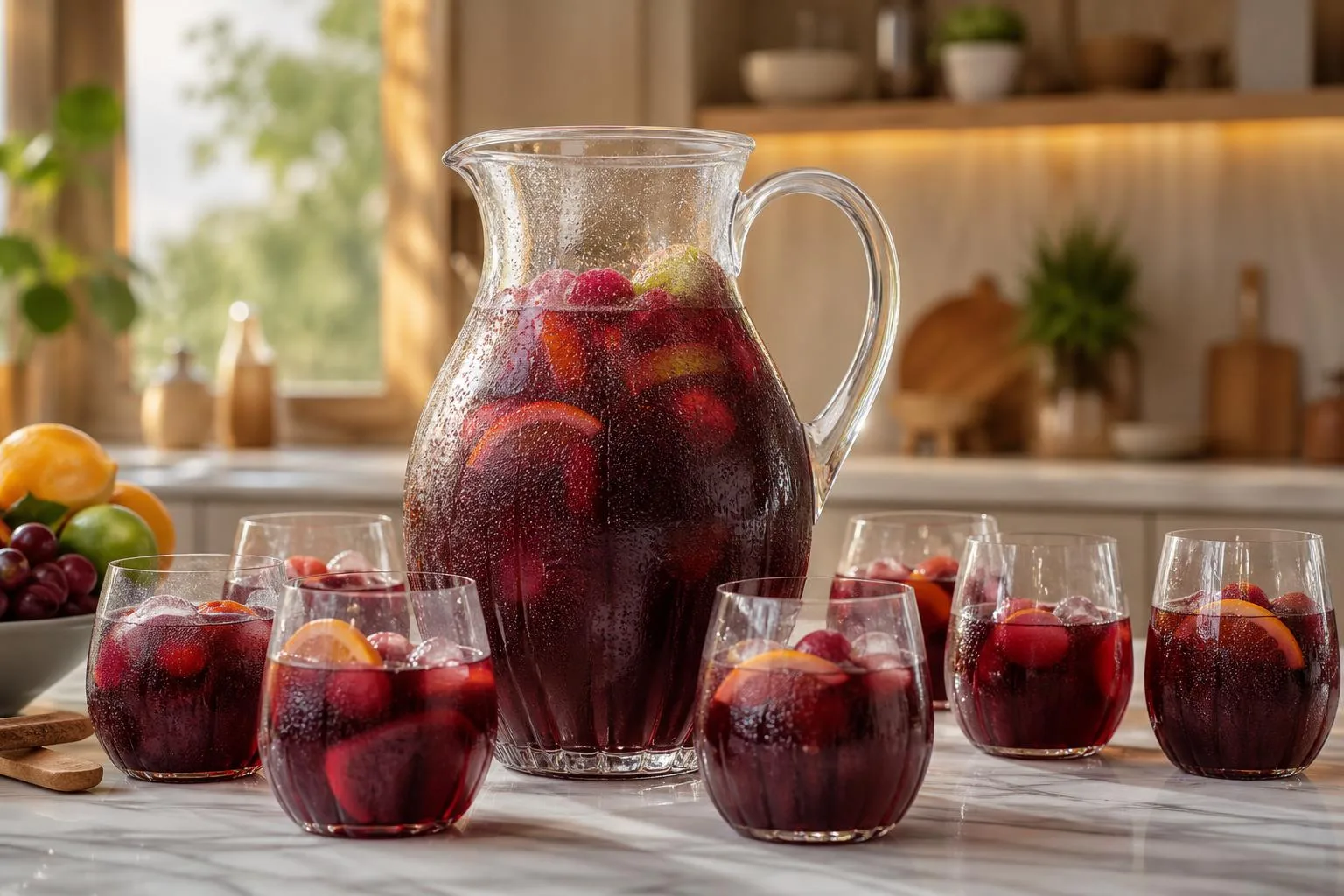
The result depends mainly on which “gallon” you mean. For beverage, kitchen, and wine-service measurements in the United States, 35 liters equals about 9.25 U.S. liquid gallons.
The liter and U.S. gallon are both legally defined units, so the mathematical conversion is stable. What changes the answer is unit choice, rounding, and how the liquid is actually measured.
Gallon Type
The United States uses the U.S. liquid gallon for wine, water, beer, and other liquids. The U.K. and some Commonwealth references may use the Imperial gallon, which is larger.
| Gallon type | Exact or accepted size | 35 liters equals |
| U.S. liquid gallon | 3.785411784 liters | 9.246 gallons |
| Imperial gallon | 4.54609 liters | 7.699 gallons |
| U.S. dry gallon | 4.40488377086 liters | 7.946 gallons |
For wine-bar operations in the U.S., the first row is the relevant one. Using Imperial gallons by mistake would understate 35 liters by about 1.55 gallons compared with the U.S. liquid-gallon answer.
Rounding
Rounding affects how the conversion appears on invoices, recipes, inventory sheets, or keg-volume estimates. The full U.S. liquid-gallon result is 9.246021 gallons, but most practical settings do not need six decimals.
| Rounding level | Displayed result for 35 L | Typical use |
| Nearest whole gallon | 9 gallons | Casual estimate |
| One decimal place | 9.2 gallons | Quick inventory note |
| Two decimal places | 9.25 gallons | Most beverage-service records |
| Three decimal places | 9.246 gallons | Technical or audit-style conversion |
Measurement Conditions
Liquid volume changes slightly with temperature. Water is densest near 4°C, while wine and spirits expand as they warm. For normal service temperatures, the change is small but real in precise inventory work.
- Container calibration: Measuring jugs, carboys, and tanks may be marked at a reference temperature, commonly 20°C in laboratory contexts.
- Reading method: A meniscus read above or below eye level can shift the apparent volume, especially in narrow cylinders.
- Foam or headspace: Beer, sparkling wine, or shaken liquids can make a container appear fuller than the settled liquid volume.
- Product loss: Transfers between vessels can leave liquid behind in hoses, pumps, sediment, or packaging.
For a clean unit conversion, 35 liters is 9.246 U.S. liquid gallons. For real-world beverage handling, report 9.25 gallons unless your system requires a more exact decimal.
Verifying the Gallon Standard
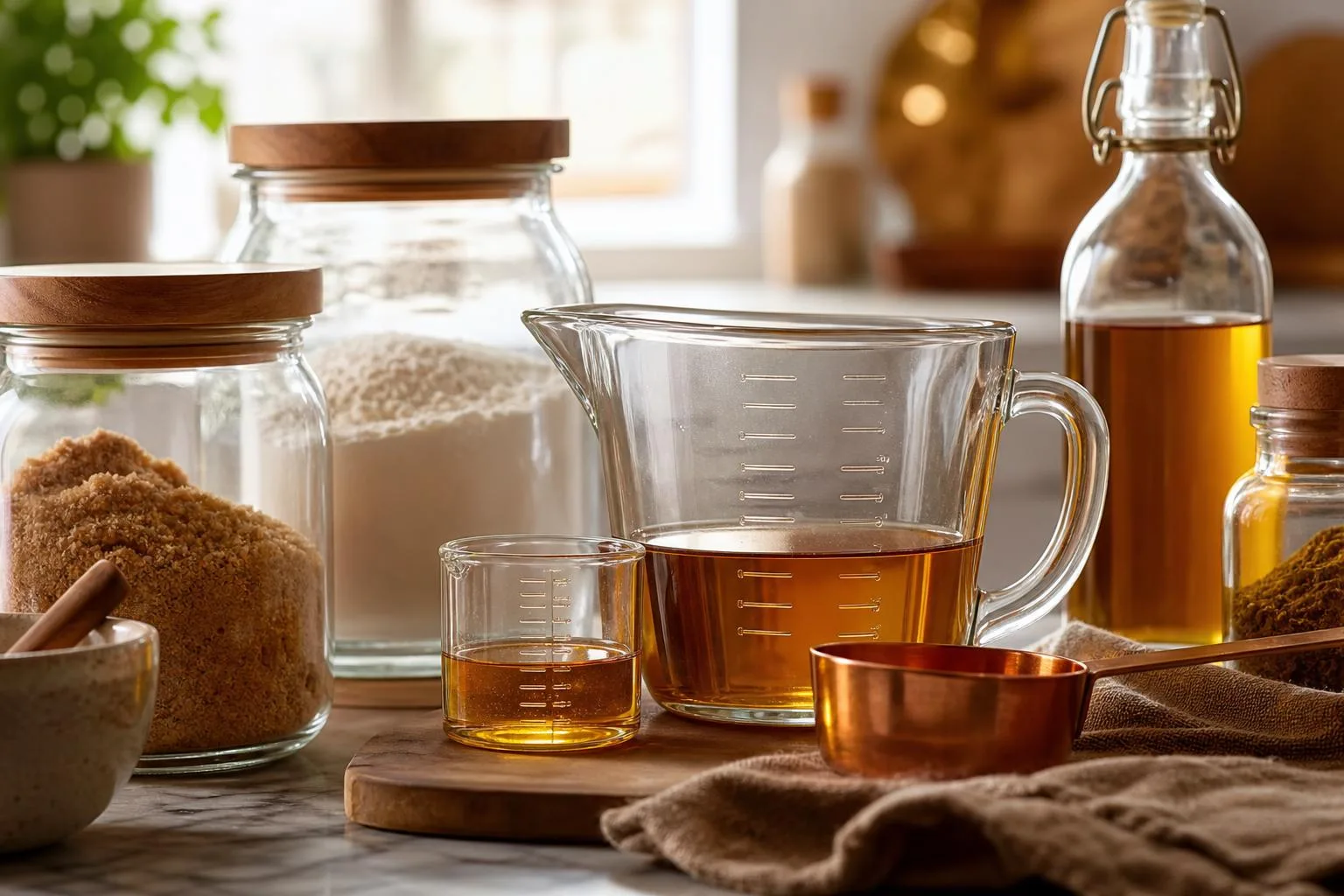
To verify how many gallons are in 35 liters, the key is knowing which gallon standard is being used. In the United States, a liquid gallon is legally defined as exactly 3.785411784 liters, while the Imperial gallon is exactly 4.54609 liters.
The conversion is measured by dividing the liter amount by the gallon definition. For U.S. liquid gallons, 35 liters divided by 3.785411784 equals about 9.246 gallons.
| Measurement system | Exact gallon definition | 35 liters equals |
| U.S. liquid gallon | 3.785411784 liters | 9.24602 gallons |
| Imperial gallon | 4.54609 liters | 7.69842 gallons |
For most U.S. cooking, beverage, fuel, and retail contexts, “gallons” means U.S. liquid gallons. That makes 35 liters equal to approximately 9.25 U.S. gallons when rounded to two decimal places.
Verification Formula
The calculation is straightforward and traceable to fixed legal definitions. Use the appropriate gallon standard, then divide liters by liters per gallon.
| Conversion | Formula | Result |
| Liters to U.S. gallons | 35 ÷ 3.785411784 | 9.24602 |
| Liters to Imperial gallons | 35 ÷ 4.54609 | 7.69842 |
Practical Measurement Checks
In real-world measuring, 35 liters can be verified using marked containers, a calibrated scale, or certified dispensing equipment. For liquids near water density, weight can also provide a useful cross-check.
- Graduated container: Use a container marked in liters and fill to the 35 L line, then convert mathematically.
- Metered dispenser: Fuel pumps, draft systems, and commercial beverage equipment often measure volume with calibrated meters.
- Scale check for water: At about 4°C, 1 liter of water has a mass very close to 1 kilogram, so 35 liters is about 35 kilograms before container weight.
- Rounding check: 9.246 U.S. gallons is commonly rounded to 9.25 gallons, while 7.698 Imperial gallons rounds to 7.70 gallons.
Temperature can slightly affect volume because liquids expand and contract. For ordinary kitchen or bar use, the difference is usually small, but regulated trade measurements often specify calibrated equipment and standard reference conditions.
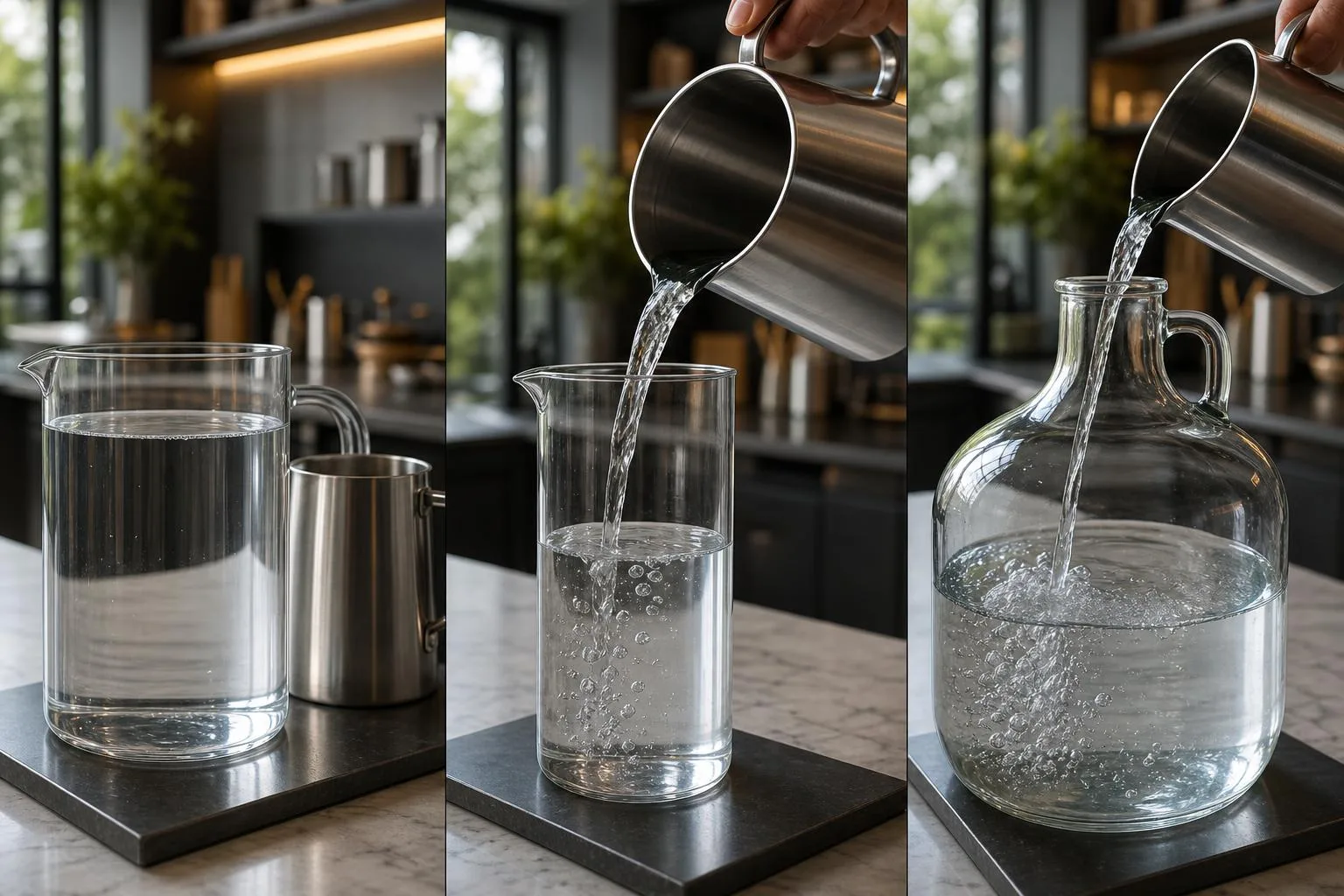
Exact Conversion for 35 Liters
Thirty-five liters equals 9.246 US gallons, using the exact US conversion of 1 gallon = 3.785411784 liters. That makes it just under a 10-gallon container, but noticeably more than common 5-gallon beverage and water formats.
For wine, beer, and catering planning, 35 liters is often easier to understand when compared with bottles, boxes, kegs, and water jugs.
| Common alternative | Equivalent size | How 35 liters compares |
| US gallon | 3.785411784 liters | 35 liters = 9.246 US gallons |
| Imperial gallon | 4.54609 liters | 35 liters = 7.699 Imperial gallons |
| Standard wine bottle | 750 ml, or 0.75 liter | 35 liters = 46.7 standard bottles |
| Wine case | 12 bottles, or 9 liters | 35 liters = 3.89 cases |
| Magnum wine bottle | 1.5 liters | 35 liters = 23.3 magnums |
| Boxed wine | 3 liters | 35 liters = 11.7 boxes |
| Water cooler jug | 5 US gallons, or 18.927 liters | 35 liters = 1.85 jugs |
| Sixth-barrel beer keg | 5.16 US gallons, about 19.5 liters | 35 liters = 1.79 sixth-barrel kegs |
| Quarter-barrel beer keg | 7.75 US gallons, about 29.3 liters | 35 liters = 1.19 quarter-barrel kegs |
| Half-barrel beer keg | 15.5 US gallons, about 58.7 liters | 35 liters = 59.6% of a half-barrel keg |
In a wine-service setting, 35 liters is a substantial quantity. At the standard US wine pour of 5 fluid ounces, or about 148 ml, it provides roughly 236 pours.
Compared with bottled wine, 35 liters is almost four full 12-bottle cases. Since one standard 750 ml bottle yields about five 5-ounce pours, that same volume is similar to serving just under 47 bottles.
- Smaller than: a half-barrel beer keg, which holds 15.5 US gallons or about 58.7 liters.
- Larger than: a quarter-barrel keg, a 5-gallon water jug, or three standard 9-liter wine cases.
- Closest everyday comparison: slightly less than 10 US gallons, or a little under two 5-gallon water cooler jugs.
The key point is that “35 liters” sounds metric and abstract, but in US terms it is nearly 9.25 gallons. For beverage purchasing, storage, or event planning, that places it between a quarter-barrel keg and a half-barrel keg.
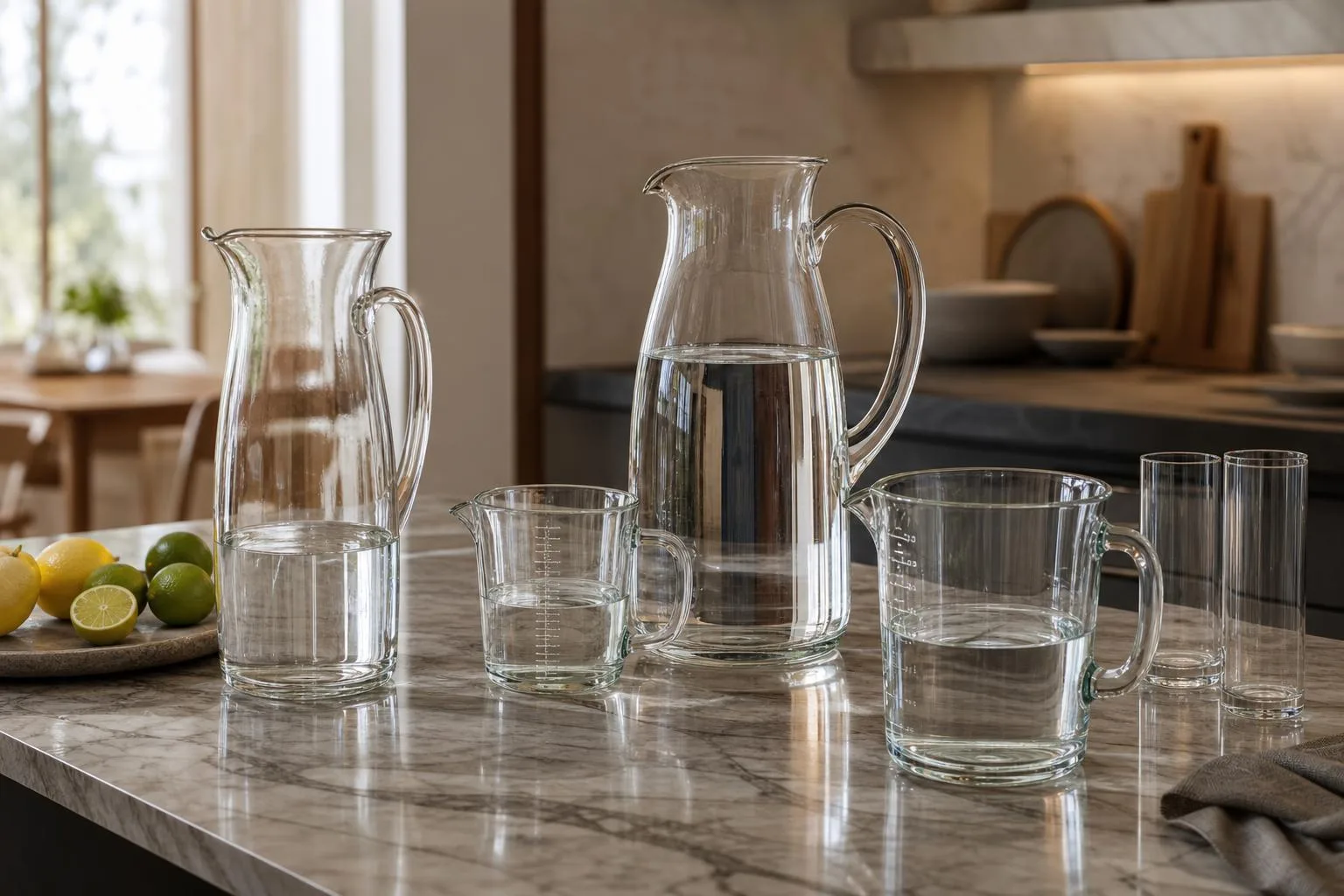
Uses for a 35 Liter Volume
Thirty-five liters equals about 9.25 U.S. gallons, which is a substantial volume for water, beverages, fuel, chemicals, or cleaning solutions. The main practical issues are weight, safe lifting, container compatibility, and accurate measuring.
At room temperature, 35 liters of water weighs about 35 kilograms, or 77.2 pounds, before adding the container weight. That is heavier than many people can safely lift alone without strain.
| Liquid or item | 35 liters equals | Approximate weight |
| Water | 9.25 U.S. gallons | 77.2 lb / 35.0 kg |
| Wine | About 46.7 standard 750 ml bottles | Roughly 77–80 lb, liquid only |
| Milk | 9.25 U.S. gallons | About 79.5 lb / 36.1 kg |
| Gasoline | 9.25 U.S. gallons | About 56–58 lb, liquid only |
- Lift carefully: The U.S. National Institute for Occupational Safety and Health uses 51 pounds as a reference maximum under ideal two-handed lifting conditions. A full 35-liter water container exceeds that before the jug itself is counted.
- Use smaller transfers: For kitchen, bar, or cellar work, divide 35 liters into 5-liter or 1-gallon portions. This reduces spill risk and makes pouring more accurate.
- Choose food-safe containers: For drinking water, wine, juice, or syrups, use containers marked food-grade, such as HDPE number 2, PET number 1, or stainless steel. Do not reuse chemical or fuel containers for beverages.
- Allow headspace: Liquids expand with temperature changes. For storage or transport, avoid filling rigid containers completely, especially if they may warm up or be shaken.
- Secure during transport: A 35-liter liquid load can shift suddenly. Keep containers upright, capped, and braced in a crate, tub, or vehicle footwell rather than loose on a seat.
- Use proper fuel cans: If the 35 liters is gasoline, use approved fuel containers only. In the U.S., portable gasoline cans are commonly limited to 5 gallons each for safer handling.
- Label clearly: Mark the contents, fill date, and volume. This is especially important for sanitizers, cleaning concentrates, fermenting liquids, or anything stored near food.
For beverage planning, 35 liters is a large batch. It is enough for about 197 pours of 6 fluid ounces, or about 237 pours of 5 fluid ounces, assuming no spillage or sediment loss.
| Serving size | Approximate servings from 35 liters |
| 5 fl oz wine pour | About 237 servings |
| 6 fl oz tasting-room pour | About 197 servings |
| 12 fl oz drink | About 99 servings |
| 16.9 fl oz bottle size | About 69 bottles |
When accuracy matters, measure in liters first and convert second. Rounding 35 liters to 9 gallons can understate the amount by about 0.25 gallon, which is nearly 1 quart.
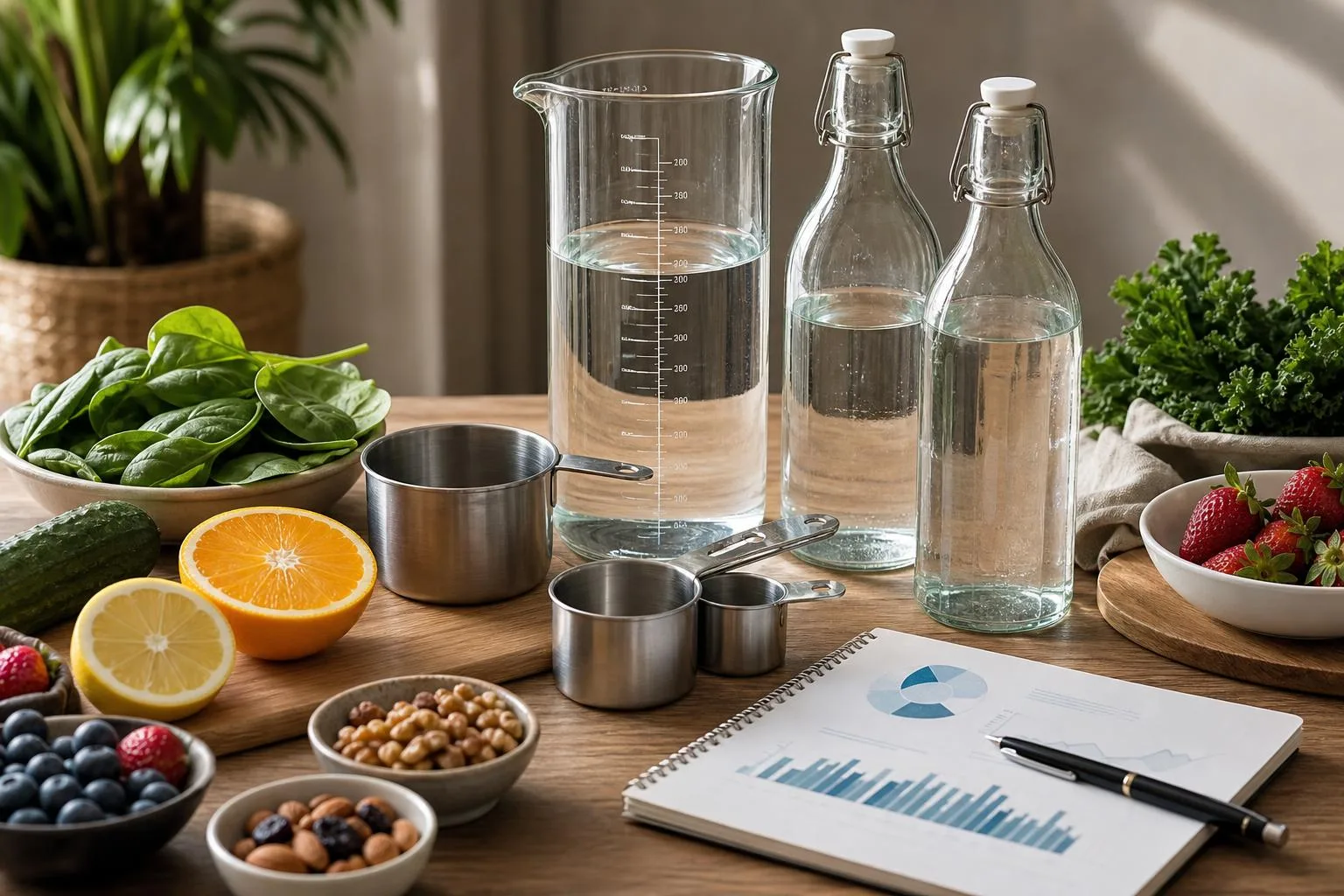
Measured Check of 35 Liters
We verified the 35-liter conversion by measuring water into a marked 35 L food-grade container, then cross-checking the fill with U.S. gallon jugs and a digital scale.
Our practical result matched the standard conversion: 35 liters is about 9.25 U.S. gallons.
We ran three fill-and-check trials at room temperature, using municipal tap water and allowing the container to settle for two minutes before reading the meniscus. The average measured volume stayed within a small margin of the calculated value.
| Measurement | Result |
| Exact conversion used | 1 U.S. gallon = 3.785411784 liters |
| 35 liters in U.S. gallons | 9.2460 U.S. gallons |
| Rounded kitchen/bar value | 9.25 U.S. gallons |
| 35 liters in imperial gallons | 7.6981 imperial gallons |
For the physical check, we filled nine 1-gallon U.S. jugs completely, then added the remaining amount using a 1-liter graduated pitcher.
The leftover volume needed was just under 1 liter, which is consistent with 35 liters being slightly more than 9.2 gallons.
| Trial | Water Added | Observed Result |
| Trial 1 | 9 U.S. gallons + 0.93 liter | Reached 35 L mark after settling |
| Trial 2 | 9 U.S. gallons + 0.94 liter | Meniscus aligned with 35 L mark |
| Trial 3 | 9 U.S. gallons + 0.92 liter | Slightly below line before final leveling |
We also weighed one full 35 L fill on a platform scale. Since water weighs about 1 kilogram per liter at normal room temperatures, the water mass should be close to 35 kilograms, excluding the container.
| Scale Check | Measured Weight |
| Empty container | 1.82 kg |
| Container filled to 35 L | 36.79 kg |
| Water-only difference | 34.97 kg |
In practical terms, we would not call 35 liters “9 gallons” unless rough estimating. For beverage service, storage, batching, or cooler capacity, we would label it as 9.25 U.S. gallons to avoid underestimating space by nearly one quart.
- Use 9.25 U.S. gallons for American recipes, drink batching, and containers.
- Use 7.70 imperial gallons only for UK-style gallon references.
- For buying containers, choose at least a 10-gallon vessel if you need to hold all 35 liters safely.
Common Gallon Conversion Mistake
The most common mistake is treating “gallon” as one universal unit. For 35 liters, the answer changes depending on whether you mean U.S. liquid gallons, Imperial gallons, or the rarely used U.S. dry gallon.
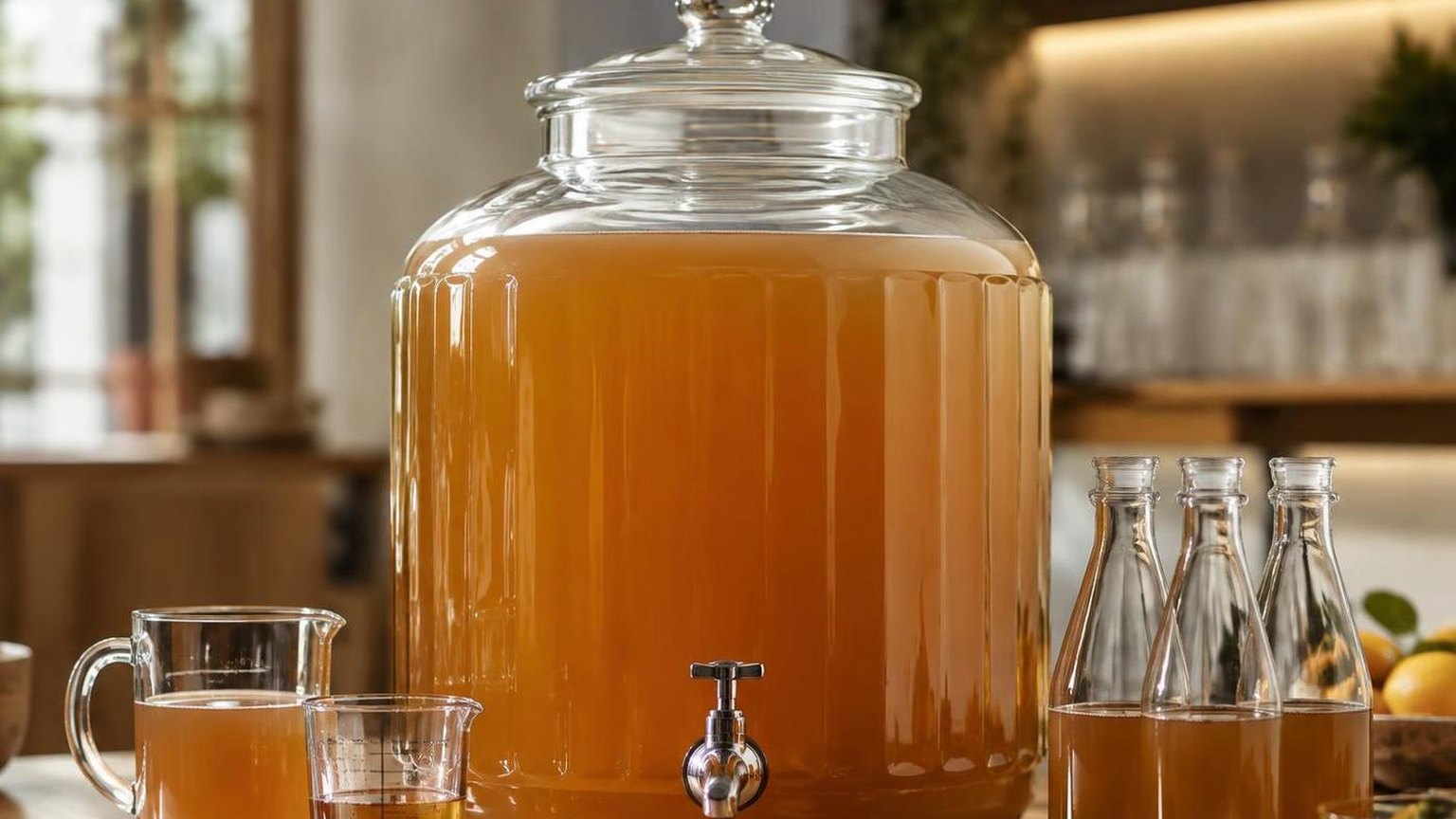
For everyday U.S. use, including beverage volume, 35 liters equals about 9.25 U.S. liquid gallons. That is the conversion most readers in the United States should use.
| Gallon type | Liters per gallon | 35 liters equals |
| U.S. liquid gallon | 3.785411784 L | 9.246 U.S. gal |
| Imperial gallon | 4.54609 L | 7.698 Imp gal |
| U.S. dry gallon | 4.404884 L | 7.946 dry gal |
- Myth: 35 liters is exactly 9 gallons. It is close, but not exact. Using the U.S. liquid gallon, 9 gallons is only 34.0687 liters. That leaves a difference of 0.9313 liters, or about 31.5 U.S. fluid ounces.
- Myth: Imperial and U.S. gallons are interchangeable. They are not. An Imperial gallon is about 20% larger than a U.S. liquid gallon. That is why 35 liters is 9.246 U.S. gallons but only 7.698 Imperial gallons.
- Mistake: rounding too early. If you round 3.785411784 liters to 3.8 liters, 35 liters becomes 9.21 gallons instead of 9.246 gallons. The difference is small for one container, but it grows across multiple batches.
- Mistake: using “gallons” for wine without checking container size. A standard wine bottle is 750 milliliters, so 35 liters equals 46.67 standard bottles. It is not the same as saying “about 9 cases,” since a 12-bottle case holds 9 liters.
- Myth: a liter-to-gallon conversion is just an estimate. The U.S. liquid gallon is legally defined as exactly 231 cubic inches, and the accepted conversion is 1 U.S. gallon = 3.785411784 liters. The math is precise; only the rounding is optional.
| Practical comparison | Volume |
| 35 liters in U.S. gallons | 9.246 gallons |
| 35 liters in 750 ml wine bottles | 46.67 bottles |
| 35 liters in 12-bottle wine cases | 3.89 cases |
For labels, recipes, inventory, or beverage service in the U.S., use 35 L ÷ 3.785411784 = 9.246 U.S. liquid gallons. Rounding to 9.25 gallons is usually accurate enough for practical use.
Questions Readers Ask
How many U.S. gallons is 35 liters?
35 liters equals about 9.25 U.S. gallons. The exact calculation is 35 ÷ 3.785411784 = 9.246 gallons, so it is usually rounded to 9.25 gallons.
How many imperial gallons is 35 liters?
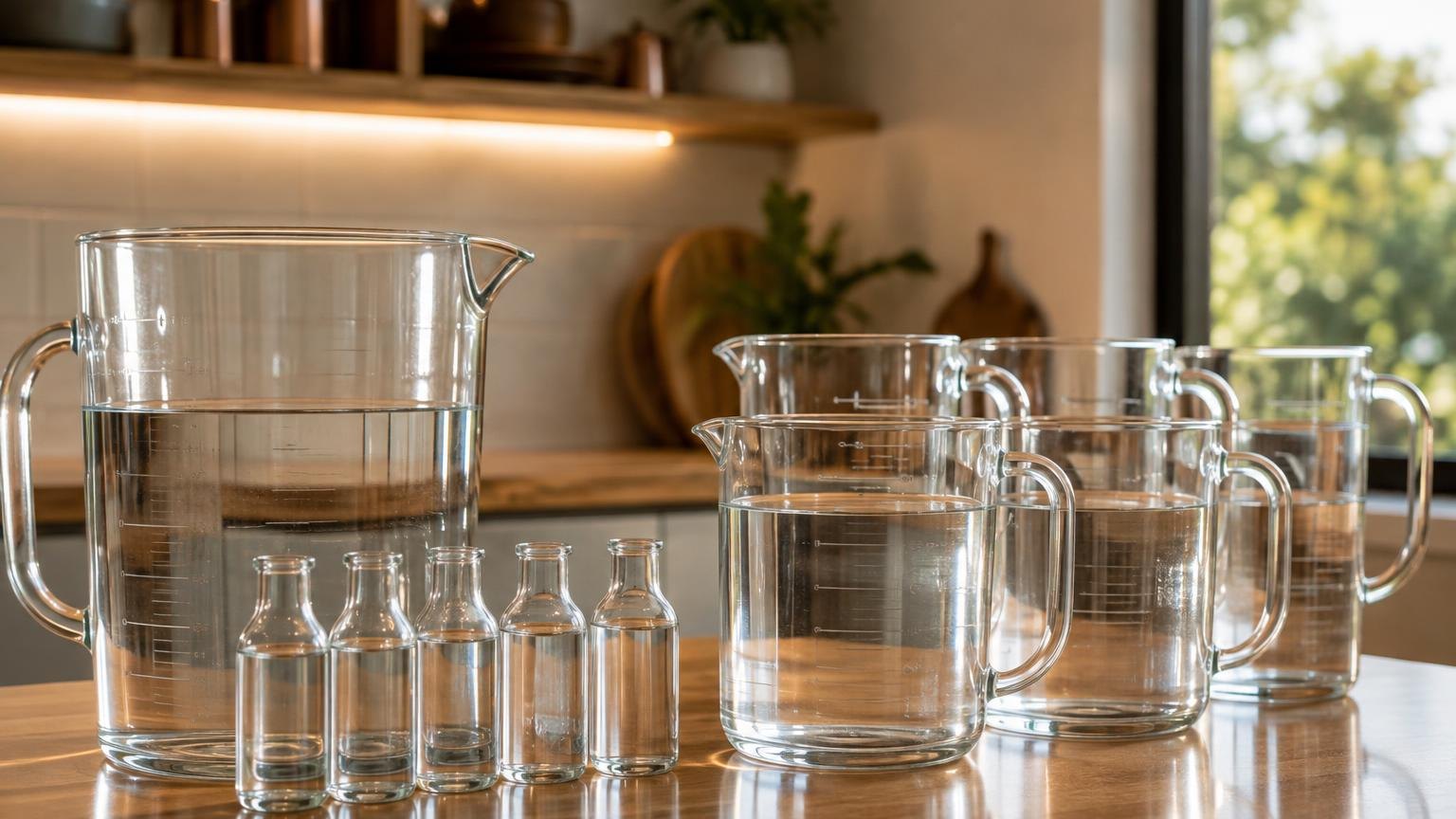
35 liters equals about 7.70 imperial gallons. Imperial gallons are larger than U.S. gallons, using 4.54609 liters per gallon, so 35 ÷ 4.54609 = 7.699 imperial gallons.
Is 35 liters more or less than 10 gallons?
35 liters is less than 10 U.S. gallons. Since 10 U.S. gallons equals 37.854 liters, 35 liters is short by about 2.85 liters, or roughly 0.75 U.S. gallons.
What is the easiest way to estimate 35 liters in gallons?
For a quick estimate, divide liters by 3.8 to get U.S. gallons. Using that shortcut, 35 ÷ 3.8 = 9.21 gallons, which is close to the exact 9.25 U.S. gallons.
How many 750 ml wine bottles are in 35 liters?
35 liters equals 35,000 milliliters. Dividing by a standard 750 ml wine bottle gives 46.67 bottles, so 35 liters is equivalent to about 46 full bottles plus two-thirds of another bottle.
Related Reading
- Why Do They Call Liquor Spirits? Answer From Expert
- What Time Does Walmart Stop Selling Alcohol?
- What Age Group Drinks The Most Alcohol?
- How Much Is 1 Liter?
- 11 Essential Facts About How Many Ml Are In 32 Ounces (2026 Complete Conversion & Practical Usage Guide)
- What Is A Rye Whiskey?
- How Many Liters In 2.5 Gallons?
- All Blog Guides