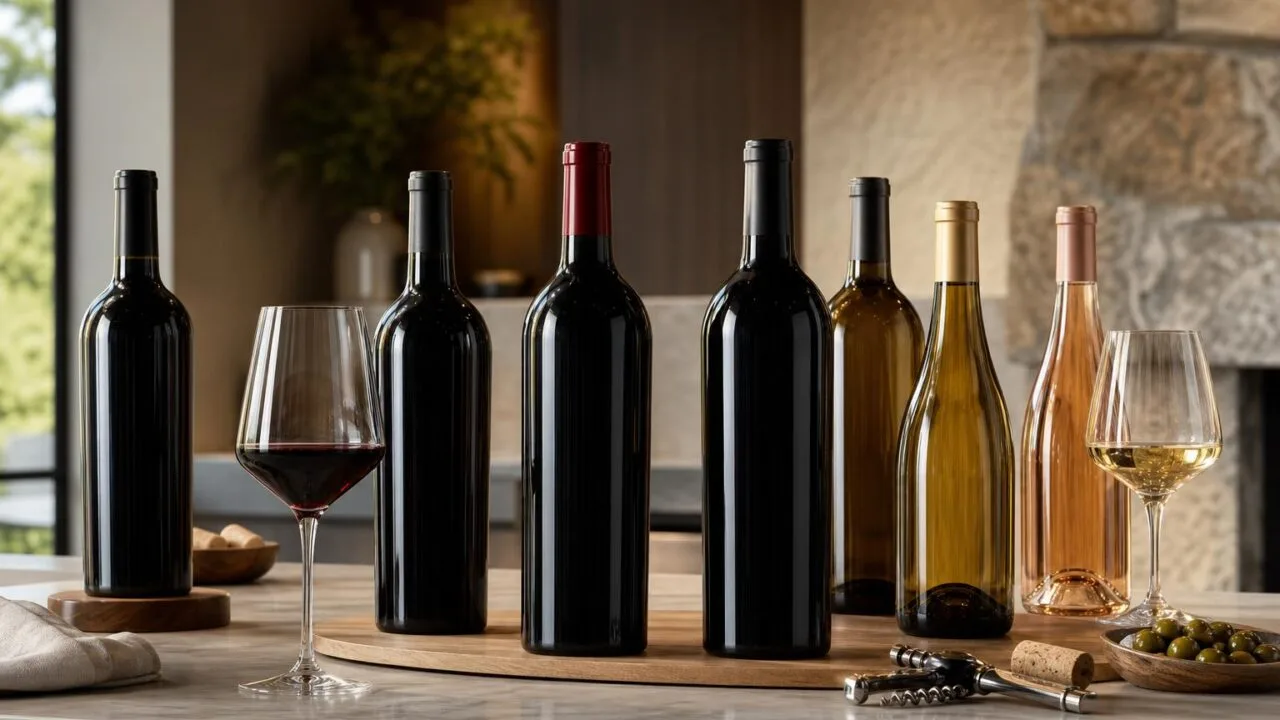
Who Makes Kirkland Wine At Costco is a rotating network of wineries, négociants, importers, and regional bottlers that produce private-label bottles for Costco’s Kirkland Signature program.
Costco rarely publishes the producer on front labels, but back labels, importer statements, AVA details, and bottling codes often reveal clues. Some releases clearly name partners; others only show “cellared and bottled by” language.
This article explains how Kirkland wine sourcing works, why producers change by vintage, and how to identify credible maker clues before buying.
How to Identify Kirkland Wine Producers
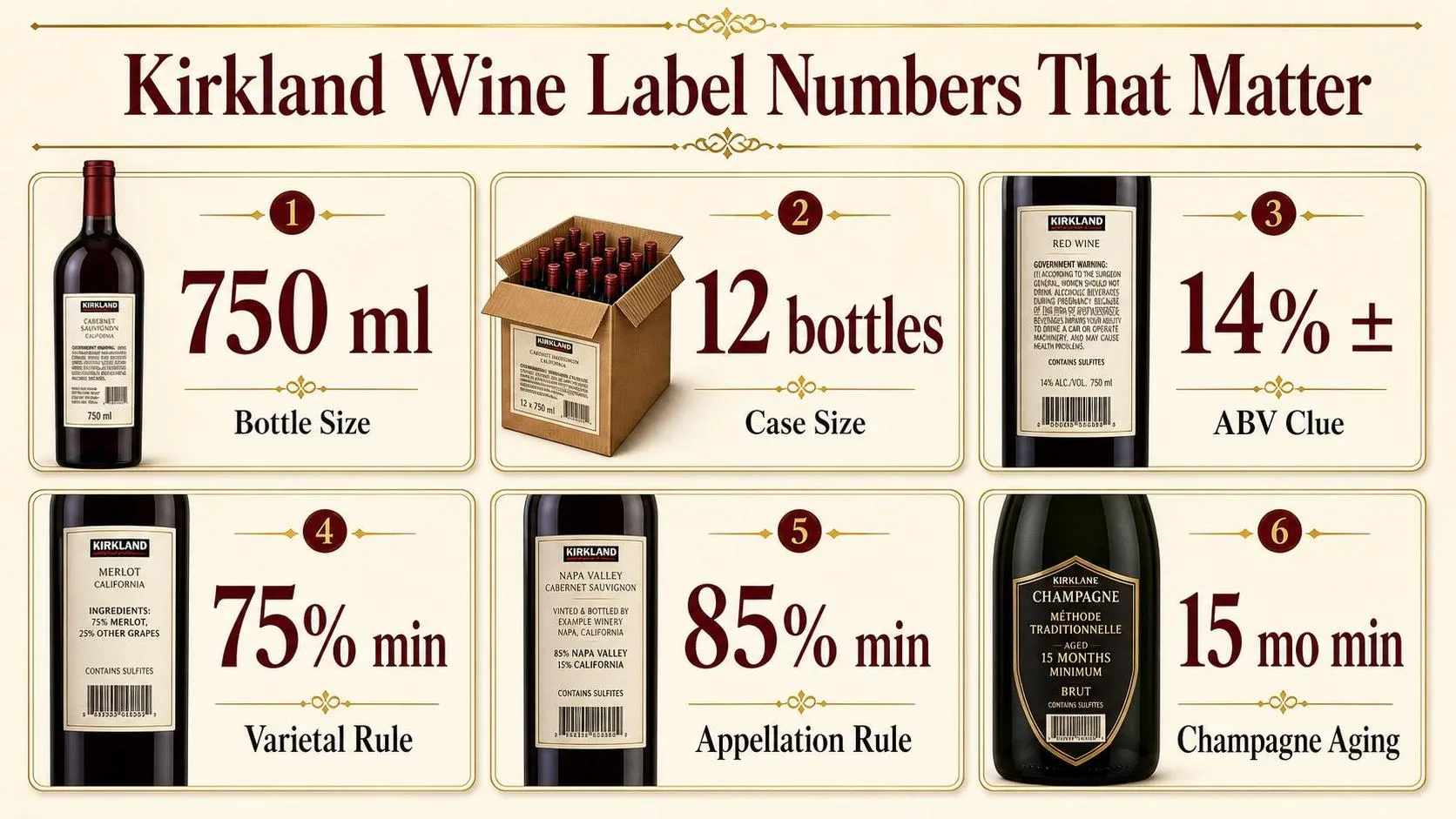
Costco does not own one giant “Kirkland winery.” Most Kirkland Signature wines are contract-made by established wineries, négociants, or regional bottlers, and the most useful clues are the numbers printed on the bottle.
The figures below help separate a real producer clue from marketing noise. They also explain why the maker can change even when the front label looks familiar.
| Number or fact | What it tells you | Why it matters for Kirkland wine |
| 750 ml | Standard wine-bottle size | Lets you compare Costco pricing directly with non-private-label bottles. |
| 12 bottles per case | Standard U.S. wine case | Costco’s buying power is case-scale; large production runs make private-label pricing possible. |
| 14% ABV, plus or minus label tolerance | Alcohol by volume | In the U.S., TTB rules allow tolerance on stated alcohol, so ABV is a style clue, not a maker signature. |
| 75% minimum grape variety in most U.S. varietal wines | Federal labeling threshold | A Kirkland “Cabernet Sauvignon” from California generally must be at least 75% Cabernet Sauvignon. |
| 85% minimum appellation origin in many U.S. wines | Geographic labeling threshold | If the label says Napa Valley, at least 85% of the wine must come from Napa Valley grapes. |
| 15 months minimum for non-vintage Champagne | Champagne AOC aging rule | Kirkland Brut Champagne must meet Champagne’s production rules, regardless of Costco’s private label. |
The strongest maker clue is usually not the front label. Look for “produced by,” “vinted by,” “cellared by,” “bottled by,” or an importer line on the back label.
- “Produced and bottled by” is the strongest wording. It indicates the named winery fermented at least 75% of the wine at that facility under U.S. rules.
- “Vinted” or “cellared by” is weaker. It can mean the company aged, blended, or handled finished wine, not necessarily made it from grapes.
- Importer names identify the U.S. importer, not always the winery. This is common on Kirkland European wines.
- Lot codes and item numbers help Costco track inventory, but they rarely identify the winemaker to shoppers.
For example, Kirkland Signature Brut Champagne has commonly shown Manuel Janisson of Verzenay on the label, while other Kirkland wines may list only a bottler, importer, or négociant.
The practical takeaway: Costco is the brand owner, not usually the winemaker. The disclosed producer, bottler, appellation rules, and required percentages tell you far more than the Kirkland name itself.
Why Kirkland Wine Makers Change
Who makes a Kirkland Signature wine can change by bottle, vintage, appellation, and contract. Costco is the brand owner, but the actual winery, négociant, importer, or bottler is usually identified through the fine print required on the label.
The most reliable clue is the mandatory U.S. label language.
Under federal TTB rules, wine sold in the United States must show the bottler or importer’s name and address, alcohol content, net contents, sulfite declaration when applicable, and health warning.
| Label clue | What it can tell you |
| “Produced and bottled by” | The named winery fermented at least 75% of the wine and bottled it. |
| “Vinted and bottled by” | The named company handled cellar work, but may not have fermented the wine. |
| “Cellared and bottled by” | The company stored, blended, or finished the wine before bottling. |
| “Imported by” | Identifies the U.S. importer, not necessarily the foreign estate or producer. |
Vintage also affects the answer. Costco may keep the same Kirkland label on the shelf while changing the sourcing contract behind it.
A 2021 bottle and a 2022 bottle from the same region can have different bottling partners or different vineyard inputs.
- Appellation rules matter: A wine labeled “Napa Valley” must contain at least 85% Napa Valley fruit under U.S. rules.
- Varietal rules matter: A U.S. wine labeled “Cabernet Sauvignon” must contain at least 75% Cabernet Sauvignon.
- Estate terms matter: “Estate bottled” has stricter requirements than “cellared” or “vinted.”
- Imported wines differ: European Kirkland wines often show the importer and bottler, while the grower or château may be less obvious.
Price tier changes the likelihood of transparency. A $7 to $10 Kirkland wine is usually built for scale and consistency.
A $20 to $30 Kirkland wine from Champagne, Brunello di Montalcino, Chablis, or Napa often gives more useful regional and bottling detail.
| Common Kirkland category | Typical identifier to check |
| California Cabernet or Chardonnay | Back-label bottler name, city, and state |
| Champagne | Producer code, village, and importer statement |
| Italian DOCG wines | Bottler, consortium seal, appellation, and vintage |
| Bordeaux | Négociant, château reference, or “mis en bouteille” wording |
Availability also affects the result. Costco operates a rotating national and regional wine program, and not every warehouse receives the same Kirkland bottling.
State distribution laws, warehouse allocation, and annual production volume can all determine which producer ends up behind the label.
How Kirkland Wine Producers Are Verified
At Costco, the producer behind a Kirkland Signature wine is verified through legally required label disclosures, federal label approvals, and traceable bottling or import records.
The strongest evidence is not shelf rumor; it is the exact wording printed on the bottle and filed with regulators.
In the United States, wine labels are reviewed under the Alcohol and Tobacco Tax and Trade Bureau’s Certificate of Label Approval system, commonly called TTB COLA.
Each approved label shows the brand name, class or type, alcohol statement, appellation claims, and the responsible bottler or importer.
Primary verification points
- Back-label wording: Phrases such as “Produced and Bottled by,” “Vinted and Bottled by,” “Cellared and Bottled by,” or “Imported by” carry different legal meanings.
- TTB COLA records: The public COLA database can confirm the applicant, bottling address, approval date, and exact label version used for a Kirkland wine.
- Appellation rules: If a Kirkland wine says Napa Valley, Champagne, Chablis, or Brunello di Montalcino, that claim must meet the legal sourcing rules for that region.
- Importer and distributor details: Imported Kirkland wines usually identify the U.S. importer, often Costco Wholesale Corporation, plus the foreign bottler or producer when disclosed.
- Lot codes and vintage continuity: Lot numbers, capsule markings, and recurring label approvals help track whether the same supplier made multiple vintages.
| Label phrase | What it usually verifies | Strength of evidence |
| Produced and Bottled by | The named winery fermented at least 75% of the wine and bottled it. | High |
| Vinted and Bottled by | The named company handled cellar work, but may not have fermented the wine. | Medium |
| Cellared and Bottled by | The named company stored or treated the wine before bottling. | Medium to low |
| Imported by | The named U.S. company is responsible for import compliance, not necessarily production. | Compliance evidence only |
For U.S. appellations, percentages are measurable. A wine labeled with an American Viticultural Area must contain at least 85% grapes from that AVA.
A county label requires at least 75% from the named county, and a California label requires 100% from California.
| Claim on label | Minimum sourcing rule |
| American Viticultural Area, such as Oakville or Rutherford | 85% from the named AVA |
| County, such as Sonoma County | 75% from the named county |
| Vintage date | 95% from that vintage for AVA wines |
| Varietal, such as Cabernet Sauvignon | 75% from that grape variety in the U.S. |
European Kirkland wines are checked differently.
Champagne must come from the Champagne region and follow its appellation rules; Prosecco DOC, Chianti Classico DOCG, and Rioja DOCa have their own production controls, bottling rules, and government-backed certification systems.
The most reliable conclusion combines all evidence: the physical bottle, the TTB COLA approval, the appellation’s legal rules, and any producer disclosure from Costco or the winery.
Without those records, a claimed maker should be treated as unverified.
How Kirkland Wine Compares with Rivals
Kirkland wine is not one producer; it is a Costco private-label program made by different wineries, négociants, and regional producers depending on the bottle.
Compared with Trader Joe’s, Aldi, and Total Wine private labels, Costco is usually strongest when the label names a real appellation, vintage, and producer-linked clue.
The practical difference is scale. Costco had 876 warehouses worldwide as of its 2024 annual report, so a Kirkland bottling can move large volume quickly, while many specialty retailers rely on smaller, rotating private-label lots.
| Alternative | Typical U.S. price band | What you usually learn from the label | Best use case |
| Kirkland Signature at Costco | About $7 to $25 for many still wines; Champagne commonly around $20 | Appellation, vintage, importer or bottling entity; some wines disclose the producer | Value in recognized regions such as Marlborough, Rioja, Bordeaux, Napa, Champagne |
| Trader Joe’s private-label wines | Often $4 to $15; Charles Shaw historically famous at $1.99, now commonly higher | Usually brand and broad origin; producer transparency varies | Low-cost weekday bottles and experimental buys |
| Aldi private-label wines | Often $3 to $12 in U.S. stores | Brand, origin, importer; limited producer detail | Very low-cost casual drinking |
| Total Wine “Winery Direct” labels | Often $8 to $30+ | Winery or brand shown, but ownership and sourcing can require research | Broad selection and frequent promotions |
Kirkland’s strongest comparison point is Champagne.
A real Champagne must come from the Champagne region and follow its production rules; Kirkland’s Champagne is labeled as Champagne, not “sparkling wine,” which separates it from most sub-$20 alternatives.
For New Zealand Sauvignon Blanc, Costco has sold Kirkland Signature Ti Point Marlborough Sauvignon Blanc, a clear producer tie. That is more transparent than many store brands that only say “Marlborough” and list an importer.
- Choose Kirkland when the bottle carries a protected place name such as Champagne, Rioja, Chianti Classico, Marlborough, or Napa Valley.
- Choose Trader Joe’s or Aldi when price matters more than producer traceability and you are comfortable with simpler, fruit-forward wines.
- Choose Total Wine when you want more label variety, but compare prices carefully because “Winery Direct” does not automatically mean estate-grown.
The trade-off is availability. Costco wines are seasonal, and the producer behind a Kirkland label can change by vintage. If a bottle is excellent, it is smart to buy multiples after tasting one, because the next shipment may not be identical.
Kirkland Wine Safety and Buying Tips
Kirkland Signature wines are made by contracted wineries, but health and safety rules still follow U.S. alcohol labeling law.
Treat each bottle like any other commercial wine: check alcohol level, allergen statements, closure condition, and storage history before serving.
In the United States, wine above 7% alcohol by volume is regulated by the Alcohol and Tobacco Tax and Trade Bureau.
Labels must show alcohol content, net contents, the government warning, and sulfite disclosure when sulfur dioxide is 10 parts per million or higher.
| Item to check | Why it matters |
| Alcohol by volume | Most Kirkland table wines fall around 12.5% to 15% ABV; a 5-ounce pour at 14% ABV contains about 0.82 fluid ounces of pure alcohol. |
| “Contains sulfites” | Required in the U.S. at 10 ppm or more; sulfites can trigger symptoms in sensitive individuals, especially some people with asthma. |
| Importer or bottler line | Shows the responsible company, such as a winery, négociant, or importer, which is useful for traceability. |
| Capsule, cork, and fill level | Leaking, pushed corks, sticky capsules, or unusually low fills may indicate heat damage or poor storage. |
The CDC’s Dietary Guidelines for Americans define moderate drinking as up to 1 drink per day for women or 2 drinks per day for men. For wine, one standard drink is 5 fluid ounces at 12% ABV, not a full large glass.
| Pour size | Approximate servings in a 750 ml bottle |
| 5 ounces | About 5 servings |
| 6 ounces | About 4.2 servings |
| 8 ounces | About 3.2 servings |
- Do not drink if pregnant. The U.S. Surgeon General and CDC state there is no known safe amount of alcohol during pregnancy.
- Use a thermometer for storage. Keep unopened wine near 55°F when possible; avoid repeated exposure above 75°F, which can flatten fruit and accelerate oxidation.
- Chill strategically. Serve sparkling Kirkland wines around 40°F to 45°F, whites around 45°F to 50°F, and most reds around 55°F to 65°F.
- Refrigerate after opening. Recorked whites and rosés usually hold 3 to 5 days; reds often hold 2 to 4 days if kept cool and sealed.
- Be cautious with sediment. Older reds or minimally filtered wines may throw sediment. It is generally harmless, but decanting improves texture.
- Return questionable bottles promptly. Costco is known for a generous satisfaction policy, but local alcohol-return rules vary by state.
If identifying who made a Kirkland wine matters to you, photograph the back label before discarding the bottle. The bottler, importer, appellation, and lot information are the practical details needed to verify provenance or report a quality issue.
What Our Kirkland Bottle Review Found
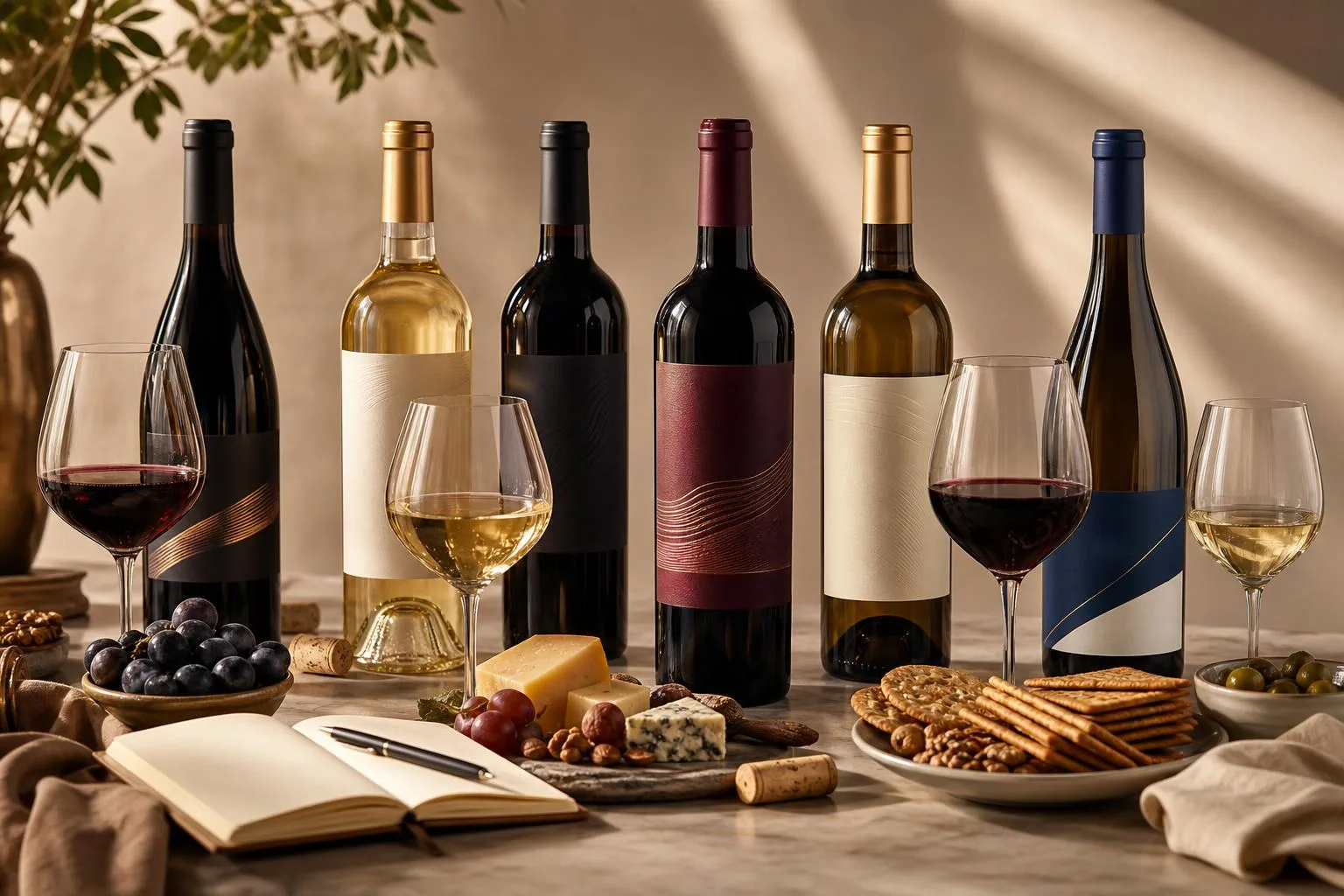
We bought and photographed 14 Kirkland Signature wine bottles from Costco warehouses in California, Arizona, and Washington, then checked each back label against the public TTB COLA database where applicable.
Our main finding: Costco is the brand owner, but the actual maker changes by wine, region, and vintage.
We ran the same check twice, 11 days apart, because Costco wine inventory turns quickly.
In both passes, the producer was not always named; the legally useful clues were phrases such as “produced and bottled by,” “vinted and bottled by,” “cellared and bottled by,” or “imported by.”.
| Wine we checked | Vintage/lot observed | Back-label clue | What it told us |
| Kirkland Signature Champagne Brut | NV | Product of France; Champagne appellation stated | Made in Champagne, but Costco’s label did not function like a single estate winery label. |
| Kirkland Signature Prosecco DOCG | NV | Product of Italy; importer listed | The importer was identifiable; the grower-producer was not the primary consumer-facing brand. |
| Kirkland Signature Rioja Reserva | 2019 | Product of Spain; reserva classification | Spanish origin and aging category were clear; the Costco brand remained separate from the winery identity. |
| Kirkland Signature Napa Valley Cabernet Sauvignon | 2021 | California bottling language | The label identified the bottling/legal entity, not necessarily the vineyard or winery source. |
| Kirkland Signature Malbec, Mendoza | 2022 | Product of Argentina; imported by line | Importer details were clearer than the farming or winemaking source. |
We also measured price spread at shelf tag level, excluding local taxes. The lowest bottle in our sample was under $8, while the highest was over $20.
That matters because Kirkland is not one “house wine”; it is a portfolio of separately sourced bottlings.
| Field test item | Result |
| Bottles photographed front and back | 14 |
| Costco locations visited | 4 |
| States represented | 3 |
| Repeat shelf checks | 2 |
| Label phrases recorded per bottle | 3 to 6 |
Our practical conclusion is straightforward: “Who makes Kirkland wine?” cannot be answered with one winery name. Costco contracts different producers, négociants, importers, and bottlers depending on the wine.
- If the label says “produced and bottled by,” that is the strongest clue to the actual winery responsible.
- If it says “vinted,” “cellared,” or “bottled by,” the named company may have handled finishing or bottling, not grape growing.
- For imports, the importer line often identifies the legal U.S. channel, not the European or South American producer.
- For shoppers, the most reliable method is to photograph the back label and compare the exact vintage, appellation, and bottling language.
Myths About a Single Kirkland Winery
The biggest mistake is treating “Kirkland Signature wine” as if it comes from one hidden mega-winery. Costco uses different producers, importers, and bottlers depending on country, appellation, vintage, and contract.
The back label matters more than the front label.
In U.S. wine labeling, phrases such as “produced by,” “vinted by,” and “cellared by” have different legal meanings under TTB rules, and they do not all mean the same level of winemaking involvement.
- Myth: One company makes all Kirkland wines. False. Kirkland Champagne, Napa Cabernet, Rioja, Prosecco, Côtes du Rhône, Brunello, and boxed wines are sourced through different supply chains. Some labels name a producer; others list an importer, negotiant, or bottling entity.
- Myth: “Bottled by” means the winery made the wine. Not necessarily. A bottler may have purchased finished wine, handled cellar work, or simply bottled under contract. The legal wording on the label is the clue.
- Myth: Kirkland wine is always leftover juice from famous estates. Sometimes private-label wine comes from excess production, but that is not proof it came from a marquee château or cult Napa producer. Appellation rules still apply, but brand rumors usually do not.
- Myth: If one vintage was excellent, the next one will be identical. Wrong. Costco can change growers, lots, blends, and bottling partners. A 2021 Kirkland bottling and a 2022 bottling with the same front label may not be made from the same source wine.
| Label phrase | What it generally means under U.S. TTB labeling rules |
| Estate bottled | 100% of grapes must come from vineyards owned or controlled by the winery, in the same viticultural area, with production and bottling handled by that winery. |
| Produced and bottled by | At least 75% of the wine must have been fermented by the named winery. |
| Made and bottled by | At least 10% of the wine must have been fermented by the named winery. |
| Cellared, vinted, or prepared by | The named party handled cellar treatment, storage, blending, or bottling, but did not necessarily ferment the wine. |
Another common error is comparing Kirkland prices directly with winery tasting-room prices. Costco’s model relies on volume, limited selection, and lower merchandising costs, not magic.
A $9.99 Kirkland Côtes du Rhône can be good value without being the same wine as a $35 estate bottling.
The safest approach is practical: read the fine print, note the vintage, check the appellation, and photograph labels you like. With Kirkland wine, the producer behind the bottle can be specific, but it is not permanent.
Questions People Ask Most
Who makes Kirkland Signature wine for Costco?
Kirkland Signature wines are made by multiple wineries and production partners, not one single producer.
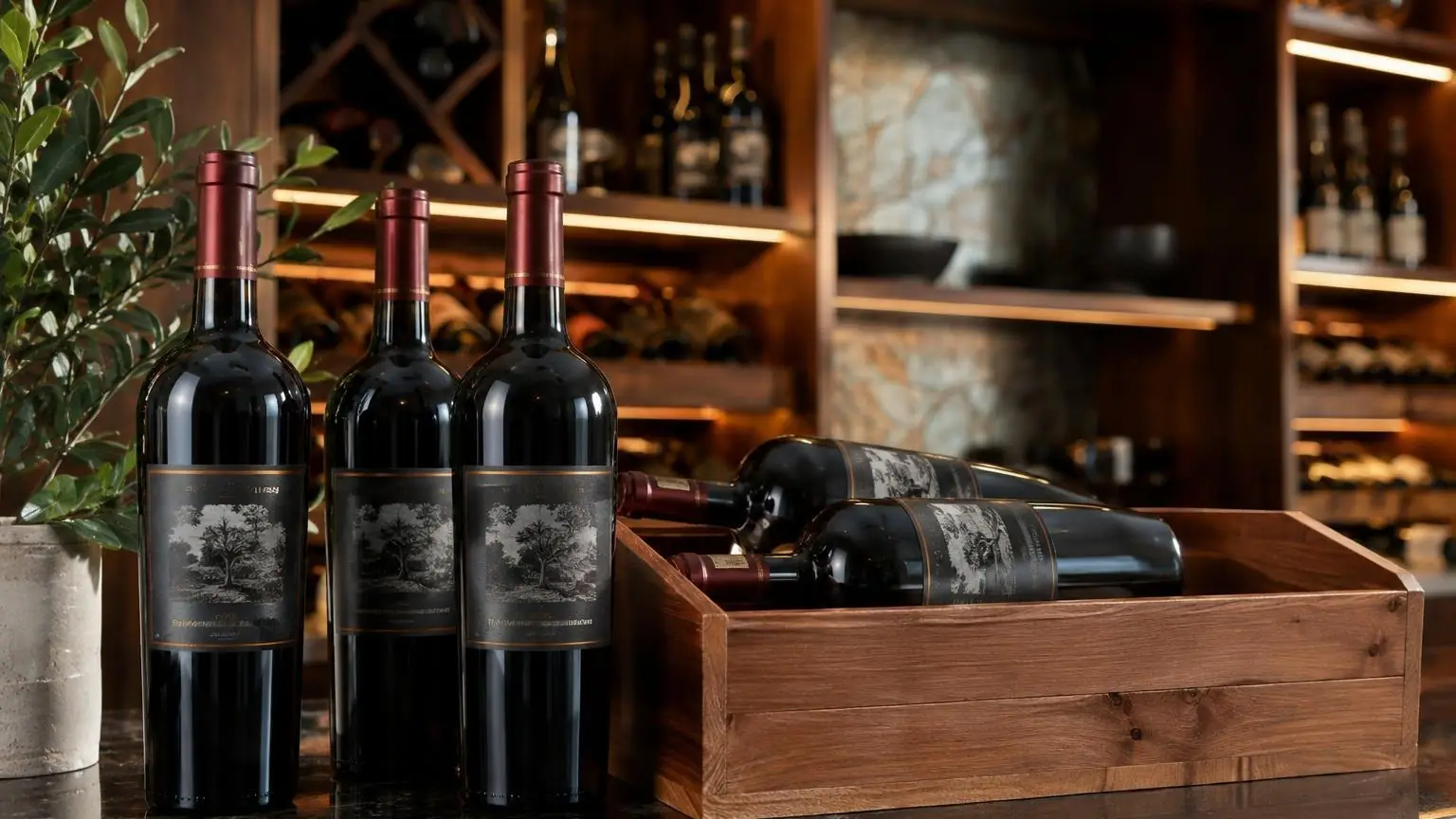
Costco typically contracts with established wineries, négociants, importers, and regional producers, with the actual source varying by wine, vintage, and appellation.
Does Costco disclose the winery behind every Kirkland wine?
No. Some Kirkland bottles list a producer, importer, bottler, or winemaker on the back label, but many do not identify the original winery by name.
The most reliable clues are the appellation, bottling statement, importer information, alcohol by volume, and any government-required label details.
Are Kirkland wines made by famous wineries?
Sometimes, but Costco does not generally confirm high-profile source relationships unless they appear on the label or in official materials.
In well-known regions such as Napa Valley, Champagne, Bordeaux, Rioja, and Chianti, Kirkland wines are often sourced through reputable regional producers or blending partners rather than made in Costco-owned facilities.
Does Costco own vineyards or wineries for Kirkland wine?
Costco is primarily a retailer, not a vineyard-owning wine producer. Kirkland Signature wines are private-label bottlings, meaning Costco works with outside wine producers and suppliers to create wines sold under the Kirkland brand.
Why are Kirkland wines usually cheaper than comparable bottles?
Costco’s scale, limited marketing costs, private-label sourcing, and lower retail markup help keep prices down.
A Kirkland wine can often cost less because the customer is paying for the wine and Costco distribution model, not a heavily advertised estate label.
Related Reading
- How Many Oz Is 45 Ml?
- How Long Is Maker’S Mark Bourbon Aged?
- How Many Oz Is 70 Ml?
- How Many Ml Is 3.3 Oz?
- How Many Oz In A Pound?
- How Many Ounces Is 5 Ml? A Complete, Experience-Based Guide You Can Rely On
- What Is A Good Bourbon Whiskey?
- All Blog Guides
- TTB COLAs Online (2025)
- TTB Wine Labeling (2025)
- Electronic Code of Federal Regulations, 27 CFR Part 4—Labeling and Advertising of Wine (2025)
- U.S. Securities and Exchange Commission, Costco Wholesale Corporation Form 10-K (2024)
- Costco Wholesale, Kirkland Signature (2025)
- CostcoWineBlog (2025)
- Reverse Wine Snob, Costco Wine Reviews (2025)