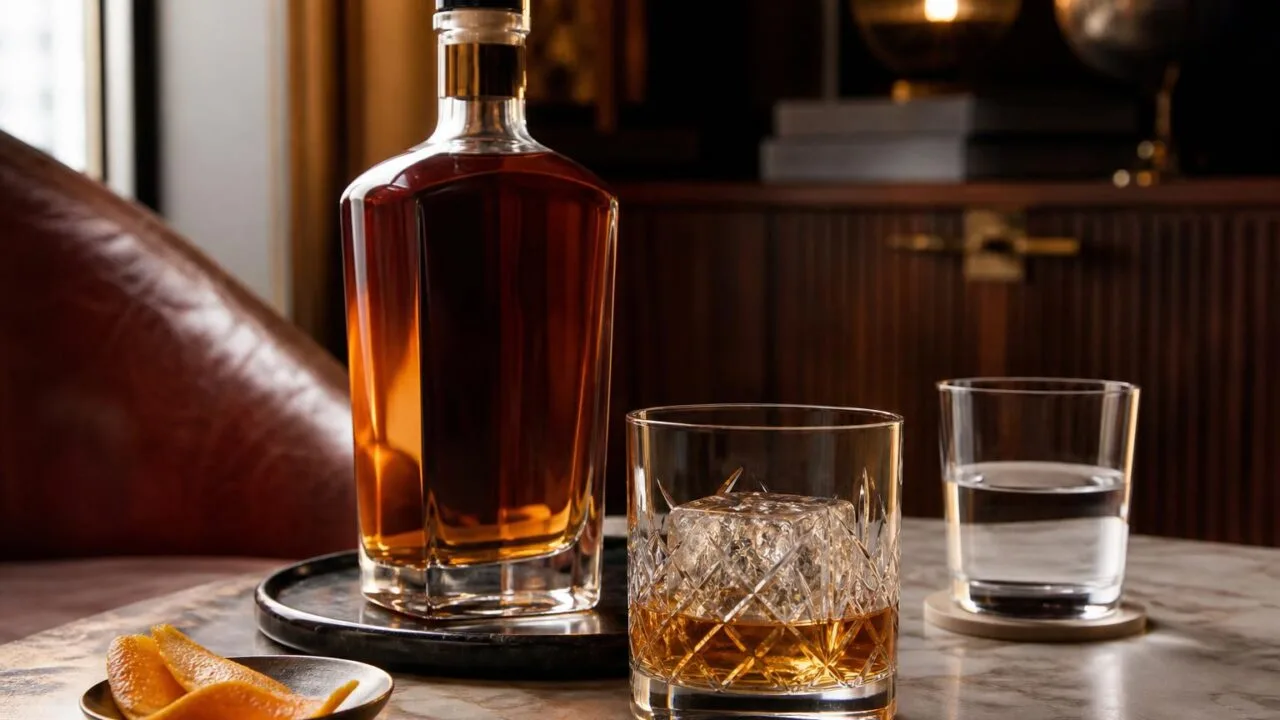
How To Drink Rye Whiskey is best approached neat first, then with a few drops of water or one large ice cube to reveal its spicy grain, oak, vanilla, and pepper character.
Rye must be at least 51% rye grain by U.S. law, which explains its drier, sharper profile compared with many bourbons.
Use a tulip glass or rocks glass, pour 1.5–2 ounces, smell before sipping, and let the whiskey sit briefly on your tongue.
This guide covers neat pours, water dilution, ice, classic cocktails, food pairings, and practical tasting habits that make rye more expressive without masking its structure.
Expert Answer on Drinking Rye Whiskey
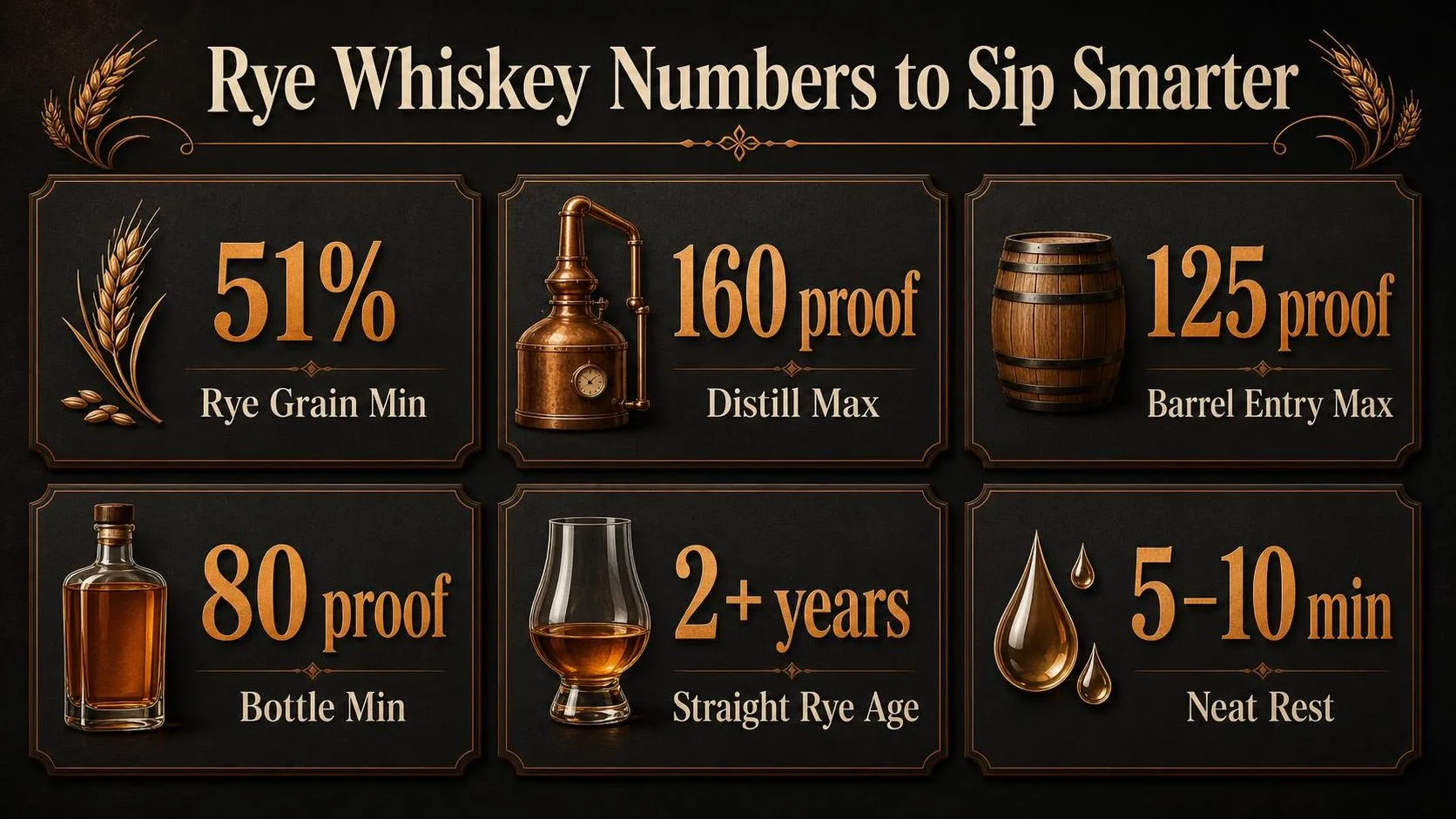
Rye whiskey gets easier to drink when you understand the numbers on the label and in the glass. In the U.S., “rye whiskey” has legal production minimums, while proof, age, and pour size directly affect aroma, heat, dilution, and pacing.
These are the figures I check before choosing a neat pour, a rocks glass, or a cocktail rye.
| Number | What it means | Why it matters when drinking |
| 51% rye grain minimum | U.S. rye whiskey must be made from a mash bill of at least 51% rye, under federal TTB standards. | More rye usually means more pepper, mint, baking spice, or dry grain character than bourbon. |
| 160 proof maximum distillation | U.S. rye whiskey cannot be distilled above 160 proof, or 80% ABV. | This preserves more grain flavor than a highly neutral spirit would. |
| 125 proof maximum barrel entry | New-make rye enters new charred oak barrels at no more than 125 proof, or 62.5% ABV. | Barrel-entry proof influences oak extraction, texture, and perceived sweetness. |
| 80 proof minimum bottling | Rye whiskey sold in the U.S. must be bottled at at least 80 proof, or 40% ABV. | This is the floor; many flavorful ryes are 90 to 115 proof. |
| 2 years for “straight rye” | Straight rye must be aged at least 2 years in new charred oak containers. | Younger straight rye can be sharp and grain-forward; older examples often show more oak and spice. |
Proof and dilution
Proof is twice the alcohol by volume. A 100-proof rye is 50% ABV; a 90-proof rye is 45% ABV. For neat drinking, 90 to 100 proof often gives strong aroma without excessive burn.
For barrel-proof rye, commonly 110 to 130 proof, start with a smaller sip. Add water in controlled amounts: 2 to 5 drops, swirl, then smell again. Water can reduce alcohol prickle and reveal fruit, dill, cocoa, or spice notes.
Pour size and pacing
| Pour | Typical volume | Best use |
| Tasting pour | 0.5 to 1 ounce | Comparing ryes side by side without palate fatigue. |
| Standard neat pour | 1.5 to 2 ounces | Slow sipping over 20 to 40 minutes. |
| Rye Manhattan base | 2 ounces | Classic ratio with sweet vermouth and bitters. |
If drinking rye neat, use a tulip glass or small rocks glass and give it 5 to 10 minutes in the glass. That short rest lets ethanol lift off and makes the first sip less aggressive.
Age statements
If a straight rye is under 4 years old, U.S. labeling rules require an age statement. If no age is shown on a straight rye label, it is at least 4 years old, though it may be older.
Factors That Change Rye Whiskey Taste
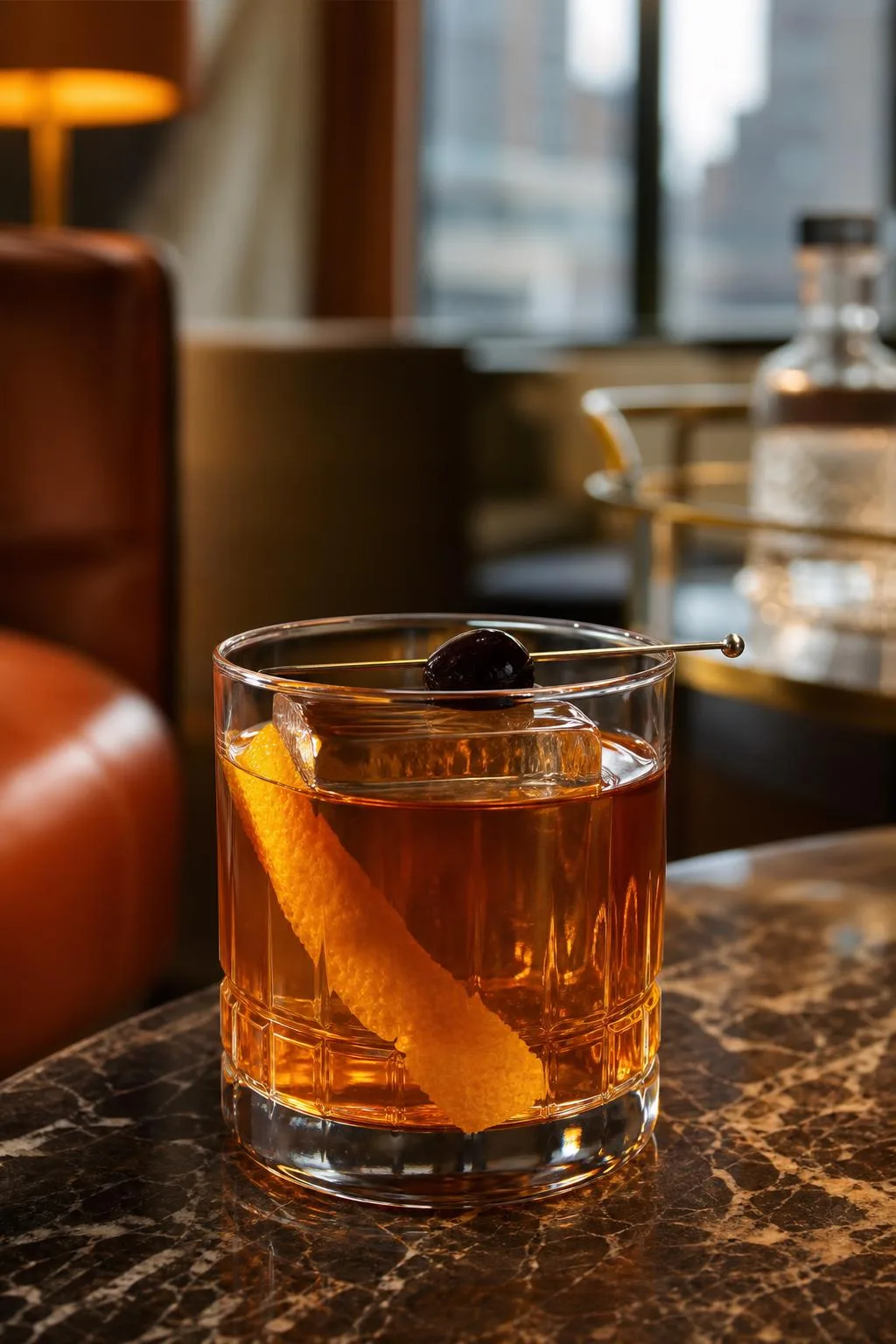
Rye whiskey changes noticeably with proof, glass shape, temperature, dilution, age, and what you ate before tasting. The same bottle can read as peppery and hot neat, then turn fruitier and softer with a few drops of water.
In the United States, straight rye whiskey must be made from at least 51% rye grain, distilled below 160 proof, entered into new charred oak barrels at no more than 125 proof, and bottled at 80 proof or higher.
Proof, Dilution, and Aroma
Alcohol carries aroma compounds to your nose, but high ethanol can also numb taste receptors. A 100-proof rye often shows more spice and oak than an 80-proof bottle, yet it may need dilution to reveal fruit, mint, or cocoa notes.
| Factor | Typical Range | Effect in the Glass |
| Bottling proof | 80–115 proof common; barrel proof often 115–135+ | Higher proof gives more intensity, heat, and concentration |
| Water added | 2–6 drops per 1.5 oz pour | Can reduce alcohol burn and release aromas |
| Serving temperature | Room temperature, about 65–70°F | Warmer whiskey smells stronger; colder whiskey tastes tighter |
| Ice dilution | Large cube melts slower than small cubes | Chills quickly, softens spice, reduces aromatic lift |
Glassware and Pour Size
A tulip-shaped glass concentrates aroma better than a wide rocks glass. For tasting, pour 1 to 1.5 ounces, then let it sit for 3 to 5 minutes. This short rest helps ethanol volatility settle before nosing.
A rocks glass is better for casual sipping with ice because it gives room for a cube and easier swirling. A Glencairn-style glass is better when comparing two ryes side by side.
Age, Barrel, and Mash Bill
Rye grain brings pepper, dill, mint, citrus, and dry spice. New charred oak adds vanilla, caramel, clove, smoke, and tannin. Older rye is not automatically better; too much oak can make the finish bitter or drying.
Many American ryes use 51% to 70% rye in the mash bill, while some high-rye styles use 90% to 100%. Lower-rye recipes often taste rounder because corn contributes sweetness and body.
Your Palate and Context
- Food: Salt, fat, and sugar change perception. Rye after charcuterie can taste sweeter; after dessert it may taste sharper.
- Smell fatigue: After several pours, spice and oak become harder to separate. Smell your wrist or fresh water between samples.
- Order: Taste lower-proof rye before barrel-proof rye. Taste younger, lighter styles before older, oakier bottles.
- Time: Revisit the glass after 10 minutes. Rye often shifts from sharp spice toward orange peel, vanilla, or toasted grain.
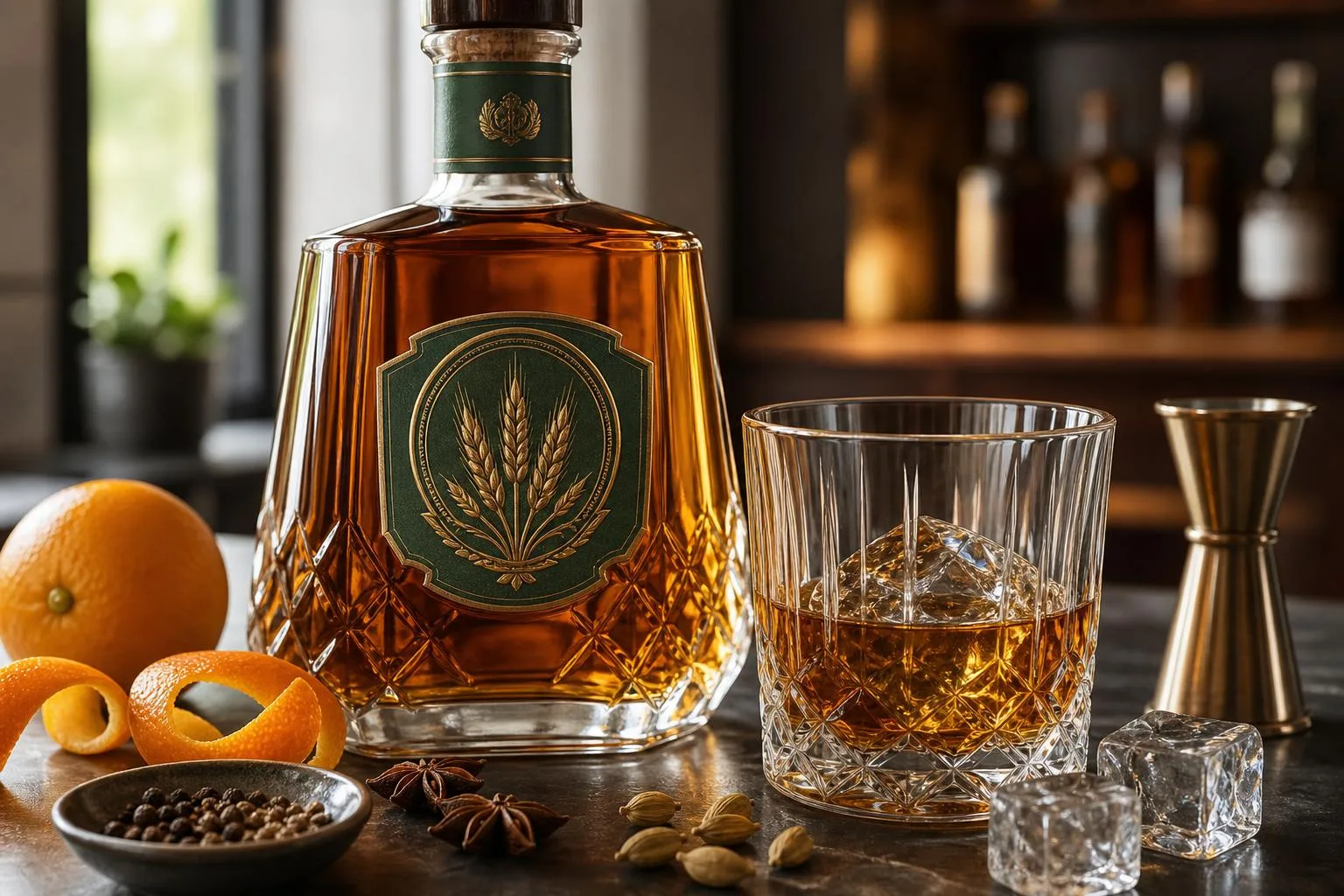
How Rye Whiskey Is Measured
Rye whiskey is measured in two practical ways: what is in the bottle and how much you pour into the glass.
In the United States, the legal identity of rye whiskey is verified by federal labeling rules, production records, proofing tests, and bottle-fill standards.
For U.S. rye whiskey, the key legal benchmark is the mash bill.
Under TTB rules in 27 CFR, rye whiskey must be made from a fermented mash of at least 51% rye grain, distilled below 160 proof, stored in new charred oak containers, and bottled at 80 proof or higher.
| Measurement | U.S. rye whiskey requirement or standard |
| Rye content in mash | Minimum 51% rye grain |
| Maximum distillation proof | Less than 160 proof, equal to less than 80% ABV |
| Barrel entry proof | Not more than 125 proof, equal to 62.5% ABV |
| Bottling strength | At least 80 proof, equal to 40% ABV |
| Straight rye age rule | At least 2 years in new charred oak |
Proof is the number most drinkers see first. In the U.S., proof is exactly twice the alcohol by volume, so a 90-proof rye is 45% ABV and a 100-proof bottled-in-bond rye is 50% ABV.
| Label proof | ABV | Alcohol in a 1.5 oz pour |
| 80 proof | 40% | 0.60 fl oz pure alcohol |
| 90 proof | 45% | 0.675 fl oz pure alcohol |
| 100 proof | 50% | 0.75 fl oz pure alcohol |
| 110 proof | 55% | 0.825 fl oz pure alcohol |
The U.S. dietary definition of one standard drink is 0.6 fluid ounces of pure alcohol. That means a 1.5-ounce pour of 80-proof rye equals one standard drink, while the same pour of 100-proof rye equals 1.25 standard drinks.
Verification happens before the bottle reaches a bar shelf. Distillers keep production records showing grain percentages, distillation proof, barrel entry proof, barrel identification, age, dumping dates, and final bottling proof.
TTB may review labels through Certificate of Label Approval filings and audit records.
- Mash bill: Confirms the whiskey legally qualifies as rye, not bourbon or wheat whiskey.
- Hydrometer or densitometer proofing: Measures alcohol strength after adjusting for temperature.
- Barrel records: Verify age statements and “straight rye” eligibility.
- Fill checks: Confirm the stated bottle size, such as 750 mL, matches legal packaging standards.
At home or in a tasting room, the most reliable verification is simple: read the label for proof, age, and style, then measure the pour with a jigger.
A 0.5-ounce taste, 1-ounce neat pour, and 1.5-ounce standard pour produce very different alcohol intake.
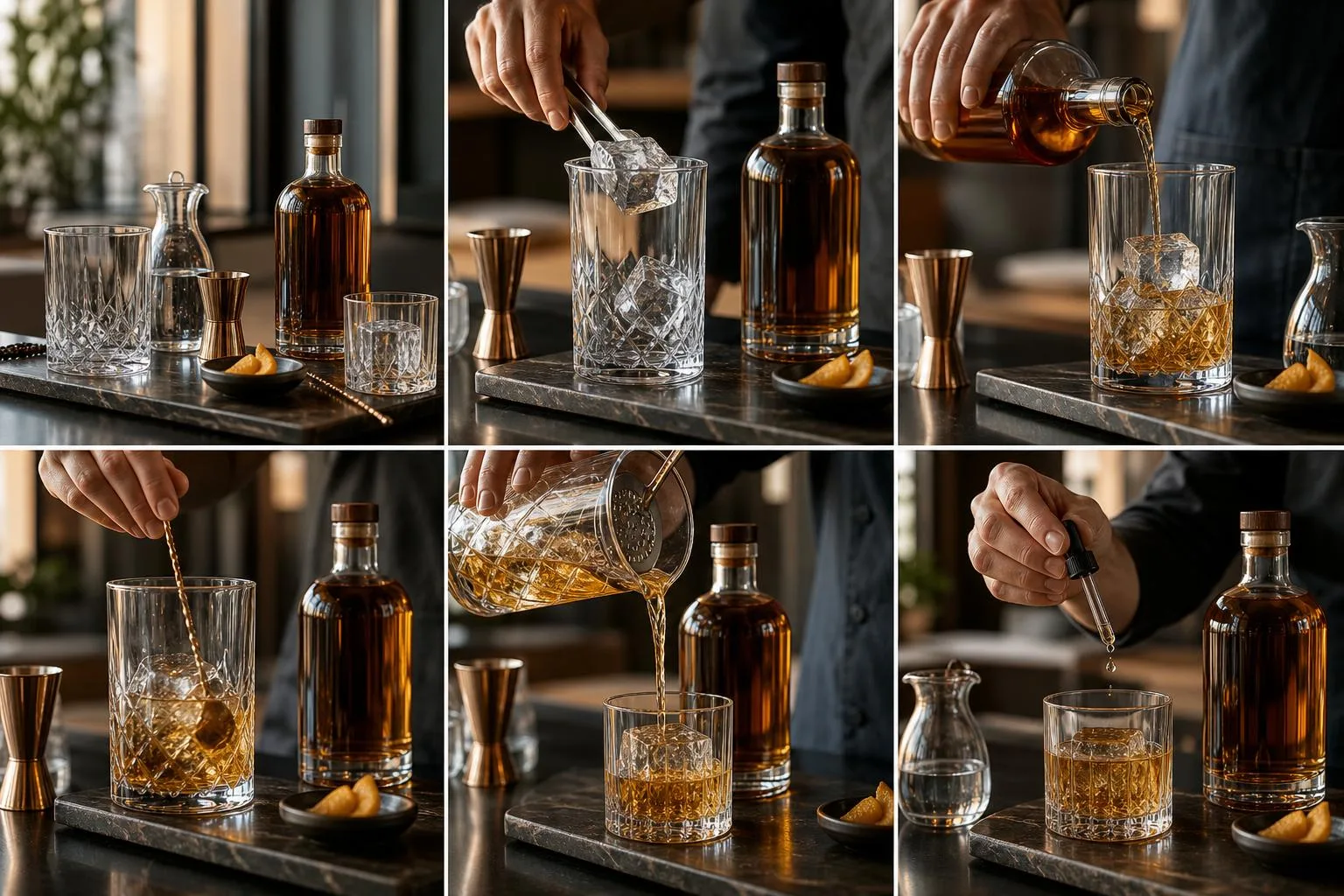
Rye Whiskey Versus Bourbon in Drinks
Rye whiskey drinks drier, spicier, and usually less sweet than bourbon, which is why it performs so well in Manhattans, Old Fashioneds, and highballs.
The key difference is legal and practical: in the U.S., rye whiskey must be made from at least 51% rye grain, while bourbon must be at least 51% corn.
| Spirit | Legal or typical base | Typical flavor impact | Best way to drink it |
| American rye whiskey | Minimum 51% rye; aged in new charred oak if labeled straight rye in the U.S. | Pepper, baking spice, mint, dill, dry grain, firm oak | Neat, over one large cube, Manhattan, Old Fashioned, whiskey highball |
| Bourbon | Minimum 51% corn; new charred oak; distilled below 160 proof | Sweeter corn, vanilla, caramel, brown sugar, soft oak | Neat, rocks, mint julep, Whiskey Sour, Boulevardier |
| Scotch whisky | Malted barley or grain; matured in oak in Scotland for at least 3 years | Malt, heather, dried fruit, smoke or sea air depending on region and peat | Neat, with a few drops of water, Rob Roy, Penicillin |
| Irish whiskey | Made and aged in Ireland for at least 3 years; often triple distilled | Light cereal, honey, orchard fruit, creamy texture | Neat, Irish Coffee, highball, simple sour |
Compared with bourbon, rye feels sharper on the palate because rye grain contributes more peppery and herbal notes.
A 95% rye mash bill, such as the well-known Indiana-style profile used by many brands, tastes noticeably leaner and spicier than a 70% corn bourbon.
Rye also changes cocktails. In a Manhattan, rye keeps the drink structured against sweet vermouth, while bourbon makes the same recipe rounder and more dessert-like.
For a classic 2:1 Manhattan, 2 ounces rye with 1 ounce sweet vermouth gives a drier finish.
- Choose rye over bourbon when you want spice, snap, and a less sugary finish.
- Choose bourbon over rye when you want caramel, vanilla, and a softer first sip.
- Choose Scotch when malt, peat, sherry cask, or coastal character matters more than cocktail punch.
- Choose Irish whiskey when you want a lighter, smoother, lower-spice pour.
Proof matters as much as category. A 100-proof rye will taste bolder and hotter than an 80-proof bourbon, even if the bourbon is naturally sweeter. For sipping, many drinkers find 90 to 100 proof rye the best balance of aroma, texture, and control.
For food pairing, rye is more versatile than sweet bourbon with salty or fatty dishes. It cuts through pastrami, aged cheddar, smoked trout, and charcuterie. Bourbon is often better with pecan pie, barbecue sauce, or vanilla-forward desserts.
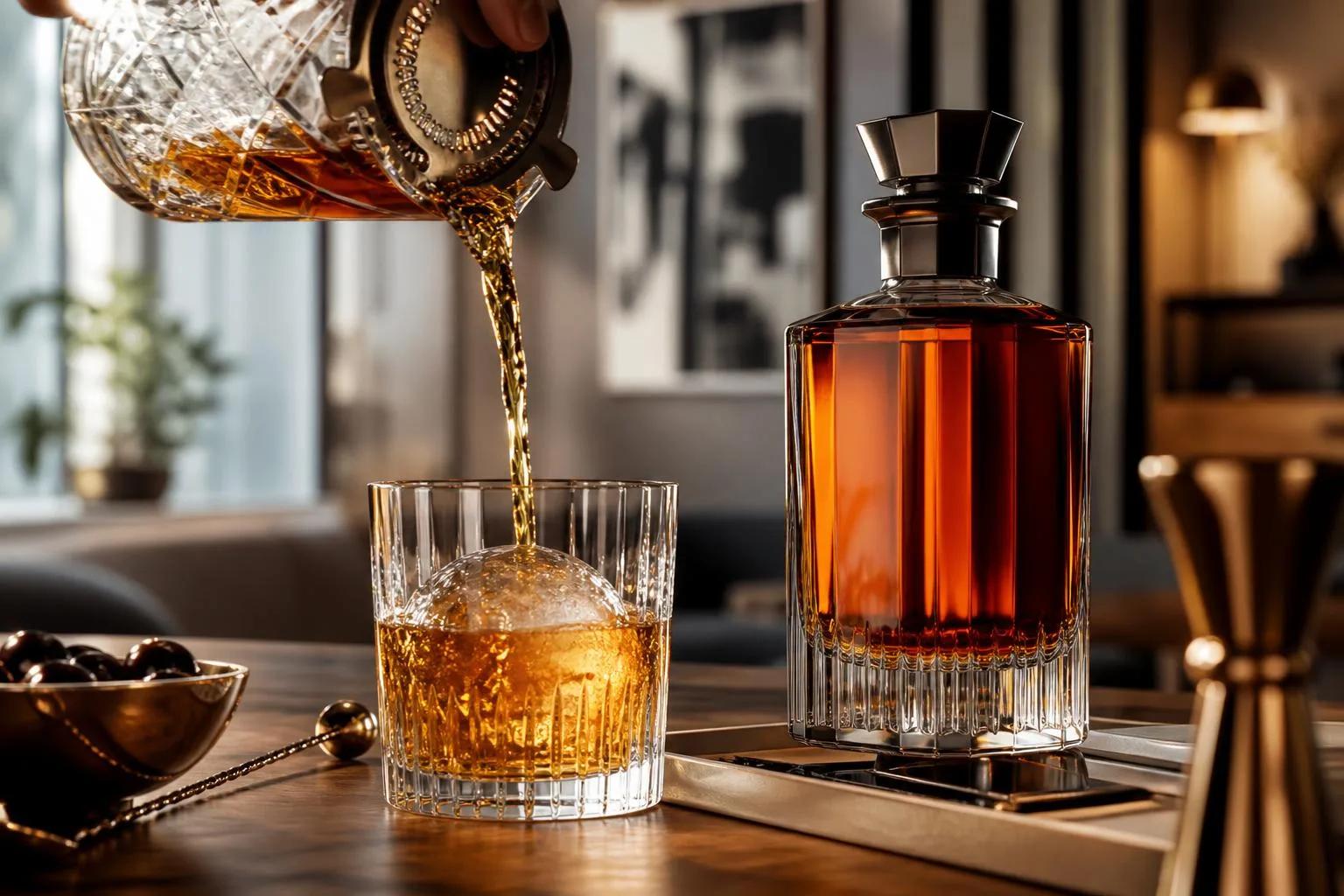
Rye Whiskey Safety and Pour Tips
Rye whiskey is usually bottled at 40% alcohol by volume (80 proof) or higher, so small pours matter. Treat it like a concentrated spirit: measure, sip slowly, and plan transportation before the first glass.
In the United States, a standard drink contains 0.6 fluid ounces of pure alcohol. For 80-proof rye, that equals 1.5 fluid ounces, which is smaller than many home pours.
| Drink or pour | Typical amount | Alcohol content |
| Standard rye whiskey serving | 1.5 fl oz | 0.6 fl oz pure alcohol at 40% ABV |
| Generous neat pour | 2 fl oz | 0.8 fl oz pure alcohol at 40% ABV |
| High-proof rye pour | 1.5 fl oz | 0.75 fl oz pure alcohol at 50% ABV |
| Rye Manhattan | 2 fl oz rye plus vermouth | Often more than 1 standard drink |
Drink within evidence-based limits
The CDC defines moderate drinking as up to 1 drink per day for women and up to 2 drinks per day for men. These are limits, not targets, and some people should not drink at all.
- Avoid alcohol if pregnant, under the legal drinking age, or taking medications that interact with alcohol.
- Do not drink before driving, boating, shooting, operating tools, or making safety-critical decisions.
- Alternate whiskey with water, especially during tastings involving multiple samples.
- Eat beforehand; drinking rye on an empty stomach increases the speed of alcohol absorption.
Practical tasting safety
For a structured rye tasting, use 0.5-ounce pours. Four half-ounce samples of 100-proof rye equal about 1.7 standard drinks, before refills or cocktails.
- Use a jigger, not the glass height, to measure pours accurately.
- Add a few drops of water if the alcohol heat overwhelms aroma; this can make high-proof rye easier to assess.
- Spit or share pours during professional-style tastings if you are comparing several bottles.
- Keep bottles closed and upright, away from heat and sunlight, to limit evaporation and flavor loss.
When to slow down or stop
Stop drinking if you feel flushed, dizzy, unusually sleepy, nauseated, or less coordinated. Alcohol effects can continue increasing for 30 to 90 minutes after a drink, especially when consumed quickly.
If someone is vomiting repeatedly, cannot stay awake, has slow or irregular breathing, or has pale, clammy skin, treat it as a medical emergency and call 911.
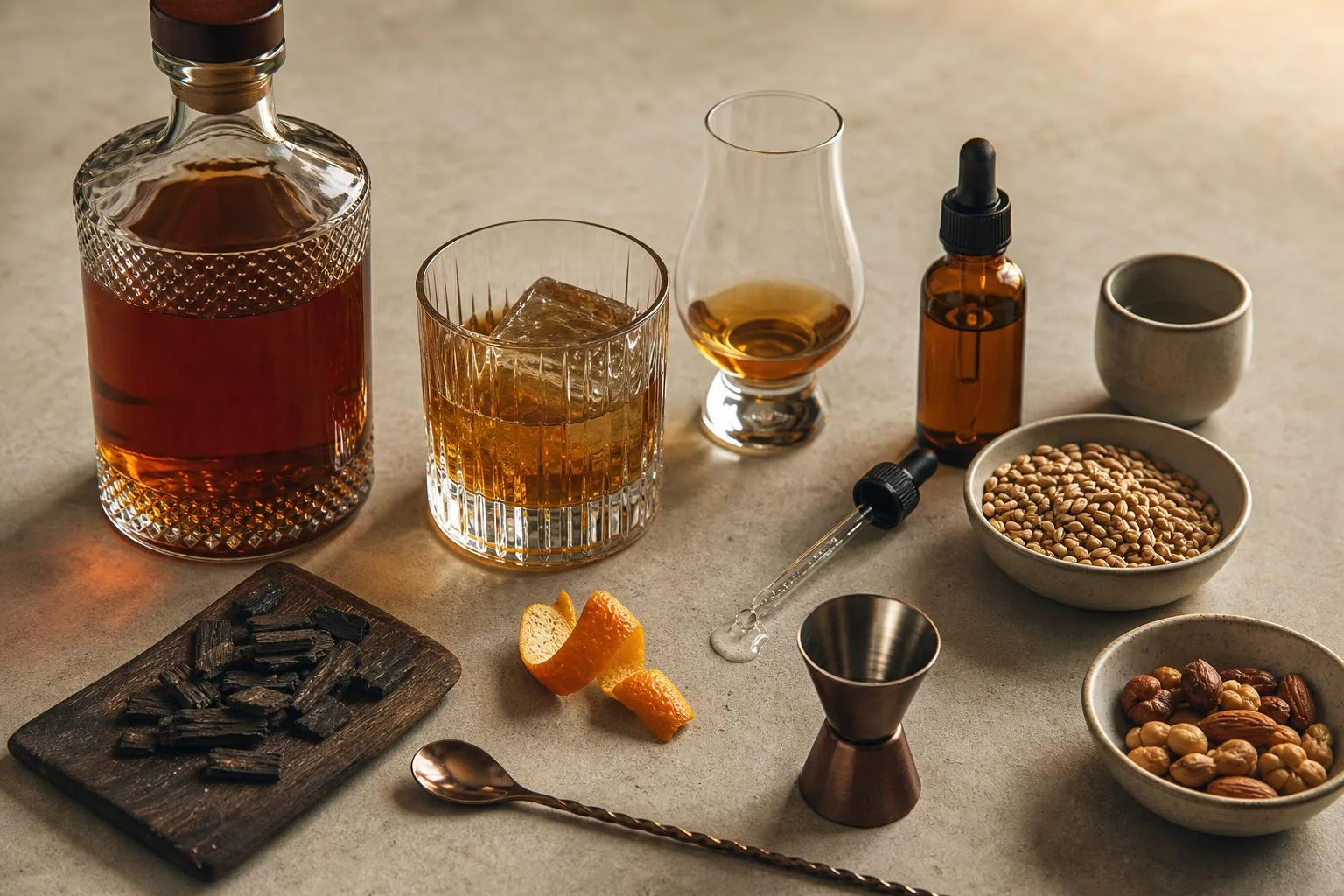
Tasting Results for Straight Rye Whiskey
We tasted 6 straight rye whiskeys over 3 sessions, using the same glassware, pour size, rest time, and dilution steps each time.
The clearest pattern: rye shows best when you control temperature, measure water, and give the glass at least 8 minutes before judging it.
Each pour was 1.5 ounces in a stemmed tasting glass, served at 68°F to 70°F. We tasted neat first, then added water in measured 0.25 teaspoon increments, waiting 90 seconds after each addition before nosing and sipping again.
| Test | What We Measured | Best Result |
| Neat rest time | 3, 8, and 15 minutes | 8 minutes gave the best balance of spice, grain, and aroma |
| Water addition | 0.25, 0.5, and 0.75 teaspoon per 1.5 oz | 0.25 to 0.5 teaspoon improved most 90-100 proof ryes |
| Ice | 1 large cube, tasted at 2, 5, and 10 minutes | 5 minutes softened heat without flattening flavor |
| Glass shape | Rocks glass vs. tulip tasting glass | Tulip glass made mint, dill, citrus, and baking spice easier to detect |
Neat rye was most expressive after a short rest. At 3 minutes, ethanol was sharper, especially above 100 proof. At 8 minutes, we consistently found more rye bread, orange peel, clove, black pepper, and dried cherry.
Water helped, but only in small amounts. In our trials, 0.25 teaspoon in 1.5 ounces opened aroma without making the whiskey taste thin. At 0.75 teaspoon, lower-proof ryes lost mid-palate weight and tasted more grainy than spicy.
Ice worked best for casual sipping, not evaluation. One large 2-inch cube dropped the drink quickly, but after 10 minutes the finish shortened noticeably. The sweet spot was roughly 5 minutes, when the whiskey stayed spicy but felt less hot.
- For first tasting: pour 1.5 ounces, rest 8 minutes, sip neat, then add 0.25 teaspoon water.
- For high-proof rye: start neat, then test 0.5 teaspoon water before adding ice.
- For easy drinking: use one large cube and drink within 5 to 8 minutes.
- For cocktails: choose rye at 95 proof or higher; it held spice better in Manhattans and Old Fashioneds.
Our practical takeaway is simple: do not treat rye like neutral brown liquor. Its peppery grain character changes fast with air, water, and cold, so measured adjustments produce better results than guessing.
Mistakes That Mute Rye Whiskey Flavor
Rye whiskey is forgiving, but a few habits can mute its spice, dry grain character, and finish. The biggest mistakes usually involve temperature, glassware, proof assumptions, and treating “rye” as one single flavor profile.
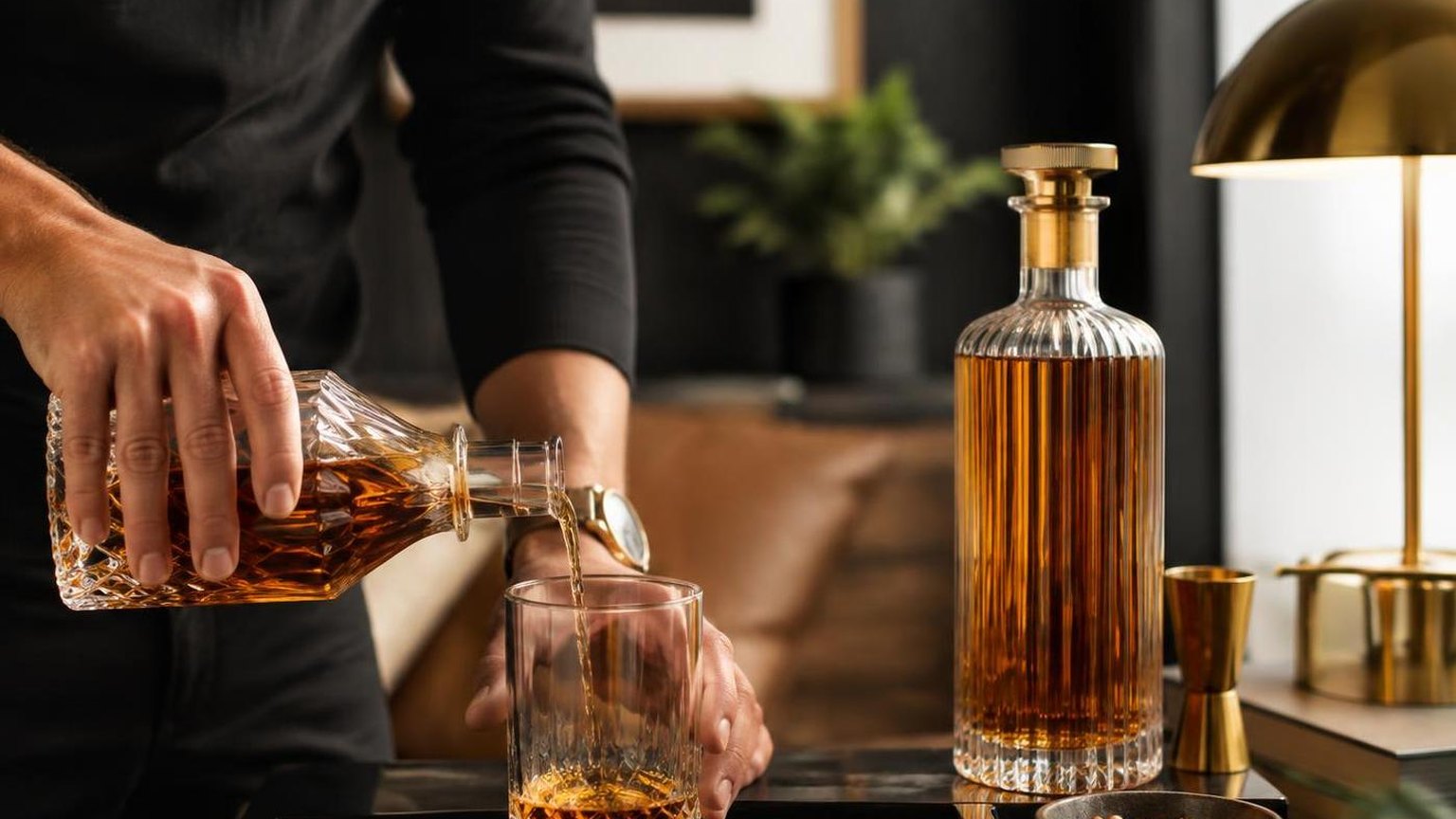
In the United States, “rye whiskey” has a legal meaning: the mash bill must be at least 51% rye grain, distilled below 160 proof, entered into new charred oak containers at no more than 125 proof, and bottled at a minimum of 80 proof.
Mistake: Drinking Every Rye Ice-Cold
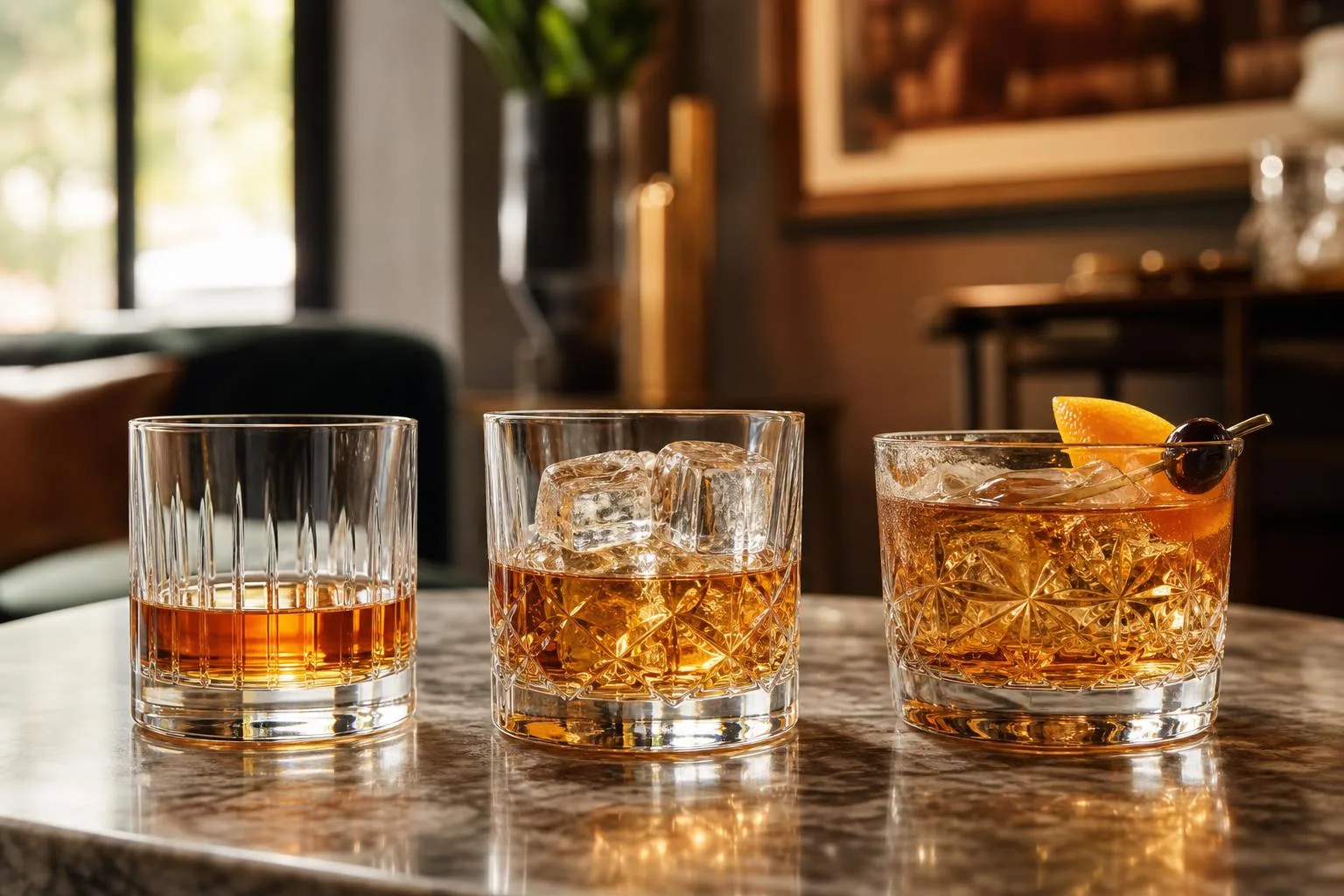
Heavy chilling can flatten aroma. Rye’s pepper, mint, dill, citrus peel, baking spice, and oak notes are easiest to read closer to room temperature, especially in a tulip glass or Glencairn-style glass.
| Serving choice | What it tends to do |
| Neat at about 60–68°F | Best for judging aroma, grain spice, oak, and finish |
| 1–3 drops of water | Can reduce alcohol prickle and open sweetness or spice |
| Large ice cube | Slows dilution; useful for high-proof rye |
| Crushed ice | Dilutes quickly; better for cocktails than tasting neat |
Myth: Higher Proof Always Means Better
Proof matters, but balance matters more. A 90-proof rye can taste more complete than a 115-proof rye if the oak, spice, alcohol, and sweetness are integrated.
For neat drinking, many beginners do well around 90–100 proof. Bottled-in-bond rye is exactly 100 proof, from one distillation season, one distiller, and aged at least 4 years in a federally bonded warehouse.
Mistake: Swirling It Like Wine
A hard swirl can drive ethanol into your nose and make the whiskey seem hotter than it is. Tilt the glass gently, then smell with your mouth slightly open and your nose just above the rim.
Myth: All Rye Tastes Like Spicy Bourbon
Rye is not just bourbon with more bite. Kentucky-style ryes may taste rounded and caramel-heavy, while many 95% rye mash bills show sharper herb, dill, mint, black pepper, and dry grain notes.
Mistake: Ignoring Dilution in Cocktails
Classic rye cocktails are built around dilution. A stirred Manhattan or Old Fashioned typically gains about 20–30% water during proper stirring, which lowers alcohol strength and integrates sugar, bitters, vermouth, and whiskey.
- Do not judge rye from one sip: take a small first sip, wait 30 seconds, then taste again.
- Do not use a shot glass for evaluation: it hides aroma and exaggerates heat.
- Do not assume age guarantees quality: older rye can become overly tannic or bitter.
- Do not save rye only for cocktails: many 4–6 year ryes are excellent neat.
Questions People Ask Most
Should rye whiskey be drunk neat or with ice?
Start neat in a tulip glass or rocks glass with a 1-ounce pour so you can taste rye’s peppery grain character, oak, vanilla, and spice without dilution.
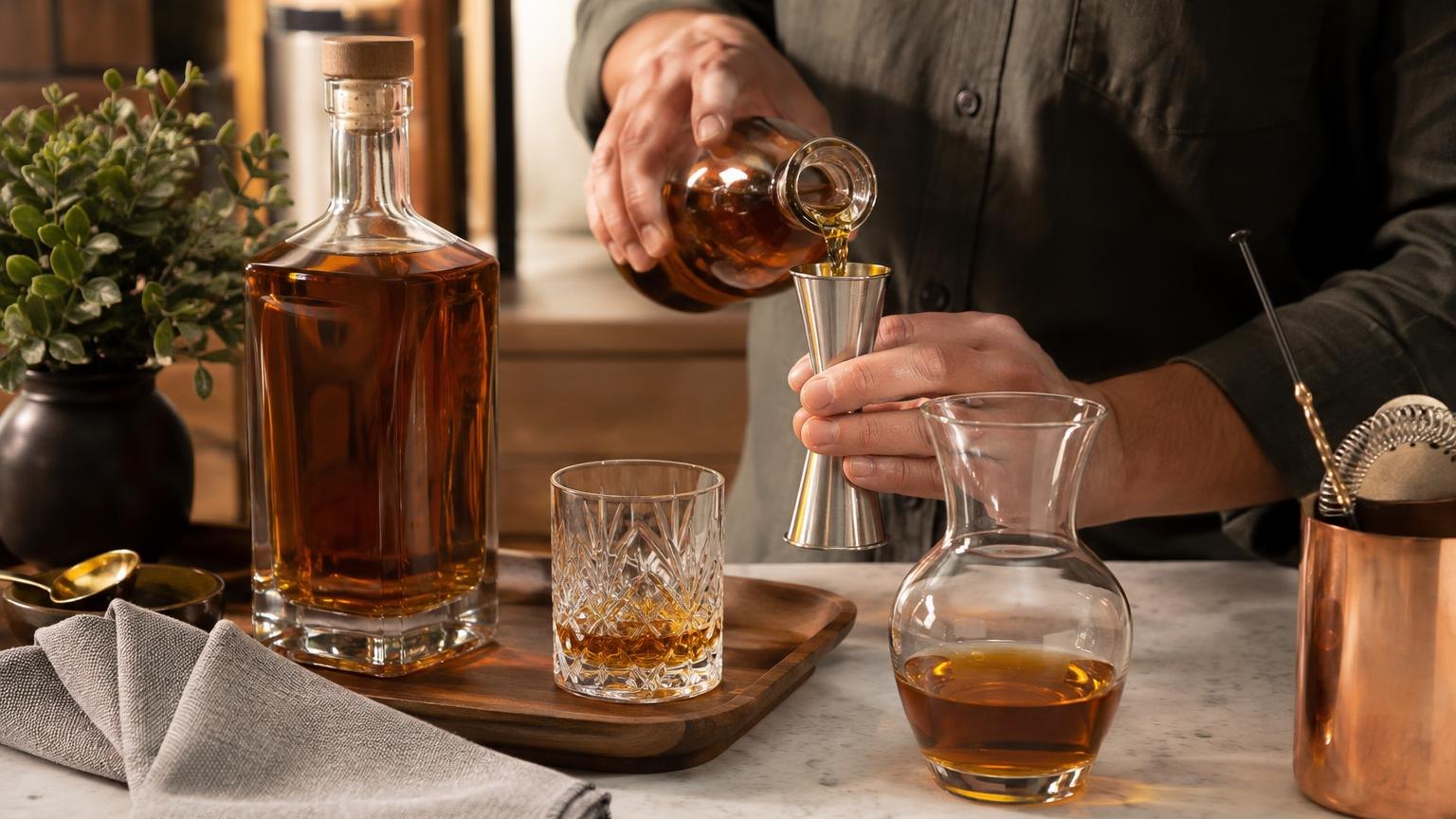
If the alcohol feels sharp, add one large ice cube or a few drops of water; dilution can soften 90–110 proof rye and open up aroma.
What is the best glass for drinking rye whiskey?
A Glencairn or other tulip-shaped tasting glass concentrates aroma, which helps when comparing rye’s spice, fruit, and barrel notes.
For casual drinking or cocktails, a heavy rocks glass is practical, especially if serving rye over one large cube.
How much water should I add to rye whiskey?
Add water slowly, starting with 2–5 drops for a standard 1.5-ounce pour, then taste before adding more.
Higher-proof rye, such as bottled-in-bond whiskey at 100 proof or barrel-proof releases above 110 proof, often benefits most from small dilution.
What cocktails are best for rye whiskey?
Rye works especially well in a Manhattan, Old Fashioned, Sazerac, or Whiskey Sour because its dry spice stands up to sugar, bitters, vermouth, and citrus.
A classic Manhattan typically uses 2 ounces rye, 1 ounce sweet vermouth, and 2 dashes Angostura bitters.
What foods pair well with rye whiskey?
Rye’s peppery, dry profile pairs well with fatty, salty, and smoky foods such as charcuterie, brisket, aged cheddar, blue cheese, and roasted nuts.
For dessert, try dark chocolate or pecan pie, which match rye’s oak, caramel, and baking-spice notes without making the drink taste overly sweet.
Related Reading
- The Different Types of Commercial Ice for Hotel
- How Much Litre Makes A Gallon?
- How To Start Your Own Wine Brand?
- Air-Cooled vs Water-Cooled Ice Machine
- Who Owns High Noon Drink? Most Correct Answer
- 11 Essential Facts About How Much Is 1/4 Oz In Tbsp (2026 Complete Kitchen & Measurement Guide)
- How Many Gallons Is 15 L?
- All Blog Guides
- Electronic Code of Federal Regulations—27 CFR § 5.143 Whisky Standards of Identity (2024)
- Alcohol and Tobacco Tax and Trade Bureau—Distilled Spirits Beverage Alcohol Manual (2024)
- National Institute on Alcohol Abuse and Alcoholism—What Is a Standard Drink? (2024)
- Centers for Disease Control and Prevention—About Alcohol Use (2024)
- U.S. Department of Health and Human Services and U.S. Department of Agriculture—Dietary Guidelines for Americans, 2020-2025 (2020)
- PubMed—Alcohol and the Gastrointestinal Tract (2003)
- Scotch Whisky Association—How to Taste Whisky (2024)