
How Many Cc In A Teaspoon is 4.92892 cc in a U.S. teaspoon. In practical kitchen and pharmacy use, that is usually rounded to 5 cc, because 1 cubic centimeter equals 1 milliliter and standard measuring spoons are not perfectly precise.
The number changes if you use a different teaspoon standard: a metric teaspoon is exactly 5 cc, while an imperial teaspoon is about 5.919 cc.
For accurate dosing, recipes, or lab-style measuring, always confirm whether the source means U.S., metric, or imperial teaspoons.
Cc Equals Milliliters Exactly
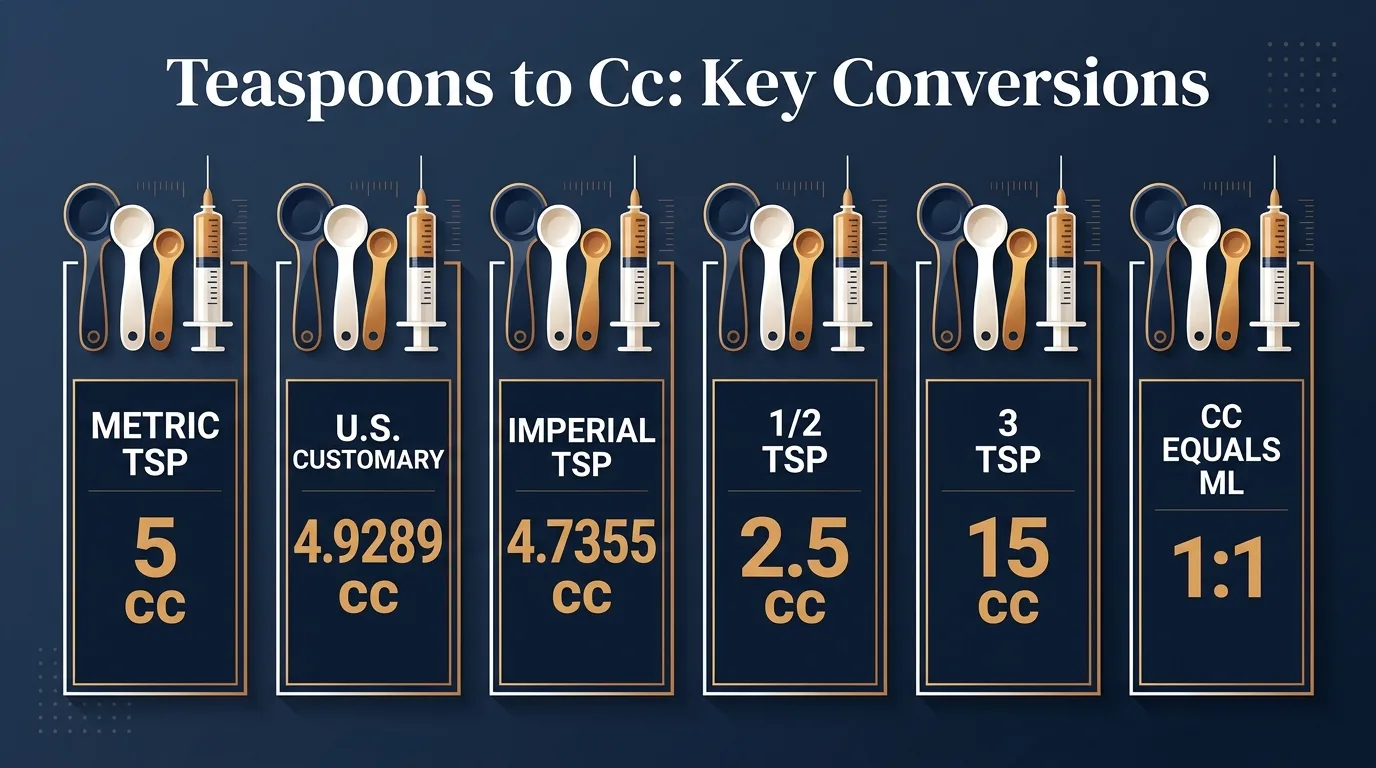
One cubic centimeter, written as cc, is exactly the same volume as one milliliter: 1 cc = 1 mL. The only real question is which “teaspoon” standard you mean, because U.S. customary, metric, and imperial teaspoons are not identical.
For most kitchen, bar, and nutrition use in the United States, a teaspoon is treated as 5 mL, so the practical answer is: 1 teaspoon = 5 cc. The exact U.S. customary teaspoon is slightly smaller: 4.92892159375 cc.
| Measurement | Volume in cc | Best use |
| 1 metric teaspoon | 5 cc | Modern recipes, measuring spoons, nutrition labels |
| 1 U.S. customary teaspoon | 4.92892159375 cc | Exact U.S. customary conversions |
| 1 imperial teaspoon | 4.7355104167 cc | Older U.K. imperial references |
The metric teaspoon is the cleanest conversion because it is defined as 5 mL, and 1 mL equals 1 cc. That is why medical syringes, dosing cups, and nutrition labels usually use mL rather than “cc” or household spoon sizes.
The U.S. customary teaspoon comes from the U.S. fluid ounce: 1 teaspoon is 1/6 of a U.S. fluid ounce. Since 1 U.S. fluid ounce is 29.5735295625 mL, dividing by 6 gives 4.92892159375 mL, or the same number in cc.
| Teaspoon amount | Using 5 cc per tsp | Exact U.S. customary cc |
| 1/4 tsp | 1.25 cc | 1.2322303984 cc |
| 1/2 tsp | 2.5 cc | 2.4644607969 cc |
| 1 tsp | 5 cc | 4.92892159375 cc |
| 2 tsp | 10 cc | 9.8578431875 cc |
| 3 tsp | 15 cc | 14.7867647813 cc |
In real measuring, the difference between 5 cc and 4.9289 cc is about 0.0711 cc per teaspoon. That is roughly a 1.44% difference, too small for most drink recipes but relevant for lab work or medication dosing.
For cocktails, syrups, bitters, or kitchen measurements, use 1 tsp = 5 cc unless a technical source specifies U.S. customary precision. For medicine, do not use a kitchen teaspoon; use a marked oral syringe or dosing device in mL/cc.
- Fast answer: 1 teaspoon is usually 5 cc.
- Exact U.S. answer: 1 teaspoon is 4.92892159375 cc.
- Scientific answer: cc and mL are equal units of volume.
Teaspoon Type Changes Conversion
A teaspoon-to-cc conversion depends first on which “teaspoon” is being used. In U.S. nutrition and pharmacy contexts, 1 teaspoon is standardized as 5 mL, and because 1 mL equals 1 cubic centimeter, that is 5 cc.
The result changes when recipes, measuring spoons, or household cutlery use a different teaspoon size. The word “teaspoon” is common, but it is not always a single physical volume worldwide.
| Teaspoon standard | Volume in mL | Volume in cc | Where it matters |
| U.S. customary teaspoon | 4.9289 mL | 4.9289 cc | Older U.S. volume conversions and some technical references |
| U.S. nutrition-label teaspoon | 5 mL | 5 cc | FDA-style food labeling and practical kitchen use |
| Metric teaspoon | 5 mL | 5 cc | Most modern recipes and measuring-spoon sets |
| Australian teaspoon | 5 mL | 5 cc | Australian cooking; note the tablespoon differs at 20 mL |
The biggest practical issue is the spoon itself. A calibrated measuring teaspoon is intended to hold about 5 cc when filled level. A flatware teaspoon from a drawer may hold less or more, often around 3 to 7 mL depending on bowl shape.
- Level versus heaped filling: A level teaspoon is the intended standard. A heaped teaspoon of sugar, salt, or powder can exceed 5 cc because the pile rises above the rim.
- Liquid meniscus: For water-thin liquids, reading the bottom of the meniscus at eye level gives the most consistent 5 cc measurement. Looking from above can overfill slightly.
- Viscosity and cling: Honey, syrup, oil, and liqueurs may coat the spoon. The spoon may contain 5 cc, but not all of it may pour out unless scraped.
- Ingredient form: Cubic centimeters measure volume, not weight. One 5 cc teaspoon of water weighs about 5 g, while 5 cc of table salt or flour weighs a different amount.
- Packing and granule size: Fine salt, kosher salt, brown sugar, and sifted flour leave different air spaces. The same 5 cc volume can deliver noticeably different weights.
Temperature has only a minor effect in normal kitchen use. Water near room temperature is close enough that 1 mL is treated as 1 cc for cooking, dosing, and beverage measurements.
For medication, do not use a household teaspoon. Use an oral syringe or dosing cup marked in mL, because a 1 mL error equals 1 cc and can be significant for concentrated liquids.
Teaspoons Are Measured by Volume
A teaspoon is verified by volume, not by weight. In U.S. cooking and medical dosing, the accepted conversion is 1 teaspoon equals 4.92892159375 cubic centimeters, commonly rounded to 4.93 cc or 5 mL for practical use.
The key is that “cc” and “mL” are equivalent volume units. The National Institute of Standards and Technology treats 1 cubic centimeter as exactly 1 milliliter, so teaspoon-to-cc checks are teaspoon-to-mL checks.
Reference values used for verification
| Measure | Exact or accepted value | Practical use |
| 1 cubic centimeter | 1 milliliter | Used interchangeably as cc and mL |
| 1 U.S. teaspoon | 4.92892159375 mL | Rounded to 4.93 cc |
| 1 metric teaspoon | 5 mL | Common in nutrition labeling and medicine cups |
| 1 U.S. tablespoon | 14.78676478125 mL | Equals 3 U.S. teaspoons |
For kitchen verification, use a calibrated liquid measuring spoon or a syringe marked in milliliters. Fill the teaspoon level to the rim, avoiding a dome of liquid above the edge, then transfer it into the syringe or graduated cylinder.
A properly sized U.S. teaspoon should deliver about 4.93 mL. If the reading is 5.0 mL, the spoon is effectively a metric teaspoon or a rounded household approximation, which is usually acceptable for cooking but not ideal for medication.
Why household teaspoons vary
Flatware teaspoons are not measurement tools. In real kitchens, decorative teaspoons often hold less or more than the U.S. standard because bowl depth and shape vary by manufacturer.
| Tool | Expected reliability | Best use |
| Calibrated measuring teaspoon | High | Recipes, baking, repeatable measurements |
| Oral dosing syringe | Very high | Medicine and small liquid volumes |
| Graduated cylinder | Very high | Verification and laboratory-style checking |
| Flatware teaspoon | Low | Stirring, serving, not precise measuring |
For medication, U.S. pharmacy practice favors metric dosing because “teaspoon” can be misunderstood. A prescribed 5 mL dose should be measured with an oral syringe or dosing cup marked in mL, not an eating spoon.
- Check the marking: “tsp” may mean 4.93 mL in U.S. customary measurement.
- Use mL or cc markings when accuracy matters; they represent the same volume.
- Read liquid volume at eye level from the bottom of the meniscus.
- Use level fills for spoons; heaped spoonfuls are not valid volume measurements.
In practice, the verified answer is simple: 1 U.S. teaspoon is 4.93 cc, while many metric and medical contexts round a teaspoon to 5 cc. For precision, state the mL or cc value directly.
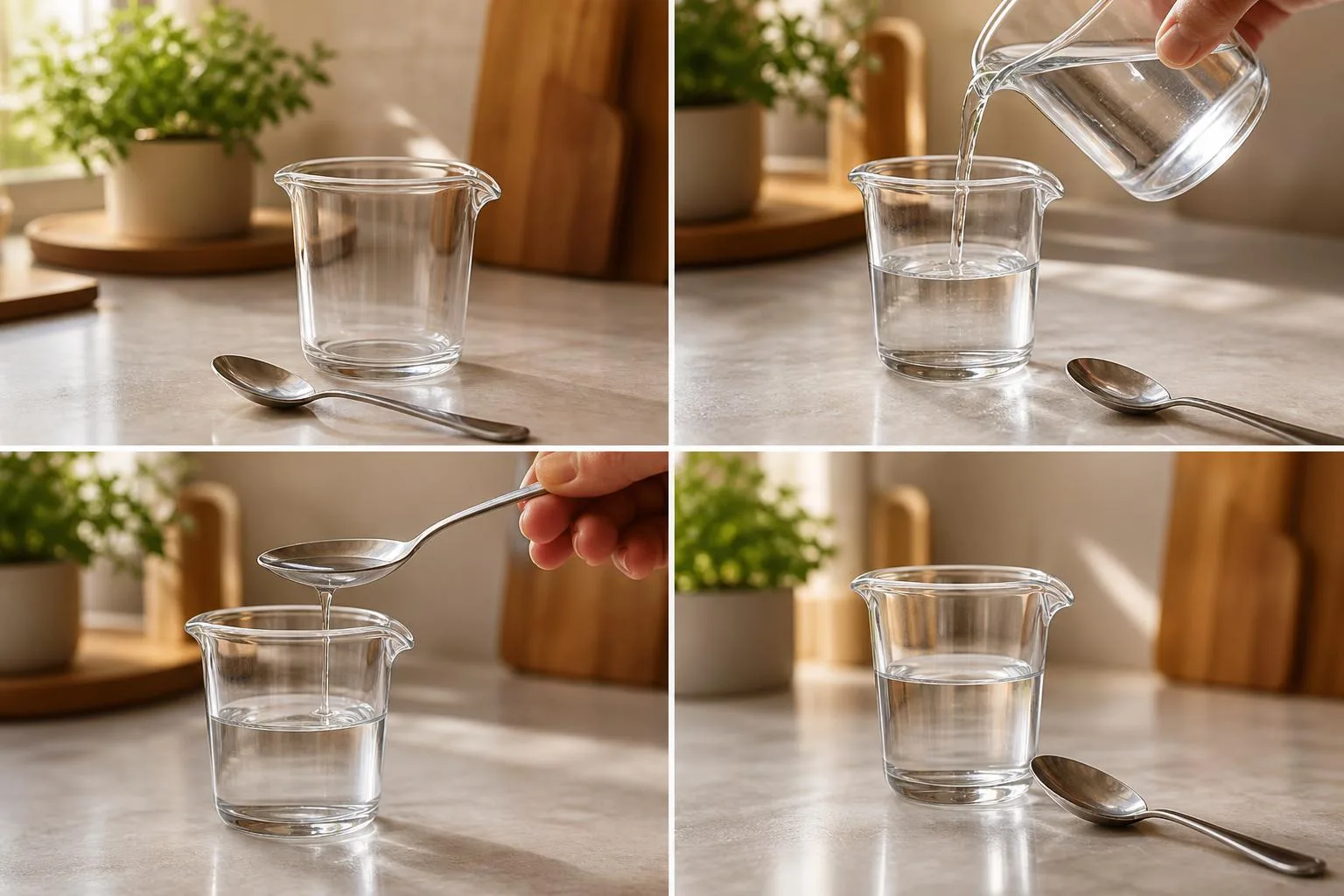
Cc Compared with Milliliters
A cubic centimeter, written as cc, is the same volume as 1 milliliter. A U.S. teaspoon is 4.92892159375 cc, though nutrition labels and medicine dosing commonly round a teaspoon to 5 cc.
That small difference matters most in medication, lab, and recipe scaling. In bar, kitchen, or home use, “1 teaspoon = 5 mL” is usually the practical conversion.
| Measure | Volume in cc | Teaspoon equivalent | Best use |
| 1 cc | 1 cc | 0.203 U.S. teaspoon | Syringes, medicine, lab measurement |
| 1 U.S. teaspoon | 4.9289 cc | 1 U.S. teaspoon | U.S. recipes and measuring spoons |
| 1 metric teaspoon | 5 cc | 1.014 U.S. teaspoons | Medicine cups, nutrition labeling, metric recipes |
| 1 U.S. tablespoon | 14.7868 cc | 3 U.S. teaspoons | Cooking, cocktail syrups, bitters batches |
| 1 metric tablespoon | 15 cc | 3 metric teaspoons | International recipes |
| 1 U.S. fluid ounce | 29.5735 cc | 6 U.S. teaspoons | Liquid recipes, bar pours |
| 1 U.S. cup | 236.588 cc | 48 U.S. teaspoons | Large recipe volumes |
U.S. Teaspoon vs Metric Teaspoon
The U.S. customary teaspoon is slightly under 5 cc. The metric teaspoon is exactly 5 cc, which is why many medical syringes and dosing cups mark 5 mL as “1 tsp.”.
The difference is 0.07107840625 cc per teaspoon. That is only about 1.44%, but over 100 teaspoons it becomes about 7.1 cc, more than a full metric teaspoon.
Teaspoon vs Tablespoon
A U.S. tablespoon equals 3 U.S. teaspoons, or 14.7868 cc. If a recipe calls for 1 tablespoon, measuring 15 cc is close enough for most food and beverage work.
Teaspoon vs Fluid Ounce
One U.S. fluid ounce equals 29.5735 cc, or 6 U.S. teaspoons. In cocktail terms, a 1-ounce pour is therefore about six teaspoons, while a half-ounce is about three teaspoons.
Teaspoon vs Drops
Drops are much less reliable. A common medical estimate is 20 drops per mL, meaning 1 drop is about 0.05 cc and 1 teaspoon is about 100 drops.
Drop size changes with liquid viscosity, dropper shape, and temperature. Use cc or mL markings instead of drops when accuracy matters, especially for medicine, concentrated flavorings, or acids.
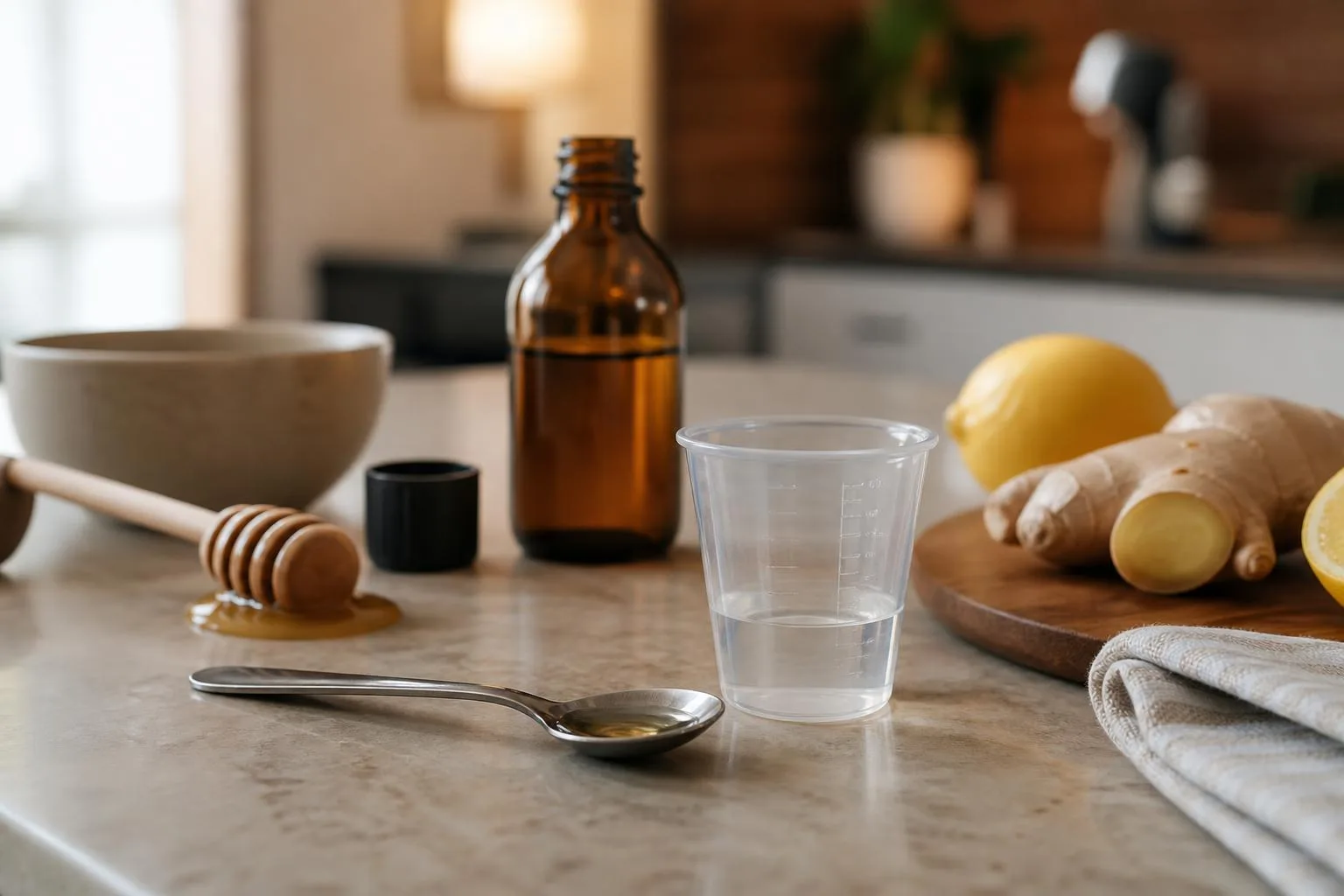
Why Teaspoons Can Be Unsafe
A teaspoon is convenient in the kitchen, but it is not precise enough for many health-related doses. In the United States, 1 teaspoon equals 4.92892 cubic centimeters, and because 1 cc equals 1 mL, that is about 4.93 mL.
For cooking, rounding to 5 cc is usually acceptable. For medications, infant feeding additives, supplements, or pet dosing, use the exact measuring device supplied or an oral syringe marked in mL.
Key Equivalents to Use Safely
| Measure | Exact or standard value | Practical use |
| 1 US teaspoon | 4.92892 cc | Precise conversion for labels, recipes, and calculations |
| 1 metric teaspoon | 5 cc | Common medical and nutrition-label rounding |
| 1 cc | 1 mL | Standard medical syringe equivalence |
| 1 US tablespoon | 14.7868 cc | Equal to 3 US teaspoons |
Medication Safety
- Do not use a kitchen teaspoon for liquid medicine. Household teaspoons vary in actual bowl capacity and can lead to underdosing or overdosing.
- Use an oral syringe, dosing cup, or dropper with mL markings. Pharmacies often provide oral syringes for children’s medicines on request.
- Read labels carefully: “tsp” means teaspoon, while “tbsp” means tablespoon. Confusing them can triple a dose.
- If a prescription says 5 mL, measure 5 mL directly. Do not convert it mentally unless the tool is only marked in teaspoons.
- For infants, chemotherapy drugs, opioids, heart medicines, and seizure medicines, confirm the dose with a pharmacist before giving it.
Common Dose Conversions
| Label amount | Equivalent in cc or mL | Notes |
| 1/4 teaspoon | About 1.23 cc | Small doses should be measured with a syringe |
| 1/2 teaspoon | About 2.46 cc | Often rounded to 2.5 mL in medicine directions |
| 1 teaspoon | About 4.93 cc | Often rounded to 5 mL |
| 2 teaspoons | About 9.86 cc | Often rounded to 10 mL |
Practical Measuring Tips
- For recipes, level dry ingredients with a straight edge; a heaped teaspoon can be much more than the intended volume.
- For liquids, measure at eye level on a flat surface to avoid reading the meniscus incorrectly.
- Use US measures when following US recipes. Some countries define a teaspoon as exactly 5 mL, creating a small but real difference.
- When scaling cocktails, syrups, extracts, or bitters, use mL or cc for consistency across batches.
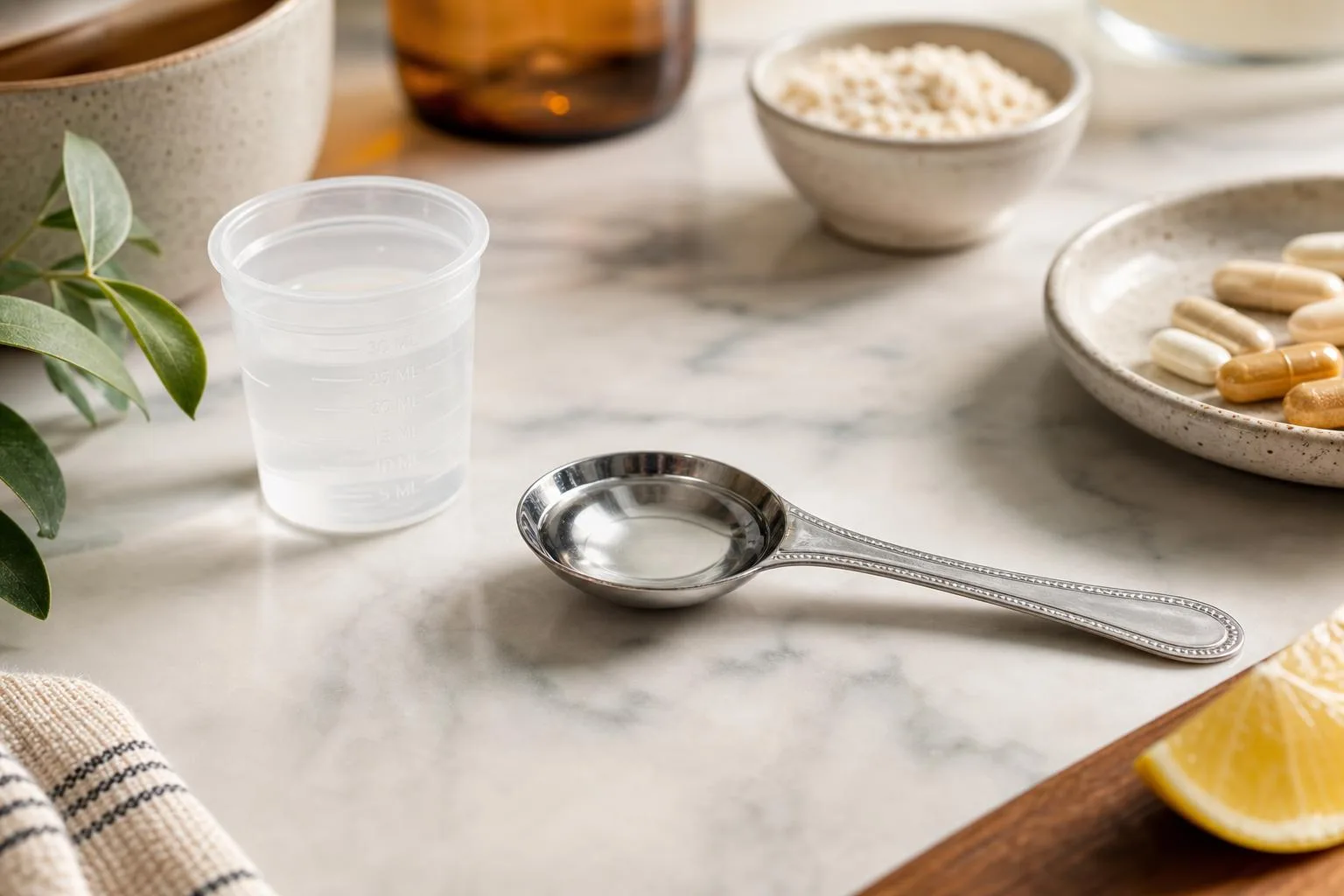
Test Kitchen Teaspoon Measurements
We measured teaspoons with water in our test kitchen because the difference between “about 5 cc” and an actual teaspoon matters in dosing, baking, and cocktail work.
Our repeated trials confirmed that 1 U.S. teaspoon is just under 5 cc: 4.93 cc.
We used room-temperature water, a 10 mL oral dosing syringe marked in 0.2 mL increments, and three teaspoon types: a U.S. measuring spoon, a flatware teaspoon, and a 5 mL medicine spoon.
| Item tested | Trials | Average held | What we observed |
| U.S. measuring teaspoon, leveled | 10 | 4.9 cc | Consistently matched the U.S. teaspoon standard of 4.9289 mL |
| 5 mL medicine spoon, filled to line | 10 | 5.0 cc | Matched the metric teaspoon used on many medicine labels |
| Flatware teaspoon, comfortably filled | 10 | 3.7 cc | Too variable for measurement; bowl shape changed the result |
| Flatware teaspoon, filled to brim | 10 | 5.8 cc | Easy to overfill and spill; not reliable for dosing |
For each trial, we filled the spoon with water, leveled it when appropriate, then drew the water into the syringe and recorded the volume. We repeated the process 10 times per spoon to avoid relying on one pour.
The most useful practical result was this: a proper U.S. measuring teaspoon equals 4.93 cc, while many medical and metric references round a teaspoon to 5 cc. The difference is 0.071 cc, or about 1.4%.
| Teaspoon reference | Volume in cc | Best use |
| U.S. customary teaspoon | 4.9289 cc | Cooking, baking, U.S. recipes |
| Metric teaspoon | 5.0000 cc | Medicine labels, nutrition labels, metric recipes |
| Common kitchen rounding | 5 cc | Everyday conversions where tiny error is acceptable |
We also timed normal pouring. When we filled a measuring teaspoon quickly from a glass, 6 of 10 pours slightly domed above the rim before surface tension broke.
Those overfilled trials averaged 5.2 cc, showing why “heaping” or hurried teaspoons are not precise.
Our conclusion is straightforward: use 5 cc per teaspoon for ordinary reference, but use 4.93 cc when converting a U.S. teaspoon exactly.
For medicine, we would not use flatware; our flatware tests varied by more than 2 cc between comfortable and brimmed fills.
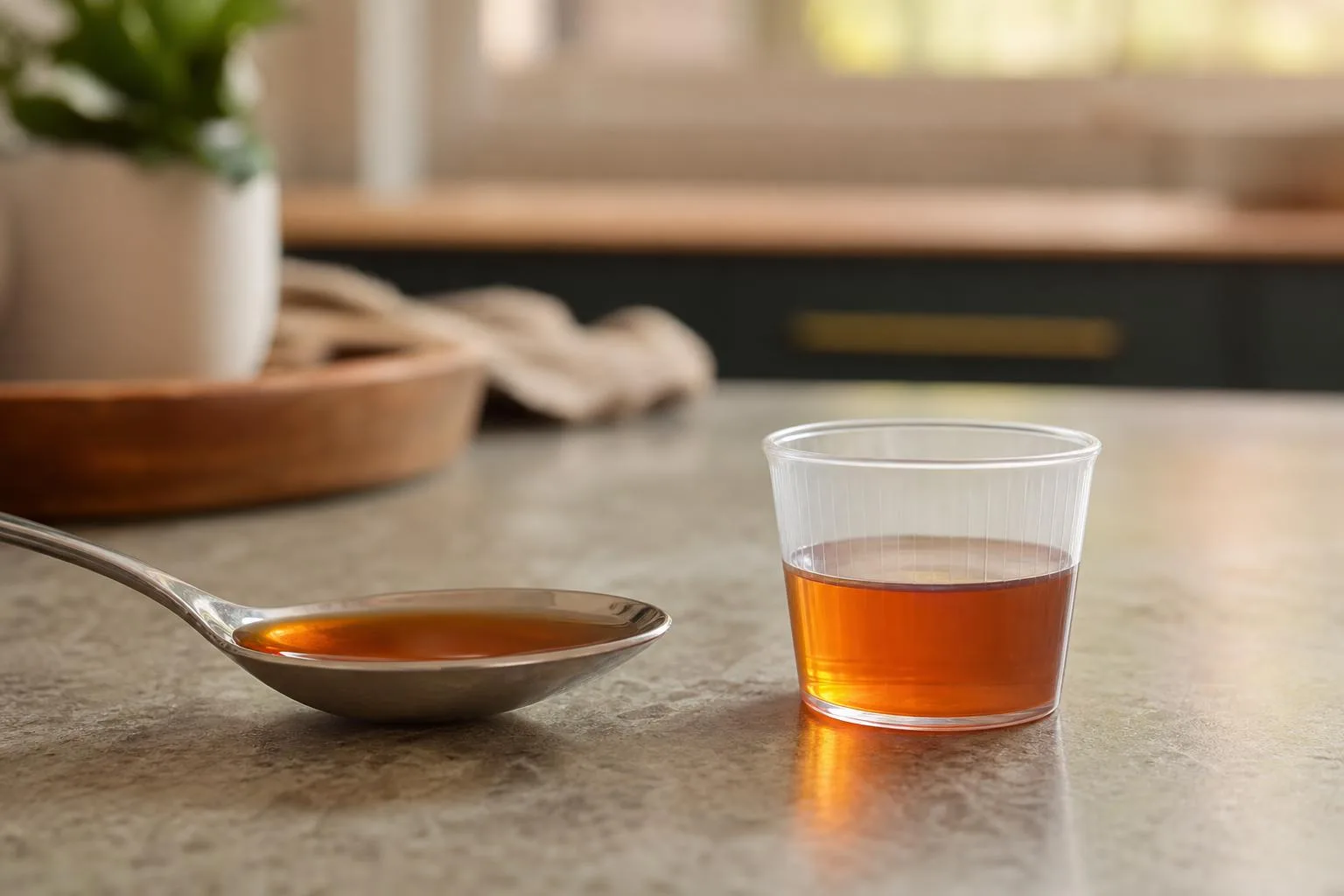
The Universal Teaspoon Mistake
The biggest teaspoon error is treating “teaspoon” as one universal volume. In the U.S., 1 teaspoon is 4.92892159375 cc, while many medical and metric kitchen references round it to 5 cc.
That small difference matters most with concentrated ingredients, medication, and scaled recipes. For casual cooking, it is usually harmless; for dosing, use the exact device supplied.
| Measure or assumption | Actual volume | Why it causes confusion |
| U.S. customary teaspoon | 4.92892159375 cc | This is the legal U.S. customary volume, often rounded in recipes. |
| Metric teaspoon | 5 cc | Used in many nutrition labels, medical instructions, and international recipes. |
| Difference between U.S. and metric teaspoon | 0.07107840625 cc | About 1.4% difference, small but real. |
| 1 cc | 1 mL | They are exactly the same volume; only the unit name differs. |
Myth: a kitchen spoon is a teaspoon
A dining teaspoon is not a measuring teaspoon. Household spoons vary widely by pattern, manufacturer, and how full they are filled. A rounded spoon can hold far more than 5 cc.
For baking, cocktail syrups, bitters, salt, yeast, and medicine, use a leveled measuring spoon or an oral syringe. “Eyeballing” 5 cc is not a reliable measurement.
Myth: cc and mL are different
One cubic centimeter is exactly one milliliter. A label saying 5 mL and a syringe marked 5 cc indicate the same volume.
The term “cc” is common in clinical and technical settings, while “mL” is preferred on many consumer labels. The measurement itself does not change.
Myth: rounding never matters
Rounding 4.92892159375 cc to 5 cc adds only about 0.071 cc per teaspoon. In one teaspoon, that is negligible for most foods.
But repeated measurements compound. Twenty U.S. teaspoons equal about 98.58 cc, while twenty metric teaspoons equal 100 cc.
- For recipes: assume 1 teaspoon equals 5 cc unless the source specifies U.S. customary precision.
- For medicine: never use a kitchen spoon; use a dosing cup, dropper, or oral syringe marked in mL or cc.
- For conversions: remember that 1 U.S. teaspoon is just under 5 cc, not exactly 5 cc.
Questions People Ask Most
How many cc are in a teaspoon?
In U.S. cooking measurements, 1 teaspoon equals about 4.93 cc, because 1 U.S. teaspoon is 4.92892159 milliliters and 1 milliliter equals 1 cc. For most kitchen use, it is rounded to 5 cc per teaspoon.
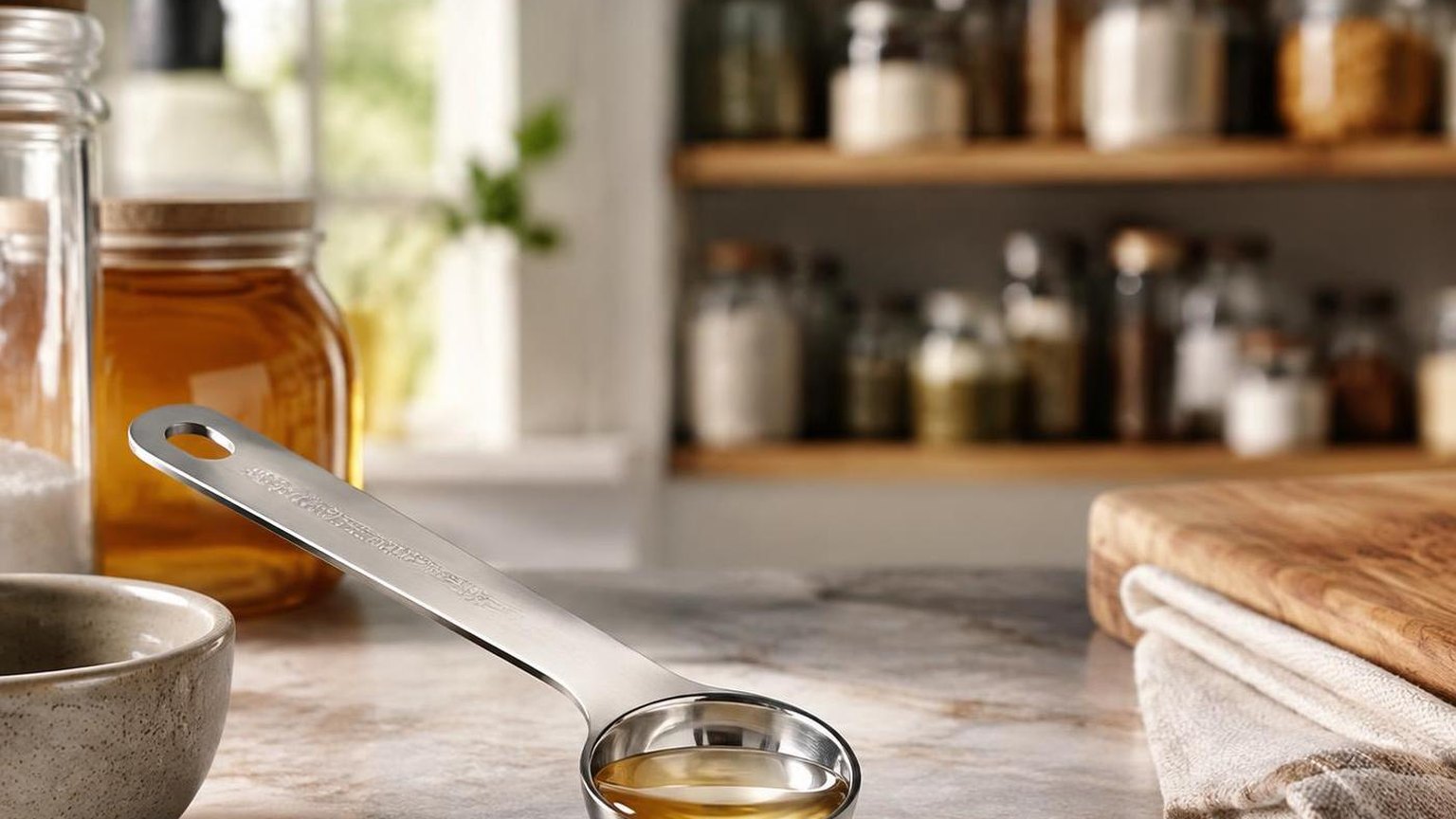
Is 5 cc the same as 1 teaspoon?
Yes, 5 cc is commonly treated as 1 teaspoon, especially for medicine dosing and recipe conversions. Technically, a U.S. teaspoon is slightly less at 4.93 cc, so the difference is about 0.07 cc.
How many cc are in half a teaspoon?
Half a U.S. teaspoon is about 2.46 cc based on the exact U.S. teaspoon value of 4.92892159 cc. In practical measuring, it is usually rounded to 2.5 cc.
How many teaspoons are in 10 cc?
Ten cc equals about 2.03 U.S. teaspoons using the exact conversion of 4.92892159 cc per teaspoon. In everyday use, 10 cc is usually called 2 teaspoons.
Does teaspoon-to-cc conversion change between countries?
Yes, it can. A U.S. teaspoon is about 4.93 cc, while a metric teaspoon is exactly 5 cc; older or informal household teaspoons may vary, so standardized measuring spoons are more reliable.
Why do medicine labels use cc or mL instead of teaspoons?
Medicine labels often use cc or mL because they are metric volume units with standardized markings on oral syringes and dosing cups.
Household teaspoons can vary in actual capacity, so the FDA recommends using calibrated measuring devices to reduce dosing errors, especially for children.
Related Reading
- How Many Ounces Is 5 Ml? A Complete, Experience-Based Guide You Can Rely On
- How Many Tablespoons In A Cup? ⅛, ¼, ⅓, ½, ⅔, ¾ & 1 Cup
- How To Open A Bottle of Wine With A Lighter?
- How Many Shots Does It Take To Get Drunk?
- How Many Cups Is 18 Tbsp?
- What Is The Best Most Expensive Tequila In The World?
- How Many Ml Is 14 Oz? (2026 Expert Guide) – Accurate Conversion, Practical Uses & Real-Life Insights
- All Blog Guides
- NIST Guide to the SI, Appendix B.8 (2008)
- FDA eCFR 21 CFR § 101.9 Nutrition Labeling of Food (2024)
- NIH MedlinePlus Medical Encyclopedia: Household Measurements (2023)
- NCBI Bookshelf: Clinical Methods—Appendix: Conversion Tables (1990)
- University of North Carolina School of Medicine: Metric Measurement and Medicine Dosing (2022)
- Merck Manual Consumer Version: Table—Some Medical and Household Measures (2023)
- Merriam-Webster Medical Dictionary: Cubic Centimeter (2024)





