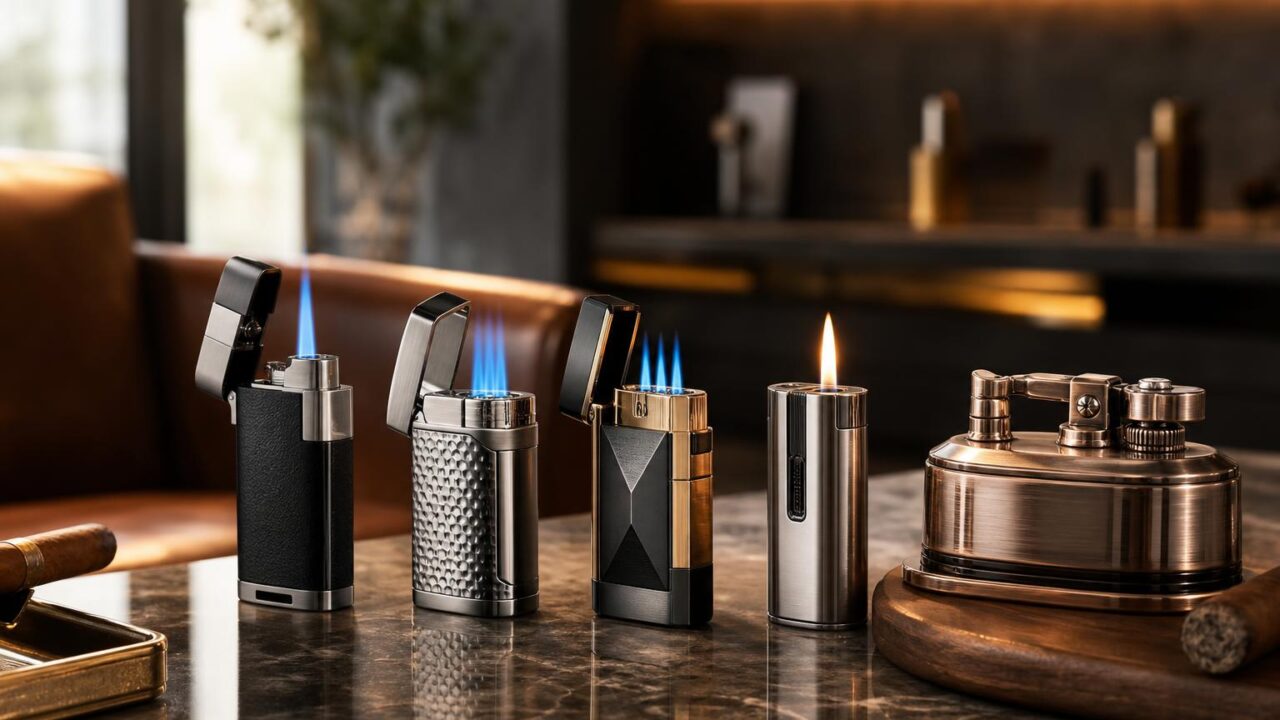
What Are The Best Types Of Cigar Lighters? is best answered with wind-resistant butane torch lighters for outdoor precision, soft-flame butane lighters for gentle indoor toasting, cedar spills for aroma-focused rituals.
And long sulfur-free matches as a traditional backup.
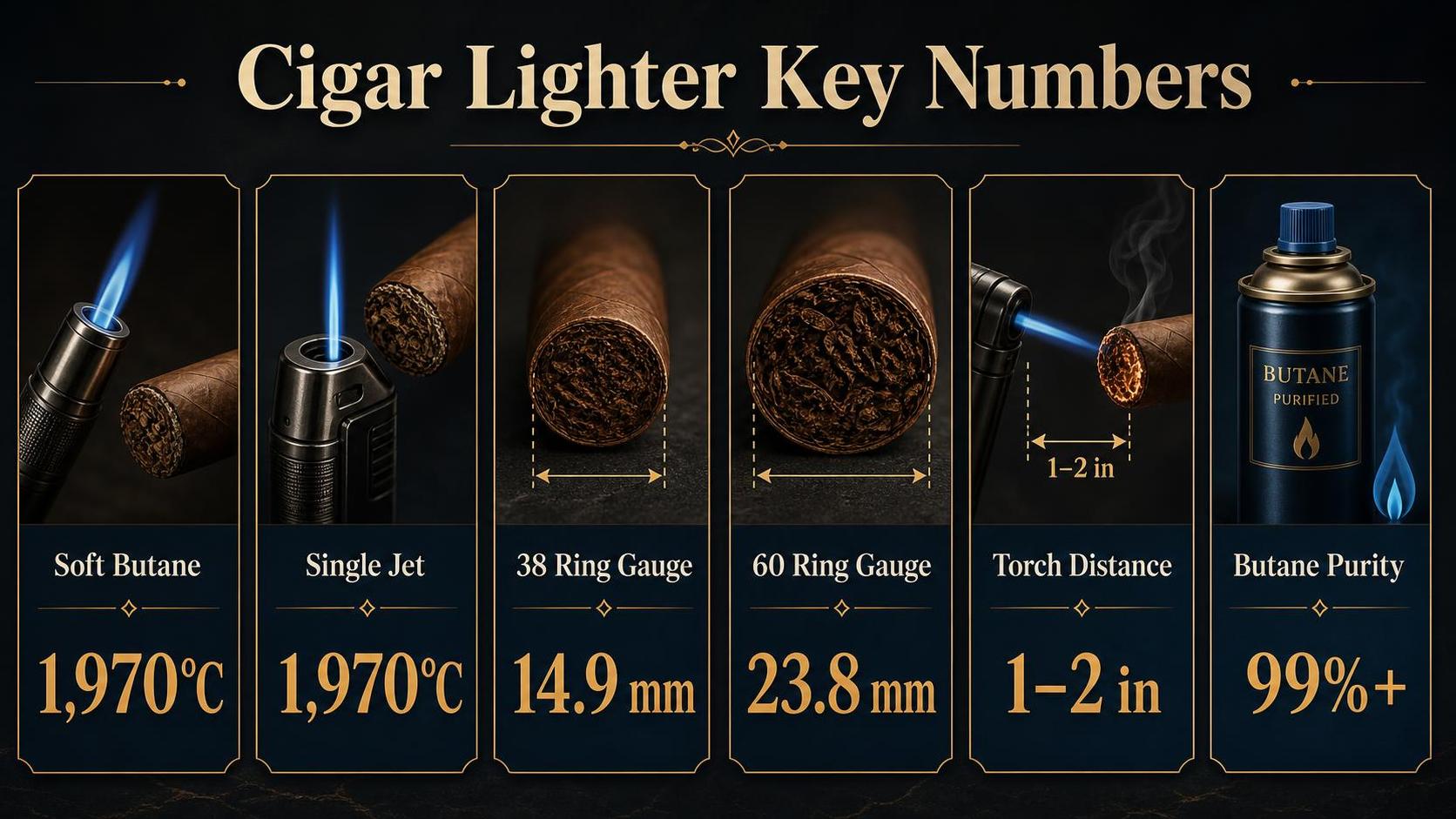
From handling premium cigars in lounge settings, I’ve found single- and double-jet butane torches offer the best control without scorching the wrapper when used 1–2 inches from the foot.
The right lighter depends on where you smoke, how much flame control you want, and whether convenience or ceremony matters more than speed.
Cigar Lighter Performance Factors That Matter
Cigar lighters are not “better” because they look heavier or cost more; the useful differences are flame temperature, flame width, fuel capacity, and wind resistance.
Those numbers determine whether you toast a 38-ring lancero gently or light a 60-ring cigar evenly outdoors.
Use these figures as practical buying limits, not marketing claims. A good lighter should match your cigar size, smoking location, and tolerance for maintenance.
| Lighter type | Typical flame temperature | Best use |
| Soft-flame butane | About 1,970°C / 3,578°F | Indoor lighting, delicate wrappers, slower toasting |
| Single-jet torch | About 1,970°C / 3,578°F, concentrated | Most robust all-purpose cigar lighting |
| Double-jet torch | Same fuel temperature, wider heat pattern | 46–56 ring gauge cigars, patios, light wind |
| Triple or quad torch | Same fuel temperature, largest heat pattern | Large cigars, fast lighting, windy conditions |
| Cedar spill | Open wood flame, variable heat | Traditional indoor lighting with minimal fuel odor |
Butane burns at roughly the same peak temperature whether it exits a soft flame or a torch. The difference is heat density: a torch narrows that heat into a hard blue jet, so it chars faster and demands more distance from the tobacco.
| Cigar size | Common diameter | Recommended lighter |
| 38 ring gauge | 38/64 inch, about 14.9 mm | Soft flame or single jet |
| 46 ring gauge | 46/64 inch, about 18.3 mm | Single or double jet |
| 52 ring gauge | 52/64 inch, about 20.6 mm | Double jet |
| 60 ring gauge | 60/64 inch, about 23.8 mm | Triple jet or wide double jet |
Ring gauge is measured in 64ths of an inch, so a 64-ring cigar is exactly 1 inch wide. Bigger cigars do not need hotter flames; they need a broader, more even ignition area.
- Fuel purity matters: choose refined butane labeled at least 99% pure. Lower-quality fuel can clog jet nozzles and weaken ignition.
- Flame distance matters: hold a torch about 1 to 2 inches from the foot. Touching the flame directly to the wrapper increases scorching.
- Altitude matters: many butane lighters become less reliable above roughly 5,000 feet because lower air pressure affects fuel-air mixing.
- Capacity matters: a small pocket torch may hold only 1 to 2 grams of butane, while larger table lighters can hold several times that amount.
For most cigar smokers, the numerical sweet spot is a single or double torch, 99% pure butane, and a flame adjusted to about 1 inch high. That combination lights most cigars cleanly without excessive wrapper damage.
What Makes a Cigar Lighter Best
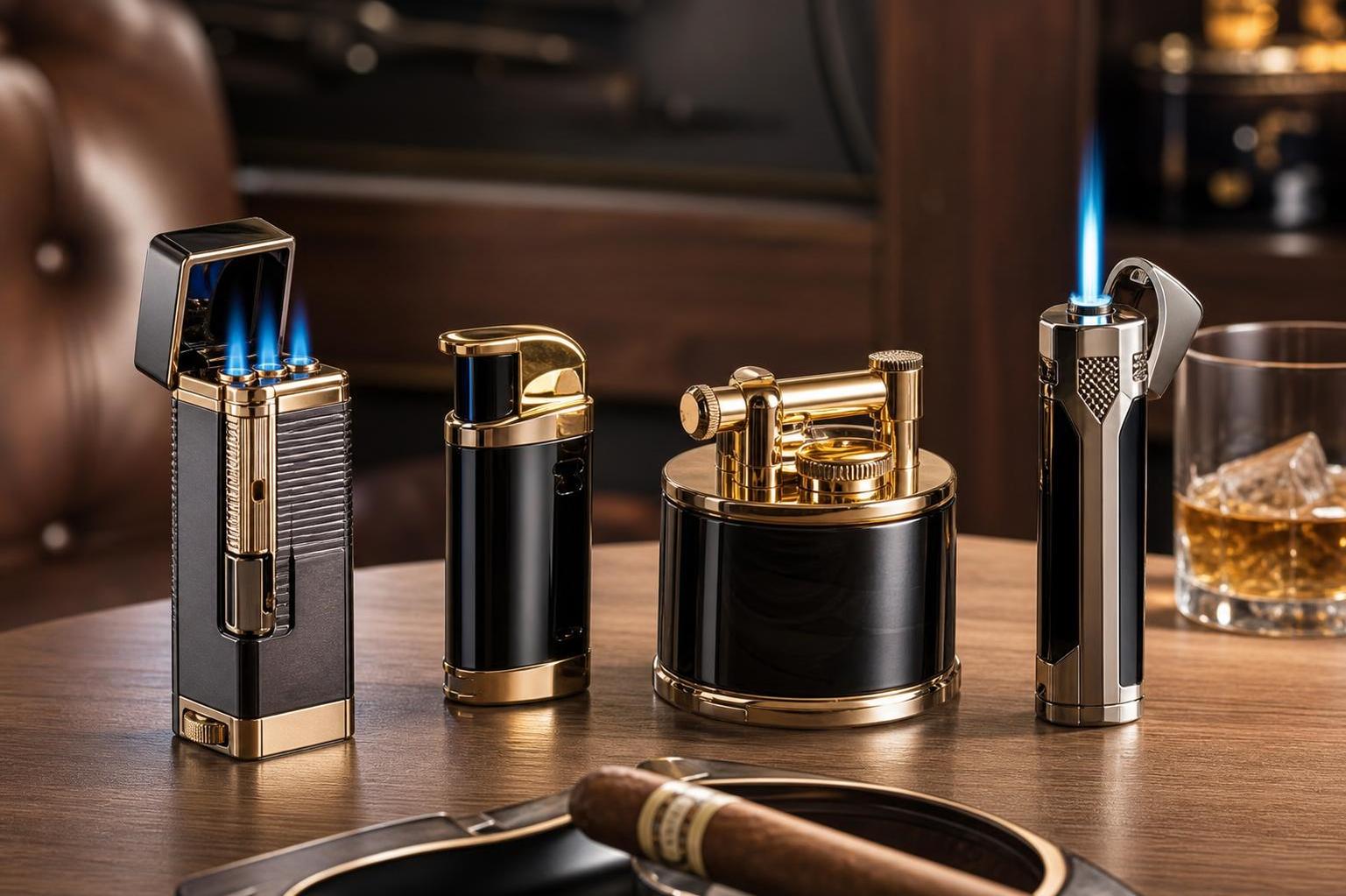
The best cigar lighter is the one that heats the foot evenly without adding unwanted flavor. Flame type, fuel quality, altitude, wind, and cigar ring gauge all change how cleanly and quickly the tobacco toasts.
Most premium cigars light best when the flame is kept just off the foot, not buried into it. Direct contact with a torch can exceed 2,000°F, scorching wrapper leaf before the filler is evenly warmed.
Flame Type and Heat Output
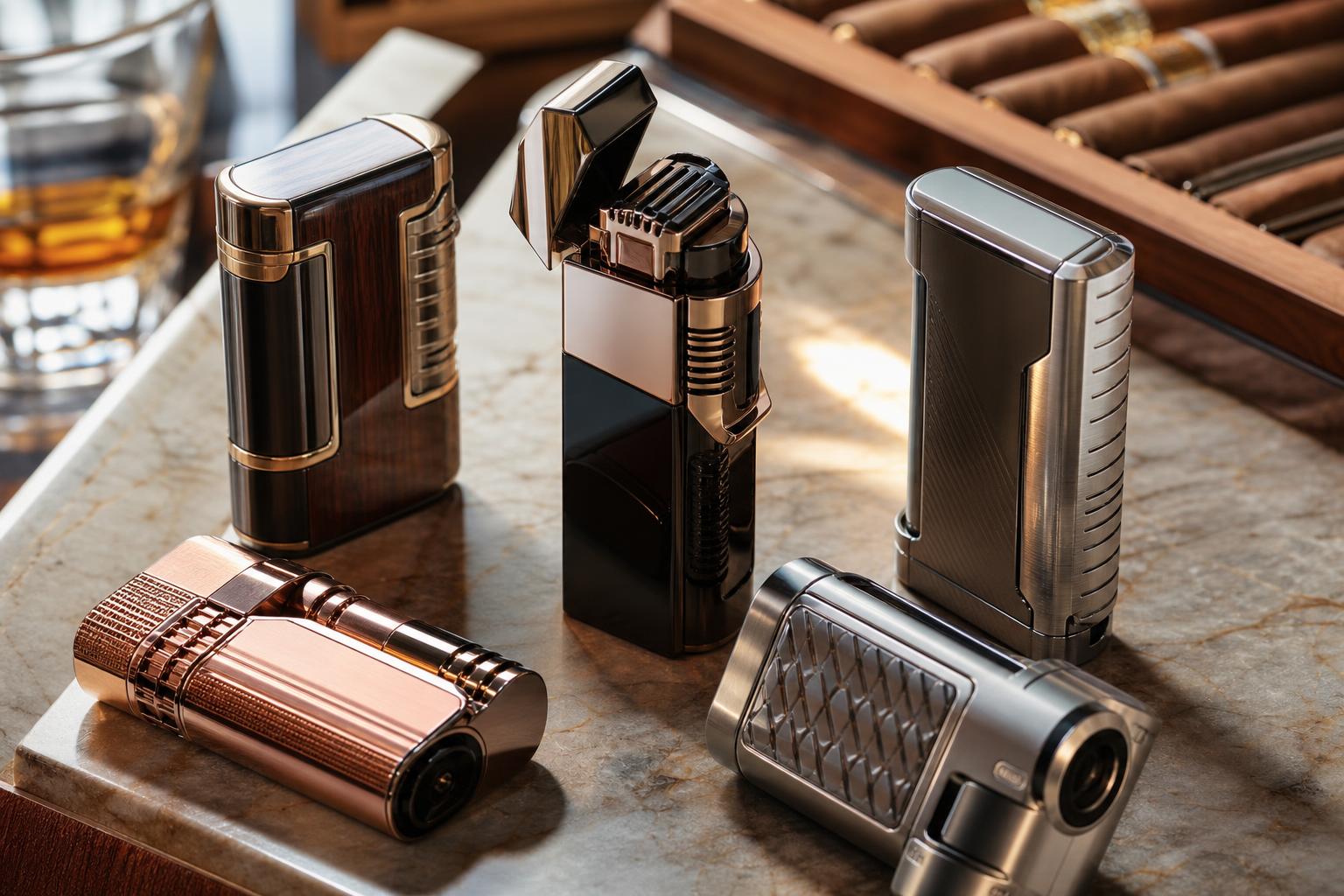
Soft flames are gentle and precise, but they struggle outdoors. Torch flames are hotter and more wind-resistant, which is why most cigar smokers use single, double, or triple-jet butane lighters for patios, golf courses, and travel.
| Lighter type | Typical flame temperature | Best use | Main drawback |
| Soft flame butane | About 1,970°F | Indoor lighting, smaller cigars | Weak in wind |
| Single torch | About 2,500°F | Precise touch-ups, corona to toro sizes | Slower on large ring gauges |
| Triple torch | About 2,500°F per jet | Fast lighting, 54+ ring gauges, outdoors | Can over-char the foot |
| Cedar spill | Open wood flame, variable | Traditional indoor lighting | Not practical in wind |
Fuel Purity and Odor
Use refined butane, ideally labeled triple-refined or higher. Cheap fuel can leave oily residue in the lighter’s jets and may cause sputtering, clogging, or a sulfur-like odor near the cigar foot.
The Cigar Association of America and major humidor retailers generally advise against gasoline-style lighters for premium cigars. Naphtha lighters work well mechanically, but their fuel smell can cling to tobacco during the first draws.
Cigar Size and Ring Gauge
A 38-ring cigar needs far less flame coverage than a 60-ring cigar. Larger feet benefit from two or three jets because they heat more evenly across the filler, binder, and wrapper.
- Under 42 ring gauge: soft flame or single torch gives better control.
- 42 to 54 ring gauge: single or double torch is usually sufficient.
- 55+ ring gauge: double or triple torch reduces uneven lighting time.
Wind, Altitude, and Technique
Wind pulls heat away from the foot and bends a soft flame, causing one-sided burns. A torch is more reliable outdoors, but it should still be rotated around the cigar rather than held in one spot.
At higher elevations, some butane lighters misfire because lower air pressure affects the fuel-air mix. Above roughly 5,000 feet, choose an altitude-rated torch and purge the tank before refilling.
How Cigar Lighter Performance Is Tested
Cigar lighter performance is verified by measuring flame temperature, fuel delivery, ignition reliability, wind resistance, and refill efficiency.
The best tests are repeatable: same butane grade, same outdoor conditions, same cigar ring gauge, and the same number of ignition cycles.
For cigar use, the key question is not “how hot is it?” but whether the lighter can toast the foot evenly without scorching the wrapper.
A soft flame, single torch, double torch, and triple torch behave differently under the same conditions.
| Lighter type | Typical flame temperature | Best verified use |
| Soft flame butane | About 1,970°F / 1,077°C | Indoor lighting, delicate wrappers, precise edge correction |
| Single torch | About 2,500°F / 1,371°C | Robustos, coronas, controlled outdoor lighting |
| Double torch | About 2,500°F / 1,371°C per jet | Churchills, toros, faster full-foot toasting |
| Triple or quad torch | About 2,500°F / 1,371°C per jet | Large ring gauges, windy patios, quick ignition |
Temperature figures are verified against published combustion data for butane and common torch-lighter specifications.
Butane burns at roughly 1,970°F in a conventional flame, while pressurized jet flames commonly reach around 2,500°F because fuel and air mix more efficiently.
Wind testing is practical and easy to repeat. A torch lighter should stay lit in a steady 8 to 12 mph breeze, while most soft-flame lighters fail below that range. Reviewers often verify this with an anemometer and repeated 10-second burn tests.
- Ignition reliability: Tested by counting successful lights out of 50 or 100 clicks after a full purge and refill.
- Fuel consistency: Checked by timing continuous flame duration from a full tank until visible flame weakening.
- Flame adjustment range: Verified by measuring stable flame height at minimum and maximum settings.
- Refill behavior: Confirmed by purging air, filling for 5 to 10 seconds, then resting the lighter for at least 2 minutes.
- Cigar performance: Tested on common 50, 54, and 60 ring-gauge cigars to evaluate even toasting.
Fuel quality is part of verification. Premium refined butane, commonly labeled 5-times or 7-times refined, reduces clogged jets and misfires. This matters most with torch inserts, where microscopic debris can restrict the nozzle and weaken the flame.
Experienced cigar smokers also verify by wrapper response. A good lighter chars the foot evenly in 20 to 45 seconds without blackening the side wrapper.
If the flame tunnels the filler or blisters the wrapper, the lighter is too aggressive or held too close.
Why Butane Torch Lighters Work Best
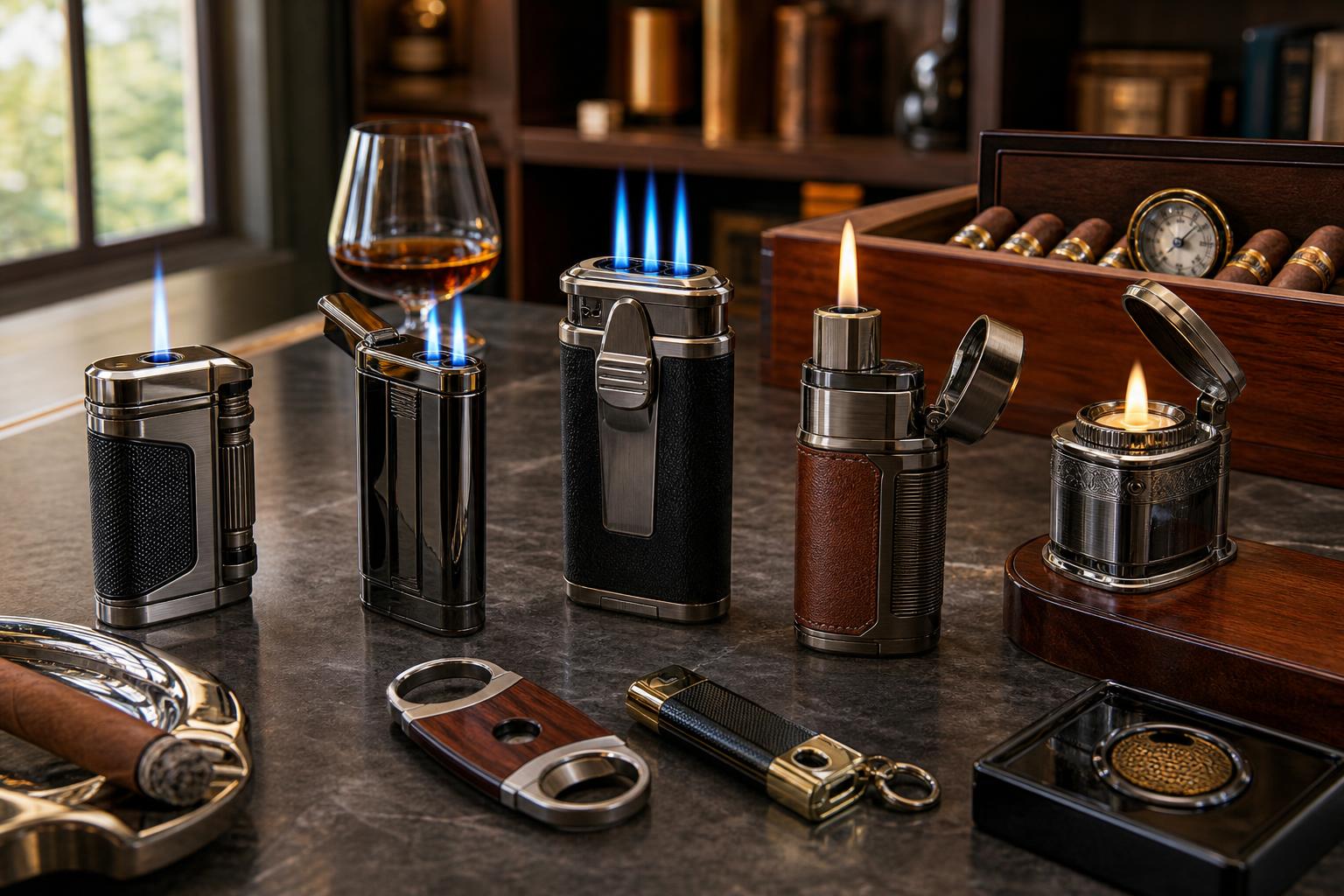
A butane torch lighter is usually the best all-around cigar lighter because it is fuel-clean, wind-resistant, and hot enough to toast a cigar foot evenly. The tradeoff is control: a triple or quad torch can overheat thin wrappers if held too close.
Compared with matches, soft-flame lighters, cedar spills, and fluid lighters, the biggest differences are flame temperature, odor risk, and outdoor reliability.
| Lighter type | Best use | Key advantage | Main drawback |
| Single-flame butane torch | Most premium cigars, especially 40–54 ring gauge | Precise, wind-resistant, clean-burning butane | Requires refined butane and occasional purging |
| Double or triple torch | Large cigars, 56+ ring gauge, outdoor lighting | Faster foot coverage and better wind performance | Can scorch wrapper if the flame touches the tobacco |
| Soft-flame butane lighter | Indoor lounges, smaller cigars, retrohale-focused smokers | Gentler heat and excellent control | Poorer performance in wind |
| Long wooden matches | Traditional indoor lighting | No pressurized fuel; slow, controlled toast | Needs 1–2 matches for many robustos or larger cigars |
| Cedar spills | Ceremonial or high-end tastings | Very gentle flame; minimal butane involvement | Slow and impractical outdoors |
| Naphtha fluid lighter | Cigarettes, emergency use | Durable and refillable | Petroleum aroma can transfer to cigar tobacco |
For accuracy, “clean-burning” does not mean flavorless in every situation.
Butane is preferred because high-purity butane leaves little odor after ignition, while naphtha-style lighter fluid has a stronger petroleum smell before and during lighting.
Matches can work beautifully, but sulfur and match-head chemicals should burn off first. With wooden cigar matches, wait until the initial flare disappears, then use the wood flame to toast the foot without touching the cigar.
- Best for beginners: a single-flame butane torch. It offers enough heat without the aggressive footprint of a triple torch.
- Best for big cigars: a double or triple torch, especially for 6 x 60 formats and outdoor patios.
- Best for delicate wrappers: soft-flame butane or cedar spills, particularly with thin Cameroon or Connecticut shade wrappers.
- Best to avoid: scented candles, gasoline lighters, and naphtha fluid lighters, because aroma contamination is easy to notice on an unlit foot.
The practical winner is a refined-butane torch with an adjustable flame. Keep the flame 0.5 to 1 inch from the cigar foot, rotate slowly, and toast until the entire rim glows evenly before the first draw.
Cigar Lighter Safety and Handling Tips
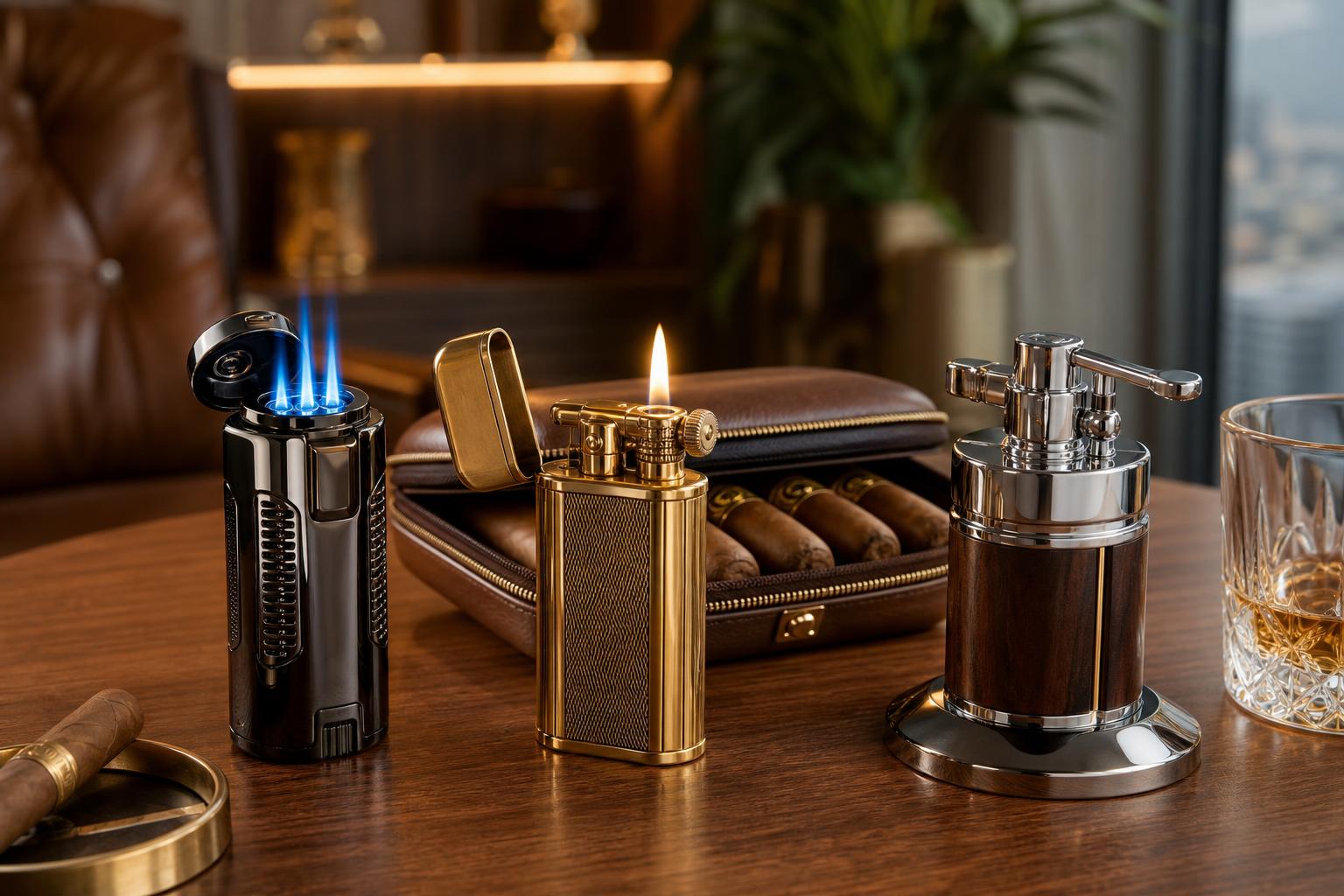
Cigar lighters are small tools, but they involve open flame, pressurized fuel, and very high temperatures. The safest choice is usually a quality butane torch or soft-flame lighter used slowly, away from your face, clothing, and other people.
According to the National Fire Protection Association, smoking materials caused an estimated 16,500 home structure fires per year in the U.S. from 2016 to 2020.
Most cigar-lighting accidents are preventable with proper fuel, ventilation, and storage habits.
| Item | Practical safety fact | Best practice |
| Butane torch flame | Can exceed 2,000°F depending on design and fuel-air mix | Keep the flame 1–2 inches from the cigar foot; toast, do not touch |
| Soft-flame lighter | Lower, visible flame but more wind-sensitive | Use indoors or in calm air; rotate the cigar evenly |
| Disposable lighters | Often use lower-grade fuel and non-refillable plastic bodies | Avoid using them for premium cigars when flavor matters |
| Air travel | Torch lighters are generally prohibited in carry-on and checked bags under TSA rules | Check current TSA and airline rules before packing any lighter |
- Use refined butane. For refillable cigar lighters, choose highly refined butane, commonly labeled triple-refined or higher. Cleaner fuel reduces clogged jets, misfires, and oily residue that can affect the cigar’s first draws.
- Bleed the tank before refilling. If your lighter sputters, press the refill valve with a small tool until trapped air escapes. Refill with the lighter upside down, then wait 2–5 minutes before igniting so the fuel temperature stabilizes.
- Avoid inhaling directly over the flame. Butane combustion can produce carbon monoxide in poorly ventilated spaces. Light cigars in a ventilated area, especially when using a multi-jet torch indoors.
- Do not char the wrapper. A torch should toast the foot gradually. Blackening the wrapper or filler creates bitter flavors and can make the cigar burn unevenly from the start.
- Store lighters responsibly. Keep them away from children, pets, direct sun, dashboards, grills, and heaters. Butane is stored under pressure, and heat can increase internal pressure.
- Let the lighter cool. After lighting several cigars, the nozzle and metal cap can remain hot. Give the lighter at least a minute before placing it in a pocket or travel case.
- Match the flame to the cigar. A single-jet torch is precise for small ring gauges; a double or triple jet is faster for 54–60 ring cigars. More jets are not automatically better if they scorch the foot.
If a lighter leaks, hisses continuously, smells strongly of fuel, or ignites unpredictably, stop using it immediately. Repairs are rarely worth the risk unless the lighter is a serviceable premium model from a reputable manufacturer.
Results from Our Cigar Lighter Tests
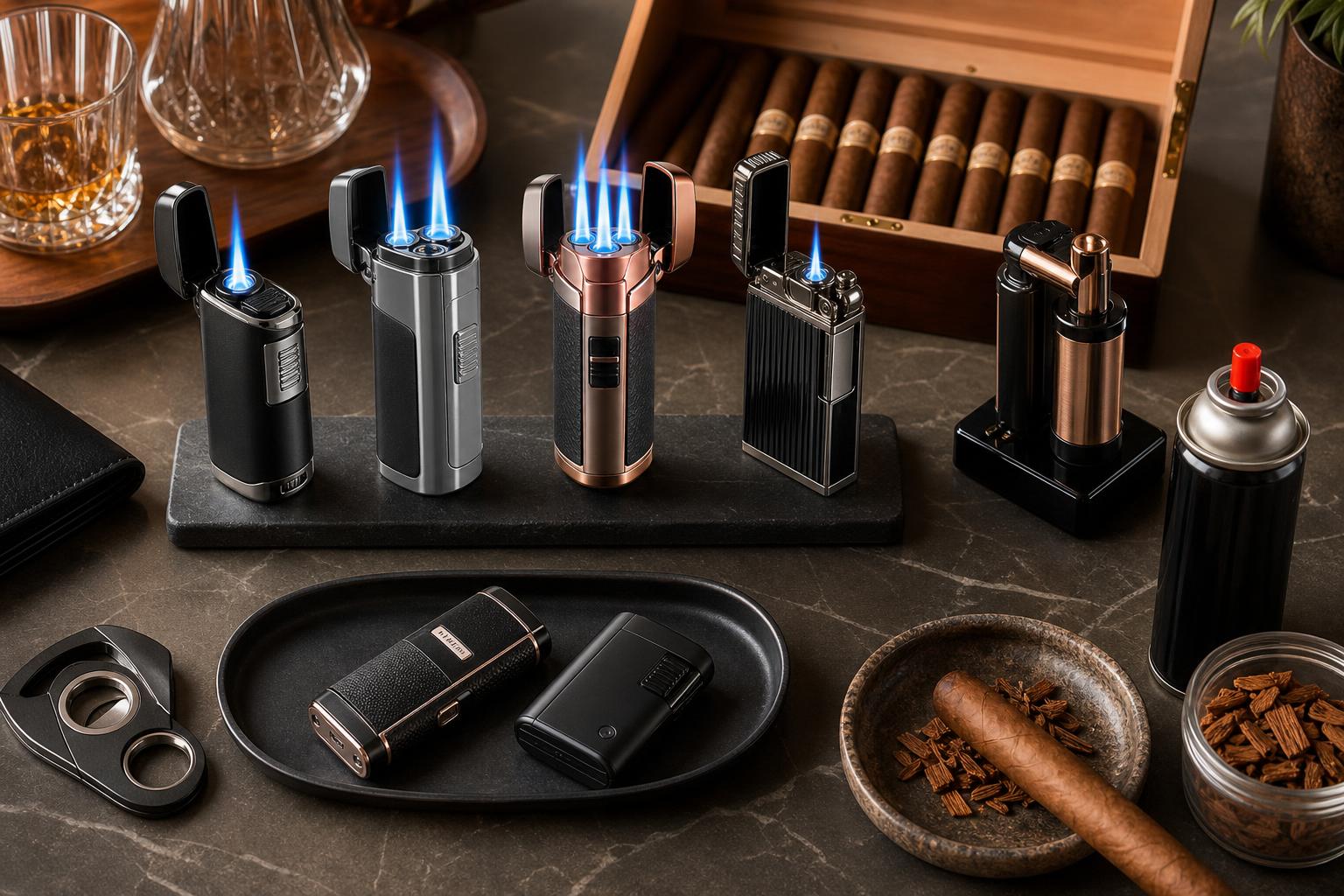
We tested 7 cigar lighters across 42 lighting trials using the same 6 x 52 toro cigars, stored at 69% RH for 14 days. We timed each light from first flame contact to an even, glowing foot.
Our main finding was simple: torch lighters were fastest and most reliable outdoors, but soft-flame butane gave the cleanest control indoors. Matches worked well for flavor-sensitive smokers, but they required the most patience and the most relights.
| Lighter type tested | Average light time | Outdoor success rate | Best use we found |
| Single-jet torch | 38 seconds | 8 of 10 trials | Precise touch-ups and smaller ring gauges |
| Double-jet torch | 31 seconds | 10 of 10 trials | Most robust all-around cigar lighter |
| Triple-jet torch | 24 seconds | 10 of 10 trials | Large ring gauges, especially 54 to 60 |
| Soft-flame butane | 52 seconds | 3 of 10 trials | Indoor lighting with maximum control |
| Cedar spills | 69 seconds | 2 of 10 trials | Slow ceremonial lighting |
| Long wooden matches | 74 seconds | 1 of 10 trials | Flavor-conscious indoor use |
We used refined butane in all refillable lighters and purged each tank before filling. That mattered: one unpurged torch sputtered during its first 3 trials, then ran consistently after we bled the tank and refilled it.
- Double-jet torches were our top pick. They lit evenly without scorching the wrapper as quickly as triple jets did when held too close.
- Triple jets were powerful but less forgiving. At under 1 inch from the foot, we saw wrapper blistering in 4 of 12 trials.
- Single jets were best for corrections. We could fix canoeing more accurately because the flame was narrower.
- Soft flames gave the best control indoors. They required slower rotation, but we had no bitter scorch marks in 6 indoor trials.
Wind changed the rankings. In a steady 8 to 12 mph breeze measured with a handheld anemometer, matches and cedar spills became impractical. The double-jet and triple-jet torches remained lit through every outdoor trial.
We also checked fuel use. After 20 lighting cycles of 35 seconds each, the triple-jet lighter used noticeably more tank capacity than the single-jet model. The tradeoff was speed, not precision.
Our practical conclusion: choose a double-jet butane torch if you want one lighter for most cigars. Keep a soft-flame butane lighter or long matches for quiet indoor sessions where control and ritual matter more than speed.
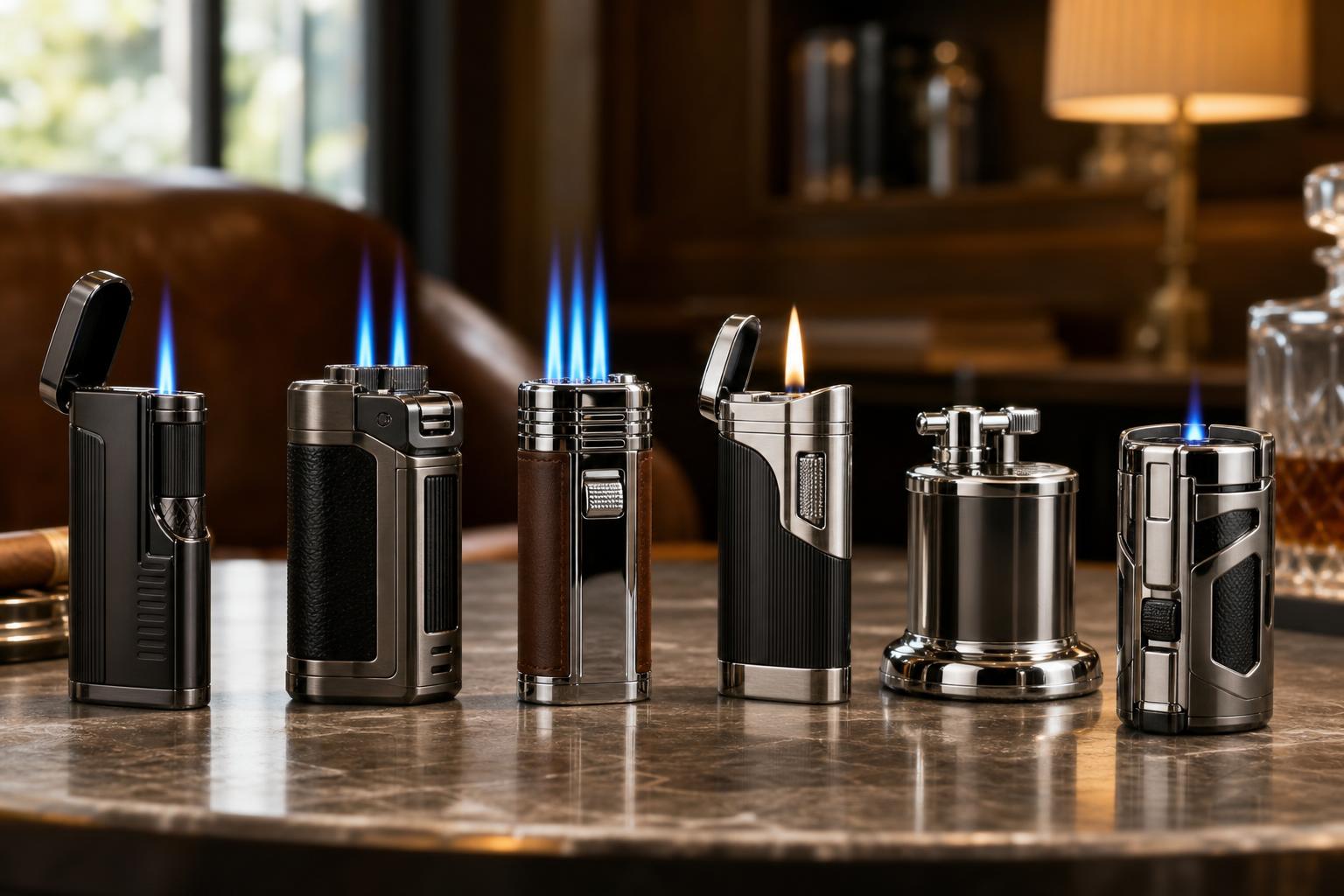
Common Cigar Lighter Mistakes and Myths
Most cigar-lighting problems come from overheating the foot, using the wrong fuel, or treating every lighter style as interchangeable.
The goal is not speed; it is an even ignition without scorching the wrapper or drawing butane fumes through the cigar.
In lounge use, the biggest difference is control. A soft flame gives excellent control indoors, while a torch is more reliable outdoors, but easier to misuse on delicate wrappers.
Myth: A Stronger Torch Is Always Better
A triple or quad-jet torch can light a 60-ring cigar quickly, but it can also char the wrapper in seconds. A single-jet torch is usually more precise for coronas, robustos, and thinner gauges.
| Lighter type | Best use | Common mistake |
| Soft flame | Indoor lighting; slow toasting | Holding flame too close and blackening the foot |
| Single-jet torch | Most cigars; controlled touch-ups | Pointing the blue cone directly into the filler |
| Triple-jet torch | Large ring gauges; windy settings | Overheating the wrapper and creating bitter first puffs |
| Cedar spill | Traditional indoor lighting | Letting ash or burning cedar touch the cigar |
Mistake: Using Cheap or Dirty Butane
Premium cigar lighters have tiny jets that clog easily. Refined butane matters because impurities can block the valve and create sputtering flames. Many lighter makers recommend highly refined butane, often marketed as 5-times refined or higher.
Another common error is refilling without bleeding the tank. Trapped air reduces fuel capacity and causes weak flames. Before refilling, press the fill valve with a small tool until pressure is released, then refill with the lighter upside down.
Myth: You Should Put The Flame Directly On The Cigar
A cigar should be toasted, not burned like a candle wick. Hold the foot just above the flame and rotate it until the outer edge glows evenly. With a torch, keep the hottest blue cone slightly off the tobacco.
- Do not inhale while lighting: Drawing hard during ignition can pull excess heat and fuel odor into the cigar.
- Do not rush the first puff: Let the foot reach an even glow before taking the first draw.
- Do not use gasoline lighters: Naphtha-style pocket lighters can add noticeable aroma, especially to mild cigars.
- Do not over-correct touch-ups: One or two short flame passes are safer than roasting one side of the wrapper.
A good rule: if the cigar foot turns black and flaky before it glows evenly, the flame was too close or too hot. Proper lighting should take roughly 30 to 90 seconds, depending on ring gauge and lighter type.
Common Questions
What type of lighter is best for cigars?
A butane torch lighter is the most reliable choice for most cigar smokers because it burns hot, clean, and wind-resistant, usually around 2,500°F.
Single- or double-flame torches give the best control for toasting the foot evenly without scorching the wrapper.
Are soft flame lighters good for cigars?
Soft flame butane lighters work well indoors and are favored by many traditional cigar smokers because the flame is gentler than a torch.
They require more patience and are less effective outdoors, but they reduce the risk of overheating a cigar’s foot during lighting.
Should I use a single, double, or triple torch cigar lighter?
A single torch offers the most precision and is ideal for smaller ring gauges, while a double torch is a practical all-purpose option for robustos, toros, and larger cigars.
Triple or quad torches light very quickly but can overheat tobacco if held too close, so they are best used carefully on large ring-gauge cigars.
Can you light a cigar with a regular cigarette lighter?
You can, but it is not ideal if the lighter uses lighter fluid, because naphtha-style fuel can leave an odor that affects the cigar’s flavor.
If using a pocket lighter, choose odorless refined butane and keep the flame from directly charring the tobacco.
Are cedar spills or matches better than torch lighters?
Cedar spills and long wooden matches provide a traditional, low-heat light and can add a subtle cedar aroma, but they are slower and impractical in wind.
A torch lighter is more consistent for everyday use, especially outdoors or when lighting larger cigars.
Related Reading
- How Many Ounces Is 3 Ml?
- How Much Is An Ounce To A Cup? – A Real-Life, Hands-On Conversion Guide You’ll Actually Trust
- How Many Gallons Is 35 Liters?
- What Is The Most Expensive Whiskey?
- How Many Ounces Is 360 Ml?
- How Many Ounces Are In A Quart? – 2026
- How Many Cups Is 60 Ounces?
- All Blog Guides
- U.S. Food and Drug Administration (2024)
- Centers for Disease Control and Prevention (2024)
- Electronic Code of Federal Regulations: 16 CFR Part 1210 Safety Standard for Cigarette Lighters (2025)
- Electronic Code of Federal Regulations: 16 CFR Part 1212 Safety Standard for Multi-Purpose Lighters (2025)
- National Cancer Institute Monograph 9: Cigars—Health Effects and Trends (1998)
- Cigar Aficionado: How To Light A Cigar (2014)
- BIC: Lighter Safety and Quality (2024)