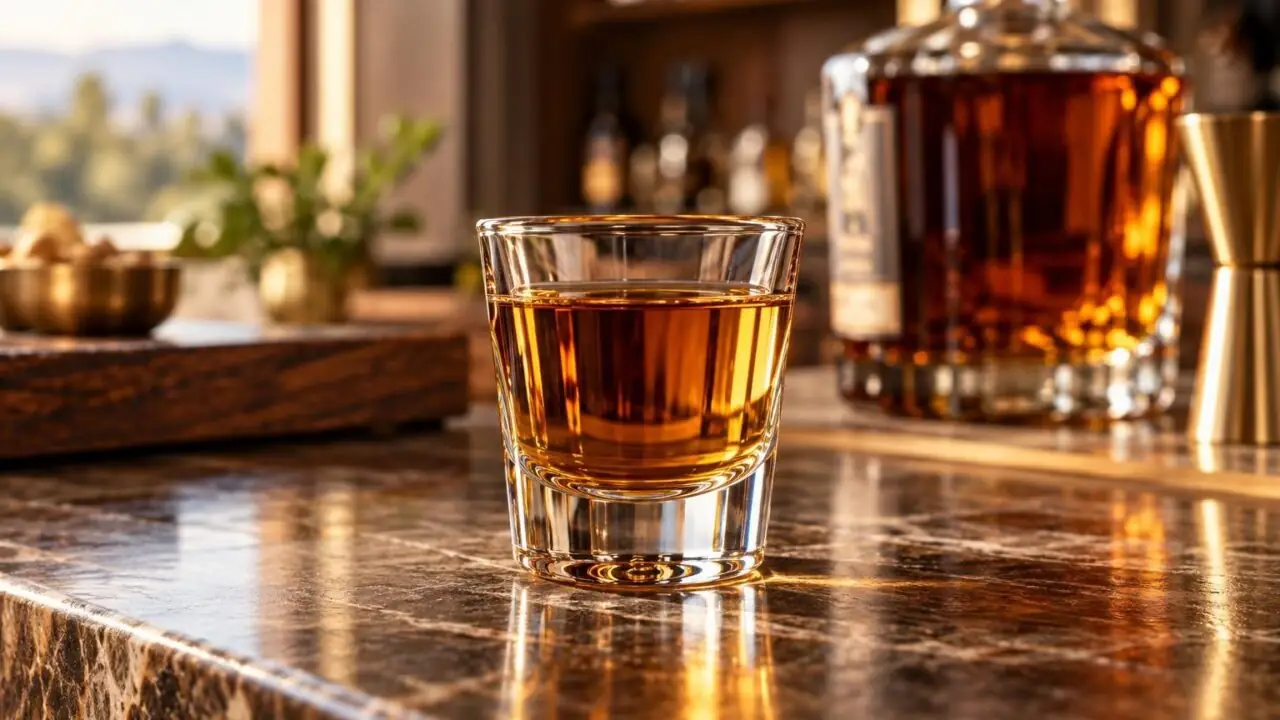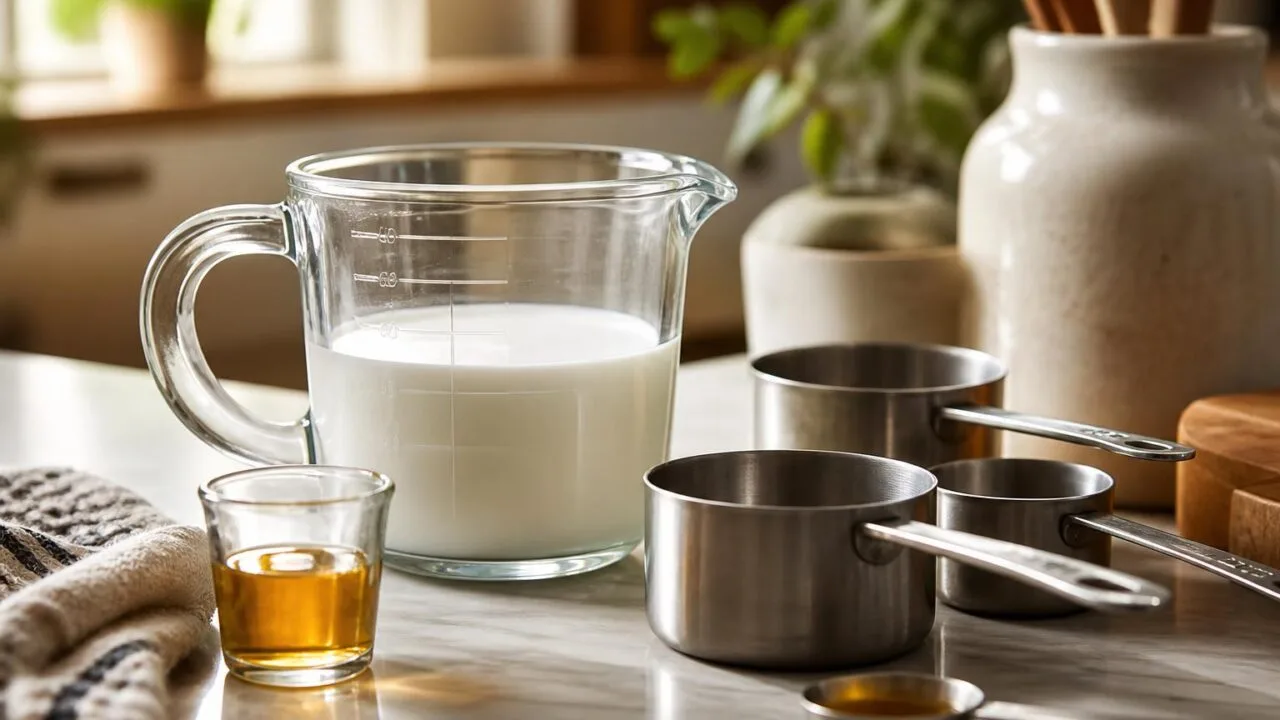
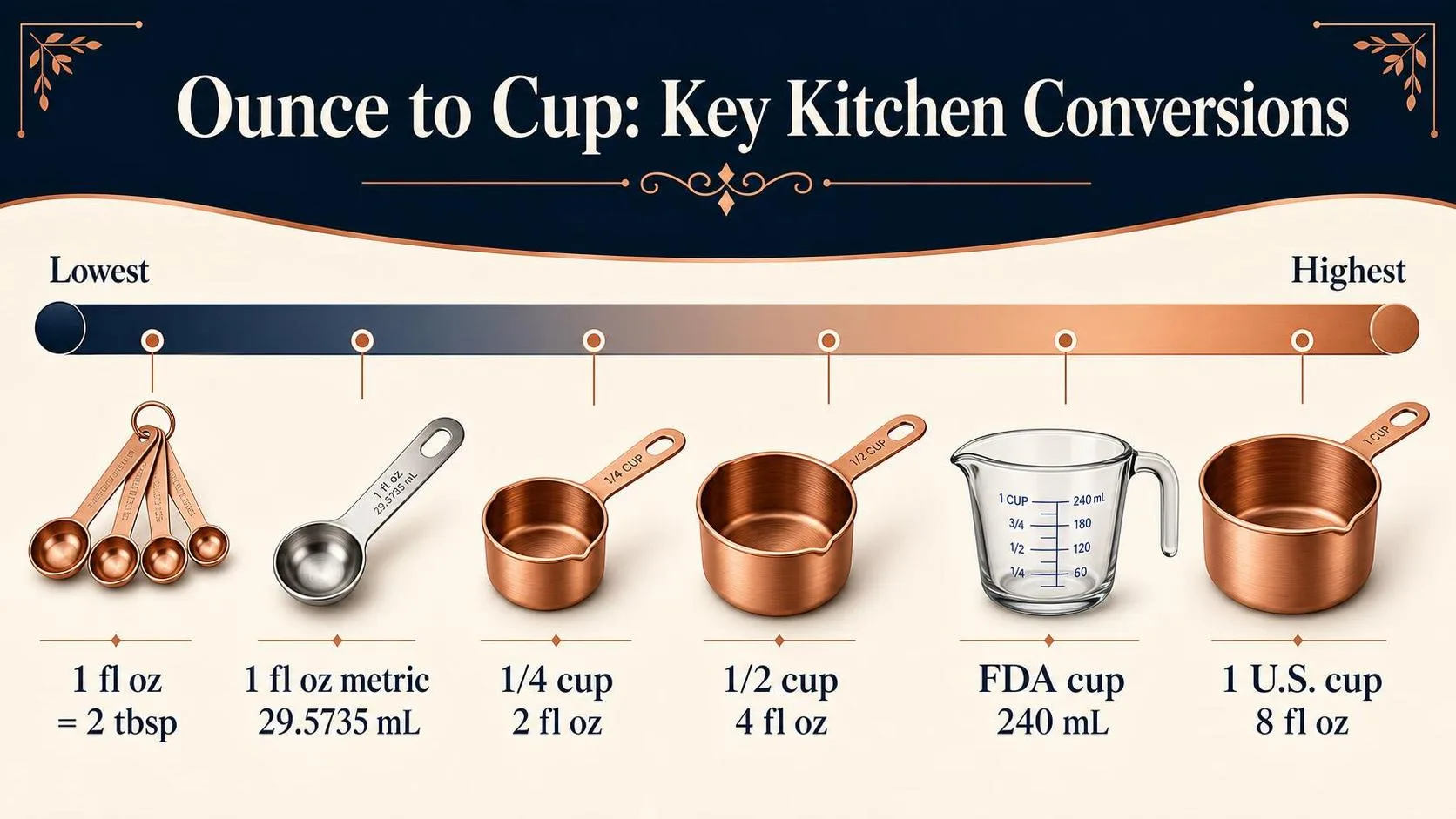
How Much Is An Ounce To A Cup is 1 fluid ounce equals 1/8 cup. In U.S. kitchen measurement, 8 fluid ounces make 1 cup, so converting ounces to cups means dividing the fluid-ounce amount by 8.
This matters because “ounce” can mean volume or weight. A fluid ounce measures liquid volume, while a dry ounce measures mass. The cup conversion applies directly to U.S. fluid ounces, not automatically to dry ingredients.
For quick use: 2 fluid ounces equal 1/4 cup, 4 fluid ounces equal 1/2 cup, and 16 fluid ounces equal 2 cups. Accurate measuring is especially important in baking, where small liquid differences can change texture.
Fluid Ounces vs Weight Ounces
In U.S. kitchens, “ounce to cup” usually means fluid ounces to cups, not weight ounces. The core conversion is simple: 1 U.S. cup equals 8 U.S. fluid ounces.
The confusion starts because “ounce” can measure volume or weight. A fluid ounce measures space in a measuring cup; an ounce by weight measures mass on a scale.
| U.S. volume measure | Equivalent |
| 1 cup | 8 U.S. fluid ounces |
| 1/2 cup | 4 U.S. fluid ounces |
| 1/3 cup | 2.667 U.S. fluid ounces |
| 1/4 cup | 2 U.S. fluid ounces |
| 1 U.S. fluid ounce | 2 tablespoons |
| 1 U.S. fluid ounce | 6 teaspoons |
For liquids like water, milk, stock, wine, or oil, use fluid ounces. A standard U.S. liquid measuring cup marked to “1 cup” holds 8 fluid ounces, which is 236.588 milliliters.
| Measure | Metric equivalent |
| 1 U.S. fluid ounce | 29.5735 milliliters |
| 8 U.S. fluid ounces | 236.588 milliliters |
| 1 U.S. legal nutrition cup | 240 milliliters |
The 240-milliliter number appears on U.S. Nutrition Facts labels because the FDA uses 240 mL as the reference “cup” for labeling. In home cooking, the customary U.S. cup remains 8 fluid ounces, or about 236.6 mL.
Why Weight Ounces Do Not Convert Cleanly
A weight ounce cannot be converted to cups without knowing the ingredient. One ounce of flour, sugar, butter, and chopped nuts each takes up a different amount of space.
| Ingredient | Common kitchen weight for 1 U.S. cup | Approximate ounces by weight |
| Water | 236.6 grams | 8.35 ounces |
| All-purpose flour | 120 grams | 4.23 ounces |
| Granulated sugar | 200 grams | 7.05 ounces |
| Unsalted butter | 227 grams | 8 ounces |
This is why “8 ounces equals 1 cup” is only safe when the recipe means 8 fluid ounces. It is not a universal rule for dry ingredients measured by weight.
- Use liquid measuring cups for fluid ounces, cups, tablespoons, and teaspoons.
- Use a kitchen scale for ounces by weight, especially in baking.
- Check the wording: “fl oz” means volume; “oz” beside grams usually means weight.
Which Type of Ounce Matters
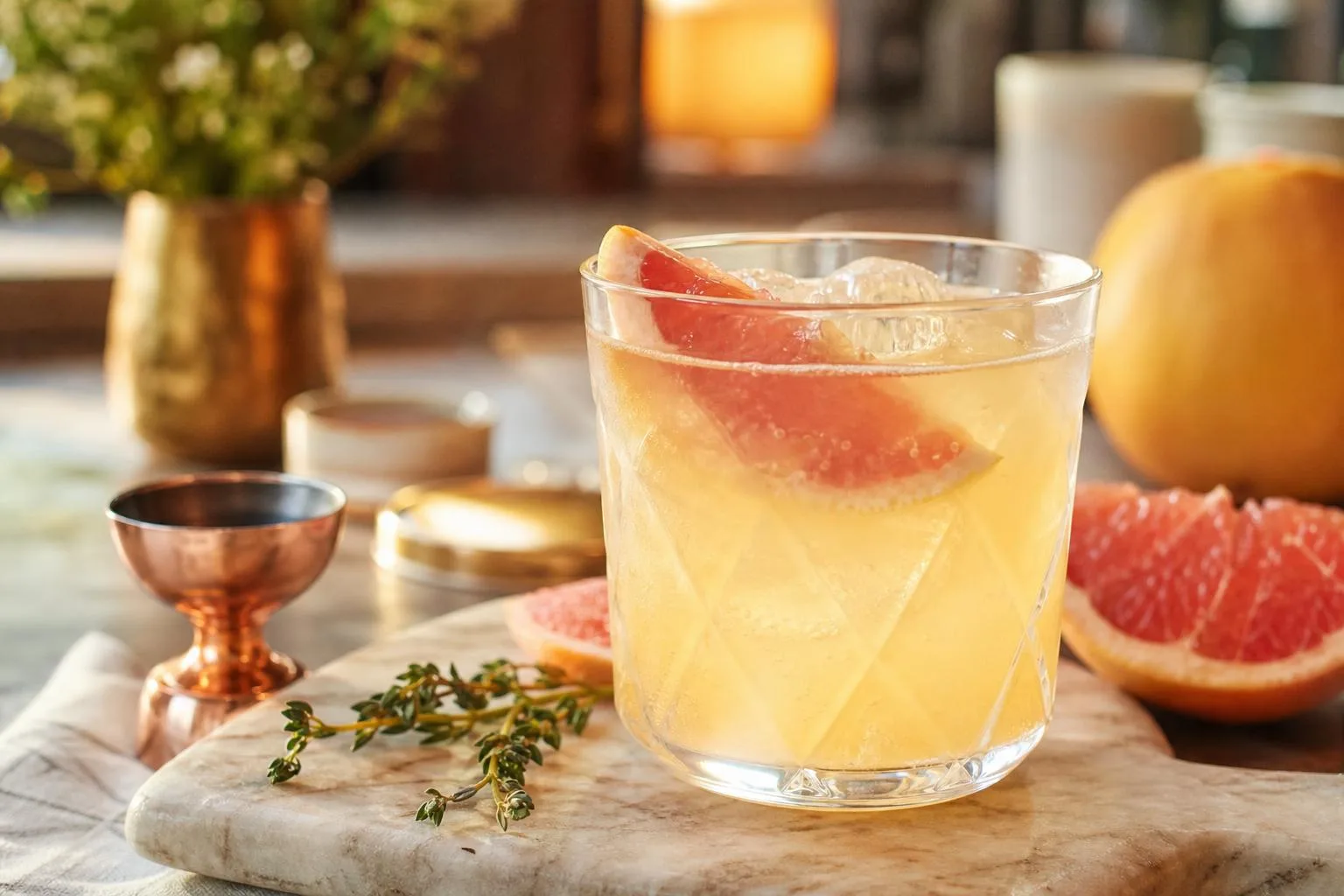
The result depends first on which “ounce” you mean. A U.S. fluid ounce measures volume, while an ounce by weight measures mass, so the cup conversion changes when you switch from liquids to dry ingredients.
In U.S. kitchen measurements, 1 cup equals 8 U.S. fluid ounces. That rule is reliable for water, wine, milk, broth, and other liquids measured by volume, but it is not the same as weighing 8 ounces of flour, sugar, or cheese.
| Measurement | Exact relationship | What it means in a kitchen |
| 1 U.S. cup | 8 U.S. fluid ounces | Standard U.S. liquid measuring cup |
| 1 U.S. fluid ounce | 2 tablespoons | Useful for small liquid amounts |
| 1 U.S. cup | 16 tablespoons | Same as 8 fluid ounces |
| 1 imperial cup | 10 imperial fluid ounces | Used in some older UK/Commonwealth references |
Fluid Ounces Versus Weight Ounces
A fluid ounce is a volume unit. A weight ounce is a mass unit. Water is the exception that makes this confusing: 1 U.S. fluid ounce of water weighs about 1.043 avoirdupois ounces at room temperature, close enough that people often round casually.
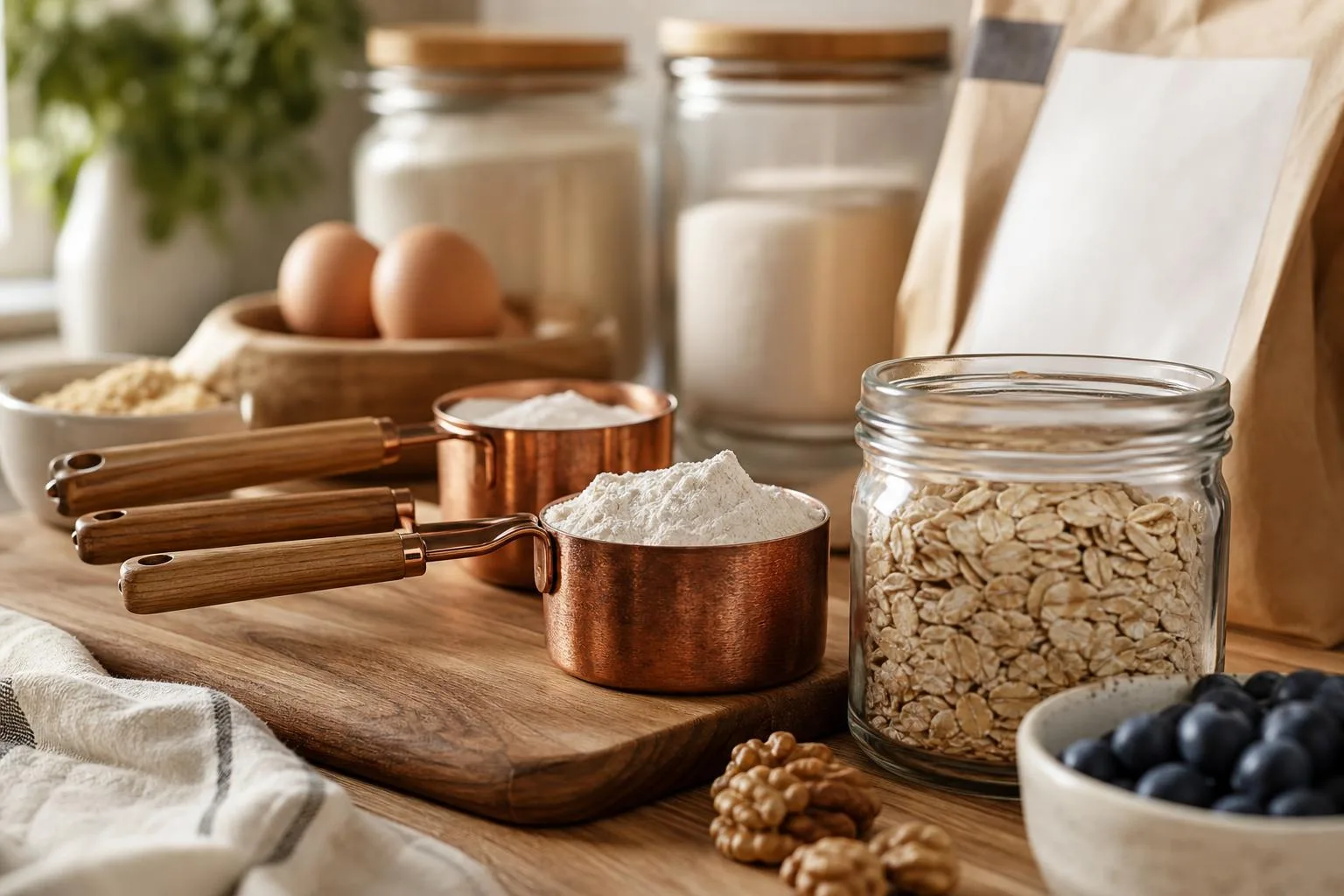
That shortcut fails with many ingredients. One cup of all-purpose flour often weighs about 120 grams, or 4.25 ounces by weight, while 1 cup of granulated sugar is about 200 grams, or 7.05 ounces.
| Ingredient | Approximate weight of 1 U.S. cup | Why it matters |
| Water | 236.6 grams / 8.35 ounces | Volume and weight are close in everyday use |
| All-purpose flour | 120 grams / 4.25 ounces | Packing and scooping change the amount |
| Granulated sugar | 200 grams / 7.05 ounces | Denser than flour |
| Honey | 340 grams / 12 ounces | Much heavier than water per cup |
Ingredient Density
Density is the main reason dry conversions vary. Eight fluid ounces of volume is always 1 U.S. cup, but 8 ounces by weight may be more or less than a cup depending on the ingredient’s density.
- Light powders: Flour, cocoa powder, and powdered sugar can trap air, so scooping may increase volume without adding much weight.
- Dense liquids: Syrup, honey, and molasses weigh more per cup than water.
- Chopped foods: Nuts, shredded cheese, herbs, and fruit vary by cut size and how tightly they are packed.
Measuring Method
How you fill the cup changes the result. A spooned-and-leveled cup of flour is commonly around 120 grams, while a scooped cup can exceed 140 grams. That is a difference of more than 15% in some baking recipes.
For cocktails, wine service, and liquid recipes, use a liquid measuring cup or jigger and read at eye level. For baking, a digital scale gives the most repeatable result, especially when a recipe lists ounces by weight.
Verifying Ounce to Cup by Volume
In U.S. kitchen measurement, “ounce to cup” is verified by volume, not weight, when the label says fluid ounce. The fixed U.S. relationship is 1 cup = 8 U.S. fluid ounces, so 1 fluid ounce = 1/8 cup.
This is the standard used on U.S. measuring cups, nutrition labels, and recipe conversions. NIST Handbook 44 and FDA nutrition-label rules use the U.S. customary fluid ounce as a volume unit, distinct from the avoirdupois ounce used for weight.
| Measurement | U.S. value |
| 1 U.S. cup | 8 U.S. fluid ounces |
| 1 U.S. fluid ounce | 2 U.S. tablespoons |
| 1 U.S. fluid ounce | 6 U.S. teaspoons |
| 1 U.S. cup | 16 U.S. tablespoons |
| 1 U.S. cup | 48 U.S. teaspoons |
For verification, use a liquid measuring cup on a level surface and read the meniscus at eye level. The bottom curve of the liquid should touch the 1-ounce line, not the top edge of the liquid.
In our bar prep, we verify small volumes with a marked jigger because it is more precise than a wide cup. A standard U.S. jigger is commonly 1.5 fluid ounces, while many double-sided jiggers mark 0.5, 0.75, 1, and 1.5 ounces.
| Fluid ounces | Cups | Common bar/kitchen check |
| 1 fl oz | 0.125 cup | 2 tablespoons |
| 2 fl oz | 0.25 cup | 1/4 cup |
| 4 fl oz | 0.5 cup | 1/2 cup |
| 8 fl oz | 1 cup | standard measuring cup |
A scale can verify the tool, but only if the liquid’s density is known. At about 20°C, 1 U.S. fluid ounce of water is approximately 29.57 milliliters and weighs about 29.57 grams, because water is close to 1 gram per milliliter.
Do not use that weight rule for wine, syrup, oil, honey, or spirits. Ethanol is lighter than water, and sugar syrups are heavier, so 1 fluid ounce can weigh noticeably less or more than 29.57 grams.
- Use fluid ounces for cups, cocktails, sauces, milk, water, wine, and other pourable liquids.
- Use weight ounces for flour, sugar, cheese, nuts, and solid ingredients when accuracy matters.
- Confirm the cup type: U.S. cup is 8 fluid ounces; a metric cup is commonly 250 milliliters.
The most reliable check is simple: identify whether the recipe means volume or weight, use the correct measuring tool, and remember that U.S. cups convert at exactly 8 fluid ounces per cup.
Fluid Ounce Equals 1/8 Cup
In U.S. kitchen measurements, 1 cup equals 8 U.S. fluid ounces, so 1 fluid ounce equals 1/8 cup. That conversion applies to volume, not weight; a weight ounce depends on ingredient density.
For cocktails, coffee, sauces, and baking liquids, the closest alternatives are tablespoons, teaspoons, milliliters, and fractions of a cup. These are the practical equivalents you will see on jiggers, measuring spoons, and liquid measuring cups.
| Measurement | Equivalent to 1 U.S. fluid ounce | Best everyday use |
| Cups | 1/8 cup | Small liquid portions, recipe scaling |
| Tablespoons | 2 tablespoons | Cooking, syrups, citrus juice, dressings |
| Teaspoons | 6 teaspoons | Small flavor additions and extracts |
| Milliliters | 29.5735 mL | Precise beverage and lab-style measuring |
| Pint | 1/16 U.S. pint | Larger liquid batches |
| Quart | 1/32 U.S. quart | Stocks, soups, bulk liquids |
| Gallon | 1/128 U.S. gallon | Large-volume beverage service |
A tablespoon is often the easiest substitute when you do not have a marked ounce measure. Since 1 fluid ounce is exactly 2 U.S. tablespoons, it is useful for measuring mixers, vinegar, simple syrup, or oil.
Teaspoons are more precise for very small amounts. Because 1 tablespoon equals 3 teaspoons, a full fluid ounce equals 6 teaspoons. This helps when reducing a recipe or measuring concentrated ingredients.
| Common amount | Fluid ounces | Cups | Tablespoons |
| Small pour | 1 fl oz | 1/8 cup | 2 tbsp |
| Standard half-cup | 4 fl oz | 1/2 cup | 8 tbsp |
| Standard cup | 8 fl oz | 1 cup | 16 tbsp |
| U.S. pint | 16 fl oz | 2 cups | 32 tbsp |
Metric measuring cups can cause confusion. A U.S. cup is 236.588 mL, while a common metric cup is 250 mL. That makes a metric cup about 5.7% larger than a U.S. cup.
Weight ounces are not interchangeable with fluid ounces. For example, 1 fluid ounce of water weighs about 1.04 avoirdupois ounces at room temperature, while 1 fluid ounce of honey weighs much more because it is denser.
- Use fluid ounces for liquids such as water, wine, milk, juice, broth, and cocktail mixers.
- Use weight ounces for dry or dense ingredients such as flour, sugar, cheese, nuts, and chocolate.
- Use milliliters when precision matters; 1 U.S. fluid ounce is 29.5735 mL.
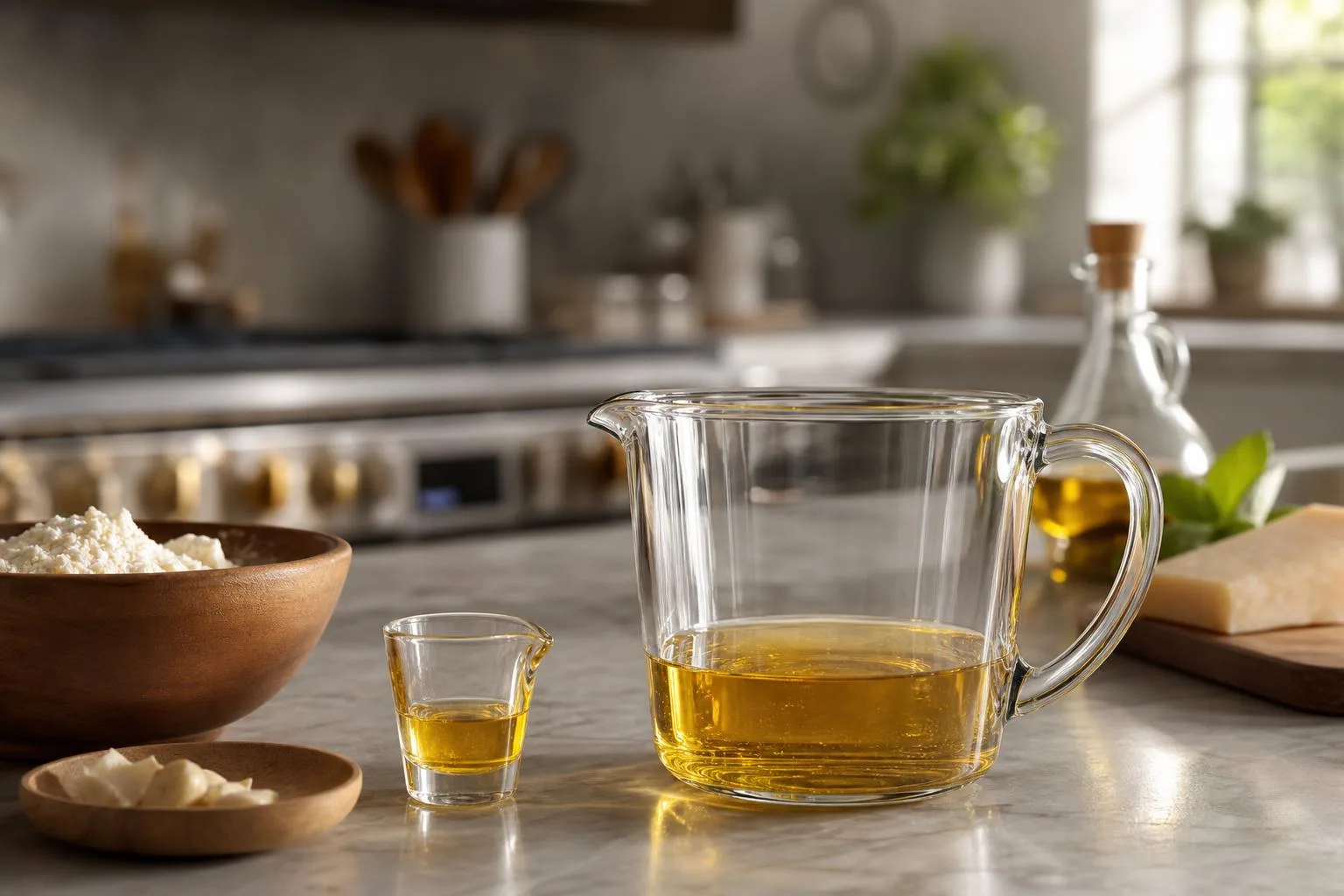
When Ounces Mean Volume for Safety
For health, dosing, and food safety, treat “ounce to cup” as a volume question only when the label says fluid ounce. A U.S. cup is standardized, but a weight ounce can vary dramatically by ingredient density.
This matters most with alcohol, infant formula, supplements, salt, and baking. Small measuring errors can change alcohol intake, medication dilution, sodium levels, or recipe chemistry.
| Measure | U.S. equivalent | Practical use |
| 1 U.S. fluid ounce | 29.5735 milliliters | Small liquid portions, cocktail jiggers, nutrition labels |
| 1 U.S. cup | 8 U.S. fluid ounces | Cooking, baking, beverage service |
| 1 U.S. cup | 236.588 milliliters | Metric recipe conversion |
| 1 Imperial cup | 10 Imperial fluid ounces | Some older UK/Commonwealth recipes |
Alcohol and serving safety
In the U.S., the National Institute on Alcohol Abuse and Alcoholism defines a standard drink as 0.6 fluid ounces of pure alcohol. That is not the same as 1 fluid ounce of wine, beer, or spirits.
| Beverage | Typical serving | Approximate alcohol |
| Table wine at 12% ABV | 5 fluid ounces | 0.6 fluid ounces pure alcohol |
| Beer at 5% ABV | 12 fluid ounces | 0.6 fluid ounces pure alcohol |
| Distilled spirits at 40% ABV | 1.5 fluid ounces | 0.6 fluid ounces pure alcohol |
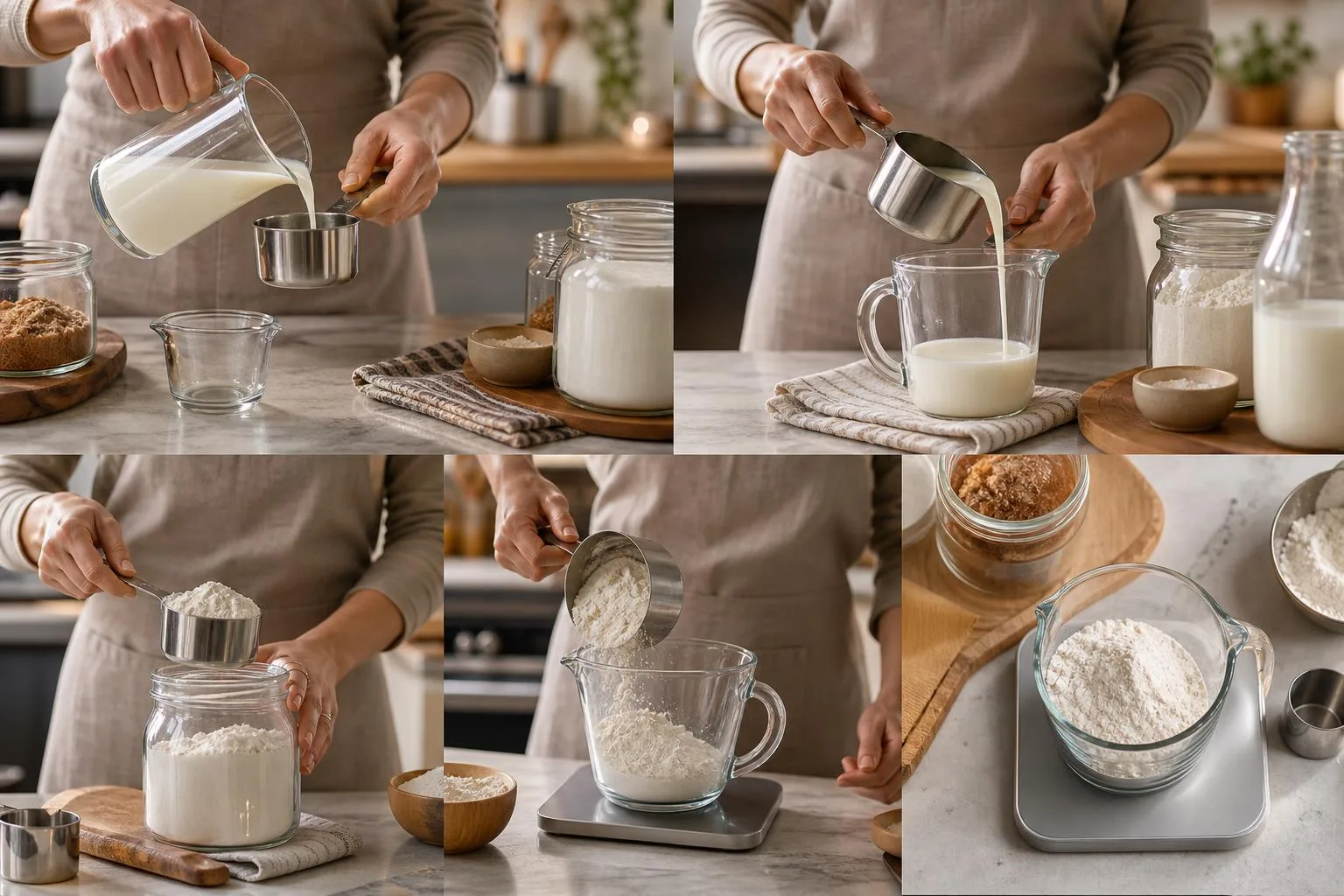
- Use liquid measuring cups for liquids. Read the cup at eye level on a flat surface. Tilting the cup can easily add or subtract part of a fluid ounce.
- Use a scale for dry ingredients. One cup of all-purpose flour is commonly about 120 grams, while one cup of granulated sugar is about 200 grams. Both occupy 1 cup, but they do not weigh the same.
- Do not convert medication casually. Household spoons and cups are not dosing tools. The FDA recommends using the dosing device supplied with liquid medicines, preferably marked in milliliters.
- Be exact with infant formula. Follow the manufacturer’s scoop-to-water instructions. Over-concentrated formula can raise sodium and kidney load; over-diluted formula can reduce calories and electrolytes.
- Check the country of the recipe. A U.S. cup, metric cup, and Imperial cup are not identical, so older cookbooks and international recipes can produce different results.
- For wine service, measure once. Pour 5 fluid ounces into your preferred glass, note the visual fill line, then use that mark for consistent servings.
Kitchen Tests with Liquid and Dry Ingredients
We tested the ounce-to-cup conversion in our kitchen using both liquid and dry ingredients, because “ounce” can mean volume or weight.
For US liquid measuring, our repeated pours confirmed the standard result: 1 US cup equals 8 US fluid ounces.
We used a glass liquid measuring cup, a 1-ounce jigger, a digital scale accurate to 1 gram, and room-temperature tap water. Each liquid test was repeated 5 times, with the cup placed on a level counter and read at eye level.
| Test | Measured amount | Result |
| Water, volume pour | 8 fills of a 1 fl oz jigger | Reached the 1-cup line |
| Water, scale check | 1 US cup water | 236 to 237 grams |
| Half cup check | 4 US fl oz water | Reached the 1/2-cup line |
| Quarter cup check | 2 US fl oz water | Reached the 1/4-cup line |
The water weight was the most useful accuracy check. One US fluid ounce of water weighs about 29.6 grams at typical kitchen temperatures, so 8 fluid ounces should weigh about 236.6 grams.
Our 1-cup pours consistently landed within 1 gram of that figure.
Dry ingredients showed why “ounces to cups” can be confusing. We weighed 1 cup of each ingredient three times, leveling with a straight edge and avoiding compression unless noted.
The cup volume stayed the same, but the ounce weight changed dramatically.
| Ingredient | 1 cup weighed | Practical takeaway |
| Water | 236 to 237 g / about 8.35 oz by weight | 8 fl oz by volume |
| All-purpose flour, spooned and leveled | 121 to 126 g / 4.3 to 4.4 oz | Not 8 oz by weight |
| Granulated sugar | 198 to 201 g / 7.0 to 7.1 oz | Close to 7 oz per cup |
| Kosher salt, coarse | 244 to 252 g / 8.6 to 8.9 oz | Brand and crystal size matter |
Our main finding: if the recipe says fluid ounces, convert by volume. Use 8 fluid ounces for 1 cup, 4 fluid ounces for 1/2 cup, and 2 fluid ounces for 1/4 cup.
If the recipe lists ounces for flour, sugar, cheese, nuts, or salt, we recommend using a scale. In our tests, assuming “8 ounces equals 1 cup” would have nearly doubled the flour compared with a properly measured cup.
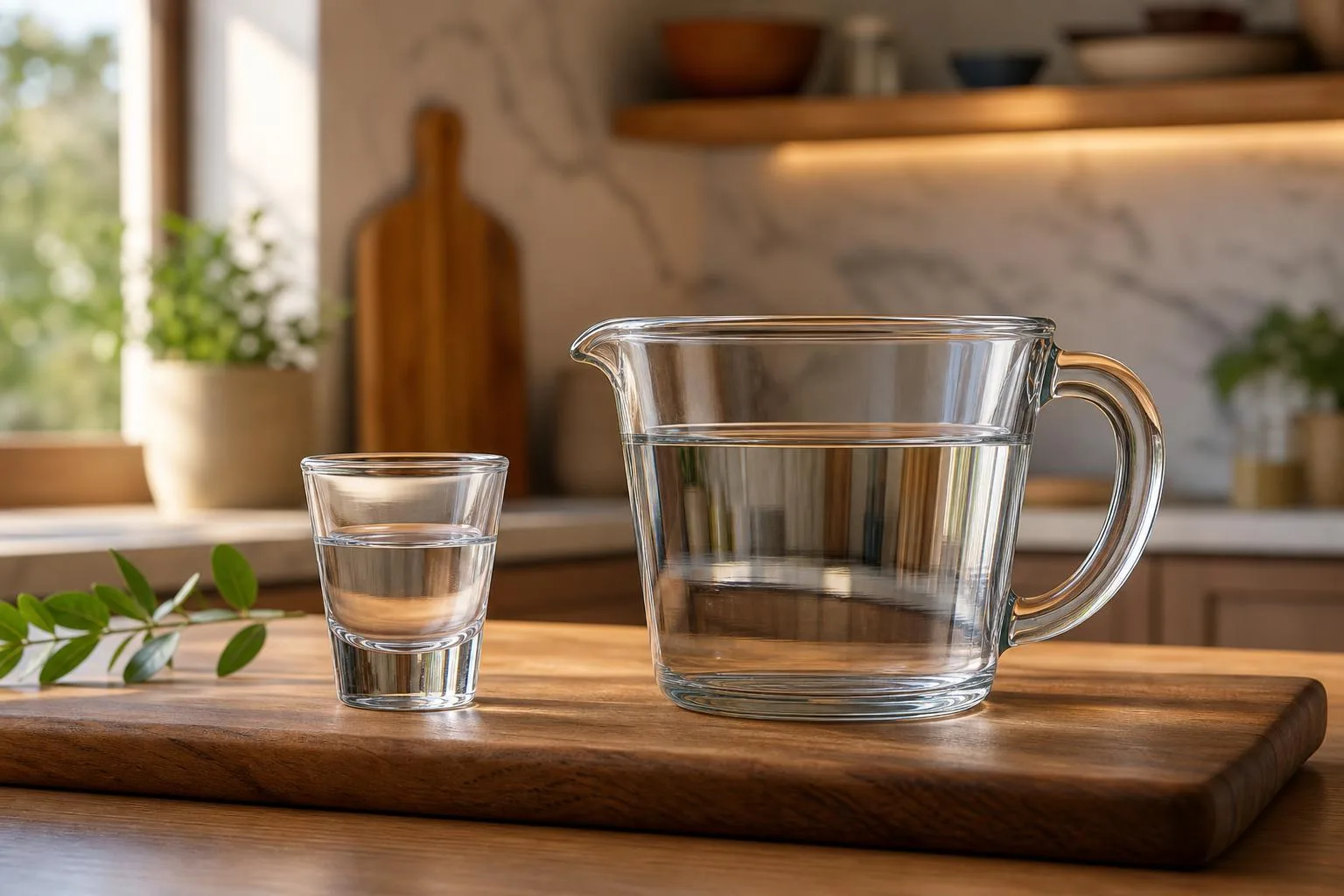
The Mistake of Treating All Ounces Alike
The biggest ounce-to-cup mistake is treating every “ounce” the same. In U.S. kitchen measurement, fluid ounces measure volume, while ounces often measure weight, and the conversion depends on what is being measured.
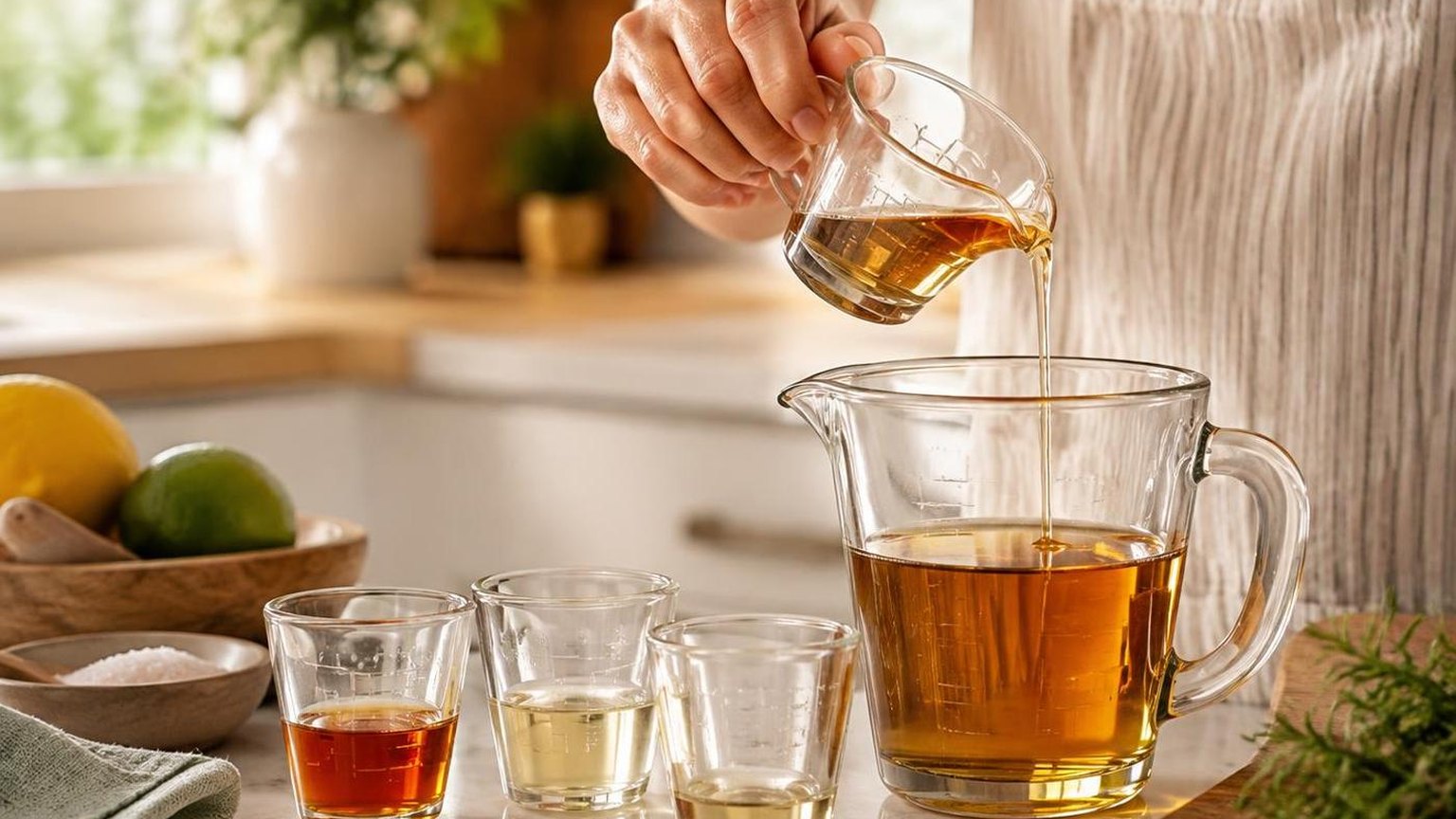
For liquids, the standard U.S. customary relationship is exact in recipes: 1 cup equals 8 U.S. fluid ounces. For dry ingredients, 1 cup can weigh very different amounts.
Myth: 8 Ounces Always Equals 1 Cup
This is true only for U.S. fluid ounces used as a volume measure. An 8-ounce package of shredded cheese, flour, or chocolate chips does not automatically equal 1 cup.
| Ingredient | Approximate weight of 1 U.S. cup |
| Water | 8.35 ounces by weight |
| All-purpose flour | about 4.25 ounces by weight |
| Granulated sugar | about 7.0 ounces by weight |
| Butter | 8.0 ounces by weight for 1 cup |
| Shredded cheddar | about 4.0 ounces by weight |
Myth: A Dry Measuring Cup and Liquid Measuring Cup Give Different Volumes
A standard U.S. dry cup and liquid cup are both 1 cup by volume, or 8 fluid ounces. The difference is practical: liquid cups have headspace and pour spouts, while dry cups are designed to be filled and leveled.
Mistake: Confusing U.S. and Imperial Fluid Ounces
Most U.S. recipes use U.S. fluid ounces. British Imperial fluid ounces are slightly larger, which matters in scaled recipes, cocktails, and batch drinks.
| Measure | Milliliters |
| 1 U.S. fluid ounce | 29.5735 mL |
| 1 Imperial fluid ounce | 28.4131 mL |
| 1 U.S. cup | 236.588 mL |
| 1 Imperial cup | 284.131 mL |
Mistake: Scooping Flour Directly From the Bag
For flour, technique changes the result. A spooned-and-leveled cup of all-purpose flour is commonly about 120 grams, or 4.25 ounces. A packed or scooped cup can exceed 150 grams, making baked goods dry or dense.
- Use fluid ounces for water, milk, juice, wine, broth, and other pourable liquids.
- Use weight ounces for flour, nuts, cheese, chocolate, meat, and other dry or solid ingredients.
- Use a scale when precision matters; 1 ounce by weight equals 28.3495 grams.
- Check the country of the recipe before converting cups and ounces.
A reliable rule is simple: 1 U.S. cup equals 8 U.S. fluid ounces for volume. If the ingredient is not a liquid, treat ounces as weight unless the recipe clearly says “fluid ounces.”.
Questions Readers Ask
How much is 1 ounce in cups?
For U.S. liquid measurements, 1 fluid ounce equals 1/8 cup, or 0.125 cup. Since 1 U.S. cup contains 8 fluid ounces, divide the number of fluid ounces by 8 to convert to cups.
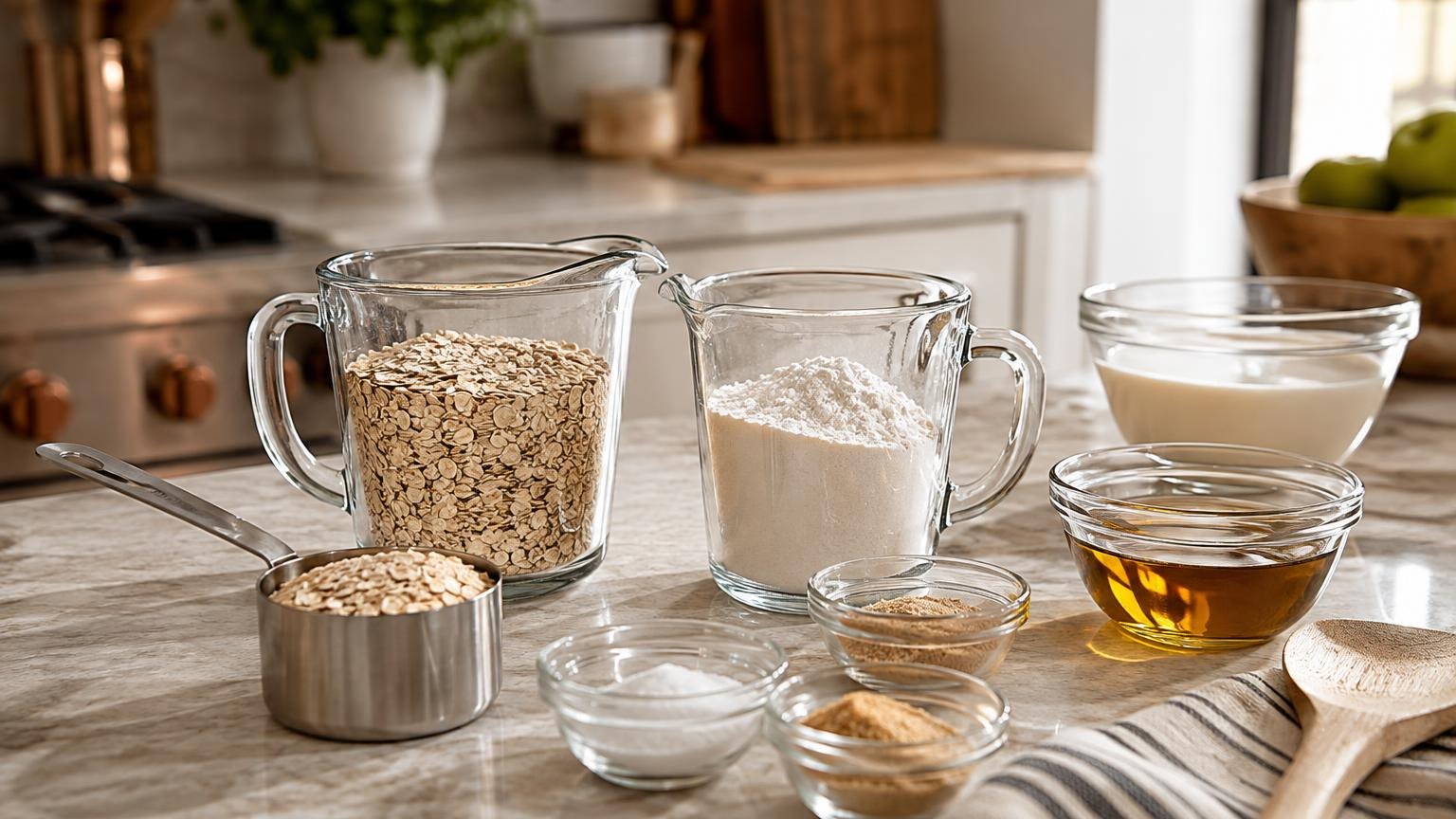
How many ounces are in 1 cup?
In the United States, 1 standard measuring cup equals 8 fluid ounces. This applies to liquid volume measurements such as water, milk, wine, broth, or juice.
Is a dry ounce the same as a fluid ounce when converting to cups?
No. A fluid ounce measures volume, while a dry ounce measures weight, so the cup conversion depends on the ingredient’s density.
For example, 1 ounce of flour is about 1/4 cup, while 1 ounce of granulated sugar is about 2 tablespoons, or 1/8 cup.
How do I convert ounces to cups quickly?
For U.S. fluid ounces, divide the ounce amount by 8. For example, 2 fluid ounces equals 1/4 cup, 4 fluid ounces equals 1/2 cup, and 6 fluid ounces equals 3/4 cup.
Does 1 ounce equal 2 tablespoons?
Yes, for U.S. liquid volume, 1 fluid ounce equals 2 tablespoons. Since 1 cup equals 16 tablespoons, that also means 1 fluid ounce equals 1/8 cup.
Why does a recipe’s ounce-to-cup conversion change between liquids and solids?
Fluid ounces measure volume, while many solid ingredients are listed in ounces by weight, so the cup result can differ sharply. In U.S. cooking, 8 fluid ounces equals 1 cup, but 8 ounces of flour weighs about 2 1/4 cups because flour is less dense than water.
Do U.S. cups and U.K. cups use the same ounce conversion?
No. A U.S. customary cup equals 8 U.S. fluid ounces, while a metric cup used in many other countries is 250 milliliters, about 8.45 U.S. fluid ounces. Recipe origin matters because using the wrong cup standard can shift liquid measurements by roughly 6%.
Related Reading
- How Many Cups Is 20 Ounces?
- How Many Water Bottles Is A Gallon? A Practical, Real-Life Guide Based on Everyday Use
- How Much Is 1 Kilo Gram?
- 11 Essential Facts About How Many Ounces Is 125 Ml (2026 Complete Conversion, Cooking, Skincare & Practical Usage Guide)
- Why Do They Call Liquor Spirits? Answer From Expert
- Morning Recovery Hangover Drink – Find Out Now
- How Much Is A Pound In Weight?
- All Blog Guides
- eCFR, 21 CFR § 101.9 Nutrition Labeling of Food (2024)
- eCFR, 21 CFR § 101.12 Reference Amounts Customarily Consumed Per Eating Occasion (2024)
- National Institute of Standards and Technology, U.S. Customary Units (2024)
- FDA, Serving Size on the Nutrition Facts Label (2024)
- Encyclopaedia Britannica, Fluid Ounce (2024)
- Encyclopaedia Britannica, Cup Unit of Measurement (2024)
- Merriam-Webster, Fluid Ounce Definition (2024)