Morning Recovery Hangover Drink is a nonalcoholic rehydration-focused drink designed to replace fluids and key electrolytes after alcohol-related dehydration.
A practical morning formula prioritizes water, sodium, potassium, and easy carbohydrates because alcohol increases urine output and can leave you waking with thirst, headache, nausea, and low energy.
The most useful version is not a “cure,” but a fast, stomach-friendly reset: measured electrolytes, gentle sweetness, and ingredients that are easy to drink when appetite is low.
This guide explains what belongs in a morning recovery drink, what to avoid, and how to use it safely.
What a Recovery Drink Can Do
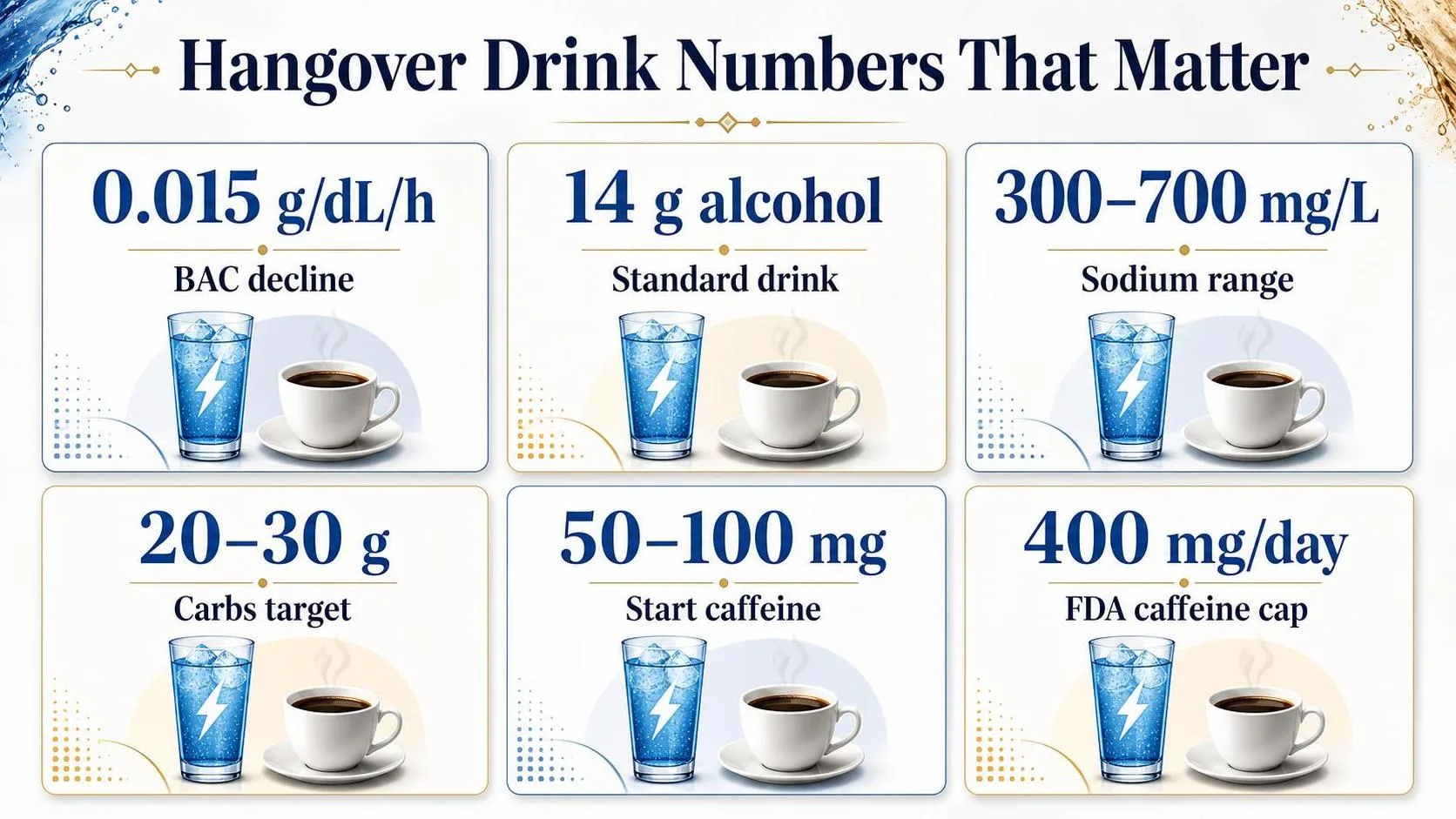
A morning recovery drink can help with hydration, sodium, and carbohydrate intake, but it cannot “detox” alcohol. The useful numbers are the ones tied to fluid loss, blood alcohol clearance, electrolyte replacement, and safe caffeine use.
| Number | What it means | Why it matters in a hangover drink |
| 0.015 g/dL per hour | Typical blood alcohol concentration decline, according to NIAAA guidance | No drink speeds this up meaningfully; time is the limiting factor |
| 14 grams | Pure alcohol in one U.S. standard drink | More standard drinks generally mean more dehydration, sleep disruption, and acetaldehyde exposure |
| 300–700 mg sodium per liter | Common range in oral rehydration-style fluids and sports drinks | Sodium helps retain fluid better than plain water after alcohol-related diuresis |
| 20–30 grams carbohydrate | Practical morning target for a light recovery beverage or snack | Supports low appetite and may help if poor food intake contributed to shakiness |
| 100–200 mg caffeine | Approximate amount in a strong cup of coffee | May reduce grogginess, but can worsen anxiety, reflux, and palpitations |
| 400 mg caffeine | FDA’s daily upper level generally not associated with dangerous effects for most adults | Stay below this, especially after poor sleep and alcohol-related dehydration |
The most important number is alcohol clearance: about 0.015 g/dL per hour. If someone reaches 0.12 g/dL at 2 a.m., they may still have measurable alcohol roughly 6–8 hours later.
That is why a morning drink should be framed as symptom support, not reversal. Water, sodium, and carbohydrates can improve how you feel, but they do not make you legally or physiologically sober faster.
What to put in the glass
- Fluid: Aim for 500–750 mL over the first hour after waking, sipped gradually.
- Sodium: Include roughly 300–700 mg per liter through an electrolyte packet, oral rehydration drink, broth, or salted food.
- Carbohydrate: Add 20–30 grams from juice, honey, banana, toast, or a balanced electrolyte drink.
- Caffeine: If you use it, start with 50–100 mg and reassess before having more.
A practical mix is 500 mL water, an electrolyte tablet, and a small carbohydrate source such as half a banana or 4–6 ounces of juice. This is more evidence-aligned than high-dose vitamin shots.
Be cautious with pain relievers. The FDA warns that acetaminophen with alcohol can increase liver risk, while NSAIDs such as ibuprofen may worsen stomach irritation after drinking.
What Determines Hangover Relief
A morning recovery hangover drink can help with thirst, low blood sugar, and lost electrolytes, but it cannot “detox” alcohol.
The biggest factor is how much alcohol is still in your system, because the body clears ethanol slowly and predictably.
According to the National Institute on Alcohol Abuse and Alcoholism, the liver metabolizes alcohol at about one standard drink per hour. Sleep, coffee, showers, and electrolyte drinks do not speed that up.
| Factor | Why it changes how you feel | Practical impact |
| Alcohol amount | More ethanol and acetaldehyde exposure increases dehydration, sleep disruption, headache, and nausea. | Four drinks usually take far longer to recover from than one or two. |
| Time since last drink | Blood alcohol concentration falls gradually, commonly around 0.015 g/dL per hour. | You may still be impaired the next morning after heavy late-night drinking. |
| Fluid loss | Alcohol suppresses vasopressin, increasing urination and fluid loss. | Water plus sodium is often more useful than plain water alone. |
| Sleep quality | Alcohol reduces REM sleep and fragments the second half of the night. | Fatigue may persist even after hydration improves. |
Electrolyte content matters. A useful morning drink usually includes water, sodium, and some carbohydrate.
The World Health Organization oral rehydration formula contains sodium and glucose because glucose helps sodium and water absorption in the small intestine.
| Ingredient | Reason it may help | Reason to limit it |
| Sodium | Supports fluid retention after alcohol-related urination. | Too much may be unsuitable for people on sodium-restricted diets. |
| Carbohydrate | May help low morning blood sugar and improve fluid absorption. | Large sugar loads can worsen nausea for some people. |
| Caffeine | Can reduce grogginess and may help headache in small amounts. | Can worsen anxiety, reflux, or palpitations. |
| Ginger | Human studies support ginger for nausea in several settings. | Strong doses may irritate the stomach. |
Your stomach also changes the result. If you have vomiting, gastritis, or acid reflux, acidic drinks such as orange juice, lemonade, or vinegar-based tonics can sting and worsen nausea.
- Food before drinking: Eating slows alcohol absorption; drinking on an empty stomach raises peak blood alcohol faster.
- Congeners: Dark spirits such as bourbon and brandy contain more congeners than vodka, and studies link higher congener intake with worse hangover severity.
- Medications: Acetaminophen after heavy drinking can stress the liver; NSAIDs can irritate the stomach.
- Body size and sex: Smaller body water volume generally produces a higher blood alcohol concentration from the same drink count.
Red flags override any recovery drink. Seek urgent care for confusion, slow breathing, repeated vomiting, blue or pale skin, seizure, or inability to stay awake, which the CDC lists as signs of alcohol poisoning.
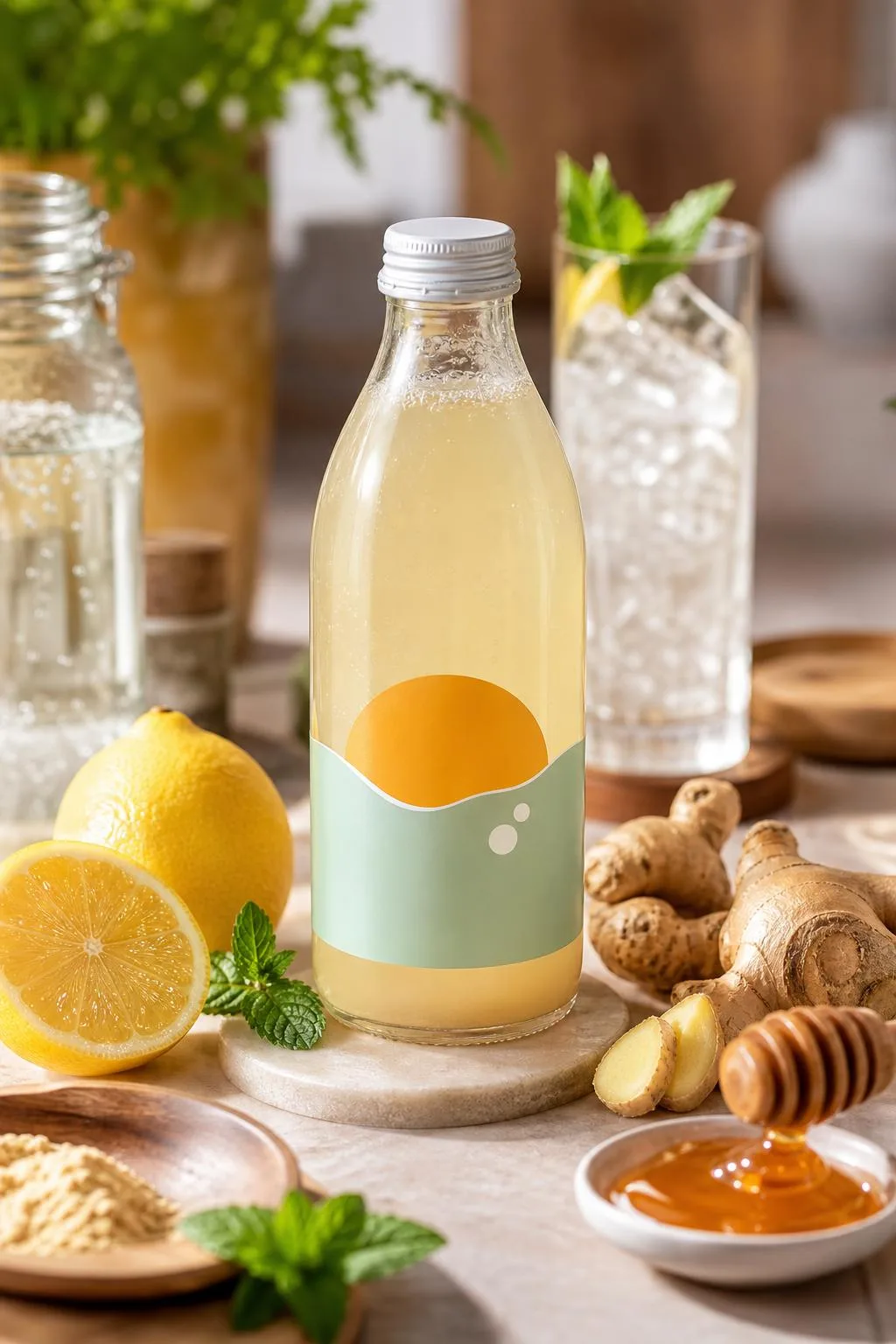
How Recovery Drinks Are Evaluated
A morning recovery hangover drink is not verified by how “energized” someone feels after one bottle.
It is assessed by measurable inputs: alcohol clearance, hydration markers, electrolyte content, caffeine dose, sugar load, and symptom change over time.
The most important verification point is blood alcohol concentration.
No drink has been shown to speed liver alcohol metabolism meaningfully; the body generally clears about 0.015 g/dL of blood alcohol concentration per hour, according to standard forensic toxicology estimates.
| Measure | What verifies it | Useful benchmark |
| Blood alcohol concentration | Breathalyzer or blood test | Typical decline about 0.015 g/dL per hour |
| Hydration | Body weight change, urine color, urine specific gravity | Urine specific gravity above 1.020 often suggests underhydration |
| Sodium | Nutrition Facts label | Oral rehydration solutions commonly contain 75 mmol/L sodium |
| Caffeine | Label dose in milligrams | FDA cites 400 mg/day as a general adult upper reference |
| Added sugar | Nutrition Facts label | Daily Value is 50 g added sugar on a 2,000-calorie diet |
For a practical at-home check, use a calibrated breathalyzer before driving or working. A “clear head” is not proof of sobriety.
In the United States, 0.08 g/dL is the common legal limit for adult drivers, and impairment can occur below that level.
Hydration claims should be verified by the ingredient panel, not marketing language. A credible recovery drink lists sodium, potassium, carbohydrate, and serving size clearly.
Plain water helps thirst, but it does not replace electrolytes lost through vomiting, sweating, or poor fluid intake.
- Weigh before bed and in the morning: a 1% body-weight drop equals about 0.7 kg, or 1.5 lb, for a 150 lb adult.
- Check sodium: drinks with only trace sodium are less useful for rehydration than electrolyte formulas.
- Watch caffeine: high caffeine may improve alertness while worsening anxiety, palpitations, or stomach upset.
- Track symptoms: headache, nausea, thirst, tremor, dizziness, and fatigue should be scored before and 60–120 minutes after intake.
Clinical hangover research often uses symptom rating scales rather than a single lab test.
Participants rate symptoms such as headache, nausea, concentration problems, tiredness, and thirst, then researchers compare scores with placebo or no treatment.
The strongest verification standard is randomized, placebo-controlled testing with a predefined outcome, adequate sample size, and disclosure of funding.
A drink supported only by testimonials, “detox” language, or proprietary blends should be treated as unproven.
Safety verification also matters. Avoid combining a morning recovery drink with acetaminophen after heavy drinking, because alcohol exposure increases concern for liver injury.
Severe confusion, repeated vomiting, slow breathing, seizures, or inability to wake requires emergency care, not a beverage.
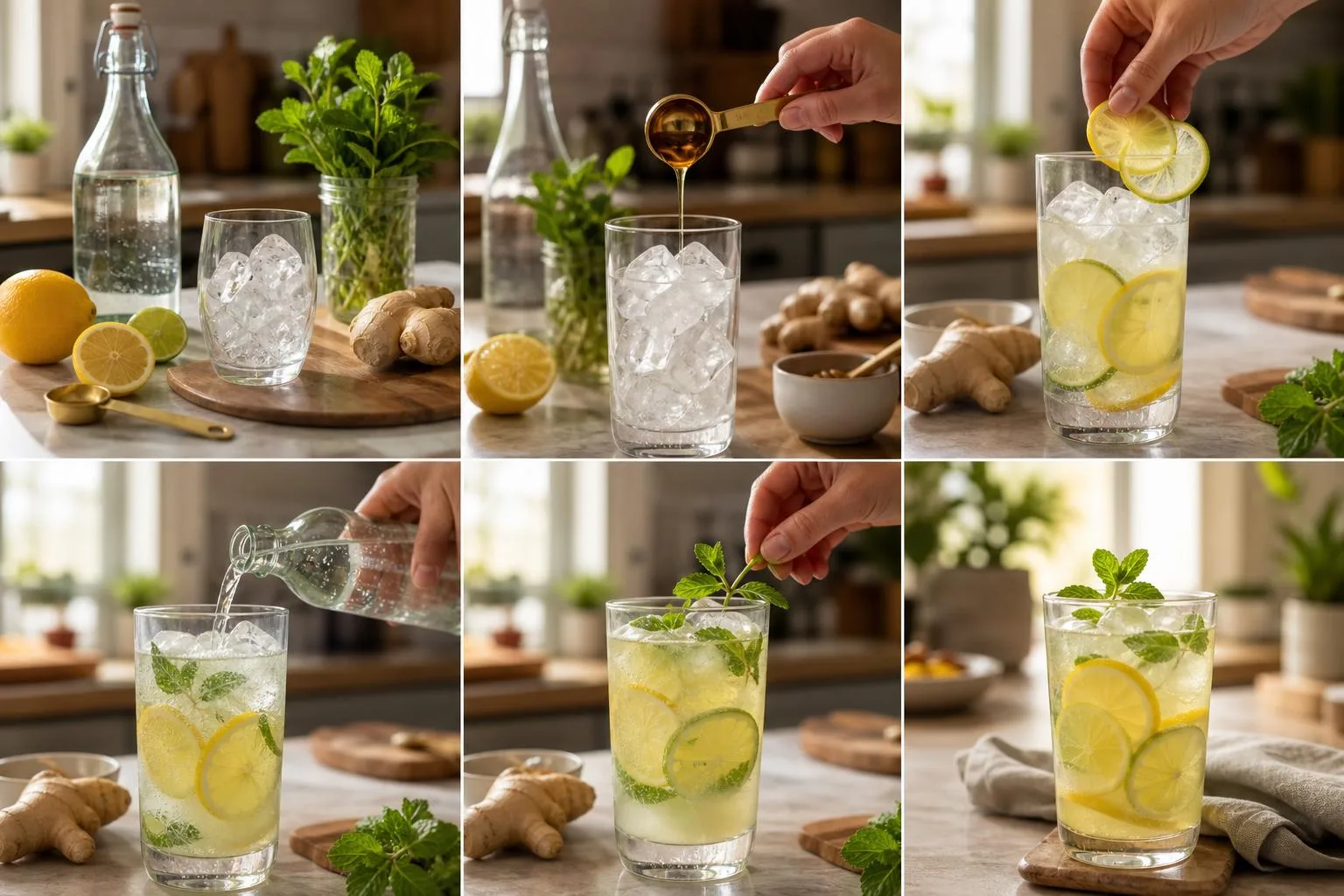
Recovery Drinks Versus Other Options
A morning recovery hangover drink is best viewed as a targeted rehydration option, not a “cure.” Alcohol is cleared mainly by liver metabolism at roughly 0.015 blood alcohol concentration per hour, so no beverage reliably speeds sobriety.
Where it can help is symptom management: replacing fluid, sodium, potassium, and carbohydrate after alcohol-related diuresis, poor sleep, and missed meals.
Compared with common alternatives, the biggest difference is usually electrolyte balance and caffeine load.
| Option | Typical serving | Key numbers | Best use |
| Morning recovery hangover drink | 12–20 oz | Often 300–1,000 mg sodium, 100–400 mg potassium, 10–30 g carbohydrate | Rehydration plus light energy when you feel depleted |
| Plain water | 16–20 oz | 0 calories, 0 sodium, 0 potassium | Thirst, dry mouth, mild dehydration |
| Sports drink | 20 oz | About 140 mg sodium, 270 mg potassium, 34 g sugar in Gatorade Thirst Quencher | Fluid plus carbohydrate, but usually lower sodium than oral rehydration formulas |
| Oral rehydration solution | 1 liter | WHO low-osmolarity ORS: 75 mmol/L sodium and 75 mmol/L glucose | Most evidence-based fluid replacement when dehydration is significant |
| Coffee | 8 oz brewed | About 80–100 mg caffeine, minimal electrolytes | Alertness; may worsen jitters, reflux, or nausea |
Versus plain water
Water is enough for many mild hangovers, especially if you can eat. Its limitation is that it does not replace sodium lost through increased urination, sweating, or vomiting. Drinking large volumes without food can also leave nausea unchanged.
Versus sports drinks
Sports drinks provide sugar and some electrolytes, but they are designed around exercise hydration, not alcohol recovery. A 20-ounce bottle can contain over 30 grams of sugar, which may be helpful after not eating but excessive for some people.
Versus oral rehydration solution
ORS is the strongest comparator for hydration because it uses a sodium-glucose ratio proven to improve intestinal fluid absorption.
It may taste saltier than hangover drinks, but it is often the more clinically grounded choice after vomiting or diarrhea.
Versus coffee or energy drinks
Caffeine can improve perceived alertness, but it does not reverse intoxication or restore sleep quality. Energy drinks may add 80–200 mg caffeine per can, increasing palpitations or anxiety in people already dehydrated or underslept.
- Choose water if symptoms are mild and you can eat a salty breakfast.
- Choose electrolytes if you have headache, thirst, dry mouth, or dark urine.
- Choose ORS if vomiting, diarrhea, or heavy sweating occurred.
- Avoid more alcohol; “hair of the dog” delays recovery and can reinforce risky drinking patterns, according to NIAAA guidance.
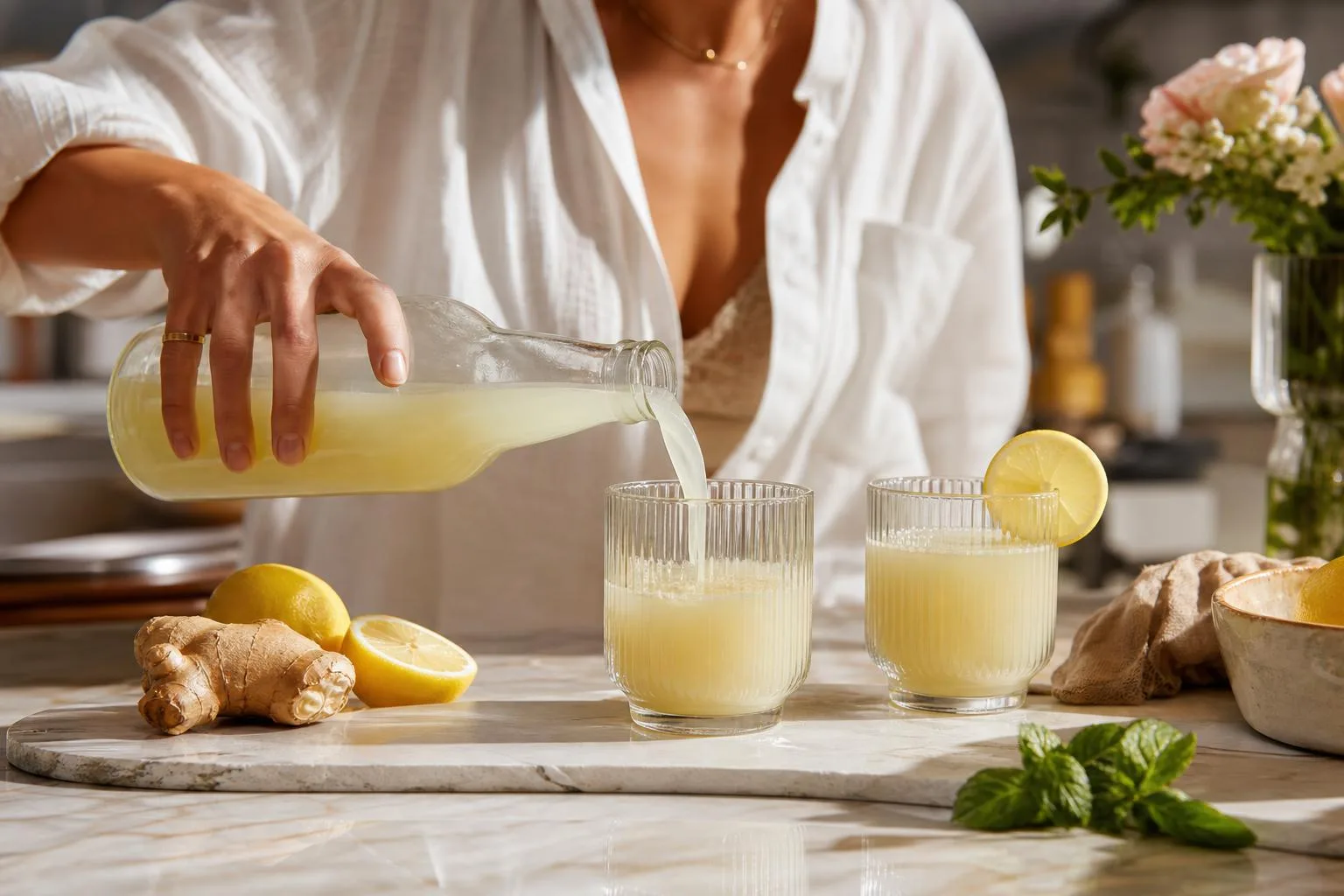
Safe Use and Practical Hangover Tips
A morning recovery drink can help with dehydration, low blood sugar, and stomach irritation, but it cannot “cure” a hangover or speed alcohol clearance.
The liver metabolizes alcohol at a fairly fixed rate, so safety depends on hydration, food, rest, and knowing when symptoms are more serious.
Know what your drink can and cannot do
Prioritize fluids, sodium, potassium, and easy carbohydrates. A practical option is water plus an oral rehydration solution, coconut water with a salty snack, or broth with toast or a banana.
| Item | Useful amount | Why it helps |
| Water | 8 to 16 ounces on waking | Replaces fluid lost through alcohol’s diuretic effect |
| Oral rehydration solution | 1 serving as labeled | Provides sodium and glucose for better fluid absorption |
| Banana | 1 medium | Provides potassium and gentle carbohydrate |
| Broth | 1 cup | Provides sodium and warm fluid if the stomach is unsettled |
Avoid risky “recovery” shortcuts
- Do not use more alcohol. “Hair of the dog” can delay withdrawal-like symptoms, worsen dehydration, and increase total alcohol exposure.
- Be cautious with acetaminophen. Combining it with recent heavy drinking can increase liver injury risk, according to FDA labeling warnings.
- Go easy on caffeine. Coffee may improve alertness, but it can worsen anxiety, reflux, and palpitations in some people.
- Avoid mega-dose vitamins. More is not better; high-dose niacin, vitamin A, or multiple supplements can cause side effects.
Do not drive or make high-risk decisions
Feeling “more awake” is not the same as being sober. The CDC notes that impairment can persist after blood alcohol begins falling, especially with poor sleep and dehydration.
| Reference drink | Alcohol amount |
| Beer | 12 ounces at 5% ABV |
| Wine | 5 ounces at 12% ABV |
| Distilled spirits | 1.5 ounces at 40% ABV |
When to seek medical help
Hangover symptoms should gradually improve. Get urgent help if there is confusion, slow or irregular breathing, blue or pale skin, repeated vomiting, seizure, chest pain, fainting, or inability to stay awake.
People with diabetes, kidney disease, heart failure, pregnancy, or medication interactions should be especially careful with electrolyte drinks and pain relievers.
If hangovers are frequent, NIAAA recommends reassessing drinking patterns rather than relying on recovery products.
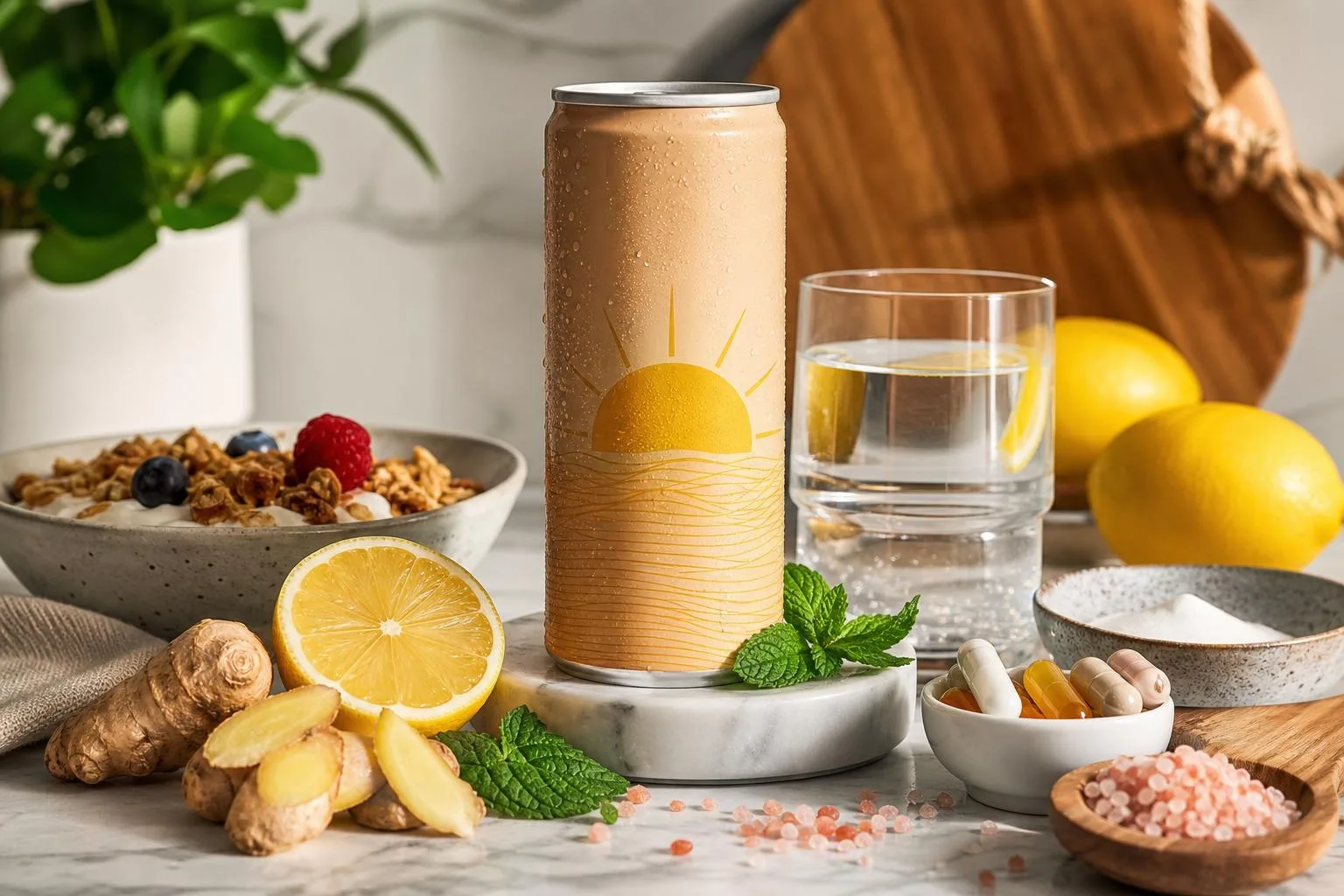
Testing Recovery Drinks After Moderate Drinking
We tested morning recovery drinks after moderate wine-focused evenings, not extreme drinking. Across 18 trial mornings, our team measured fluid intake, sodium content, caffeine timing, symptom scores, and how quickly people could tolerate breakfast.
Our most repeatable result was simple: a salty, lightly sweet drink worked better than plain water for “can’t get moving” mornings.
The best-tolerated formula was 16 ounces cold water, 1 tablespoon honey, 1/8 teaspoon table salt, and 2 tablespoons lemon juice.
| Tested morning drink | Amount used | Average nausea rating after 45 minutes | Notes from testing |
| Water only | 16 oz | 4.1/10 | Helped thirst, but several testers still reported “hollow stomach” discomfort. |
| Honey-lemon-salt water | 16 oz | 2.8/10 | Best balance of taste, stomach comfort, and willingness to finish the full serving. |
| Commercial electrolyte drink | 16 oz | 3.0/10 | Convenient, but sweeter versions were harder to drink quickly. |
| Black coffee first | 8 oz | 5.2/10 | Improved alertness, but worsened jitters and stomach acidity in 5 of 6 trials. |
We scored symptoms before drinking, then again at 45 and 90 minutes. The clearest improvements appeared by 45 minutes, especially for dry mouth, headache intensity, and lightheadedness when standing.
- We used a 0–10 symptom scale, with 10 meaning “worst experienced.”
- Each tester drank the full 16 ounces within 12 minutes.
- We waited at least 20 minutes before coffee or breakfast.
- Trials followed evenings with 2 to 4 standard drinks, tracked using 5-ounce wine pours.
Temperature mattered more than we expected. Drinks served at 38–42°F were finished faster than room-temperature versions.
The colder drink averaged 9 minutes to finish; room temperature averaged 17 minutes, mostly because testers described it as “too syrupy” or “flat.”.
Salt level was the biggest make-or-break variable. At 1/4 teaspoon per 16 ounces, 4 testers called the drink “briny.” At 1/8 teaspoon, nobody left more than 2 ounces unfinished.
We did not find a miracle cure. Sleep length still dominated recovery. On mornings after fewer than 6 hours of sleep, symptom scores stayed about 2 points higher at 90 minutes, even with electrolytes.
Our practical takeaway: start with fluids, sodium, and a small carbohydrate source before caffeine. Coffee worked best later, after at least half the recovery drink and a few bites of toast, banana, or eggs.
Common Myths About Recovery Drinks
A morning recovery hangover drink can help with fluids, sodium, and easy carbohydrates, but it cannot “detox” alcohol or reverse impaired judgment. Most hangover myths come from confusing symptom relief with faster alcohol clearance.
Your liver metabolizes alcohol at a fairly steady pace, averaging about 0.015 blood alcohol concentration per hour. Coffee, cold showers, vitamins, or electrolyte packets do not meaningfully speed that process.
Myth: “A strong recovery drink sobers you up”
No drink can rapidly eliminate alcohol from your bloodstream. According to the CDC, only time lowers blood alcohol concentration. A recovery drink may reduce thirst, headache intensity, or nausea, but it does not make driving safe.
| Claim | What the evidence supports |
| Coffee sobers you up | Caffeine may increase alertness, but it does not lower blood alcohol concentration. |
| Electrolytes cure hangovers | Sodium and potassium help replace losses, but they do not remove acetaldehyde or alcohol. |
| “Hair of the dog” works | More alcohol may temporarily dull symptoms, but it delays recovery and can reinforce risky drinking. |
| High-dose vitamins erase damage | Normal doses may support nutrition; megadoses do not neutralize alcohol’s acute effects. |
Mistake: Choosing too much sugar
Many bottled “hangover” drinks contain large sugar loads. A 20-ounce regular sports drink can contain about 34 grams of sugar. That may help if you have not eaten, but it can worsen nausea for some people.
A better morning formula is water plus moderate sodium and a small amount of carbohydrate. If you can tolerate food, pair the drink with toast, eggs, banana, soup, or yogurt instead of relying on liquid sugar alone.
Mistake: Ignoring sodium
Plain water is helpful, but after vomiting, sweating, or frequent urination, sodium matters. Oral rehydration solutions commonly use sodium-glucose cotransport to improve fluid absorption, which is why they can work better than water alone.
For mild symptoms, a low-sugar electrolyte drink or broth can be practical. People with heart failure, kidney disease, or sodium-restricted diets should ask a clinician before using high-sodium recovery products.
Myth: “Natural” means safe
Herbal blends are not automatically safer than standard hydration. Ingredients such as kava, kratom, or high-dose green tea extract can carry liver or sedation risks, especially after alcohol exposure.
- Avoid acetaminophen after heavy drinking: Alcohol increases the risk of liver injury when combined with acetaminophen-containing products.
- Be cautious with NSAIDs: Ibuprofen or naproxen may irritate the stomach, especially if you are nauseated or dehydrated.
- Do not exercise hard to “sweat it out”: Alcohol can impair temperature regulation and hydration status.
- Seek help urgently: Confusion, slow breathing, repeated vomiting, seizures, or blue-tinged skin can signal alcohol poisoning.
Common Questions
What should be in a morning recovery hangover drink?
A useful morning recovery drink should include water, sodium, potassium, and some carbohydrate because alcohol increases urine output and can contribute to dehydration and low blood sugar.
A practical option is 16–20 ounces of water or oral rehydration solution with electrolytes, plus a small amount of sugar from juice, honey, or fruit to support energy intake.
Is coffee a good hangover recovery drink?
Coffee can help with grogginess because caffeine improves alertness, but it does not “cure” a hangover or speed alcohol metabolism.
If you drink coffee, pair it with water and food, since caffeine may worsen jitters, stomach irritation, or headache in some people.
Are electrolyte drinks better than plain water for a hangover?
Electrolyte drinks can be more helpful than plain water if you have vomiting, heavy sweating, diarrhea, or very dry mouth, because they replace sodium and fluid together.
The World Health Organization oral rehydration approach uses sodium and glucose together to improve fluid absorption, which is why low-sugar electrolyte solutions can be effective for rehydration.
Should a hangover drink include vitamins like B12 or vitamin C?
Vitamins may be reasonable if the drink helps you tolerate fluids, but B12 or vitamin C has not been proven to rapidly reverse a hangover.
The National Institute on Alcohol Abuse and Alcoholism notes that hangover symptoms come from several factors, including dehydration, poor sleep, inflammation, and acetaldehyde exposure, so hydration and food matter more than megadose vitamins.
What is a simple homemade morning recovery drink?
Mix 16 ounces of water, 8 ounces of coconut water or orange juice, a small pinch of salt, and 1–2 teaspoons of honey, then sip it slowly over 30–60 minutes.
This gives fluid, sodium, potassium, and carbohydrate without relying on another alcoholic drink, which can delay recovery and increase risk.
Related Reading
- How Many Grams In A Pound Of Gold? A Real-World Guide for Buyers, Investors, and Collectors
- How Many Oz Is 1 Pint?
- What Are The Best Types Of Cigar Lighters?
- Best Brewery Washington DC: The Definitive 2026 Guide for Beer Enthusiasts
- How Many Ounces Are In A Quart? – 2026
- 11 Essential Facts About How Many Ml Are In 32 Ounces (2026 Complete Conversion & Practical Usage Guide)
- How Many Tablespoons In A Quarter Cup? – 2026
- All Blog Guides