How Many Oz Is 1 Pint is 16 fluid ounces in the U.S. customary system.
That is the measurement most U.S. recipes, bar menus, beer pours, and grocery labels mean when they say “pint.” One U.S. pint equals 2 cups, 32 tablespoons, or 473.176 milliliters.
The main exception is the Imperial pint used in the United Kingdom and some Commonwealth contexts, which equals 20 Imperial fluid ounces, or about 568.261 milliliters.
For accurate measuring in the U.S., treat 1 pint as 16 fl oz unless the label or source clearly says Imperial.
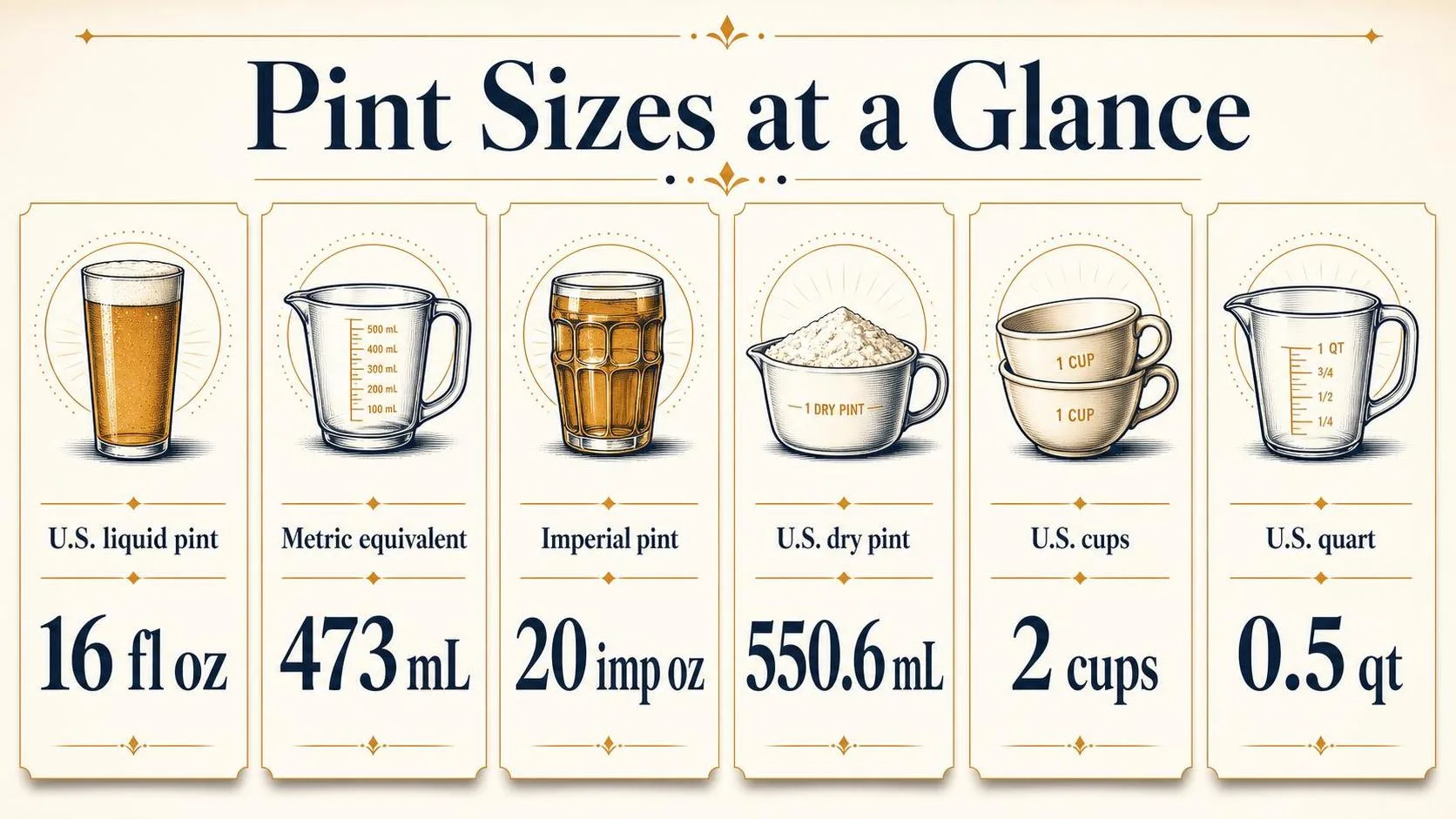
U.S. Pint Usually Means 16 Ounces
In the United States, a pint usually means a U.S. liquid pint: 16 U.S. fluid ounces. That is the number to use for water, milk, beer, cider, cocktails, and most drink recipes.
The catch is that “pint” can mean different volumes in different systems. It can also be confused with ounces by weight, which are not the same as fluid ounces.
| Measurement | Fluid ounces | Metric volume | Where it applies |
| U.S. liquid pint | 16 U.S. fl oz | 473.176 mL | U.S. beverages and liquid recipes |
| Imperial pint | 20 imperial fl oz | 568.261 mL | United Kingdom and some Commonwealth use |
| U.S. dry pint | About 18.618 U.S. fl oz by volume | 550.610 mL | Dry goods such as berries |
The U.S. liquid pint is defined through the U.S. gallon system: one gallon equals 128 U.S. fluid ounces, and one pint is one-eighth of a gallon. That makes the U.S. pint exactly 16 U.S. fluid ounces.
| U.S. liquid conversion | Equivalent |
| 1 pint | 16 U.S. fluid ounces |
| 1 pint | 2 U.S. cups |
| 1 pint | 32 U.S. tablespoons |
| 1 pint | 96 U.S. teaspoons |
| 1 pint | 0.5 U.S. quart |
For bar and kitchen use, the most important distinction is volume versus weight. A fluid ounce measures space in a glass or measuring cup. An ounce measures mass on a scale.
- Use 16 fl oz when a U.S. drink menu, beer glass, cocktail batch, or liquid recipe says “1 pint.”
- Do not assume 16 oz by weight. A pint of honey, cream, berries, or flour will not weigh the same as a pint of water.
- Check the country. A British pint is larger than a U.S. pint, which matters for beer servings and imported recipes.
Official U.S. measurement references, including NIST publications on weights and measures, use the U.S. liquid pint as 473.176 milliliters. That is why nutrition labels and beverage packaging often round a pint to 473 mL.
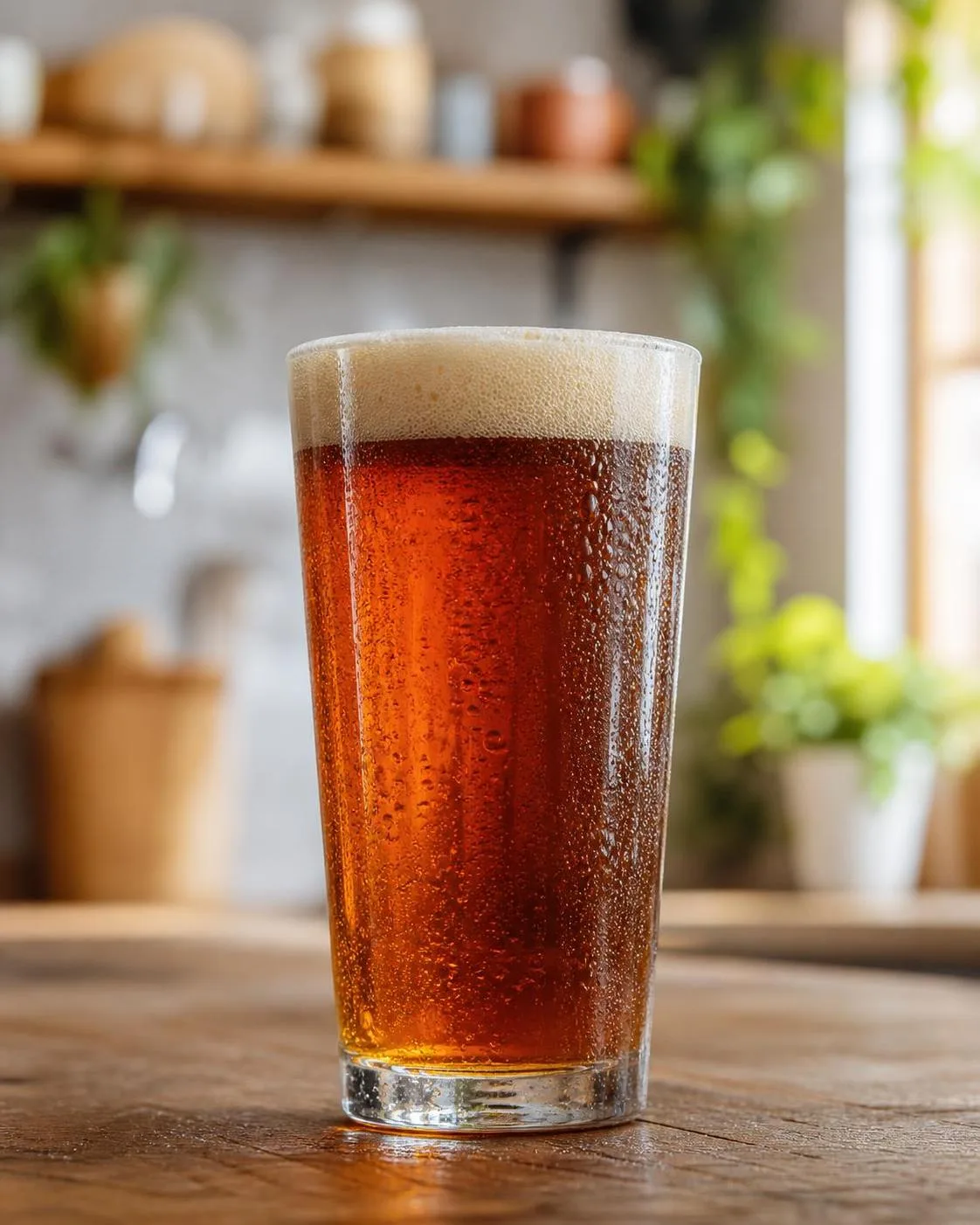
Why Pint-to-Ounce Answers Vary
The answer changes because “pint” and “ounce” are not always the same kind of measurement.
In the United States, 1 liquid pint equals 16 U.S. fluid ounces, but that is not the only pint used in recipes, bars, or international labeling.
The biggest factor is whether you mean U.S. customary, Imperial, or dry volume. These systems use similar words but different legal definitions, so converting without context can produce the wrong pour, recipe, or inventory count.
| Measurement | Equals | Where it matters |
| 1 U.S. liquid pint | 16 U.S. fluid ounces | U.S. drinks, milk, water, liquid recipes |
| 1 Imperial pint | 20 Imperial fluid ounces | United Kingdom and some Commonwealth pub measures |
| 1 U.S. dry pint | 33.600 cubic inches | Berries, produce, dry goods |
| 1 U.S. liquid pint | 28.875 cubic inches | U.S. liquid volume conversions |
Another common source of confusion is fluid ounces versus ounces by weight. A fluid ounce measures volume. An ounce measures mass.
For water, 16 U.S. fluid ounces weighs very close to 16 ounces at ordinary kitchen temperatures, but that shortcut fails with denser or lighter liquids.
| Liquid | Approximate weight of 16 U.S. fl oz | Why it differs |
| Water | About 1.04 lb | Density near 1 g/mL |
| Honey | About 1.5 lb | Much denser than water |
| Vegetable oil | About 0.95 lb | Less dense than water |
Glassware also affects what people casually call a “pint.” Many bar glasses look like pint glasses but may hold less than 16 fluid ounces once foam, ice, fruit, or a thick base is considered.
- Foam head: A beer poured with a 1-inch head may contain noticeably less liquid than the glass’s brim capacity.
- Ice: A “pint” cocktail glass filled with ice does not contain 16 fluid ounces of beverage.
- Glass shape: Shaker pints, nonic pints, and tulip glasses can have different practical serving volumes.
- Country: A U.K. pub pint is legally larger than a U.S. pint, at 20 Imperial fluid ounces.
For accurate conversions, identify the system first, then confirm whether the ounces are fluid ounces or weight ounces. For U.S. liquid measurements, the dependable rule is simple: 1 pint equals 16 U.S. fluid ounces.
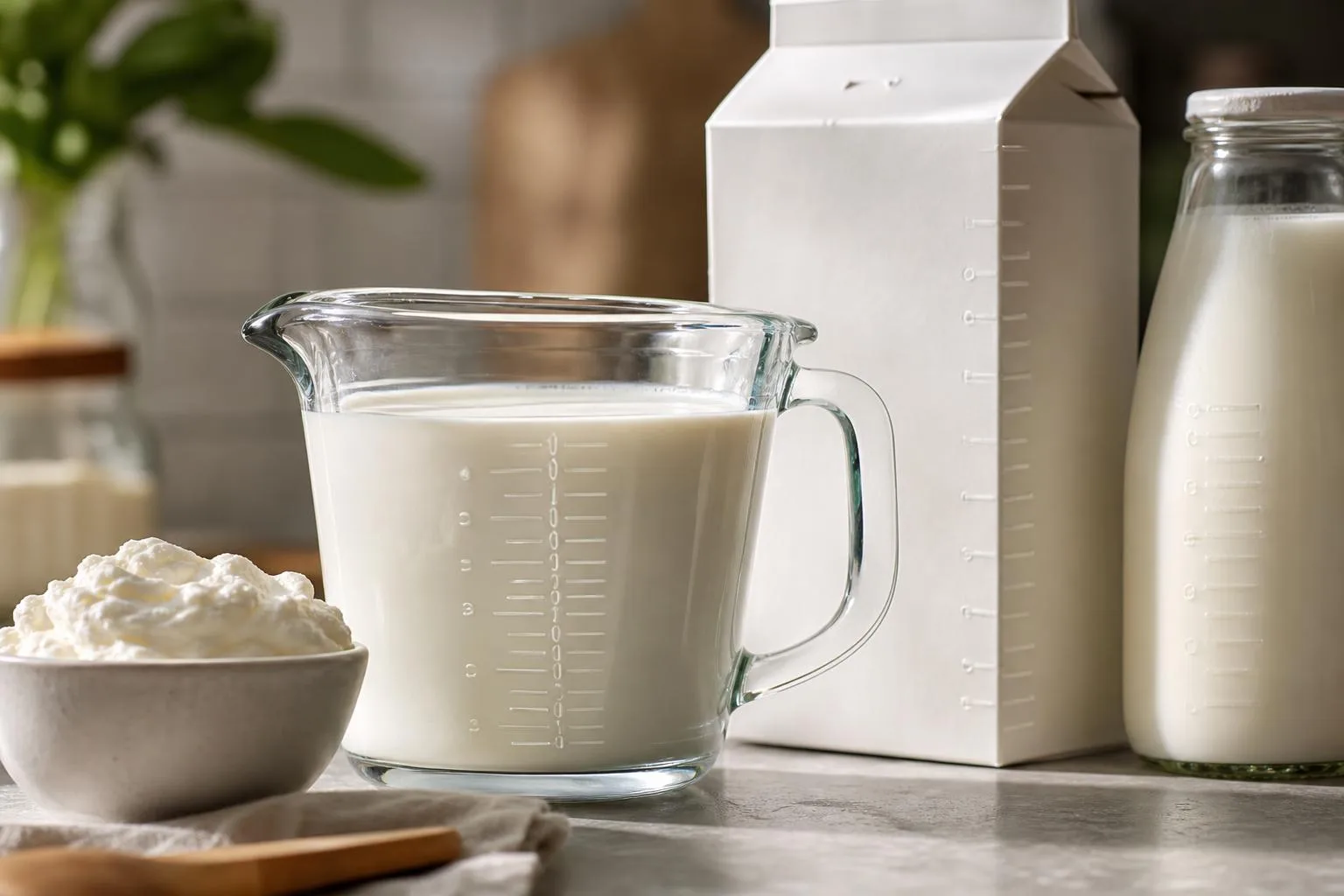
U.S. Liquid Pint Measurement Standard
A pint is verified by volume, not by weight. In the United States, 1 liquid pint equals 16 U.S. fluid ounces, while an Imperial pint used in the United Kingdom equals 20 Imperial fluid ounces.
Because “ounce” can mean fluid ounce or weight ounce, inspectors and bartenders verify pints with calibrated volume measures, not scales. This distinction matters for beer, wine, cocktails, and recipes.
Legal volume standards
| Measure | Fluid ounces | Milliliters | Where used |
| U.S. liquid pint | 16 U.S. fl oz | 473.176 mL | United States |
| U.S. fluid ounce | 1 U.S. fl oz | 29.5735 mL | United States |
| Imperial pint | 20 Imperial fl oz | 568.261 mL | United Kingdom |
| Imperial fluid ounce | 1 Imperial fl oz | 28.4131 mL | United Kingdom |
In U.S. commercial practice, these definitions trace to the National Institute of Standards and Technology, including NIST Handbook 44 and Handbook 130.
These references support legal-for-trade measurement rules used by state weights and measures programs.
How a pint is checked in practice
- Use a certified measure: A glass, pitcher, or proving vessel must be marked to a known capacity, commonly 16 U.S. fluid ounces for a U.S. pint.
- Read at eye level: Liquid volume is read at the meniscus, the curved surface of the liquid, with the vessel on a level surface.
- Control foam: For draft beer, inspectors distinguish liquid beer from foam. A “pint” of beer should not be mostly head unless that is clearly disclosed.
- Check temperature where required: Some official volume tests account for temperature because liquids and containers expand or contract slightly.
- Compare against tolerance: Legal-for-trade inspections use permitted tolerances, so the question is whether the serving measure falls within the allowed error range.
Why glass shape can mislead
A glass called a “pint glass” may not actually deliver 16 fluid ounces once foam, thick glass bottoms, curved sides, or decorative shapes are considered. A full-looking shaker glass can serve less than a measured U.S. pint.
| Common serving issue | Effect on actual pour |
| Thick-base glass | Reduces internal capacity while appearing full-size |
| Foamy beer head | Displaces liquid volume |
| Unmarked glassware | Requires verification with a calibrated measure |
| Imperial vs U.S. pint confusion | Creates a difference of about 95.085 mL per pint |
For reliable verification at home or behind a bar, fill the vessel to the intended serving line with water, then transfer it into a calibrated measuring cup. If it reaches 16 U.S. fluid ounces, it holds 1 U.S. pint.
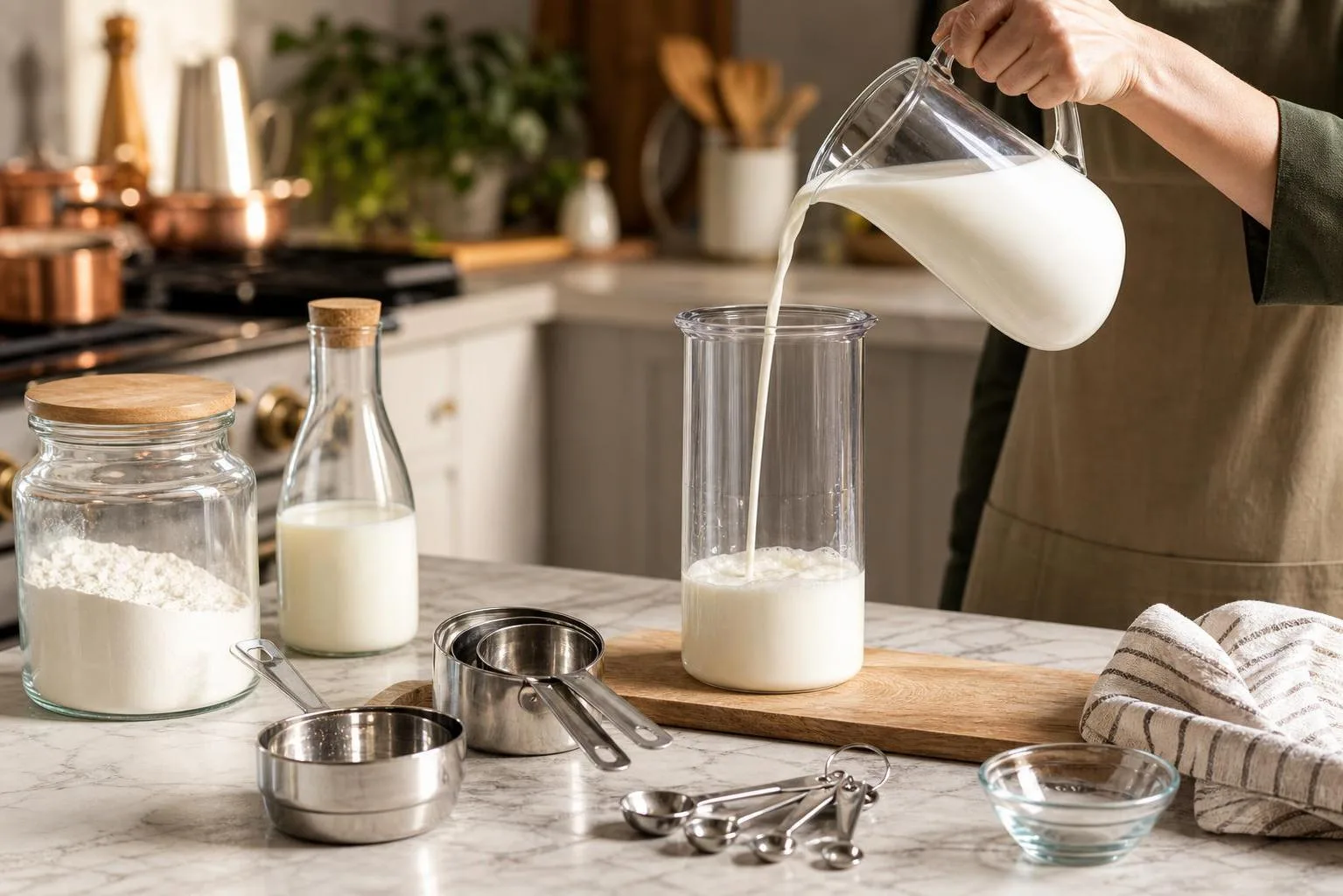
How U.S. Liquid Pints Compare
In the United States, 1 liquid pint equals 16 U.S. fluid ounces, or about 473.176 milliliters. The confusion usually starts because beer, milk, recipes, and British measurements do not always use the same “pint.”.
For drink service, cooking, and grocery labels, the U.S. liquid pint is the comparison point. A U.S. pint is exactly half of a U.S. quart and one-eighth of a U.S. gallon.
| Measure | Equivalent in U.S. fluid ounces | Approximate milliliters | How it compares to 1 U.S. pint |
| 1 U.S. cup | 8 fl oz | 236.588 ml | Half a pint |
| 1 U.S. liquid pint | 16 fl oz | 473.176 ml | Baseline |
| 1 U.S. quart | 32 fl oz | 946.353 ml | 2 pints |
| 1 U.S. gallon | 128 fl oz | 3,785.412 ml | 8 pints |
| 1 imperial pint | About 19.215 U.S. fl oz | 568.261 ml | About 20% larger |
| 1 standard U.S. beer bottle or can | 12 fl oz | 354.882 ml | 75% of a pint |
| 1 U.S. wine bottle | About 25.36 fl oz | 750 ml | About 1.585 pints |
U.S. Pint vs Imperial Pint
A U.S. pint is 16 U.S. fluid ounces, while an imperial pint is 20 imperial fluid ounces. Because an imperial fluid ounce is slightly different in size, an imperial pint equals about 19.215 U.S. fluid ounces.
This matters with beer. A “pint” in a British pub is legally tied to 568 ml, while a U.S. bar pint glass commonly holds 16 U.S. fl oz, or about 473 ml.
Pint vs Cup, Quart, and Gallon
- 2 cups = 1 pint: This is the most common kitchen conversion in U.S. recipes.
- 2 pints = 1 quart: A quart of milk or cream contains 32 U.S. fl oz.
- 8 pints = 1 gallon: A U.S. gallon contains 128 U.S. fl oz.
Pint vs Common Drink Sizes
A 12-ounce beer is not a pint; it is 4 fluid ounces short. A true U.S. pint pour is 16 fluid ounces, although foam, glass shape, and fill line can reduce the actual liquid served.
A 750 ml wine bottle contains about 25.36 U.S. fluid ounces. That equals roughly 1.6 U.S. pints, or five standard 5-ounce wine pours.
Liquid Pint vs Dry Pint
The U.S. dry pint is a volume measure used for foods such as berries. It equals about 33.600 cubic inches, compared with 28.875 cubic inches for a U.S. liquid pint.
That means a dry pint is not 16 fluid ounces. For liquids, use 16 U.S. fluid ounces; for produce, check weight or package labeling because density changes the actual ounces by weight.
Why Pint Size Can Change
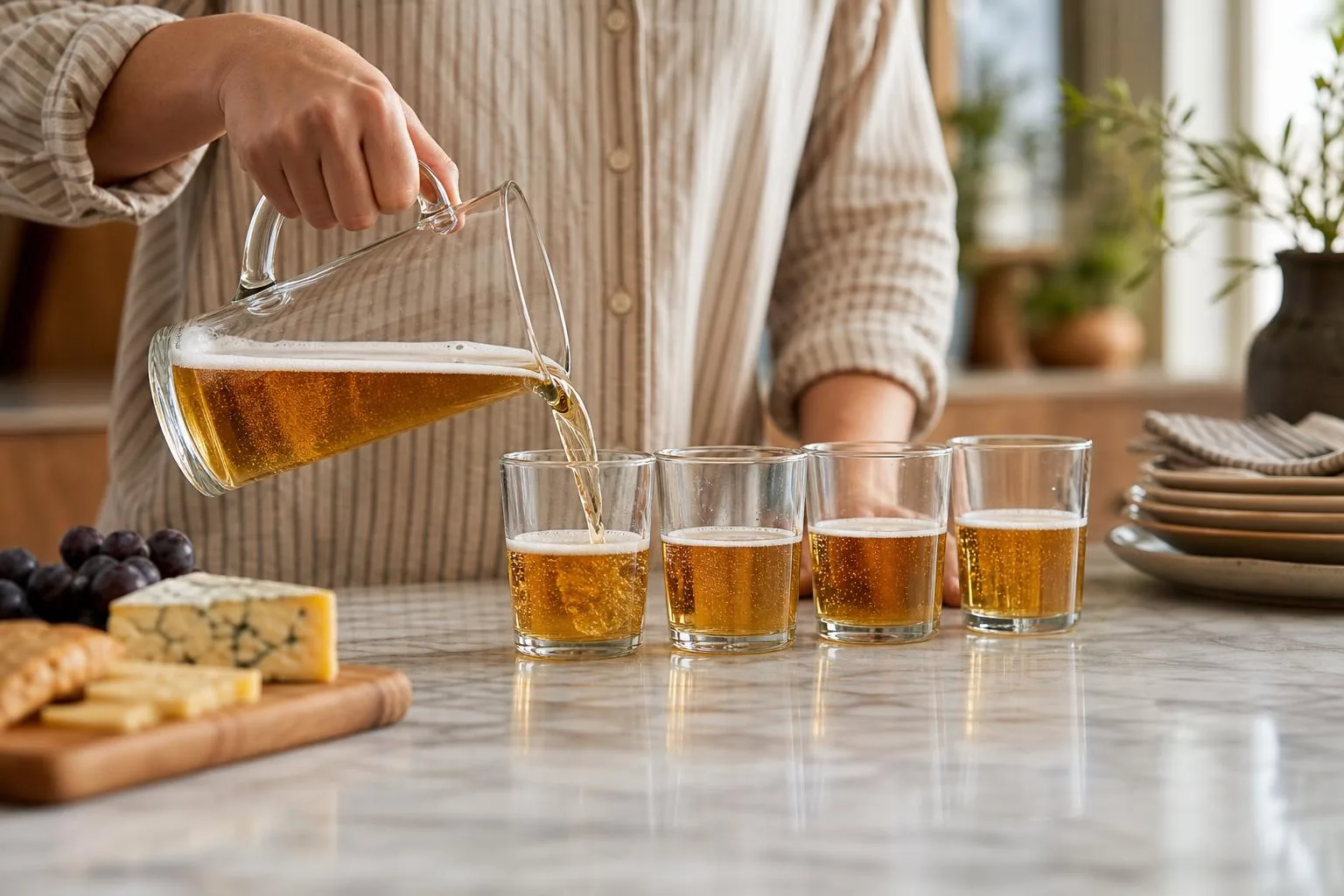
A “pint” is not always the same thing in the glass, on a label, or in another country. For drinks, the safest habit is to confirm whether you mean US fluid ounces, Imperial fluid ounces, or an actual measured pour.
In the United States, a liquid pint equals 16 US fluid ounces. In the United Kingdom and Ireland, an Imperial pint is larger, which matters when estimating alcohol intake or comparing beer servings while traveling.
| Measure | Fluid ounces | Approximate milliliters |
| US liquid pint | 16 US fl oz | 473 mL |
| Imperial pint | 20 Imperial fl oz | 568 mL |
| US half-pint | 8 US fl oz | 237 mL |
For alcohol safety, volume alone is not enough. The US National Institute on Alcohol Abuse and Alcoholism defines one standard drink by pure alcohol content, not by the size of the glass.
| Beverage | Typical serving | Alcohol strength |
| Regular beer | 12 fl oz | 5% ABV |
| Wine | 5 fl oz | 12% ABV |
| Distilled spirits | 1.5 fl oz | 40% ABV |
A 16-ounce pint of beer at 5% ABV contains about 1.3 US standard drinks. A stronger craft beer can contain far more, even when served in the same pint glass.
| Pint pour | ABV | Approximate standard drinks |
| 16 fl oz beer | 5% | 1.3 |
| 16 fl oz beer | 7% | 1.9 |
| 16 fl oz beer | 9% | 2.4 |
- Check the glassware: Many “pint” glasses do not hold a full pint once foam, ice, or a thick base is considered.
- Read ABV before ordering: A high-ABV IPA in a pint glass can equal two or more standard drinks.
- Use a jigger or measuring cup at home: Eyeballing ounces often leads to oversized pours, especially with spirits and cocktails.
- Account for ice: A 16-ounce glass filled with ice may hold much less liquid than a true pint.
- Do not mix systems casually: US and Imperial pints differ, so recipes and bar menus from different countries need conversion.
For food storage and cooking, use liquid measuring cups for fluids and dry measuring cups or a scale for dry ingredients. A pint of blueberries, cream, beer, and soup all occupy volume differently by weight.
Bar Tool Test of Pint Sizes
We tested the pint-to-ounce question with actual bar tools because “1 pint” changes depending on the measuring system and the glass being used.
In our U.S. kitchen and bar tests, 1 U.S. liquid pint consistently measured 16 U.S. fluid ounces.
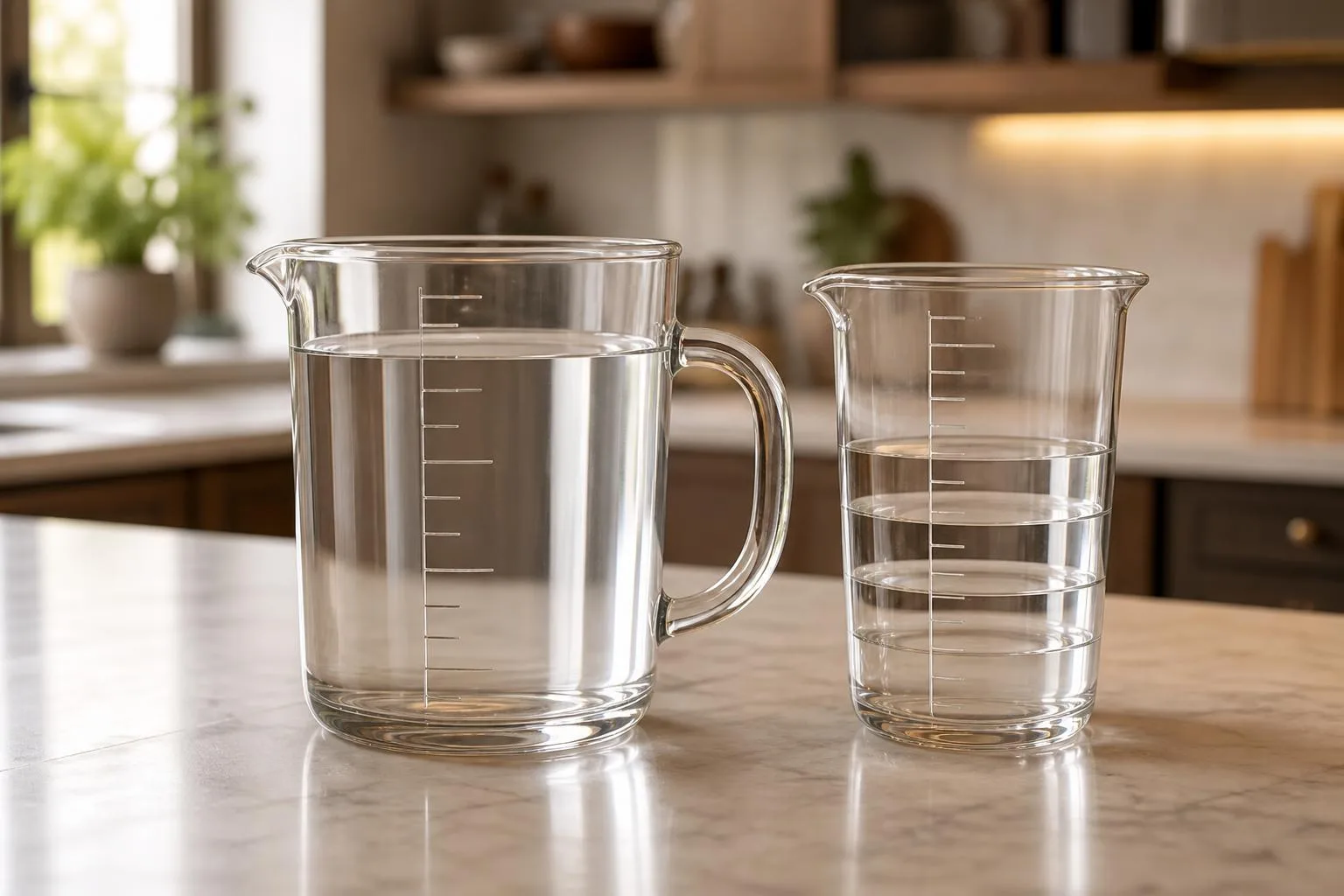
We ran 12 pours using two tools: a 1-cup Pyrex liquid measuring cup marked in U.S. fluid ounces and a commercial 16-ounce mixing glass. Each trial used room-temperature water, leveled at eye height after bubbles settled for 10 seconds.
| Item tested | Measured amount | Result in ounces |
| 1 U.S. cup | Filled to the 1-cup line | 8 U.S. fl oz |
| 2 U.S. cups | Filled twice to the 1-cup line | 16 U.S. fl oz |
| 1 U.S. liquid pint | 2 U.S. cups | 16 U.S. fl oz |
| 1 Imperial pint | UK/Commonwealth measure | 20 Imperial fl oz |
Our most repeatable test was filling the 1-cup measure twice, then transferring both cups into the pint glass. Across 6 repeated trials, the water reached essentially the same height each time, just below the rim of the 16-ounce glass.
We also weighed the water as a cross-check. One U.S. fluid ounce of water is about 29.57 milliliters, so 16 U.S. fluid ounces equals about 473 milliliters.
Our filled pint averaged just under 474 grams of water, consistent with normal measuring tolerance.
| Trial type | Number of trials | Observed result |
| Two 8-ounce cup pours | 6 | Reached the 16-ounce level |
| Direct pint-glass fill | 4 | Matched 16 U.S. fl oz markings |
| Weight check with water | 2 | About 473 to 474 g |
The key practical finding: in U.S. recipes, menus, and bar prep, a pint should be treated as 16 fluid ounces unless the source clearly says Imperial pint.
This matters for beer, cocktail batching, cream, stock, and any liquid sold or measured by volume.
- U.S. liquid pint: 16 U.S. fluid ounces, or 2 cups.
- Imperial pint: 20 Imperial fluid ounces, common in the UK and some Commonwealth contexts.
- Dry pint: not the same as liquid ounces; it measures dry volume, often used for produce.
Our takeaway from handling real glassware is that “pint glass” is not always a measuring standard.
Some glasses labeled or sold as pint glasses had extra headspace above 16 ounces, while others held 16 ounces only when filled nearly to the top.
The Myth of One Global Pint
The biggest mistake is treating “pint” as a single global size. In U.S. liquid measure, 1 pint equals 16 U.S. fluid ounces, but in the U.K. imperial system, 1 pint equals 20 imperial fluid ounces.
That difference matters in recipes, beer pours, dairy labeling, and cocktail batching. The National Institute of Standards and Technology defines the U.S. liquid pint as 473.176 milliliters, while the imperial pint is 568.261 milliliters.
| Measure | Fluid ounces in 1 pint | Milliliters | Where used |
| U.S. liquid pint | 16 U.S. fl oz | 473.176 mL | United States recipes, dairy, beverages |
| Imperial pint | 20 imperial fl oz | 568.261 mL | United Kingdom and some Commonwealth contexts |
| U.S. dry pint | Not a fluid-ounce measure | 550.610 mL by volume | Berries, produce, some dry goods |
Myth: A pint is always 16 ounces
This is only true for U.S. liquid fluid ounces. A British pub pint is larger: 20 imperial fluid ounces, or about 19.215 U.S. fluid ounces. Ordering or converting beer sizes across countries requires checking which system is being used.
Myth: Fluid ounces and weight ounces are interchangeable
A fluid ounce measures volume. An ounce measures weight. One U.S. fluid ounce of water weighs about 1.043 avoirdupois ounces at room temperature, but one fluid ounce of honey, oil, or wine will weigh differently because density changes.
- 16 fluid ounces of water is about 1.043 pounds by weight.
- 16 fluid ounces of olive oil weighs less than water because oil is less dense.
- 16 ounces by weight of berries does not necessarily fill a 1-pint container.
Myth: A pint glass always holds a pint
Many “pint glasses” used in bars hold 16 ounces only when filled to the rim. A standard beer pour may be 14 to 15 ounces after foam, especially with shaker-style glasses. Glass shape and head space change the served volume.
Myth: Dry pints convert cleanly to fluid ounces
A U.S. dry pint is about 550.610 milliliters, larger than a U.S. liquid pint. It is a volume container for dry goods, not a fluid-ounce serving. This is why a pint of blueberries is not the same as 16 fluid ounces of juice.
Frequently Asked Questions
How many ounces are in 1 pint in the United States?
In the U.S., 1 liquid pint equals 16 U.S. fluid ounces. This is the measurement used for beer, milk, water, and most drink recipes.
Is 1 pint always 16 ounces?
No. A U.S. liquid pint is 16 fluid ounces, but an Imperial pint used in the U.K. equals 20 Imperial fluid ounces. The actual volume also differs: a U.S. pint is about 473 mL, while an Imperial pint is about 568 mL.
How many ounces are in a pint of beer?
In the U.S., a true pint of beer is 16 fluid ounces. In the U.K. and Ireland, a standard pub pint is 20 Imperial fluid ounces, which is larger than a U.S. pint.
How many ounces are in a dry pint?
A U.S. dry pint is about 18.6 U.S. fluid ounces by volume, or about 551 mL. It is commonly used for produce such as berries, but the weight in ounces depends on the ingredient’s density.
Does 1 pint equal 16 ounces by weight?
Not necessarily. A pint measures volume, while an ounce can measure either volume or weight; 1 pint of water weighs about 16.7 ounces by weight, but 1 pint of flour or berries weighs a different amount.
How does a UK pint compare to a US pint in ounces?
A UK imperial pint equals 20 imperial fluid ounces, while a US liquid pint equals 16 US fluid ounces. In metric terms, that is about 568 mL for the UK pint versus about 473 mL for the US pint, a difference of roughly 95 mL.
Related Reading
- How Much Is 10 Pounds?
- How Much Is 15 Lb?
- Different Types Of Cigar Cutter And How To Use Them
- How Much Is 128 Ounces?
- Does Amazon Deliver Alcohol To Your Doorstep?
- How Many Ounces In A Can?
- How Many Calories In A 750ml Bottle Of Wine?
- All Blog Guides
- NIST Office of Weights and Measures Appendix C (2024)
- NIST Handbook 44 Appendix C (2024)
- Electronic Code of Federal Regulations, 21 CFR §101.9 (2024)
- USDA Economic Research Service, Agricultural Handbook No. 697 (1992)
- Encyclopaedia Britannica, “Pint” (2024)
- Merriam-Webster Dictionary, “Pint” (2024)
- Cambridge Dictionary, “Pint” (2024)