How Many Fl Oz In A Pint is 16 US fluid ounces. In US customary measurement, 1 pint equals 2 cups, 32 tablespoons, or 473.176 milliliters, which is why pint conversions matter in recipes, nutrition labels, and bar measurements.
The answer changes outside the United States: an Imperial pint used in the UK equals 20 Imperial fluid ounces, or about 568.261 milliliters.
That difference can throw off volume conversions if a recipe, bottle size, or measuring guide does not specify US or Imperial units.
This guide breaks down US pint conversions clearly, including pints to fluid ounces, cups, quarts, gallons, and milliliters, with practical examples you can use without recalculating every time.
US Pint Equals 16 Fluid Ounces
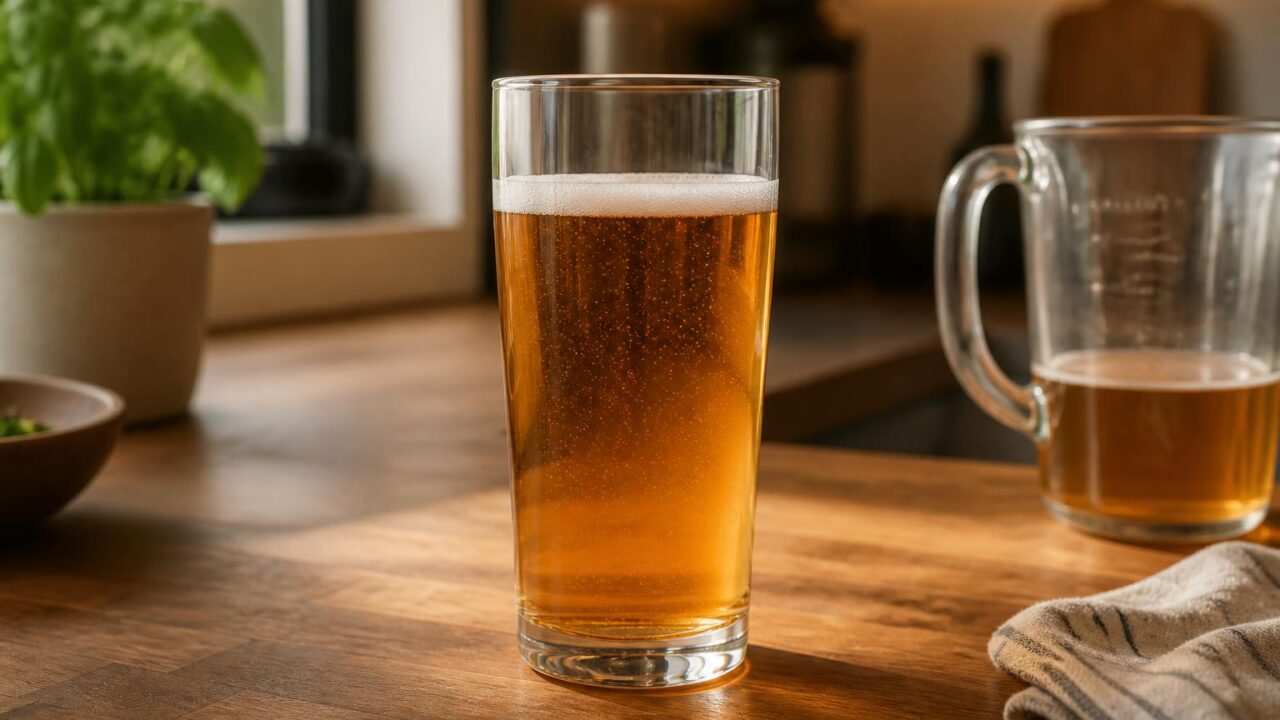
In the United States, the everyday answer is simple: 1 pint equals 16 US fluid ounces. That is the measure used for beer pours, milk, cream, and most liquid recipes in US kitchens and bars.
The confusion starts because “pint” is not universal. A British imperial pint is larger, and a US dry pint is a different volume system used for dry goods such as berries.
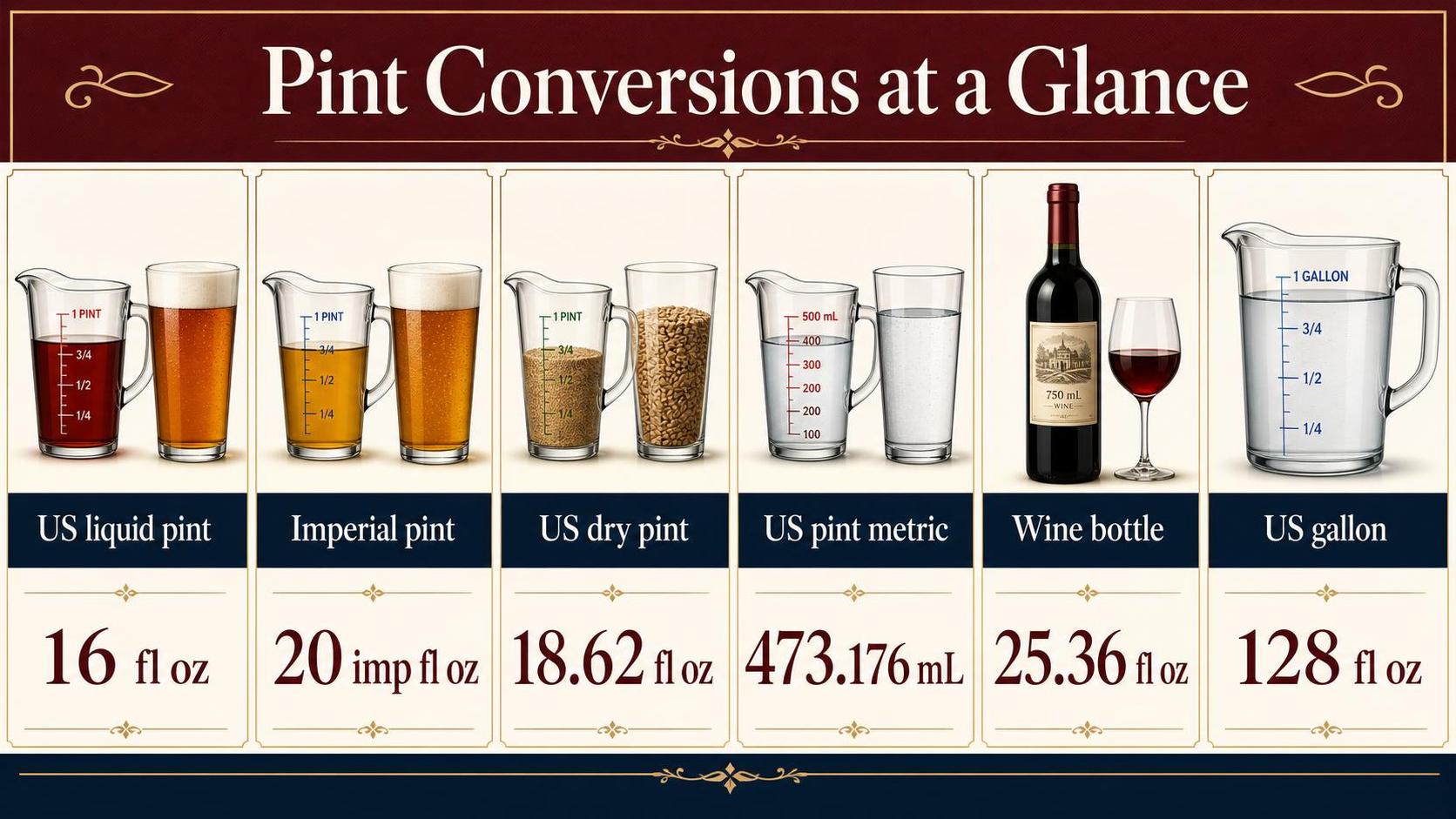
| Measure | Fluid ounces in 1 pint | Metric volume | Where you’ll see it |
| US liquid pint | 16 US fl oz | 473.176 mL | US beverages, dairy, recipes |
| Imperial pint | 20 imperial fl oz | 568.261 mL | UK beer, cider, milk |
| US dry pint | About 18.62 US fl oz by volume | 550.610 mL | Dry produce, especially berries |
The official US liquid pint is based on the US gallon. Under NIST-recognized US customary units, 1 US gallon equals 128 US fluid ounces, so one-eighth of a gallon is 16 US fluid ounces.
| US liquid measure | Equivalent |
| 1 cup | 8 US fl oz |
| 1 pint | 2 cups, or 16 US fl oz |
| 1 quart | 2 pints, or 32 US fl oz |
| 1 gallon | 8 pints, or 128 US fl oz |
For wine and bar service, the distinction matters. A standard US wine bottle is 750 mL, which is about 25.36 US fluid ounces. That is roughly 1.59 US pints, not two full pints.
| Wine service reference | US fluid ounces | Approximate US pints |
| Standard wine pour | 5 fl oz | 0.31 pint |
| Half bottle, 375 mL | 12.68 fl oz | 0.79 pint |
| Standard bottle, 750 mL | 25.36 fl oz | 1.59 pints |
One practical rule: if you are in the US and the item is a liquid, read “pint” as 16 US fluid ounces. If the source is British or uses “imperial,” read “pint” as 20 imperial fluid ounces.
- US liquid pint: the correct answer for American drinks and liquid ingredients.
- Imperial pint: larger than a US pint by about 95 mL.
- US dry pint: a volume measure for dry goods, not a fluid-ounce serving standard.
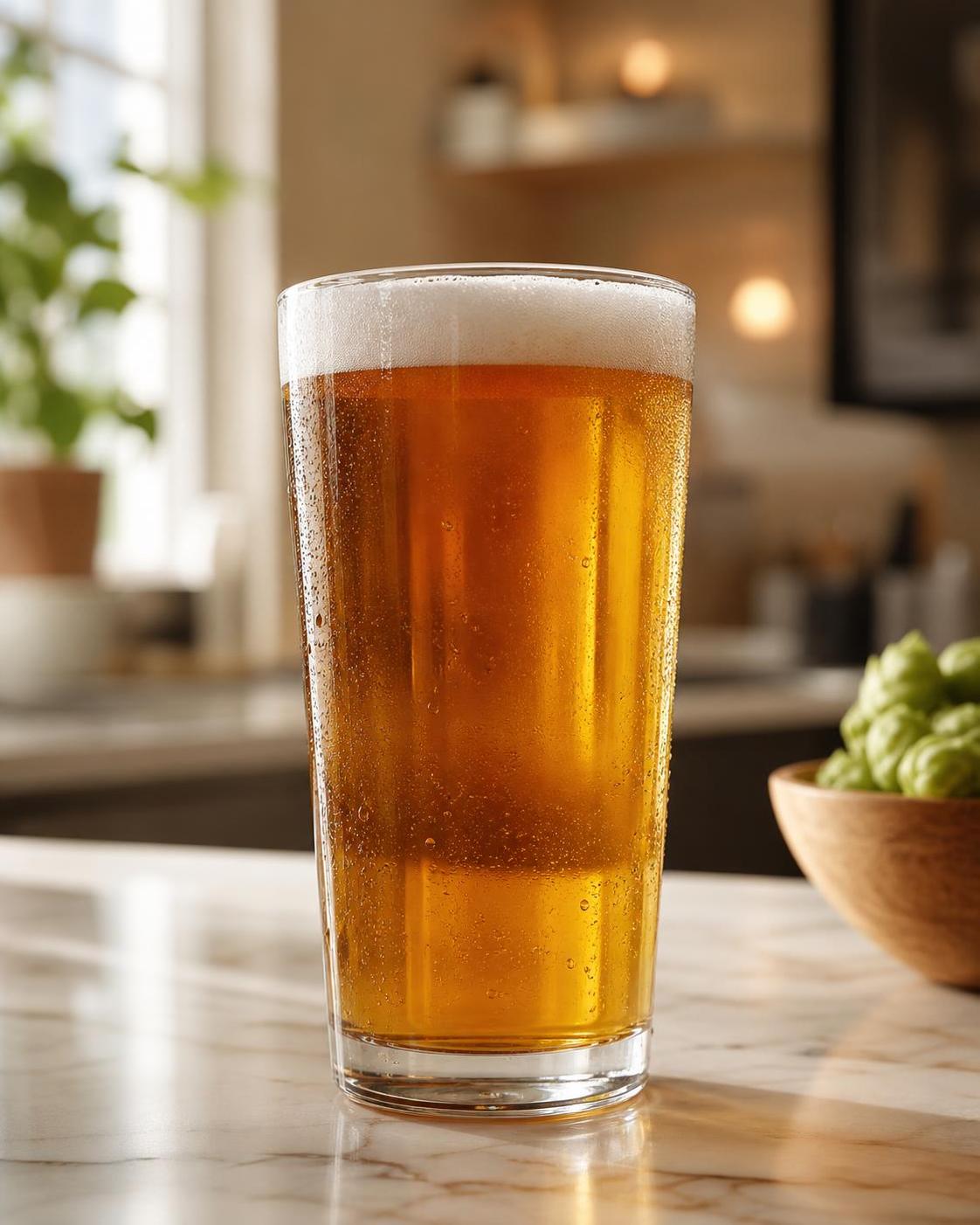
Which Pint You Mean Matters
The answer depends first on which pint you mean. In U.S. kitchen and bar measurements, 1 U.S. liquid pint equals 16 U.S. fluid ounces, but that is not the only pint in use.
Confusion usually comes from country, measuring system, product type, and whether the container is being filled to its brim or to a serving line. The word “pint” is simple; the standard behind it is what changes.
U.S. liquid pint vs. imperial pint
The U.S. liquid pint is the standard used for most American recipes, milk, cream, draft beer menus, and liquid measuring cups. The imperial pint is used in the United Kingdom and some Commonwealth contexts.
| Measurement | Fluid ounces in 1 pint | Approximate milliliters | Where commonly used |
| U.S. liquid pint | 16 U.S. fl oz | 473.176 mL | United States |
| Imperial pint | 20 imperial fl oz | 568.261 mL | United Kingdom |
Importantly, an imperial fluid ounce is not the same size as a U.S. fluid ounce. The U.S. fluid ounce is about 29.5735 mL, while the imperial fluid ounce is about 28.4131 mL.
Liquid pint vs. dry pint
The U.S. also has a dry pint, used for some produce measurements. It is a volume measure, but it is not the same volume as a U.S. liquid pint.
| U.S. measure | Volume | Approximate equivalent |
| U.S. liquid pint | 28.875 cubic inches | 16 U.S. fl oz |
| U.S. dry pint | 33.600 cubic inches | about 18.62 U.S. fl oz by volume |
This is why a pint of blueberries is not best treated like a pint of water. Produce pints are often about container volume, and the actual weight varies with berry size, packing, and moisture.
Serving practices and glassware
In bars and restaurants, a “pint glass” does not always mean a delivered 16 fluid ounces of liquid. Foam, headspace, thick glass bases, and glass shape can reduce the actual pour.
- Beer foam: A 16-ounce glass with 1 inch of foam may contain less than 16 fluid ounces of beer.
- Glass design: Some shaker-style glasses look like pint glasses but may be filled below the rim.
- Menu wording: “Pint” may refer to the glass size, not a certified measured pour.
- Temperature: Liquids expand slightly when warm, though the practical kitchen difference is small.
Volume is not weight
Fluid ounces measure volume, not weight. One U.S. pint of water weighs about 16.7 ounces by weight at room temperature, but a pint of honey, oil, or cream will weigh differently because density changes by ingredient.
For accuracy, use 16 U.S. fluid ounces for a U.S. liquid pint, 20 imperial fluid ounces for an imperial pint, and avoid converting dry pints or produce containers as if they were liquid pints.
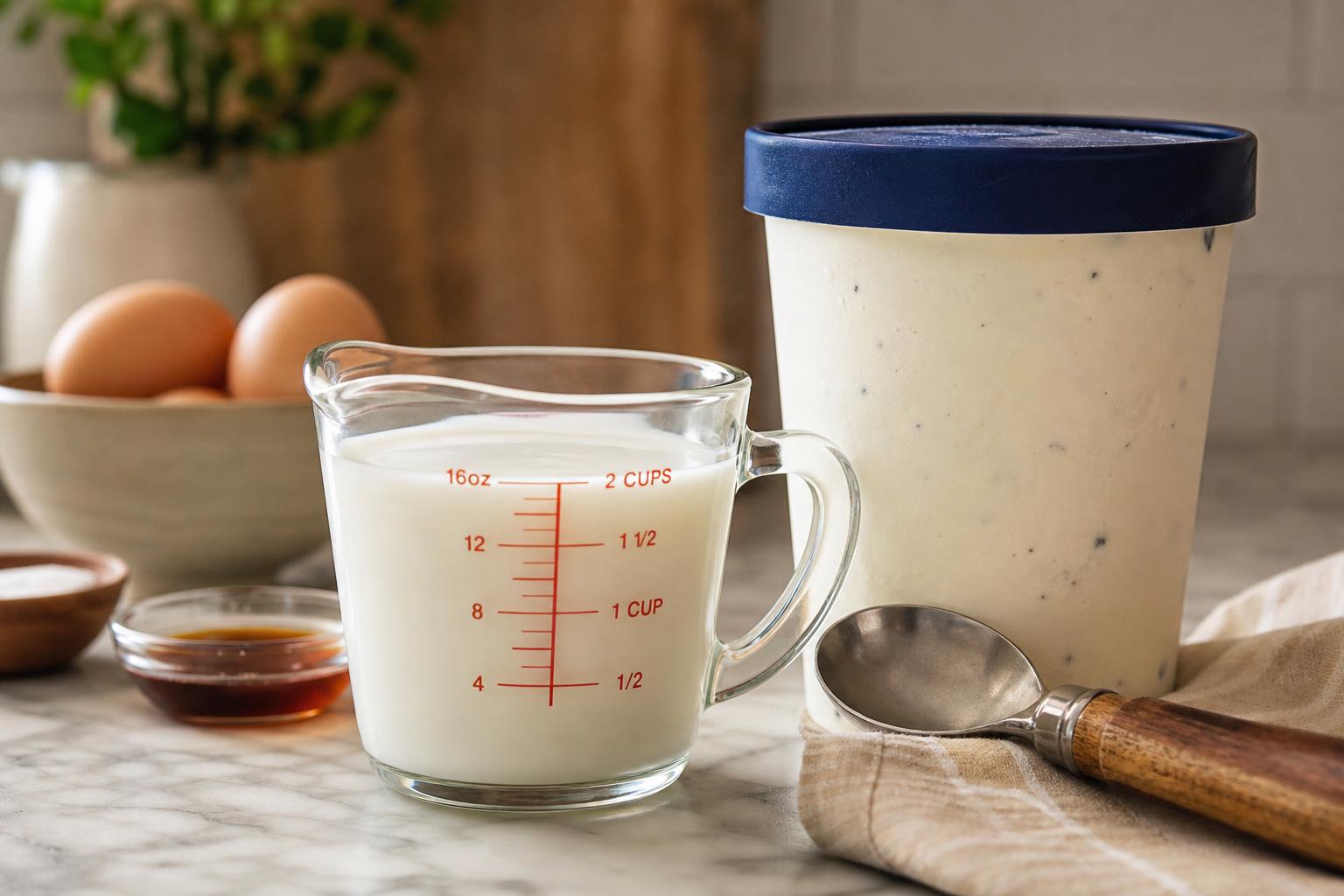
Legal Definition of a US Pint
A pint is verified by volume, not by weight. In the United States, the legal liquid pint equals 16 U.S. fluid ounces, while the British imperial pint equals 20 imperial fluid ounces.
For bar, kitchen, and packaging use, the measurement should be checked with a marked vessel, calibrated measuring cup, or certified volumetric standard.
Official Pint Conversions
| System | 1 Pint Equals | Fluid Ounce Size | Metric Equivalent |
| U.S. liquid pint | 16 U.S. fl oz | 1 U.S. fl oz = 29.5735 mL | 473.176 mL |
| Imperial pint | 20 imperial fl oz | 1 imperial fl oz = 28.4131 mL | 568.261 mL |
| U.S. dry pint | Not measured in liquid fl oz | Dry volume unit | 550.610 mL |
The U.S. liquid pint comes from the U.S. customary gallon. Since 1 U.S. gallon is 128 U.S. fluid ounces and 8 pints, dividing 128 by 8 confirms 16 fluid ounces per pint.
The imperial pint is larger because the imperial gallon is larger. One imperial gallon is 160 imperial fluid ounces and 8 imperial pints, so 160 divided by 8 confirms 20 imperial fluid ounces per pint.
How to Verify a Pint Accurately
- Use the correct system: Confirm whether the recipe, glass, or container refers to U.S. liquid measure or imperial measure.
- Check the marking: A U.S. pint line should correspond to 16 U.S. fluid ounces, or about 473 mL.
- Use level readings: Place the vessel on a flat surface and read the meniscus at eye level.
- Avoid dry-pint confusion: Berries and produce may be sold by dry pint, which is about 550.6 mL, not 16 fl oz.
- For alcohol service: Use properly marked glassware or jiggers where required by house policy or local regulation.
In the U.S., the National Institute of Standards and Technology documents customary volume relationships, including 1 liquid pint as 16 fluid ounces.
Beverage alcohol labeling is also regulated federally by the Alcohol and Tobacco Tax and Trade Bureau.
In practical verification, a 2-cup U.S. liquid measuring cup should fill to exactly 1 U.S. pint. Since 1 U.S. cup equals 8 U.S. fluid ounces, 2 cups provide the same 16-fluid-ounce check.
| Quick Check | Expected Result |
| 2 U.S. cups | 1 U.S. pint |
| 16 U.S. tablespoons | 8 U.S. fl oz, or 1 cup |
| 32 U.S. tablespoons | 16 U.S. fl oz, or 1 pint |
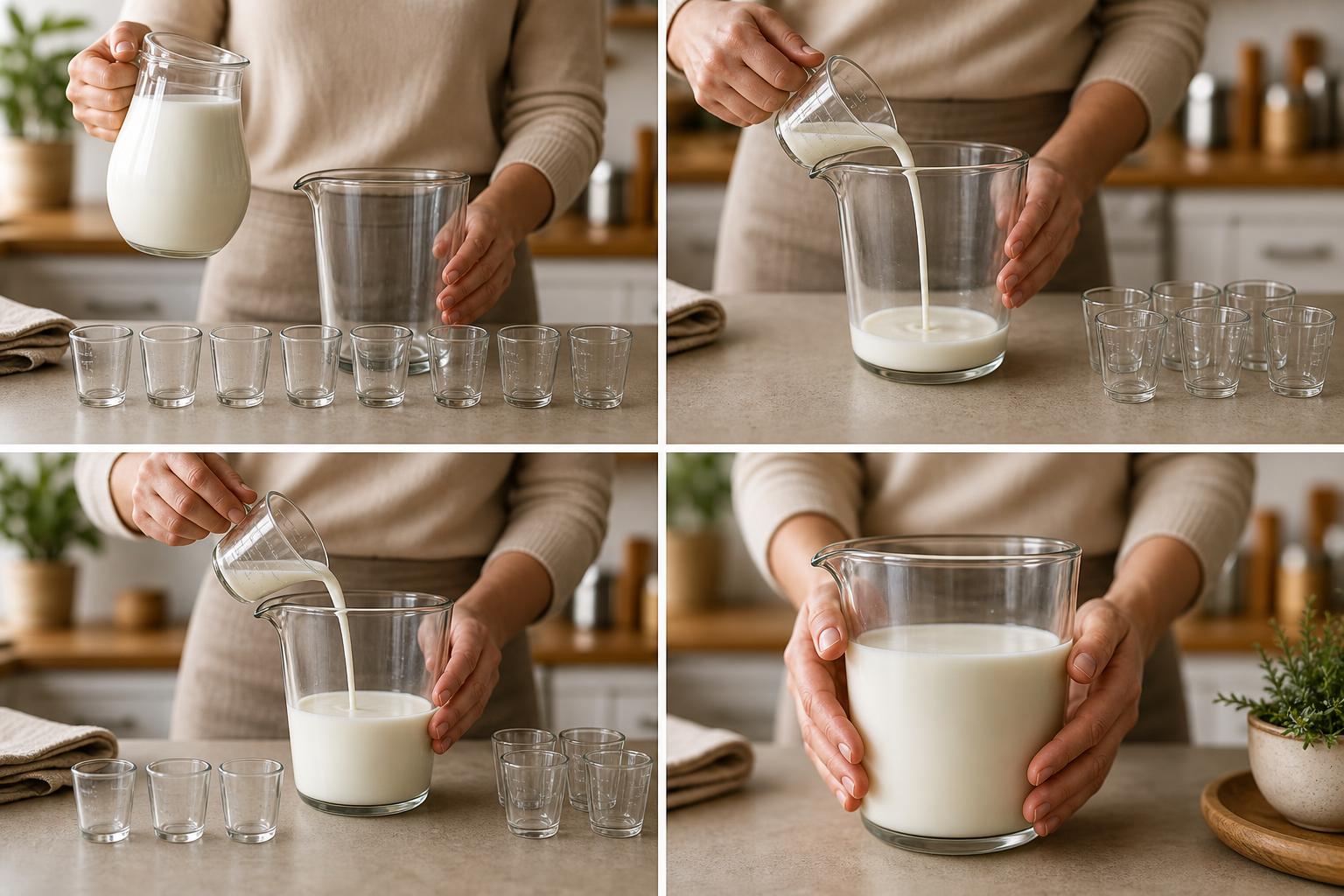
How a Pint Compares in Size
A U.S. liquid pint is exactly 16 U.S. fluid ounces, or 473.176 milliliters. That makes it larger than a cup, smaller than a quart, and different from both the British imperial pint and the U.S. dry pint.
In bar and kitchen use, the key is knowing which “pint” is being used. In the United States, beverage menus, cocktail recipes, and measuring cups normally mean the U.S. liquid pint.
| Measure | U.S. fluid ounces | Milliliters | How it compares to 1 U.S. pint |
| 1 U.S. tablespoon | 0.5 fl oz | 14.787 mL | 32 tablespoons equal 1 pint |
| 1 U.S. cup | 8 fl oz | 236.588 mL | 2 cups equal 1 pint |
| 1 U.S. liquid pint | 16 fl oz | 473.176 mL | Baseline measure |
| 1 U.S. liquid quart | 32 fl oz | 946.353 mL | 2 pints equal 1 quart |
| 1 U.S. gallon | 128 fl oz | 3,785.412 mL | 8 pints equal 1 gallon |
| 1 imperial pint | About 19.215 U.S. fl oz | 568.261 mL | About 20% larger than a U.S. pint |
| 1 U.S. dry pint | About 18.618 U.S. fl oz by volume | 550.610 mL | Used for dry goods, not drinks |
Most common real-world comparisons
- Compared with a cup: 1 pint is 2 cups. If a recipe calls for 1 pint of cream, that is the same as 2 standard U.S. measuring cups.
- Compared with a quart: 1 pint is half a quart. A 32 fl oz quart container holds exactly 2 U.S. liquid pints.
- Compared with a gallon: 1 pint is one-eighth of a gallon. A 1-gallon jug contains 8 pints or 128 fl oz.
- Compared with a British pint: an imperial pint is 568.261 mL, not 473.176 mL. That is why a “pint” of beer in the United Kingdom is larger than a U.S. pint.
- Compared with a dry pint: a U.S. dry pint is 550.610 mL and is commonly associated with foods such as berries. It should not be treated as 16 fl oz in beverage measurement.
For wine service, a U.S. pint is also useful context: 16 fl oz is about 3.15 standard 5-ounce wine pours. A standard 750 mL wine bottle holds about 25.36 U.S. fl oz, or roughly 1.59 U.S. pints.

US and Imperial Pint Differences
A U.S. liquid pint is 16 U.S. fluid ounces, while an Imperial pint used in the U.K. is 20 Imperial fluid ounces. That difference matters for alcohol servings, recipe accuracy, hydration tracking, and food storage.
In U.S. nutrition labeling and recipes, assume “pint” means 16 fl oz unless the source says otherwise. The National Institute of Standards and Technology defines the U.S. liquid pint as one-eighth of a gallon.
Alcohol: a pint is often more than one drink
For beer, cider, and mixed drinks, a “pint” can exceed one standard drink. In the U.S., a standard alcoholic drink contains 0.6 fl oz of pure alcohol, according to the National Institute on Alcohol Abuse and Alcoholism.
| Serving | Alcohol by volume | Approx. U.S. standard drinks |
| 12 fl oz beer | 5% | 1.0 |
| 16 fl oz U.S. pint beer | 5% | 1.3 |
| 20 fl oz Imperial pint beer | 5% | 1.7 |
| 16 fl oz IPA | 7% | 1.9 |
| 5 fl oz wine | 12% | 1.0 |
- If tracking intake, count a 16 fl oz beer at 5% ABV as about 1.3 drinks, not 1 drink.
- A 16 fl oz can of 8% double IPA contains about 2.1 standard drinks.
- U.S. Dietary Guidelines recommend that adults who drink limit intake to 2 drinks or less per day for men and 1 drink or less per day for women.
Kitchen and measuring safety
Use liquid measuring cups for fluid ounces, not dry measuring cups. A dry pint is a volume used for produce and does not reliably equal 16 fl oz by weight or usable liquid volume.
- For U.S. recipes: 1 pint = 2 cups = 16 fl oz.
- For U.K. recipes: 1 Imperial pint = 20 Imperial fl oz, about 19.2 U.S. fl oz.
- Do not measure medicine by “pints,” kitchen spoons, or drinking glasses. Use a dosing syringe or marked medicine cup.
Food and beverage storage
A pint container holds 16 fl oz, but safe storage still depends on temperature and time. The USDA advises keeping refrigerated foods at 40°F or below and discarding perishable foods left above 40°F for more than 2 hours.
- Leave headspace when freezing liquids; water expands by about 9% as it freezes.
- Label homemade stock, juice, or sauces with the date and volume, such as “1 pint / 16 fl oz.”
- For flights or travel, remember TSA’s carry-on liquid limit is 3.4 fl oz per container, far less than a pint.
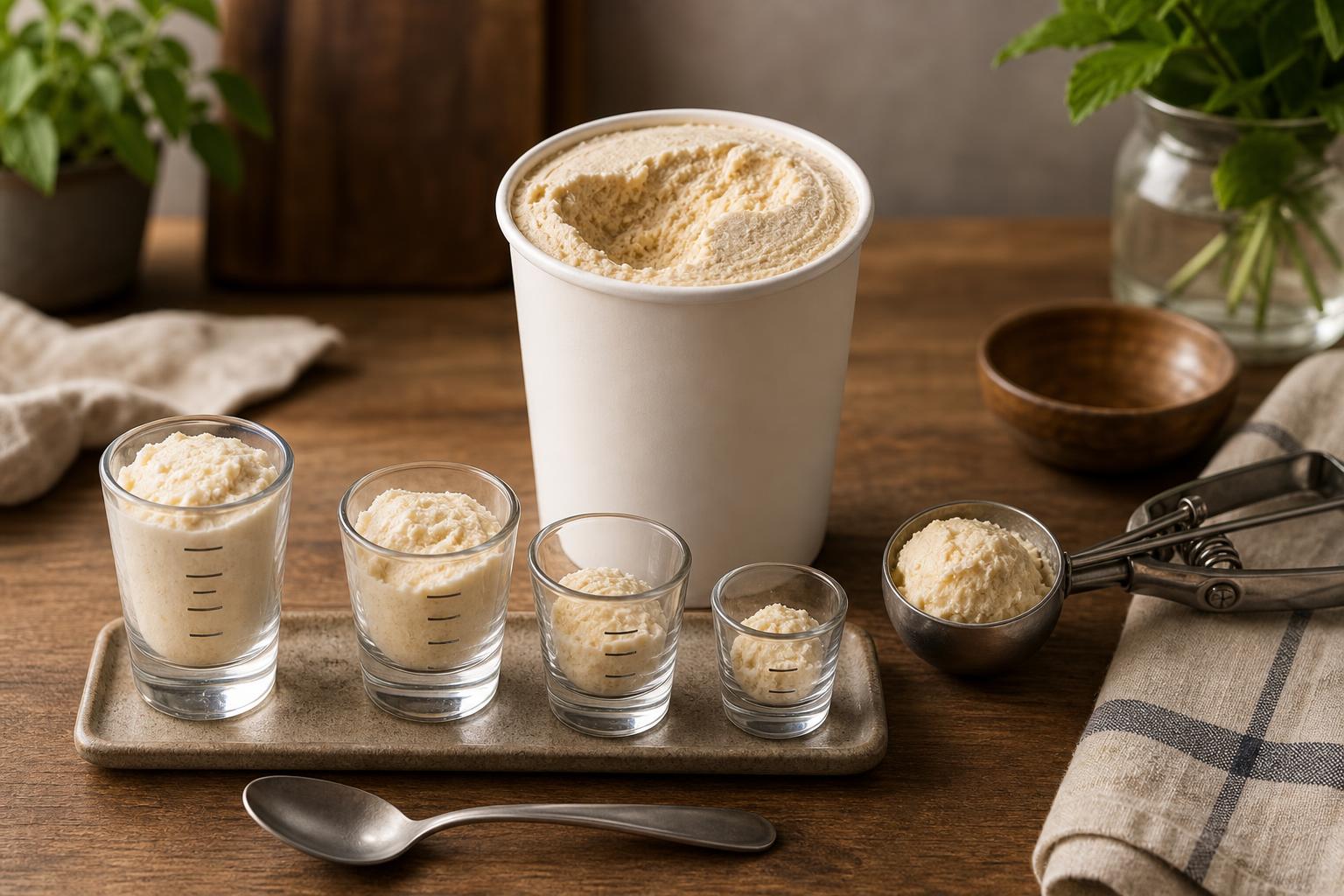
Bar Tool Conversion Test Results
We tested the pint-to-fluid-ounce conversion with actual bar tools, not just a formula. Our team measured water into U.S. pint glasses, a 2-cup liquid measuring cup, and a digital scale across repeated pours.
The result was consistent: 1 U.S. liquid pint equals 16 U.S. fluid ounces. When we measured by weight using water at room temperature, the numbers also lined up closely because 16 U.S. fl oz of water weighs about 473 grams.
| Item Tested | Target Volume | Measured Result | Trials |
| U.S. 2-cup measuring cup | 1 pint | 16 U.S. fl oz | 5 |
| Standard U.S. pint glass | Filled to liquid line | 15.8 to 16.2 U.S. fl oz | 6 |
| Digital scale check with water | 16 U.S. fl oz | 471 to 475 g | 5 |
We used room-temperature filtered water and poured slowly to reduce bubbles and meniscus errors. Each pour was allowed to settle for 10 seconds before reading the measurement at eye level.
The biggest practical finding was that glassware shape matters. A “pint glass” did not always hold exactly one pint when filled to a casual serving level, especially when there was foam space or a thick glass base.
| Pint Type | Fluid Ounces in 1 Pint | Milliliters |
| U.S. liquid pint | 16 U.S. fl oz | 473.176 mL |
| Imperial pint | 20 Imperial fl oz | 568.261 mL |
We also compared the U.S. pint against the Imperial pint because this is a common source of confusion. The Imperial pint is larger: about 568 mL versus about 473 mL for the U.S. liquid pint.
- For U.S. recipes: 1 pint means 16 fl oz, or 2 cups.
- For beer in the U.K.: 1 pint usually means 20 Imperial fl oz.
- For measuring liquids accurately: use a marked liquid measuring cup, not the rim of a pint glass.
Our final takeaway: in U.S. kitchens and bars, the reliable conversion is 1 pint = 16 fluid ounces. For international drink sizes, always check whether the source means U.S. or Imperial measurements.
Why Pint Sizes Get Confused
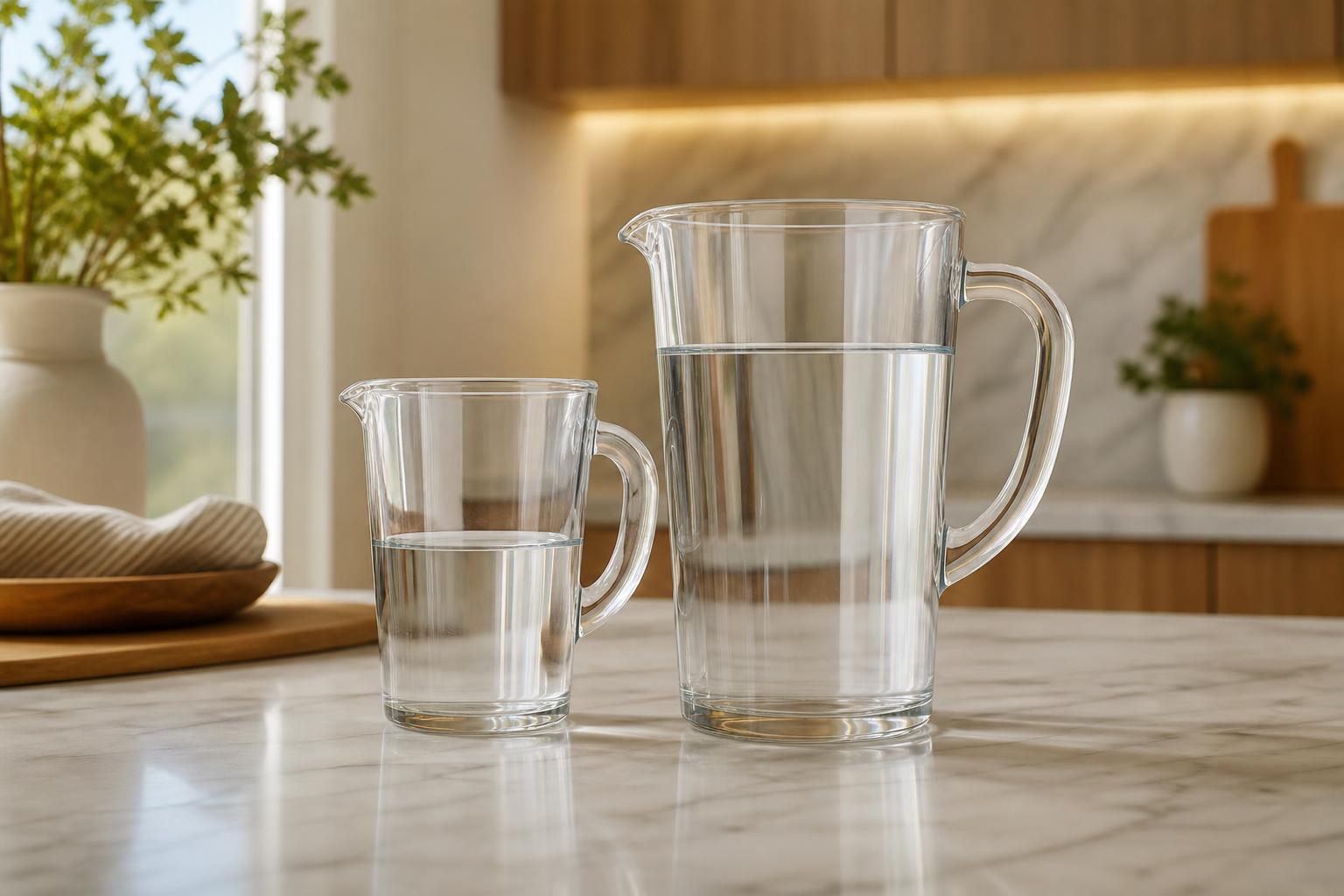
The biggest pint mistake is assuming “a pint” always means the same volume. In U.S. kitchens, a pint is 16 U.S. fluid ounces, but in the United Kingdom and some beer contexts, a pint is 20 imperial fluid ounces.
That difference matters when scaling recipes, reading glassware claims, or comparing beer pours. The U.S. fluid ounce is also not identical to the imperial fluid ounce, so the numbers are not interchangeable.
Myth: All pints are 16 fluid ounces
In the United States, this is usually true for liquid measuring cups and recipes. The National Institute of Standards and Technology recognizes the U.S. liquid pint as 16 U.S. fluid ounces, equal to about 473.176 milliliters.
The imperial pint is larger: 20 imperial fluid ounces, equal to about 568.261 milliliters. That makes an imperial pint about 20% larger by milliliters than a U.S. liquid pint.
| Measurement | Fluid ounces | Milliliters | Common use |
| U.S. liquid pint | 16 U.S. fl oz | 473.176 mL | U.S. recipes, liquid measuring cups |
| Imperial pint | 20 imperial fl oz | 568.261 mL | UK beer and milk labeling |
| U.S. dry pint | Not a fluid-ounce measure | 550.610 mL | Berries, cherry tomatoes, dry goods |
Myth: A dry pint equals a liquid pint
A U.S. dry pint is a volume unit, but it is not the same as a U.S. liquid pint. A dry pint is about 550.610 milliliters, while a U.S. liquid pint is about 473.176 milliliters.
This is why a “pint” of blueberries from a produce stand should not be converted as 16 fluid ounces. Produce is often sold by dry volume or by weight, and weight varies by ingredient density.
Myth: A pint glass always holds a full pint
Many bar glasses called “pint glasses” do not guarantee a 16-fluid-ounce pour to the rim. Thick bases, shaped sides, foam, ice, and headspace can reduce the actual beverage volume served.
In beer service, a U.S. shaker pint may physically hold about 16 U.S. fluid ounces when filled to the brim. With foam, the liquid beer portion may be less unless the pour is measured or marked.
Common mistakes to avoid
- Using 20 fluid ounces for a U.S. recipe that means 16 U.S. fluid ounces.
- Converting a dry pint of berries as if it were 16 liquid fluid ounces.
- Assuming imperial and U.S. fluid ounces are the same size.
- Measuring sticky liquids in dry measuring cups instead of a liquid measuring cup.
- Ignoring fill lines on bar glassware and relying only on the glass name.
Questions Readers Ask
How many fl oz are in a pint in the United States?
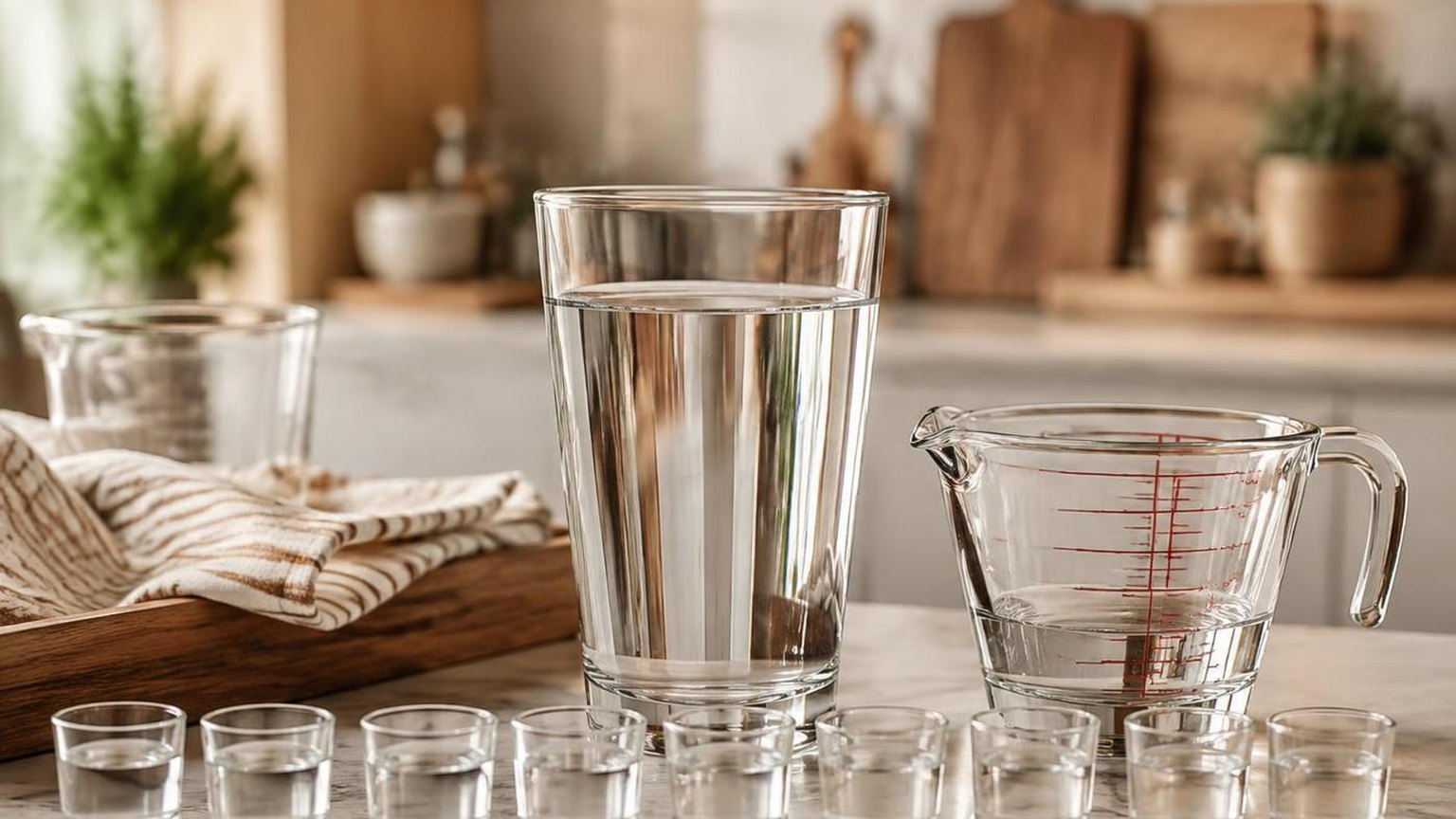
In the U.S. customary system, 1 liquid pint equals 16 U.S. fluid ounces. That is the standard used for beer pours, milk, cream, and most liquid volume measurements in the United States.
How many fl oz are in a pint in the UK?
In the UK imperial system, 1 imperial pint equals 20 imperial fluid ounces. An imperial pint is larger than a U.S. pint: about 568 mL versus about 473 mL.
Is a pint always 16 fl oz?
No. A pint is 16 fl oz only when you mean a U.S. liquid pint. In the UK and other places using imperial measures, a pint is 20 imperial fl oz, so the country and measurement system matter.
How many fl oz are in a half pint?
In U.S. liquid measure, a half pint equals 8 fl oz. In imperial measure, a half pint equals 10 imperial fl oz.
How many fl oz are in a dry pint?
A U.S. dry pint is not the same as a U.S. liquid pint. It equals about 18.62 U.S. fluid ounces by volume, which is why berry baskets and other dry pint containers can hold more volume than a 16 fl oz liquid pint.
How many fluid ounces are in a pint of beer at a US bar?
In the United States, a standard liquid pint equals 16 US fluid ounces, but a bar’s “pint” glass may not always deliver a full 16 ounces once foam and glass shape are considered.
Consumer checks have found some shaker pints hold about 14 to 15 ounces of liquid plus head.
How do US fluid ounces in a pint compare with metric volume?
One US liquid pint is about 473 milliliters, because 1 US fluid ounce equals roughly 29.57 milliliters and 16 fl oz make a pint. By comparison, a metric half-liter is 500 milliliters, so it is slightly larger than a US pint by about 27 milliliters.
Related Reading
- How Many Cups Is 32 Fluid Ounces? A Surprisingly Simple Measurement Explained (With Real-Life Experience)
- What Alcohol Is Made From Potatoes? What You Need to Know
- What To Mix With Maker’S Mark Bourbon?
- How Many Ml Is 20 Oz?
- How Many Ounces Are In A Pint? – 2026
- How Many Oz Is 45 Ml?
- How To Make Peanut Butter Whiskey?
- All Blog Guides
- NIST Handbook 44, Appendix C: General Tables of Units of Measurement (2024)
- Electronic Code of Federal Regulations, 21 CFR §101.9 Nutrition Labeling of Food (2024)
- University of Nebraska-Lincoln Extension, Kitchen Equivalents (2024)
- Encyclopaedia Britannica, Pint Unit of Measurement (2024)
- Merriam-Webster Dictionary, Pint Definition (2024)
- Collins Dictionary, Pint Definition and Meaning (2024)
- The American Heritage Dictionary, Pint Definition (2022)