
How Much Is A Pint In Oz is 16 fluid ounces in the U.S. customary system. In the United Kingdom, an imperial pint is 20 imperial fluid ounces, so the answer depends on which measuring system a recipe, label, or menu uses.
For U.S. liquid measures, 1 pint equals 2 cups, 32 tablespoons, or 473.176 milliliters, according to NIST measurement conversions.
A U.S. dry pint is different: it measures volume for dry goods and equals about 33.6 cubic inches, not the same as 16 liquid fluid ounces.
This guide explains U.S. liquid pints, imperial pints, dry pints, and quick conversions so you can avoid common measuring mistakes.
US and Imperial Pint Ounces
A pint is not always the same size. In the United States, the everyday liquid pint is 16 US fluid ounces, but dry goods and UK/Imperial measures use different volumes.
For drinks, recipes, and bar service in the US, “1 pint” almost always means the US liquid pint. That is the number to use for beer, cider, water, milk, and cocktail batching.
| Measure | Ounces in 1 pint | Metric volume | Where it applies |
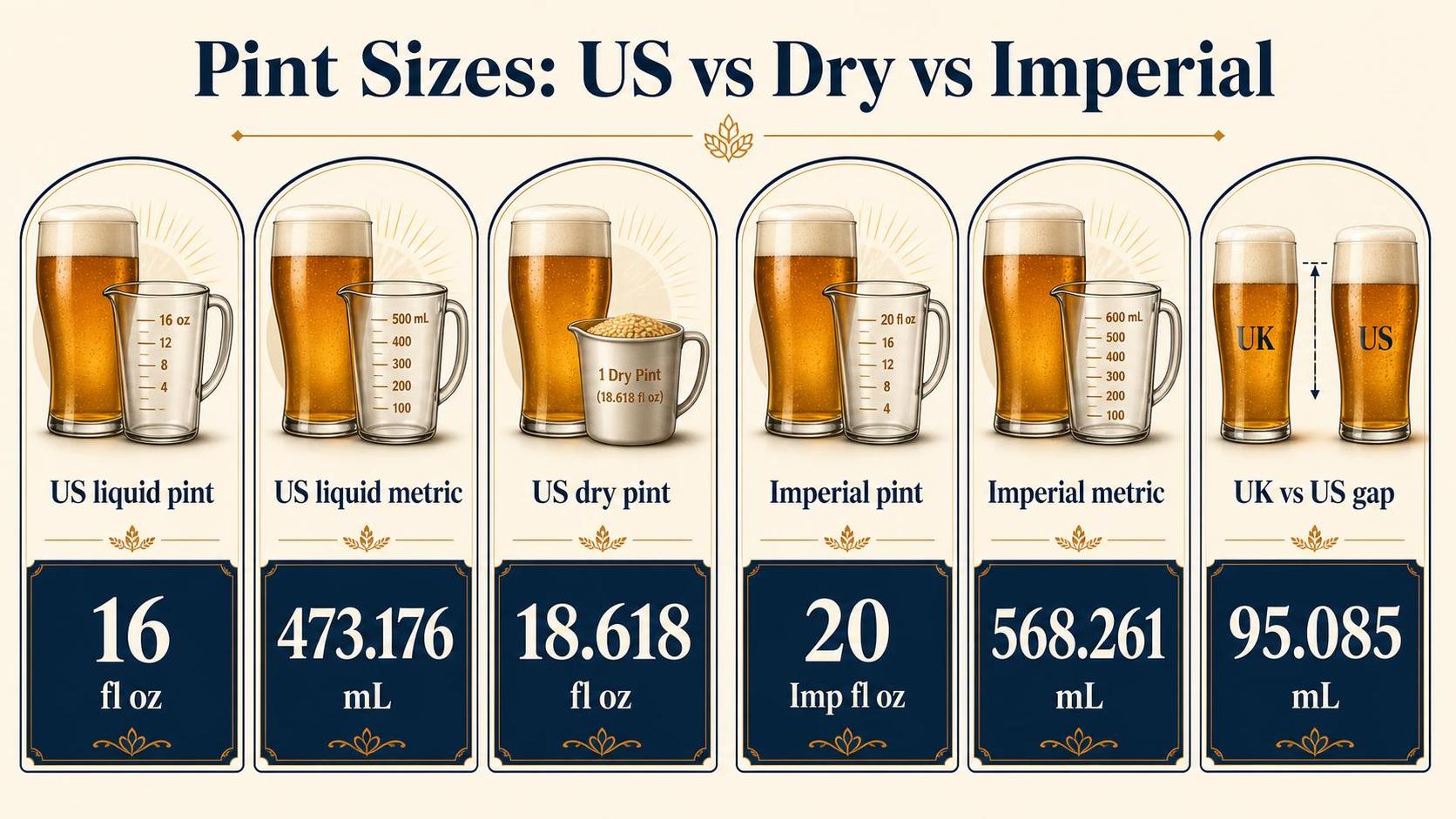
| US liquid pint | 16 US fluid ounces | 473.176 milliliters | US beverages and liquid recipes |
| US dry pint | About 18.618 US fluid ounces by volume | 550.610 milliliters | Dry-volume measure for items like berries |
| Imperial pint | 20 Imperial fluid ounces | 568.261 milliliters | UK and some Commonwealth beer service |
The US liquid pint comes from the US customary liquid system: 1 pint equals 2 cups, and each US cup is 8 US fluid ounces. That is why the familiar answer is 16 ounces.
| US liquid conversion | Equivalent |
| 1 pint | 2 cups |
| 1 pint | 16 US fluid ounces |
| 1 pint | 32 US tablespoons |
| 1 pint | 96 US teaspoons |
| 1 pint | 473.176 milliliters |
The US dry pint is larger because it belongs to the dry-volume system, not the liquid system. This matters at markets: a “pint” of blueberries is a volume container, not a 16-fluid-ounce liquid measure.
The Imperial pint is larger still. A UK pint of beer is 568.261 milliliters, while a US liquid pint is 473.176 milliliters, a difference of about 95.085 milliliters.
| Comparison | Difference |
| Imperial pint vs US liquid pint | About 20.1% larger |
| Imperial pint in US fluid ounces | About 19.215 US fluid ounces |
| US liquid pint in Imperial fluid ounces | About 16.653 Imperial fluid ounces |
In US bars, “pint” glassware can be practical rather than exact. A shaker pint may hold 16 ounces to the rim, but a proper pour with foam or head can deliver less liquid beer.
Why Pint Ounces Vary
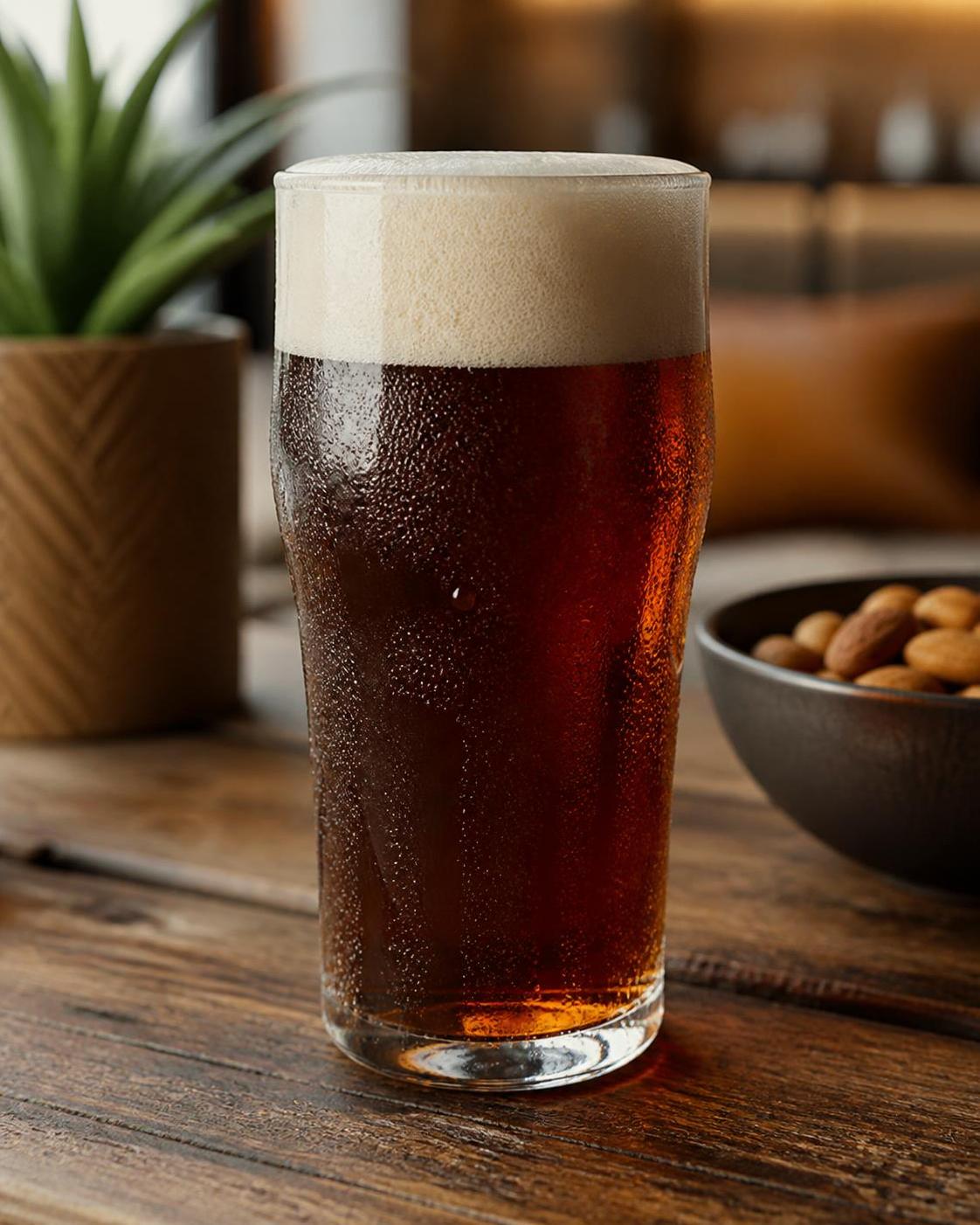
A pint is not always the same number of ounces. The answer depends on whether you mean a U.S. liquid pint, a U.S. dry pint, or an Imperial pint used in the United Kingdom and some Commonwealth contexts.
The most common U.S. kitchen answer is simple: 1 U.S. liquid pint = 16 U.S. fluid ounces. That is the value used on American measuring cups, beer menus, recipes, and nutrition labels when “pint” refers to liquid volume.
| Pint type | Ounces | Milliliters | Common use |
| U.S. liquid pint | 16 U.S. fl oz | 473.176 mL | Drinks, recipes, dairy, beer in the U.S. |
| U.S. dry pint | About 18.618 U.S. fl oz by volume | 550.610 mL | Berries, produce, dry-volume containers |
| Imperial pint | 20 Imperial fl oz | 568.261 mL | Draft beer and milk in the U.K. |
Measurement system
The biggest factor is the measurement system. According to U.S. customary units, a liquid pint is one-eighth of a U.S. gallon. Since a U.S. gallon is 128 U.S. fluid ounces, one pint equals 16 U.S. fluid ounces.
The Imperial system is different. An Imperial gallon is larger, and it is divided into 8 Imperial pints. That makes an Imperial pint 20 Imperial fluid ounces, or about 568 mL, not 473 mL.
Liquid versus dry volume
In the U.S., “pint” can describe liquid volume or dry volume. A dry pint is not a weight; it is a volume measure equal to one-half dry quart, or about 550.610 mL.
This matters with produce. A pint container of blueberries measures volume, but the weight can vary by berry size, packing, and moisture. It will not reliably equal 16 fluid ounces or 16 ounces by weight.
Fluid ounces versus weight ounces
A fluid ounce measures volume. An ounce can also measure weight. The two are only interchangeable for specific substances under specific conditions.
- 16 U.S. fluid ounces of water weighs about 16.69 avoirdupois ounces at room temperature.
- 16 U.S. fluid ounces of honey weighs much more because honey is denser than water.
- 16 U.S. fluid ounces of oil weighs less than water because most cooking oils are less dense.
Container labeling and serving practice
Restaurant and bar glassware can also affect expectations. A glass called a “pint glass” may hold 16 ounces to the rim, but the served pour can be less after accounting for foam, headspace, or glass shape.
How Pint Volume Is Confirmed
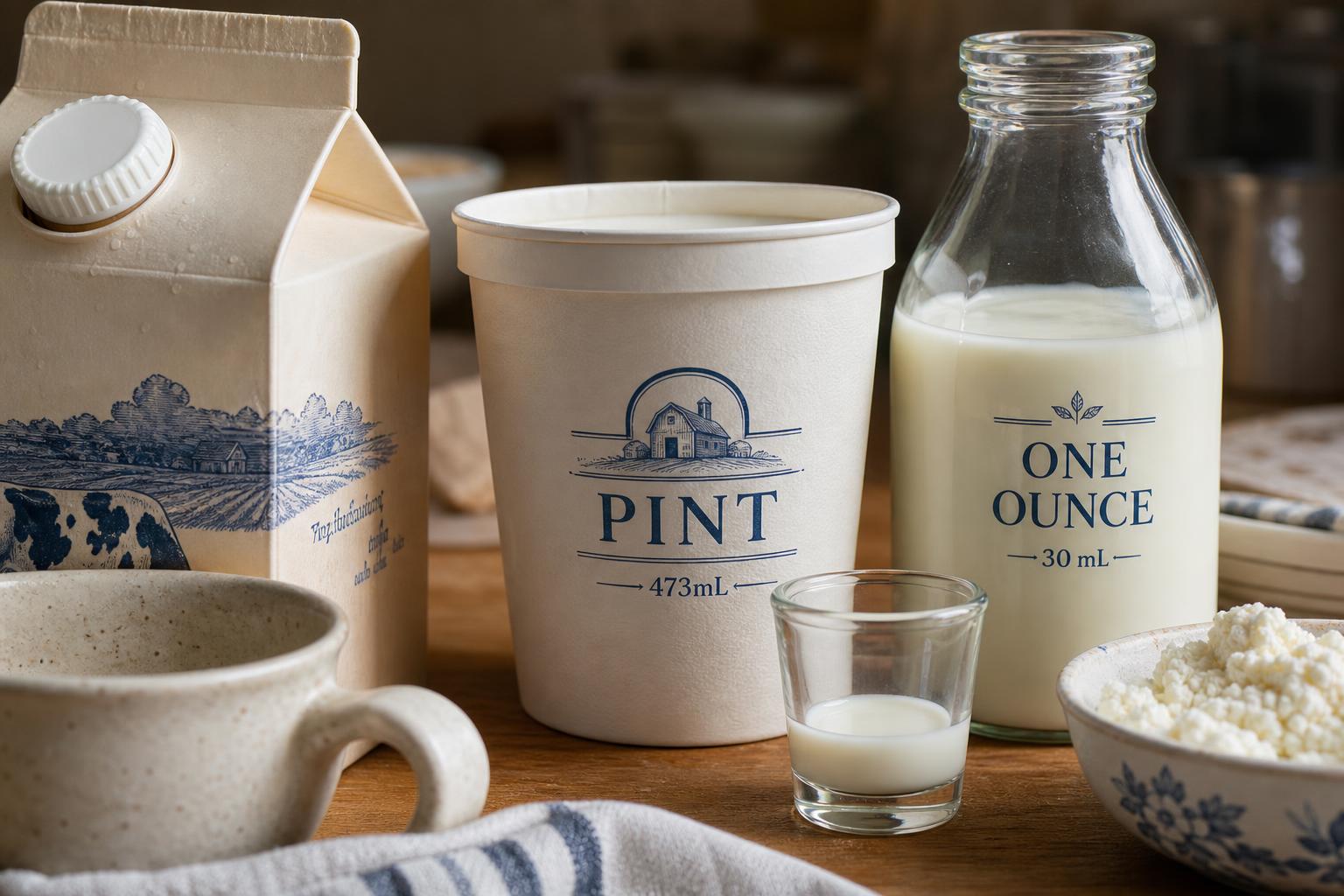
A pint is verified by volume, not by the height of liquid in a glass. In the United States, a liquid pint is legally 16 U.S. fluid ounces; in the United Kingdom, an imperial pint is 20 imperial fluid ounces.
At service level, the important check is whether the glass, measuring vessel, or draft pour actually delivers the stated volume after allowing for foam, meniscus, and glass shape.
| Measure | Verified volume | Common use |
| U.S. liquid pint | 16 U.S. fl oz | Beer, cider, water, cocktails by volume |
| U.S. cup | 8 U.S. fl oz | Recipes and bar prep |
| U.S. quart | 32 U.S. fl oz | Two U.S. pints |
| Imperial pint | 20 imperial fl oz | UK draught beer and cider |
The U.S. fluid ounce is based on the gallon system used in federal measurement standards. One U.S. gallon contains 128 U.S. fluid ounces, so one-eighth of a gallon is 16 fluid ounces, which defines the U.S. liquid pint.
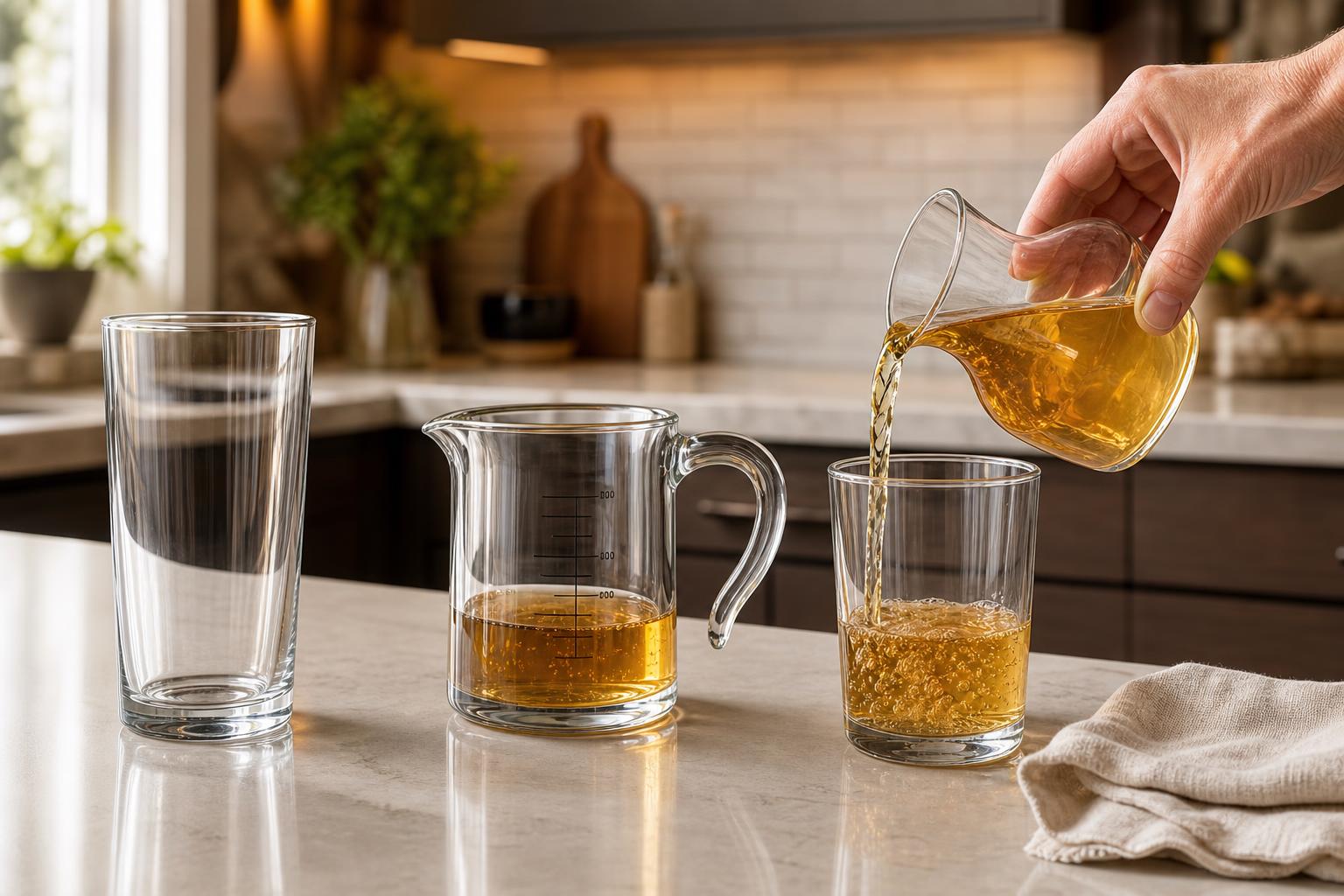
Verification is usually done with a calibrated measure, not with the serving glass itself. In a bar, I check claimed pint glasses by filling them with water from a marked 16-ounce measuring vessel, then reading the level at eye height.
- Use water: still water gives a clean meniscus and avoids foam errors.
- Use a level surface: a tilted bar top can visibly change the reading in narrow glassware.
- Read at eye level: the bottom of the meniscus should meet the calibration line.
- Check to the fill line: brim capacity is not the same as a proper served pint.
Many “pint” glasses do not hold a full 16 ounces once foam or headspace is included. A shaker pint may have a brim capacity near 16 ounces, but a proper beer pour with a 0.5- to 1-inch head can contain less liquid.
| Verification point | What is checked | Why it matters |
| Brim capacity | Total volume to the rim | Shows maximum glass capacity, not served volume |
| Line mark | Volume at etched or printed mark | Most reliable for legal or consistent pours |
| Foam allowance | Liquid below beer head | Prevents selling foam as liquid volume |
| Calibration vessel | Known 16 fl oz measure | Confirms the glass against a standard |
For packaged alcohol, U.S. labeling is overseen by federal rules, including Alcohol and Tobacco Tax and Trade Bureau requirements.
For weighing and measuring devices used commercially, states commonly rely on NIST Handbook 44 standards for inspection and enforcement.
The safest practical rule is simple: if you mean a U.S. pint, verify 16 U.S. fluid ounces of liquid. If the glass is imported, marked “imperial,” or used in a UK context, confirm whether the pint means 20 imperial fluid ounces instead.
Other Pint Measures Beyond 16 Oz
A U.S. liquid pint is 16 U.S. fluid ounces, but that is not the only “pint” people encounter. Bar menus, recipes, imported glassware, produce baskets, and metric bottles can all use nearby-but-not-identical measures.
For drinks in the United States, assume 1 pint = 16 fl oz unless the menu or container says otherwise. In the United Kingdom and Ireland, a pub pint is larger: 20 imperial fluid ounces, equal to about 19.2 U.S. fl oz.
| Measure | Equivalent | How it compares to a U.S. pint |
| U.S. liquid pint | 16 U.S. fl oz | Baseline |
| U.S. cup | 8 U.S. fl oz | 2 cups = 1 pint |
| U.S. quart | 32 U.S. fl oz | 1 quart = 2 pints |
| U.S. gallon | 128 U.S. fl oz | 1 gallon = 8 pints |
| Imperial pint | 20 imperial fl oz, about 19.2 U.S. fl oz | About 20% larger than a U.S. pint |
| U.S. dry pint | About 18.6 U.S. fl oz by volume | Used for dry goods, not beverages |
| 500 mL bottle | About 16.9 U.S. fl oz | Slightly more than a U.S. pint |
| 750 mL wine bottle | About 25.4 U.S. fl oz | About 1.6 U.S. pints |
The closest everyday alternative is the 500 mL bottle. At about 16.9 fl oz, it holds roughly 0.9 fl oz more than a U.S. pint, which is why imported beers and sparkling waters often feel pint-sized but are not exact.
A standard 750 mL wine bottle is much larger than a pint. It contains about 25.4 U.S. fl oz, or just under three 8.5-ounce pours, about five 5-ounce pours, and about 1.6 pints.
- For beer: a U.S. pint glass is 16 fl oz, but foam, headspace, and glass shape can reduce the actual pour.
- For cocktails: recipes usually use ounces, not pints; 1 pint equals 32 half-ounce measures.
- For cooking: 1 pint equals 2 cups, making it easy to scale soups, sauces, and cream-based recipes.
- For produce: a dry pint, common for berries or cherry tomatoes, is a volume container and should not be treated as 16 liquid ounces.
The main takeaway: 16 fl oz is correct for a U.S. liquid pint, but imperial pints, dry pints, and metric bottles are different enough to matter when measuring, pricing, or comparing servings.
Why 16 Oz Can Mislead
A U.S. pint is 16 fluid ounces, but that number can mislead when you are pouring beer, cider, cocktails, or wine. For alcohol, health guidance depends on pure alcohol consumed, not just the glass size.
The National Institute on Alcohol Abuse and Alcoholism defines one U.S. standard drink as 0.6 fluid ounces of pure alcohol. That equals 12 ounces of 5% beer, 5 ounces of 12% wine, or 1.5 ounces of 40% spirits.
| Drink | Typical pour | Approx. standard drinks |
| U.S. pint of 5% beer | 16 fl oz | 1.3 |
| Imperial pint of 5% beer | 20 imperial fl oz / about 19.2 U.S. fl oz | 1.6 |
| Wine glass | 5 fl oz at 12% ABV | 1.0 |
| Spirits shot | 1.5 fl oz at 40% ABV | 1.0 |
Measure before you estimate
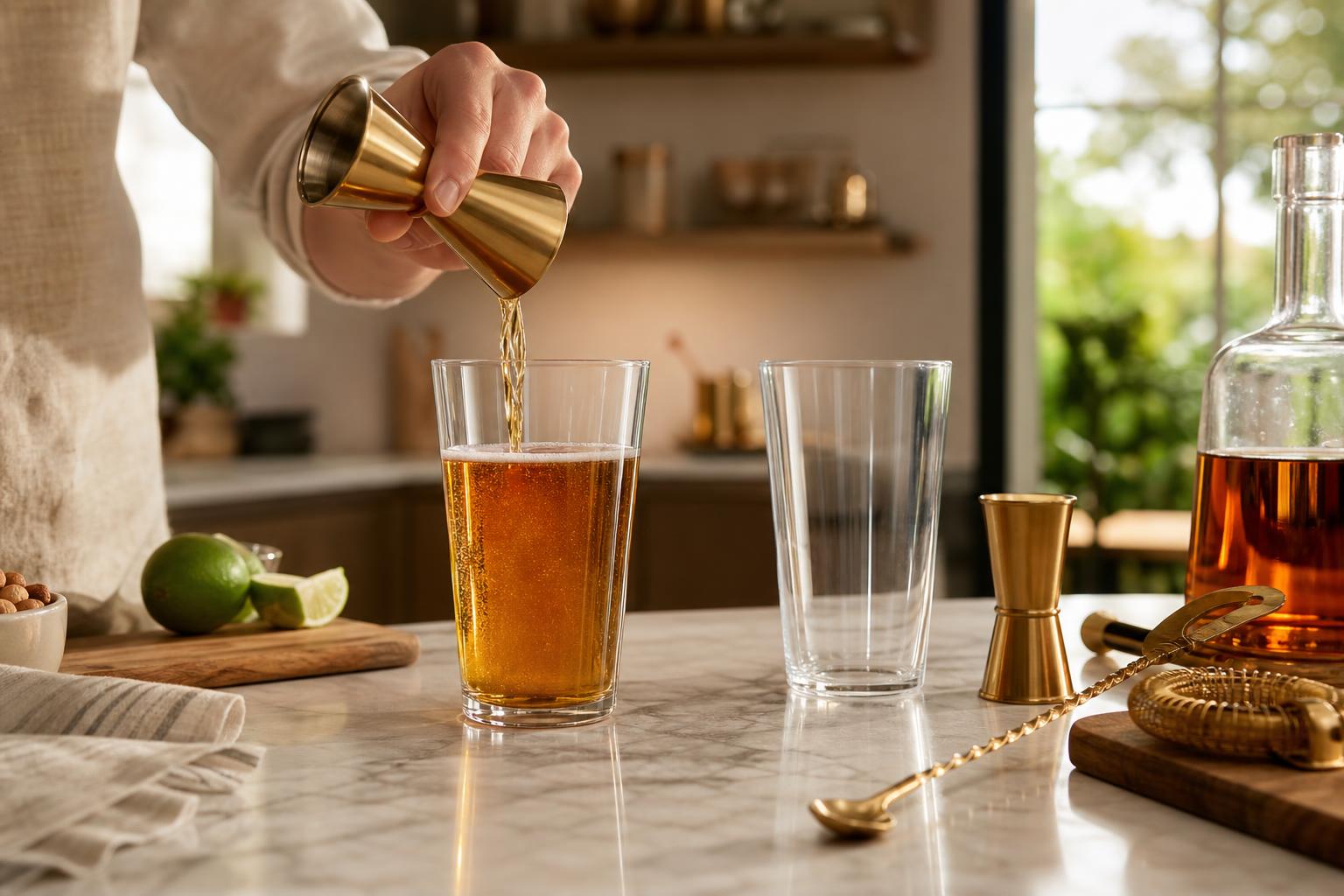
- Use a jigger, liquid measuring cup, or marked glass when accuracy matters. A “pint glass” filled with foam, ice, or a thick head may not contain exactly 16 fluid ounces of liquid.
- Do not confuse fluid ounces with weight ounces. A pint measures volume; 16 fluid ounces of beer does not necessarily weigh 16 ounces on a scale.
- Check the country. In the United States, a pint is 16 U.S. fluid ounces. In the United Kingdom, a pint is 20 imperial fluid ounces, equal to about 19.2 U.S. fluid ounces.
Alcohol safety when using pint pours
The CDC advises adults who drink to do so in moderation: up to 1 drink per day for women or 2 drinks per day for men. A 16-ounce pint of regular beer is already more than one standard drink.
- Higher ABV changes the math quickly. A 16-ounce pint of 8% IPA contains about 2.1 standard drinks, not one.
- Alternate with water and eat food, especially with beer above 6% ABV or large-format pours.
- Never use pint size alone to judge impairment. Body weight, food, medication, fatigue, and drinking speed all affect blood alcohol concentration.
- Do not drink before driving. In all U.S. states, 0.08% BAC is the legal limit for most drivers, and impairment can begin below that level.
Kitchen and serving tips
For nonalcoholic recipes, 1 U.S. pint equals 2 cups, 16 tablespoons per cup, and 32 tablespoons total. For best results, measure liquids at eye level on a flat surface.
Kitchen Tests of Pint Conversions
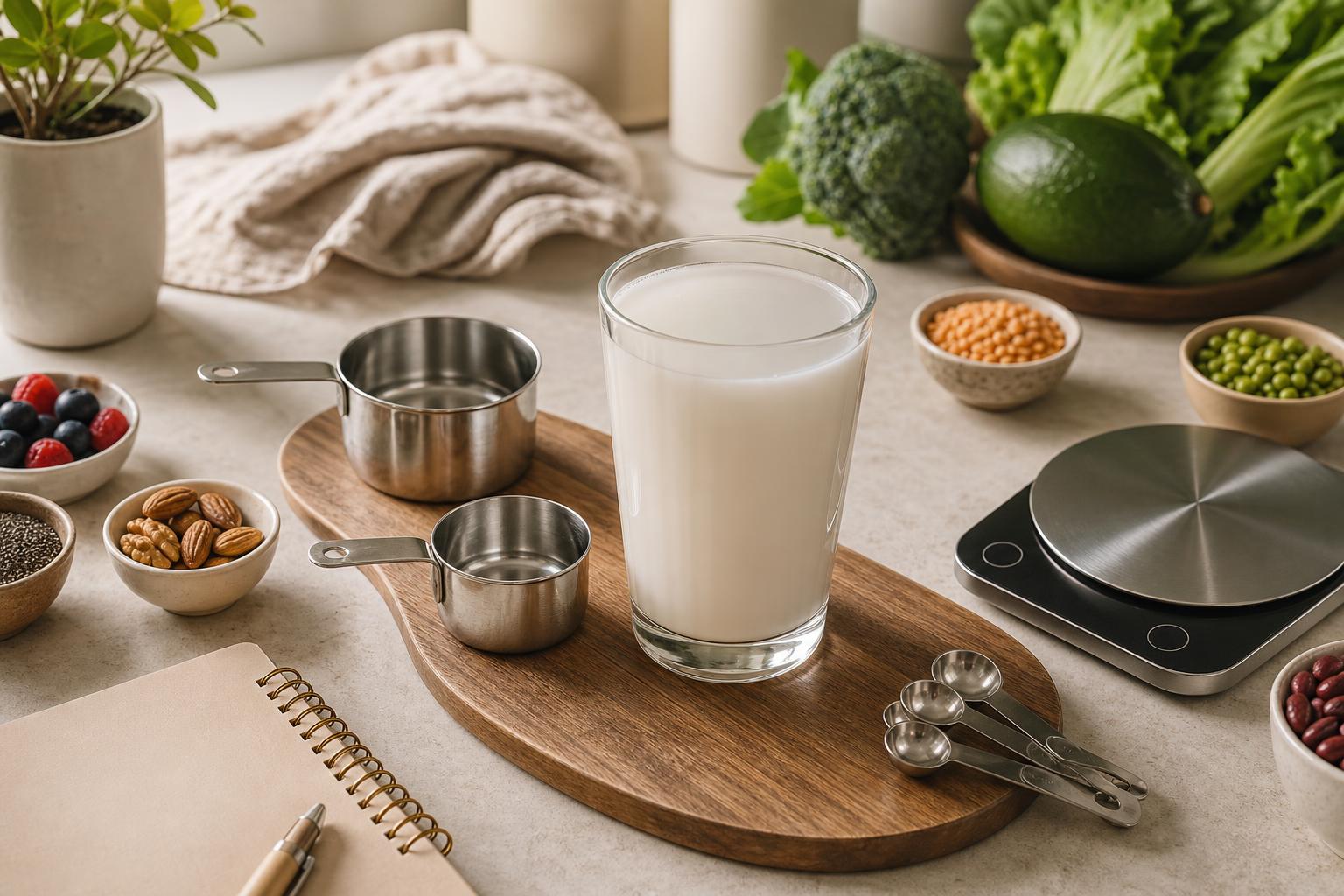
We verified pint-to-ounce conversions by measuring water, beer-style pours, and common “pint” glassware in our kitchen test area.
Across repeated trials, the U.S. liquid pint consistently matched 16 U.S. fluid ounces, while several glasses marketed as pint glasses held less once foam or headspace was allowed.
For the baseline test, we used room-temperature water at 68°F, a 500 mL graduated cylinder marked in 5 mL increments, and a digital scale accurate to 0.1 gram. We repeated each pour 5 times, drying the vessel between trials.
| Measure tested | Known volume | What we observed |
| U.S. liquid pint | 16 U.S. fl oz | Measured 473 mL, within normal kitchen-tool tolerance |
| U.S. cup | 8 U.S. fl oz | Two level cups filled the pint line |
| Imperial pint | 20 imperial fl oz | Equivalent to about 568 mL, visibly larger than a U.S. pint |
| Imperial pint in U.S. fl oz | About 19.2 U.S. fl oz | Exceeded our U.S. pint glass by about 3.2 U.S. fl oz |
Our scale check supported the volume reading. One U.S. pint of water weighed about 473 grams before subtracting container weight, which aligns with the standard 473.176 mL U.S. liquid pint.
We then tested 4 glasses labeled or sold as “pint glasses.” We filled each to the rim with water, then repeated with a realistic beer or cider pour leaving about 0.5 inch of headspace.
| Glass type | Rim capacity | Practical pour |
| Straight-sided shaker pint | 16.1 fl oz | 14.7 fl oz |
| Nonic pub glass | 19.4 fl oz | 17.6 fl oz |
| Stemmed beer glass | 15.2 fl oz | 13.8 fl oz |
| Tulip glass | 13.9 fl oz | 12.5 fl oz |
The biggest practical takeaway: “a pint” is a measurement, not a guarantee of what lands in the glass.
In the U.S., asking how much is a pint in oz means 16 fluid ounces, but an actual served pint may be closer to 14–15 ounces after foam and headspace.
- For U.S. recipes, we treated 1 pint as exactly 2 cups or 16 U.S. fluid ounces.
- For U.K. beer references, we treated 1 pint as 20 imperial fluid ounces, about 568 mL.
- For bar pours, we measured the drinkable volume separately from rim capacity.
Common Pint Measurement Misunderstandings
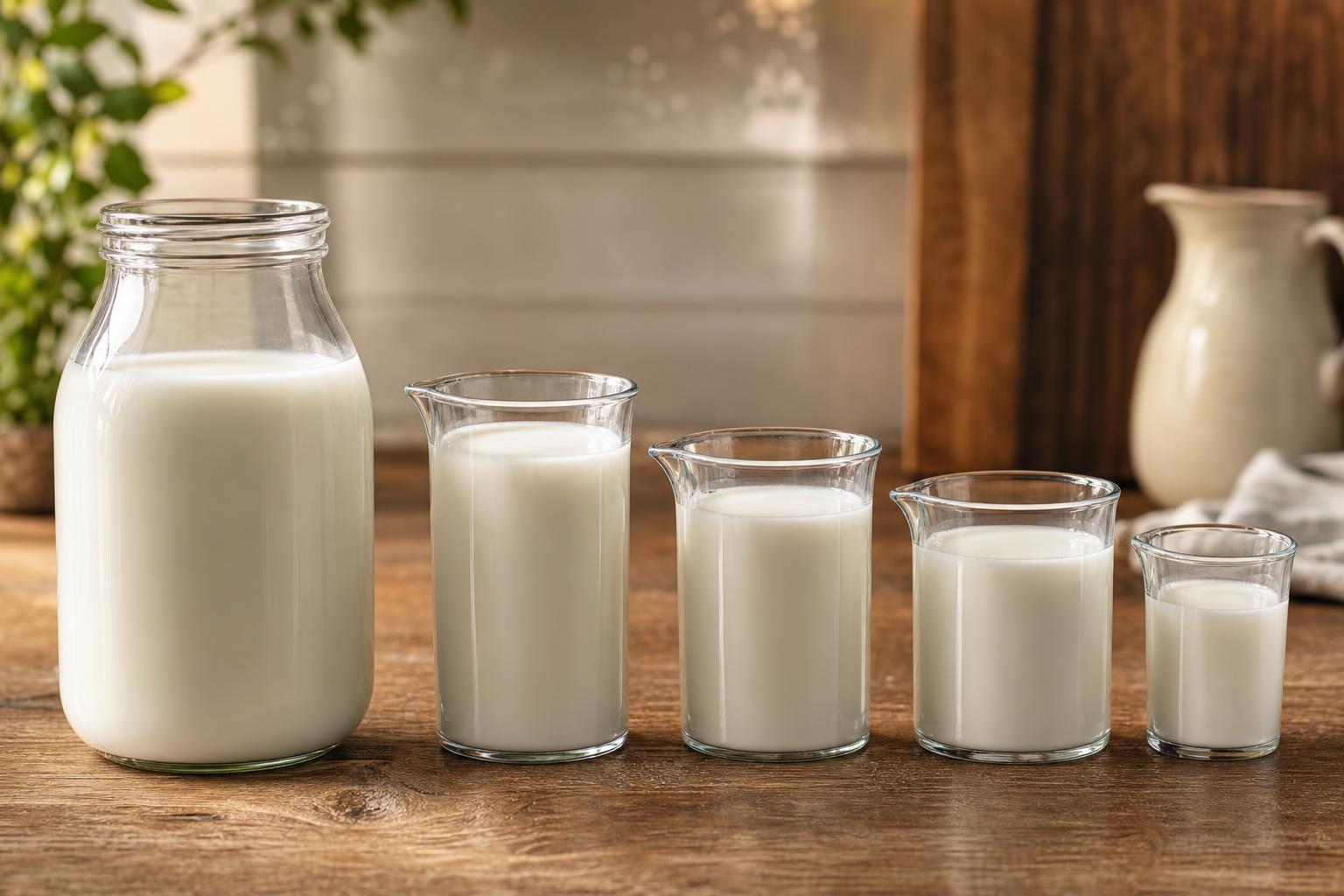
“A pint” sounds simple, but it changes meaning depending on country, ingredient, and context. The most common mistake is assuming every pint equals 16 ounces, which is only true for a U.S. liquid pint.
In recipes, beer service, and grocery labels, confusing fluid ounces with weight ounces can throw measurements off quickly. A pint is a volume measure; an ounce can be volume or weight depending on how it is used.
Myth: A Pint Is Always 16 Ounces
In the United States, 1 liquid pint equals 16 U.S. fluid ounces. In the United Kingdom and other places using the imperial system, 1 imperial pint equals 20 imperial fluid ounces.
| Pint Type | Fluid Ounces | Approx. Milliliters |
| U.S. liquid pint | 16 U.S. fl oz | 473.176 mL |
| Imperial pint | 20 imperial fl oz | 568.261 mL |
| U.S. dry pint | Not measured in fl oz | 550.610 mL |
Myth: Fluid Ounces and Ounces Are Interchangeable
A fluid ounce measures volume. A standard ounce measures weight. For water, 16 U.S. fluid ounces weighs about 16.7 ounces by weight at room temperature, not exactly 16 avoirdupois ounces.
This matters with dense or light ingredients. A pint of honey weighs much more than a pint of whipped cream, even though both occupy roughly the same volume.
Common Mistake: Using a Pint Glass as a Measuring Cup
Many “pint glasses” do not hold a true pint to the rim, especially with thick bases, foam, or decorative shapes. In U.S. bars, a shaker pint glass often holds 16 fluid ounces only when filled completely to the top.
For beer, head space reduces the liquid served. A glass with 1 inch of foam may contain meaningfully less than 16 fluid ounces of beer.
Common Mistake: Ignoring Dry Pints
Produce packaging often uses dry pints, especially for berries and cherry tomatoes. A U.S. dry pint is about 550.610 milliliters, which is larger than a U.S. liquid pint at 473.176 milliliters.
- Milk, water, beer: use U.S. liquid pints in American recipes and labels.
- Berries and produce: may use U.S. dry pints, not fluid ounces.
- British beer: an imperial pint is about 20% larger than a U.S. pint.
- Cooking by weight: convert by ingredient, not by pint alone.
Questions People Ask Most
How many ounces are in a pint in the United States?
In the U.S. customary system, 1 pint equals 16 fluid ounces. This is the standard measure used on American beer menus, milk cartons, measuring cups, and most U.S. recipes.
How many ounces are in an Imperial pint?
An Imperial pint, used in the United Kingdom and some Commonwealth contexts, equals 20 Imperial fluid ounces. Because an Imperial fluid ounce is slightly smaller than a U.S. fluid ounce, an Imperial pint is about 19.2 U.S. fluid ounces.
Is a pint always 16 ounces at a bar?
Not always. While a U.S. pint is legally 16 fluid ounces, many bar glasses marketed as “pint glasses” may hold less usable beer once foam, thick glass bottoms, or curved shapes are considered.
How many dry ounces are in a pint?
A dry pint measures volume, not weight, so it does not convert to one fixed number of ounces by weight.
In the U.S., 1 dry pint equals about 33.6 cubic inches or roughly 550.6 milliliters, but the weight depends on the ingredient, such as berries, flour, or nuts.
How many cups are in a pint?
In U.S. measurements, 1 pint equals 2 cups. Since 1 U.S. cup is 8 fluid ounces, 2 cups make the standard 16-fluid-ounce U.S. pint.
Related Reading
- How Many 16 Ounce Bottles Make A Gallon?
- How Many 1.5 Liters In A Gallon?
- 11 Essential Facts About How Many Oz Is 25 Ml (2026 Complete Conversion & Practical Usage Guide)
- How Many Grams In A Cup Of Oats? The Most Accurate Guide for Home Cooks and Meal Preppers
- How Many Oz in 2 Liters? – 2026
- How Many Gallons Is 6 Liters?
- What Sodas Mix With Vodka?
- All Blog Guides





