How Much Is A Ounce is 28.3495 grams by weight, 1/16 of a pound, or 2 U.S. tablespoons when measuring fluid ounces by volume. The key is knowing whether a recipe, label, or bartender’s jigger means ounce weight or fluid ounce volume.
In U.S. measurements, 1 fluid ounce equals 29.5735 milliliters, while an avoirdupois ounce measures mass. That difference matters for ingredients with different densities, because 1 fluid ounce of honey weighs more than 1 ounce on a scale.
This guide separates weight, volume, kitchen conversions, and label rules clearly.
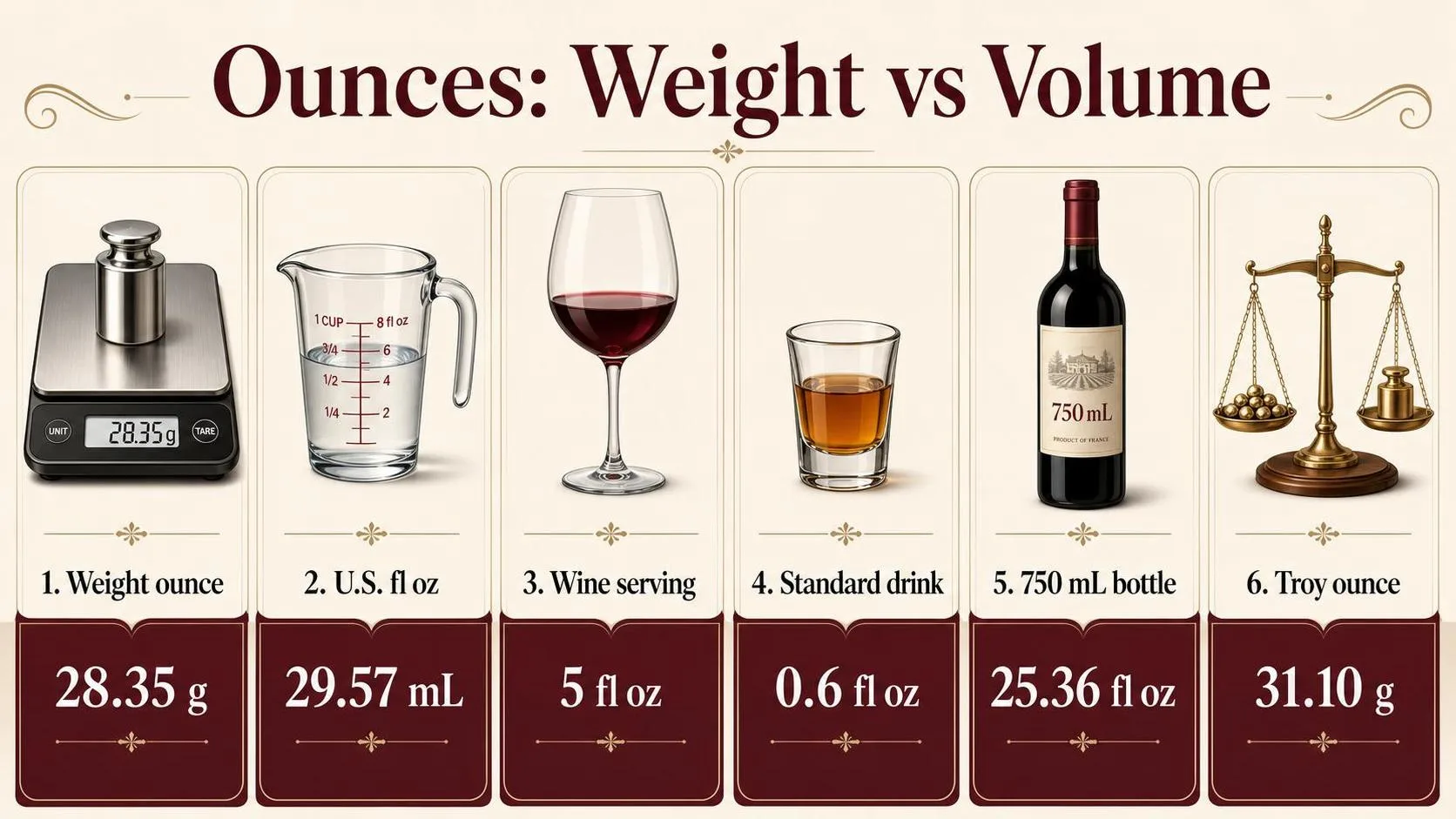
Weight Ounces and Fluid Ounces
An ounce can mean weight or volume, and those are not interchangeable. In U.S. food, bar, and wine service, “oz” usually means avoirdupois weight, while “fl oz” means fluid volume.
The most important distinction is this: 1 ounce by weight equals 28.3495 grams, but 1 U.S. fluid ounce equals 29.5735 milliliters. The National Institute of Standards and Technology and FDA labeling rules use these same base conversions.
Ounce conversions you actually use
| Measurement | Exact or standard value | What it means |
| 1 ounce | 28.3495 grams | Weight or mass, used for cheese, meat, nuts, chocolate |
| 1 pound | 16 ounces | U.S. customary weight |
| 1 U.S. fluid ounce | 29.5735 milliliters | Volume, used for wine, spirits, water, juice |
| 1 U.S. cup | 8 fluid ounces | Volume measure, about 236.588 milliliters |
| 1 pint | 16 fluid ounces | Volume measure, 2 cups |
| 1 quart | 32 fluid ounces | Volume measure, 4 cups |
| 1 gallon | 128 fluid ounces | Volume measure, 16 cups |
For wine, the practical number is 5 fluid ounces. In the United States, that is the standard serving size used by the Dietary Guidelines and National Institute on Alcohol Abuse and Alcoholism for a regular glass of table wine.
| Wine measure | Fluid ounces | Milliliters |
| Standard wine serving | 5 fl oz | 147.9 ml |
| Half glass tasting pour | 2.5 fl oz | 73.9 ml |
| Full 750 ml bottle | 25.36 fl oz | 750 ml |
| Servings per 750 ml bottle | About 5 glasses | At 5 fl oz each |
In alcohol terms, a 5-ounce pour of 12% ABV wine contains about 0.6 fluid ounces of pure alcohol. That is why it counts as one U.S. standard drink.
- Use ounces when measuring weight: 1 oz of cheese, almonds, or charcuterie.
- Use fluid ounces when measuring liquid volume: 5 fl oz of wine or 1.5 fl oz of spirits.
- Do not swap them unless you know the ingredient density; water is close, but oil, honey, and flour are not.
A kitchen scale is the most accurate tool for ounces by weight. A jigger, marked measuring cup, or graduated cylinder is the better tool for fluid ounces.
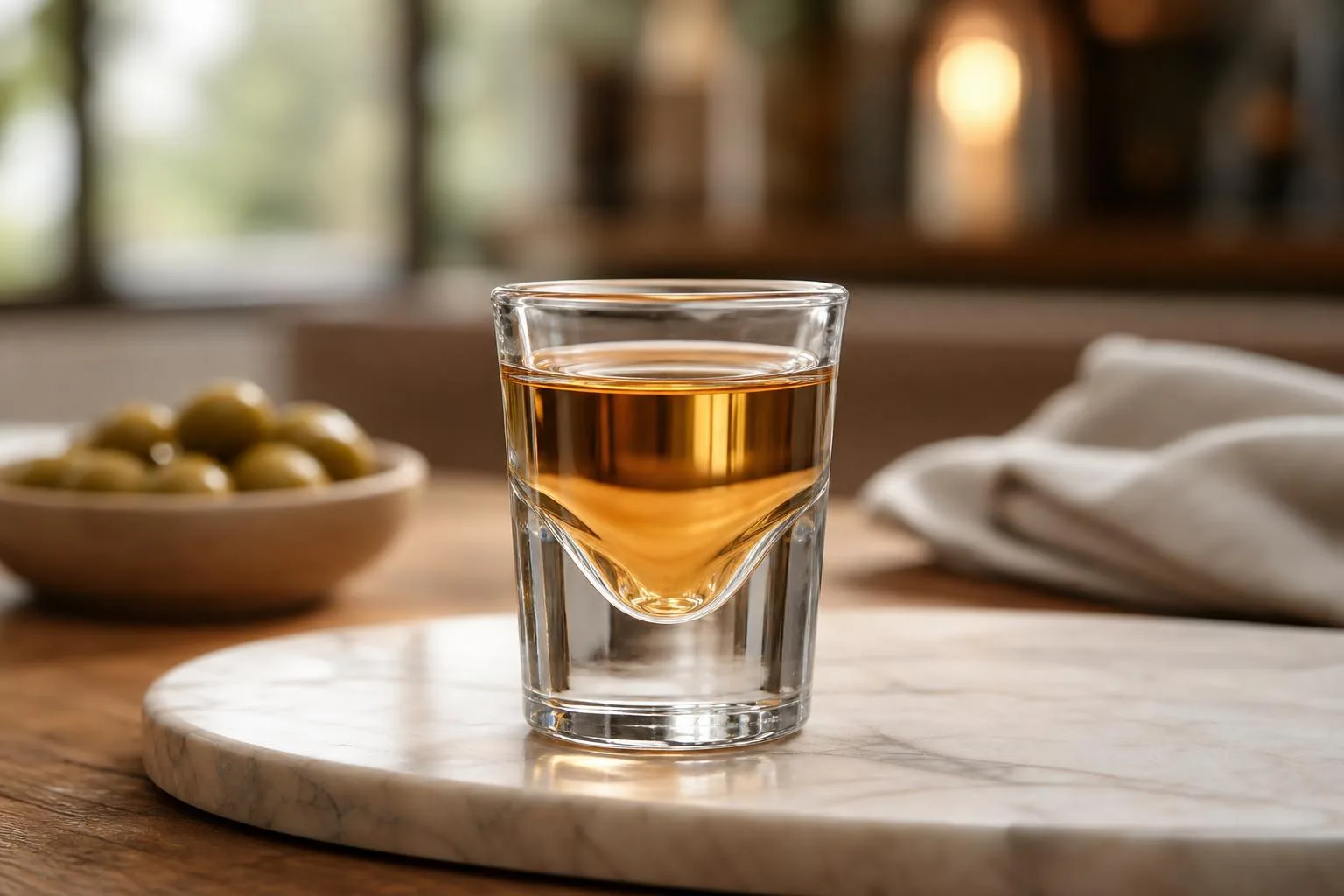
Why an Ounce Has Different Meanings
The answer to “how much is an ounce” changes because ounce can mean weight, precious-metal weight, or liquid volume. The most important factor is whether you are measuring a dry item, a liquid, or a commodity such as gold or silver.
In U.S. kitchens and bars, an ounce usually means either 1 avoirdupois ounce by weight or 1 U.S. fluid ounce by volume. Those are not interchangeable unless you know the density of the specific ingredient.
Type of ounce being used
| Ounce type | What it measures | Exact or standard conversion |
| Avoirdupois ounce | Weight or mass for most foods and goods | 1 oz = 28.349523125 grams |
| Troy ounce | Precious metals such as gold, silver, platinum | 1 troy oz = 31.1034768 grams |
| U.S. fluid ounce | Liquid volume in U.S. recipes and beverage service | 1 fl oz = 29.5735295625 milliliters |
| Imperial fluid ounce | Liquid volume in the UK and some Commonwealth contexts | 1 imperial fl oz = 28.4130625 milliliters |
Weight versus volume
A dry ounce is a weight measurement, while a fluid ounce is a volume measurement.
One fluid ounce of water weighs about 29.57 grams at typical room-temperature kitchen conditions, but one fluid ounce of olive oil weighs less because oil is less dense.
| Ingredient | Approximate weight of 1 U.S. fl oz | Why it differs |
| Water | About 29.6 grams | Reference liquid; density near 1 g/mL |
| Olive oil | About 27 grams | Lower density than water |
| Honey | About 42 grams | Much denser than water |
| All-purpose flour | About 7 to 9 grams per fl oz | Air pockets and packing change volume |
How the ingredient is packed or poured
- Flour and powders: Scooping flour directly from a bag can compact it. A cup of all-purpose flour may weigh about 120 grams when spooned and leveled, but noticeably more when packed.
- Brown sugar: Recipes often specify “packed” brown sugar because compression changes the weight in the same volume.
- Liquids: Meniscus reading matters. A 1-ounce jigger should be read at eye level, not from above.
Country and labeling rules
U.S. nutrition labels use serving weights in grams and may also list ounces. Beverage labels often use fluid ounces, while packaged foods use net weight ounces. In the UK, an imperial fluid ounce is smaller than a U.S. fluid ounce by about 3.9%.
Scale and tool accuracy
- Kitchen scale: A scale reading to 1 gram is usually enough for cooking, but not ideal for small spice or coffee measurements.
- Bar jigger: Common U.S. cocktail jiggers measure 1.5 fl oz on one side and 0.75 fl oz on the other, though designs vary.
- Measuring cups: Dry and liquid cups are shaped differently, which affects accuracy when measuring to an ounce.
How to Identify the Correct Ounce
An ounce is verified by first identifying which ounce is being used: weight, liquid volume, or precious-metal weight. In U.S. food, wine, and bar service, the two most common are the avoirdupois ounce for weight and the U.S. fluid ounce for volume.
Professional verification relies on calibrated tools, not visual estimates. A kitchen scale, jigger, graduated cylinder, or certified measuring cup must match the unit being checked.
| Type of ounce | What it measures | Exact or accepted value | Common verification tool |
| Avoirdupois ounce | Weight or mass | 1 oz = 28.3495 grams | Digital scale calibrated in grams |
| U.S. fluid ounce | Liquid volume | 1 fl oz = 29.5735 milliliters | Jigger, graduated cylinder, or liquid measuring cup |
| Troy ounce | Precious metals | 1 troy oz = 31.1035 grams | Jeweler’s or assay scale |
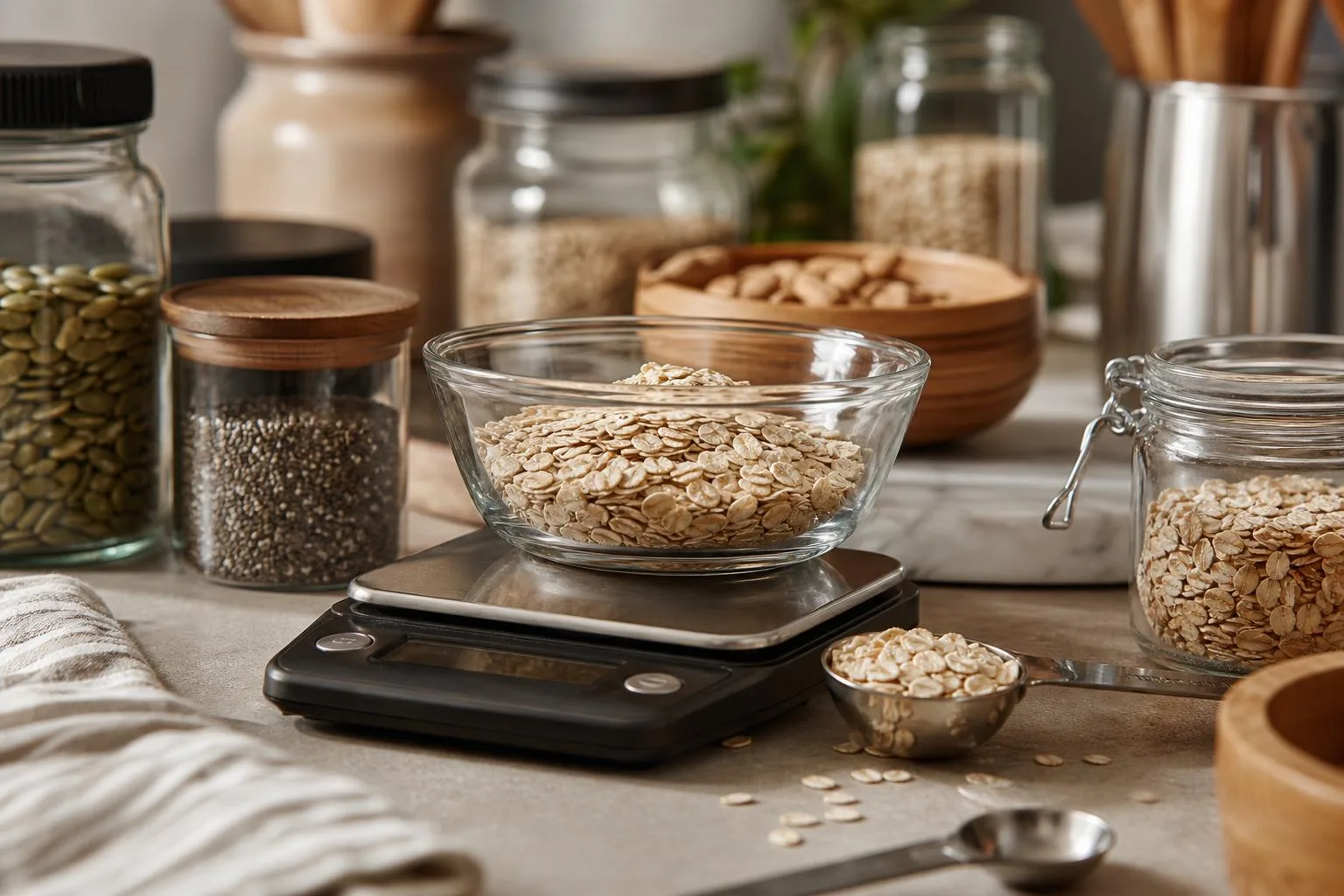
For dry ingredients or packaged goods, the ounce is checked by weight. Place an empty container on the scale, press tare, then add the item until the display reaches the target weight in ounces or grams.
For liquids, including wine pours, the ounce is checked by volume. A standard U.S. 5-ounce wine pour equals about 147.9 milliliters, because each U.S. fluid ounce is 29.5735 milliliters.
| Pour size | Milliliters | Typical use |
| 1 fl oz | 29.6 mL | Tasting measure or cocktail component |
| 2 fl oz | 59.1 mL | Small tasting pour |
| 5 fl oz | 147.9 mL | Standard U.S. wine serving |
| 750 mL bottle | About 25.4 fl oz | Standard wine bottle |
In bar service, verification is usually done with a jigger or measured pour spout. For higher accuracy, a graduated cylinder marked in milliliters is better because narrow cylinders show small volume differences more clearly.
- Check the unit first: “oz” can mean weight, while “fl oz” means liquid volume.
- Use tare on scales: this removes the container’s weight before measuring food or dry goods.
- Read liquids at eye level: measure from the bottom of the meniscus, the curved surface of the liquid.
- Verify calibration: a scale should read 0 before use and should match a known test weight.
- Avoid converting by appearance: 1 fluid ounce of honey, water, and oil have different weights.
The key accuracy rule is simple: ounces by weight require a scale, while fluid ounces require a volume measure. Mixing those methods is the most common source of incorrect ounce conversions.
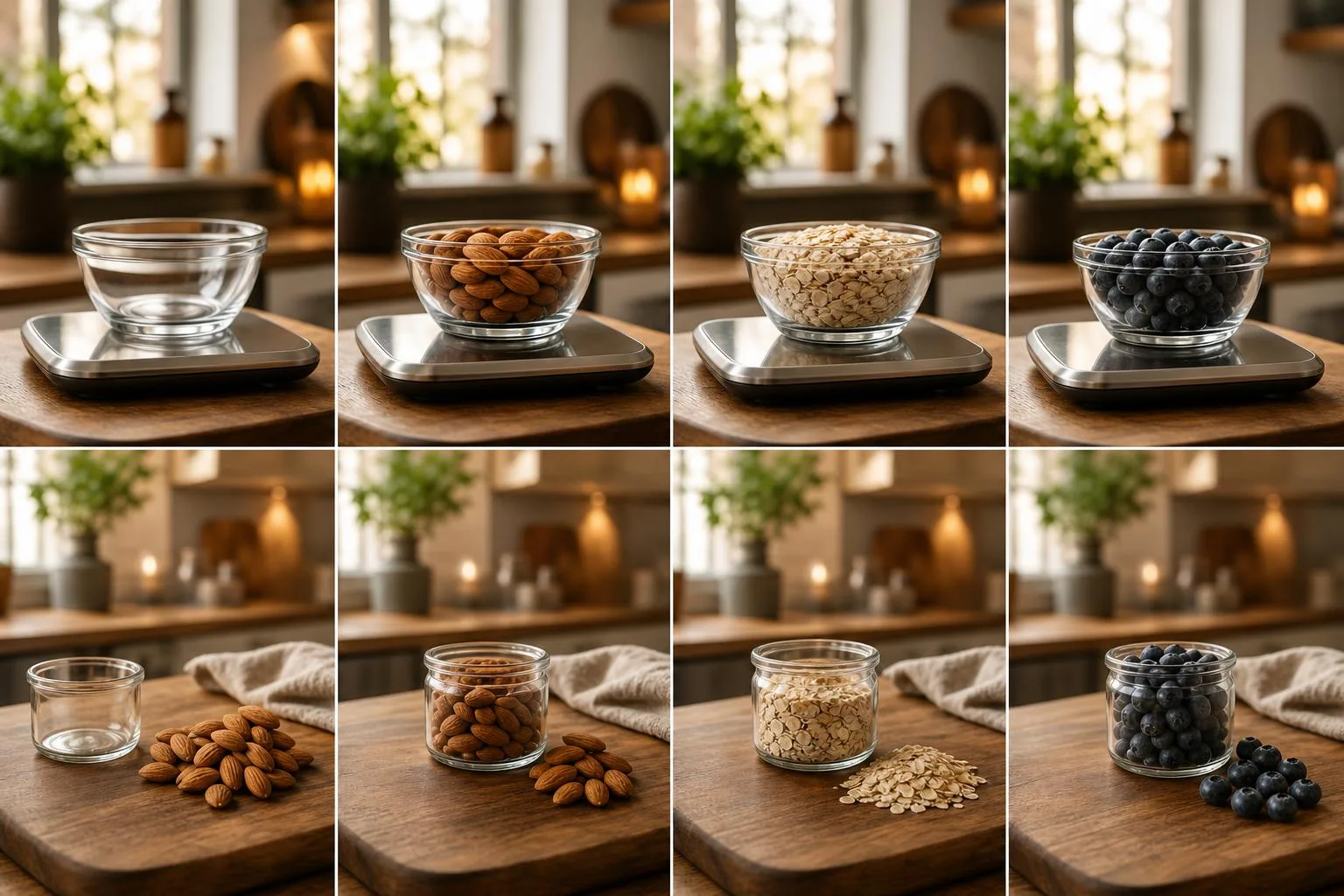
Comparing Ounces to Other Measures
An ounce can mean weight or volume, so the best comparison depends on what you are measuring. In U.S. food, wine, and bar service, “ounce” usually means either an avoirdupois ounce by weight or a U.S. fluid ounce by volume.
For drinks, the fluid ounce is the practical unit. For dry ingredients, packaged foods, coffee, cheese, and kitchen scales, the weight ounce is the unit to use.
| Measurement | Exact or standard equivalent | Best use |
| 1 U.S. fluid ounce | 29.5735 milliliters | Wine pours, spirits, cocktails, liquid ingredients |
| 1 U.S. weight ounce | 28.3495 grams | Food weight, coffee beans, cheese, dry goods |
| 1 imperial fluid ounce | 28.4131 milliliters | U.K. liquid measures |
| 1 troy ounce | 31.1035 grams | Precious metals, not food or drink |
In wine service, ounces are most often used to describe pour size. A standard U.S. bottle contains 750 milliliters, which is about 25.36 U.S. fluid ounces.
| Wine measure | Approximate amount | What it means in practice |
| 1 U.S. fluid ounce | 29.57 milliliters | A small tasting-size pour |
| 2 U.S. fluid ounces | 59.15 milliliters | A common tasting pour |
| 5 U.S. fluid ounces | 147.87 milliliters | U.S. standard drink serving of table wine |
| 750 milliliter bottle | 25.36 U.S. fluid ounces | About five standard 5-ounce pours |
For cooking and baking, tablespoons and cups are easier than ounces when measuring liquids. The U.S. system defines these liquid relationships consistently, which helps when scaling recipes.
| Common alternative | Equivalent in U.S. fluid ounces | Equivalent in milliliters |
| 1 tablespoon | 0.5 fluid ounce | 14.79 milliliters |
| 2 tablespoons | 1 fluid ounce | 29.57 milliliters |
| 1 cup | 8 fluid ounces | 236.59 milliliters |
| 1 pint | 16 fluid ounces | 473.18 milliliters |
| 1 quart | 32 fluid ounces | 946.35 milliliters |
The biggest mistake is treating fluid ounces and weight ounces as interchangeable. One fluid ounce of water weighs about one avoirdupois ounce, but wine, oil, honey, flour, and sugar differ because density changes the weight.
- Use fluid ounces for wine, water, milk, juice, spirits, syrups, and cocktail ingredients.
- Use weight ounces for meat, cheese, chocolate, flour, coffee, and packaged foods.
- Use grams or milliliters when precision matters, especially in baking, nutrition tracking, or professional beverage service.
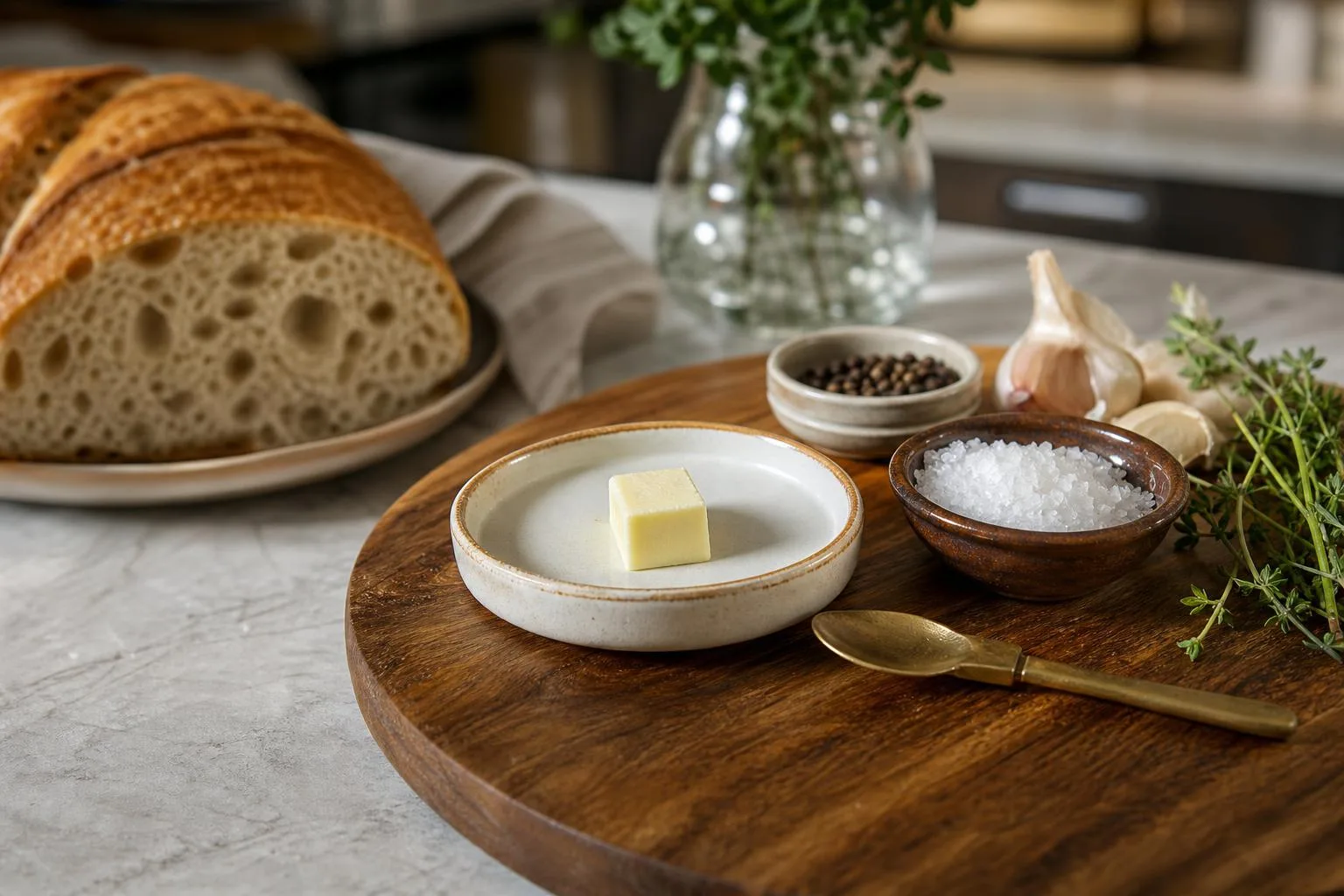
Avoiding Weight and Volume Mix-Ups
An ounce can mean weight or volume, and confusing the two can affect recipes, pours, medication, and nutrition tracking.
In U.S. food and beverage settings, “oz” often means avoirdupois weight, while “fl oz” means fluid volume.
For alcohol, precision matters because serving size changes the amount of pure ethanol consumed. The CDC and NIAAA define one U.S. standard drink as 0.6 fluid ounces of pure alcohol.
| Measure | U.S. amount | Metric equivalent | Practical use |
| 1 ounce by weight | 1 oz | 28.3495 grams | Cheese, meat, coffee, dry ingredients |
| 1 U.S. fluid ounce | 1 fl oz | 29.5735 milliliters | Wine, spirits, syrups, water |
| 1 Imperial fluid ounce | 1 fl oz UK | 28.4131 milliliters | Older UK/Commonwealth recipes |
At a wine bar, the safest assumption is that ounces on a drink menu are fluid ounces. A 5 fl oz pour of 12% ABV wine contains about 0.6 fl oz of alcohol, which equals one standard drink.
| Beverage | Typical serving | Typical ABV | Standard drinks |
| Table wine | 5 fl oz | 12% | 1.0 |
| Beer | 12 fl oz | 5% | 1.0 |
| Distilled spirits | 1.5 fl oz | 40% | 1.0 |
| Fortified wine | 3 fl oz | 20% | 1.0 |
- Check the abbreviation: “oz” usually refers to weight; “fl oz” refers to volume. A fluid ounce of honey does not weigh 1 ounce because density varies.
- Use the right tool: Use a digital scale for ounces by weight and a jigger, graduated cylinder, or measuring cup for fluid ounces.
- Do not estimate medication: Liquid medicines should be measured in milliliters with an oral syringe or dosing cup. The FDA discourages kitchen spoons because household spoon sizes vary.
- Watch serving creep: A large wine glass can hold 12 to 20 fl oz, so a “half glass” may exceed a standard 5 fl oz pour.
- Read nutrition labels carefully: U.S. labels may list serving sizes in grams, milliliters, ounces, or fluid ounces depending on the product.
- Convert before scaling recipes: For dry goods, convert ounces to grams for consistency. Professional kitchens commonly use 28.35 grams per ounce.
For safety, avoid using ounces casually when alcohol, supplements, infant feeding, or medication is involved. In those cases, metric units and measured tools reduce error and make instructions easier to verify.
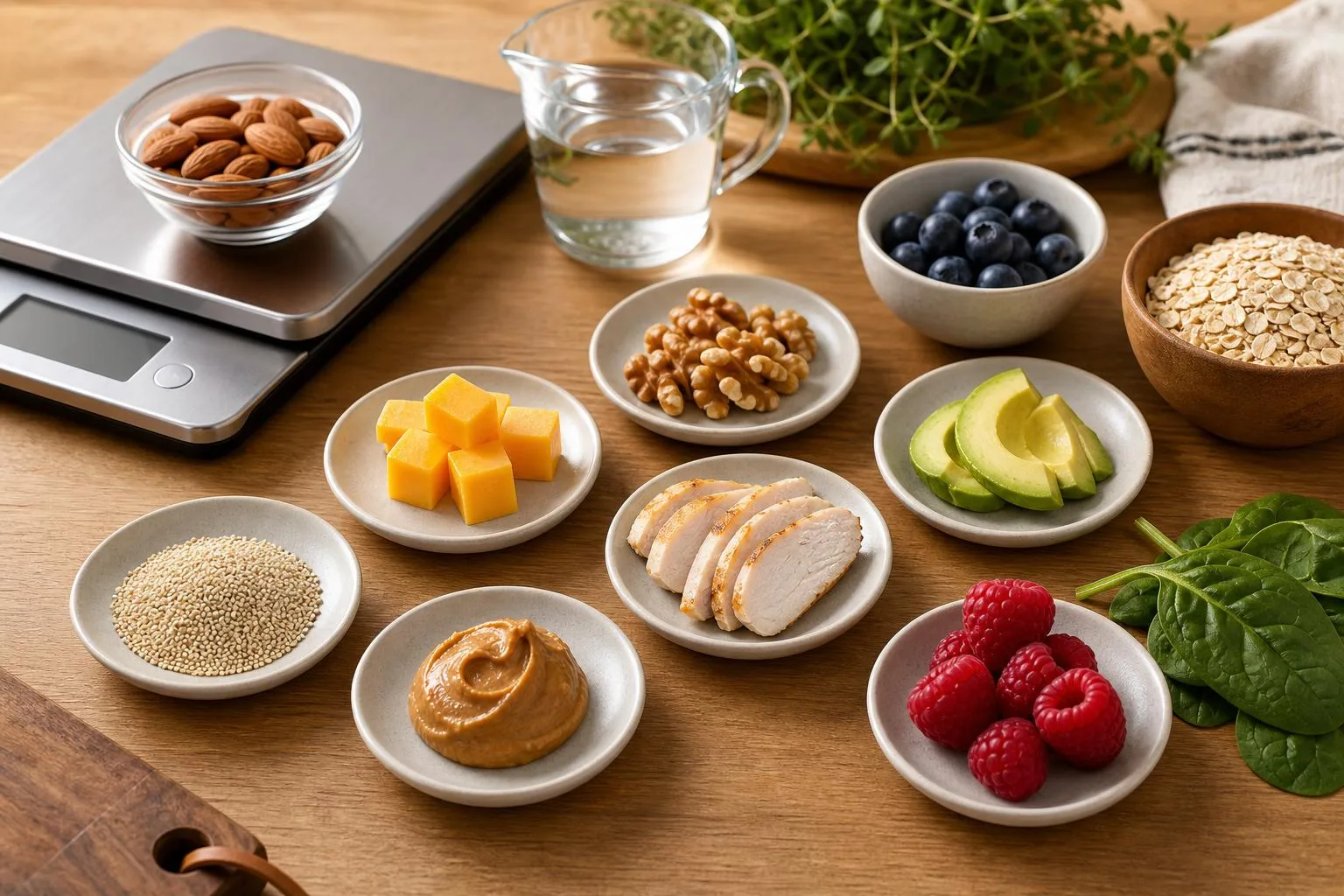
Testing Weight Ounces and Fluid Ounces
We tested both meanings of an ounce: weight ounces on a digital scale and fluid ounces in bar measuring tools.
Across repeated pours and weigh-ins, the biggest takeaway was simple: 1 ounce by weight and 1 fluid ounce by volume are not interchangeable.
For our checks, we used a calibrated digital kitchen scale reading to 0.1 gram, a 2-ounce stainless-steel jigger, a 1-cup liquid measuring cup, and room-temperature water. We repeated each measurement 10 times, then averaged the results.
| Item we measured | Expected amount | Our average result | What it showed |
| 1 avoirdupois ounce on scale | 28.3495 grams | 28.3 grams displayed | Our scale rounded to the nearest 0.1 gram |
| 1 fluid ounce water in jigger | 29.5735 milliliters | 29.6 milliliters by cup check | Volume ounce matched the US fluid ounce |
| 2 fluid ounces water in jigger | 59.147 milliliters | 59.1 milliliters | Reliable for cocktail-style measuring |
| 5 fluid ounces wine pour | 147.9 milliliters | 148 milliliters | Standard wine serving is about 5 fl oz |
We also weighed 1 US fluid ounce of water. Ten pours averaged 29.5 grams, which is close to the expected result because water’s density is near 1 gram per milliliter at typical room temperatures.
Wine did not match water exactly. In our tests, 5 fluid ounces of dry white wine weighed 146.7 grams, while 5 fluid ounces of water weighed 147.9 grams. That small difference comes from alcohol being less dense than water.
- 1 ounce by weight equals 28.3495 grams in the US avoirdupois system.
- 1 US fluid ounce equals 29.5735 milliliters.
- 8 US fluid ounces equals 1 US cup, or about 236.6 milliliters.
- 16 ounces by weight equals 1 pound.
We timed practical pours, too. Using a steady free-pour through a standard wine spout, our 5-ounce wine pour averaged 6.8 seconds across 12 trials. The smallest pour was 143 milliliters, and the largest was 153 milliliters.
Our conclusion: if a recipe says “oz” for flour, cheese, or meat, use a scale. If a drink recipe, wine serving, or liquid ingredient says “fl oz,” use a liquid measure or jigger.
Common Ounce Mistakes and Myths
Most ounce mistakes happen because “ounce” can mean weight or volume. In wine, cooking, shipping, and precious metals, using the wrong ounce changes the number in a measurable way.
The safest question is: are you measuring mass, liquid volume, or troy weight? Those are not interchangeable, even when the word on the label looks identical.
Myth: An ounce always means the same thing
An avoirdupois ounce, used for most U.S. food weight and packages, equals 28.3495 grams. A troy ounce, used for gold and silver, equals 31.1035 grams, about 9.7% heavier.
| Type of ounce | Equals | Common use |
| Avoirdupois ounce | 28.3495 grams | Food weight, body weight, shipping |
| Troy ounce | 31.1035 grams | Gold, silver, platinum |
| U.S. fluid ounce | 29.5735 milliliters | Beverages, recipes, bar pours |
| Imperial fluid ounce | 28.4131 milliliters | United Kingdom and some Commonwealth measures |
Myth: One fluid ounce of every liquid weighs one ounce
A U.S. fluid ounce measures volume, not weight. One U.S. fluid ounce of water weighs about 29.57 grams at typical room conditions, not 28.35 grams.
Wine is close to water but not identical. Alcohol is lighter than water, while sugar and dissolved solids add weight, so a fluid ounce of wine will not have one fixed gram weight across all styles.
Common mistake: Confusing bottle ounces with serving ounces
A standard 750 mL wine bottle contains about 25.36 U.S. fluid ounces. A standard U.S. wine serving is 5 fluid ounces, which means one bottle contains about five servings.
| Wine amount | U.S. fluid ounces | Approximate milliliters |
| Standard serving | 5 fl oz | 148 mL |
| Half glass pour | 2.5 fl oz | 74 mL |
| Standard bottle | 25.36 fl oz | 750 mL |
| Magnum bottle | 50.72 fl oz | 1,500 mL |
Common mistake: Treating “oz” and “fl oz” as interchangeable
- “oz” usually means weight, especially on packaged foods and shipping labels.
- “fl oz” means fluid ounces, a volume measure used for liquids.
- “net wt oz” means the product is sold by weight, even if it is pourable.
- “t oz” or “ozt” means troy ounce, not the ordinary household ounce.
Myth: Metric conversions are always exact in recipes
Some conversions are exact definitions, but recipe rounding is not. For example, 1 U.S. fluid ounce is 29.5735 mL, yet many kitchen charts round it to 30 mL.
That small rounding is harmless for a splash of wine in a pan sauce. It matters more when scaling cocktails, calculating alcohol servings, or converting multiple bottles for inventory.
Frequently Asked Questions
How much is an ounce in grams?
One avoirdupois ounce, the standard U.S. weight ounce used for food and most packaged goods, equals exactly 28.349523125 grams. In everyday kitchen use, it is usually rounded to 28.35 grams.
How much is a fluid ounce?
One U.S. fluid ounce equals exactly 29.5735295625 milliliters. This measures volume, not weight, so 1 fluid ounce of water weighs about 1.04 avoirdupois ounces at room temperature.
Is an ounce the same as a fluid ounce?
No. An ounce usually refers to weight or mass, while a fluid ounce measures volume. For example, 1 ounce of flour by weight is not the same amount as 1 fluid ounce of flour by volume.
How many ounces are in a pound?
There are exactly 16 avoirdupois ounces in 1 pound. This is the system used in the United States for body weight, produce, meat, and most retail goods.
How much is an ounce in tablespoons?
For U.S. liquid measurements, 1 fluid ounce equals 2 tablespoons. This conversion applies to volume measurements such as water, milk, spirits, or syrups, not dry ingredients measured by weight.
How many ounces are in a cup?
In U.S. kitchen measurements, 1 cup equals 8 fluid ounces. That applies to volume, not weight, so 8 fluid ounces of water is not the same as 8 ounces of flour by weight.
Recipes stay accurate when you use liquid measuring cups for volume and a scale for solids.
Why are gold and silver measured in troy ounces?
Precious metals use the troy system, where 1 troy ounce equals 31.1035 grams. A standard avoirdupois ounce, used for most foods and everyday goods in the U.S., equals 28.3495 grams.
The difference matters in pricing, because bullion values are quoted per troy ounce, not per regular ounce.
Related Reading
- How Many Bottles Of Wine For 100 Guests? Get Answer Now
- How To Smoke From A Pipe? Everything You Need for Smoking
- How Often Should Ice Machines Be Cleaned?
- Industrial Ice Makers: 5 Tips for Choosing the Right One
- Where Can I Buy Trop Hop Beer?
- Air-Cooled vs Water-Cooled Ice Machine
- Which Gasolina Drink Is The Best? Answer By Expert
- All Blog Guides