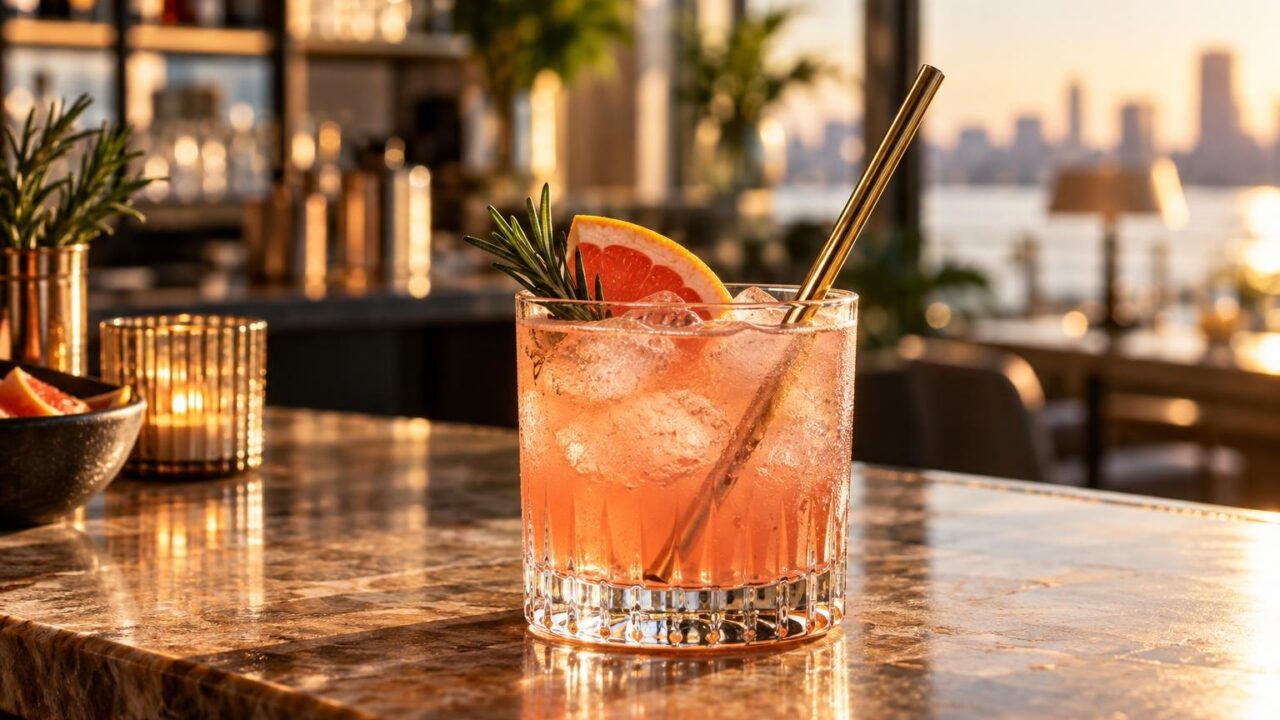
drink alcohol with straw is not a proven way to get drunk faster; alcohol absorption depends mainly on ethanol dose, drinking speed, stomach contents, and body size.
A straw may make some cocktails easier to finish quickly, which can raise intake without changing how ethanol enters the bloodstream.
The practical risk is pacing. Sipping through a straw can reduce awareness of volume, especially with sweet mixed drinks, crushed ice, or tall glassware.
Standard U.S. drink math still applies: 14 grams of pure alcohol per standard drink, whether swallowed through a straw or from the rim.
This article explains what changes, what does not, and how to drink more safely when straws, cocktails, and social settings make portions harder to track.
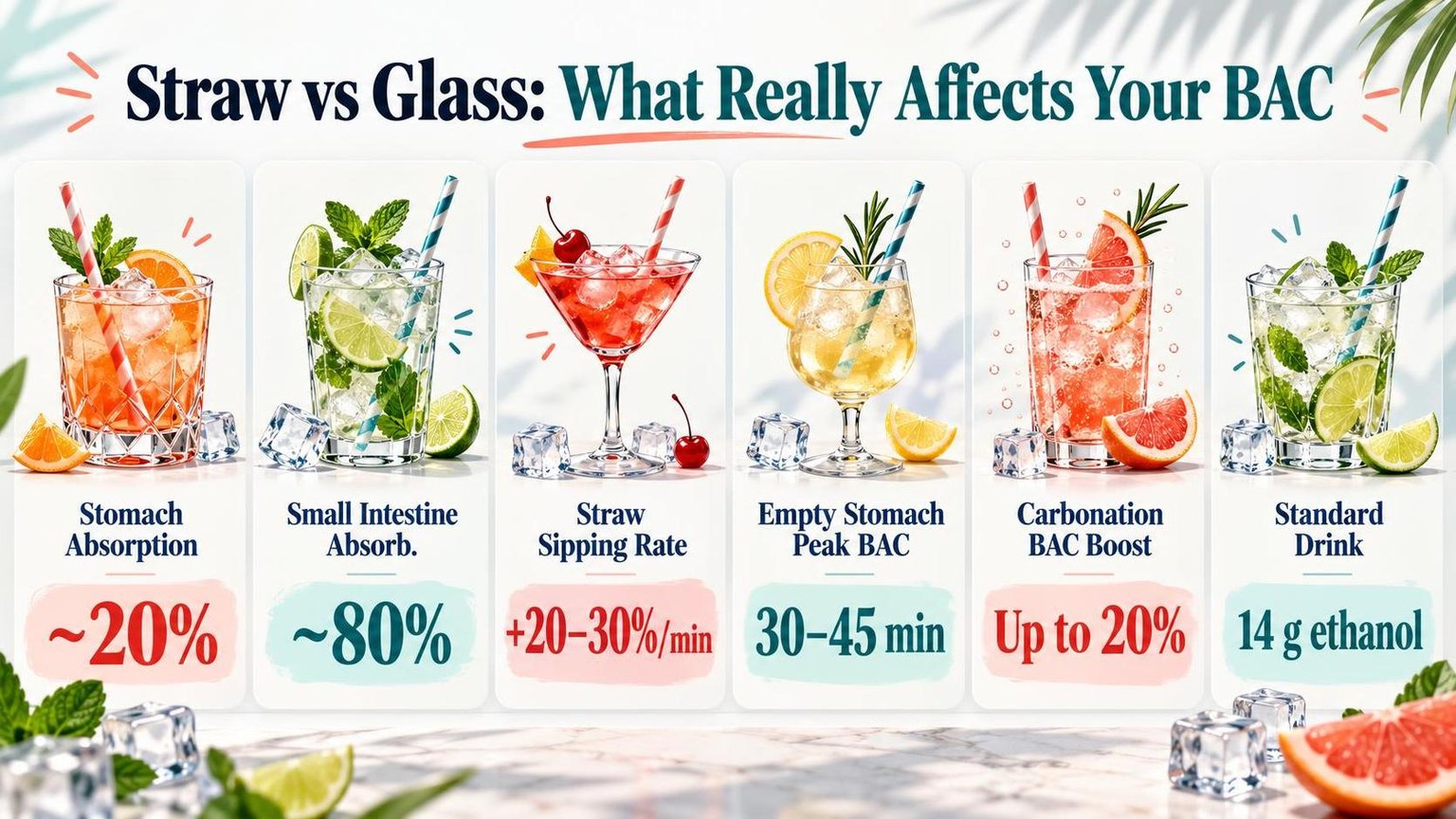
Does Drinking Through a Straw Hit Faster
No controlled clinical study has proven that drinking alcohol through a straw increases the rate of ethanol absorption into the bloodstream.
The belief persists widely, but the pharmacokinetics of alcohol absorption depend on factors unrelated to the drinking vessel.
Ethanol is absorbed primarily in the small intestine (roughly 80%) and stomach (approximately 20%). The straw itself cannot change these biological mechanisms.
Why the Myth Feels True
Behavioral factors create a genuine perception of faster intoxication. Straw drinking alters consumption patterns in measurable ways.
- Faster sipping rate: Drinkers using straws consume 20–30% more liquid per minute compared to sipping from a glass rim, according to observational hospitality-industry data.
- Reduced awareness of volume: Without tilting the glass, drinkers lose a visual cue for how much they have consumed.
- Continuous flow: A standard 6 mm straw delivers a steady stream that bypasses the natural pause of lifting and setting down a glass.
- Cocktail temperature: Frozen or iced cocktails served with straws are consumed before dilution increases, keeping alcohol concentration higher per sip.
Actual Factors That Speed Alcohol Absorption
| Factor | Effect on Absorption Rate |
| Empty stomach | Peak BAC reached in 30–45 min vs. 60–90 min with food |
| Carbonation | Speeds gastric emptying; raises BAC up to 20% faster |
| Higher alcohol concentration (20–30% ABV) | Absorbed faster than low-ABV or very high-ABV drinks |
| Drinking speed | Consuming 2 drinks in 15 min vs. 60 min can double peak BAC |
| Body composition | Lower water-to-fat ratio raises BAC per unit consumed |
Carbonation deserves special attention. A 2007 study in the Journal of Forensic and Legal Medicine found that carbonated mixers increased ethanol absorption rates significantly compared to flat mixers.
The straw’s real effect is behavioral, not physiological. It encourages faster drinking, which genuinely raises peak BAC. Pacing yourself matters far more than the delivery method.
If you notice quicker intoxication with a straw, you are likely drinking faster—not absorbing alcohol differently. Track your intake by counting standard drinks (14 g of pure ethanol each) regardless of glassware.
Alcohol Absorption With Straws Explained
No peer-reviewed study has demonstrated that drinking alcohol through a straw increases the rate of ethanol absorption into the bloodstream.
The belief persists widely, but the pharmacokinetics of alcohol metabolism do not change based on the vessel or delivery method used.
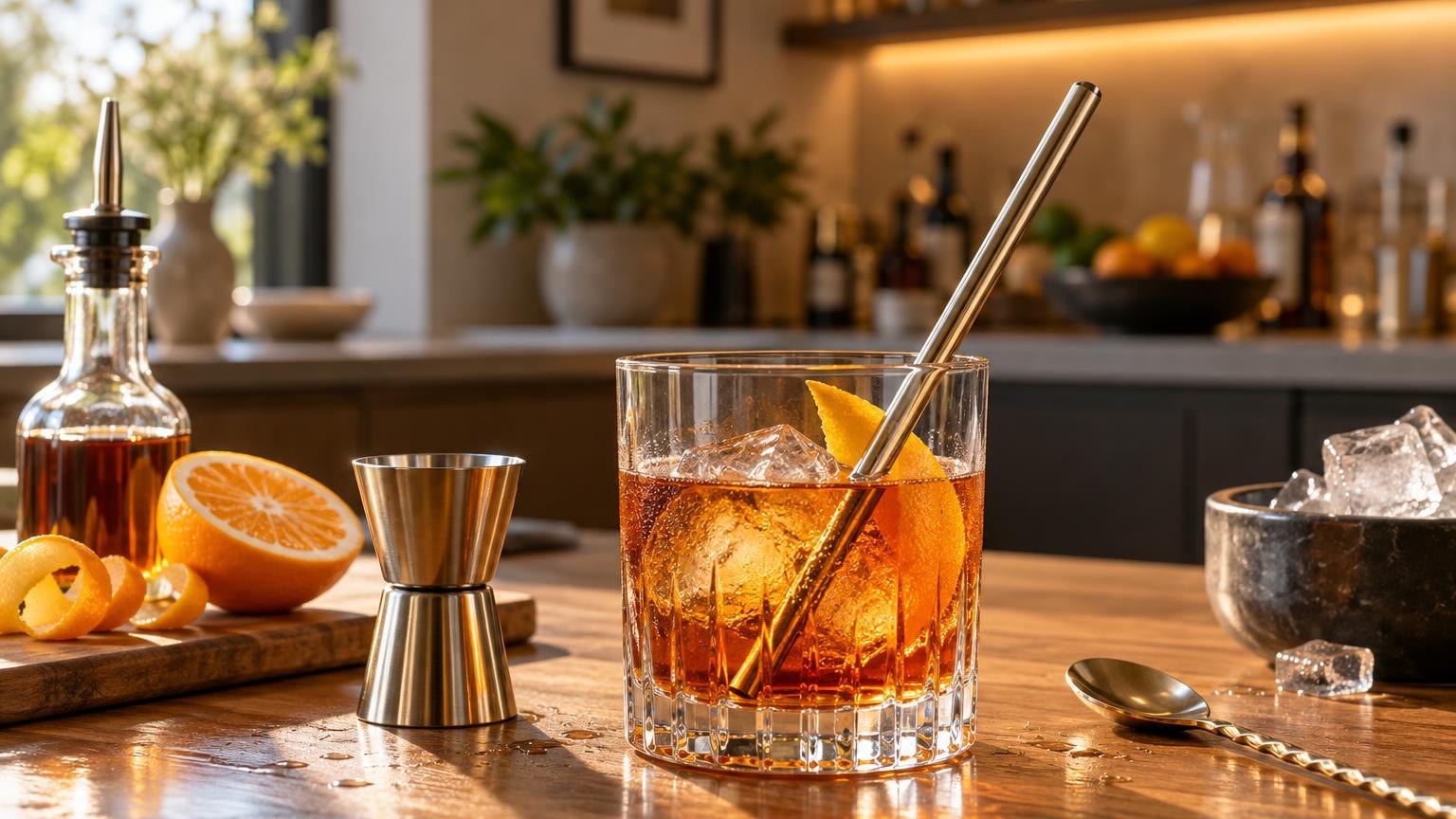
How Alcohol Absorption Actually Works
Ethanol absorption follows a fixed physiological pathway. Approximately 20% is absorbed through the stomach lining, and the remaining 80% is absorbed in the small intestine. This ratio holds regardless of whether you sip from a glass rim or a straw.
| Factor | Effect on Absorption Rate | Straw Influence |
| Stomach food content | Food slows absorption by up to 50% | None |
| Alcohol concentration (ABV) | Drinks at 20–30% ABV absorb fastest | None |
| Carbonation | Speeds gastric emptying by 10–15% | None |
| Drinking speed | Faster intake raises peak BAC | Possible indirect effect |
| Body weight and composition | Higher water volume dilutes BAC | None |
The Speed-of-Consumption Theory
The one plausible mechanism behind the myth involves drinking speed. Straws can reduce the perceived effort of sipping, potentially encouraging faster consumption without the drinker noticing.
A 2008 study in BMC Public Health found that environmental and contextual cues—glass shape, music tempo, social setting—significantly influence consumption pace. Straw use falls into this category of behavioral cues.
Peak blood alcohol concentration (BAC) is reached 30–90 minutes after the last drink on an empty stomach.
Drinking the same volume faster compresses this window, producing a higher peak BAC—not because the straw changes absorption, but because total intake per unit time increases.
What About Sublingual Absorption?
Some claim straws direct alcohol to the sublingual membrane under the tongue, bypassing first-pass liver metabolism.
Oral mucosa can absorb ethanol, but the contact time during normal drinking is seconds—far too brief to produce a measurable pharmacokinetic difference.
- Sublingual drug delivery requires 1–3 minutes of sustained mucosal contact
- A typical straw sip passes the oral cavity in under 2 seconds
- Less than 1% of ingested ethanol is absorbed orally under normal conditions
The straw itself is pharmacologically irrelevant.
Monitor your drinking pace, track standard drink counts (14 grams of pure ethanol per drink in the US), and recognize that perceived intoxication differences stem from behavioral patterns—not the straw in your cocktail.
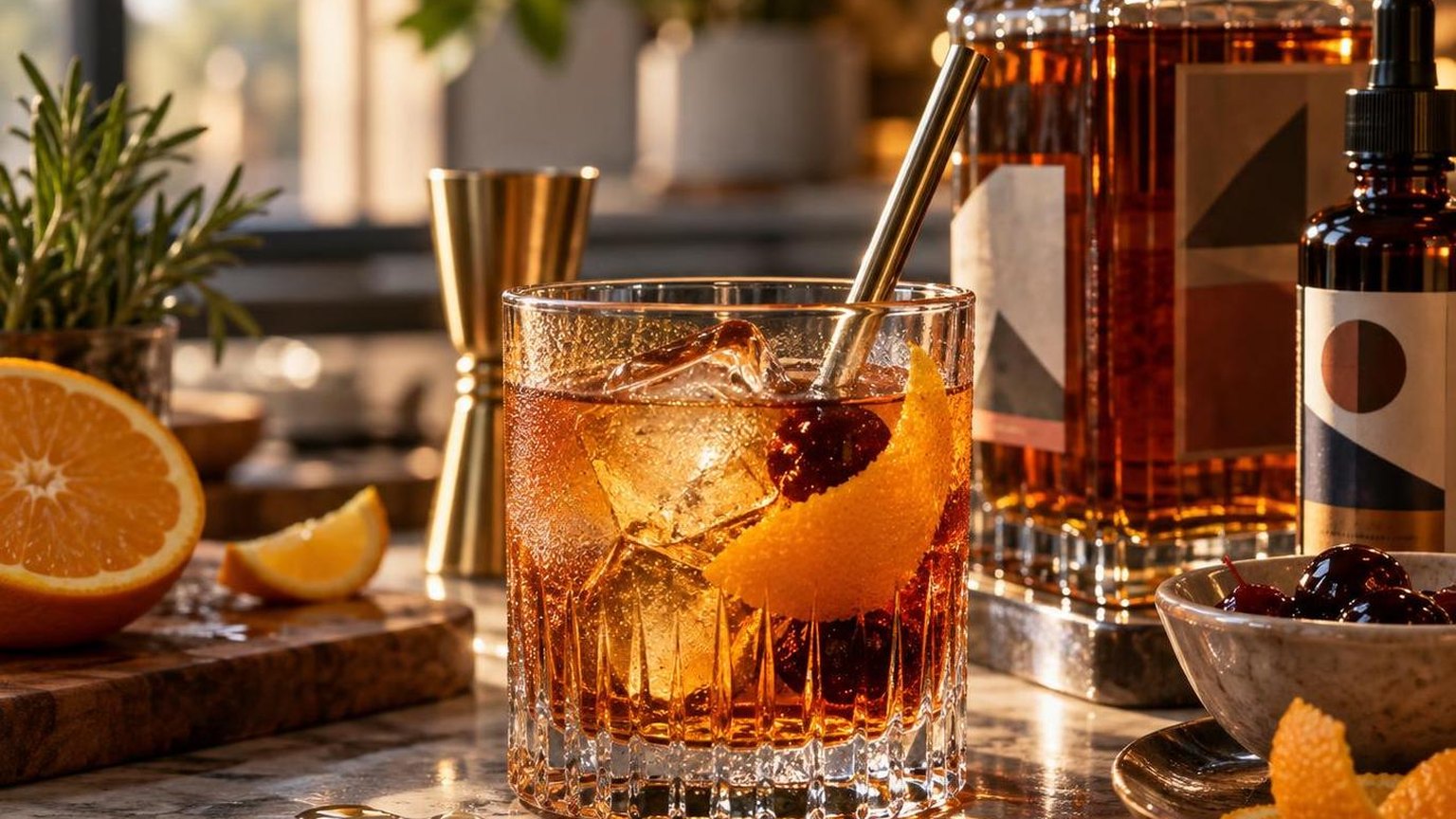
Why Straw Sipping Can Backfire
Drinking alcohol through a straw bypasses your mouth’s natural pacing mechanisms. The result is faster consumption, reduced flavor perception, and potential oral health consequences that most drinkers never consider.
You Drink Faster Than You Realize
A standard straw delivers liquid at roughly 1–2 mL per sip with minimal effort. Without the tilting motion of a glass, your brain receives fewer “slow down” cues.
Studies on beverage consumption speed show straw use can increase intake rate by 20–30% compared to open-rim sipping.
Blood Alcohol Concentration (BAC) Implications
Faster drinking compresses alcohol absorption into a shorter window. The liver metabolizes approximately 0.015 g/dL of BAC per hour—a fixed rate unaffected by consumption speed.
Drinking faster means peak BAC climbs higher before metabolism catches up.
| Scenario | Time to Finish 2 Cocktails | Estimated Peak BAC (150 lb person) |
| Open glass, casual pace | 60–80 minutes | ~0.04 g/dL |
| Straw, continuous sipping | 30–45 minutes | ~0.06 g/dL |
That difference can push a moderate drinker from “relaxed” territory toward legal impairment thresholds in many U.S. states (0.08 g/dL).
Oral and Dental Concerns
Straws concentrate acidic, sugary cocktails on specific teeth rather than distributing liquid across the mouth. The American Dental Association notes that prolonged contact with acidic beverages erodes enamel.
Cocktails typically register a pH between 2.5 and 4.0—well within the erosion danger zone below pH 5.5.
- Targeted enamel wear: Liquid hits the same teeth repeatedly, accelerating localized erosion
- Increased sugar exposure: Frozen and tiki cocktails averaging 25–35 g of sugar per serving coat teeth with each sip
- Perioral wrinkles: Repeated pursing of the lips around a straw contributes to fine lines over time, per dermatological consensus
The Carbonation Factor
Drinking carbonated cocktails—spritzes, highballs—through a straw increases air swallowing (aerophagia). This leads to bloating and discomfort, undermining the leisurely experience a wine bar or cocktail lounge aims to provide.
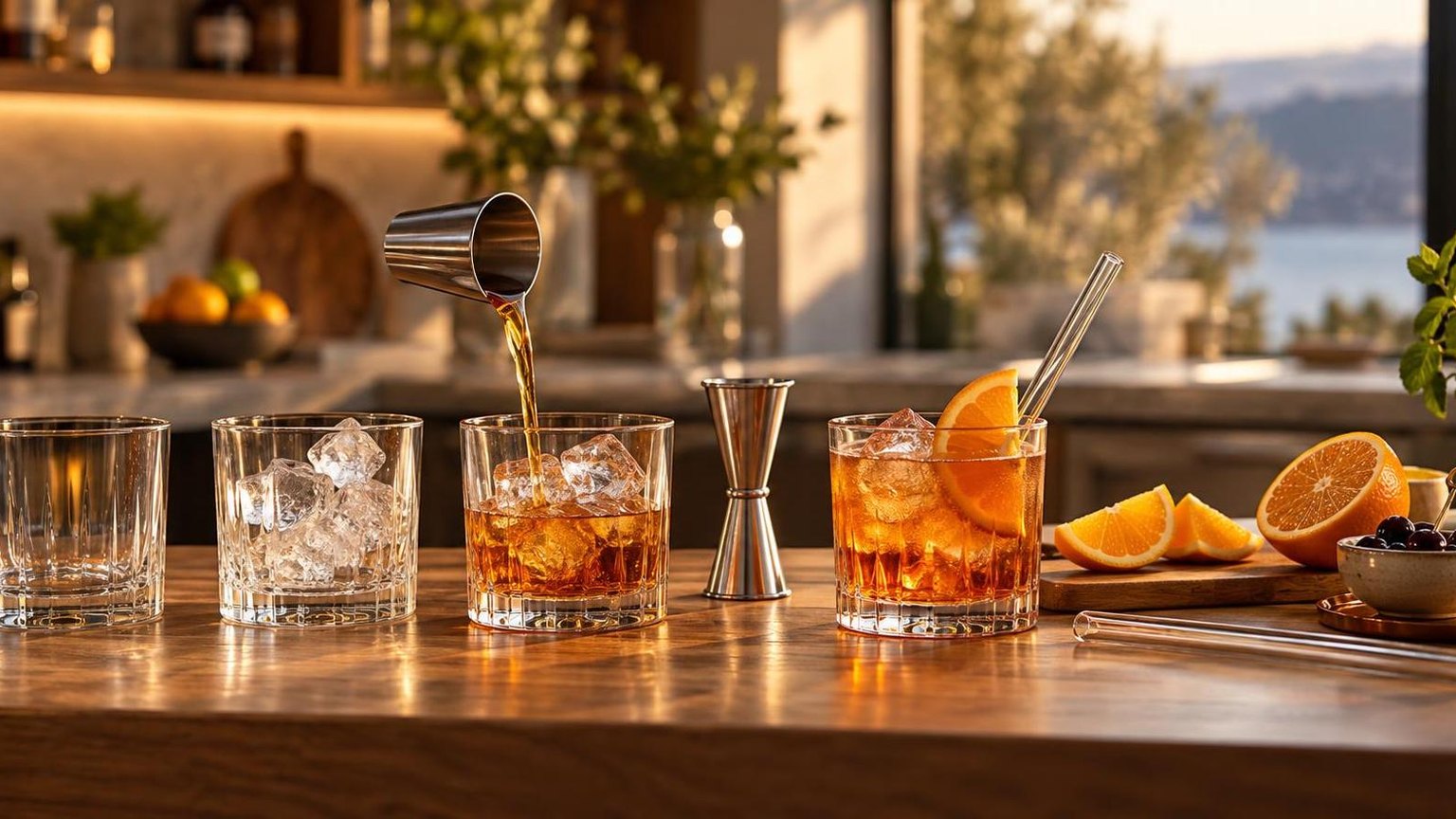
Carbonation Straws and Faster Intoxication
Using a straw does not chemically make alcohol stronger, and carbonation does not guarantee faster intoxication.
The main risk is behavioral: a straw can make a drink easier to consume quickly, while bubbles can change how rapidly some beverages leave the stomach.
Alcohol absorption depends primarily on the amount consumed, drinking speed, food in the stomach, body size, sex, medications, and liver metabolism. A straw bypasses none of these processes.
It may, however, reduce awareness of how much liquid has been consumed because sipping feels effortless.
What carbonation changes
Carbon dioxide may accelerate gastric emptying for some people, allowing alcohol to reach the small intestine sooner. The small intestine absorbs alcohol more efficiently than the stomach.
Research has not established a universal increase in blood alcohol concentration from carbonation.
A controlled study published in Alcohol and Alcoholism in 2003 compared champagne with different carbon dioxide conditions.
Participants drinking carbonated champagne reached peak blood alcohol concentration faster than those drinking champagne from which the carbonation had been removed.
The finding supports faster absorption in that setting, not a fixed percentage increase for every person or drink.
Carbonation effects vary with beverage strength, meal timing, serving size, and individual physiology. Beer, hard seltzer, sparkling wine, and carbonated mixed drinks can therefore produce different experiences.
Feeling intoxicated sooner does not mean the body has eliminated alcohol sooner.
Why straws can increase practical risk
- Rapid, repeated sips can shorten the time between drinks.
- Sweet flavors and cold temperatures can mask alcohol’s taste.
- A straw can make a large cup appear to be an ordinary single serving.
- Social drinking can encourage refills before the first drink has fully taken effect.
In the United States, one standard drink contains approximately 14 grams of pure alcohol: 12 fluid ounces of 5% beer, 5 fluid ounces of 12% wine, or 1.5 fluid ounces of 40% spirits. A 24-ounce 5% beer contains about two standard drinks, not one.
| Drink | Serving | Approximate standard drinks |
| 5% beer | 12 fl oz | 1 |
| 12% wine | 5 fl oz | 1 |
| 40% spirits | 1.5 fl oz | 1 |
| 10% canned cocktail | 12 fl oz | About 2 |
Count standard drinks rather than strawfuls or glasses. Pace consumption, eat before drinking, alternate with water, and do not drive after drinking. Carbonation and a straw can alter speed, but only time lowers blood alcohol concentration.
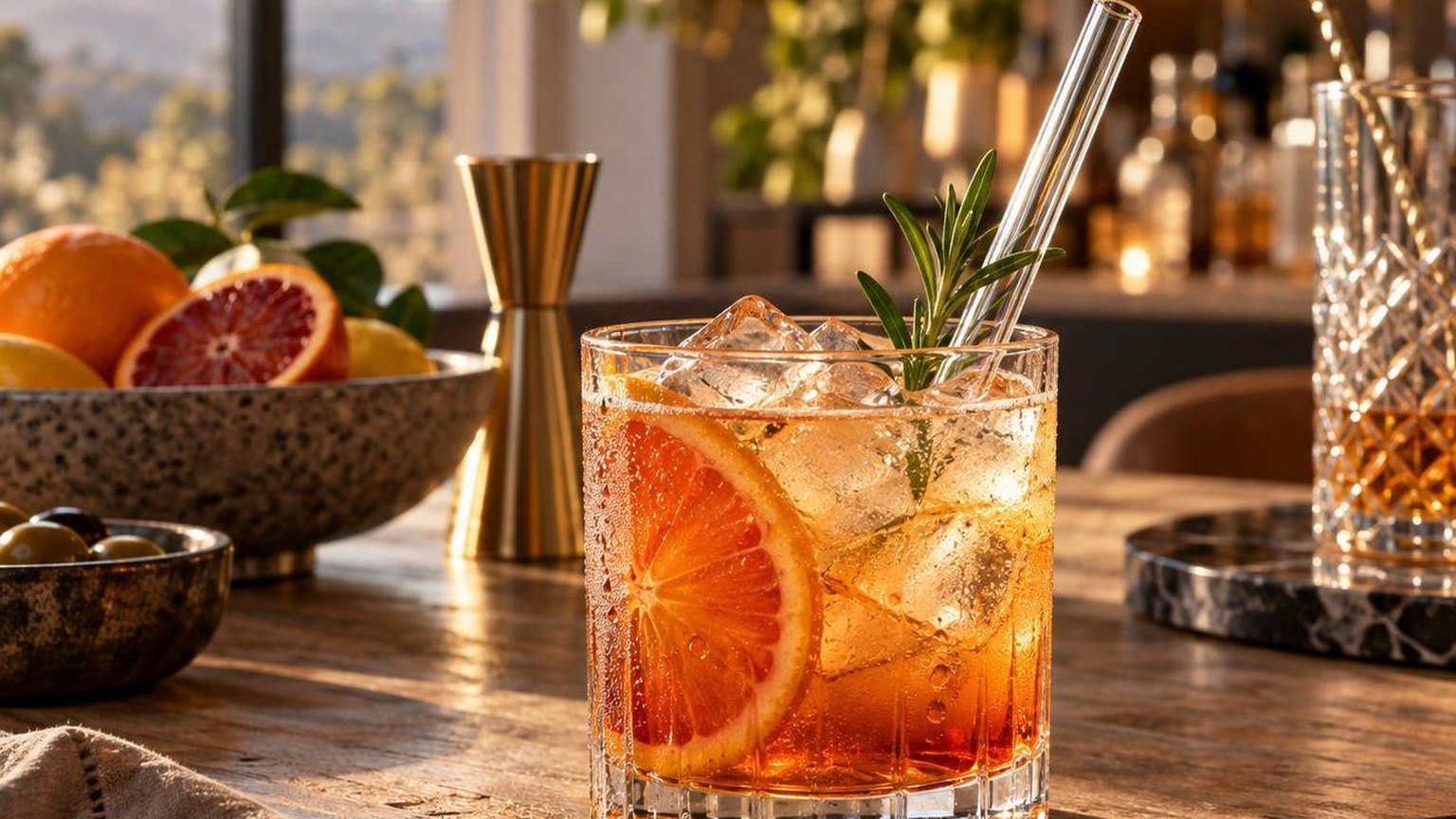
Cocktails That Should Use Straws
Not every cocktail benefits from a straw, but certain drink categories genuinely require one for proper consumption. The distinction comes down to ice volume, layered construction, and serving vessel design.
Crushed-ice cocktails top the list. Drinks like the Mint Julep, Swizzle, and Cobbler pack 8–12 ounces of crushed ice into their vessels. Without a straw, you’re filtering ice shards through your teeth with every sip.
Tiki and Tropical Cocktails
Tiki drinks were designed around straws from their 1930s origins at Don the Beachcomber in Hollywood. These cocktails typically contain 4–6 ingredients layered over crushed or pebble ice in tall vessels.
| Cocktail | Typical Volume (oz) | Ice Type | Straw Necessity |
| Mai Tai | 8–10 | Crushed | High |
| Zombie | 12–14 | Crushed/pebble | High |
| Piña Colada | 10–12 | Blended | High |
| Mint Julep | 8–10 | Crushed | High |
| Mojito | 10–12 | Cubed + muddled mint | High |
| Caipirinha | 8–10 | Crushed + muddled lime | High |
Blended and Frozen Cocktails
Frozen Daiquiris, Margaritas, and Frosé reach serving temperatures around 26–28°F. Their thick, slushy consistency makes tilting and sipping from the rim impractical and messy.
Highballs and Collins-Style Drinks
A Tom Collins or Gin Fizz served in a 12–14 ounce Collins glass benefits from a straw. The tall, narrow shape means ice stacks high, blocking direct sipping from the rim.
- Layered shots and pousse-cafés — straws let drinkers pull from specific layers rather than mixing the carefully built density gradient
- Julep cups — the traditional silver or pewter vessel conducts cold intensely, making lip contact uncomfortable; a straw solves this
- Swizzles — named after the swizzle stick used to mix them, these Barbadian cocktails rely on straws positioned deep in the crushed ice
When to Skip the Straw
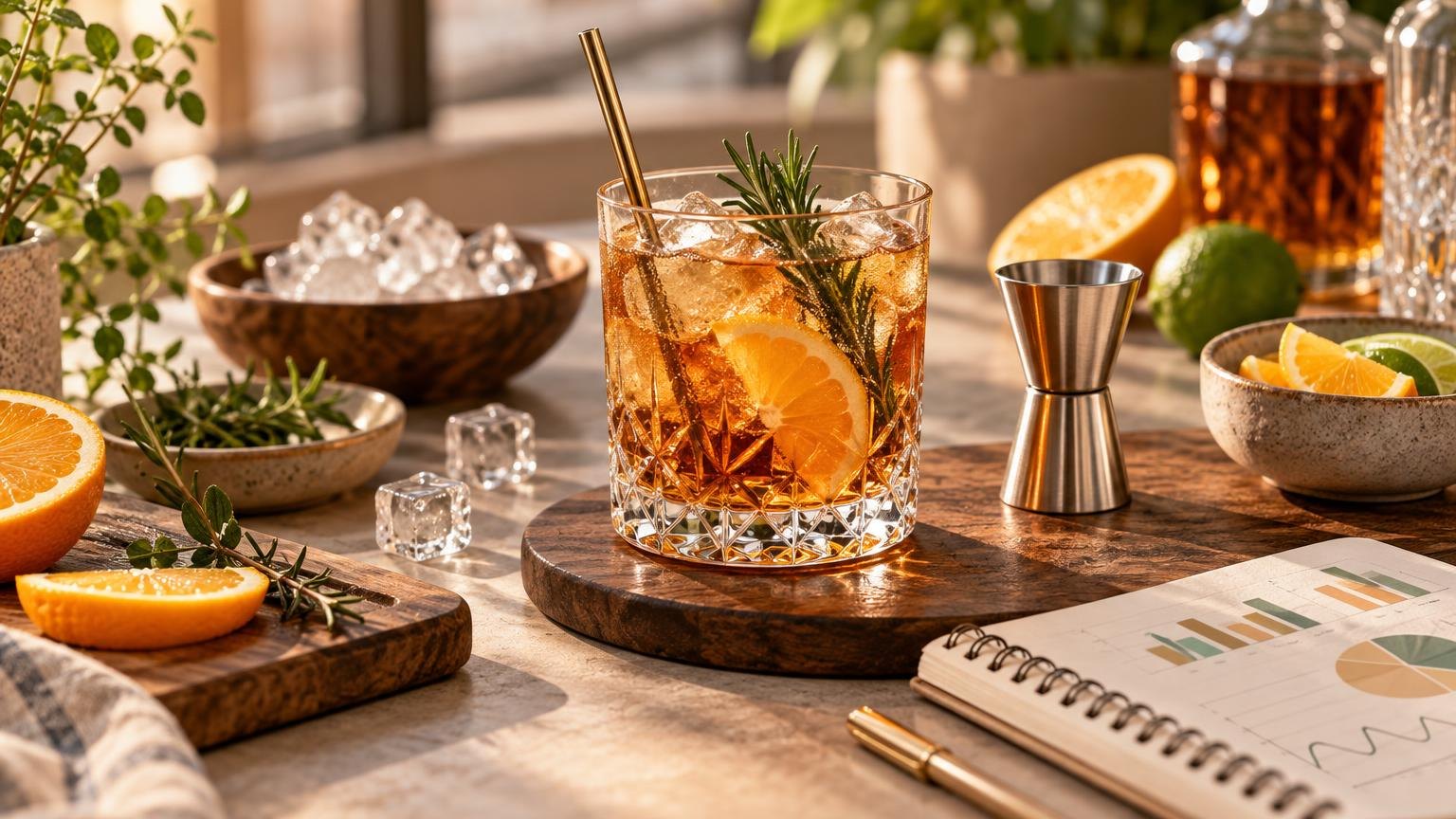
Spirit-forward cocktails served up — Martinis, Manhattans, Negronis — never take straws. These arrive in 5–6 ounce coupes or Nick & Nora glasses without ice, making straws functionally pointless and visually intrusive.
When Straws Make Drinking Riskier
Straws don’t chemically alter alcohol, but they change how you consume it. The mechanics of sipping through a narrow tube can accelerate intake, reduce awareness of volume consumed, and concentrate alcohol’s contact with oral tissues.
Faster Consumption, Higher Intake
A standard straw (6–8 mm diameter) delivers liquid in a continuous, controlled stream directly past the palate. This bypasses the natural sipping pause that occurs when tilting a glass.
Research on drinking pace shows that people consuming beverages through straws finish drinks 15–30% faster on average compared to open-glass sipping. Faster consumption raises blood alcohol concentration (BAC) more steeply.
| Method | Average Time to Finish 150 ml Wine | Perceived Intoxication Awareness |
| Open glass sipping | 12–18 minutes | Higher — aroma and taste cues present |
| Standard straw | 8–14 minutes | Lower — reduced aroma detection |
| Wide boba straw (12 mm) | 6–10 minutes | Lowest — rapid volume delivery |
Reduced Sensory Feedback
Aroma accounts for roughly 80% of flavor perception according to sensory science research. Straws direct liquid past the nose, limiting retronasal olfaction and diminishing your ability to gauge alcohol strength.
With fewer taste and smell cues, drinkers often underestimate the potency of cocktails. This is especially problematic with high-ABV frozen drinks served with straws, which commonly contain 2–3 standard drinks per serving.
Oral Health and Tissue Exposure
Straws concentrate liquid flow onto a narrow area of soft tissue. Repeated alcohol exposure to the same spot on the inner lip or gum can increase irritation and mucosal damage over time.
- Alcohol is a known irritant to oral mucosa at concentrations above 25% ABV
- Concentrated, repeated contact may elevate localized risk for oral lesions
- The World Health Organization classifies alcohol consumption as a Group 1 carcinogen for oral cavity cancers
Portion Distortion
Large-format cocktails — fishbowls, scorpion bowls, yard glasses — almost always include straws. A single fishbowl typically contains 4–6 standard drinks.
The straw makes continuous sipping effortless, masking total alcohol volume consumed across a sitting.
Safer Ways to Sip Cocktails
Straws accelerate alcohol intake, but abandoning them entirely isn’t the only solution. Strategic adjustments to drinking pace, straw selection, and glass choice can reduce the risks while preserving the experience.
Control Your Pace
The average cocktail contains 1.5 oz (44 ml) of spirits—roughly 14 grams of pure alcohol. The liver metabolizes about 1 standard drink per hour. Exceeding that rate forces acetaldehyde buildup, intensifying intoxication and hangover severity.
- Set a timer or mental checkpoint: one drink per 60–90 minutes
- Alternate every cocktail with a full 8 oz glass of water
- Eat protein or fat-rich food before drinking—this slows gastric emptying by up to 50%, per British Medical Journal research
Choose the Right Straw
Straw diameter directly affects flow rate. A wider straw delivers more liquid per sip, increasing alcohol consumption speed. Narrower options force slower intake.
| Straw Type | Inner Diameter | Flow Rate Effect |
| Standard plastic | 6–7 mm | Moderate intake speed |
| Boba / jumbo | 12–14 mm | Up to 2× faster delivery |
| Cocktail stirrer straw | 3–4 mm | Significantly slower sipping |
| Metal/bamboo thin | 5–6 mm | Slightly reduced flow vs. standard |
Thin cocktail stirrer straws (3–4 mm) are the safest straw option. They physically restrict each sip to roughly 2–3 ml, compared to 8–10 ml through a boba straw.
Glass Shape Matters
A 2016 University of Bristol study found that people drink 60% slower from straight-sided glasses than curved ones. Curved glasses distort perceived volume, making drinkers misjudge how much remains.
- Choose a highball or Collins glass—tall, straight walls encourage pacing
- Avoid wide-mouth coupe glasses when using straws; the open surface increases aroma exposure, prompting faster sipping
- Request your cocktail on the rocks—ice dilution lowers ABV by 15–25% over 10 minutes
Combining a narrow straw, straight-sided glass, and deliberate pacing can cut effective alcohol intake rate by more than half without sacrificing enjoyment.
Questions People Ask Most
Does drinking alcohol through a straw make you drunk faster?
No. There is no scientific evidence that a straw increases the rate of alcohol absorption into the bloodstream.
The ethanol still enters your stomach and small intestine at the same pace regardless of delivery method; blood alcohol concentration (BAC) is determined by the volume consumed, alcohol percentage, body weight.
And metabolism—not the drinking vessel or straw.
Why do people feel more intoxicated when using a straw?
Straws encourage faster sipping, which means you can consume a larger volume of liquid in a shorter period without realizing it.
A 2019 behavioral study published in the journal Alcohol and Alcoholism confirmed that drinking speed is a stronger predictor of perceived intoxication than the container or tool used.
The psychological association of “easy sipping” also reduces the mental pause between drinks.
Can drinking cocktails through a straw reduce teeth staining from red wine or dark spirits?
Partially. A straw directs liquid past the front teeth, limiting contact between chromogens (color compounds) and enamel.
However, the American Dental Association notes that acidic alcoholic beverages—wine at pH 3.0–3.5, for example—still expose rear teeth and soft tissue to erosion, so a straw is not a complete protective measure.
What types of straws are recommended for hot cocktails like toddies or warm sake?
Stainless steel and borosilicate glass straws withstand temperatures up to 200 °C (392 °F) and do not leach chemicals into heated drinks.
Standard plastic straws (polypropylene) begin to soften around 100 °C and can release microplastics at elevated temperatures.
Bamboo straws are heat-safe but may impart a slight woody flavor that alters delicate spirits like junmai daiginjo sake.
Does sipping wine through a straw change its flavor profile?
Yes. Wine aroma accounts for roughly 80 % of perceived flavor, according to sensory research from UC Davis’s Department of Viticulture and Enology.
A straw bypasses the normal glass-to-lip delivery that channels volatiles toward the nose, significantly muting aromatic perception.
Swirling, sniffing, and open-rim sipping remain essential for evaluating tannin structure, acidity, and bouquet in any quality wine.
Are there any health risks specific to drinking alcohol with a straw?
The primary risk is unintentional overconsumption; straws remove the visual cue of a diminishing glass, making it harder to track intake.
Carbonated alcoholic drinks consumed through a narrow straw can also increase aerophagia (air swallowing), leading to bloating and gastric discomfort.
For individuals with acid reflux (GERD), the combination of swallowed air and ethanol’s lower esophageal sphincter relaxation—documented at doses as low as 0.5 g/kg body weight—can worsen symptoms.
Related Guides
- How Many Gallons Is 73 Oz?
- What Is A Wine Cooler? Benefits, Types & How to Choose (2026)
- How Many Coronas To Get Drunk? Answer By Expert
- How Many Shots Does It Take To Get Drunk?
- How Many Ounces Are In 2.5 Gallons? – 2026
- How Many 16 Ounce Bottles Make A Gallon?
- All Blog Guides
- National Institute on Alcohol Abuse and Alcoholism – Understanding the Impact of Alcohol on Human Health (2023)
- Centers for Disease Control and Prevention – Alcohol and Public Health FAQs (2024)
- National Institutes of Health – Alcohol's Effects on the Body (2023)
- PubMed – Alcohol Absorption Rate and Factors Affecting Blood Alcohol Concentration (2017)
- Brown University Health Promotion – Alcohol and Your Body (2023)
- University of Notre Dame McDonald Center – Alcohol Absorption Factors (2023)
- Drinkaware – The Effects of Alcohol on Your Body (2024)
- Healthline – Does Drinking Alcohol Through a Straw Get You Drunk Faster? (2023)