Jarritos Is A Nonalcoholic Soda
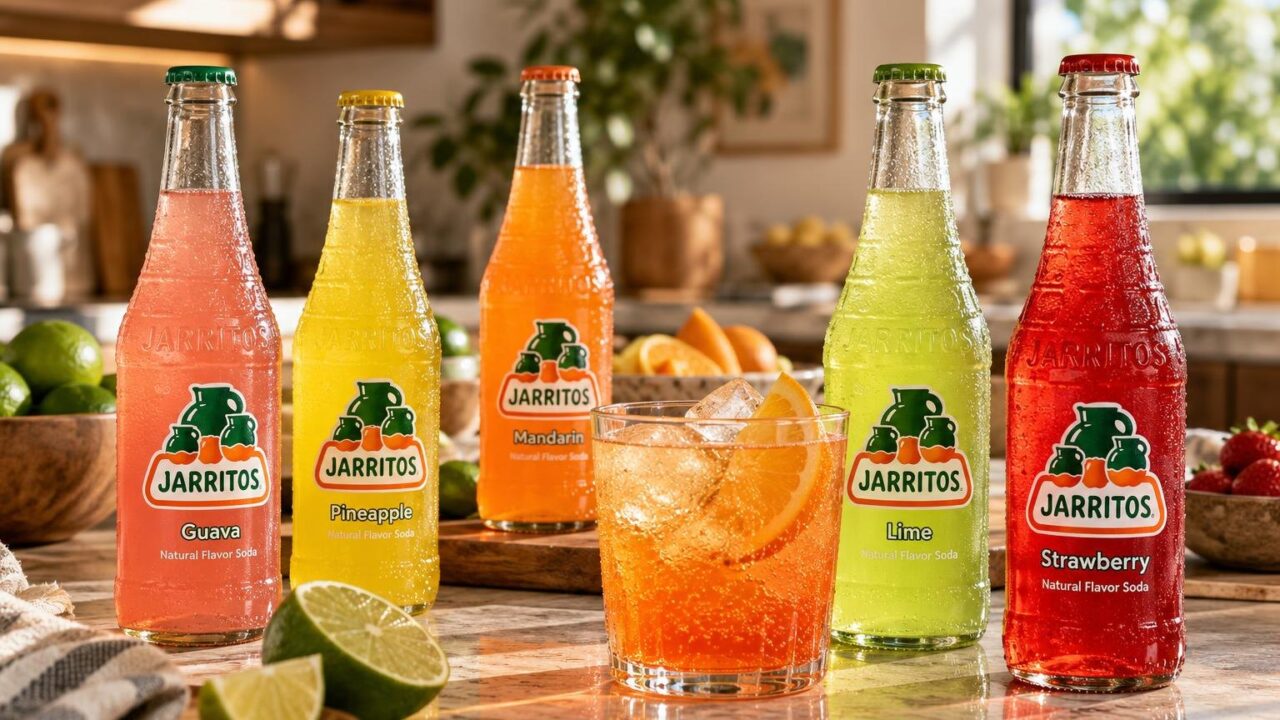
Jarritos contains zero alcohol. Every flavor in the lineup is a standard soft drink made with carbonated water, sugar, and natural or artificial flavors. The brand has never produced or marketed an alcoholic beverage since its founding in 1950.
Jarritos is manufactured by Novamex in Guadalajara, Mexico. The company exclusively produces nonalcoholic carbonated beverages. Its products are classified as refrescos (soft drinks) under both Mexican NOM standards and U.S.
FDA food labeling regulations.
The full Jarritos lineup includes 13 fruit-flavored sodas. None contain ethanol or any fermented ingredient. Here is a breakdown of key flavors and their alcohol content:
| Flavor | Alcohol Content | Primary Sweetener |
| Tamarind | 0.0% | Sugar |
| Mandarin | 0.0% | Sugar |
| Guava | 0.0% | Sugar |
| Pineapple | 0.0% | Sugar |
| Lime | 0.0% | Sugar |
| Fruit Punch | 0.0% | Sugar |
| Mango | 0.0% | Sugar |
| Grapefruit | 0.0% | Sugar |
| Strawberry | 0.0% | Sugar |
Confusion sometimes arises because Jarritos is a popular mixer in cocktails. Bartenders frequently combine Jarritos with tequila, mezcal, or vodka in drinks like the Paloma or Mexican Candy Shot.
The mixer role does not make Jarritos itself alcoholic. The alcohol comes entirely from the spirit added by the bartender. A sealed bottle of Jarritos purchased at a grocery store or taqueria is always alcohol-free.
Several factors reinforce its nonalcoholic status:
- Jarritos carries no TTB (Alcohol and Tobacco Tax and Trade Bureau) label approval, which would be required for any alcoholic beverage sold in the U.S.
- The product is sold in standard grocery and convenience store aisles alongside other sodas, not in age-restricted sections.
- No age verification is needed to purchase Jarritos anywhere in the United States or Mexico.
- The ingredient lists on all 13 flavors show no ethanol, malt, or fermented components.
Jarritos is safe for children, pregnant individuals, and anyone avoiding alcohol. It is a soft drink — nothing more.
Why Jarritos Contains No Alcohol
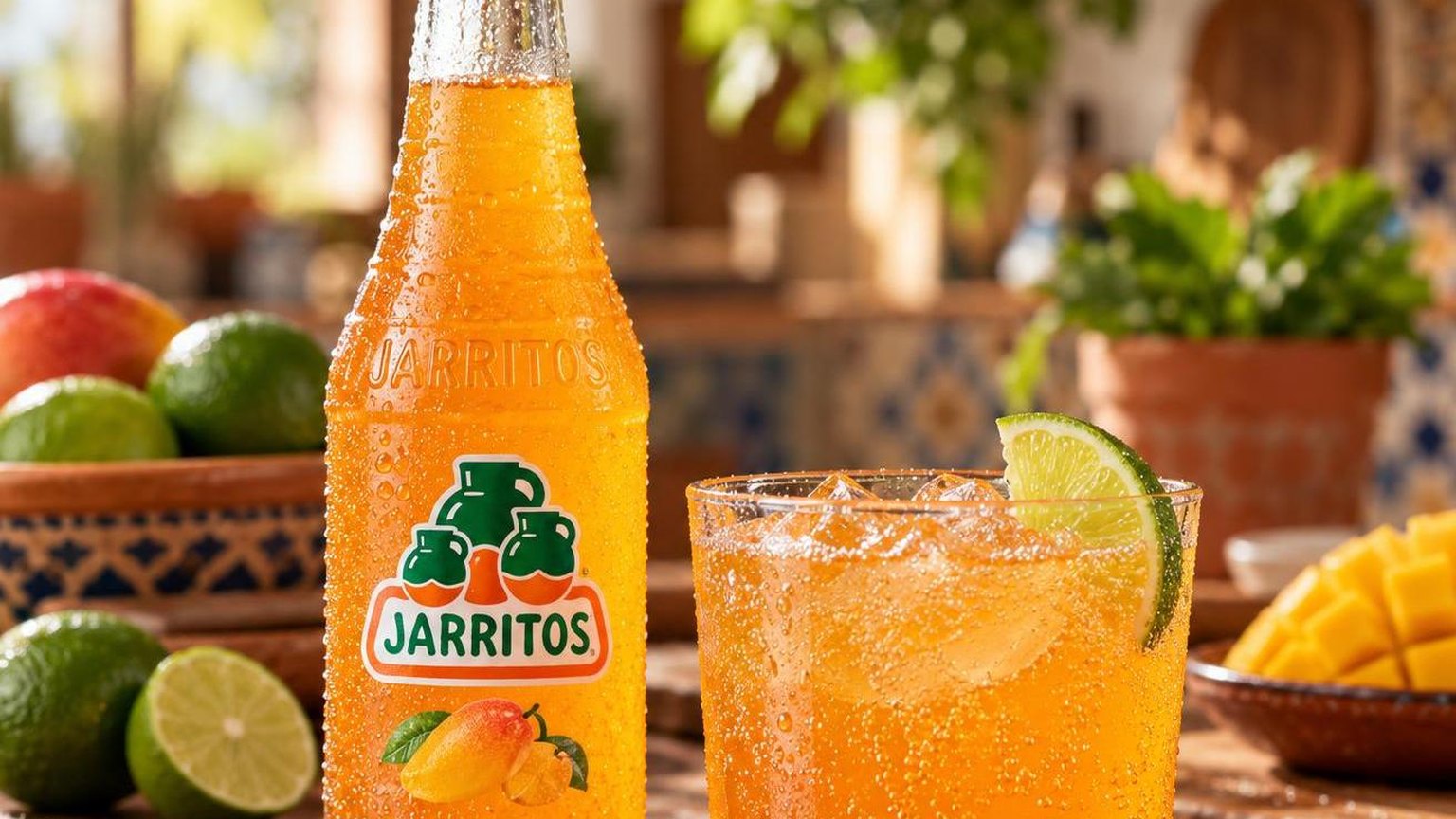
Jarritos is a non-alcoholic soft drink by design, formulated and marketed as a carbonated fruit-flavored soda since its founding in 1950. The production process involves no fermentation, distillation, or any alcohol-generating step.
The brand was created by Don Francisco “El Güero” Hill in Guadalajara, Mexico, specifically as a family-friendly refresco. Its name means “little jugs,” referencing traditional Mexican clay drinking vessels.
How Jarritos Is Made
Jarritos uses carbonated water, sugar, citric acid, natural flavors, and artificial colors. None of these ingredients undergo fermentation, the biochemical process required to produce ethanol.
- Carbonation: CO₂ is mechanically dissolved into water under pressure — no yeast involved
- Sweetener: Cane sugar is added directly, not converted by microorganisms
- Flavoring: Natural and artificial fruit flavors are blended in, not fermented from fruit juice
- Preservation: Sodium benzoate prevents microbial growth, further ensuring no alcohol forms in the bottle
Alcohol Content: Jarritos vs. Other Beverages
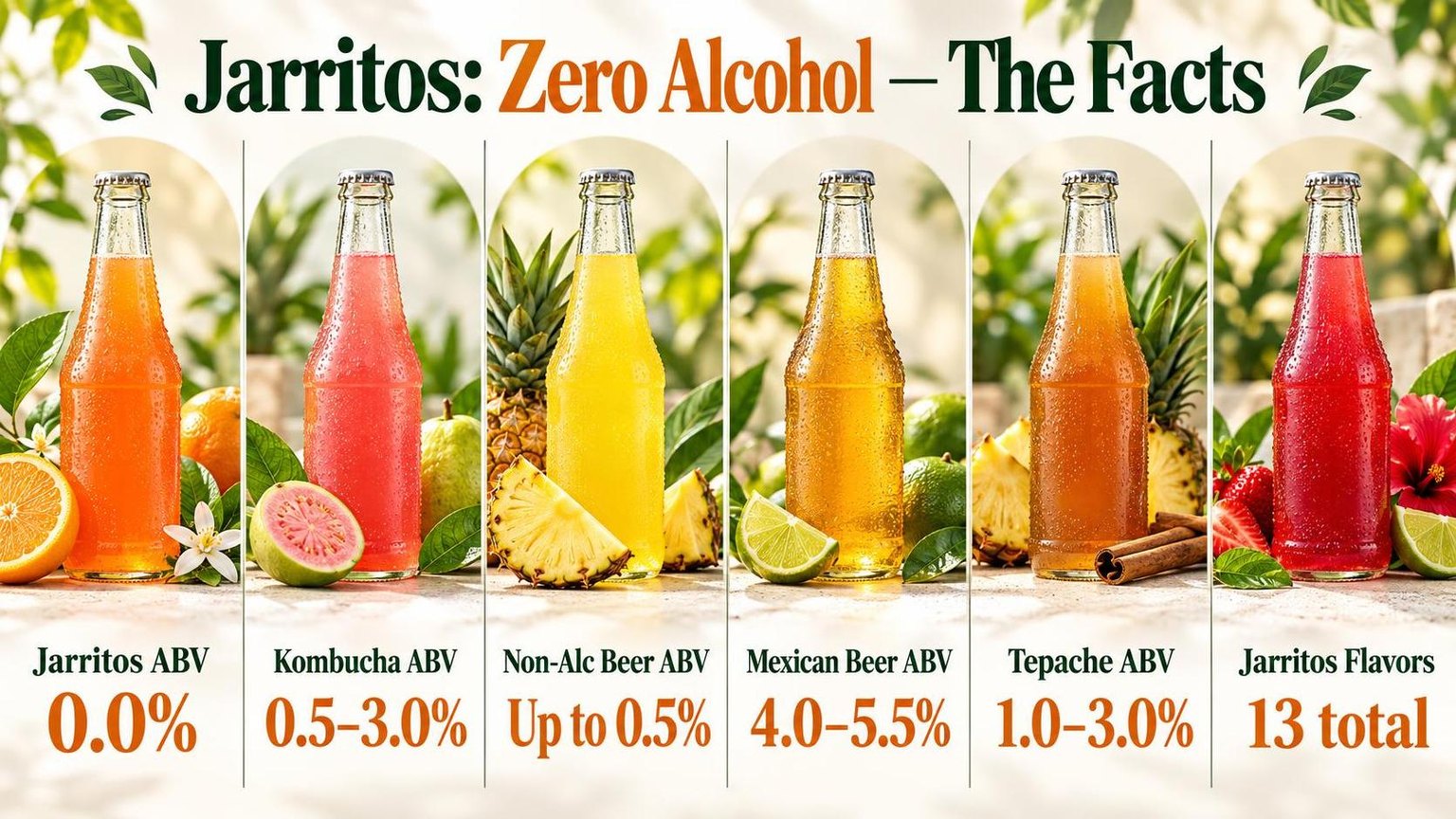
| Beverage | Alcohol by Volume (ABV) | Classification |
| Jarritos (all 13 flavors) | 0.0% | Non-alcoholic soft drink |
| Kombucha (typical) | 0.5–3.0% | Fermented tea |
| Non-alcoholic beer | Up to 0.5% | De-alcoholized beer |
| Standard Mexican beer | 4.0–5.5% | Alcoholic beverage |
| Tepache (traditional) | 1.0–3.0% | Fermented pineapple drink |
Even beverages labeled “non-alcoholic” can contain trace ethanol up to 0.5% ABV. Jarritos registers at a flat 0.0% because no fermentation occurs at any production stage.
The Cocktail Mixer Confusion
Jarritos gained visibility in bars as a popular cocktail mixer, particularly with tequila and mezcal. This association leads some consumers to question whether the soda itself contains alcohol.
Bartenders frequently pair Jarritos Mandarina or Toronja with spirits in palomas and other Mexican-inspired cocktails. The soda contributes flavor and carbonation — never alcohol.
When served unmixed, Jarritos remains entirely alcohol-free and safe for all ages.
Jarritos Flavors And Alcohol Ingredients
Jarritos produces 13 fruit-flavored sodas, and none contain alcohol. Every variety is a non-alcoholic soft drink made with natural fruit flavors and cane sugar, registering 0.0% ABV across the entire product line.
The brand, founded in 1950 in Guadalajara, Mexico, by Don Francisco “El Güero” Hill, has never manufactured alcoholic beverages under its own label.
Complete Jarritos Flavor Lineup
| Flavor | Alcohol Content | Primary Sweetener |
| Tamarind (Tamarindo) | 0.0% ABV | Cane Sugar |
| Mandarin (Mandarina) | 0.0% ABV | Cane Sugar |
| Fruit Punch | 0.0% ABV | Cane Sugar |
| Guava (Guayaba) | 0.0% ABV | Cane Sugar |
| Pineapple (Piña) | 0.0% ABV | Cane Sugar |
| Strawberry (Fresa) | 0.0% ABV | Cane Sugar |
| Lime (Limón) | 0.0% ABV | Cane Sugar |
| Grapefruit (Toronja) | 0.0% ABV | Cane Sugar |
| Mango | 0.0% ABV | Cane Sugar |
| Jamaica (Hibiscus) | 0.0% ABV | Cane Sugar |
| Watermelon (Sandía) | 0.0% ABV | Cane Sugar |
| Passion Fruit (Maracuyá) | 0.0% ABV | Cane Sugar |
| Mexican Cola | 0.0% ABV | Cane Sugar |
Key Ingredients Across All Flavors
Standard Jarritos ingredients include carbonated water, cane sugar, citric acid, natural flavors, and sodium benzoate as a preservative. No ethanol or fermented ingredients appear in any formulation.
- Cane sugar replaces high-fructose corn syrup — a defining feature separating Jarritos from many US-market sodas
- Natural fruit flavors are used in every variety, though exact sourcing details remain proprietary
- Artificial colors such as FD&C Yellow 6 and Red 40 appear in select flavors like Mandarin and Strawberry
- Sodium benzoate serves as the primary preservative across the lineup
The Cocktail Confusion
Jarritos is widely used as a mixer in Mexican-inspired cocktails. Bartenders pair Tamarind and Mango flavors with tequila, and Grapefruit with mezcal in Paloma variations.
This mixing culture likely drives the common misconception that Jarritos itself contains alcohol. The bottle you purchase at a grocery store or taquería is always 100% non-alcoholic.
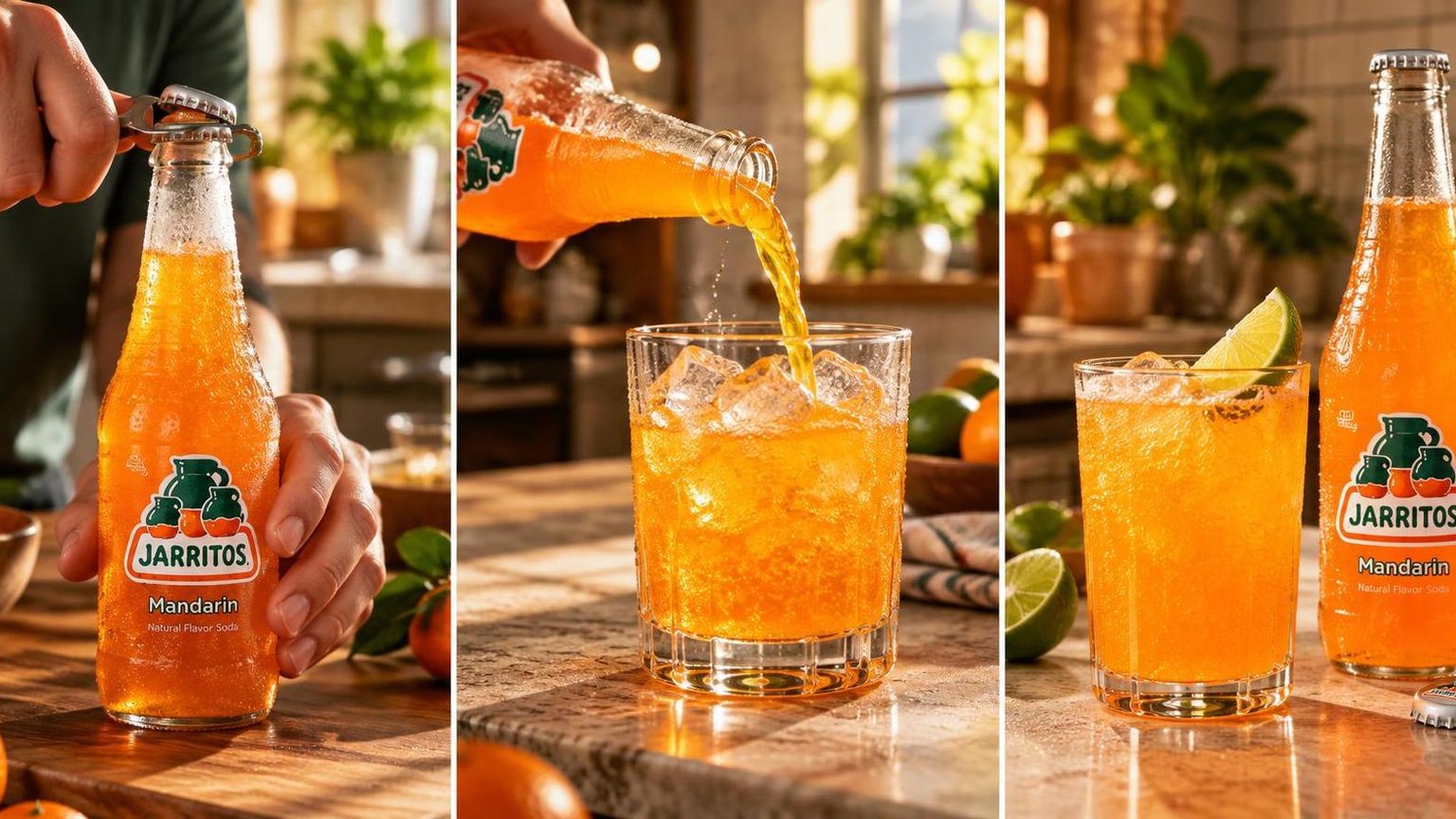
Jarritos Mexican Soda Labeling Standards
Jarritos sodas are manufactured by Novamex and comply with both Mexican NOM labeling regulations and U.S. FDA requirements for non-alcoholic beverages.
Every bottle explicitly states “soft drink” or “refresco” on its label, confirming zero alcohol content.
Key Label Information
Mexican food and beverage labeling falls under NOM-051-SCFI/SSA1-2010, updated in 2020 with front-of-pack warning octagon requirements for products high in sugar, calories, sodium, or saturated fat.
Jarritos bottles carry black octagonal warnings for excess sugar and excess calories on packaging sold in Mexico. U.S.-distributed bottles follow FDA Title 21 CFR labeling standards instead.
Nutritional Label Comparison: Mexico vs. U.S. Packaging
| Label Element | Mexico (NOM-051) | U.S. (FDA) |
| Serving size | 200 mL | 240 mL (8 fl oz) |
| Calories per serving (Mandarina) | 88 kcal | 110 kcal |
| Sugar per serving (Mandarina) | 22 g | 27 g |
| Front-of-pack warnings | Black octagons required | Not required |
| Alcohol declaration | Not listed (0%) | Not listed (0%) |
| Product classification | Refresco / Bebida no alcohólica | Soft drink |
What the Label Tells You About Alcohol
FDA regulations require any beverage containing 0.5% ABV or more to carry an alcohol declaration. Jarritos carries no such declaration because it contains no ethanol whatsoever.
The ingredient list on every Jarritos flavor includes filtered water, sugar, citric acid, natural flavors, and sodium benzoate as a preservative. No fermentation agents or alcohol derivatives appear.
- Sugar source: Cane sugar listed as the primary sweetener on all 12+ flavors
- Preservative: Sodium benzoate at levels permitted under 21 CFR 184.1733
- Colorants: FD&C-approved dyes varying by flavor (e.g., Yellow 6 in Mandarina)
- Carbonation: Added CO₂, not produced through fermentation
Jarritos holds no TTB (Alcohol and Tobacco Tax and Trade Bureau) permit because none is required. Only beverages exceeding 0.5% ABV need TTB approval for U.S. distribution.
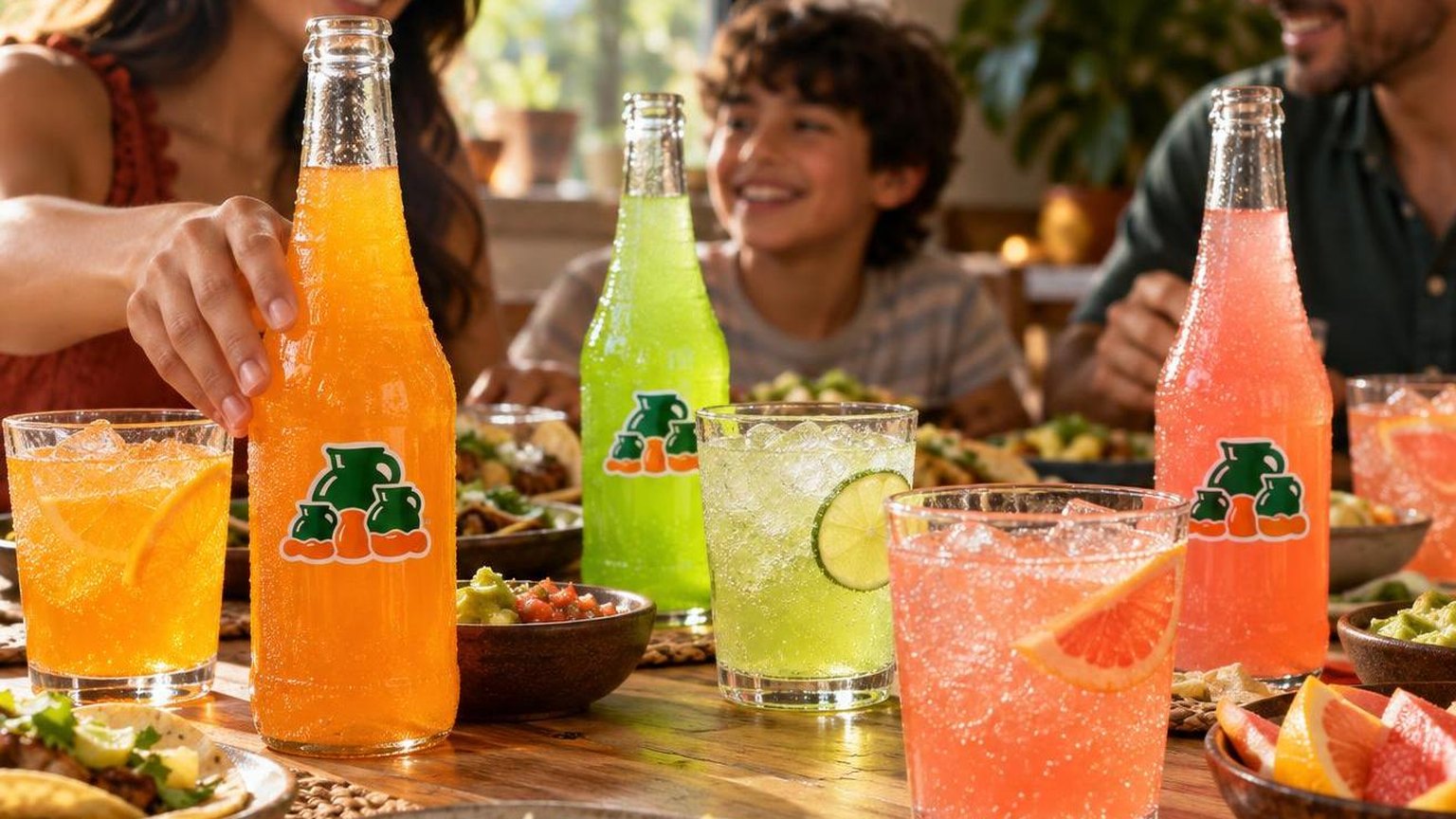
Can Jarritos Ferment Or Expire
Jarritos does not ferment into an alcoholic beverage under normal storage conditions. However, like all sugar-containing drinks, it can undergo microbial fermentation if contaminated or stored improperly, and it does carry a printed expiration date.
Shelf Life By Format
Jarritos products have different shelf lives depending on packaging. Unopened bottles stored in a cool, dry place maintain quality well past purchase date.
| Format | Unopened Shelf Life | Opened (Refrigerated) |
| 370 mL glass bottle | 9–12 months from production | 2–4 days |
| 600 mL PET plastic bottle | 6–9 months from production | 1–3 days |
| 1.5 L PET plastic bottle | 6–9 months from production | 2–4 days |
When Fermentation Could Occur
Natural cane sugar — listed as the primary sweetener in Jarritos — is a fermentable substrate. Wild yeast or bacteria introduced through a compromised seal can convert sugar into ethanol and carbon dioxide.
- Temperature threshold: Microbial activity accelerates above 80°F (27°C), making warm storage a risk factor.
- Damaged cap or seal: A cracked or loose cap allows airborne yeast to enter, initiating spontaneous fermentation within 48–72 hours in warm conditions.
- Trace alcohol production: Fermented soft drinks can reach 0.5–2% ABV unintentionally, enough to produce a noticeably yeasty or vinegar-like off-flavor.
How To Identify A Compromised Bottle
Several sensory and visual cues indicate a Jarritos bottle has gone off or begun fermenting. Discard any bottle showing these signs.
- Excessive fizzing or pressure release beyond normal carbonation when opened
- Cloudy appearance in normally clear flavors like Lime or Grapefruit
- Sour, yeasty, or vinegar-like odor replacing the expected fruit aroma
- Bulging or deformed plastic bottle indicating internal gas buildup
An intact, properly stored Jarritos contains 0.0% alcohol. The beverage is pasteurized during production, which kills yeast and bacteria before sealing.
Fermentation only becomes possible when that seal is broken or storage conditions deviate significantly from the recommended 59–77°F (15–25°C) range.
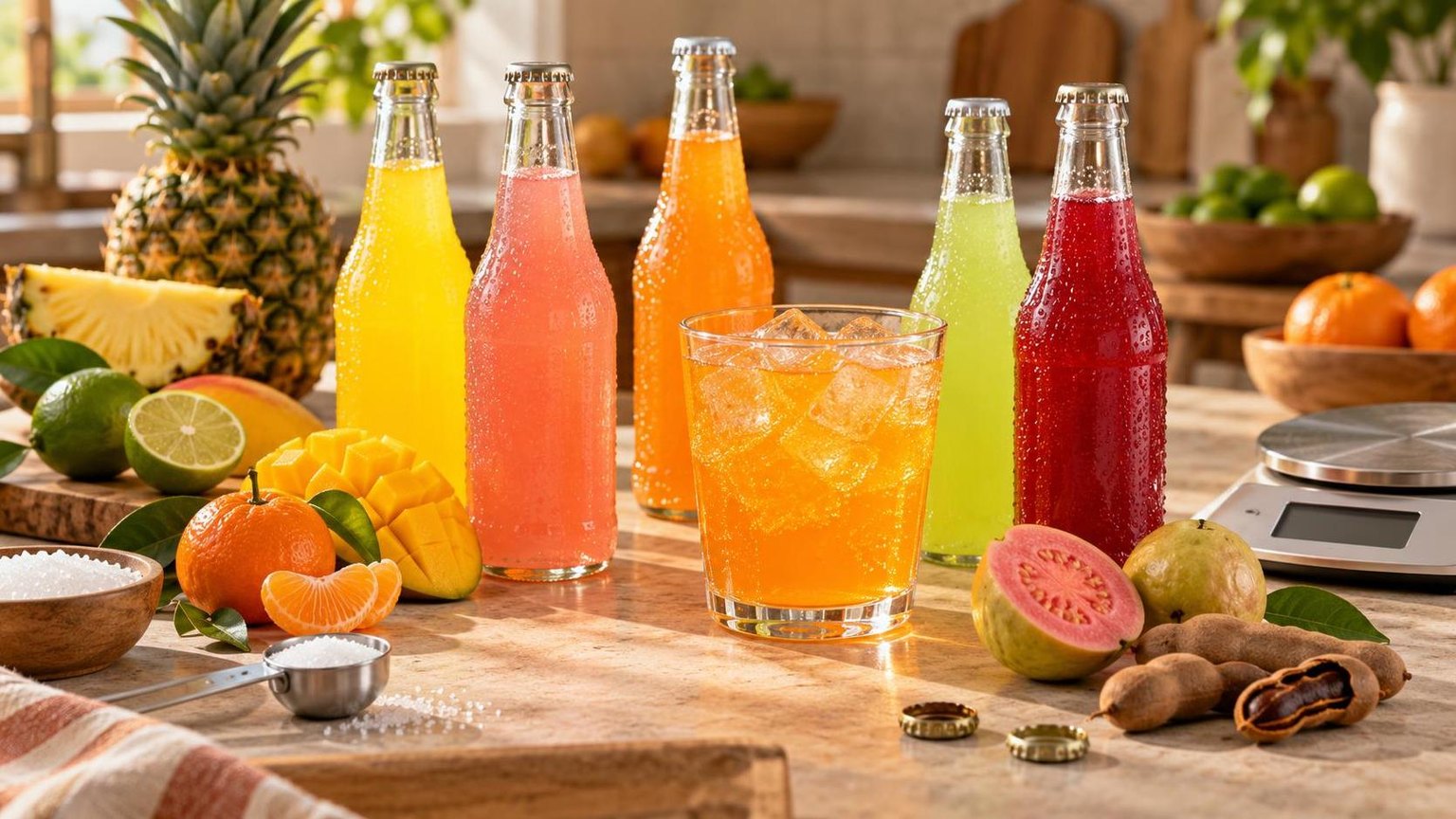
Jarritos Compared With Hard Sodas
Jarritos is a non-alcoholic soft drink with 0.0% ABV, placing it in an entirely different product category than hard sodas. Understanding the nutritional and compositional differences helps consumers make informed choices at the shelf.
ABV and Calorie Comparison
Hard sodas entered the US market aggressively after 2015, led by Not Your Father’s Root Beer and Henry’s Hard Soda. They contain malt alcohol or fermented sugar bases blended with soda-style flavoring.
| Product | ABV | Calories (12 oz) | Sugar (g) |
| Jarritos Mandarin (12.5 oz) | 0.0% | 150 | 39 |
| Henry’s Hard Orange Soda | 4.2% | 232 | 31 |
| Not Your Father’s Root Beer | 5.9% | 177 | 24 |
| Smirnoff Ice Screwdriver | 4.5% | 228 | 32 |
| Mike’s Hard Lemonade | 5.0% | 220 | 31 |
Hard sodas derive a significant portion of their calories from alcohol itself. Each gram of ethanol contributes approximately 7 calories, independent of sugar content.
Key Ingredient Differences
- Sweetener source: Jarritos uses cane sugar. Most hard sodas use high-fructose corn syrup or sucralose combined with a fermented malt or sugar-brew base.
- Carbonation method: Jarritos is force-carbonated. Some hard sodas gain partial carbonation through fermentation.
- Regulatory classification: Jarritos is regulated by the FDA as a food product. Hard sodas fall under TTB (Alcohol and Tobacco Tax and Trade Bureau) jurisdiction and require age verification for purchase.
- Artificial colors: Jarritos uses FD&C dyes for its vivid colors. Hard sodas also use artificial coloring but must additionally comply with TTB labeling rules.
Why the Confusion Exists
Jarritos’ bold fruit flavors and glass-bottle packaging visually resemble craft hard sodas and flavored malt beverages. Retailers sometimes stock them in adjacent cooler sections, compounding the mix-up.
The distinction is absolute: Jarritos contains zero alcohol, undergoes no fermentation, and can be legally purchased by consumers of any age. No variety in the Jarritos lineup has ever contained alcohol.
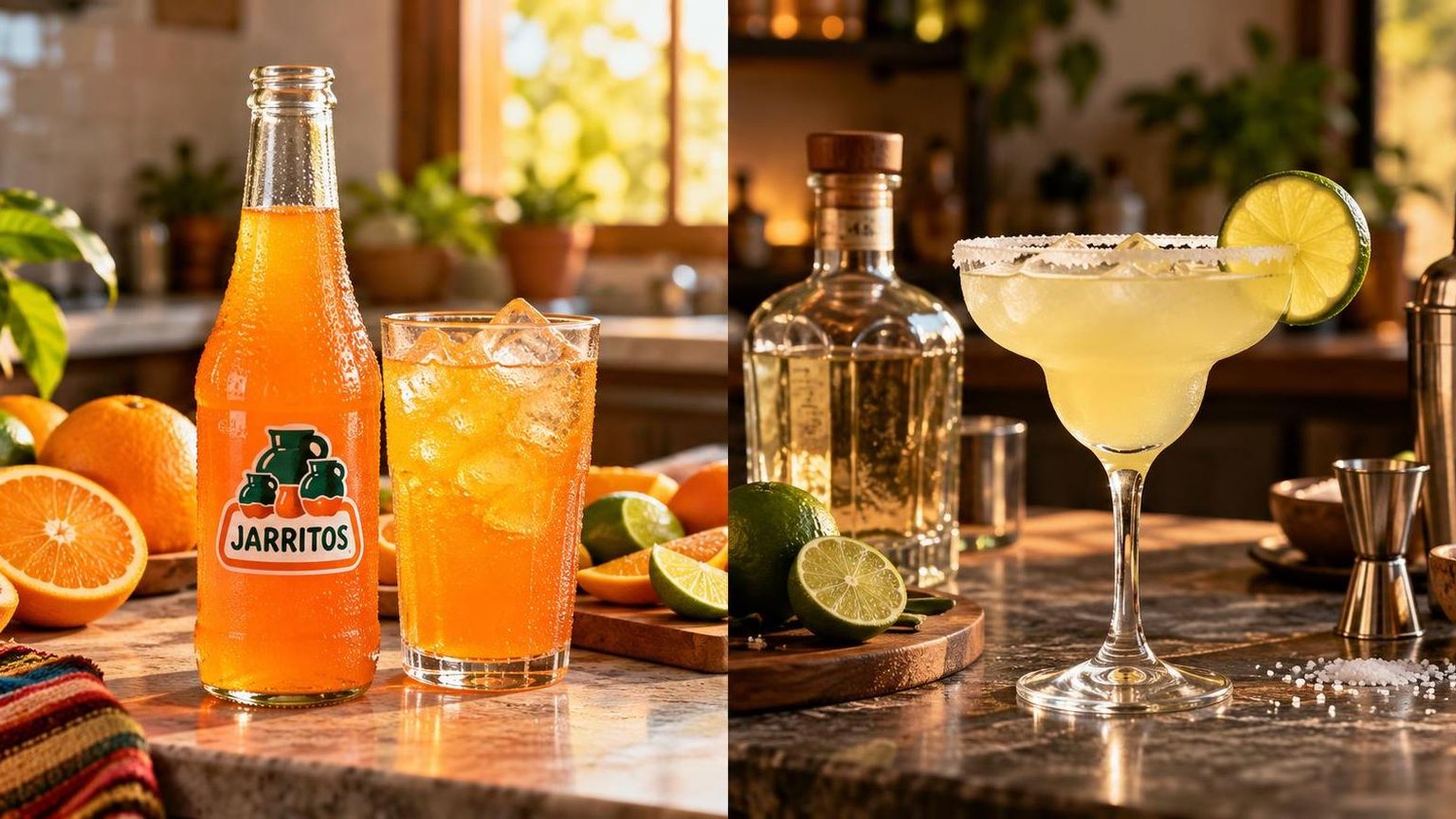
How To Verify Jarritos Ingredients
Verifying what goes into any beverage protects your health and aligns with dietary or religious requirements.
Jarritos makes ingredient verification straightforward through multiple channels, each providing consistent confirmation that the product contains zero alcohol.
Check the Product Label
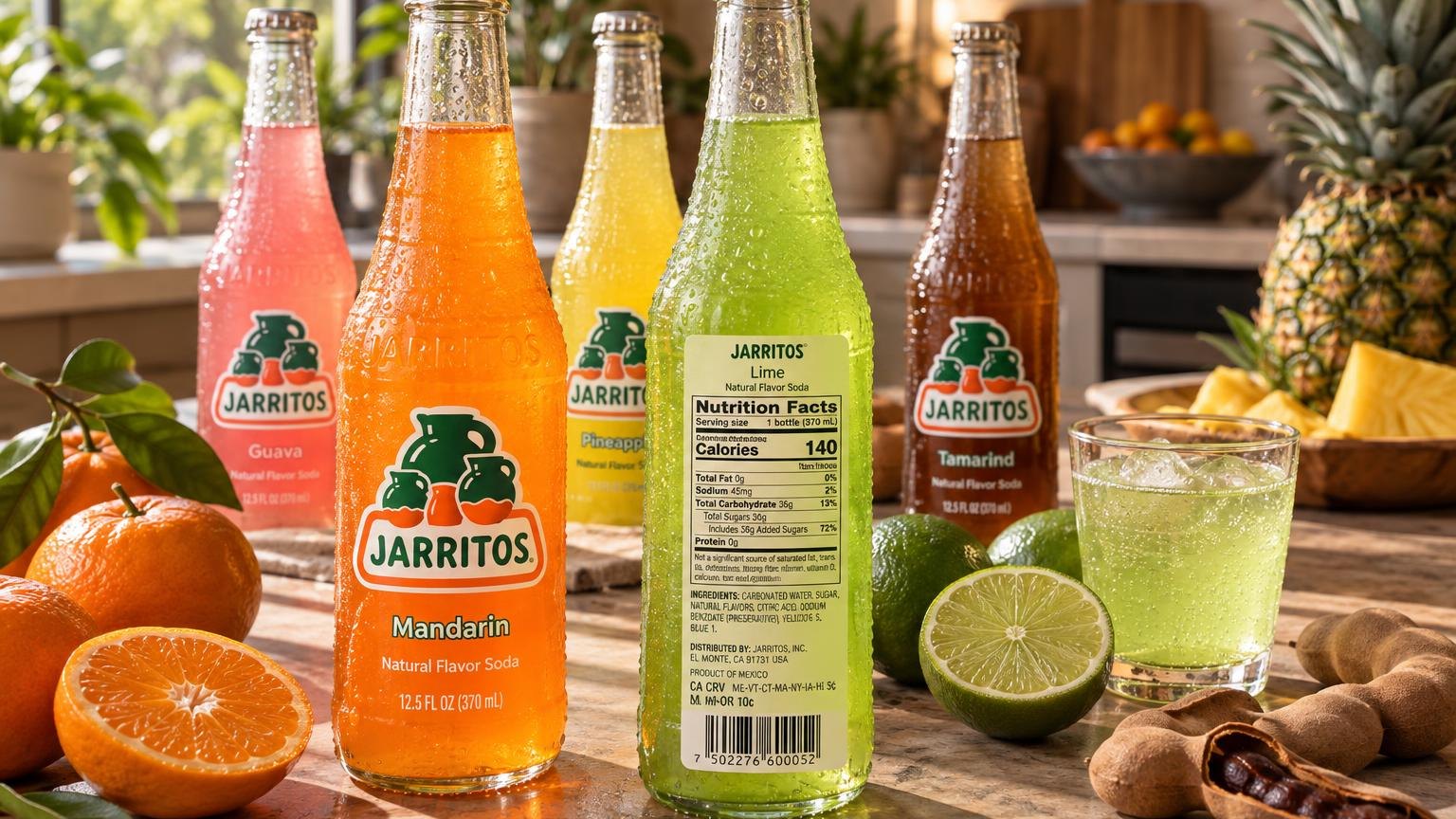
Every Jarritos bottle sold in the United States lists ingredients directly on the back label, as required by FDA regulations under 21 CFR § 101. The label must disclose all ingredients in descending order by weight.
A standard Jarritos Mandarin flavor lists: carbonated water, sugar, citric acid, natural flavor, sodium benzoate (as preservative), Yellow 6, and Yellow 5. No ethanol or fermented ingredients appear on any Jarritos variety.
Compare Across Flavors
Jarritos produces 13 fruit-flavored sodas. The base ingredients remain consistent across the lineup. Key differences involve specific natural flavors and FD&C colorants.
| Flavor | Base Ingredients | Alcohol Listed |
| Mandarin | Carbonated water, sugar, citric acid, natural flavor | No |
| Tamarind | Carbonated water, sugar, citric acid, natural flavor | No |
| Guava | Carbonated water, sugar, citric acid, natural flavor | No |
| Mexican Cola | Carbonated water, sugar, caramel color, phosphoric acid, natural flavor | No |
| Lime | Carbonated water, sugar, citric acid, natural flavor | No |
Use the Manufacturer’s Website
Novamex, the U.S. distributor of Jarritos, publishes product details at jarritos.com. Each flavor page confirms the soft drink classification.
No Jarritos product carries a TTB (Alcohol and Tobacco Tax and Trade Bureau) label, which would be mandatory for any alcoholic beverage.
Additional Verification Methods
- Scan the barcode — Apps like Yuka or Open Food Facts return full ingredient breakdowns and flag alcohol content when present.
- Check the UPC database — Jarritos products are categorized under “Non-Alcoholic Beverages” in retailer systems such as Walmart and Kroger.
- Contact Novamex directly — Customer service can confirm ingredient sourcing and halal/kosher compliance at 1-877-Jarritos.
- Look for certification marks — Some Jarritos bottles carry kosher certification symbols, which independently verify the absence of alcohol-based ingredients.
Cross-referencing at least two of these sources gives definitive confirmation. The consistent result across every channel: Jarritos is a non-alcoholic, sugar-sweetened carbonated soft drink.
Common Questions
Does Jarritos contain alcohol?
No. Jarritos is a non-alcoholic Mexican soft drink brand founded in 1950 by Don Francisco “El Güero” Hill in the city of Guadalajara, Jalisco.
Every flavor in the standard lineup—including Tamarind, Mandarin, Guava, and Lime—contains 0% alcohol by volume.
Is there an official Jarritos alcoholic beverage?
Jarritos does not manufacture or sell any alcoholic product under its own label.
However, the brand has collaborated with breweries on limited co-branded items; for example, a 2023 partnership with Modelo produced a Chelada Piña Picante that featured Jarritos-inspired flavoring.
The core Jarritos line remains entirely alcohol-free.
Why do people associate Jarritos with alcohol?
Jarritos bottles are widely used as mixers in Mexican cocktails such as the Paloma, where Jarritos Toronja (grapefruit) is combined with tequila and lime juice.
Bars and restaurants across the U.S. and Mexico serve these drinks with the Jarritos bottle visible, which creates the impression that the soda itself is alcoholic.
Can children safely drink Jarritos?
Yes. Jarritos is a sugar-sweetened carbonated beverage with no alcohol content, making it suitable for all ages.
A standard 370 mL (12.5 oz) bottle contains roughly 38–44 grams of sugar depending on the flavor, so the primary dietary concern is sugar intake rather than alcohol.
What ingredients are in a typical Jarritos soda?
A Jarritos Mandarin, for instance, lists filtered water, sugar, citric acid, sodium benzoate (preservative), natural and artificial flavors, and FD&C Yellow No. 6.
No ethanol, fermented ingredients, or brewing agents appear on any Jarritos label. The brand uses cane sugar instead of high-fructose corn syrup in its Mexican-produced bottles.
What are the most popular Jarritos flavors used as cocktail mixers?
Jarritos Toronja (grapefruit) is the top choice for Palomas, while Jarritos Lime pairs with vodka or gin in highball-style drinks. Tamarind and Mango flavors are frequently mixed with mezcal or rum in craft cocktail bars.
Despite their popularity as mixers, these sodas are sold and consumed primarily as stand-alone non-alcoholic beverages.
Is Jarritos Halal or permissible for people who avoid alcohol?
Jarritos contains no alcohol, animal-derived gelatin, or fermented components, so it is generally considered permissible under Halal dietary guidelines.
The product is not formally Halal-certified by a major certifying body, but its published ingredient lists show no prohibited substances. Individuals with strict requirements should verify directly with Novamex, the U.S. distributor.
How does Jarritos compare to hard sodas like Not Your Father’s Root Beer?
Hard sodas such as Not Your Father’s Root Beer contain 5.0–5.9% ABV because they are malt-based alcoholic beverages brewed to taste like soda.
Jarritos is a traditional soft drink with 0% ABV, produced by carbonating flavored sugar water rather than fermenting it. The two products occupy entirely different regulatory categories—Jarritos requires no age verification for purchase.
Further Reading
- Popular Alcohol in a Red Bottle to Look For
- How Much Does 4 Quarters Weigh?
- How Many Ounces Is 6 Liters?
- What Alcohol Comes in a Blue Bottle at the Bar?
- What To Mix With Jim Beam Bourbon?
- How Much Caffeine Is In A Pink Drink? Get the Answer
- How Many Oz In A Half Gallon? – 2026
- 12 Powerful Reasons Why Decant Whiskey: The Complete Flavor, Science & Aesthetic Guide
- Can You Eat The Tequila Worm?
- All Blog Guides
- U.S. Food & Drug Administration – Labeling of Certain Beers Subject to the Labeling Jurisdiction of the FDA (2024)
- Alcohol and Tobacco Tax and Trade Bureau – What Is a Malt Beverage? (2023)
- USDA FoodData Central – Jarritos Soft Drink Nutrition Data (2024)
- National Institutes of Health – Alcohol Content in Non-Alcoholic Beverages (2020)
- CDC – Alcohol and Public Health FAQs (2024)
- Cornell University Law – 27 CFR § 7.71 Alcohol Content Labeling Requirements (2023)
- Jarritos Official Website – Product Information & Ingredients (2024)
- Molson Coors Beverage Company – Jarritos Hard Soda Launch Press Release (2024)
- Beverage Industry Magazine – Jarritos Hard Soda Product Launch (2023)
- University of California, Davis – Department of Viticulture & Enology: Fermented vs. Non-Fermented Beverages (2023)