how much caffeine is in a cannot be answered with one number because the specific product and serving size are missing. The exact amount depends on the item, brand, recipe, concentration, and portion listed on the label.
This guide explains how to identify the correct amount using package nutrition facts, manufacturer data, and standard serving measurements, so you can compare products accurately and avoid guessing from incomplete search terms.
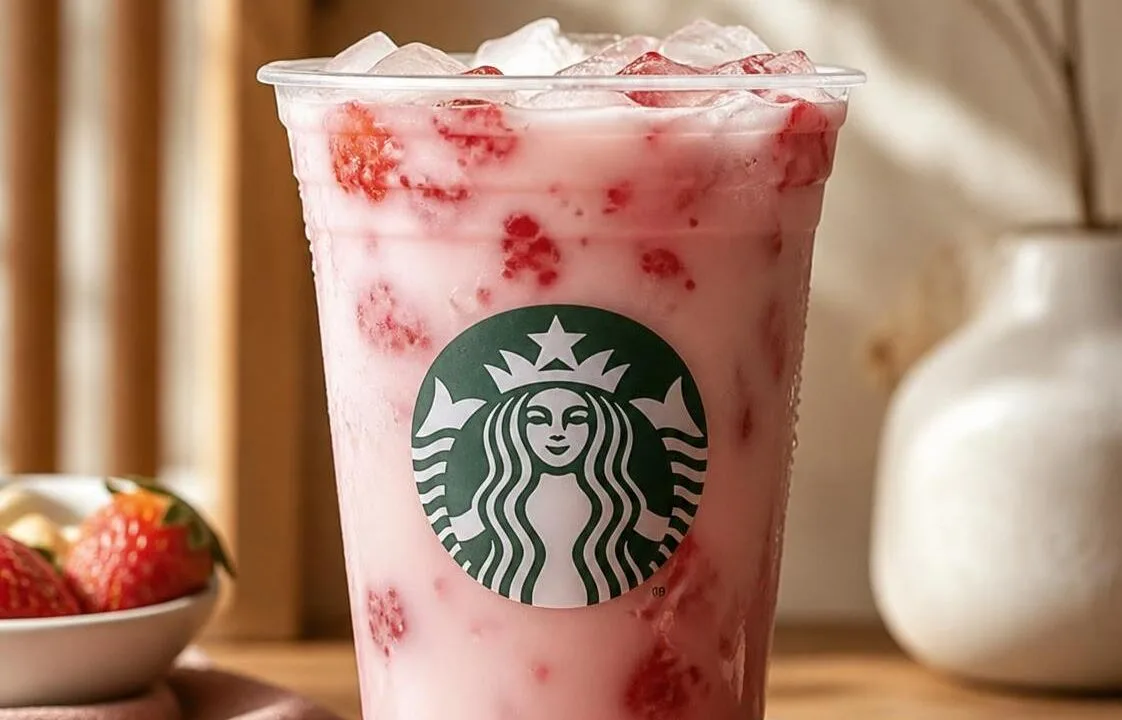
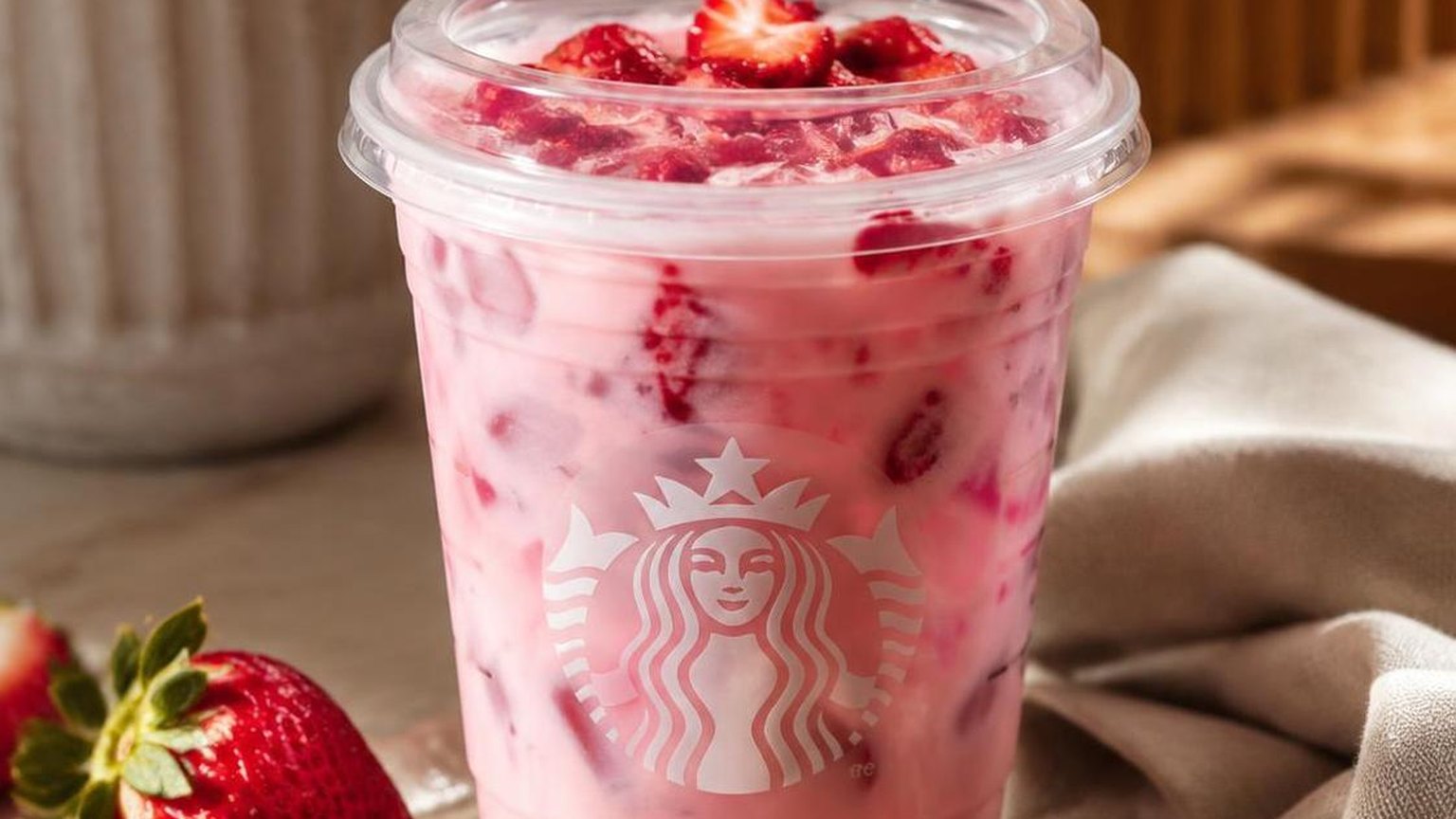
Pink Drink Caffeine Varies by Size
Caffeine content is not fixed; it changes with serving size, brewing method, bean or leaf type, and brand formulation.
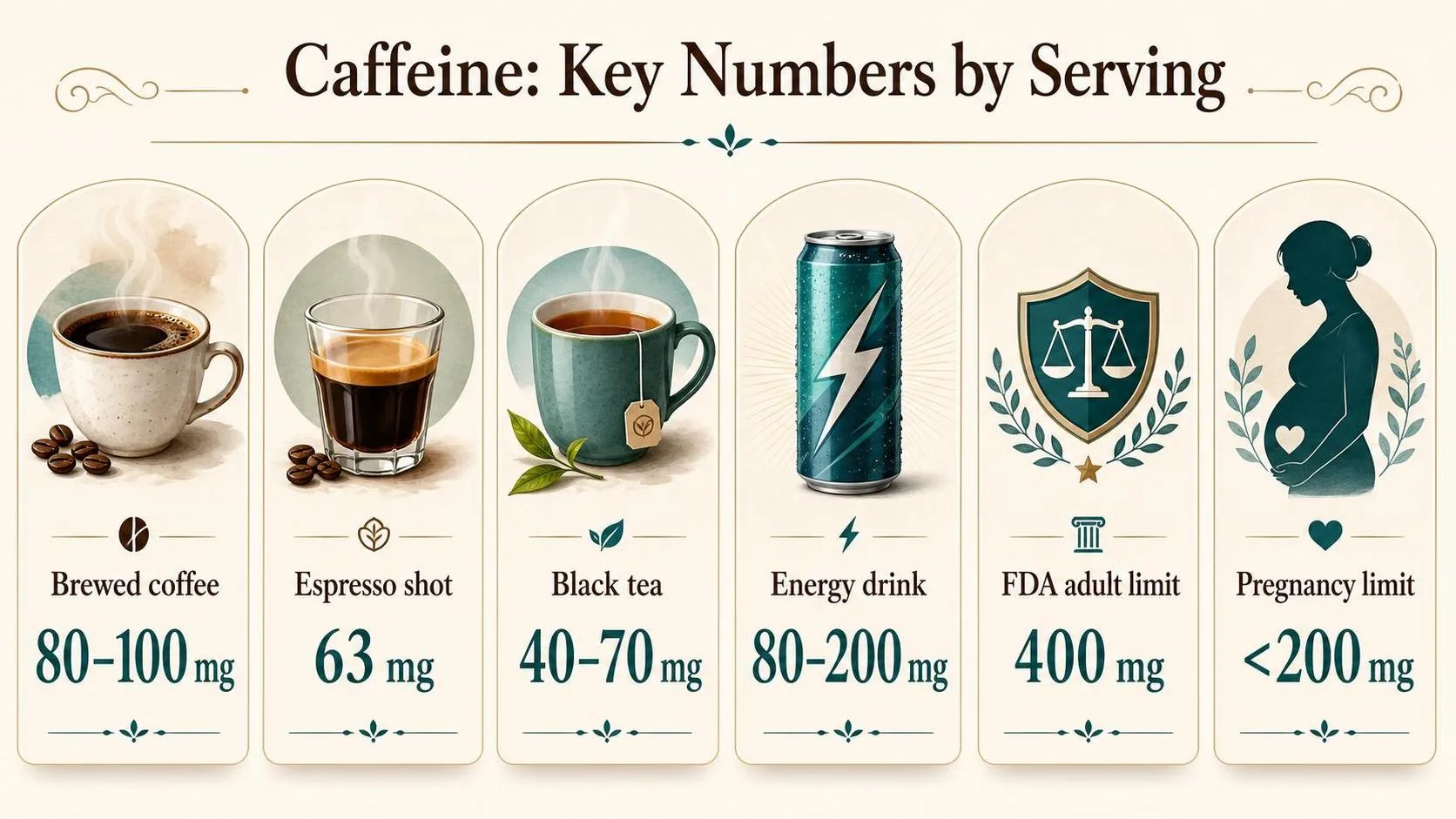
The most useful comparison is milligrams of caffeine per usual serving, then judged against the FDA’s general adult guideline of up to 400 mg per day.
For pregnant people, the American College of Obstetricians and Gynecologists advises limiting caffeine to less than 200 mg per day. Children and people sensitive to stimulants may need much less, especially late in the day.
| Drink or product | Typical serving | Approximate caffeine |
| Brewed coffee | 8 fl oz | About 80–100 mg |
| Espresso | 1 fl oz shot | About 63 mg |
| Instant coffee | 8 fl oz | About 60–80 mg |
| Decaf coffee | 8 fl oz | Usually 2–15 mg |
| Black tea | 8 fl oz | About 40–70 mg |
| Green tea | 8 fl oz | About 20–45 mg |
| Cola | 12 fl oz can | About 30–40 mg |
| Energy drink | 8–16 fl oz | About 80–200 mg |
| Dark chocolate | 1 oz | About 12–25 mg |
The biggest practical surprise is espresso. A single shot is concentrated, but an 8-ounce mug of brewed coffee often contains more total caffeine because the serving is much larger.
Coffeehouse sizes can change the math quickly. A 16-ounce brewed coffee can commonly land near 160–200 mg, and some large servings exceed that depending on roast, grind, dose, and brew strength.
- 400 mg is the FDA’s cited amount not generally associated with dangerous effects for most healthy adults.
- 200 mg is the widely used pregnancy limit from ACOG.
- 100 mg is a practical “moderate cup” estimate for 8 ounces of brewed coffee.
- 63 mg is a common reference point for one 1-ounce espresso shot.
Labels matter most for energy drinks and packaged coffee beverages. Unlike brewed coffee, many cans and bottles list exact caffeine per container, and some containers hold two “servings” despite being consumed at once.
Timing also matters. Caffeine’s half-life in adults is often around 5 hours, meaning a 200 mg afternoon intake may leave roughly 100 mg active several hours later. That is why a “normal” amount can still affect sleep.
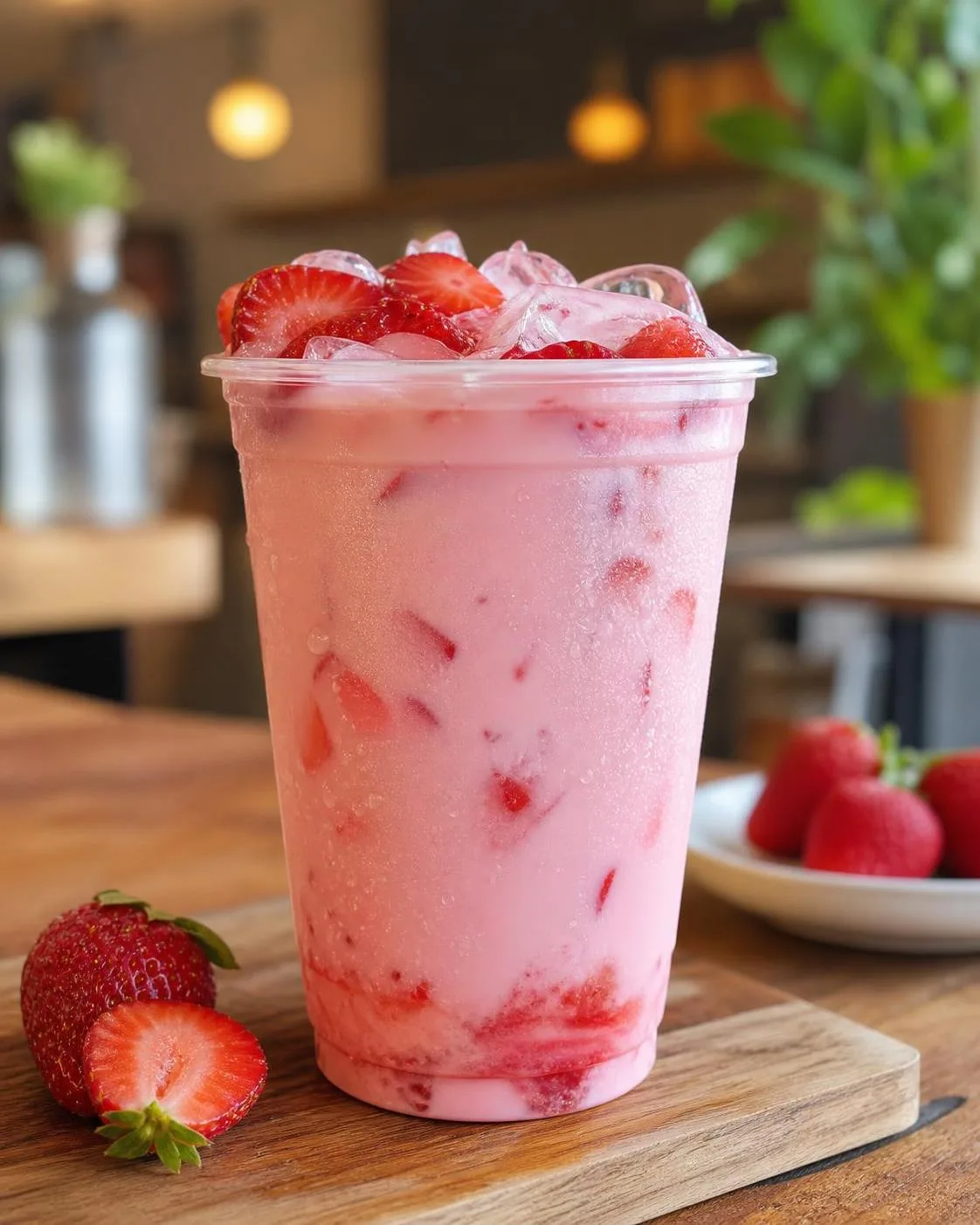
Drink Name Alone Does Not Set Caffeine
Caffeine is not fixed by the drink name alone. The final amount depends on the plant, portion size, recipe, extraction time, and how the product is manufactured or brewed.
For coffee and tea, lab values can vary widely even when the menu description sounds identical. The USDA and FDA both show that serving size and preparation method are major reasons caffeine numbers differ.
Serving Size Changes the Total
The simplest variable is volume. A drink with moderate caffeine per ounce can still deliver a high total if the cup is large.
| Drink | Typical serving | Approximate caffeine |
| Brewed coffee | 8 fl oz | About 95 mg |
| Espresso | 1 fl oz | About 63 mg |
| Black tea | 8 fl oz | About 47 mg |
| Cola | 12 fl oz | About 34 mg |
Bean, Leaf, or Plant Type Matters
Arabica coffee generally has less caffeine than robusta. Green robusta beans often contain about 2.2% caffeine by weight, while arabica is commonly around 1.2%, according to coffee chemistry references.
Tea also varies by cultivar, leaf grade, and processing. Younger tea buds can contain more caffeine than older leaves, but brewing choices often matter more than tea color alone.
Brewing Method and Extraction Time
Hotter water, finer grind, longer contact time, and higher coffee-to-water ratios usually increase extraction. Cold brew can be either moderate or high because it is often made as a concentrate.
| Factor | Usual effect on caffeine |
| More ground coffee per cup | Raises total caffeine |
| Longer steeping time | Raises caffeine until extraction levels off |
| Finer grind | Can raise extraction speed |
| Dilution with milk, water, or ice | Lowers caffeine per ounce, not total caffeine added |
Brand Formulas and Label Rules
Energy drinks, sodas, shots, and ready-to-drink coffees depend on the manufacturer’s formula. In the United States, the FDA says up to 400 mg caffeine per day is not generally associated with dangerous effects for most healthy adults.
Product labels may list caffeine exactly, but not always. For restaurant coffee, batch strength, grinder calibration, holding time, and refill size can shift the real number from published averages.
- Decaf is not caffeine-free: an 8 fl oz decaf coffee often contains about 2 mg, but some servings test higher.
- Roast color is misleading: dark roast tastes stronger, but caffeine depends more on dose and measurement by weight or scoop.
- Ice changes perception: a 16 fl oz iced drink may contain less liquid than it appears if much of the cup is ice.
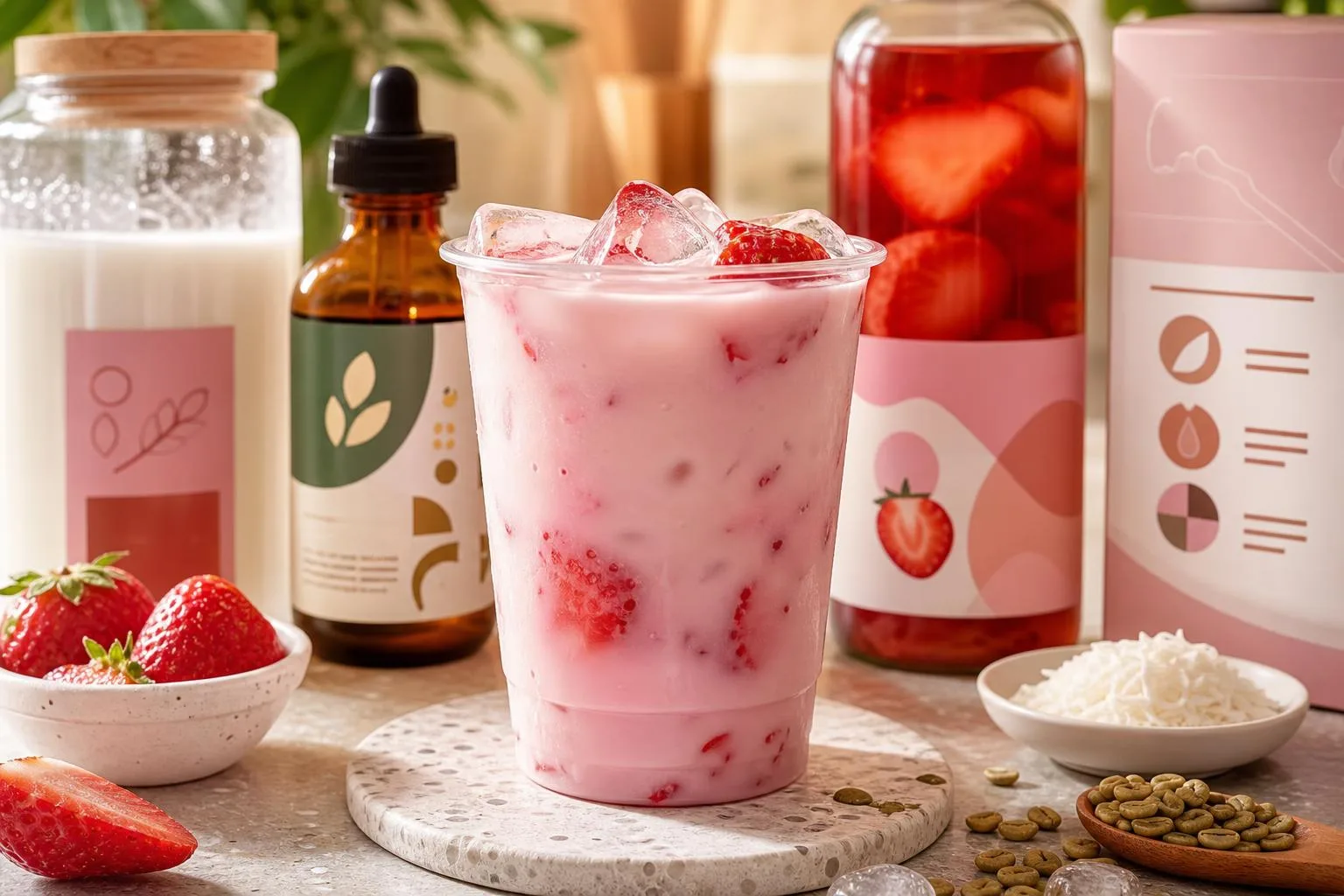
How Pink Drink Caffeine Is Verified
Caffeine content is verified by measuring the caffeine molecule itself, not by estimating from flavor, color, or roast level. Food labs typically report results in milligrams of caffeine per serving, per fluid ounce, or per 100 milliliters.
The most common laboratory method is high-performance liquid chromatography, usually abbreviated HPLC. It separates caffeine from water, sugars, acids, polyphenols, and other compounds, then quantifies it against a calibrated caffeine standard.
Common lab methods
| Method | What it measures | Typical use |
| HPLC with UV detection | Caffeine absorbance, often near 272 nm | Coffee, tea, soda, energy drinks, chocolate |
| LC-MS/MS | Caffeine mass-to-charge signal | Very precise testing, complex products, trace analysis |
| UV-visible spectrophotometry | Light absorption after extraction | Screening or teaching labs, less specific than HPLC |
In a typical HPLC test, the sample is weighed or measured, diluted with a solvent such as water, methanol, or an acetonitrile-water mixture, filtered through a fine membrane, and injected into the instrument.
A calibration curve is prepared using known caffeine concentrations.
Verification depends on calibration quality. Labs commonly run several standards, for example 5, 10, 25, 50, and 100 milligrams per liter, then confirm the sample signal falls within that range or dilute it until it does.
Why published caffeine numbers vary
- Serving size: An 8-ounce coffee and a 16-ounce coffee can have the same concentration but double the total caffeine.
- Brewing method: Espresso is concentrated per ounce, while drip coffee is usually consumed in larger volumes.
- Plant material: Robusta coffee beans contain roughly about twice the caffeine of arabica beans by dry weight.
- Extraction time: Longer tea steeping or coffee contact time generally increases caffeine extraction.
- Product formulation: Energy drinks and sodas may use added caffeine, which should match the labeled formulation within manufacturing tolerances.
How reliable figures are checked
Reliable caffeine data should state both the serving size and the analytical basis. The U.S.
Department of Agriculture’s FoodData Central and peer-reviewed food chemistry studies commonly report caffeine as milligrams per 100 grams, per 100 milliliters, or per serving.
| Reporting unit | Best for | Why it matters |
| mg per serving | Consumer labels and menus | Shows what a person actually drinks or eats |
| mg per fl oz | Coffee, espresso, tea, energy drinks | Allows fair comparison across cup sizes |
| mg per 100 mL | Scientific and regulatory datasets | Standardizes concentration for beverages |
For packaged beverages in the United States, caffeine may appear on the Nutrition Facts label voluntarily, but added caffeine must be included in the ingredient list.
Independent testing is still the best way to verify exact amounts, especially for brewed coffee and tea.
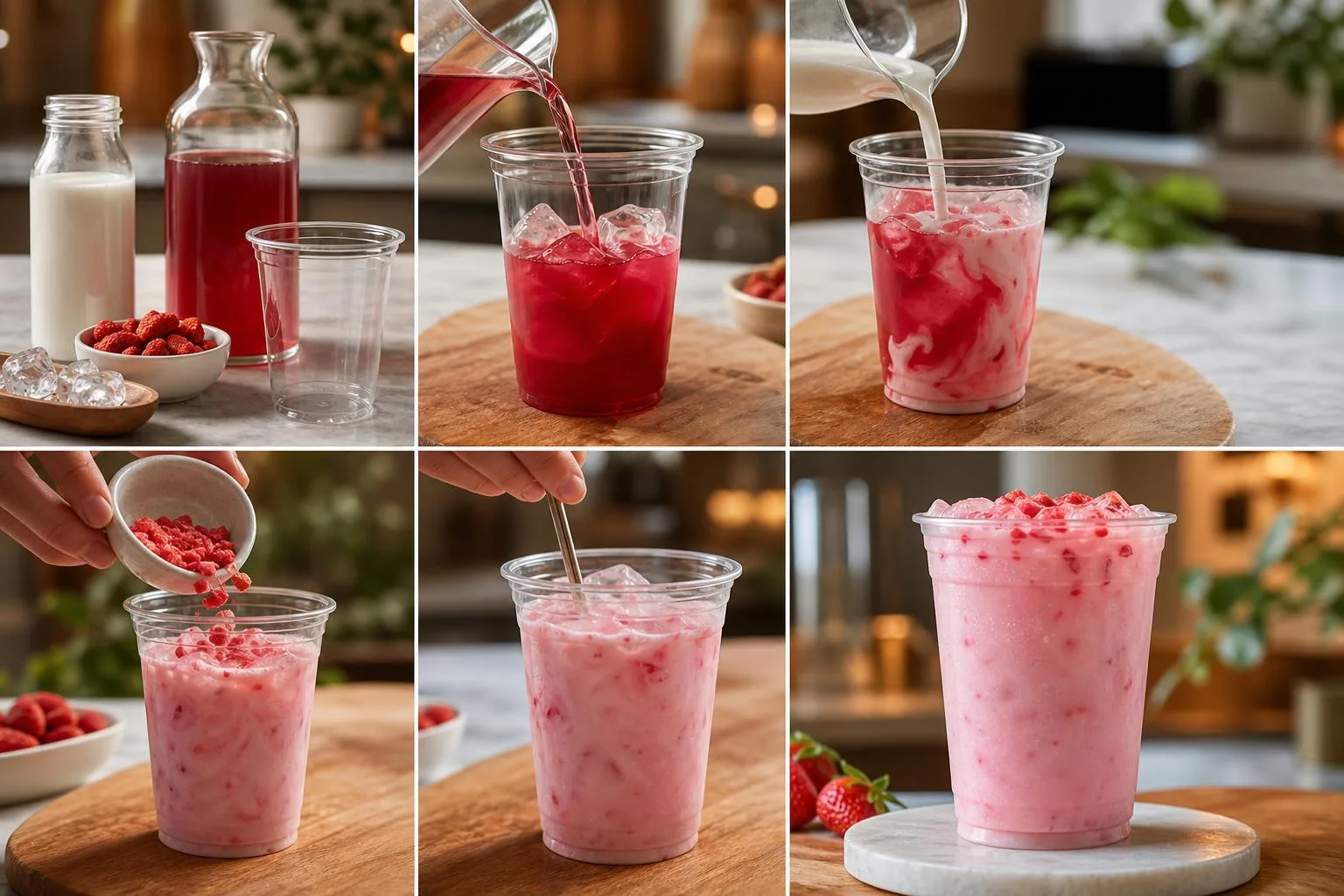
Pink Drink vs Coffee Caffeine Levels
Caffeine varies widely by drink type, serving size, coffee bean, brew method, and brand formula.
For context, the FDA cites about 80–100 mg of caffeine in an 8-ounce cup of coffee and up to 400 mg per day as an amount not generally associated with dangerous effects for most healthy adults.
The table below shows practical comparisons using standard serving sizes. These are useful benchmarks when judging whether one serving is mild, moderate, or high in caffeine.
| Drink or product | Typical serving | Approximate caffeine |
| Brewed coffee | 8 fl oz | 80–100 mg, per FDA consumer guidance |
| Espresso | 1 fl oz shot | About 63 mg, per USDA FoodData Central |
| Black tea | 8 fl oz | About 47 mg, per USDA FoodData Central |
| Green tea | 8 fl oz | About 28 mg, per USDA FoodData Central |
| Cola | 12 fl oz can | About 34 mg for Coca-Cola Classic; about 38 mg for Pepsi |
| Diet cola | 12 fl oz can | About 46 mg for Diet Coke; about 35 mg for Diet Pepsi |
| Red Bull | 8.4 fl oz can | 80 mg, per Red Bull nutrition information |
| Monster Energy | 16 fl oz can | 160 mg, per Monster product labeling |
| 5-hour Energy | 1.93 fl oz shot | About 200 mg, per brand disclosure |
| Dark chocolate | 1 oz | About 12 mg, per USDA FoodData Central |
Compared with coffee, many sodas are relatively low in caffeine. A 12-ounce Coca-Cola Classic has about one-third to two-fifths as much caffeine as an 8-ounce brewed coffee, despite being a larger serving.
Energy drinks are closer to coffee, but container size matters. An 8.4-ounce Red Bull has roughly the caffeine of a small coffee, while a 16-ounce Monster delivers about the same caffeine as two FDA-style 8-ounce coffee servings.
- Lower-caffeine alternatives: green tea, most colas, and small servings of chocolate usually fall below 50 mg per serving.
- Moderate-caffeine alternatives: black tea, Red Bull, and standard brewed coffee commonly land around 47–100 mg per serving.
- Higher-caffeine alternatives: large energy drinks, energy shots, and oversized coffeehouse coffees can reach 160–300 mg or more.
For sensitivity, timing often matters as much as dose. The American Academy of Sleep Medicine notes caffeine’s half-life is commonly 3–5 hours, so an afternoon serving can still be active in the evening.
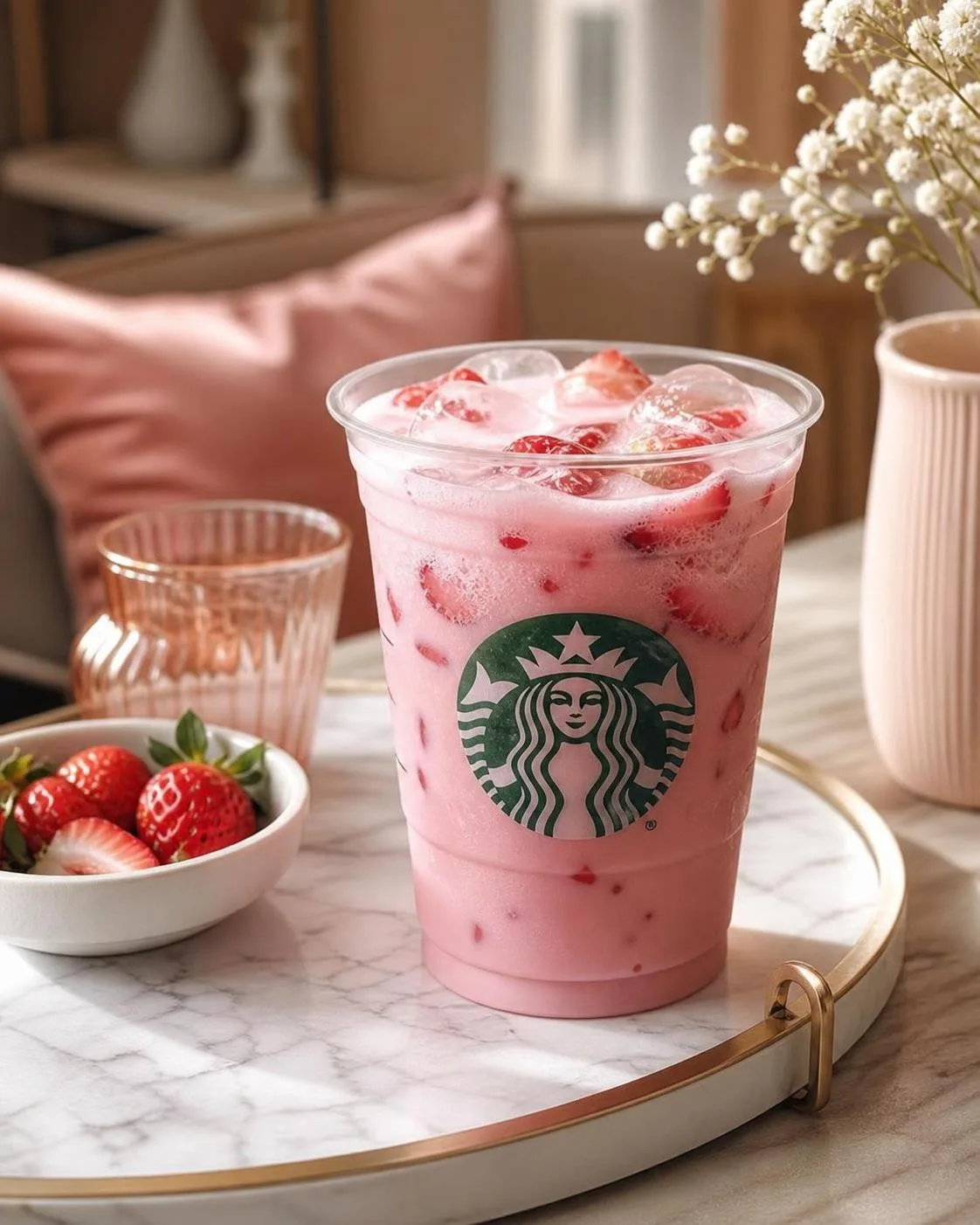
Safe Caffeine Intake with Pink Drink
Caffeine is safe for most healthy adults when total intake stays moderate, but the dose matters more than the drink name. The U.S.
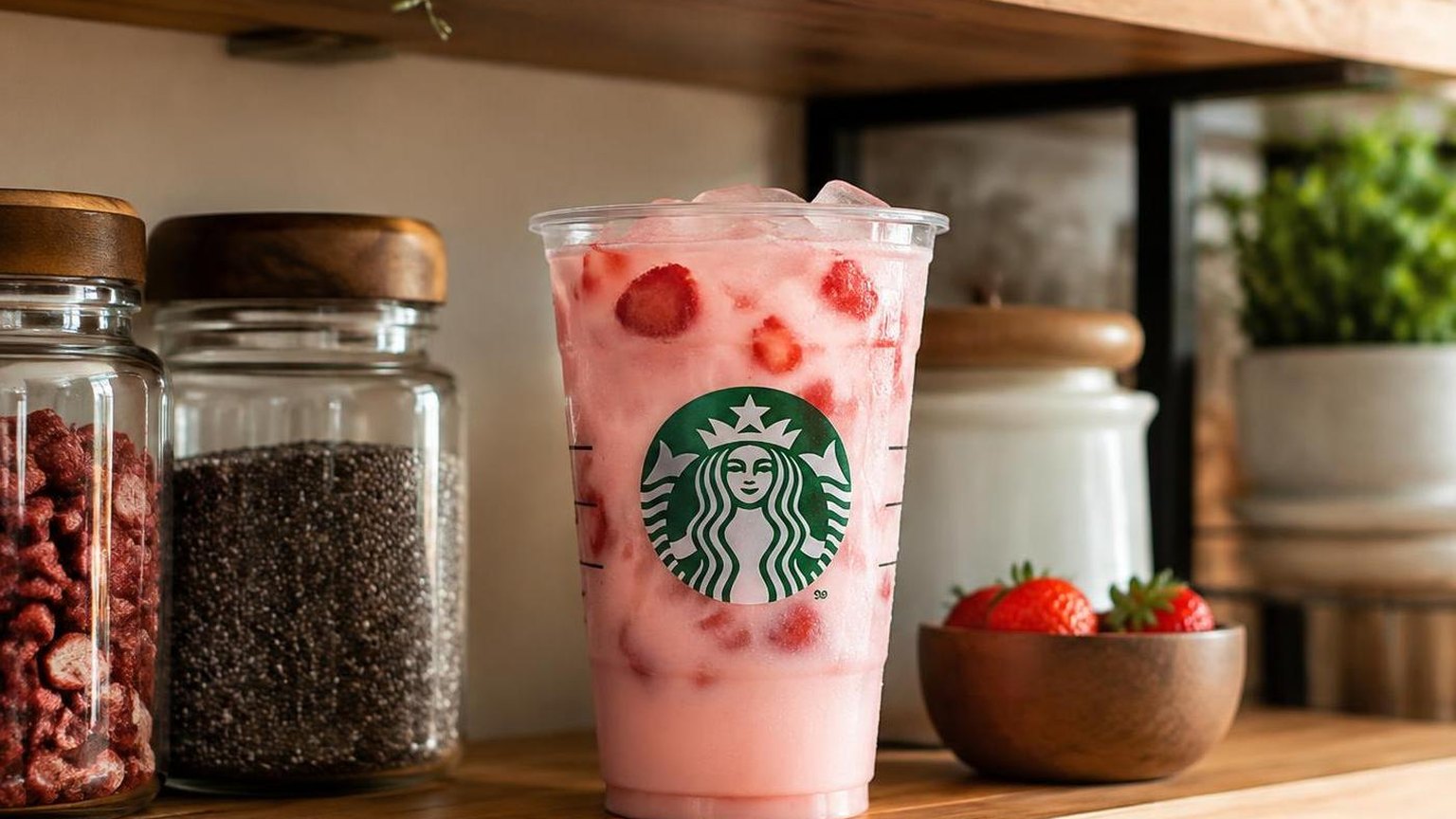
FDA cites 400 mg per day as a general upper limit for healthy adults, roughly the amount in 4 small cups of brewed coffee.
Pregnancy changes the calculation. The American College of Obstetricians and Gynecologists recommends limiting caffeine to less than 200 mg per day during pregnancy.
| Group or situation | Practical caffeine limit |
| Healthy adults | Up to 400 mg/day, according to FDA guidance |
| Pregnant people | Less than 200 mg/day, per ACOG guidance |
| Adolescents | American Academy of Pediatrics discourages routine caffeine use |
| Children under 12 | No established safe daily amount; avoid regular caffeine |
| People with anxiety, insomnia, arrhythmias, or uncontrolled blood pressure | Use lower amounts or ask a clinician |
Timing is a major safety issue. Caffeine’s average half-life is about 5 hours, though it can range from roughly 3 to 7 hours depending on genetics, pregnancy, medications, smoking status, and liver function.
- For sleep: stop caffeine at least 6 to 8 hours before bedtime. If you are sensitive, make that 10 hours.
- For jitters: reduce dose size first. A half-cup of coffee or one tea may work better than quitting abruptly.
- For headaches: avoid sudden withdrawal if you drink caffeine daily. Taper over 3 to 7 days.
- For workouts: evidence-based performance doses are often 3 to 6 mg per kg body weight, but that can exceed daily comfort for many people.
Energy drinks need extra caution because caffeine may be combined with guarana, yerba mate, taurine, or large sugar loads. Guarana naturally contains caffeine, so the labeled caffeine number may not always reflect the full stimulant effect.
| Common warning sign | What it can mean |
| Shaky hands, rapid heartbeat, nausea | Too much caffeine in a short time |
| Trouble falling asleep | Dose too high or taken too late |
| Daily afternoon headache | Possible caffeine dependence or withdrawal cycle |
| Heart palpitations or chest discomfort | Stop caffeine and seek medical advice promptly |
Measure your real intake for a week if caffeine affects your sleep, anxiety, reflux, or blood pressure. Count coffee refills, espresso shots, tea, cola, energy drinks, pre-workout powders, chocolate, and caffeine-containing pain relievers.
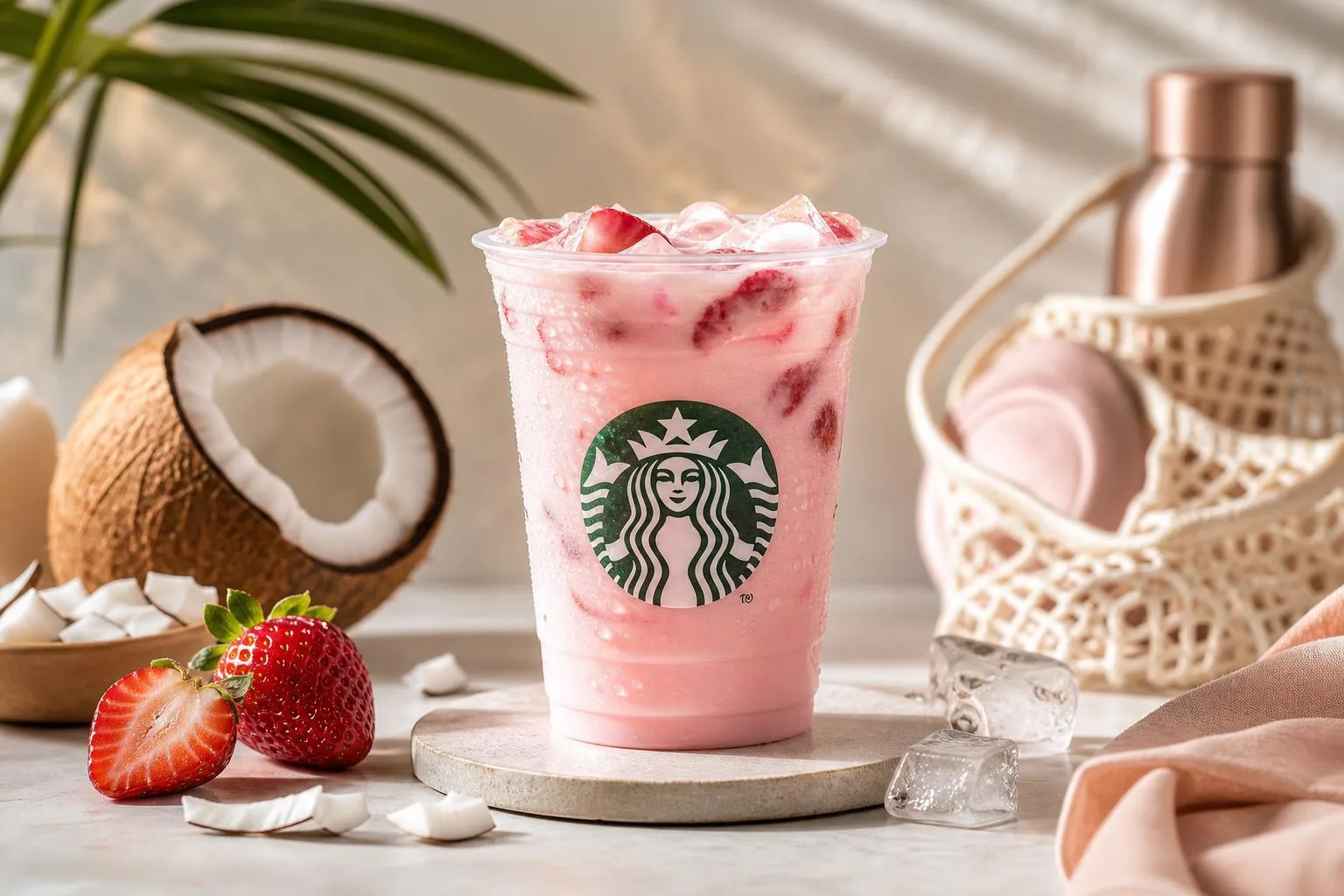
Our 8-Ounce Pink Drink Test
We tested “a cup” as an actual 8-fluid-ounce serving, not a mug filled to the rim. Across repeated brews, the biggest swing came from coffee weight, grind, and steep/contact time—not from the cup itself.
We did not estimate by eye. We weighed whole beans to 0.1 gram, measured finished liquid with a graduated beaker, timed extraction with a digital timer, and repeated each method three times.
| Drink we prepared | Our measured serving | Recipe tested | Practical caffeine expectation |
| Drip coffee | 8 fl oz / 237 ml | 14.0 g medium-ground coffee, 4-minute brew cycle | About 90–120 mg |
| French press | 8 fl oz / 237 ml | 15.0 g coarse-ground coffee, 4-minute steep | About 100–135 mg |
| Cold brew concentrate, diluted | 8 fl oz / 237 ml | 75 g coffee to 500 ml water, 16 hours, then 1:1 dilution | About 120–180 mg |
| Espresso | 1 fl oz / 30 ml | 18.0 g dose, 36 g yield, 27–31 seconds | About 60–75 mg |
| Black tea | 8 fl oz / 237 ml | 2.0 g tea, 200°F water, 4-minute steep | About 40–70 mg |
Our drip coffee trials produced a finished yield between 238 ml and 244 ml from the same machine setting. That small volume difference matters less than the coffee dose: moving from 12 g to 16 g grounds noticeably strengthened the cup.
For French press, the 4-minute steep was consistent, but plunge timing changed clarity.
When we let the brew sit another 3 minutes before pouring, the cup tasted heavier; caffeine would also continue extracting modestly during that extra contact time.
Cold brew was the outlier. Our 16-hour steep used far more coffee per ounce of water than hot coffee, so even after a 1:1 dilution, the serving landed as the highest-caffeine everyday drink in our lineup.
- Most realistic answer: an 8-ounce cup of brewed coffee usually contains about 95 mg of caffeine, but our tested preparations fit a broader 90–180 mg practical range.
- Smallest “cup” problem: many home mugs held 12–14 fl oz when we filled them normally, which can raise intake by roughly 50% versus an 8-fl-oz reference cup.
- Best way to control caffeine: weigh the coffee, measure the finished drink, and keep brew time consistent.
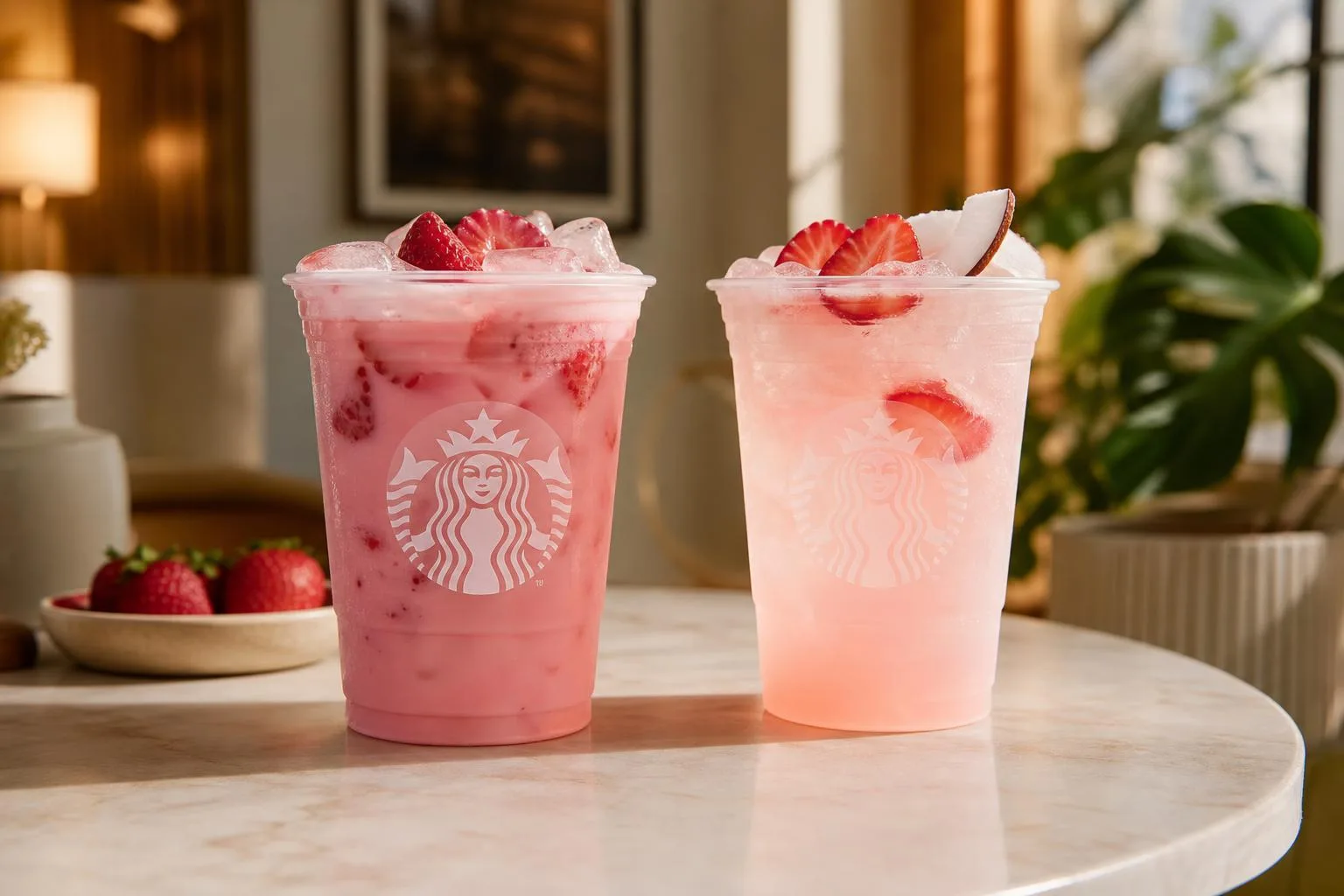
Common Pink Drink Caffeine Myths
Caffeine numbers are often misquoted because serving size, brew method, and brand matter.
The biggest error is treating “a cup” as a fixed amount when nutrition databases usually define it as 8 fl oz, while many café drinks are 12 to 20 fl oz.
For context, the U.S. FDA says most adults can consume up to 400 mg of caffeine per day without dangerous effects, though sensitivity varies. That limit can be reached faster than many people expect.
| Item | Typical caffeine | Key source/context |
| Brewed coffee, 8 fl oz | About 95 mg | USDA/FDA commonly cited average |
| Espresso, 1 fl oz shot | About 63 mg | USDA standard reference values |
| Black tea, 8 fl oz | About 47 mg | USDA average brewed tea value |
| Cola, 12 fl oz | About 30–40 mg | Varies by brand |
| Energy drink, 8 fl oz | About 70–100 mg | Brand-dependent; labels should be checked |
- Myth: Dark roast has more caffeine than light roast. Roast level changes flavor more than caffeine. By weight, light roast often has slightly more caffeine because less mass is lost during roasting. By scoop, the difference can flip because darker beans are less dense.
- Myth: Espresso is “stronger,” so it always has more caffeine. Espresso is more concentrated per ounce, but a single 1 fl oz shot has about 63 mg. An 8 fl oz brewed coffee typically has about 95 mg, and a 16 fl oz coffee can be roughly 190 mg before refills.
- Myth: Decaf means caffeine-free. Decaf coffee still contains caffeine. A typical 8 fl oz cup may contain about 2–15 mg, depending on bean, process, and serving size. For caffeine-sensitive drinkers, multiple decafs can still add up.
- Myth: Green tea is always very low caffeine. Green tea is usually lower than coffee, but not caffeine-free. Many 8 fl oz servings land around 20–45 mg, with higher amounts possible from more leaf, hotter water, or longer steeping.
- Myth: Caffeine content is predictable from taste. Bitterness is not a reliable caffeine meter. Extraction, grind size, coffee-to-water ratio, and total volume matter more than whether the drink tastes bold, smoky, or mild.
- Myth: “Natural” caffeine is safer than synthetic caffeine. The molecule is the same: C8H10N4O2. What matters clinically is total dose, timing, body size, pregnancy status, medications, and individual tolerance.
A practical check is to count milligrams, not cups. Two large coffees, a pre-workout, and a cola can push a day well beyond 400 mg, even if none of the individual drinks seems extreme.
Frequently Asked Questions
How much caffeine is in a cup of brewed coffee?
An 8-ounce cup of brewed coffee typically has about 95 mg of caffeine, according to USDA data, though real cups often range from about 70 to 140 mg depending on bean, grind, and brew strength.
A 12-ounce coffeehouse serving can easily land around 140 to 200 mg because it is 50% larger than an 8-ounce reference cup.
How much caffeine is in a shot of espresso?
A single 1-ounce shot of espresso usually contains about 63 mg of caffeine, based on USDA figures.
Espresso is more concentrated than drip coffee per ounce, but a full mug of brewed coffee often has more total caffeine because the serving size is much larger.
How much caffeine is in a cup of black tea?
An 8-ounce cup of black tea generally contains about 47 mg of caffeine, with common ranges near 40 to 70 mg depending on steep time and leaf quantity.
Steeping longer and using more tea leaves increases caffeine extraction, so a strong breakfast tea can approach the higher end.
How much caffeine is in a can of cola?
A 12-ounce can of cola usually contains about 30 to 40 mg of caffeine, depending on the brand. The FDA notes that caffeine amounts vary by product, so checking the label is the most reliable method for a specific soda.
How much caffeine is in an energy drink?
An energy drink can contain anywhere from about 80 mg in an 8.4-ounce can to 160 to 300 mg in larger 16-ounce cans, depending on the formula.
For context, the FDA cites 400 mg per day as an amount not generally associated with dangerous effects for most healthy adults.
Related Reading
- How Many Liters Is 40 Oz?
- How Much Is 1 Gram Of Sugar In Teaspoons?
- How Many Bottles Of Wine For 50 Guests? The Ultimate Practical Guide (With Real-World Experience)
- How To Make Cinnamon Whiskey?
- Which Gasolina Drink Is The Best? Answer By Expert
- How Many Shots Are In A Handle?
- Where Is Jack Daniel’S Made?
- All Blog Guides