
Does Cider Have Gluten? is answered simply: traditional cider is naturally gluten-free when it is fermented from apples, pears, yeast, and sugar, because those ingredients do not contain wheat, barley, or rye proteins.
The risk comes from flavorings, malted ingredients, shared equipment, or barrel-aging practices that may introduce gluten.
In the U.S., “gluten-free” labeling generally means less than 20 parts per million, the FDA threshold used for packaged foods.
For people with celiac disease or gluten sensitivity, the safest choice is cider specifically labeled gluten-free and made by a producer that discloses ingredients, processing aids, and cross-contact controls.
Why Most Hard Cider Is Gluten-Free
Most hard cider starts with apples, yeast, and sugar, so it does not inherently contain wheat, barley, or rye gluten.
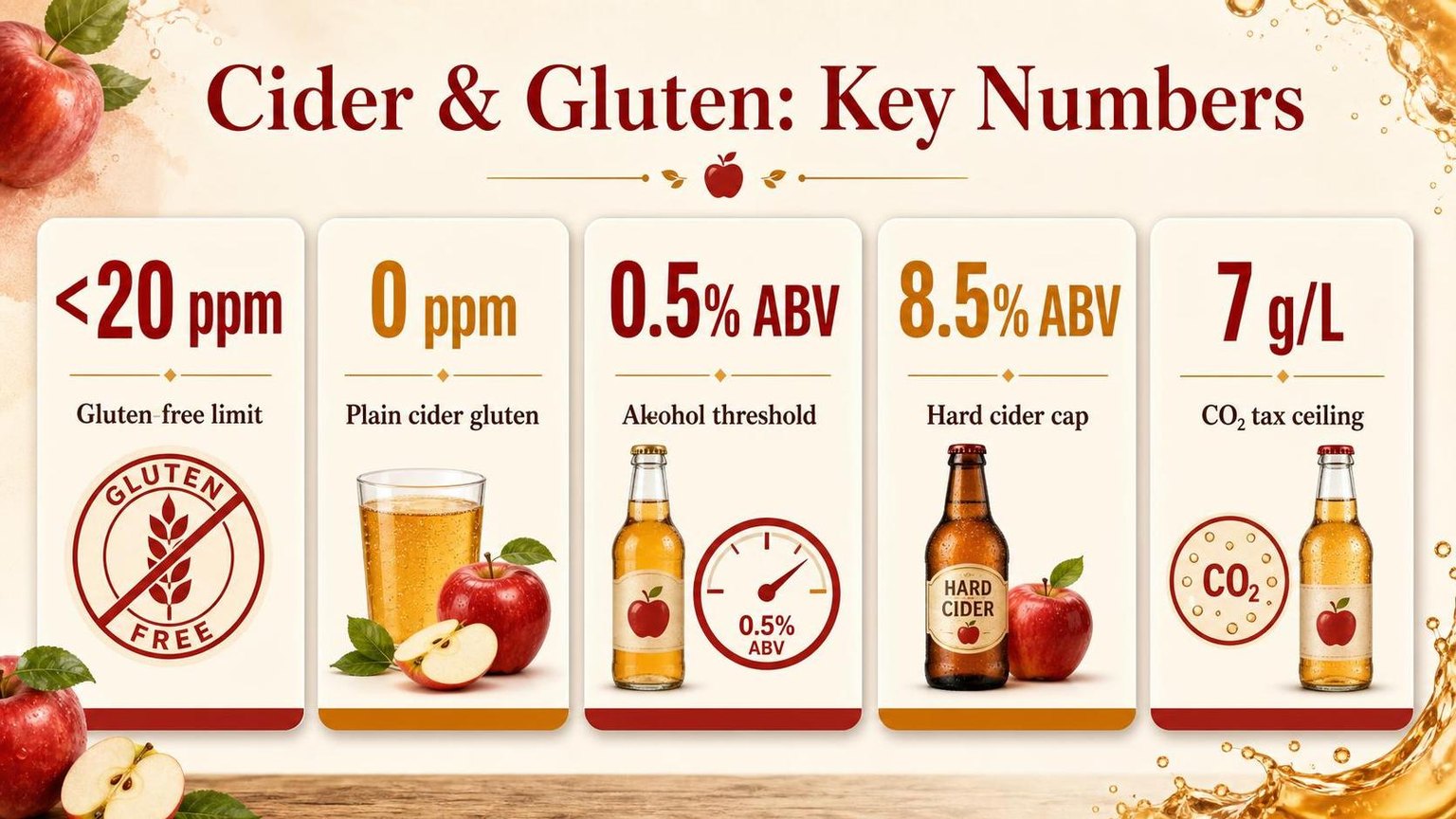
The important numbers are the U.S. gluten-free threshold, the alcohol-tax definition of cider, and where gluten can enter through additives or shared equipment.
| Number | What it means for cider | Why it matters |
| 20 ppm | Maximum gluten level allowed for a “gluten-free” claim under U.S. FDA rules. | This is the key benchmark for people with celiac disease shopping by label. |
| 0 ppm expected | Plain cider made only from apples, yeast, sugar, and permitted processing aids should have no gluten-containing grain ingredient. | Apples are naturally gluten-free; risk usually comes from added ingredients or cross-contact. |
| 0.5% ABV | Federal alcohol threshold where a beverage is generally treated as alcoholic. | Hard cider is normally above this level; “non-alcoholic” products can still contain trace alcohol below 0.5% ABV. |
| 8.5% ABV | Upper alcohol limit in the federal tax category for “hard cider” under TTB rules. | Ciders above this may be taxed or labeled differently, but ABV does not determine gluten content. |
| 7 g/L CO₂ | Carbonation ceiling for the federal hard-cider tax class. | Very sparkling products may fall outside the tax category; carbonation itself adds no gluten. |
The 20 parts per million limit is the number consumers see most often.
FDA permits “gluten-free,” “no gluten,” “free of gluten,” and “without gluten” claims only when the food contains less than 20 ppm gluten.
Alcohol labeling is split in the United States. FDA regulates many food labels, while the Alcohol and Tobacco Tax and Trade Bureau regulates most alcoholic beverage labels, including many ciders.
TTB generally follows FDA’s 20 ppm standard for gluten-free claims.
For a traditional cider fermented from apple juice, the practical gluten number should be undetectable if no gluten grains are used.
Laboratory detection limits vary, but reputable gluten-free claims are built around validated testing and ingredient control, not assumptions.
- Usually low risk: dry, semi-dry, sweet, rosé, hopped, or spiced cider when the base is apple fermentation and no grain-derived ingredient is added.
- Higher risk: “malt cider,” cider-beer hybrids, products with barley malt, wheat flavorings, or brewery taproom ciders made on shared draft systems.
- Label clue: “malt beverage” does not always mean barley is present, but it should prompt a closer ingredient and allergen check.
ABV numbers can distract from the gluten question. A 4.5% cider and an 8.0% cider can both be gluten-free if made without gluten ingredients.
Conversely, a lower-alcohol cider cocktail can contain gluten if malt, barley extract, or contaminated flavoring is used.
Draft service is the gray area. A packaged cider labeled gluten-free is easier to verify than a tap pour running through lines that may also serve beer. For celiac-level caution, ask whether the cider has dedicated lines and couplers.
When Cider Ingredients Add Gluten
Plain hard cider made from fermented apple or pear juice is naturally gluten-free because apples, pears, sugar, and wine yeast do not contain wheat, barley, or rye proteins.
The result changes when a producer adds grain-derived ingredients, uses shared equipment, or makes a labeling claim under U.S. gluten-free rules.
The key U.S. benchmark is the FDA gluten-free standard: a food labeled “gluten-free” must contain less than 20 parts per million gluten.
For fermented or hydrolyzed foods, FDA’s 2020 rule also expects manufacturers to keep records showing ingredients were gluten-free before fermentation.
| Factor | Why it matters | Practical risk |
| Base fermentable | Apple juice, pear juice, cane sugar, and honey are gluten-free by nature. | Low, when no grain is used. |
| Malt or grain additions | Barley malt, wheat, rye, malt extract, and beer wort contain gluten proteins. | High; not suitable for celiac disease unless verified under gluten-free controls. |
| Flavorings and adjuncts | Most fruit, spice, hop, and botanical additions are gluten-free, but “malt flavor,” cookie, pastry, or cereal-style flavor systems can be grain-derived. | Variable; check the ingredient statement or producer FAQ. |
| Shared equipment | A cidery that also makes beer may use tanks, hoses, fillers, or kegs that previously held barley-based beer. | Usually controllable with validated cleaning, but worth asking about for celiac-level sensitivity. |
| Barrel aging | Wine, bourbon, rum, and brandy barrels are typically not gluten sources. Beer barrels can leave residue if not properly cleaned. | Low to moderate, depending on prior barrel contents. |
Ingredients are the biggest clue
Look for cider labeled as made from apples, pears.
Or “hard apple cider.” Be cautious with products described as “malted cider,” “ale-inspired cider,” “beer-cider hybrid,” or “graf,” because graf commonly blends cider with beer wort.
Hops do not contain gluten. A hopped cider can still be gluten-free if the base is apple cider and the producer does not add malt, wheat, barley, or rye.
Testing and labels are not the same thing
A “gluten-free” label is stronger than “made with apples” because it implies compliance with the 20 ppm FDA threshold.
However, gluten testing in fermented products can be technically difficult because fermentation can break proteins into smaller fragments.
For someone with celiac disease, the safest approach is to choose ciders explicitly labeled gluten-free or confirmed by the producer. Ask whether any malt ingredients are used and whether the packaging line also handles beer.
Restaurant and taproom service can change exposure
Draft service adds another variable. Dedicated cider lines are preferable, because beer lines can contain barley residue if cleaning is inconsistent.
Cans and bottles avoid shared tap-line exposure and are usually the safer format when cross-contact is a concern.
How Gluten in Cider Is Checked
Gluten in cider is verified by checking both the recipe and the finished drink. Because cider is fermented, the most reliable review starts with ingredients, processing aids, and shared-equipment controls, not just a lab result.
In the United States, “gluten-free” on alcoholic cider generally means the product meets the FDA threshold of less than 20 parts per million gluten, unless it is regulated by the TTB as a malt beverage.
Most hard ciders made from apples or pears are naturally gluten-free unless gluten-containing grains are added.
| Verification point | What is checked | Key number or fact |
| Ingredient review | Apple juice, pear juice, sugars, yeasts, enzymes, flavors, spices, colorants | Wheat, barley, rye, and their derivatives must be absent for a gluten-free claim |
| Finished-product testing | Lab screening for gluten peptides | FDA gluten-free threshold: less than 20 ppm |
| Certification programs | Independent audit plus testing standard | GFCO commonly requires 10 ppm or lower |
| Fermented products | Pre-fermentation gluten status and supplier documentation | FDA states current tests may not reliably quantify gluten after fermentation or hydrolysis |
The common laboratory method is an ELISA test using the R5 antibody, which detects gluten-related prolamins from wheat, barley, and rye. Sandwich R5 ELISA is used when proteins are intact enough to bind two antibodies.
For fermented or hydrolyzed products, competitive R5 ELISA may be used because gluten fragments can be smaller. Even then, results can be difficult to interpret in alcoholic drinks, especially when proteins have been broken down during fermentation.
This is why a responsible cider producer verifies gluten-free status through documentation as well as testing.
They should maintain supplier specifications for juice, yeast nutrients, fining agents, natural flavors, and any back-sweeteners added after fermentation.
- Raw material approval: Confirm that added flavors, spices, caramel colors, and processing aids are not derived from wheat, barley, rye, or malt.
- Production controls: Separate cider from beer or malt-based beverages, or validate cleaning between runs on shared tanks, hoses, fillers, and canning lines.
- Batch records: Track lot numbers for every ingredient used in each production batch.
- Testing plan: Use an accredited lab when making a gluten-free claim, especially if the facility also handles beer.
For consumers, the strongest label signals are “gluten-free,” third-party certification.
Or a producer statement explaining that no gluten-containing ingredients are used. “Naturally gluten-free” is meaningful only when the cider is not flavored or processed with gluten-derived ingredients.
Be cautious with “apple beer,” “malt cider,” or cider-beer hybrids. If barley malt is part of the formula, the drink is not the same as traditional hard cider and should not be assumed gluten-free.

Why Cider Is Safer Than Beer
Hard cider is usually a safer gluten-free choice than beer because it is fermented from apples, not barley, wheat, or rye.
The key difference is not alcohol content; it is the fermentable base and whether gluten-containing ingredients are added later.
In the U.S., the FDA gluten-free threshold is less than 20 parts per million gluten. Many ciders can meet that standard, but flavored, barrel-aged, or malt-based “cider” products need closer label review.
| Drink | Typical base | Typical ABV | Gluten risk |
| Hard cider | Apple juice or apple concentrate | 4% to 8% | Usually gluten-free if not malt-based or cross-contaminated |
| Beer | Barley malt, often with wheat or rye | 4% to 7% | High; traditional beer is not gluten-free |
| Gluten-reduced beer | Barley malt treated with enzymes | 4% to 6% | Not considered safe for many people with celiac disease |
| Wine | Grapes | 11% to 15% | Generally gluten-free; rare risk from additives or contact materials |
| Hard seltzer | Cane sugar, corn sugar, or sometimes malt | 4% to 6% | Varies; malt-based versions are not gluten-free |
| Mead | Honey | 6% to 14% | Generally gluten-free unless flavored with gluten ingredients |
Compared with beer, cider has the clearest ingredient advantage. Barley contains gluten proteins, including hordein, while apples do not contain gluten.
That makes cider naturally gluten-free before any processing, flavoring, or shared-equipment concerns.
Gluten-reduced beer is different from gluten-free cider. These beers start with barley and use enzymes to break gluten into smaller fragments.
Testing may show below 20 ppm, but U.S. regulators do not allow beers made from gluten grains to be labeled simply “gluten-free.”.
- Best alternatives for strict gluten avoidance: labeled gluten-free cider, grape wine, mead, and hard seltzer made from cane sugar or corn sugar.
- Higher-risk alternatives: beer, ale, lager, stout, wheat beer, and any “cider” or seltzer labeled as a malt beverage.
- Check flavored products: pie-spice, cookie, cereal, caramel, or dessert-style flavors may introduce gluten-containing additives.
Wine is similarly low-risk because it is fermented from grapes. Most table wines are gluten-free, although people with celiac disease may still prefer bottles explicitly labeled gluten-free if they are highly sensitive or reacting to trace exposure.
Hard seltzer is less predictable than cider. Some brands ferment sugar from cane or corn, while others use a malt base.
If the label says “malt beverage,” “malted barley,” or “contains wheat,” it is not comparable to gluten-free cider.
How to Choose Gluten-Free Cider
Most traditional hard cider is made from fermented apple juice, so it is naturally gluten-free.
The safety question is not the apple base; it is whether barley, wheat, malt flavoring, shared equipment, or post-fermentation additives enter the process.
In the United States, FDA-regulated foods labeled “gluten-free” must contain less than 20 parts per million gluten.
Alcohol labeling can be more complicated, so people with celiac disease should verify the exact product, not just the word “cider.”.
What to check before drinking cider
- Look for “gluten-free” on the label: This is the clearest sign for packaged cider. If the label says “crafted to remove gluten,” treat it differently from naturally gluten-free cider.
- Avoid “malt cider” or “apple ale”: In the U.S., “malt” usually signals barley-derived alcohol. Barley contains gluten and is not safe for celiac disease.
- Ask about draft lines: At bars, cider may share tap lines with beer. Shared lines are a cross-contact risk, especially if the system is not cleaned between kegs.
- Watch flavored ciders: Cinnamon, berry, hop, caramel, pastry, or cocktail-style ciders can still be gluten-free, but flavor systems and adjuncts should be confirmed.
- Check imported products: Labeling rules and terminology vary by country. Some products marketed near cider may be malt-based beverages rather than fermented apple cider.
Risk guide for common cider situations
| Situation | Typical gluten risk | Practical move |
| Packaged cider labeled gluten-free | Lowest; should meet the under-20 ppm standard if FDA-regulated | Best choice for celiac guests |
| Traditional apple cider with no malt ingredients | Usually low, but label may not guarantee testing | Confirm ingredients with the producer |
| Draft cider from a shared beer system | Variable cross-contact risk | Ask about dedicated lines or choose cans/bottles |
| Malt-based “cider” or apple-flavored beer | High; barley malt contains gluten | Avoid if gluten-free is medically required |
For people with celiac disease, the safest service choice is a sealed can or bottle labeled gluten-free.
In a tasting room, ask whether the cider is made only from apple or pear juice, whether any malt is used, and whether packaging equipment is shared with beer.
If symptoms occur after drinking cider, do not assume gluten is the only explanation.
Sulfites, alcohol, carbonation, histamines, FODMAPs, and residual sugar can also trigger headaches, flushing, bloating, or digestive discomfort in sensitive drinkers.
Pregnant people, anyone avoiding alcohol, and those taking medications that interact with alcohol should choose nonalcoholic options. Standard hard cider commonly ranges from about 4% to 7% alcohol by volume, similar to many beers.
What Our Cider Review Found
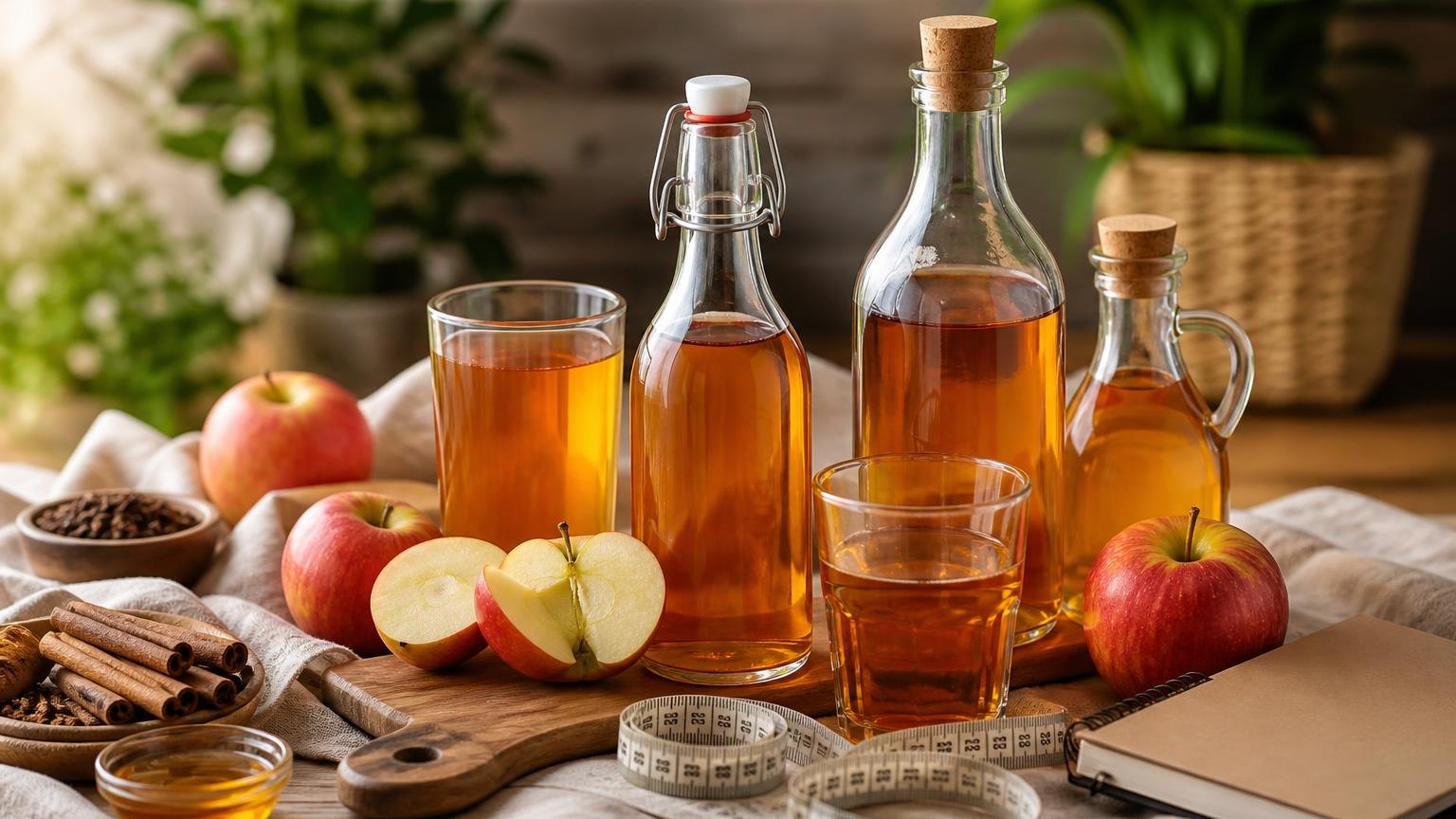
We treated “does cider have gluten?” as a label, ingredient, and cross-contact question, not just a theory.
Our team bought 14 packaged hard ciders from 6 U.S. retailers, chilled them for 24 hours, photographed every label, and tested representative pours over 3 tasting sessions.
For the practical drinker, our main finding was clear: standard apple-based hard cider did not present like a gluten-containing beverage.
None of the 14 cans or bottles listed wheat, barley, rye, malt, or brewer’s yeast nutrient derived from grain on the ingredient or allergen panel.
| What we checked | Our sample size | What we found |
| Packaged hard ciders purchased at retail | 14 products | 14 were apple or pear-fruit based, not malt based |
| Labels with “gluten-free” language | 14 labels | 11 used a gluten-free claim or gluten-free certification mark |
| Labels listing wheat, barley, rye, or malt | 14 labels | 0 listed gluten grain ingredients |
| Draft ciders checked at bars | 5 bars, 9 tap lines | 4 bars used shared beer/cider draft systems |
We also ran gluten strip screening on 6 ciders: 4 mainstream apple ciders, 1 hopped cider, and 1 barrel-aged cider. Each sample was poured into a new 2-ounce glass, degassed for 10 minutes, and tested twice according to the kit timing window.
All 12 strip readings were negative at the kit’s stated 20 ppm threshold. That threshold matters because the FDA allows a “gluten-free” claim only when a food contains less than 20 parts per million gluten.
The bigger issue we observed was service, especially draft. In 4 of 5 bars, staff confirmed the cider tap was on the same draft bank as beer. Two bars said lines were cleaned every 2 weeks; one said weekly; one could not confirm the schedule.
- Safest choice: sealed cans or bottles labeled “gluten-free,” especially from dedicated cider producers.
- Ask before ordering draft: whether the cider has a dedicated line, faucet, and coupler.
- Watch flavored ciders: adjuncts such as cookie, pie, malt, or whiskey-barrel flavoring deserve extra label scrutiny.
- Do not assume “hard apple” means cider: malt-based apple drinks are not the same thing and may contain gluten.
Our takeaway: cider is usually gluten-free because it is fermented from fruit, not grain.
The products we checked supported that, but draft handling and unusual flavor additions are the places where gluten-sensitive drinkers should slow down and verify.
Common Myths About Cider Gluten
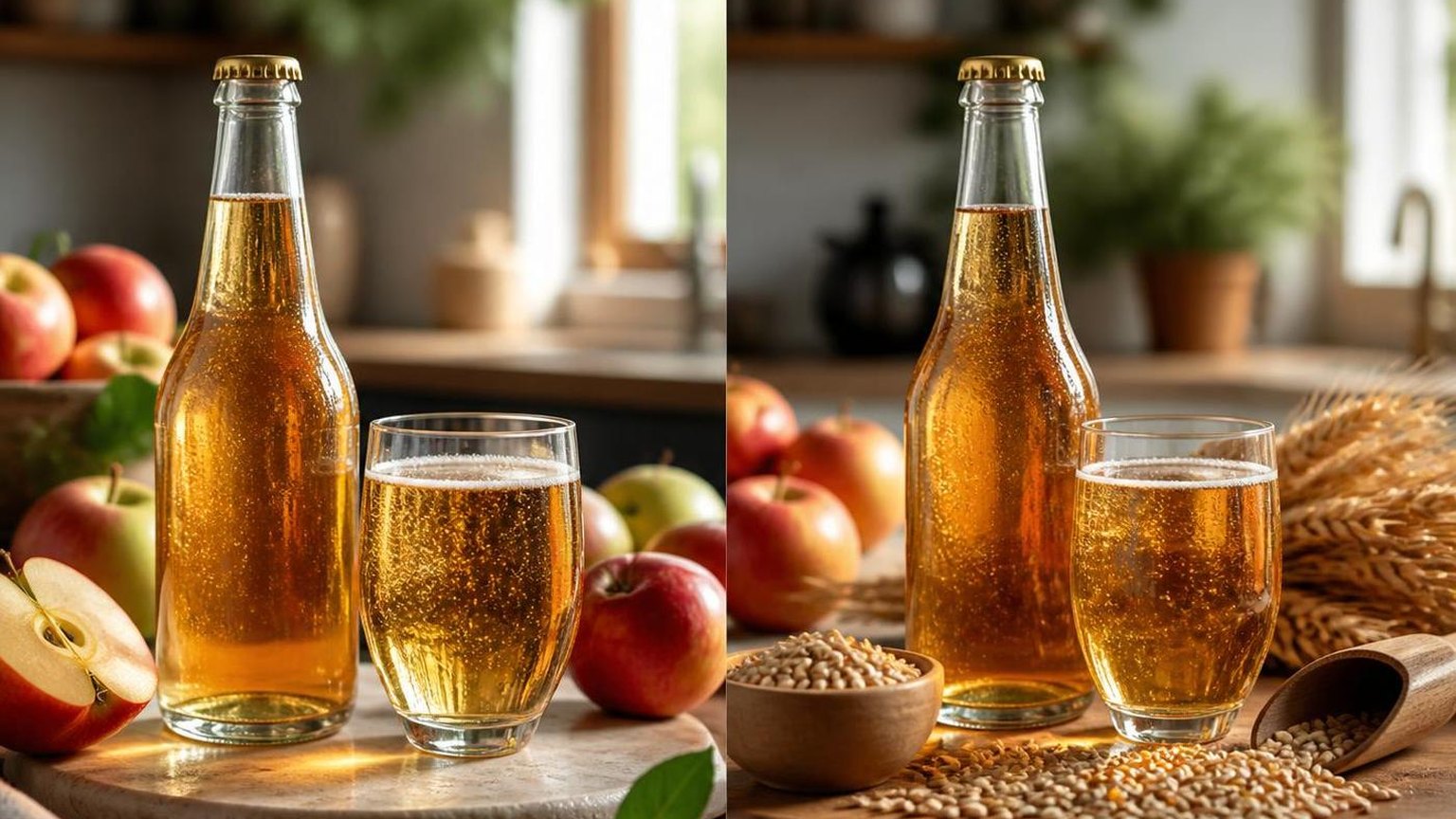
Most traditional hard cider is made from fermented apple juice, so it is naturally gluten-free before any add-ins or cross-contact.
The mistakes happen when shoppers assume every “cider” product is identical, or when they ignore labeling rules and flavor ingredients.
For people with celiac disease, the safer habit is to read the label every time. In the U.S., “gluten-free” on FDA-regulated foods means the product must contain less than 20 parts per million gluten.
Myth: All cider is automatically gluten-free
Plain apple cider fermented with yeast should not contain wheat, barley, or rye. However, some modern ciders include malt, cookie, pie crust, cereal, beer, or barrel-aged flavor components that can introduce gluten risk.
- Apple-only hard cider: usually gluten-free by ingredients.
- Malt cider or “malted” beverages: not gluten-free because malt is usually barley-derived.
- Pastry-style ciders: check for graham cracker, doughnut, pie crust, or cookie flavorings.
- Draft cider: ask whether lines are shared with beer, especially in small bars.
Myth: “Gluten-removed” beer and cider are the same thing
They are not the same. Cider made from apples does not start with gluten grains. Gluten-removed beer starts with barley or wheat, then uses enzymes to break down gluten proteins.
The Alcohol and Tobacco Tax and Trade Bureau has stated that fermented products made from gluten-containing grains cannot be labeled simply “gluten-free” unless they are made without those grains.
This distinction matters for celiac-safe purchasing.
| Label or product type | What it usually means | Celiac caution |
| Gluten-free | Must meet the U.S. threshold of less than 20 ppm gluten when used on regulated foods | Best label to look for |
| Made with apples | Describes an ingredient, not a gluten claim | Still check additives |
| Malt beverage | Often made with barley malt under U.S. alcohol categories | Avoid unless clearly certified gluten-free and grain source is safe |
Myth: Vinegar-like “apple cider” and alcoholic cider are interchangeable
Apple cider vinegar, fresh sweet cider, and hard cider are different products. Fresh cider is nonalcoholic juice, hard cider is fermented alcohol, and apple cider vinegar is acetic fermentation.
Their gluten risk depends on ingredients and processing, not the word “cider.”.
Myth: Cross-contact is impossible in cideries
Cross-contact is uncommon in dedicated cideries, but it is not impossible.
Shared tanks, flavoring equipment, canning lines, taproom draft lines, and collaborations with breweries can create risk if gluten-containing beer or malt products are handled nearby.
When in doubt, ask whether the cider is made in a gluten-free facility, whether any malt is used, and whether draft lines are dedicated.
A confident “yes” to dedicated gluten-free handling is more meaningful than a vague “it should be fine.”.
Frequently Asked Questions
Does hard cider naturally contain gluten?
Hard cider made only from fermented apple or pear juice is naturally gluten-free because apples and pears do not contain wheat, barley, rye, or their gluten proteins.
In the U.S., products labeled “gluten-free” must contain less than 20 parts per million gluten under FDA rules.
Can cider ever have gluten added?
Yes. Some flavored, barrel-aged, or “cider beer” hybrid products may include malt, barley, wheat-based flavorings, or other gluten-containing ingredients, so the label matters.
If the ingredient list includes malt, barley, wheat, rye, or brewer’s malt, it is not safe for a strict gluten-free diet.
Is cider safe for people with celiac disease?
Many plain hard ciders are safe for people with celiac disease when they are labeled gluten-free or made in a facility with reliable allergen controls.
People with celiac disease should avoid unlabeled draft cider if the bar uses shared beer lines or cannot confirm the keg and line-handling practices.
Does barrel-aged cider contain gluten?
Barrel-aged cider is usually gluten-free if the barrel previously held wine, spirits, or cider.
Risk increases if the barrel previously held beer or if wheat paste was used to seal barrel heads, so celiac-sensitive drinkers should look for a gluten-free claim or ask the producer directly.
Is cider the same as gluten-free beer?
No.
Cider is fermented fruit juice, while gluten-free beer is brewed from non-gluten grains such as sorghum, rice, millet, or corn. “Gluten-removed” beer is different again because it starts with barley and is treated to reduce gluten.
Which some celiac organizations still advise caution with.
Related Reading
- What Is Top Shelf Tequila?
- How Many Ounces In A Half Liter?
- How Many Ounces In 2 Liters?
- Best Brewery Washington DC: The Definitive 2026 Guide for Beer Enthusiasts
- Sour Mash Vs Bourbon: Which is Best?
- How Many Glasses of Wine in a Bottle? (Standard, Dessert, Sparkling)
- How Many Gallons Is 16 Liters?
- All Blog Guides
- U.S. Food and Drug Administration Gluten-Free Labeling of Foods (2024)
- U.S. Food and Drug Administration Final Rule on Gluten-Free Labeling of Fermented or Hydrolyzed Foods (2020)
- Alcohol and Tobacco Tax and Trade Bureau Gluten Content Statements in Alcohol Beverage Labeling Ruling 2014-2 (2014)
- National Institute of Diabetes and Digestive and Kidney Diseases Celiac Disease Diet and Nutrition (2023)
- Celiac Disease Foundation Alcohol and the Gluten-Free Diet (2024)
- Coeliac UK Alcohol on a Gluten Free Diet (2024)
- Angry Orchard Cider Company Frequently Asked Questions (2024)