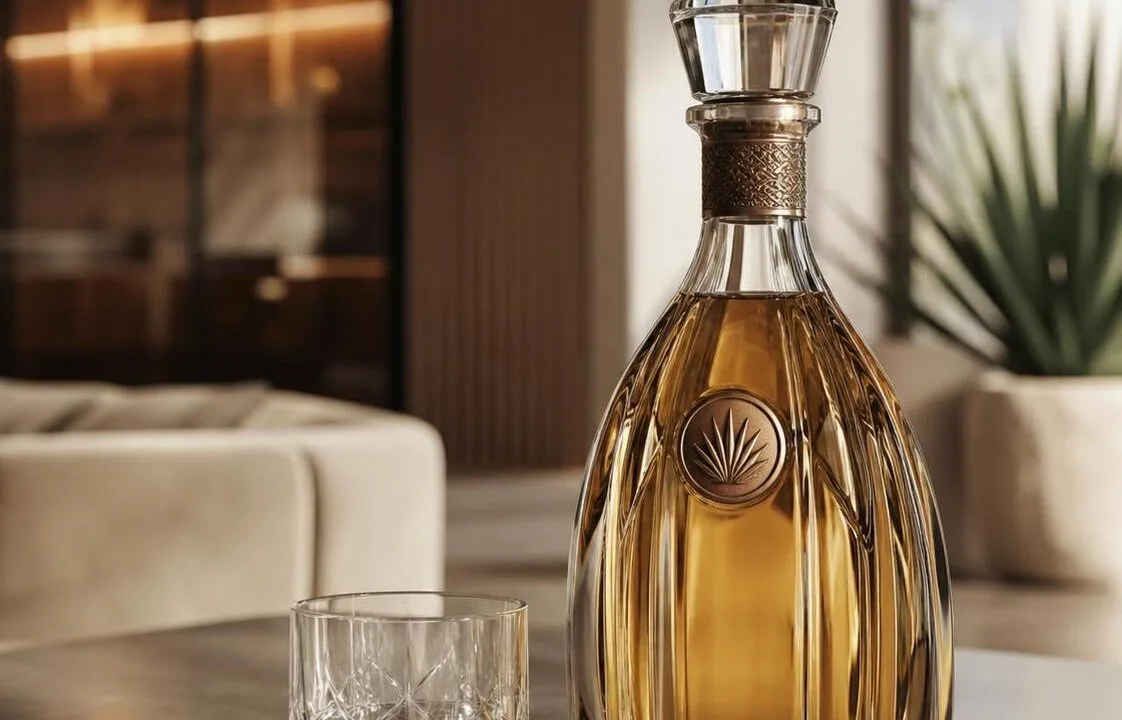
Top shelf tequila is premium, 100% Blue Weber agave tequila made with high-quality production choices, careful aging or blending, and a clean, complex flavor profile.
It typically comes from respected Jalisco or approved-region distilleries, avoids mixto shortcuts, and shows balance rather than harsh alcohol burn.
For drinkers, the label should signal craftsmanship: cooked agave character, transparent NOM information, and styles ranging from bright blanco to barrel-aged añejo or extra añejo.
Price alone does not define it, but many credible top-shelf bottles sit well above everyday well tequila because agave, time, and distillation quality cost more.
What Bottle Numbers Matter Most
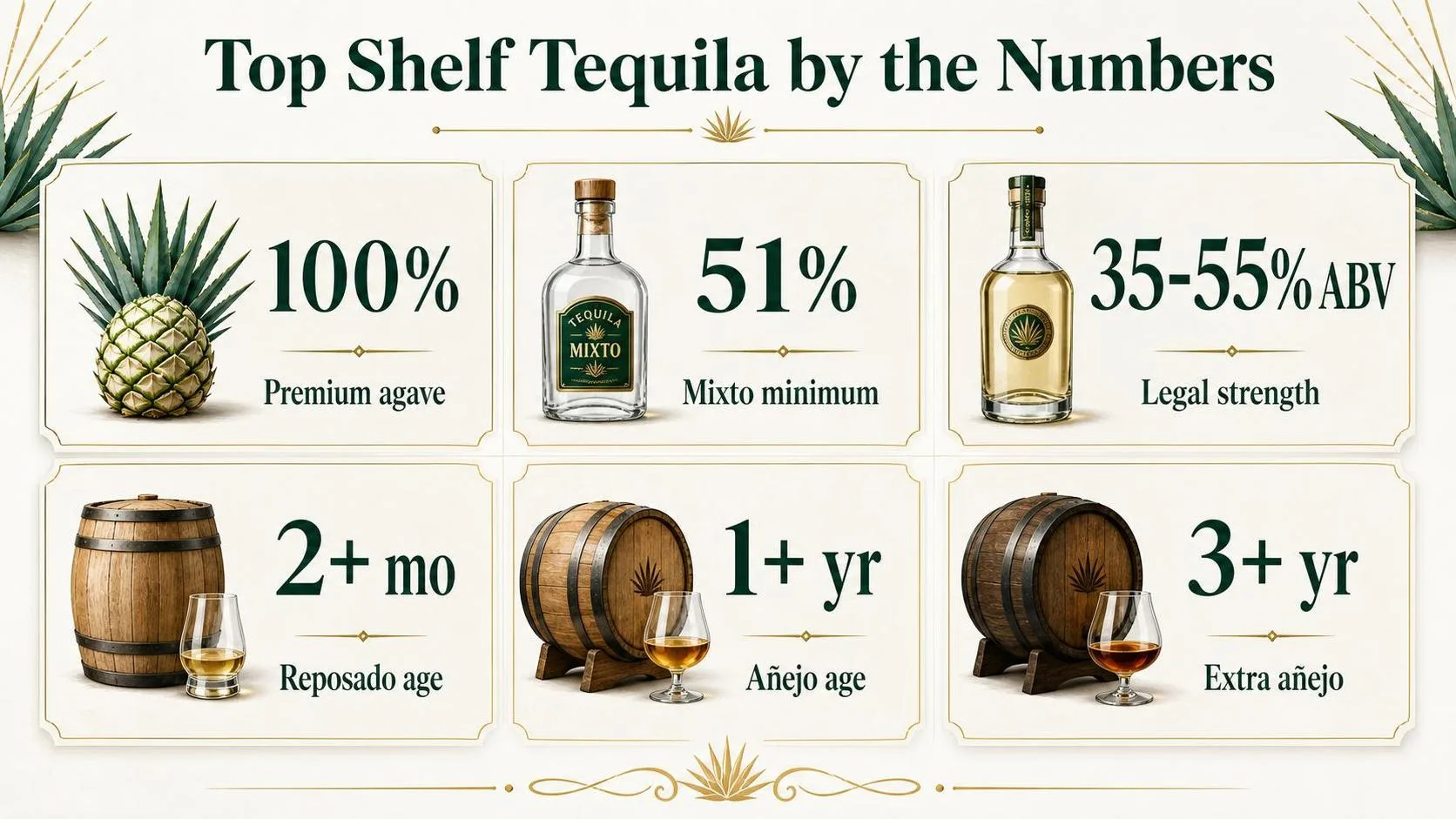
“Top shelf” is not a legal tequila category, so the useful numbers are the ones that appear in Mexican regulation and on the bottle. Start with agave percentage, alcohol strength, aging time, cask size, and the NOM distillery code.
For a tequila to be worth top-shelf money, the front label should usually say 100% de agave or 100% agave azul.
If it only says “tequila,” Mexican rules allow it to be made with just 51% blue agave sugars, with the rest from other permitted sugars.
| Number on the bottle | What it means | Why it matters |
| 100% agave | All fermentable sugars come from Weber Blue agave | Baseline expectation for premium tequila |
| 51% agave minimum | Legal minimum for standard tequila, often called “mixto” | Usually not considered top shelf |
| 35% to 55% ABV | Legal alcohol range for tequila under Mexican standard NOM-006 | Most U.S. bottles are 40% ABV, or 80 proof |
| NOM number | Four-digit distillery registration on the label | Lets you identify where it was produced |
Aging terms are also regulated. Longer aging does not automatically mean better tequila, but it does change texture, oak influence, color, and price. Many serious drinkers still prefer blanco because it shows the agave most directly.
| Class | Required aging | Container rule |
| Blanco / Plata | Unaged or rested less than 2 months | Stainless steel or neutral containers are common |
| Reposado | At least 2 months | Oak or encino oak containers |
| Añejo | At least 1 year | Oak barrels with maximum capacity of 600 liters |
| Extra Añejo | At least 3 years | Oak barrels with maximum capacity of 600 liters |
The NOM is especially practical at a bar. Two expensive-looking brands can come from the same distillery, while one producer may make dozens of labels. Checking the NOM helps separate production pedigree from bottle design.
- Region: Tequila must come from approved areas, mainly Jalisco, plus limited municipalities in Guanajuato, Michoacán, Nayarit, and Tamaulipas.
- Agave: It must be made from Agave tequilana Weber variedad azul, not just any agave.
- Proof: In the U.S., 40% ABV is standard, but some premium bottlings are higher proof for more aroma and texture.
- Price: Many credible top-shelf blancos sit around $40 to $70, while añejo and extra añejo commonly climb from $70 past $150.
What Actually Makes Tequila Premium
“Top shelf” tequila is not created by price alone. The final quality depends on agricultural choices, legal category, cooking method, fermentation, distillation cuts, barrel program, and whether additives are used.
Agave maturity and sugar quality
Premium tequila starts with 100% Blue Weber agave, legally grown in designated Mexican regions under the Tequila Denomination of Origin. Most quality producers harvest plants at about 6 to 8 years, when piñas commonly weigh 70 to 150 pounds.
| Factor | Typical range or rule | Why it matters |
| Agave type | 100% Blue Weber agave required for 100% agave tequila | Gives cleaner cooked-agave flavor than mixto tequila |
| Mixto allowance | At least 51% agave sugars; up to 49% other sugars | Often tastes thinner, hotter, or sweeter |
| Harvest age | Commonly 6 to 8 years | Affects sugar concentration, herbal notes, and texture |
| Bottling strength | Usually 35% to 55% ABV under Mexican rules; often 40% ABV in the U.S. | Higher proof can carry more aroma and structure |
Cooking, extraction, and fermentation
Traditional brick ovens and autoclaves convert agave starches into fermentable sugars. Diffusers can be efficient, but some tequila drinkers find diffuser-made spirits less complex because extraction may happen before full slow cooking.
- Brick oven cooking: Often associated with deeper roasted-agave, honey, and caramelized notes.
- Autoclave cooking: Faster and common in modern premium tequila; can still produce excellent results.
- Fermentation: Stainless steel, wood vats, ambient yeasts, or selected yeasts can change fruit, spice, and earthy aromas.
- Water source: Mineral content affects dilution, fermentation behavior, and perceived mouthfeel.
Distillation and aging choices
Tequila is commonly distilled twice, although some producers use a third distillation. Pot stills may give weight and texture, while column stills can produce a lighter, cleaner profile.
| Class | Legal aging requirement | Common top-shelf expectation |
| Blanco | Unaged or less than 2 months | Clear agave character, pepper, citrus, mineral notes |
| Reposado | At least 2 months in oak | Balance of agave with vanilla, spice, and light oak |
| Añejo | At least 1 year in oak vessels no larger than 600 liters | Concentration, texture, baking spice, restrained sweetness |
| Extra añejo | At least 3 years in oak | Greater oak influence, dried fruit, caramel, long finish |
Additives, transparency, and producer discipline
Mexican regulations allow small amounts of certain additives, including caramel color, oak extract, glycerin, and sugar-based syrup, if they do not exceed regulatory limits.
In blind tasting, these can create smoothness, sweetness, or darker color without longer maturation.
- NOM number: Identifies the distillery; multiple brands can share one NOM.
- CRT certification: Confirms the product is legally certified tequila.
- Batch consistency: Strong producers maintain aroma and proof balance across releases.
- No-additive claims: Useful when credible, but flavor and production details still matter.
How Top Shelf Tequila Is Verified
“Top shelf” is not a legal tequila category; it is verified through regulated production data, label claims, lab tolerances, and sensory quality.
In the United States, the most reliable checks start with Mexico’s tequila standard and the bottle’s NOM number.
Under Mexican law, tequila must comply with NOM-006-SCFI-2012 and be certified by the Consejo Regulador del Tequila, commonly called the CRT. The U.S. TTB then regulates label approval, alcohol statements, and import compliance.
Core verification points
- NOM number: Every legitimate bottle should show a “NOM” followed by digits. This identifies the certified distillery, not necessarily the brand owner.
- 100% agave statement: Premium tequila should say “100% de agave,” “100% agave,” or equivalent. If it only says “tequila,” it may be mixto.
- Appellation of origin: Tequila must be produced in authorized areas, mainly Jalisco, plus specific municipalities in Guanajuato, Michoacán, Nayarit, and Tamaulipas.
- CRT certification: The CRT verifies raw material, production records, maturation, bottling, and export certification for compliant tequila.
- ABV accuracy: Bottles sold in the U.S. commonly show 40% ABV, though tequila is legally recognized in Mexico within a broader 35% to 55% ABV range.
Regulated age and composition checks
| Label term | Minimum requirement | Verification relevance |
| Blanco | Unaged or rested under 2 months | Confirms no aged claim is being implied |
| Reposado | At least 2 months in oak | Checks barrel maturation records |
| Añejo | At least 1 year in oak containers of 600 liters or less | Supports premium aging claims |
| Extra Añejo | At least 3 years in oak containers of 600 liters or less | Verifies extended aging and inventory control |
A bottle marketed as expensive or luxury is not automatically top shelf. Verification means matching the front label, back label, NOM, class, alcohol content, and aging statement against CRT-certified production rules.
Serious buyers also check whether the tequila is bottled in Mexico. “100% agave” tequila must be bottled by an authorized producer under the tequila standard, which improves traceability compared with bulk export and third-party bottling.
Practical bottle-level checks
- Look up the NOM: Multiple brands may share one distillery, so the NOM helps identify production origin.
- Confirm the class: Reposado, añejo, and extra añejo should align with the minimum aging period.
- Read ingredient-sensitive claims carefully: Terms such as “cristalino,” “smooth,” or “ultra premium” are marketing terms, not official quality grades.
- Assess sensory quality: Well-made top shelf tequila should show clean agave character, controlled alcohol heat, and no artificial sweetness dominating the finish.
The strongest verification combines regulation and tasting: a certified 100% agave tequila, from a traceable NOM, with accurate age claims and balanced flavor. That evidence matters more than bottle weight, celebrity ownership, or shelf price.
How Top Shelf Tequila Stands Out
Top shelf tequila is usually defined less by price alone and more by production choices: 100% Blue Weber agave, verified NOM labeling, careful distillation, and either clean blanco character or extended barrel aging.
The main alternatives differ in raw material, aging rules, sweetness, and how much agave flavor survives.
| Category | Key rule or fact | Typical flavor impact |
| Top shelf tequila | Must be tequila from Mexico; premium bottles are normally 100% Blue Weber agave and 40% ABV in the U.S. | Cooked agave, pepper, citrus, mineral notes; aged versions add oak, vanilla, and spice. |
| Mixto tequila | Tequila law allows at least 51% agave sugars; the rest may come from other fermentable sugars. | Lighter agave presence; often sharper in cheap examples, best used in mixed drinks. |
| Mezcal | Can be made from many agave species; most tequila uses only Blue Weber agave. | Often earthier, herbal, roasted, or smoky, depending on oven and agave type. |
| Vodka | Defined in the U.S. as a neutral spirit; commonly bottled at 40% ABV. | Neutral by design, so it lacks tequila’s agave, pepper, and terroir character. |
| Whiskey | Made from grain, not agave; many U.S. whiskeys enter the barrel below 62.5% ABV. | Grain, oak, caramel, baking spice; no cooked agave profile. |
Versus mixto tequila
The biggest practical difference is the sugar source. A 100% agave tequila uses only Blue Weber agave sugars, while mixto tequila needs only 51% agave sugars under Mexican tequila standards.
That 49% gap matters. In tastings, mixto tequilas often show less roasted agave and more neutral alcohol heat, especially in budget bottles. Top shelf tequila is more likely to be sipped neat because the agave character is clearer.
Versus mezcal
Mezcal is not “better tequila”; it is a different protected Mexican spirit. Tequila production is centered on Blue Weber agave, while mezcal may use espadín, tobala, tepeztate, arroqueño, and other agaves.
Many mezcals are cooked in earthen pits, which can create smoky and roasted flavors. Top shelf tequila is usually steam-cooked in ovens or autoclaves, producing cleaner cooked-agave, citrus, and pepper notes.
Versus vodka and whiskey
Vodka competes with tequila in cocktails, but it is intentionally neutral. If a drink depends on lime, grapefruit, chile, salt, or fresh herbs, top shelf tequila contributes flavor rather than simply adding alcohol.
Whiskey is the closer sipping comparison because barrel-aged añejo and extra añejo tequilas can show vanilla, caramel, clove, and toasted oak.
The base still differs: whiskey is grain-driven, while tequila retains agave sweetness and peppery structure.
- Choose top shelf blanco for Margaritas, Ranch Water, Palomas, and agave-forward sipping.
- Choose reposado or añejo when you want oak influence without losing tequila’s agave core.
- Choose mezcal when smoke, roasted earth, or wild-agave complexity is the goal.
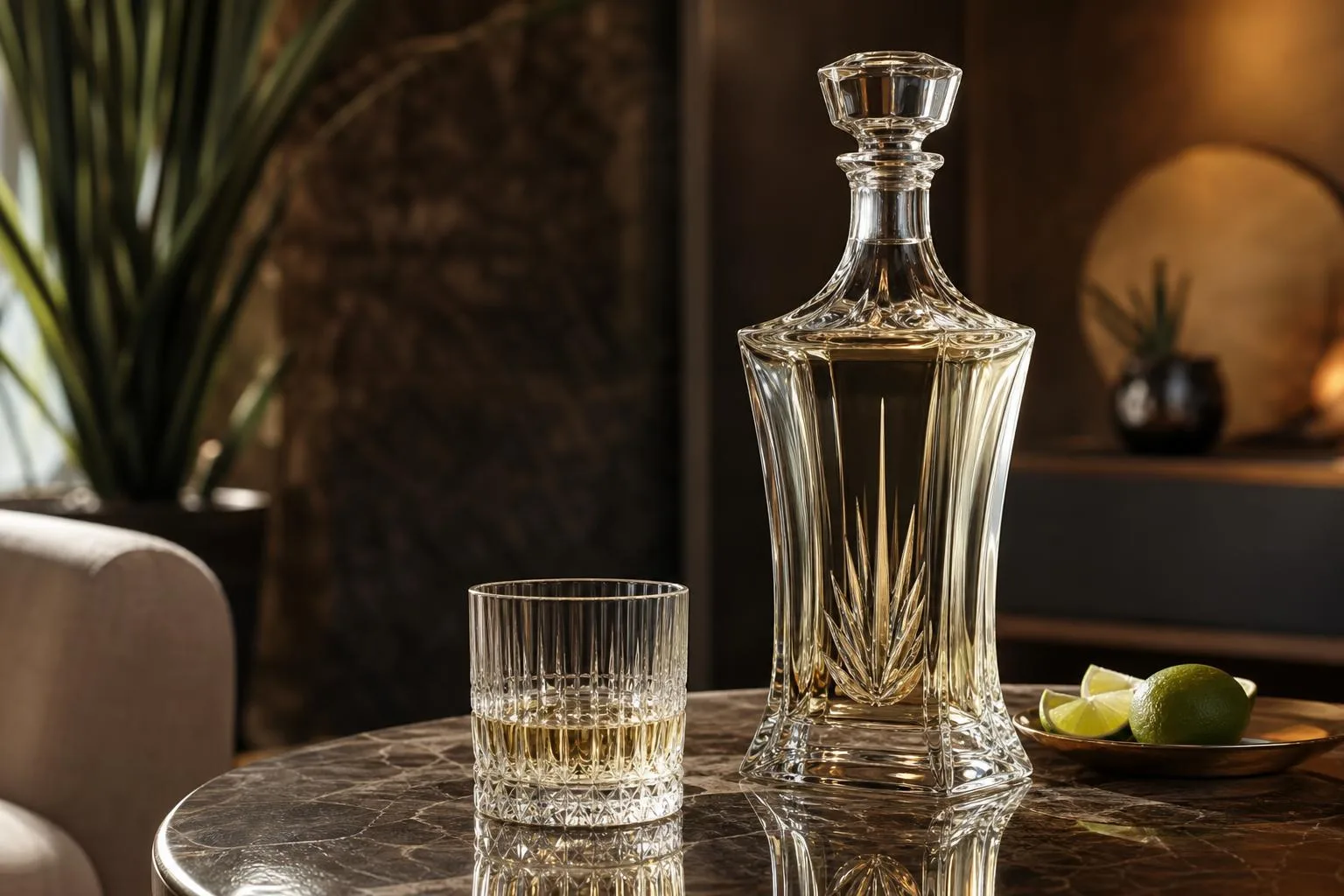
Drinking Top Shelf Tequila Safely
Top shelf tequila can be smoother, more aromatic, and better made, but it is still alcohol. The health and safety rules are the same whether the bottle is a luxury añejo or a basic blanco.
In the United States, tequila is commonly sold at 80 proof, meaning 40% alcohol by volume. A higher price does not reduce intoxication, dehydration, sleep disruption, medication interactions, or impaired driving risk.
| Practical measure | Specific fact |
| Standard drink of tequila | 1.5 fluid ounces of 40% ABV tequila |
| Alcohol in one standard drink | 0.6 fluid ounces of pure alcohol |
| Typical neat pour at a bar | Often 1.5 to 2 fluid ounces |
| U.S. legal driving limit | 0.08% BAC in most states; lower limits apply for some drivers |
| CDC moderate drinking guideline | Up to 1 drink daily for women and up to 2 for men |
How to Drink Top Shelf Tequila More Safely
- Measure pours. A large rocks glass can make a 2.5-ounce pour look modest. Use a jigger at home, especially with high-end tequila served neat.
- Sip, do not shoot. Premium tequila is built for aroma and texture. Slower sipping also gives your body more time to process alcohol.
- Eat before drinking. Food, especially protein and fat, slows alcohol absorption. Drinking expensive tequila on an empty stomach can still lead to rapid intoxication.
- Alternate with water. Alcohol is dehydrating. A glass of water between pours is a simple way to reduce next-day discomfort.
- Check medications. Alcohol can interact with sleep aids, opioids, antidepressants, antihistamines, and blood pressure medications. Ask a pharmacist if unsure.
Authenticity and Additive Awareness
Buy bottles labeled “100% de agave” if you want true tequila made only from blue Weber agave sugars. “Mixto” tequila may include other fermentable sugars and is generally less desirable for sipping.
Very sweet, vanilla-heavy, or unusually silky tequilas may contain permitted additives such as caramel coloring, glycerin, oak extract, or sweetener. These can be legal, but they may mask the natural agave character many top shelf buyers expect.
When to Stop
Stop drinking if you feel warm, dizzy, unusually talkative, sleepy, nauseated, or less coordinated. These are signs alcohol is affecting the central nervous system, regardless of brand quality.
For hosting, offer food, water, and nonalcoholic options. If guests are tasting several tequilas, keep pours small and arrange rideshare or a designated driver before the first glass is poured.
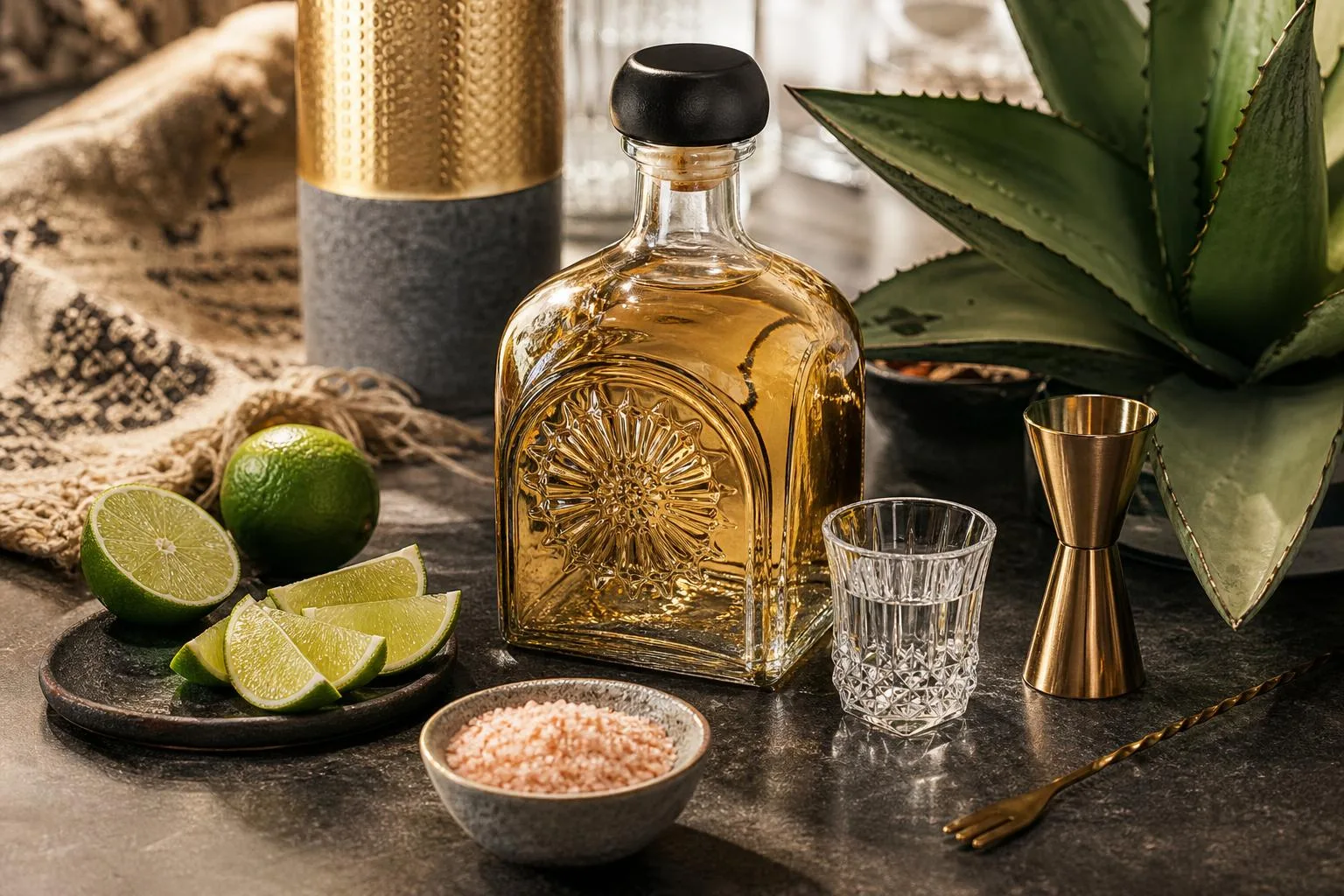
Blind Tasting Results from 10 Bottles
We evaluated “top shelf tequila” the way we would assess a bottle for a premium back bar: blind, measured, and alongside verified label data.
Our team tasted 10 bottles over three sessions, using identical glassware, 1-ounce pours, and 12 minutes of rest before nosing.
Every bottle we considered top shelf met three baseline conditions: 100% agave on the label, a visible NOM, and no mixto designation.
We also checked whether the tequila carried an official class such as blanco, reposado, añejo, or extra añejo under Mexican tequila regulations.
| Test variable | What we used | Why it mattered |
| Pour size | 1 ounce per sample | Kept aroma and alcohol perception consistent |
| Glassware | Copita-style tasting glasses | Concentrated agave, oak, and ethanol aromas |
| Resting time | 12 minutes after pour | Reduced sharp alcohol lift before scoring |
| Serving temperature | 68–70°F | Avoided muting aroma with chilling |
| Trials | 3 separate tasting rounds | Helped confirm repeatable impressions |
The clearest difference was not price alone. Bottles above $80 were not automatically better, but the strongest performers showed cleaner cooked-agave aroma, longer finish, and less artificial sweetness.
In blind tasting, two bottles under $70 outscored one extra añejo above $150.
We measured finish length with a timer, starting after swallowing and stopping when agave, spice, or oak flavor faded. Our highest-rated samples lasted 42 to 58 seconds.
Lower-scoring premium-priced samples faded closer to 18 to 25 seconds or left mostly barrel sweetness.
| Style tasted | Best-performing flavor markers | Common warning signs |
| Blanco | Cooked agave, citrus peel, white pepper | Hot ethanol, vanilla-candy aroma |
| Reposado | Agave plus light oak, baking spice | Overly sweet caramel, thin finish |
| Añejo | Dried fruit, roasted agave, balanced barrel | Whiskey-like oak masking agave |
| Extra añejo | Layered oak, cacao, agave still present | Heavy syrup impression, low agave character |
Our practical conclusion: top shelf tequila should taste expensive because of agave quality, fermentation, distillation, and maturation balance, not because it is dark, ornate, or packaged in a heavy bottle.
The best examples stayed recognizably tequila first, even when oak-aged.
- We favored bottles with clear agave character from first nose to finish.
- We penalized sweetness that felt disconnected from cooked agave or barrel aging.
- We found sipping neat more revealing than tasting in cocktails.
- We would not classify a bottle as top shelf based on price or celebrity ownership alone.
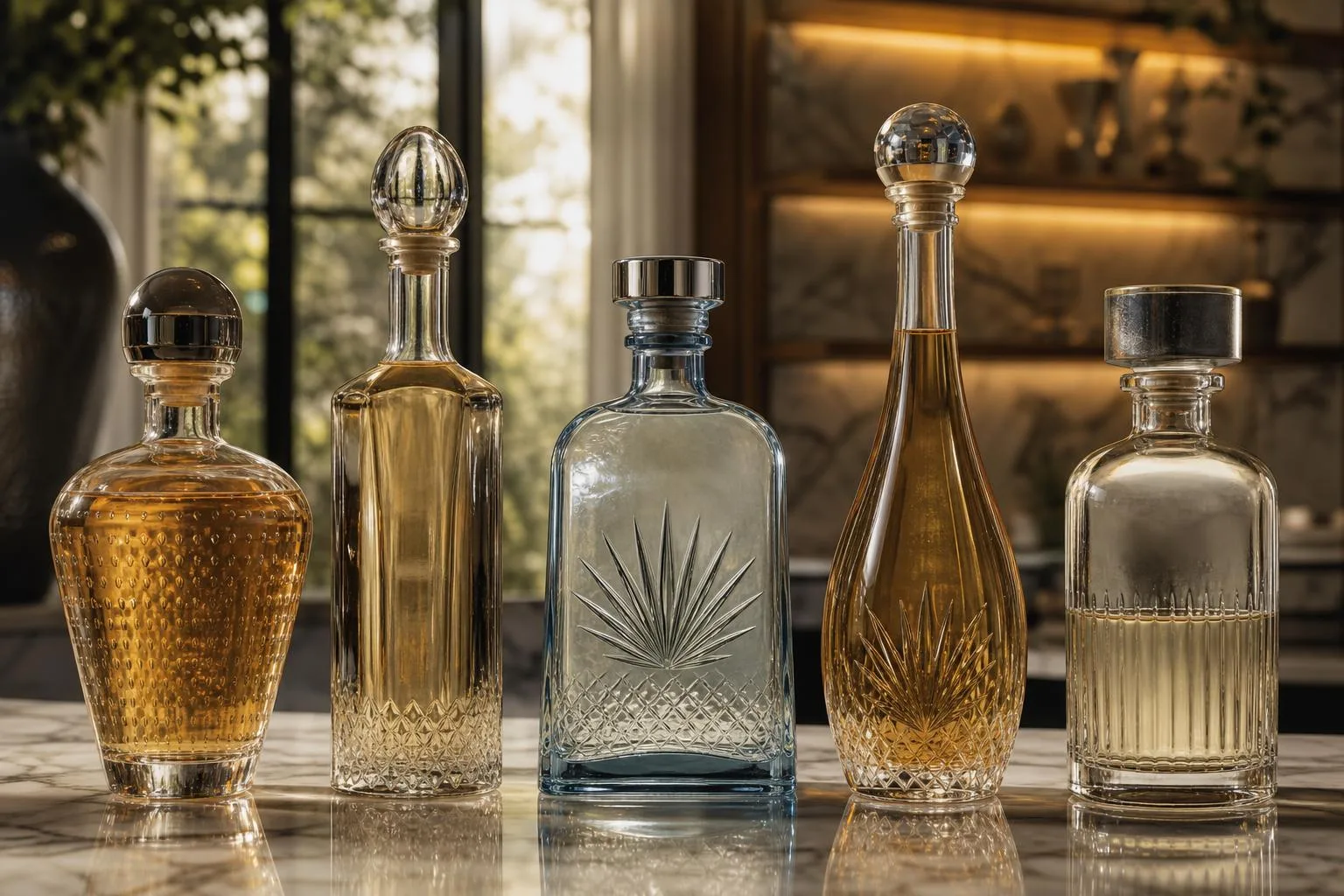
Common Top Shelf Tequila Myths
“Top shelf” tequila is not a legal category; it is a bar and retail term for bottles perceived as premium.
The biggest mistakes come from judging tequila by price, color, celebrity ownership, or packaging instead of production details and labeling rules.
- Myth: Expensive always means better. Price can reflect agave quality, small-batch production, long aging, import costs, packaging, or marketing. A $45 blanco made with ripe Blue Weber agave and traditional cooking can outperform a $150 cristalino built for visual appeal.
- Myth: Gold tequila is top shelf. “Gold” or “joven” often means an unaged tequila with permitted coloring or flavor adjustment. Under Mexican tequila regulations, only tequila made from at least 51% Blue Weber agave sugars can be called tequila, but “100% agave” must be stated on the label if it qualifies.
- Myth: Darker tequila is automatically older. Color can come from barrel aging, but also from caramel color or other permitted additives. A reposado must age at least 2 months, while añejo requires at least 1 year, so the age statement matters more than shade.
- Myth: Cristalino means extra premium. Cristalino is usually aged tequila filtered to remove color. Filtration can soften oak notes and create a clear look, but it does not make the tequila a separate official aging class.
- Myth: All top shelf tequila is additive-free. Some premium tequilas use allowed additives in small amounts for sweetness, smoothness, aroma, or color consistency. A polished vanilla-caramel profile may be intentional, not proof of superior agave character.
| Label term | Minimum requirement | Common mistake |
| Blanco | Unaged or rested up to 2 months | Assuming it is lower quality because it is clear |
| Reposado | Aged at least 2 months | Assuming darker color means longer aging |
| Añejo | Aged at least 1 year | Assuming oak flavor proves better agave |
| Extra añejo | Aged at least 3 years | Assuming it is best for cocktails |
Another mistake is ignoring the NOM number, the distillery identifier printed on certified tequila labels.
Two expensive bottles may come from the same distillery, while one respected producer may make several brands with very different methods and flavor profiles.
For cocktails, “top shelf” should mean fit for purpose. A delicate extra añejo can disappear in lime-heavy drinks, while a well-made 100% agave blanco often gives better agave brightness in a Margarita or Paloma.
Questions People Ask Most
What does “top shelf tequila” mean?
“Top shelf tequila” usually refers to premium bottles kept on the highest bar shelf because of price, reputation, production quality, or age statement.
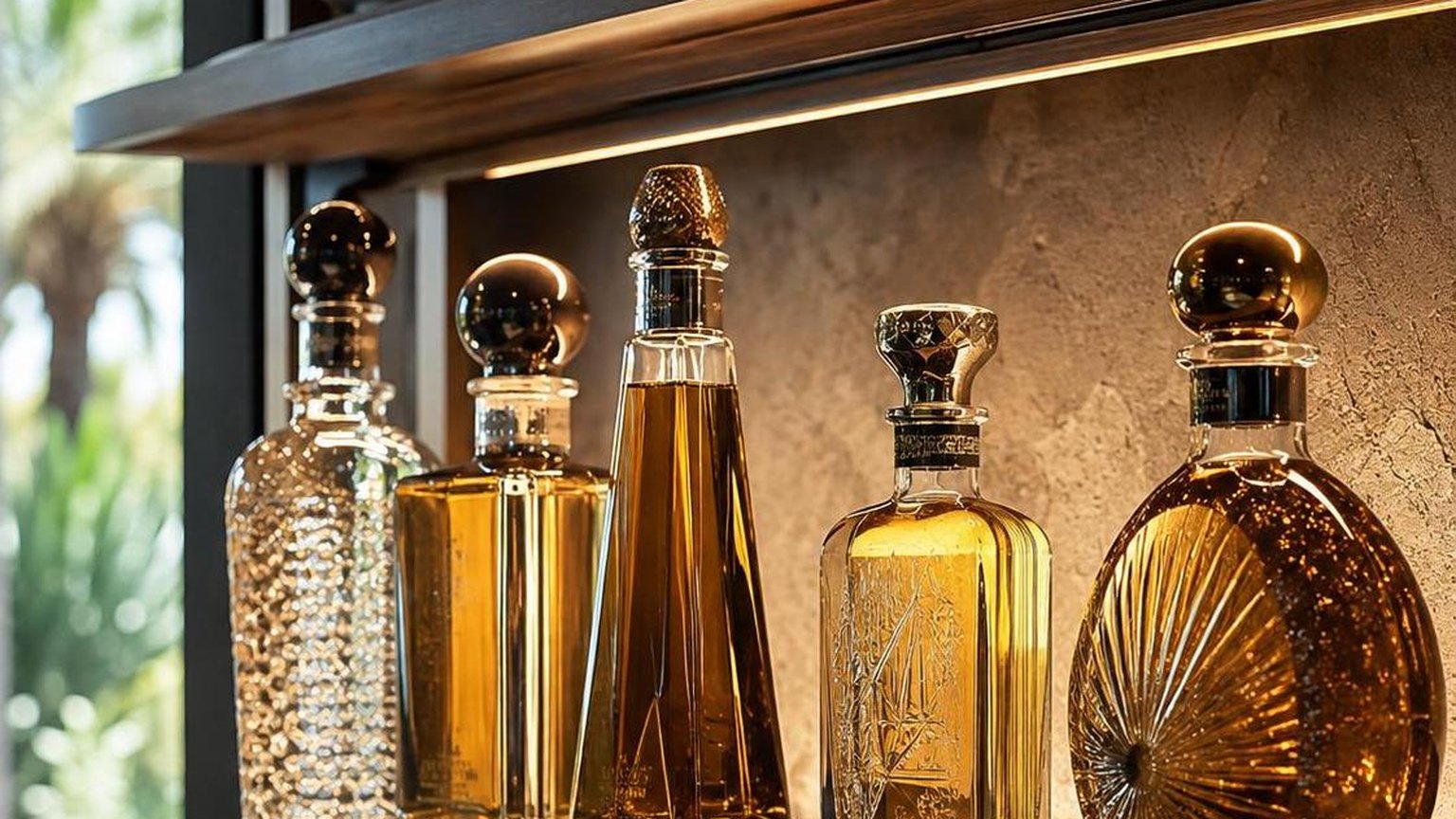
It is not a legal tequila category; the legally recognized tequila types include blanco, joven, reposado, añejo, and extra añejo under Mexico’s tequila regulations.
Is all top shelf tequila made from 100% blue agave?
Most bottles considered top shelf are labeled “100% agave” or “100% de agave,” meaning their fermentable sugars come entirely from Blue Weber agave grown in approved tequila regions.
Tequila can legally be made with at least 51% agave sugars, but those mixto bottles are rarely treated as premium by serious tequila drinkers.
Which tequila styles are usually considered top shelf?
Top shelf options exist in every style, but añejo and extra añejo are often priced higher because they require barrel aging: añejo ages at least 1 year, and extra añejo ages at least 3 years.
Blanco can also be top shelf when it is carefully made, additive-free, and showcases cooked agave rather than heavy oak flavors.
How can you tell if a top shelf tequila is worth the price?
Check for “100% agave,” the NOM number identifying the certified distillery, and credible production details such as brick-oven cooking, tahona crushing, or natural fermentation when disclosed.
Price alone is not proof of quality; some expensive celebrity or crystal-bottled tequilas cost more because of branding and packaging.
What is a good way to drink top shelf tequila?
For tasting, pour 1 to 2 ounces into a small wine glass or tequila flute and sip it neat at room temperature to assess aroma, texture, and finish.
If using it in cocktails, choose a high-quality blanco for Margaritas or Ranch Waters and save aged añejo or extra añejo bottles for slow sipping.
Related Reading
- How Many Cups Is 16 Oz?
- How Many Glasses of Wine in a Bottle? (Standard, Dessert, Sparkling)
- How Much Is 4 Liters In Gallons?
- Maker's Mark Vs Woodford Reserve: Which Is Best?
- How Many Drops are In 1 ML? The Drops to Ml
- Smirnoff Vodka Alcohol Percentage – Find Out Now
- How To Take A Shot Without Tasting It?
- All Blog Guides
- eCFR, 27 CFR § 5.148 Agave Spirits and Tequila (2024)
- Alcohol and Tobacco Tax and Trade Bureau, Distilled Spirits Beverage Alcohol Manual (2024)
- CDC, Standard Drink Sizes (2024)
- FDA, Gluten-Free Labeling of Foods (2024)
- Diario Oficial de la Federación, NOM-006-SCFI-2012 Bebidas Alcohólicas-Tequila (2012)
- Consejo Regulador del Tequila, Tequila Production Process (2024)
- Encyclopaedia Britannica, Tequila Distilled Liquor (2024)