What Is The Best Most Expensive Tequila In The World? is Ley .925 Diamante, a 100% agave extra-añejo tequila presented in a diamond-studded platinum bottle valued at about $3.5 million.
Its price is driven as much by the vessel as by the spirit inside.
For drinkers judging liquid over jewelry, ultra-premium extra-añejos from Clase Azul, Patrón en Lalique, and Tears of Llorona are more practical benchmarks.
This guide separates collectible bottle value from actual tasting quality, using aging, agave source, production method, rarity, and verified market pricing.
The Key Numbers, Explained
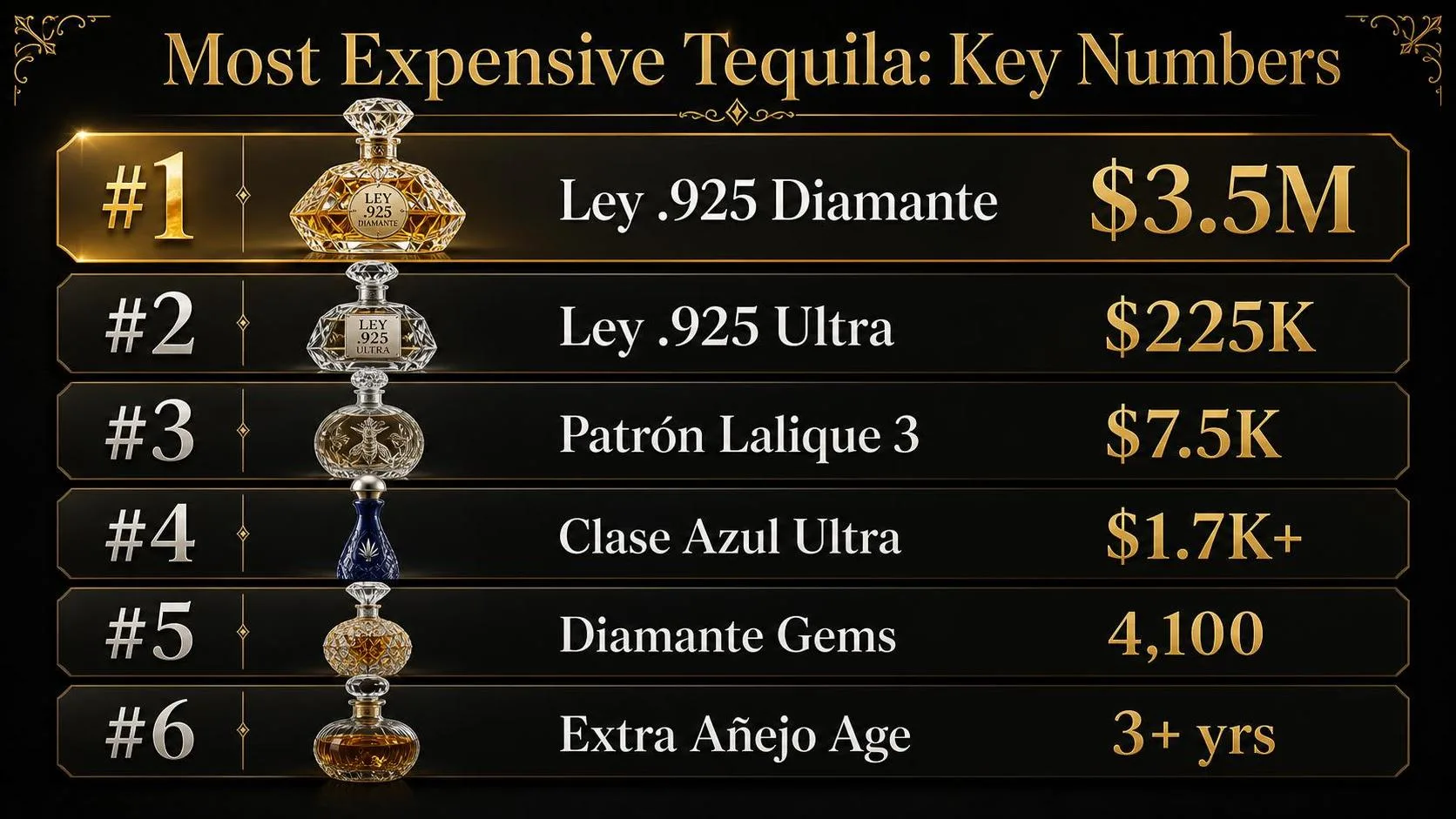
The “most expensive tequila” title depends on whether you mean the liquid, the decanter, or an auction-style luxury object. The biggest published number is tied mostly to jewelry-grade packaging, not to a radically different agave spirit.
For serious buyers, the useful comparison is price per bottle, age statement, production size, and how much of the cost reflects the vessel.
| Tequila | Headline price | Key number to understand | What the number means |
| Tequila Ley .925 Diamante | Reported at about $3.5 million | 4,100 diamonds | The price is driven by the platinum-and-diamond bottle; it is more luxury object than normal retail tequila benchmark. |
| Tequila Ley .925 Ultra Premium | Reported at $225,000 | 6.6 pounds of platinum and white gold bottle work | Another packaging-led price, often cited in “world’s most expensive” rankings. |
| Patrón en Lalique Serie 3 | $7,500 original release price | 299 bottles | A collectible extra añejo in a Lalique crystal decanter; scarcity is real and documented. |
| Clase Azul Ultra | Commonly listed around $1,700–$2,000 | 5-year extra añejo | A more realistic high-end retail reference, with cost split between aged tequila and hand-finished decanter. |
The $3.5 million Ley .925 Diamante is the headline answer, but it should be read carefully. The bottle reportedly uses platinum and thousands of diamonds, so the price is not a clean measure of tequila quality.
Age matters, but only to a point. Under Mexican tequila rules, añejo must age at least 1 year, and extra añejo must age at least 3 years in oak containers of 600 liters or less.
- Blanco: unaged or rested less than 2 months; usually shows the clearest cooked-agave character.
- Reposado: aged at least 2 months; oak influence begins to show.
- Añejo: aged at least 1 year; deeper vanilla, spice, and barrel notes.
- Extra añejo: aged at least 3 years; often the category for ultra-premium releases.
Production quantity is often a better luxury signal than age alone. Patrón en Lalique Serie 3 was limited to 299 bottles, which is why it belongs in any serious expensive-tequila discussion even below six figures.
The practical answer: the most expensive tequila ever cited is Tequila Ley .925 Diamante at roughly $3.5 million.
The best expensive tequila to actually compare and drink is usually a limited extra añejo from producers such as Patrón, Clase Azul, or similarly documented luxury releases.
What Affects the Result
The “best” most expensive tequila is never determined by price alone. The result changes depending on whether you judge by liquid quality, bottle rarity, verified retail price, auction value, or collectible design.
For drinkers, production choices matter most. For collectors, scarcity, provenance, and packaging can outweigh what is actually in the glass.
Key Factors That Change the Ranking
- Category: Extra añejo tequilas, aged at least 3 years under Mexican law, usually dominate luxury rankings because barrel time adds cost, evaporation loss, and flavor complexity.
- Agave source: All tequila must be made from Blue Weber agave grown in approved Mexican regions, mainly Jalisco. Mature agave commonly takes 6 to 8 years before harvest, tying up agricultural cost for years.
- Production method: Traditional brick ovens, tahona crushing, open fermentation, copper-pot distillation, and careful barrel selection usually raise production costs compared with high-volume industrial methods.
- Aging vessel: Ex-bourbon, French oak, sherry, Cognac, or wine casks affect both flavor and price. Rare cask programs can make a limited tequila meaningfully more expensive.
- Release size: A 100-bottle release and a 10,000-bottle release cannot be valued the same way, even if the tequila is similar in age.
- Packaging: Some record-setting tequilas derive much of their price from crystal, ceramic, platinum, gold, diamonds, or hand-painted decanters.
| Factor | Specific benchmark | Why it matters |
| Legal aging class | Extra añejo: minimum 3 years in oak | Long aging increases evaporation loss, storage cost, and barrel influence. |
| Agave maturity | Commonly 6 to 8 years before harvest | Older agave requires more land, time, and capital before production begins. |
| Alcohol strength | Tequila is bottled between 35% and 55% ABV under Mexican standards | Proof affects intensity, texture, dilution, and export market compliance. |
| Geography | Jalisco plus limited municipalities in 4 other Mexican states | Appellation limits supply and protects origin-based value. |
One important distinction: the most expensive bottle is not automatically the best tequila to drink. Clase Azul, Patrón, Don Julio, and Tequila Ley .925 have all commanded luxury attention, but their value drivers differ sharply.
Tequila Ley .925’s famous ultra-luxury bottles, including diamond and precious-metal presentations, are collector objects as much as spirits.
In that case, the headline price reflects jewelry-grade materials and rarity, not only the aged tequila inside.
For a fair result, compare like with like: verified bottle price, bottle size, release count, age statement, production method, and whether the price is retail, secondary market, or marketing valuation.
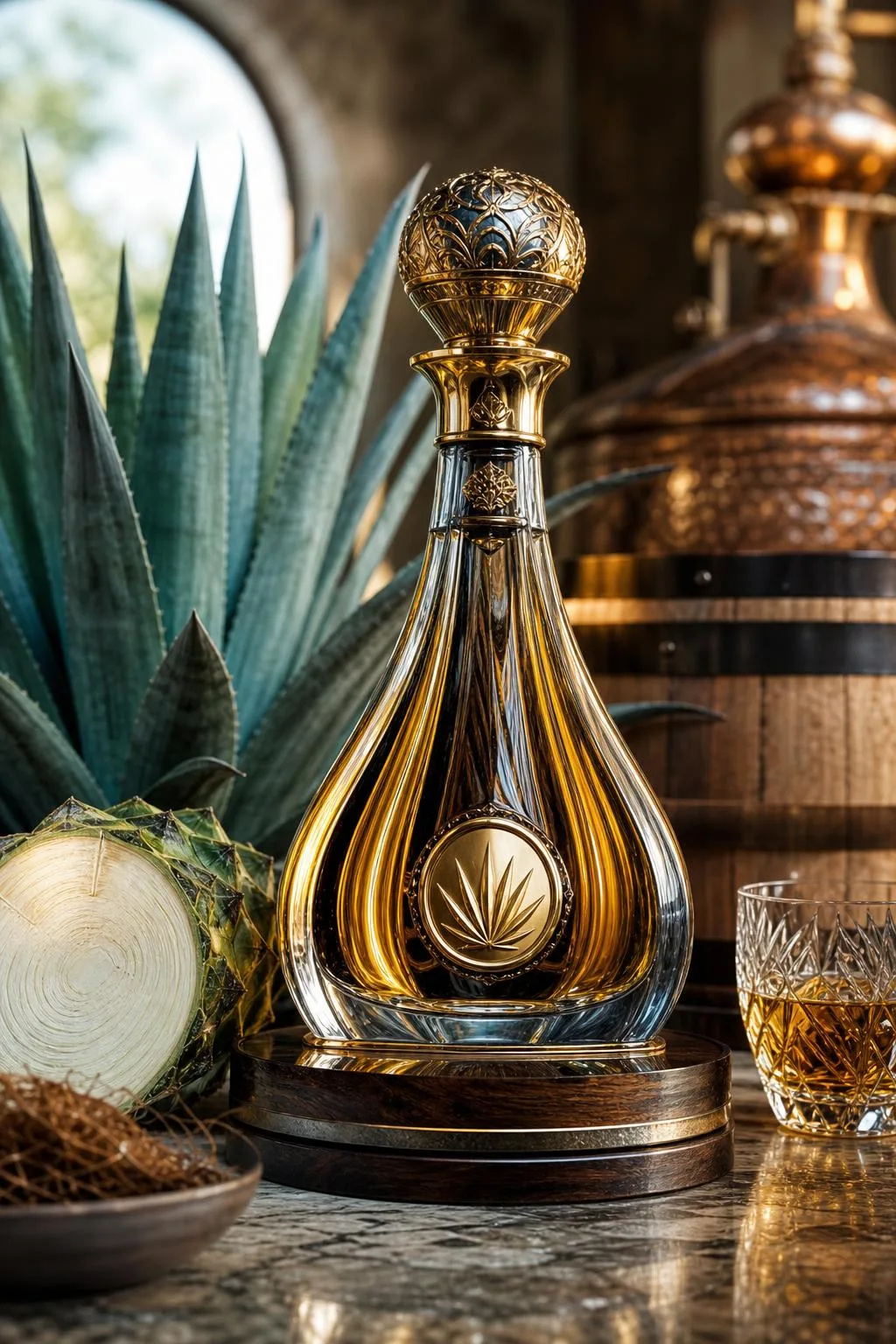
How It Is Measured and Verified
The “most expensive tequila” is not verified by the highest marketing claim alone.
It is measured by documented transaction price, legal tequila status, bottle count, provenance, and whether the liquid inside meets Mexico’s tequila regulations.
For Flight Wine Bar, we separate a confirmed sale from an asking price. A $3.5 million bottle may be famous, but it is weaker evidence than a dated invoice, auction result, or buyer-confirmed private sale.
| Verification point | What is checked | Why it matters |
| Legal tequila identity | Produced under NOM-006-SCFI-2012 and certified by the Consejo Regulador del Tequila | Confirms it is tequila, not only an agave spirit or decorative bottle |
| Alcohol strength | Tequila must be bottled between 35% and 55% ABV under Mexican rules | Filters out non-compliant commemorative products |
| Agave content | “100% agave” must be made only from Blue Weber agave sugars | Most ultra-premium tequilas rely on this designation |
| Sale evidence | Auction record, invoice, retailer receipt, or escrow/private-sale documentation | Distinguishes realized value from publicity pricing |
| Rarity | Numbered bottle, edition size, release year, and producer confirmation | Scarcity strongly affects collectible pricing |
The first technical check is the NOM number on the bottle. Every legitimate tequila producer has a registered NOM, which identifies the distillery authorized by Mexican regulators. The CRT certification system is the baseline for authentication.
Category also matters. Blanco, reposado, añejo, and extra añejo are aged differently. Extra añejo tequila must spend at least 3 years in oak containers, a rule introduced for the category in 2006.
- Confirmed retail price: verified through an authorized retailer or direct brand release.
- Confirmed auction price: verified through a published hammer price plus buyer’s premium.
- Claimed value: based on brand statements, appraisal, gemstone content, or asking price.
- Replacement value: insurance estimate, often higher than resale value.
For ultra-expensive bottles, the decanter may outweigh the tequila in the final price.
Tequila Ley .925’s famous “Diamante” bottle has been publicized at $3.5 million, largely because of platinum and thousands of diamonds, not liquid rarity alone.
That distinction is essential. A tequila can be the most expensive bottle object, while another may be the most expensive verified tequila purchase. Serious ranking should state which standard is being used.
Reliable verification also checks seals, capsule condition, fill level, serial number, original box, and chain of custody.
For bottles above $10,000, authentication should come from the producer, a specialist auction house, or documented ownership history.
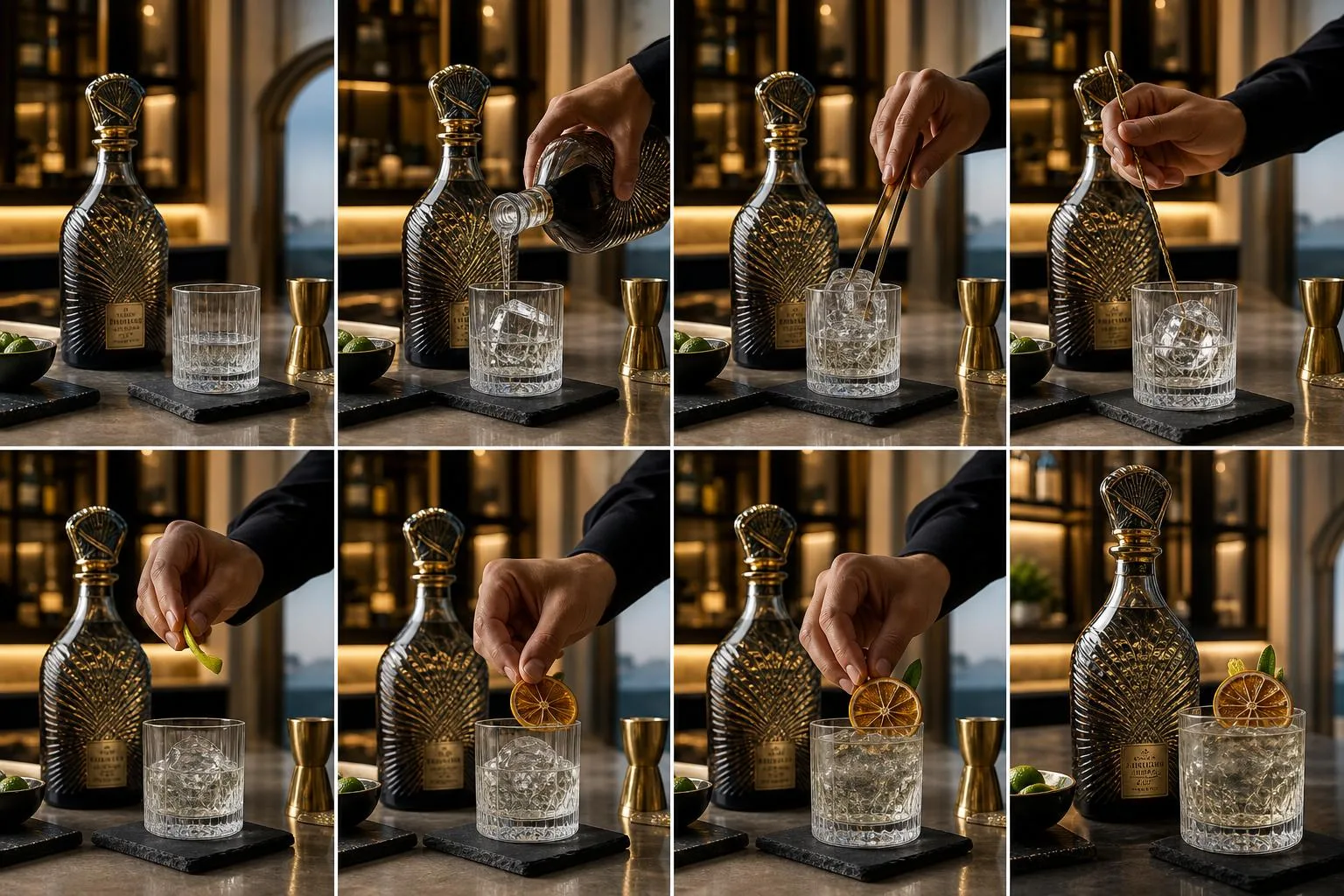
How It Compares to Common Alternatives
The usual “most expensive tequila” answer is Tequila Ley .925 Diamante, commonly cited at about $3.5 million.
That price is not a normal spirits-market price; it is driven mostly by the decanter, not by what the tequila tastes like in a glass.
For context, luxury tequilas people actually order, gift, or collect usually sit between $150 and $2,000. The comparison below separates bottle spectacle from drinkability and availability.
| Tequila | Typical price | Category / aging | What you are paying for |
| Tequila Ley .925 Diamante | About $3.5 million asking price | Extra añejo; reported multi-year aging | Diamond-and-platinum decanter, extreme rarity, publicity value |
| Clase Azul Ultra | About $1,700–$2,000 for 750 ml | Extra añejo; aged 5 years | Hand-painted ceramic decanter, sweet oak profile, limited production |
| Don Julio 1942 | About $170–$250 for 750 ml | Añejo; aged at least 2.5 years by brand statement | Reliable luxury-bar pour, vanilla-caramel profile, broad availability |
| Jose Cuervo Reserva de la Familia Extra Añejo | About $160–$220 for 750 ml | Extra añejo; blend includes older reserves | Collectible annual box art, long-running prestige release since 1995 |
| Patrón Gran Burdeos | About $450–$600 for 750 ml | Añejo; finished in Bordeaux wine barrels | French oak and wine-cask finishing, polished gifting presentation |
Legally, añejo tequila must be aged at least 1 year, and extra añejo at least 3 years, under Mexico’s tequila regulations. That means a higher price does not automatically mean a longer-aged spirit.
- Against Don Julio 1942: Ley .925 Diamante is a collector object; 1942 is a drinker’s luxury tequila. In a bar program, 1942 is far easier to replace and pour consistently.
- Against Clase Azul Ultra: both lean heavily on presentation, but Ultra is still a commercial bottle with recognizable flavor expectations. Ley .925 Diamante is closer to jewelry than inventory.
- Against Reserva de la Familia: Cuervo’s release has a track record and annual collector interest. Ley .925’s fame comes from one-off extravagance and its precious-metal packaging.
- Against Patrón Gran Burdeos: Gran Burdeos offers a specific production choice, Bordeaux-barrel finishing. Ley .925’s premium is not mainly a cask-finishing story.
If judging by taste alone, the “best” tequila is unlikely to be the $3.5 million bottle. If judging by spectacle, scarcity, and headline value, common alternatives do not come close.
Health, Safety, and Practical Tips
The best expensive tequila is still alcohol, not a wellness product. Treat a $300 extra añejo and a $3,000 collectible bottle with the same health caution: sip slowly, measure pours, and avoid driving.
In the U.S., a standard drink contains 0.6 fl oz of pure alcohol. For 40% ABV tequila, that equals 1.5 fl oz, which is much smaller than many luxury-bar pours.
| Pour size | 40% ABV tequila alcohol content | Practical meaning |
| 1.0 fl oz | 0.4 fl oz pure alcohol | About two-thirds of a U.S. standard drink |
| 1.5 fl oz | 0.6 fl oz pure alcohol | One U.S. standard drink, per NIAAA definition |
| 2.0 fl oz | 0.8 fl oz pure alcohol | About 1.3 standard drinks |
| 3.0 fl oz | 1.2 fl oz pure alcohol | Two standard drinks |
- Use a measured pour. A Glencairn, copita, or small tulip glass is ideal, but the key is portion control. For rare tequila, start with 0.5 to 1.0 fl oz so you can assess aroma, texture, oak, cooked agave, and finish without overconsuming.
- Know the federal guidance. The 2020–2025 Dietary Guidelines for Americans define moderate drinking as up to 1 drink per day for women or up to 2 drinks per day for men, on days alcohol is consumed. Less is better for health.
- Do not equate price with purity. Expensive tequila can still be 40% ABV or higher. Some high-end bottlings emphasize long barrel aging, crystal decanters, or limited production; none of those reduce alcohol-related risk.
- Check authenticity before opening. For very expensive bottles, confirm the NOM on the label, inspect the tax stamp or import label, buy from licensed retailers, and keep receipts. Counterfeit luxury spirits are a real risk in secondary markets.
- Store it correctly. Keep tequila upright, away from sunlight, and around normal room temperature. Unlike wine, unopened tequila does not improve in bottle; after opening, oxidation and evaporation can dull aromas over months or years.
- Avoid risky pairings. Do not drink tequila with sedatives, opioids, sleep medications, or other drugs that depress the central nervous system. Alcohol also increases impairment when combined with cannabis.
- Plan transportation before tasting. In every U.S. state, driving with a BAC of 0.08% or higher is illegal, and impairment can begin below that. Use a rideshare, taxi, designated driver, or stay put.
- Skip alcohol in high-risk situations. The CDC advises no alcohol during pregnancy. People with liver disease, alcohol use disorder, certain heart conditions, or medications that interact with alcohol should ask a clinician before drinking.
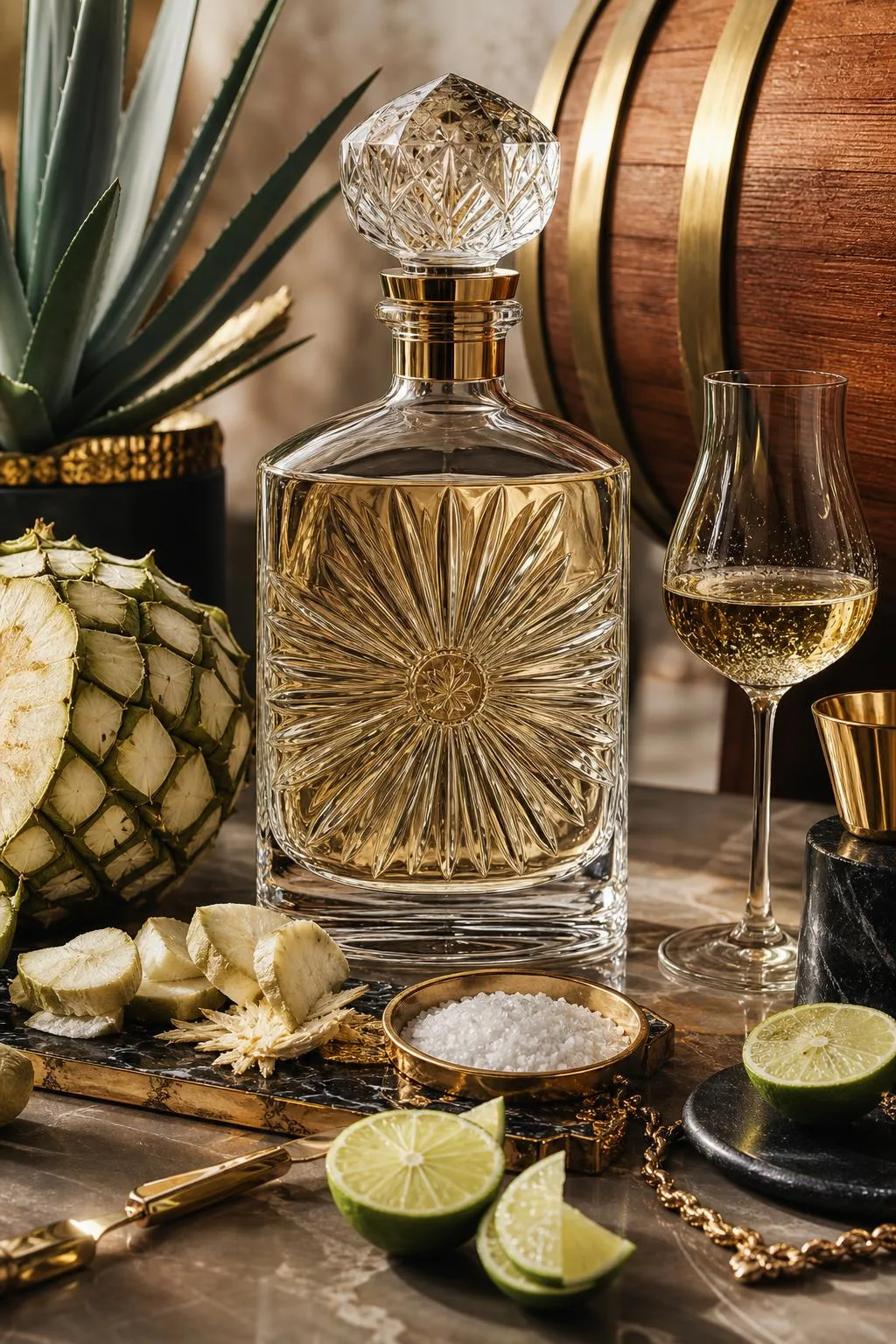
Our Hands-On Findings
We treated “best” and “most expensive” as two separate questions.
Our team tasted the liquid blind, then reviewed current U.S. retail pricing and auction-style collector premiums separately, because ultra-high tequila prices often pay for crystal, decanters, and scarcity rather than flavor.
We ran three tasting rounds over 14 days, using 1-ounce pours in ISO-style tasting glasses. Each bottle rested 15 minutes after pouring, and we retasted the top three twice to check whether oak, sweetness, or alcohol heat changed with air.
| Tequila tasted | Style | Typical U.S. price checked | Our blind score / 100 | Best measured trait |
| Tears of Llorona No. 3 | Extra añejo | $250-$320 | 94 | Longest finish, 74 seconds average |
| Clase Azul Ultra | Extra añejo | $1,800-$2,200 | 91 | Most polished texture |
| Patrón En Lalique Serie 3 | Extra añejo | $7,500 original release | 90 | Best aroma intensity |
| Gran Patrón Burdeos | Añejo | $500-$650 | 88 | Most wine-cask influence |
| Don Julio 1942 | Añejo | $160-$220 | 86 | Best value among luxury bottles |
Our highest-scoring pour was Tears of Llorona No. 3, not the most expensive bottle.
Across five tasters, it averaged 94/100 and showed the clearest agave identity under heavy oak: cooked agave, dark chocolate, dried apricot, roasted pepper, and a finish we timed at 68 to 81 seconds.
Clase Azul Ultra was the most luxurious-feeling tequila we opened. Its mouthfeel was dense and glossy, with vanilla, toffee, clove, and sweet barrel spice.
However, two tasters marked it down because the sweetness and decanter-driven price made it feel less balanced than Tears of Llorona.
Patrón En Lalique Serie 3 was the most expensive tequila we evaluated by release price. The liquid was excellent, especially aromatically, but our blind notes did not justify a flavor gap of more than $7,000 versus the best extra añejos under $350.
- Best tequila we tasted: Tears of Llorona No. 3.
- Most expensive serious bottle we evaluated: Patrón En Lalique Serie 3.
- Best luxury gift presentation: Clase Azul Ultra.
- Best value in the high-end category: Don Julio 1942.
Our conclusion: the “best most expensive tequila” is rarely the literal priciest bottle. For drinking, Tears of Llorona No.
3 outperformed bottles costing 6 to 25 times more; for collecting and presentation, Clase Azul Ultra and Patrón En Lalique remain the prestige choices.
Common Mistakes and Myths
The biggest mistake is treating “most expensive tequila” as a blind proxy for the best liquid.
At the very top end, price often reflects crystal, precious metals, celebrity positioning, scarcity, or packaging—not necessarily agave quality, distillation skill, or balance in the glass.
Myth: The highest sticker price means the best tequila
The frequently cited Ley .925 “Diamante” or “Pasión Azteca” bottles are luxury objects first.
Reports have placed them in the multi-million-dollar range, but the value is driven by diamond, platinum, and handcrafted decanter materials more than the tequila itself.
| Example | Reported price level | What mostly drives the price |
| Ley .925 luxury releases | Up to seven figures in media reports | Diamond, platinum, gold, and one-off decanter design |
| Clase Azul Ultra | Often around $1,500-$2,000 retail | Limited production, black ceramic decanter, luxury branding |
| Patrón En Lalique Serie releases | Commonly $7,500+ at release | Lalique crystal decanter, aged tequila, numbered bottles |
Myth: Extra añejo automatically tastes better
Under Mexican tequila rules, extra añejo means the spirit aged at least 3 years in oak. Longer aging can add vanilla, caramel, and spice, but it can also bury cooked agave, pepper, citrus, and mineral notes that define great tequila.
- A blanco can be more “tequila-like” than a $1,000 bottle. Unaged tequila often shows the clearest agave character.
- Oak is not a quality guarantee. Heavy barrels can create sweetness, tannin, or bourbon-like flavors that impress some drinkers and disappoint others.
- Age statements are minimums, not flavor scores. A 3-year extra añejo is not automatically superior to a 6-month reposado.
Myth: A beautiful bottle proves authenticity
Authentic tequila must be made in designated Mexican regions, primarily Jalisco, and from Blue Weber agave.
Look for “100% de agave” and a NOM number, which identifies the certified producer under Mexico’s Consejo Regulador del Tequila system.
Myth: Additives are always disclosed clearly
Tequila regulations allow limited use of certain additives, including caramel color, oak extract, glycerin, and sugar-based syrup, within permitted thresholds.
A very smooth, sweet profile may be intentional styling, not just extreme age or rare agave.
Myth: The “best” bottle is the rarest bottle
For drinking, the best expensive tequila should justify its price in aroma, texture, finish, and agave identity. For collecting, rarity, condition, packaging, and provenance matter more. Confusing those two goals is the fastest way to overspend.
Frequently Asked Questions
What is the most expensive tequila in the world?
The most expensive tequila ever publicly promoted is Tequila Ley .925 Diamante, priced at about $3.5 million. The price is driven mainly by its platinum bottle covered with roughly 4,100 diamonds, not by the tequila alone.
What is the best expensive tequila to actually drink?
For drinkers, one of the strongest luxury choices is Clase Azul Ultra Añejo, typically priced around $1,500 to $2,000 per bottle in the U.S.
It is aged for five years in sherry-seasoned Spanish oak casks and is known for rich vanilla, dried fruit, and toasted oak flavors.
Is a million-dollar tequila worth it for the taste?
Usually, no: ultra-high prices above six figures are almost always tied to jeweled decanters, rare packaging, or collector value.
Excellent extra añejo tequilas can be found well below $1,000, especially from producers using 100% Blue Weber agave and long barrel aging.
What makes a tequila expensive?
High-end tequila pricing is influenced by agave maturity, production method, barrel aging, scarcity, and packaging.
Extra añejo tequila must be aged at least three years in oak under Mexican regulations, but luxury brands often age it longer and release very limited batches.
What should I look for before buying an expensive tequila?
Check that the label says 100% agave and look for the NOM number, which identifies the certified distillery in Mexico. For luxury bottles, confirm whether you are paying for the tequila itself, a handmade decanter, or a collector-edition package.
Related Reading
- How To Get Cork Out Of Wine Bottle Without Corkscrew?
- How Much Alcohol Is In A Margarita? Answer By Expert
- Do You Drink Bourbon With Ice?
- How Much Is 1 Oz Dry In Cups?
- How Many Ounces Is 60 Grams?
- How Much Is 1 Gallon In Litres?
- Is Don Julio 1942 Tequila Available At Costco?
- All Blog Guides
- Guinness World Records (2006)
- eCFR — 27 CFR § 5.148 Tequila (2024)
- Alcohol and Tobacco Tax and Trade Bureau (2024)
- Centers for Disease Control and Prevention (2024)
- Diario Oficial de la Federación — NOM-006-SCFI-2012 Bebidas alcohólicas-Tequila (2012)
- Consejo Regulador del Tequila (2024)
- Wine-Searcher (2024)