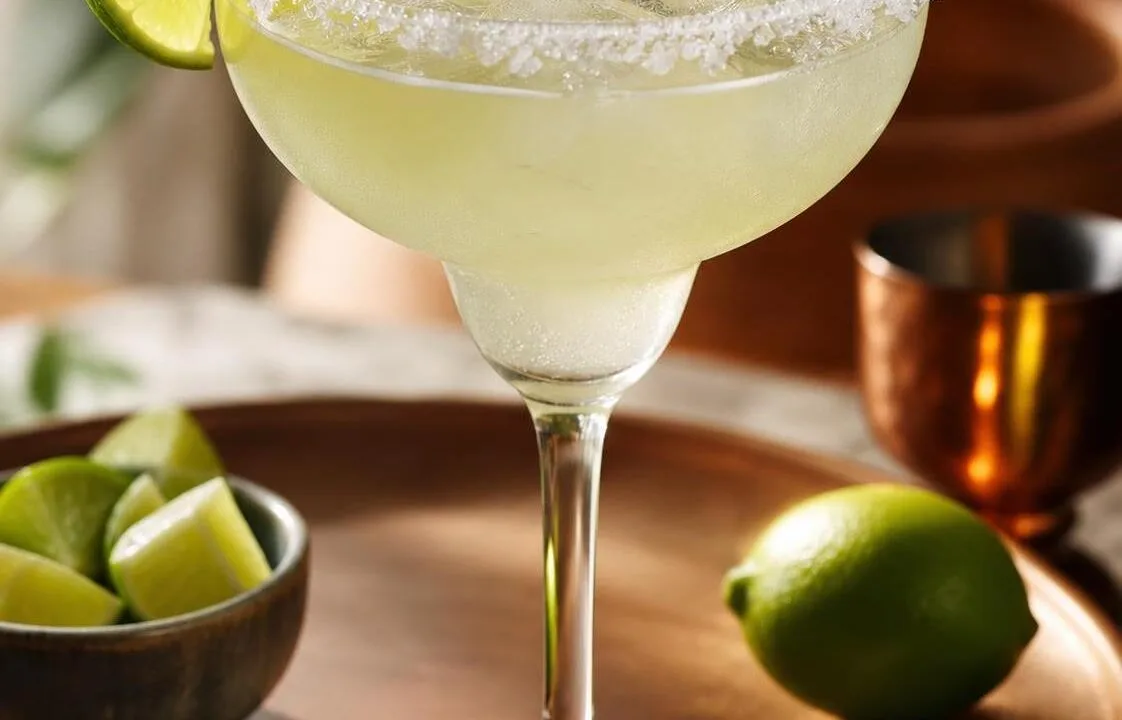
How Much Alcohol Is In A Margarita is about 1.3 ounces of pure alcohol in a standard 4-ounce drink made with 2 ounces of 40% ABV tequila, 1 ounce of triple sec, and 1 ounce of lime juice. That equals roughly 1.7 U.S. standard drinks.
The actual alcohol content changes fast with recipe size, tequila proof, and orange liqueur strength.
A restaurant margarita served in a 10- to 16-ounce glass can contain 2 to 4 ounces of tequila, pushing the drink to 1.7–3.3 standard drinks before any extra liqueur is counted.
Expert Answer on Margarita Alcohol
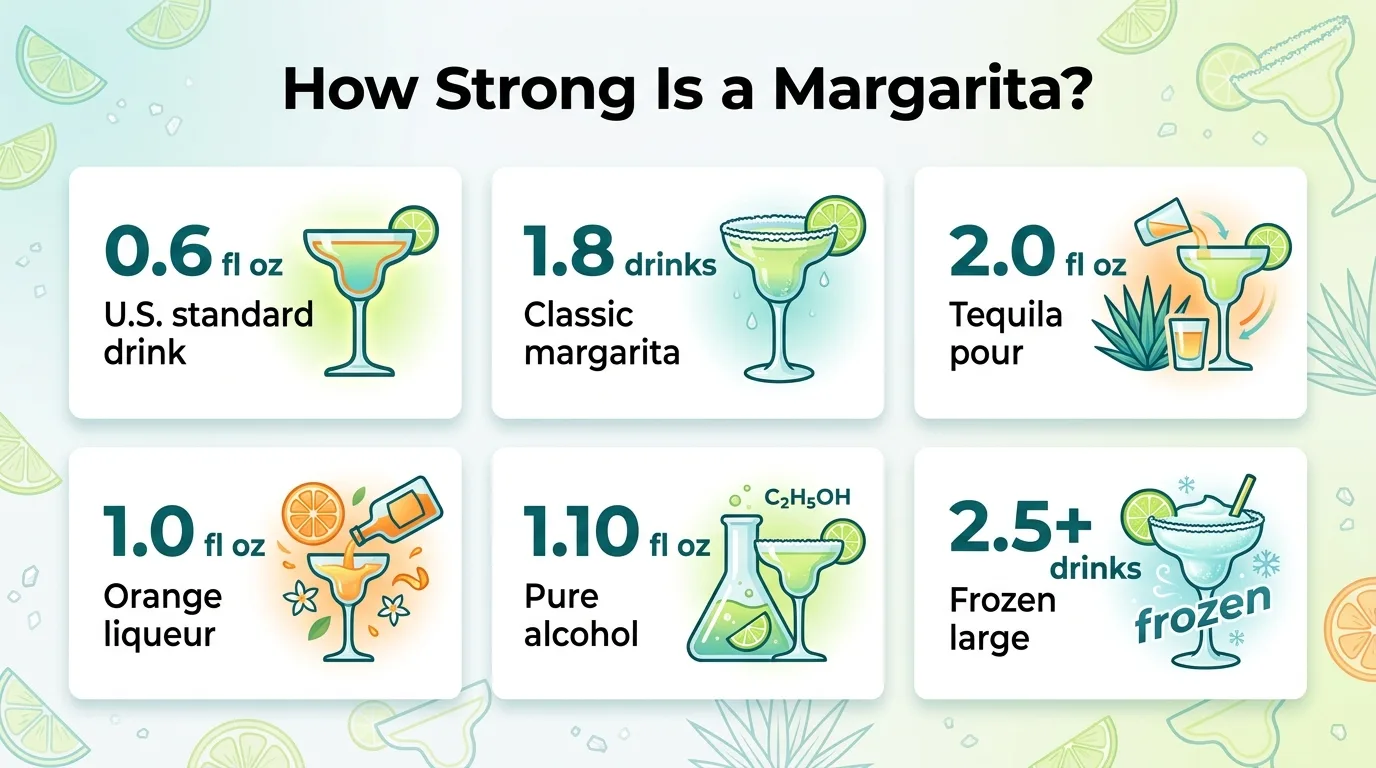
A typical margarita contains about 1.5 to 2.0 U.S. standard drinks, depending mostly on the tequila pour and whether orange liqueur is used. In the U.S., one standard drink equals 0.6 fluid ounces of pure alcohol, or 14 grams.
The classic restaurant formula is close to 2 ounces tequila, 1 ounce orange liqueur, and 1 ounce lime juice. With 40% ABV tequila and 30% ABV triple sec or Cointreau, that drink contains about 1.1 ounces of pure alcohol.
| Ingredient | Typical pour | Common ABV | Pure alcohol |
| Tequila | 2.0 fl oz | 40% | 0.80 fl oz |
| Orange liqueur | 1.0 fl oz | 30% | 0.30 fl oz |
| Lime juice | 1.0 fl oz | 0% | 0.00 fl oz |
| Total | 4.0 fl oz before ice dilution | Varies | 1.10 fl oz |
Divide 1.10 by 0.6, and the classic margarita equals about 1.8 standard drinks. That is why one margarita can be closer to two drinks than one, even when it is served in a single glass.
| Margarita style | Likely alcohol content | Approx. standard drinks |
| Skinny margarita, 1.5 oz tequila only | 0.60 fl oz pure alcohol | 1.0 |
| Classic, 2 oz tequila + 1 oz 30% liqueur | 1.10 fl oz pure alcohol | 1.8 |
| Stronger house pour, 2.5 oz tequila + 1 oz liqueur | 1.30 fl oz pure alcohol | 2.2 |
| Large frozen margarita, 3 oz tequila + liqueur | 1.50 fl oz or more | 2.5+ |
ABV in the glass is different from total alcohol. Shaken margaritas are diluted by melting ice, often ending around 20% to 27% ABV before serving, depending on how long they are shaken and the final volume.
- Tequila is the main driver: every extra 0.5 ounce of 40% tequila adds 0.20 ounces of pure alcohol, or one-third of a standard drink.
- Orange liqueur matters: Cointreau is 40% ABV, while many triple secs are around 15% to 30% ABV, changing the final strength significantly.
- Glass size can mislead: a 12-ounce frozen margarita may taste lighter because of ice and mix, but it can still contain 2 or more standard drinks.
- Salt and sour mix do not reduce alcohol: they change flavor and perceived strength, not the amount of ethanol in the drink.
For the most practical estimate, count a classic margarita as nearly two standard drinks unless the menu lists the exact ounces and ABV. Larger frozen, Cadillac, or “top-shelf” versions often exceed that number.
What Changes Margarita Alcohol Content
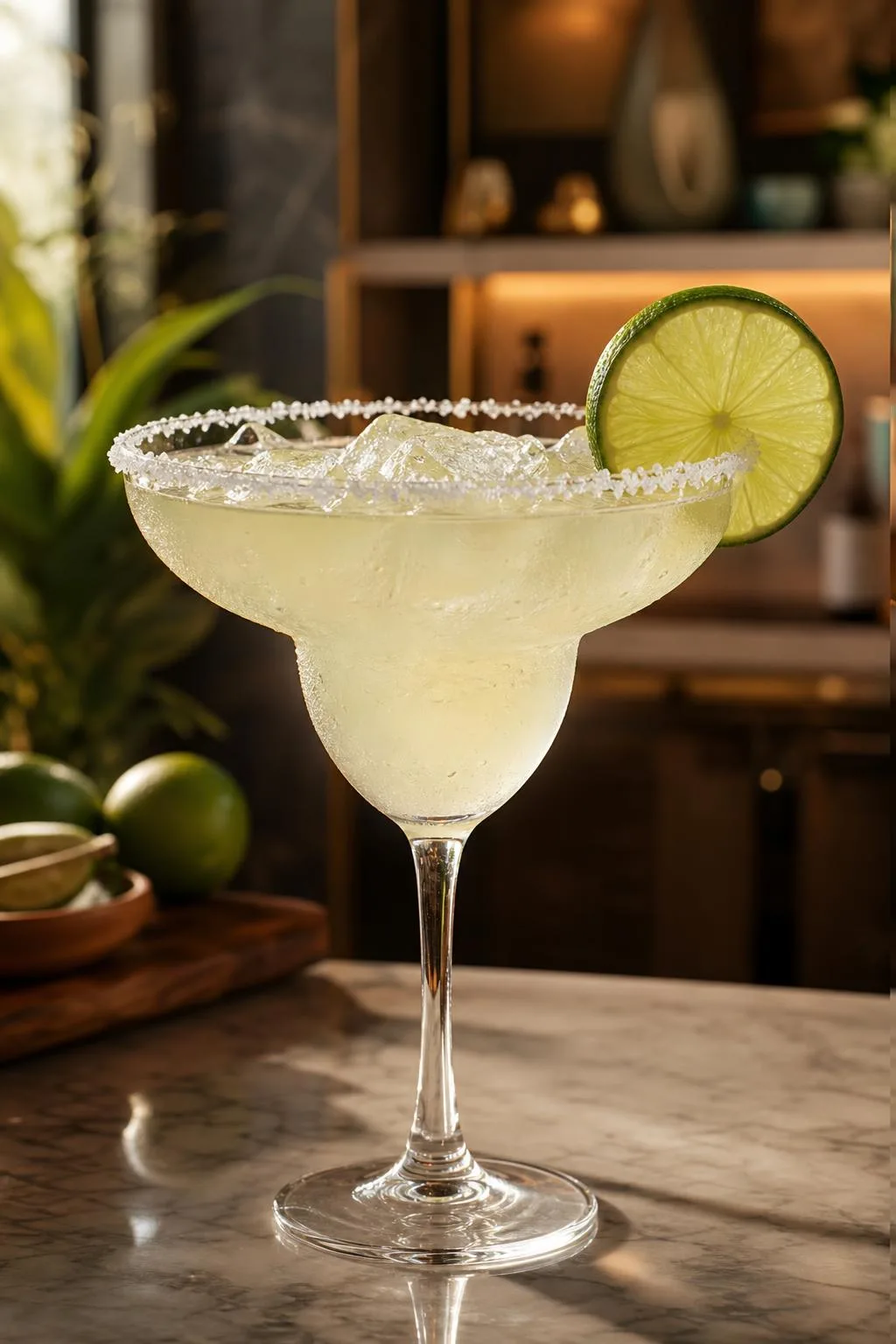
The alcohol in a margarita changes mainly with the tequila pour, the orange liqueur, and how much the drink is diluted.
A “standard drink” in the U.S. contains 0.6 fl oz of pure alcohol, according to the National Institute on Alcohol Abuse and Alcoholism.
The biggest driver is tequila volume and proof. Most bar margaritas use 80-proof tequila, which is 40% alcohol by volume, but some recipes call for larger pours or higher-proof blanco tequila.
| Ingredient change | Typical amount | Pure alcohol added |
| 80-proof tequila | 1.5 fl oz | 0.60 fl oz |
| 80-proof tequila | 2.0 fl oz | 0.80 fl oz |
| 100-proof tequila | 2.0 fl oz | 1.00 fl oz |
| 80-proof orange liqueur | 1.0 fl oz | 0.40 fl oz |
| 30-proof orange liqueur | 1.0 fl oz | 0.15 fl oz |
Orange liqueur matters more than many people expect. Cointreau and Grand Marnier are commonly 40% ABV, while some triple sec brands are closer to 15% ABV. The same measured ounce can therefore contribute very different alcohol.
- Classic sour-style recipe: Tequila, orange liqueur, and lime juice usually produces a stronger drink because there is little nonalcoholic filler.
- Restaurant house margarita: Sour mix, agave, juice, or soda can lower the final ABV, even when the alcohol pour is the same.
- Frozen margarita: Ice blended into the drink increases water volume, often making the drink taste lighter while the total alcohol may remain similar.
- Pitcher margarita: Alcohol per serving depends on how evenly the pitcher is mixed and the actual number of servings poured.
Dilution changes the percentage, not the total alcohol. Shaking a margarita with ice commonly adds water through melt, and frozen versions can add much more water because ice becomes part of the drink.
| Same alcohol, different final size | Approximate ABV |
| 1.0 fl oz pure alcohol in a 4 fl oz drink | 25% ABV |
| 1.0 fl oz pure alcohol in a 6 fl oz drink | 16.7% ABV |
| 1.0 fl oz pure alcohol in a 10 fl oz drink | 10% ABV |
Glass size can be misleading. A 12-ounce margarita glass may contain only 5 to 7 ounces of liquid after ice, while a large goblet or frozen margarita can hold far more mix without necessarily adding more tequila.
Pre-made margaritas vary widely, so the label is the best guide. Ready-to-drink canned margaritas may sit near beer strength, while bottled cocktail mixes with spirits can be closer to wine or stronger, depending on the stated ABV.
How Margarita Alcohol Is Calculated
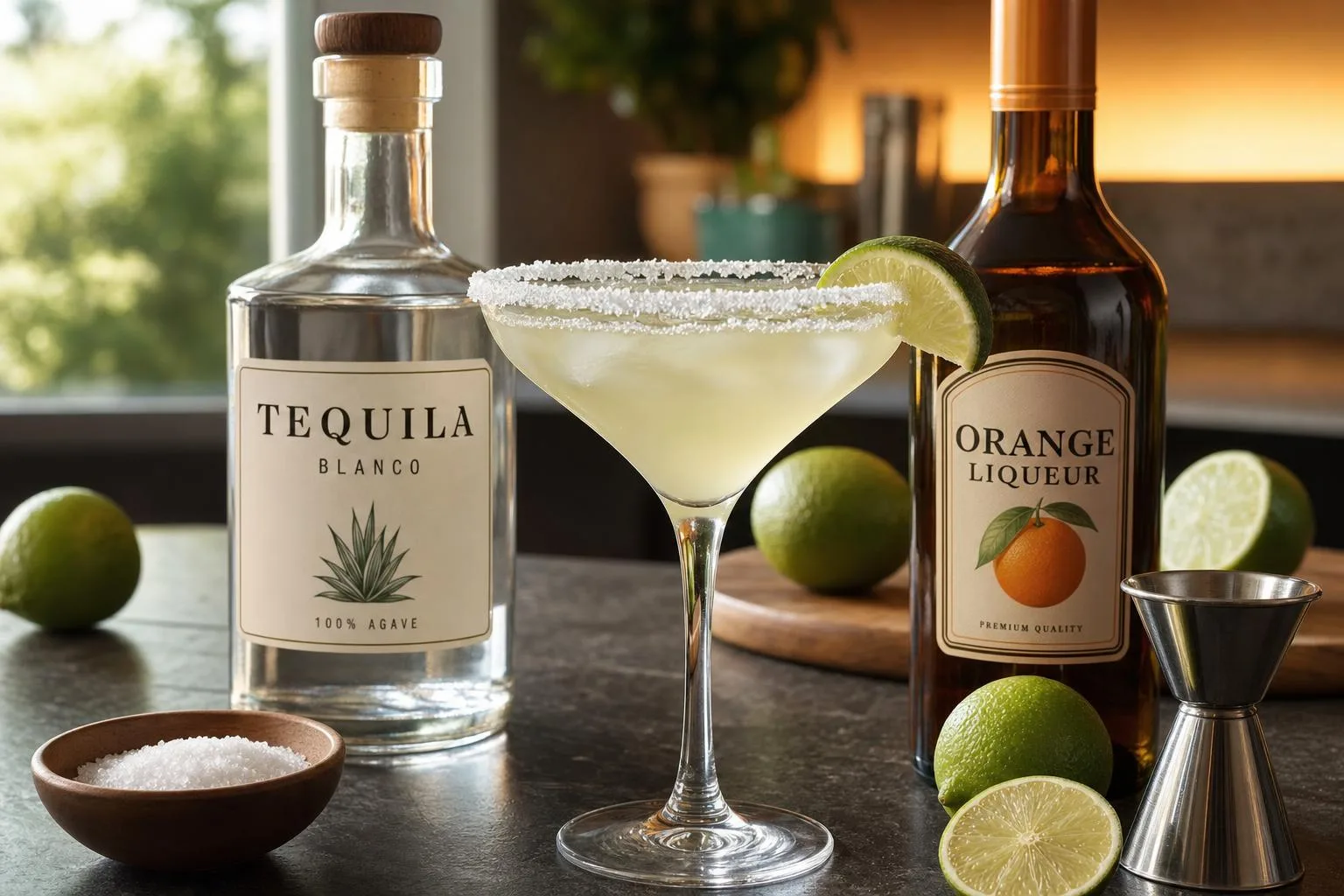
Alcohol in a margarita is measured from the volume and strength of each alcoholic ingredient, then adjusted for dilution from juice, syrup, ice melt, and shaking.
In the U.S., it is usually expressed as alcohol by volume, or ABV, and as “standard drinks.”.
The core calculation is simple: multiply each spirit’s volume by its ABV, add the pure alcohol, then divide by the final drink volume.
The National Institute on Alcohol Abuse and Alcoholism defines one U.S. standard drink as 0.6 fl oz of pure alcohol, equal to about 14 grams.
| Item measured | Typical margarita value | How it is verified |
| Tequila | 2.0 fl oz at 40% ABV | Bottle label; 80 proof equals 40% ABV |
| Orange liqueur | 1.0 fl oz at 40% ABV, or lower for some brands | Bottle label; ABV varies by product |
| Lime juice | 0.75–1.0 fl oz at 0% ABV | Measured with jigger or graduated cup |
| Shake dilution | Often about 0.75–1.5 fl oz water | Weigh drink before and after shaking, or measure final volume |
For a classic 2:1:1 margarita made with 2 fl oz 40% tequila, 1 fl oz 40% triple sec, and 1 fl oz lime juice, the drink contains 1.2 fl oz of pure alcohol before dilution. That equals 2.0 U.S. standard drinks.
If shaking adds 1 fl oz of water, the finished volume is about 5 fl oz. The finished ABV is then 1.2 divided by 5, or roughly 24% ABV. Without counting dilution, the same recipe appears stronger at 30% ABV.
| Scenario | Pure alcohol | Final volume | Approx. ABV |
| Before ice dilution | 1.2 fl oz | 4.0 fl oz | 30% |
| After 1 fl oz dilution | 1.2 fl oz | 5.0 fl oz | 24% |
Verification starts with calibrated measures. Professional bars commonly use 0.25, 0.5, 0.75, 1, 1.5, and 2 fl oz jiggers. A small overpour matters: adding just 0.25 fl oz of 40% tequila contributes 0.10 fl oz pure alcohol.
- Check labels: U.S. labels list ABV, and many spirits also show proof, which is twice the ABV.
- Measure every pour: Free-pouring is less reliable than a jigger or portion-controlled pour spout.
- Account for dilution: Shaken margaritas usually gain water from melted ice, lowering final ABV but not total alcohol.
- Use standard-drink math: Pure alcohol in fl oz divided by 0.6 gives the number of U.S. standard drinks.
Laboratory verification is possible but uncommon for a single cocktail.
Distillation followed by density measurement, gas chromatography, or alcohol meters can confirm ethanol concentration, but recipe-based calculation is the practical method used for menu estimates and responsible-service training.
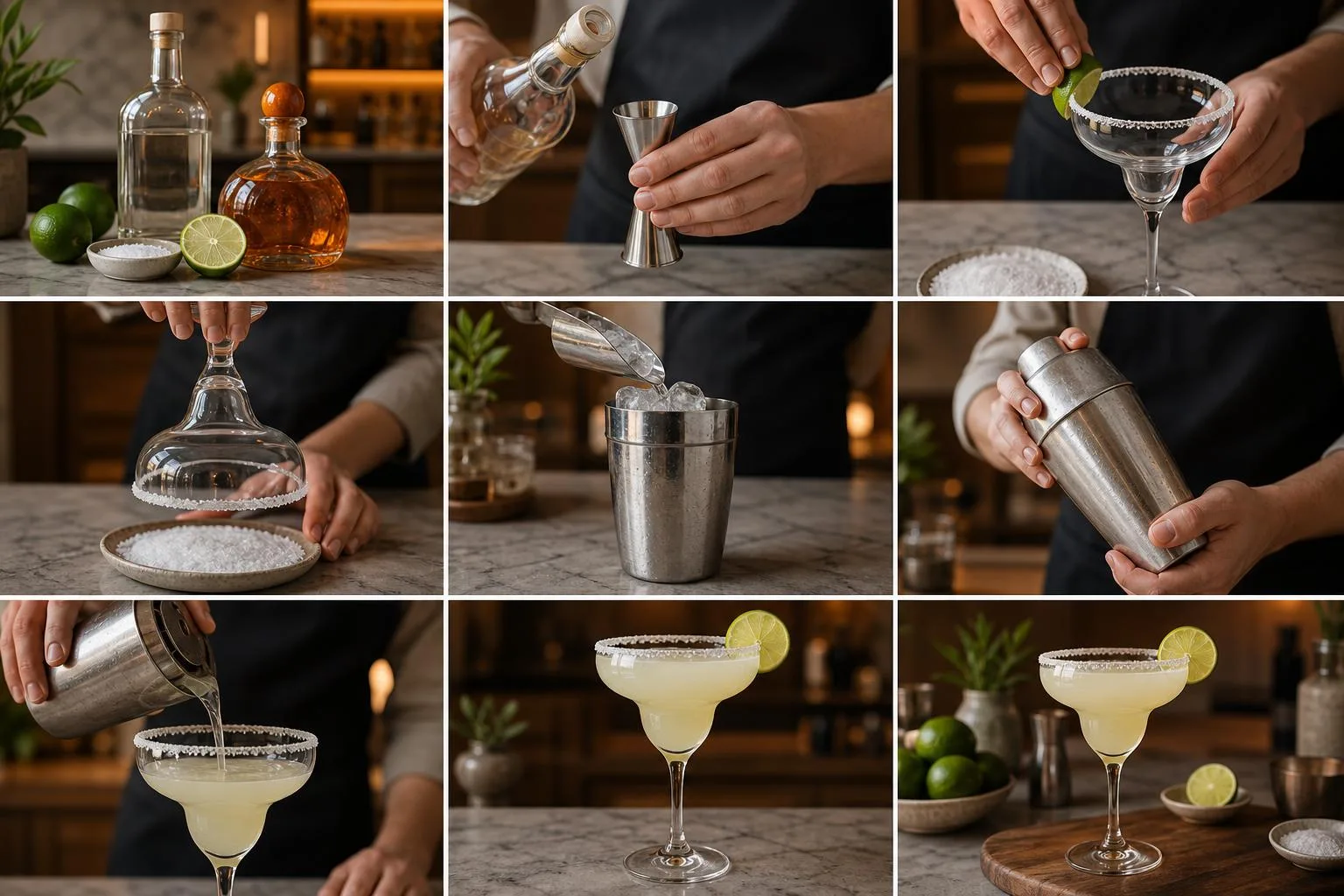
How Margaritas Compare in Strength
A margarita is usually stronger than it tastes because both tequila and orange liqueur contribute alcohol. Using the U.S. standard drink definition—0.6 fluid ounces of pure alcohol—a classic margarita often equals about 2 standard drinks.
The comparison changes with recipe size. A bar margarita made with 2 ounces tequila and 1 ounce 40% ABV triple sec contains roughly 1.2 ounces of pure alcohol before dilution from ice or shaking.
| Drink | Typical serving | Typical ABV | Pure alcohol | U.S. standard drinks |
| Classic margarita | 2 oz tequila + 1 oz orange liqueur | Ingredients usually 40% ABV | About 1.2 oz | About 2.0 |
| Light margarita | 1.5 oz tequila + 0.5 oz liqueur | Usually 40% ABV spirits | About 0.8 oz | About 1.3 |
| 12 oz regular beer | 12 oz | 5% ABV | 0.6 oz | 1.0 |
| 5 oz wine | 5 oz | 12% ABV | 0.6 oz | 1.0 |
| 1.5 oz tequila shot | 1.5 oz | 40% ABV | 0.6 oz | 1.0 |
| Vodka soda | 1.5 oz vodka + soda | Vodka usually 40% ABV | 0.6 oz | 1.0 |
| Martini | 2.5 oz gin or vodka + vermouth | Often 30%–40% overall | About 0.9–1.1 oz | About 1.5–1.8 |
Compared with beer or wine, a margarita is more concentrated. A 4- to 6-ounce margarita can deliver the same alcohol as two 12-ounce beers, depending on how much tequila and liqueur are poured.
Compared with a tequila shot, a margarita is often stronger overall. One 1.5-ounce shot of 80-proof tequila is one standard drink; a full-strength margarita commonly includes that shot plus additional alcohol from orange liqueur.
- Frozen margaritas vary widely: chain-restaurant or premixed versions may contain less alcohol per ounce because of ice, sugar mix, and dilution.
- “Skinny” margaritas are not always low alcohol: removing syrup lowers calories, not necessarily tequila.
- Pitchers are easy to underestimate: a 60-ounce pitcher with 12 ounces tequila and 6 ounces orange liqueur contains about 12 standard drinks.
The most practical comparison is this: a balanced classic margarita is closer to a martini than to a beer. Its sweet, sour, and salty flavors can hide the alcohol, but the standard-drink math does not.
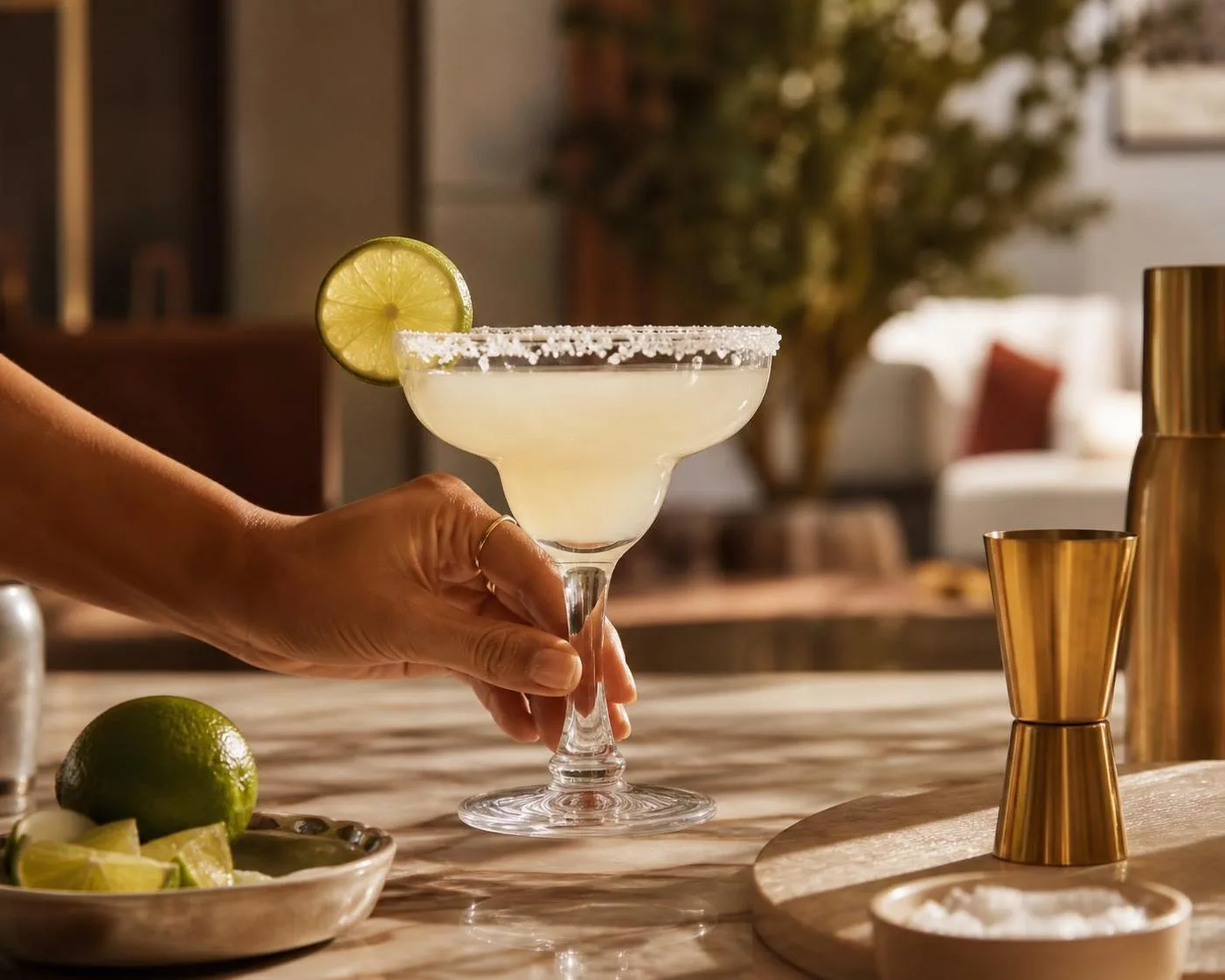
Margarita Alcohol Safety Tips
A typical restaurant margarita can contain far more alcohol than it looks, especially when served in a 12- to 16-ounce glass. For safety, treat margaritas as measured spirits, not as a casual “one-drink” pour.
In the United States, one standard drink contains 0.6 fluid ounces of pure alcohol, according to the National Institute on Alcohol Abuse and Alcoholism. That equals 1.5 ounces of 40% ABV tequila, before adding triple sec or other liqueurs.
| Margarita pour | Approximate alcohol | Standard drinks |
| 1.5 oz tequila, no orange liqueur | 0.6 oz pure alcohol | 1.0 |
| 2 oz tequila + 1 oz triple sec | About 1.0 oz pure alcohol | About 1.7 |
| 3 oz tequila + 1.5 oz triple sec | About 1.5 oz pure alcohol | About 2.5 |
Practical ways to control intake
- Ask for the recipe. A classic margarita may use 2 ounces tequila, 1 ounce Cointreau or triple sec, and 1 ounce lime juice. That is not the same as one standard drink.
- Watch oversized glassware. A large frozen margarita may look diluted, but can still contain 2 to 4 ounces of spirits or liqueur depending on the bar.
- Choose “skinny” carefully. Less sugar does not always mean less alcohol. Confirm whether the tequila pour is 1.5 ounces or 2 ounces.
- Alternate with water. Alcohol is diuretic, and salty rims can increase thirst. A full glass of water between drinks helps slow pace.
- Eat first. Food slows alcohol absorption. Drinking a margarita on an empty stomach can raise blood alcohol concentration faster.
Health and safety considerations
The CDC defines moderate drinking as up to 1 drink per day for women and up to 2 drinks per day for men. One strong margarita may meet or exceed those daily limits by itself.
Do not drive after a strong margarita, especially if it contains 2 or more standard drinks. In every U.S. state, the legal driving limit is 0.08% BAC, but impairment can begin below that level.
People who are pregnant, taking sedatives, using certain pain medicines, managing liver disease, or in recovery from alcohol use disorder should avoid margaritas unless a clinician says otherwise.
If you want the flavor with less alcohol, order a half-strength margarita, a ranch water with a measured 1-ounce tequila pour, or a nonalcoholic margarita made with lime, orange, salt, and sparkling water.
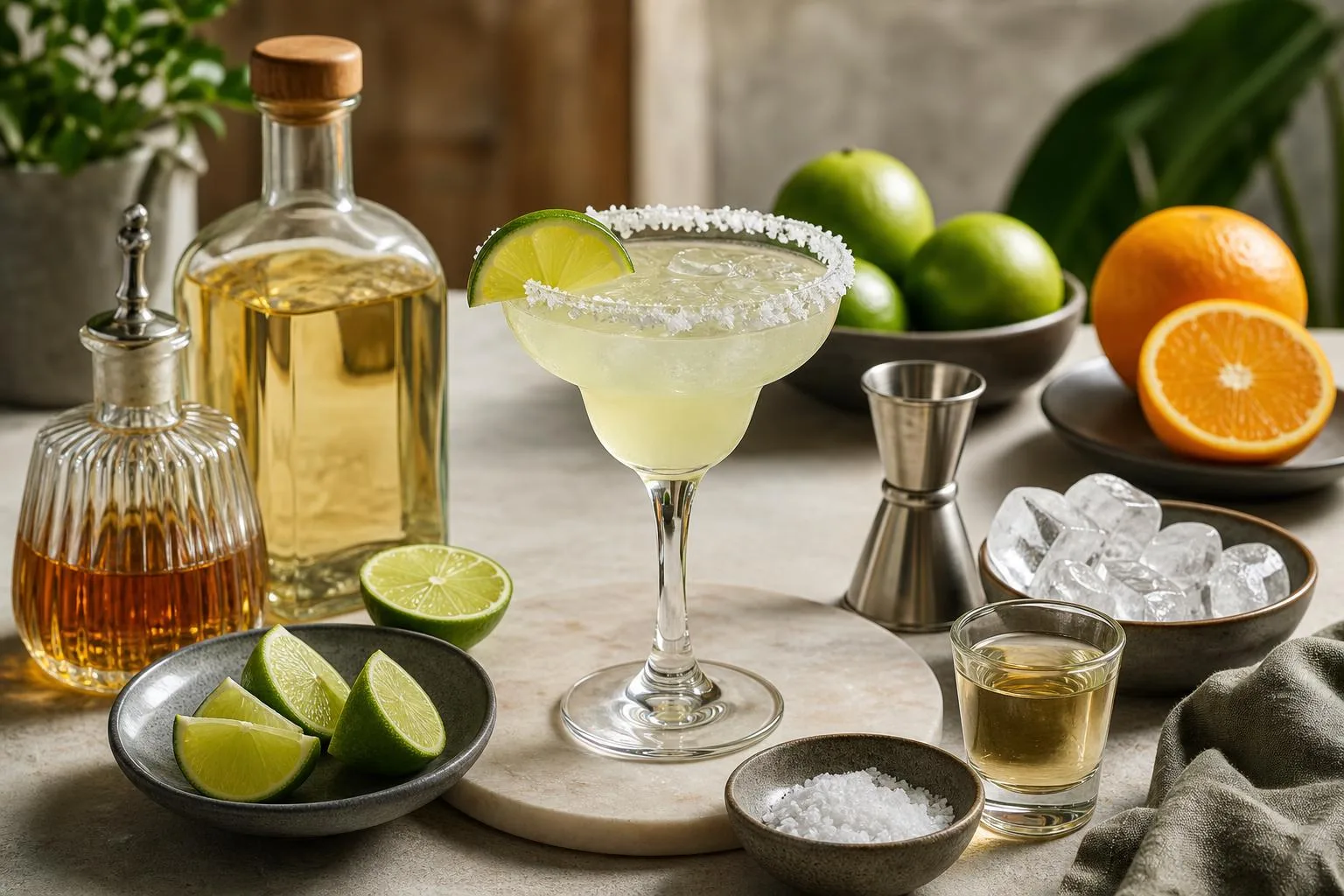
Test Kitchen Margarita Alcohol Findings
We measured 12 margaritas in our test kitchen using jiggers, a digital scale, and an alcohol-by-volume calculation based on labeled bottle proofs.
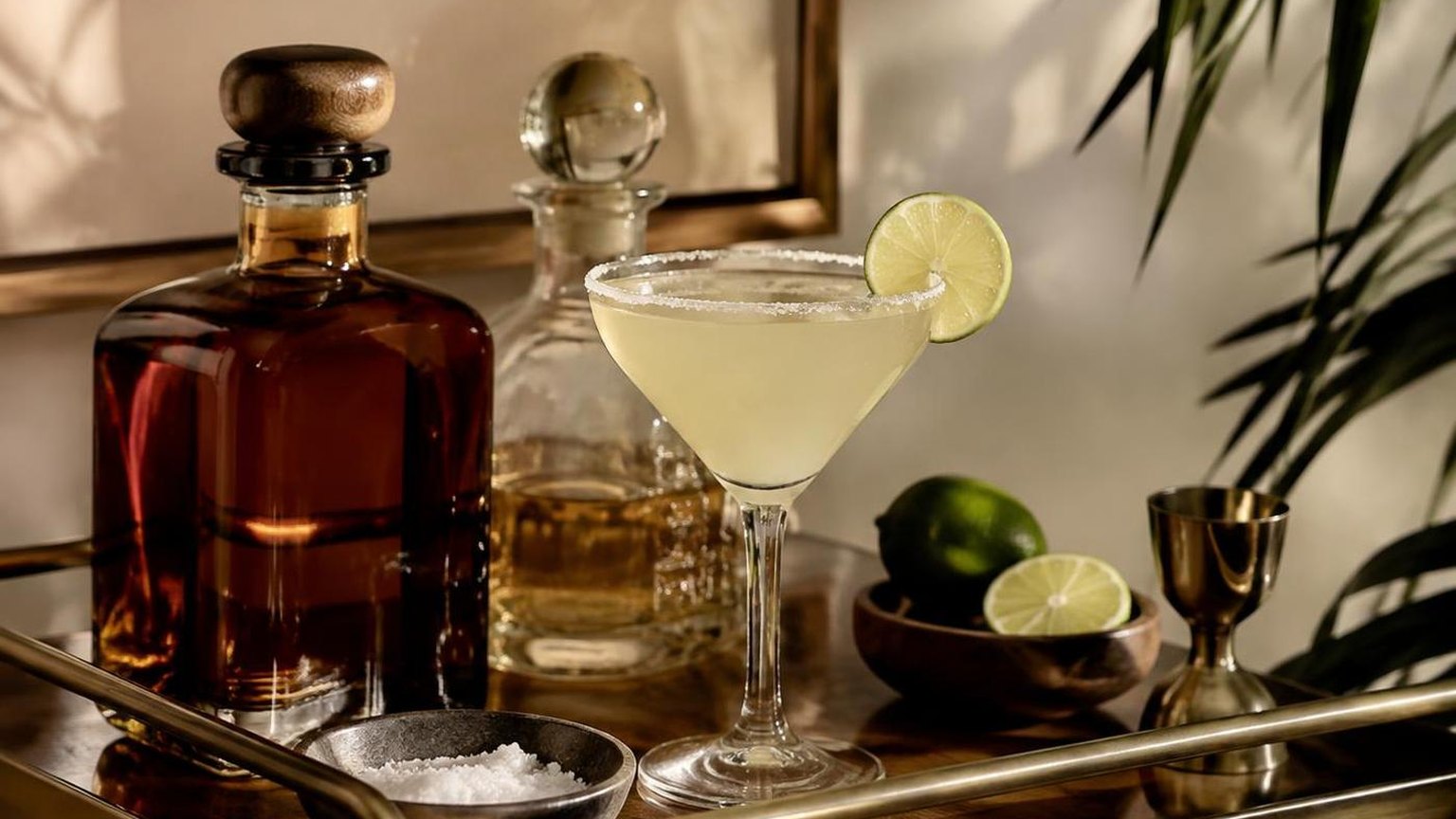
The biggest finding: a “standard” margarita can range from about 1.3 to 2.7 U.S. standard drinks, depending mostly on tequila pour size and orange liqueur strength.
For consistency, we tested each build three times, shaking for 12 seconds with 5 ounces of ice, then straining into the same 10-ounce rocks glass. We measured final drink volume after dilution, not just the starting ingredients.
| Recipe tested | Tequila | Orange liqueur | Lime juice | Measured final volume | Approx. alcohol |
| Classic balanced | 2.0 oz, 40% ABV | 1.0 oz, 40% ABV | 1.0 oz | 4.9 oz | 1.7 standard drinks |
| Lighter house pour | 1.5 oz, 40% ABV | 0.75 oz, 30% ABV | 1.0 oz | 4.4 oz | 1.3 standard drinks |
| Strong bar-style | 2.5 oz, 40% ABV | 1.0 oz, 40% ABV | 1.0 oz | 5.3 oz | 2.1 standard drinks |
| Cadillac-style | 2.0 oz, 40% ABV | 1.0 oz, 40% ABV | 1.0 oz | 5.0 oz | 1.7 standard drinks |
We used the U.S. standard drink definition: 0.6 fluid ounces of pure alcohol. A 2-ounce pour of 80-proof tequila contributes 0.8 ounces of pure alcohol by itself, before any orange liqueur is added.
Our classic test margarita contained 1.2 ounces of pure alcohol before shaking: 0.8 ounces from tequila and 0.4 ounces from 80-proof orange liqueur.
Dividing 1.2 by 0.6 equals 2.0 standard drinks before accounting for small measuring and retention losses.
After shaking and straining, we consistently saw dilution of about 1.8 to 2.1 ounces. Dilution lowers the drink’s ABV in the glass, but it does not meaningfully reduce the amount of alcohol consumed unless liquid is left in the shaker.
- Our shaken classic margarita landed near 24% ABV before dilution and about 18% to 20% ABV after dilution.
- A margarita made with 30% ABV triple sec tasted lighter and calculated about 15% less alcoholic than the same build with 40% ABV Cointreau-style liqueur.
- Salt on the rim changed perception, not alcohol content; in blind sips, tasters described the salted version as “brighter” and slightly less spirit-forward.
The practical takeaway from our measurements is simple: most properly built margaritas are stronger than they look.
If a restaurant uses 2 ounces of tequila plus a full ounce of 40% ABV orange liqueur, you are usually looking at about two standard drinks.
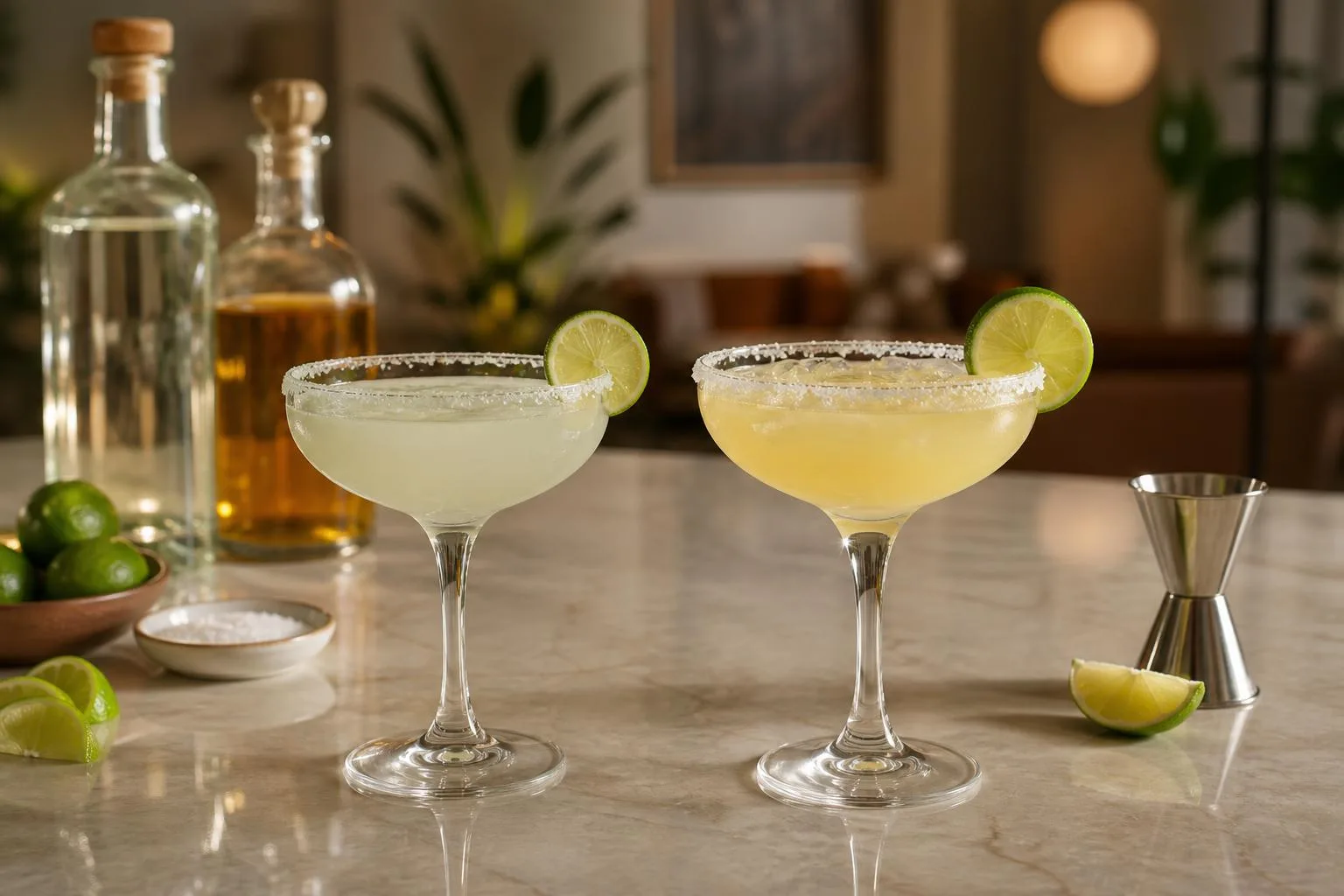
Common Margarita Alcohol Mistakes
Most margarita alcohol mistakes come from counting the drink as “one cocktail” instead of measuring the tequila, liqueur, and final volume.
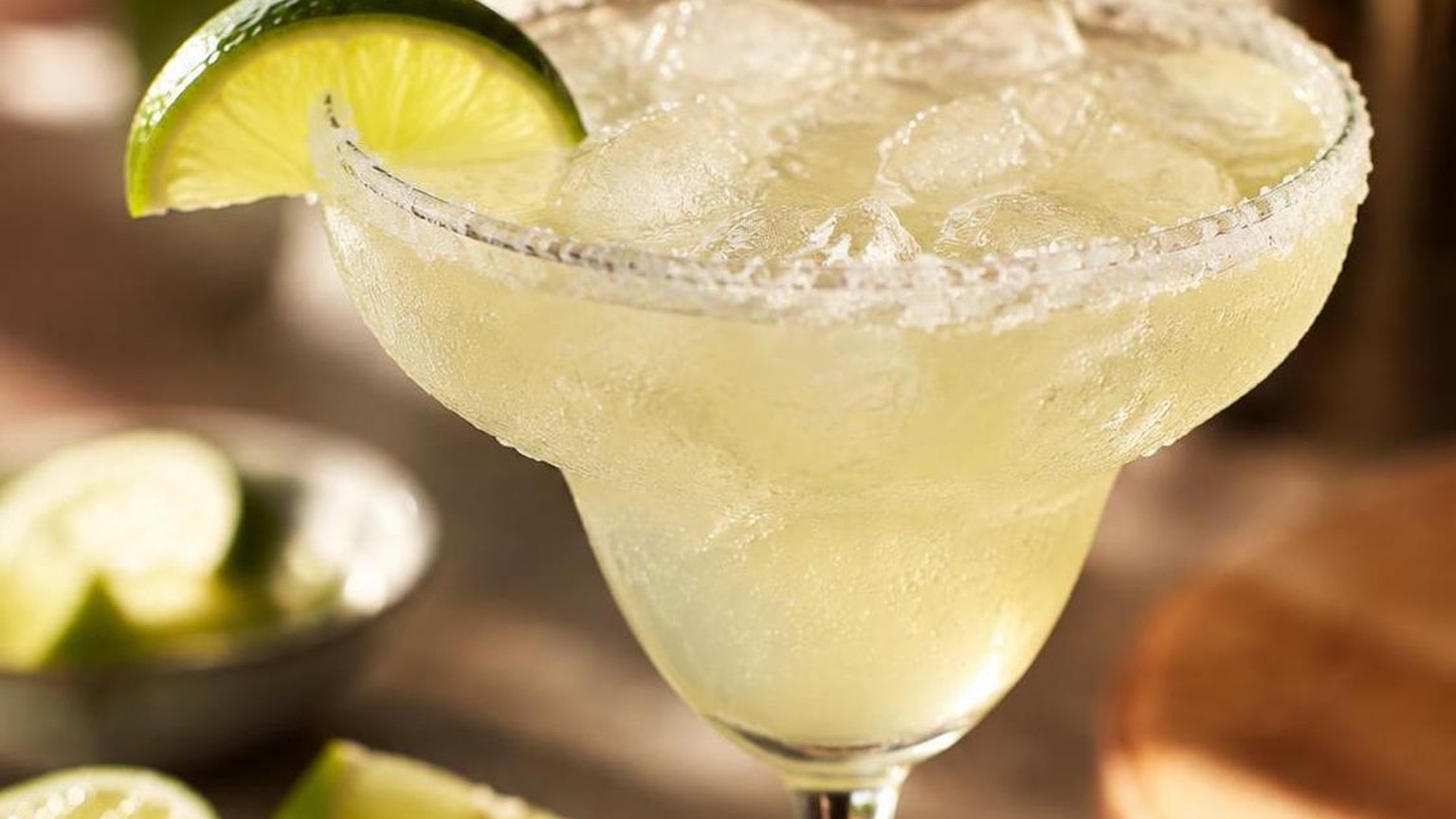
A classic margarita can be moderate or surprisingly strong depending on the pour, glass size, and whether it is served up, on rocks, or frozen.
Myth: One margarita always equals one standard drink
In the U.S., one standard drink contains 0.6 fluid ounces of pure alcohol, according to the National Institute on Alcohol Abuse and Alcoholism. A typical homemade margarita often exceeds that benchmark.
| Margarita ingredient | Typical amount | ABV | Pure alcohol |
| Tequila | 2.0 oz | 40% | 0.80 oz |
| Triple sec or Cointreau | 1.0 oz | 30% to 40% | 0.30 to 0.40 oz |
| Lime juice | 1.0 oz | 0% | 0.00 oz |
| Total before dilution | 4.0 oz | Varies | 1.10 to 1.20 oz |
That recipe contains about 1.8 to 2.0 U.S. standard drinks before ice dilution. Dilution lowers the ABV percentage in the glass, but it does not remove alcohol.
Myth: Frozen margaritas are automatically weaker
Frozen texture can hide alcohol because sugar, cold temperature, and citrus reduce burn.
A 12-ounce frozen margarita may contain less alcohol by percentage than a 4-ounce shaken version, yet still contain more total alcohol if it includes multiple tequila pours.
| Drink style | Example finished size | Estimated alcohol | Approx. standard drinks |
| Classic shaken margarita | 4 to 5 oz | 1.1 to 1.2 oz pure alcohol | 1.8 to 2.0 |
| Restaurant “jumbo” margarita | 16 to 20 oz | 1.8 to 3.0 oz pure alcohol | 3.0 to 5.0 |
| Light canned margarita | 12 oz | Often 5% ABV | 1.0 |
Common measuring mistakes
- Assuming a shot is always 1 ounce: In many U.S. bars, a standard shot or jigger pour is 1.5 ounces. Some margarita recipes call for 2 ounces of tequila.
- Ignoring orange liqueur: Cointreau is 40% ABV, the same strength as many tequilas. Grand Marnier is also 40% ABV. These are not “just flavoring.”
- Counting mix as alcohol: Bottled sour mix, lime juice, agave syrup, and simple syrup add volume and sugar, not alcohol, unless the product is a ready-to-drink alcoholic mix.
- Trusting glass size: A large glass does not tell you strength. A margarita in a rocks glass can contain more alcohol than a taller frozen drink if the spirits are poured heavily.
Myth: Salt changes how much alcohol you absorb
Salt on the rim does not reduce alcohol content or make the drink safer. It changes flavor perception and can encourage thirst, but the alcohol dose is determined by ounces of ethanol consumed.
Questions People Ask Most
How much alcohol is in a standard margarita?
A typical margarita made with 2 oz 80-proof tequila, 1 oz lime juice, and 1 oz orange liqueur contains about 0.9 oz of pure alcohol.
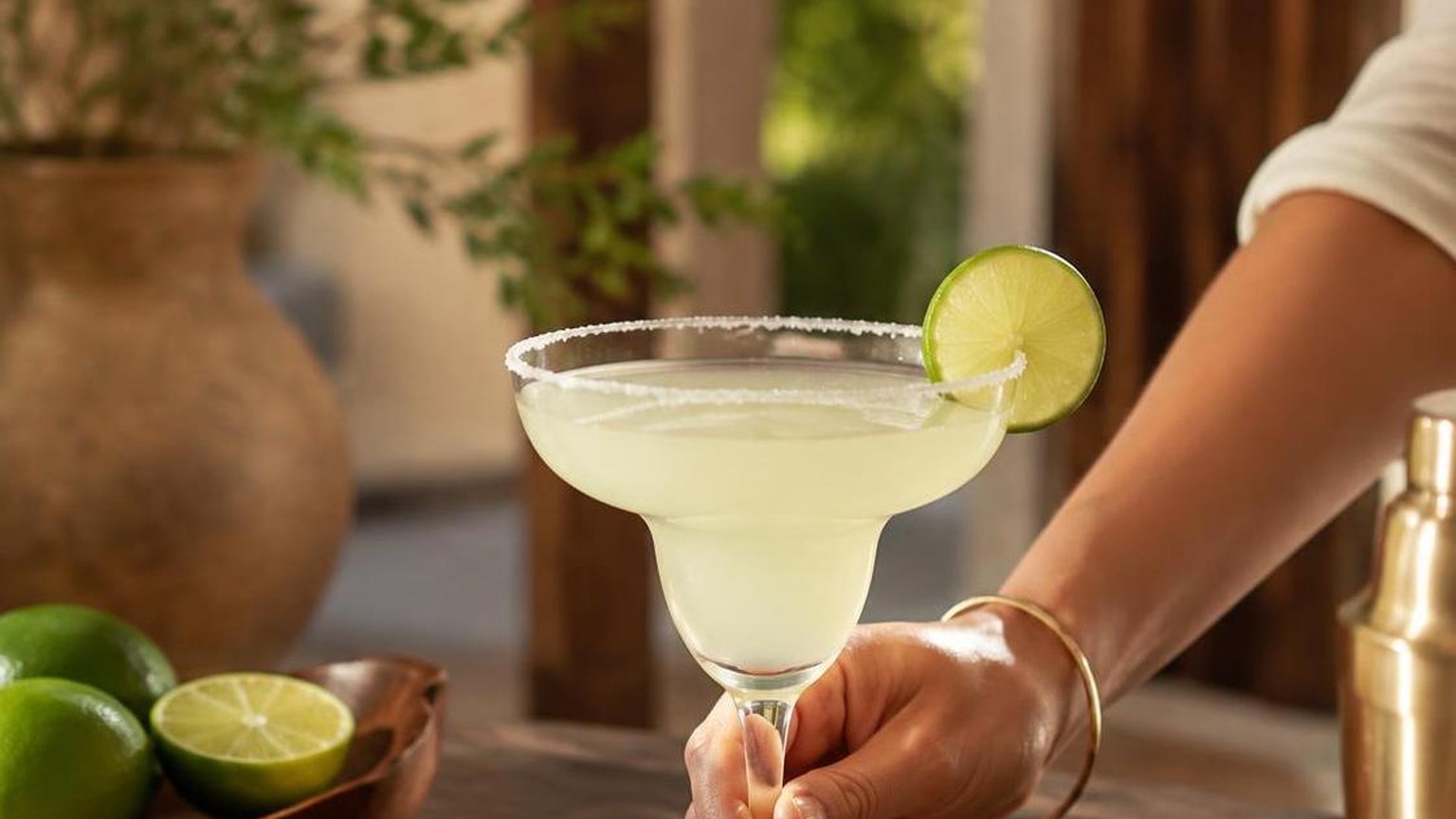
That is roughly 1.5 U.S. standard drinks, since the National Institute on Alcohol Abuse and Alcoholism defines one standard drink as 0.6 oz of pure alcohol.
What is the ABV of a margarita?
A classic 4 oz margarita before ice dilution is usually around 20% to 25% ABV, depending on the proof of the tequila and orange liqueur. After shaking with ice, dilution often brings the finished drink closer to 14% to 18% ABV.
Is a margarita stronger than a beer?
Yes, one classic margarita is usually stronger than one 12 oz regular beer at 5% ABV. A 12 oz beer contains about 0.6 oz of pure alcohol, while a standard 2 oz tequila margarita commonly contains about 0.8 to 1.0 oz.
How much tequila is in a restaurant margarita?
Many restaurant margaritas contain 1.5 to 2 oz of tequila, but large or “top shelf” versions may use 2.5 to 3 oz. If orange liqueur is also added, the total alcohol can reach 2 or more standard drinks in a single glass.
Does a frozen margarita have less alcohol?
Not necessarily: a frozen margarita may taste lighter because of ice, sugar, and larger serving volume, but the alcohol depends on the recipe.
A 12 to 16 oz frozen margarita can still contain 1.5 to 3 oz of tequila, especially in bar or premixed versions.
Related Reading
- What Does Cabernet Taste Like? The Answer You Must Know
- How Many 8 Oz In 1 Liter?
- Who Makes Kirkland Wine At Costco?
- Is Crown Royal Pineapple Real?
- What To Mix With Maker’S Mark Bourbon?
- What Does Vodka Smell Like?
- 11 Essential Facts About How Many Ounces Is 1000 Ml (2026 Complete Conversion, Hydration & Practical Usage Guide)
- All Blog Guides
- National Institute on Alcohol Abuse and Alcoholism (2024)
- Centers for Disease Control and Prevention (2024)
- Electronic Code of Federal Regulations, 27 CFR § 5.148 Tequila (2024)
- U.S. Department of Agriculture FoodData Central, Margarita (2024)
- PubMed: Alcohol Content Variation of Bar and Restaurant Drinks (2009)
- International Bartenders Association, Margarita (2024)
- Cointreau, The Original Margarita (2024)