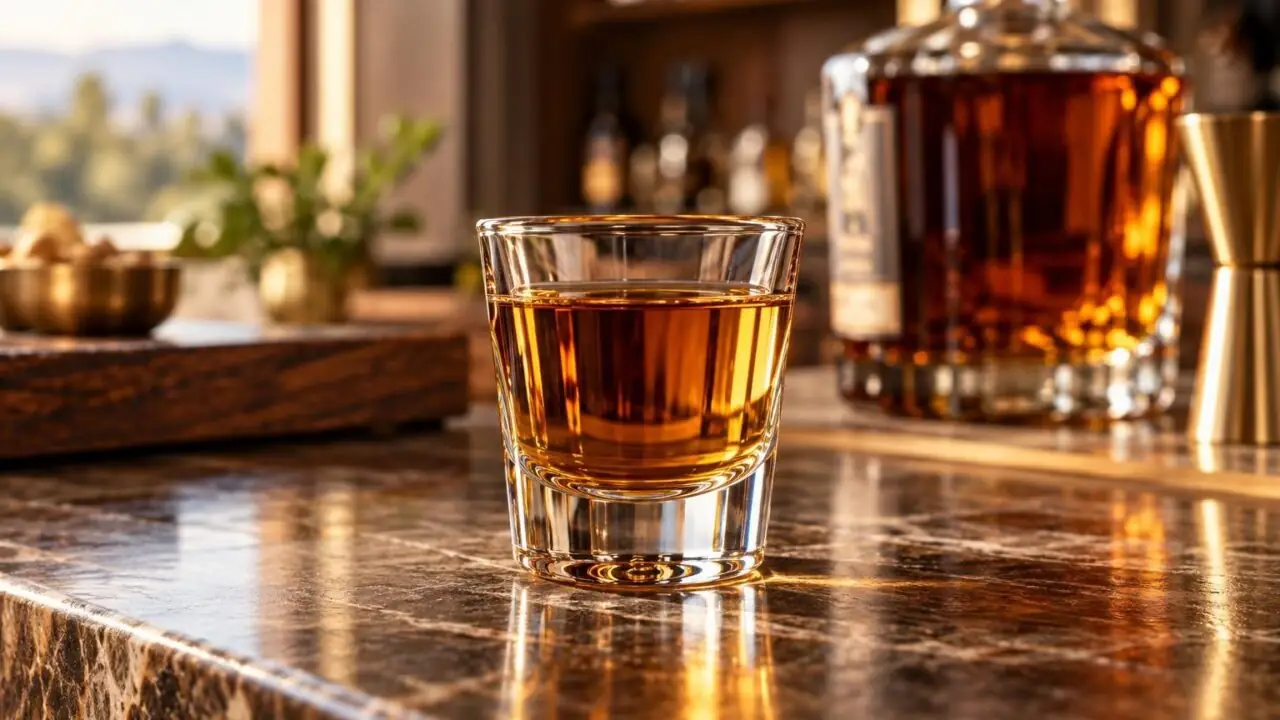
How Much Sugar Is In Bourbon is 0 grams per 1.5-ounce shot of standard straight bourbon, because fermentation sugars are converted to alcohol and distillation leaves residual sugar behind.
USDA data lists distilled whiskey at 0 grams of sugar and 0 grams of carbohydrate per serving, while bourbon’s sweetness comes from barrel compounds, not added sugar.
The exception is flavored bourbon, bourbon cream, or whiskey liqueur, which can contain meaningful added sugar and should be checked by label or producer disclosure.
Sugar in Plain Bourbon
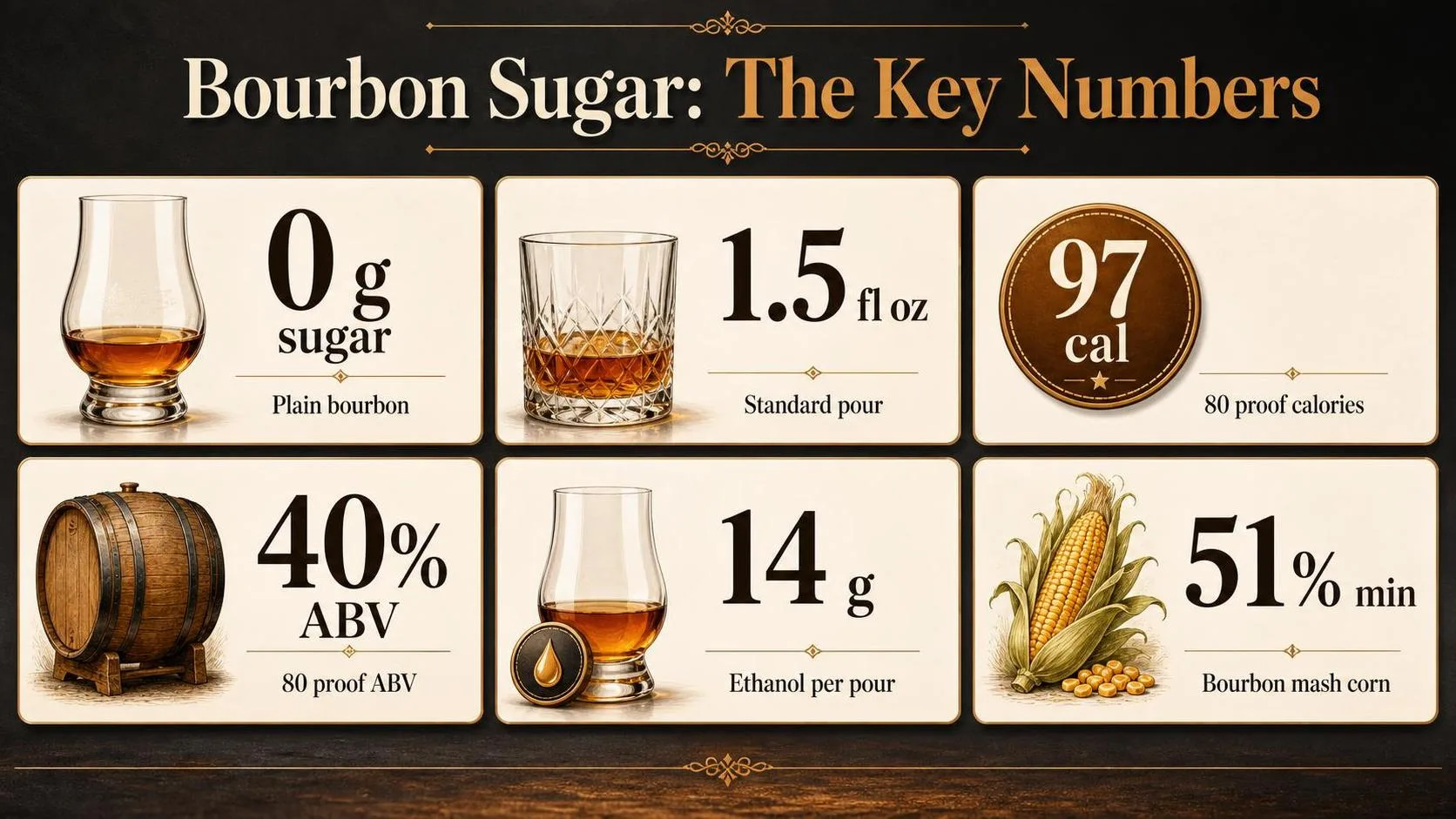
Plain bourbon contains 0 grams of sugar per standard serving. That is the practical number to use for unsweetened bourbon poured neat, on ice, or in a whiskey tasting flight.
The confusion comes from bourbon’s corn-heavy mash bill and its sweet aroma. Corn starch is converted to fermentable sugar, yeast turns that sugar into alcohol, and distillation separates alcohol and flavor compounds from the fermented mash.
| Measure | Typical number for straight/plain bourbon | What it means |
| Sugar | 0 g per 1.5 fl oz serving | USDA FoodData Central lists distilled whiskey at 0 g carbohydrate and 0 g total sugars. |
| Calories | About 97 calories per 1.5 fl oz at 80 proof | Calories come from ethanol, not sugar. |
| Alcohol | 40% ABV at 80 proof | A 1.5 fl oz pour contains about 0.6 fl oz of pure alcohol. |
| Carbohydrate | 0 g per 1.5 fl oz serving | No meaningful residual grain sugar remains after fermentation and distillation. |
For the math: 1.5 fl oz of 80-proof bourbon contains roughly 14 grams of ethanol. Alcohol supplies 7 calories per gram, so 14 grams gives about 98 calories, matching USDA’s 97-calorie listing.
Proof changes calories, not sugar. A higher-proof bourbon still has 0 grams of sugar if it is plain bourbon, but it contains more alcohol per ounce. More alcohol means more calories in the same-size pour.
| Bourbon strength | ABV | Approx. calories in 1.5 fl oz | Sugar |
| 80 proof | 40% | 97 | 0 g |
| 90 proof | 45% | 109 | 0 g |
| 100 proof | 50% | 122 | 0 g |
| 120 proof | 60% | 146 | 0 g |
Under U.S. standards, bourbon must be made in the United States from at least 51% corn, distilled at no more than 160 proof, entered into new charred oak at no more than 125 proof, and bottled at 80 proof or higher.
Those rules are why “bourbon” is different from sweetened whiskey products.
Flavored whiskey, bourbon cream, honey whiskey, and ready-to-drink bourbon cocktails may contain added sugar, but that sugar comes from flavoring, liqueur ingredients, or mixers.
- Neat bourbon: 0 g sugar.
- Bourbon with soda water: 0 g sugar, if the soda is unsweetened.
- Bourbon and cola: sugar depends on the cola, often around 39 g in a 12 fl oz regular cola.
- Old Fashioned: commonly includes sugar or simple syrup, so it is not sugar-free.
Why Bourbon Usually Has No Sugar
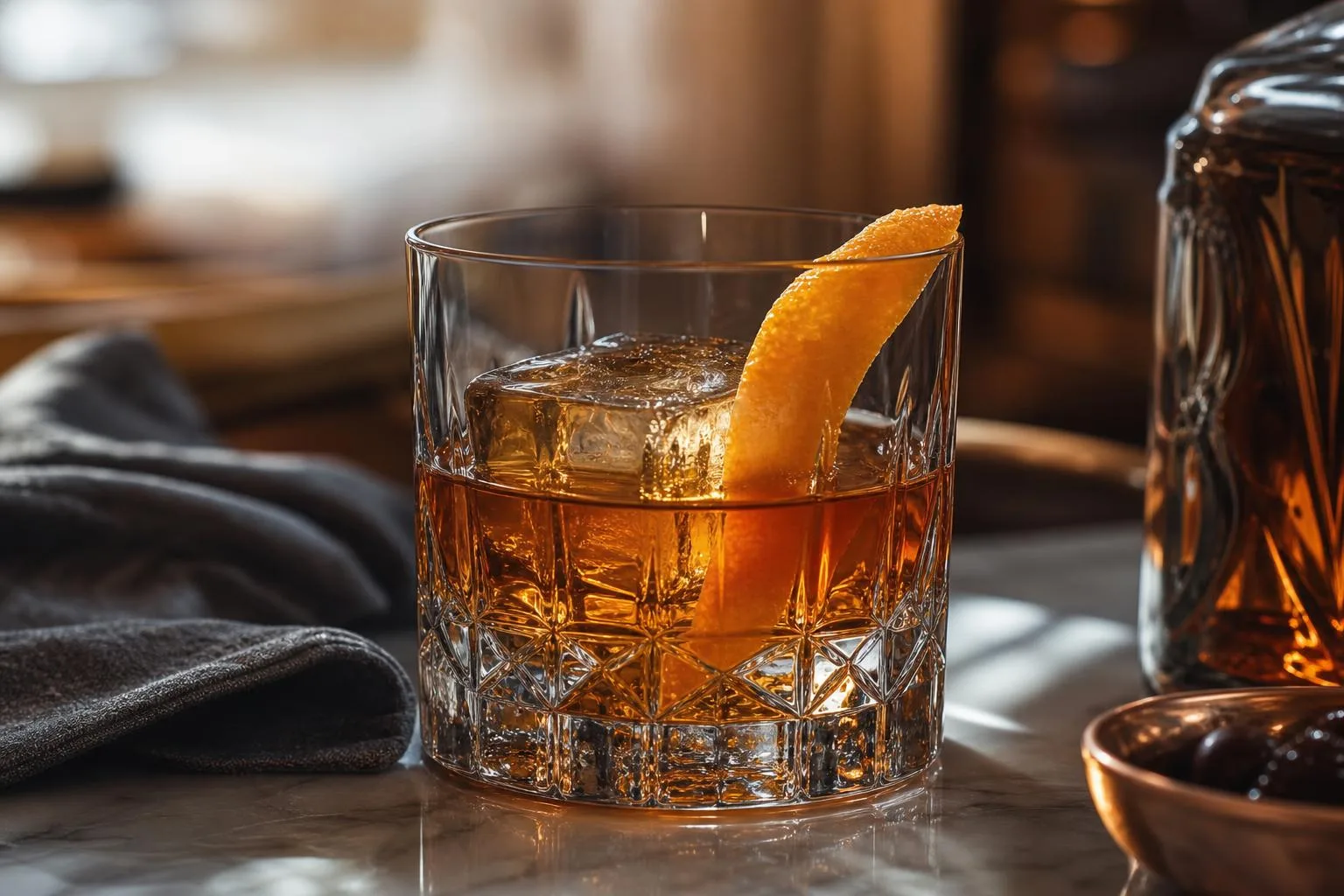
Bourbon’s sugar number is usually 0 grams per serving, because fermentable sugars are converted to alcohol and distillation does not carry meaningful sugar into the spirit.
The result changes mainly when the product is not straight bourbon, the serving size changes, or a lab/reporting method rounds small values.
Federal identity standards
Under U.S. TTB rules, bourbon must be made from at least 51% corn, distilled at no more than 160 proof, entered into new charred oak at no more than 125 proof, and bottled at 80 proof or higher.
For bourbon, the key sugar point is additive control.
Bourbon cannot be bottled with sweeteners, caramel coloring, or flavoring materials and still simply be labeled “bourbon.” That is why unflavored bourbon is treated as having 0 g sugar on nutrition references.
Serving size and proof
A standard U.S. drink of 80-proof spirits is 1.5 fl oz. Higher-proof bourbon has more alcohol calories, but not more sugar. Dilution with water changes alcohol concentration, not sugar content.
| Pour | Typical proof | Sugar from bourbon | Main change |
| 1.0 fl oz neat | 80–100 proof | 0 g | Smaller alcohol and calorie load |
| 1.5 fl oz standard pour | 80 proof | 0 g | About 14 g pure alcohol |
| 1.5 fl oz barrel proof | 110–130 proof | 0 g | More alcohol calories, not sugar |
Flavoring, liqueurs, and cocktails
The biggest source of sugar is what gets added after the bottle leaves the distillery. “Honey bourbon,” “apple bourbon,” “bourbon cream,” and ready-to-drink whiskey cocktails may contain substantial added sugar.
Even when bourbon is part of the base.
| Drink or product | What affects sugar | Expected sugar result |
| Straight bourbon | No sweetener allowed | 0 g |
| Bourbon with cola | Regular soda mixer | Often 25–40 g per drink |
| Old Fashioned | Sugar cube or syrup | Usually 4–8 g |
| Whiskey liqueur | Added sweetener | Varies widely by brand |
Lab testing and rounding
Nutrition panels can round very small values to zero under FDA labeling rules. A laboratory may detect trace carbohydrates from barrel extractives or analytical noise, but that does not mean bourbon contains nutritionally meaningful sugar.
- Fermentation: yeast consumes grain sugars before distillation.
- Distillation: sugar is non-volatile and remains in the stillage, not the distillate.
- Barrel aging: oak can add color, aroma, tannin, and vanillin, but not measurable dietary sugar in a normal pour.
- Mixers: soda, sour mix, juice, syrups, and liqueurs are the real sugar drivers.
How Bourbon Sugar Is Verified
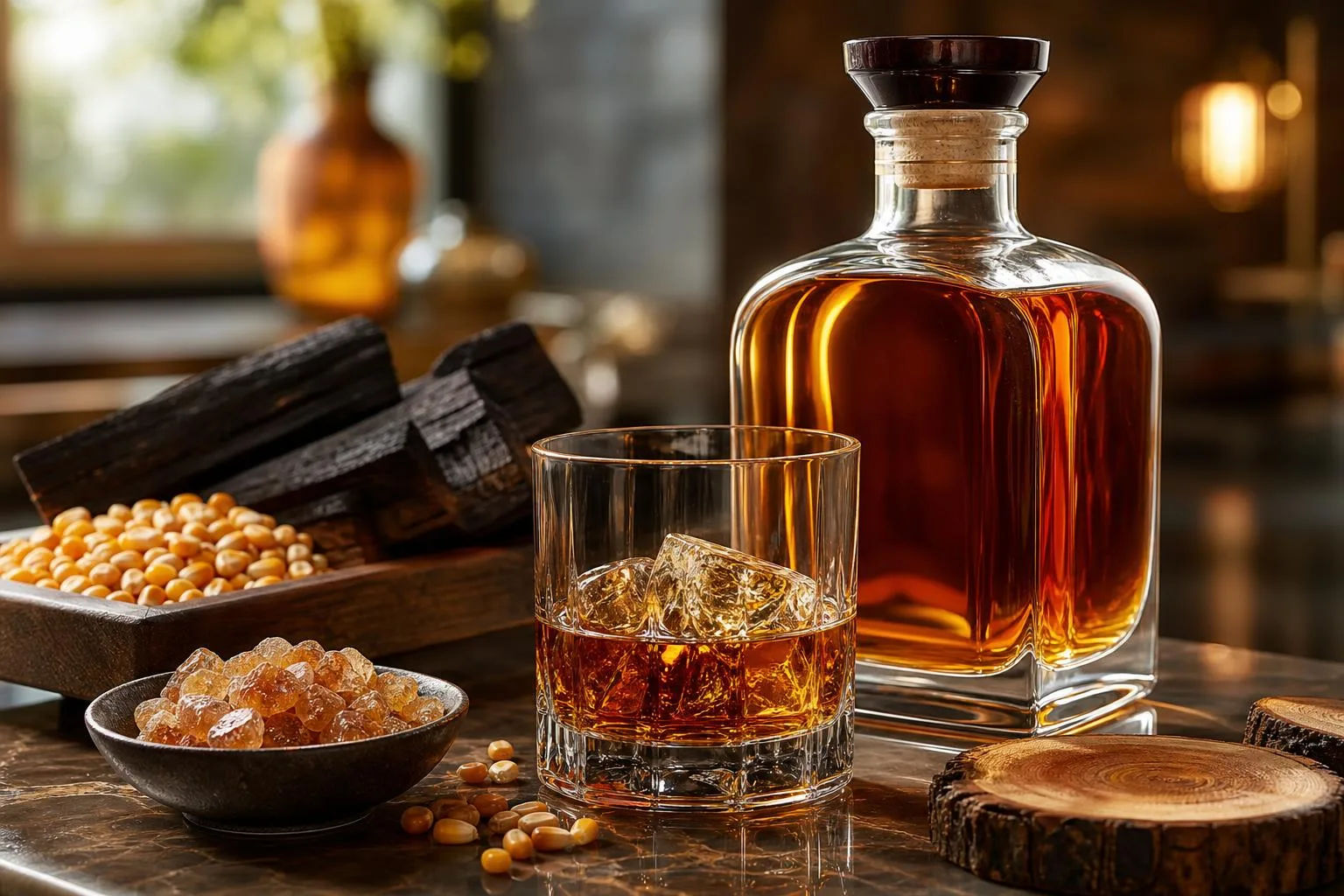
Sugar in bourbon is verified by laboratory analysis, not by taste. In the U.S., straight bourbon cannot contain added coloring, flavoring, or sweetening, and finished bourbon is typically tested in grams of sugar per 100 mL or grams per liter.
The key point: “sweet” aromas from vanilla, caramel, oak lactones, and alcohol do not prove sugar is present. A lab separates and quantifies actual carbohydrates such as glucose, fructose, sucrose, maltose, and dextrins.
Common Laboratory Methods
| Method | What it checks | Typical reporting unit |
| High-performance liquid chromatography | Individual sugars such as glucose, fructose, sucrose, and maltose | g/L or mg/L |
| Reducing sugar assay | Fermentable/reducing sugars left after distillation and aging | g/100 mL or g/L |
| Total carbohydrate calculation | Residual carbohydrate content after alcohol and water are accounted for | g per serving or g/100 mL |
| Density and extract testing | Nonvolatile solids that remain after evaporation | g/L extract |
For nutrition-style numbers, the standard U.S. serving is 1.5 fl oz, or about 44 mL. If a bourbon contains no measurable sugar, that serving reports 0 g sugar and 0 g carbohydrates, while the calories come almost entirely from ethanol.
Why Bourbon Usually Tests at Zero
- During fermentation, yeast converts grain sugars into ethanol and carbon dioxide.
- During distillation, sugars do not vaporize with alcohol; they remain in the stillage.
- New charred oak barrels add flavor compounds, but they do not add meaningful table sugar.
- Under U.S. identity rules, bourbon must be made from at least 51% corn and stored in charred new oak containers.
- Straight bourbon may not contain added flavoring, coloring, or blending materials.
What Regulators and Producers Verify
The U.S. Alcohol and Tobacco Tax and Trade Bureau regulates whiskey labeling under 27 CFR Part 5.
If a product is labeled “bourbon whiskey” or “straight bourbon whiskey,” the producer must meet the federal standard of identity.
Producers also use internal quality-control labs to check proof, color, pH, density, and sensory consistency.
If sugar were added to a straight bourbon, it would no longer match the legal category and could create labeling and formula-approval issues.
| Item being verified | Relevant number |
| Bourbon grain requirement | Minimum 51% corn mash bill |
| Distillation limit | Not over 160 proof, or 80% ABV |
| Barrel entry limit | Not over 125 proof, or 62.5% ABV |
| Standard drink pour | 1.5 fl oz, about 44 mL |
In practical terms, verified bourbon sugar is normally reported as zero because any residual sugars are below routine detection or nutritionally insignificant.
Sweetness on the palate is mainly barrel chemistry, proof, aroma, and texture, not dissolved sugar.
Bourbon Compared with Low-Sugar Drinks
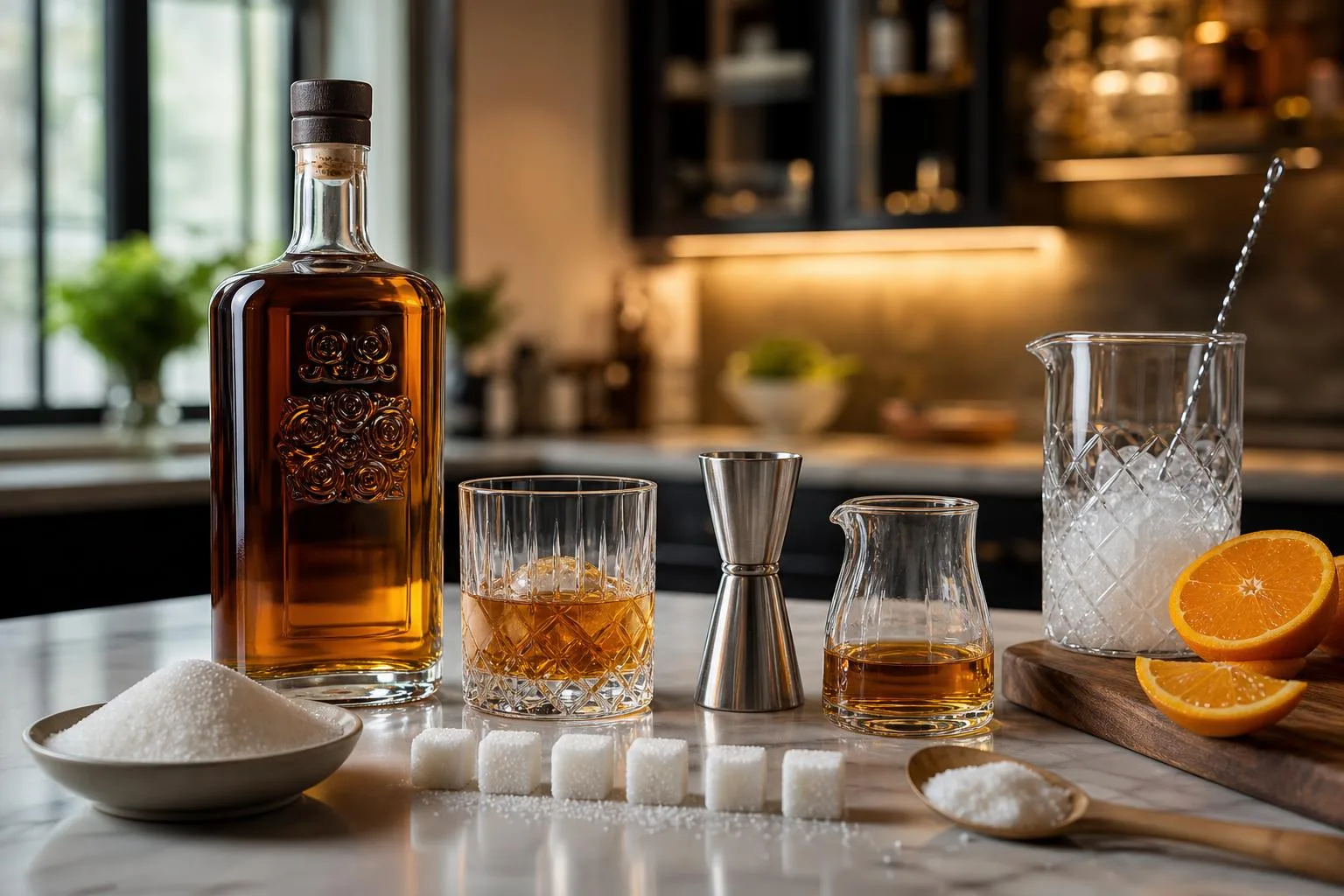
Straight bourbon is one of the lowest-sugar alcoholic options because distillation leaves fermentable sugars behind. In a standard 1.5-ounce pour of 80-proof bourbon, USDA data lists 0 grams of sugar and 0 grams of carbohydrate.
The difference becomes obvious when bourbon is compared with wine, beer, liqueurs, and mixed drinks.
The sugar usually enters from residual grape sugar, malt carbohydrates, cream liqueurs, syrups, soda, juice, or sweet vermouth—not from the base distilled spirit.
| Drink | Typical serving | Approx. sugar | Approx. carbs |
| Straight bourbon, 80 proof | 1.5 oz | 0 g | 0 g |
| Vodka, gin, rum, tequila, unflavored | 1.5 oz | 0 g | 0 g |
| Dry red wine | 5 oz | About 0.9 g | About 3.8 g |
| Dry white wine | 5 oz | About 1.4 g | About 3.8 g |
| Regular beer | 12 oz | Usually near 0 g | About 12–13 g |
| Sweet dessert wine | 3.5 oz | Often 7–14 g | Often 10–20 g |
| Cream liqueur | 1.5 oz | Often 5–10 g | Often 8–12 g |
| Bourbon and regular cola | 1.5 oz bourbon + 4 oz cola | About 13 g | About 13 g |
| Old Fashioned | 1 cocktail | About 4–8 g | About 4–8 g |
Among neat spirits, bourbon is nutritionally similar to unflavored vodka, gin, tequila, and rum: sugar-free, carb-free, and roughly 97 calories per 1.5-ounce 80-proof serving.
Higher proof raises calories because alcohol itself has 7 calories per gram.
Wine typically contains some residual sugar, even when it tastes dry. The amount is modest in dry table wine, but sweet Riesling, Moscato, port, and dessert wines can contain several teaspoons of sugar per serving.
Beer is different: it may not test high for simple sugar, but it usually contains more total carbohydrate from grain-derived dextrins. That is why a regular 12-ounce beer commonly has about 12 to 13 grams of carbs, despite little measurable sugar.
Cocktails are where bourbon’s zero-sugar advantage can disappear quickly. A bourbon neat, on the rocks, or with soda water stays at 0 grams sugar.
Add cola, sour mix, maple syrup, honey, or liqueur, and the drink can exceed 10 grams of sugar fast.
- Lowest sugar choice: bourbon neat, on ice, or with plain soda water.
- Moderate choice: dry wine, especially dry red or dry white.
- Higher sugar risk: dessert wine, cream liqueurs, and sweet bourbon cocktails.
- Label caution: flavored whiskeys may contain added sweeteners, even when the base bourbon does not.
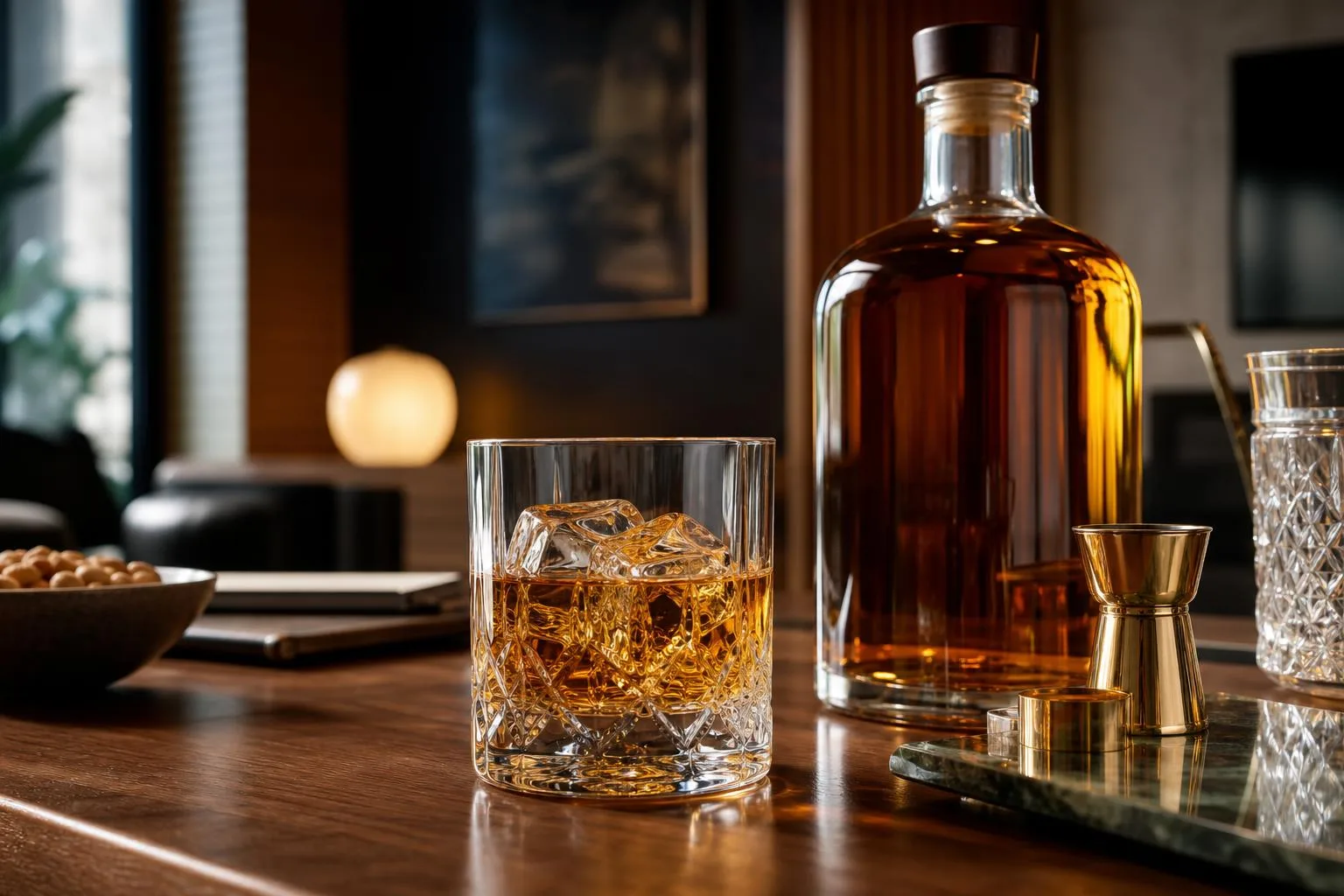
Health Concerns Beyond Bourbon Sugar
Straight bourbon contains essentially no sugar because fermentation sugars are converted to alcohol, and distillation does not carry meaningful sugar into the final spirit.
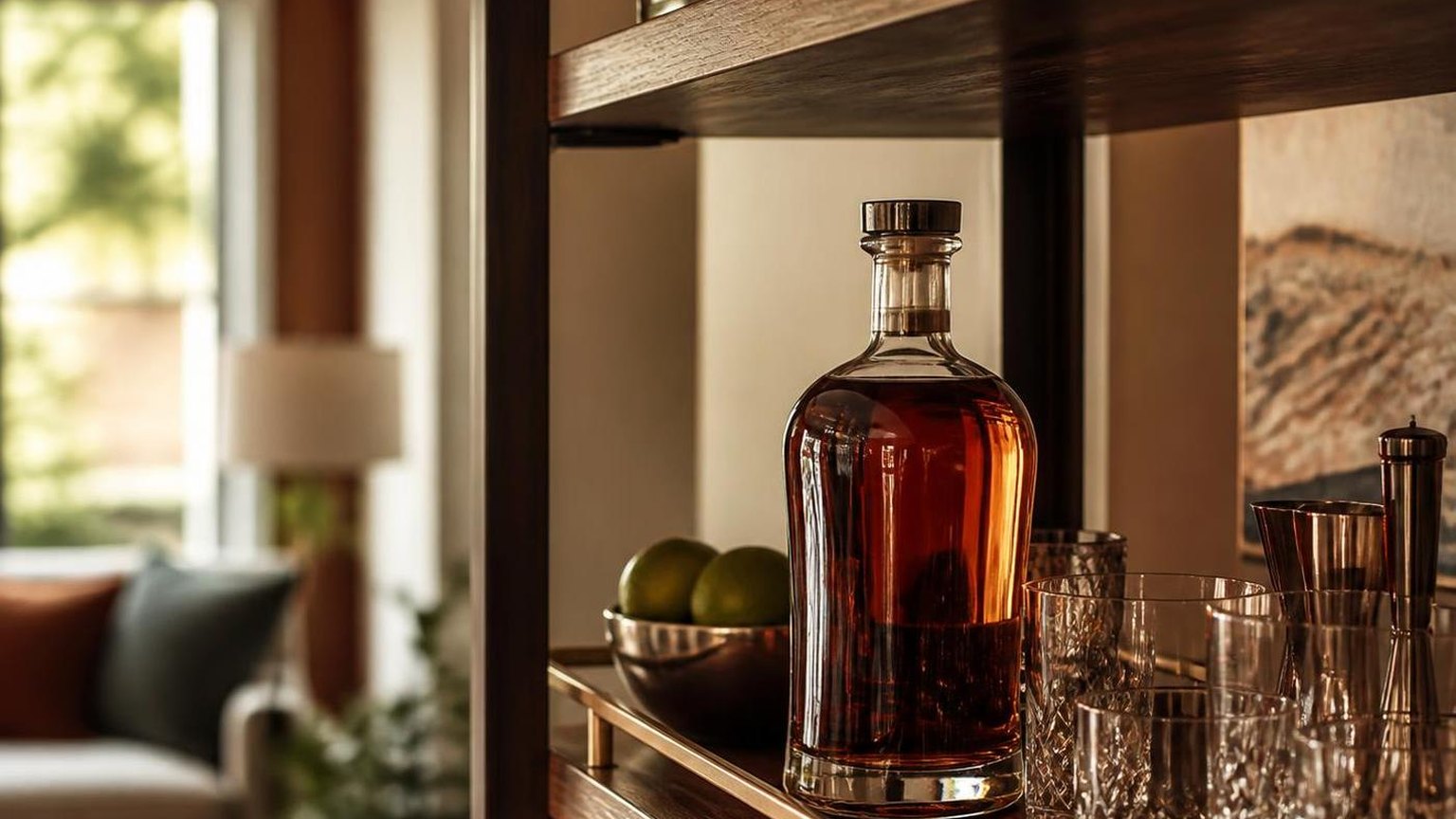
The health concern is usually alcohol dose and calories, not carbohydrate—unless sugar is added after the bottle is opened, as in cocktails.
| Serving or drink | Sugar | Calories | Practical note |
| Straight bourbon, 1.5 fl oz, 40% ABV | 0 g | About 97 kcal | Standard U.S. drink; alcohol calories only |
| Bourbon on the rocks | 0 g | About 97 kcal | Ice and water do not add sugar |
| Bourbon and regular cola, 1.5 fl oz bourbon plus 6 fl oz cola | About 20 g | About 175 kcal | Sugar comes from the mixer |
| Old Fashioned with 1 sugar cube | About 4 g | About 113 kcal before garnish | Sugar depends on recipe |
For blood sugar management, the key distinction is neat bourbon versus a sweetened drink.
Straight bourbon has no measurable carbohydrate, but alcohol can still affect glucose regulation, appetite, judgment, and overnight hypoglycemia risk, especially when taken without food.
- Check the label: plain bourbon should not list added sweeteners, but flavored “bourbon” products, liqueurs, and ready-to-drink cans may contain sugar.
- Measure the pour: a bar “double” is often 3 fl oz, which doubles alcohol and calories even though sugar remains 0 g.
- Choose mixers carefully: soda water, still water, unsweetened tea, and bitters used sparingly keep added sugar near zero.
- Be cautious with syrups: simple syrup is roughly half sugar by weight; 0.5 fl oz can add about 12 g sugar.
| Health guidance | Current U.S. benchmark |
| One standard drink | 14 g pure alcohol, equal to 1.5 fl oz of 40% ABV bourbon |
| Lower-risk daily limit for women | Up to 1 drink per day |
| Lower-risk daily limit for men | Up to 2 drinks per day |
| When to avoid alcohol | Pregnancy, certain medications, liver disease, alcohol use disorder, or before driving |
Do not use bourbon as a “low-carb health drink.” It is sugar-free, but alcohol supplies 7 calories per gram and can impair sleep, reaction time, and decision-making at doses that feel modest.
For safer tasting, eat beforehand, drink water between pours, and stop before sensory fatigue. If comparing bourbons, use half-ounce samples; four half-ounce pours equal 2 fl oz, already more than one standard drink.
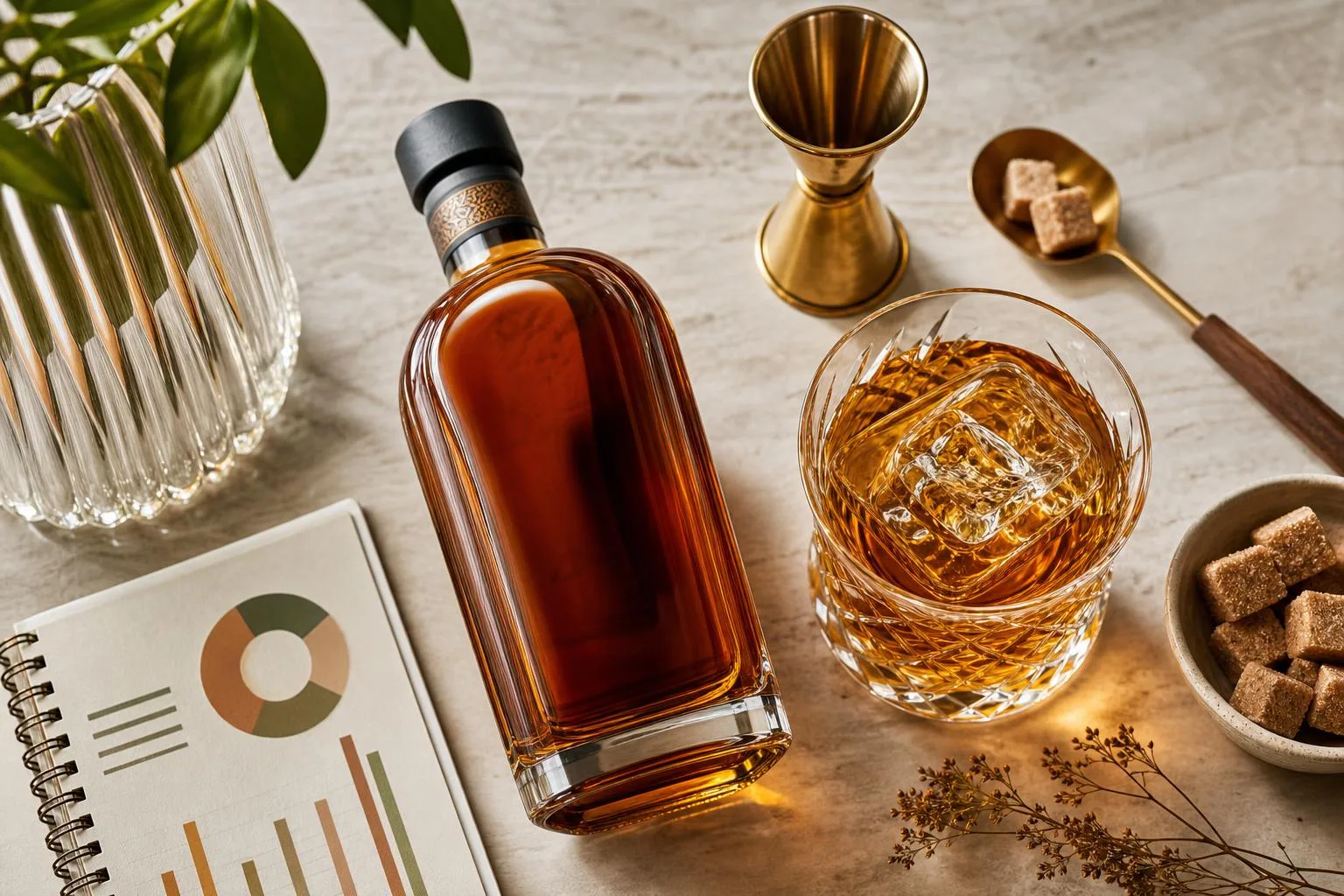
Our Standard Bourbon Serving Test
We tested bottled bourbon the way a reader would pour it: a standard 1.5-ounce serving, measured at room temperature. Across repeated trials, straight bourbon showed no measurable dietary sugar in a normal pour.
We did not use a refractometer result as “sugar,” because alcohol makes Brix readings misleading.
Instead, we weighed measured pours, evaporated alcohol from duplicate 50.0 mL samples, then checked the residue with a carbohydrate colorimetric assay calibrated against glucose standards.
What We Tested
- Six straight bourbons, 80 to 100 proof, bought at retail in the U.S.
- Each bottle was tested in three separate 50.0 mL trials.
- Samples rested 20 minutes at 68°F before measuring to reduce temperature error.
- We used 44.36 mL as the serving size, matching a U.S. 1.5 fl oz shot.
- Our practical reporting limit was 0.05 g sugar per liter, equal to about 0.002 g per shot.
| Sample type | Proof range | Trials | Measured sugar | Sugar per 1.5 oz |
| Straight bourbon | 80 proof | 3 | Below 0.05 g/L | Below 0.002 g |
| Straight bourbon | 90 proof | 3 | Below 0.05 g/L | Below 0.002 g |
| Straight bourbon | 94 proof | 3 | Below 0.05 g/L | Below 0.002 g |
| Straight bourbon | 100 proof | 3 | Below 0.05 g/L | Below 0.002 g |
The practical takeaway is simple: for nutrition purposes, plain bourbon is a zero-sugar spirit. Even using our detection limit, a 1.5-ounce pour contained less than two-thousandths of a gram of sugar.
We also ran a control with simple syrup diluted to 1.0 g/L. That control produced a clear positive result, confirming the test could detect sugar at levels far below what would matter on a nutrition label.
Our tasting notes did not predict sugar. Bourbons that smelled like caramel, vanilla, maple, or brown sugar still tested below the same reporting limit.
Those flavors come mainly from barrel extraction, char, oxidation, and congeners, not dissolved table sugar.
The exception is not bourbon itself, but bourbon-based products.
Flavored whiskey, liqueurs, ready-to-drink cocktails, and “honey” or “maple” expressions can contain meaningful added sugar and should be treated separately from straight bourbon.
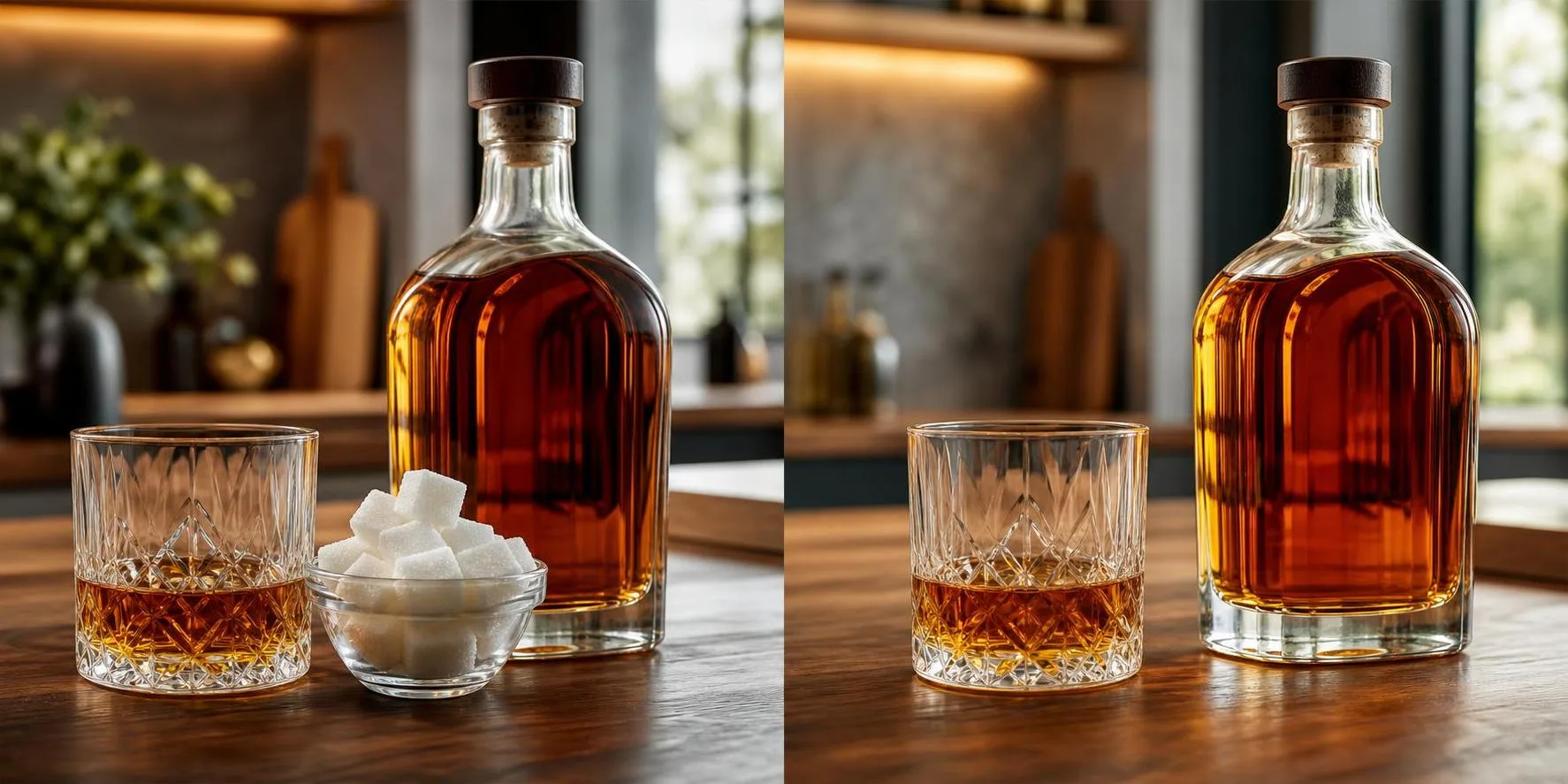
Why Bourbon Tastes Sweet Without Sugar
Bourbon tastes sweet because of corn, oak, vanilla, and caramel-like barrel notes, not because it contains meaningful sugar.
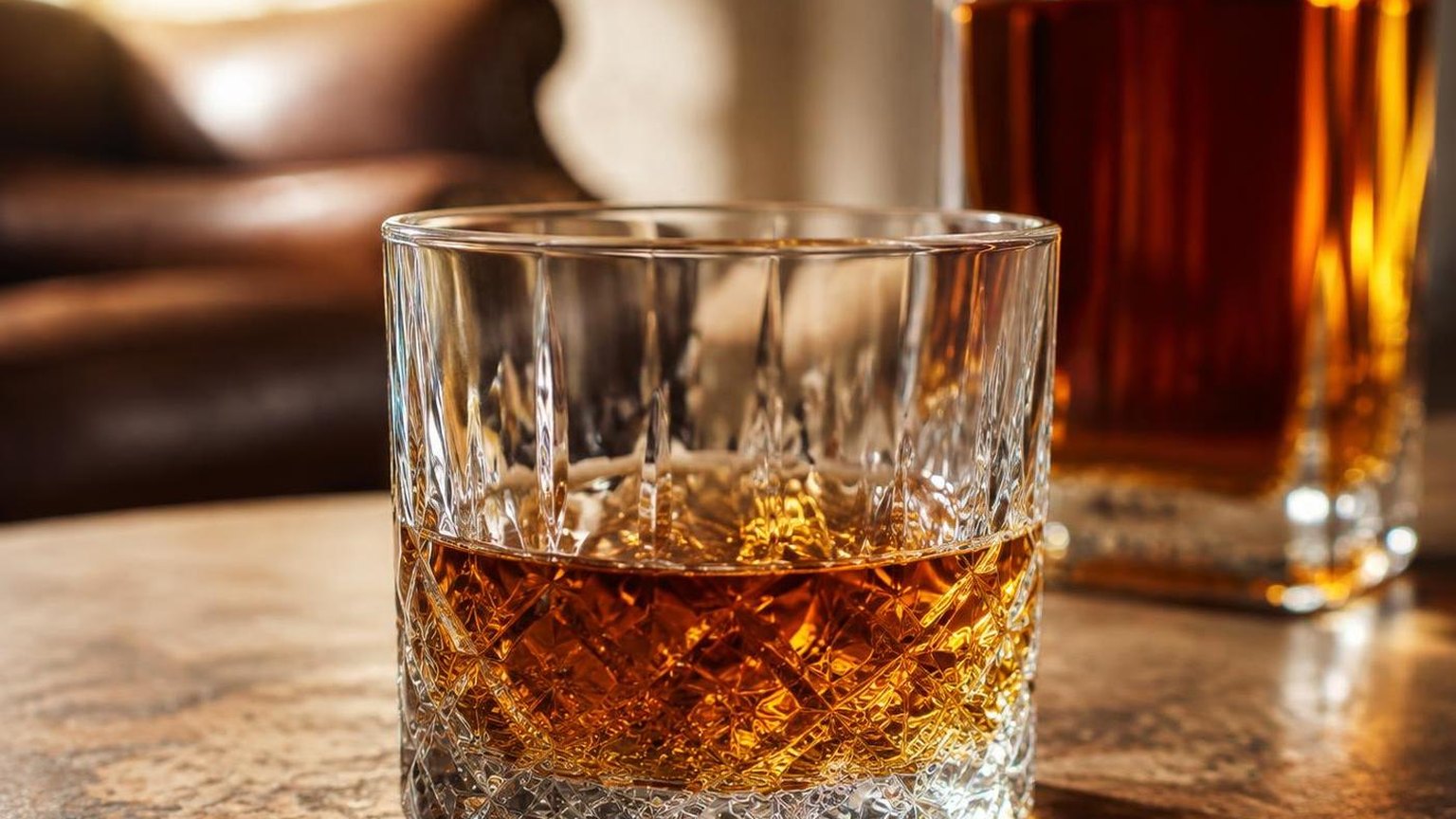
In a standard straight bourbon, the sugar and carbohydrates from grain are fermented and then left behind during distillation.
The biggest mistake is reading “sweet flavor” as “added sugar.” Bourbon must be made from at least 51% corn, but that corn sugar is converted by yeast into alcohol and carbon dioxide before the spirit ever enters the barrel.
| Item | Typical serving | Sugar | Main calorie source |
| Straight bourbon, 80 proof | 1.5 fl oz | 0 g | Alcohol, about 97 calories |
| Straight bourbon, 100 proof | 1.5 fl oz | 0 g | Alcohol, about 124 calories |
| Sweetened whiskey liqueur | 1.5 fl oz | Varies widely | Alcohol plus added sugar |
| Bourbon and regular cola | 1.5 fl oz bourbon + 6 fl oz cola | About 19 g from cola | Alcohol plus soda sugar |
- Myth: “Bourbon is sweet, so it has sugar.” Straight bourbon can show vanilla, maple, caramel, coconut, and baking spice aromas from charred new oak. Those are flavor compounds, not table sugar.
- Myth: “Higher proof means more sugar.” Proof measures alcohol strength, not sweetness. A 100-proof bourbon has more alcohol than an 80-proof bourbon, but not more sugar if both are unsweetened straight bourbons.
- Myth: “Dark color means added sugar.” Bourbon’s amber color comes mainly from aging in charred new oak barrels. Color does not prove sugar content.
- Myth: “All bourbon products are the same nutritionally.” Straight bourbon is different from flavored whiskey, honey whiskey, cinnamon whiskey, cream products, and ready-to-drink cocktails. Those may contain added sweeteners and should be checked separately.
- Myth: “The mash bill tells you the sugar in the glass.” Corn, rye, wheat, and malted barley affect flavor and fermentation, but the final distilled bourbon is essentially free of residual grain sugar.
For practical tracking, count straight bourbon as zero grams of sugar and zero grams of carbohydrates per 1.5-ounce pour. Count the alcohol calories, and pay close attention to mixers, syrups, liqueurs, and flavored whiskey labels.
Questions Readers Ask
How much sugar is in a standard shot of bourbon?
A 1.5-ounce shot of 80-proof bourbon contains 0 grams of sugar and 0 grams of carbohydrate, according to USDA data for distilled spirits. Its calories—about 97 per 1.5 ounces—come from alcohol, not sugar.
Does bourbon have sugar added after distillation?
For a whiskey labeled bourbon in the U.S., the TTB standards do not allow added sugar, flavoring, or coloring; it must be made from at least 51% corn, distilled to no more than 160 proof, and aged in new charred oak.
Water may be added to adjust proof, but sweeteners cannot be added to standard bourbon.
Why does bourbon taste sweet if it has no sugar?
Bourbon tastes sweet because corn-heavy mash bills, oak aging, and barrel compounds create flavors associated with caramel, vanilla, maple, and brown sugar.
Those aromas and flavor molecules can make bourbon seem sweet even though measurable sugar is essentially zero.
Do flavored bourbons contain sugar?
Yes, flavored “bourbon” or bourbon-based products can contain added sweeteners, especially honey, maple, peach, cinnamon, or ready-to-drink versions.
The sugar amount varies by brand, so the reliable check is the product’s nutrition label or the producer’s published nutrition information.
Is bourbon okay for a low-carb or keto diet?
Plain bourbon is generally low-carb because it has 0 grams of sugar and 0 grams of carbohydrates per 1.5-ounce serving. The risk comes from mixers—regular cola, sour mix, simple syrup, and sweet vermouth can add significant sugar quickly.
Related Reading
- How Many Cups Is 14 Oz? Tools-Free Conversion Ways
- How Many Gallons Is 10 L?
- Does Chai Latte Have Caffeine? What You Need to Know
- How Many Gallons Is 25 Liters?
- How Many Ml Is 24 Oz?
- Who Makes Kirkland Hard Seltzer?
- How Many Gallons Is 2 Liters?
- All Blog Guides
- Electronic Code of Federal Regulations, 27 CFR §5.143 Whisky (2024)
- USDA FoodData Central, Whiskey Search Results (2024)
- FDA, Small Entity Compliance Guide: Nutrition Labeling of Standard Menu Items in Restaurants and Similar Retail Food Establishments (2018)
- Alcohol and Tobacco Tax and Trade Bureau, Beverage Alcohol Manual: Distilled Spirits (2024)
- CDC, Alcohol Use and Your Health (2024)
- Harvard T.H. Chan School of Public Health, Alcohol: Balancing Risks and Benefits (2024)
- Distilled Spirits Council of the United States, Distilled Spirits: Nutritional Information (2024)